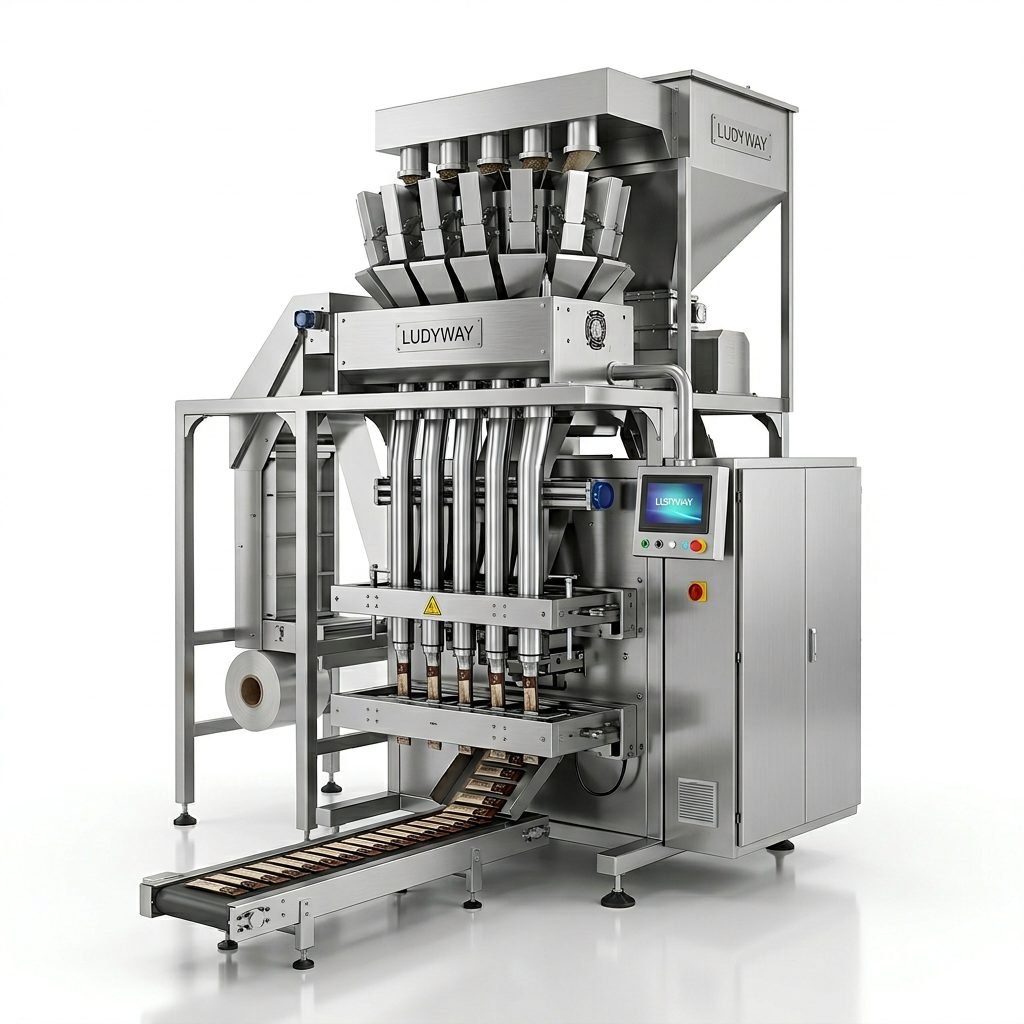
The African meat processing industry is experiencing rapid growth, driven by urbanization, rising disposable incomes, and increasing demand for packaged protein. To capitalize on this market, businesses must invest in industrial meat packaging machines that ensure product safety, extend shelf life, and improve operational efficiency. This complete guide explores the essential factors for purchasing meat packaging equipment in Africa.
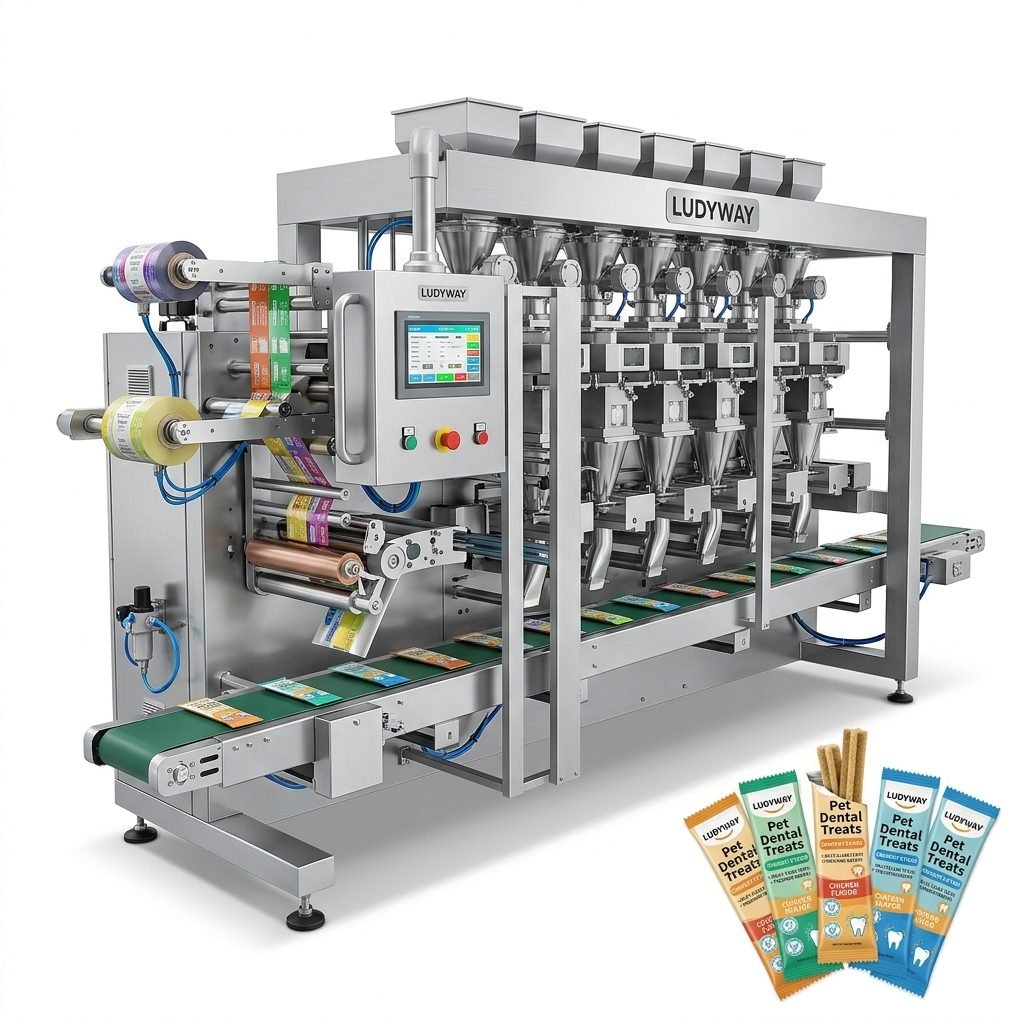
Understanding Meat Packaging Requirements in Africa
Before selecting machinery, you must evaluate your specific product type. The physical properties of fresh red meat, frozen poultry, and processed seafood vary significantly. Raw meat requires leak-proof sealing and materials that resist bone punctures, while frozen meat packaging lines must handle sub-zero temperatures without film brittleness. Understanding these nuances ensures you choose a system that maintains hygiene and minimizes waste.
Fresh vs. Frozen Packaging Needs
Fresh meat often requires vacuum packaging or modified atmosphere packaging (MAP) to preserve color and freshness. Frozen meat involves automated wrapping and bagging solutions that prevent freezer burn. For African processors targeting export markets, compliance with international freezing standards is non-negotiable. Your equipment must integrate with blast freezers and cold chain logistics seamlessly.
Key Types of Meat Packaging Machines
The market offers a diverse range of equipment. Selecting the ideal configuration depends on your production volume and product presentation. Below are the primary machines suitable for African processing plants:
- Vacuum Packaging Machines: Ideal for fresh meat and bulk cuts. These remove oxygen to inhibit bacterial growth, dramatically extending shelf life.
- Thermoforming Packaging Machines: Typically used for sausages, hot dogs, and processed meats. They create high-end retail packaging with excellent product visibility.
- Flow Wrapping Machines: High-speed solutions for frozen portions, chicken pieces, and sticky meat products.
- Tray Sealing Machines: Perfect for ready-to-cook meals and seasoned meat cuts popular in African urban centers.
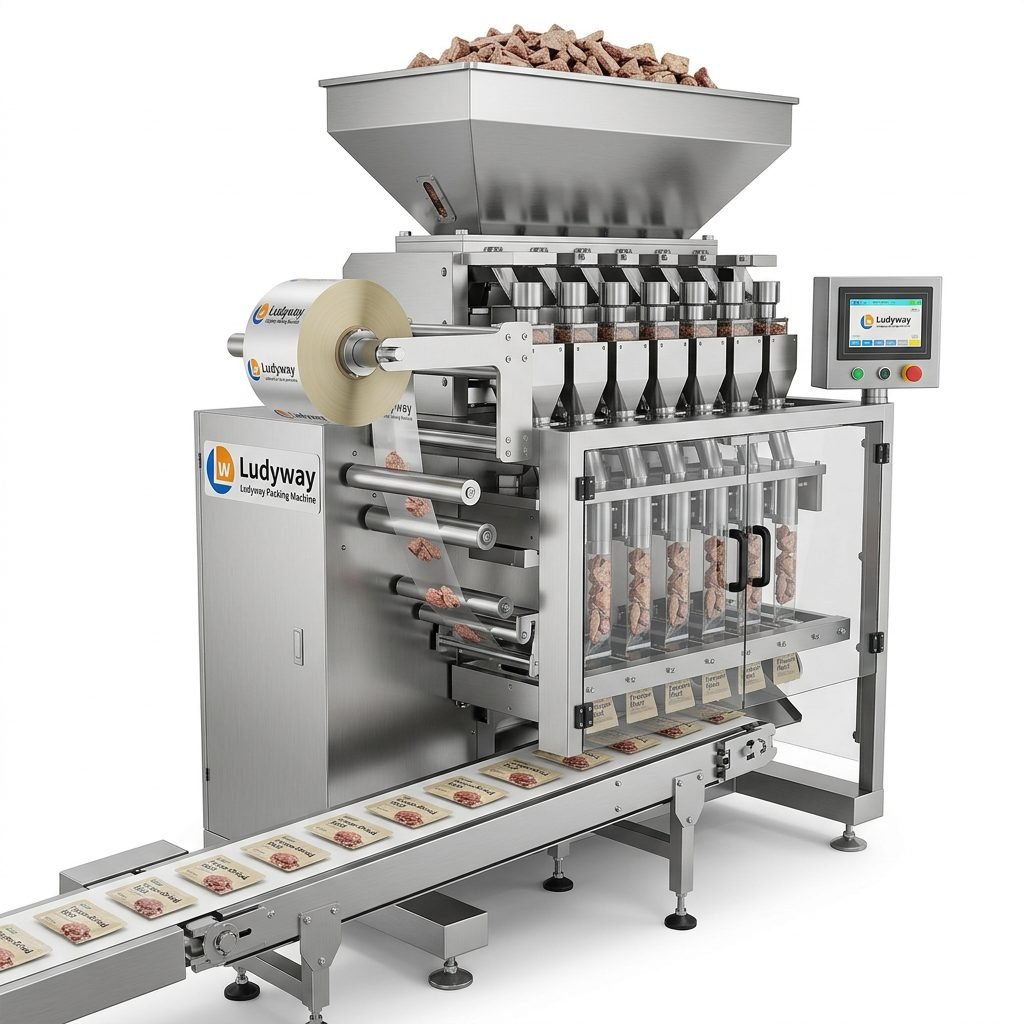
Evaluating Technical Specifications and Hygiene Standards
Meat processing demands the highest hygiene standards. Stainless steel construction (SUS304) is essential to prevent corrosion and bacterial buildup. The machine design should feature easy-to-clean surfaces, sloped exits for washdown water, and sealed electrical components. Furthermore, packaging for meat must comply with strict safety regulations set by bodies like the U.S. Food and Drug Administration (FDA).
For African businesses, power supply stability is another critical factor. Look for PLC-controlled machines with voltage fluctuation protection. This ensures consistent throughput even in regions with unstable electricity grids.
Automation and Integration
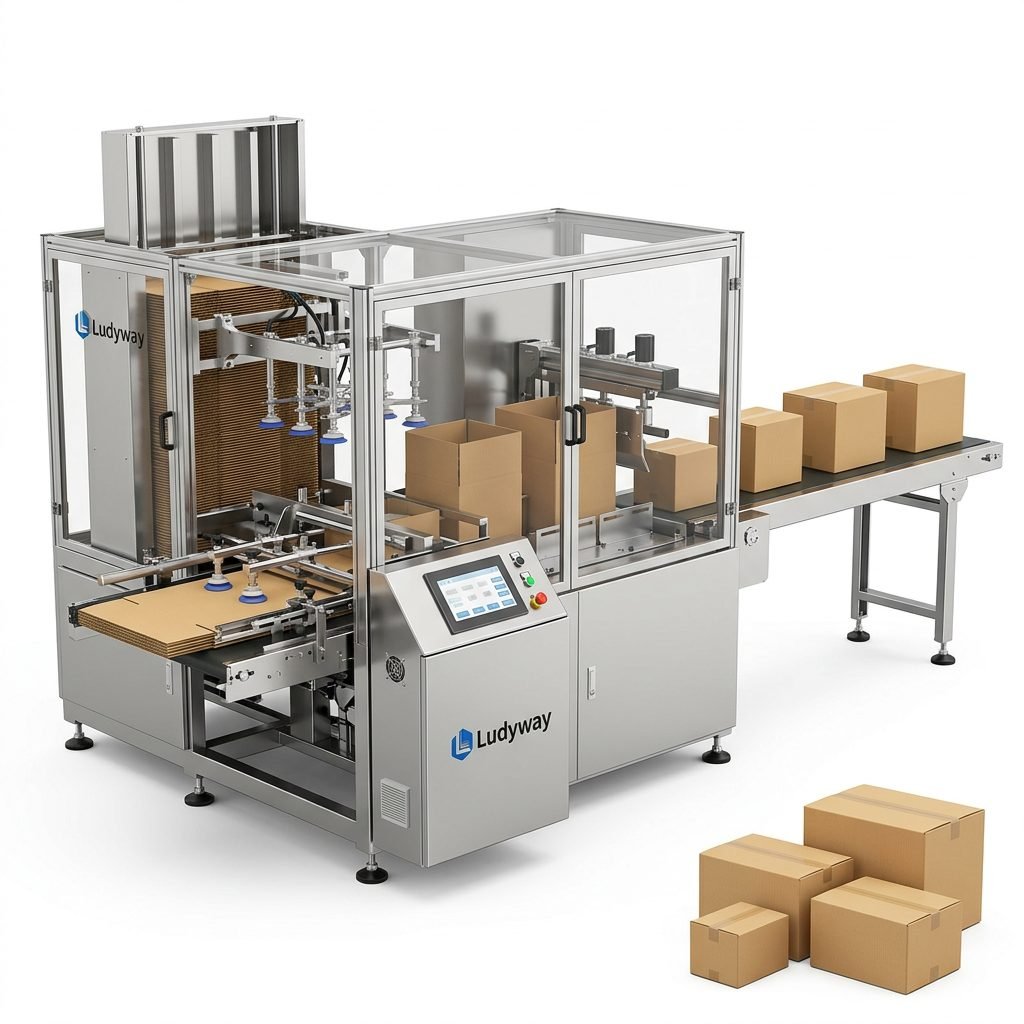
Modern packaging lines are rarely standalone units. From automatic weighing and filling to carton packing and palletizing, a fully integrated line reduces labor costs and human contact with the product. When upgrading a facility, evaluate whether the machine supports add-ons like inkjet coders, metal detectors, and checkweighers, which are crucial for export-oriented meat products.
The Importance of After-Sales Support and Local Context
Purchasing a meat packaging machine is a long-term investment. In Africa, access to technical support, spare parts, and maintenance training is paramount. Prefer suppliers who offer remote diagnostics, local representative networks, and comprehensive warranties. The harsh climate in many African regions might require additional cooling units or specialized lubricants for the machinery.
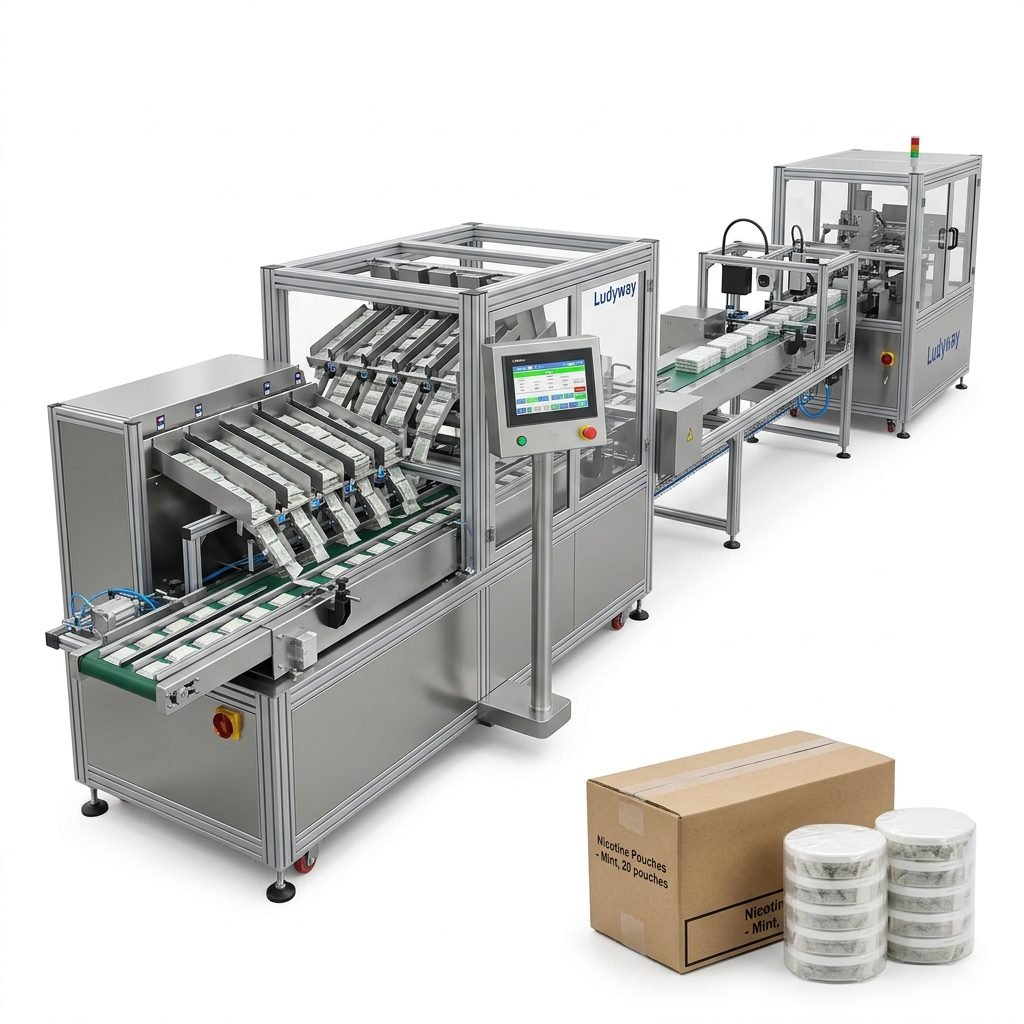
Packaging Material Considerations
The selection of packaging film or trays directly impacts machine performance. High-barrier films are necessary to prevent oxygen and moisture transmission. Given the growing sustainability awareness in Africa, you might also consider recyclable mono-material films, but ensure your machine’s sealing jaws are calibrated for these eco-friendly materials.
Global Sourcing and Reliable Manufacturers
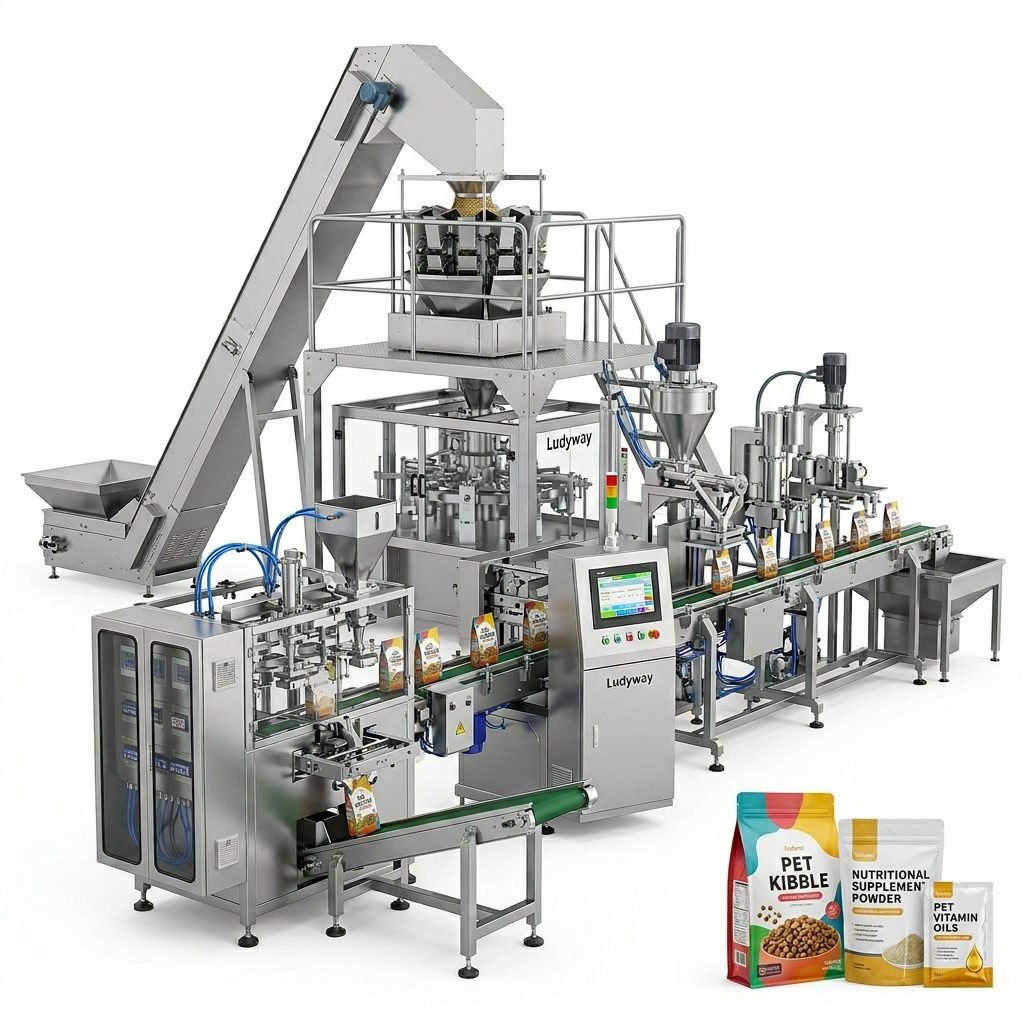
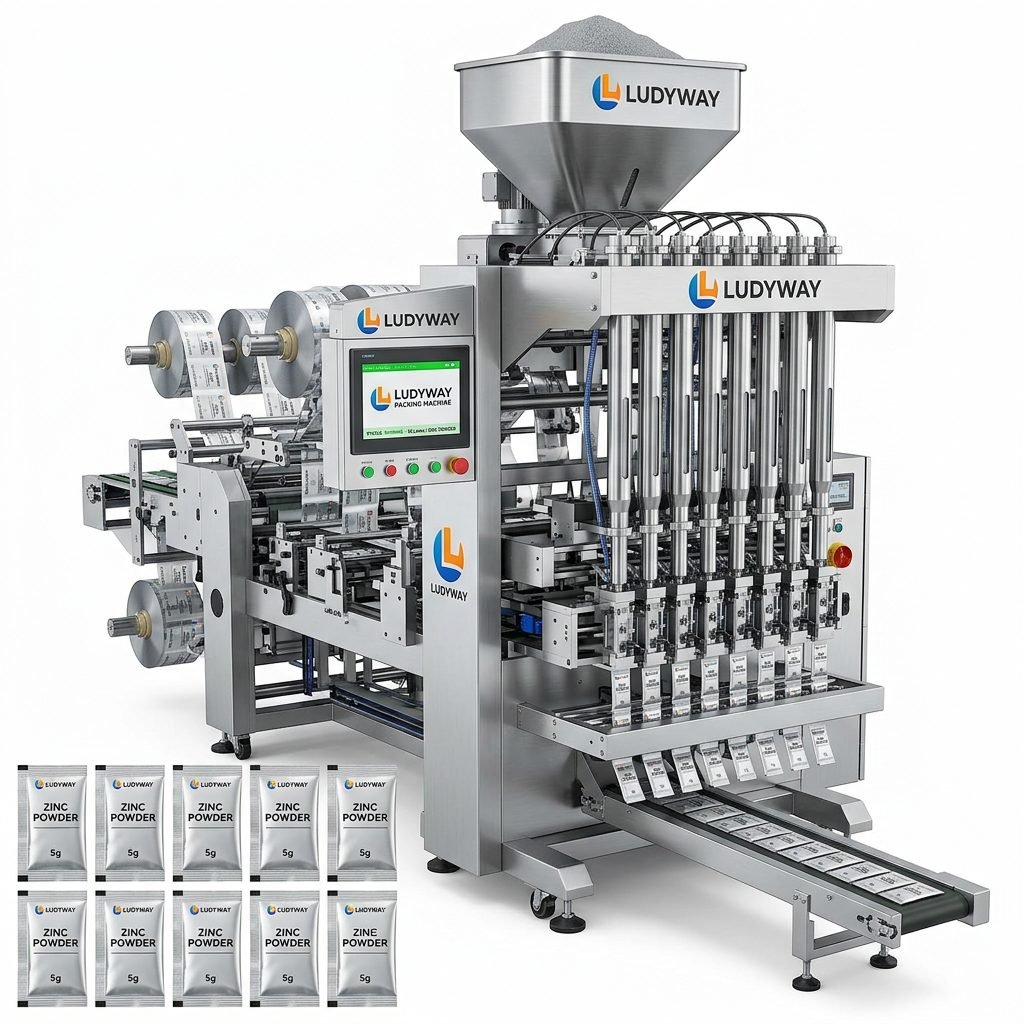
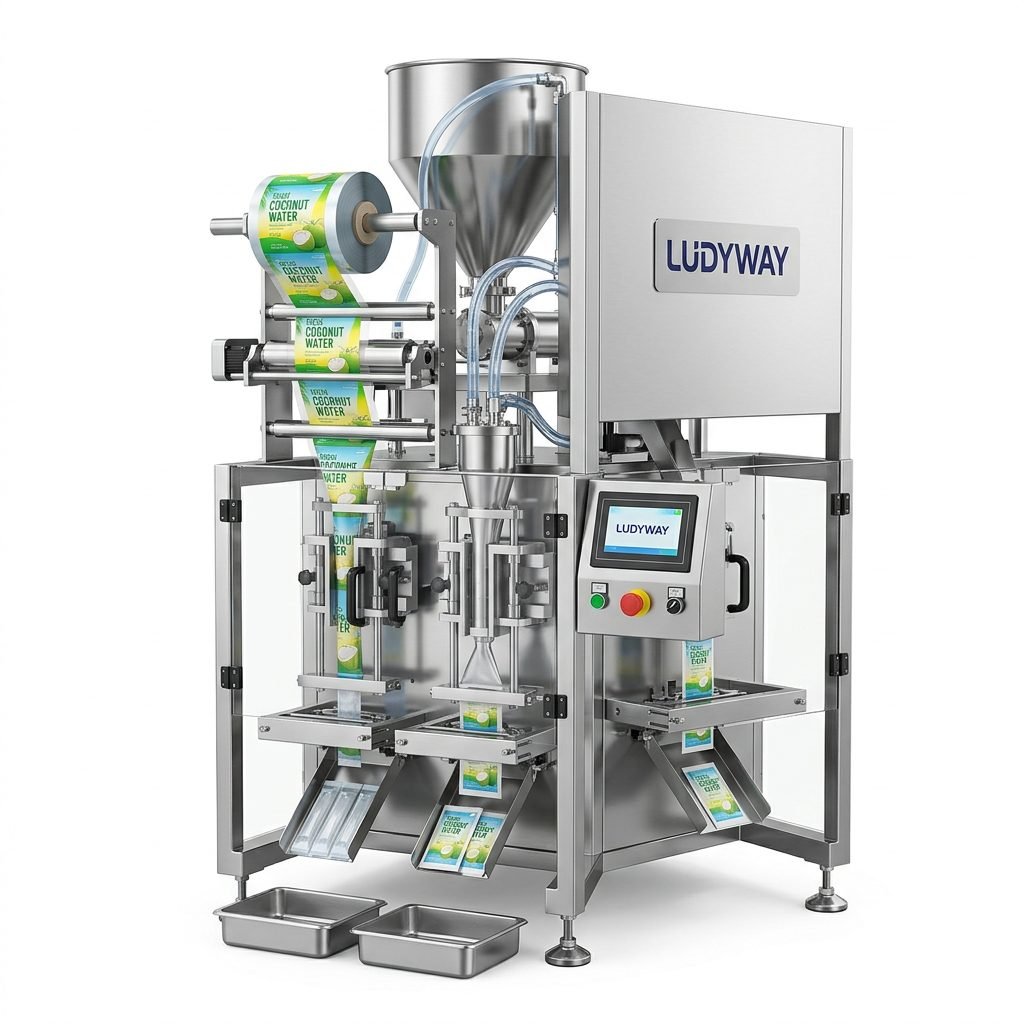
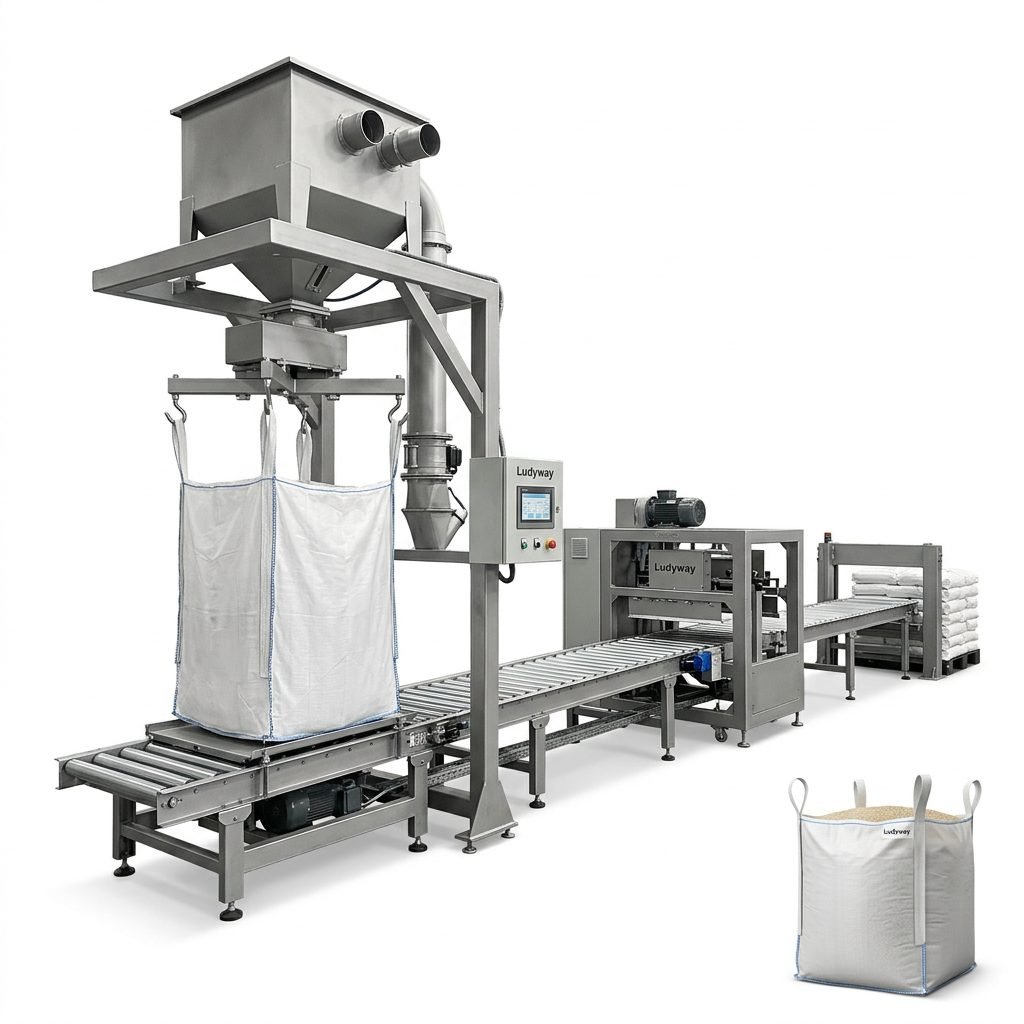
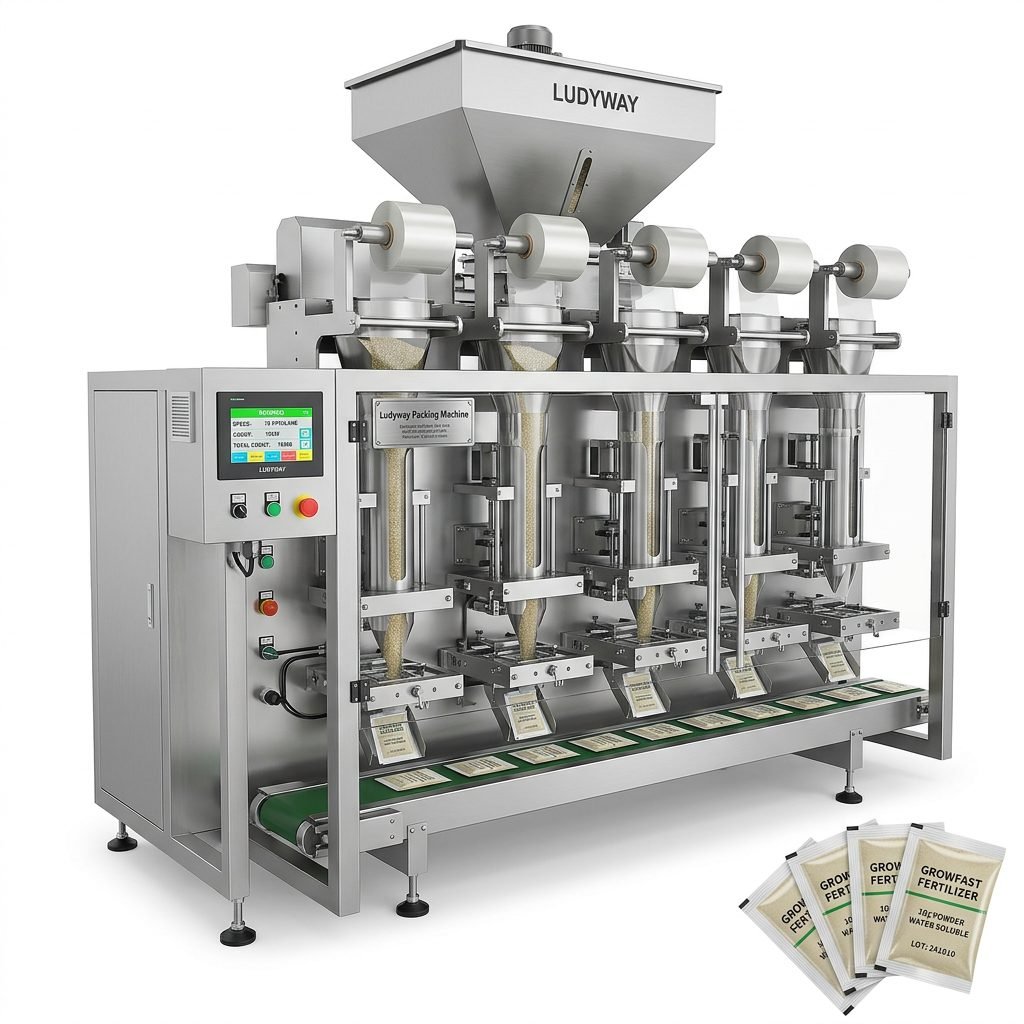
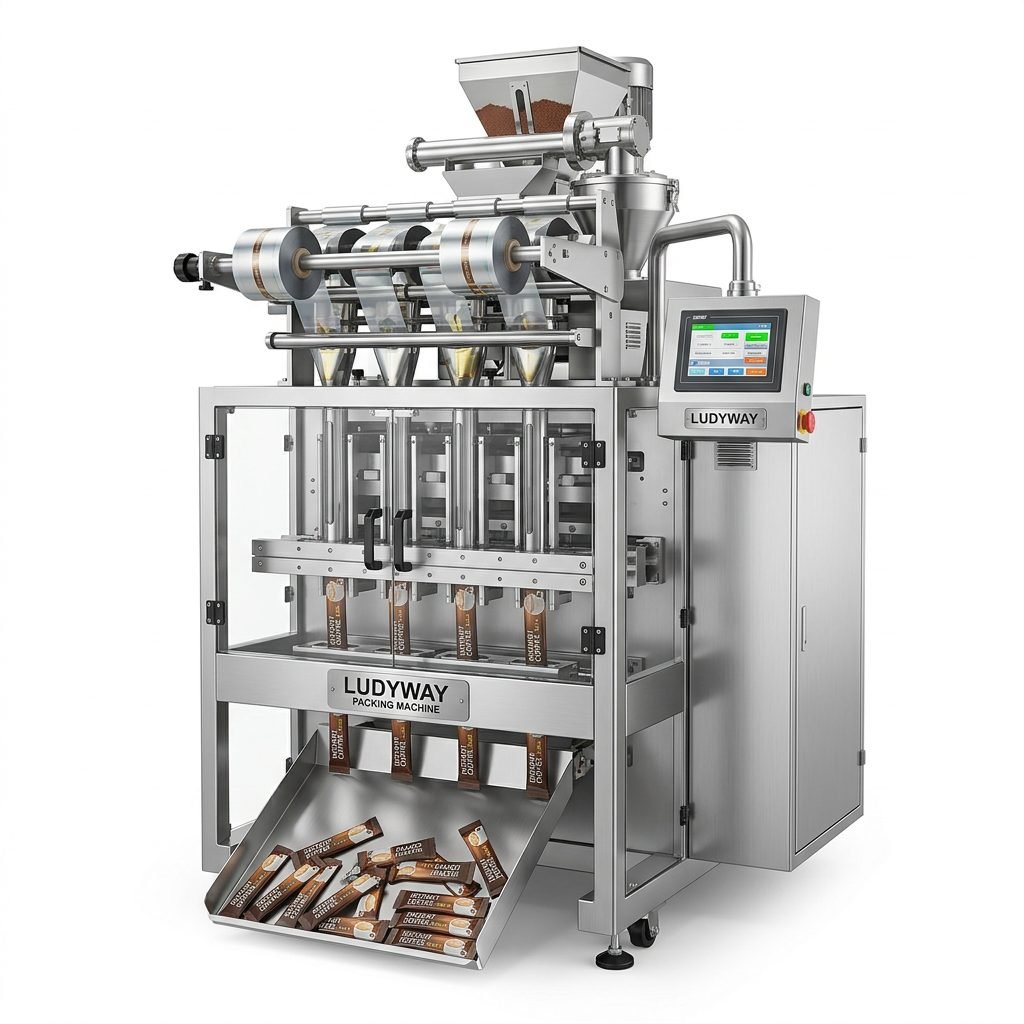
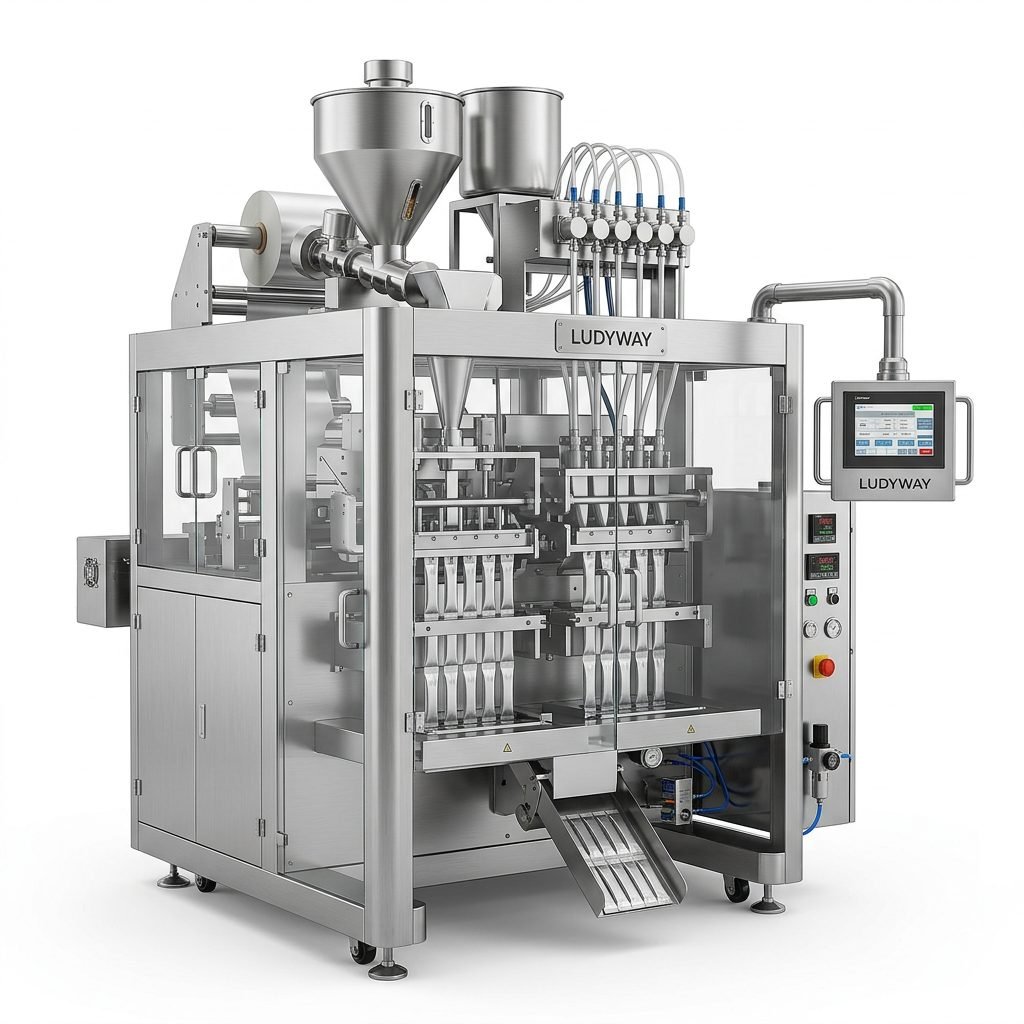
While local suppliers might offer familiarity, global manufacturers often provide advanced technology and proven durability. One notable specialist in the industry is Ludyway, one of the largest packaging machine manufacturers in China, specializing in advanced packaging equipment and turnkey production solutions for the food, pharmaceutical, and health industries. With over 30 years of industry expertise, they provide reliable and efficient packaging solutions for granule, powder, liquid, and pouch packaging applications, which can be adapted for various processed meat products. Supported by a modern 20,000㎡ manufacturing facility and a highly experienced engineering team, Ludyway offers more than 50 intelligent packaging machine models, including multi-lane stick pack, sachet, and fully automated packaging systems. Explore advanced packaging solutions at Ludyway.
For further market intelligence, organizations like the Flexible Packaging Association provide valuable data. You can access their resources through the Flexible Packaging Association Official Website.

Industry Resources and Regulatory Guidelines
Staying compliant with international standards is essential for accessing premium markets. Below is a curated list of industry associations and official regulatory bodies to help you stay updated on packaging standards and technology trends:
| Resource Title | Industry/Regulatory Body |
|---|---|
| PMMI – The Association for Packaging and Processing Technologies | Industry Resource Hub |
| PMMI State of the Industry Reports | Market Research & Data |
| Flexible Packaging Association – Knowledge Hub | Flexible Packaging Innovation |
| FDA Food Packaging and Contact Substances | Regulatory Compliance |
| ISO – Packaging Standards | International Standards |
Making the Final Decision: A Holistic View
Choosing the right meat packaging machine in Africa requires weighing initial costs against lifetime value. A cheap machine that fails frequently will cost more in downtime and wasted product than a robust, semi-automated system from a reputable packaging machine manufacturer. Evaluate the machine’s throughput, energy consumption, and compatibility with your target market’s labeling laws.
Finally, visit trade shows or arrange a factory acceptance test (FAT) if possible. Seeing the machine run with your specific meat product and packaging material is the best way to guarantee performance before investment. By combining robust equipment with reliable after-sales support, African meat processors can build a strong brand presence locally and internationally.