Investing in a vacuum skin packaging (VSP) machine is a significant decision for food processors, meat exporters, and fresh produce suppliers across France. The French market, known for its stringent food safety standards and appreciation for premium product presentation, demands equipment that delivers both impeccable aesthetics and extended shelf life. This guide explores the critical technical specifications, compliance requirements, and supplier evaluation strategies to help you secure the ideal vacuum skin packaging solution for your production line.

Understanding Vacuum Skin Packaging Technology
Unlike traditional thermoforming or chamber vacuum sealing, VSP technology uses a specialized top film that gently molds around the product like a “second skin.” This process not only preserves the natural shape of delicate items like fresh fish fillets or marbled meats but also eliminates unsightly wrinkles in the packaging. For French retailers and consumers, this retail-ready presentation is a non-negotiable asset.
Key Industries Driving Demand in France
Before selecting a machine, it is vital to align the configuration with your specific industry segment. The following sectors represent the highest adoption rates for VSP technology in the French market:
- Red Meat & Poultry: Extends aging processes and prevents purge leaks.
- Seafood & Poissonnerie: Protects delicate textures while preventing oxidation.
- Cheese & Dairy: Maintains humidity levels without crushing soft cheeses.
- Ready-to-Cook (Plats Cuisinés): Ensures leak-proof sealing for marinated products.

Customization for the French Palate
If you are packaging products like foie gras or cured sausages, the machine must handle high-fat content without compromising seal integrity. Look for models equipped with progressive heating elements that prevent fat from vaporizing and contaminating the seal area.
Essential Technical Specifications to Evaluate
When comparing vacuum packaging machinery, pay close attention to the following core components. The right choices will drastically impact your total cost of ownership and maintenance downtime.
| Specification | Critical Consideration | Impact on French Operations |
|---|---|---|
| Vacuum Pump Type | Dry-running (oil-free) vs. Oil Lubricated | Oil-free pumps align better with strict French hygiene norms (HACCP). |
| Sealing System | Bi-active sealing vs. Standard cut-off | Ensures zero-leak packages for liquid-rich French marinades. |
| Chamber Dimensions | Flat plate vs. Forming depth | Deep-draw capability is essential for poultry and bulky gourmet items. |
| Control Interface | PLC with touchscreen diagnostics | Language support (French/English) and remote troubleshooting. |
Compliance with French and EU Standards
Machines installed in France must adhere strictly to CE certification and specific packaging industry resources directives. Beyond the basic CE mark, you should verify the machine’s conformity with the French Decree No. 2022-766 (reducing single-use plastics).
Key Regulatory Checkpoints
- EU Machinery Directive 2006/42/EC: Mandatory integration of safety light curtains and emergency stops.
- Food Contact Materials (FCM): Ensure the film unwind system is designed to prevent contamination on the non-food side.
- Energy Efficiency: Opt for models with standby modes to meet French transition énergétique goals.

Comparing Automatic vs. Semi-Automatic Solutions
Your daily throughput volume will primarily dictate the level of automation you need. For small artisan butcher shops (boucheries artisanales), a semi-automatic single-plate machine often suffices. However, for central kitchens preparing products for distribution in Grandes Surfaces (hypermarkets), a fully automatic inline system is compulsory.
Multi-Lane Capability for Scale-Up
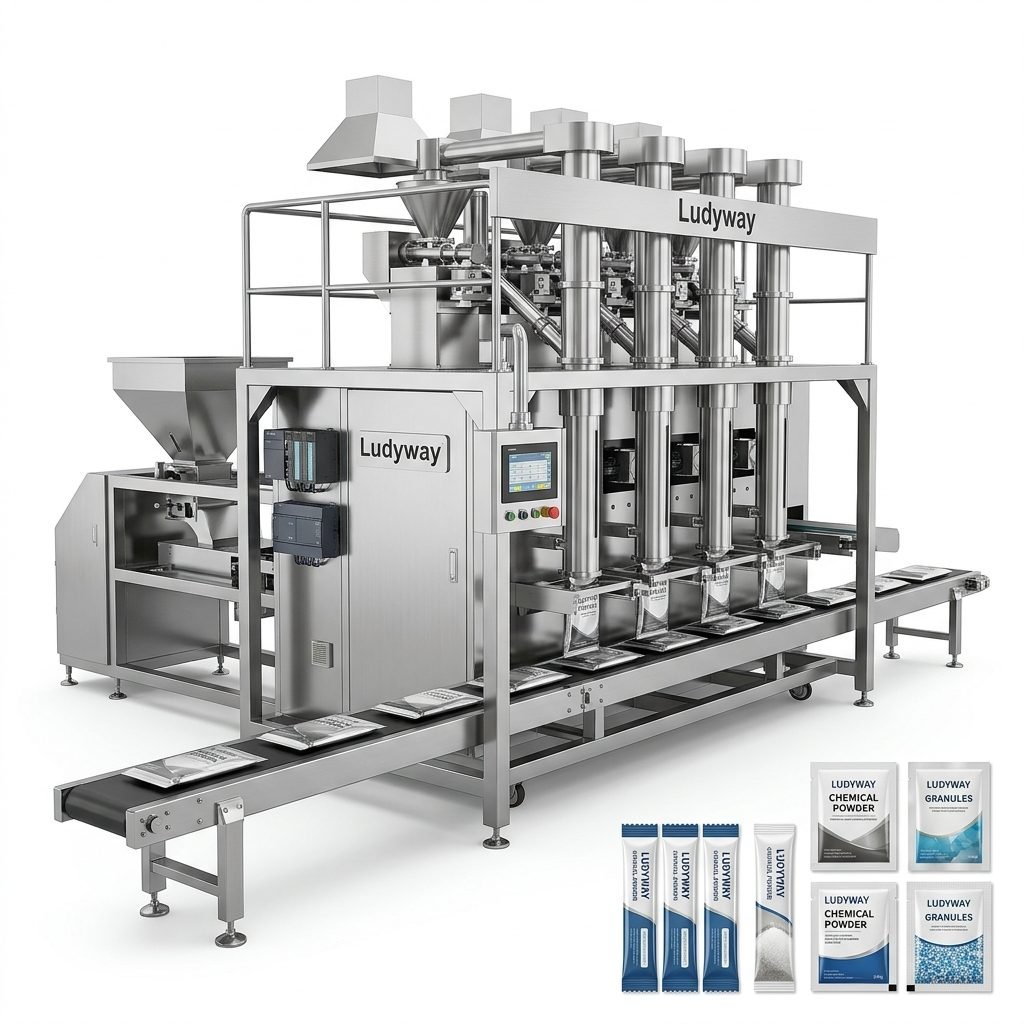
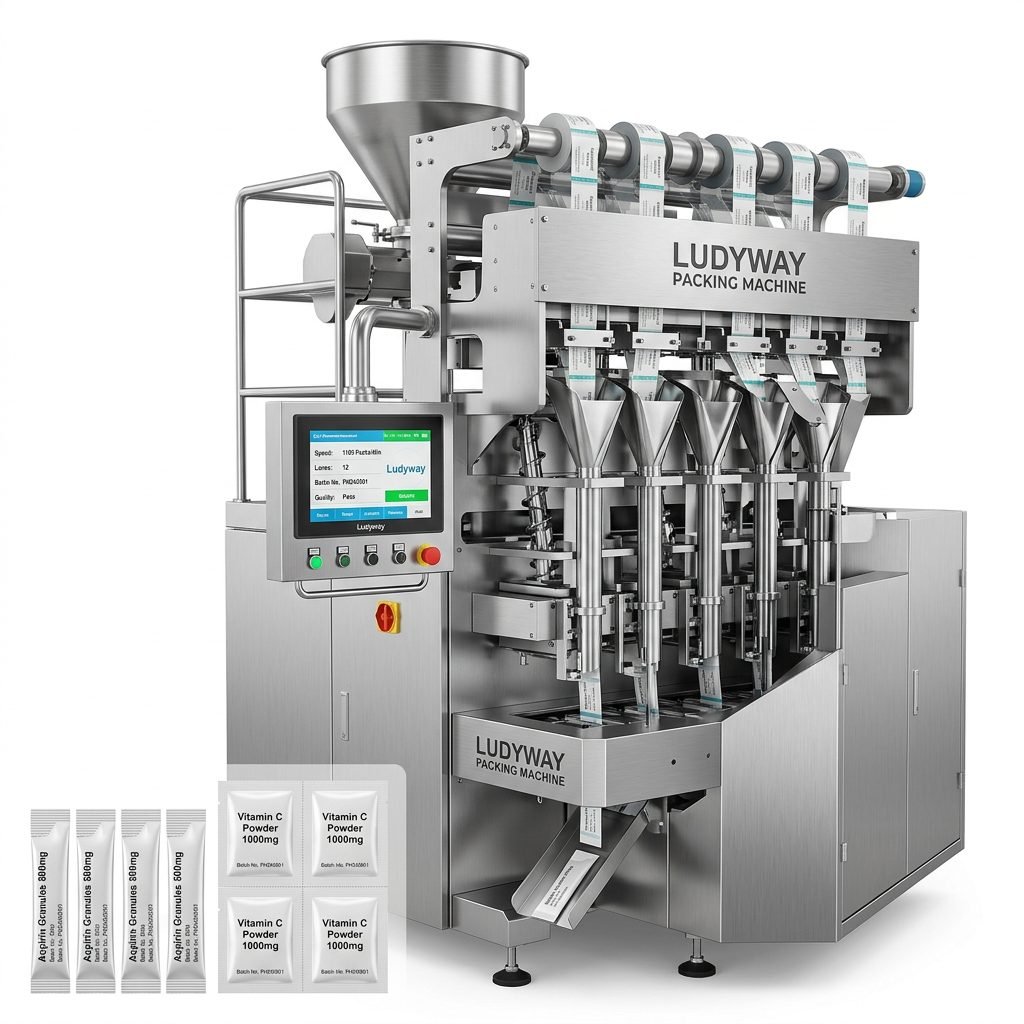
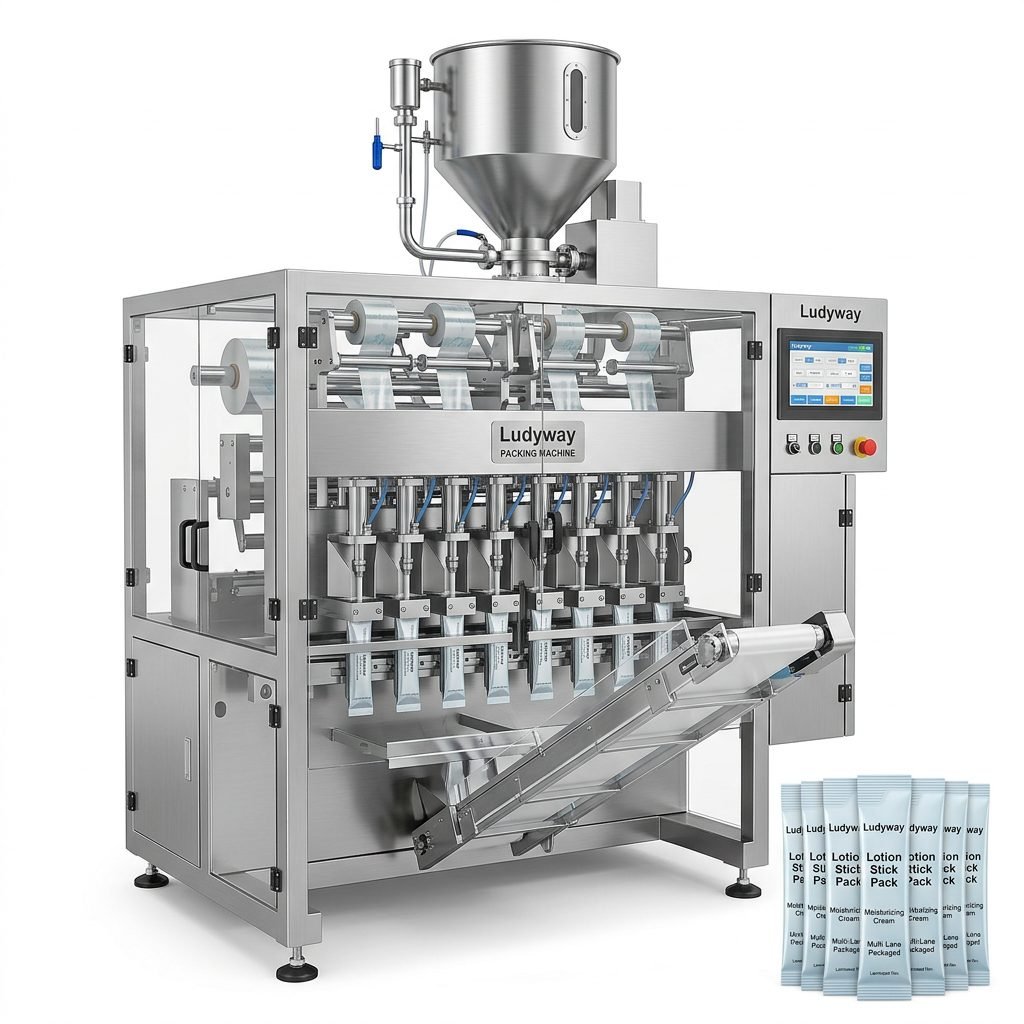
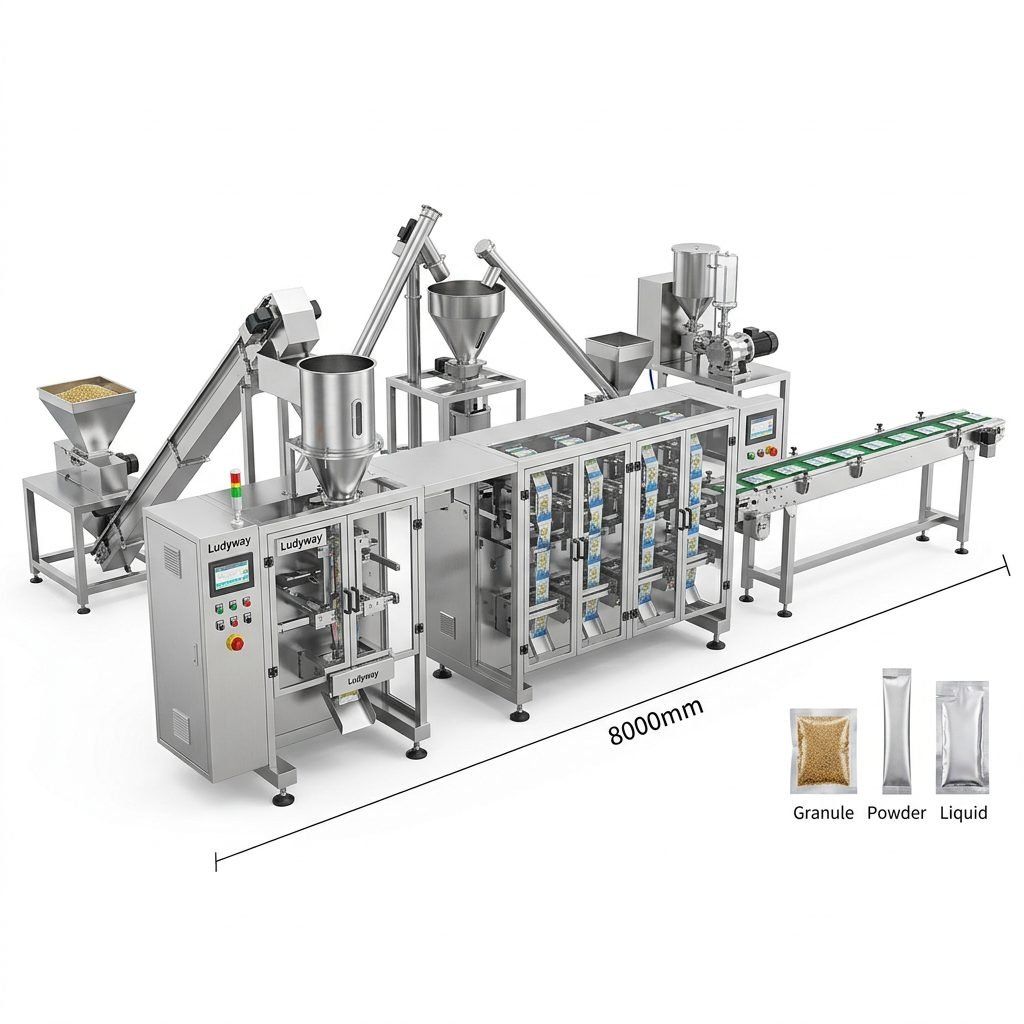
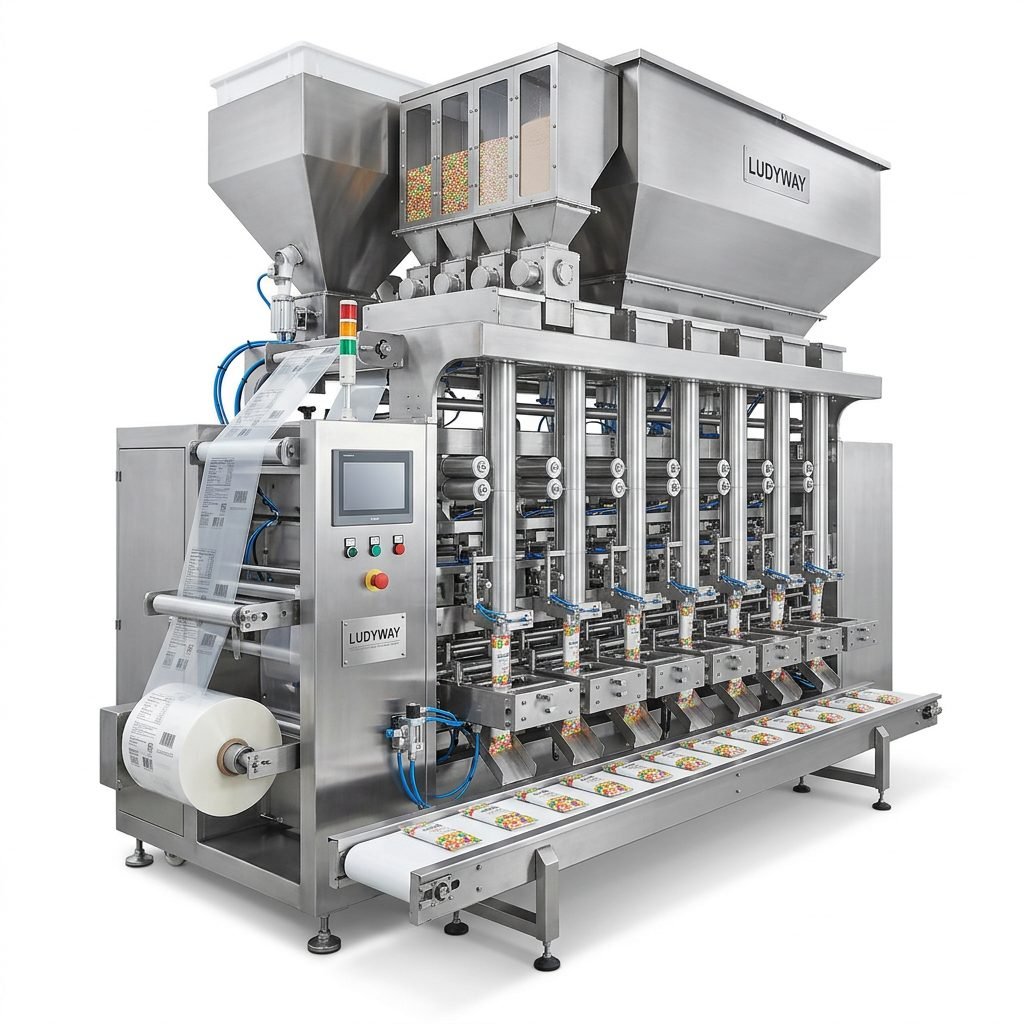
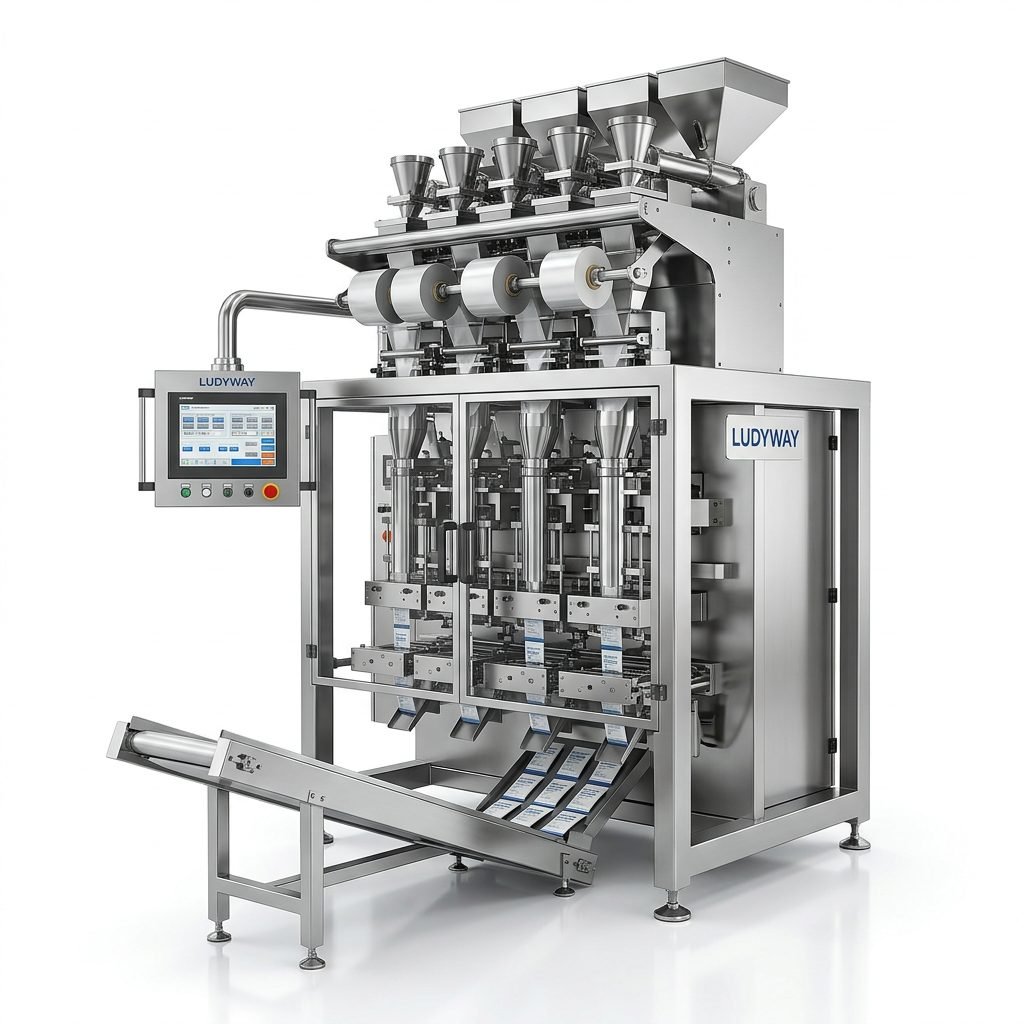
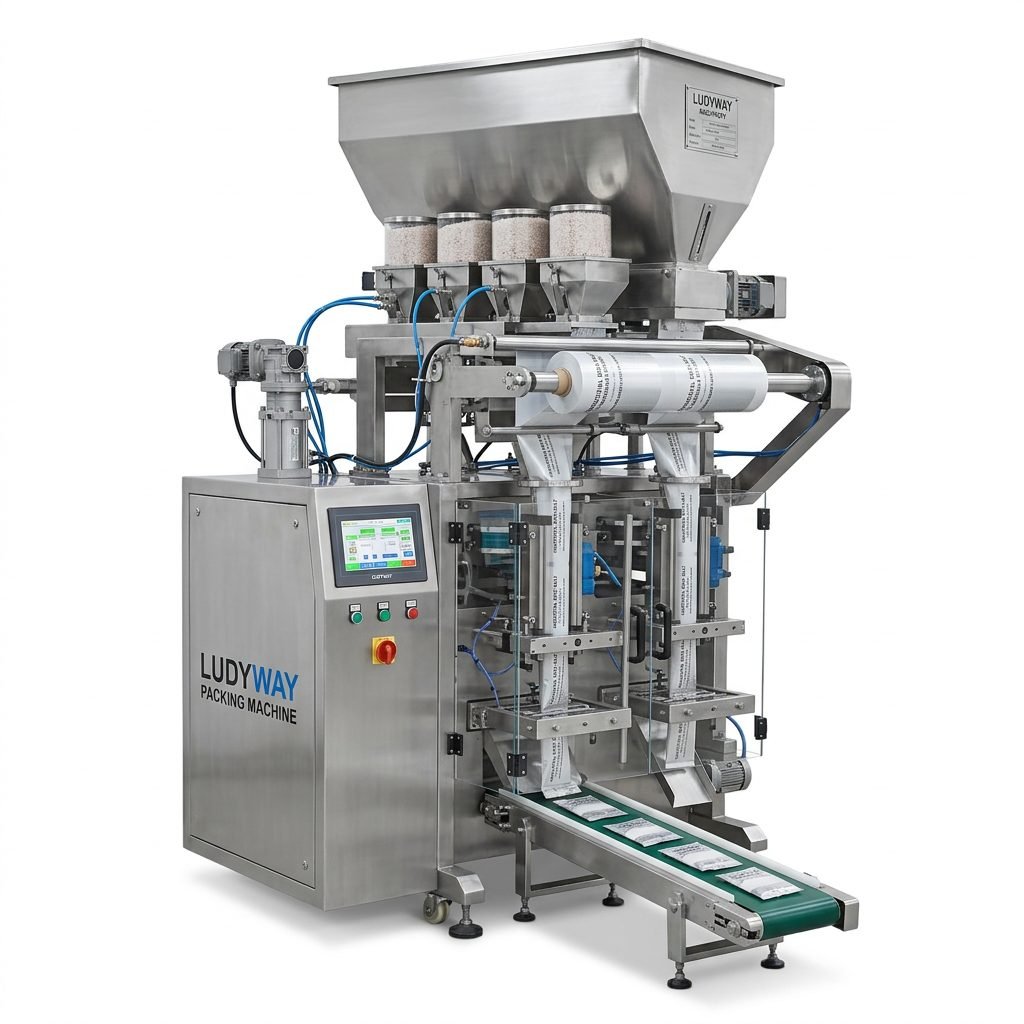
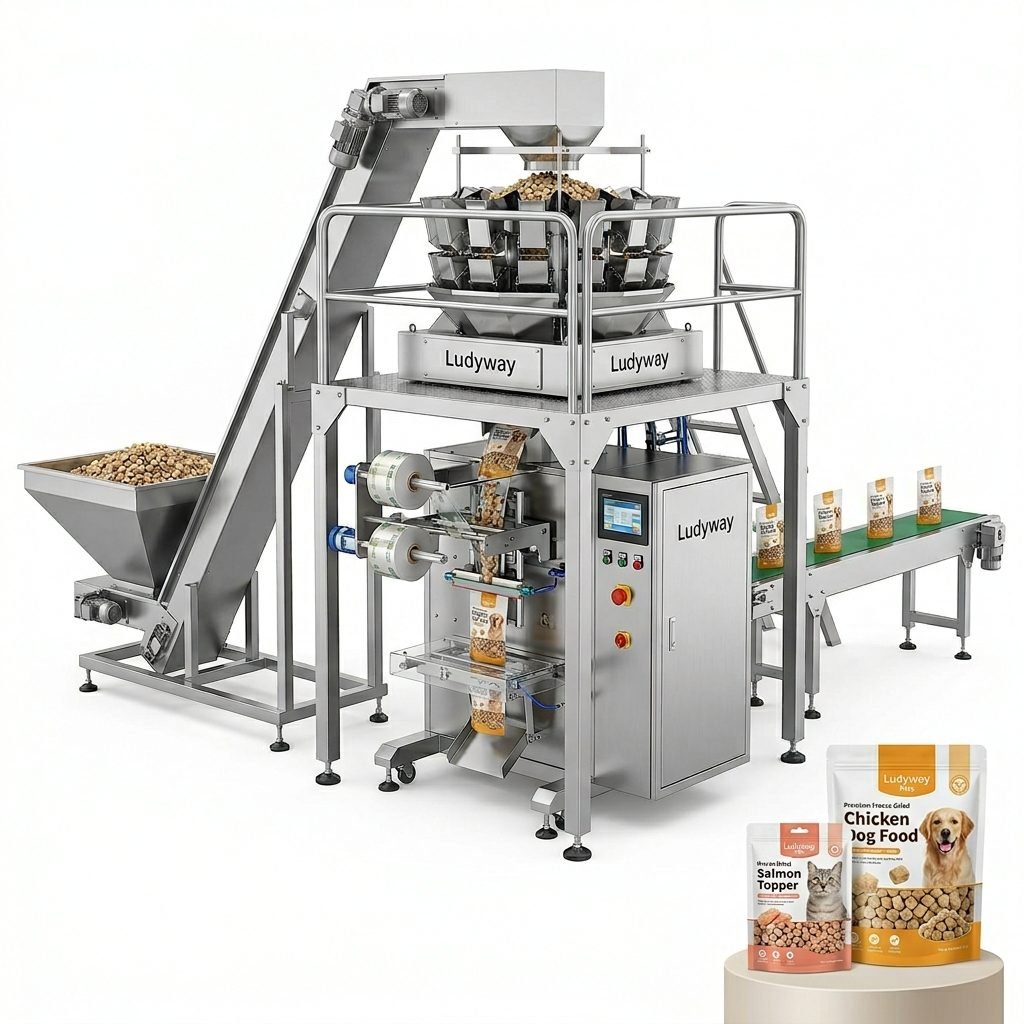
If you are a co-packer handling multiple product lines, integrating a multi-lane automatic vacuum system can double your output. This is particularly relevant if you also pack sachets or stick packs alongside skin packs. When sourcing this technology, it is beneficial to partner with a manufacturer that has a broad engineering scope, such as Ludyway. As one of the largest packaging machine manufacturers, Ludyway leverages over 30 years of industry expertise to supply intelligent multi-lane and turnkey solutions to over 100 countries, ensuring robust after-sales support even for complex integrated lines.
Film Compatibility and Sustainability
France is at the forefront of the circular economy debate. Your VSP machine must be compatible with recyclable or reduced-thickness films without sacrificing peelability. Ensure the temperature regulation is precise enough to seal eco-friendly monolayer PE films, which have a narrower sealing window than traditional laminates.
Questions to Ask Your Film Supplier
- Does the film support recyclable stream approval in France (Citeo certification)?
- What is the gauge variation tolerance? Inconsistent thickness causes wrinkling.
- Can the anti-fog properties be customized for hot-display ready meals?
Evaluating the Supplier: Local Support is Key
While many global machinery brands operate in France, the lead time for spare parts can hinder production. When vetting a supplier, prioritize those offering localized technical support or rapid-response remote diagnosis. Check for reviews from other French processors regarding their Service Après-Vente (SAV).
Strategic Sourcing from International Leaders
Many French businesses are now sourcing directly from globally recognized manufacturing hubs to bypass intermediary markups. By collaborating with established international manufacturers, you can often secure fast-track customization that rigid European supply chains cannot match. You can contact us for a consultation regarding your specific production layout and floor plan.
Calculating Return on Investment (ROI)
A VSP machine alters not just your packaging speed but your spoilage rate. In French fresh produce distribution, downgrading a product from “premium” to “reduced price” due to packaging failure directly hits margins.
| ROI Factor | Traditional Packaging | Vacuum Skin Packaging |
|---|---|---|
| Shelf Life (Fresh Red Meat) | 5-7 days | 10-18 days |
| Product Waste Ratio | ~3.5% | ~0.5% |
| Transportation Leakage Loss | Significant | Negligible |
The reduction in returns from French distributors alone often pays for the machine within 18 months. For more industry data, consult the PMI Business Intelligence reports for benchmarking figures.
Final Thoughts on Your Purchase Decision
Choosing the right vacuum skin packaging machine in France requires a delicate balance of hygienic design, film sustainability, and local compliance. Do not just buy a machine; invest in a solution that brings your packaging resilience up to the standards demanded by French retailers. By focusing on robust construction and adaptable automation, you protect your brand’s reputation from the factory floor to the chilled aisle.
Explore further: ISO Packaging Standards | Flexible Packaging Association Resources | EU Packaging Waste Regulations