这是为您生成的一篇符合谷歌SEO排名的英文文章HTML代码,内容聚焦于如何在北美搭建海鲜包装机生产线,并已适配平板与移动端浏览。
The North American seafood industry is experiencing unprecedented growth, driven by increasing consumer demand for convenient, protein-rich foods. Setting up a seafood packaging machine production line in this region requires careful planning across multiple dimensions—from regulatory compliance to equipment selection and facility layout. This guide walks you through the essential steps to establish a successful seafood packaging operation in North America.
Understanding North American Seafood Market Dynamics
Before investing in a seafood packaging production line, it’s critical to understand the market landscape. North American consumers increasingly prefer portion-controlled, ready-to-cook, and shelf-stable seafood products. This shift has created demand for versatile packaging formats including vacuum-sealed pouches, multi-lane stick packs, and resealable sachets. The region’s stringent food safety standards, enforced by agencies like the FDA, require packaging equipment that maintains product integrity throughout the supply chain.
Key Product Categories Driving Equipment Demand
- Frozen seafood portions — requiring vacuum-sealed and leak-proof packaging
- Dried and freeze-dried seafood snacks — popular in multi-lane stick pack formats
- Ready-to-eat seafood meals — demanding modified atmosphere packaging (MAP) capabilities
- Seasoned and flavored seafood products — often packaged in small sachets for retail
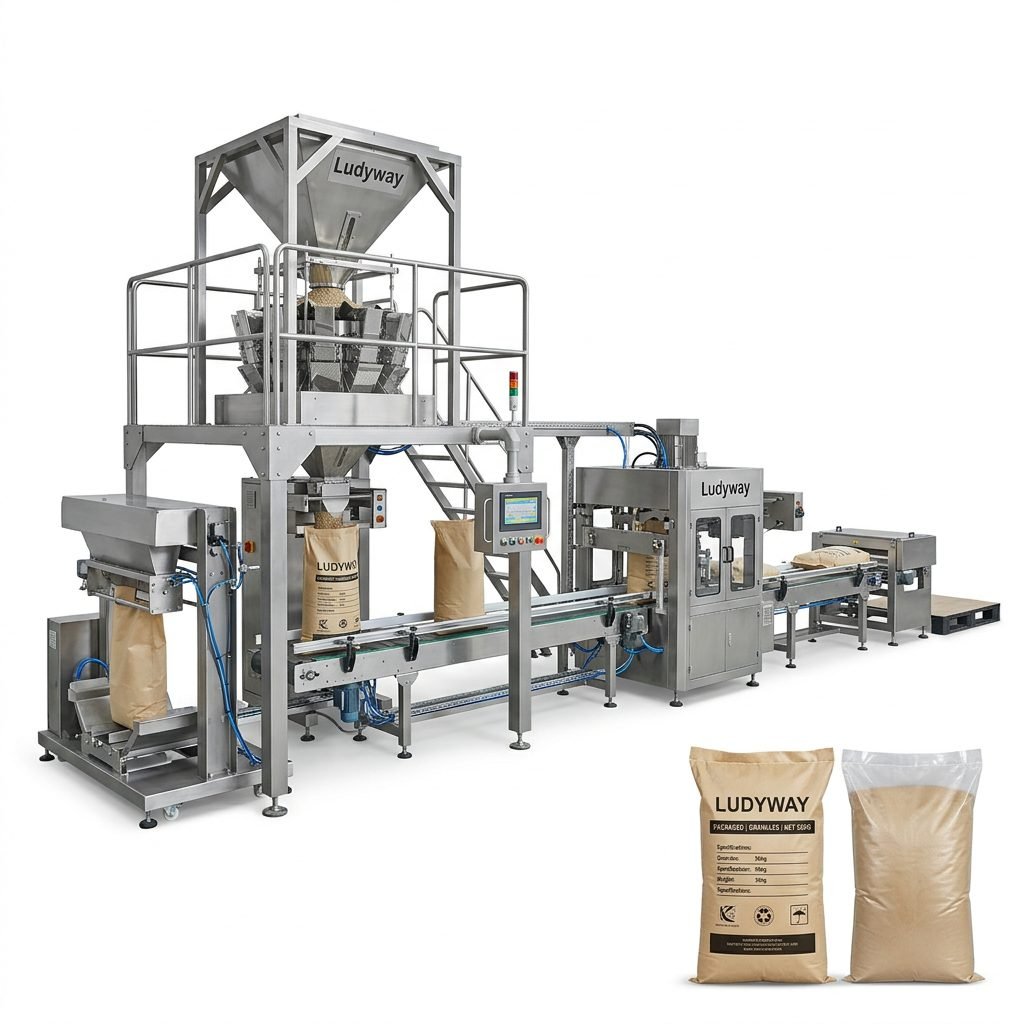
- Bulk frozen seafood — requiring heavy-duty bagging and palletizing systems
Essential Equipment for a Seafood Packaging Line
A complete seafood packaging production line integrates multiple specialized machines. Selecting the right combination depends on your product type, throughput requirements, and packaging format. Below is a breakdown of core equipment categories and their functions.
| Equipment Type | Primary Function | Best For |
|---|---|---|
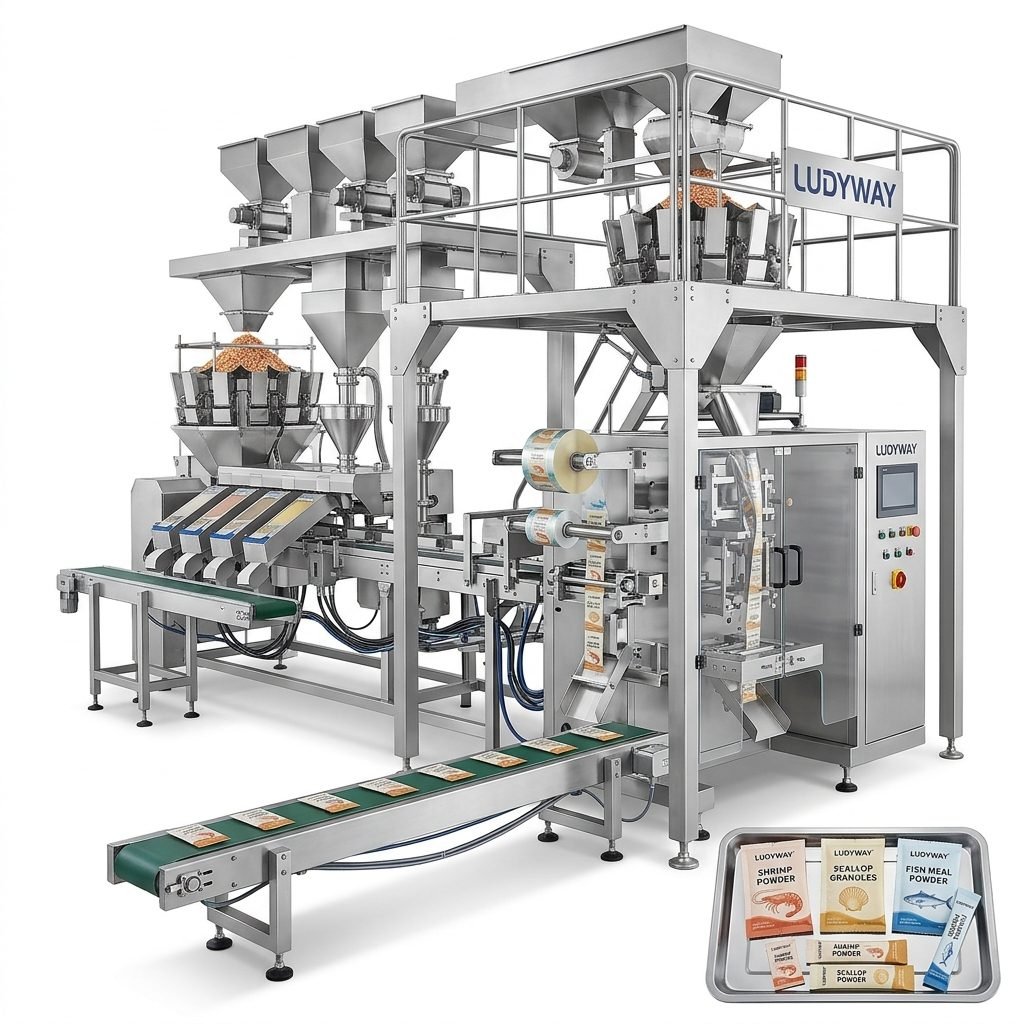
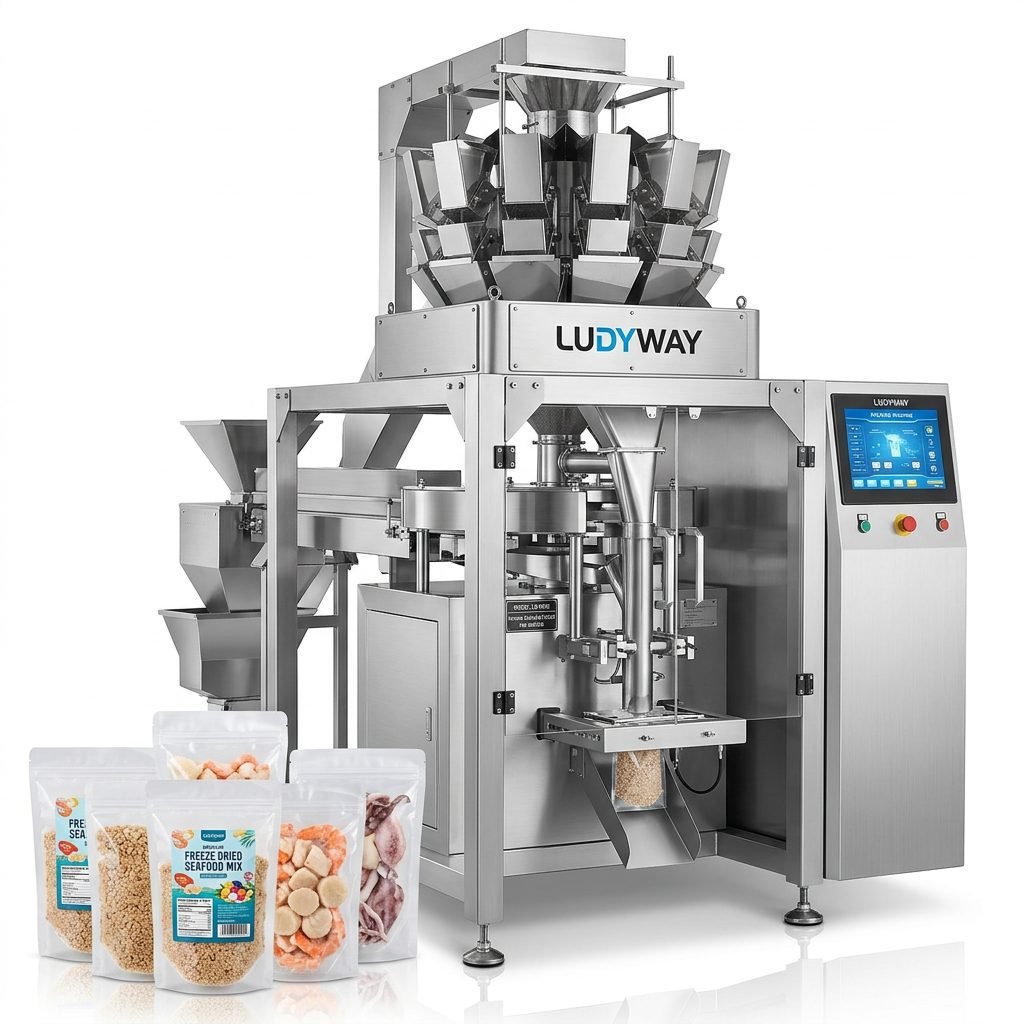
| Multi-Head Weighing System | Precision portioning of irregular seafood pieces | Frozen shrimp, scallops, mixed seafood |
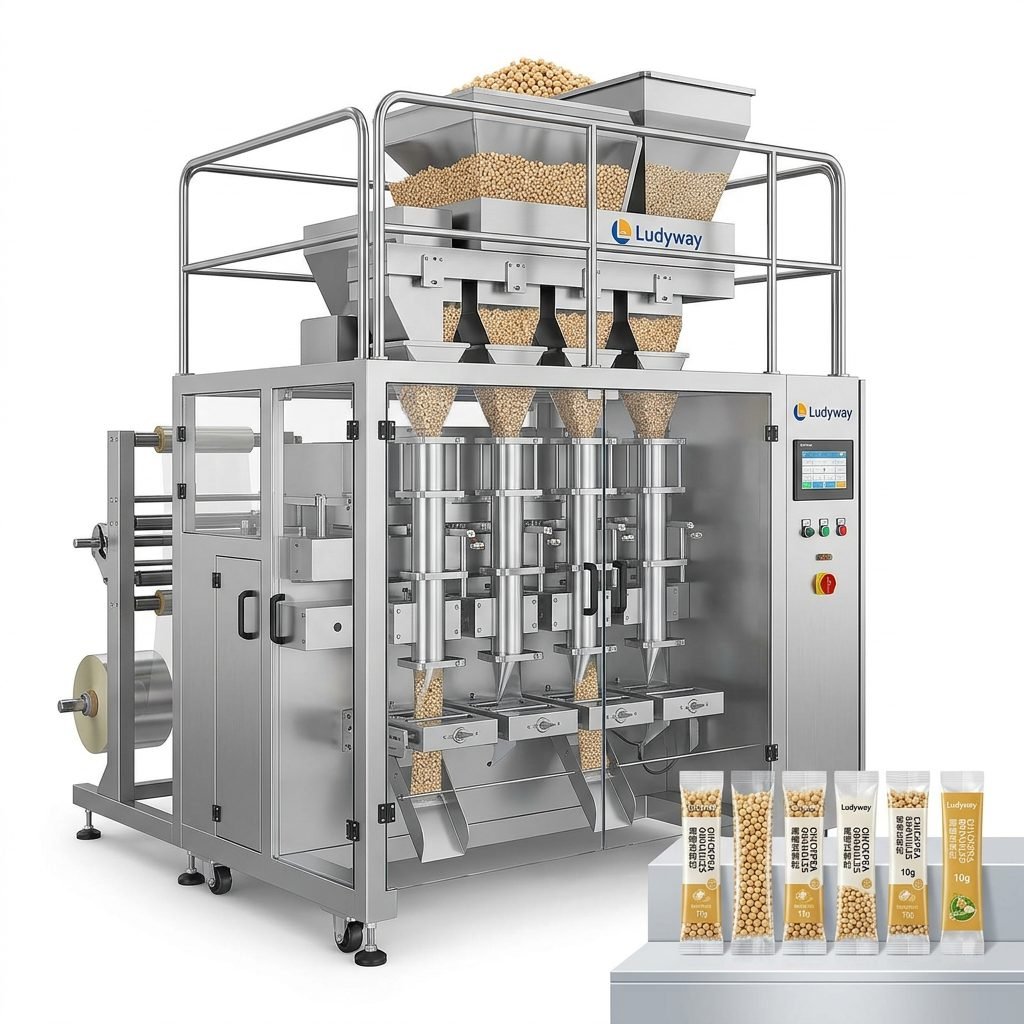
| Vertical Form Fill Seal (VFFS) Machine | Forms pouches from roll stock, fills, and seals | Dried seafood snacks, frozen portions |
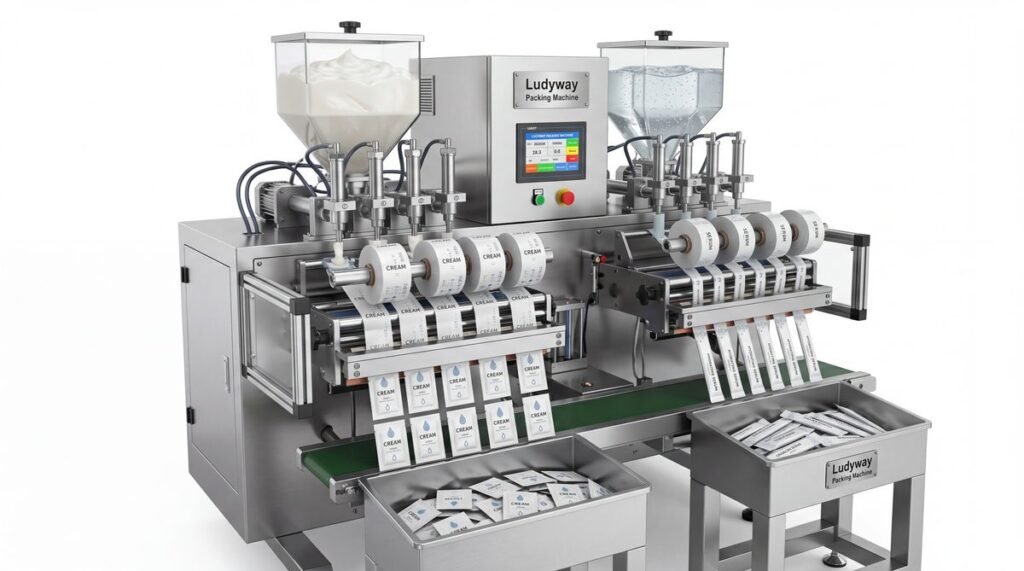
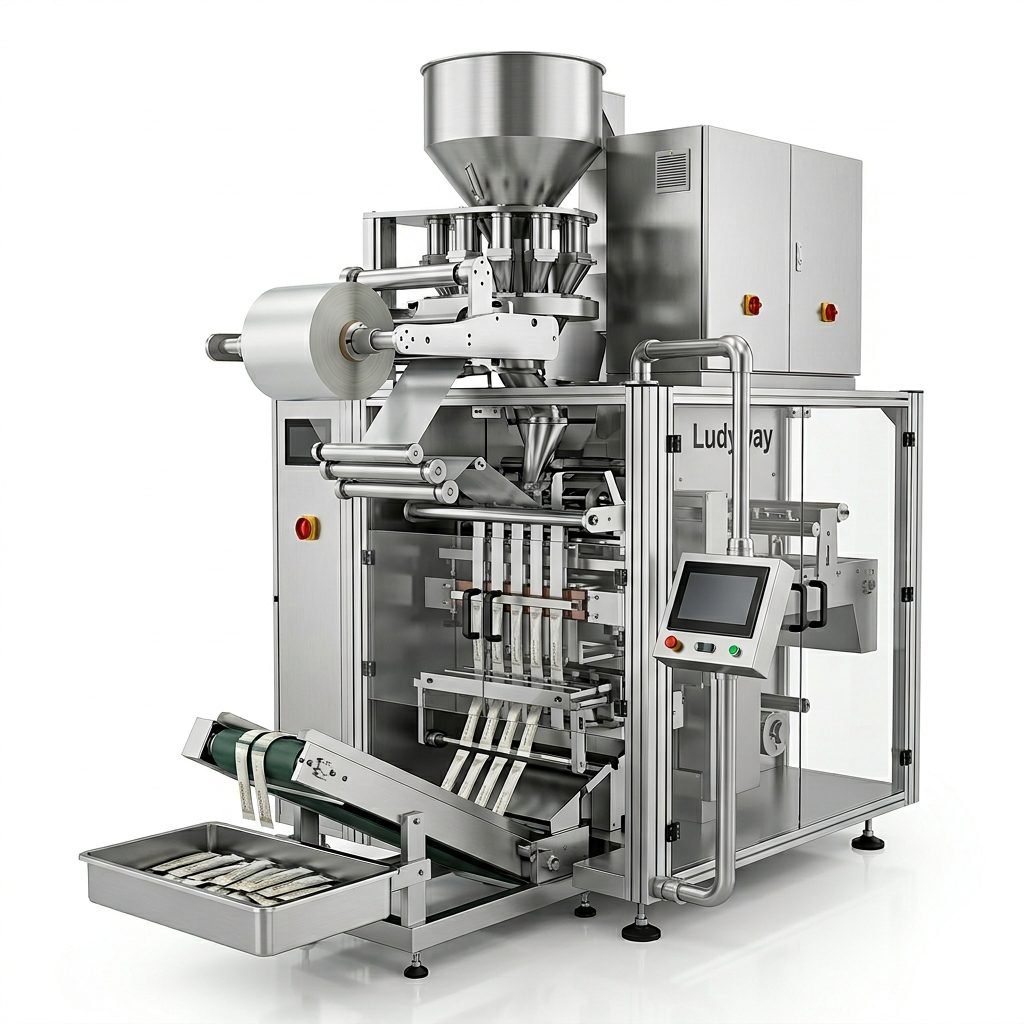
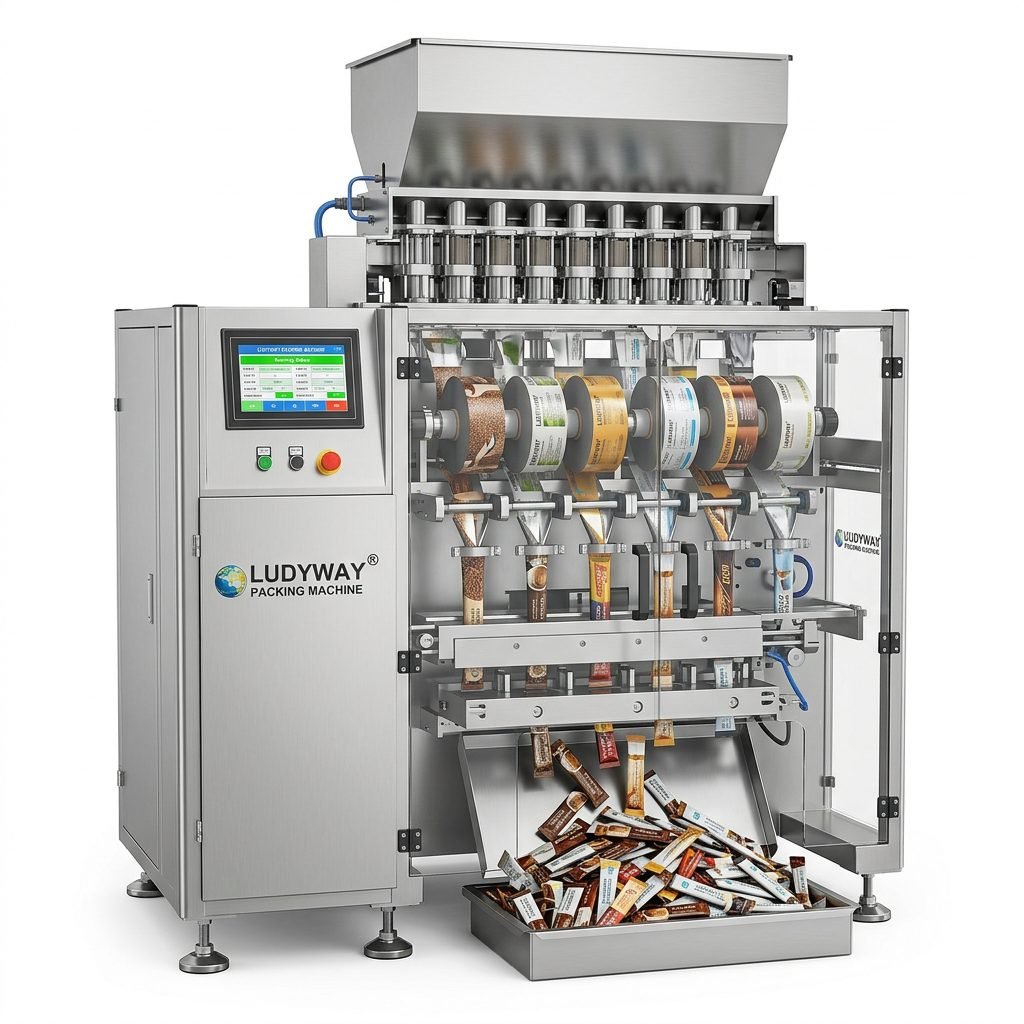
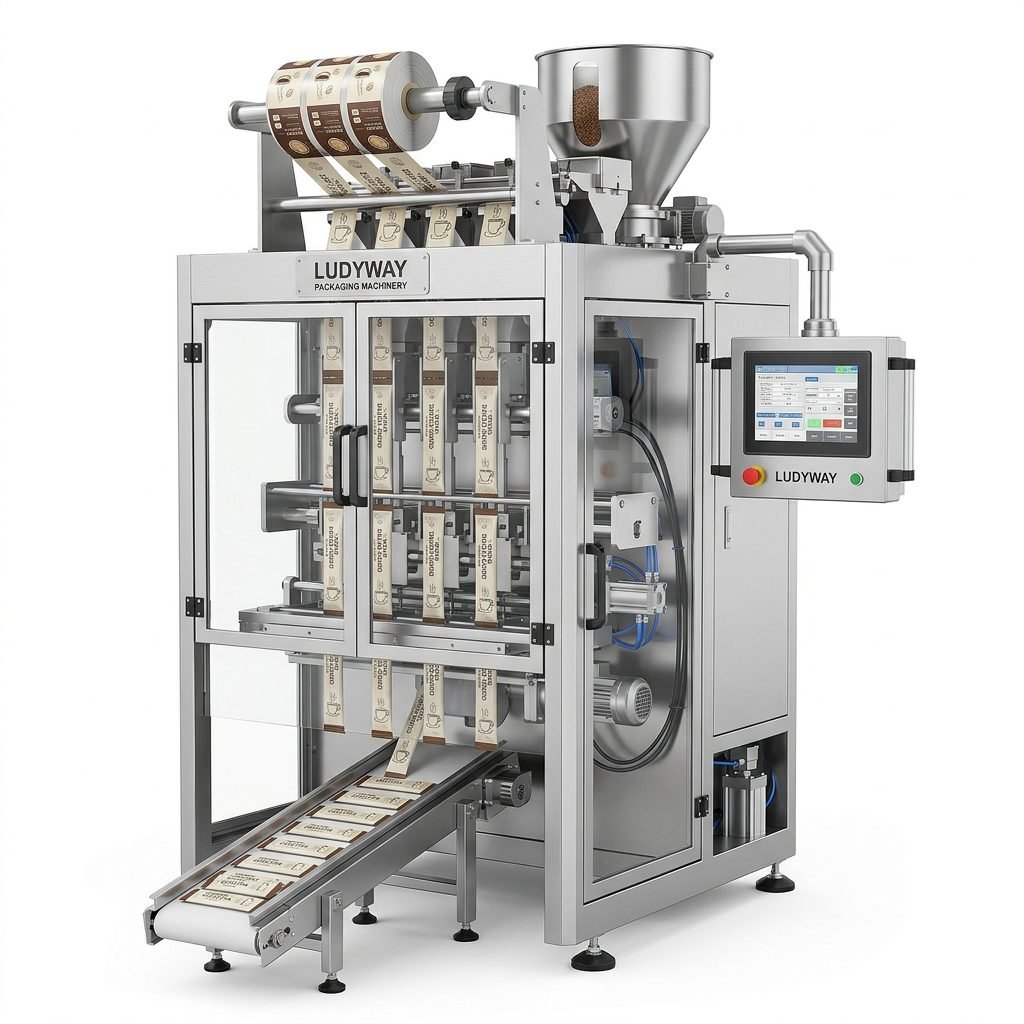
| Multi-Lane Stick Pack Machine | High-speed production of narrow stick packs | Single-serve seafood seasonings, powder mixes |
| Vacuum Sealing Machine | Removes oxygen to extend shelf life | Freeze-dried seafood, premium fillets |
| Tray Sealing & MAP System | Seals trays with modified atmosphere | Ready-to-cook seafood meals |
| Checkweigher & Metal Detector | Quality control and contaminant detection | All product types for safety compliance |
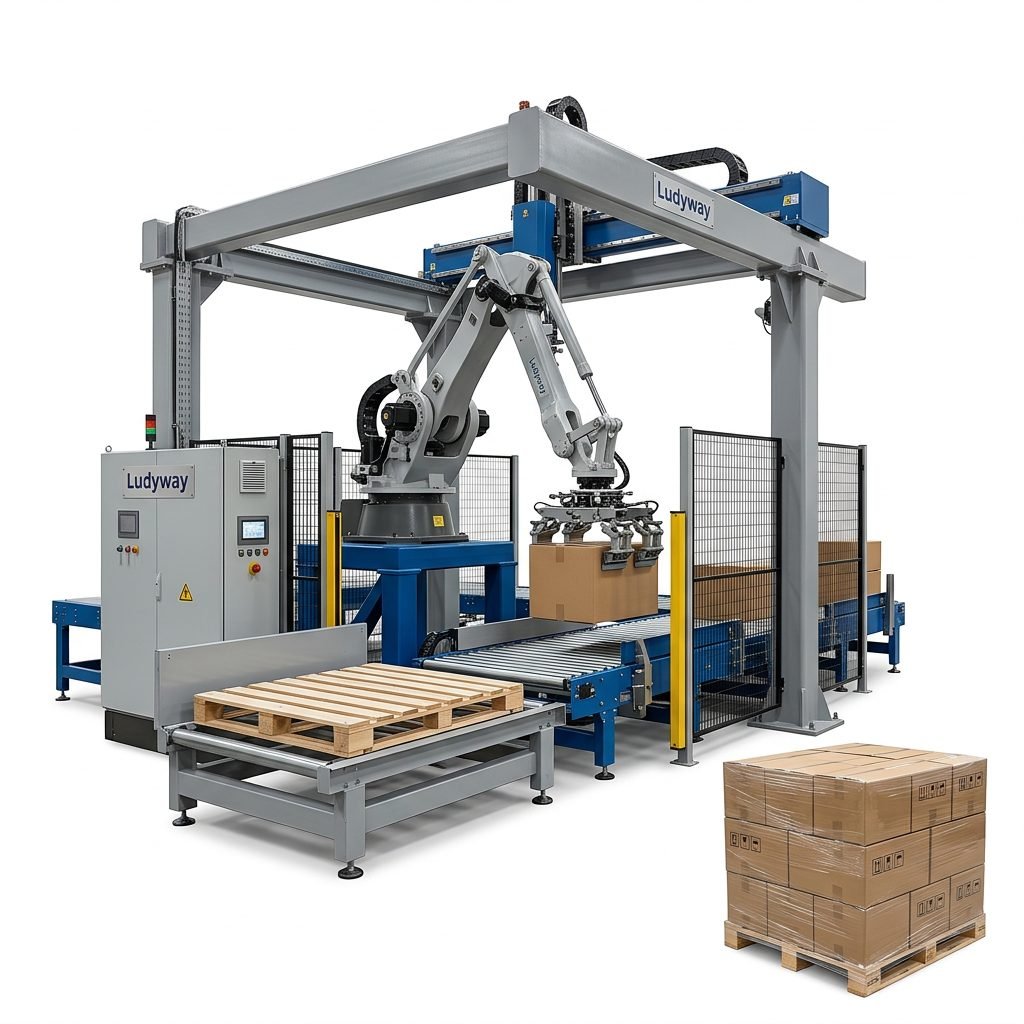
| Cartoning & Palletizing System | End-of-line packaging and stacking | Retail-ready boxes and bulk distribution |
Regulatory Compliance and Food Safety Standards
North America enforces some of the world’s most rigorous food packaging regulations. Your seafood packaging line must comply with FDA regulations for food contact substances (FCS) and Good Manufacturing Practices (GMP). Additionally, if exporting to Canada, you’ll need to meet CFIA requirements. The PMMI provides valuable resources on packaging machinery standards relevant to North American operations.
Critical Compliance Areas
- Food Contact Materials — All packaging materials must be FDA-approved for direct seafood contact
- HACCP Integration — Equipment should support Hazard Analysis Critical Control Point protocols
- Traceability — Batch coding and date stamping systems are mandatory for recall readiness
- Sanitary Design — Machinery must feature easy-clean surfaces, stainless steel construction, and minimal crevices
- Temperature Control — Cold chain integrity must be maintained throughout the packaging process
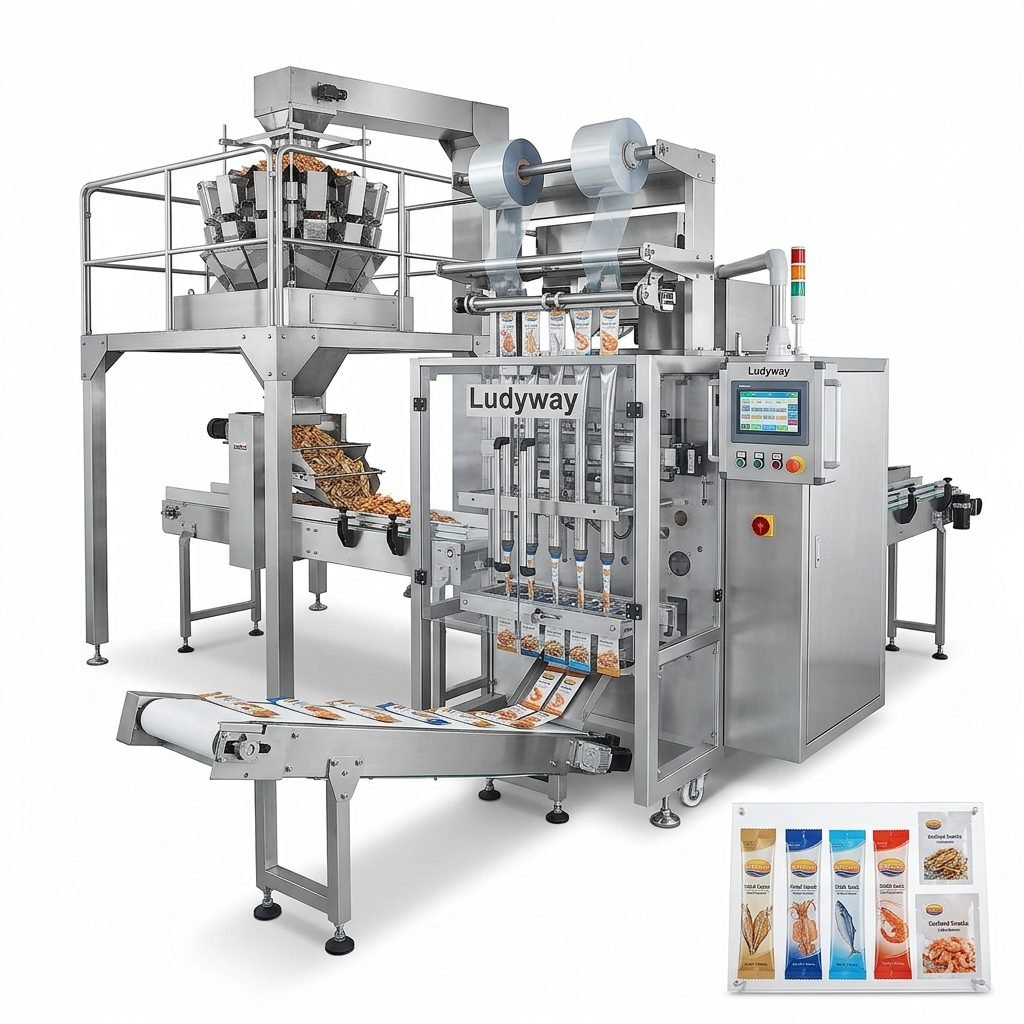
Production Line Layout and Workflow Optimization
Designing an efficient layout for your seafood packaging production line directly impacts throughput, labor costs, and product quality. A well-planned facility minimizes material handling, reduces contamination risks, and supports scalable growth. Consider implementing a linear or U-shaped workflow depending on your floor space and operational needs.
Recommended Workflow Sequence
- Raw Material Receiving — Temperature-controlled receiving area with inspection stations
- Pre-Processing & Weighing — Automated multi-head weighers for precise portion control
- Primary Packaging — VFFS machines or tray sealers forming the initial package
- Quality Inspection — Checkweighers, metal detectors, and vision systems in series
- Secondary Packaging — Cartoning machines grouping individual packs into retail units
- Palletizing & Stretch Wrapping — Automated stacking for warehouse distribution
Automation and Integration Strategies
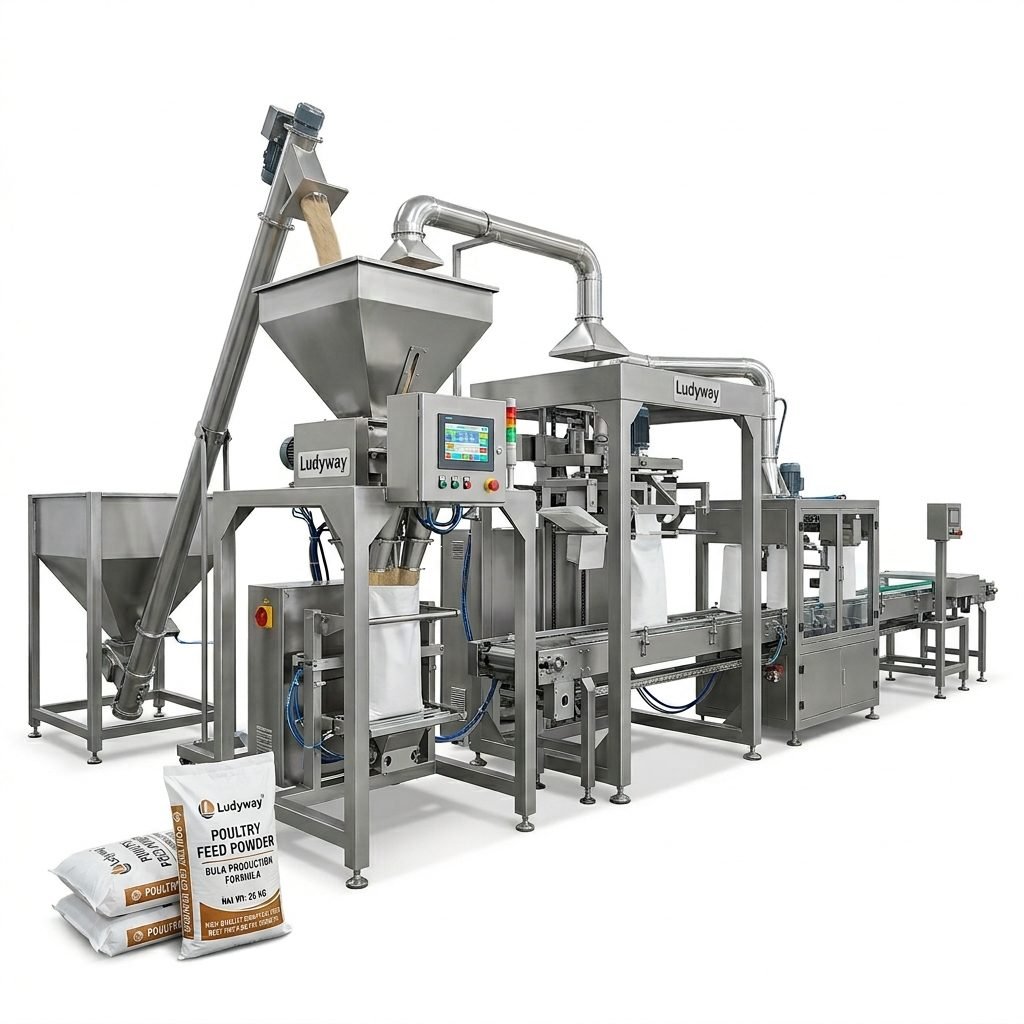
Modern packaging automation goes beyond individual machines. A truly integrated seafood packaging line connects weighing, filling, sealing, inspection, and palletizing into a seamless system. This reduces manual handling, minimizes product loss, and provides real-time production data. Multi-lane packaging systems are particularly advantageous for high-volume seafood snack production, capable of producing hundreds of packs per minute while maintaining consistent seal integrity.
Benefits of Full Integration
- Real-time OEE (Overall Equipment Effectiveness) monitoring
- Automatic reject systems for underweight or contaminated packs
- Centralized control via PLC and SCADA interfaces
- Reduced changeover time with recipe-driven settings
- Seamless data logging for regulatory audits
Maintenance and Technical Support Considerations
Operating a seafood packaging machine production line in North America means planning for ongoing maintenance and rapid technical support. The corrosive nature of seafood processing environments—with salt, moisture, and cold temperatures—demands robust equipment built with stainless steel components and protective coatings. Establish a preventive maintenance schedule that includes daily cleaning, weekly inspections of sealing jaws and cutting blades, and quarterly calibration of weighing systems.
Key Support Requirements
- Readily available spare parts inventory within North America
- Remote diagnostics and troubleshooting capabilities
- Localized technical service teams for on-site support
- Operator training programs in English and Spanish
- Documentation compliant with OSHA and regional safety standards
Partnering with Experienced Equipment Manufacturers
Choosing the right equipment partner is perhaps the most consequential decision when setting up a seafood packaging line. Look for manufacturers with a proven track record in turnkey packaging solutions for the food industry, particularly those familiar with North American regulatory requirements. A reliable partner should offer comprehensive support from initial line design through installation, commissioning, and after-sales service.
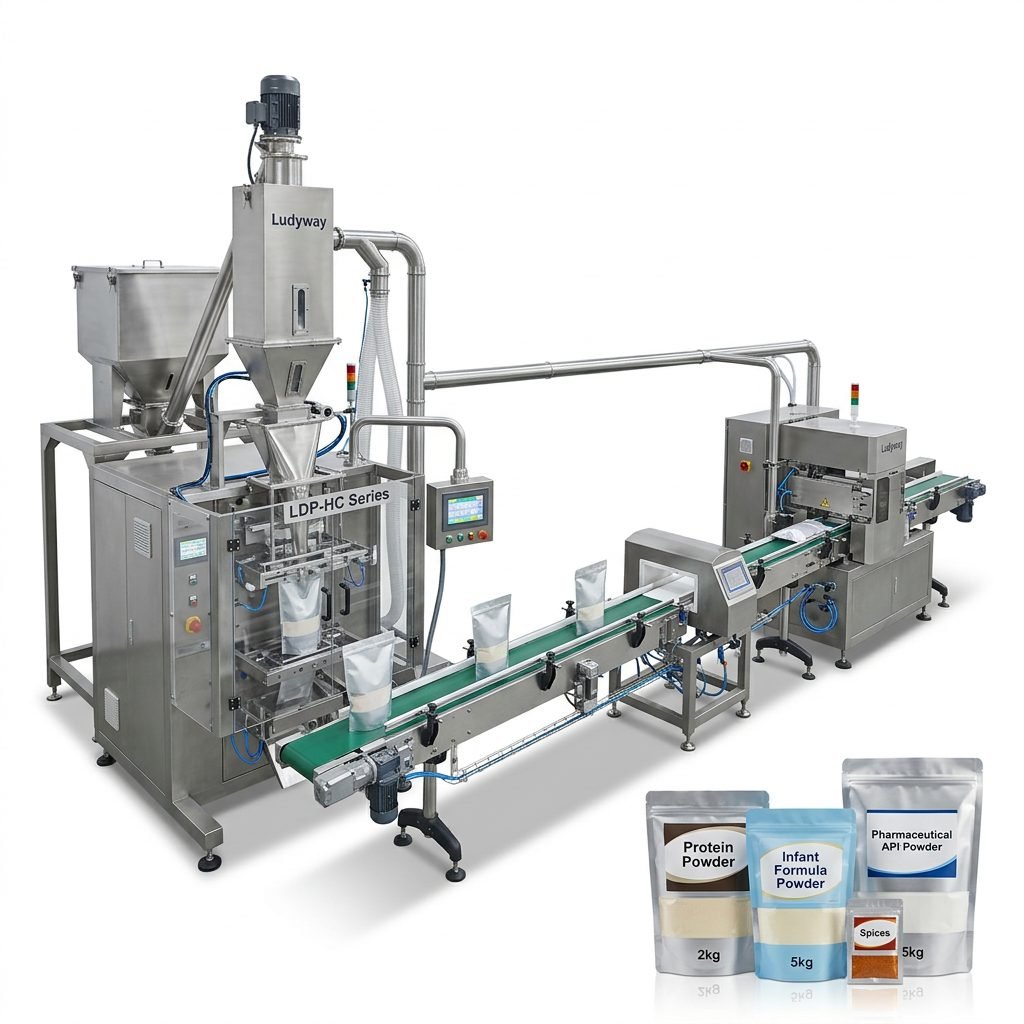
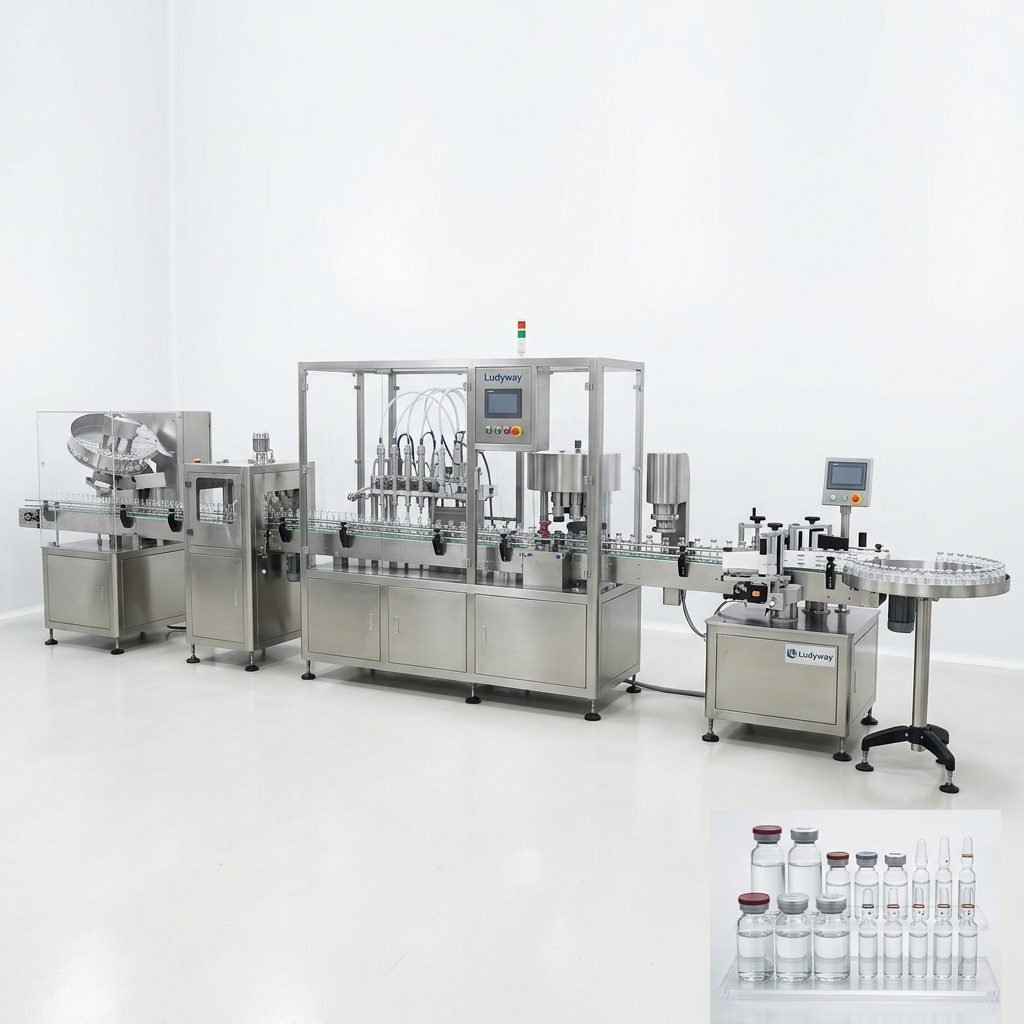
One such manufacturer is Ludyway, a leading packaging machine provider with over 30 years of industry expertise and a modern 20,000㎡ manufacturing facility. With more than 50 intelligent packaging machine models and experience serving customers in over 100 countries, Ludyway specializes in advanced packaging equipment and turnkey production solutions for granule, powder, liquid, and pouch packaging applications across food, pharmaceutical, and health industries.
Investment Planning and ROI Projections
Capital investment for a complete seafood packaging production line varies widely based on automation level, throughput capacity, and packaging complexity. A mid-range multi-lane system producing 100-200 packs per minute typically requires an investment between $150,000 and $500,000 for the core packaging machinery alone, with complete turnkey lines exceeding $1 million when including conveyors, inspection systems, and end-of-line automation.
| Investment Component | Estimated Range (USD) | ROI Timeline |
|---|---|---|
| Basic VFFS packaging line | $80,000 – $150,000 | 12–18 months |
| Multi-lane stick pack system | $200,000 – $500,000 | 18–24 months |
| Fully integrated turnkey line | $800,000 – $2,000,000+ | 24–36 months |
| Inspection & quality control add-ons | $30,000 – $80,000 | 6–12 months |
Industry Resources and Further Reading
Staying informed about packaging industry developments is essential for long-term success. The following organizations provide valuable research, standards, and networking opportunities for North American packaging professionals.
Recommended Resources
- PMMI – The Association for Packaging and Processing Technologies
- Flexible Packaging Association – Industry Resources
- FDA – Food Packaging and Food Contact Substances
- ISO – Packaging Standards
- PACK EXPO International
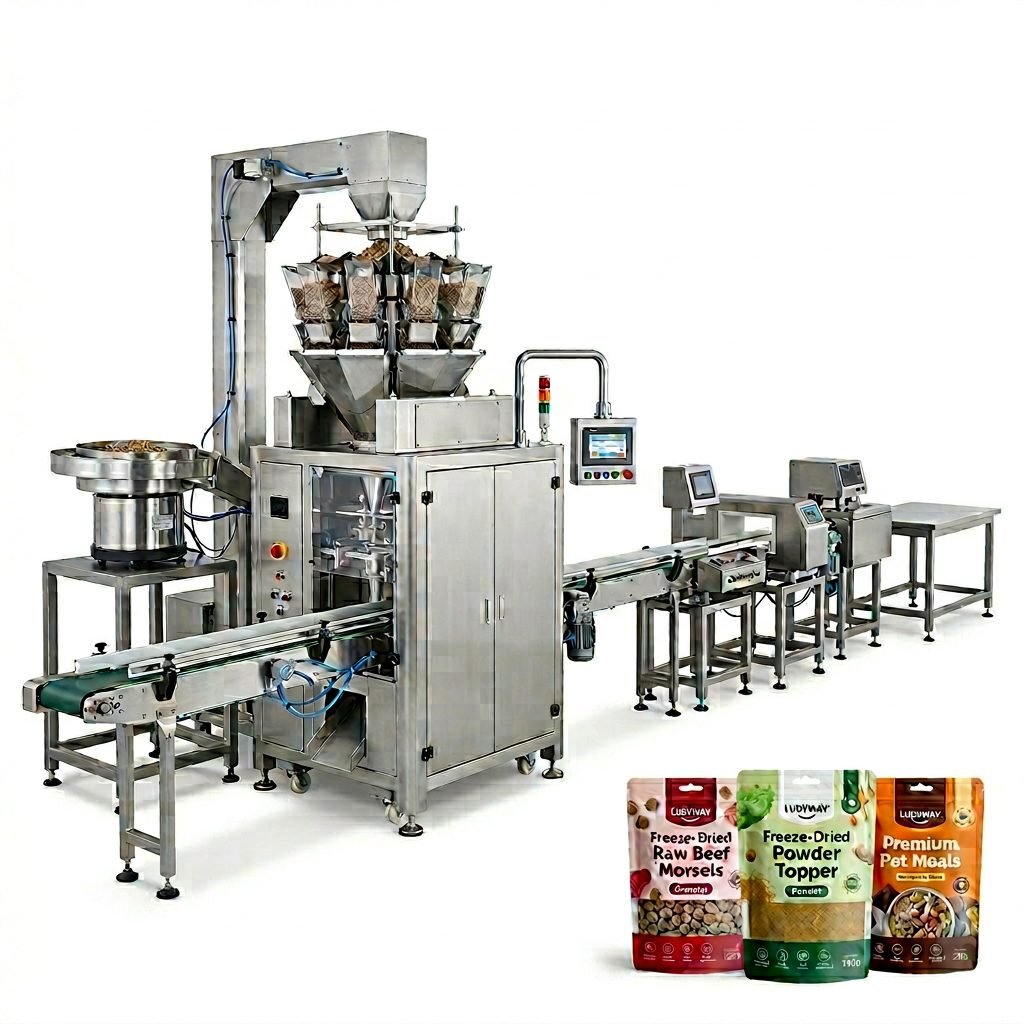
Conclusion: Building for Long-Term Success
Setting up a seafood packaging machine production line in North America is a substantial undertaking that rewards thorough planning. By prioritizing regulatory compliance, investing in automated and integrated equipment, designing an efficient facility layout, and partnering with experienced manufacturers, you position your operation for sustainable growth in this dynamic market. The seafood industry’s upward trajectory, coupled with evolving consumer preferences for convenience and quality, makes now an opportune time to establish or upgrade your packaging capabilities.
Whether you’re launching a new facility or modernizing an existing line, the principles outlined in this guide provide a solid foundation for making informed decisions. Remember that the most successful operations treat packaging not as a cost center but as a strategic asset that differentiates products, ensures safety, and builds consumer trust.