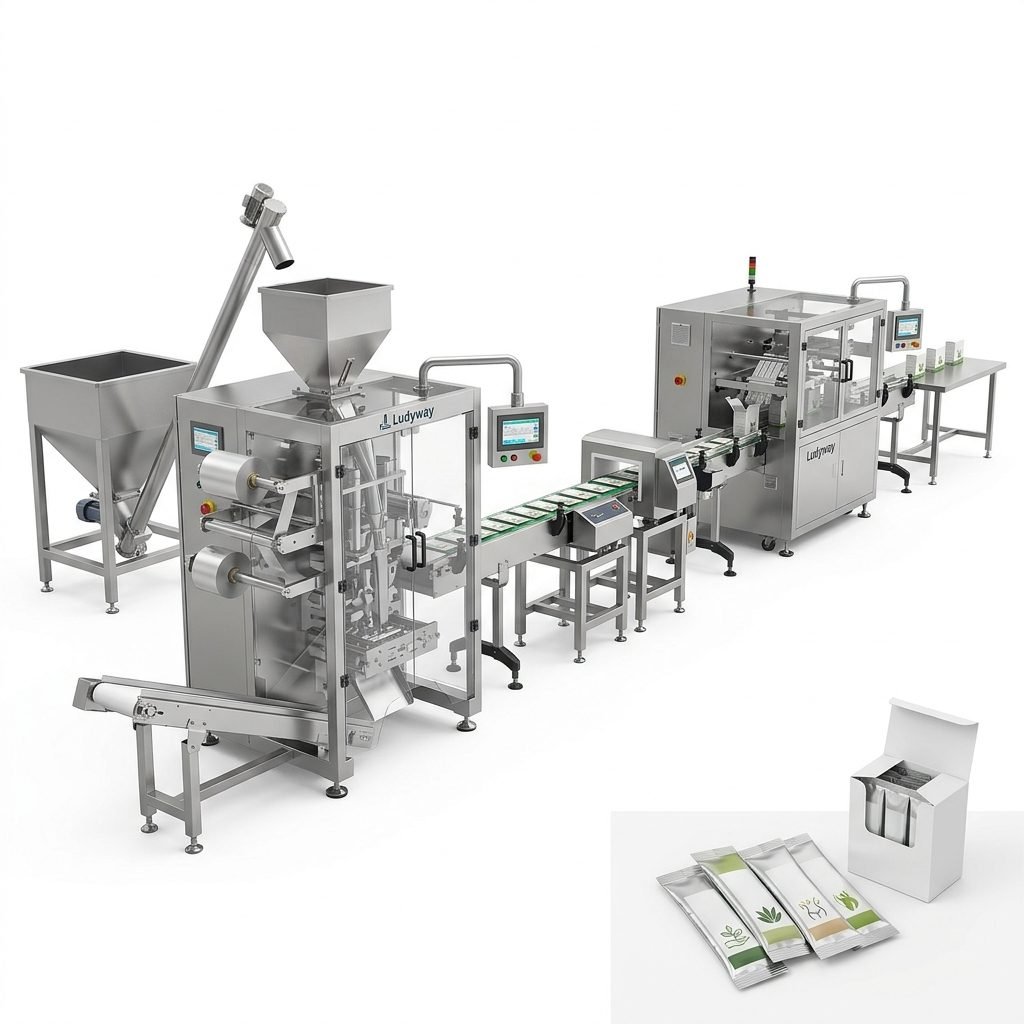
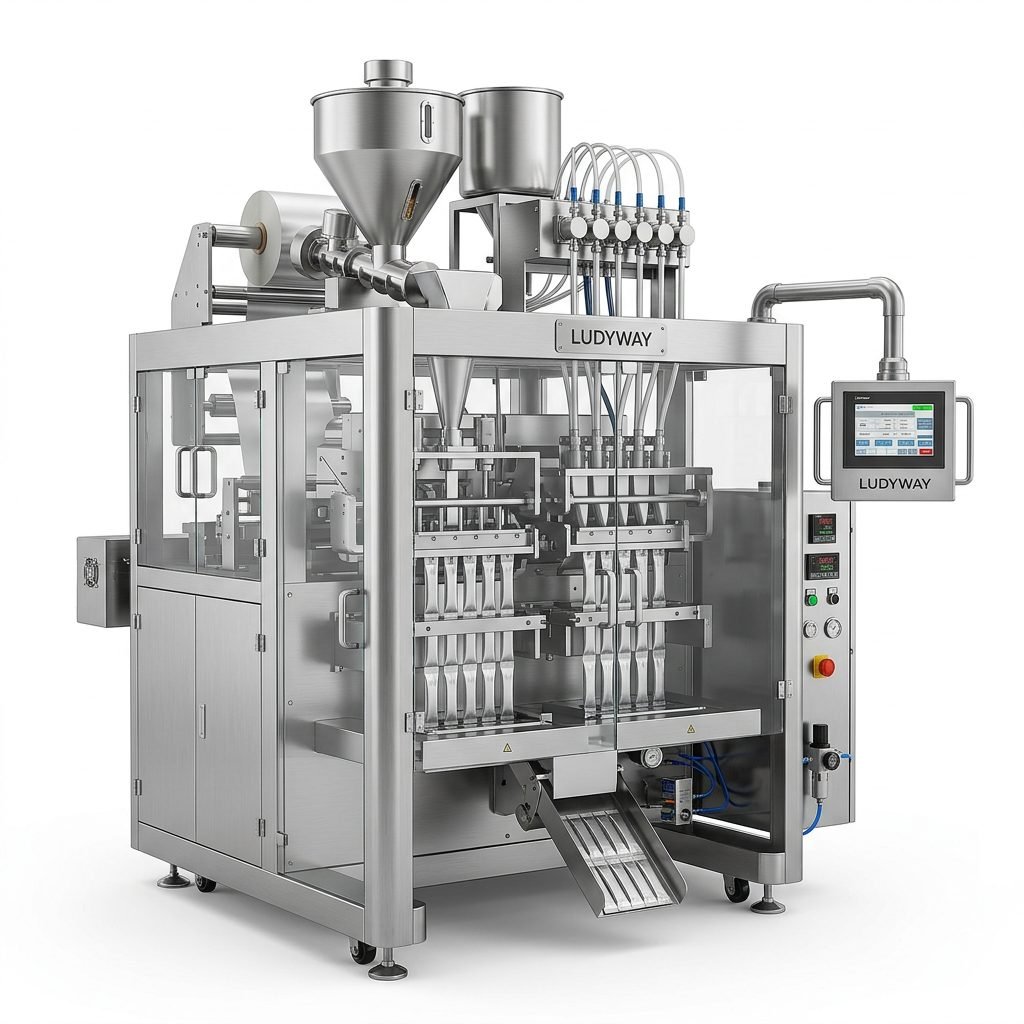
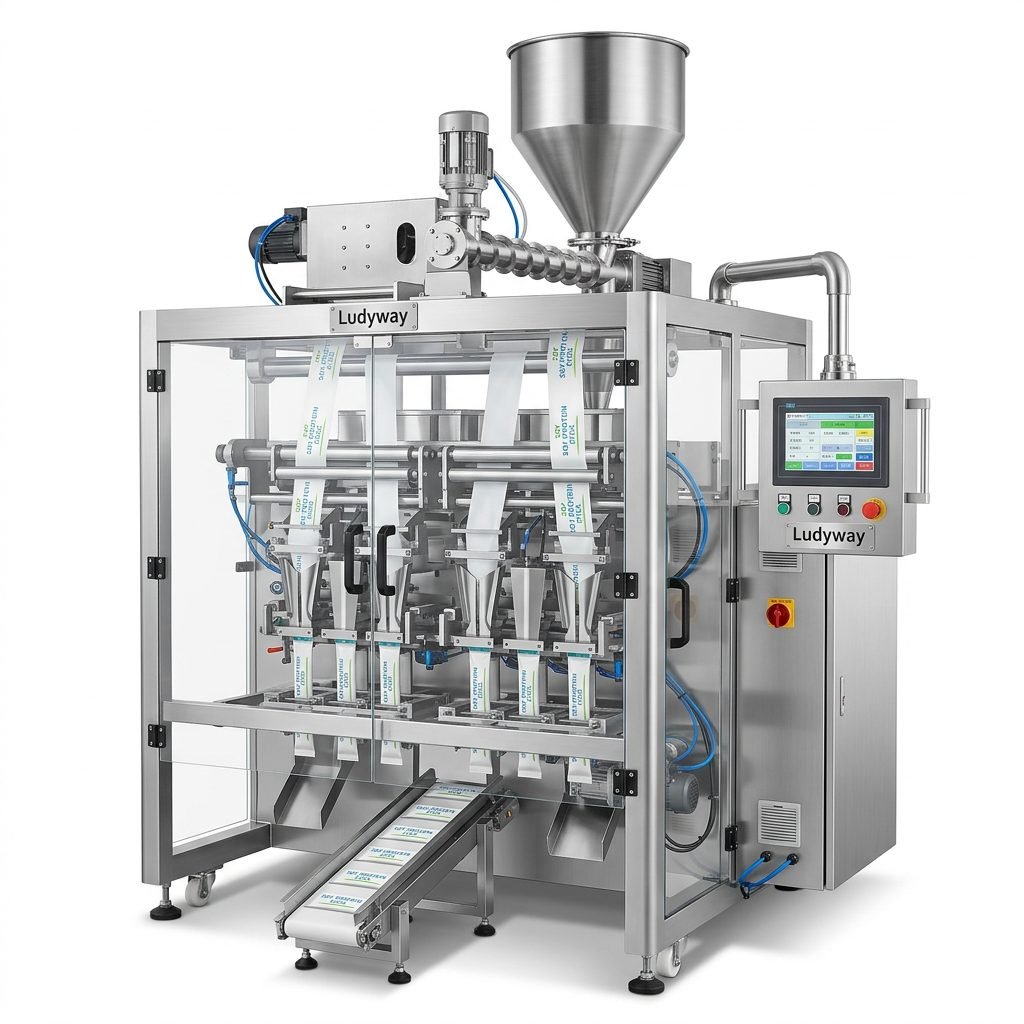
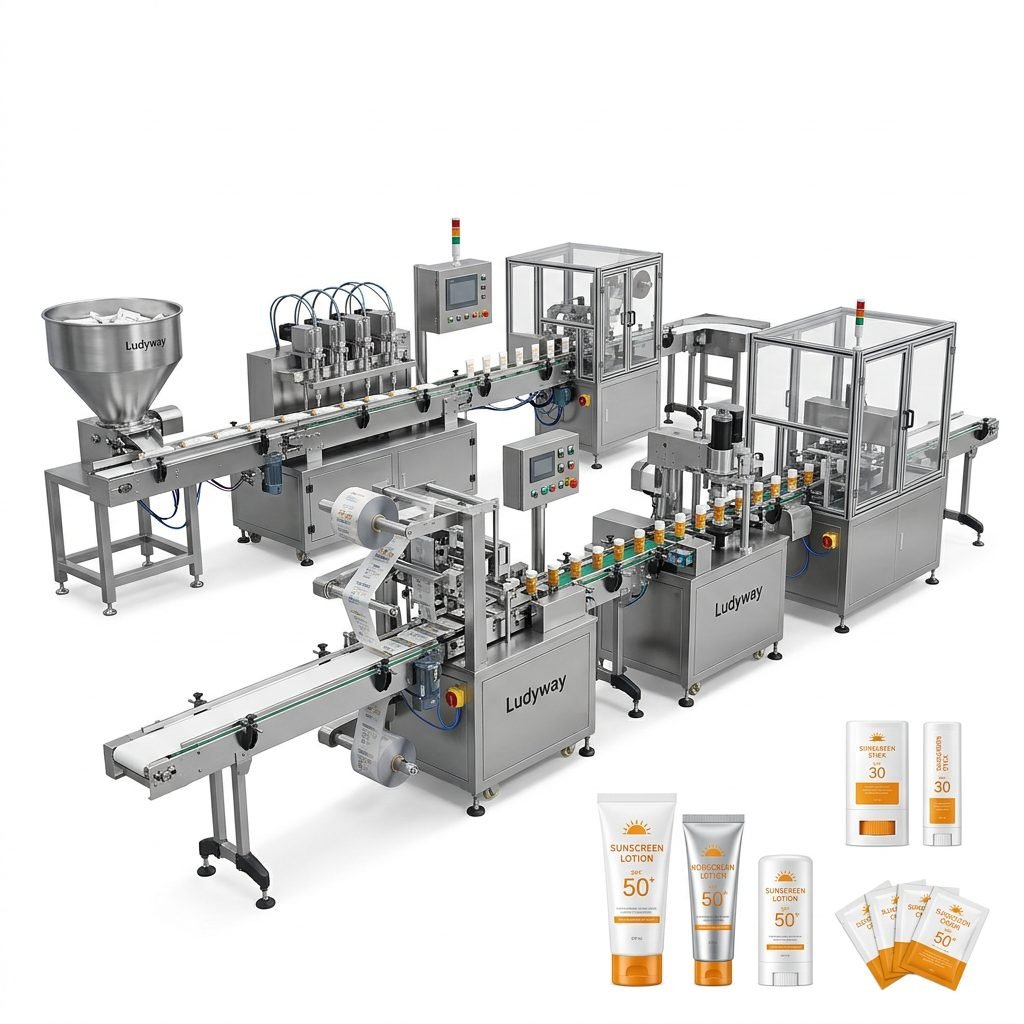
Establishing a cooking oil packaging machine production line in France requires careful planning, a clear understanding of local regulations, and investment in high-quality automatic edible oil packaging equipment. The French food market is highly regulated, and consumer demand for premium, sustainably packaged oils — including olive oil, sunflower oil, and rapeseed oil — continues to grow. A well-designed turnkey packaging line can significantly improve productivity while ensuring compliance with EU standards.
Understanding the French Edible Oil Market
France is one of the largest consumers of vegetable oils in Europe. The market is driven by health-conscious consumers and a strong culinary tradition. Categories such as extra virgin olive oil, organic sunflower oil, and walnut oil are particularly popular. Setting up a liquid packaging production line in France means your equipment must handle a variety of bottle sizes, cap types, and labeling requirements, as well as sachet and stick pack formats often used for single-serve portions.

Key Features of a Modern Oil Packaging Line
- Precision Filling Systems: Volumetric piston fillers or flow meter systems designed for varying viscosities.
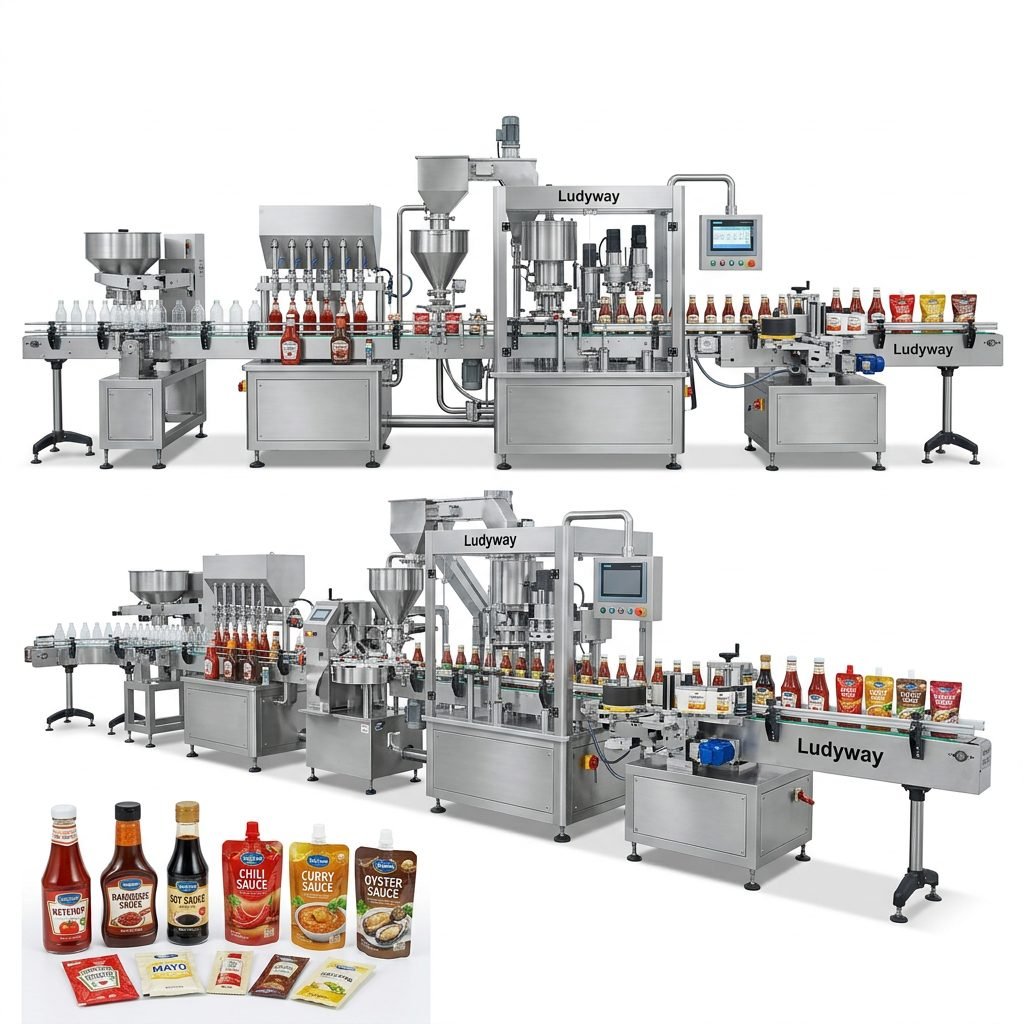
- Multi-Format Flexibility: Ability to switch between bottles, sachets, pouches, and stick packs on a single integrated line.
- Automated Capping & Sealing: Induction sealers for leak-proof closures and tamper-evident packaging.
- High-Resolution Labeling & Coding: Compliance with EU food labeling regulations, including batch codes and expiry dates.
- Nitrogen Flushing Capability: Extends shelf life by reducing oxygen contact, especially important for premium oils.
Core Equipment for a Cooking Oil Packaging Line
Depending on your target output and packaging formats, a cooking oil production line typically includes the following core machinery. The table below outlines standard equipment and their primary functions.
| Equipment | Primary Function | Typical Packaging Formats |
|---|---|---|
| Unscrambling & Bottle Orientation System | Automated bottle feeding, sorting, and positioning for filling | Glass bottles, PET bottles, HDPE containers |
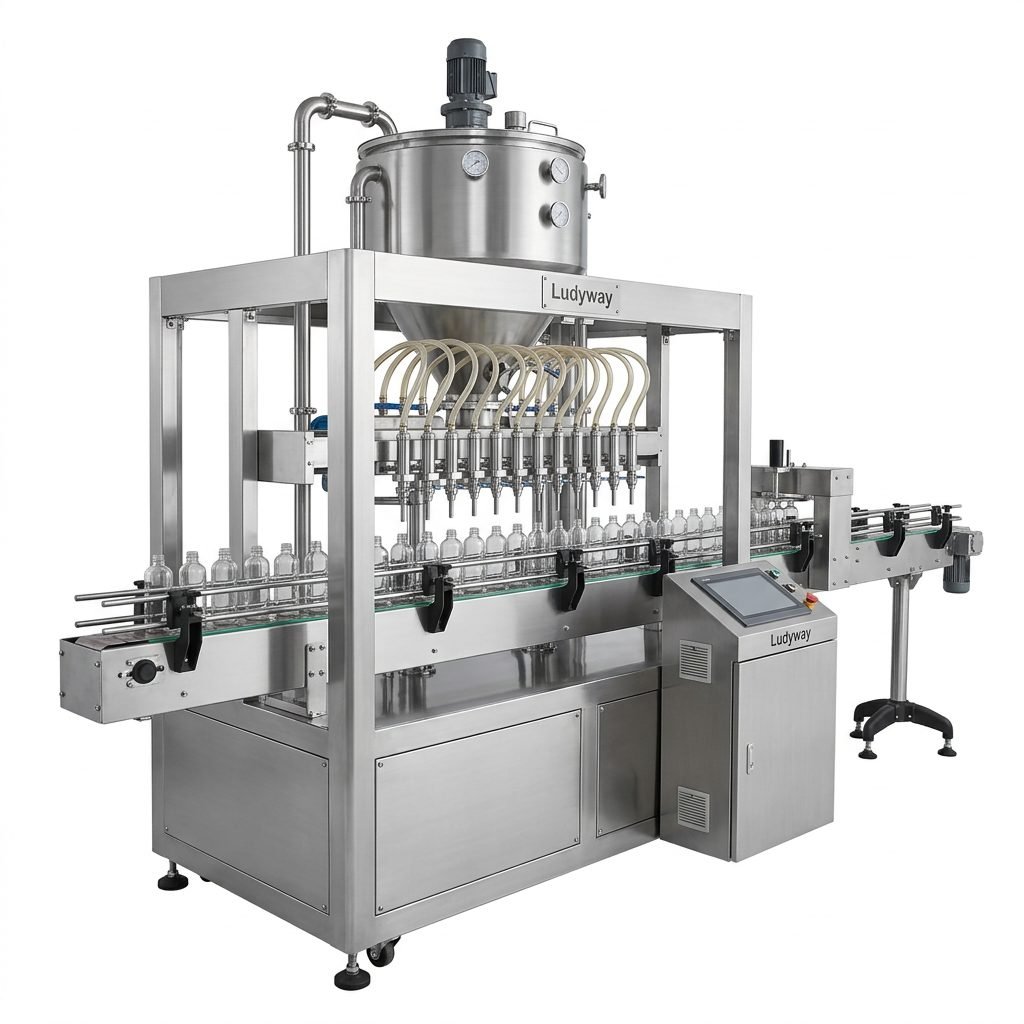
| High-Precision Liquid Filling Machine | Accurate volumetric filling of edible oils with anti-drip nozzles | 200ml to 5L bottles, jerry cans |
| Automatic Capping Machine | Screw cap, press-on, or flip-top cap application with torque control | 28mm, 38mm, 48mm closures |
| Induction Sealing Machine | Hermetic foil sealing for leak-proof, tamper-evident packaging | All cap types with compatible foil liners |
| Front & Back Labeling Machine | High-speed application of self-adhesive labels with precision alignment | Wrap-around labels, front/back panels |
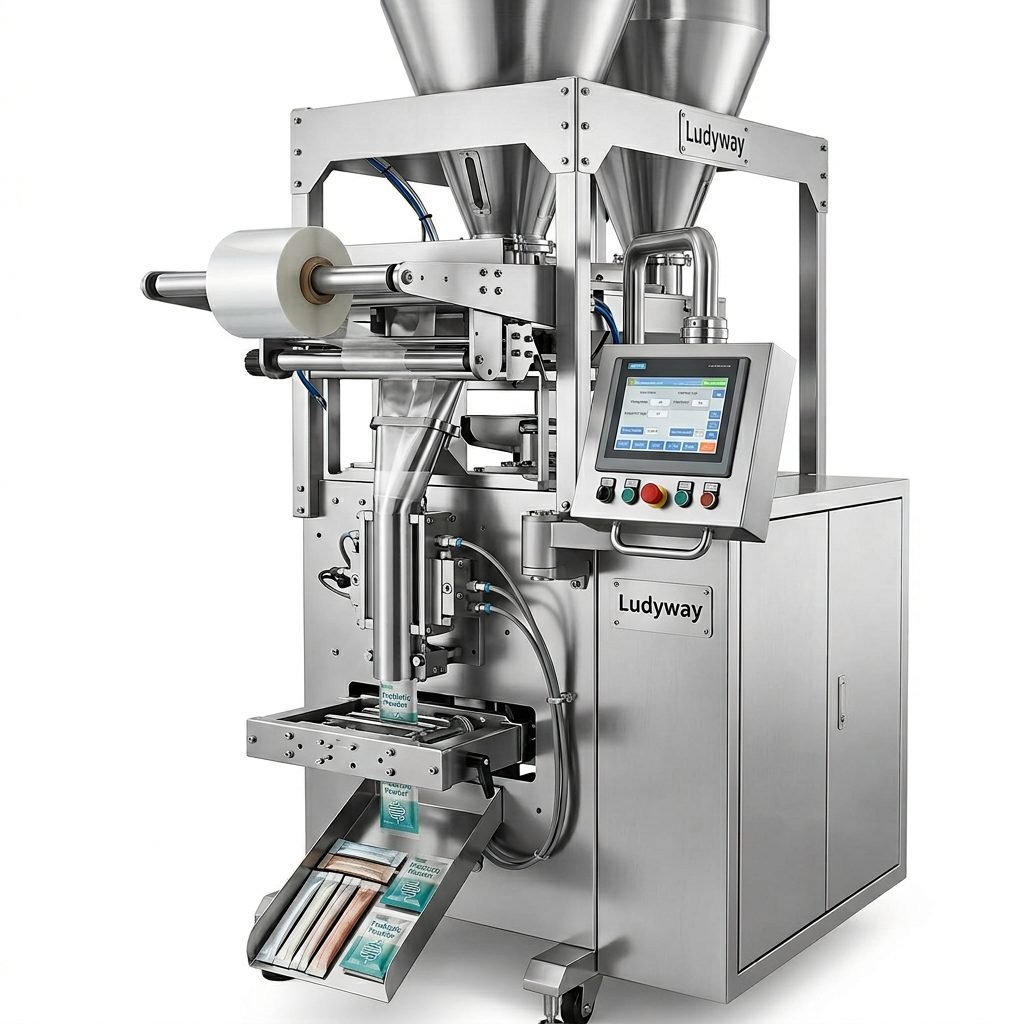
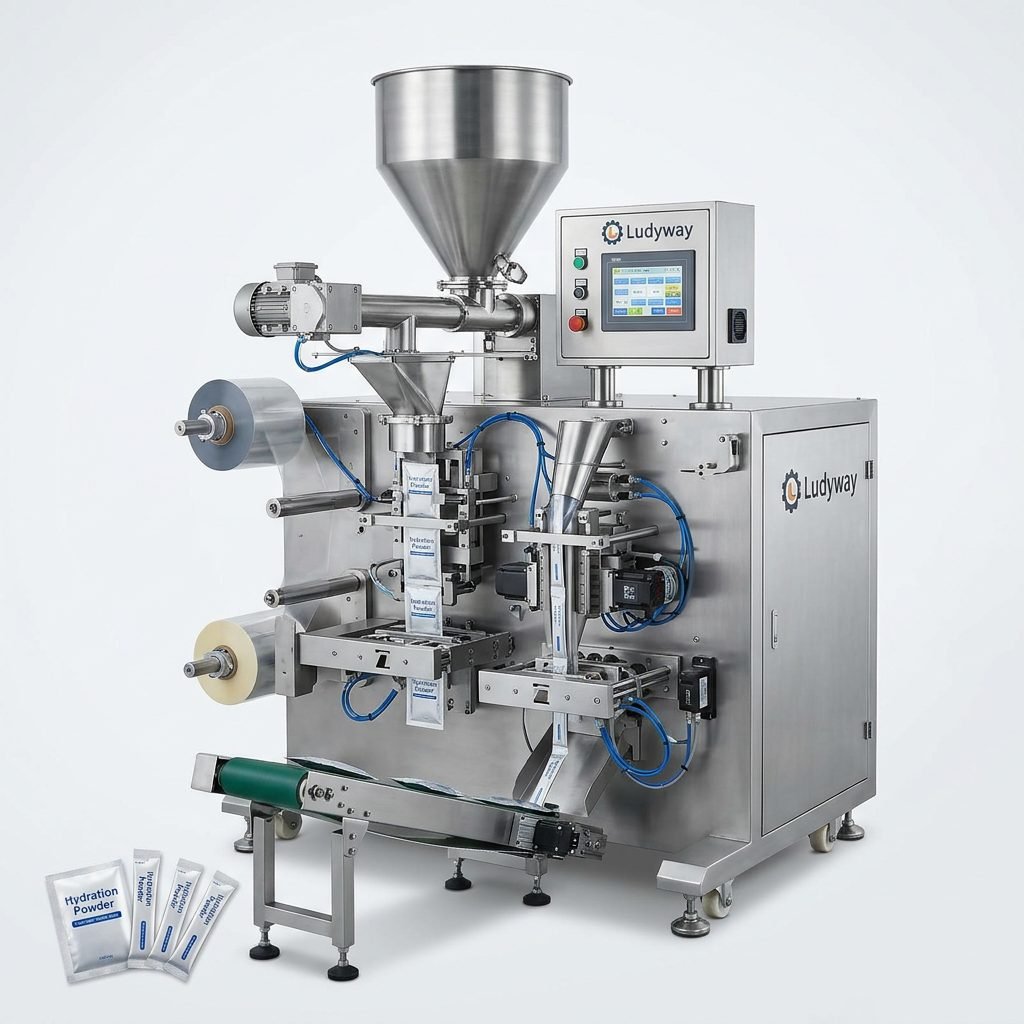
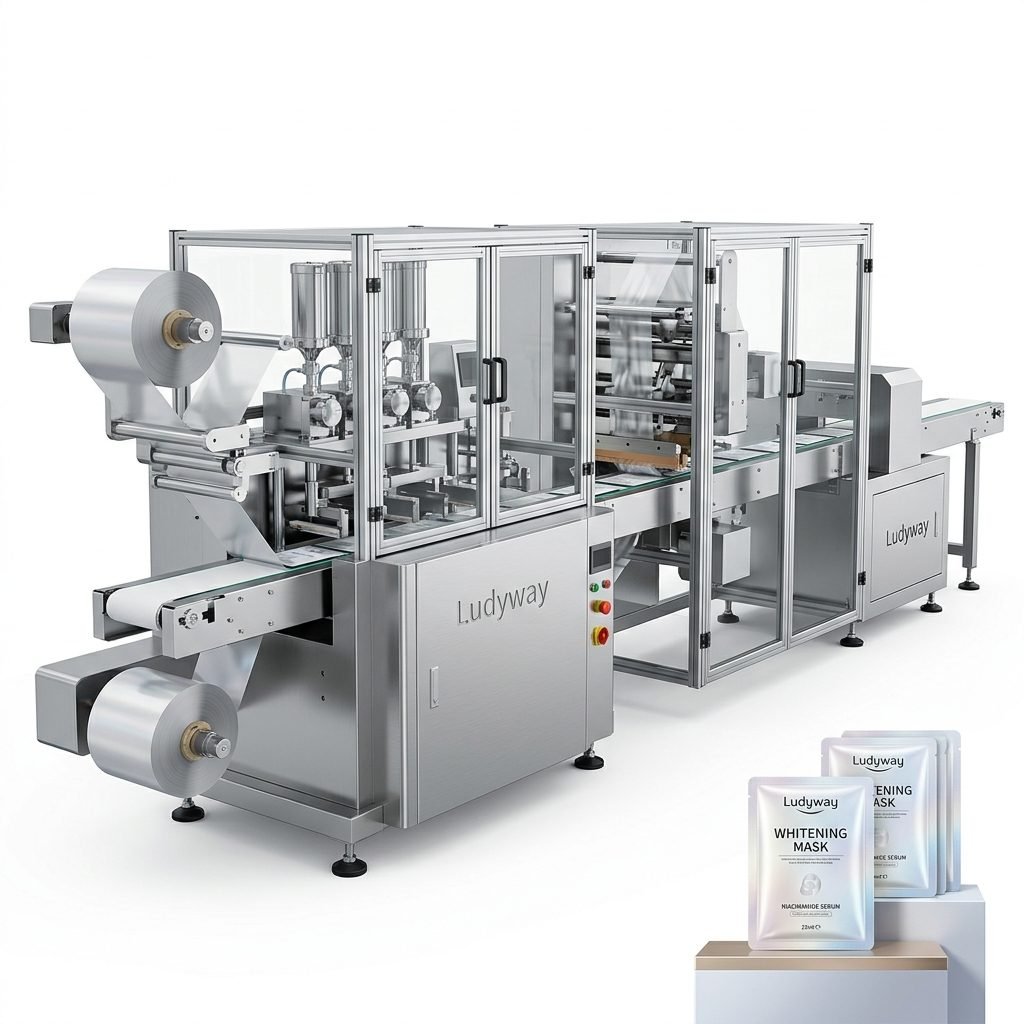
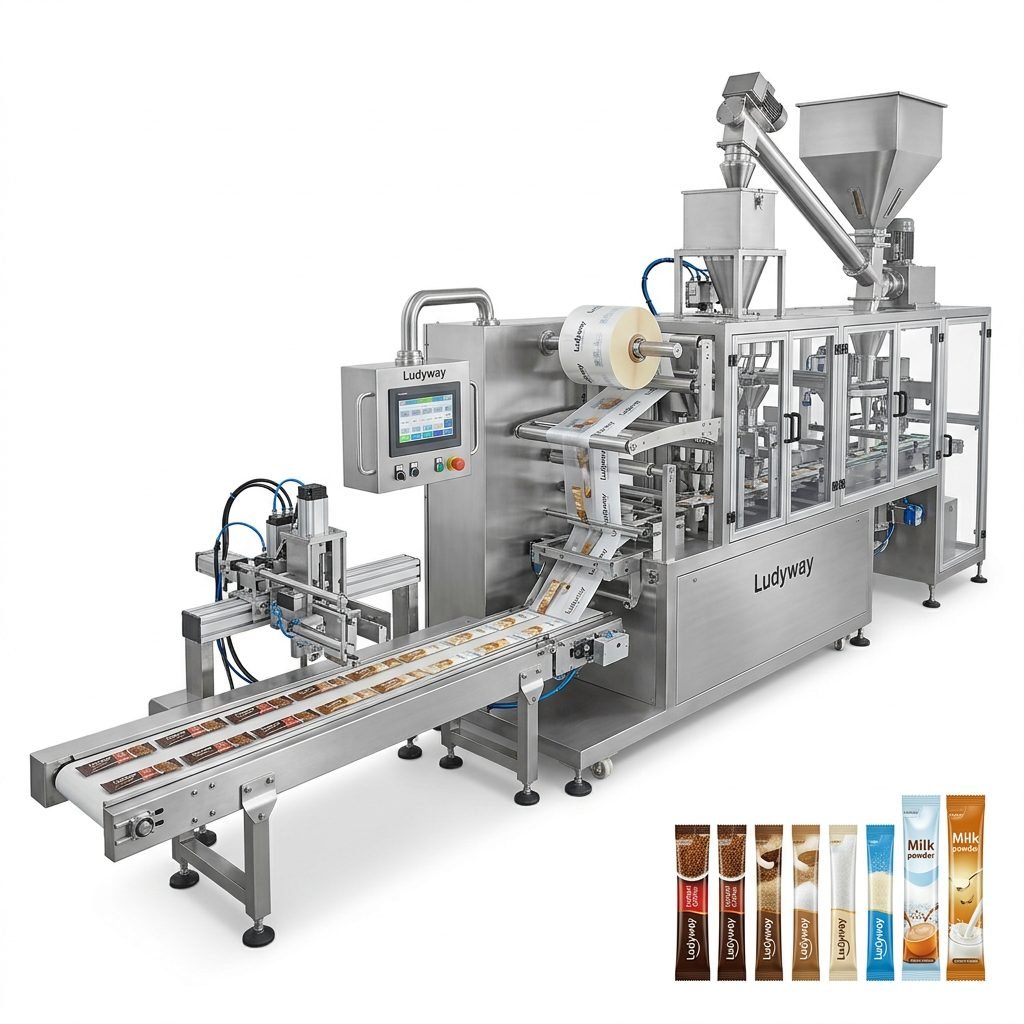
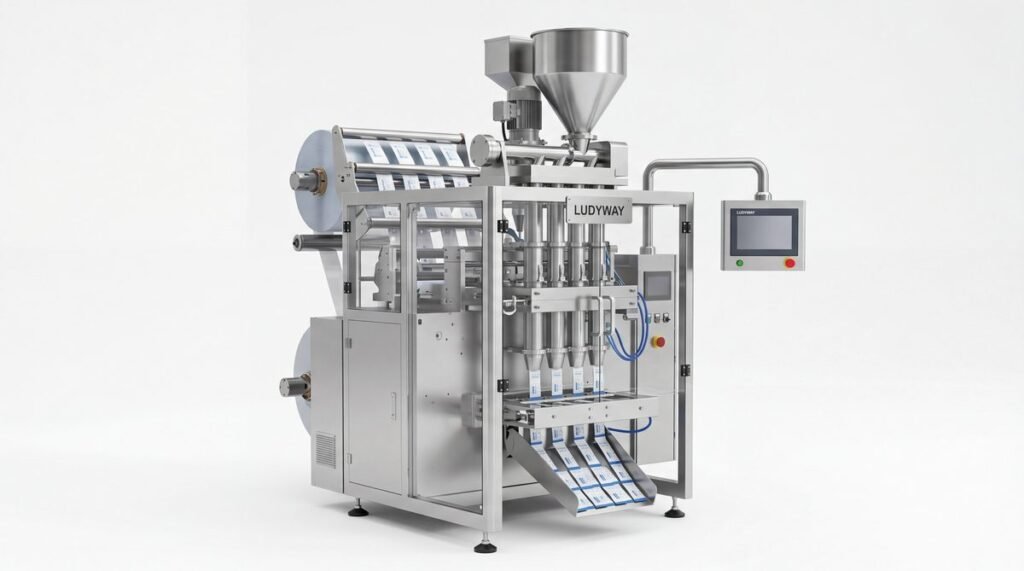
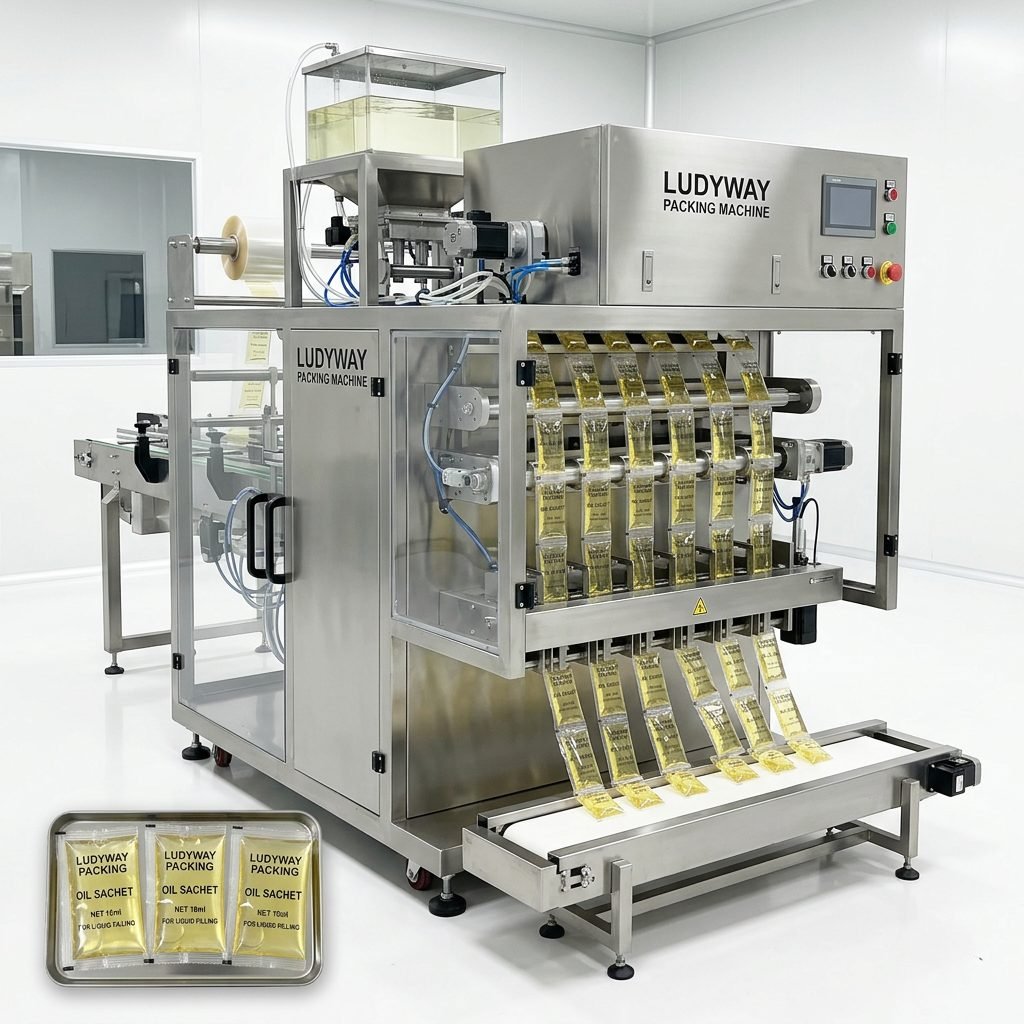
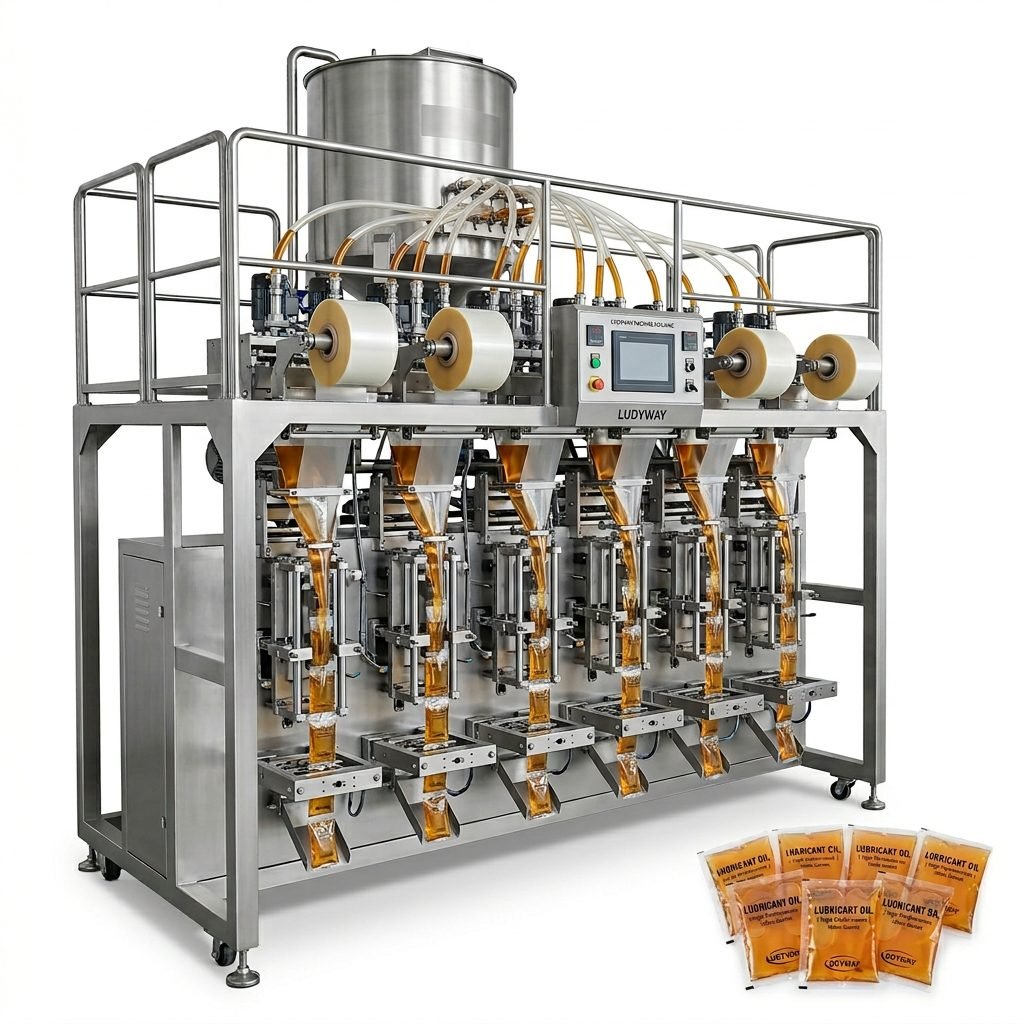
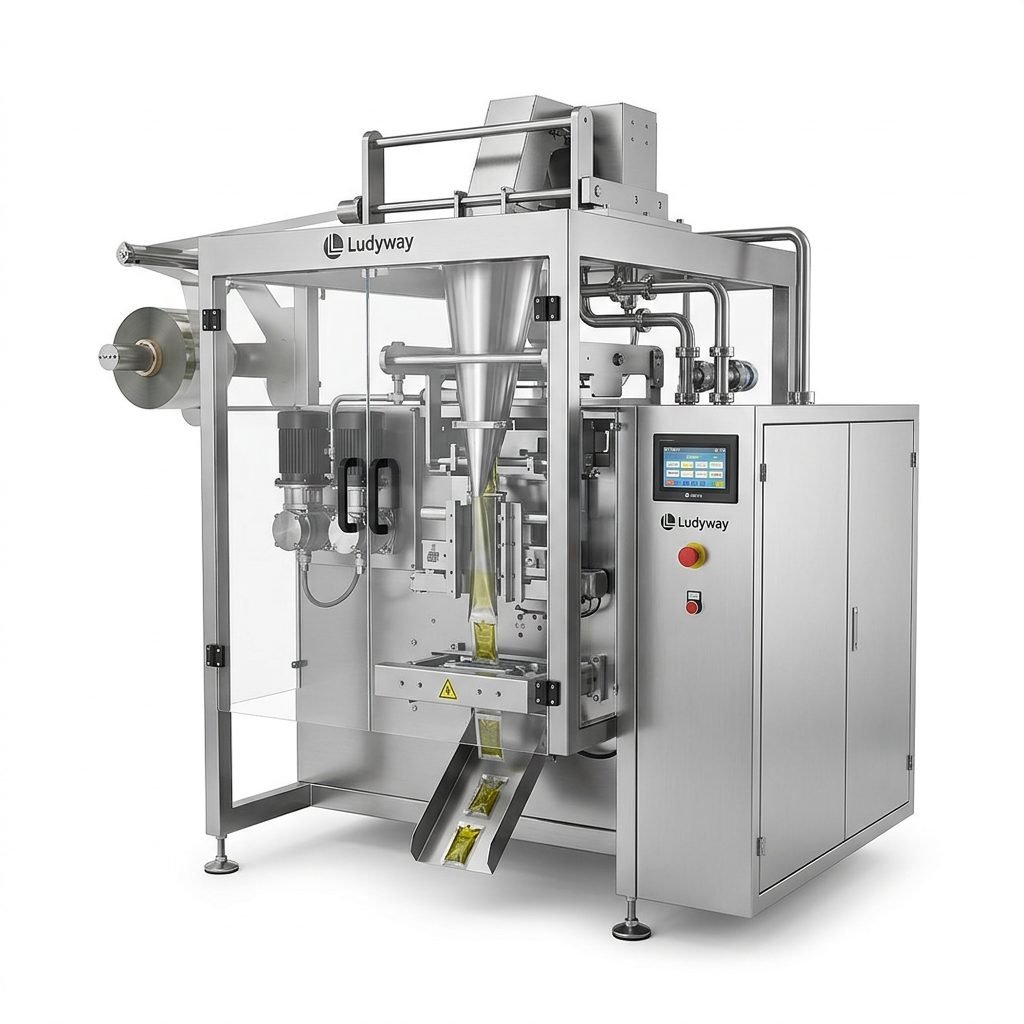
| Multi-Lane Sachet / Stick Pack Machine | Vertical form-fill-seal for single-serve edible oil portions | Sachets, stick packs, mini-pouches |
| Cartoning & Case Packing System | Automated grouping, carton erection, and case packing for distribution | Corrugated boxes, display cartons, shelf-ready packaging |
| Palletizing Robot / Pallet Wrapper | End-of-line palletizing and stretch wrapping for secure transport | Euro pallets, industrial pallets |
Optional Auxiliary Equipment
- Inline Checkweigher for automatic weight verification and compliance with EU average quantity regulations.
- Metal Detector or X-Ray Inspection System for foreign body detection in compliance with food safety standards.
- CIP (Clean-in-Place) System for efficient cleaning of filling circuits when switching between oil varieties.
- Vision Inspection System for label presence, cap alignment, and fill level verification.

Step-by-Step Setup Process in France
Setting up a cooking oil packaging line in France involves several critical phases — from facility selection to full-scale production. Below is a structured approach to guide your project planning.
Step 1: Facility & Infrastructure Planning
Your production site must comply with French food industry regulations and EU hygiene directives. Ensure the facility has adequate floor space (typically 500 to 2,000 square meters for a medium-capacity line), proper drainage systems, temperature-controlled storage for edible oils, and three-phase electrical supply. Floor load capacity must accommodate heavy filling and palletizing equipment.
Step 2: Equipment Selection & Process Flow Design
Define your production goals — typical line speeds range from 1,500 to 6,000 bottles per hour for medium-scale operations, and 200 to 600 sachets per minute for multi-lane stick pack systems. Map out the complete process flow from bottle depalletizing to finished pallet wrapping. Work with experienced packaging machine manufacturers who can design an integrated automation layout that minimizes manual handling.
Step 3: Regulatory Compliance & Certification
In France, edible oil packaging must adhere to Regulation (EC) No 1935/2004 on food contact materials, as well as French national standards. Obtain necessary certifications such as IFS Food or BRCGS for retail supplier approval. All packaging materials must be traceable and compliant with EU labeling requirements under Regulation (EU) No 1169/2011 on food information to consumers. Refer to resources from PMMI and Flexible Packaging Association for industry best practices.
Step 4: Installation, Commissioning & Training
Professional installation and commissioning minimize downtime. A typical line installation takes 4 to 8 weeks, including mechanical setup, electrical integration, and software configuration. Comprehensive operator training on machine operation, maintenance, and safety protocols is essential. Many suppliers offer remote diagnostic support and on-site training packages. Familiarize yourself with relevant ISO packaging standards for quality management during commissioning.
Estimated Costs Breakdown
The total investment for a cooking oil packaging production line in France varies based on automation level, production capacity, and packaging formats. Below is an estimated cost range for a medium-scale turnkey line capable of handling both bottle and sachet formats.
| Cost Category | Estimated Range (EUR) | Key Variables |
|---|---|---|
| Core Filling & Capping Line | €120,000 – €350,000 | Bottle size range, filling speed, capping complexity |
| Multi-Lane Sachet / Stick Pack Machine | €80,000 – €250,000 | Number of lanes, pouch dimensions, output speed |
| Labeling & Coding Systems | €30,000 – €90,000 | Label type, print technology, inspection integration |
| Cartoning & End-of-Line Automation | €60,000 – €200,000 | Carton complexity, palletizing method, conveyor length |
| Auxiliary Equipment & Inspection | €20,000 – €80,000 | Checkweighers, metal detectors, vision systems |
| Installation, Training & Commissioning | €25,000 – €60,000 | Travel, on-site duration, scope of technical support |
| Total Estimated Turnkey Investment | €337,000 – €1,030,000 | Varies significantly by configuration and capacity |
Additional Operational Costs
- Packaging Materials: Bottles, caps, labels, cardboard cartons, shrink film — estimated €0.15 to €0.80 per unit depending on format and order volume.
- Utilities: Electricity, compressed air, and nitrogen supply — budget approximately €3,000 to €6,000 per month for a medium-scale line.
- Maintenance & Spare Parts: Allocate 2% to 4% of equipment cost annually for preventive maintenance and consumable parts.
- Labor: 3 to 6 operators per shift, plus supervisory staff for quality control and warehouse management.
French Regulatory & Sustainability Considerations
France has implemented some of the most rigorous environmental packaging regulations in Europe. The AGEC Law (Anti-Waste for a Circular Economy) and EU Packaging and Packaging Waste Directive significantly influence packaging design. Producers must consider recycled content mandates, recyclability scoring, and extended producer responsibility (EPR) fees managed through organizations like CITEO. Review guidelines from the European Commission on Packaging Waste to ensure your line design aligns with current and forthcoming regulatory requirements.
Partnering with the Right Equipment Supplier
Selecting a reliable packaging machine supplier is critical. Look for a partner with proven experience in liquid food packaging automation, international installation capability, and responsive after-sales support. Ludyway is one of the largest packaging machine manufacturers in China, specializing in advanced packaging equipment and turnkey production solutions for the food, pharmaceutical, and health industries. With over 30 years of industry expertise, a modern 20,000㎡ manufacturing facility, and more than 50 intelligent packaging machine models — including multi-lane stick pack, sachet, and fully automated packaging systems — Ludyway provides reliable, high-performance equipment to customers in over 100 countries. Their comprehensive approach covers everything from process design and equipment supply to on-site installation and operator training, helping businesses achieve efficient production and consistent product quality. For inquiries, contact info@ludyway.com or reach out via WhatsApp at +8613129592456.
Key Selection Criteria for a Packaging Partner
- CE Certification: Essential for machinery imported into the European market — verify that all equipment carries valid CE marking.
- References in the EU Food Sector: Ask for case studies or client references with similar edible oil or liquid food packaging installations.
- Rapid Spare Parts Availability: Ensure the supplier offers localized spare parts inventory or express air-freight logistics to minimize production downtime.
- After-Sales Engineering Support: Look for remote diagnostic capability and dedicated project engineers who understand European production environments.
Common Mistakes to Avoid
Many first-time investors in automated cooking oil packaging lines underestimate the complexity of multi-format setups. Below are frequent pitfalls and how to avoid them:
Inadequate Space Allocation
Under-sizing the production floor leads to bottlenecks. Always plan for at least 30% extra floor space beyond the machine footprint for material staging, operator movement, and future expansion.
Ignoring Material Compatibility Testing
Edible oils can react with certain packaging materials over time, affecting taste and shelf life. Conduct thorough compatibility and migration testing with your chosen bottles, caps, and sealing liners before finalizing specifications.
Overlooking Changeover Efficiency
If you plan to package multiple oil types or formats, rapid changeover capability is essential. Evaluate tool-free adjustment features, pre-programmed recipes, and changeover time guarantees from your equipment supplier.
Conclusion
Setting up a cooking oil packaging machine production line in France is a strategic investment that requires careful selection of equipment, rigorous compliance with EU and French regulations, and partnership with an experienced packaging machinery manufacturer. By focusing on process automation, material compatibility, and long-term operational efficiency, you can build a line that delivers consistent quality, meets market demands, and scales with your business growth. For tailored guidance and equipment quotations, connecting with industry specialists who understand the French food packaging landscape is an essential first step.
For further reading on packaging standards and market trends, explore resources from PMMI Business Intelligence, the Flexible Packaging Association Knowledge Hub, and the ISO Packaging Standards Library.