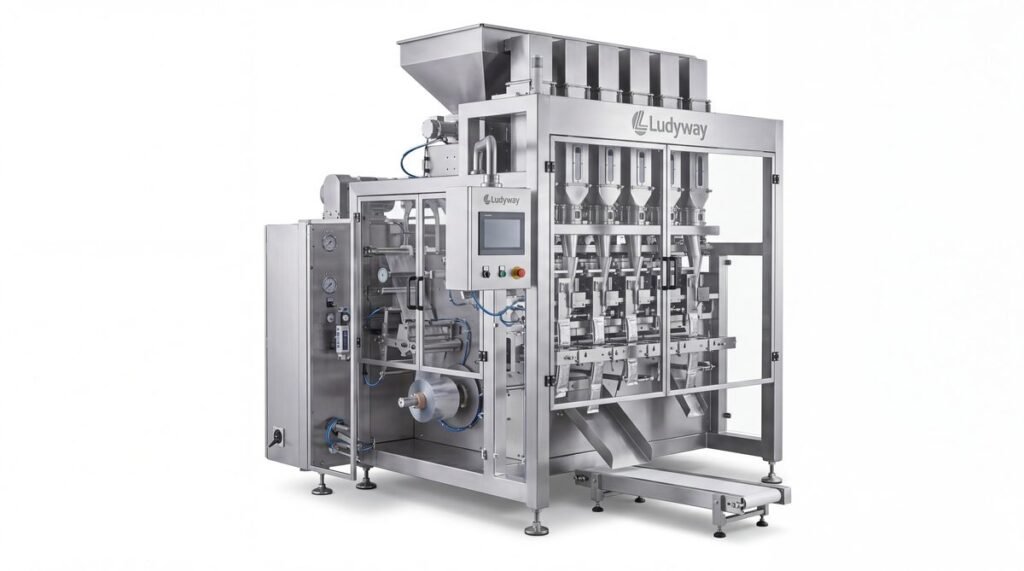
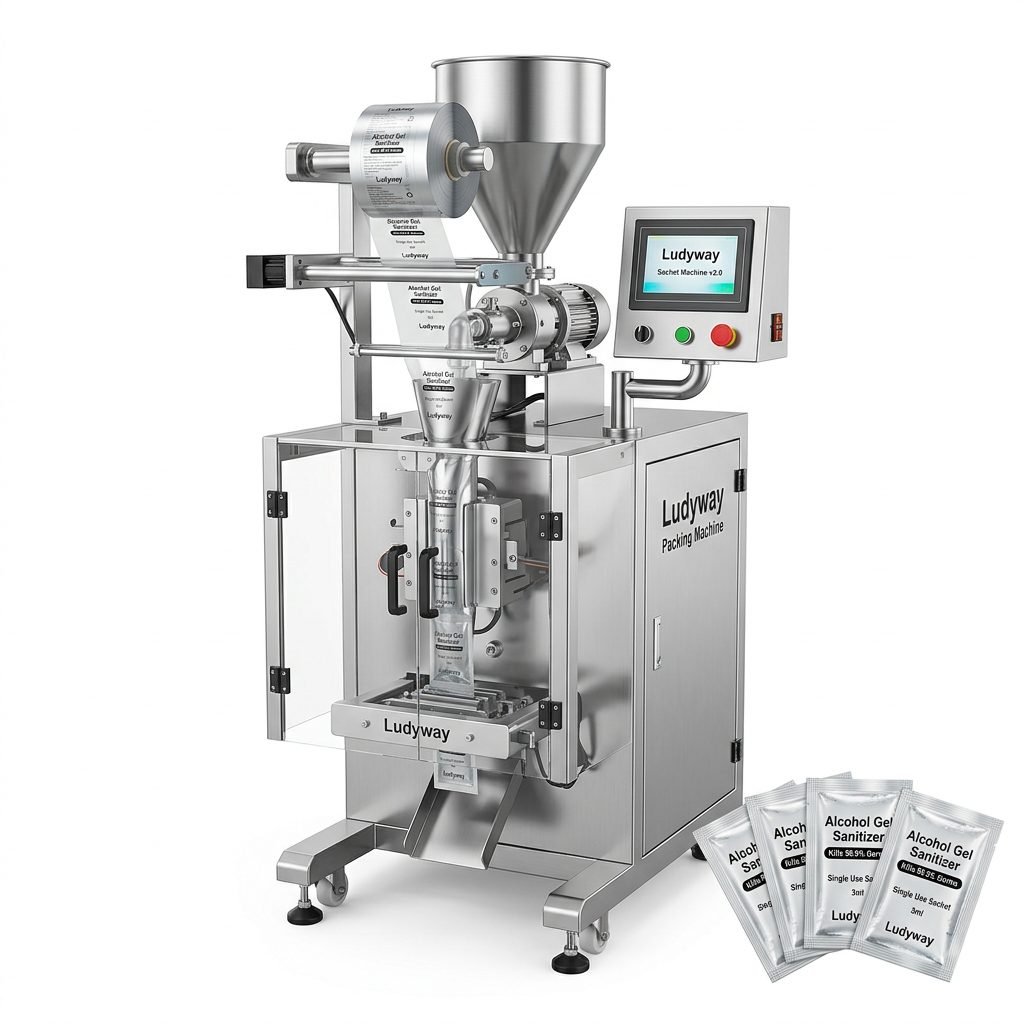
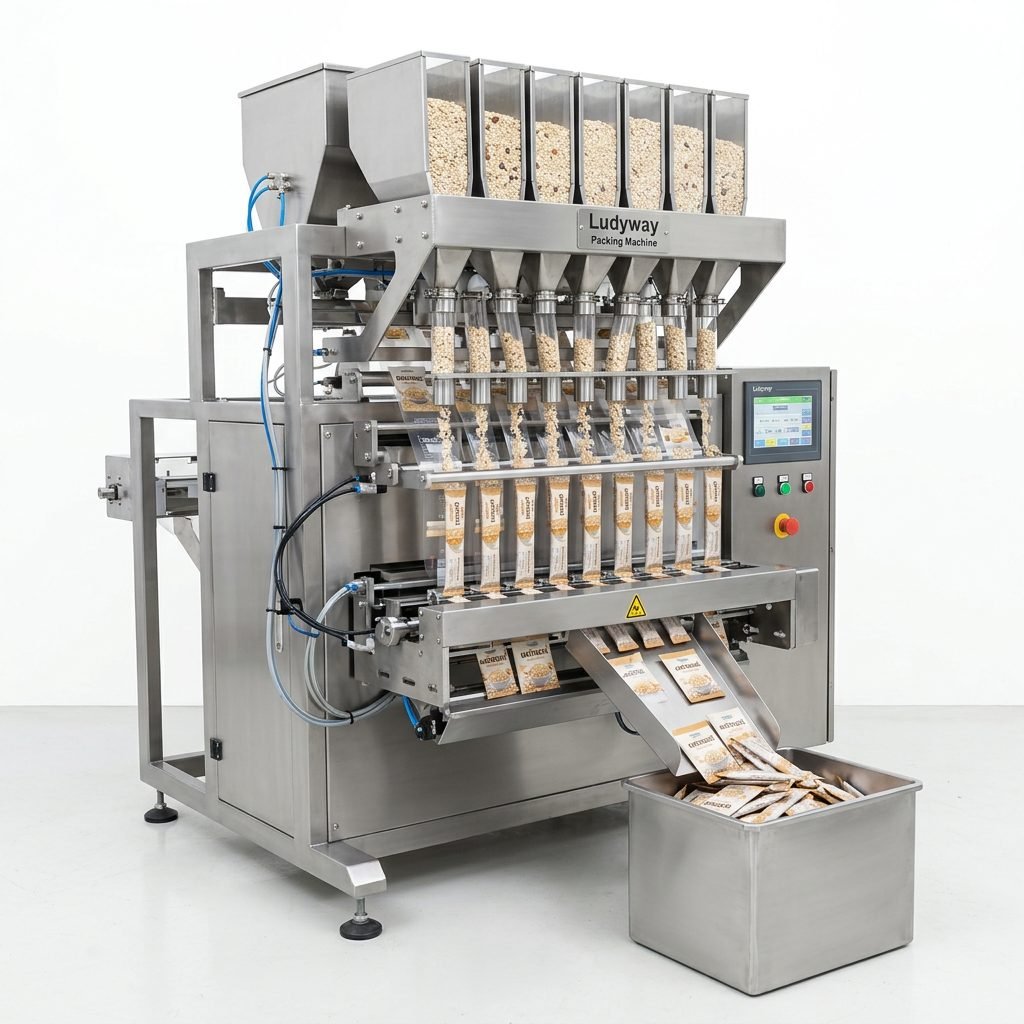
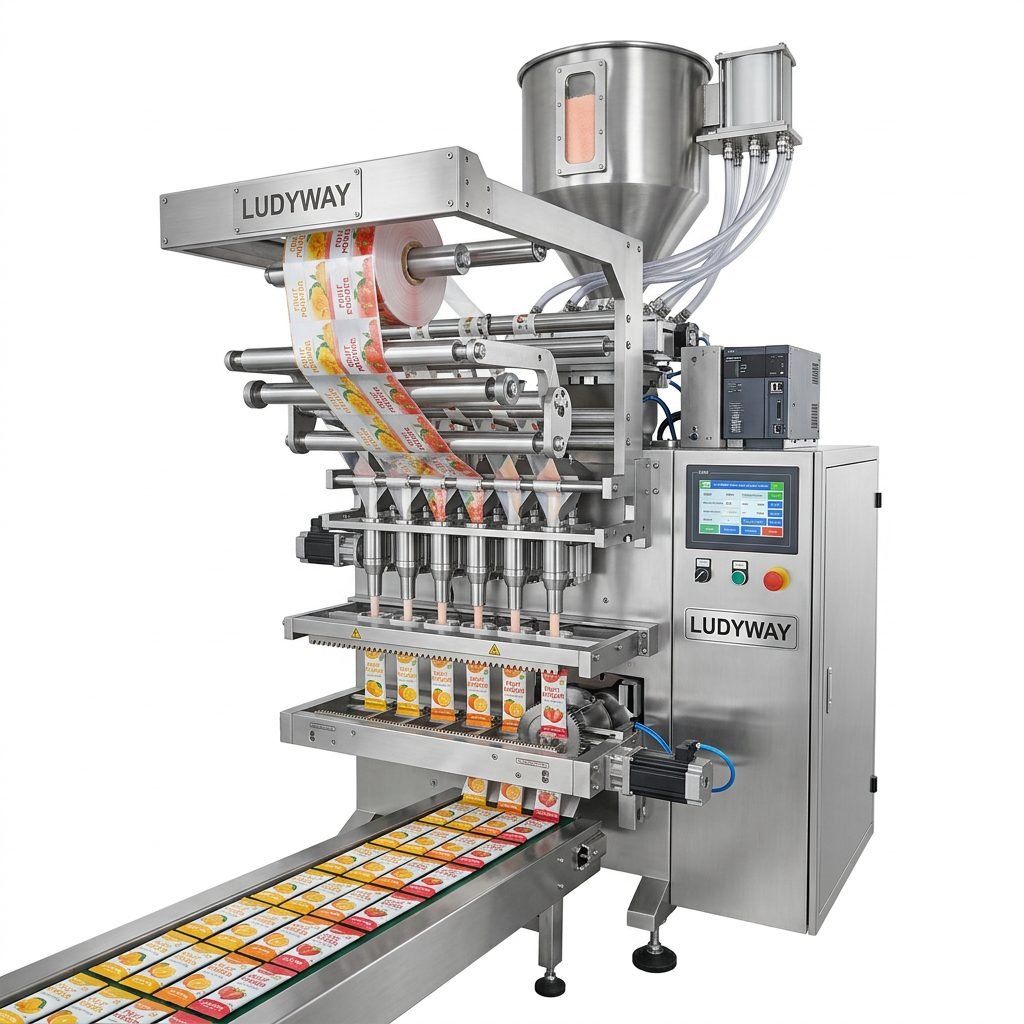
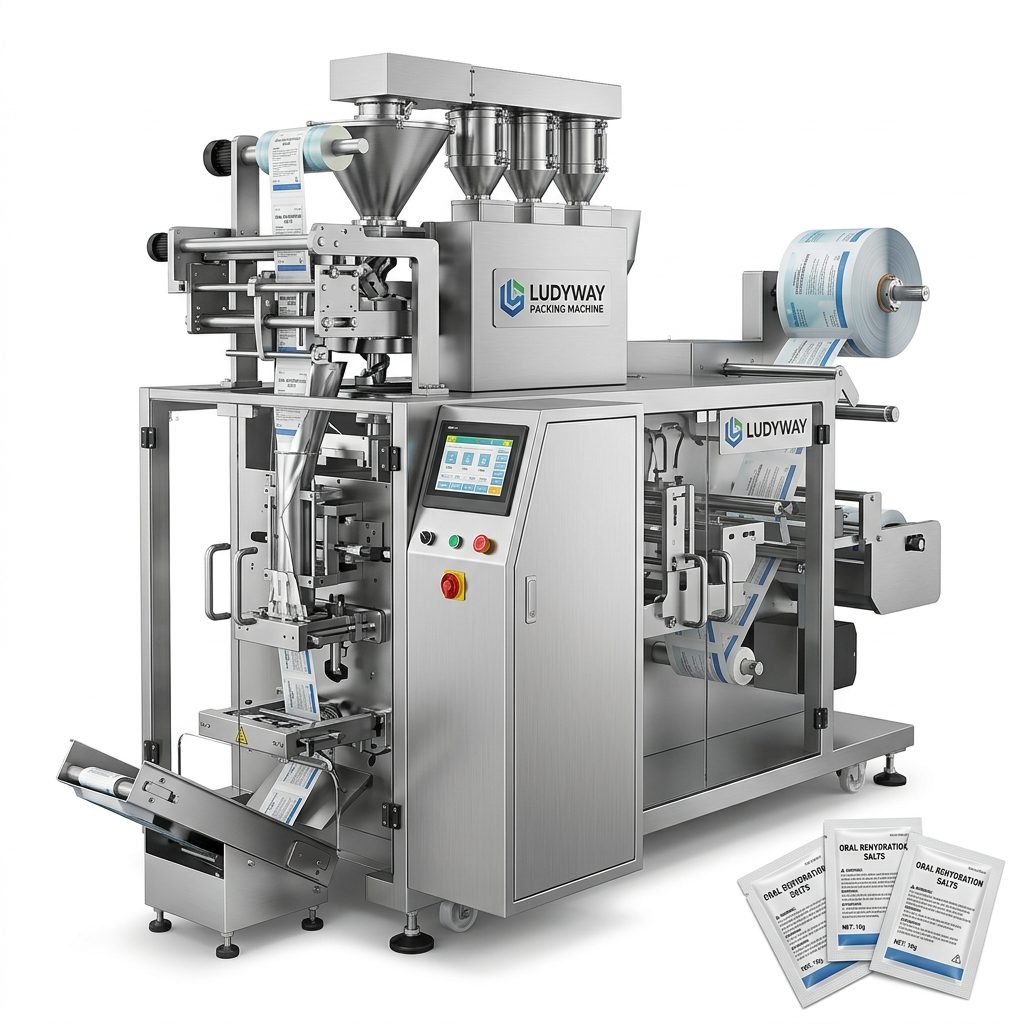
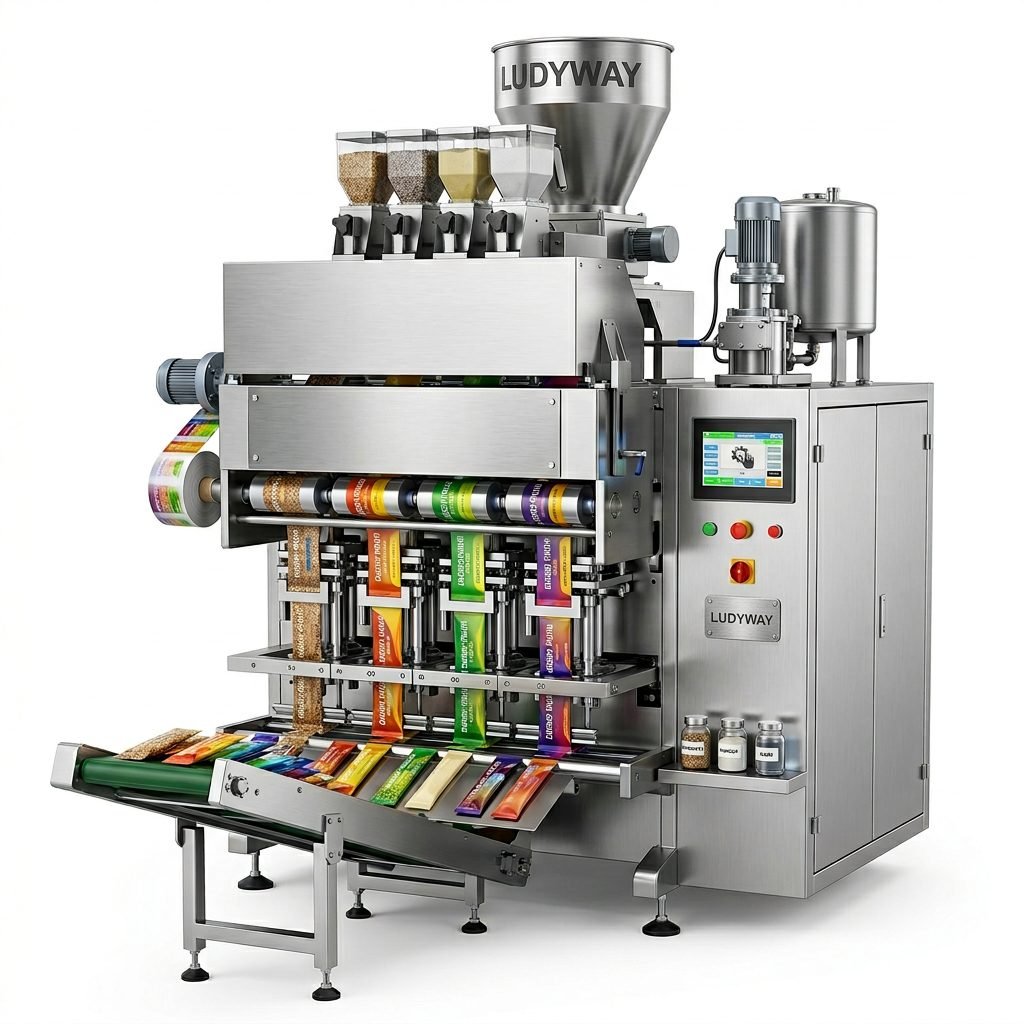
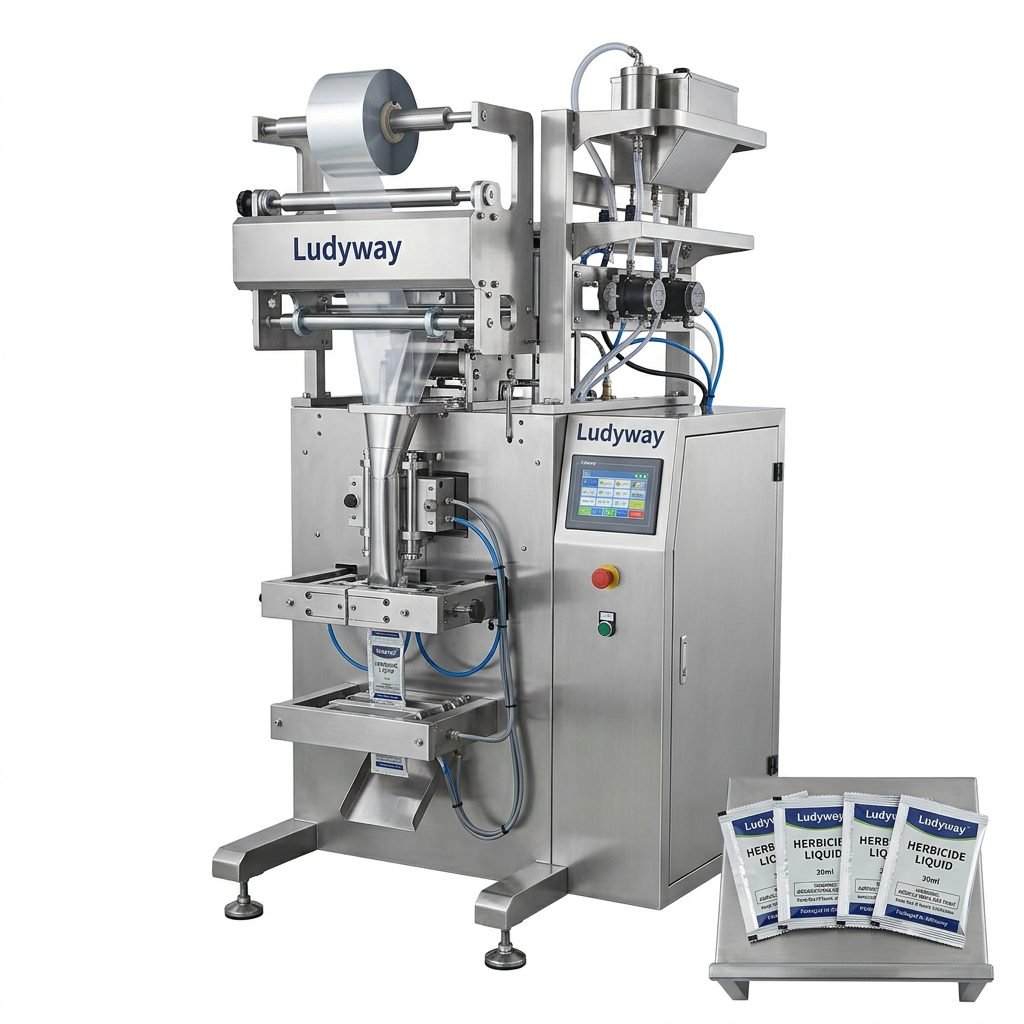
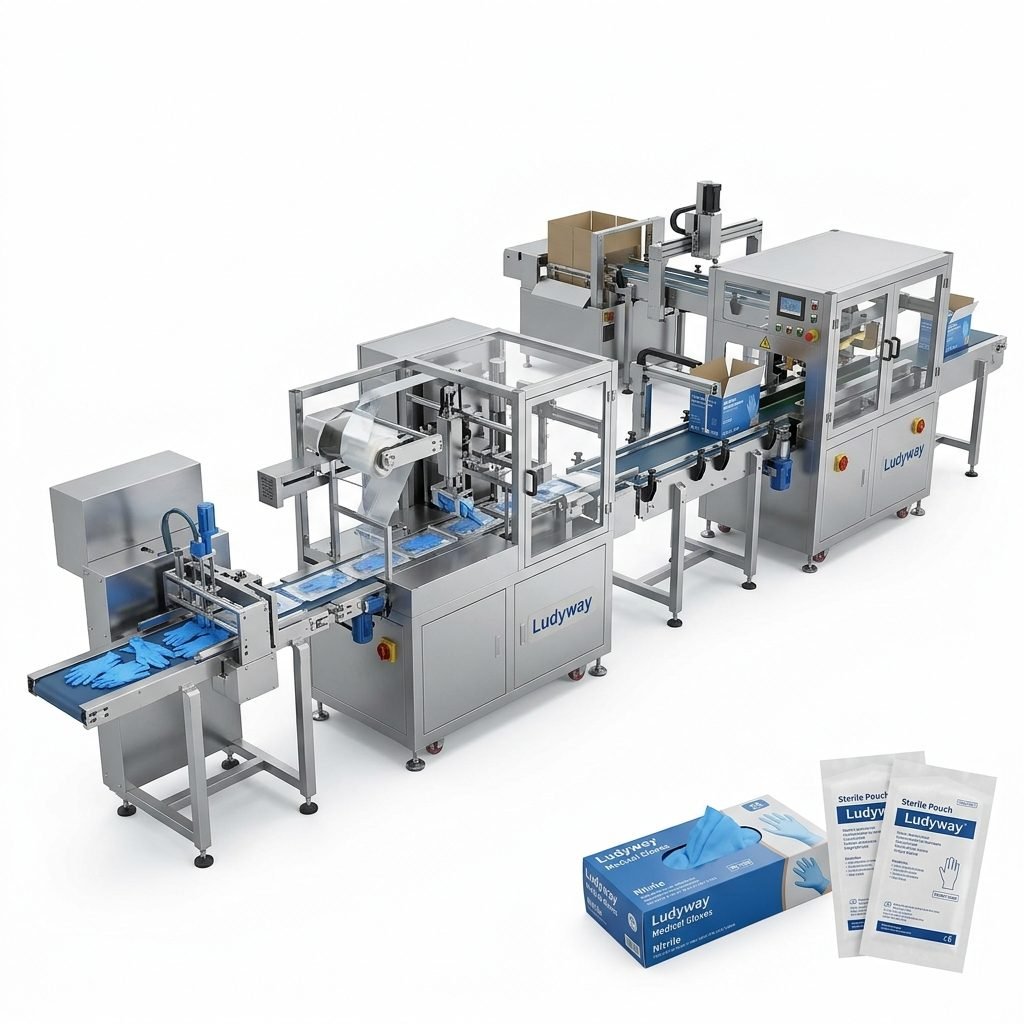
Consistent and proactive maintenance is the most cost-effective strategy for any production environment. A well-maintained packaging making machine not only delivers consistent package quality but also dramatically extends operational life, preventing costly downtime. Whether you are running a high-speed multi-lane stick pack system or a single-sachet filler, neglecting routine care leads to material waste, electrical failures, and mechanical wear. This guide outlines essential tips to maximize your equipment’s longevity.
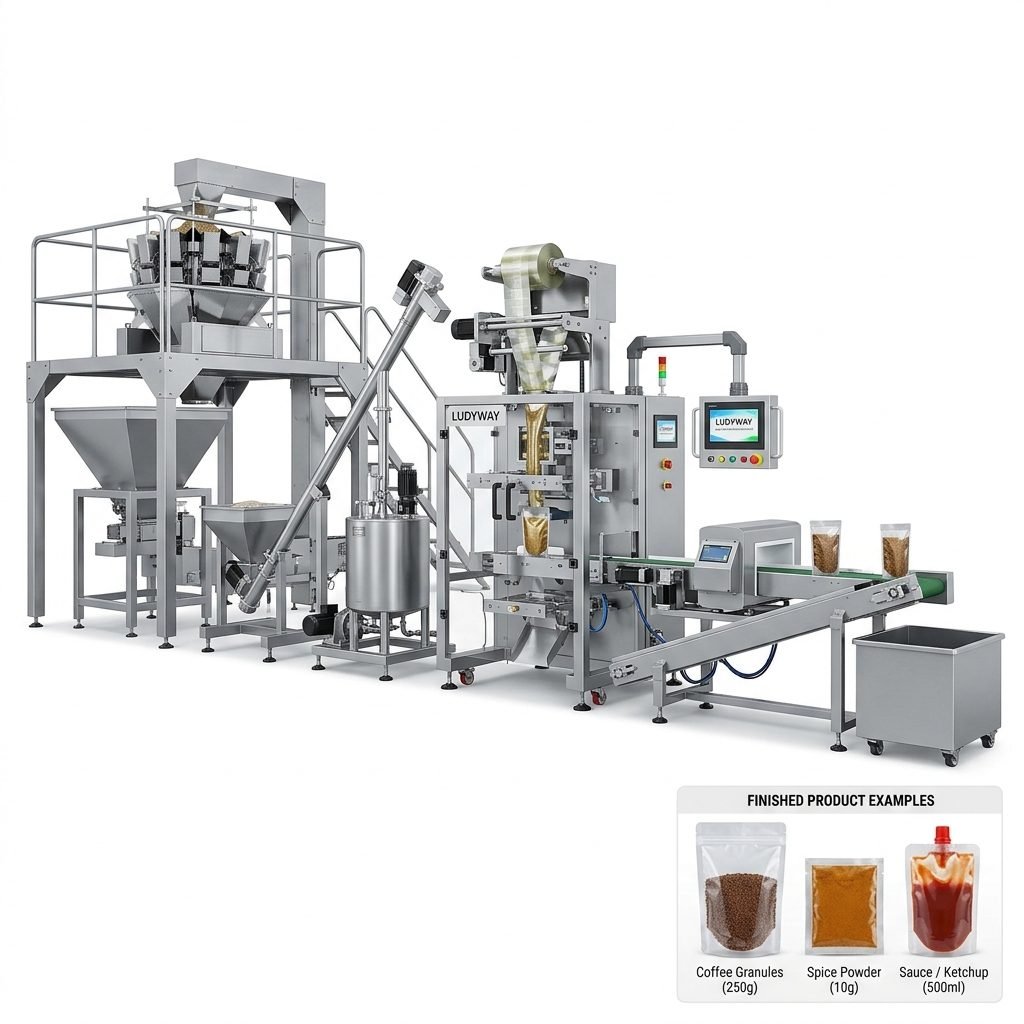
1. Daily Inspection and Cleaning Routines
The foundation of preventive maintenance is daily observation. Start every shift with a visual inspection of the packaging machine. Look for loose bolts, worn belts, or material buildup. Ignoring small leaks or powder residue today can lead to major seal failures tomorrow.
Use compressed air or a vacuum system to remove dust and product residue from sealing jaws, forming tubes, and sensors. For machines handling sticky liquids like syrups or oils, a thorough wash-down at the end of the shift prevents residue from hardening and damaging moving parts.
2. Lubrication: The Lifeblood of Machinery
Friction is the enemy of any mechanical drive system. A packaging making machine contains numerous moving points—chains, gears, bearings, and cam mechanisms—that require regular lubrication. Refer to your manufacturer’s manual to identify the correct food-grade grease or oil for each part.
- Check grease levels in central lubrication systems weekly.
- Apply a thin layer of lubricant to sliding tracks and linear guides.
- Over-greasing can attract dust; ensure you wipe away excess lubricant immediately.
3. Sealing Jaw and Cutting Blade Care
The quality of your final pouch depends critically on the condition of the heat-sealing jaws and cutting knives. Burnt polymer residue (char) on the sealing surface causes weak seals and uneven pressure. Clean the sealing bars daily using a soft brass brush or a non-abrasive cleaning cloth while they are still slightly warm.
Inspect the Teflon coating on the sealing jaws. If the coating is scratched or peeling, it will cause the packaging film to stick. Similarly, dull cutting blades result in jagged pouch edges and can strain the drive motor. Sharpen or replace blades at the first sign of wear.
| Maintenance Task | Frequency | Key Focus Area |
|---|---|---|
| Visual Inspection | Every Shift | Leaks, loose fixtures, sensor alignment |
| Sealing Jaw Cleaning | Daily | Remove char, check Teflon coating |
| Lubrication | Weekly/Bi-weekly | Gears, chains, bearings |
| Pneumatic System | Monthly | Filter drain, pressure check |
| Electrical Check | Quarterly | Tighten terminals, inspect cables |
4. Electrical and Sensor System Integrity
Modern machines rely on fiber optic sensors, photoelectric eyes, and servo motors. Vibration can loosen electrical terminals over time, causing intermittent faults. Quarterly electrical maintenance should involve powering down the control panel, tightening all screw terminals, and vacuuming out dust from PLC housings.
Ensure that temperature controllers are calibrated. A drift of just a few degrees in the sealing temperature can result in product rejection. Always keep spare sensors and fuses in stock to facilitate immediate replacement during a breakdown.
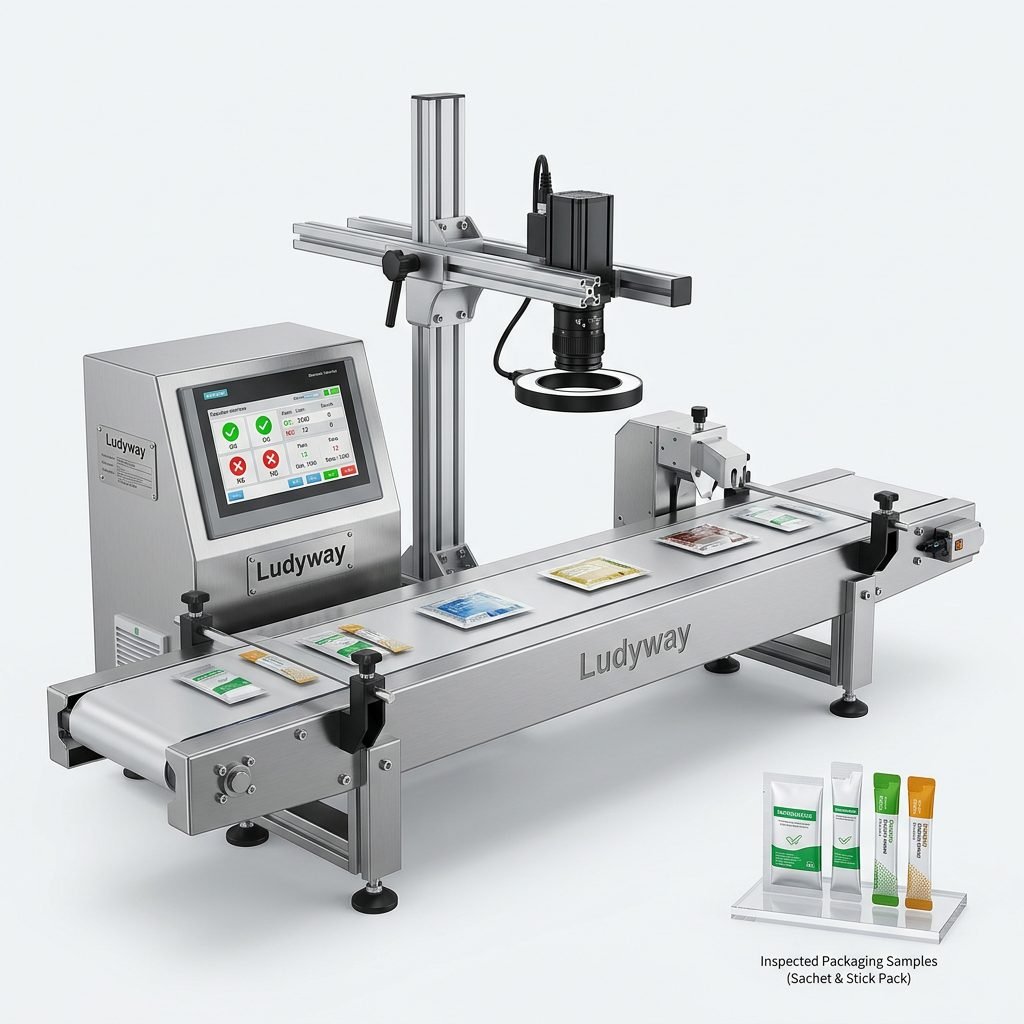
5. Pneumatic and Air Supply Maintenance
Most packaging making machines depend on compressed air for actuators and cylinder movements. Moisture and contaminants in the air line are common culprits behind valve failure. Drain the water separator and air filter daily. Ensure the lubricator (if used) is filled with the pneumatic oil specified by the manufacturer.
Replace air filters regularly to prevent dust from entering the solenoid valves. A weak or inconsistent air supply will cause cylinders to move sluggishly, affecting the registration and cut-off position of the pouches.
6. Scheduled Part Replacement
Waiting for a part to fail is a dangerous and expensive gamble. Adopt a predictive maintenance schedule for wear-and-tear components. This includes drive belts, timing belts, heater cartridges, thermocouples, and pull belts.
Keep a detailed logbook for each machine. Record hours of operation and replace high-stress parts at specific service intervals. For example, replace pull belts every 2000 hours, even if they still look functional. This proactive approach prevents catastrophic failures during a critical production run. Partnering with a reputable equipment provider such as Ludyway ensures you have access to original spare parts and technical documentation, which is vital for maintaining warranty and machine integrity.
7. Operator Training and Standard Operating Procedures (SOPs)
The most sophisticated maintenance plan fails if operators override safety interlocks or use the wrong cleaning chemicals. Structured training is an essential tip for longer machine life. Ensure every operator understands the difference between an alarm and a warning, and knows how to safely power down and lock out the machine before deep cleaning.
Key SOP Points for Operators:
- Do not use metal scrapers on Teflon-coated sealing surfaces.
- Never wash down an IP65-rated panel with a high-pressure jet directly.
- Report unusual noises immediately—they are the first sign of mechanical distress.
- Follow the packaging machinery safety standards during operation.
8. Calibration and Film Tracking
Improper film tension and misaligned film tracking rollers put excessive stress on the drive motors. Check the alignment of the film path weekly. If the film consistently drifts to one side, the pulling torque increases, leading to servo overload. Calibrate the electronic eye to maintain proper registration cuts, preventing material jams that can knock the machine out of alignment.
9. Documentation and Digital History
Move beyond paper checklists. A digital maintenance log allows you to track part consumption and predict future needs. Photograph worn parts before replacement to serve as a reference for your team. A detailed maintenance history increases the resale value of the machine and provides invaluable data for troubleshooting intermittent issues.
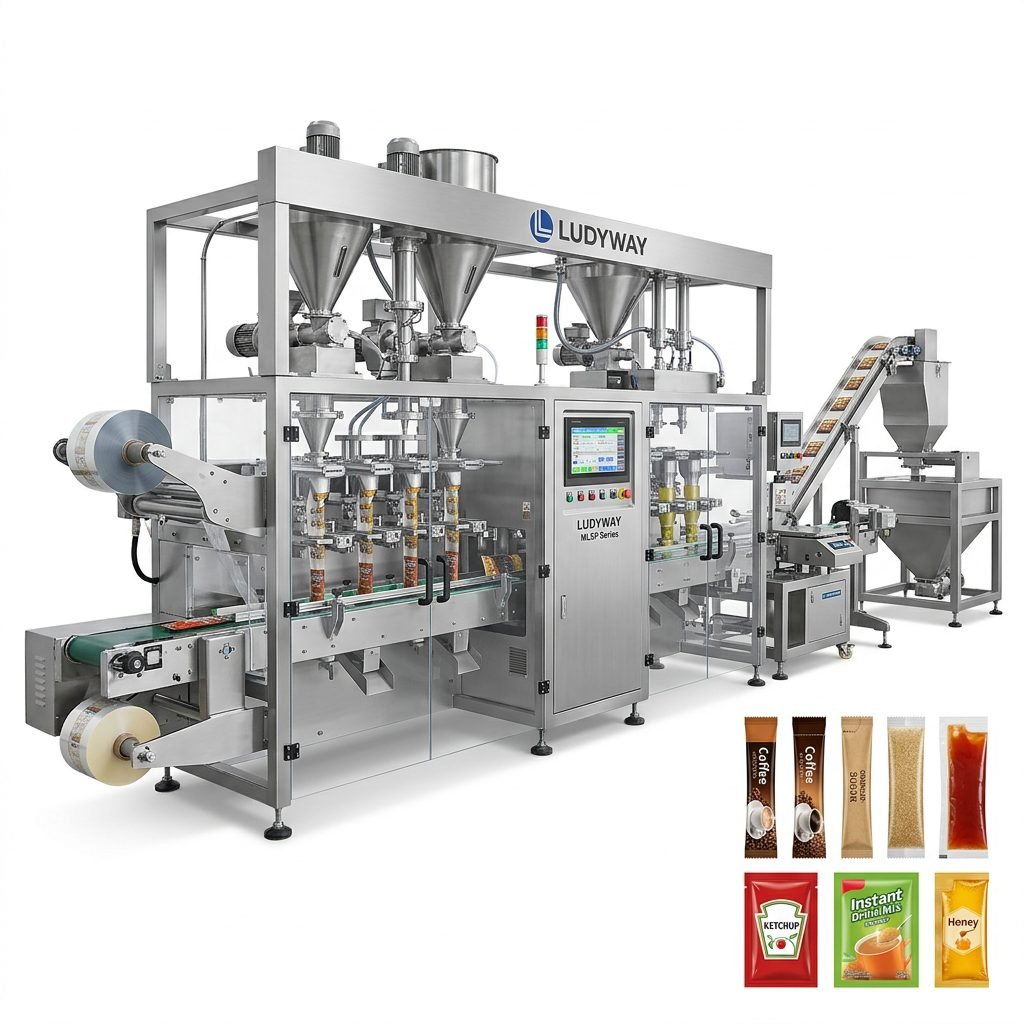
10. Common Mistakes That Reduce Machine Life
Understanding what not to do is just as important as knowing the correct procedures. Certain shortcuts or oversights can silently degrade the mechanical integrity of your packaging system over time. Below are frequent errors observed in production environments that directly compromise the longevity of a packaging making machine.
Avoid These Critical Errors:
- Using non-compatible materials: Running unapproved film laminates can leave deposits that permanently damage sealing surfaces and require you to invest in premature packaging equipment upgrades.
- Neglecting static electricity buildup: High-speed film movement generates static that attracts dust into sensors and bearings, causing micro-abrasions.
- Greasing sealed bearings: Many modern bearings are sealed for life; injecting external grease breaks the seal and leads to early failure.
- Skipping the cool-down cycle: Shutting down immediately after high-speed runs traps heat in critical components, degrading heater cartridges faster.
- Ignoring environmental conditions: High humidity causes powder clumping and sensor fogging, while excessive ambient heat reduces electrical component life. Consult resources on packaging environmental standards for guidance.
Frequently Asked Questions
How often should I service a packaging machine?
Basic cleaning should be daily, but comprehensive mechanical service is recommended every 3000 to 5000 running hours depending on the product characteristics (abrasive powders require shorter intervals).
Can I use any lubricant on my machine?
No. Always use the food-grade grade (H1 or H2) specified in the manual. Using incompatible grease can degrade the seals and contaminate the packaging area.
Why does my sealing temperature fluctuate?
Fluctuations usually indicate a failing thermocouple, a loose wire in the control loop, or a worn-out solid-state relay (SSR). Check these components quarterly.