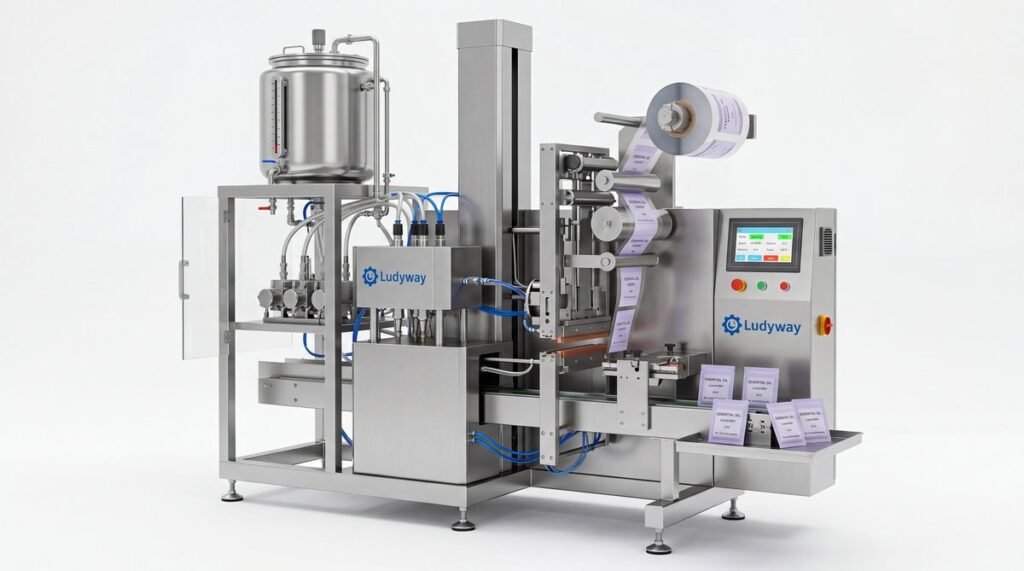
The South American fish packaging industry is experiencing unprecedented growth. With countries like Chile, Peru, Ecuador, and Brazil ranking among the world’s top fish exporters, the demand for efficient, automated packaging production lines has never been higher. Whether you are processing fresh fillets, frozen seafood, or value-added fish products, setting up a fish packaging machine production line requires careful planning, the right equipment, and a thorough understanding of local regulations.
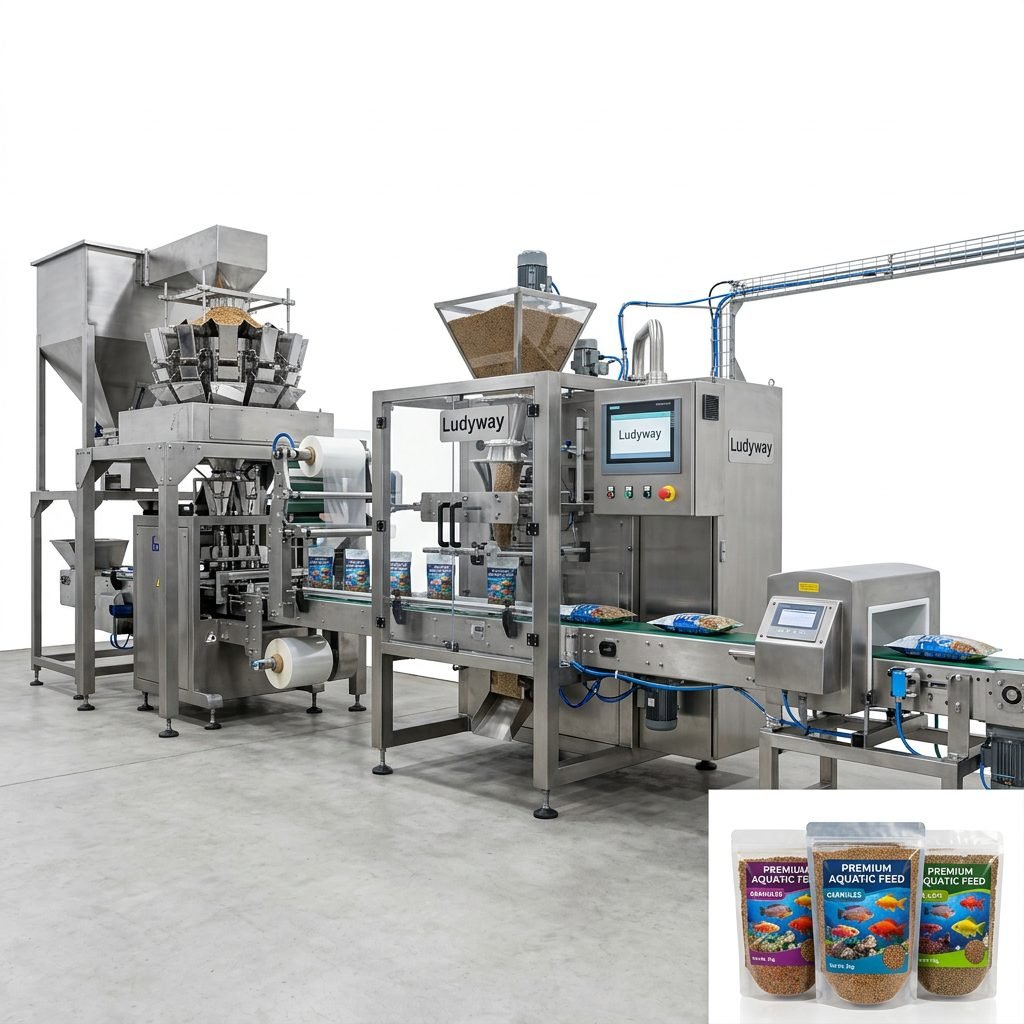
Understanding the South American Fish Packaging Market
The seafood processing sector in South America has unique characteristics that directly influence packaging line design. The region’s diverse aquatic resources—from Peruvian anchovies to Chilean salmon—require flexible packaging solutions that can handle multiple product types, sizes, and packaging formats.
Before investing in equipment, consider these critical market factors:
- Product Variety: Fresh, frozen, dried, and smoked fish products each demand different packaging approaches
- Export Standards: International markets (EU, US, Asia) impose strict packaging and labeling requirements
- Climate Considerations: High humidity and temperature variations in tropical regions affect packaging material selection
- Labor Availability: Automation levels should balance local labor costs with production efficiency goals
- Distribution Channels: Retail, food service, and export channels may require different packaging formats
Step 1: Defining Your Production Requirements
The first and most crucial step is to clearly define your production goals. This foundational planning determines every subsequent decision in your packaging line setup.
Key Parameters to Evaluate
| Parameter | Considerations |
|---|---|
| Production Capacity | Target output per hour/day; single-shift vs. multi-shift operations |
| Packaging Format | Pouches, sachets, stick packs, vacuum bags, or bulk packaging |
| Product Characteristics | Fresh fillets, frozen blocks, dried granules, powders, or oils |
| Packaging Material | Plastic films, laminated materials, biodegradable options |
| Automation Level | Semi-automatic vs. fully automatic multi-lane systems |
Step 2: Selecting the Right Packaging Equipment
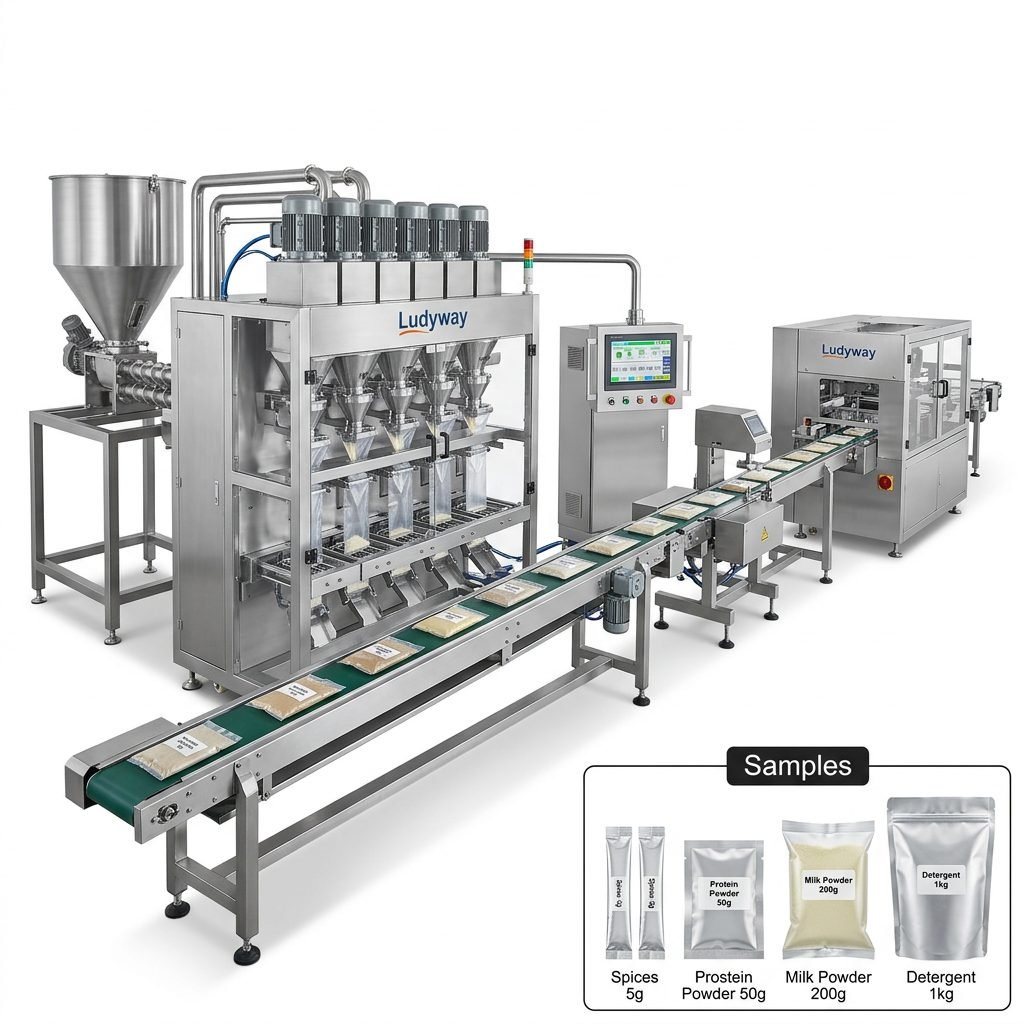
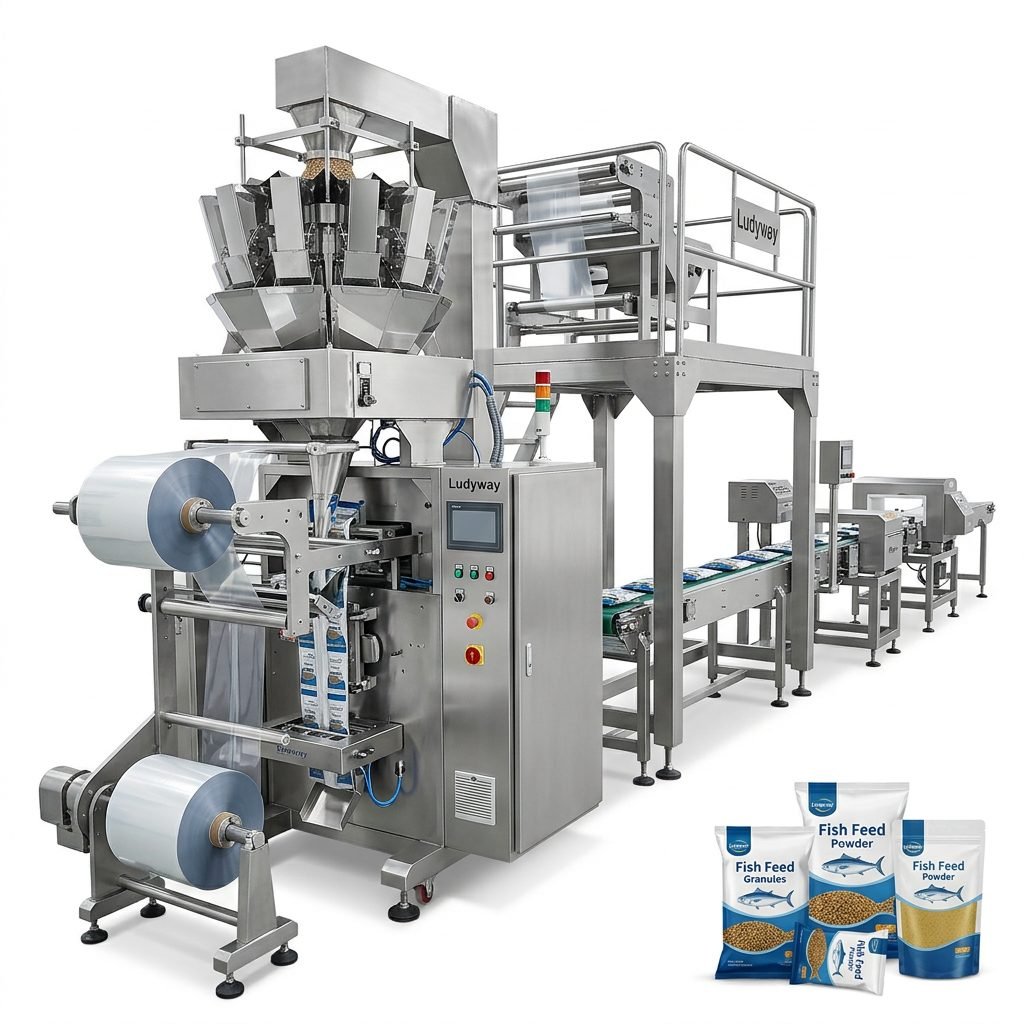
Choosing the appropriate fish packaging machinery is critical to your production line’s success. Different fish products require specialized equipment configurations. Here are the essential machines for a complete production line:
Core Equipment Categories
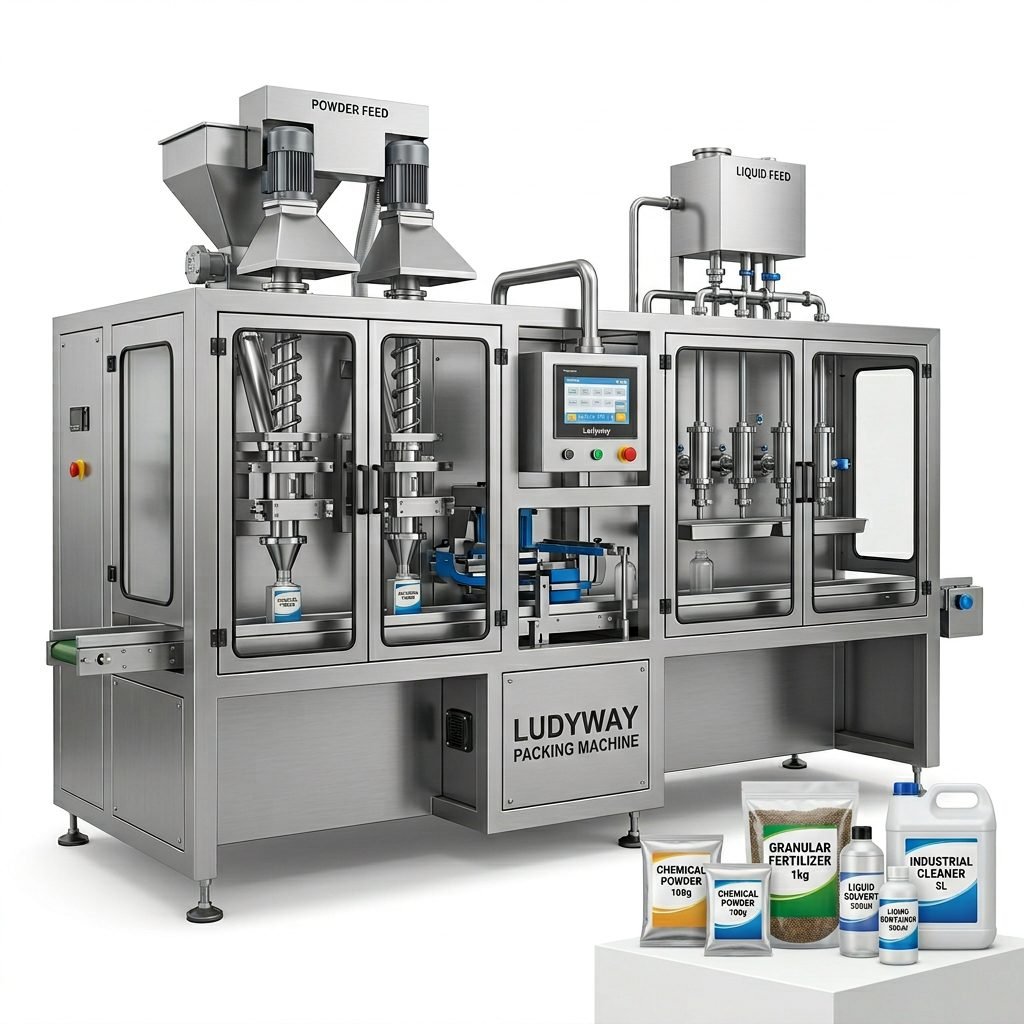
- Weighing and Dosing Systems: Multi-head weighers for precise portion control of fillets, granules, or powders
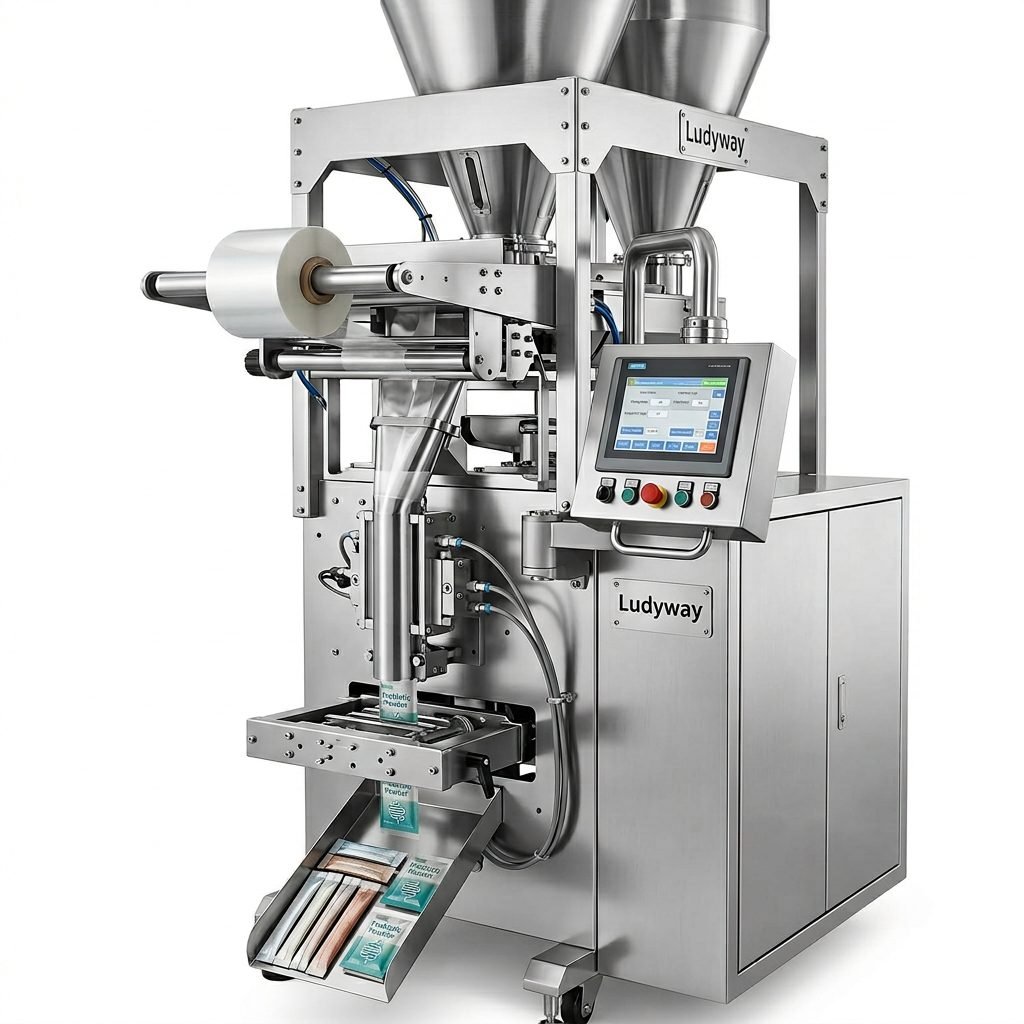
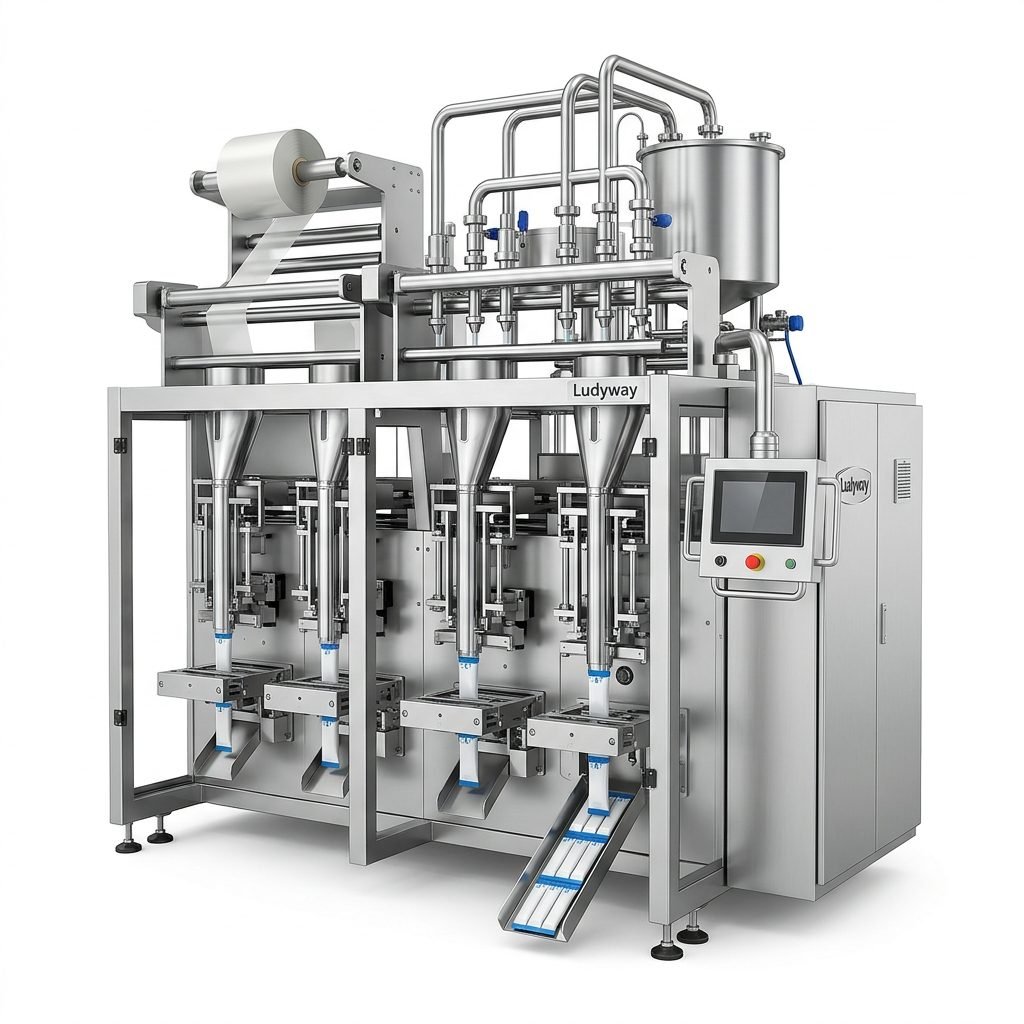
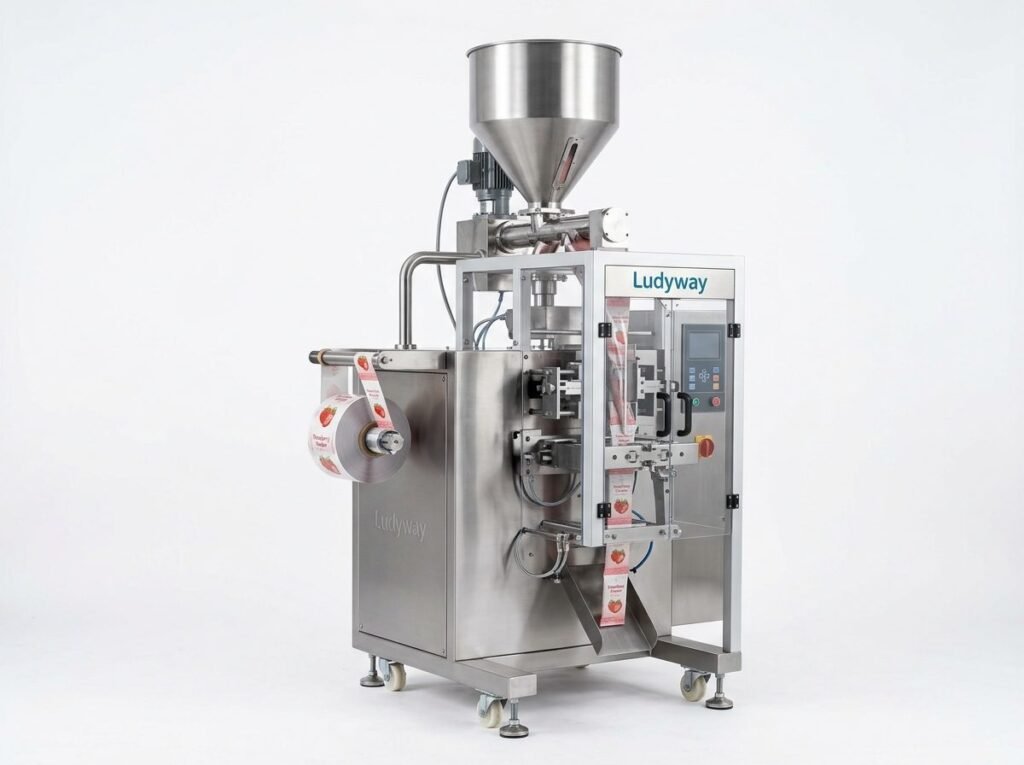
- Form-Fill-Seal (VFFS) Machines: Vertical systems for creating pouches and sachets directly from film rolls
- Vacuum Packaging Machines: Essential for fresh and frozen fish products to extend shelf life
- Tray Sealing Machines: For ready-to-cook and retail-ready fish products
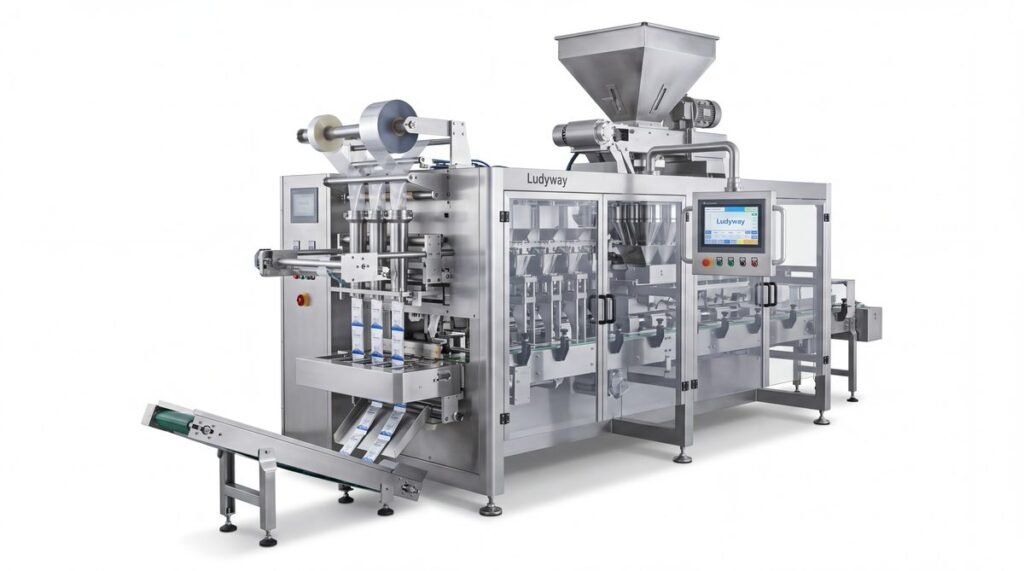
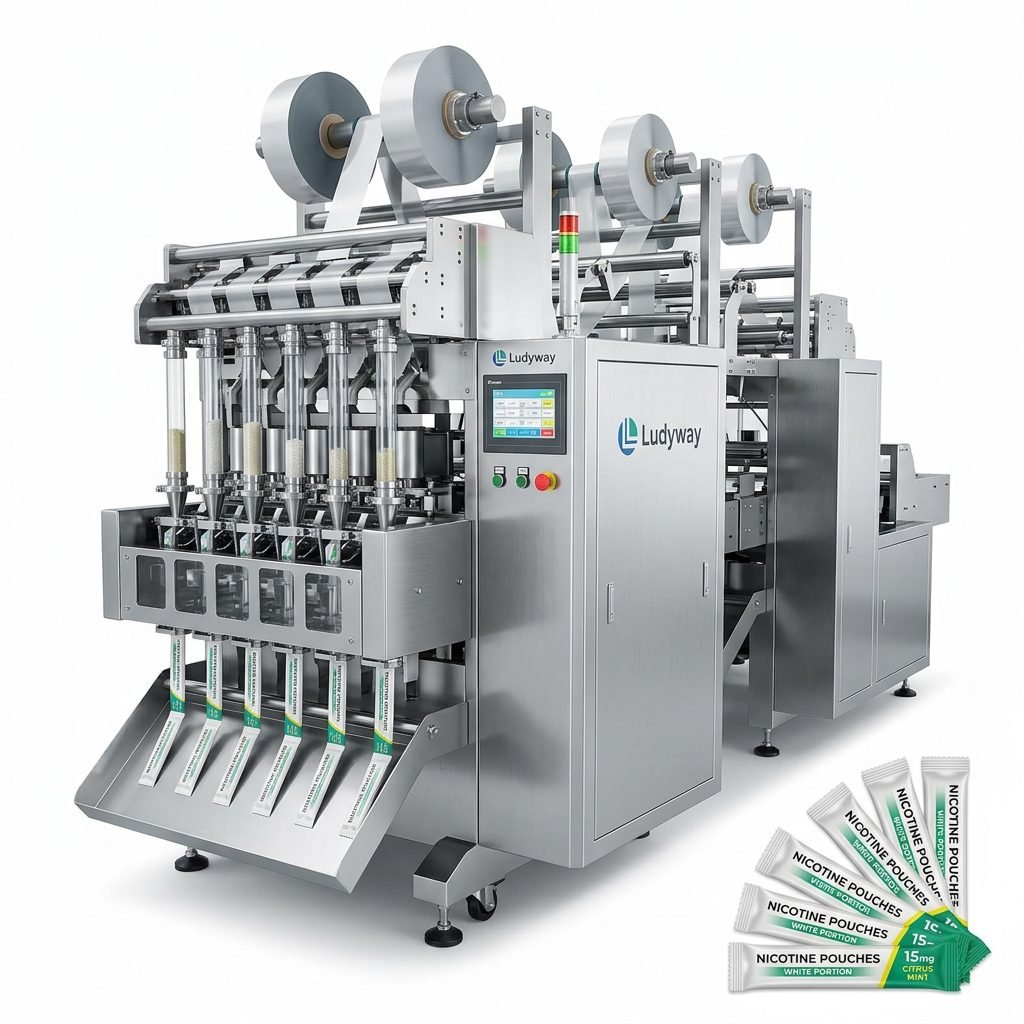
- Stick Pack and Sachet Machines: Ideal for fish-based seasonings, sauces, and value-added products
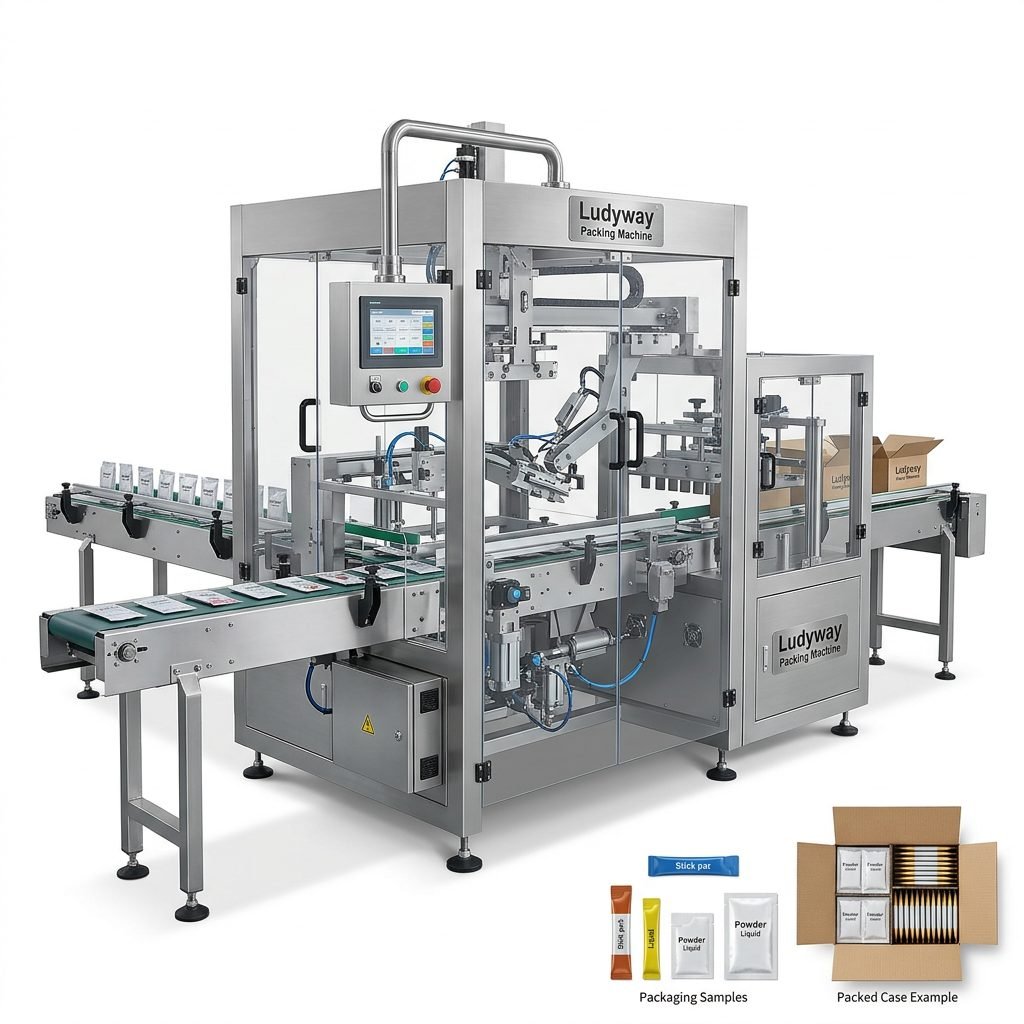
- Cartoning and Case Packing: Secondary packaging for distribution and export
- Palletizing Systems: Automated stacking for efficient warehouse handling
Step 3: Facility Planning and Layout Design
A well-designed production floor layout maximizes efficiency and ensures compliance with food safety standards. In South America, where many facilities are expanding from smaller operations, modular line designs offer valuable flexibility for future growth.
Essential Facility Considerations
- Hygiene Zones: Clear separation between raw, processing, and packaging areas
- Material Flow: Linear workflow from receiving to shipping to prevent cross-contamination
- Utilities Infrastructure: Adequate power supply, compressed air, and water treatment systems
- Temperature Control: Climate-controlled environments for fish processing and packaging
- Waste Management: Proper systems for fish waste, packaging scrap, and wastewater treatment
- Expansion Space: Reserved areas for future line extensions or additional equipment
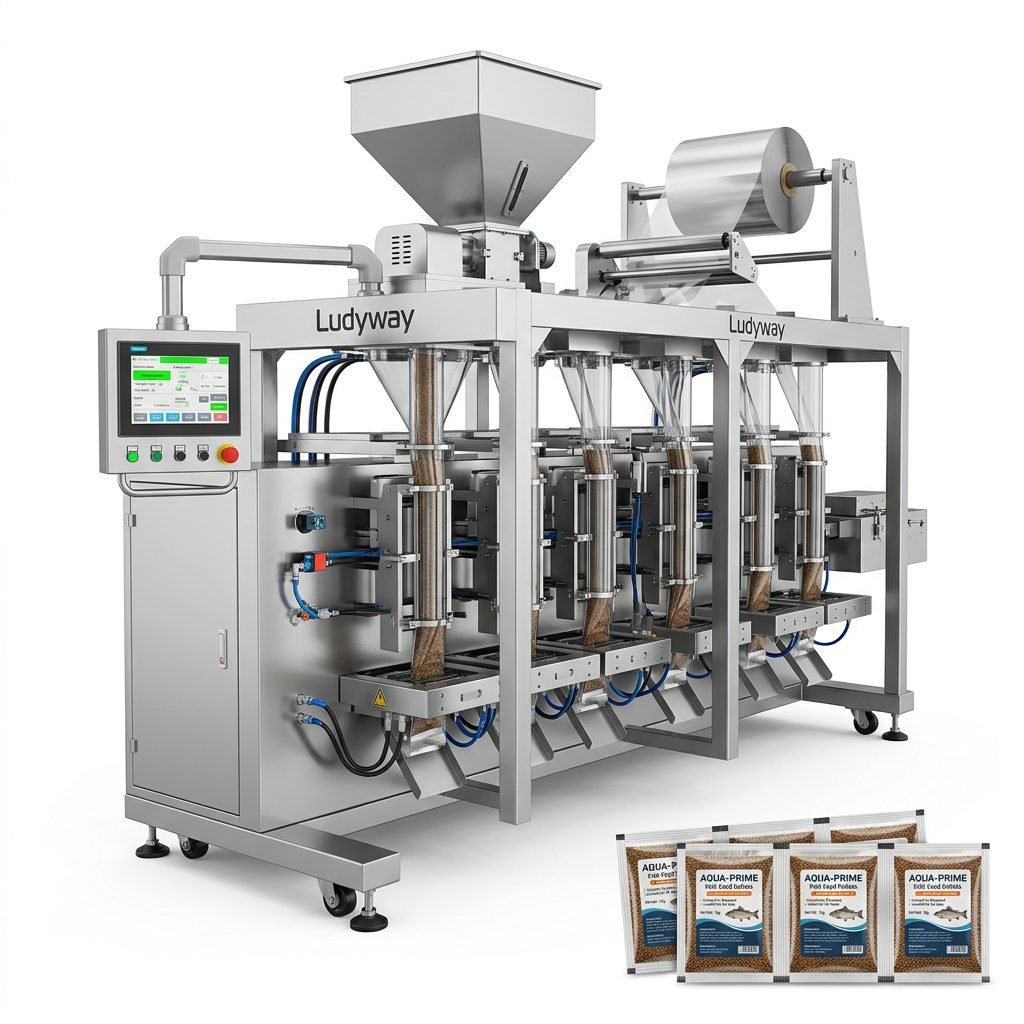
Step 4: Regulatory Compliance in South America
Navigating the regulatory landscape across South American countries is essential for successful operations. Each country maintains its own food safety and packaging standards, often aligned with international frameworks.
Key Regulatory Bodies
| Country | Regulatory Authority | Key Standards |
|---|---|---|
| Brazil | ANVISA / MAPA | Food contact materials, labeling, traceability |
| Chile | SERNAPESCA | Export certification, HACCP compliance |
| Peru | SANIPES | Sanitary standards, fishery product regulations |
| Ecuador | ARCSA | Food safety, packaging material compliance |
Compliance with FDA food packaging standards is also critical if you export to the United States, while EU packaging regulations apply for European market access.
Step 5: Installation, Commissioning, and Training
Proper installation and commissioning of your fish packaging line ensures optimal performance from day one. This phase is critical and should never be rushed, especially in remote South American locations where technical support access may be limited.
Installation Best Practices
- Pre-Installation Audit: Verify utilities, floor conditions, and environmental controls before equipment arrival
- Professional Installation Team: Use manufacturer-certified technicians familiar with the specific equipment
- System Integration Testing: Run complete line tests with actual product to verify all connections and sensors
- Operator Training Programs: Comprehensive hands-on training for production and maintenance staff
- Documentation and SOPs: Develop standard operating procedures in local languages
- Spare Parts Inventory: Stock critical components to minimize potential downtime
Step 6: Maintenance and After-Sales Support
In the fish processing industry, equipment reliability directly impacts product quality and business profitability. Establishing a robust preventive maintenance program is essential, particularly for operations in South America where climate conditions can accelerate equipment wear.
Maintenance Program Essentials
- Daily Cleaning Protocols: Thorough sanitation procedures for all fish-contact surfaces
- Weekly Inspections: Check seals, belts, sensors, and lubrication points
- Monthly Preventive Maintenance: Comprehensive component checks and calibrations
- Quarterly Deep Service: Detailed inspection of all mechanical and electrical systems
- Annual Overhaul: Complete equipment assessment and major component replacement as needed
Cost Considerations for South American Operations
Understanding the total cost of ownership is vital when setting up a fish packaging line. Beyond the initial equipment investment, several factors influence long-term operational costs:
| Cost Factor | Estimated Impact | Optimization Strategy |
|---|---|---|
| Equipment Investment | 40-50% of total cost | Choose scalable, modular equipment |
| Packaging Materials | 25-35% of ongoing costs | Source regional suppliers for better pricing |
| Labor and Training | 15-20% of operational budget | Invest in automation for repetitive tasks |
| Maintenance and Spares | 5-10% annually | Establish local spare parts inventory |
| Utilities and Energy | Varies by region | Select energy-efficient equipment models |
The Value of Turnkey Packaging Solutions
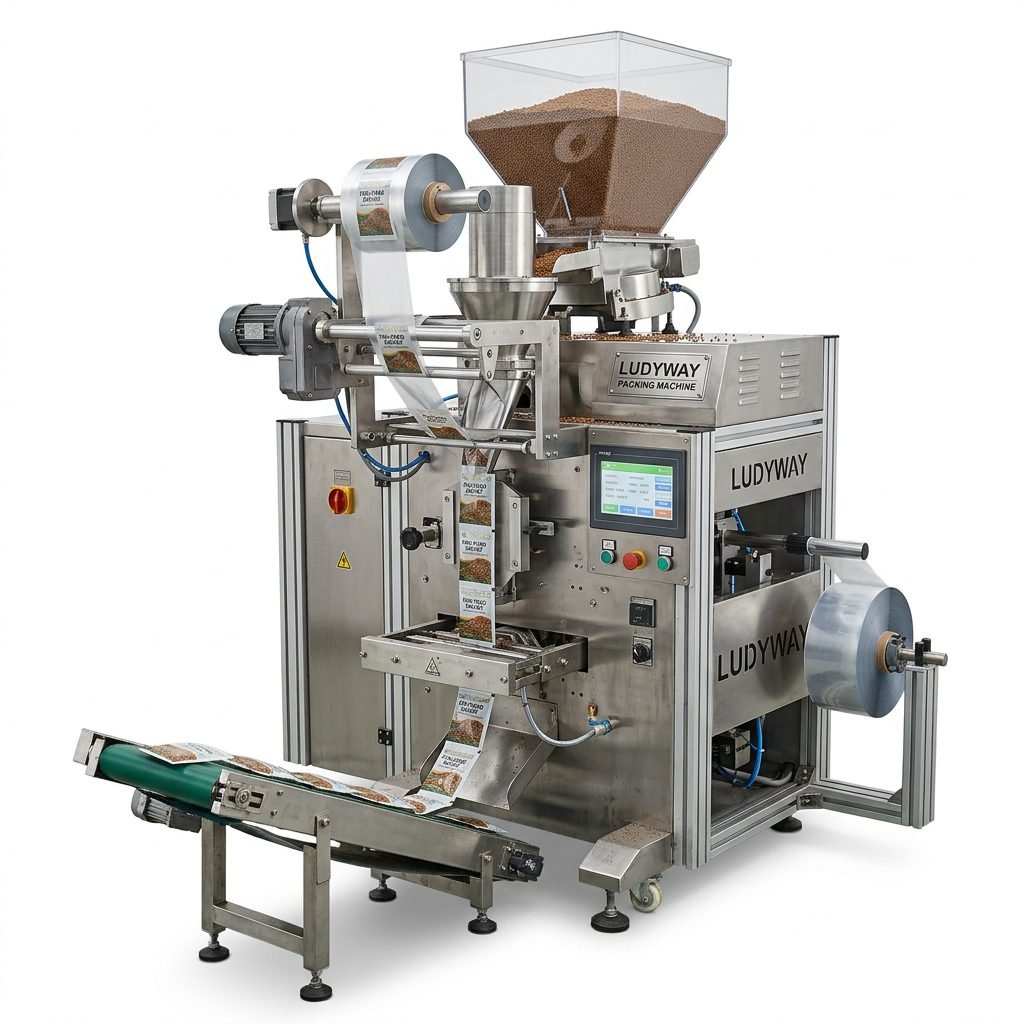
For fish processing companies entering or expanding in South America, turnkey packaging line solutions offer significant advantages. Rather than coordinating multiple equipment suppliers, a single-source provider delivers an integrated, tested, and fully supported production line.
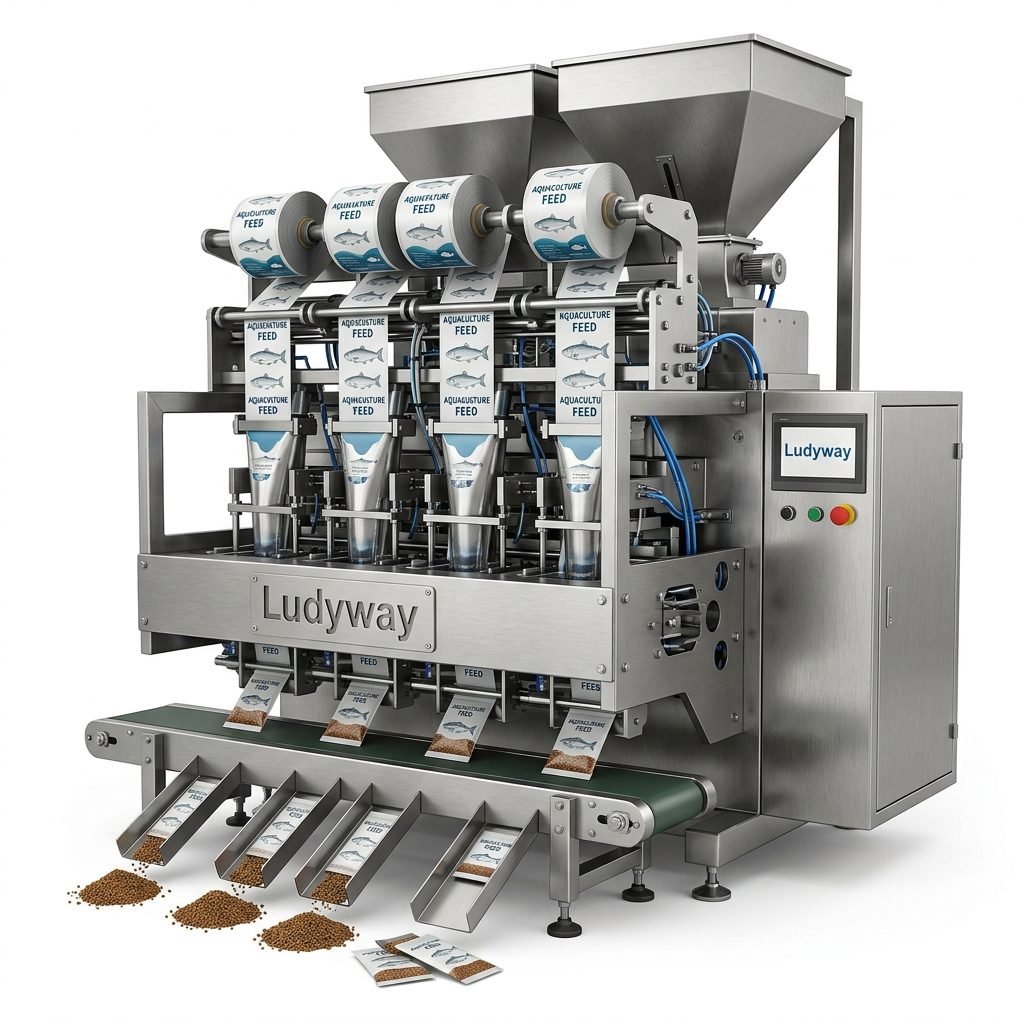
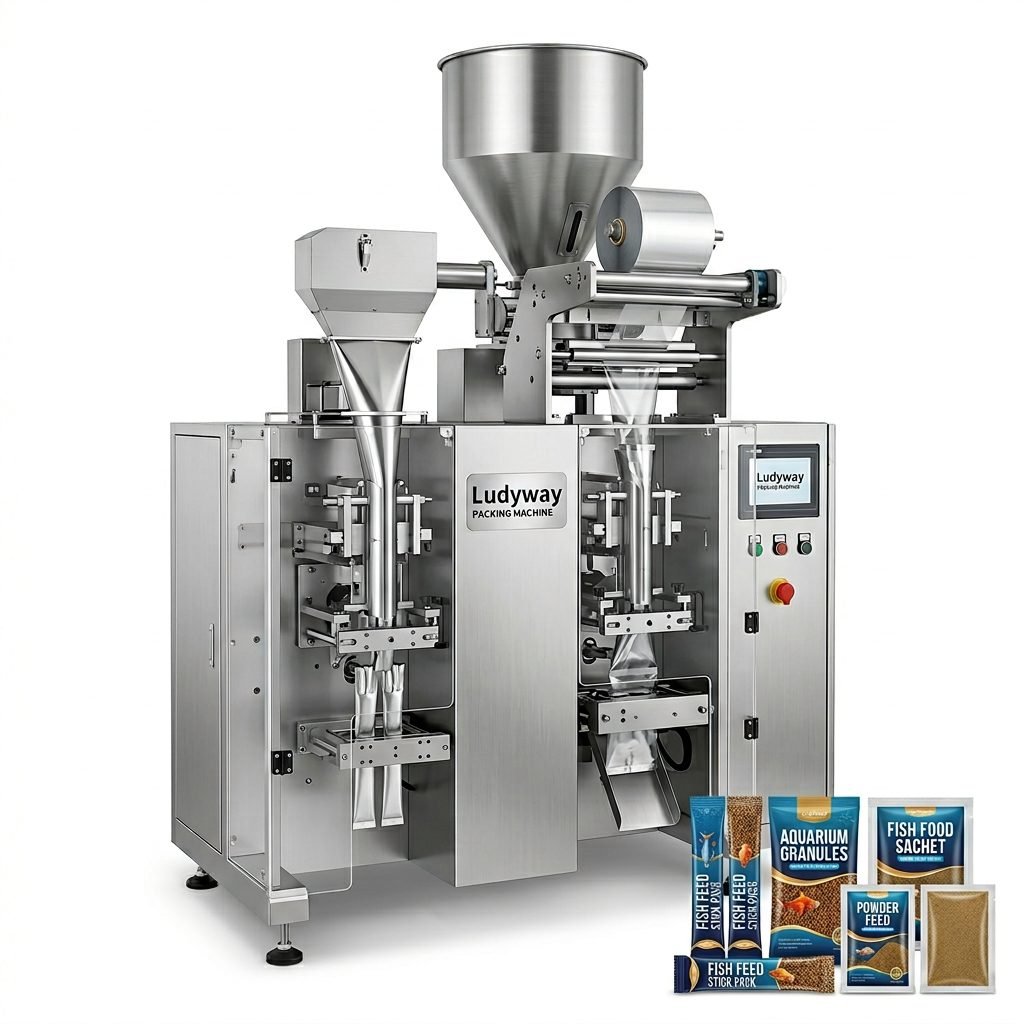
Ludyway is one of the largest packaging machine manufacturers in China, specializing in advanced packaging equipment and turnkey production solutions. With over 30 years of industry expertise and a modern 20,000㎡ manufacturing facility, the company provides reliable and efficient packaging solutions for fish and seafood applications, including multi-lane stick pack, sachet, and fully automated packaging systems. Serving customers in over 100 countries, Ludyway delivers innovative, high-performance, and cost-effective packaging solutions that help businesses improve productivity and product quality. For more information, visit the official Ludyway website or contact info@ludyway.com.
Future Trends in Fish Packaging Technology
The fish packaging industry continues to evolve rapidly. Staying ahead of trends gives South American processors a competitive edge in global markets. Key developments to watch include:
- Sustainable Packaging: Biodegradable and recyclable materials gaining regulatory and consumer preference
- Smart Packaging: QR codes and NFC tags for traceability and consumer engagement
- Modified Atmosphere Packaging (MAP): Extended shelf life for fresh fish products without preservatives
- AI-Powered Quality Control: Vision inspection systems for automated defect detection
- Industry 4.0 Integration: IoT sensors and data analytics for predictive maintenance and production optimization
- Flexible Automation: Robotic systems that adapt to multiple product types and packaging formats
Common Pitfalls to Avoid
Based on experience with numerous South American packaging line installations, here are the most frequent mistakes and how to prevent them:
- Underestimating Utility Requirements: Always verify power stability, water quality, and compressed air capacity before ordering equipment
- Ignoring Local Climate Factors: High humidity requires specialized climate control for sensitive packaging materials and electronic components
- Insufficient Operator Training: Budget adequately for comprehensive training; untrained operators cause preventable downtime
- Overlooking Material Compatibility: Test all packaging films and materials with your specific fish products before full-scale production
- Neglecting Spare Parts Planning: Maintain critical spares inventory, especially for components with long lead times
- Skipping Factory Acceptance Testing: Always conduct thorough FAT at the manufacturer’s facility before shipment
Final Checklist for Your Fish Packaging Line Setup
Use this comprehensive checklist to ensure you haven’t missed any critical steps in your packaging line implementation:
| Phase | Critical Actions |
|---|---|
| Planning | Define capacity, budget, product range, and packaging formats |
| Design | Create detailed facility layout, material flow, and utility plans |
| Procurement | Select equipment supplier, negotiate warranty, and confirm delivery timeline |
| Installation | Prepare site, install equipment, and complete system integration |
| Commissioning | Test with real products, validate performance, and train operators |
| Production | Begin operations with close monitoring and continuous optimization |
| Ongoing | Execute preventive maintenance program and track KPIs |
Setting up a fish packaging machine production line in South America is a significant undertaking that requires careful planning, the right equipment partner, and attention to local conditions. By following this comprehensive guide, you can build a reliable, efficient, and compliant packaging operation that serves both domestic and international markets. The key to success lies in understanding your specific product requirements, selecting appropriate automation levels, and partnering with experienced equipment manufacturers who can support your long-term growth across the diverse South American market.
For additional guidance on packaging industry best practices, refer to resources from the Association for Packaging and Processing Technologies (PMMI) and the Flexible Packaging Association. These organizations provide valuable technical standards and market insights relevant to fish and seafood packaging operations worldwide.