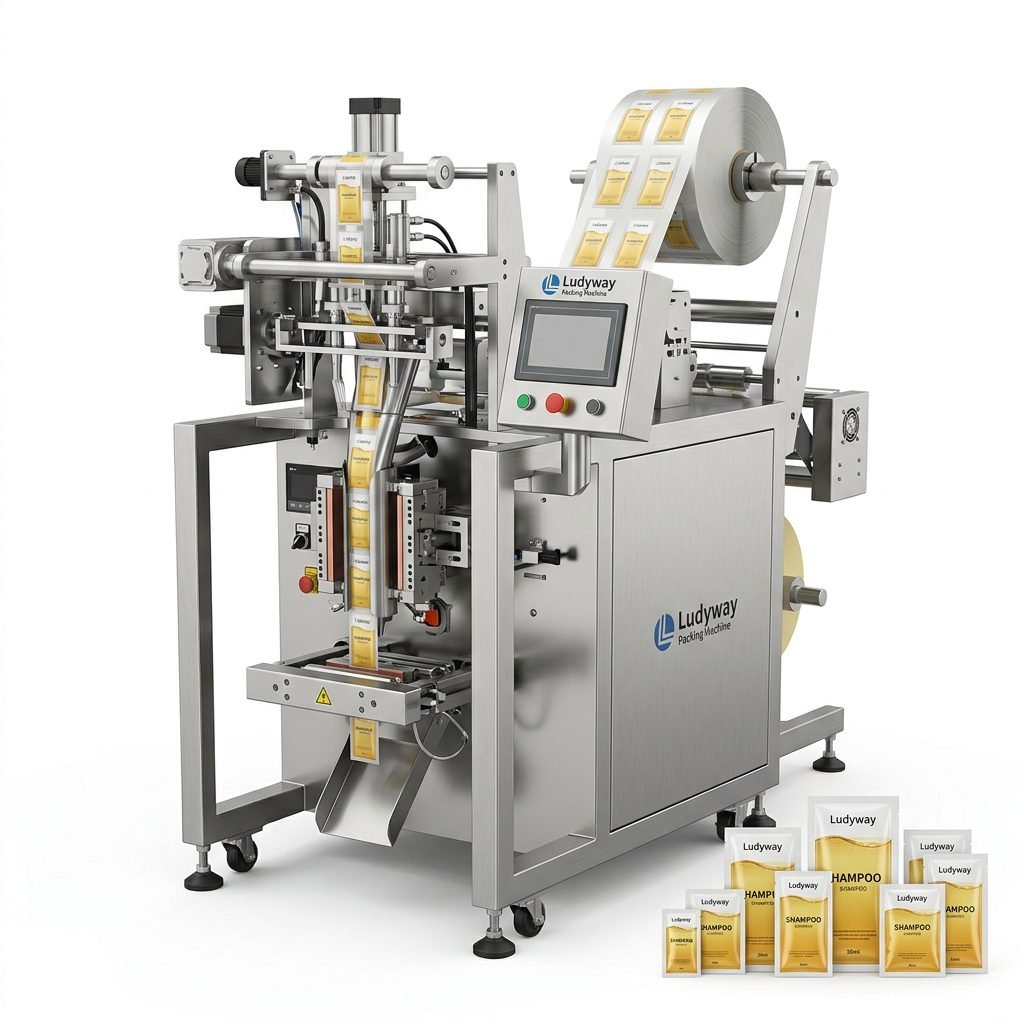
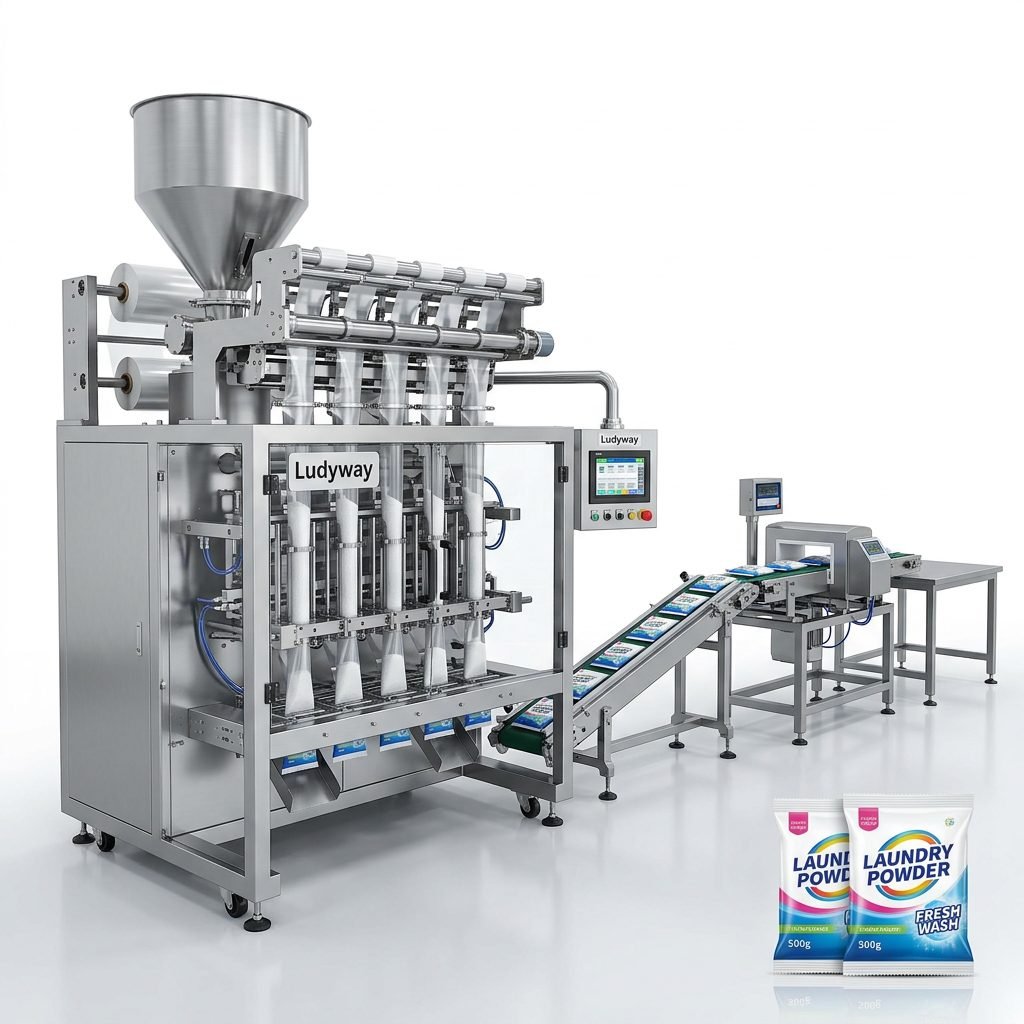
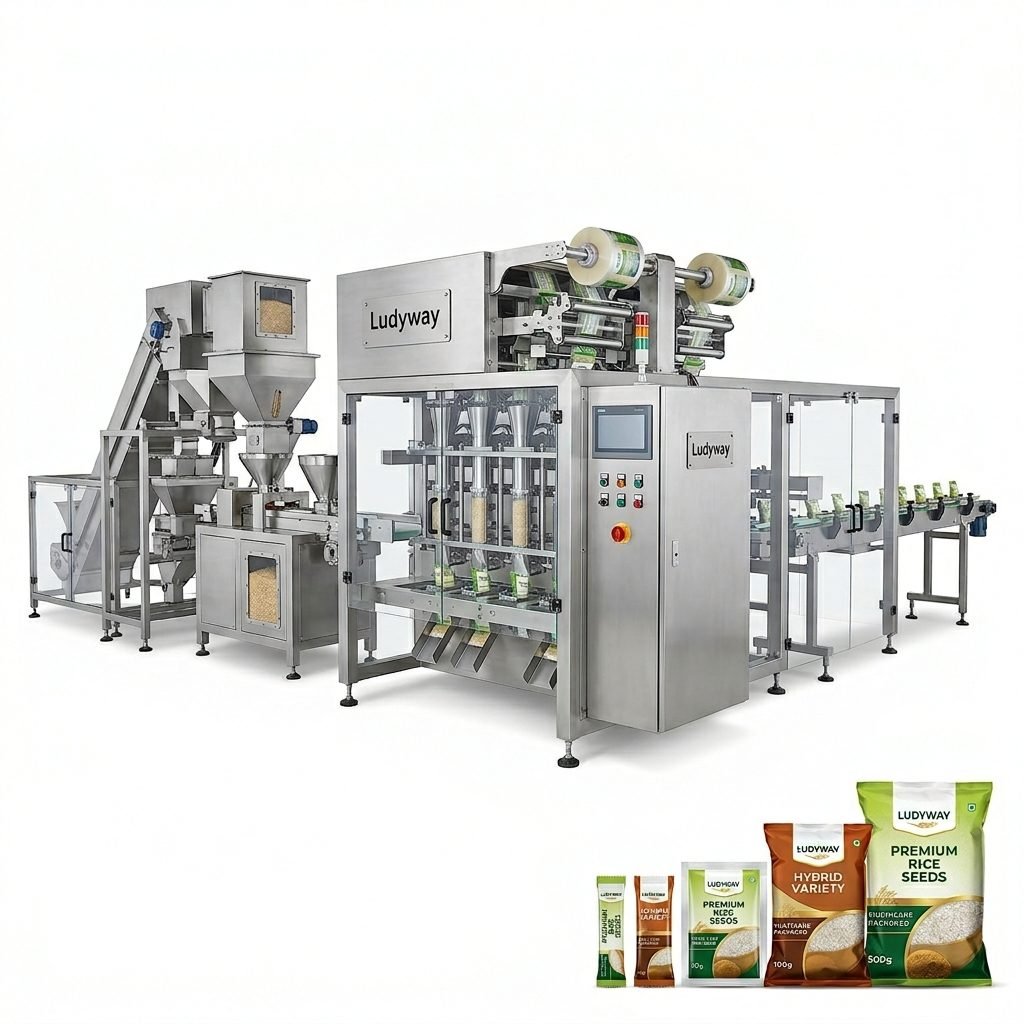
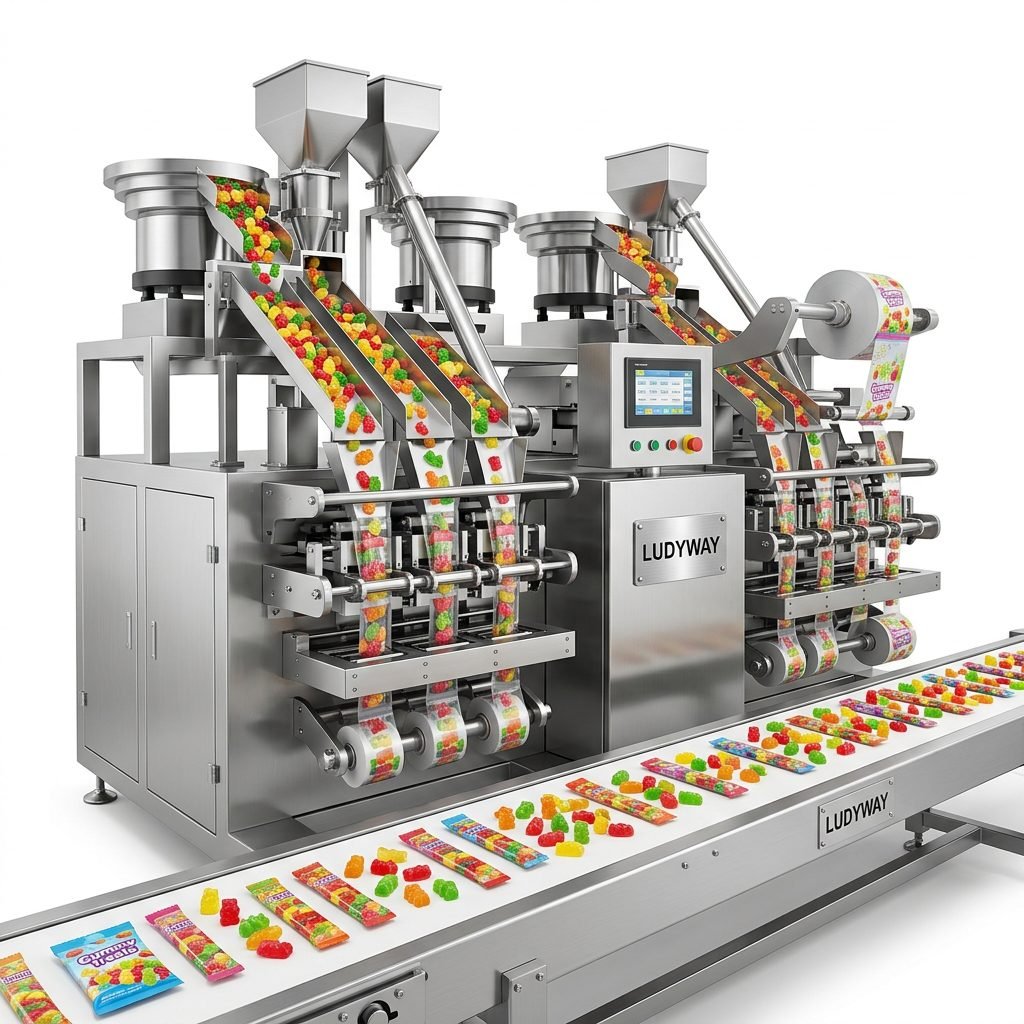
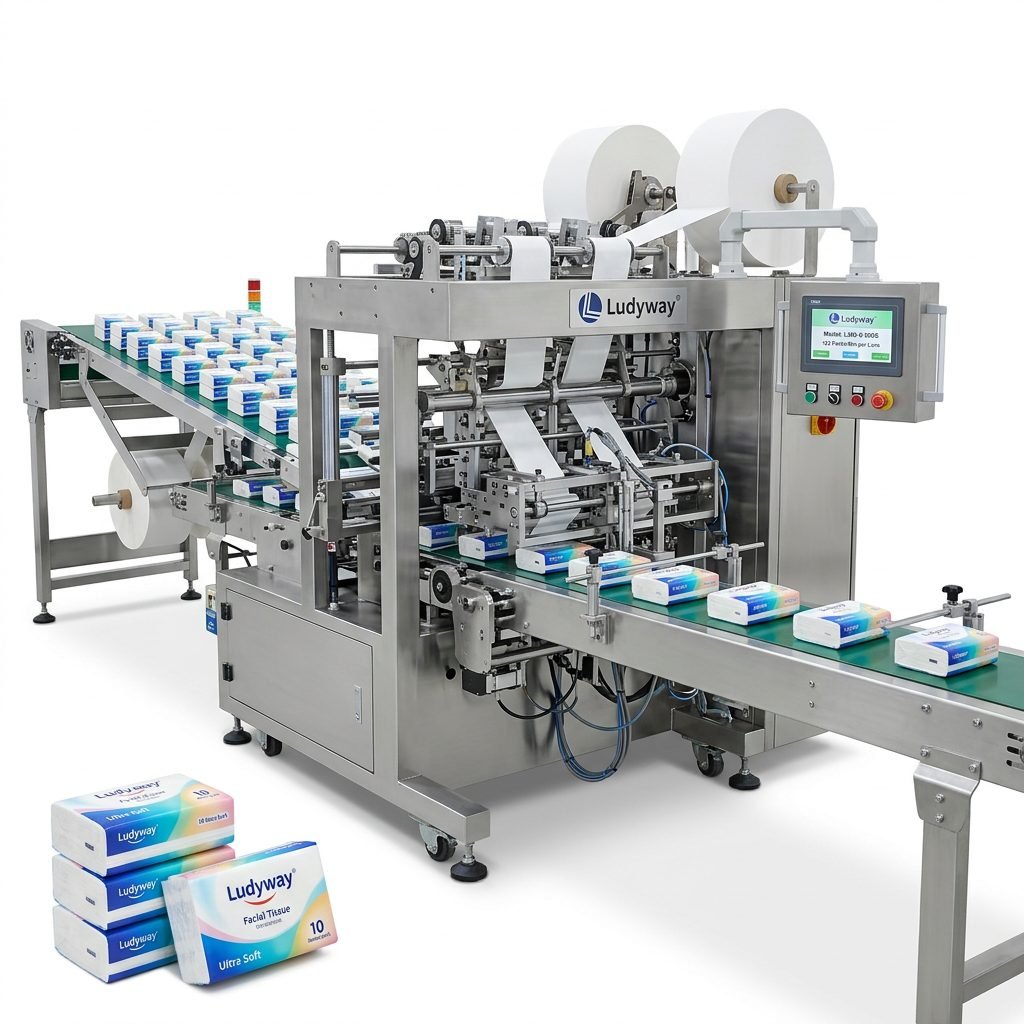
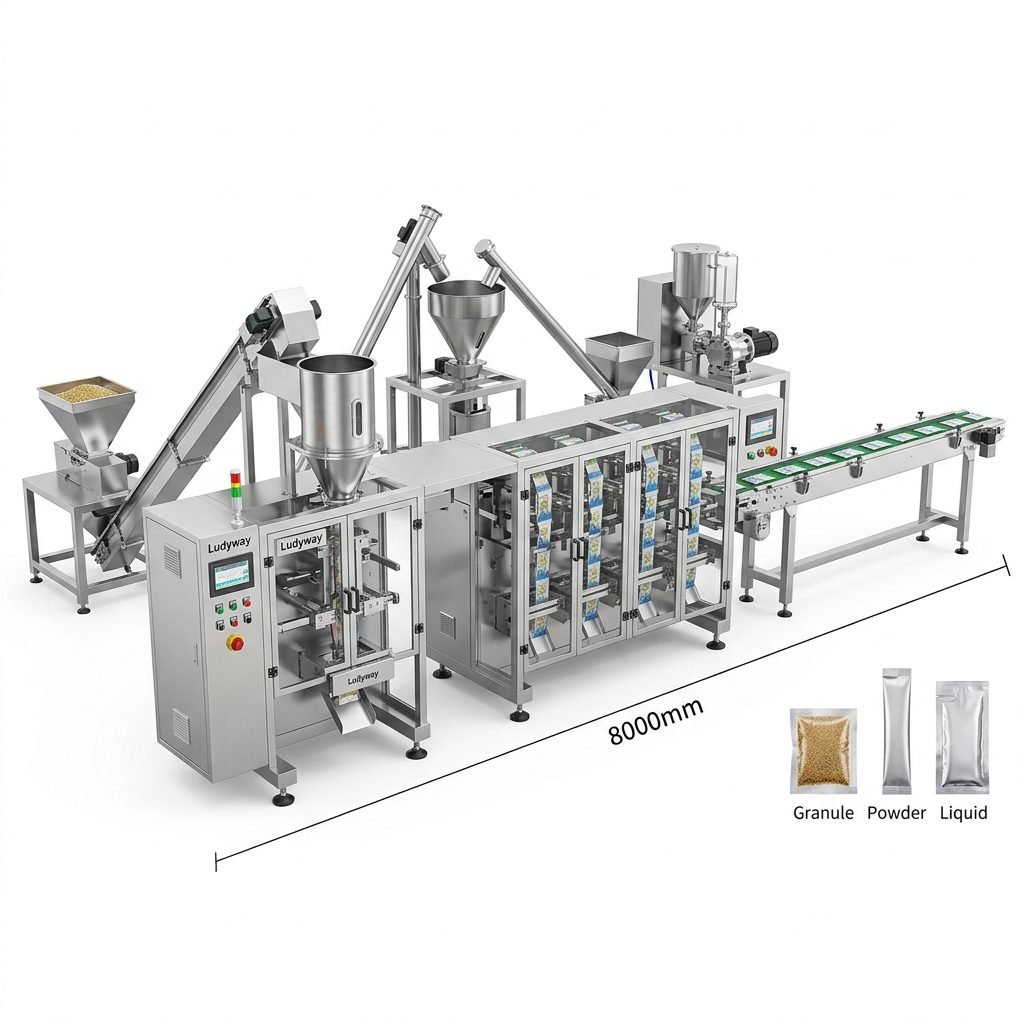
Investing in a universal packaging machine is a strategic decision that affects production efficiency, product quality, and long-term operational costs. With the global packaging machinery market continuing to expand — driven by demand across food, pharmaceutical, chemical, and personal care sectors — selecting the right equipment requires a thorough understanding of your product, your production goals, and the technical capabilities of modern packaging systems. This guide walks you through every critical factor to help you make an informed purchasing decision.
1. Understand Your Product Characteristics First
Before evaluating any automatic packaging machine, you must clearly define what you are packaging. The physical and chemical properties of your product directly determine the type of dosing system, sealing technology, and material compatibility required.
Key Product Variables to Analyze
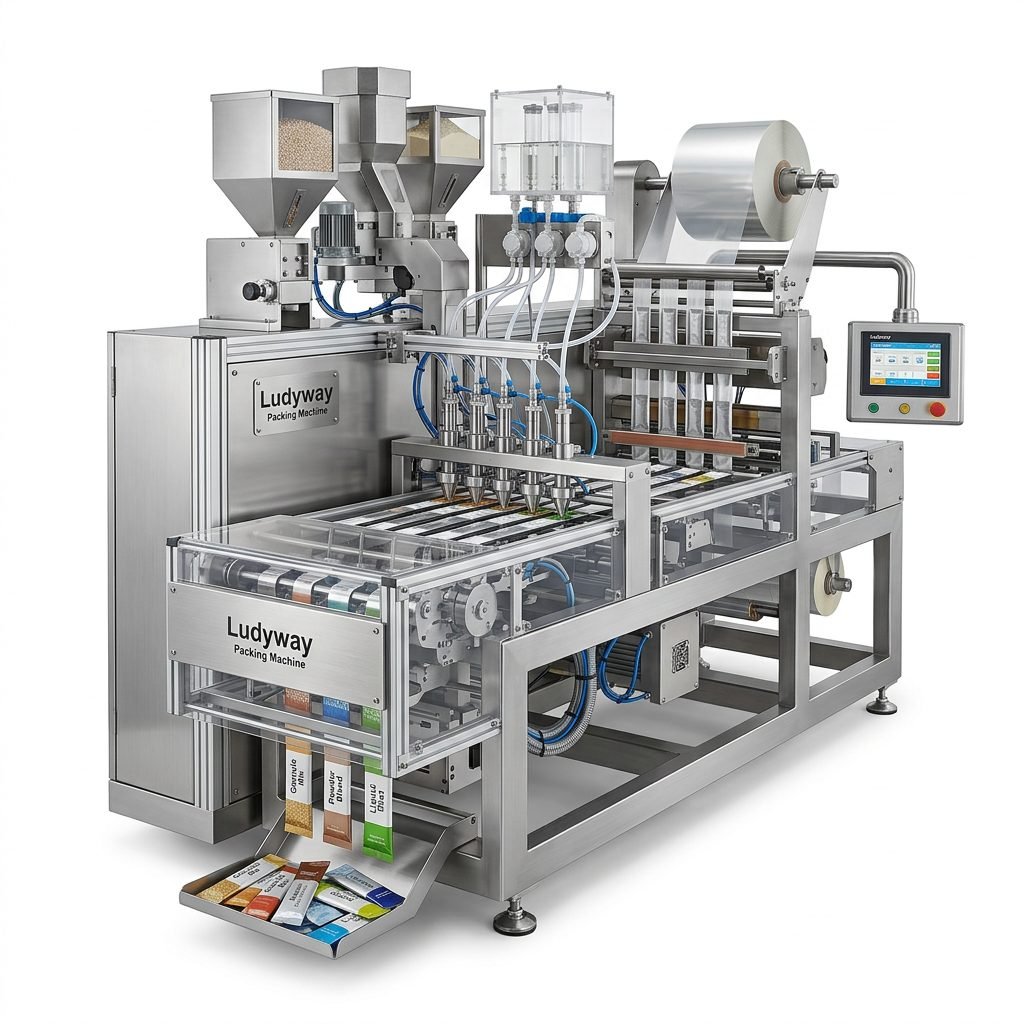
- Product form: Is it free-flowing powder, sticky granule, viscous liquid, paste, or solid piece? Each requires a fundamentally different filling mechanism — auger fillers for powders, volumetric cup fillers for granules, piston or peristaltic pumps for liquids.
- Flow characteristics: Some powders are cohesive and prone to bridging; some granules are fragile and can break under mechanical stress. Testing flowability helps determine whether you need agitators, vibratory feeders, or specialized hopper designs.
- Hygroscopic or sensitive nature: Products that absorb moisture or are oxygen-sensitive may require nitrogen flushing or vacuum sealing capabilities integrated into the packaging process.
- Bulk density variation: Powders with inconsistent bulk density benefit from servo-driven auger systems with real-time weight feedback rather than simple time-based dosing.
2. Determine Your Target Packaging Format
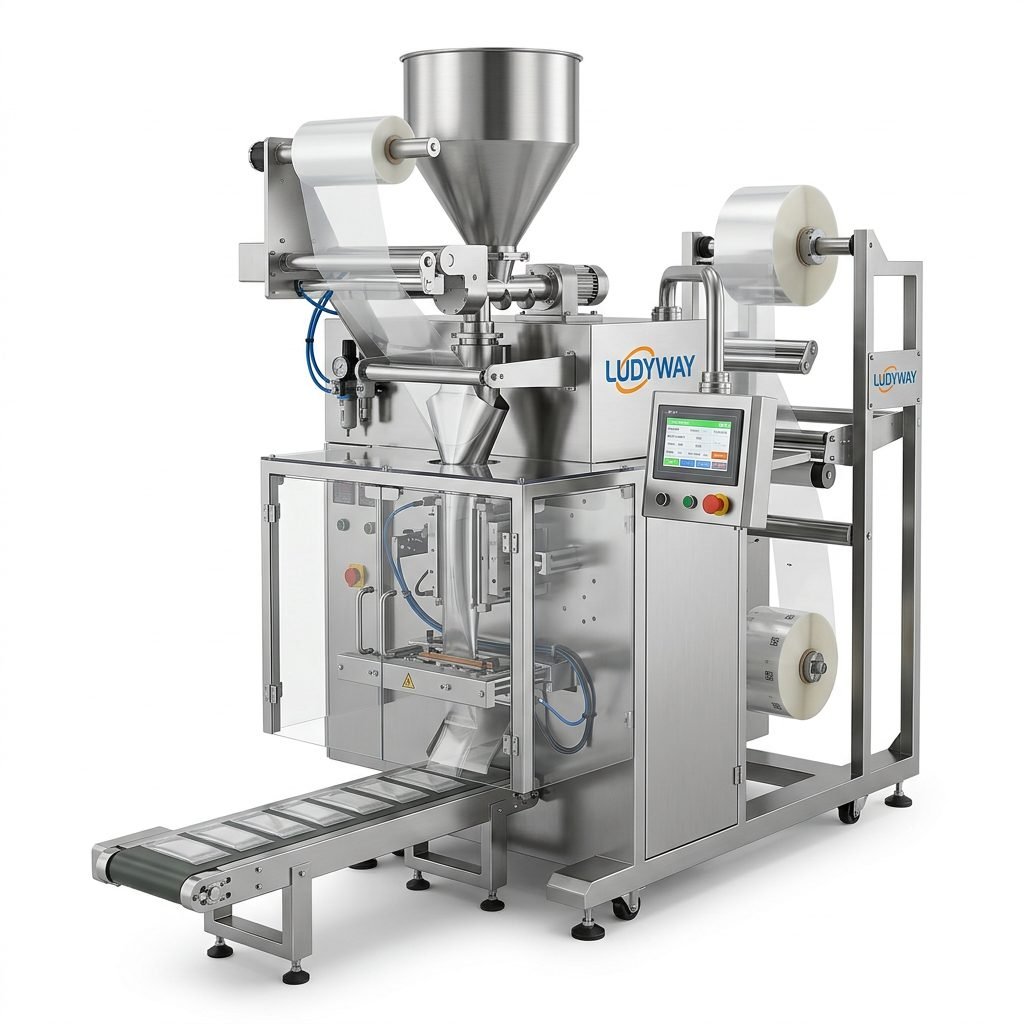
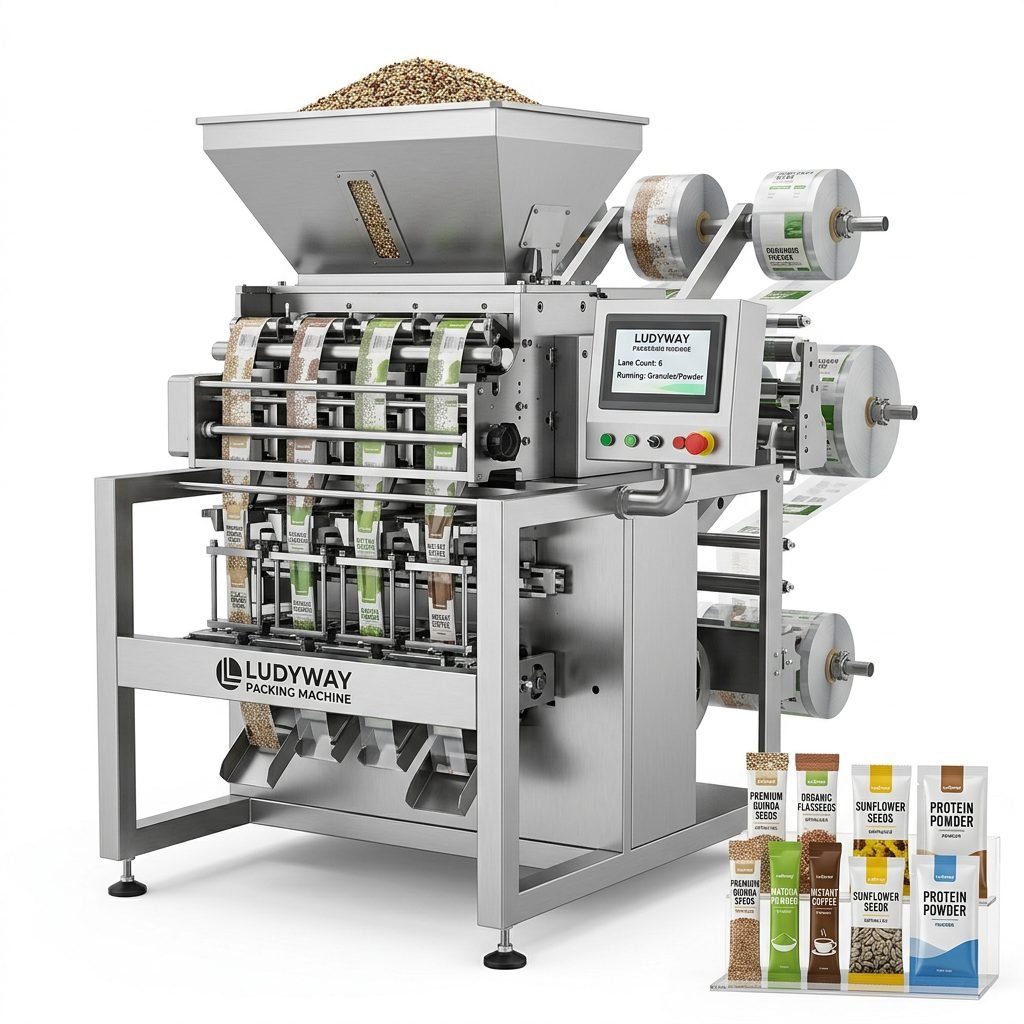
The term universal packaging machine often refers to equipment capable of producing multiple bag formats. However, you need to confirm which specific formats align with your market requirements. Common flexible packaging formats include:
| Packaging Format | Typical Applications | Key Advantage |
|---|---|---|
| Stick Pack | Instant coffee, sugar, energy powders, nutraceuticals | Compact, portable, precise portion control |
| Three-Side Seal Sachet | Shampoo samples, ketchup, pharmaceutical powders | Cost-effective, high-speed production |
| Four-Side Seal Sachet | Medical devices, wet wipes, premium cosmetics | Better barrier protection, uniform appearance |
| Gusseted Pouch | Pet food, detergent, bulk industrial products | Higher fill volume, stands on shelf |
| Premade Pouch (Doypack) | Ready-to-eat meals, liquid detergents, sauces | Premium look, resealable options available |
According to industry research from the Flexible Packaging Association, sachet and stick pack formats continue to see strong growth in both developed and emerging markets, particularly in single-serve and on-the-go categories.
3. Match Production Speed to Your Output Goals
Packaging speed requirements vary dramatically between a startup producing 20,000 sachets per day and a large manufacturer running 200,000+ units per shift. When evaluating packaging machinery, consider both current and projected production volumes.
Speed-Related Factors to Consider
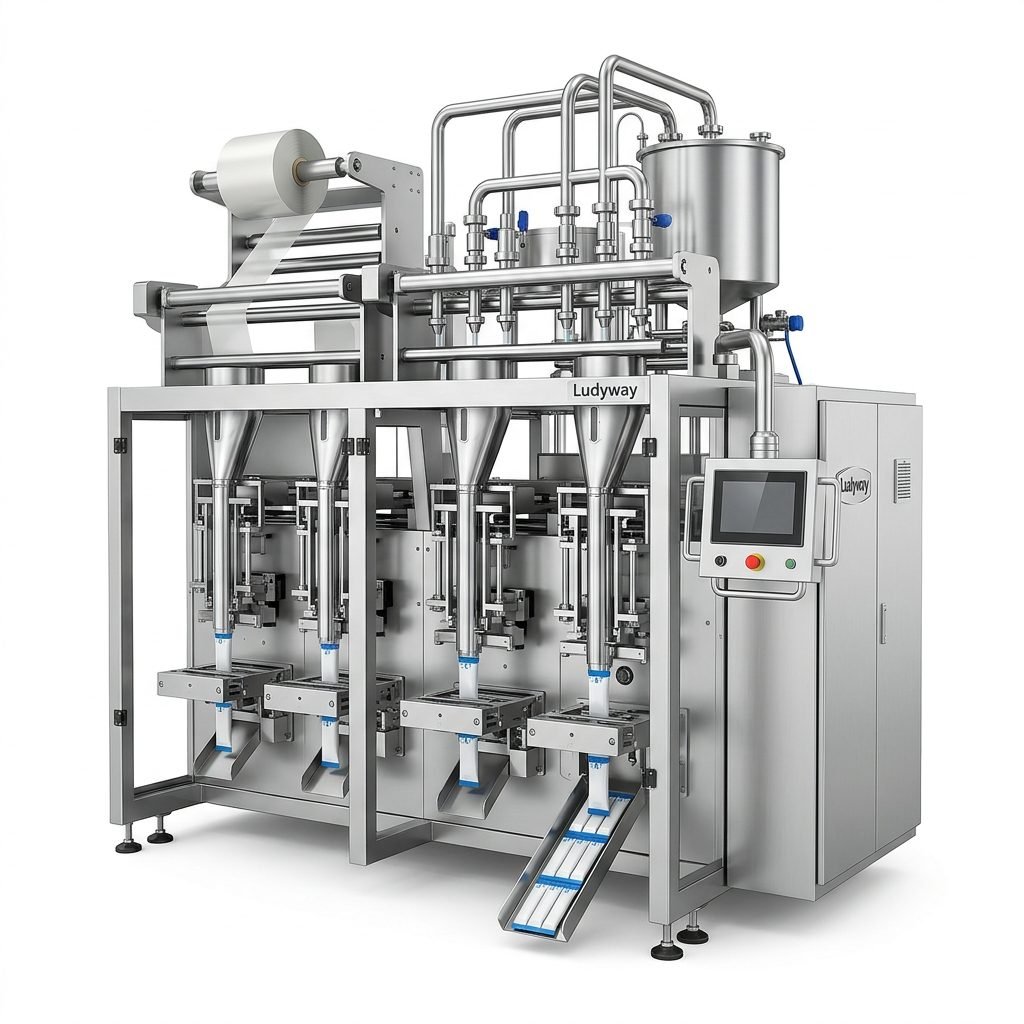
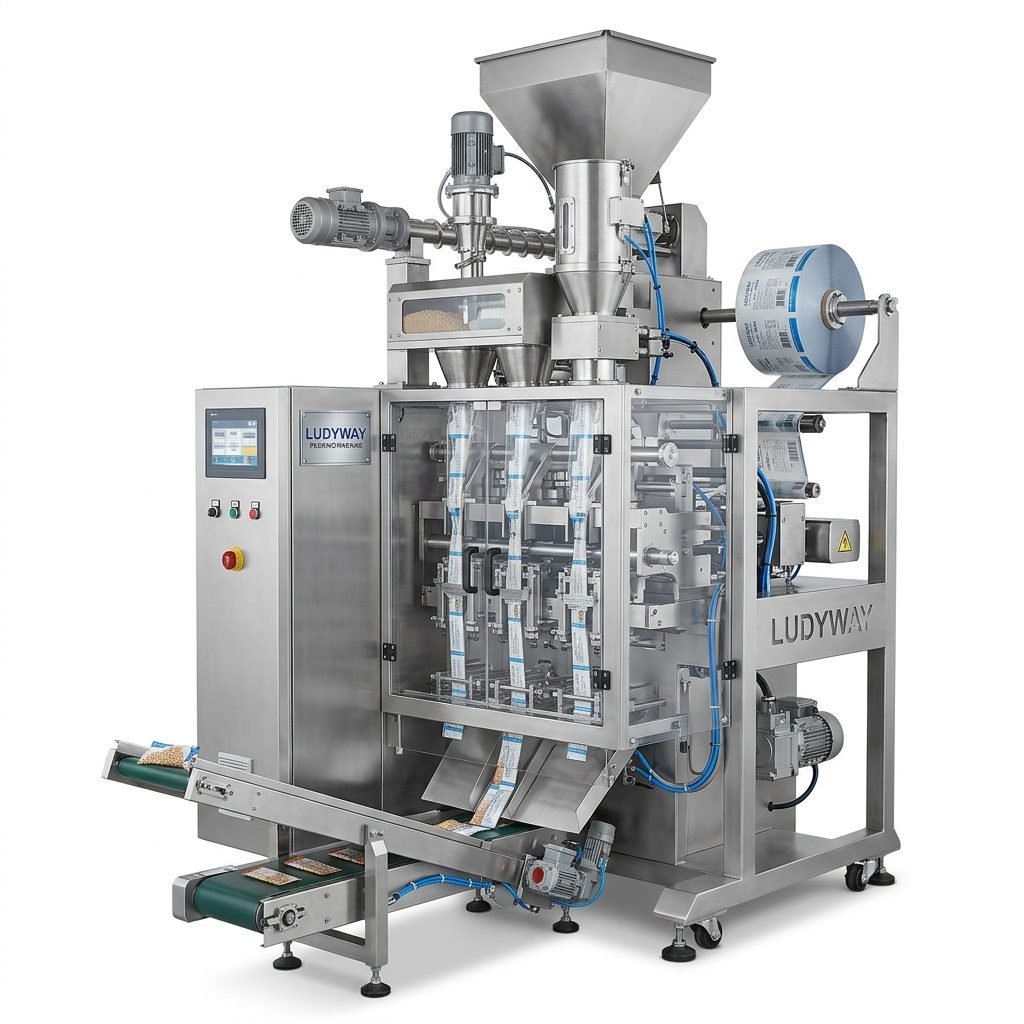
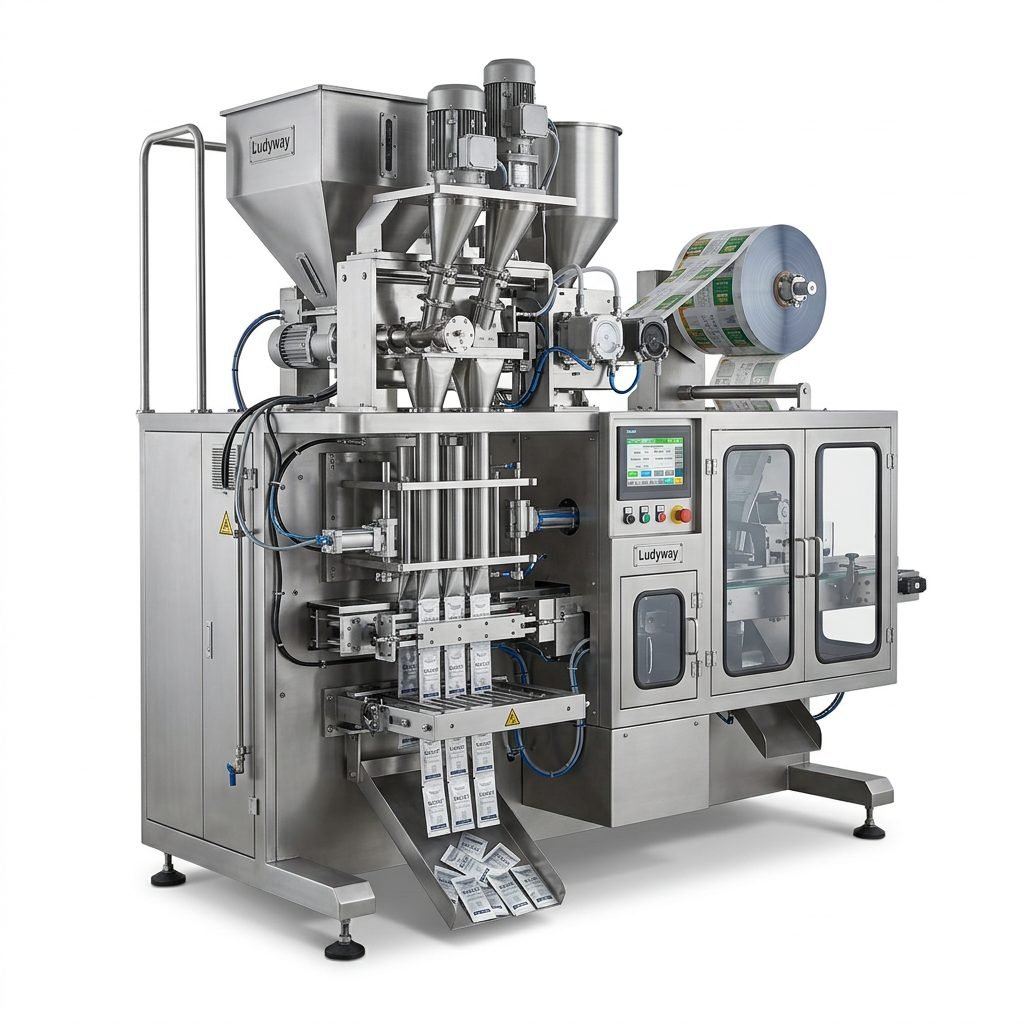
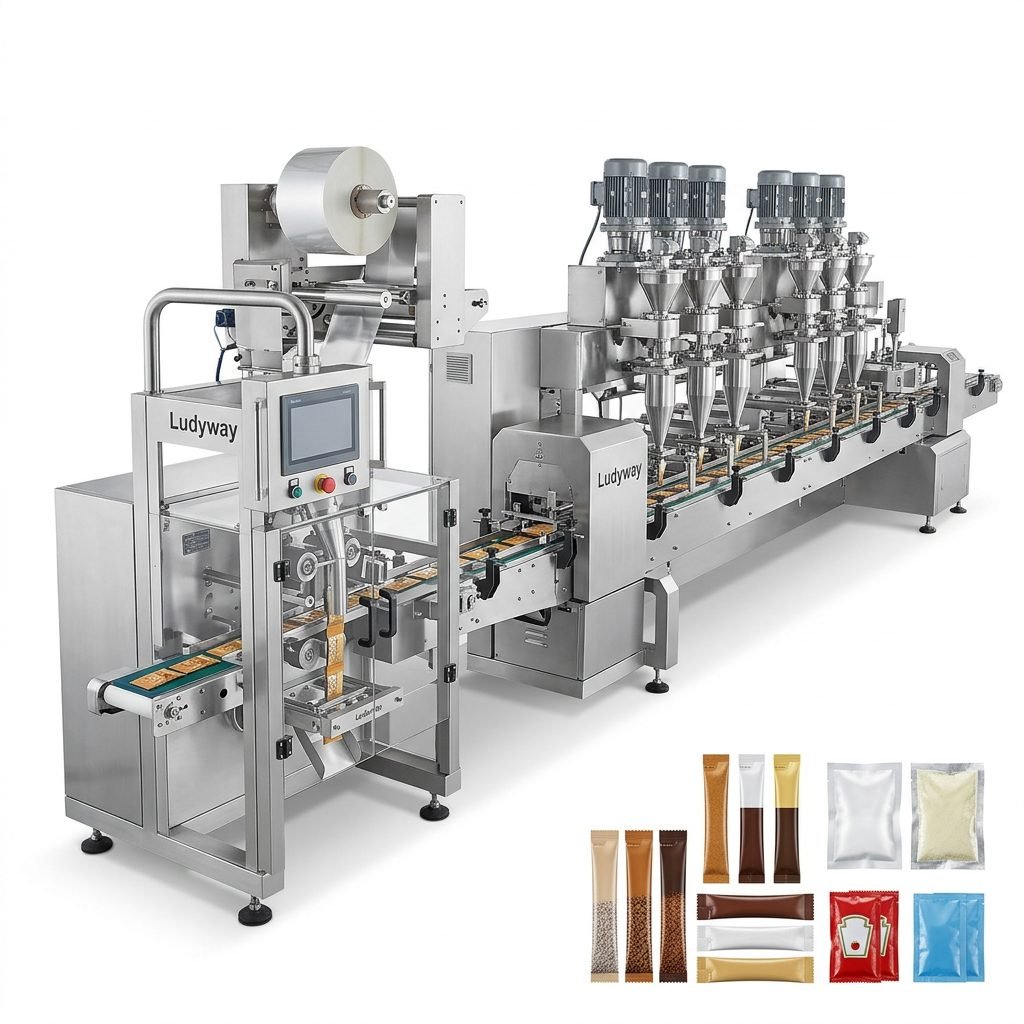
- Single-lane vs. multi-lane configuration: A multi-lane machine can run 4, 6, 8, 10, or even 12 lanes simultaneously, multiplying output without proportionally increasing floor space. For high-volume stick pack or sachet production, multi-lane systems are often the most cost-effective choice.
- Film unwinding and sealing dwell time: The maximum mechanical speed on a specification sheet may not reflect real-world throughput. Pay attention to the dwell time required for proper heat sealing with your specific film structure.
- Integration with upstream and downstream equipment: Your packaging line is only as fast as its slowest component. Feeding systems, checkweighers, cartoning machines, and case packers all need to match the filler’s output.
The PMMI packaging machinery market research indicates that automation and higher-speed equipment are key investment priorities for manufacturers seeking to address labor challenges and increase throughput.
4. Evaluate Critical Technical Features
Not all universal packaging machines offer the same level of flexibility and performance. Below are the technical features that most significantly impact machine capability and long-term value:
| Feature | Why It Matters | What to Look For |
|---|---|---|
| Servo-Driven Systems | Precision control over filling, sealing, and film feeding | Independent servo motors per axis for maximum flexibility |
| Quick Changeover Design | Reduces downtime between product or format changes | Tool-less adjustments, recipe storage via HMI, modular components |
| Multi-Head Weighing | High accuracy for granule and solid products | Load cell resolution, number of weigh heads, speed rating |
| Nitrogen Flushing | Extends shelf life for oxygen-sensitive products | Residual oxygen monitoring, adjustable gas flow control |
| Vision Inspection | Detects seal defects, missing product, print errors | Integration capability, rejection system response time |
5. Ensure Compliance with Industry Standards
Depending on your end market, your packaging process may need to comply with specific regulatory requirements. Packaging machinery should be designed and configurable to meet applicable standards for your industry.
Key Standards and Regulatory Frameworks
- Food packaging: The FDA food packaging and food contact substances regulations govern materials and processes used for food-contact applications in the U.S. market.
- Pharmaceutical packaging: Compliance with GMP requirements and standards such as ISO 11607 for terminally sterilized medical devices is often mandatory for pharmaceutical and medical packaging operations.
- European market: The European Commission packaging and packaging waste regulation sets requirements for packaging materials, recyclability, and waste reduction that affect packaging choices across EU markets.
- Electrical and safety standards: CE marking, UL certification, and other regional safety standards should be confirmed based on the destination market for your packaged products.
6. Consider Customization and Integration Needs
Standard machines work well for standard applications, but many manufacturers find that their product or process requires some level of customization. Customized packaging solutions can address specific challenges that off-the-shelf equipment cannot handle efficiently.
When Customization Adds Value
- Your product has unusual flow characteristics that standard dosing systems cannot handle accurately.
- You need to integrate the packaging machine into an existing production line with specific layout constraints.
- You require specialized bag formats, multi-compartment packaging, or unique sealing patterns not supported by standard configurations.
- Your production environment has special requirements — cleanroom compatibility, washdown capability, or hazardous area classification.
7. Choose the Right Packaging Machinery Partner
Selecting the right supplier is as important as selecting the right machine. A reliable packaging machinery manufacturer provides more than equipment — they provide engineering expertise, application knowledge, and ongoing technical support throughout the machine’s lifecycle. Key criteria to evaluate include the manufacturer’s industry experience, manufacturing capabilities, range of machine models, customization engineering capacity, and global service reach.
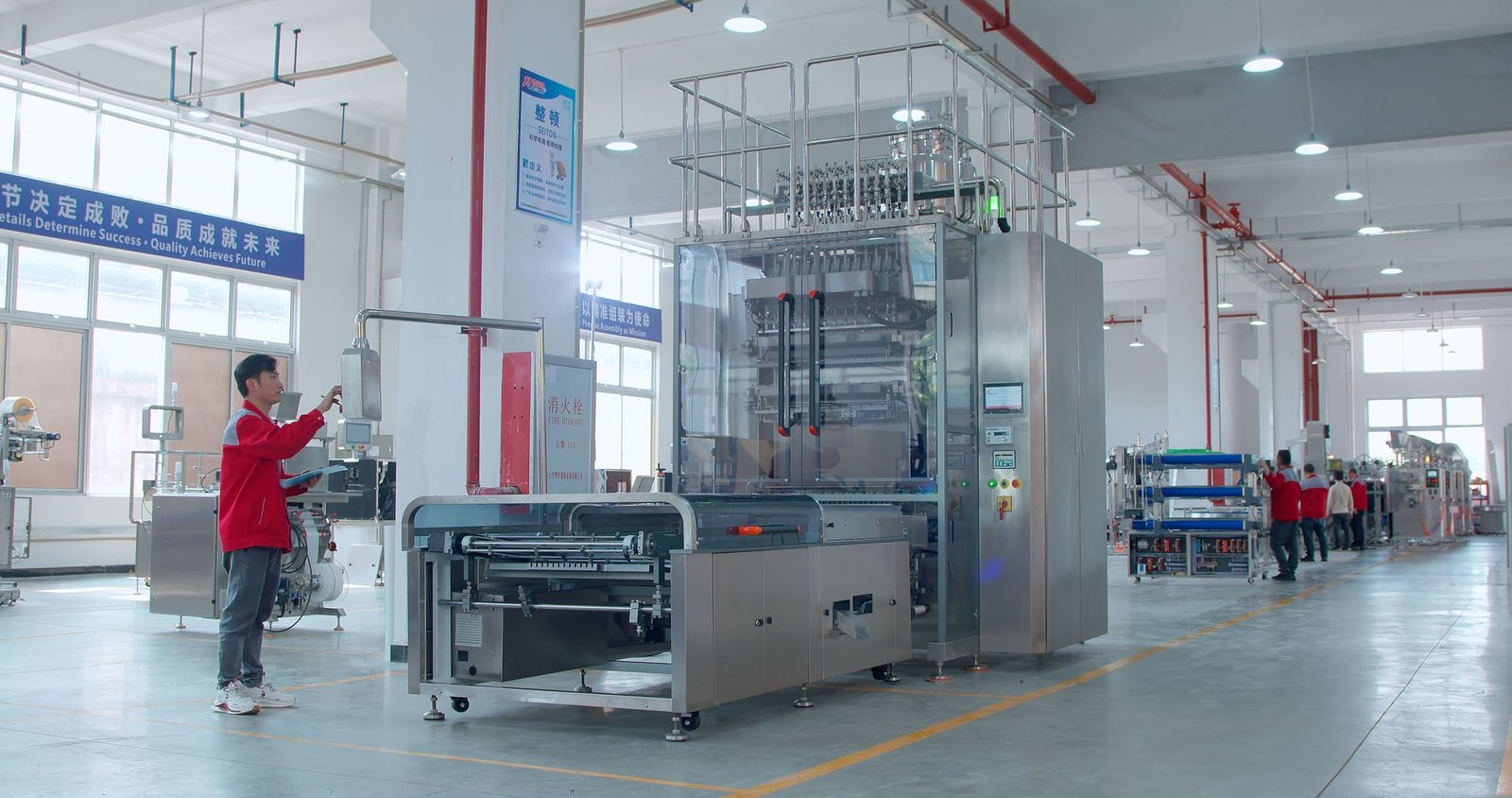
Ludyway Machinery, a China-based packaging machinery manufacturer with more than 30 years of industry experience, operates a 20,000-square-meter manufacturing facility and offers over 50 packaging machine models spanning powder, granule, liquid, stick pack, sachet, and pouch applications. With a team of more than 130 professionals serving customers in over 100 countries, Ludyway provides customized packaging solutions and turnkey production line integration. The company is expected to achieve export revenue of more than RMB 500 million (approximately US$69 million) in 2025, and plans to surpass RMB 1 billion (approximately US$138 million) in export revenue in 2026, reflecting strong global demand for its automated packaging equipment.
8. Calculate Total Cost of Ownership and ROI
The purchase price of a universal packaging machine is only one component of its total cost. A comprehensive ROI analysis should account for all costs and benefits over the machine’s expected service life.
TCO Components to Include
- Initial investment: Machine cost, shipping, installation, commissioning, and operator training.
- Operating costs: Film and packaging material consumption, energy usage, labor requirements, and routine maintenance parts.
- Changeover efficiency: Machines with quick-change capabilities reduce downtime and labor costs associated with product or format transitions.
- Waste reduction: Precise filling and reliable sealing minimize product give-away and material waste, which can represent significant savings in high-volume operations.
- Scalability reserve: A machine purchased with some capacity headroom can accommodate growth without requiring a complete replacement in two to three years.
9. Plan for Installation, Commissioning, and After-Sales Support
Even the best automatic packaging equipment requires proper installation, commissioning, and ongoing support to deliver consistent performance. Before finalizing a purchase, clarify the following with your supplier:
- Installation and commissioning services: Will the manufacturer send technicians to your facility? What is the estimated timeline from delivery to full production?
- Operator and maintenance training: Comprehensive training ensures your team can operate the machine efficiently and perform routine troubleshooting.
- Spare parts availability: Confirm lead times for critical spare parts and whether the manufacturer maintains inventory for your specific machine model.
- Remote technical support: Many manufacturers now offer remote diagnostics and video-assisted troubleshooting, reducing downtime when issues arise.
- Warranty terms: Understand what is covered, for how long, and any conditions or exclusions that apply.
10. Make Your Decision with Confidence
Choosing the right universal packaging machine requires balancing multiple factors — product characteristics, packaging format, production speed, technical features, compliance requirements, customization needs, supplier capabilities, and total cost of ownership. By systematically evaluating each of these areas, you can narrow your options and select equipment that not only meets your current production needs but also supports your long-term growth objectives.
For additional guidance on packaging machinery selection and industry trends, resources from organizations such as PMMI – The Association for Packaging and Processing Technologies and the Flexible Packaging Association offer valuable market data, technical standards, and educational content. The ISO packaging standards provide internationally recognized frameworks for quality, safety, and performance requirements.
Ready to explore packaging solutions for your specific product and production requirements? Working with an experienced packaging machinery partner can help you navigate the selection process and identify the most suitable equipment configuration for your application.