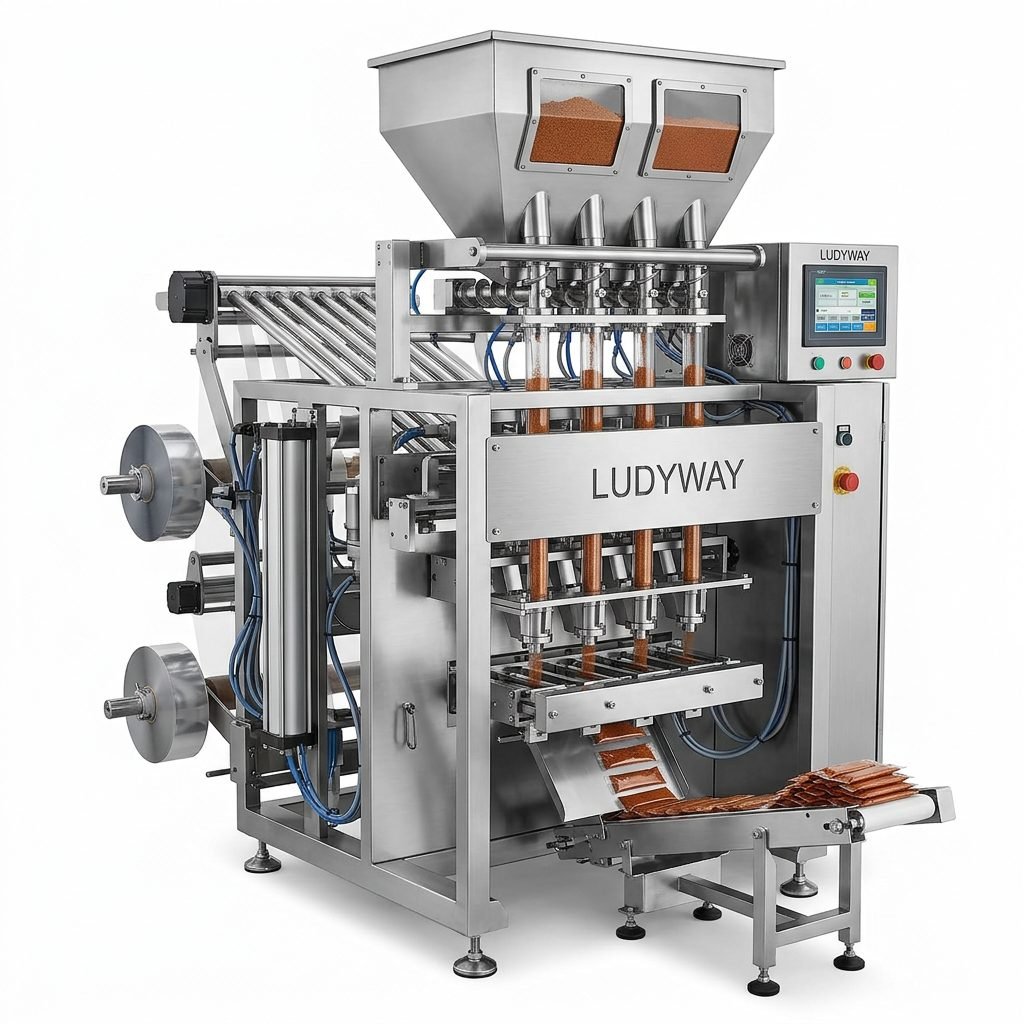
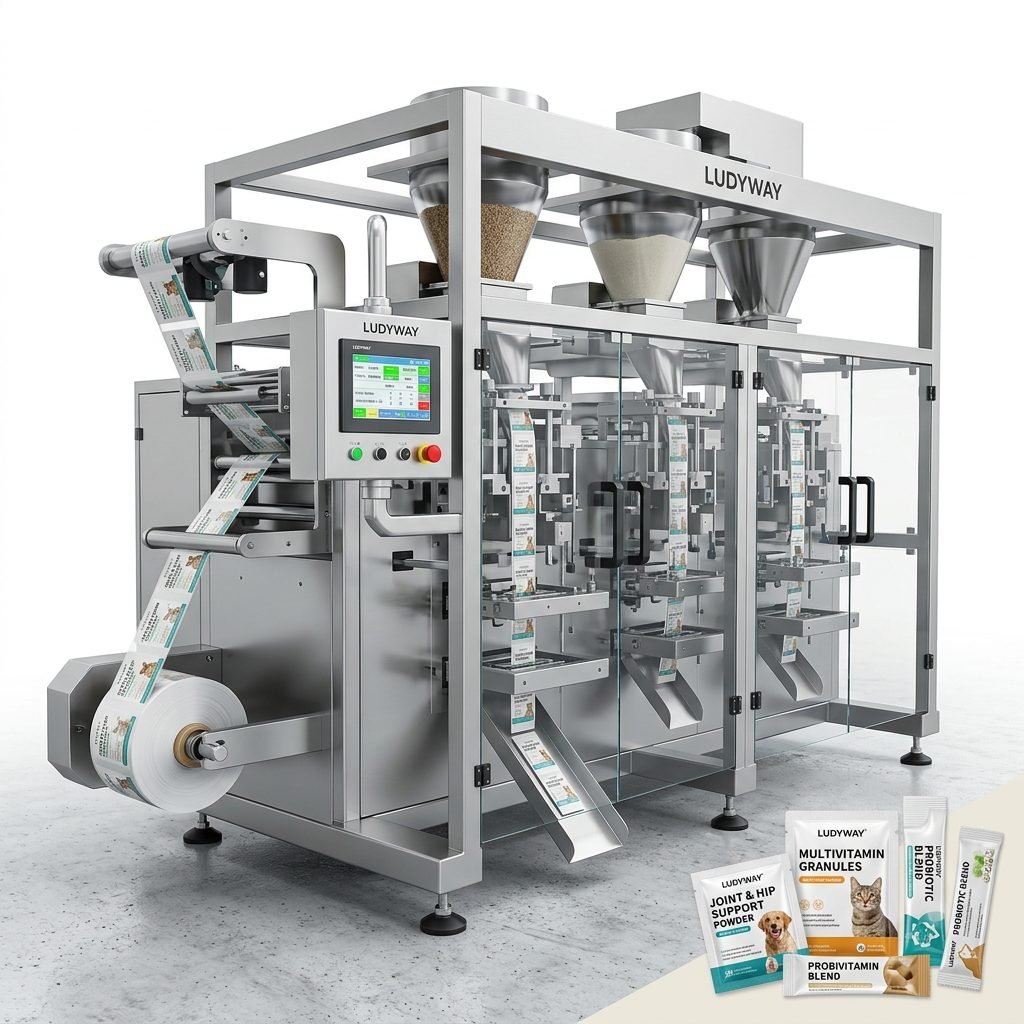
Understanding the investment required for automated packaging is crucial for tea producers scaling their operations. Whether you are packing loose-leaf tea, herbal blends, or powdered matcha into stick packs or sachets, the price of a tea sampack packing, sealing, and coding machine varies significantly based on speed, automation level, and configuration. This guide breaks down the cost drivers and helps you budget for your next production line.
Understanding the Core Components of a Tea Packaging Line
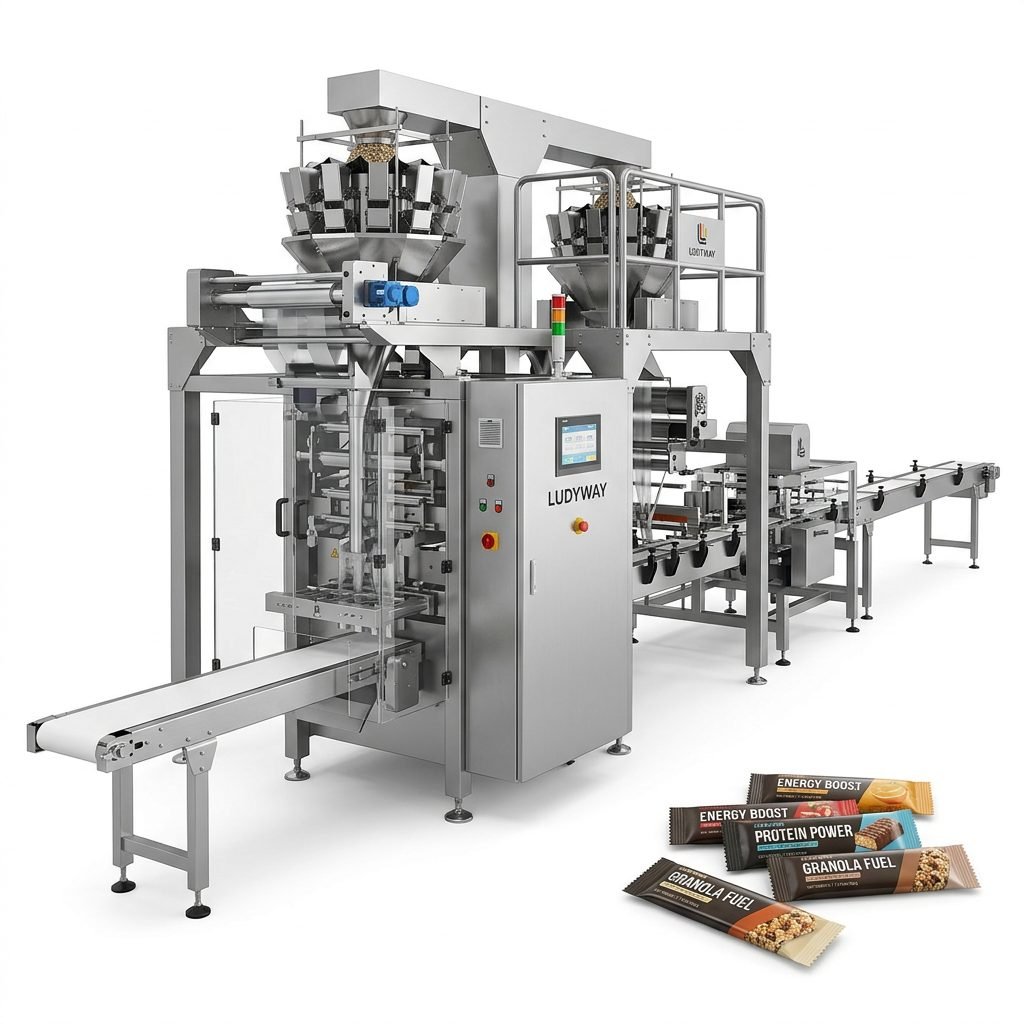
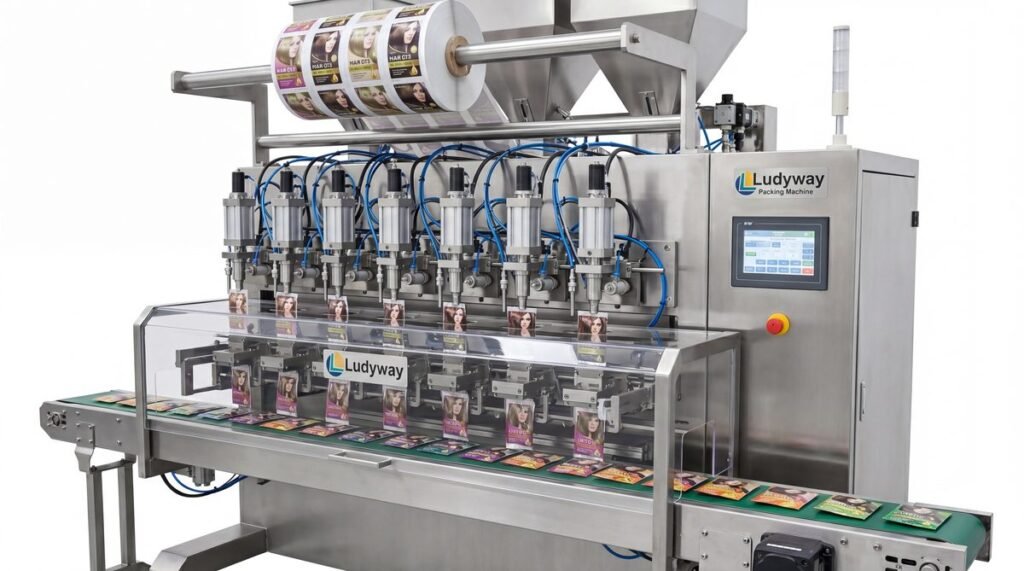
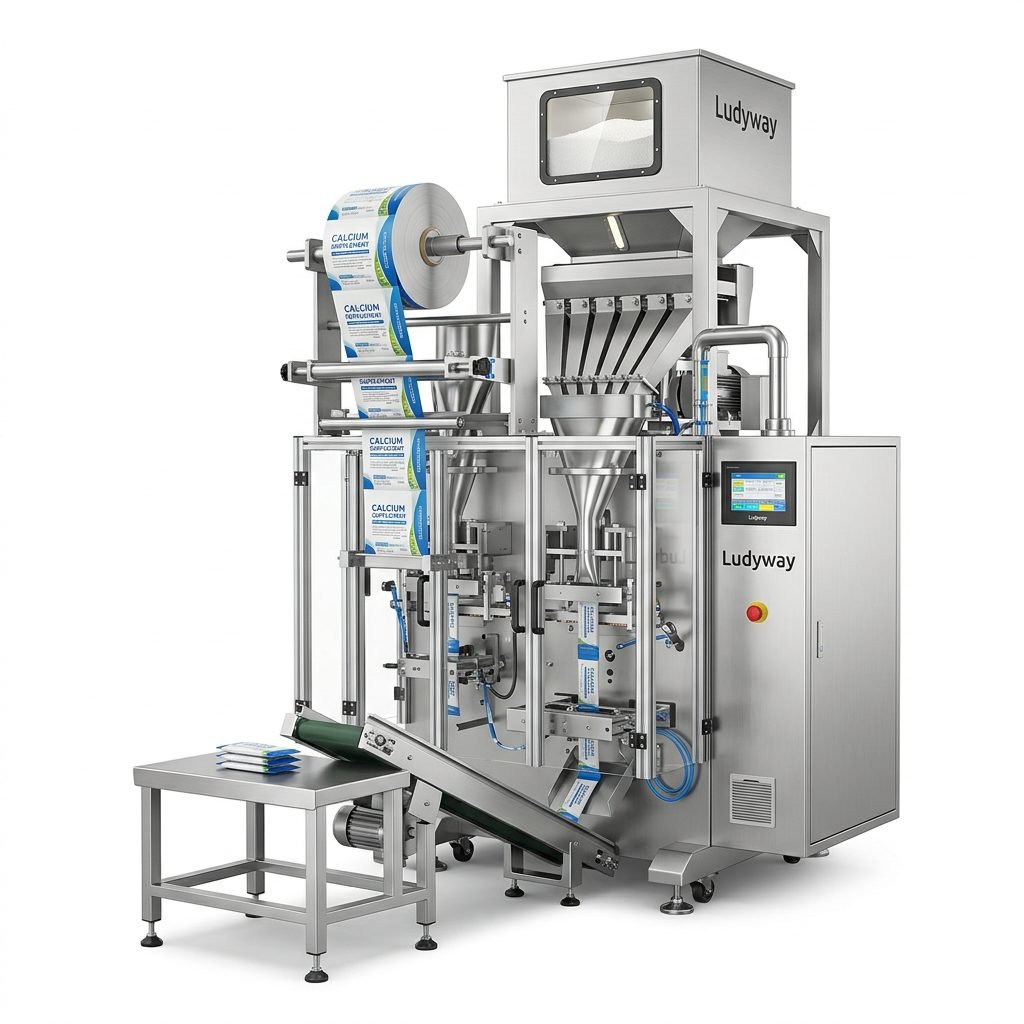
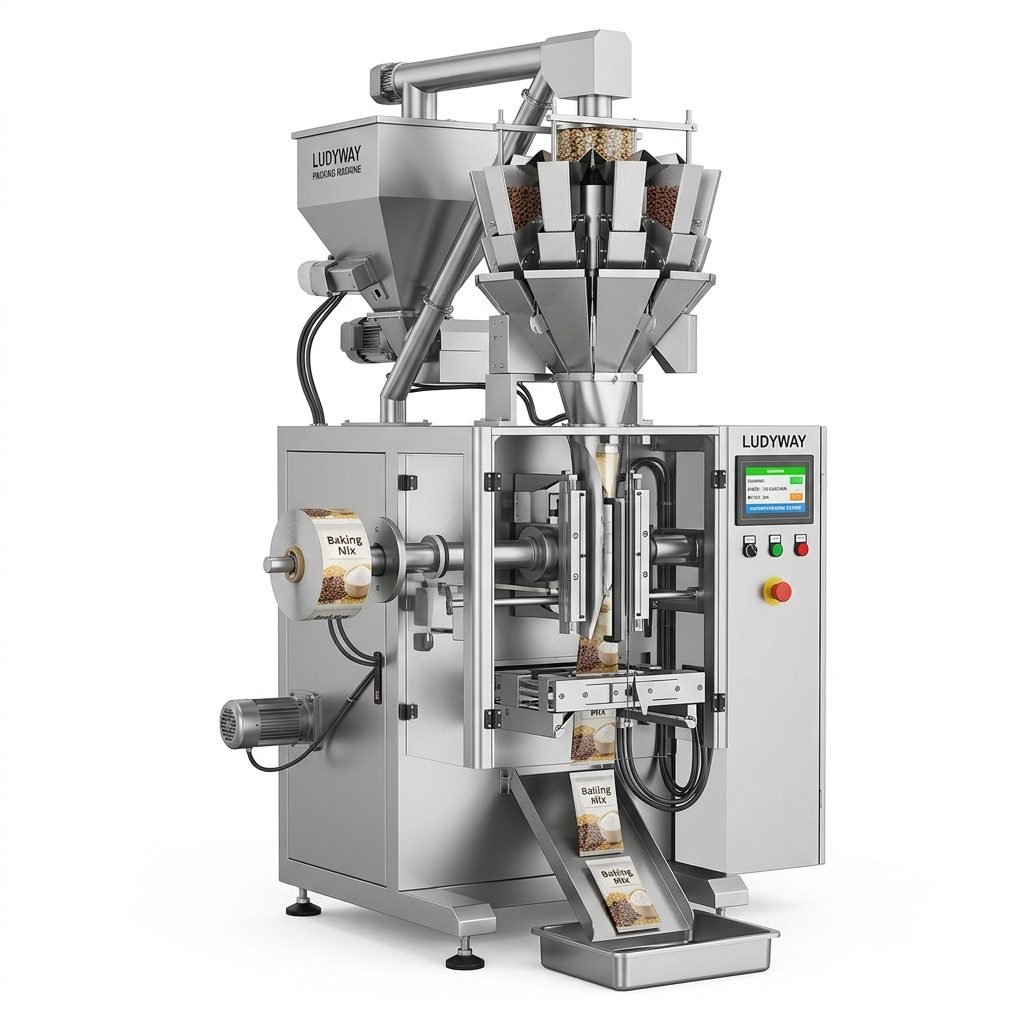
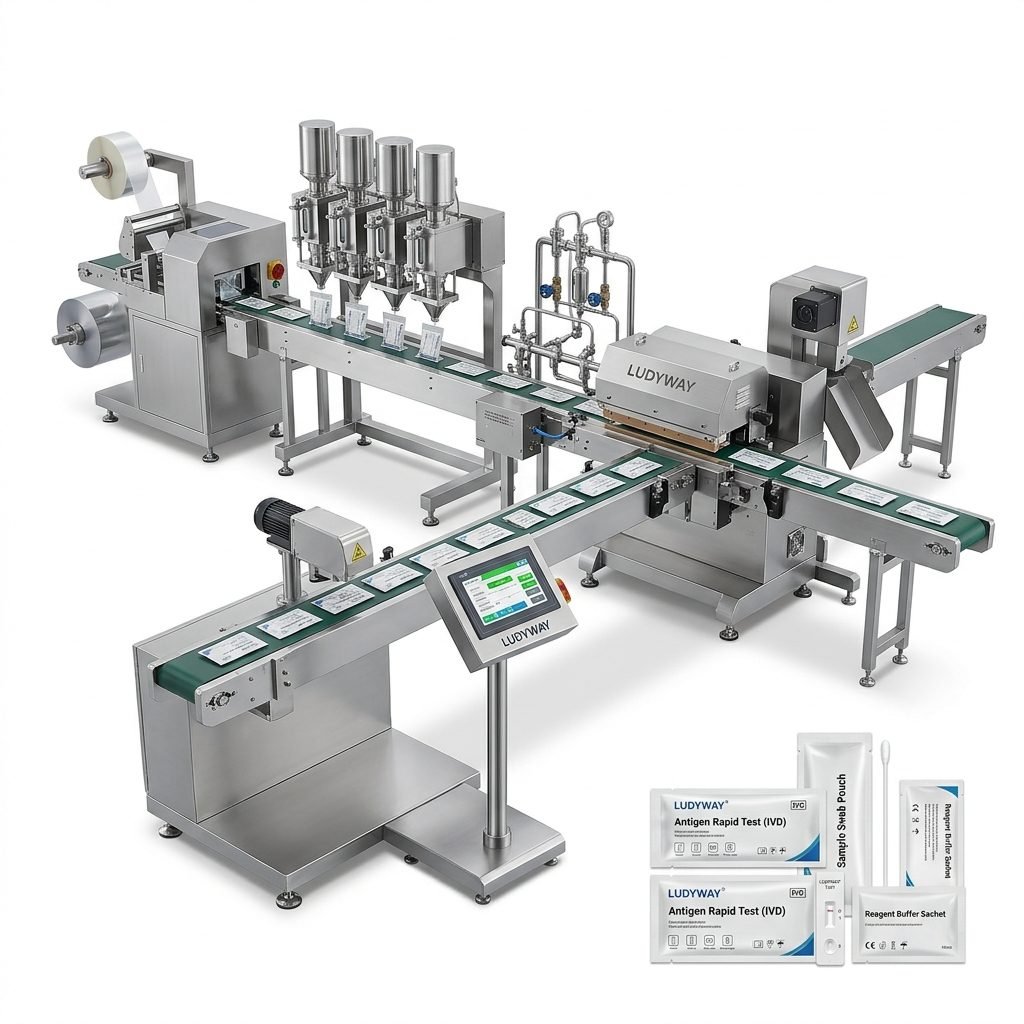
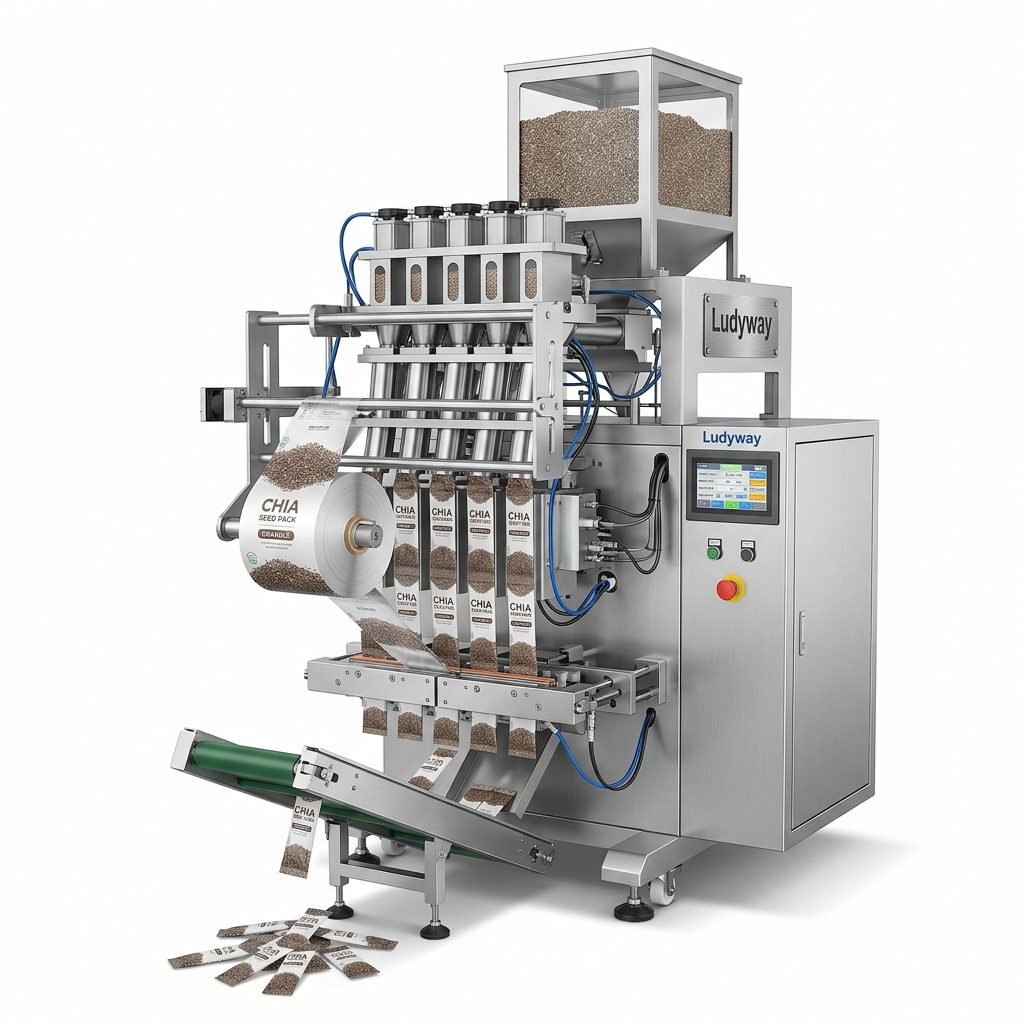
Before diving into prices, it is essential to know what constitutes a complete system. A standard tea sampack machine typically integrates three core functions: vertical form fill seal (VFFS) or multi-lane stick pack technology, precision weighing, and an inline coding and marking system.

Key Factors Influencing Machine Price
The cost is not one-size-fits-all. Several variables will shift the final quotation:
- Automation Level: Semi-automatic units are budget-friendly, while fully automated turnkey lines with robotic feeding command a premium.
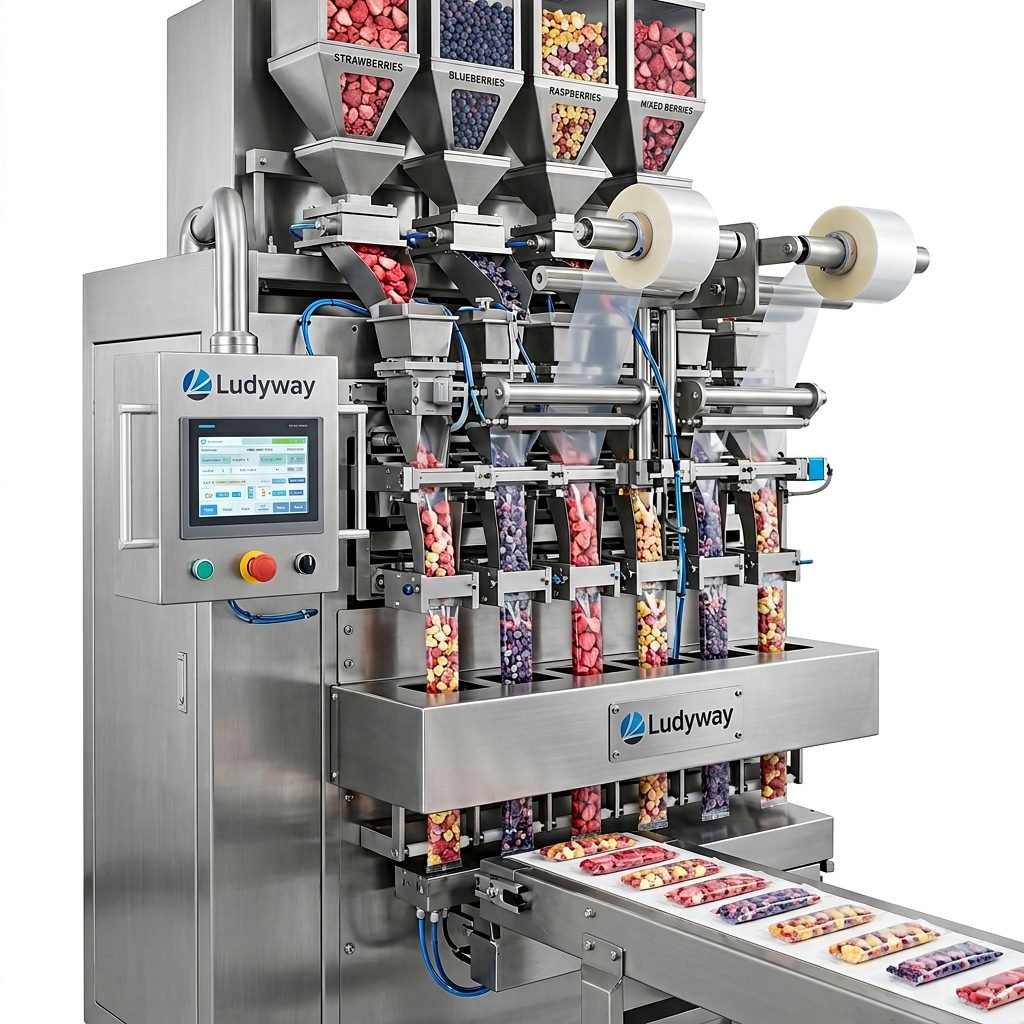
- Packaging Speed and Lanes: A single-lane machine is cheaper. However, multi-lane high-speed systems capable of producing hundreds of packs per minute significantly increase the capital expenditure.
- Filling Type: Auger fillers for fine powder (like matcha) differ in cost compared to volumetric cup fillers for granule tea.
- Machine Construction: Stainless steel 304 or 316L construction required for food-grade safety impacts the base price.
Price Range Estimations by Machine Type
To give you a clear picture, here is a general breakdown based on machine configurations widely used in the tea industry:
| Machine Configuration | Estimated Budget (USD) | Best For |
|---|---|---|
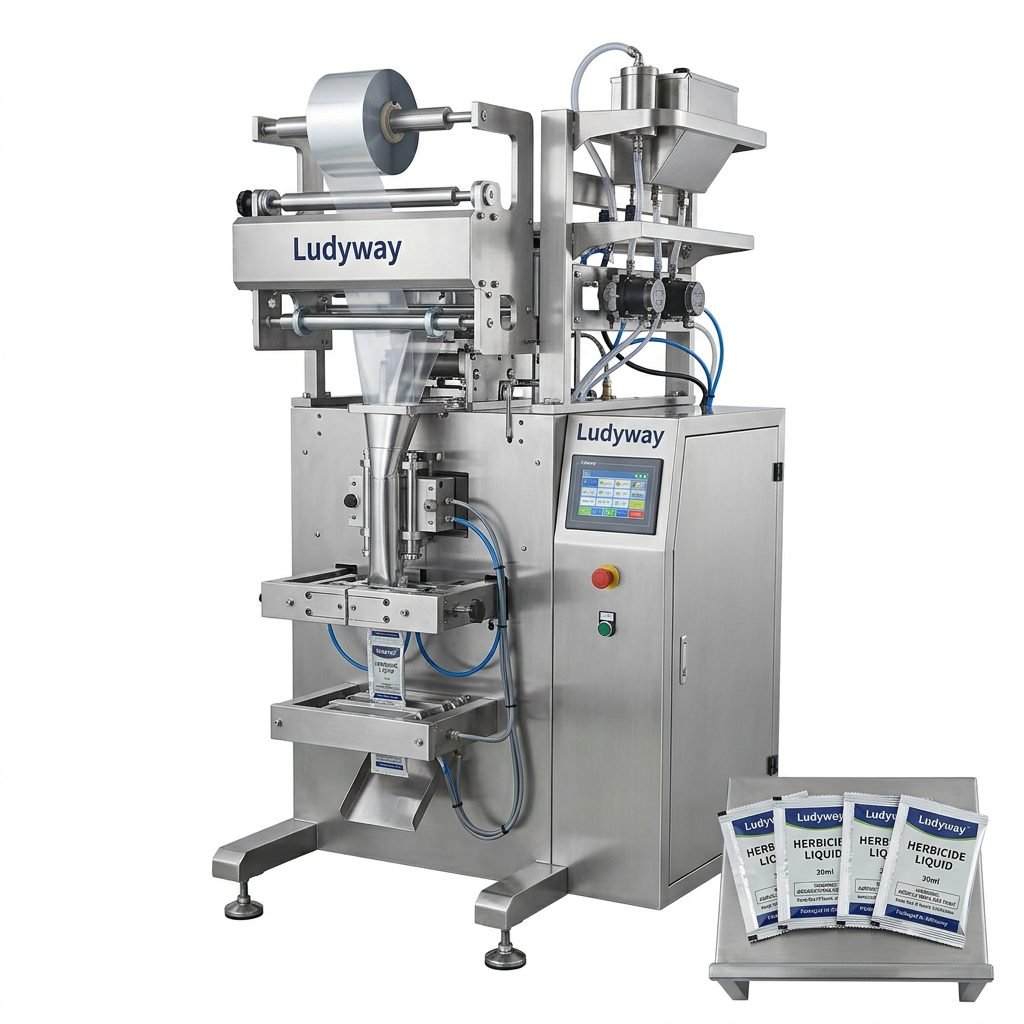
| Single Lane Sachet Packer | $5,000 – $15,000 | Startups / Small Samples |
| 4-Lane Stick Pack Machine | $25,000 – $60,000 | Medium Production |
| Multi-Lane High-Speed Line (8-10 Lanes) | $80,000 – $150,000+ | Mass Manufacturing |
| Inline Coding & Sealing Unit | $1,200 – $5,000 (Add-on) | Regulatory Compliance |
The Importance of the Coding and Sealing Technology
Don’t overlook the coding machine part of the equation. Tea products often require batch numbers and expiration dates. A thermal inkjet (TIJ) or laser coding system adds marginal cost but ensures compliance with international food safety standards. The sealing quality is equally critical; poor sealing leads to moisture intrusion, ruining the tea leaves.
Selecting the Right Partner for Your Investment
When evaluating the cost, look beyond the initial price tag. A machine constructed with a modular design allows for future line expansion. Working with experienced packaging machine manufacturers like Ludyway ensures you receive robust after-sales support, from installation to preventive maintenance. As one of the largest equipment suppliers specializing in turnkey production solutions, they offer over 50 intelligent models designed to handle granule, powder, and liquid coffee and tea applications seamlessly.

Long-Term Operational Costs
Besides the upfront machine cost, calculate the Total Cost of Ownership (TCO). Consider factors like film material waste, power consumption, and spare parts availability. A slightly higher initial investment in a machine that minimizes film draw length or offers quicker changeovers often results in significant savings over its lifespan.
Quick Buyer’s Checklist
- Verify the machine’s specification matches your current and future pack sizes.
- Request a live factory acceptance test (FAT) video.
- Check if the servo motors and PLC components are global brands.
- Ensure the coding printer integrates seamlessly with your pack size variability.
Investing in a flexible packaging line is a strategic move for long-term growth. For updated quotes and build configurations tailored to specific tea blends, contact a technical specialist directly.