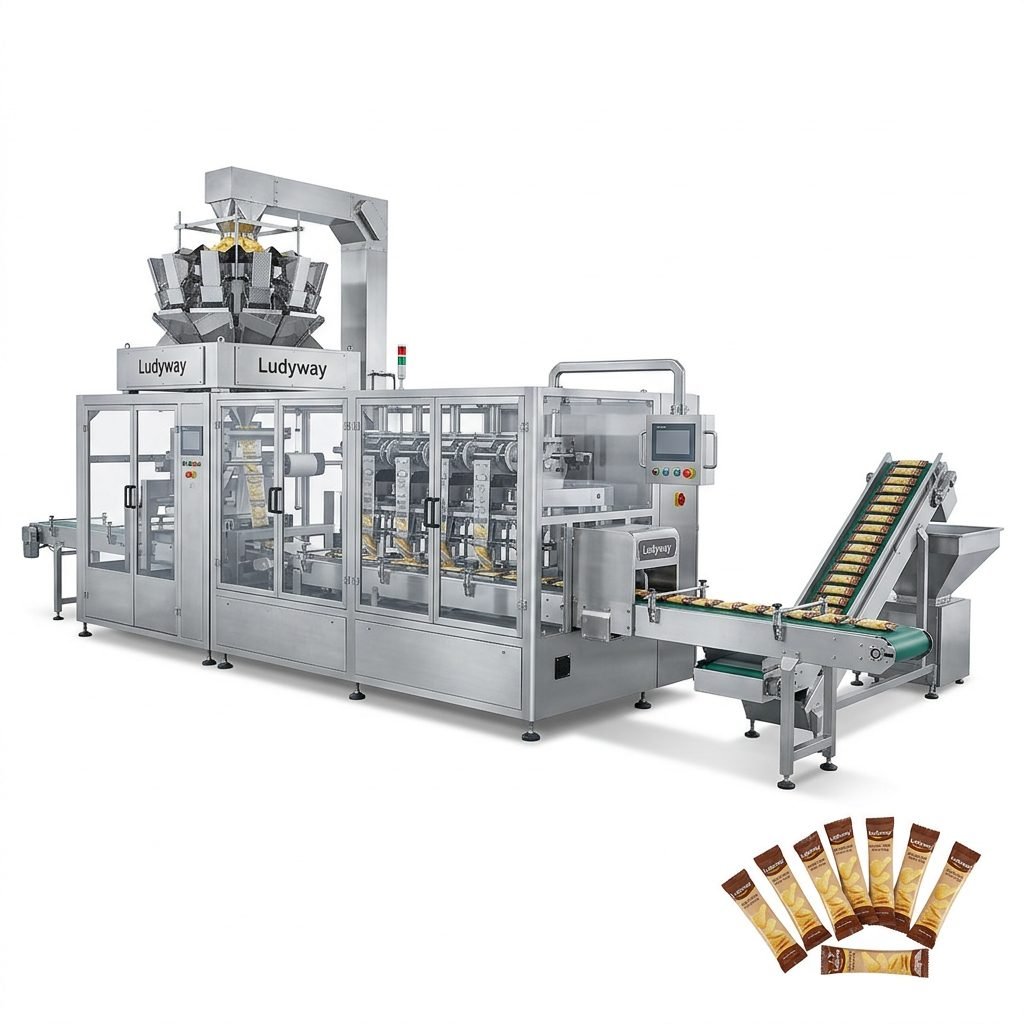
The snack food industry across Asia is experiencing unprecedented growth, driven by rising disposable incomes, urbanization, and changing consumer habits. Potato chips remain one of the most popular snack categories, making the demand for efficient potato chip packaging machine production line solutions higher than ever. Setting up a fully functional packaging line in this region requires careful planning, from selecting the right equipment to understanding local regulations and supply chain dynamics. This comprehensive guide walks you through every essential step.
Understanding the Asian Snack Market Landscape
Asia accounts for over 40% of global snack food consumption, with countries like China, India, Indonesia, Vietnam, and Thailand leading the charge. Potato chips are transitioning from occasional indulgence to everyday staples. This shift creates massive opportunities for manufacturers who can deliver consistent quality at scale. A well-designed automatic potato chip packaging line is central to capturing this market, enabling high throughput while maintaining product freshness and visual appeal on retail shelves.
Market Drivers for Potato Chip Packaging in Asia
- Rapid urbanization increasing demand for convenient, on-the-go snack formats
- Growth of modern retail channels including supermarkets, convenience stores, and e-commerce
- Rising popularity of single-serve and multi-pack formats for portion control and sharing
- Increasing consumer preference for attractive, resealable packaging that extends shelf life
- Expansion of local snack brands competing with established multinational players
Essential Components of a Potato Chip Packaging Production Line
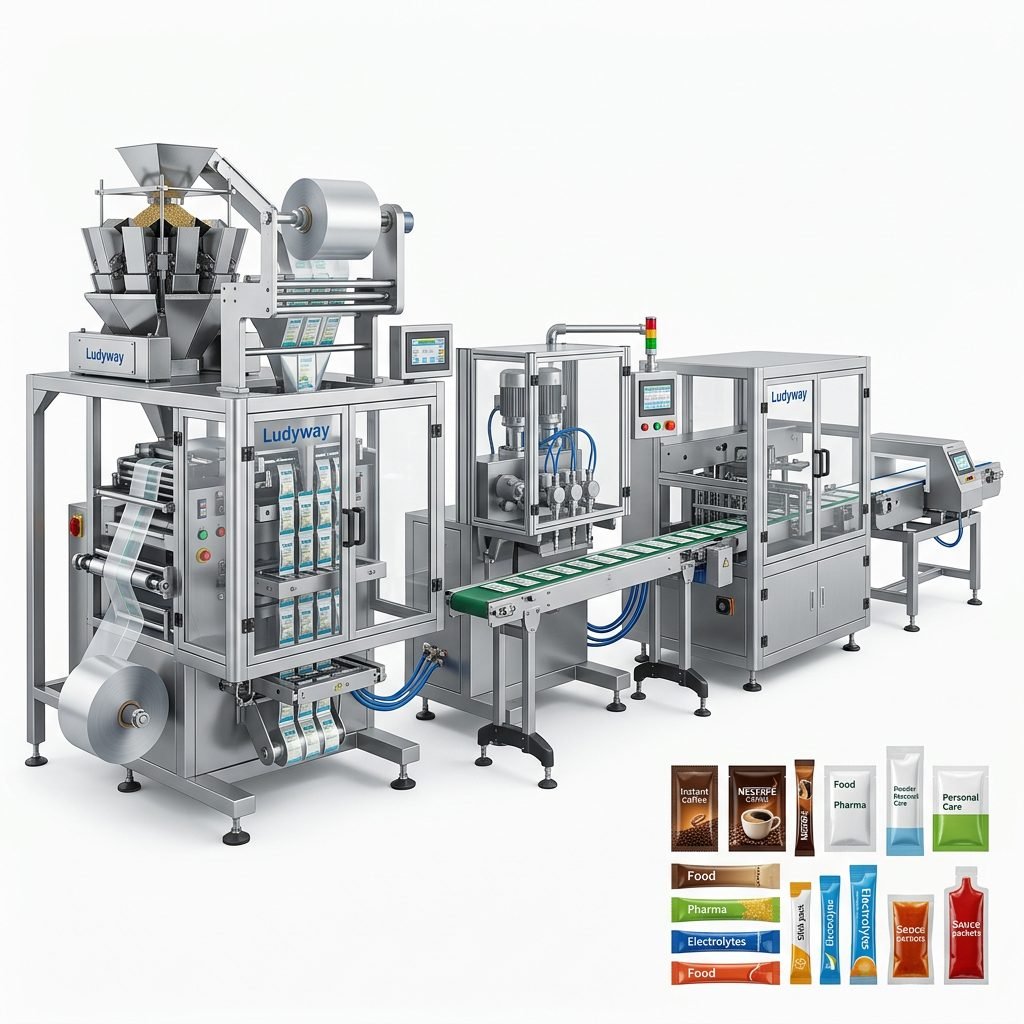
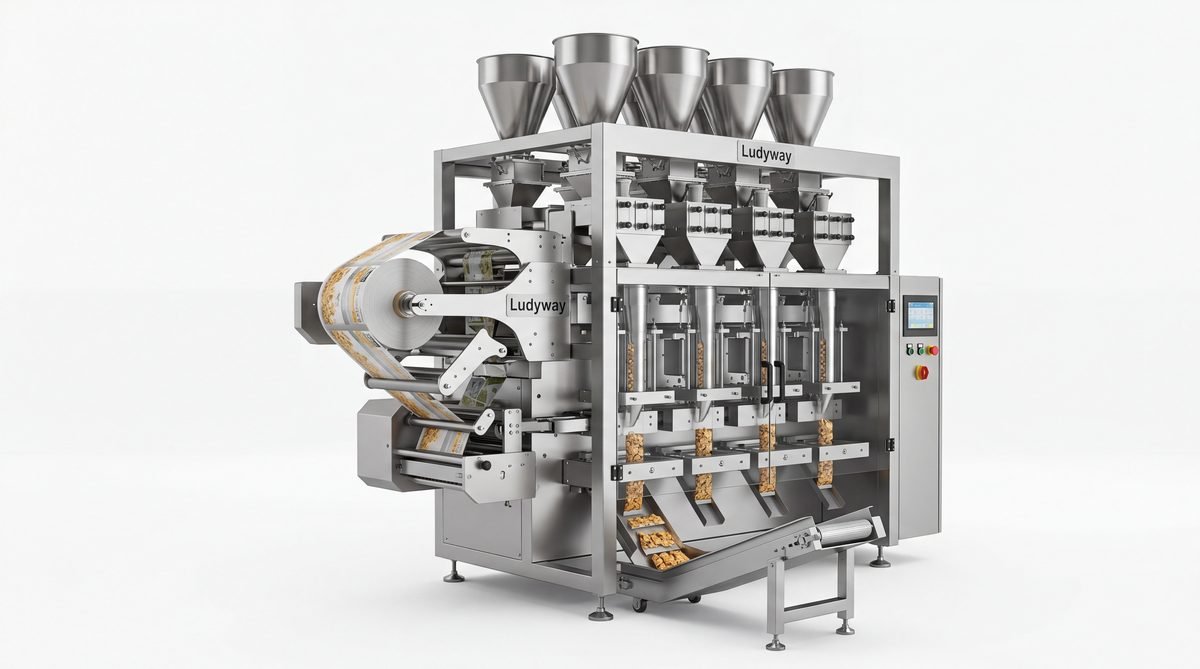
A complete potato chip packaging production line integrates multiple systems that must work seamlessly together. Understanding each component helps you make informed procurement decisions and avoid costly bottlenecks after installation.
1. Feeding and Conveying Systems
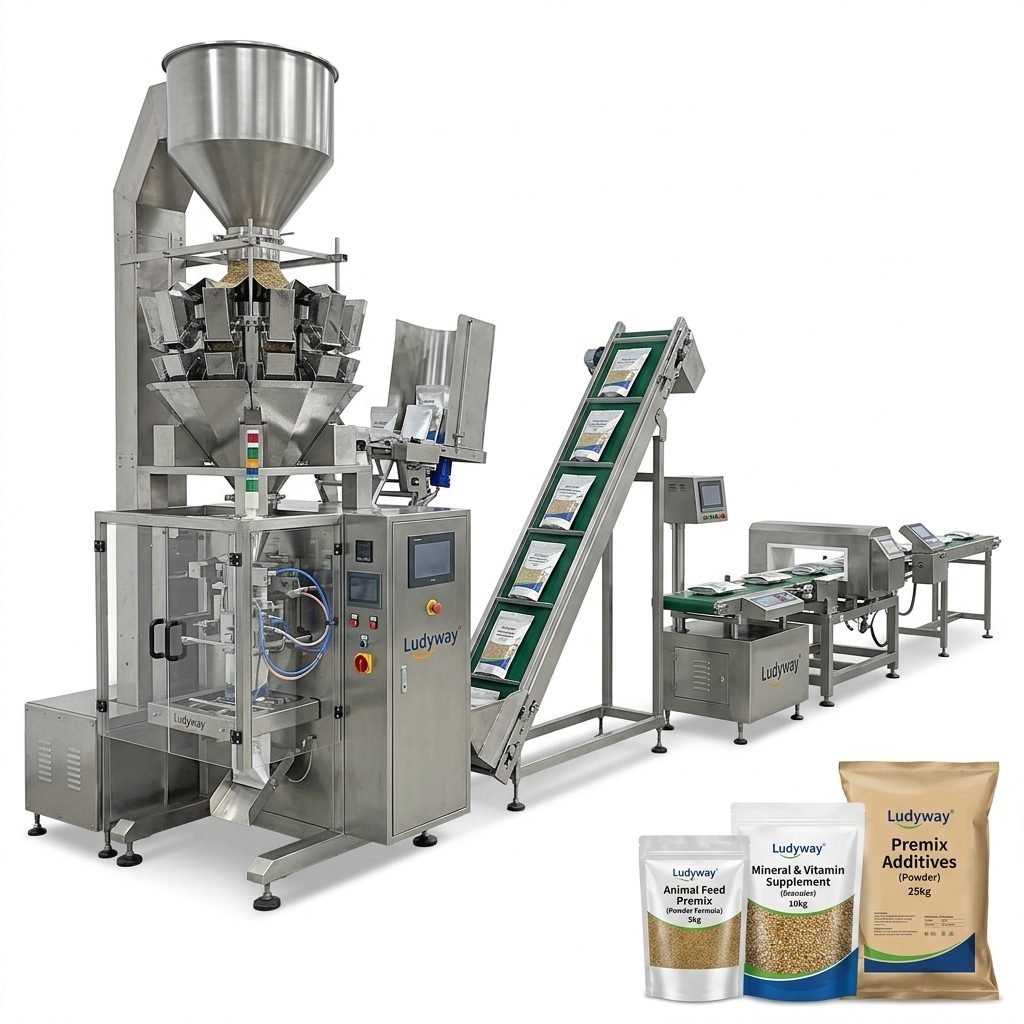
The first stage involves transferring fried and seasoned potato chips from processing to packaging. Inclined conveyor systems and bucket elevators are commonly used to gently transport fragile chips without breakage. Precise feeding mechanisms ensure consistent product flow into the packaging stations.
2. Weighing and Dosing Equipment
Accurate portion control is critical for profitability. Multi-head weighers are the industry standard, offering high-speed, high-precision measurements. These systems can handle various chip shapes and sizes while minimizing product giveaway. For stick pack and sachet formats, auger fillers and volumetric dosing units provide reliable performance.
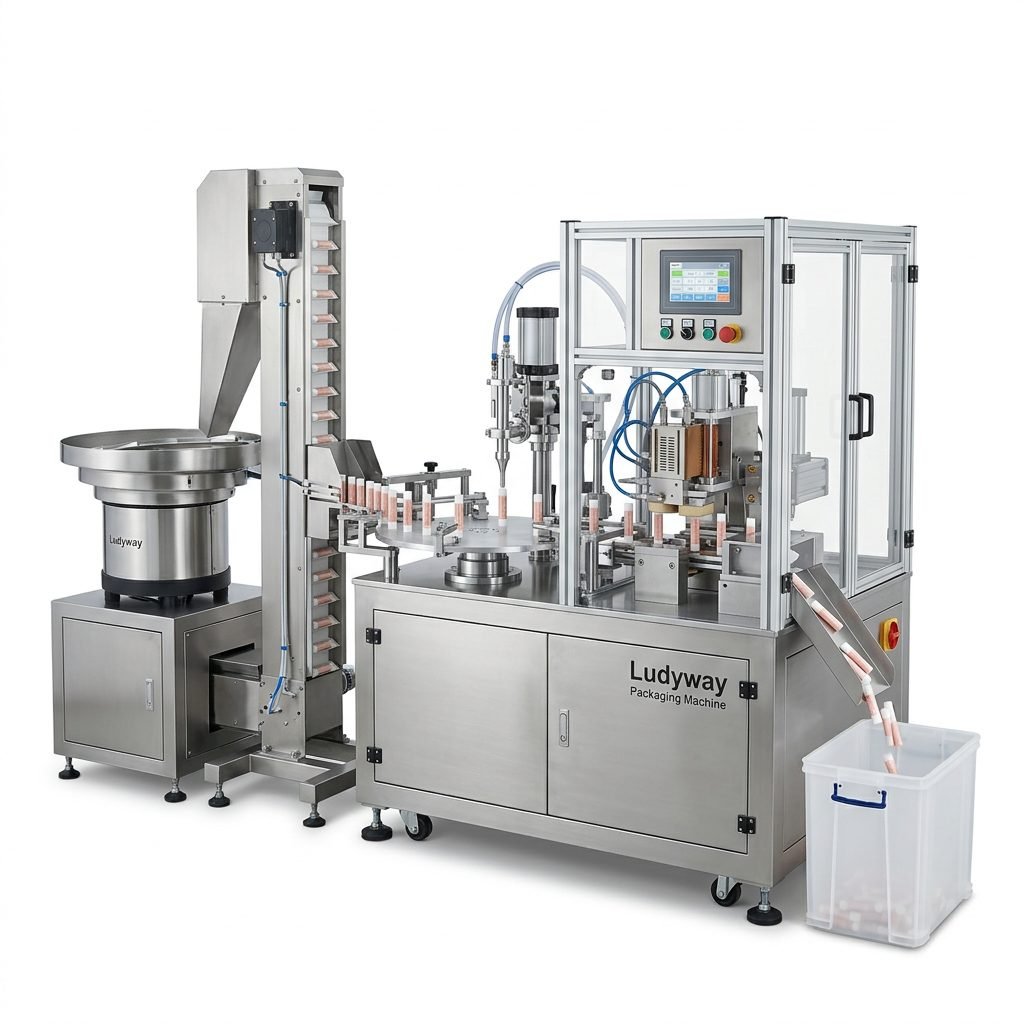
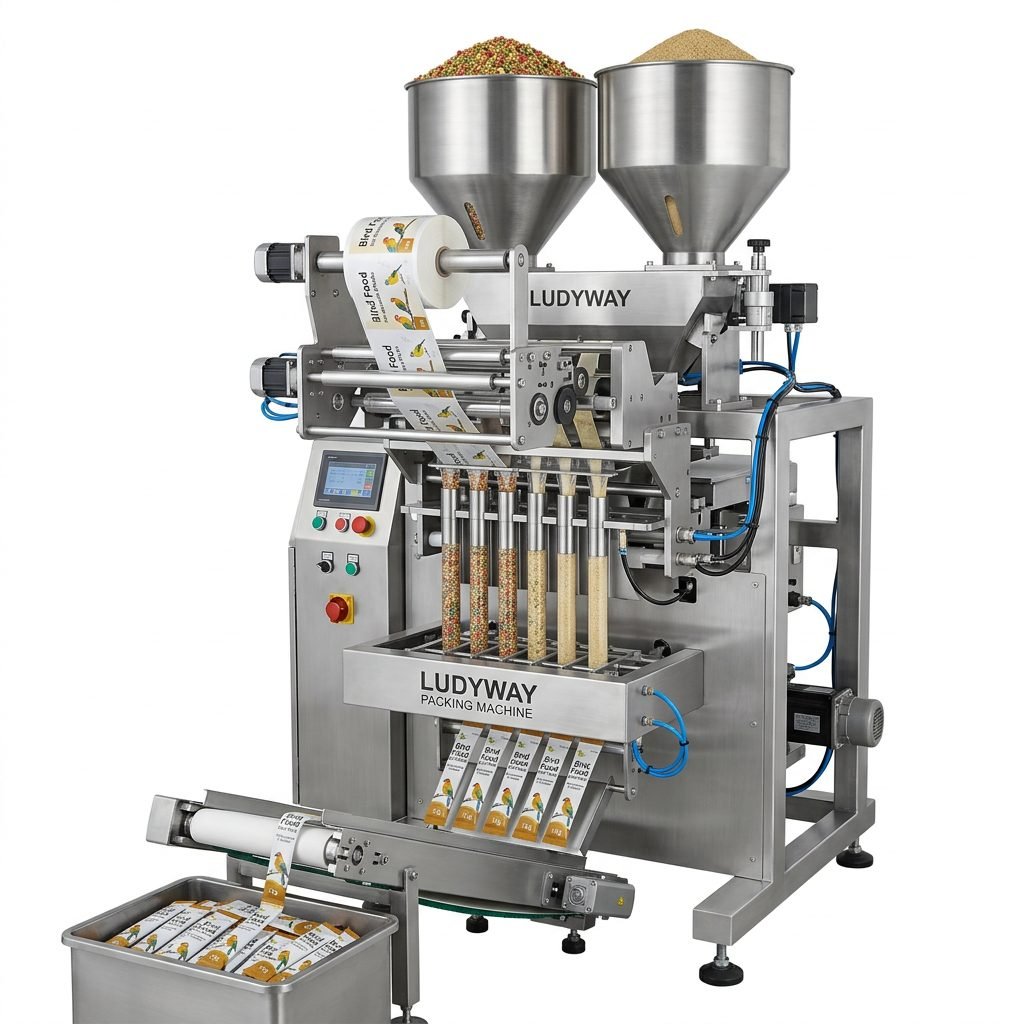
3. Primary Packaging Machines
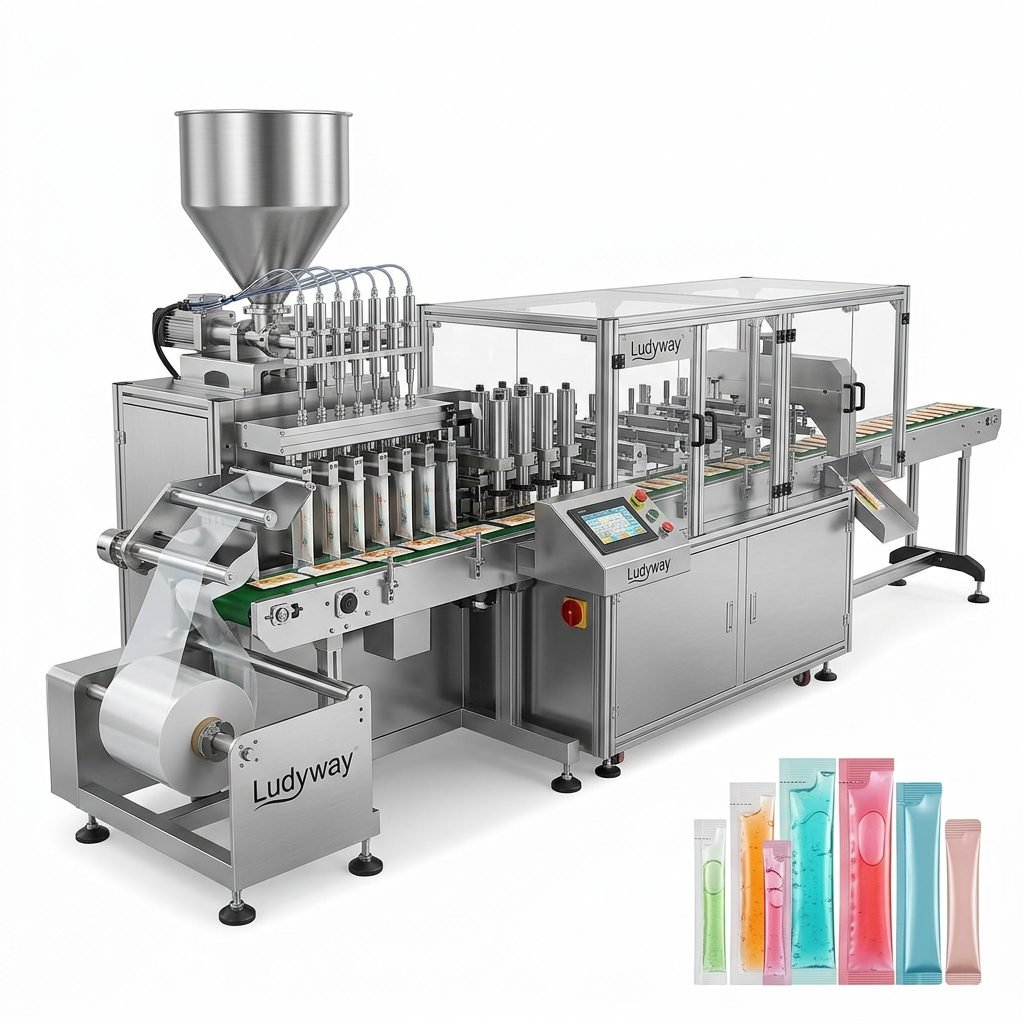
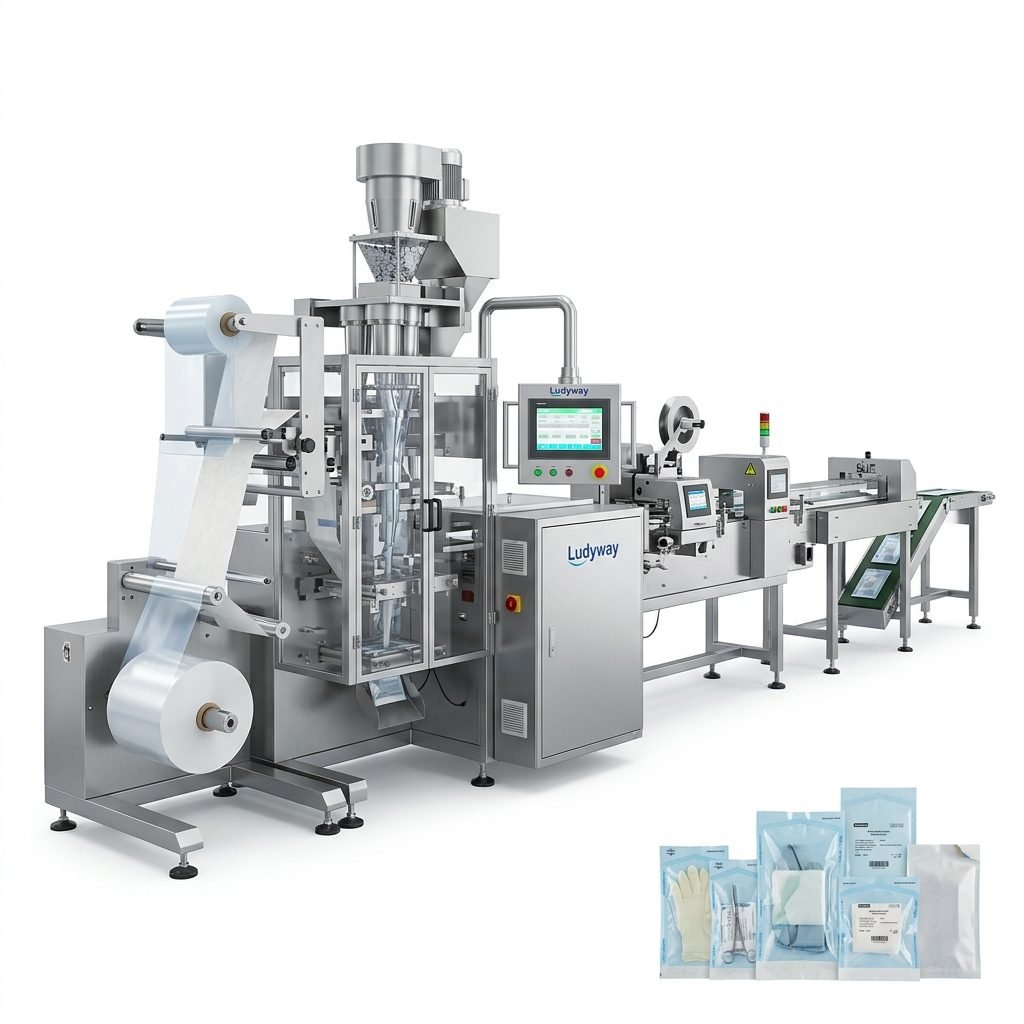
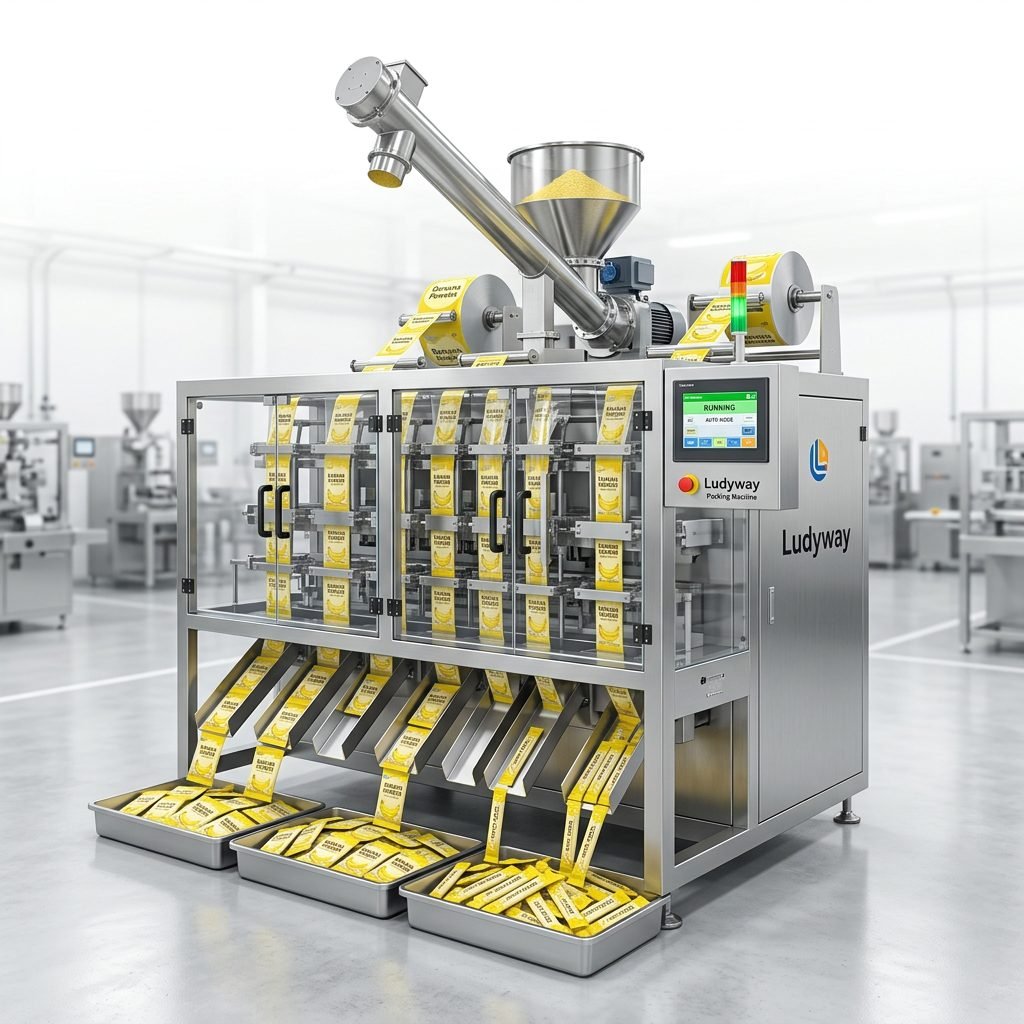
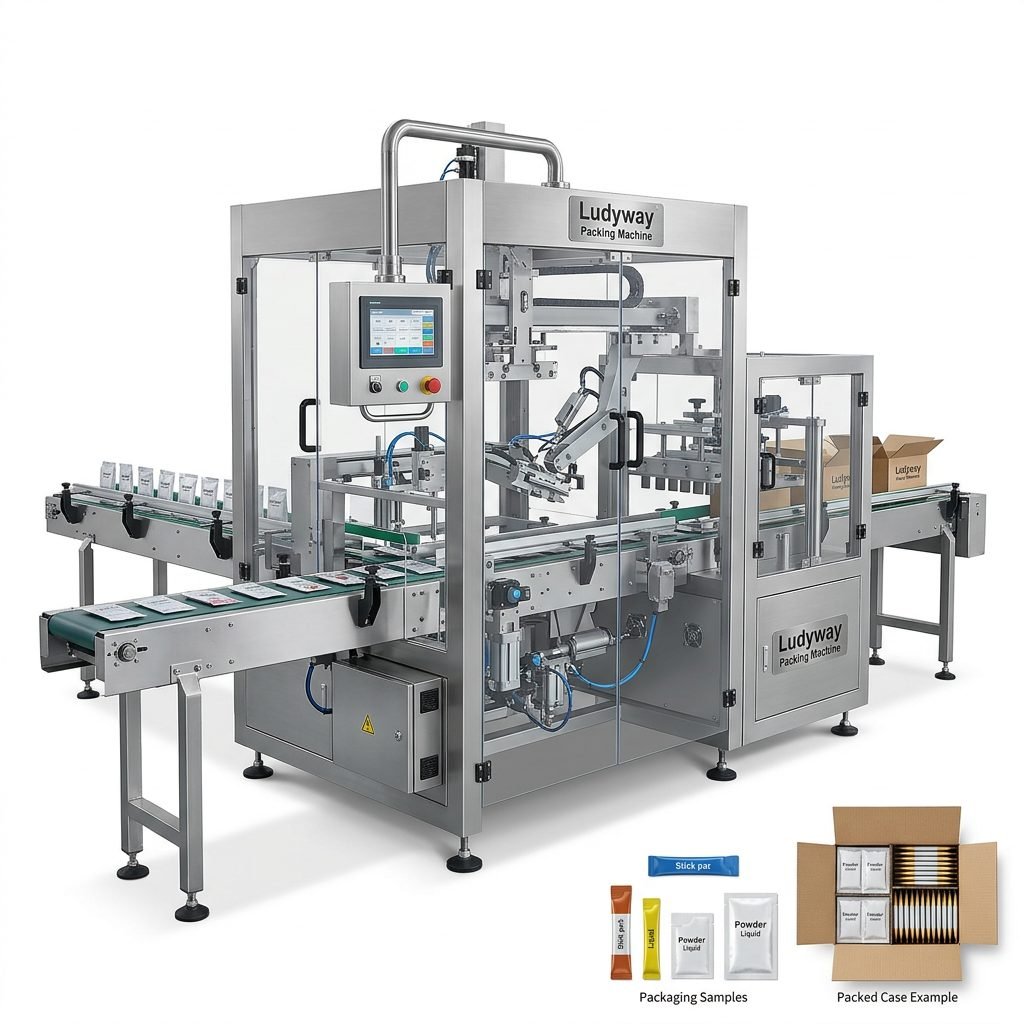
This is the heart of your production line. Depending on your target market and product format, you may need different types of packaging machines. The most common configurations include:
| Machine Type | Best For | Key Advantage |
|---|---|---|
| Multi-Lane Stick Pack Machine | Single-serve portions, travel packs | Up to 12-16 lanes for ultra-high output |
| Sachet Packaging Machine | Small to medium pouches, seasoning packs | Versatile format, cost-effective |
| Premade Pouch Packaging Machine | Premium stand-up pouches, zipper bags | Superior shelf presence, resealable options |
| Vertical Form Fill Seal (VFFS) | Pillow bags, medium to large formats | Proven technology, wide material compatibility |
4. Secondary Packaging and End-of-Line Automation
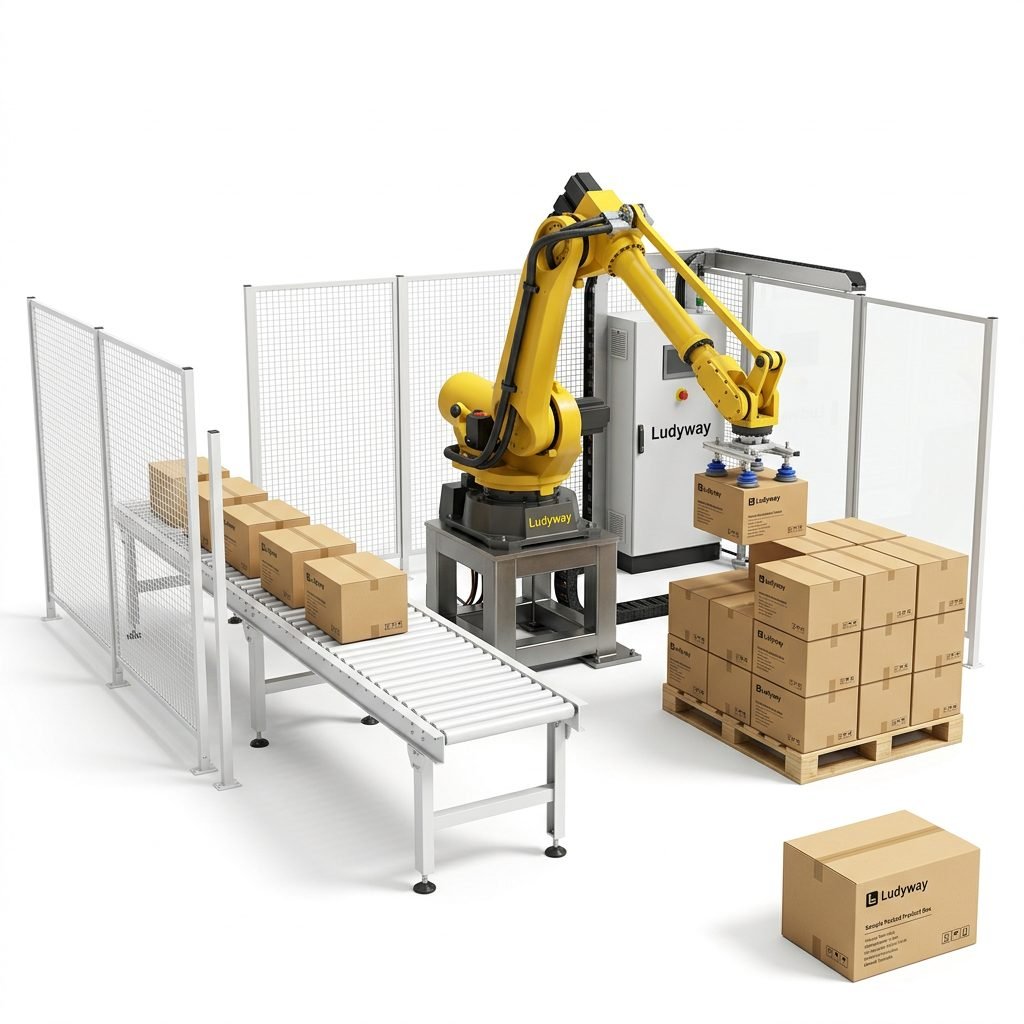
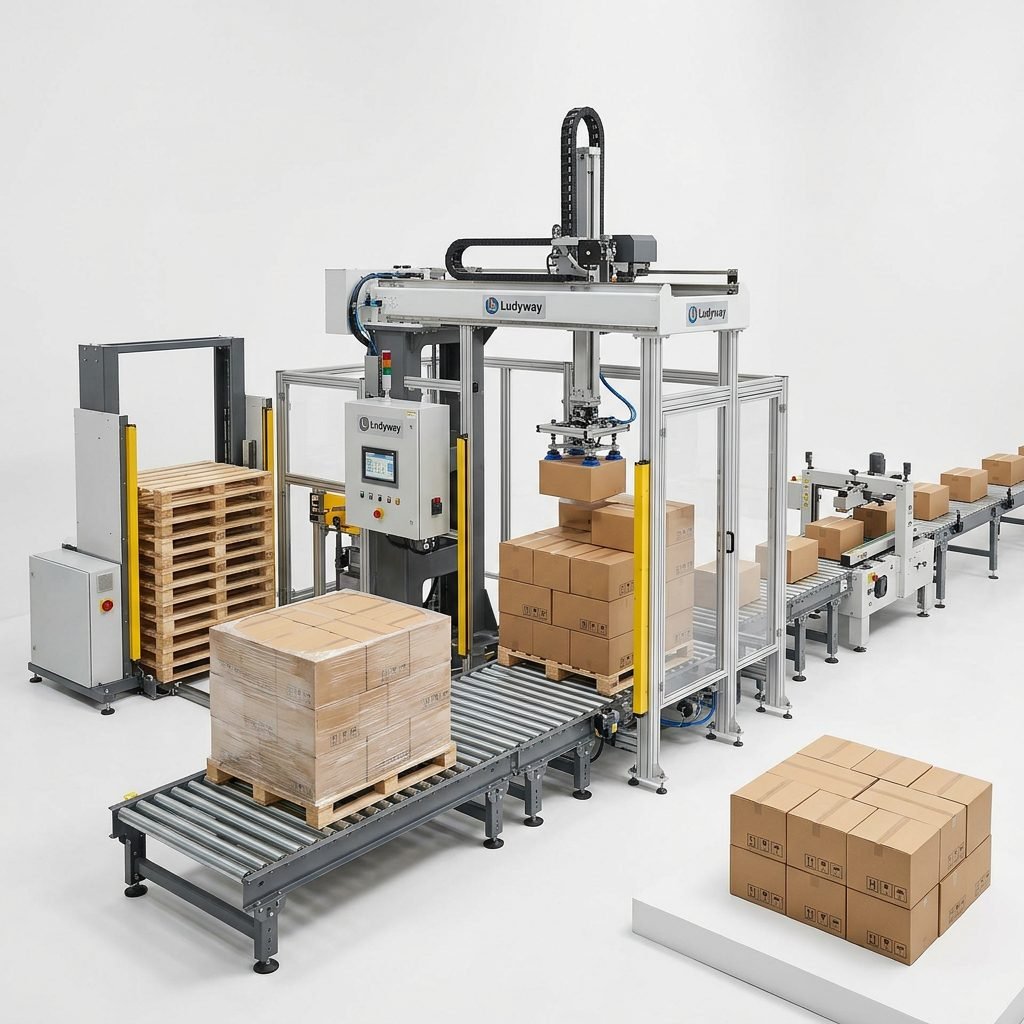
After primary packaging, products need to be cartoned, case-packed, and palletized. Automated cartoning machines and robotic palletizing systems reduce manual labor, increase throughput, and ensure consistent stacking for warehouse storage and shipping. These systems are particularly valuable in Asian markets where labor costs are rising and operational efficiency is a competitive differentiator.
Choosing the Right Packaging Format for Asian Markets
Packaging format selection directly impacts your market positioning. Different Asian countries show distinct preferences that should guide your equipment choices.
- Stick packs – Extremely popular in Southeast Asia for affordable single-serve portions. Ideal for price-sensitive markets and on-the-go consumption.
- Sachets – Widely used across India and emerging markets. These small, flat pouches offer the lowest packaging cost per unit and suit daily purchase habits.
- Stand-up pouches with zipper – Growing rapidly in developed Asian markets like Japan, South Korea, and urban China. These convey premium quality and offer resealable convenience.
- Multi-pack bundles – Family-sized packs combining multiple single-serve units are gaining traction for home consumption in middle-class households.
Key Technical Considerations for Production Line Setup
Production Capacity and Speed Requirements
Define your target output clearly. A small to medium enterprise may start with 30-60 packs per minute, while large-scale operations often demand 100-300 packs per minute across multiple lanes. Multi-lane stick pack machines can achieve significantly higher speeds by running parallel lanes simultaneously. Ensure your upstream frying and seasoning processes can match packaging line speeds to avoid bottlenecks.
Material Compatibility and Film Selection
Potato chips require barrier packaging films that protect against moisture, oxygen, and light to prevent rancidity and maintain crispness. Common materials include metallized BOPP, PET/PE laminates, and aluminum foil composites. Verify that your chosen packaging machine is compatible with the required film types, including heat-seal characteristics and thickness ranges. Nitrogen flushing capability is highly recommended for extending shelf life.
Quality Control and Inspection Integration
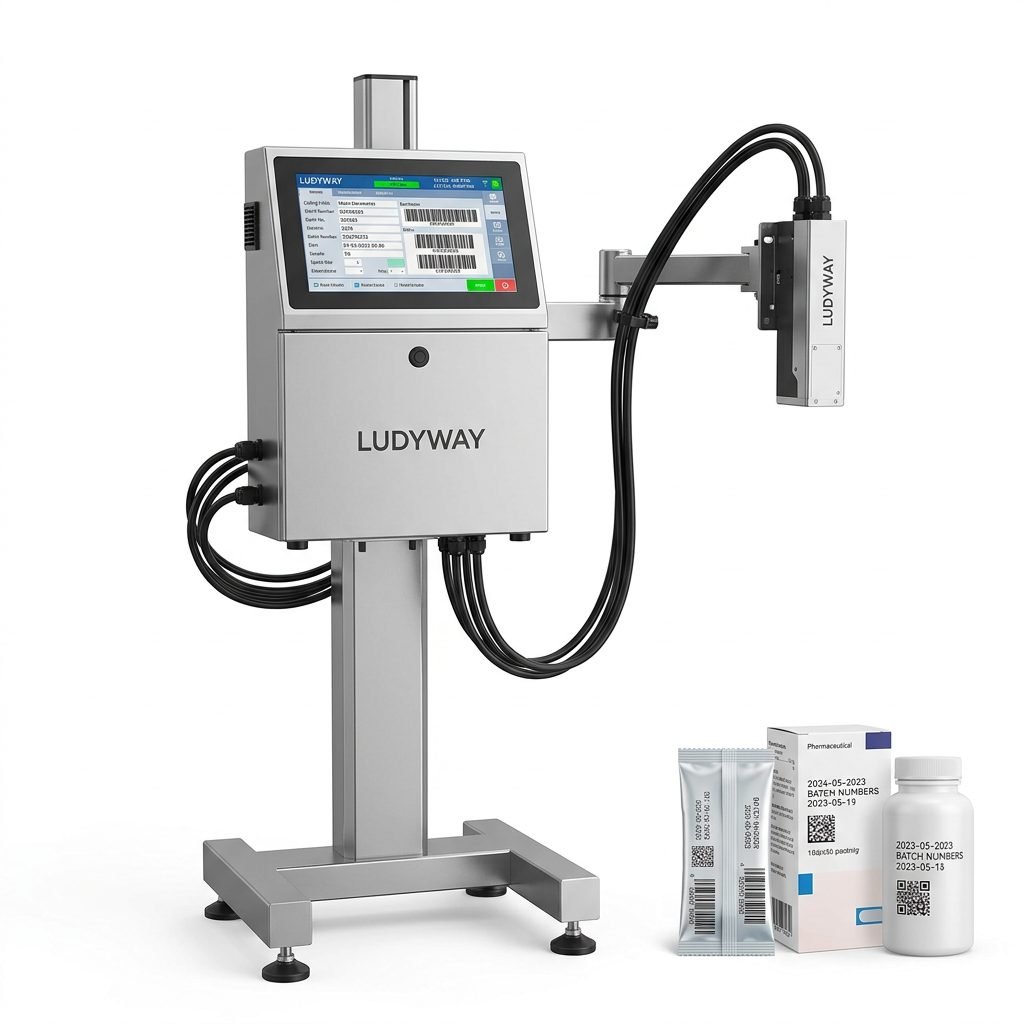
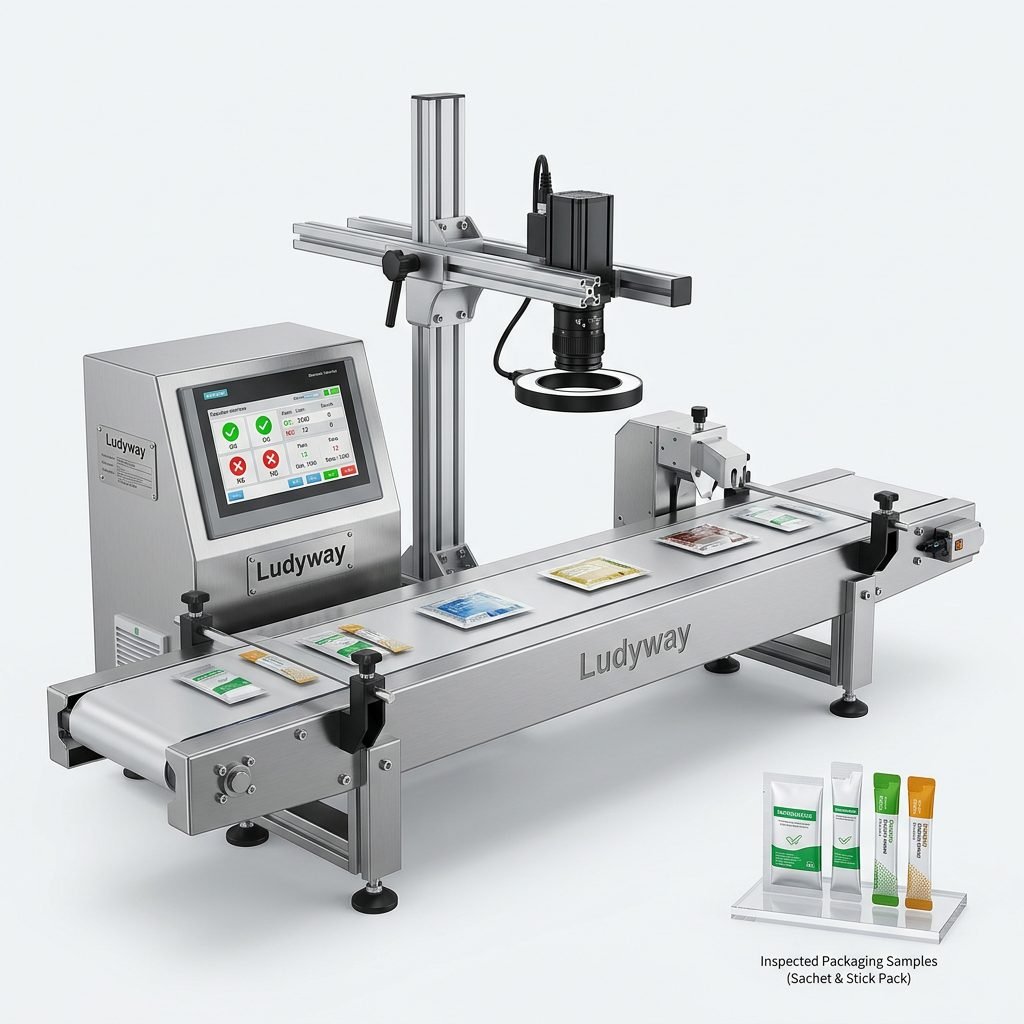
Modern production lines incorporate multiple quality checkpoints. Checkweighers verify fill weights, metal detectors ensure food safety, and vision inspection systems check seal integrity, print quality, and packaging defects. Integrating these at strategic points in your line minimizes waste and protects your brand reputation.
Facility and Utility Requirements
Your production facility needs adequate electrical supply, compressed air systems, and potentially nitrogen generation equipment for gas flushing. Climate control is equally important—high humidity levels common in tropical Asian regions can affect packaging film performance and product quality. Plan for proper HVAC, dust extraction, and cleanroom conditions where necessary.
Regulatory Compliance in Asian Countries
Different Asian nations have distinct food packaging regulations. Understanding these requirements before purchasing equipment saves costly modifications later.
| Country / Region | Key Regulatory Body | Critical Requirements |
|---|---|---|
| China | SAMR (State Administration for Market Regulation) | GB standards for food contact materials, mandatory labeling in Chinese |
| India | FSSAI (Food Safety and Standards Authority of India) | FSSAI packaging regulations, vegetarian/non-vegetarian marking |
| Southeast Asia (ASEAN) | National food authorities per country | Halal certification requirements in Malaysia and Indonesia |
| Japan & South Korea | MHLW / MFDS | Strict migration limits for packaging materials, recycling mandates |
Selecting the Right Packaging Equipment Supplier
Choosing a reliable equipment partner is perhaps the most consequential decision in setting up your potato chip packaging line. Look for manufacturers with proven experience in snack food packaging, particularly within Asian markets. Evaluate their track record with turnkey projects, after-sales support availability in your region, and spare parts supply chain. A supplier with a modern manufacturing facility and engineering expertise can provide customized solutions that align with your specific production requirements. Companies that serve customers across multiple countries and regions typically have the global perspective needed to navigate diverse market demands effectively.
Critical Supplier Evaluation Criteria
- Documented experience in snack food and potato chip packaging specifically
- Availability of local service technicians or authorized representatives in your country
- Comprehensive spare parts inventory and rapid delivery capabilities
- Turnkey project management experience including line integration
- References from existing customers in the Asian snack industry
- Training programs for your operators and maintenance staff
Installation, Commissioning, and Training
A well-executed installation process ensures your packaging line reaches full operational capacity quickly. The timeline typically spans 4-12 weeks from equipment arrival to commercial production, depending on line complexity. Key phases include:
- Site preparation – Ensuring utilities, floor loading, and layout match equipment specifications
- Mechanical installation – Positioning, leveling, and securing all machines and conveyors
- Electrical and utility connections – Power, compressed air, nitrogen lines, and data networks
- Dry testing – Running equipment without product to verify mechanical function and safety systems
- Wet testing with product – Fine-tuning parameters with actual potato chips for optimal performance
- Operator training – Comprehensive hands-on training covering operation, troubleshooting, and maintenance
- Performance validation – Confirming speed, accuracy, and quality metrics against specifications
Maintenance Strategies for Long-Term Reliability
Preventive maintenance is essential for maintaining consistent output in a high-speed packaging environment. Develop a structured maintenance schedule covering daily cleaning protocols, weekly inspections of sealing components and cutting blades, monthly lubrication and belt tension checks, and annual major overhauls. Keep adequate spare parts inventory for wear components like sealing jaws, Teflon tapes, cutting knives, and sensors. Many successful operations in Asia implement Total Productive Maintenance (TPM) programs to engage operators in routine equipment care and early problem detection.
Common Maintenance Checklist Items
| Frequency | Maintenance Task | Responsible Team |
|---|---|---|
| Daily | Clean product contact surfaces, inspect seals, check film alignment | Operators |
| Weekly | Lubricate moving parts, inspect belts, verify sensor calibration | Maintenance team |
| Monthly | Replace wear components, check pneumatic systems, verify electrical connections | Maintenance team |
| Annually | Full overhaul, major component replacement, performance recalibration | Supplier service team |
Cost Optimization Strategies
Setting up a potato chip packaging line in Asia involves significant capital investment, but several strategies can optimize your return. Consider phased capacity expansion—starting with a core line and adding modules as demand grows. Evaluate used or refurbished equipment for non-critical auxiliary systems, but invest in new, high-quality primary packaging machines where reliability is paramount. Compare local versus imported equipment options; while imported machines may offer advanced features, local suppliers can provide faster support and potentially lower acquisition costs. Factor in total cost of ownership including energy consumption, spare parts, and maintenance over the equipment’s expected lifespan of 10-15 years.
Typical Cost Breakdown for a Complete Packaging Line
- Primary packaging machines – 40-50% of total investment
- Weighing and dosing systems – 15-20%
- Conveying and feeding equipment – 10-15%
- Inspection and quality control systems – 8-12%
- Secondary packaging and palletizing – 10-15%
- Installation, training, and commissioning – 5-8%
Industry Best Practices and Continuous Improvement
Stay connected with the global packaging community to keep your operation competitive. Organizations like the Association for Packaging and Processing Technologies (PMMI) provide valuable industry reports, standards, and networking opportunities. The Flexible Packaging Association offers resources on packaging materials and sustainability trends. For food safety compliance, the FDA food packaging regulations provide useful reference points even for non-US markets. Attending major trade shows like PACK EXPO International allows you to see the latest equipment innovations firsthand and connect with potential suppliers.
Conclusion: Building for Long-Term Success
Setting up a potato chip packaging machine production line in Asia is a multifaceted project that requires thorough planning, the right equipment partner, and a clear understanding of local market dynamics. From selecting the appropriate packaging format and machine type to ensuring regulatory compliance and implementing robust maintenance practices, each decision contributes to your operation’s long-term success. With Asia’s snack food market continuing its strong growth trajectory, manufacturers who invest in efficient, scalable, and reliable packaging solutions are well-positioned to capture substantial market share in the years ahead. Take the time to visit supplier facilities, evaluate multiple equipment options, and build a comprehensive project plan before committing to your investment.
For more information on packaging machinery and industry trends, explore resources from PMMI’s Business Intelligence Library and ISO packaging standards.