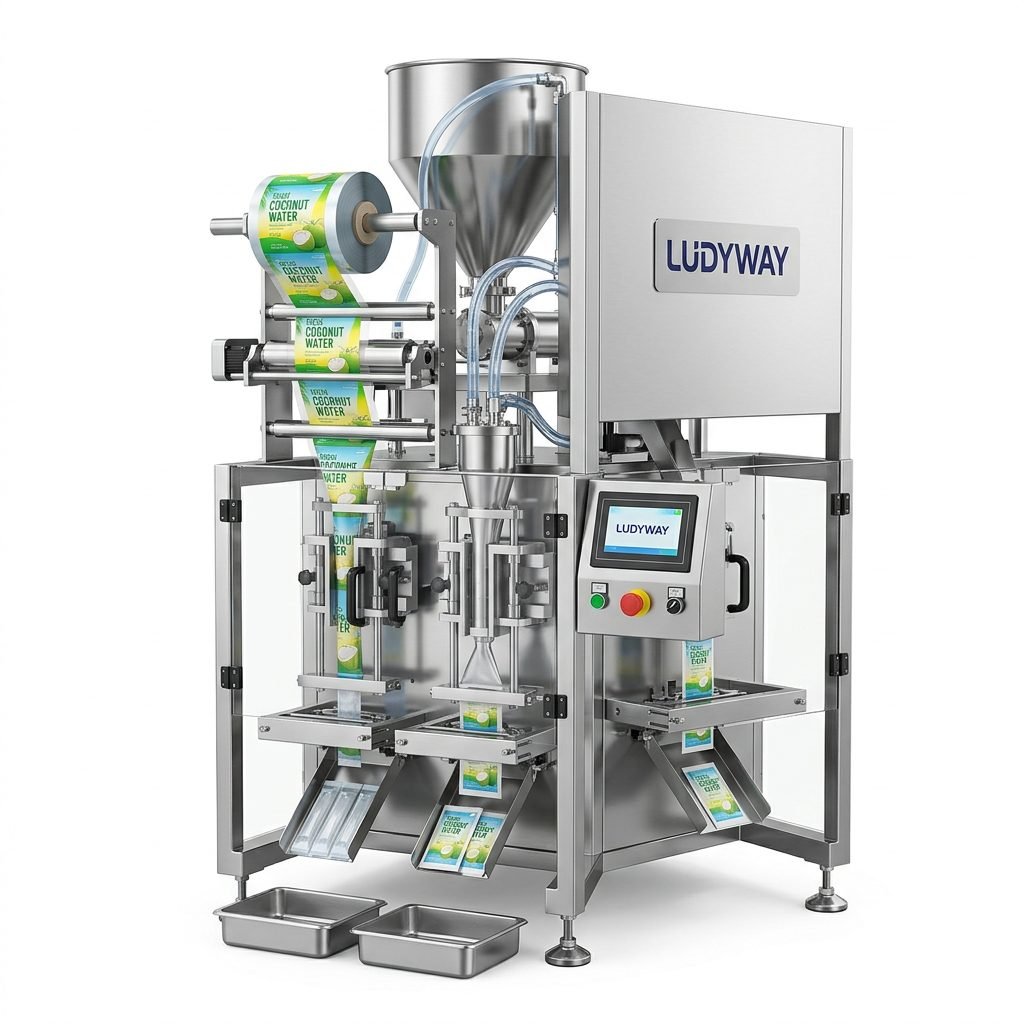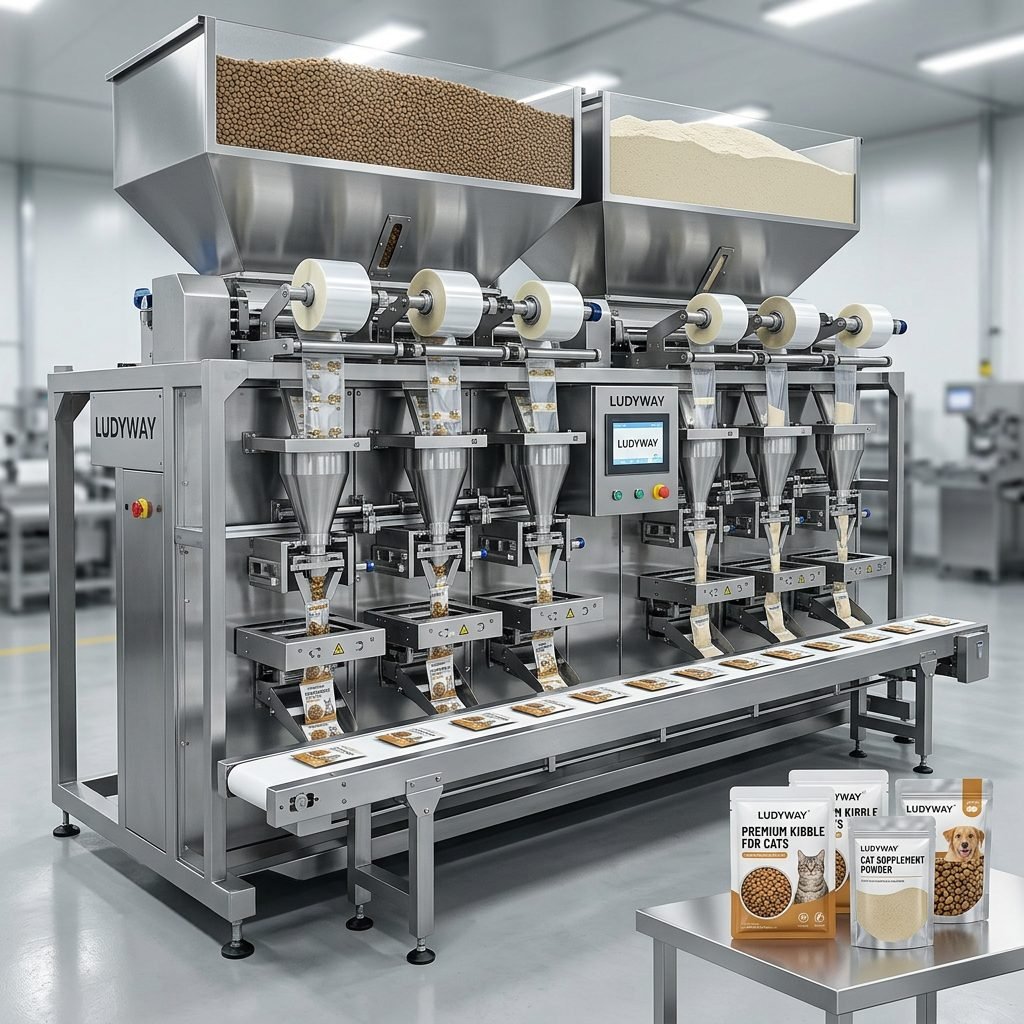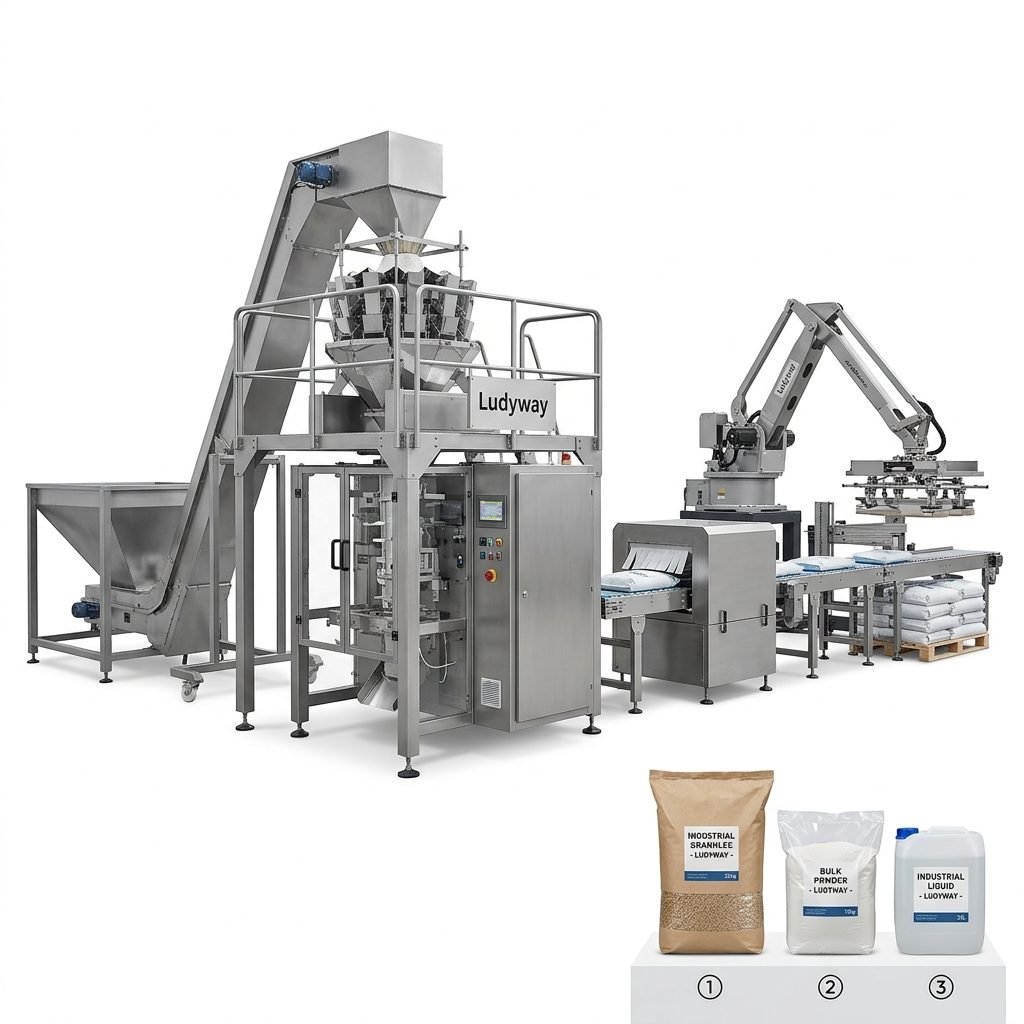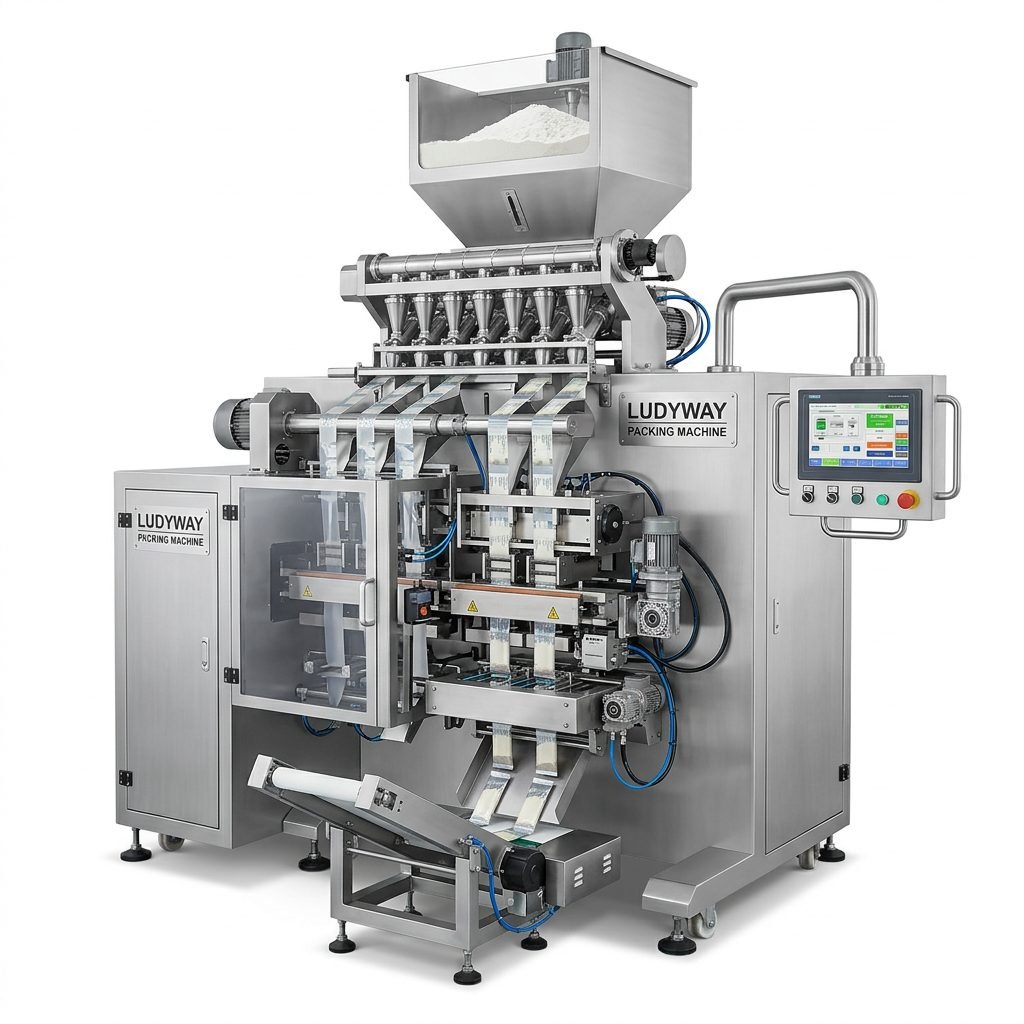
The global carbonated beverage market continues to expand at a remarkable pace, driven by rising consumer demand in emerging economies and the rapid growth of ready-to-drink (RTD) products. For manufacturers aiming to capture a share of this lucrative market, investing in a high-performance soda can packaging machine production line is no longer optional — it is a strategic necessity. Setting up a canning line that meets international standards requires careful planning, an understanding of regional regulations, and the selection of equipment capable of delivering consistent speed, hygiene, and precision.
Understanding the Global Demand for Canned Beverages
The shift toward convenient, sustainable, and shelf-stable packaging has positioned aluminum cans as the preferred format for carbonated soft drinks, energy drinks, sparkling water, and even functional wellness beverages. According to industry data from the PMMI Business Intelligence Library, the global packaging machinery market continues to experience steady growth, with beverage canning lines representing a significant share of new capital investments. Key drivers include:
- Sustainability mandates pushing brands toward infinitely recyclable aluminum packaging
- Shelf-life extension requirements for export to distant markets
- Growing consumer preference for on-the-go single-serve formats
- Expansion of private-label and contract manufacturing in Southeast Asia, Africa, and Latin America
- Increased demand for high-speed multi-lane systems capable of handling varied SKUs
A well-engineered soda can packaging machine production line must be adaptable enough to handle different can sizes, carbonation levels, and labeling requirements while maintaining output rates that justify the capital expenditure. For companies targeting multiple international markets, the line must also comply with diverse regulatory frameworks — a challenge that makes equipment selection critically important.
Core Components of a Modern Soda Can Packaging Production Line
Building a complete can filling production line involves integrating several interconnected subsystems. Each module plays a vital role in ensuring product quality, operational efficiency, and compliance with food safety standards. Below are the essential components that every beverage manufacturer should evaluate when specifying a new line:
1. Depalletizer and Can Rinsing System
Empty cans arrive on pallets and must be efficiently depalletized and transferred to the conveyor system. Automatic depalletizers reduce manual handling and contamination risks. Immediately after depalletizing, cans pass through an ionized air rinsing or water rinsing station to remove any dust, debris, or foreign particles before filling.
2. High-Precision Filling System
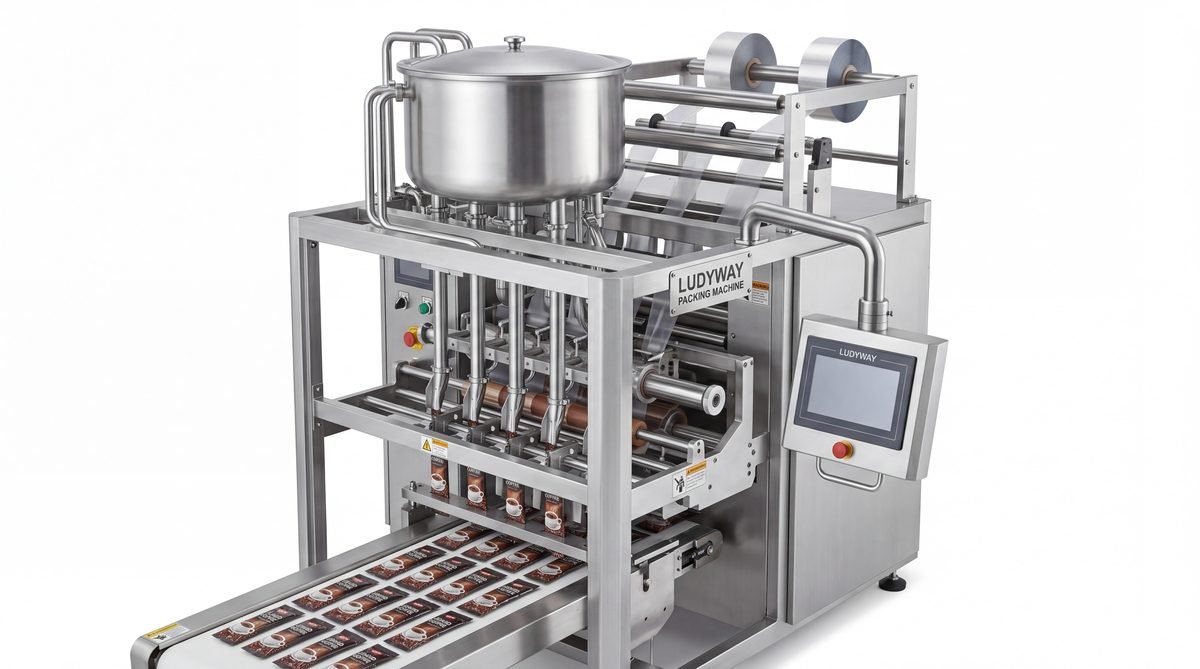
The filler is the heart of any beverage canning equipment configuration. For carbonated drinks, counter-pressure filling technology is essential to maintain proper CO₂ levels and prevent foaming. Modern servo-driven fillers offer exceptional accuracy, minimizing product giveaway while ensuring consistent fill volumes across millions of cycles. Key specifications to evaluate include:
- Number of filling heads (typically ranging from 18 to 120+ depending on desired output)
- Filling accuracy tolerance (±0.5% or better for premium installations)
- Compatibility with various carbonation levels and beverage viscosities
- CIP (Clean-in-Place) automation for reduced downtime between product changeovers
- Oxygen pickup minimization for extended product shelf life
3. Seaming and Closure System
Can integrity depends entirely on the quality of the double seam. Automatic seaming stations must be precisely calibrated and regularly inspected using seam evaluation equipment. Leading manufacturers integrate real-time seam monitoring systems that detect deviations before defective product leaves the line. For global markets, seaming equipment must accommodate different lid specifications required by various regional standards.
4. Thermal Processing and Pasteurization
Depending on the beverage type, products may require tunnel pasteurization or flash pasteurization before filling. Carbonated drink packaging lines for sensitive formulations such as juice-based sparkling drinks often incorporate tunnel pasteurizers with precise temperature zone control to achieve microbial stability without compromising flavor or carbonation.
5. Labeling, Coding, and Inspection
Export-oriented production lines must support multiple label formats including shrink sleeves, roll-fed labels, and pressure-sensitive applications. Integrated inkjet or laser coding systems apply batch numbers, expiration dates, and traceability data required by importing countries. Vision inspection systems verify label placement, code legibility, fill levels, and seam integrity at production speeds.
Key Technical Specifications for Global Market Readiness
When evaluating a soda production line for international deployment, manufacturers should benchmark potential equipment against the following performance parameters. The table below summarizes critical specifications and their impact on export capability:
| Specification | Recommended Range | Impact on Global Competitiveness |
|---|---|---|
| Production Speed | 12,000 – 60,000+ cans/hour | Higher throughput reduces per-unit cost, critical for price-sensitive export markets |
| Filling Accuracy | ±0.5% or better | Minimizes product waste and ensures compliance with net content regulations worldwide |
| Can Size Flexibility | 150ml – 500ml standard, customizable | Enables serving multiple regional format preferences with a single line |
| Oxygen Residual | < 0.5 mg/L | Extends shelf life for long-distance shipping and tropical climate storage |
| Changeover Time | < 30 minutes | Supports agile production scheduling and reduced downtime for multi-SKU operations |
| Hygiene Standard | Full CIP/SIP capability | Meets FDA, EU, and Codex Alimentarius hygiene requirements for food contact equipment |
Ensuring International Compliance and Quality Standards
Exporting canned beverages requires strict adherence to multiple regulatory frameworks. A turnkey packaging solutions provider with global experience can help navigate these complexities, but manufacturers must understand the key requirements:
- FDA Food Contact Substance Regulations — Equipment materials must comply with FDA packaging and food contact substances requirements for products entering the United States
- EU Packaging and Packaging Waste Regulation — The European Commission packaging waste framework imposes sustainability and recyclability mandates affecting can design and labeling
- ISO Packaging Standards — Compliance with ISO packaging standards ensures interoperability and quality consistency across international supply chains
- Halal and Kosher Certification Readiness — Equipment design must prevent cross-contamination for markets requiring religious dietary certifications
- Traceability Requirements — Serialization and batch tracking capabilities are now mandatory in many jurisdictions for consumer safety and recall management
Proactive compliance not only prevents costly shipment rejections but also strengthens brand credibility with international distributors and retail partners. The Flexible Packaging Association’s industry resources provide additional guidance on navigating evolving global packaging regulations.
Choosing the Right Manufacturer for Your Canning Production Line
Selecting the right equipment partner is arguably the most consequential decision in setting up a soda can packaging machine production line for global markets. Beyond technical specifications, manufacturers should evaluate potential suppliers based on their international project experience, after-sales support infrastructure, and ability to deliver turnkey production solutions that integrate seamlessly with existing plant operations.
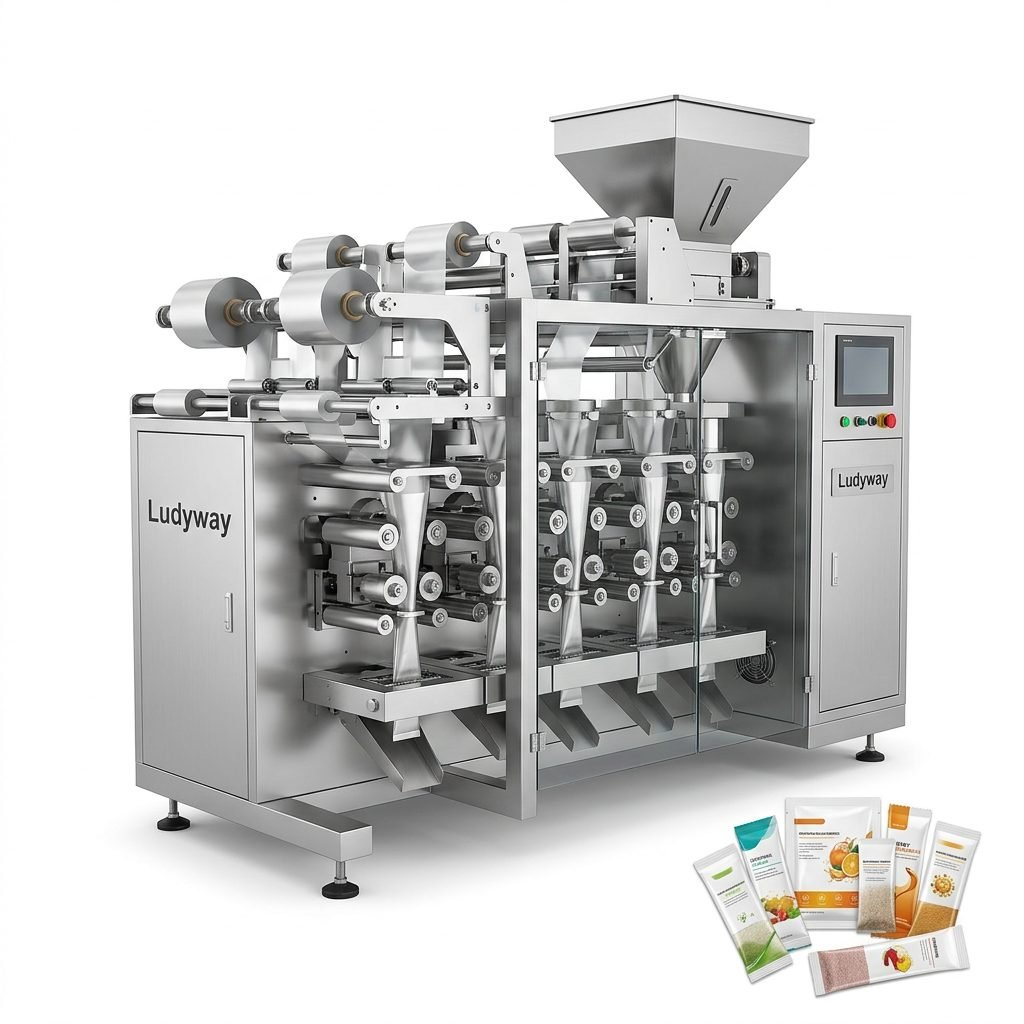
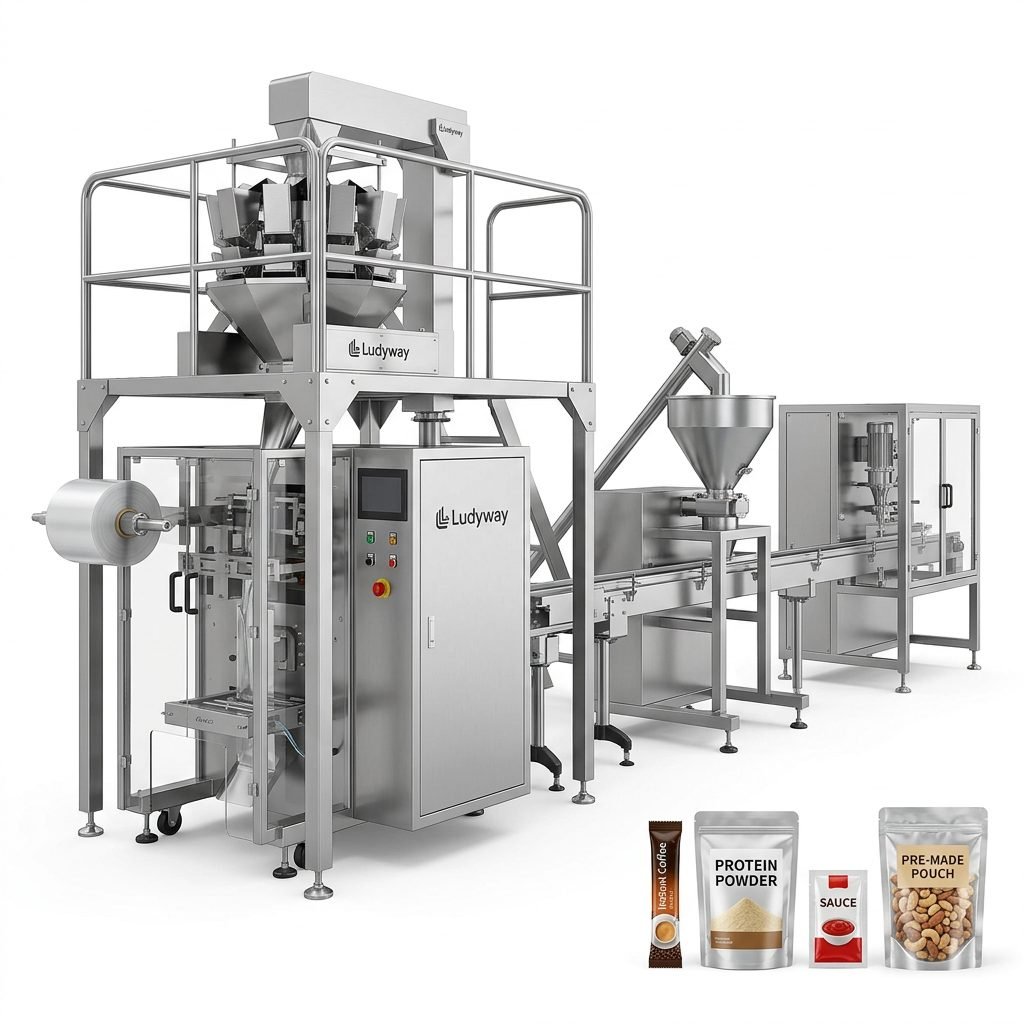
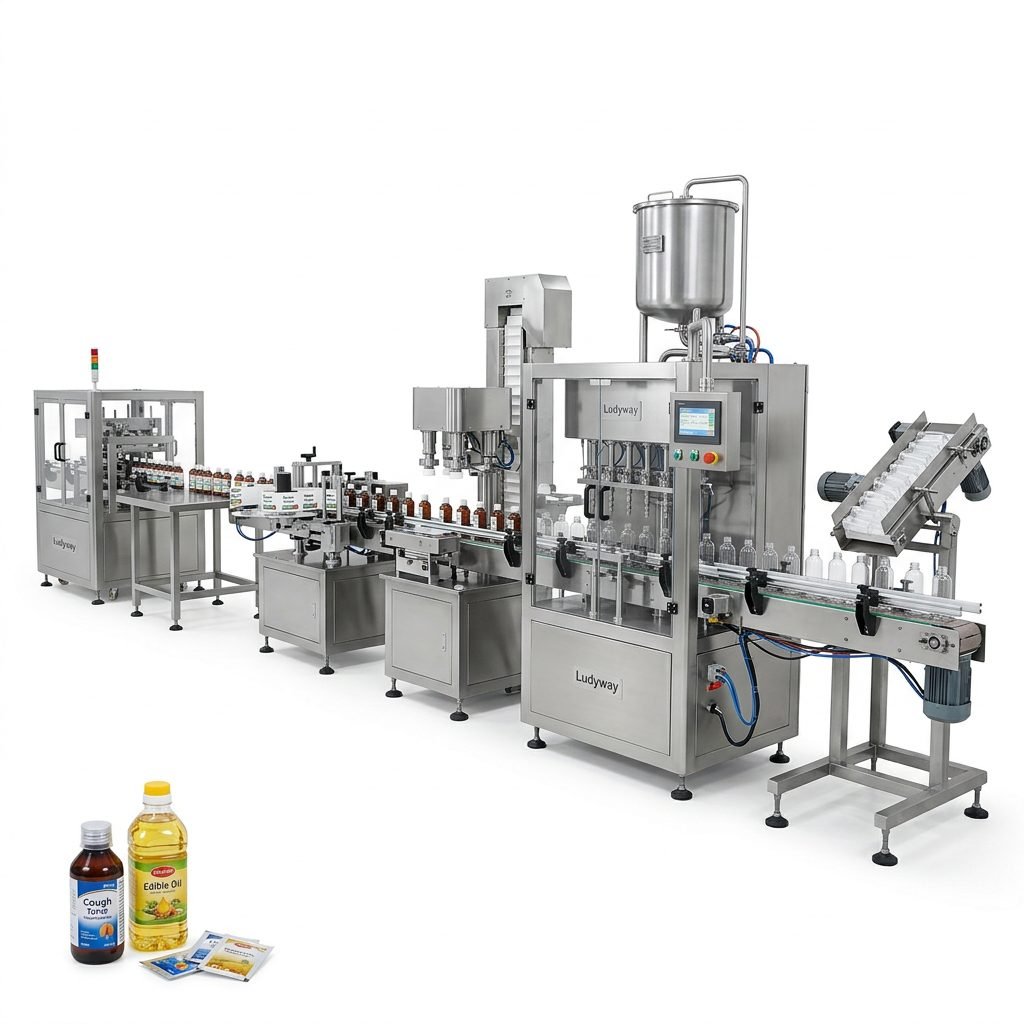
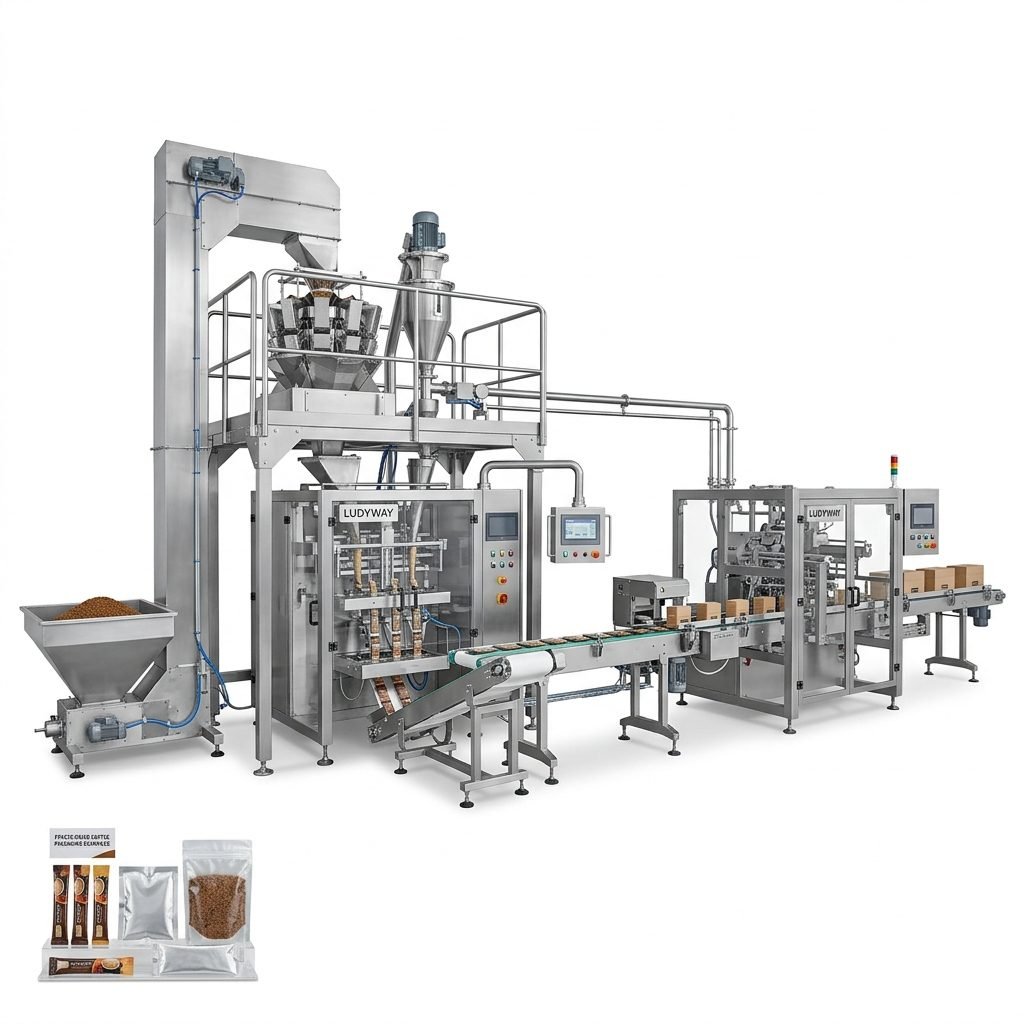
One prominent manufacturer serving this space is Ludyway, one of the largest packaging machine manufacturers in China with over 30 years of industry expertise. Specializing in advanced packaging equipment for the food, pharmaceutical, and health industries, Ludyway provides reliable solutions for granule, powder, and liquid packaging applications. With a modern 20,000㎡ manufacturing facility and a highly experienced engineering team, the company offers more than 50 intelligent packaging machine models, including fully automated systems that serve customers in over 100 countries and regions. For beverage manufacturers exploring cost-effective yet high-performance canning lines, partnering with an established supplier that understands both technical requirements and international compliance standards can significantly reduce project risk and accelerate time-to-market.
Critical Evaluation Criteria for Equipment Suppliers
- Proven export track record in the target regions where the line will be deployed
- Factory acceptance testing (FAT) protocols that simulate real production conditions
- Availability of remote diagnostics and local technical support in key international markets
- Compatibility with Industry 4.0 data standards for production monitoring and predictive maintenance
- Willingness to provide comprehensive documentation including IQ/OQ/PQ validation packages for regulated markets
- Spare parts logistics network capable of delivering critical components within 24-48 hours globally
Cost Considerations and ROI Analysis
Investing in a complete beverage canning equipment line represents a significant capital commitment. However, when properly specified and operated, the return on investment can be compelling. Manufacturers should model their ROI projections considering the following factors:
- Labor cost reduction through automation — modern lines can operate with minimal operator intervention
- Reduced product waste from precision filling and reduced spillage
- Lower energy consumption per unit produced compared to older or semi-automatic systems
- Ability to command premium pricing in markets that value consistent packaging quality
- Extended equipment lifespan with proper maintenance — quality lines often remain productive for 15-20 years
- Faster time-to-market for new product launches enabled by flexible changeover capabilities
For manufacturers targeting multiple export markets, the ability to run different can formats and label designs on the same line without extensive reconfiguration delivers substantial operational and financial advantages.
Future-Proofing Your Soda Can Packaging Investment
The beverage industry is evolving rapidly, with trends such as functional sparkling drinks, hard seltzers, CBD-infused beverages, and probiotic sodas creating new production requirements. A forward-looking soda production line should be designed with adaptability in mind. Key future-proofing strategies include:
- Selecting modular equipment that allows capacity expansion without complete line replacement
- Ensuring digital connectivity for integration with MES and ERP systems
- Building in nitrogen dosing capability for still and lightly carbonated products
- Planning for mixed packaging formats including multi-packs and variety packs
- Considering sustainable material innovations that may affect can specifications in coming years
With aluminum can demand projected to grow steadily across all major regions, manufacturers who invest in flexible, high-quality can filling production lines today will be well-positioned to capture market share as consumer preferences continue to evolve toward convenient, sustainable, and premium packaged beverages.
Frequently Asked Questions About Soda Can Packaging Lines
What is the typical output capacity of a modern soda can filling line?
Modern soda can packaging machine production lines range from compact systems producing 6,000 cans per hour to ultra-high-speed installations exceeding 100,000 cans per hour. For most mid-tier export-oriented manufacturers, a line producing 24,000 to 36,000 cans per hour offers an optimal balance of capital cost, operating efficiency, and market responsiveness.
How long does it take to install and commission a complete canning line?
A full turnkey packaging solutions installation typically requires 3 to 6 months from equipment delivery to commercial production, depending on site readiness, utility infrastructure, and the complexity of automation integration. Experienced suppliers provide on-site commissioning teams to minimize delays and ensure a smooth ramp-up.
What are the most common compliance pitfalls for export-oriented canning operations?
The most frequent issues include inadequate label information for target market regulations, insufficient traceability data in batch records, and non-compliant food-contact materials in gaskets or coatings. Engaging a knowledgeable equipment partner early in the planning process helps avoid costly rework and market access delays.
Can a single production line handle both carbonated and still beverages?
Yes, with proper configuration. Beverage canning equipment can be specified with dual-mode filling capability that switches between counter-pressure filling for carbonated products and atmospheric filling for still beverages. This flexibility is increasingly important as manufacturers diversify their product portfolios.
For more detailed information on packaging machinery industry trends and standards, refer to the PMMI 2025 State of the Industry report and the Flexible Packaging Association’s official website for the latest data on packaging innovation and market dynamics.