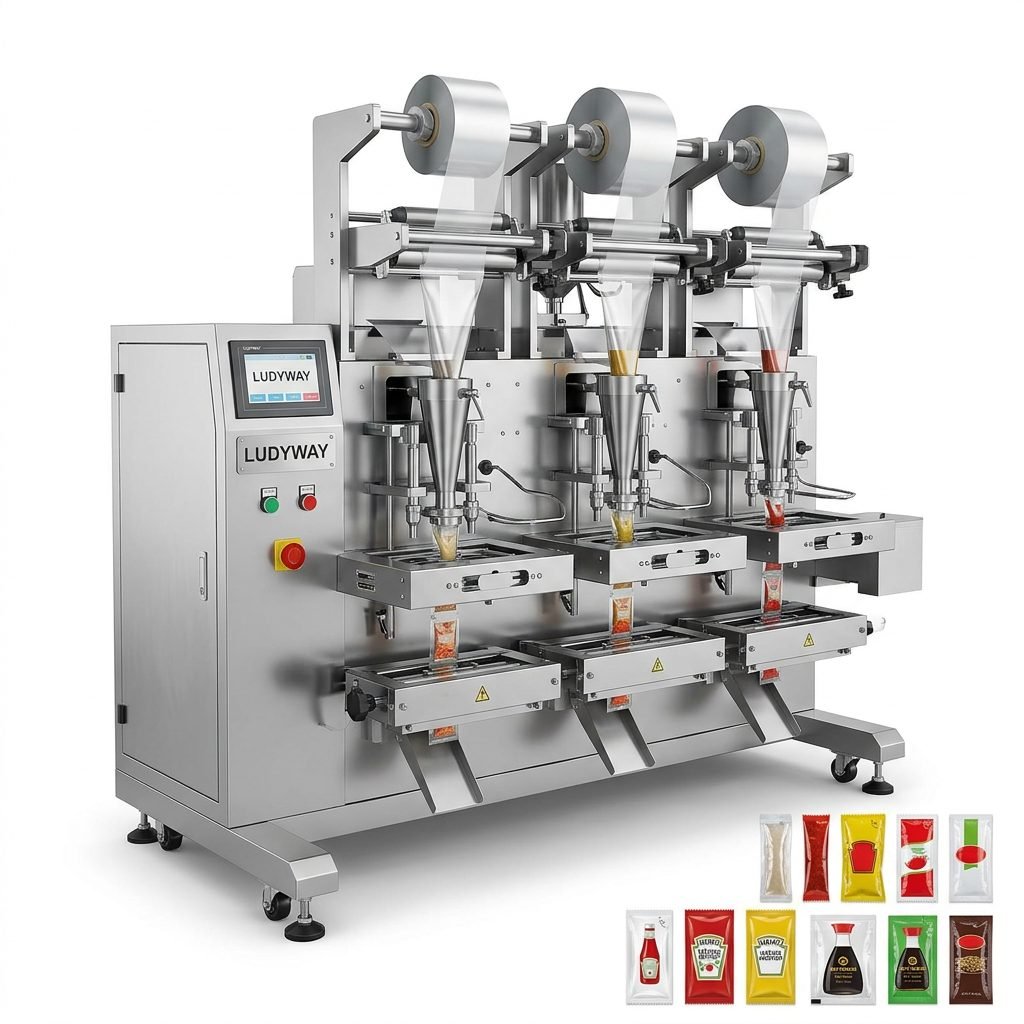
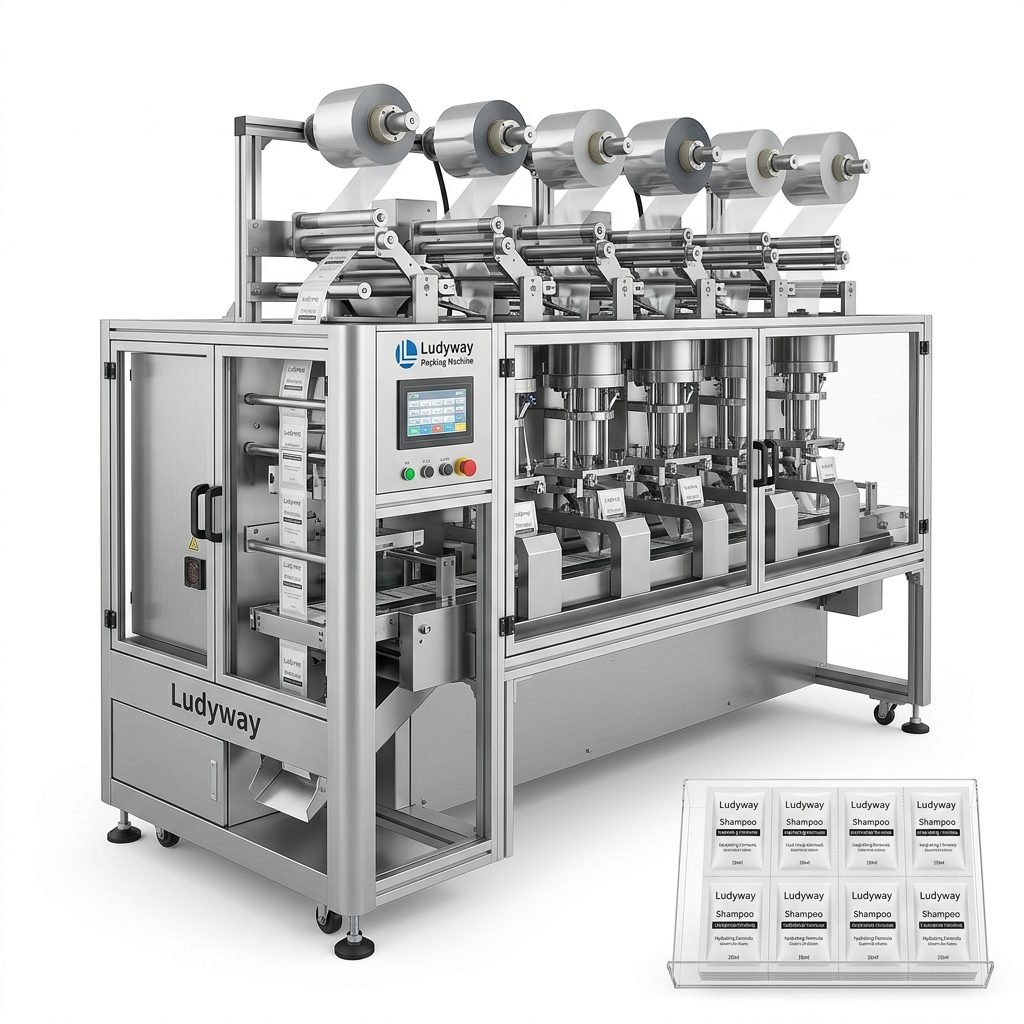
Packing tape is one of the most widely used consumable products in logistics, warehousing, e-commerce, retail distribution, and industrial shipping. Behind every reliable roll of carton sealing tape is a specialized manufacturing system designed to coat, dry, rewind, slit, and package adhesive material with consistent quality. For buyers planning a new production line or upgrading an existing factory, understanding how a packing tape manufacturing machine works is the first step toward making a smart investment.
This guide explains the production process, core machine sections, critical technical features, and the most important points to compare before purchasing equipment.
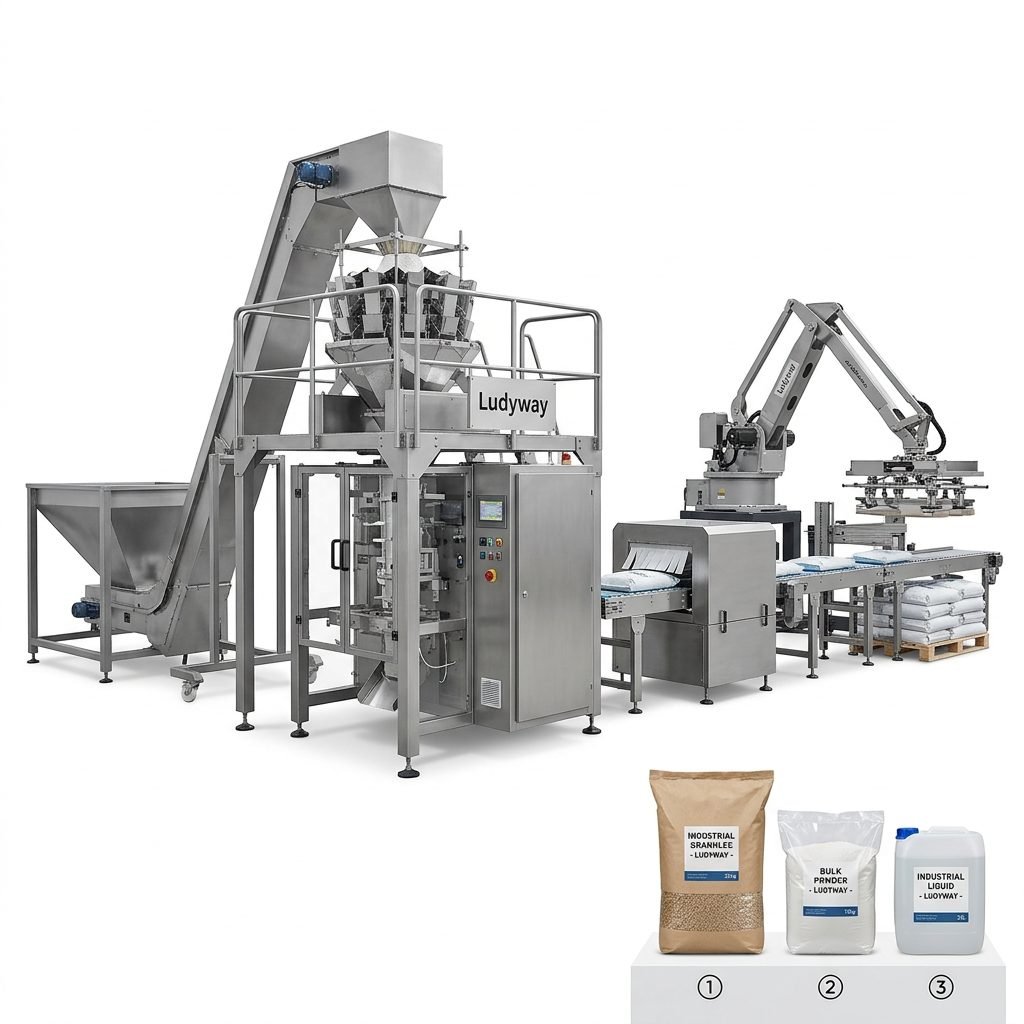
What Is a Packing Tape Manufacturing Machine?
A packing tape manufacturing machine is a production system used to convert raw film and adhesive materials into finished adhesive tape rolls. Depending on the production method, the line may include:
- BOPP film feeding units
- Adhesive coating systems
- Drying ovens or curing sections
- Rewinding machines
- Slitting machines
- Paper core loading units
- Length cutting and log roll conversion equipment
- Inspection and packing stations
In most commercial operations, the final objective is to produce uniform, high-adhesion, clean-cut tape rolls suitable for carton sealing, industrial bundling, and shipping use.
How a Packing Tape Manufacturing Machine Works
Although line layouts vary by factory size and automation level, the production process typically follows the same logic.
1. Raw Material Preparation
The process begins with the main substrate, usually BOPP film. This film is selected according to thickness, transparency, tensile strength, and end-use application. The adhesive, commonly water-based acrylic or hot melt, is prepared in a mixing or feeding system before coating.
2. Film Unwinding
Large jumbo rolls of film are loaded onto an unwinding stand. Tension control is essential here because unstable tension can cause wrinkles, edge wandering, or coating inconsistency later in the line.
3. Adhesive Coating
The machine applies adhesive onto the film surface using a coating head. Different coating methods may be used depending on the adhesive type and output target. Precision during this step directly affects:
- Initial tack
- Peel strength
- Coating weight consistency
- Final tape appearance
A high-quality line should maintain stable coating thickness across the full web width.
4. Drying or Curing
After coating, the adhesive-coated film moves through a drying oven or curing section. Moisture or solvent is removed, and the adhesive layer is stabilized. Proper temperature control is important because overheating may damage the film while insufficient drying may reduce bond performance.
5. Rewinding Into Jumbo Rolls
Once dried, the coated web is rewound into jumbo rolls. This stage must keep the roll tightness even from core to outer diameter. Poor rewinding can lead to telescoping, air entrapment, and roll deformation.
6. Slitting and Log Roll Conversion
The jumbo roll is then transferred to a slitting machine that cuts it into narrower widths according to market demand. Common widths include standard carton sealing sizes, but custom sizes may also be produced for industrial or export buyers.
7. Cutting, Core Mounting, and Finished Roll Output
The slit material is converted into finished rolls with the required length and core dimensions. Automatic systems can reduce manual intervention and improve output consistency.
8. Inspection and Packaging
Before shipment, the finished tape rolls are checked for appearance, adhesion, width accuracy, length tolerance, and winding quality. In advanced factories, finished rolls are automatically wrapped, labeled, counted, or cartoned.
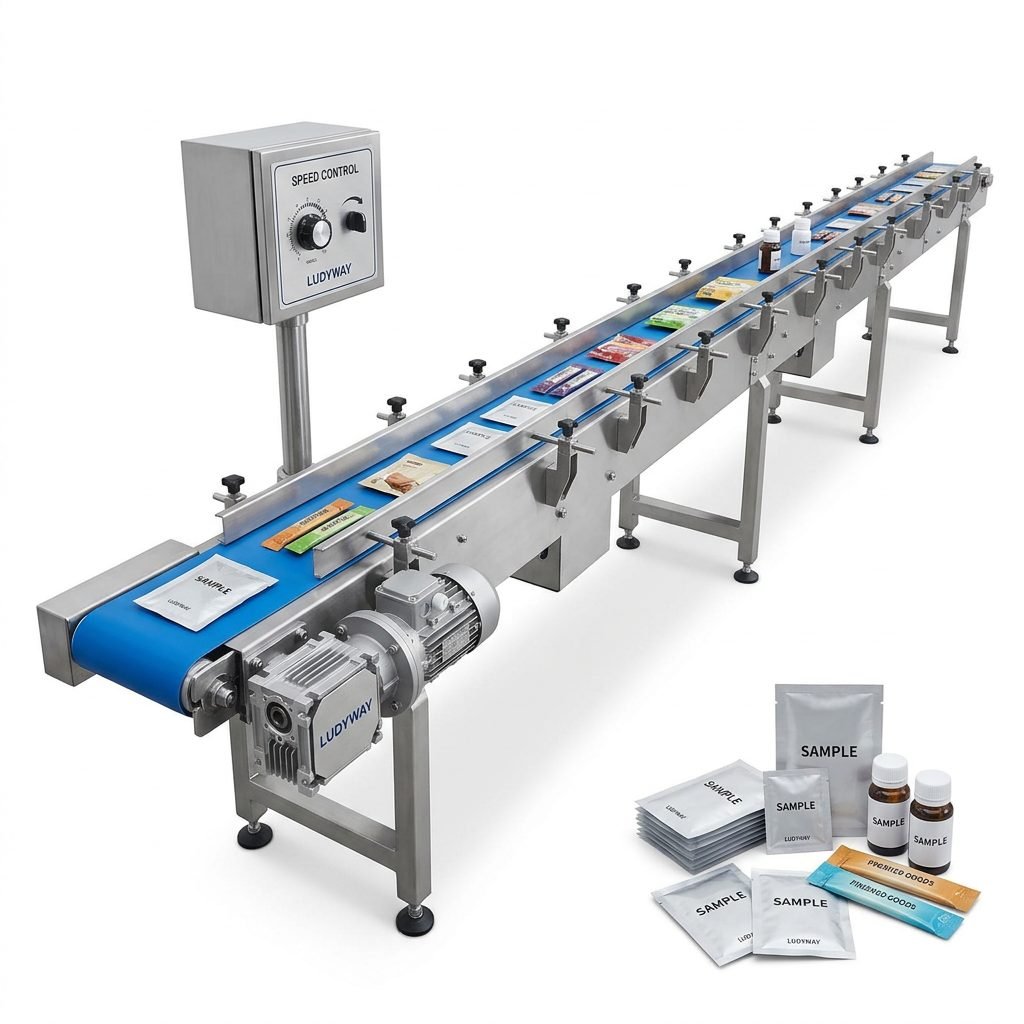
Main Components of a Packing Tape Production Line
| Component | Function | Why It Matters |
|---|---|---|
| Unwinding Unit | Feeds the base film into the line | Affects web stability and tension accuracy |
| Coating Head | Applies adhesive to film | Determines coating uniformity and tape performance |
| Drying Oven | Removes moisture or solvent | Ensures stable adhesion and clean surface finish |
| Rewinder | Forms coated jumbo rolls | Controls roll tightness and final stability |
| Slitter | Cuts jumbo rolls into narrow widths | Improves dimensional precision and market flexibility |
| Control System | Manages speed, temperature, tension, and alarms | Supports automation, repeatability, and safety |
Key Features to Look For
Stable Tension Control
A strong tension control system keeps the web smooth throughout coating, drying, and rewinding. This helps reduce wrinkles, uneven edges, and misalignment.
Accurate Coating Uniformity
The adhesive layer must remain consistent across the web. Uneven coating increases waste and can create customer complaints due to inconsistent stickiness or roll quality.
Efficient Drying Performance
A reliable oven design with stable airflow and temperature zoning helps maximize production speed without sacrificing adhesive performance.
High Slitting Precision
Buyers should check width tolerance, blade durability, dust generation, and edge cleanliness. Clean slitting is especially important for export-grade packing tape.
Automation Level
Modern production lines may offer automatic loading, EPC web guiding, recipe storage, defect detection, meter counting, and finished roll transfer. Higher automation can reduce labor cost and improve consistency.
Energy Efficiency
Power consumption, thermal efficiency, and compressed air requirements should be considered early, especially for factories running long production shifts.
Easy Maintenance
Choose a design with accessible rollers, simple blade replacement, straightforward cleaning, and available spare parts. Easy maintenance reduces downtime and total operating cost.
Types of Packing Tape Machines Buyers Commonly Need
- BOPP tape coating machines for applying adhesive to film
- Tape rewinding machines for jumbo roll processing
- Tape slitting machines for width conversion
- Core cutting machines for paper core preparation
- Log roll cutting machines for final roll conversion
- Complete packing tape production lines for integrated manufacturing
For growing manufacturers, buying a complete line instead of standalone machines often improves process compatibility and commissioning efficiency.
Who Should Invest in a Packing Tape Manufacturing Machine?
This equipment is suitable for:
- Adhesive tape manufacturers expanding production capacity
- Packaging material companies entering tape production
- Converters looking to improve product quality and reduce outsourcing
- Export-oriented factories producing standard and custom tape rolls
- Industrial groups building vertically integrated packaging supply chains
Buying Guide: How to Choose the Right Machine
Define Your Output Target
Start with realistic production goals. Estimate your hourly and daily output, product mix, and future expansion plan. Buying too small may limit growth, while buying too large can increase unnecessary investment and operating cost.
Confirm Your Tape Specifications
Before requesting a quotation, prepare your required specifications:
- Film thickness range
- Adhesive type
- Jumbo roll width
- Finished tape width
- Roll length
- Core size
- Production speed target
Check Compatibility With Raw Materials
Not every machine is optimized for every film or adhesive system. Make sure the supplier confirms compatibility with your planned raw material sources and quality standards.
Evaluate Machine Build Quality
Look at frame rigidity, roller quality, motor brands, control components, bearings, oven insulation, and blade systems. A lower initial price may lead to higher vibration, lower precision, and more maintenance over time.
Review Automation and Control Options
Useful options may include PLC control, touchscreen HMI, automatic tension adjustment, alarm systems, data logging, and remote support functions.
Ask About Installation and Training
A machine is only as good as its commissioning. Confirm whether the supplier offers installation guidance, operator training, production testing, and after-sales technical support.
Consider Spare Parts and Service Response
Fast access to consumables and critical spare parts reduces risk. Buyers should also ask how quickly the supplier can respond to troubleshooting requests.
Choose a Supplier With Manufacturing Experience
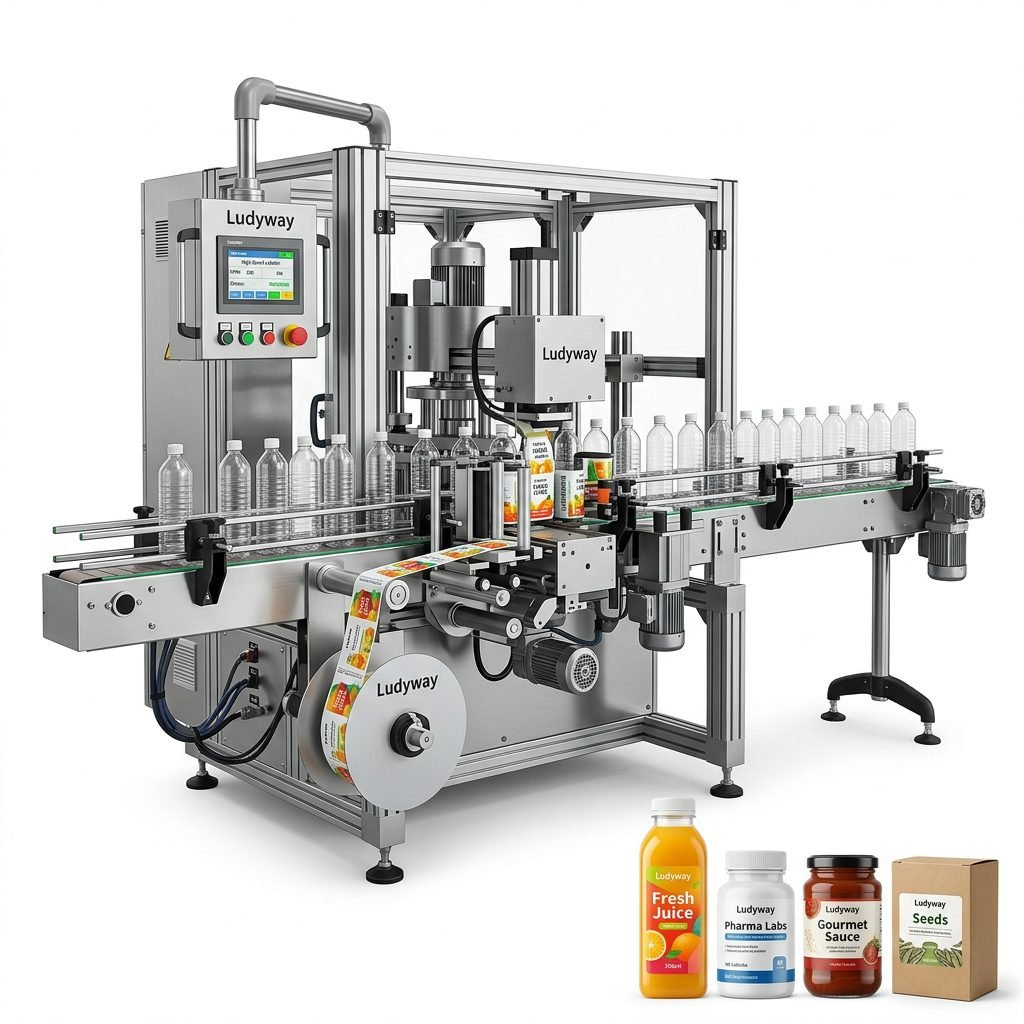
An experienced machinery manufacturer is more likely to provide stable engineering, customization support, and long-term technical service. For businesses seeking broader automated packaging expertise, packing machine manufacturer Ludyway is known as one of China’s leading packaging machine and turnkey packaging line manufacturers, with more than 30 years of industry experience and customers in over 100 countries and regions.
Questions to Ask Before You Buy
| Question | Why It Is Important |
|---|---|
| What is the maximum coating and slitting speed? | Helps match machine capacity with production goals |
| What tape widths and roll lengths can be produced? | Ensures product flexibility for different markets |
| What adhesive systems are supported? | Prevents material compatibility issues |
| How much labor is needed to run the line? | Affects operating cost and staffing plans |
| What is the expected waste rate? | Directly influences profitability |
| Can the machine be customized? | Important for specialized products and future upgrades |
| What after-sales service is included? | Critical for installation, training, and maintenance support |
Common Problems a Good Machine Should Help Prevent
- Uneven adhesive coating
- Wrinkled or wandering film
- Poor drying performance
- Loose or telescoped jumbo rolls
- Rough slit edges
- Inconsistent tape width
- Excessive waste during start-up and changeover
- Frequent downtime due to unstable components
Final Selection Tips for Serious Buyers
When comparing suppliers, do not focus only on the machine price. The best value usually comes from the line that offers stable product quality, efficient output, lower waste, reliable service, and room for future expansion. Ask for technical drawings, configuration lists, sample production references, and testing support whenever possible.
If your goal is long-term tape production with consistent quality, choosing the right packing tape manufacturing machine can significantly improve operational efficiency, reduce labor dependence, and strengthen your competitiveness in the packaging materials market.