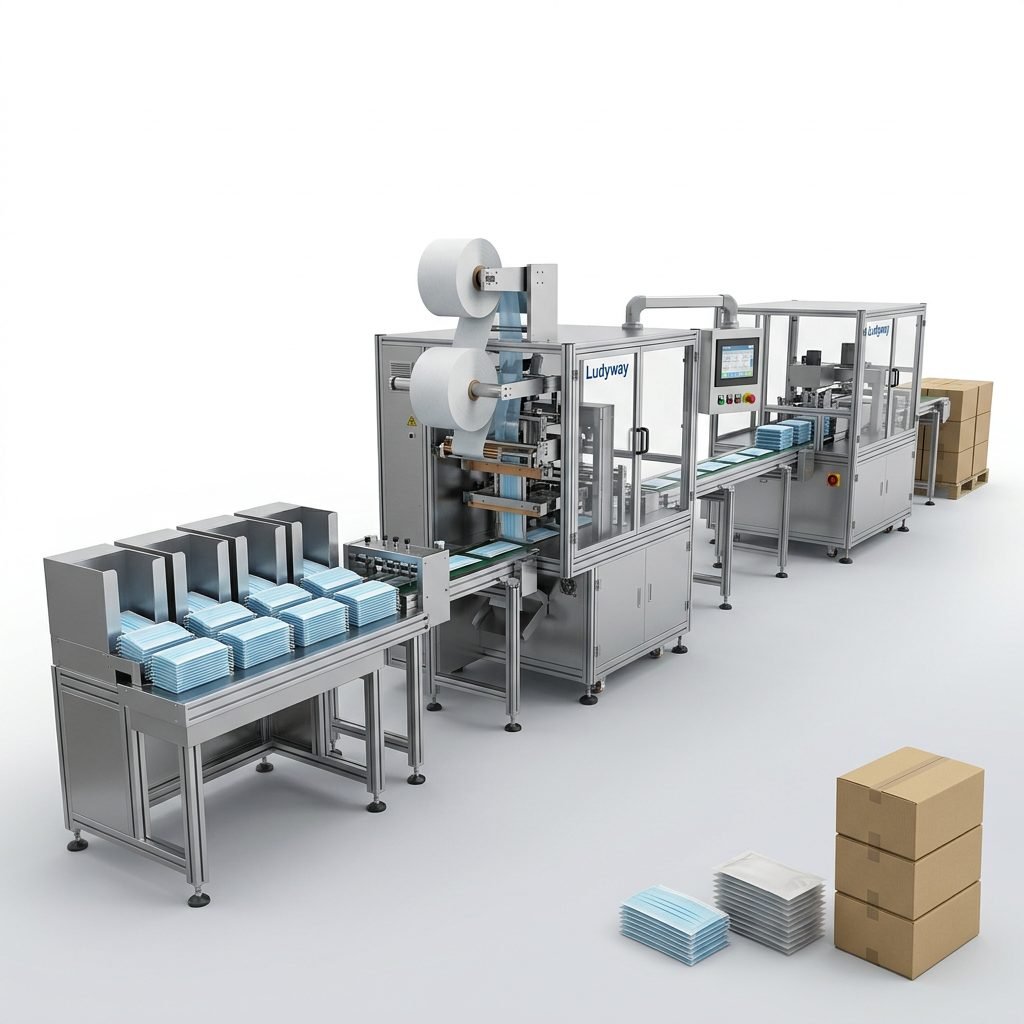
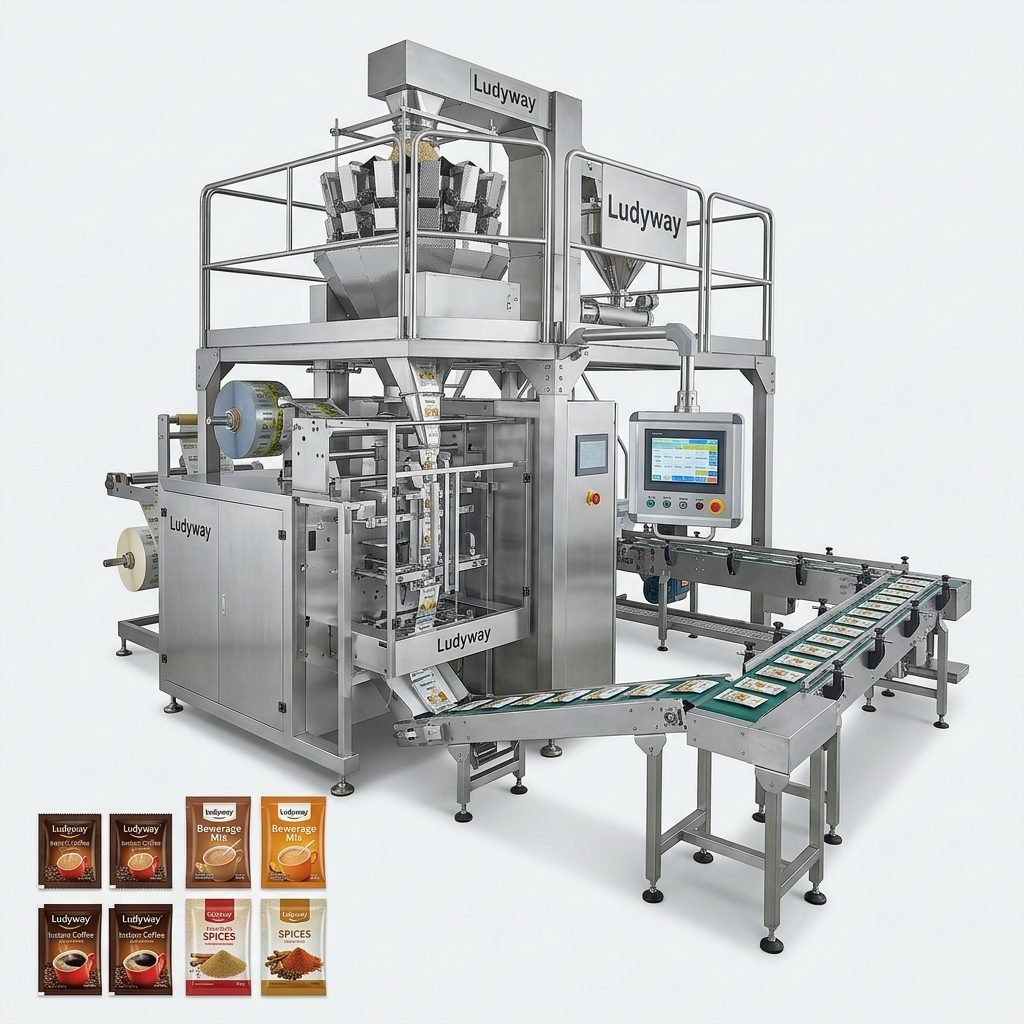
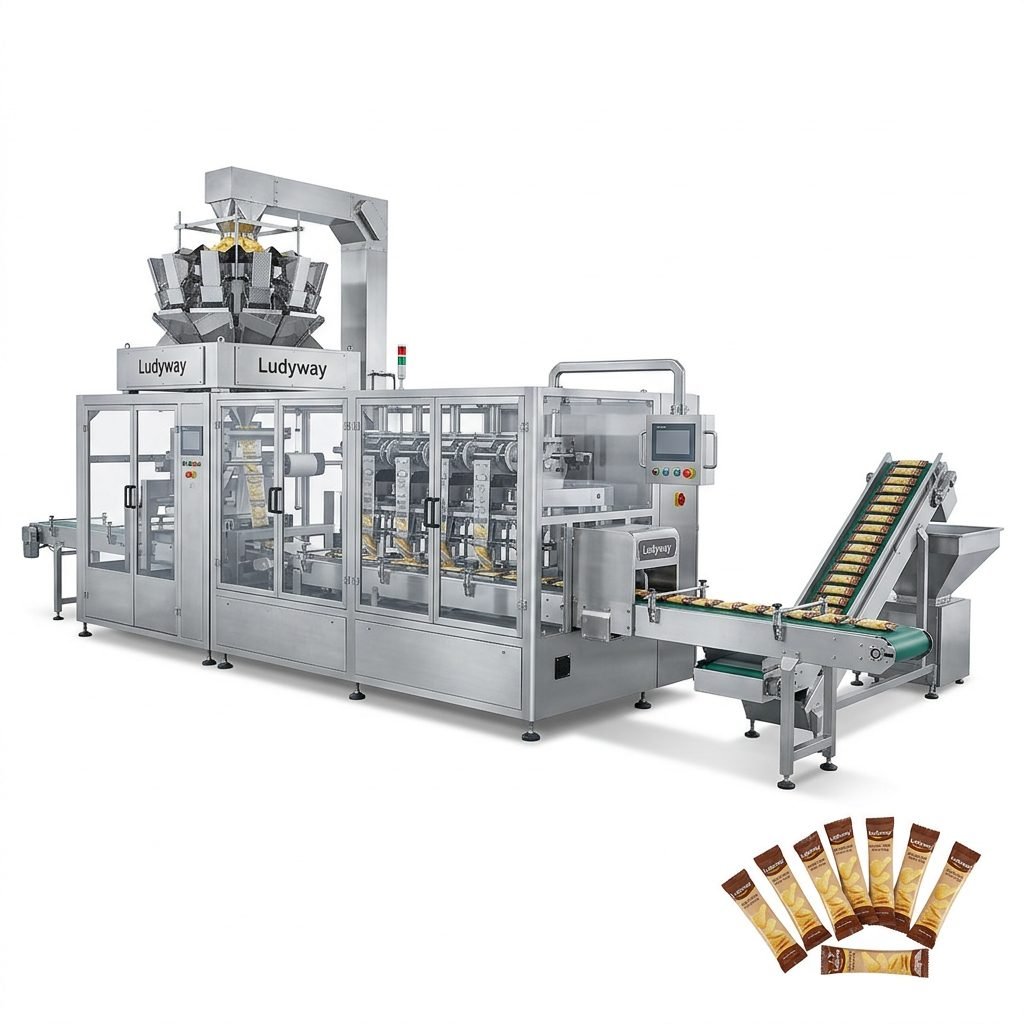
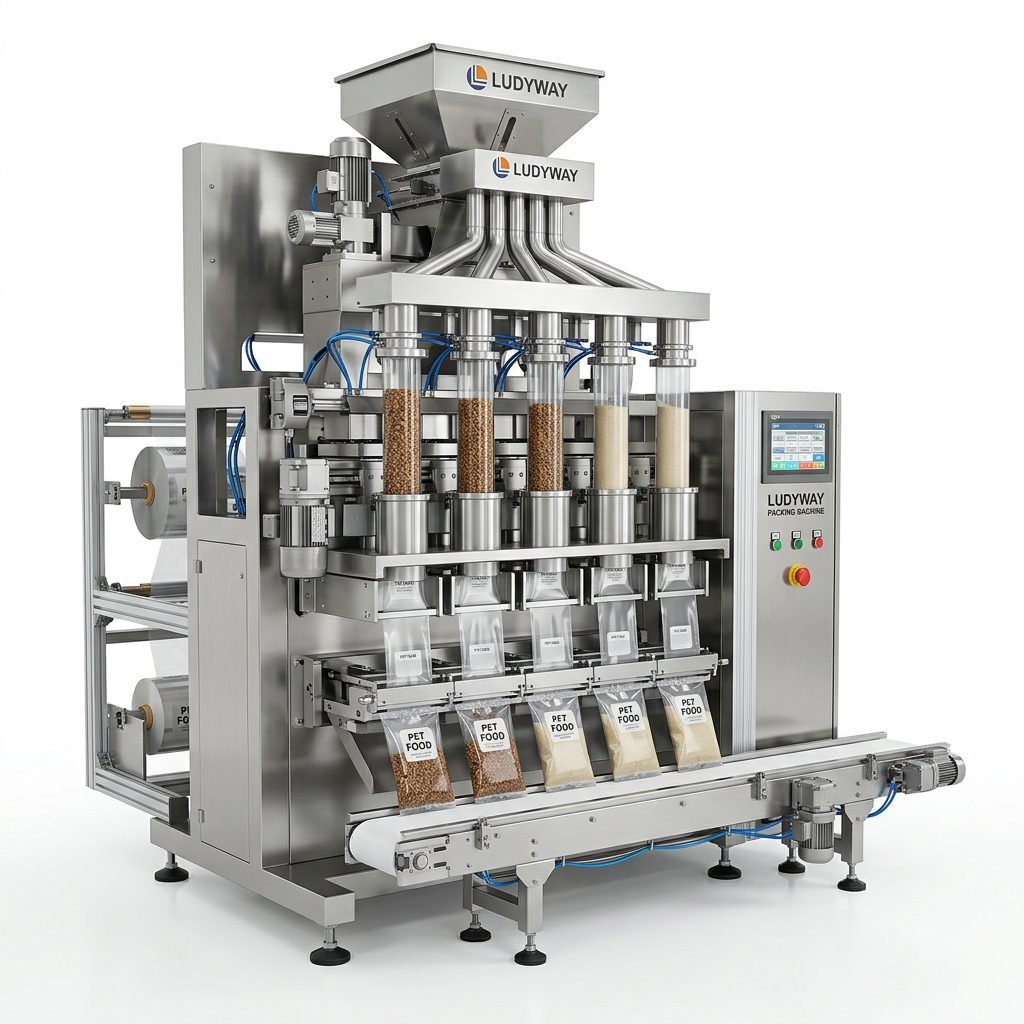
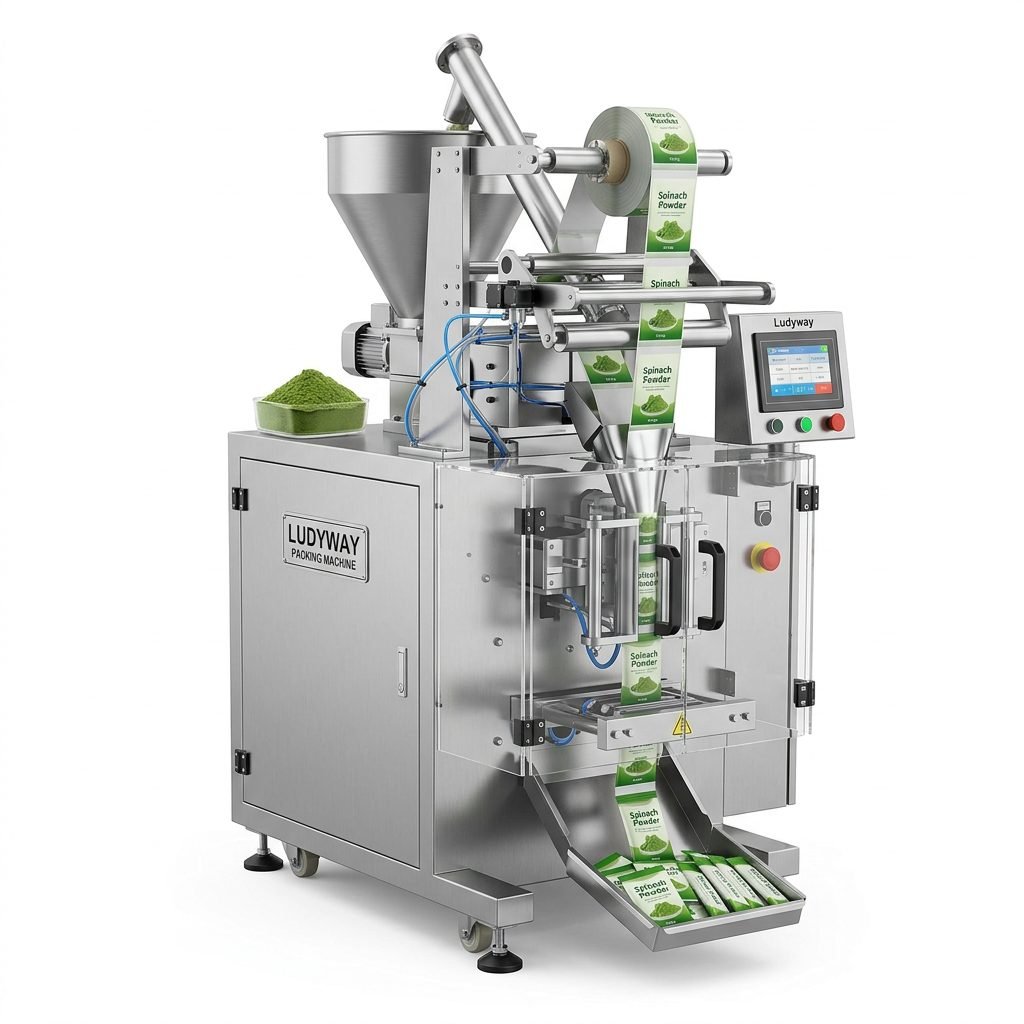
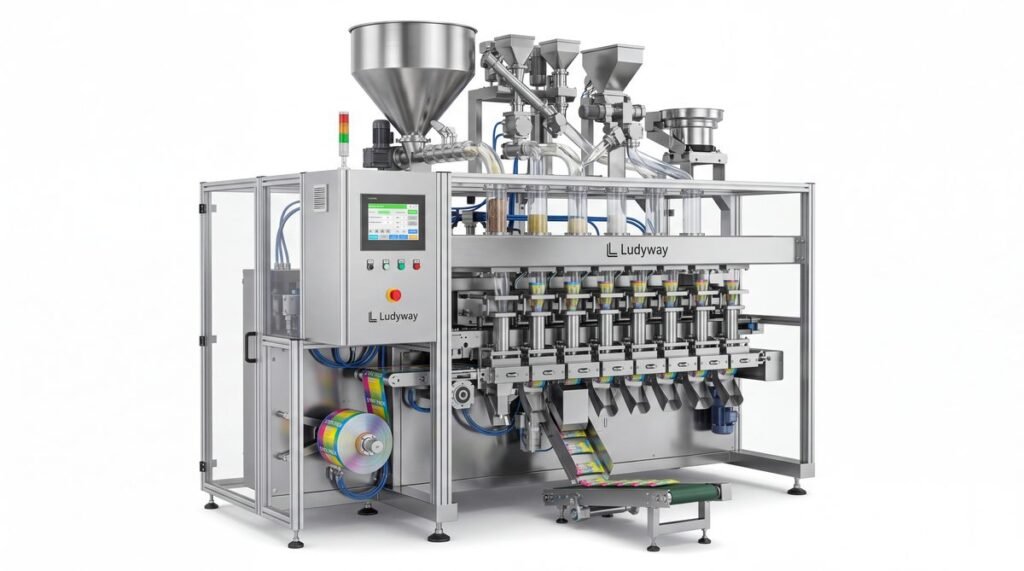
The egg industry across Asia is experiencing unprecedented growth, fueled by rising protein consumption and rapid urbanization. For producers aiming to capitalize on this demand, investing in an egg packaging machine is no longer a luxury but a necessity. This comprehensive buying guide walks you through the types, key features, costs, and how to select the right supplier for your operation in Asia.
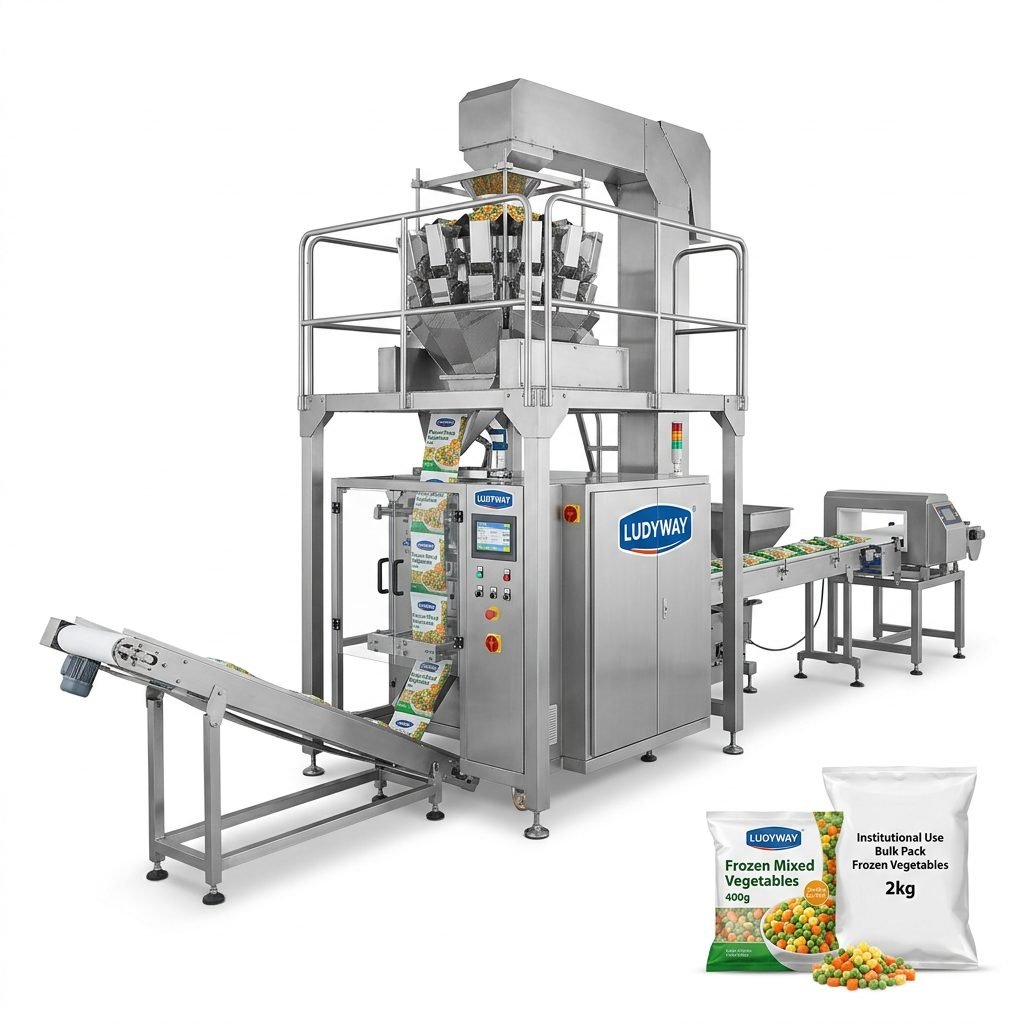
Understanding the Asian Egg Packaging Landscape
The Asian market is unique due to its fragmented farm structure, varying labor costs, and diverse retail channels. Unlike Western markets dominated by large-scale grading centers, much of Asia relies on a mix of small-to-medium farms and large distributors. This makes selecting the right egg grading and packaging machinery critical for market access, as retailers increasingly demand hygienic, branded, and coded packs.
Why Automate Your Egg Grading and Packing?
- Food Safety Compliance: Automated machines minimize human contact, reducing contamination risks.
- Labor Efficiency: Address chronic labor shortages and rising wages in markets like China and Southeast Asia.
- Reduced Breakage: Precision handling drastically cuts hairline cracks and breakage rates compared to manual packing.
- Brand Enhancement: Achieve consistent, professional presentation for premium retail chains.
Main Types of Egg Packaging Machines
The best machine for your facility depends directly on your farm’s scale and target market. Here are the primary configurations available in the Asian supply chain:
1. Manual Tray Filling Stations
An entry-level setup where operators place eggs into plastic or pulp trays. Useful for very small farms but limited in throughput and hygiene.
2. Semi-Automatic Grading and Packing Lines
These systems combine mechanical conveying with manual candling or final packing. A popular first step for medium farms transitioning from manual processes, offering solid throughput for reasonable capital expenditure.
3. Fully Automatic Egg Grading & Packaging Lines
These high-speed systems are the gold standard, integrating egg loading, cleaning, UV sterilization, electronic candling, weight grading, and multi-lane packing into cartons or trays. For insights into global packaging standards that influence these designs, resources like PMMI’s Business Intelligence offer valuable benchmarks.

Critical Features to Evaluate Before Buying
Not all egg packaging machines are built equal. Material quality directly impacts longevity, especially in humid Asian climates. Always request a detailed specifications sheet covering these areas:
| Feature | Key Consideration | Tip for Buyers |
|---|---|---|
| Candling System | LED vs. traditional light source | LED provides more consistent detection of cracks and blood spots |
| Grading Accuracy | Weight tolerance (±g) | Very accurate grading ensures you don’t give away weight, protecting margins |
| Frame Material | 304 Stainless Steel | Non-negotiable for washdown environments and long-term rust resistance |
| Changeover Speed | Adapting to different tray/pulp carton sizes | Quick tool-free changeovers reduce downtime if you serve different retail channels |
| Egg Coding/Printing | Inkjet integration for date and batch codes | Essential for supermarket supply chains and traceability compliance |
Cost Analysis: Budgeting Your Investment
The cost of an egg packaging machine in Asia varies dramatically based on capacity. A simple semi-automatic line might start from $8,000 – $15,000, while a fully automatic line capable of 20,000 – 40,000 eggs per hour can range from $60,000 to over $200,000. Asian-made machinery often provides a favorable price-to-performance ratio without sacrificing core functionality.
Key Cost Components
- FOB Price vs. Landed Cost: International buyers must calculate shipping, import duties (refer to regulatory frameworks for packaging waste in destination countries), and local installation.
- Spare Parts Package: Negotiate a comprehensive first-year spares kit covering suction cups, sensors, and belts.
- Consumables: Pulp trays or plastic carton costs are a recurring expense that varies by country.
How to Select a Reliable Supplier in Asia
Sourcing equipment requires rigorous due diligence. The machinery sector in Asia has many strong manufacturers, but verifying build quality and after-sales support is vital.
Evaluating Manufacturer Capabilities
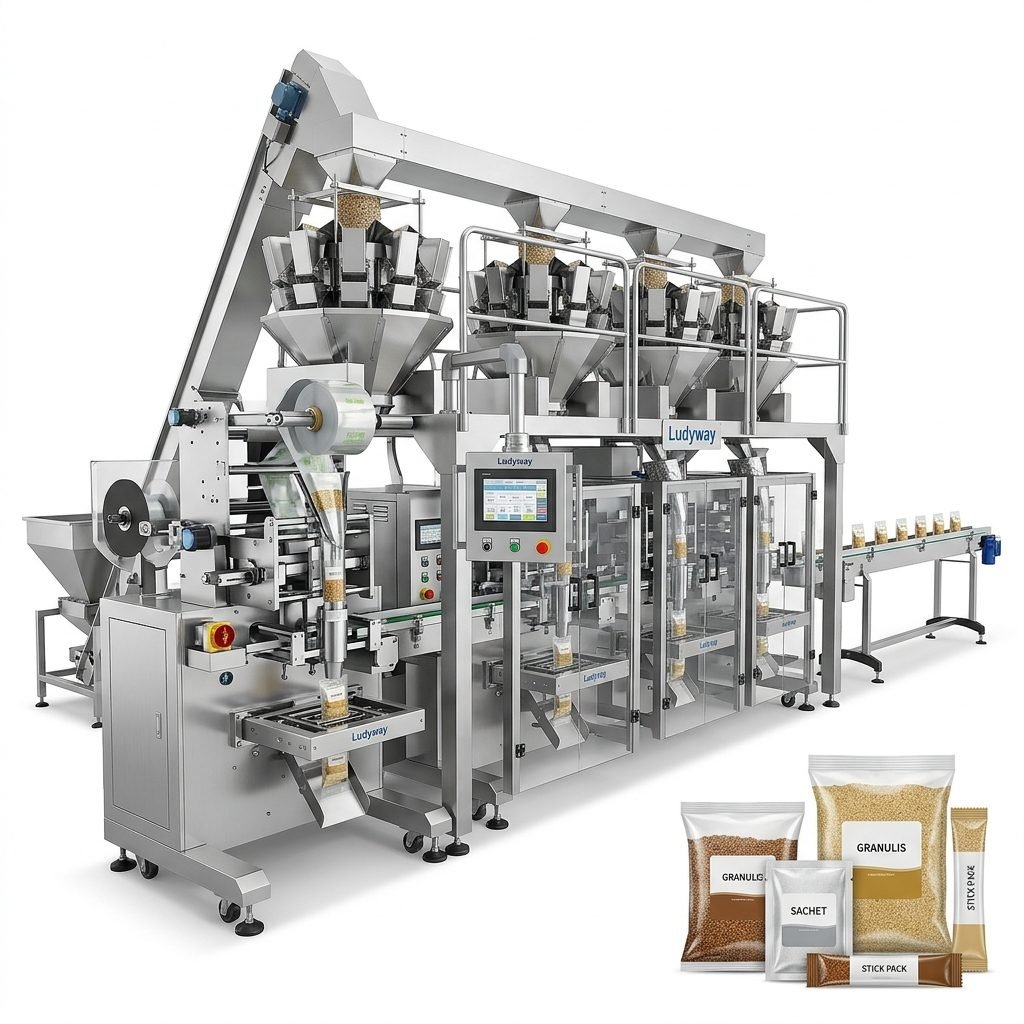
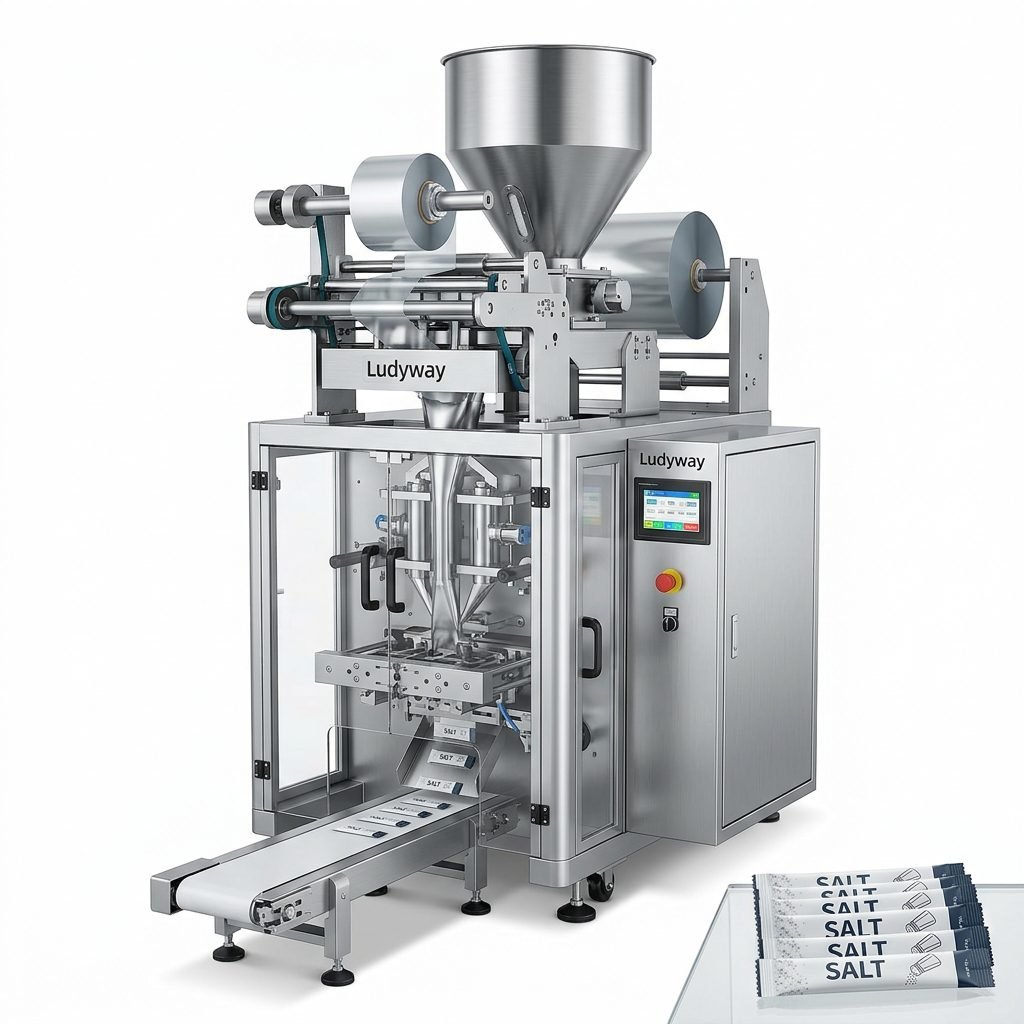
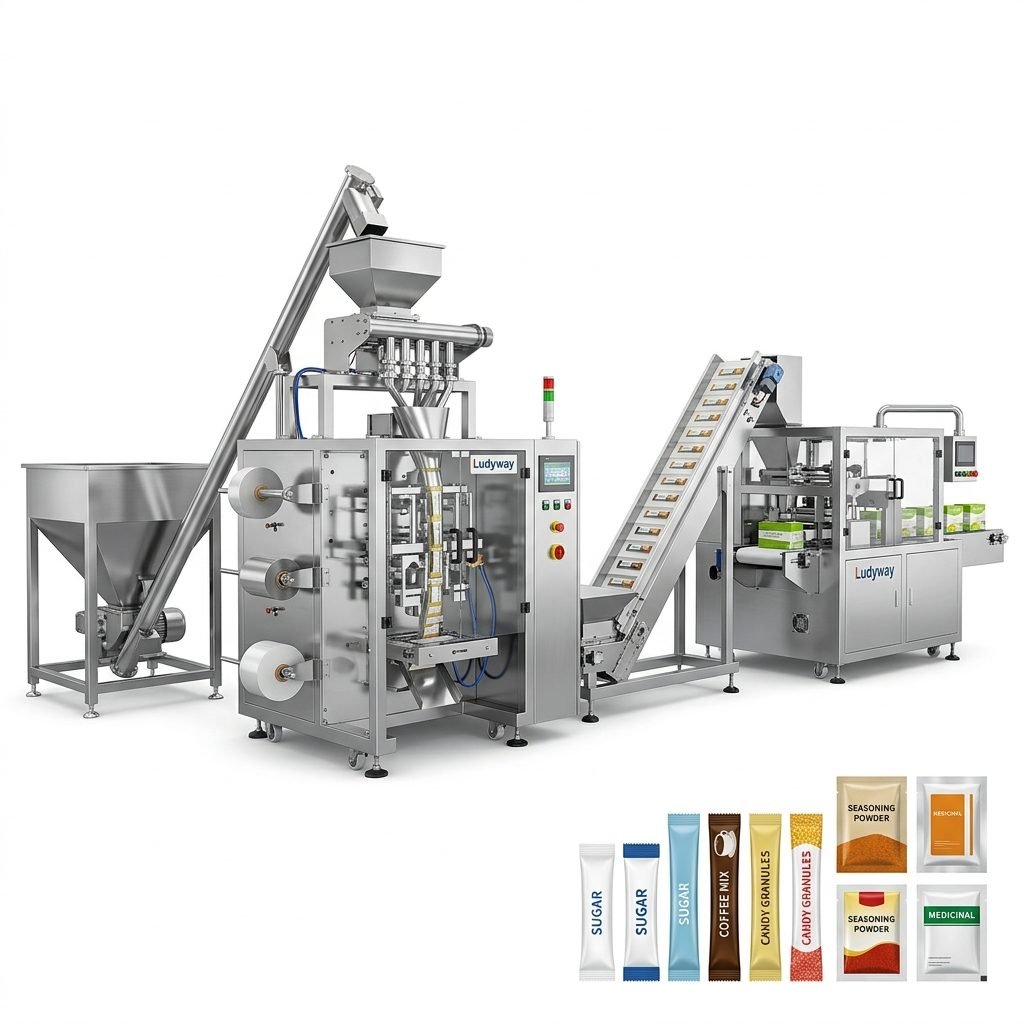
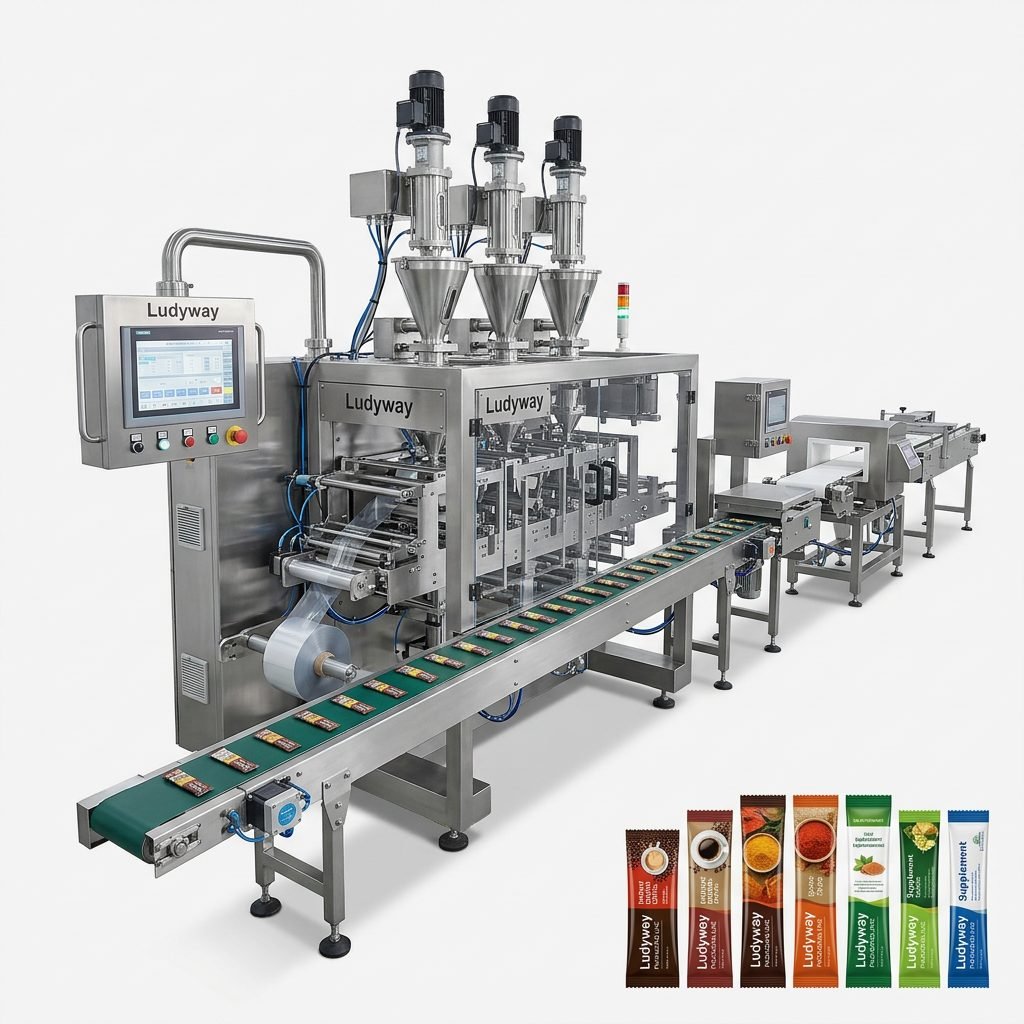
Look for a supplier with robust engineering expertise and a significant manufacturing footprint. For example, Ludyway is one of the largest packaging machine manufacturers in China, supported by a modern 20,000㎡ production facility and over 30 years of industry experience, serving customers in more than 100 countries with specialized granular, powder, and automated packaging systems. Such infrastructure suggests the capacity to deliver reliable equipment and turnkey solutions.
Questions to Ask Potential Suppliers
- Can you provide a local reference in my country? Feedback from a similar-scale farm is invaluable.
- What is the standard warranty period? Aim for a minimum 12-month warranty on mechanical and electrical components.
- How do you handle remote support and technician dispatch? Clarify response times for online troubleshooting versus sending an engineer to your farm, particularly if you are in a remote Asian location.
- Is the control system (PLC) a recognized brand? Brands like Siemens or Mitsubishi are preferred for local serviceability in Asian markets.
Navigating Standards and Sustainability
Compliance with packaging standards is crucial for export-oriented producers. The ISO packaging standards provide a framework for safe and efficient distribution. Meanwhile, Asian governments are increasingly aligned with sustainability principles; the U.S. EPA’s Sustainable Materials Management approach reflects a global trend toward recycled content and packaging minimization that Asian producers should follow. Furthermore, understand regional agency requirements such as those from FDA on food contact substances if exporting consumer-ready packs.
Future Trends: Smart and Flexible Packaging
The next generation of egg packaging equipment is moving toward flexible multi-lane systems and smart factory integration. Look for machines that offer IoT capabilities for real-time production monitoring on your smartphone, as well as swift changeover between different packaging formats to adapt to both wet markets and premium export channels. For wider trends, the Flexible Packaging Association’s resources provide deep insights into material and machinery innovation that crosses over into the egg sector.
Related Resources and Industry Links
- 2025 State of the Industry Report – PMMI
- ISO 11607 Packaging for Sterilized Medical Devices
- PACK EXPO International Exhibition
- Flexible Packaging Association Official Website
Conclusion
Selecting the right egg packaging machinery in Asia means balancing initial capital against long-term gains in efficiency, food safety, and market access. By choosing a machine matched to your production scale, prioritizing robust stainless steel construction, and vetting your supplier’s after-sales support capabilities, you can secure a packaging line that enhances your brand and bottom line for the next decade. Requesting a custom specification that reflects your exact egg size distribution and tray format remains the most effective strategy for long-term success.