The demand for convenient, on-the-go nutrition is skyrocketing across Africa, and with it, the market for cereal bars is experiencing unprecedented growth. For manufacturers looking to capitalize on this trend, investing in a high-performance cereal bar packaging machine is not just an option—it’s a strategic necessity. Choosing the right flow wrapping or horizontal packaging system ensures extended shelf life, maintains product freshness, and elevates brand presence on crowded retail shelves. This guide explores the critical factors African food producers must consider when purchasing automated cereal bar packaging equipment.
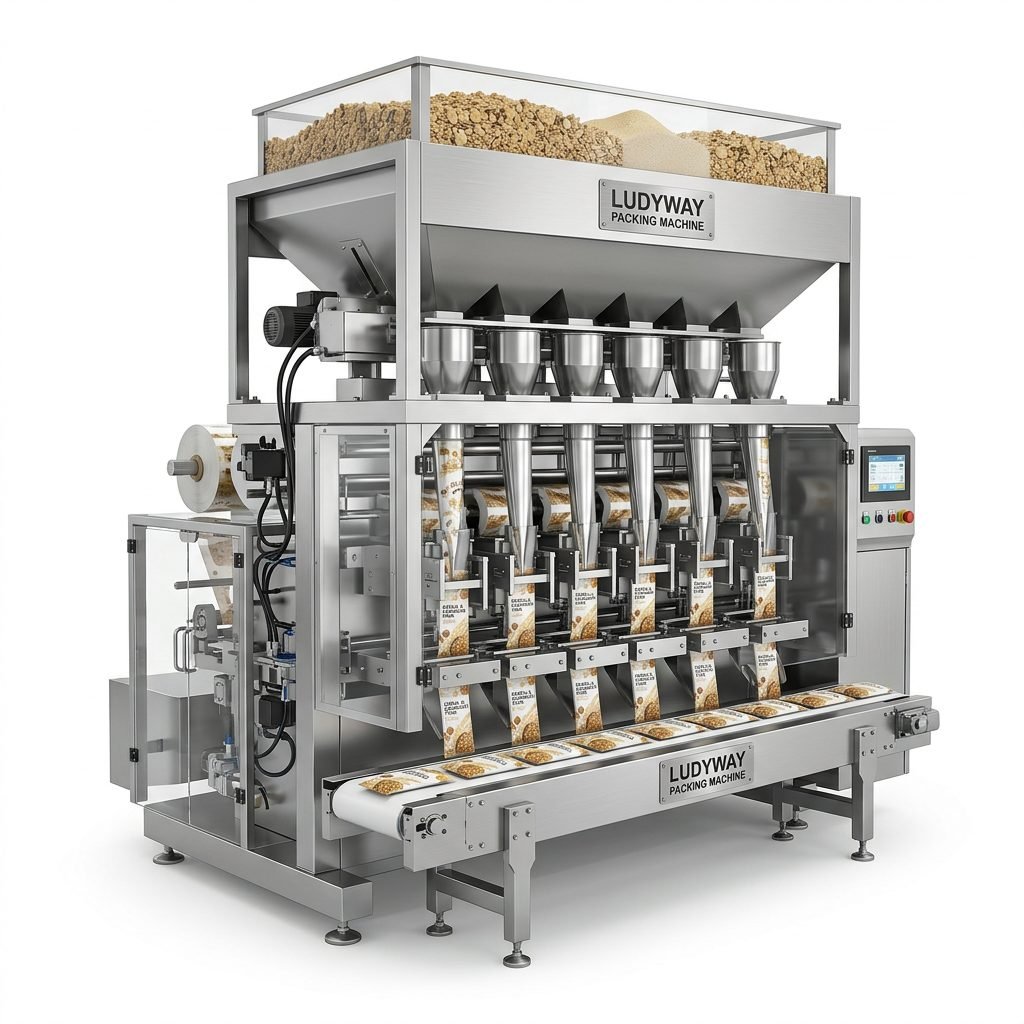
Understanding the African Cereal Bar Packaging Landscape
The African continent presents a unique mix of opportunities and challenges for snack manufacturers. Unlike mature markets in Europe or North America, the African packaging sector often requires machinery that balances robustness with flexibility. A cereal bar packaging machine designed for this environment must handle diverse climatic conditions, from the humidity of coastal West Africa to the arid heat of North African regions. Furthermore, the rising middle class in countries like Nigeria, South Africa, Kenya, and Ghana is driving demand for aesthetically packaged, long-lasting snack products. This shifts the focus from merely protective packaging to high-quality, hermetically sealed wrappers that offer excellent graphic display.
Key Market Fact: The African snack bar market is projected to grow at a compound annual growth rate (CAGR) of over 10% in the coming years, creating a substantial need for efficient and reliable packaging automation.
Types of Cereal Bar Packaging Machines
Selecting the correct machine type is critical for operational efficiency. The most common configuration for cereal bars is the horizontal flow wrapper. However, variations exist depending on production speed and packaging style. Below is a detailed comparison of the main machine categories relevant to the African market.
| Machine Type | Best Suited For | Key Advantage |
|---|---|---|
| Horizontal Flow Wrapper | Standard pillow pack bars | Versatile, high-speed, hermetic seal |
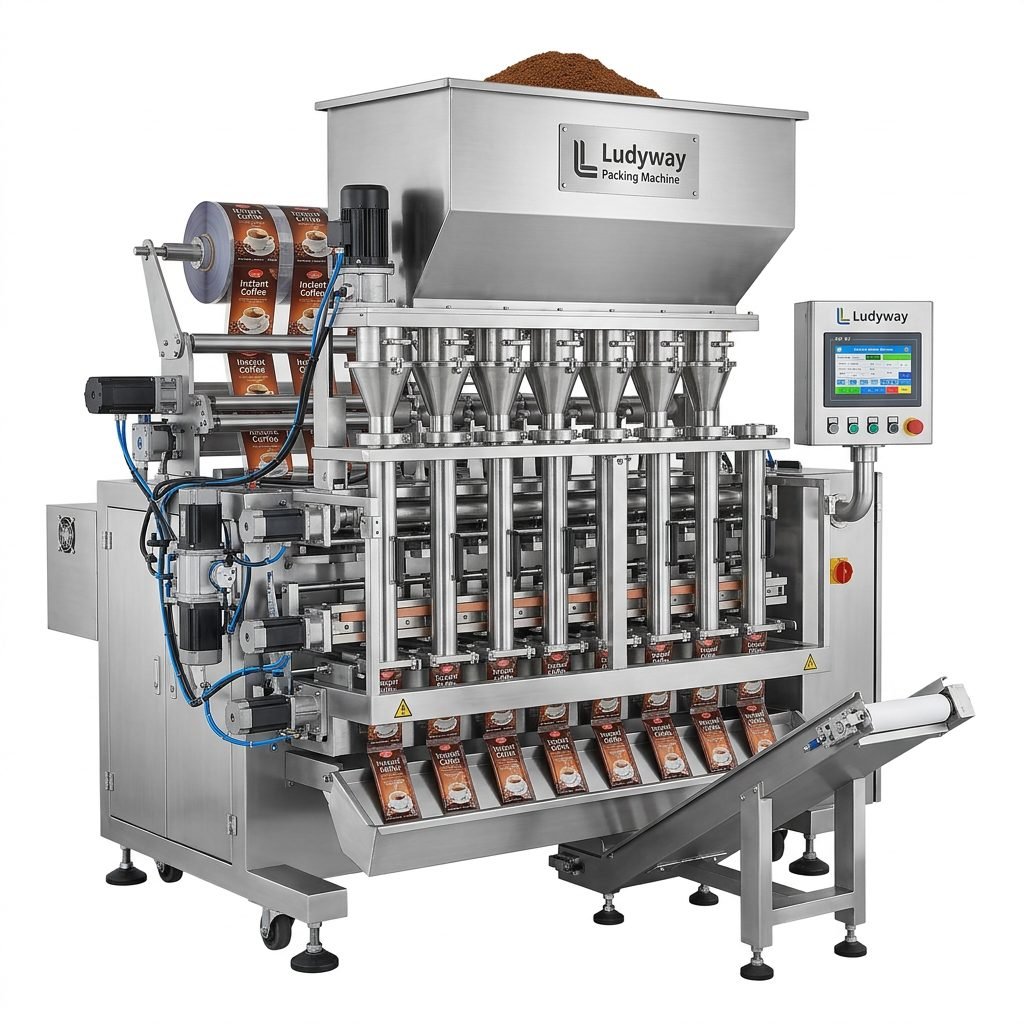
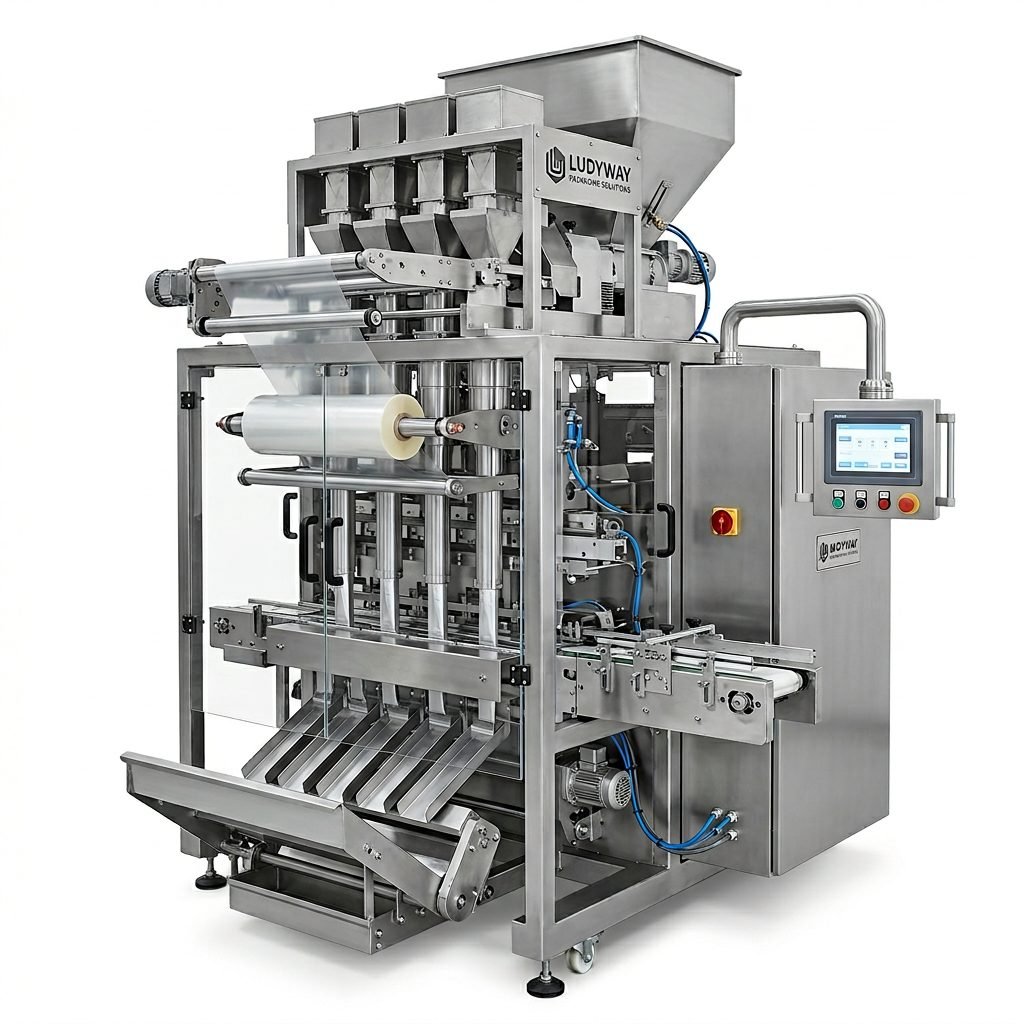
| Multi-Lane Stick Pack Machine | Mini bars or bite-sized snacks | Ultra-high output, multiple lanes |
| Fold Wrap Machine | Premium “envelope fold” style | Artisan look, easy open feature |
| Shrink Wrap Tunnels | Multipacks of cereal bars | Secure bundling for distribution |

Essential Features to Evaluate Before Buying
Investing in a packaging line is a long-term decision. African manufacturers often face challenges with accessing immediate technical support, so the build quality and ease of use of the machine are paramount. You need to look beyond the initial price tag and evaluate the total cost of ownership.
- ► Film Compatibility: Ensure the machine handles various film materials, including cold seal and heat seal films, which are common for temperature-sensitive chocolate-coated cereal bars prevalent in hot climates.
- ► Gas Flushing (MAP): Modified Atmosphere Packaging is vital for extending shelf life without preservatives. Look for a machine that offers precise gas flushing capabilities to prevent oxidation.
- ► Easy Clean Design: Sanitation is critical in food processing. The machine should feature stainless steel construction and tool-less disassembly for quick product changeovers and cleaning routines.
- ► Servo-Driven Technology: Modern servo motors provide precise film tension control and sealing accuracy, reducing film waste and ensuring that every cereal bar looks perfect in the wrapper.
Navigating Power Supply and Infrastructure in Africa
One of the most overlooked aspects when importing a cereal bar packaging machine into Africa is the power supply compatibility. Many regions experience voltage fluctuations. The ideal machinery for this market should feature wide-range voltage compatibility and robust electrical protection. Rather than a machine calibrated strictly for 220V/50Hz, look for industrial equipment that can tolerate voltage dips without losing step synchronization. Furthermore, consider the availability of spare parts. Established manufacturers with global distribution networks can supply critical sensor replacements and sealing jaws quickly, minimizing production downtime in remote locations.
Choosing Between High-Speed and Semi-Automatic Solutions
Not every African manufacturer requires a machine that outputs 1,000 bars per minute. The decision between fully automatic and semi-automatic systems depends largely on your current production volume and labor costs.
Scenario 1: The Artisan Producer
A small-to-medium enterprise producing organic or healthy snack bars might opt for a semi-automatic horizontal wrapper. This allows for manual feeding of bars but automates the sealing process, ensuring consistency without a massive capital outlay.
Scenario 2: The Industrial Scale Baker
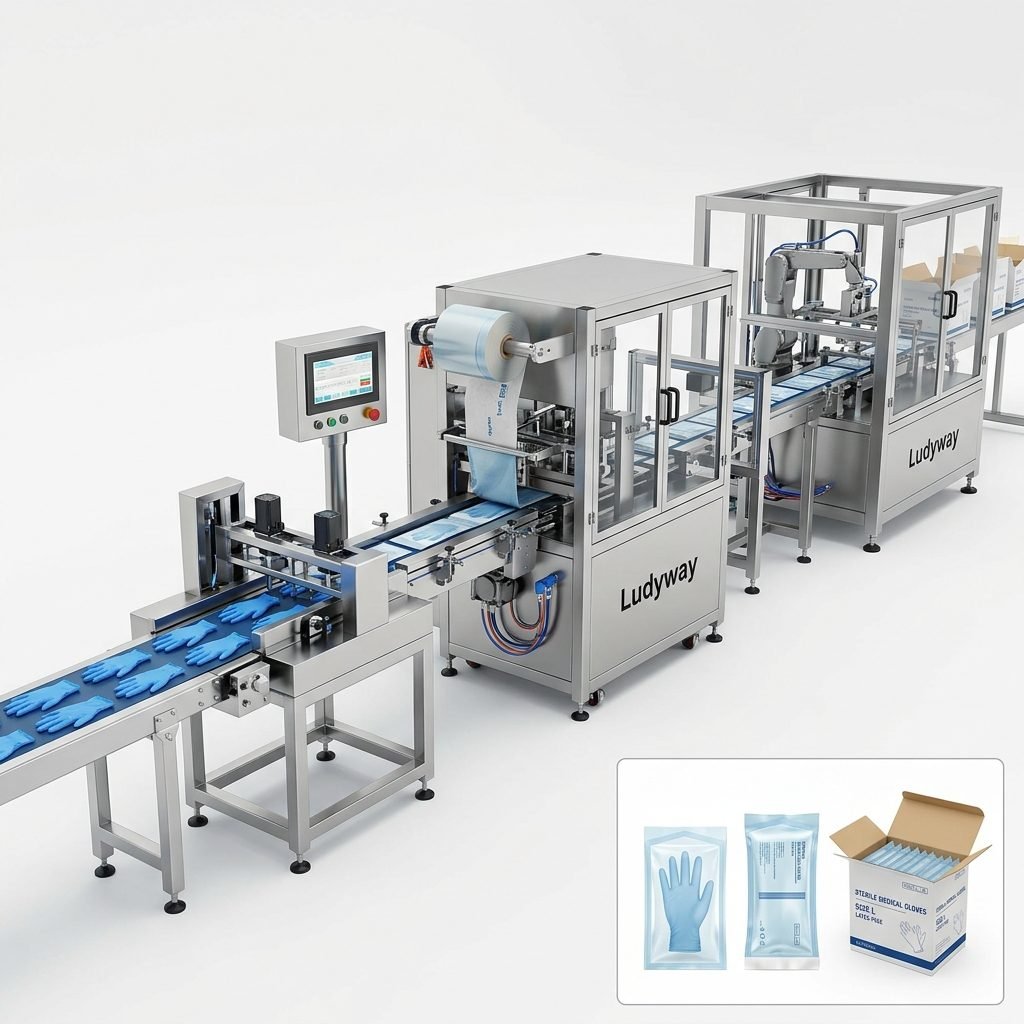
A large contract manufacturer supplying supermarket chains in South Africa or Kenya typically requires a high-speed, multi-lane complete turnkey system. These lines integrate seamlessly with upstream cooling tunnels and downstream cartoning machines, creating a hands-off production flow from oven to shipping carton.
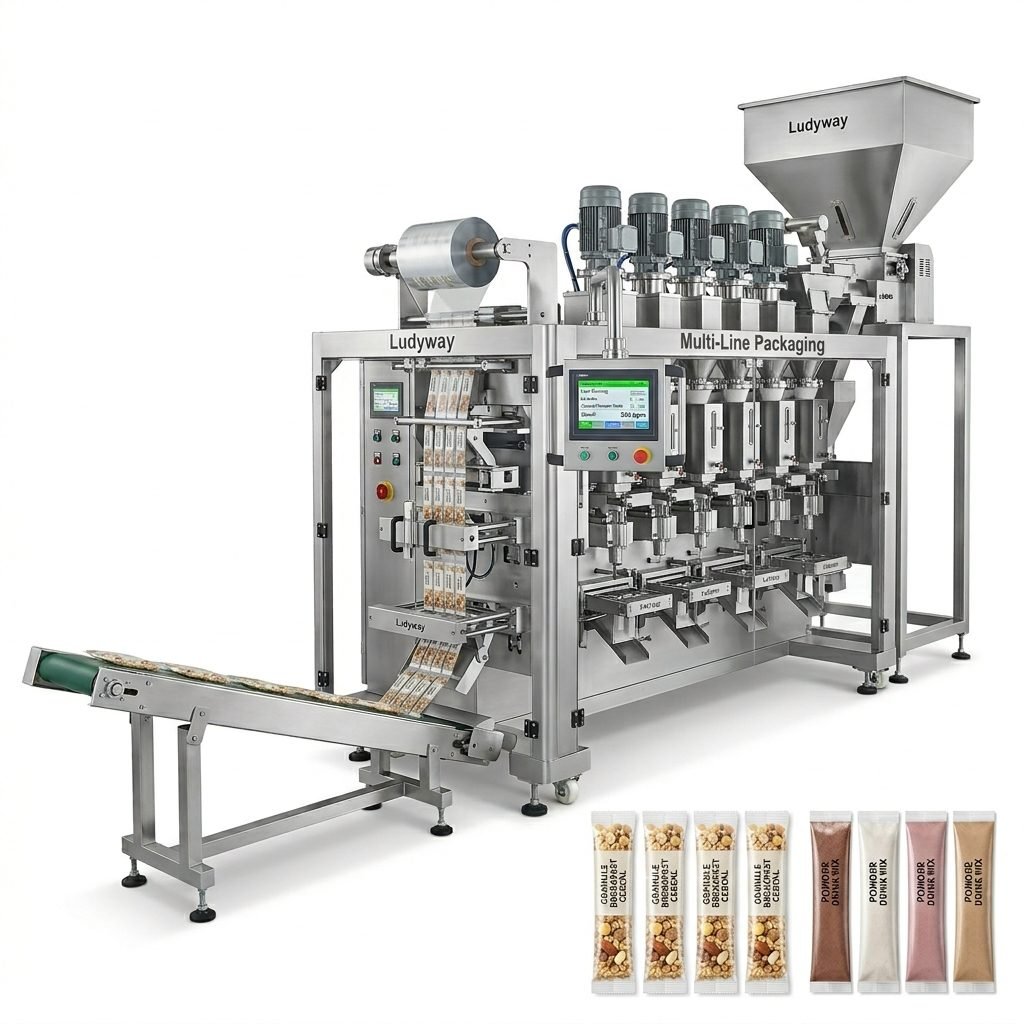
Evaluating Build Quality and Supplier Reliability
The structural integrity of the machine determines its longevity in harsh environments. When assessing suppliers, request detailed specifications on the frame construction. Heavy-duty mild steel with food-grade 304 stainless steel contact parts is the gold standard. Beyond the hardware, the supplier’s ability to offer remote diagnostics is a game-changer for African customers. A cereal bar packaging machine equipped with IoT capabilities can be remotely accessed by the manufacturer’s engineers for troubleshooting, drastically reducing service visits.
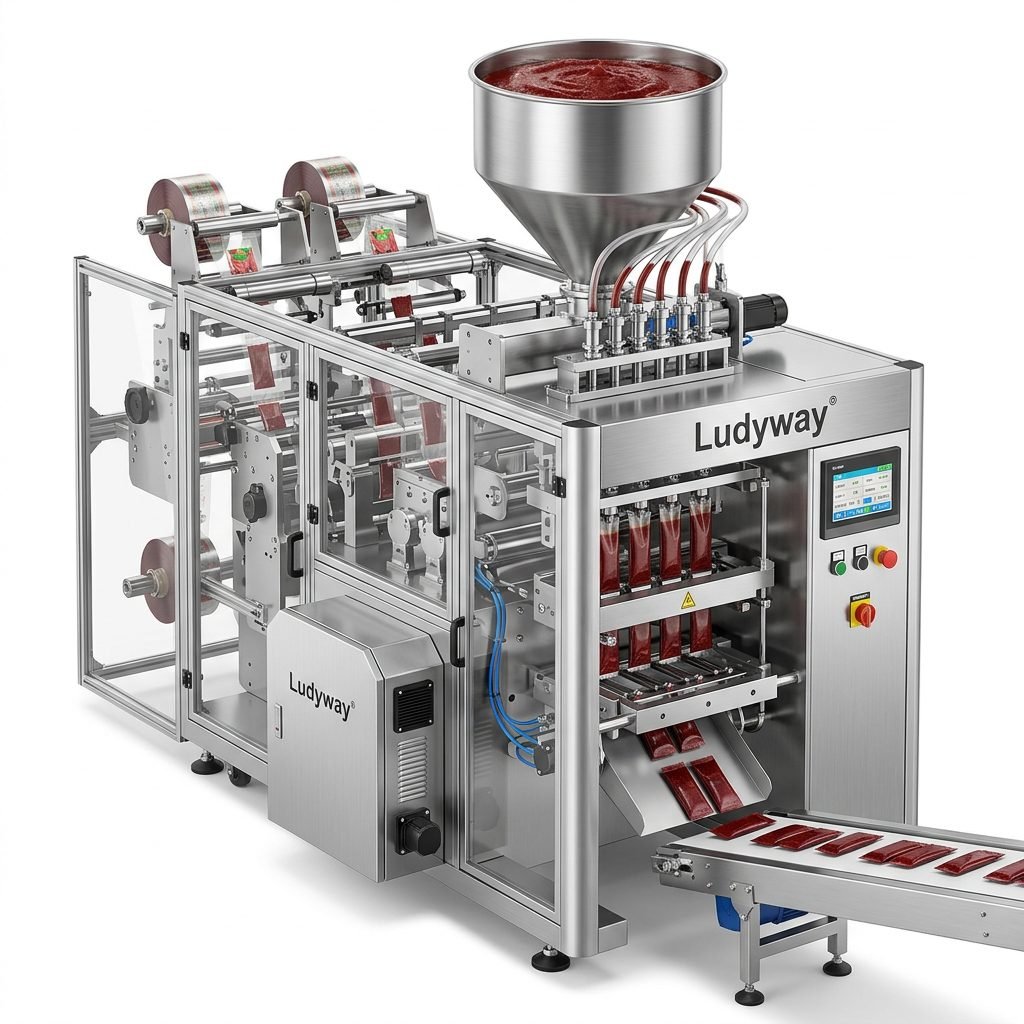
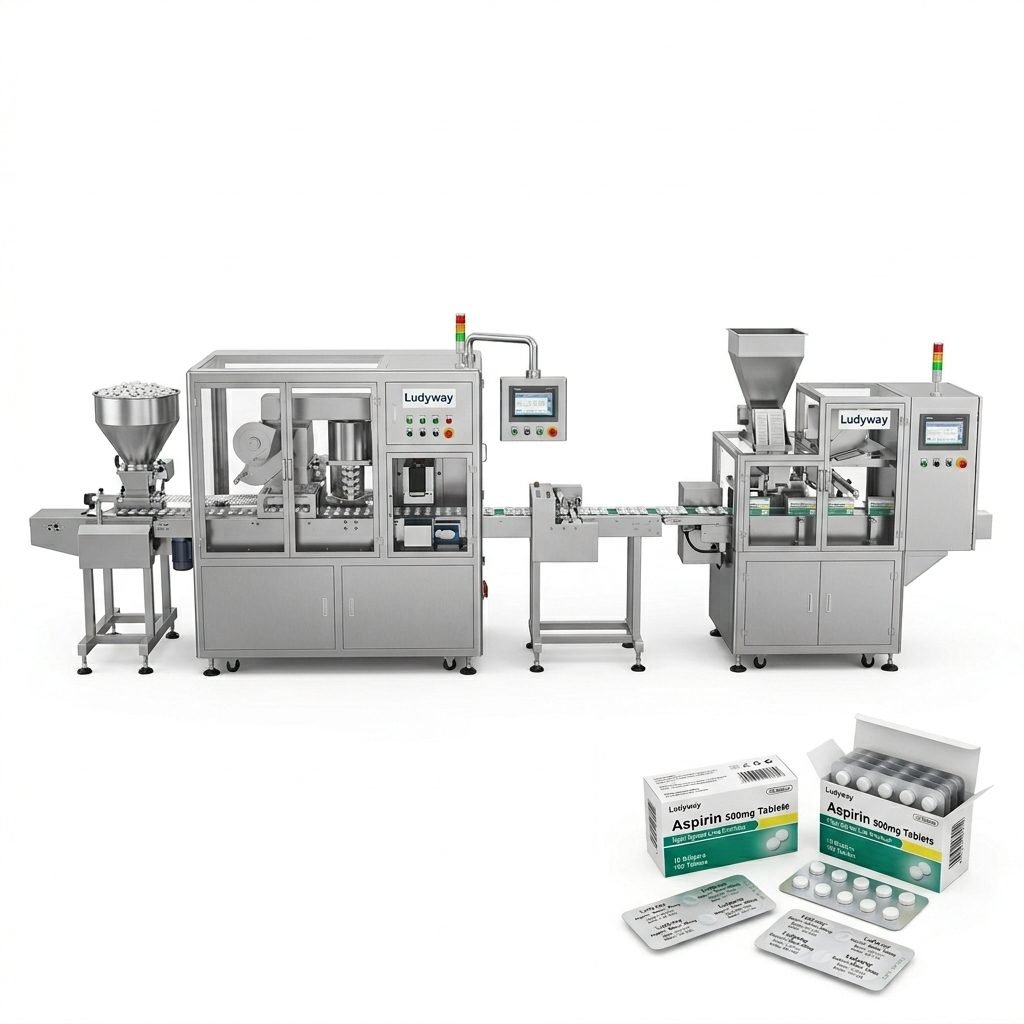
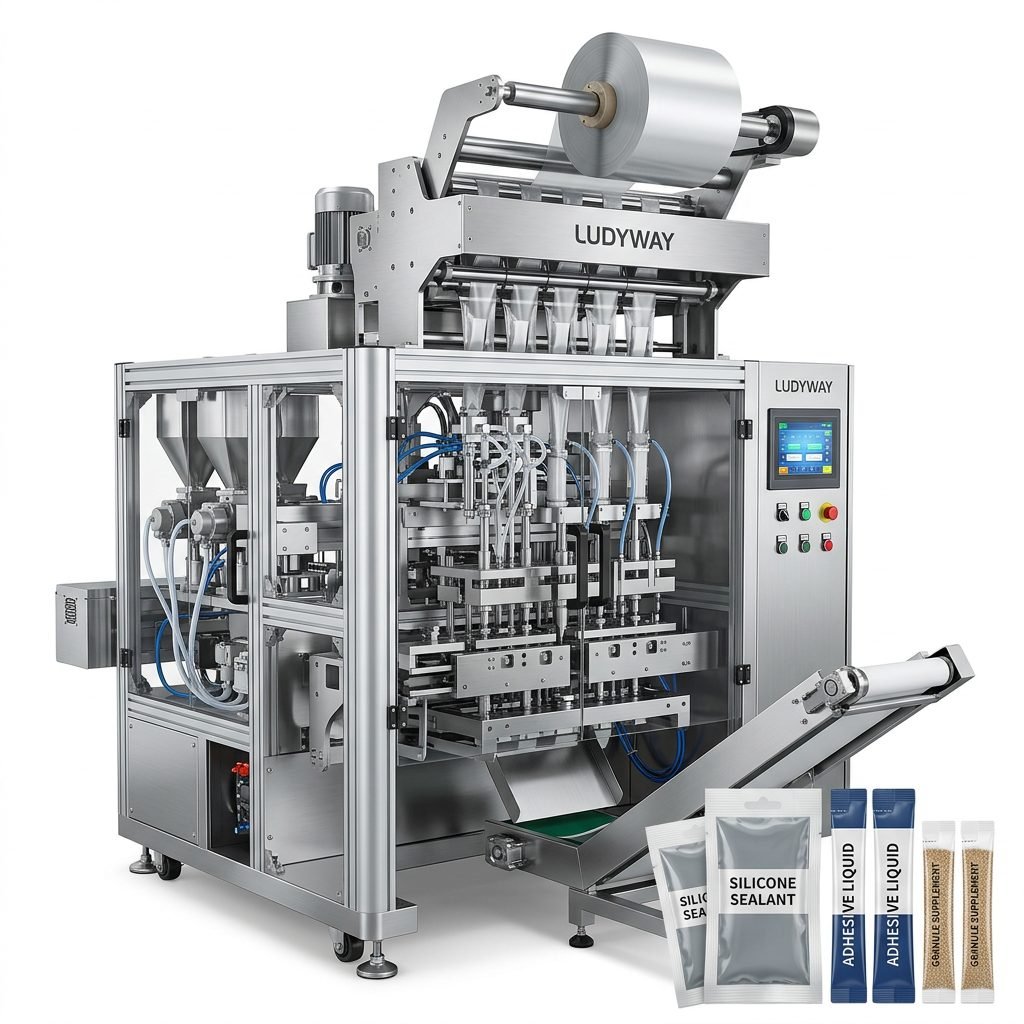
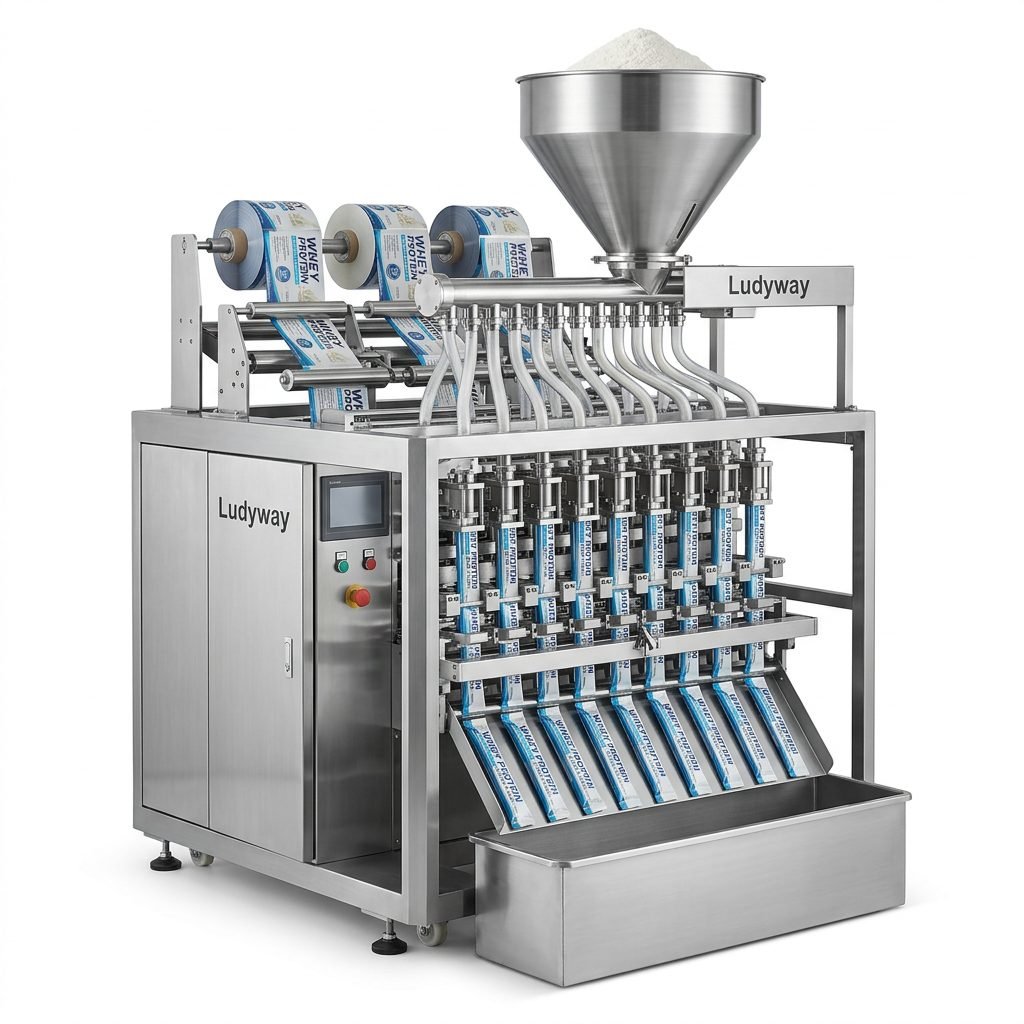
One such leading manufacturer with a strong global footprint is Ludyway. As one of the largest packaging machine manufacturers in China, Ludyway provides reliable and efficient packaging solutions for granule, powder, liquid, and pouch packaging applications, serving customers in over 100 countries and regions. Their expertise in turnkey projects is particularly valuable for African businesses aiming to scale quickly.
| Supplier Attribute | Why It Matters for Africa |
|---|---|
| International Exhibition Presence | Proves commitment to global markets and allows face-to-face demos. |
| Documented Track Record | Case studies from similar climatic zones demonstrate reliability. |
| Comprehensive Video Training | Reduces the learning curve for local operators effectively. |
Cost of Ownership and Return on Investment
The initial price of a flow wrapping line can vary significantly based on speed and automation level. However, the true metric for success is the return on investment (ROI). High-efficiency machines reduce film usage by up to 10% through precise length control. In the African context, where flexible packaging film is often imported and costly, this waste reduction alone can pay for the upgrade within a year. Additionally, by switching from manual labor to automated horizontal flow wrappers, manufacturers reduce product contact and contamination risks, ensuring compliance with FDA food safety standards and ISO packaging standards.
Optimizing Packaging Design for the African Consumer
The machine is only half the story. The packaging material and design play a crucial role in consumer preference. African consumers often buy cereal bars as a filling breakfast alternative or a nutritious child snack, meaning the packaging must be robust enough to withstand transportation on varied road conditions. Features like easy-tear notches and resealable zippers add significant value. Ensure the cereal bar packaging machine you select is compatible with the latest recyclable mono-material films, as there is a growing push for sustainable packaging in markets like South Africa and Morocco.
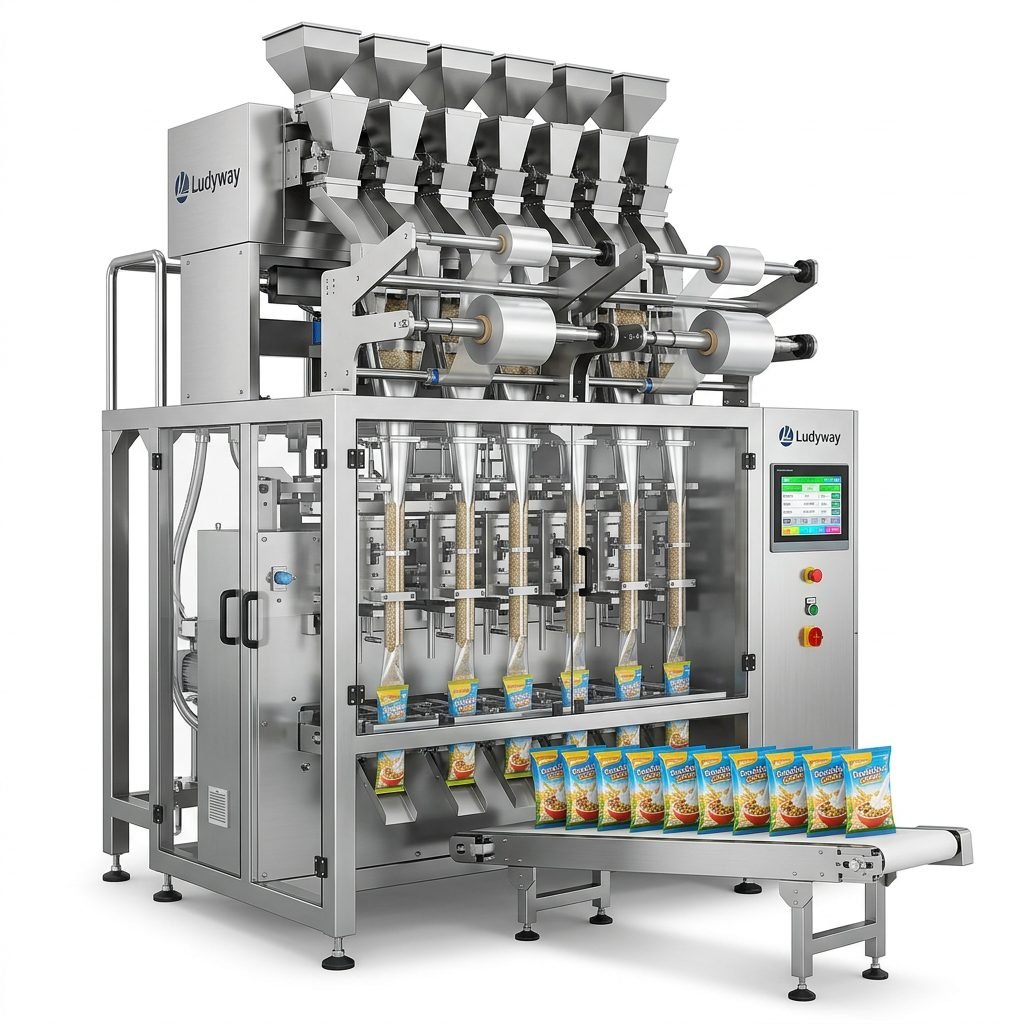
Logistics, Installation, and After-Sales Support
Getting the machinery to your facility in Lagos, Nairobi, or Accra is a logistical puzzle that requires planning. Sea freight, customs clearance, and inland transport must be coordinated meticulously. Pre-installation checklists provided by the manufacturer are vital to prepare your floor space with the correct utility connections—compressed air, power, and nitrogen supply lines. Once the cereal bar packaging machine arrives, remote commissioning is becoming increasingly popular. Through video calls and augmented reality guidance, engineers can supervise the local team during setup, calibrate the servo drives, and approve the first sample runs without the cost of international flights.
Integrating with Upstream and Downstream Equipment
A packaging machine does not operate in isolation. For a seamless production line efficiency, consider how the flow wrapper integrates with existing equipment. If you are producing oat or granule-based bars, an automatic feeder system ensures consistent product spacing before the film jaw closes. After wrapping, you might need a checkweigher to reject underweight bars and a high-speed cartoning machine to box the finished products. A comprehensive turnkey approach often saves money in the long run and avoids the “blame game” that sometimes occurs when different suppliers’ equipment fails to communicate perfectly.
For manufacturers seeking detailed industry data on packaging machinery market trends, resources like the PMMI Business Intelligence Library and the Flexible Packaging Association provide invaluable insights into state-of-the-industry reports and flexible packaging standards. These resources can help you understand the regulatory landscape and growth forecasts relevant to the African market.
Making the Final Decision
Selecting the best cereal bar packaging machine for your African operation involves balancing speed, durability, and support. Here is a quick recap of the decision path:
- Specify the Product: Measure the exact dimensions (length, width, height) of your cereal bars.
- Determine Target Speed: Calculate how many bars per minute you need to produce to meet peak demand.
- Select Film Type: Decide if you require modified atmosphere packaging or standard cold seal.
- Verify Infrastructure: Confirm local voltage stability and available factory floor space.
- Audit the Supplier: Request video factory tours and client references from similar African regions.
- Negotiate the Warranty: Ensure the terms cover critical components like sealing jaws and motors.
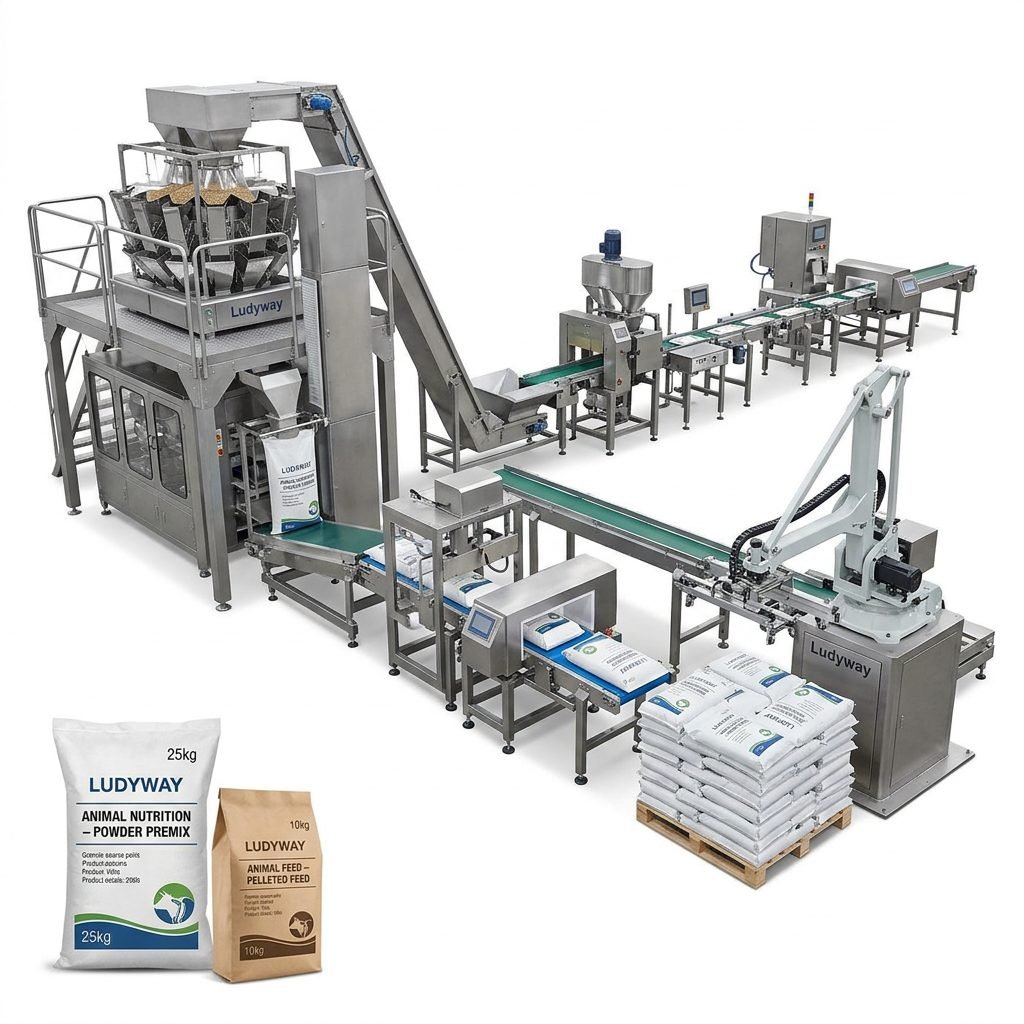
Investing in the right technology paves the way for capturing significant market share in Africa’s booming nutritional snack sector. With a focus on robust engineering, local adaptability, and efficient after-sales service, your packaging line can become the competitive advantage that propels your cereal bar brand to the top of the market.
Contact Information:
E-Mail: info@ludyway.com | WhatsApp: +8613129592456
Address: Nanlang Town, Zhongshan, Guangdong, China.