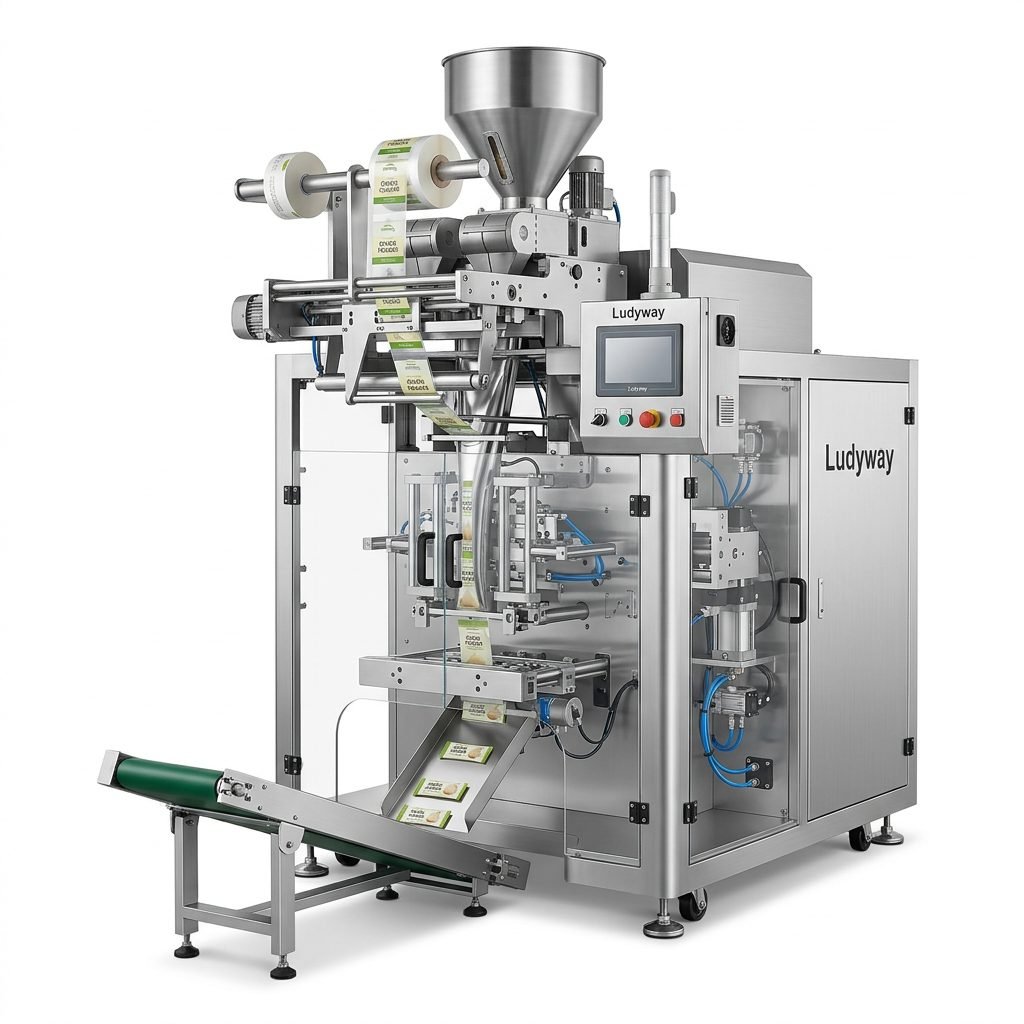
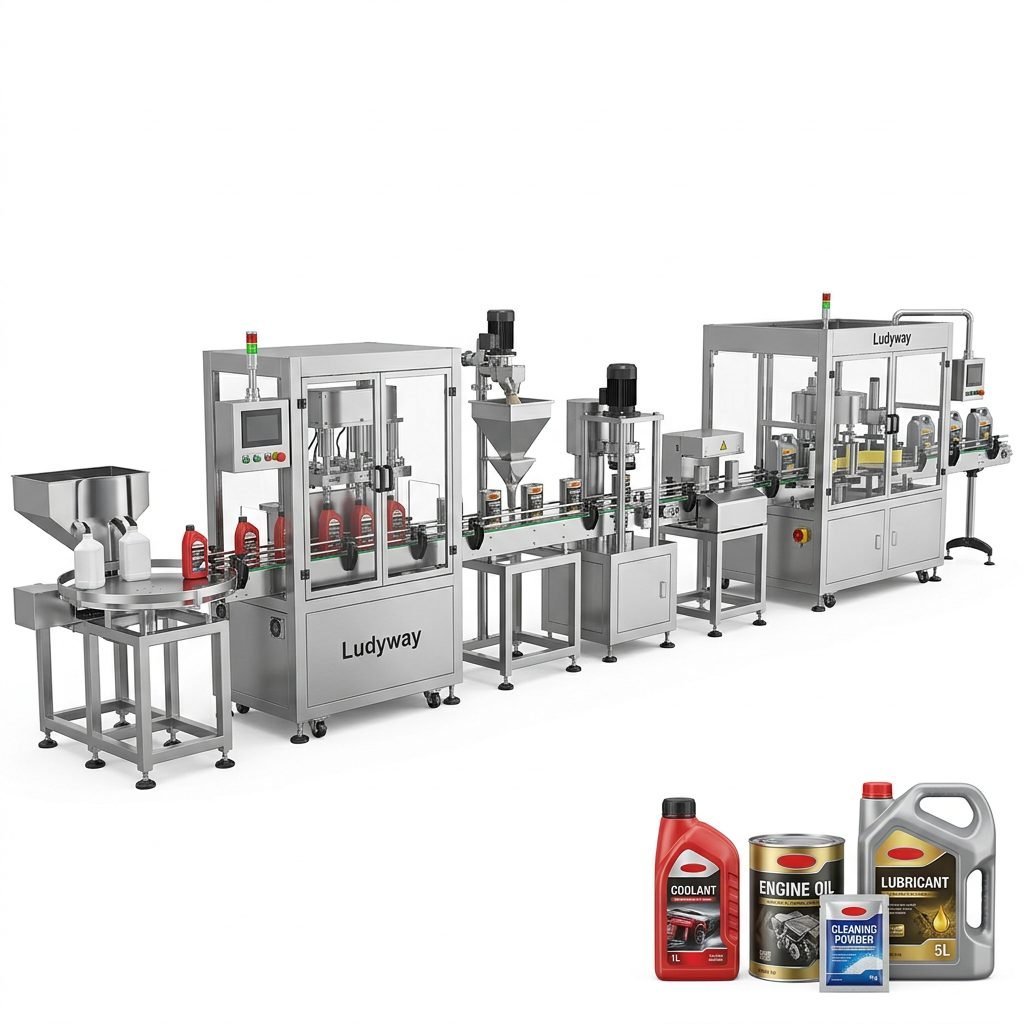
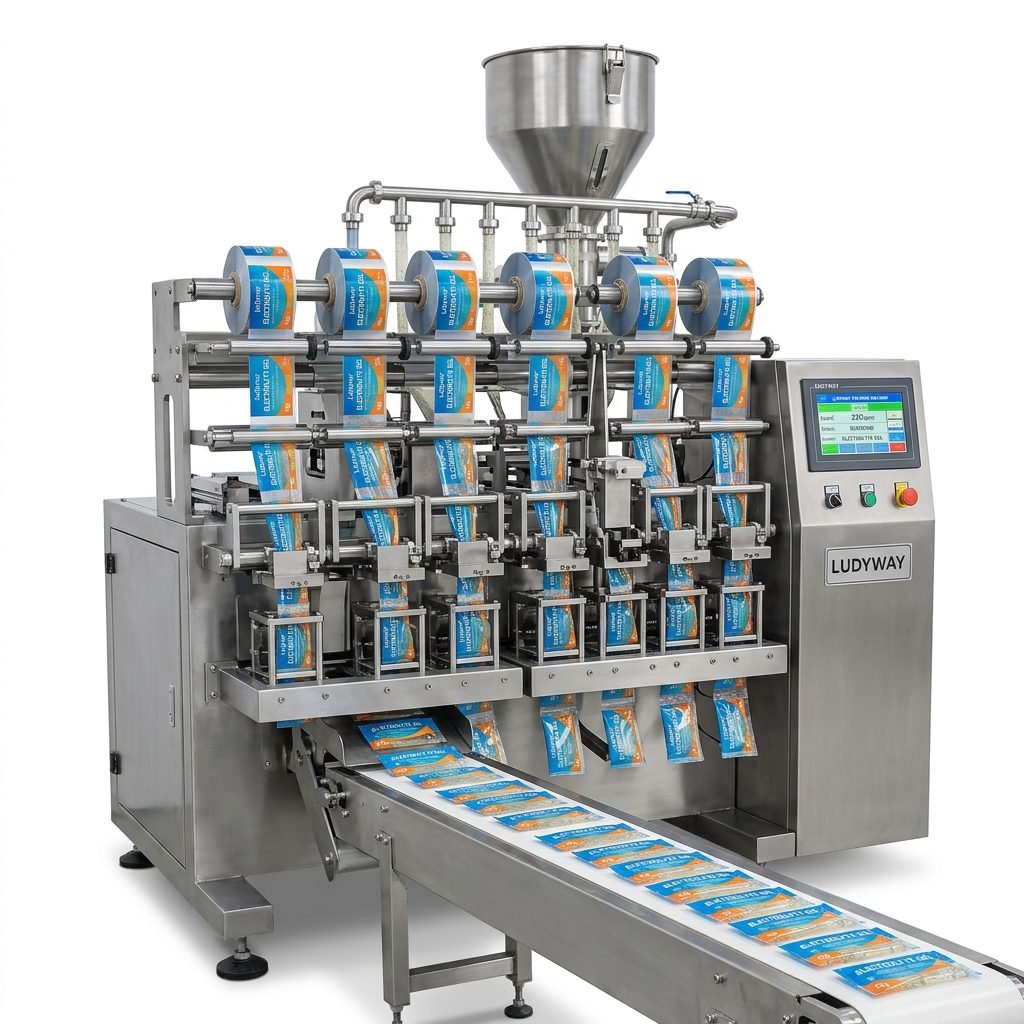
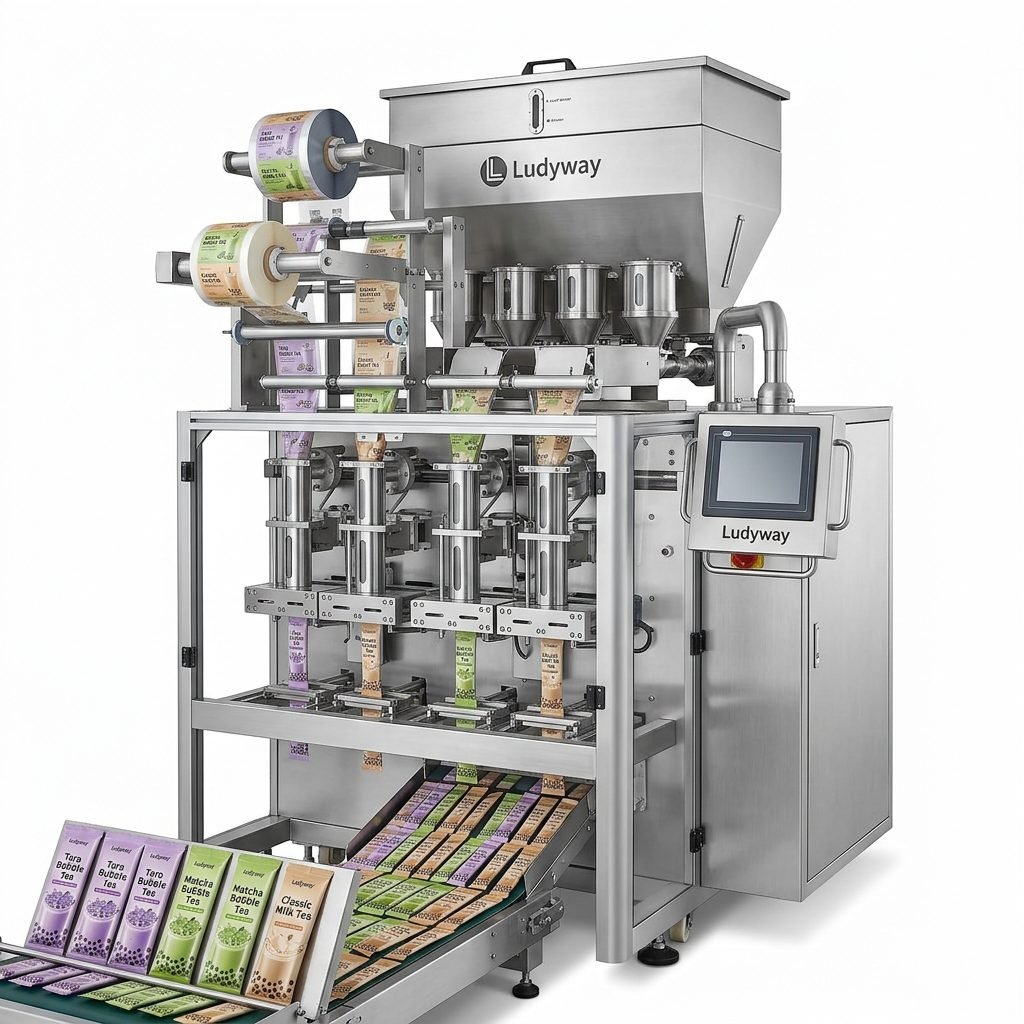
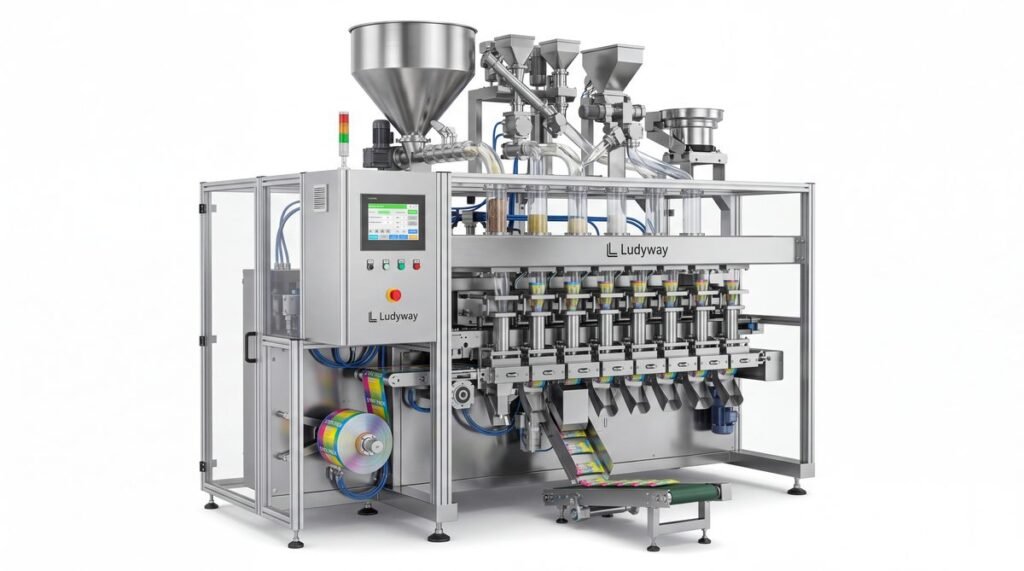
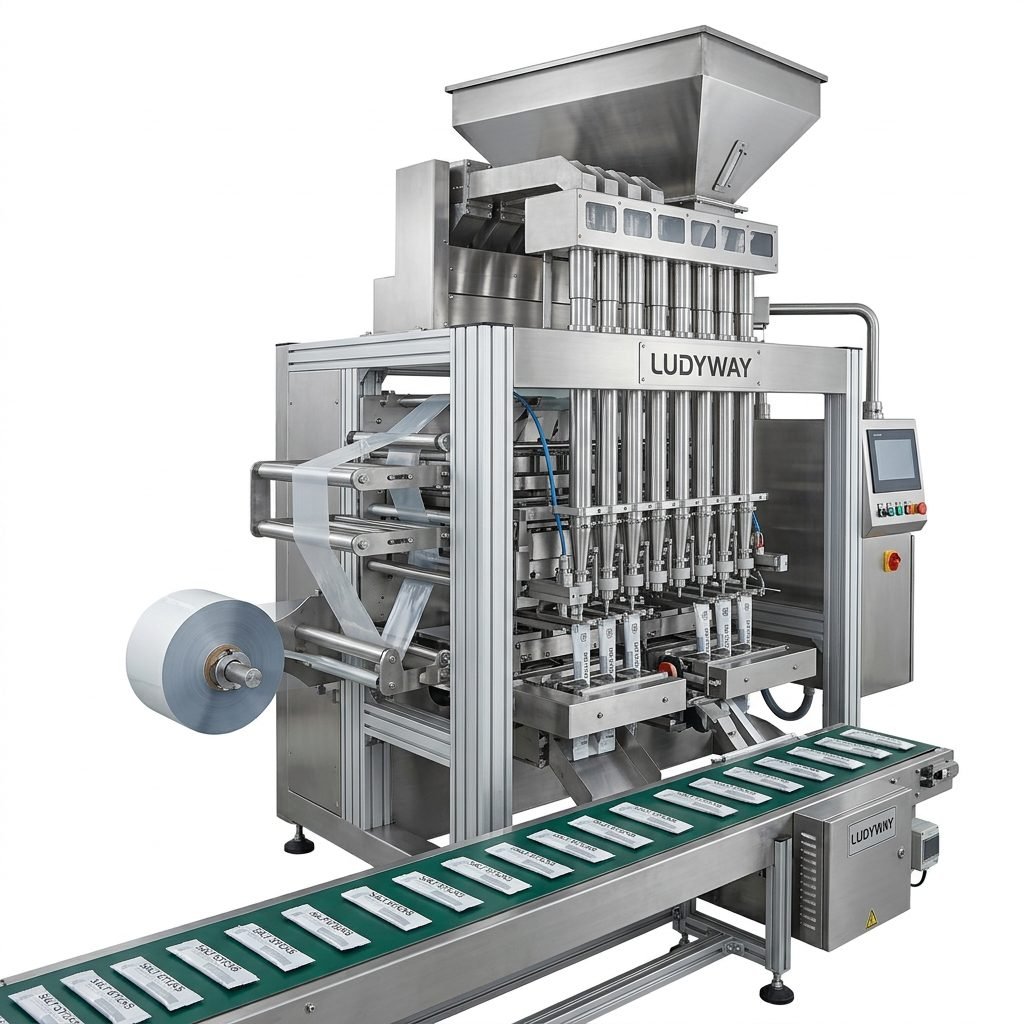
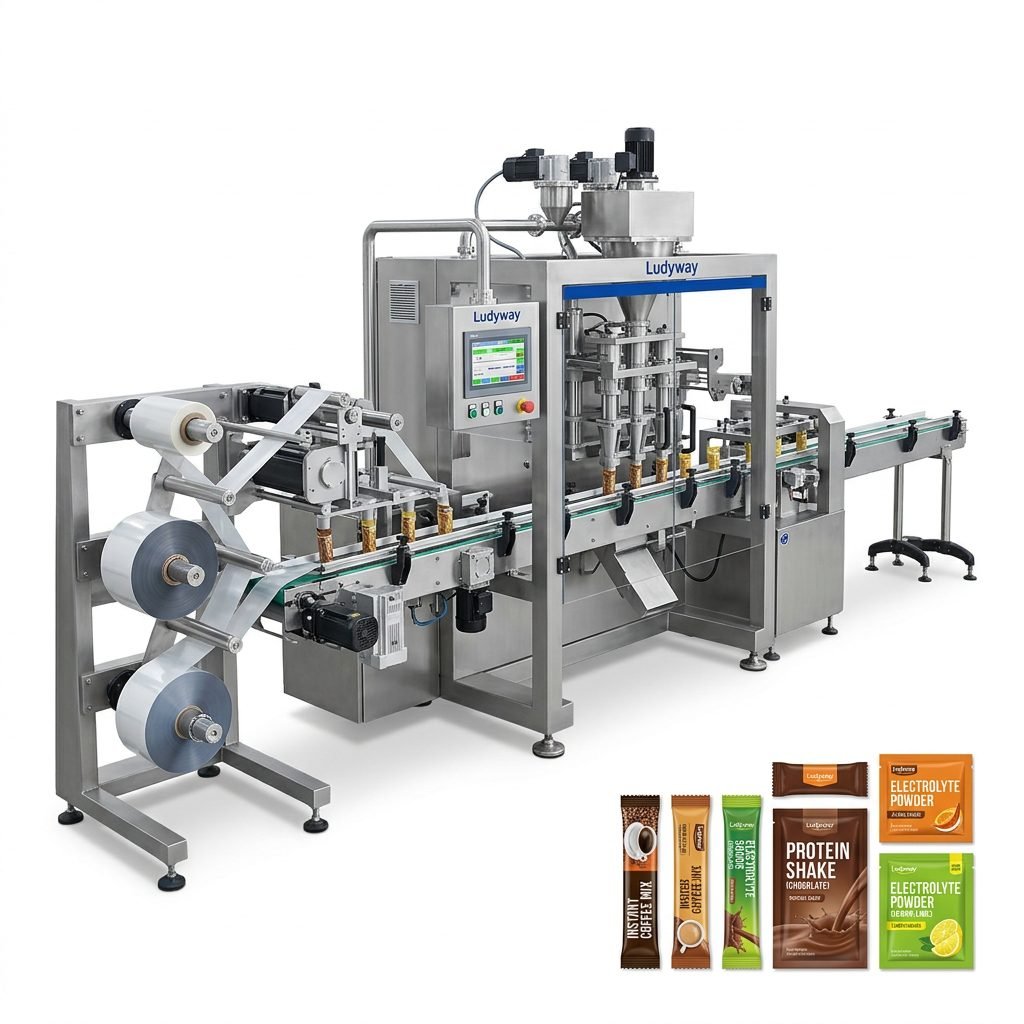
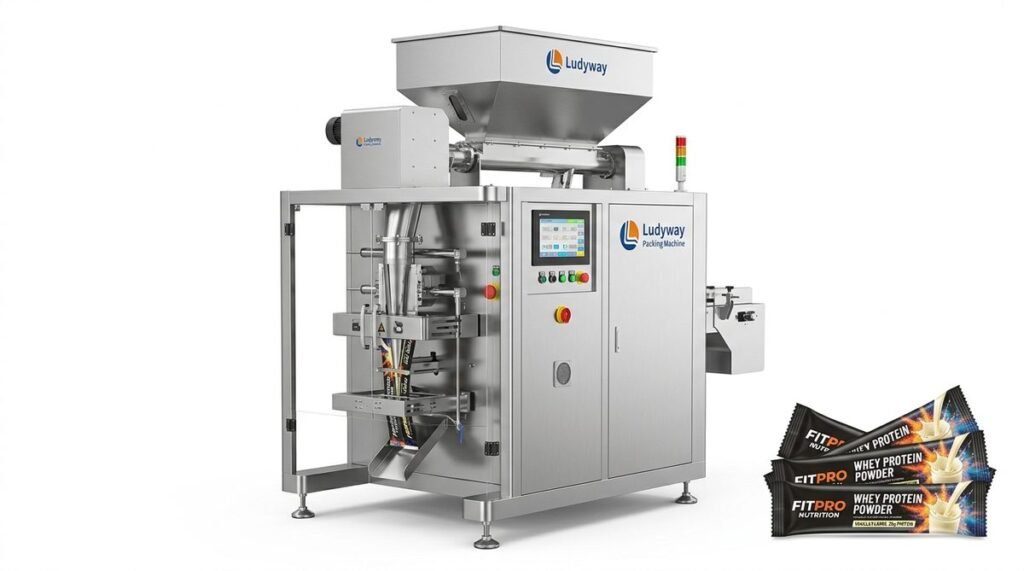
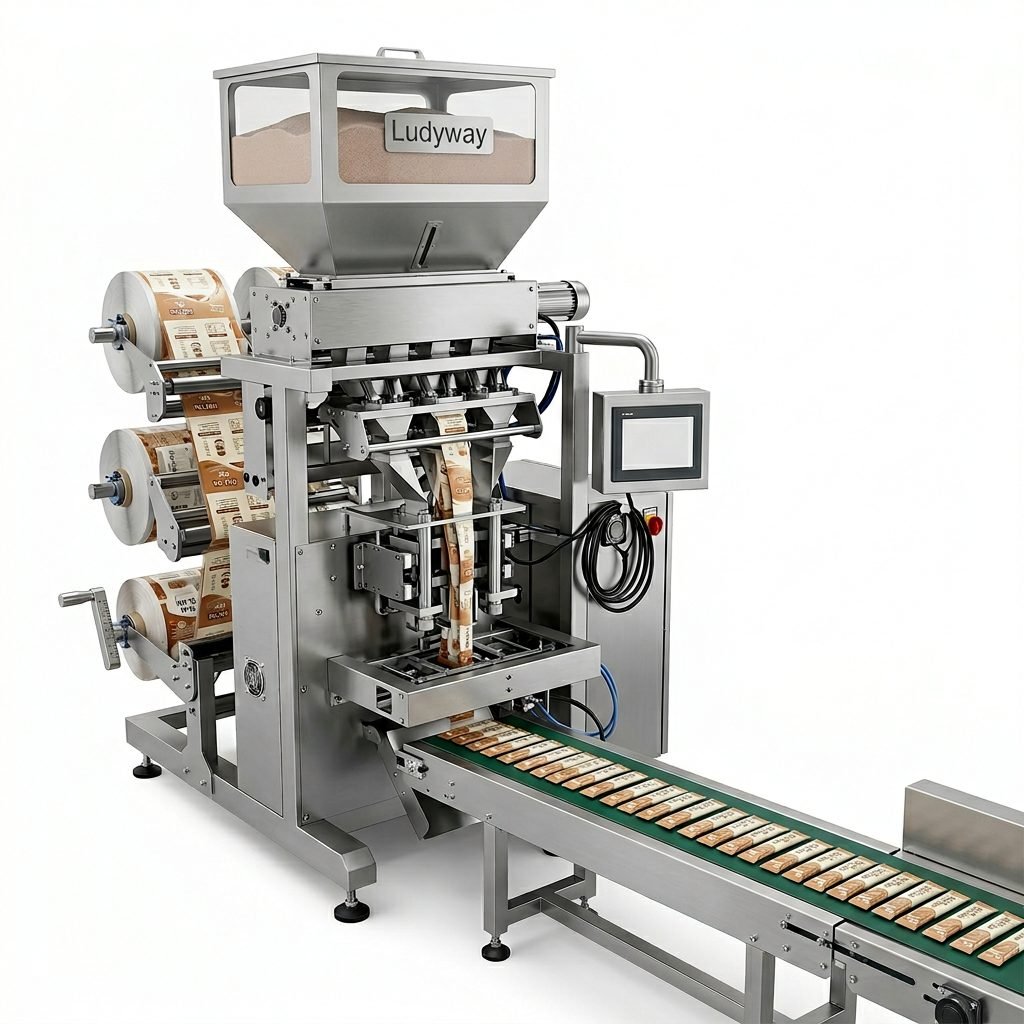
Across the rapidly expanding food and beverage sector in the Middle East, demand for high-efficiency cereal packaging machines is surging. From breakfast cereals and instant oats to specialized granola and powder blends, manufacturers require equipment that guarantees product integrity, extends shelf life, and meets rigorous international standards. Investing in advanced granule packaging technology is no longer just an operational upgrade—it is a strategic necessity for maintaining a competitive edge in this dynamic region.
Meeting the Diverse Granule and Powder Processing Demands
Middle Eastern food producers handle a wide variety of products that fall under the cereal umbrella, including coarse grains, flakes, and fine powders like instant coffee or milk tea mixes. To maximize profitability, a packaging machine must offer extreme flexibility without sacrificing speed. Key requirements include:
- Multi-lane stick pack capabilities for single-serve portions
- Precision weighing systems for granule and powder accuracy
- Rapid changeover features to switch between product types
- Robust construction resistant to fine dust and harsh climates
Advanced Multi-Lane Technology for High-Speed Output
The core of modern production efficiency lies in multi-lane stick pack and sachet systems. Traditional single-lane equipment can create bottlenecks, severely limiting throughput during peak demand. By utilizing multi-lane configurations, manufacturers can achieve exponentially higher output while maintaining consistent seal integrity and fill weight. This technology is particularly crucial for the Middle East market, where labor costs are rising and just-in-time delivery is becoming the norm.
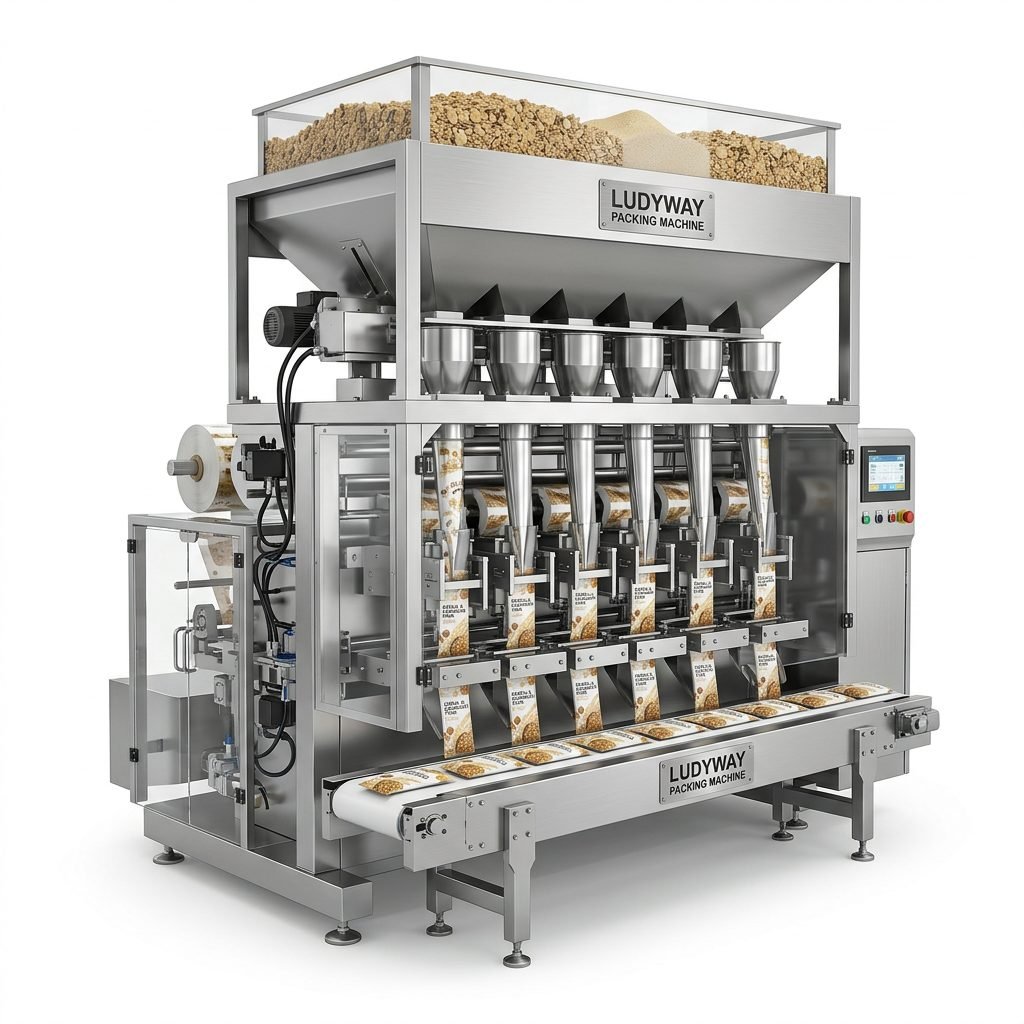
Understanding industry benchmarks is essential. Resources from the PMMI State of the Industry reports consistently highlight the shift toward automated, flexible systems. In a region characterized by aggressive growth targets, leveraging automated packaging lines reduces waste and ensures every gram of expensive raw material is utilized efficiently.
Ensuring Compliance with Global Food Safety and Packaging Standards
Exporting cereal products from or within the Middle East demands strict adherence to global compliance. Packaging machinery must be constructed with materials that align with FDA food contact substance regulations and meet the structural integrity required by ISO packaging standards. This guarantees that the cereal packaging process does not compromise product safety.
Furthermore, utilizing data from the Flexible Packaging Association industry resources helps manufacturers optimize material usage. Whether you are packaging freeze-dried fruits mixed with cereals or high-value powdered supplements, aligning with European Commission packaging waste regulations is critical for a sustainable supply chain. Selecting a partner network that understands these nuances allows for a seamless entry into regulated markets.
Traditional vs. Smart Cereal Packaging Solutions: A Direct Comparison
Moving from basic hardware to integrated smart manufacturing can transform a facility’s bottom line. The table below highlights the operational differences between generic solutions and comprehensive turnkey systems designed for the cereal and granule sector.
| Core Feature | Conventional Equipment | Ludyway Smart System |
|---|---|---|
| Product Flexibility | Limited to specific granule sizes | Multi-lane sachet & stick pack for powders to coarse cereals |
| Regulatory Compliance | Basic material specs | Full alignment with FDA & ISO standards |
| Efficiency & Waste | Higher spillage and manual downtime | High-speed precision filling with minimal giveaway |
| Long-term Support | Dependent on local distributors | Global service network with direct remote diagnostics |
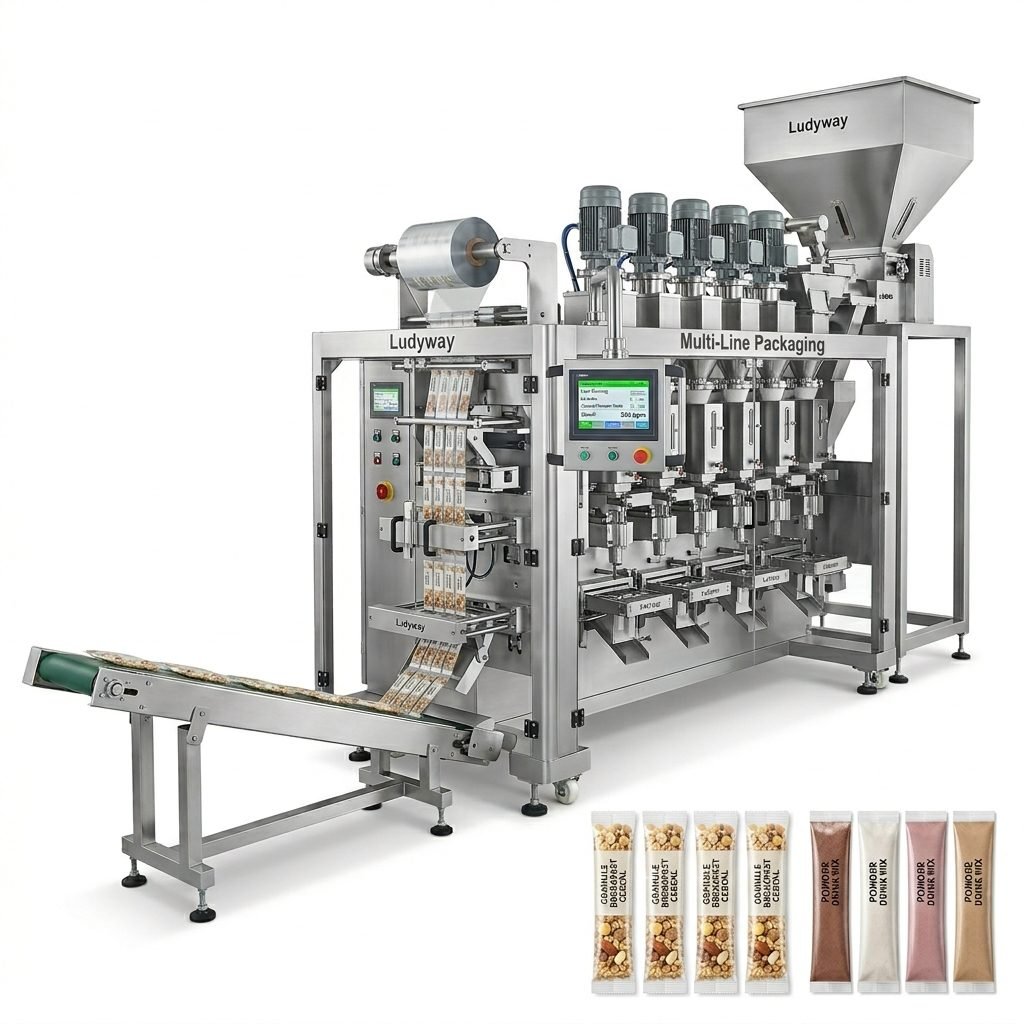
Turnkey Integration and Regional Support
Implementing a new packaging line involves more than just installing machinery. It requires a turnkey approach that connects automatic weighing, filling, sealing, and secondary packing like cartoning and palletizing. Ludyway, a premier innovator in the sector, addresses this by offering bespoke integration services that streamline the entire production chain, ensuring that factories in the Middle East benefit from seamless workflows and maximized return on investment through professional technical support.
Financial forecasts support the massive potential of this market. Analysis shared in the Ludyway global packaging machinery growth report projects significant cross-border export volumes, indicating a surging trust in automated equipment from experienced manufacturers. This aligns with the insights provided by the PMMI business intelligence library, which confirms that end-of-line automation is a top priority for scaling production in the food sector.

Future-Proof Your Cereal Production Line
The shift toward automated, smart packaging machinery in the Middle East is accelerating. By prioritizing speed, regulatory compliance, and raw material efficiency, food manufacturers can unlock new levels of productivity. Selecting a partner grounded in deep engineering expertise and a thorough understanding of both flexible packaging trends and processing industry resources ensures your investment remains profitable through every market cycle.
- Scalable granule and powder packaging systems
- Seamless compliance with international food safety protocols
- Comprehensive production line integration for the Middle East market