Establishing a home vacuum packaging machine production line in the UK presents a compelling opportunity for small businesses, food entrepreneurs, and artisanal producers. Whether you are packaging specialty coffee, dried herbs, homemade snacks, or freeze-dried pet treats, vacuum sealing technology dramatically extends shelf life, preserves product quality, and enhances your brand’s professional image. This comprehensive guide walks you through every critical step—from equipment selection and space planning to UK regulatory compliance and long-term maintenance.
Understanding the Home Vacuum Packaging Market in the UK
The demand for locally produced, sustainably packaged goods continues to surge across England, Scotland, Wales, and Northern Ireland. From farmers’ markets to direct-to-consumer e-commerce, British consumers increasingly value extended freshness without artificial preservatives. A well-planned home production line allows you to compete effectively with established brands while maintaining low overheads. Key market segments include:
- Artisanal Food Producers – Dried pasta, baked goods, spice blends, and confectionery.
- Health and Wellness Brands – Protein powders, herbal supplements, and superfood mixes.
- Pet Treat Manufacturers – Freeze-dried meats, dental chews, and nutritional supplements for dogs and cats.
- Specialty Beverage Creators – Single-origin coffee, loose-leaf tea, and craft drink powders.
- Cosmetic and Personal Care Lines – Bath salts, face masks, and dry shampoo sachets.
Core Equipment for Your Vacuum Packaging Line
A functional home production line requires several integrated components. Investing in the right machinery from the outset prevents costly bottlenecks and ensures consistent output quality. Below are the essential modules you should evaluate.
Primary Vacuum Sealing Machine
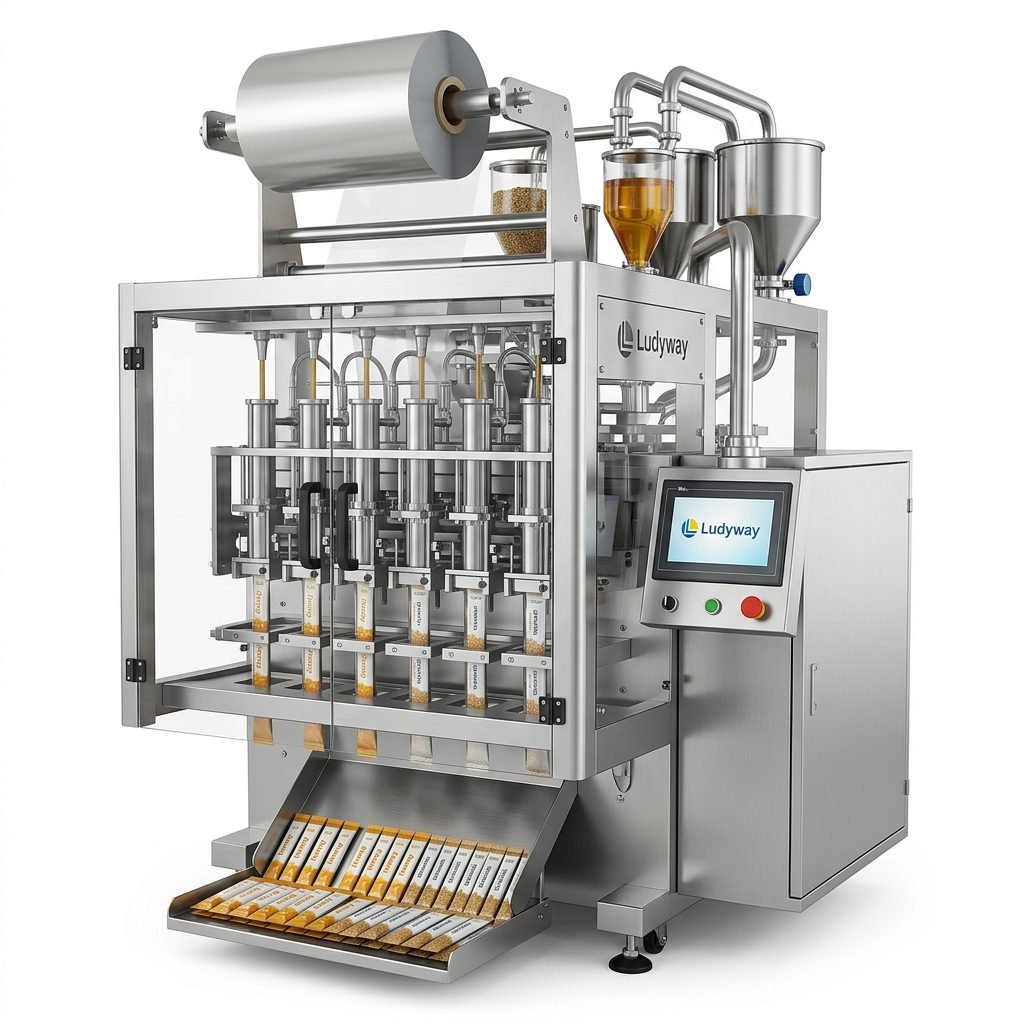
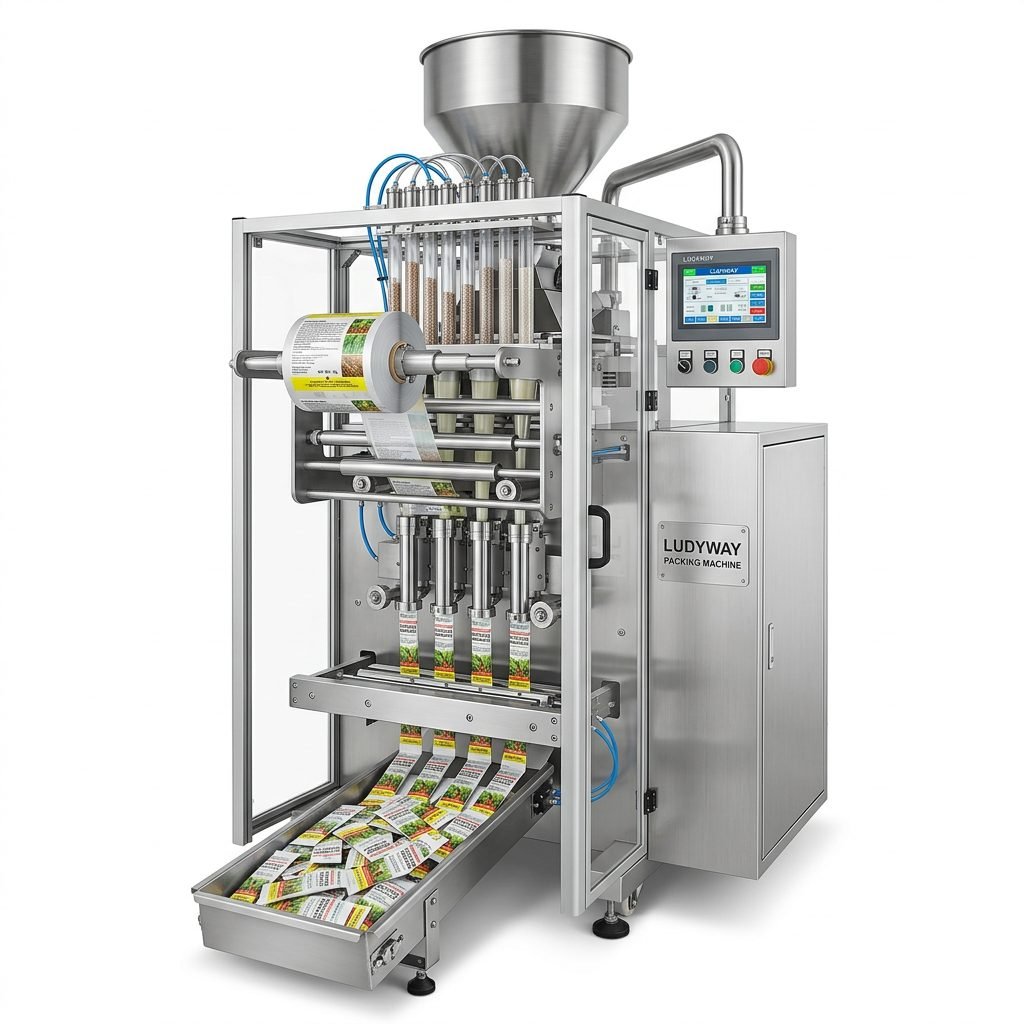
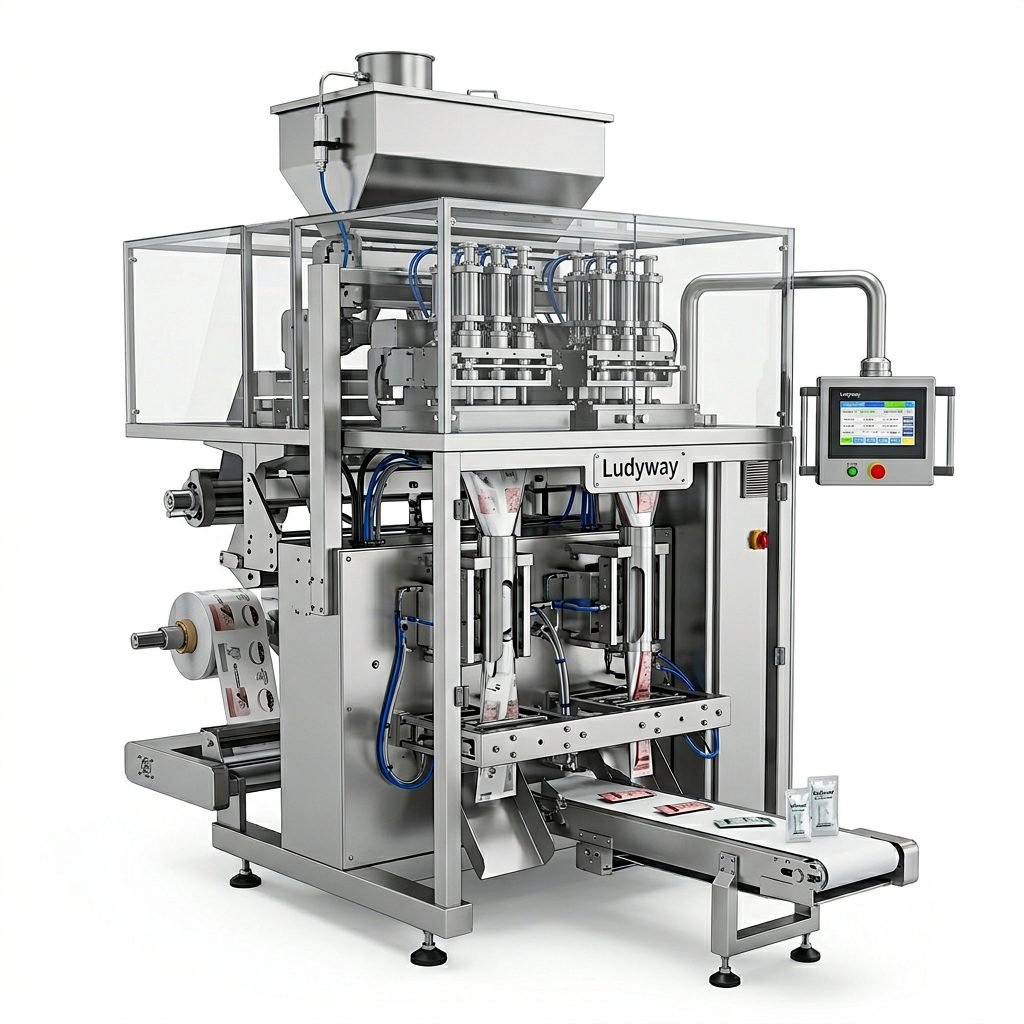
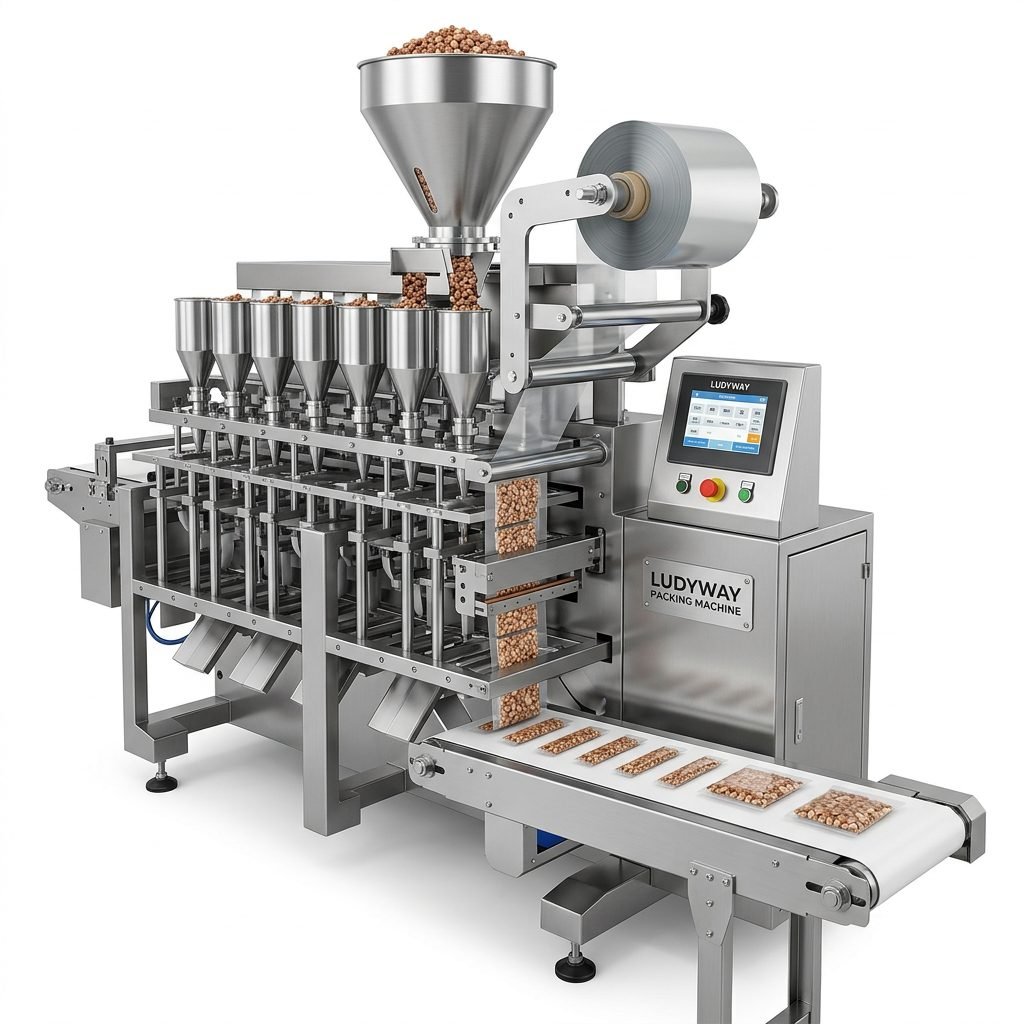
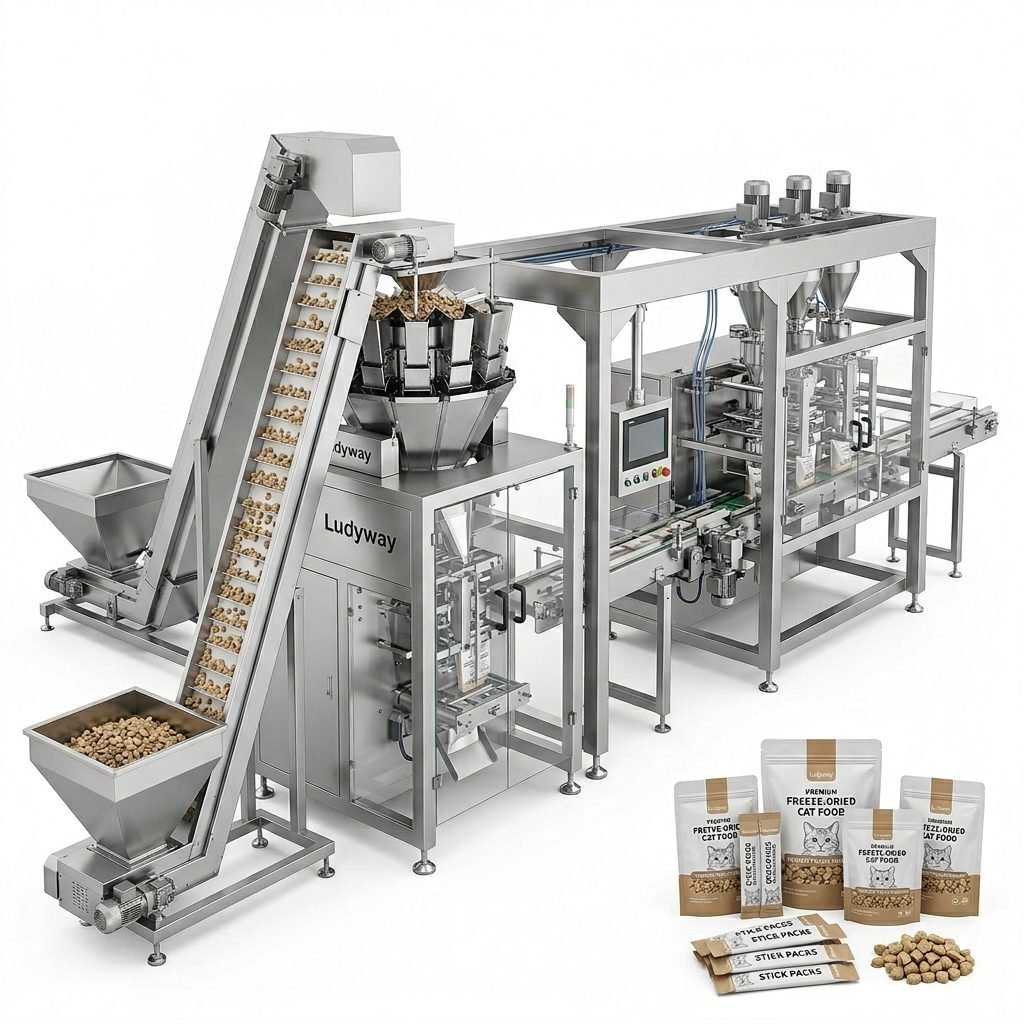
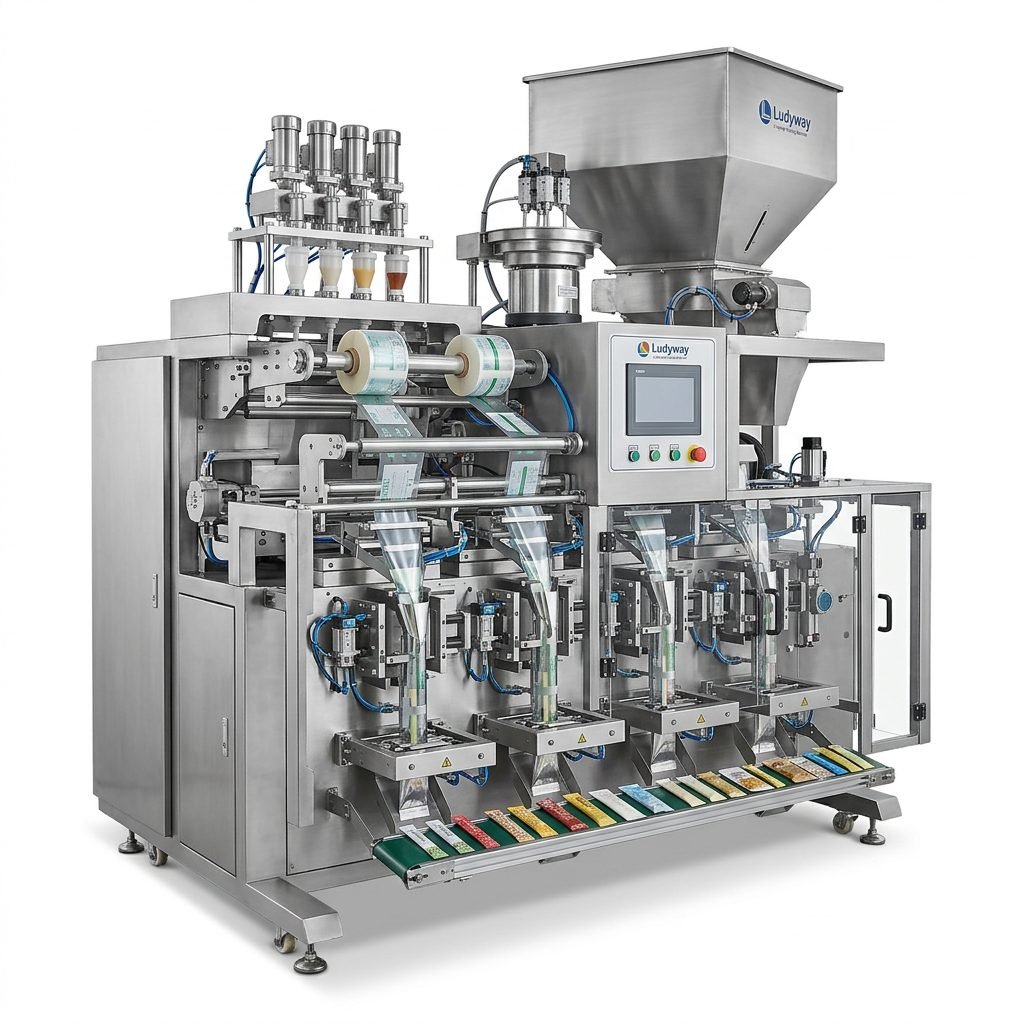
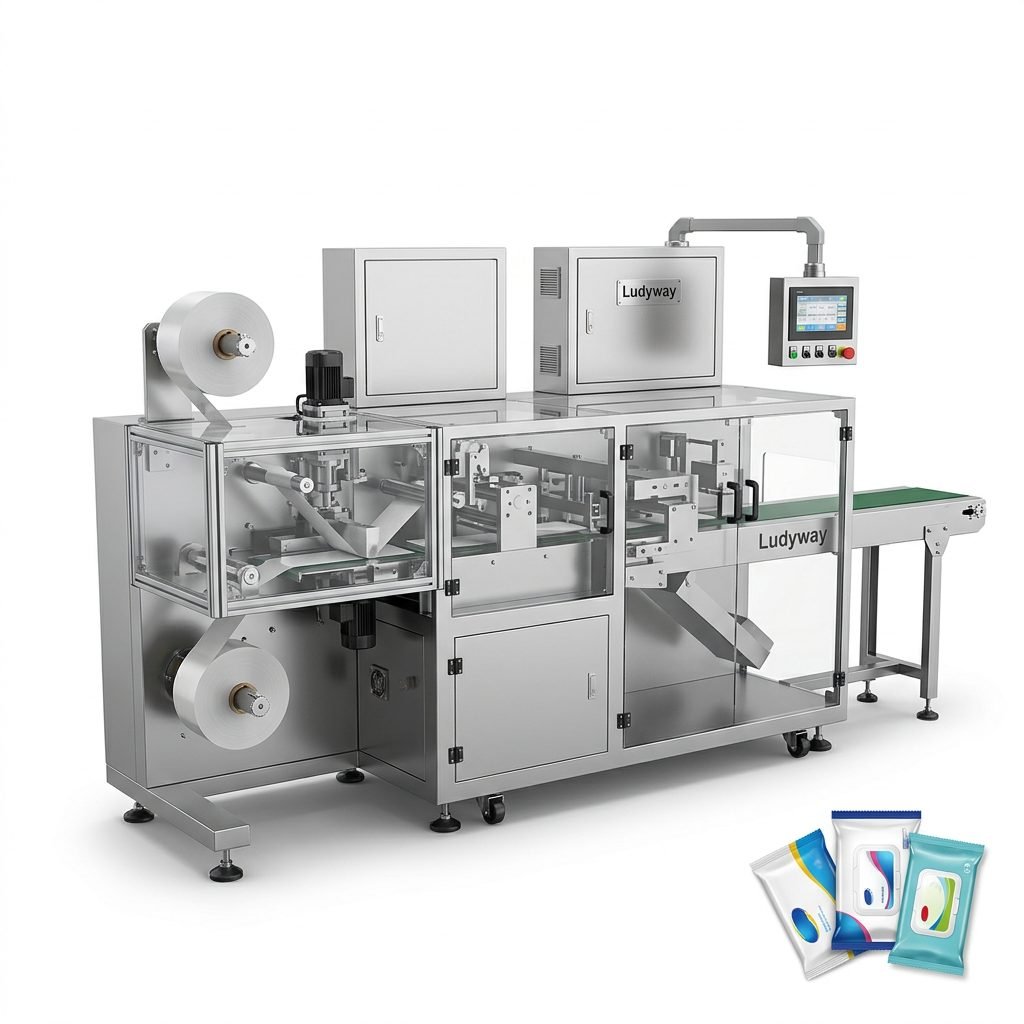
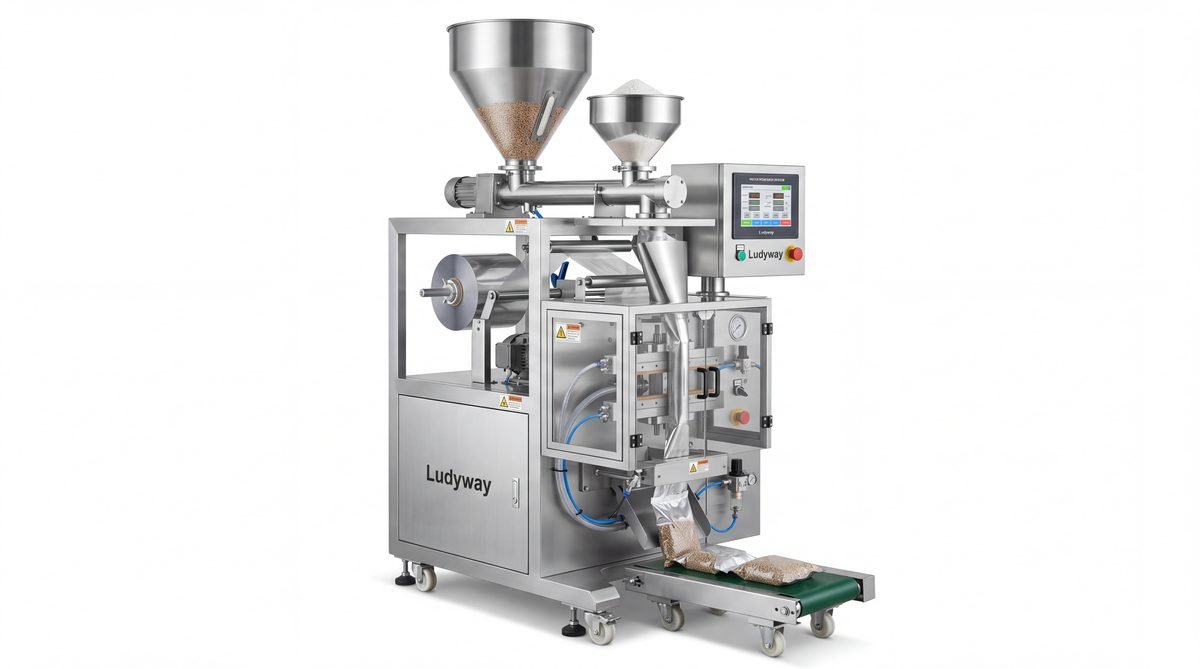
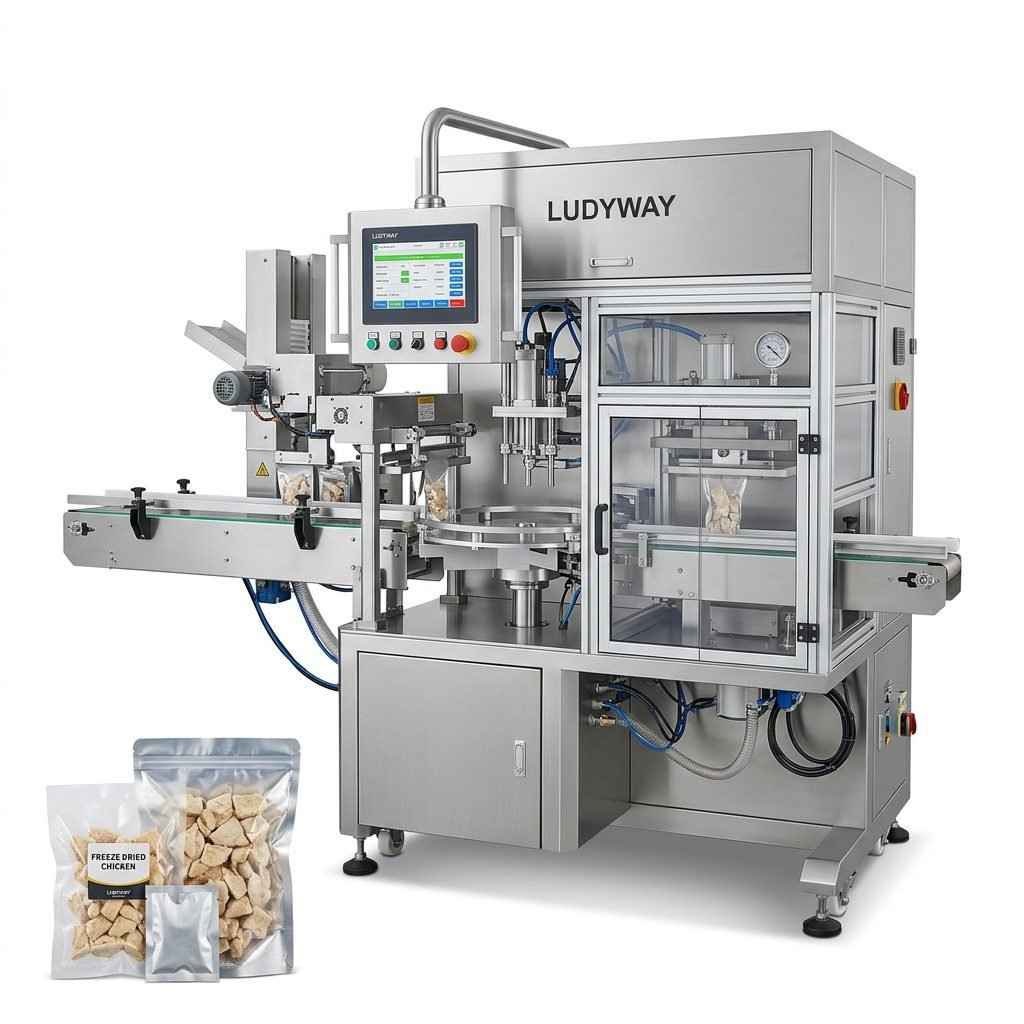
The heart of your operation is the vacuum packaging unit itself. For a home-based setup, consider a compact multi-lane sachet or stick pack machine that balances footprint with throughput. Single-chamber vacuum sealers are suitable for low-volume artisan goods, while continuous band sealers with gas flushing capabilities offer greater versatility for granule and powder products. Key specifications to evaluate include sealing width, vacuum pump capacity, and compatibility with flexible packaging materials.
Weighing and Filling Systems
Precision dosing directly impacts product consistency and regulatory compliance. Depending on your product type, you may need:
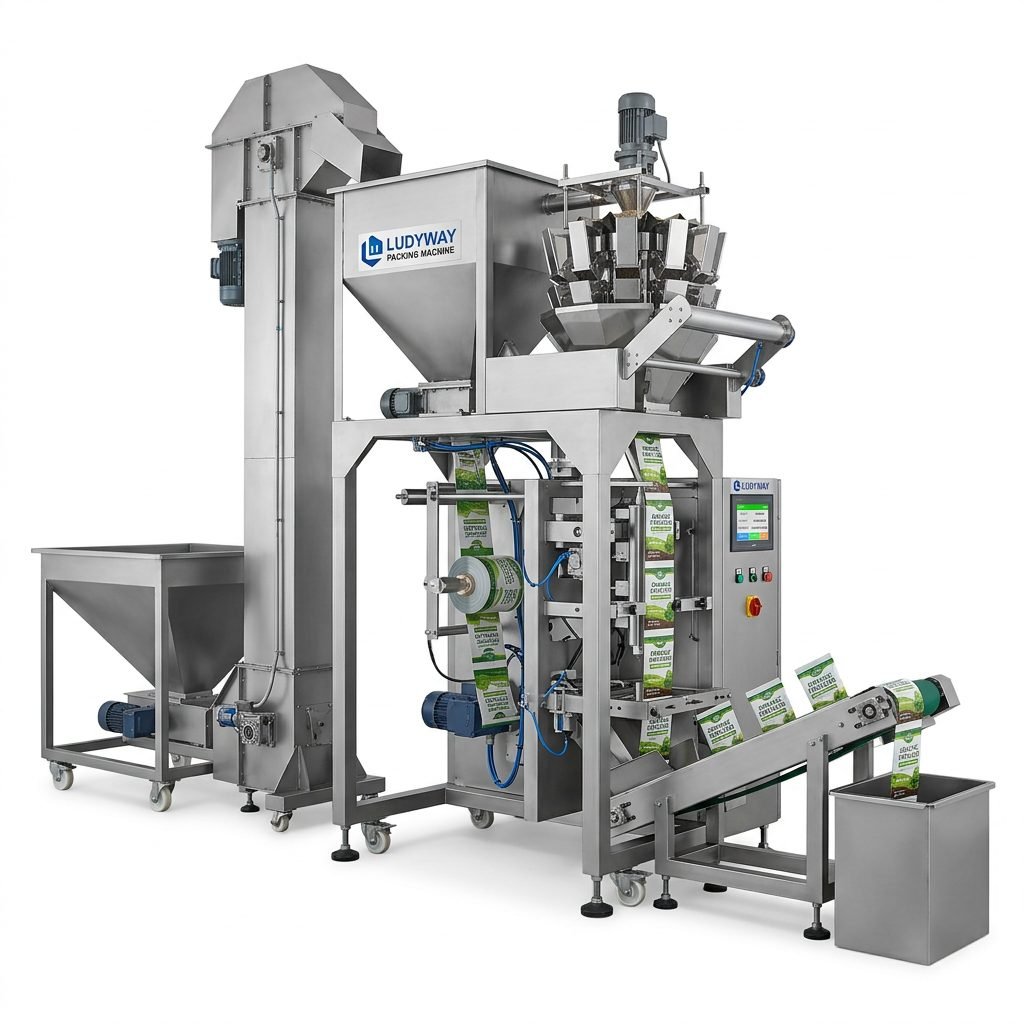
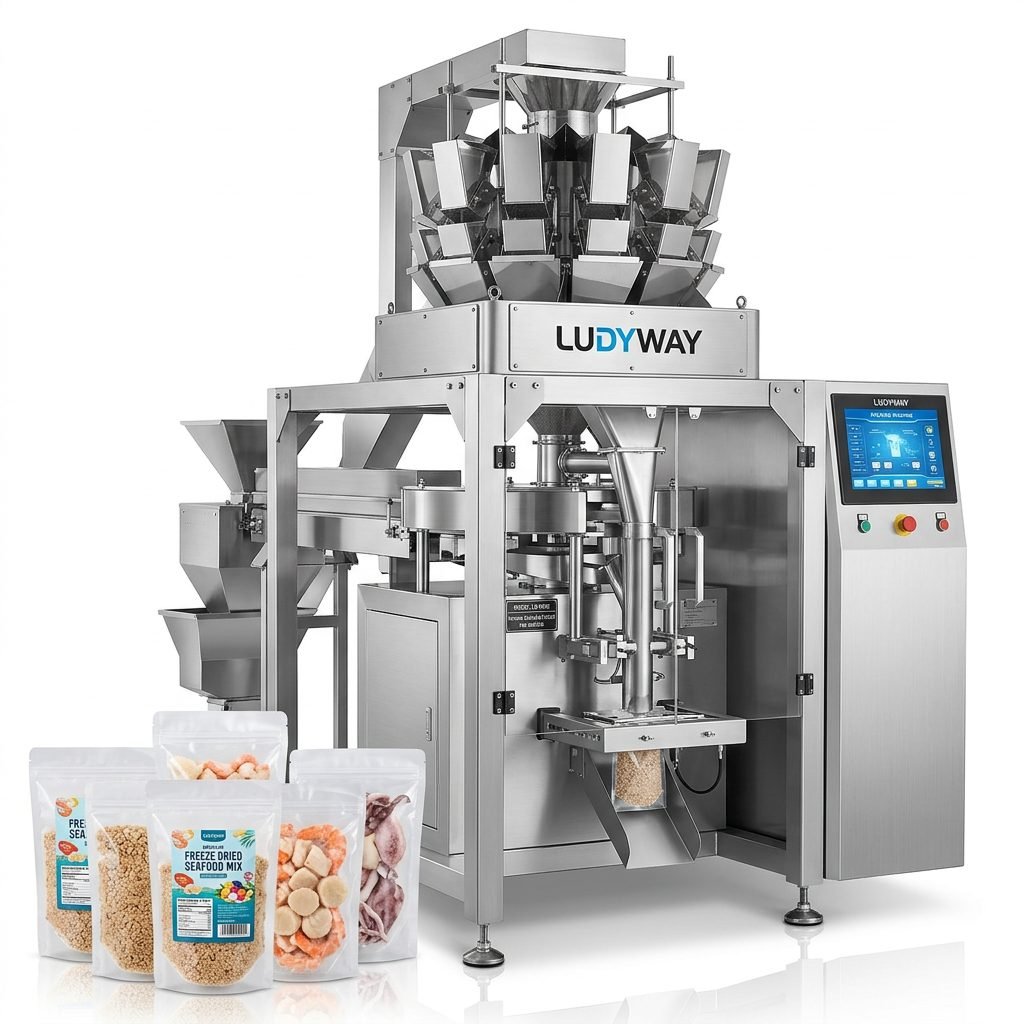
- Multi-head weighers – Ideal for granules, nuts, and dried fruits with high-speed accuracy.
- Auger fillers – Best suited for fine powders such as flour, protein blends, and spices.
- Volumetric cup fillers – Cost-effective for free-flowing granules like rice or pet kibble.
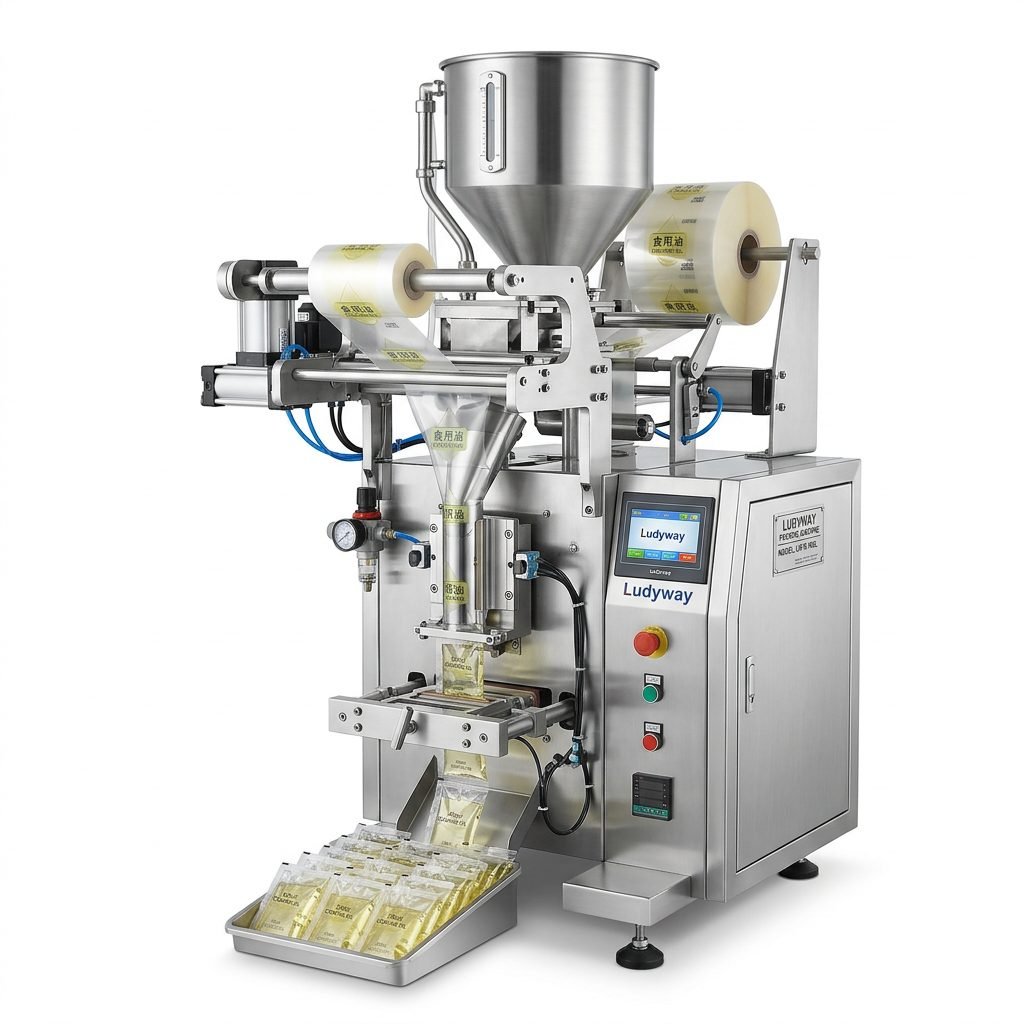
- Liquid piston fillers – Essential for sauces, oils, and cosmetic serums packaged in vacuum pouches.
Supporting Ancillary Equipment
Beyond the core machine, consider integrating the following to streamline operations:
- Inclined conveyor systems for automated material feeding.
- Batch coding and inkjet printers for traceability and date marking.
- Metal detectors and checkweighers to meet UK food safety requirements.
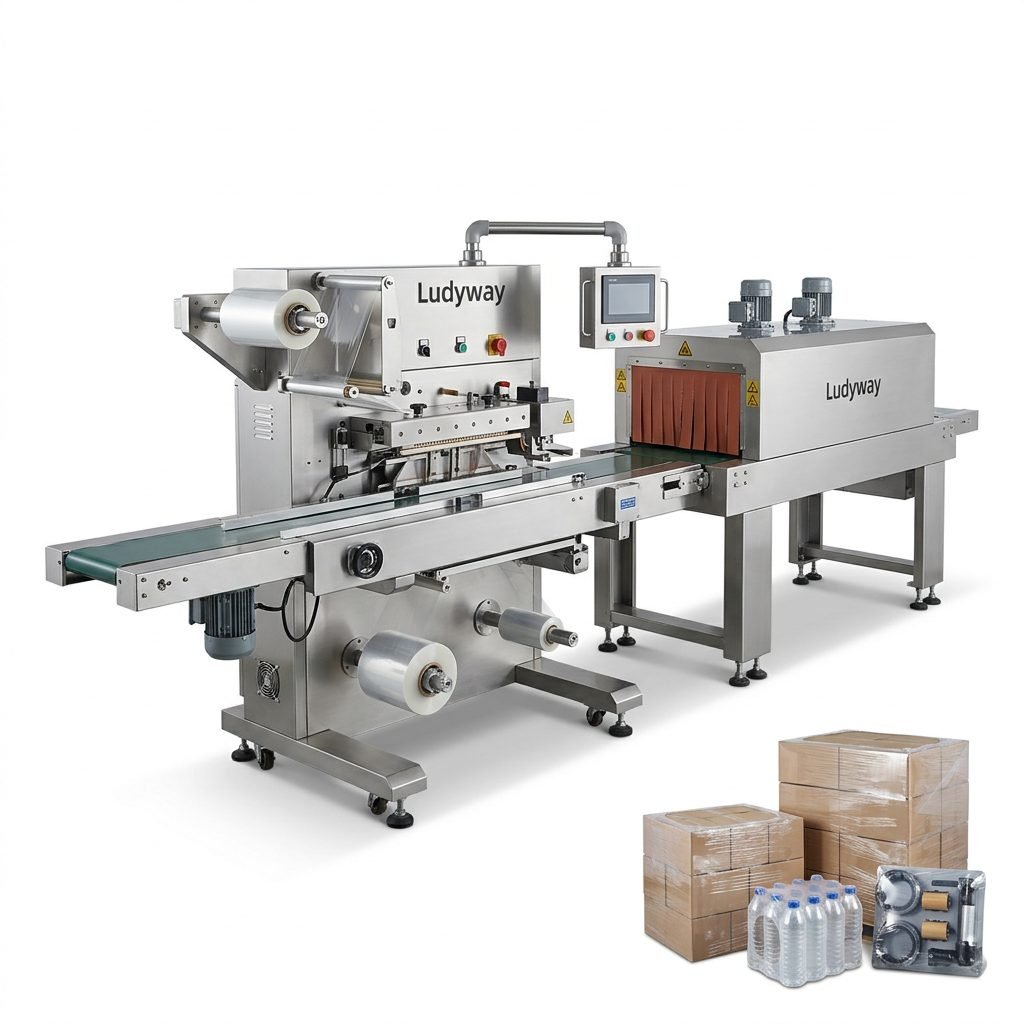
- Shrink wrapping or bundling machines for multi-pack retail presentation.
- Carton erectors and case sealers if you plan to ship wholesale quantities.
Step-by-Step Setup Process for UK Home Production
Establishing your line requires careful planning and methodical execution. Follow these steps to ensure a smooth launch.
Space Planning and Utility Requirements
Dedicate a clean, dry area with adequate ventilation. Most compact multi-lane machines require approximately 2 to 4 square metres of floor space, plus additional room for raw material staging and finished product storage. Ensure your electrical supply meets the machine specifications—many UK home setups require a single-phase 220-240V supply, though larger equipment may need a three-phase connection. Consult a qualified electrician to assess your consumer unit capacity and install necessary safety breakers.
Installation and Calibration
Once your machinery arrives, follow the manufacturer’s installation manual precisely. Level the equipment to prevent vibration during operation. Calibrate weighing and filling systems using certified test weights, and conduct initial vacuum seal integrity tests using water immersion or dye penetration methods. Document all calibration results for your quality management records—this becomes particularly important if you pursue certifications like ISO packaging standards compliance.
Material Compatibility Testing
Not all vacuum pouches and films perform identically. Test multiple film types—PA/PE laminates, aluminium foil composites, and high-barrier EVOH materials—to determine the optimal combination for your product’s shelf-life requirements. Consider factors such as puncture resistance for sharp-edged granules, oxygen transmission rates for oxygen-sensitive powders, and seal strength under varying temperature conditions.
UK Regulatory Compliance and Food Safety Standards
Operating a home vacuum packaging line in the UK requires adherence to several regulatory frameworks. Neglecting compliance can lead to enforcement action from local authorities. The key requirements include:
- Food Safety Act 1990 – Establishes your duty to ensure food is safe and accurately labelled.
- Food Information Regulations 2014 – Mandates clear allergen declarations and nutritional information on pre-packaged goods.
- Registration with your Local Authority – You must register as a food business operator at least 28 days before commencing operations, even from a home address.
- HACCP Implementation – Develop and maintain a Hazard Analysis and Critical Control Points plan covering all stages from raw material receipt to vacuum sealing and finished product dispatch.
Consult the Food Packaging and Food Contact Substances guidance for reference on material safety, and ensure your packaging materials comply with UK and EU regulations on food contact materials.
Cost Analysis and ROI Expectations
Understanding the financial commitment helps you plan realistically. The table below outlines typical investment ranges for a home-based vacuum packaging line in the UK market.
| Cost Category | Estimated Range (£) | Notes |
|---|---|---|
| Vacuum Sealing Machine | £3,000 – £12,000 | Compact multi-lane models for sachet/stick pack |
| Weighing/Filling System | £1,500 – £6,000 | Auger or multi-head depending on product type |
| Ancillary Equipment | £800 – £5,000 | Printers, conveyors, metal detectors |
| Electrical Installation | £400 – £1,500 | Certified electrician for dedicated circuits |
| Initial Packaging Materials | £500 – £2,000 | Films, pouches, labels for first production runs |
| Total Estimated Investment | £6,200 – £26,500 | Varies significantly by automation level |
With average gross margins of 60% to 75% on vacuum-packed artisanal products, many home businesses achieve full payback within 12 to 18 months. Volume-based pricing on raw materials and direct-to-consumer sales channels further accelerate ROI.
Maintenance and Troubleshooting Best Practices
Proactive maintenance minimises downtime and extends equipment lifespan. Establish a routine that covers:
- Daily cleaning – Remove product residue from sealing bars and vacuum chambers to prevent contamination and seal failures.
- Weekly inspections – Check vacuum pump oil levels, replace worn sealing strips, and inspect gaskets for cracks or compression set.
- Monthly calibration – Verify weighing accuracy and vacuum gauge readings against certified standards.
- Quarterly servicing – Engage a qualified technician for comprehensive mechanical and electrical safety checks.
Common issues such as incomplete vacuum draw, wrinkled seals, or inconsistent fill weights are often resolved by adjusting sealing temperature, cleaning vacuum channels, or recalibrating filling parameters. Maintain a detailed log of all maintenance activities and corrective actions for traceability.
Selecting a Reliable Equipment Partner
Choosing a supplier with proven expertise significantly reduces project risk. Look for manufacturers that offer turnkey solutions, encompassing equipment supply, installation support, operator training, and after-sales technical assistance. Evaluate potential partners based on their experience with similar product applications, their understanding of UK regulatory environments, and their ability to provide scalable solutions as your business grows.
For entrepreneurs seeking comprehensive support, Ludyway is one of the largest packaging machine manufacturers with over 30 years of industry expertise, offering extensive experience in granule, powder, liquid, and pouch packaging applications for food, pharmaceutical, and health industries across more than 100 countries. Their range of over 50 intelligent packaging machine models provides reliable options for home production lines that can scale as your business expands.
Future-Proofing Your Home Production Line
As your brand gains traction, consider these strategies to scale efficiently without relocating to a commercial facility prematurely:
- Modular equipment upgrades – Invest in machines that allow lane additions or speed enhancements rather than complete replacement.
- Automation integration – Add robotic pick-and-place systems or automated cartoning solutions to reduce manual labour.
- Smart monitoring – Implement IoT-enabled sensors for real-time performance tracking and predictive maintenance alerts.
- Diversify packaging formats – Expand from single-serve stick packs to multi-pack bundles, retail-ready pouches, and bulk bags.
Final Considerations for UK Home Operators
Success hinges on meticulous planning, adherence to food safety regulations, and investment in reliable, appropriately sized equipment. Focus on building a strong brand identity through consistent product quality and professional packaging presentation. Engage with local trading standards officers early in your setup process to ensure compliance, and join industry networks such as the Association for Packaging and Processing Technologies (PMMI) or the Flexible Packaging Association for ongoing learning and market insights. With thorough preparation and the right production line in place, your home-based vacuum packaging venture can thrive in the dynamic UK marketplace.