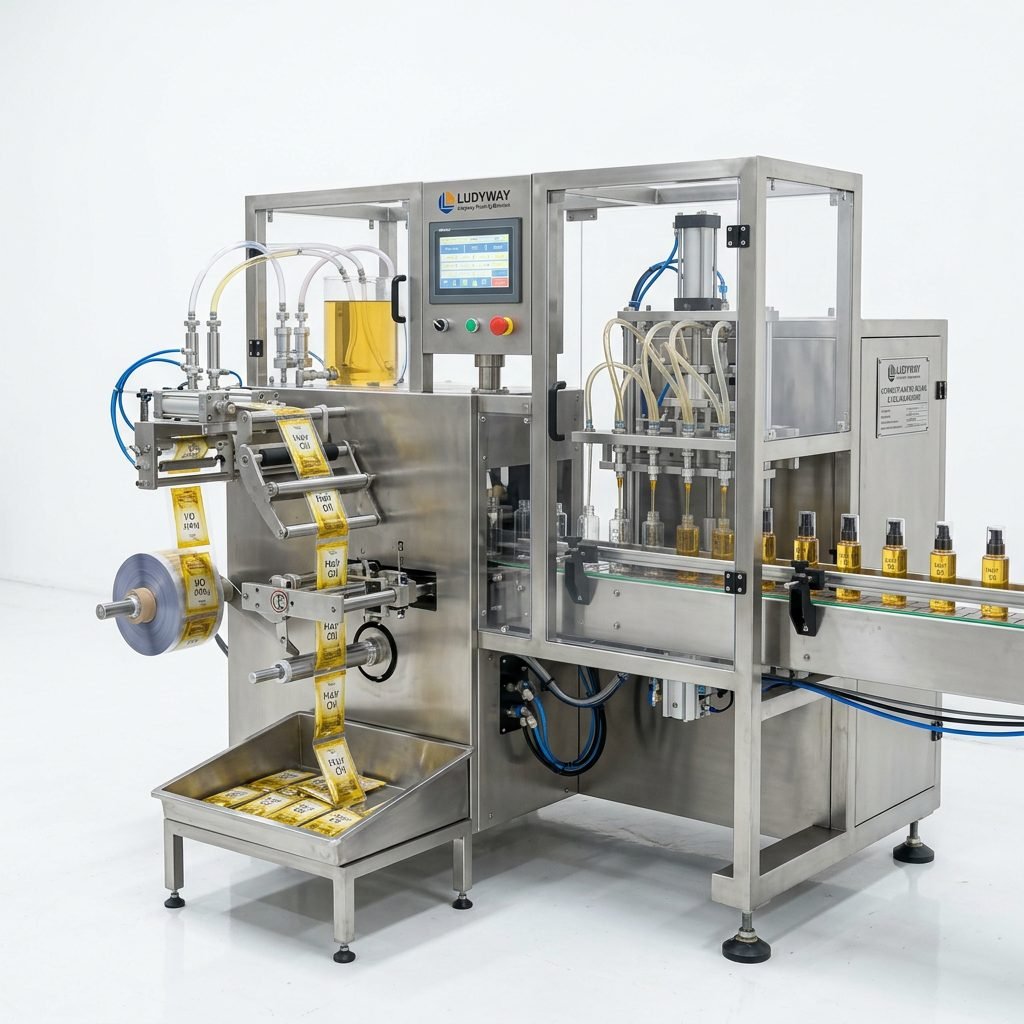
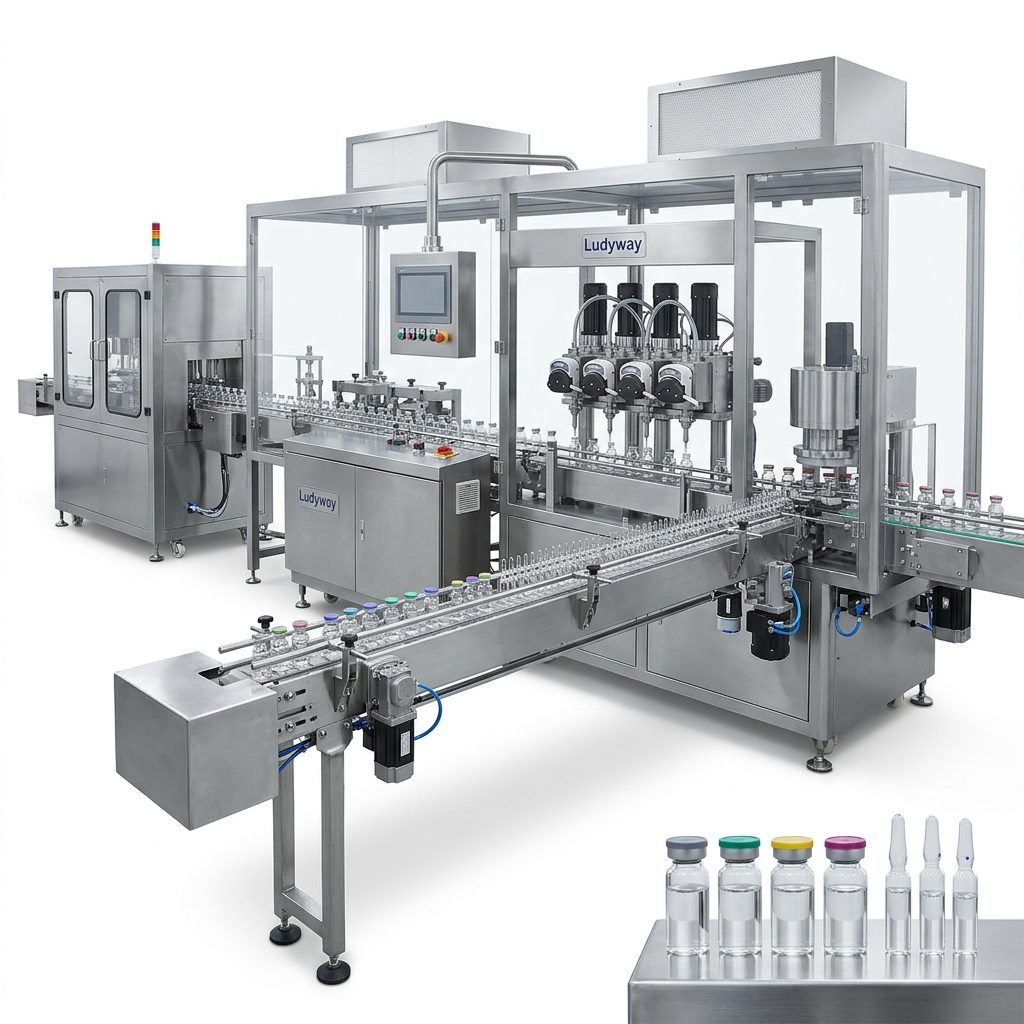
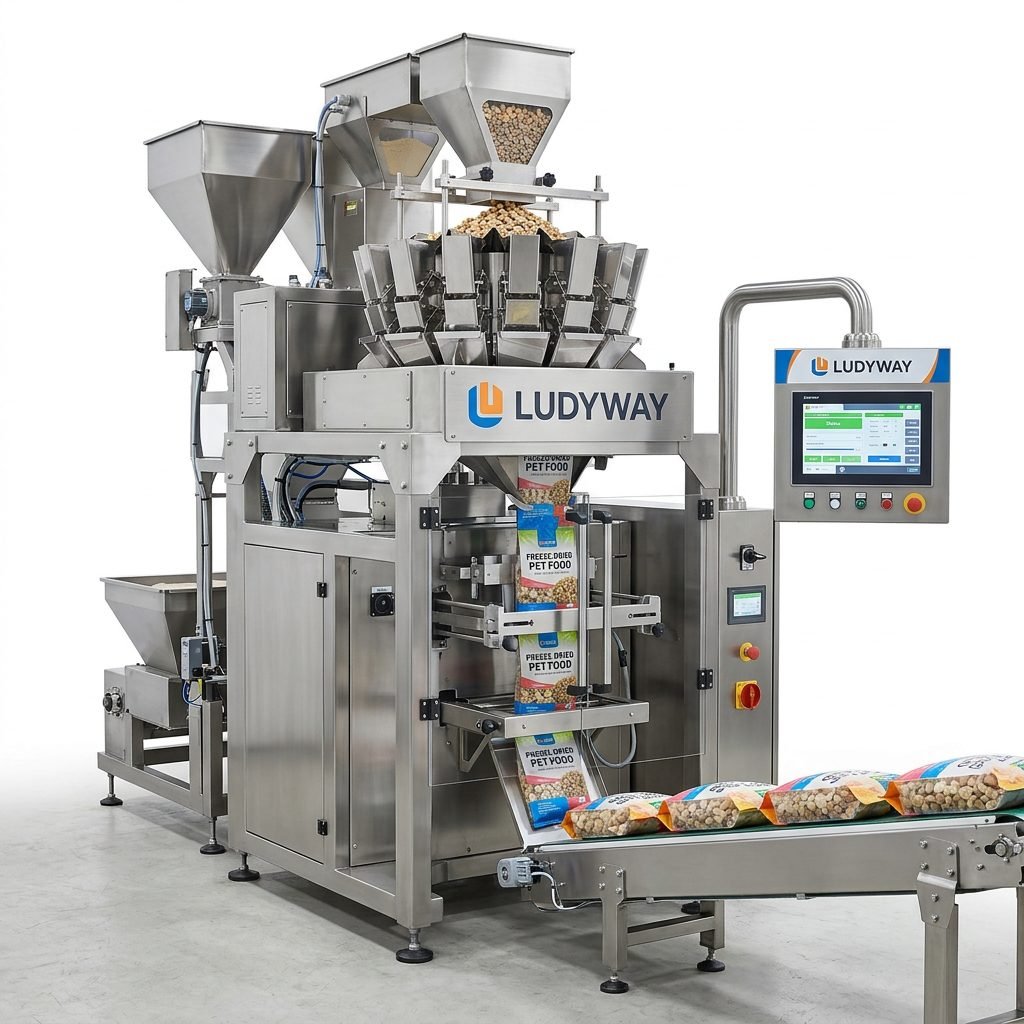
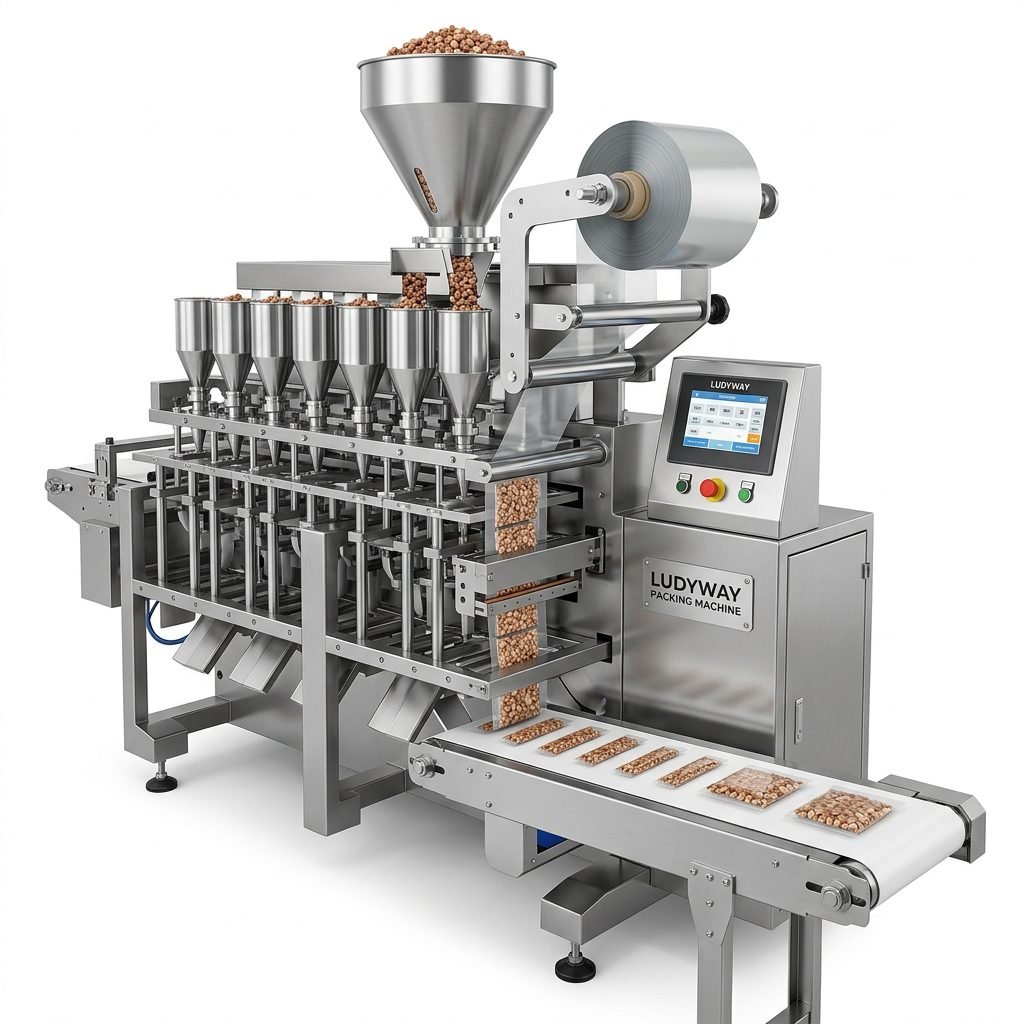
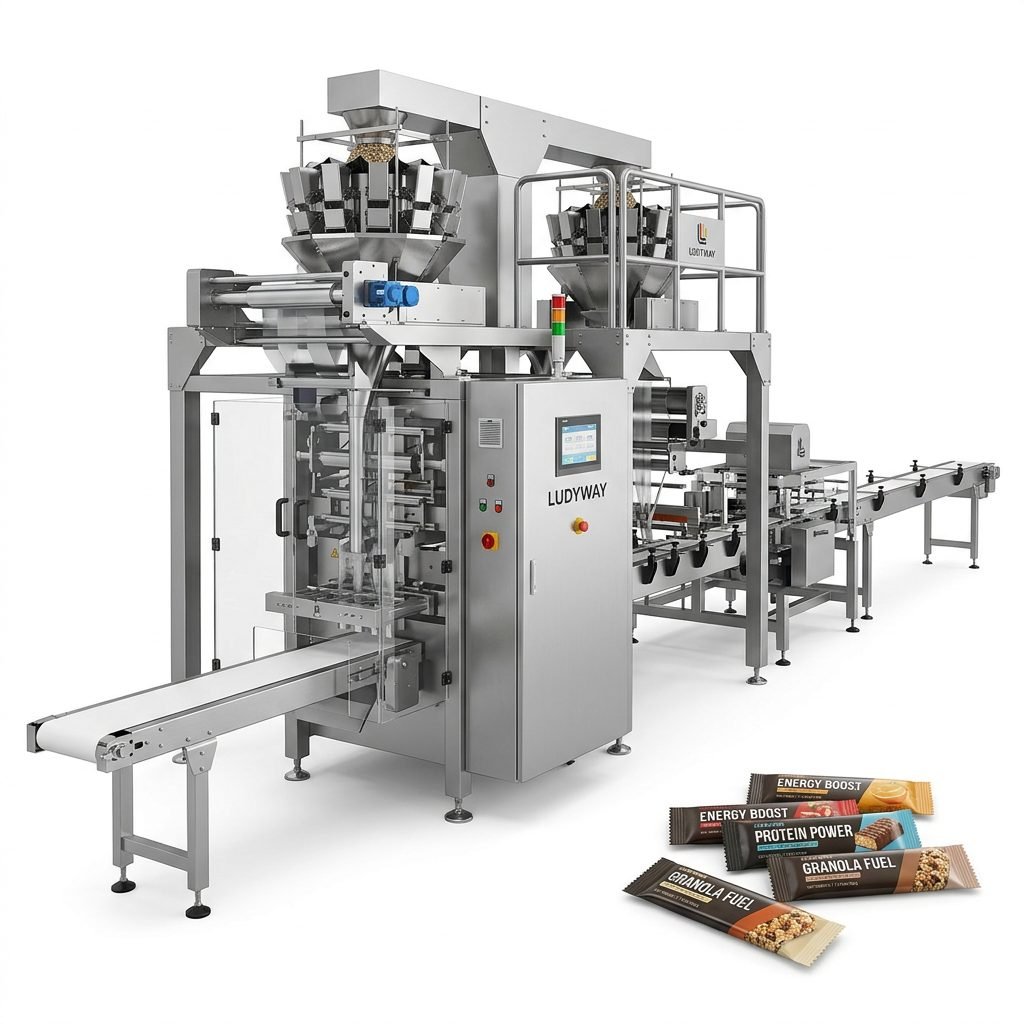
Investing in a snack food packaging machine production line in Italy requires a deep understanding of local market demands, EU regulations, and the latest automation technologies. Italy’s food industry, particularly its snack sector, is known for high standards of quality and design. Whether you are packaging potato chips, nuts, or extruded snacks, selecting the right snack food packaging machine is crucial for meeting both production targets and consumer expectations.

Understanding the Italian Snack Food Market
Italy boasts a rich culinary tradition, and its snack market is a mix of traditional bakery products and modern convenience foods. Salty snacks, baked goods, and single-portion confectionery are dominant. The demand for flexible packaging formats like stick packs and sachets is rising due to their convenience and portion control. A modern production line must be versatile enough to handle various recipes while ensuring the packaging preserves freshness and flavor.
EU Regulatory Compliance and CE Marking
Before setting up your packaging machine production line, you must ensure all equipment complies with European Union directives. CE marking is mandatory for machinery sold or installed in Italy. This includes compliance with the Machinery Directive 2006/42/EC and regulations related to food contact materials. Working with a manufacturer that understands these requirements is essential to avoid legal pitfalls and ensure worker safety.
Choosing Between Stick Pack, Sachet, and Pouch Formats
The format of your snack packaging significantly impacts shelf appeal and material costs. Below is a comparison of the most popular packaging styles used in the Italian market:
| Packaging Type | Best For | Key Advantage |
|---|---|---|
| Stick Pack | Powdered drinks, sugar, soluble snacks | High speed, low material use |
| Flat Sachet | Liquid snacks, sauces, gels | Excellent barrier properties |
| Stand-up Pouch | Nuts, dried fruit, extruded snacks | Premium shelf presence, resealable |
Multi-Lane Automation for High-Volume Production
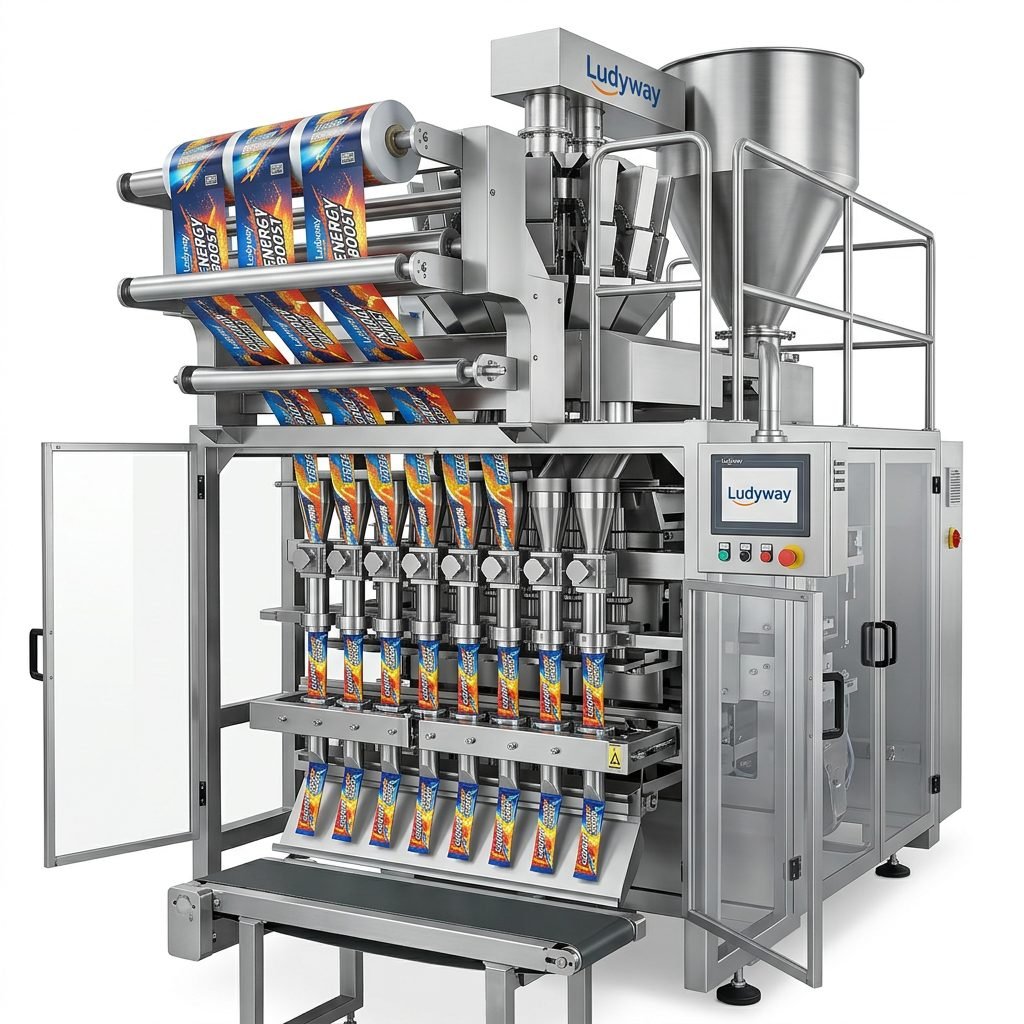
To maximize efficiency in Italy’s competitive food sector, multi-lane packaging machines are highly recommended. These systems can run 4, 6, 8, or even more lanes simultaneously, significantly boosting output without increasing the factory footprint. Multi-lane packaging systems are particularly effective for stick packs and small sachets, which are common in the Italian espresso and single-serve snack segments.
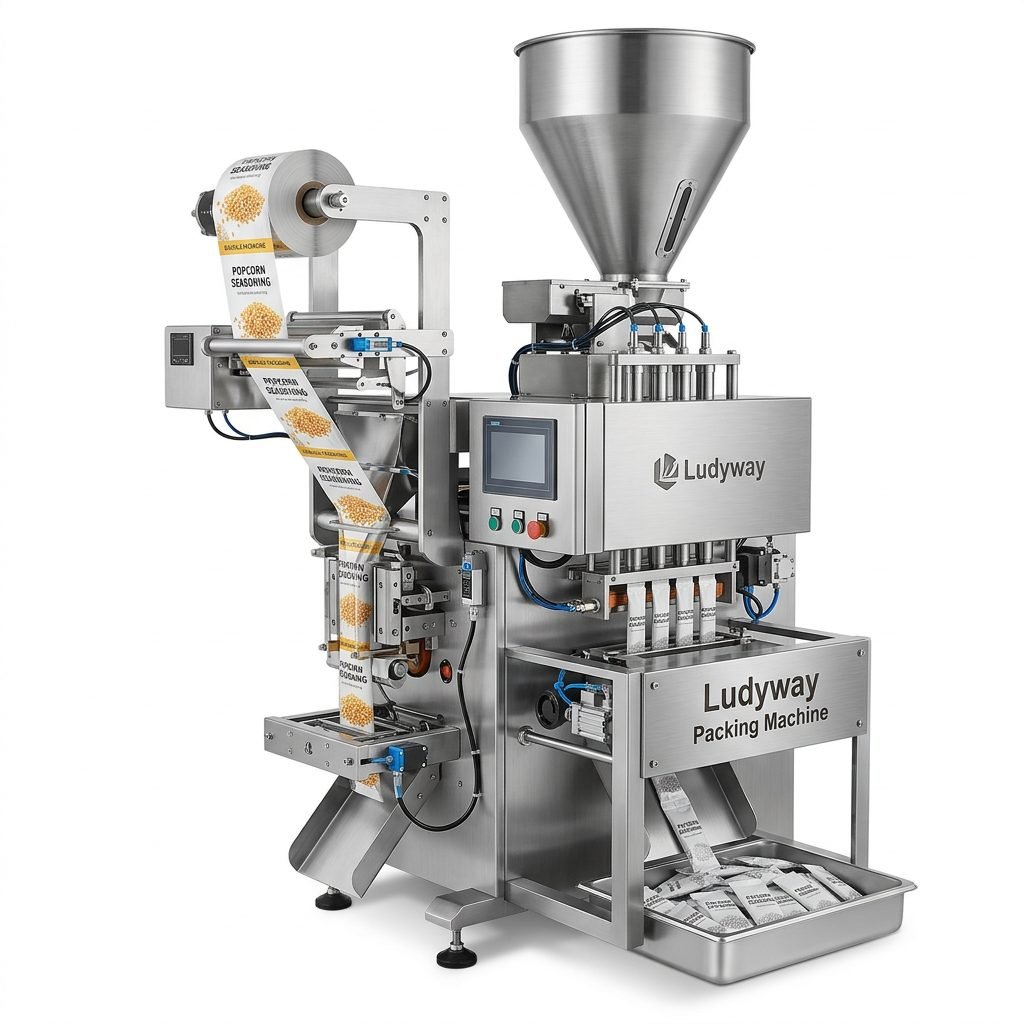
Turnkey Production Line Integration
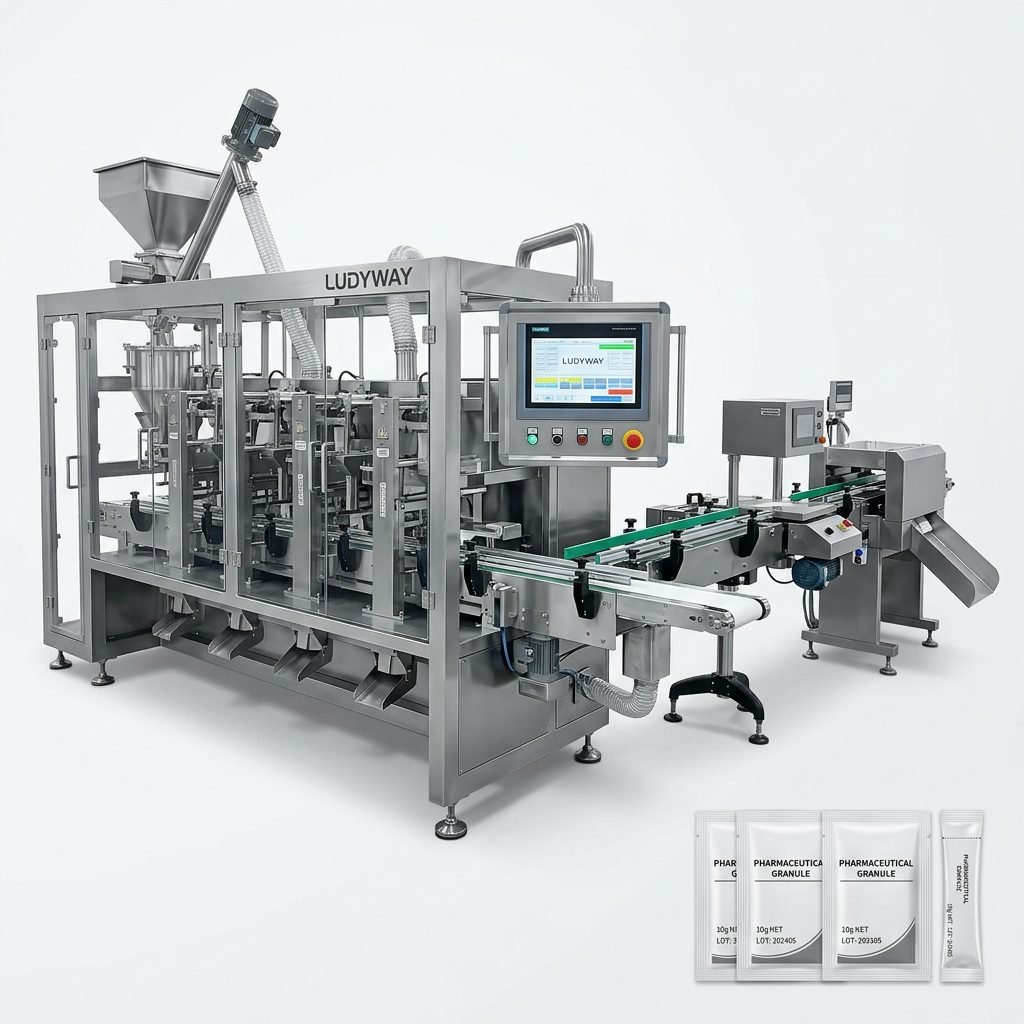
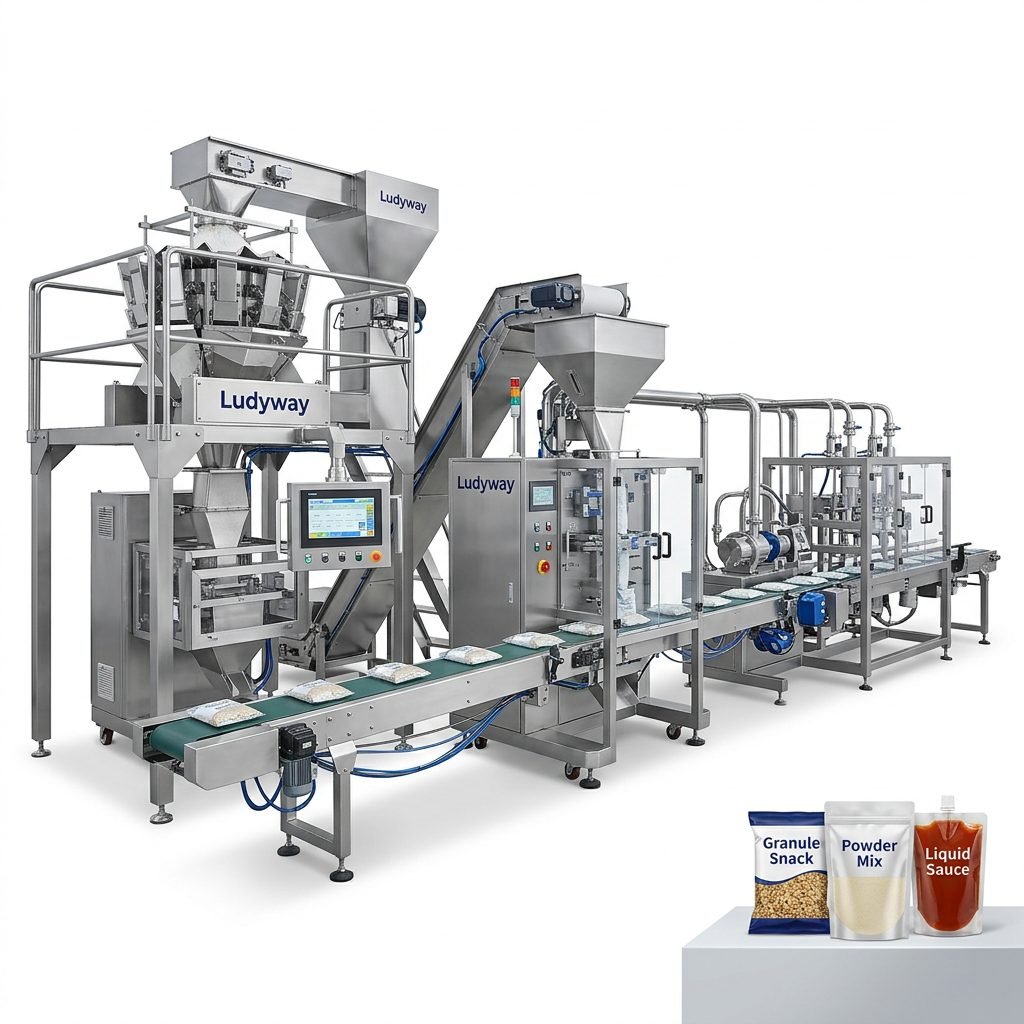
A successful setup goes beyond the primary packaging unit. It requires a fully integrated system. Key components of a complete snack food packaging production line include:
- Feeding Systems: Vibratory or bucket conveyors for gentle product handling.
- Multi-head Weighers: Ensures precise portion control for granular snacks.
- Primary Packaging Machine: Vertical form-fill-seal (VFFS) or multi-lane stick pack units.
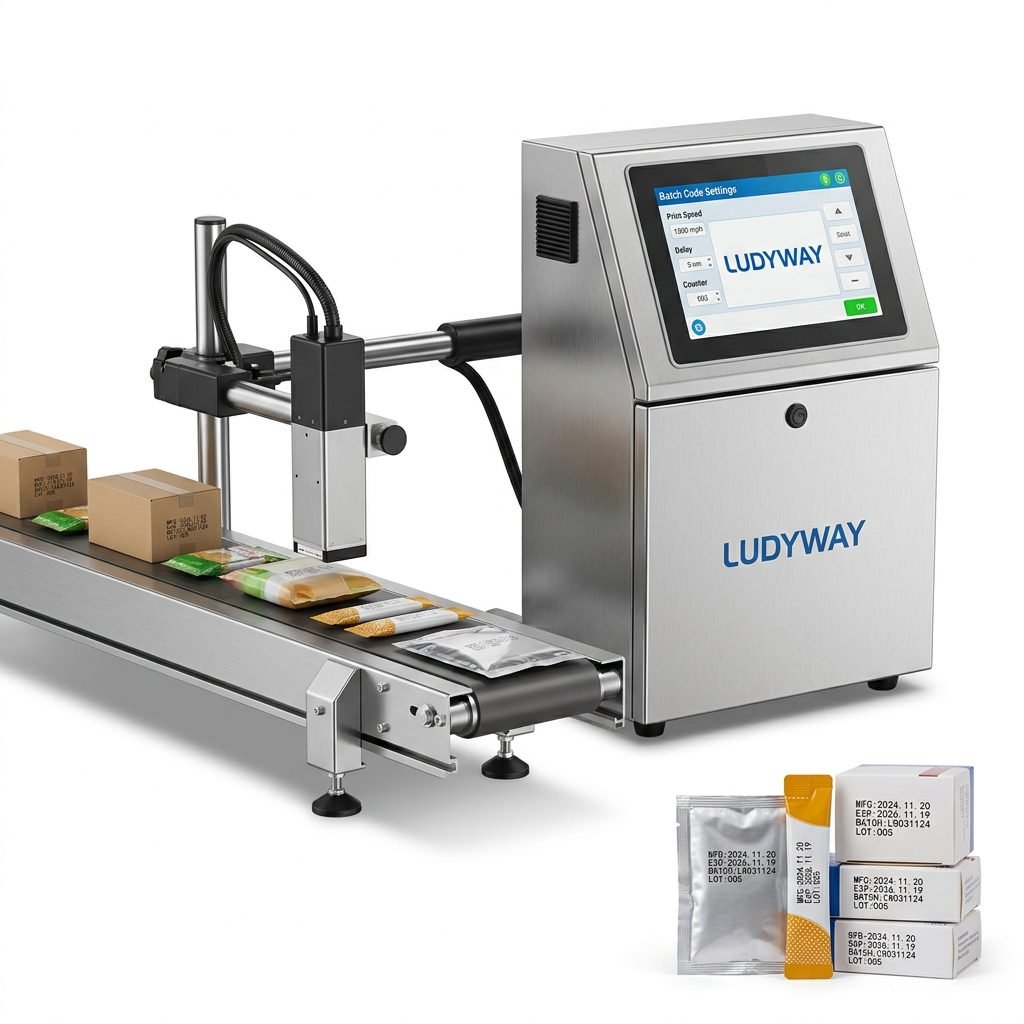
- Checkweighers and Metal Detectors: Critical for quality assurance and EU compliance.
- Cartoning and End-of-Line Solutions: Automated case packing and palletizing.
Material Selection: Sustainable and Functional Films
Italian consumers and regulators are increasingly focused on sustainability. The packaging line must be capable of running eco-friendly materials such as recyclable mono-materials or bio-based films. These materials often require precise temperature control and sealing parameters. Ensure your machine can handle laminated films that provide the necessary barrier against moisture and oxygen while still being compatible with green initiatives.
Optimizing Factory Layout and Space Utilization
When installing the line, consider the logistics flow from raw material intake to finished product storage. Italian factories often emphasize efficient vertical integration. Arrange the snack food packaging machine production line to minimize crossover and maximize operator access. A typical layout might move from the feeder and weigher directly into the VFFS machine, through a quality control checkpoint, and then to the cartoning system.
Technical Considerations for Italian Installations: Ensure your facility has the correct electrical supply (typically 400V/50Hz three-phase) and sufficient compressed air capacity. Environmental controls, particularly for humidity-sensitive snacks like chips or crackers, are vital to maintain crunchiness and prevent machine jams.
Testing and Quality Assurance Protocols
Before full-scale production, rigorous testing is necessary. This includes seal integrity tests, leak detection, and weight verification. The line should integrate inline inspection systems to reject faulty packs automatically. Meeting ISO and HACCP standards is not just a regulatory hurdle; it builds trust with Italian distributors and retailers who prioritize safety.
For companies looking for reliable equipment, Ludyway is one of the largest packaging machine manufacturers in China, offering turnkey solutions that meet international standards, including CE certification for the European market.
Cost Analysis and ROI Projections
Budgeting for a snack packaging line involves not just the initial capital expenditure but also ongoing operational costs. The table below breaks down the key cost factors:
| Cost Factor | Description | Impact on ROI |
|---|---|---|
| Machinery CAPEX | Initial purchase and installation | High upfront commitment |
| Film & Materials | Continuous roll stock consumption | Dictates unit packaging cost |
| Labor | Operators and technicians in Italy | High automation reduces this significantly |
| Maintenance | Spare parts and service agreements | Critical for minimizing downtime |
Installation and After-Sales Support in Italy
Partnering with a supplier that offers robust support is vital. Look for manufacturers that provide remote diagnostics, on-site training, and readily available spare parts. Delays in maintenance can halt an entire snack food production line. Ensure your supplier has a track record of installations in the European market and can demonstrate their machines’ performance with similar products.
To further explore industry standards and market trends, you can refer to resources like the PMMI – Association for Packaging and Processing Technologies and the Flexible Packaging Association.
Training Your Italian Workforce
Even with fully automatic systems, skilled operators are an asset. Provide comprehensive training on the snack food packaging machine interface, changeover procedures, and safety protocols. Well-trained staff can reduce waste, optimize machine speed, and maintain consistent product quality, ensuring your investment in a new production line pays off quickly.
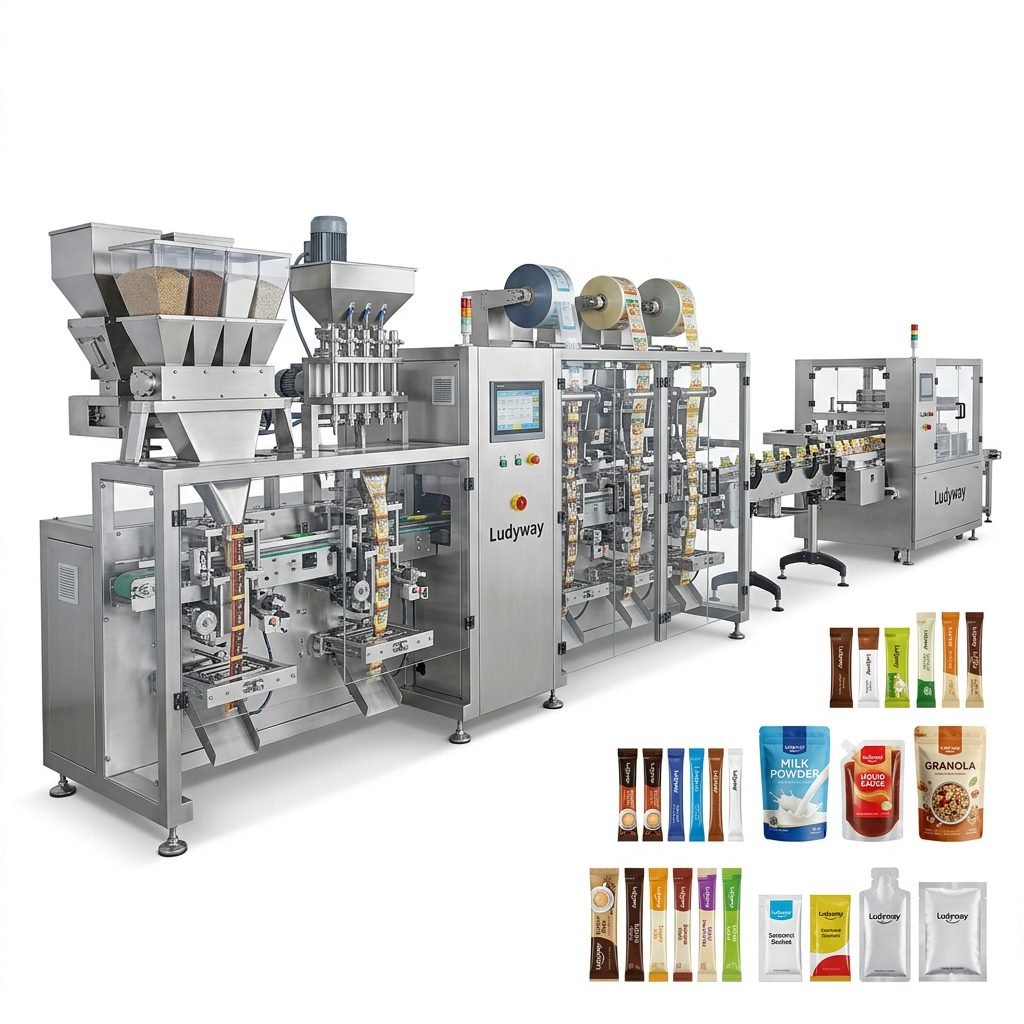
Setting up a successful operation in Italy involves navigating local regulations, choosing the right packaging formats, and implementing high-efficiency automation. By focusing on these elements, your business can capture a share of the lucrative Italian snack market.