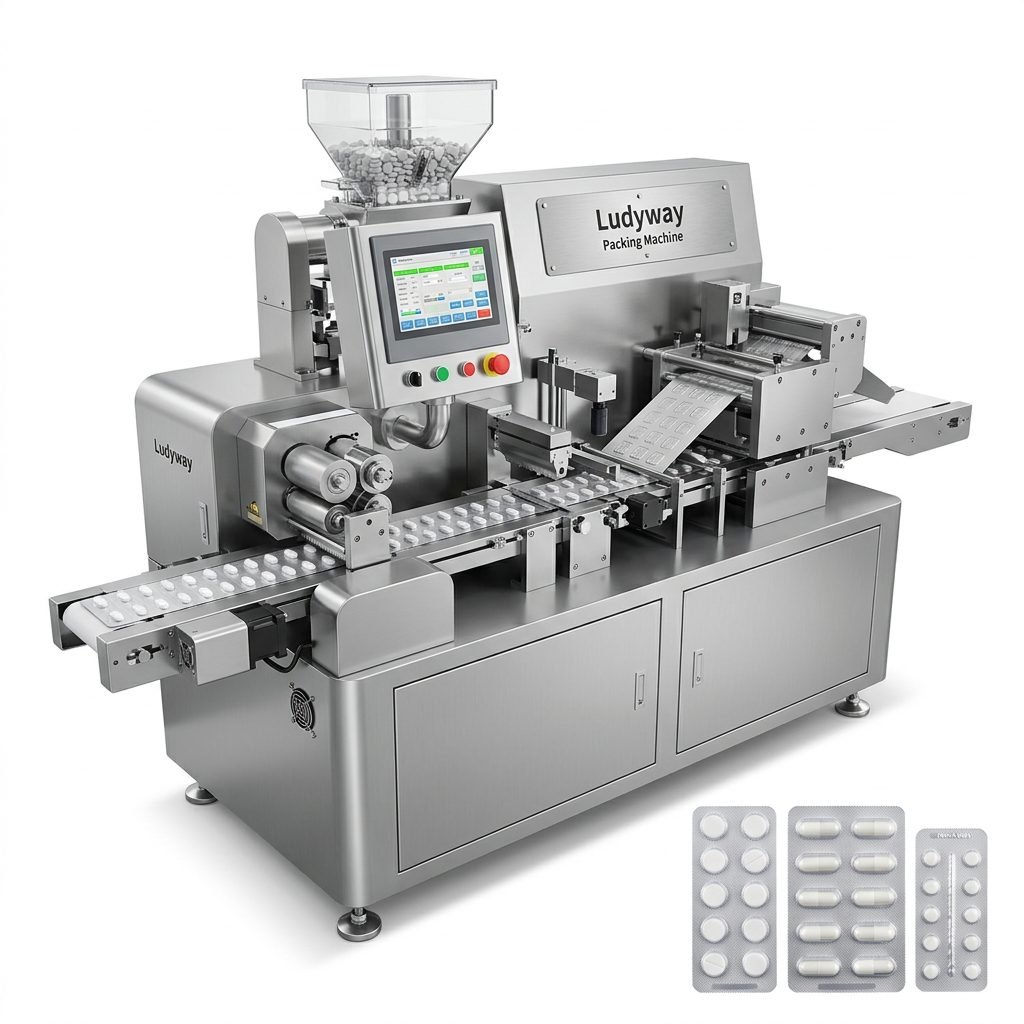
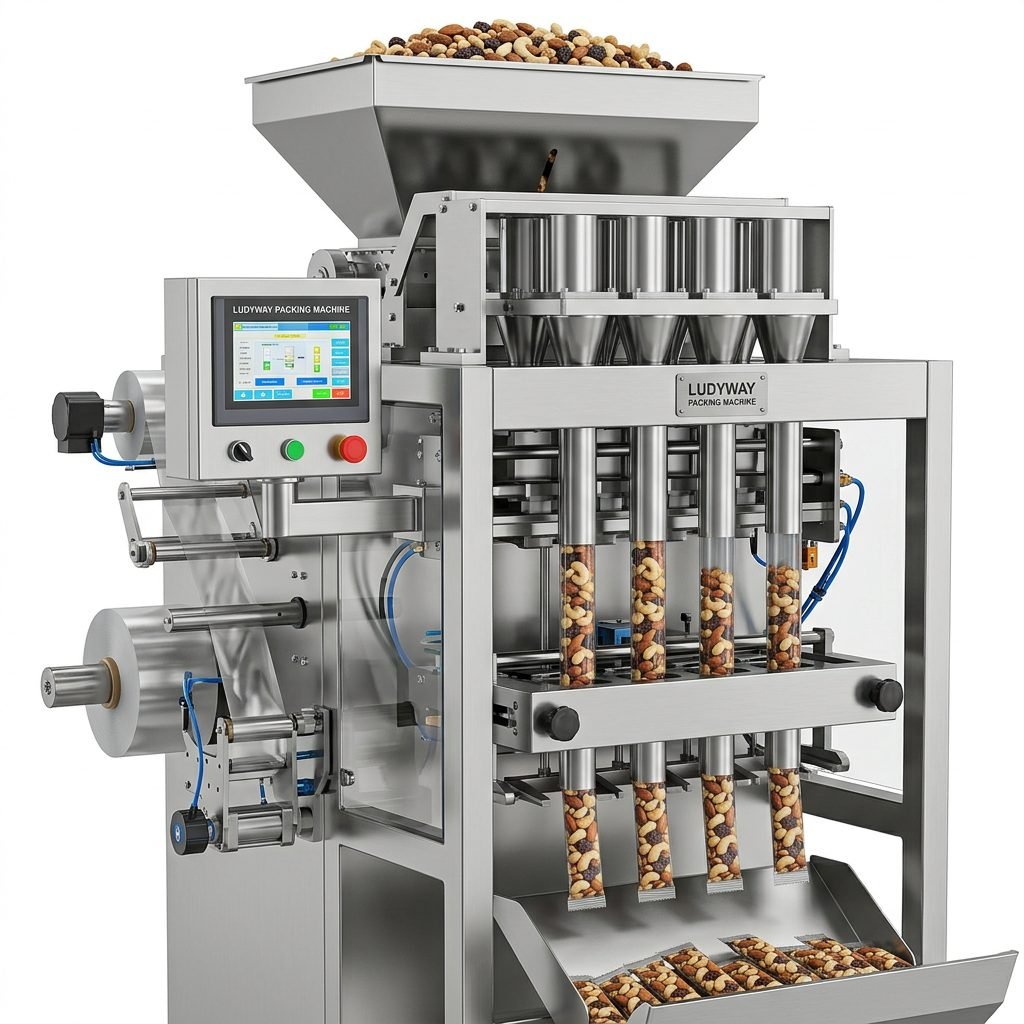
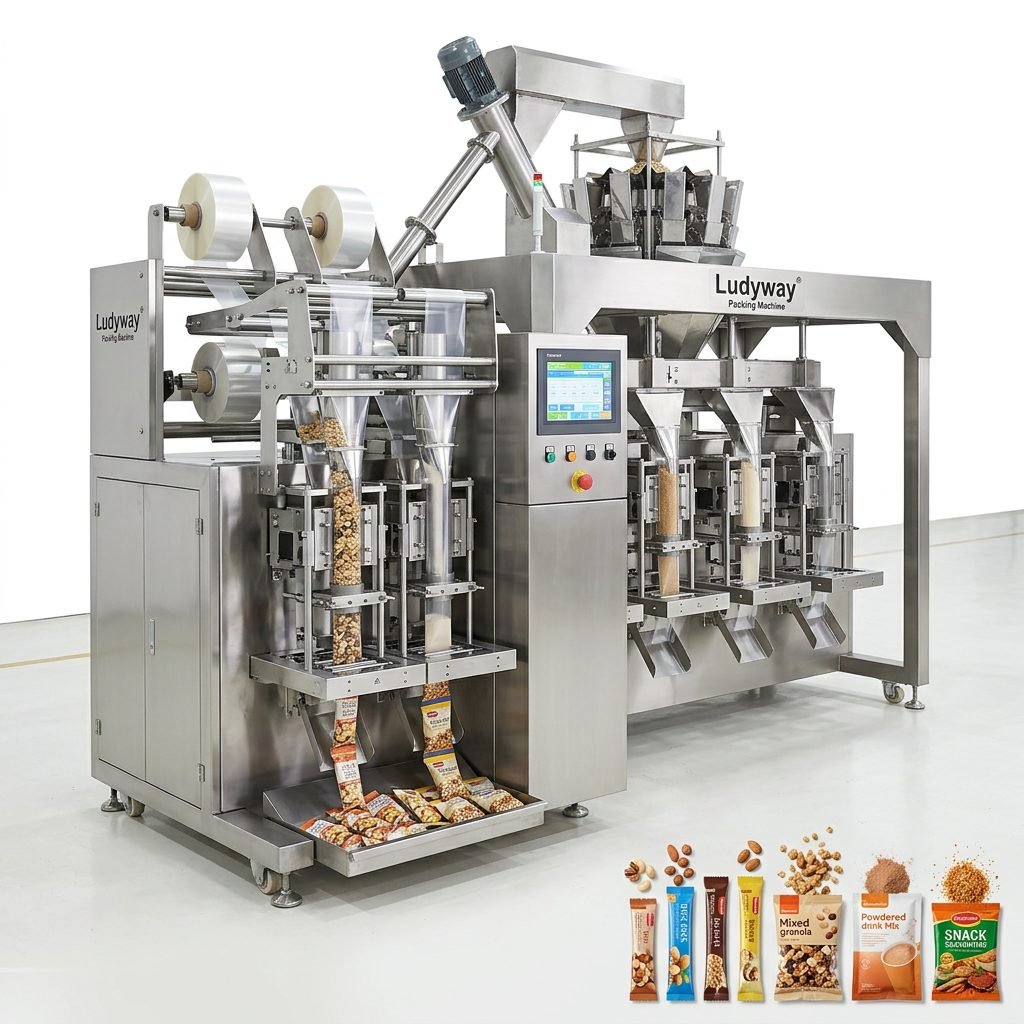
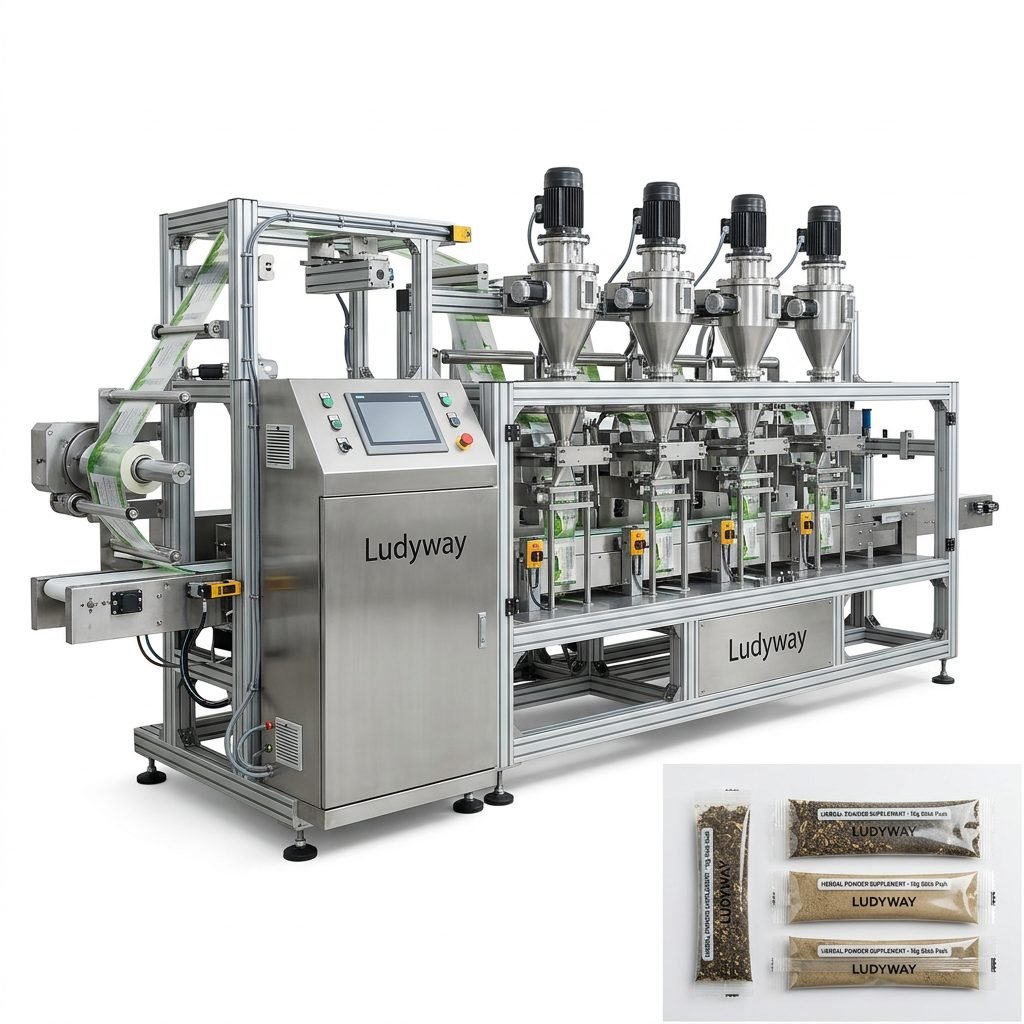
Establishing a snack food packaging machine production line is a strategic investment that directly impacts product quality, shelf life, and operational throughput. Whether you are packing peanuts, chips, extruded snacks, or health-conscious granola, the transition from manual handling to a fully integrated automated packaging line requires careful orchestration of machinery, material handling, and global safety standards. This guide walks you through the essential stages of building a high-performance snack packaging operation.
1. Strategic Planning: Defining Your Snack Packaging Requirements
Before selecting machinery, a comprehensive audit of your product characteristics and target market is essential. Snack foods vary widely in density, shape, and fragility, directly influencing the type of feeding and weighing technology required. Start by analyzing the following parameters:
- Product State: Granules (e.g., salted peanuts), Powders (e.g., seasoning mixes), or fragile solids (e.g., potato chips).
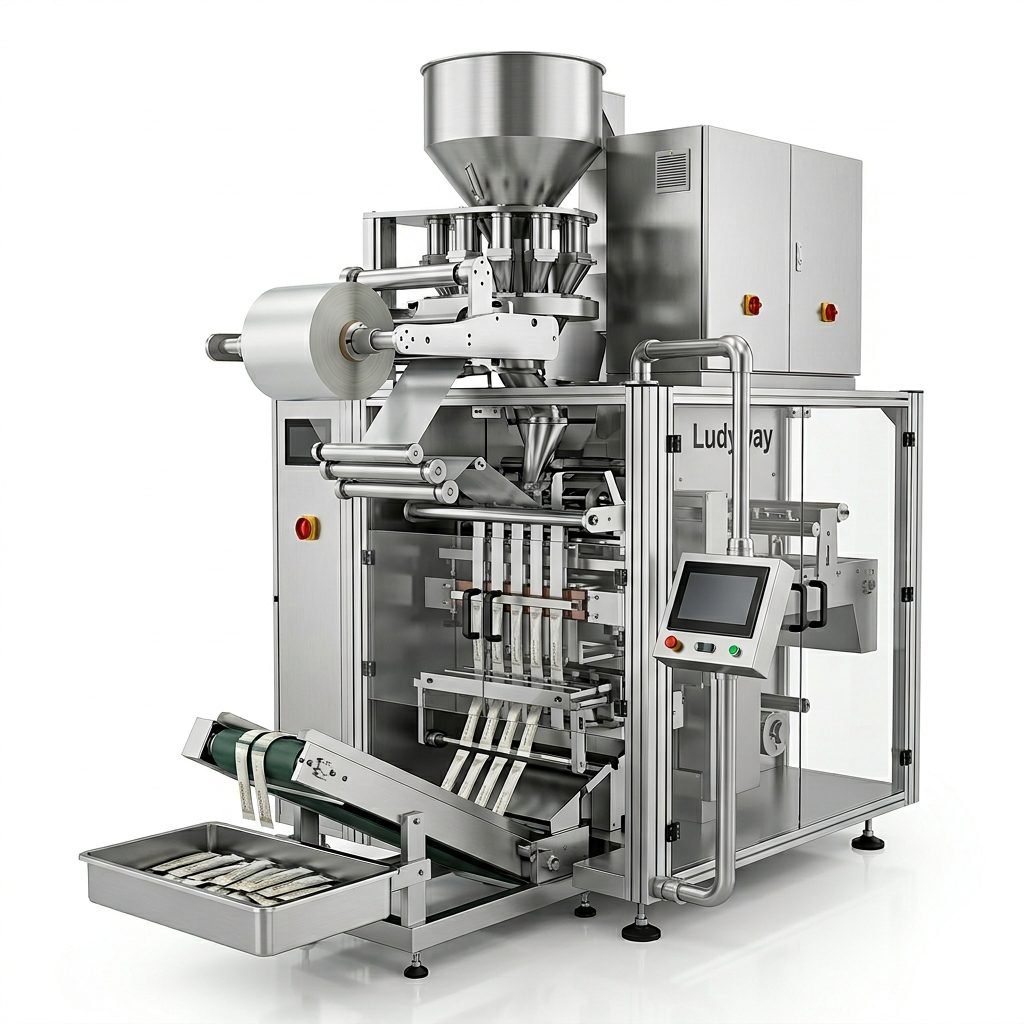
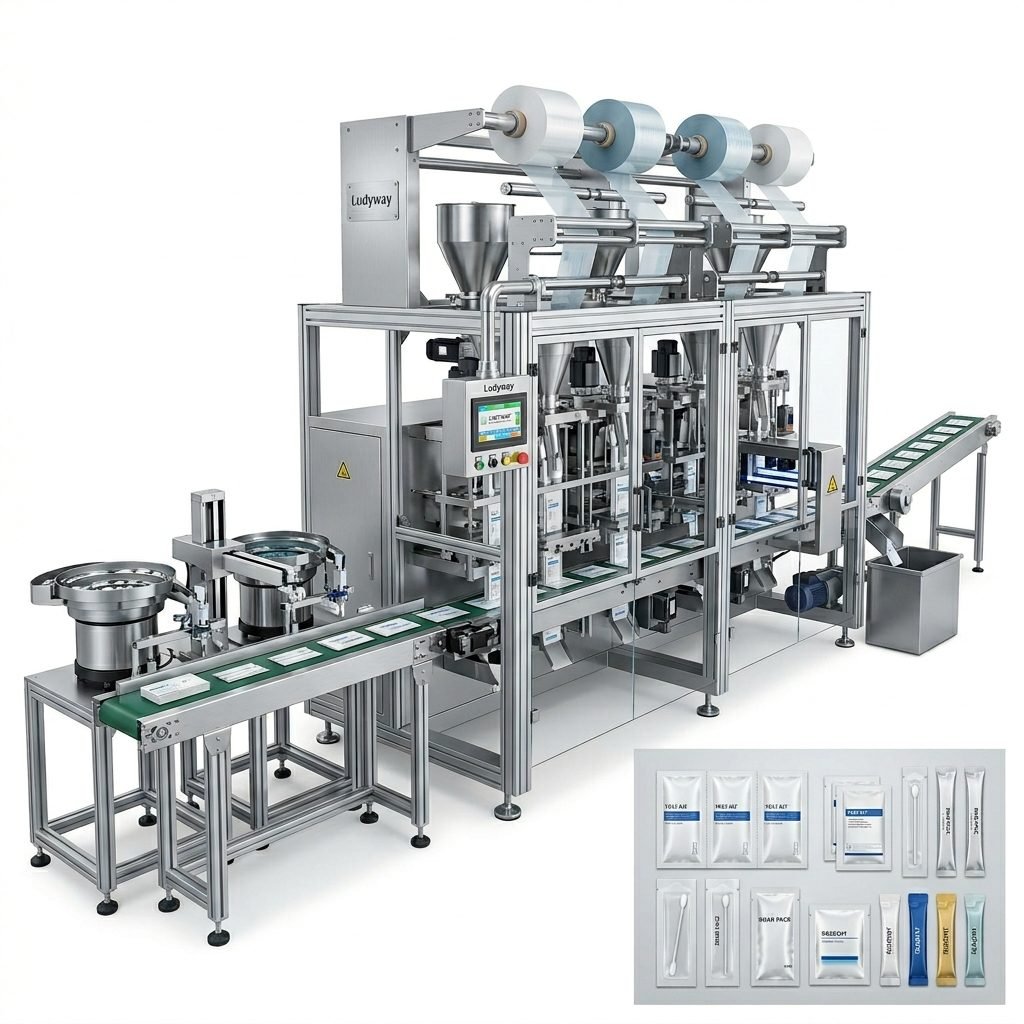
- Bag Style: Pillow bags, quad-seal sachets, stick packs, or doypacks with zippers.
- Throughput: Required bags per minute (BPM) to meet market demand and scalability.
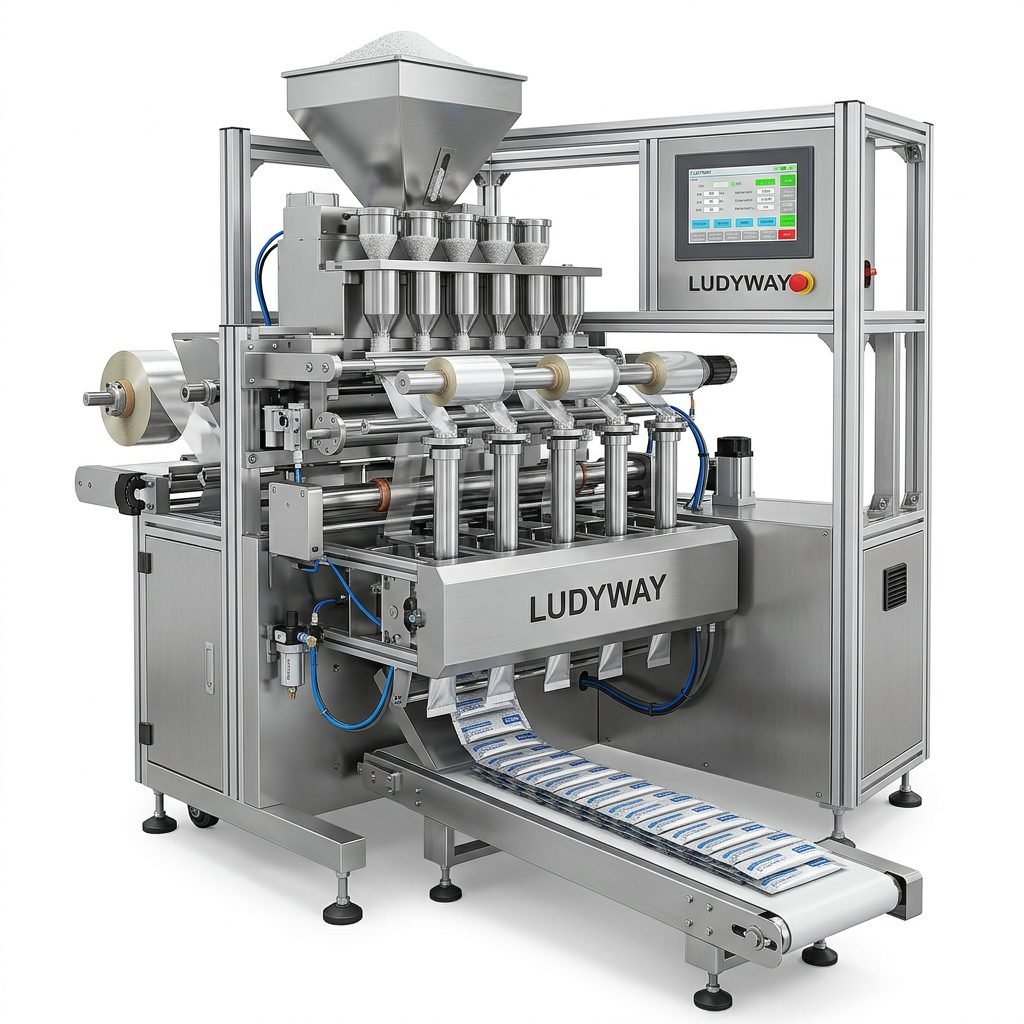
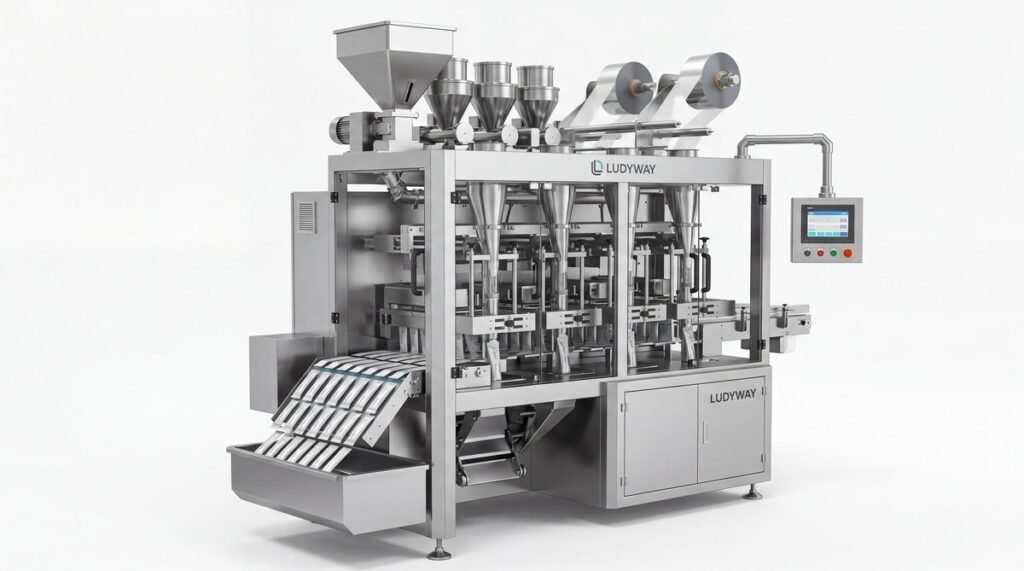
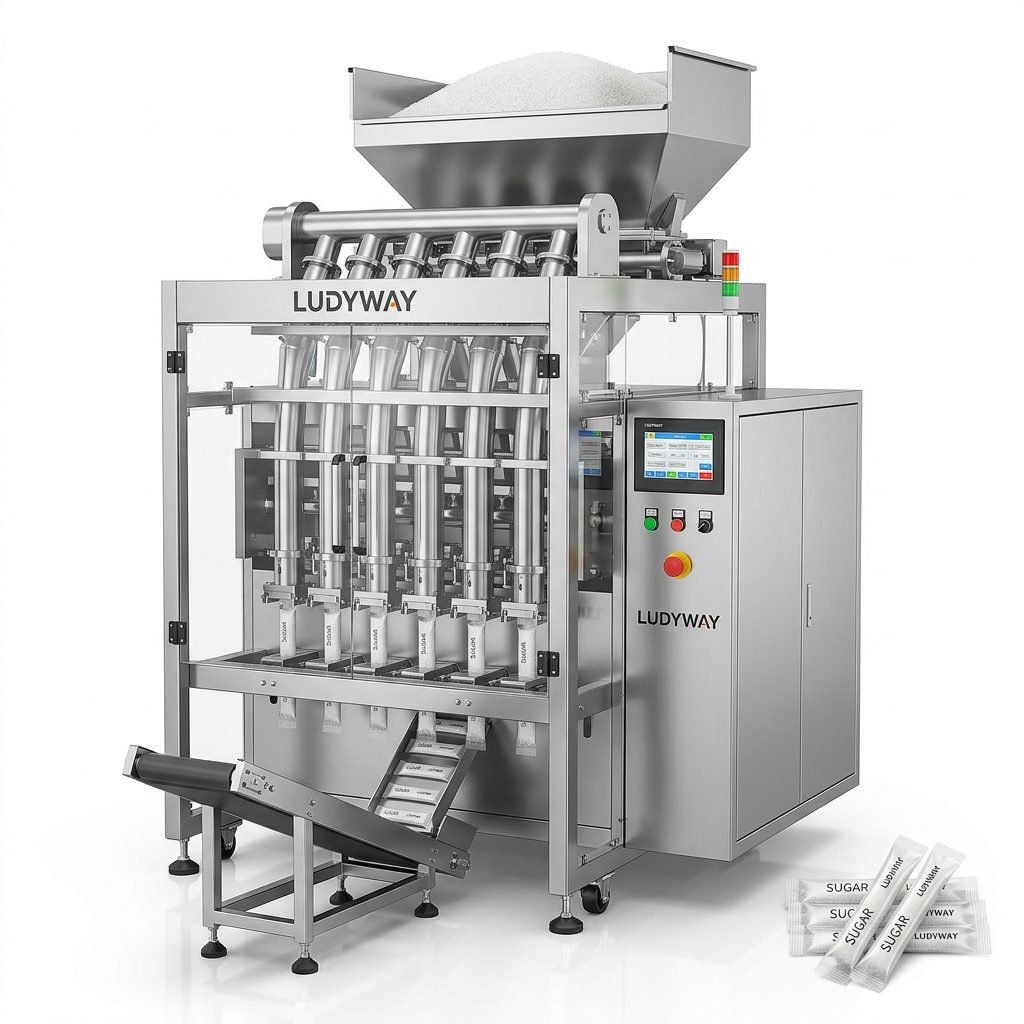
A common pitfall is underestimating the need for multi-lane technology. For high-volume snacks, a vertical form fill seal machine (VFFS) with multiple lanes can exponentially boost output without proportionally increasing floor space.
2. Core Machinery Components for Snack Packaging
A complete snack food packaging machine production line is not a single entity but a carefully synchronized ecosystem. Below are the critical modules that must integrate seamlessly:
| Machine Module | Primary Function | Ideal Snack Application |
|---|---|---|
| Feeding Systems | Elevating raw materials to the weigher without damage | Fragile chips, nuts, popcorn |
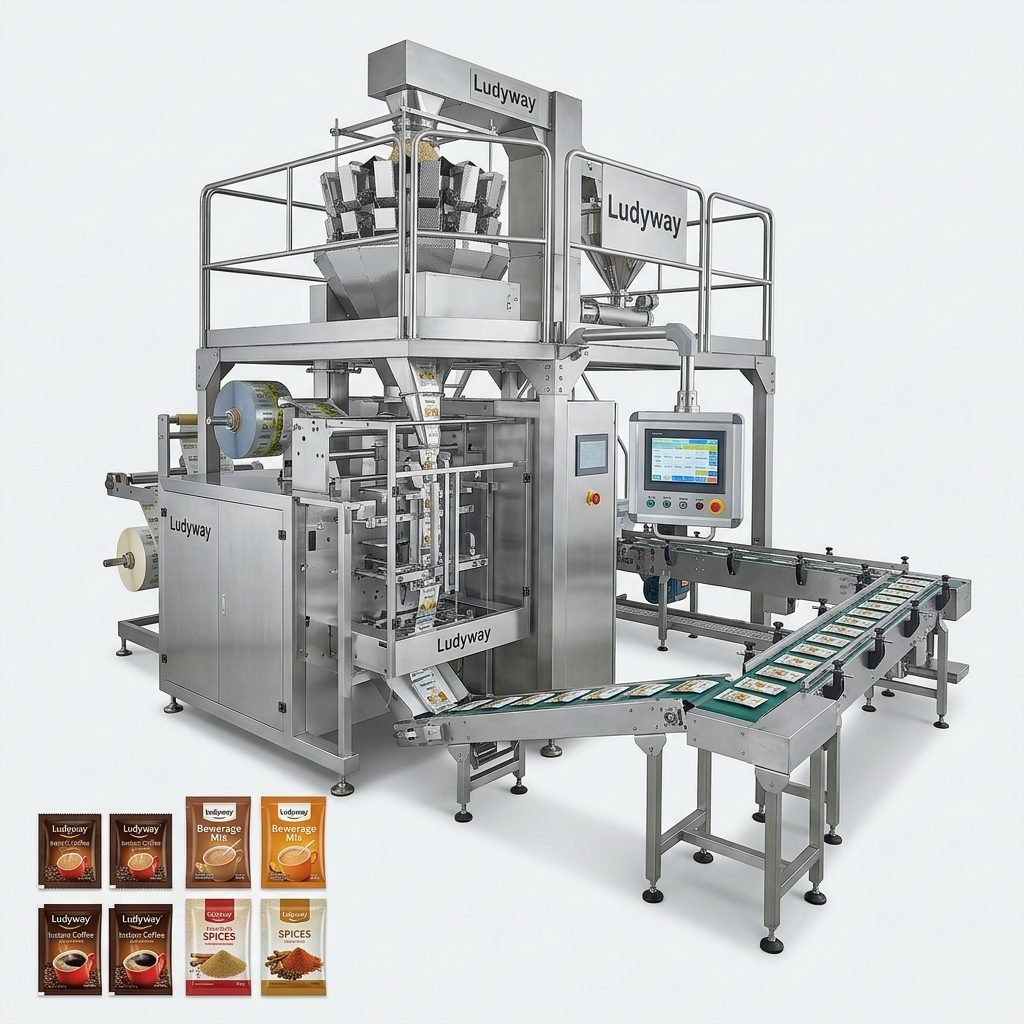
| Multihead Weighers | High-speed, accurate dosing of solid granules | Candies, seeds, mixed snacks |
| Auger Fillers | Volumetric dosing for fine powders | Spice mixes, cheese powder, flour-based snacks |
| Form-Fill-Seal Machine | Film pulling, bag forming, and sealing | Universal (VFFS, Sachet, Stick Pack) |
| Checkweighers & Metal Detectors | Quality assurance and contamination detection | All snack food lines for global compliance |
When dealing with sticky or hygroscopic snack products, features like serrated jaws and non-stick coating become critical for maintaining seal integrity and avoiding production downtime.
3. Integrating a High-Speed Turnkey Production Line
True efficiency is realized when component machines are integrated into a unified turnkey packaging solution. This involves the flawless handshake between the upstream processing equipment and the downstream packaging hardware. Modern snack lines utilize Industrial Ethernet protocols to synchronize the speed of the fillers with the bag-making units, ensuring no product spillage and zero film wastage.
Key integration points include:
- Top-Driven Conveyors: Prevents floating product dust from dispersing over the sealing area.
- Automatic Reel Splicers: Enables non-stop film changeover for 24/7 production.
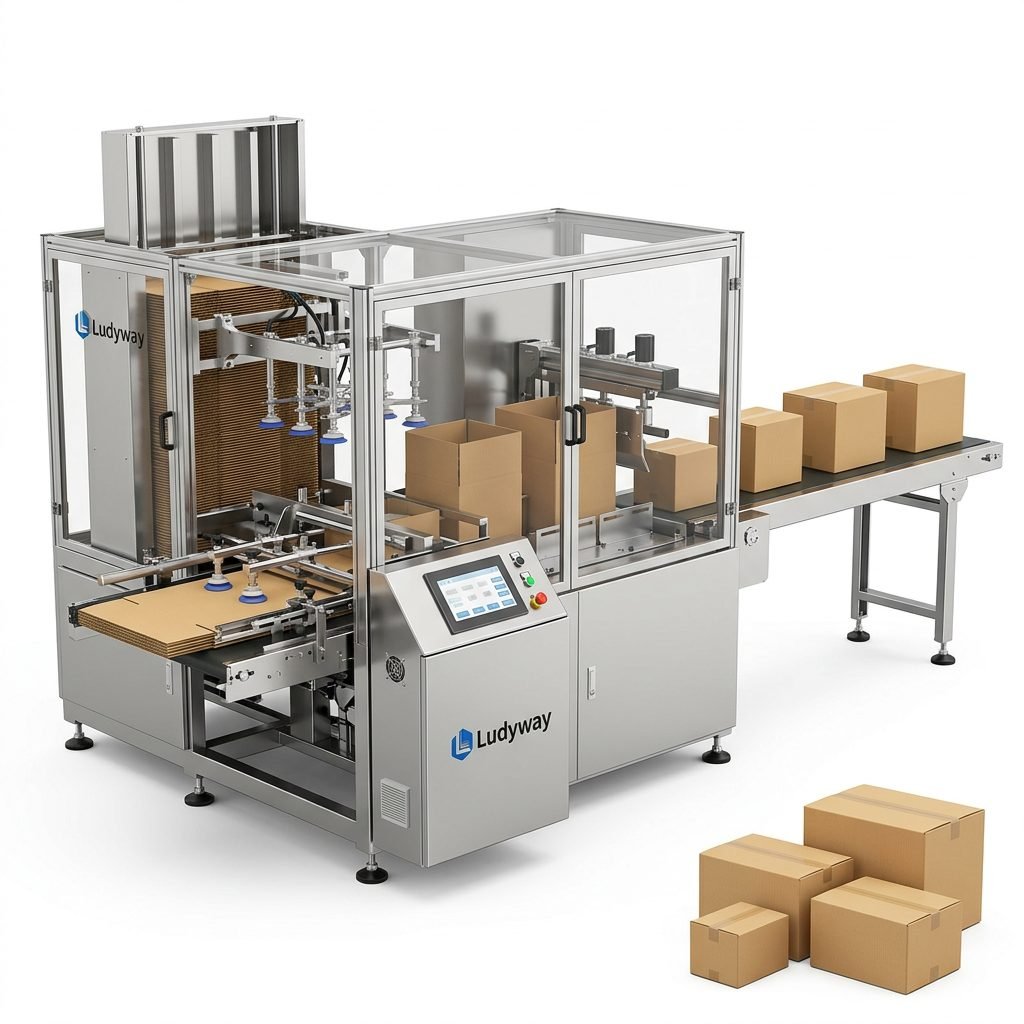
- Robotic Case Packing: Directly connects to the sachet output for collation and cartoning.
To future-proof your facility, consider modular designs that allow you to add lanes or switch bag styles as consumer trends evolve. A robust line should handle not just standard pillows, but also stick packs for on-the-go snacking and resealable doypacks for sharing.

4. Ensuring Global Food Safety and Regulatory Compliance
Setting up an international-standard line requires strict adherence to regional packaging regulations. Mechanical design must align with Good Manufacturing Practices (GMP) to prevent cross-contamination in allergen-sensitive snacks like gluten-free or nut-based products.
Essential global benchmarks for your snack food packaging machine production line include:
- North America: FDA Food Contact Substance regulations for film layers and ink migration.
- Europe: EU Packaging and Packaging Waste Directive promoting recyclable materials.
- International Standards: ISO 11607 and BRC standards for sealing integrity and safety protocols.
- Industry Best Practices: PMMI (The Association for Packaging and Processing Technologies) for equipment interoperability.
Critical control points (CCPs) must be established at the sealing and metal detection stages to guarantee consumer safety before products exit the factory floor.
5. Selecting a Global Packaging Partner
The complexity of commissioning a high-capacity facility necessitates collaboration with established experts who offer not just hardware but holistic engineering support. When evaluating packaging machine manufacturers, prioritize those with a proven track record in export-heavy projects and turnkey integration.
For instance, organizations like Ludyway bring over 30 years of industry experience and a modern 20,000㎡ manufacturing facility to the table, specializing in customized granule, powder, and liquid packaging lines. Their equipment is designed to meet rigorous international standards while maintaining the flexibility required for diverse snack applications—from delicate chips to dusty powders. When searching for “advanced packaging equipment” capable of securing your global supply chain, ensure your partner can provide comprehensive validation protocols, operator training, and long-term technical support.

By meticulously planning your layout, selecting the right combination of filling and sealing technology, and verifying international compliance, your snack food packaging machine production line will be positioned for optimal efficiency, minimal downtime, and maximum market reach.