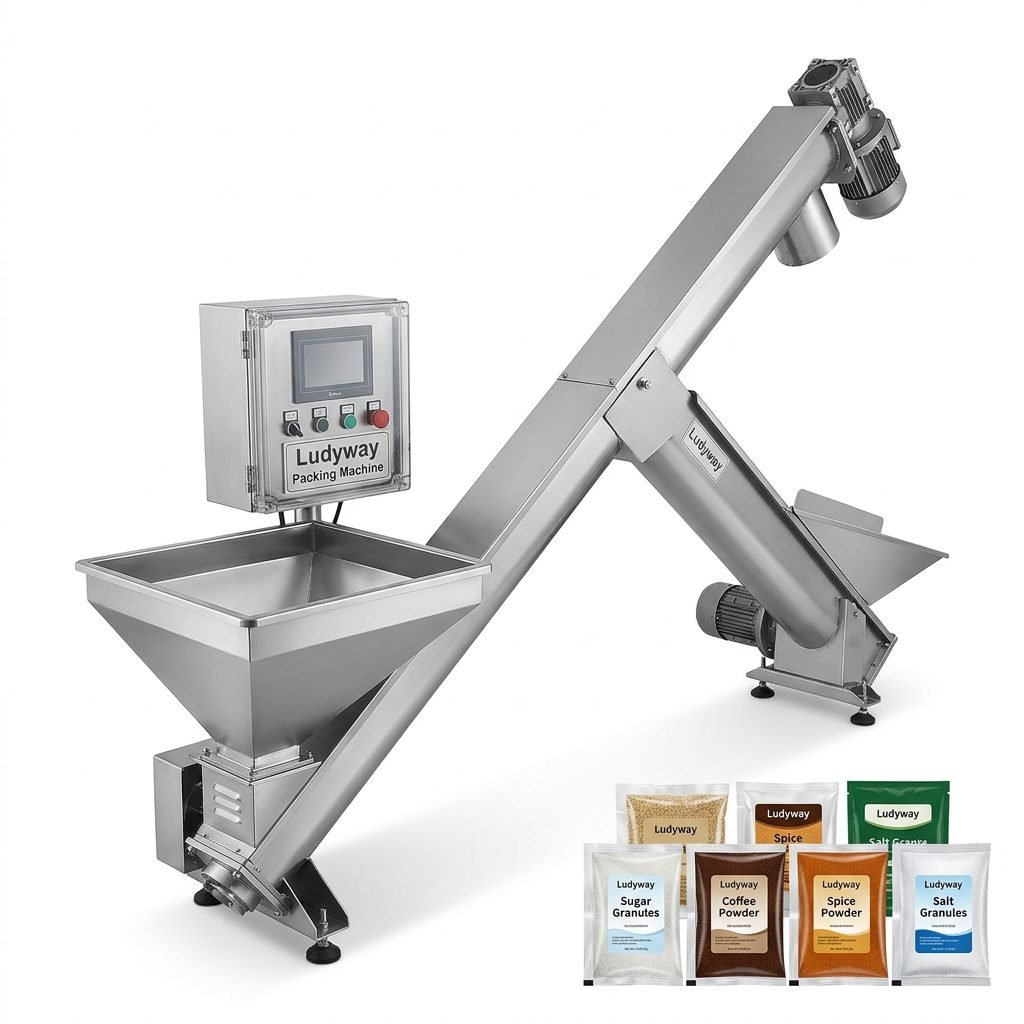
The food processing sector in Southeast Asia is expanding rapidly, driven by urbanization, rising disposable incomes, and shifting consumer preferences toward packaged goods. For manufacturers entering this market, setting up a dry food packaging machine production line demands meticulous planning, from equipment selection to regulatory compliance. This guide outlines the essential steps to build an efficient, scalable line tailored to regional conditions.
Understanding the Southeast Asian Market Landscape
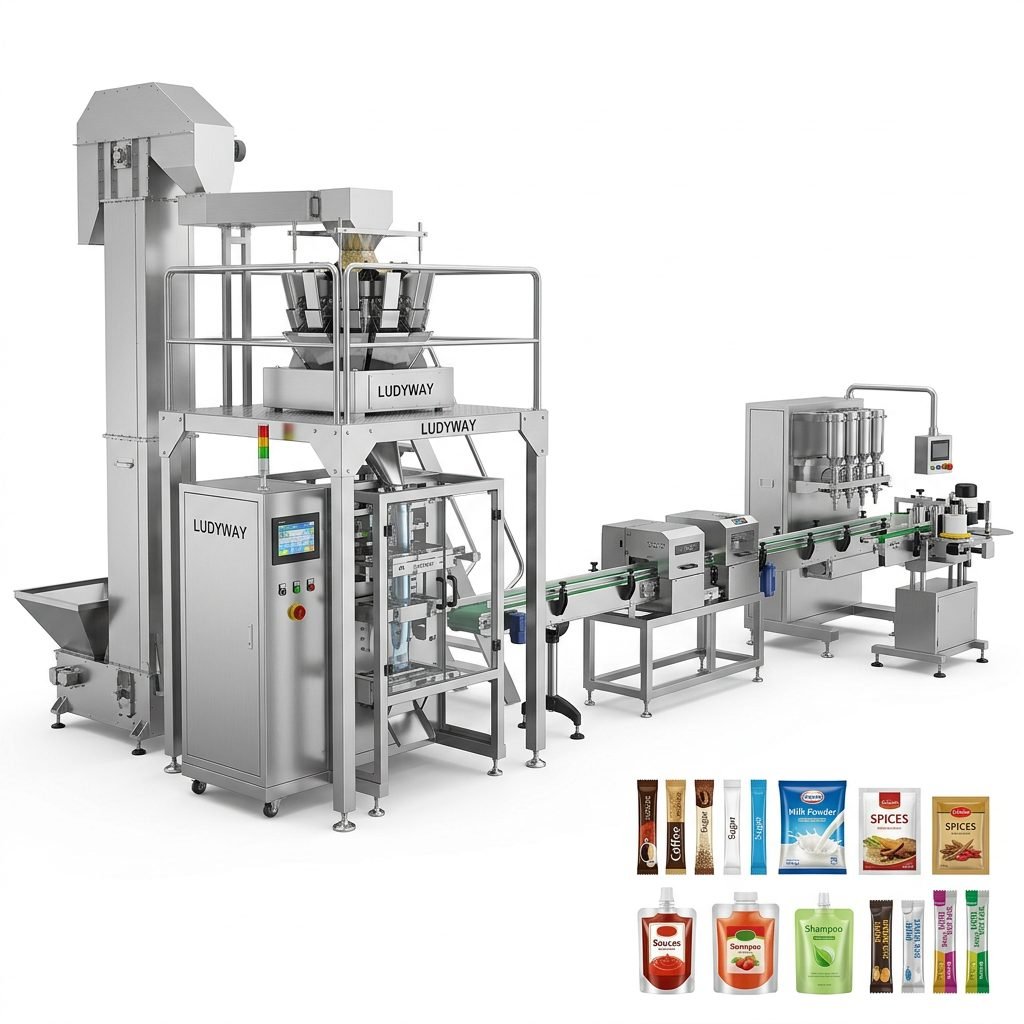
Southeast Asia’s diverse climate—characterized by high humidity and temperatures—directly impacts dry food packaging operations. Products like instant coffee powder, spice blends, dehydrated vegetables, and nutritional supplements require robust packaging to prevent moisture ingress and preserve shelf life. The regional market favors flexible formats such as stick packs, sachets, and pouches due to their affordability and convenience for consumers across Indonesia, Thailand, Vietnam, and the Philippines.
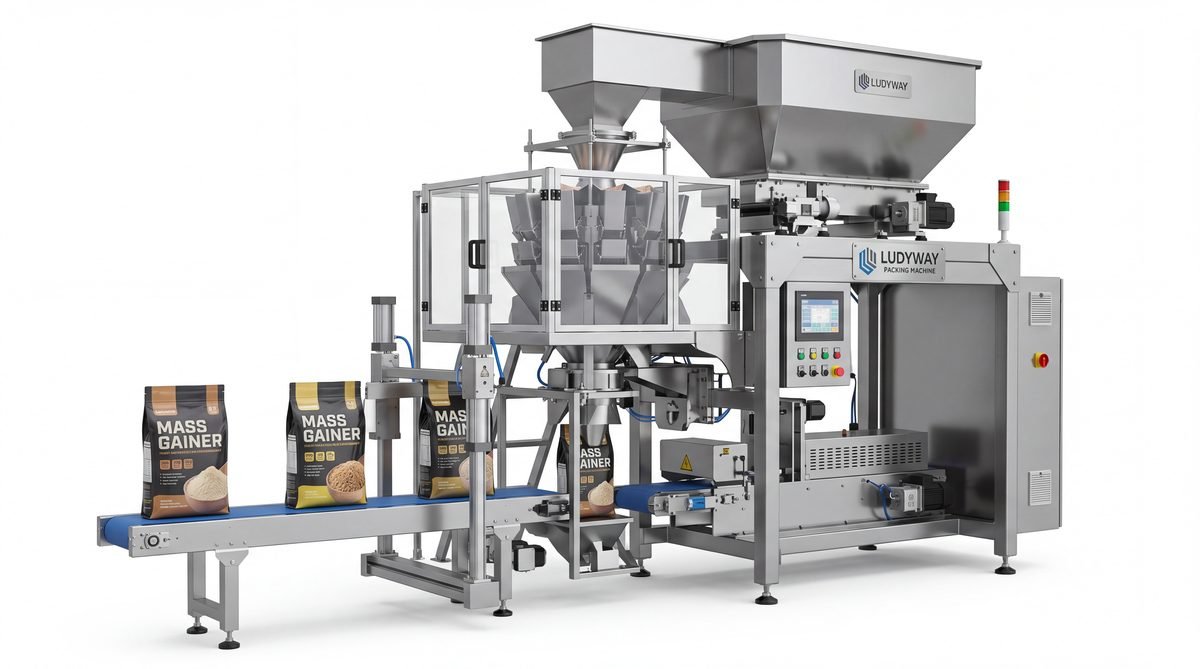
Step 1: Define Product Specifications and Packaging Format
Begin by clearly defining the physical characteristics of your dry food product. Granule size, flowability, bulk density, and moisture sensitivity determine the appropriate machinery configuration. Consider these common packaging formats:
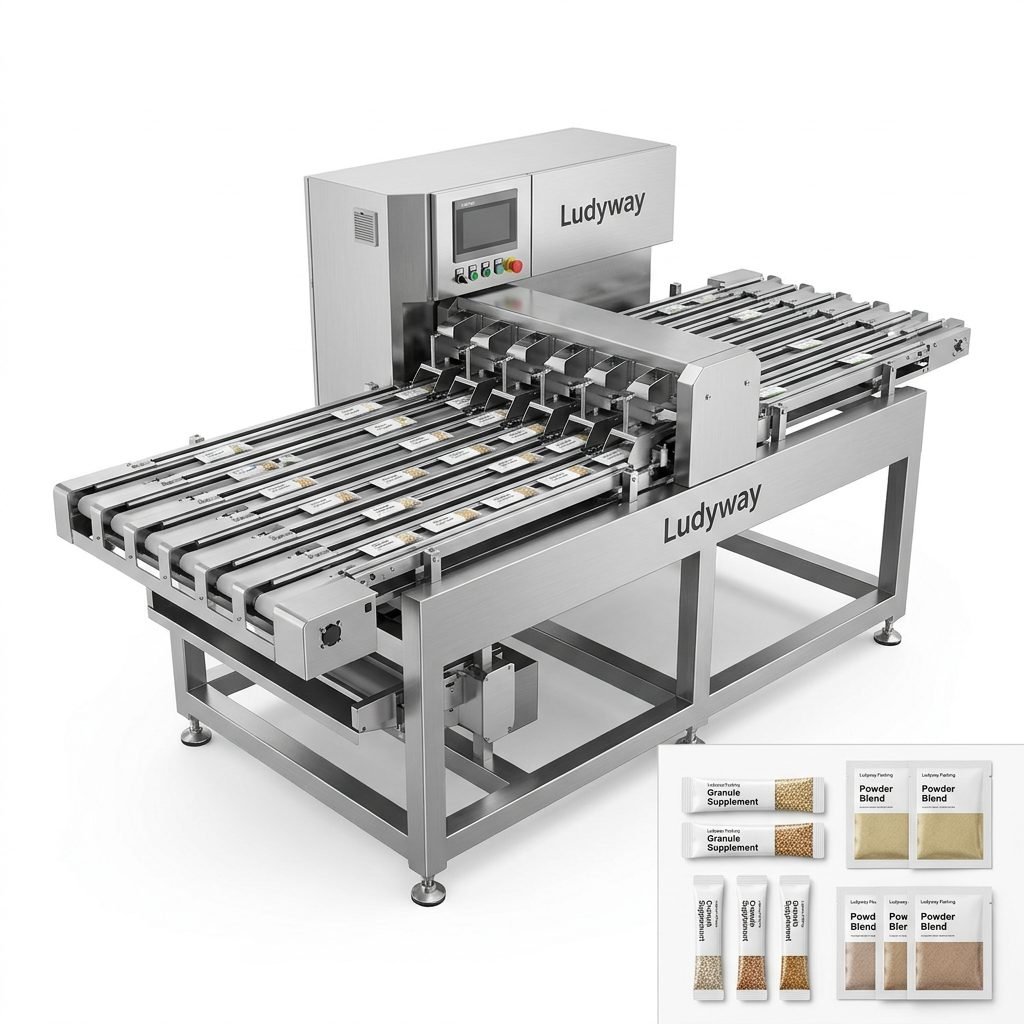
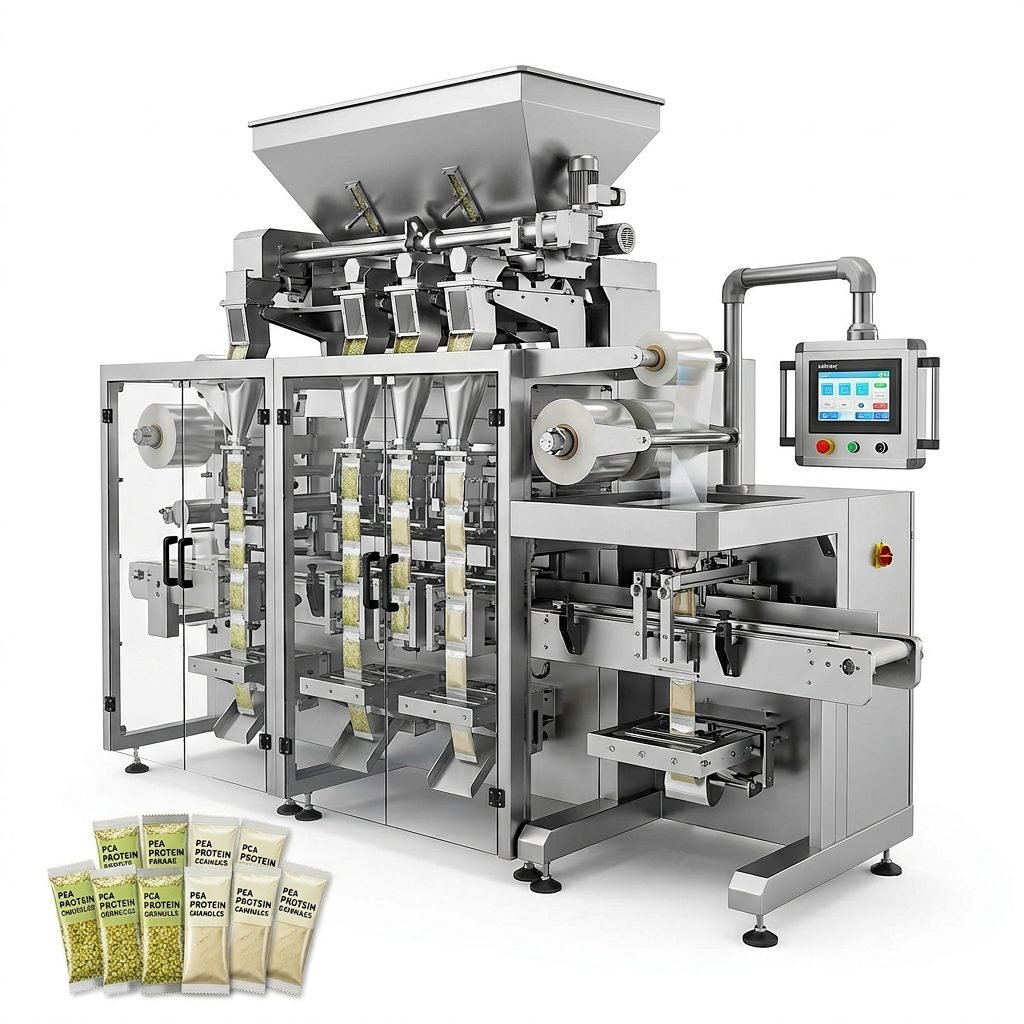
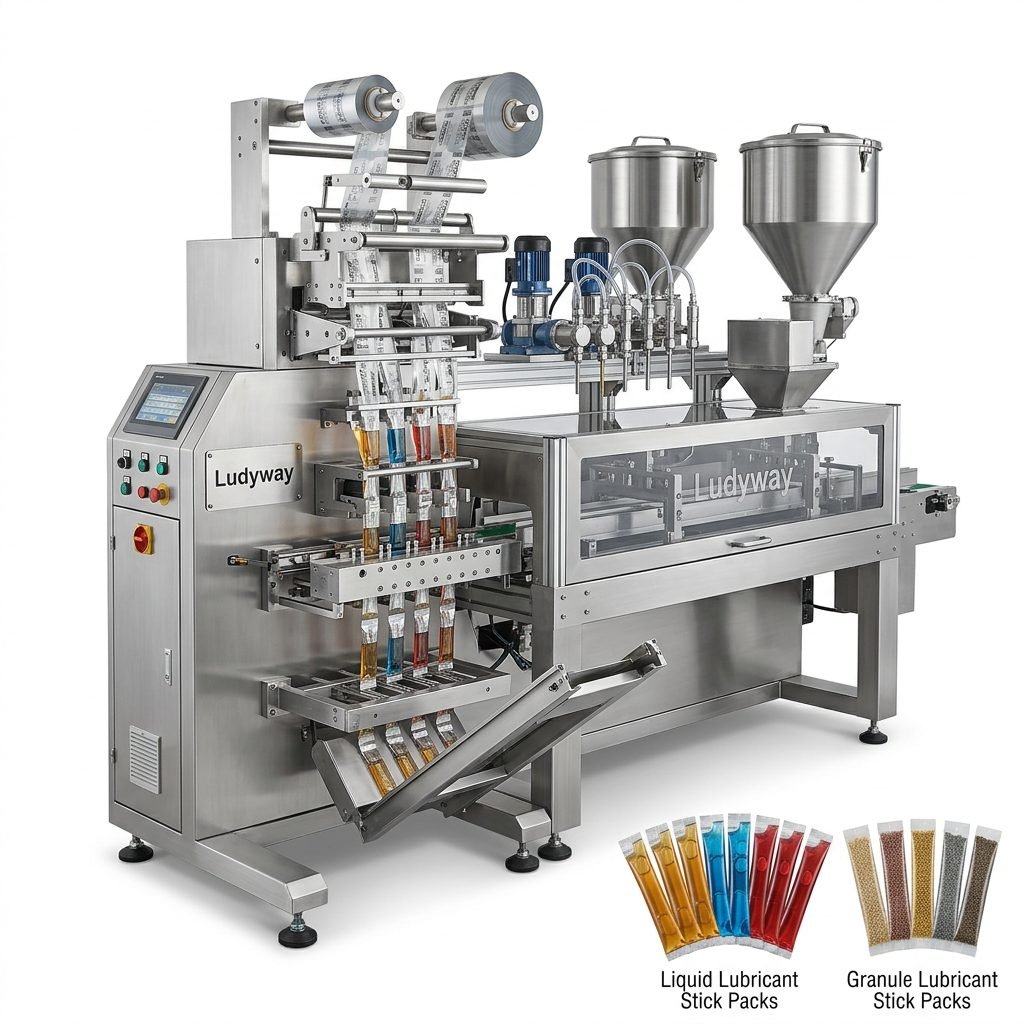
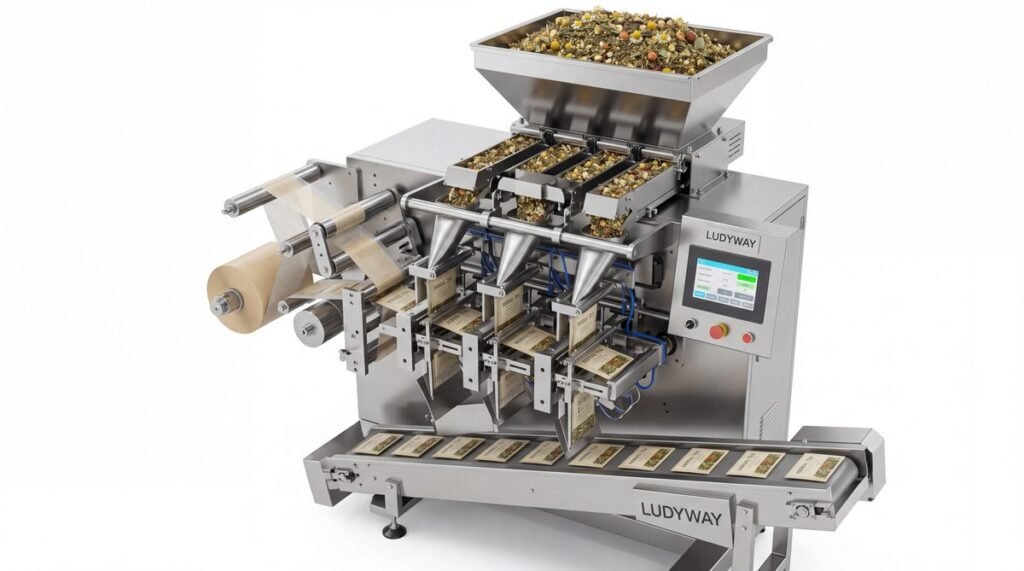
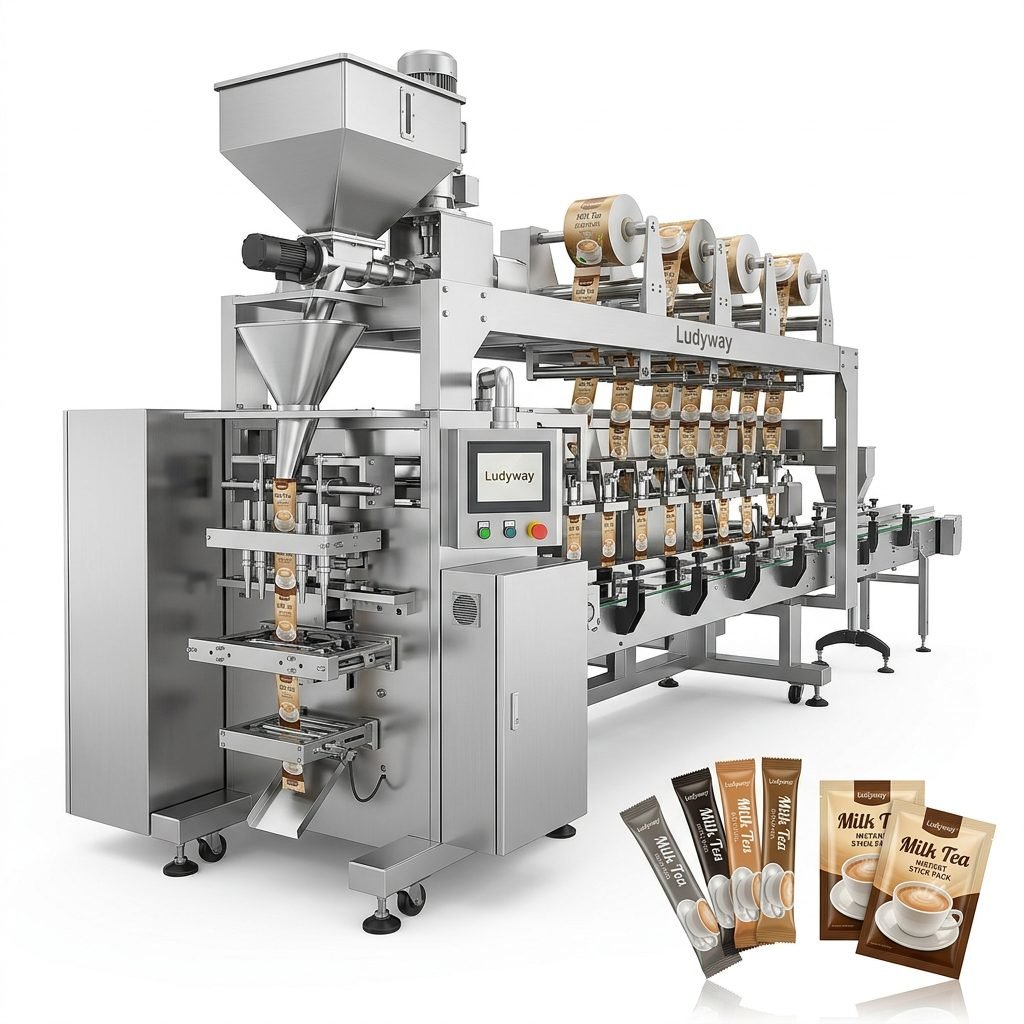
- Stick packs – Ideal for single-serve coffee, sugar, and protein powders; requires multi-lane stick pack machines.
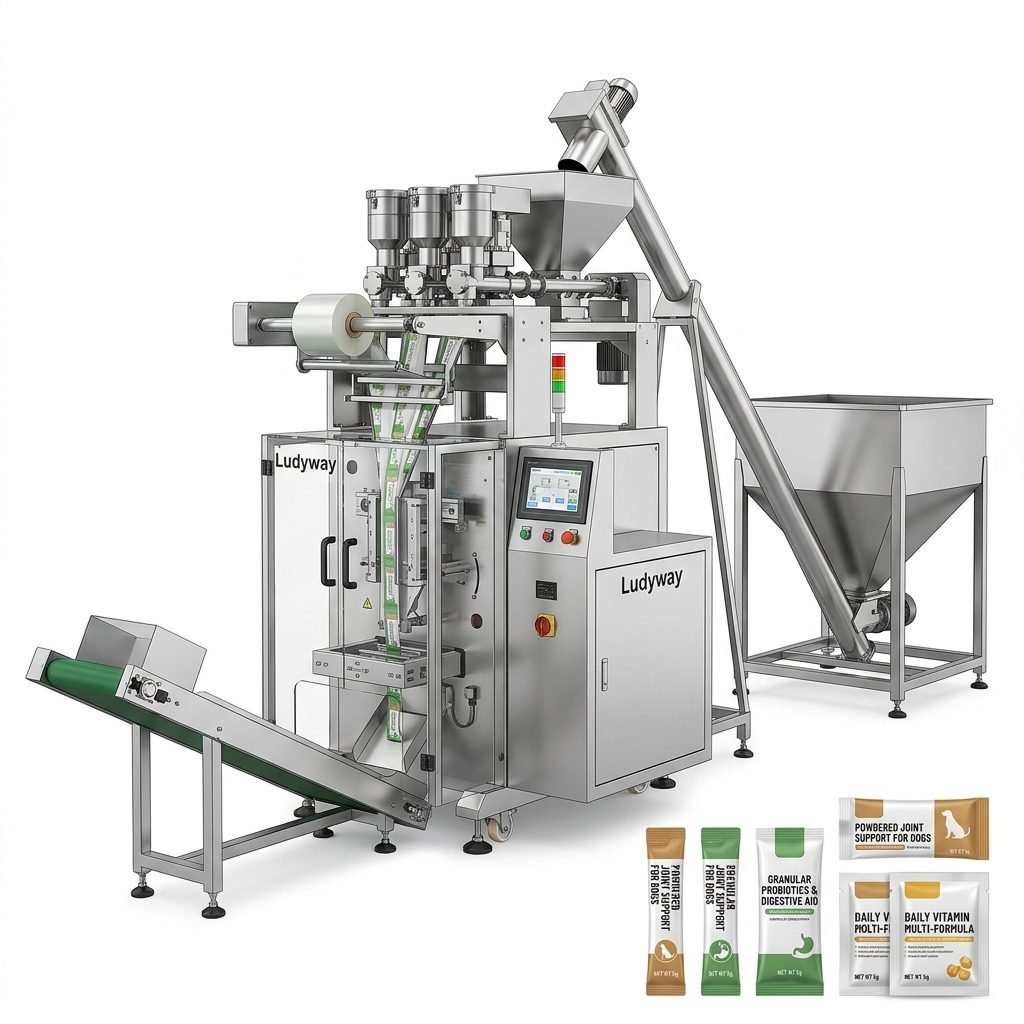
- Flat sachets – Cost-effective for seasonings, instant soup mixes, and dehydrated herbs; compatible with vertical form-fill-seal (VFFS) systems.
- Pillow pouches – Suitable for larger portions of cereals, snacks, and dried fruits.
- Stand-up pouches with zipper – Premium option for resealable dry goods like granola and powdered beverages.
Step 2: Facility and Environmental Considerations
Before installing any dry food packaging machine, address Southeast Asia’s unique environmental challenges. High ambient humidity can cause powder clumping and compromise sealing integrity. A climate-controlled production hall with dehumidification systems is strongly recommended. Floor space must accommodate not only the primary packaging unit but also supporting equipment such as conveyors, checkweighers, and cartoning machines. Ensure adequate ventilation and dust extraction, particularly when handling fine powders like flour or spices.
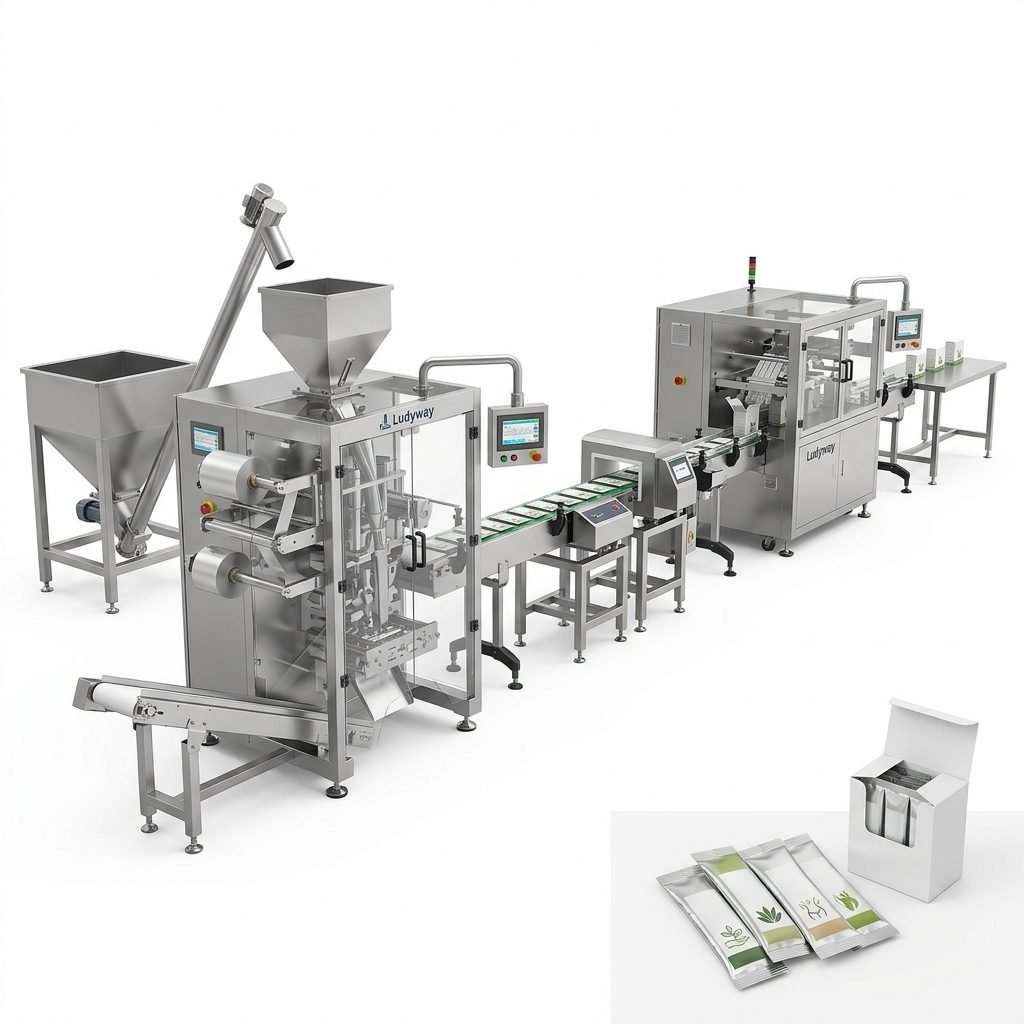
Step 3: Core Equipment Selection for Dry Food Lines
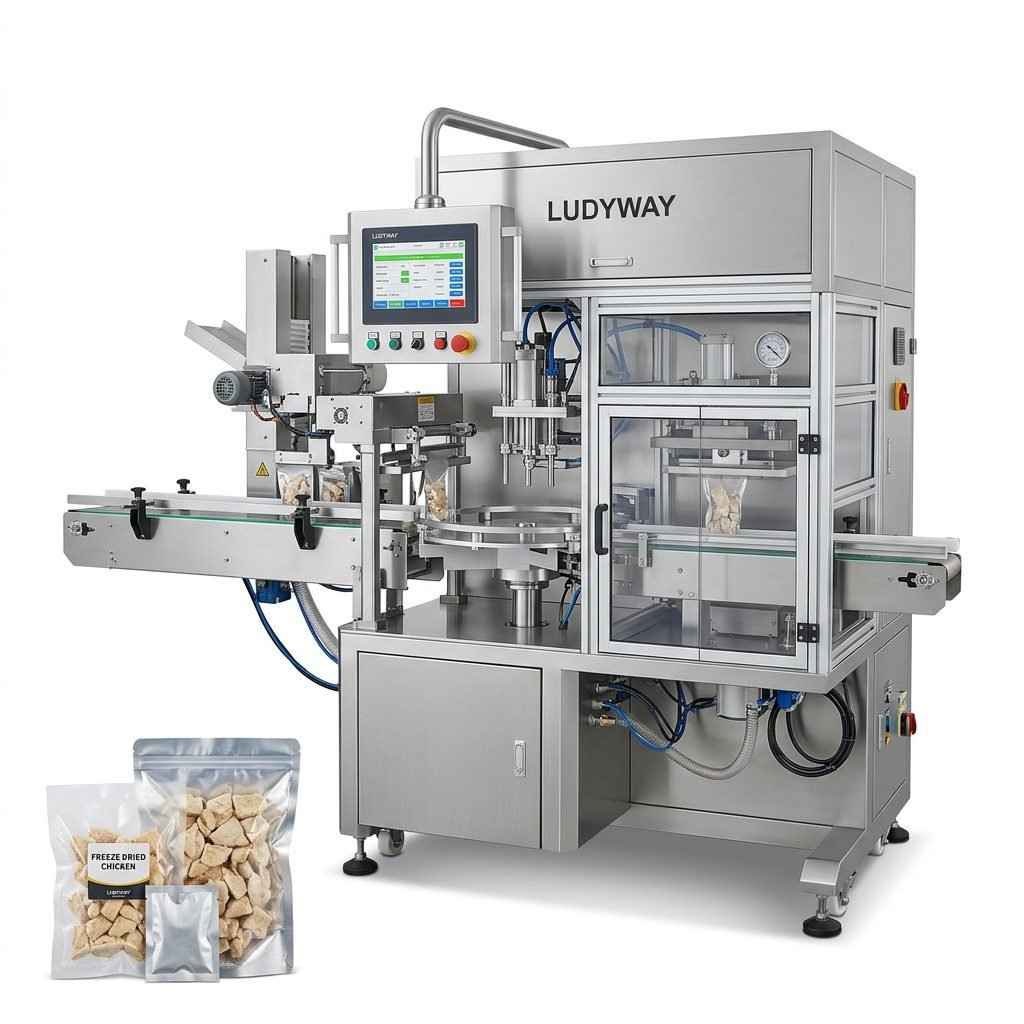
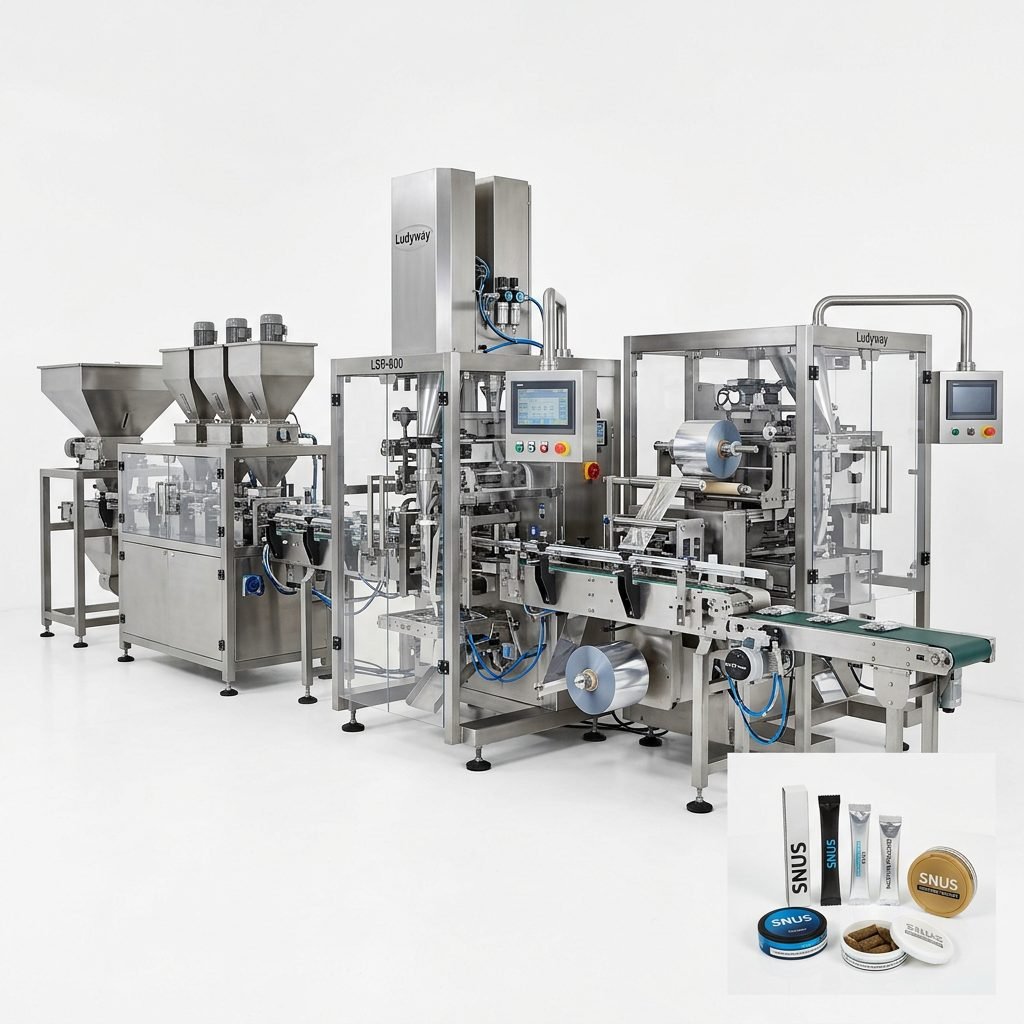
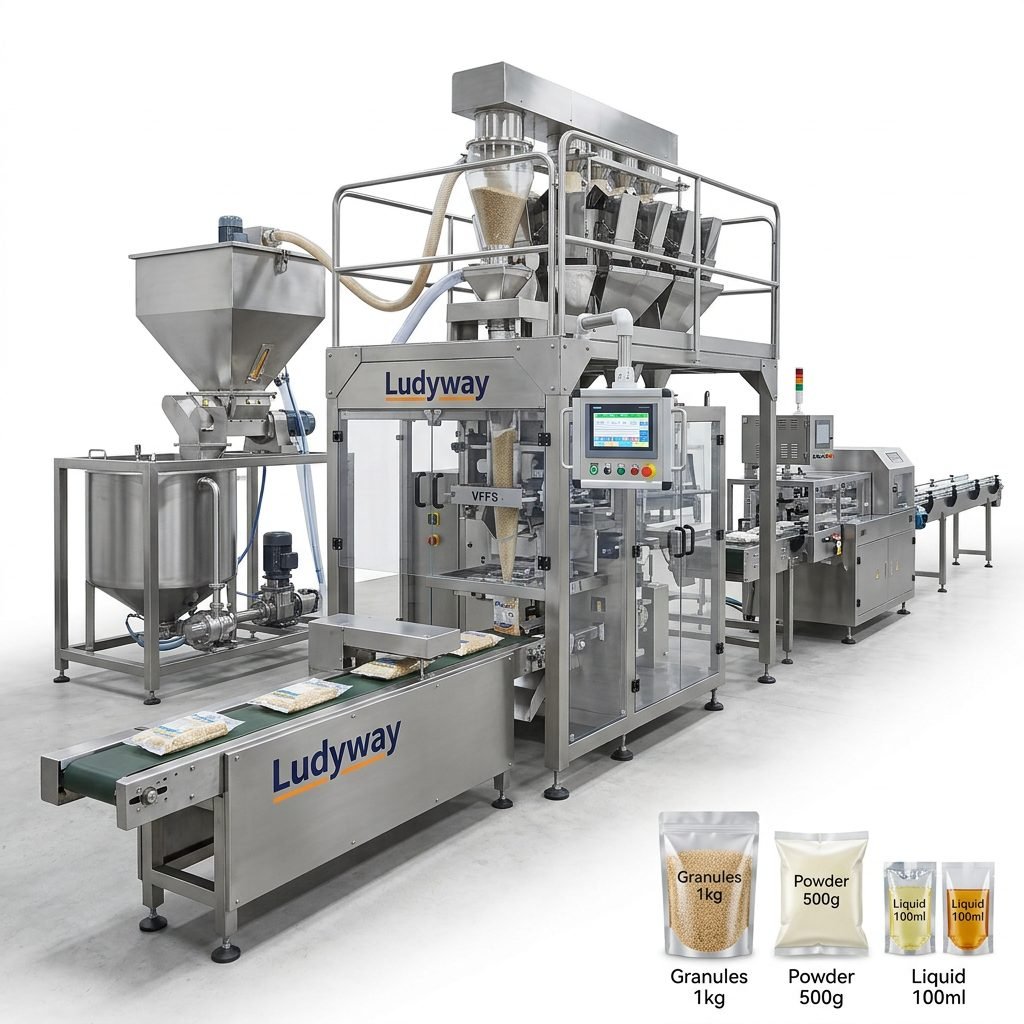
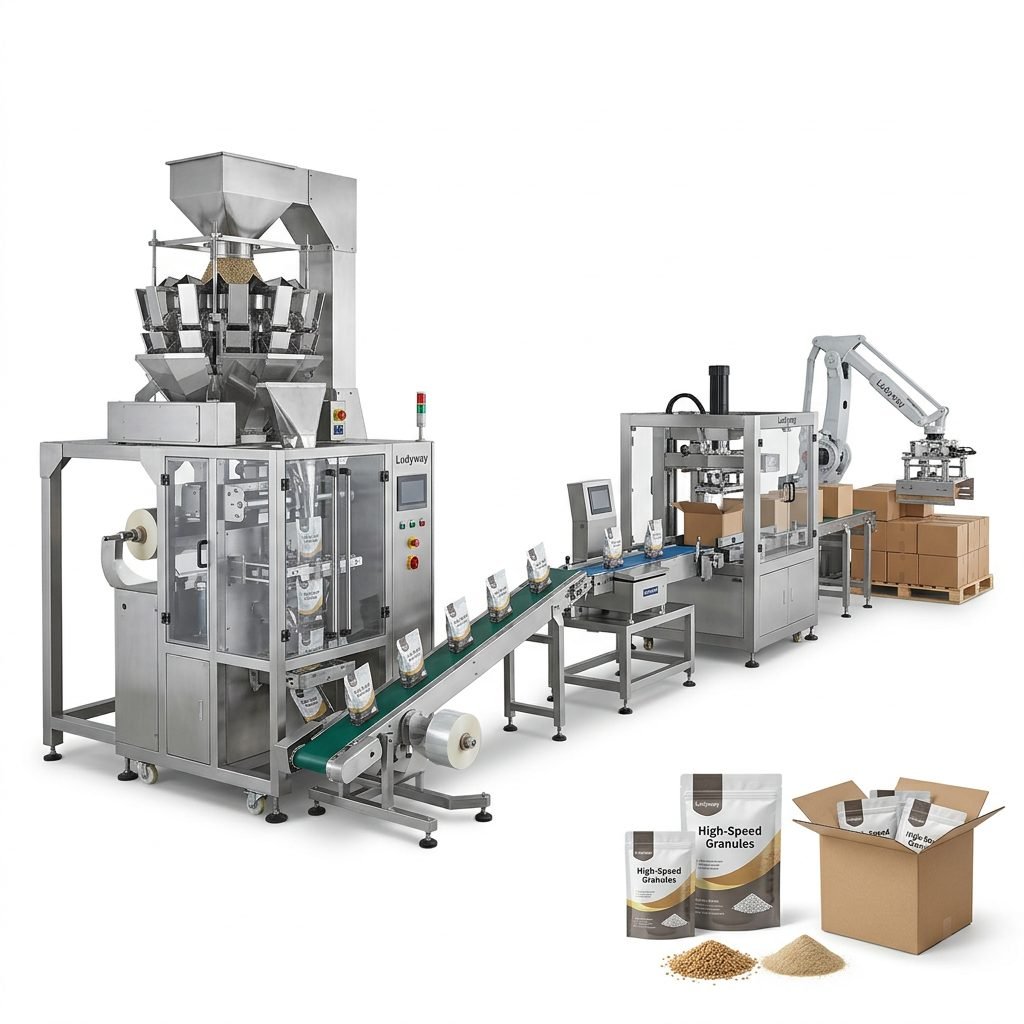
A high-performance dry food packaging line integrates several key modules. The table below summarizes the essential components and their functions:
| Equipment Module | Primary Function | Key Selection Criteria |
|---|---|---|
| Multi-Head Weigher | Precision weighing and portioning of granules/powders | Weight accuracy (±0.1g), speed (weighments per minute), material contact parts (SUS304/316L) |
| Vertical Form-Fill-Seal (VFFS) Machine | Bag forming, filling, and sealing from roll stock film | Multi-lane capability, film compatibility, sealing temperature control |
| Auger or Volumetric Cup Filler | Alternative filling for free-flowing and non-free-flowing powders | Fill volume range, dust control features, cleanability |
| Checkweigher | In-line weight verification and reject of off-spec packs | Throughput speed, IP rating for washdown environments |
| Metal Detector or X-Ray Inspection | Contaminant detection for food safety compliance | Sensitivity levels, product effect compensation, audit trail functions |
Step 4: Automation and Integration Strategy
In Southeast Asian markets where labor costs are rising but still competitive, a balanced automation approach works best. Integrate downstream equipment such as automatic cartoning machines and palletizing systems to reduce manual handling. A centralized control architecture allows operators to monitor multiple line components from a single HMI interface. The packaging industry trend reports highlight that mixed manual-automated lines are the prevailing model for mid-sized food manufacturers in the region.
Step 5: Regulatory Compliance and Food Safety Standards
Compliance with local and international standards is non-negotiable. If exporting from the region, your dry food packaging line must meet ASEAN Food Safety Policy requirements as well as destination market regulations. Key standards include:
- GMP (Good Manufacturing Practices) – Mandatory for food processing facilities in most Southeast Asian countries.
- HACCP principles – Identify critical control points within the packaging process.
- FDA 21 CFR Part 117 – Required for exports to the United States.
- EU Regulation No. 10/2011 – Governs food contact materials for shipments to the European Union.
Machinery should use food-grade stainless steel (SUS304 or 316L) for all product contact surfaces and include validated cleaning protocols to prevent cross-contamination.
Step 6: Maintenance Infrastructure and Spare Parts Management
Equipment uptime is critical for meeting production targets. Establish a preventive maintenance schedule aligned with machine operating hours. In Southeast Asia, where supply chains for specialized components can be fragmented, maintaining an on-site inventory of critical spare parts—sealing jaws, belts, sensors, and heating elements—prevents extended downtime. Many operators partner with equipment suppliers that offer remote diagnostic support and rapid-response field service across the ASEAN region.
Step 7: Workforce Training and Operational Excellence
Even the most advanced automatic packaging machine requires skilled operators. Invest in comprehensive training programs covering machine setup, film splicing, parameter adjustment, and basic troubleshooting. Training curricula should be bilingual where necessary and reinforced with standard operating procedure (SOP) documentation. Continuous improvement methodologies like lean manufacturing and total productive maintenance (TPM) help optimize overall equipment effectiveness (OEE) in humid, demanding production environments.
Key Considerations for Multi-Product Flexibility
Many Southeast Asian food manufacturers produce a wide product portfolio under one roof. If your line must handle multiple dry food SKUs—ranging from fine matcha powder to coarse granola—prioritize machines with quick-changeover features. Tool-less adjustments, recipe management via PLC, and modular filler heads significantly reduce downtime during product transitions.
Energy Efficiency and Sustainability
Energy costs in parts of Southeast Asia can be substantial. Modern dry food packaging equipment increasingly incorporates servo-driven motors and regenerative energy systems that reduce power consumption by up to 30% compared to pneumatic or mechanical alternatives. Additionally, film waste reduction through precise bag length control and mis-seal detection contributes to both sustainability goals and cost savings.
Selecting a Reliable Equipment Partner
Choosing the right machinery supplier directly influences project success. Look for manufacturers with proven experience in delivering comprehensive packaging lines that include weighers, fillers, sealers, and secondary packaging equipment. A partner with strong regional presence, localized technical support, and an installed base across Southeast Asia provides significant advantages during installation, commissioning, and ongoing operation.
Ludyway is one of the largest packaging machine manufacturers in China, providing advanced equipment and turnkey packaging solutions for food, pharmaceutical, and health industries. With over 30 years of expertise and a modern 20,000 m² manufacturing facility, the company supports more than 50 intelligent packaging machine models and serves customers in over 100 countries, offering reliable, high-performance systems that help businesses improve productivity and product quality in dry food packaging applications.
Conclusion
Setting up a successful dry food packaging machine production line in Southeast Asia requires a holistic approach that balances technology, environmental adaptation, regulatory compliance, and operational planning. By carefully assessing product characteristics, selecting appropriate packaging formats, integrating automation thoughtfully, and partnering with an experienced equipment manufacturer, food producers can build lines that deliver consistent quality, high throughput, and long-term profitability. As Southeast Asian consumer markets continue their growth trajectory, investing in the right packaging infrastructure today positions manufacturers for sustained competitive advantage tomorrow.