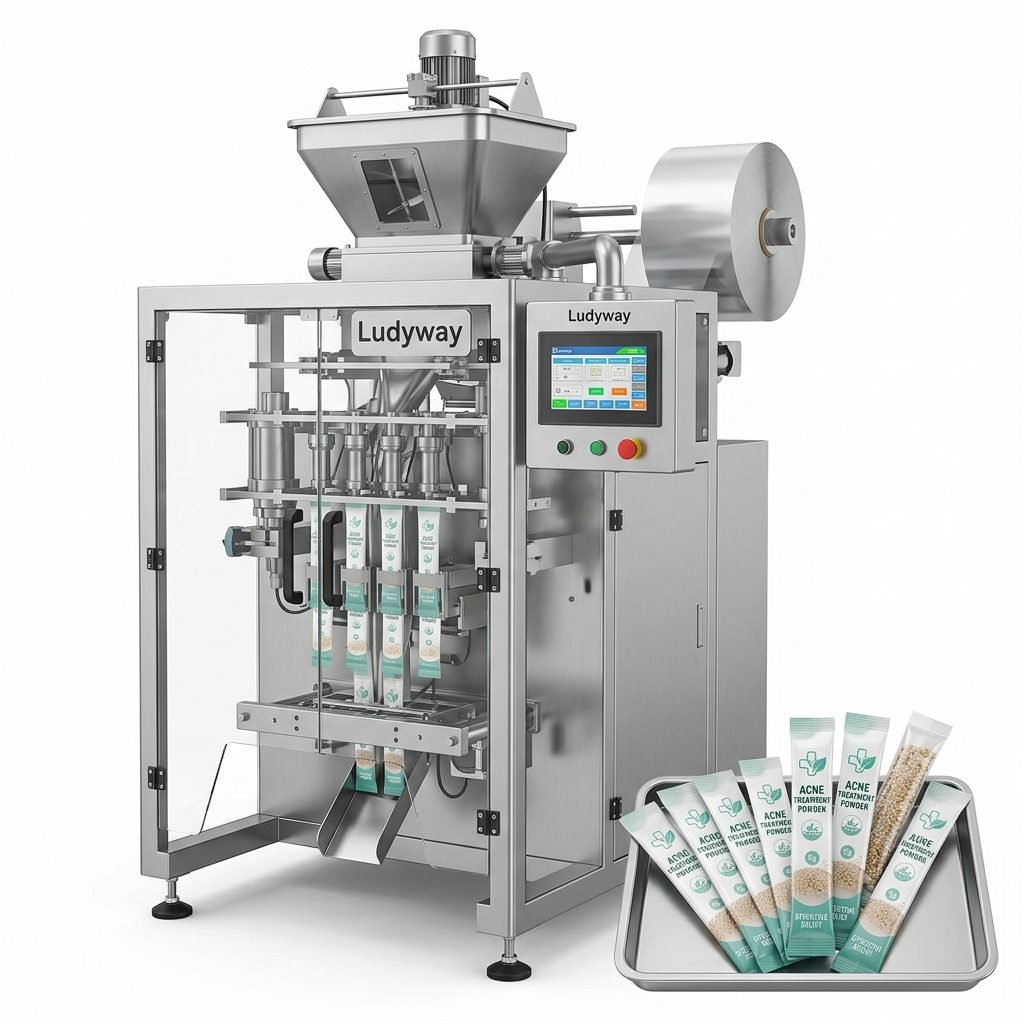
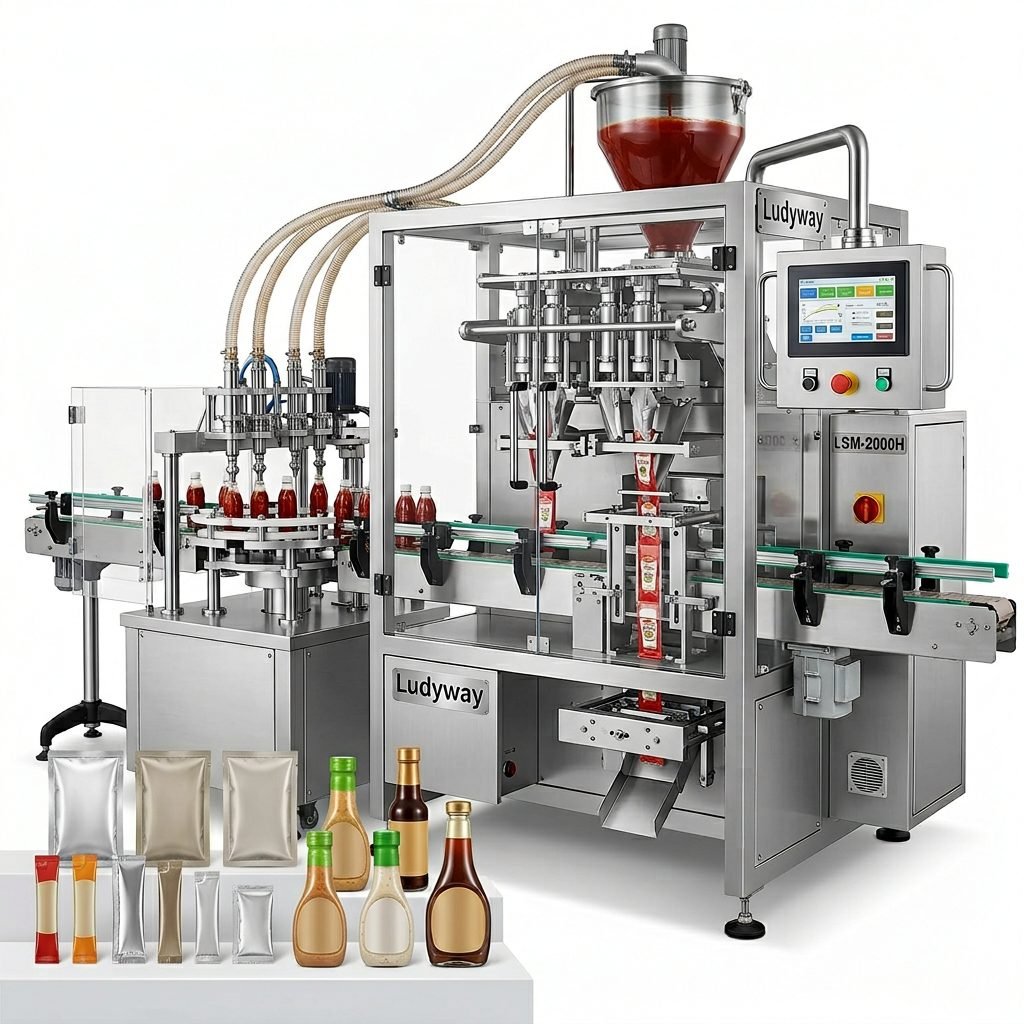
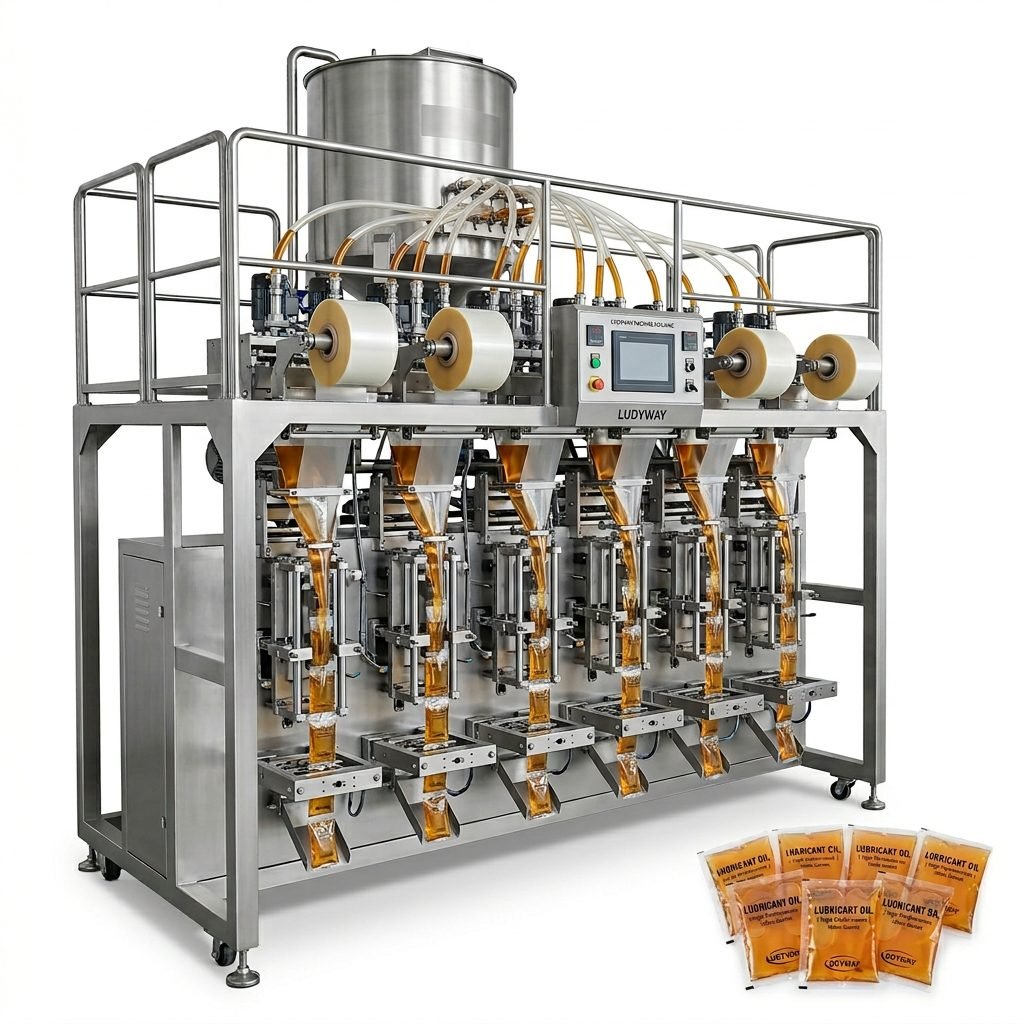
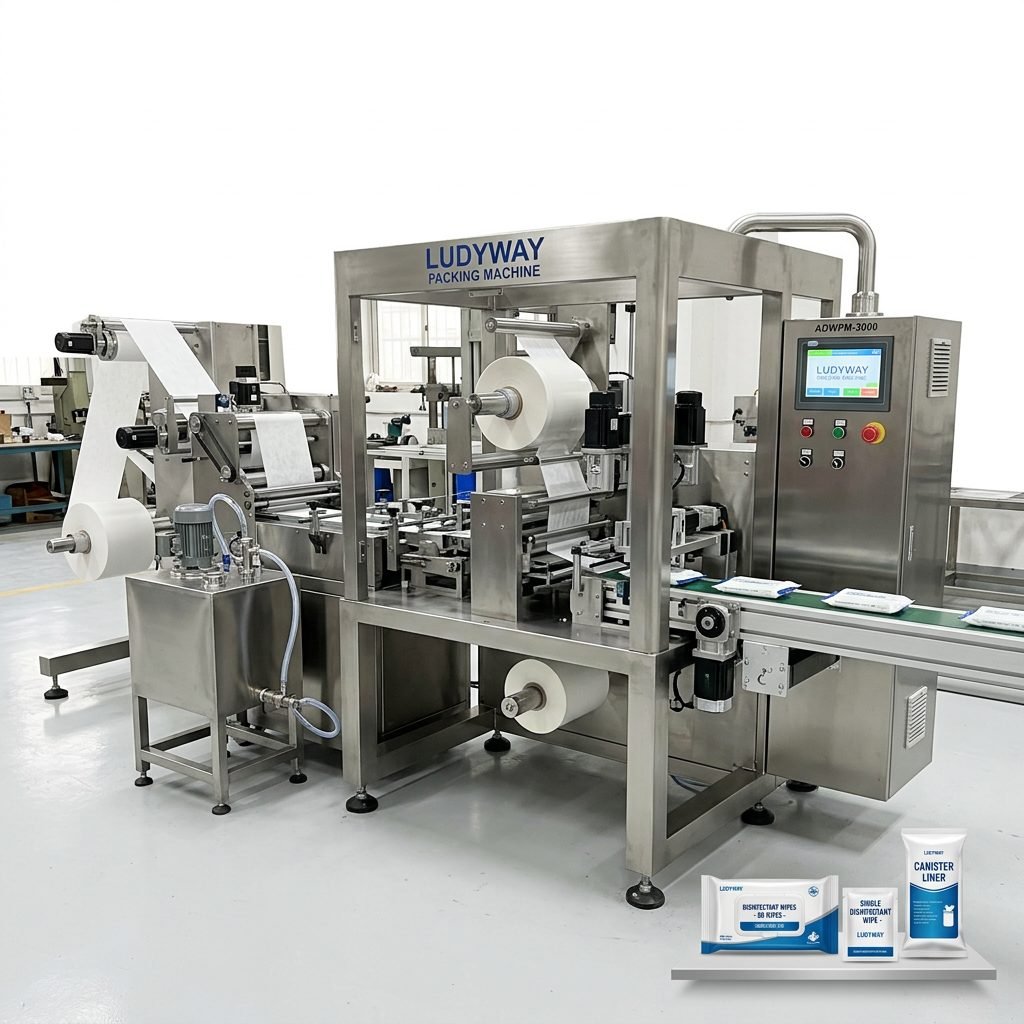
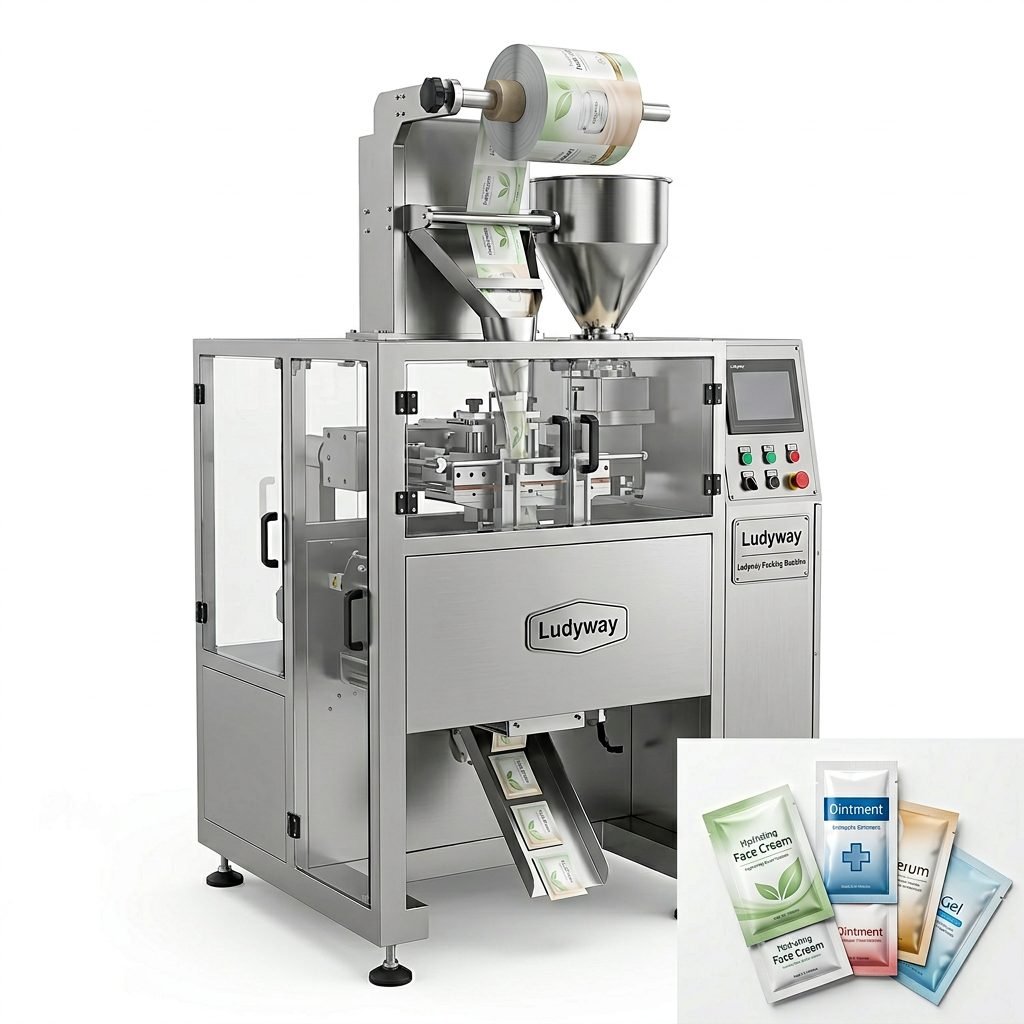
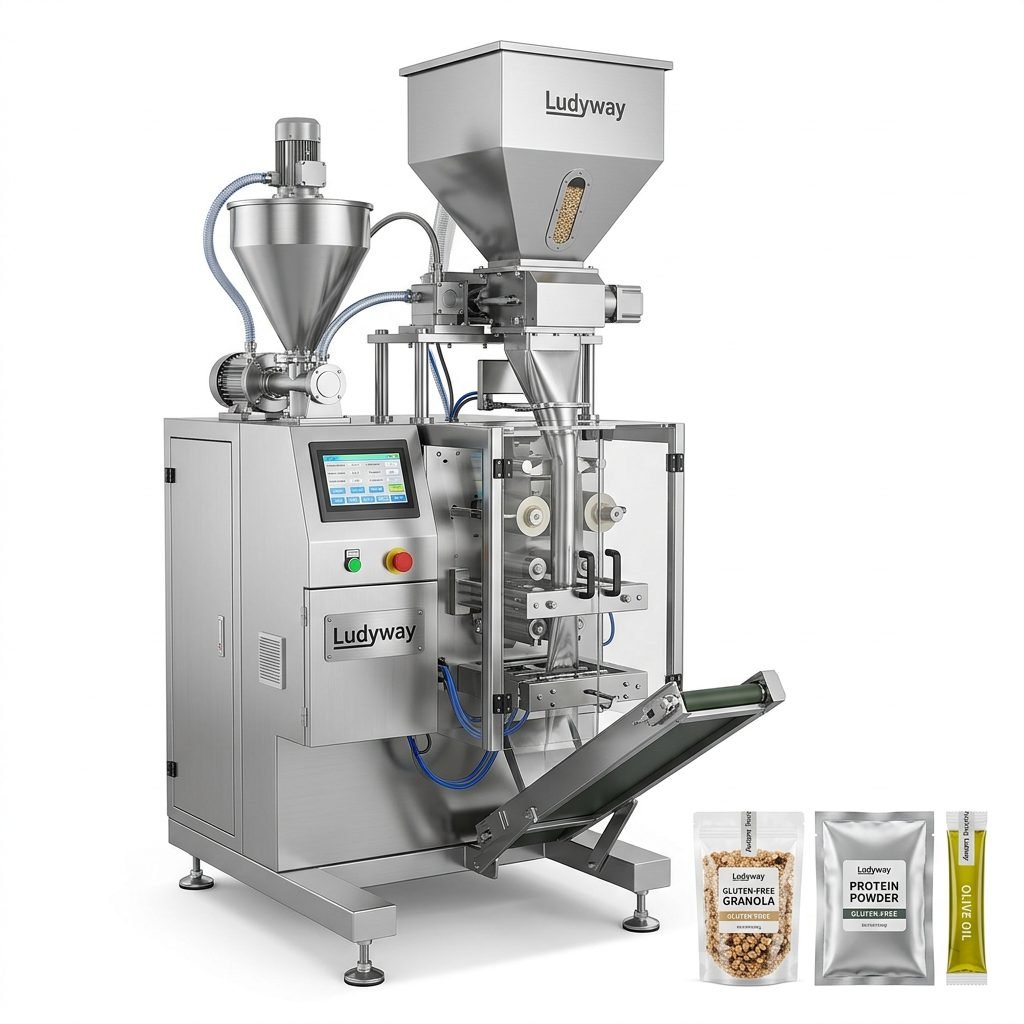
Setting up a meal packaging machine production line in North America requires careful planning, regulatory compliance, and the right equipment choices. Whether you are launching a new facility or upgrading an existing operation, this guide walks you through every essential step—from understanding local regulations to selecting high-performance packaging machinery that meets FDA and USDA standards.
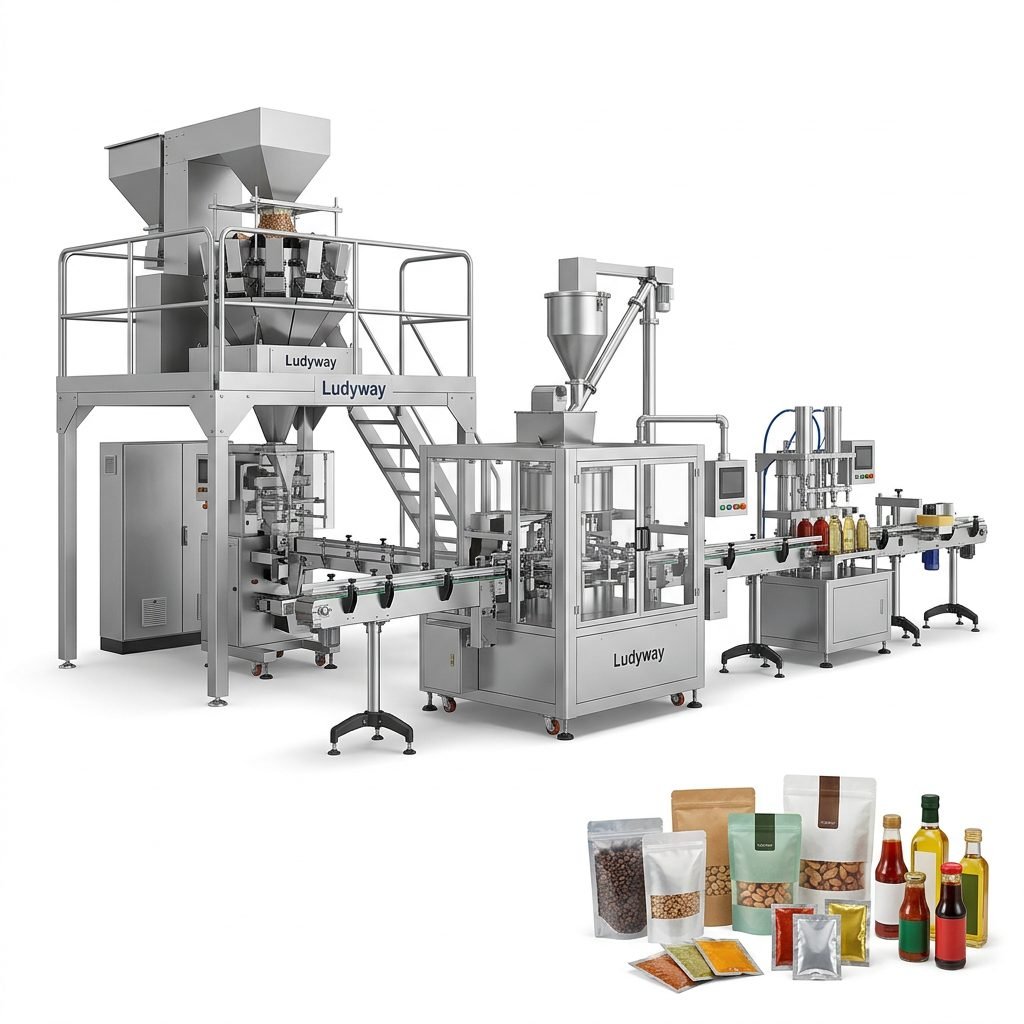
Understanding the North American Regulatory Landscape
Before installing any equipment, familiarize yourself with the regulatory framework governing food packaging in the United States and Canada. The FDA Food Packaging and Food Contact Substances guidelines set strict requirements for materials that come into contact with food products. Additionally, if your production line handles meat, poultry, or dairy, USDA oversight may apply.
Canadian operations must comply with Health Canada and the Canadian Food Inspection Agency (CFIA) regulations. Key areas to address include:
- Food contact material compliance per FDA 21 CFR
- Sanitary design standards for equipment (3-A, EHEDG)
- Labeling requirements under FSMA and Canadian regulations
- Worker safety per OSHA and provincial equivalents
- Environmental regulations for waste and emissions
Step 1: Define Your Production Goals and Capacity Requirements
Start by clearly defining what your meal packaging production line needs to accomplish. Consider the following questions:
- What types of meals are you packaging? (dry powder meals, ready-to-eat pouches, frozen meals, liquid meal replacements)
- What is your target output per shift? (packages per minute/hour)
- What packaging formats do you need? (stick packs, sachets, pouches, trays, multi-compartment containers)
- What are your future scalability requirements?
According to PMMI Business Intelligence, the North American packaging machinery market continues to grow steadily, driven by demand for flexible packaging and automated solutions. Planning for scalability from day one helps avoid costly retrofits later.
Step 2: Facility Planning and Layout Design
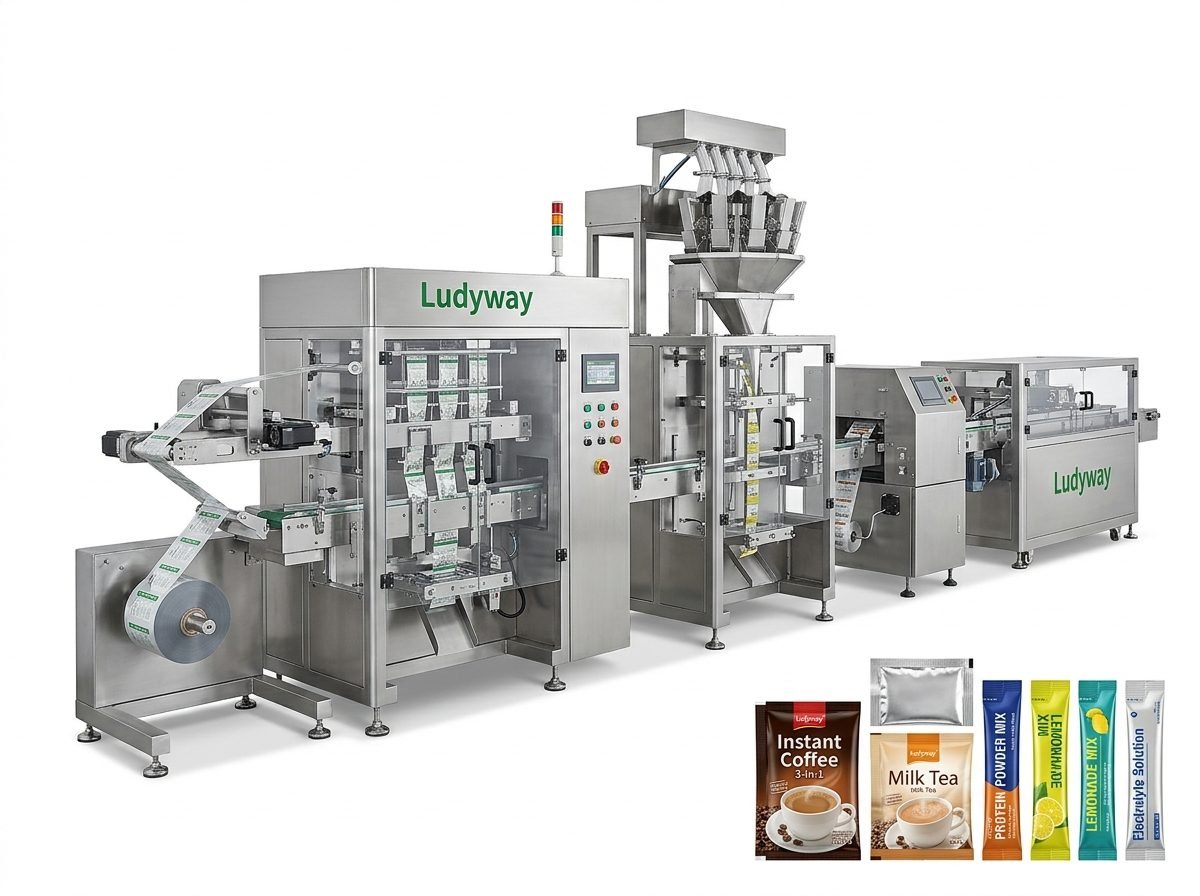
Your facility layout directly impacts production efficiency. A well-designed packaging line layout minimizes material handling, reduces contamination risks, and optimizes workflow. Key considerations include:
- Raw material receiving area with adequate storage
- Processing zone (mixing, blending, cooking if applicable)
- Packaging zone with the main filling and sealing machinery
- Secondary packaging area for cartoning, case packing
- Finished goods warehouse with climate control if needed
- Quality control laboratory for in-process testing
Industry resources like the PMMI Packaging Industry Resources provide benchmarks for facility design and workflow optimization. Ensure your layout allows for easy sanitation access and future line expansions.
Step 3: Selecting the Right Packaging Equipment
Choosing the correct machinery is the most critical decision. For meal packaging, the equipment must handle various product consistencies—powders, granules, liquids, pastes, and solid pieces. Key machine categories include:
Primary Filling and Sealing Machines
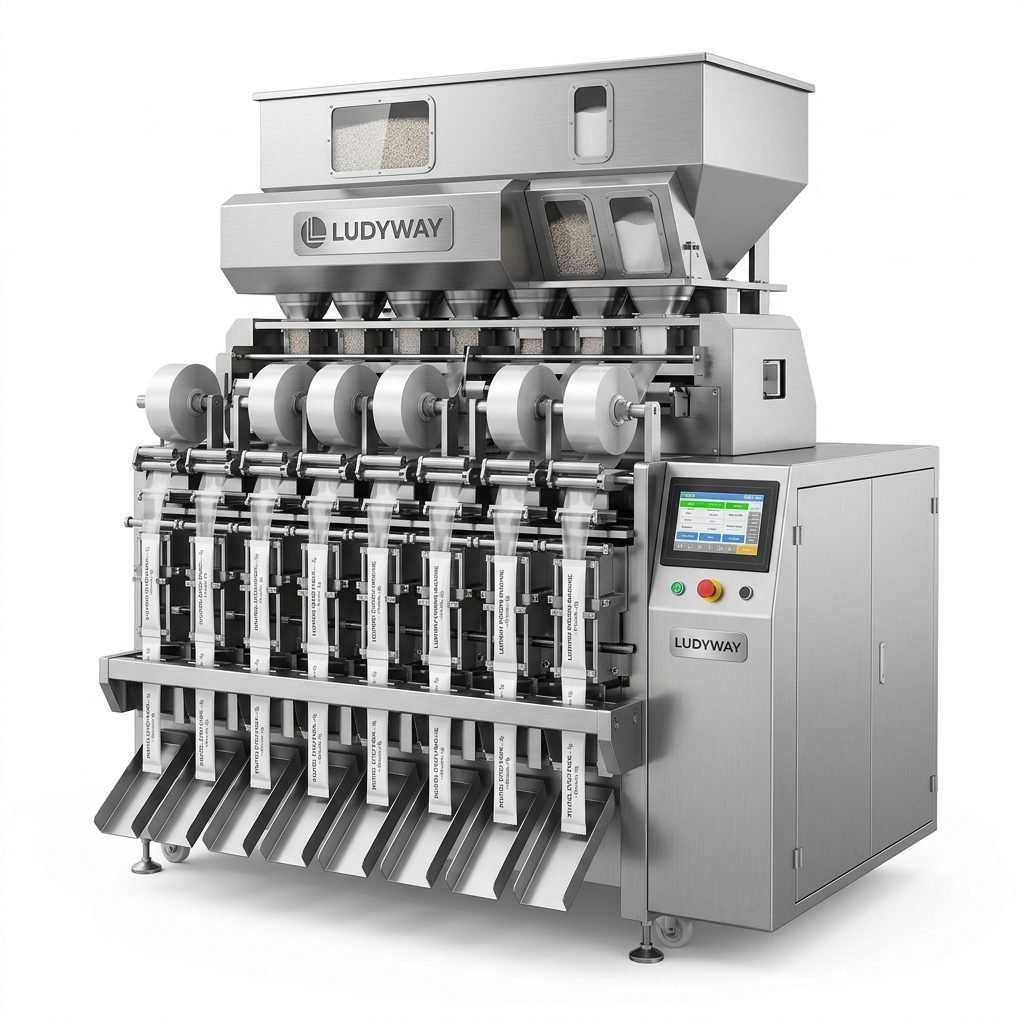
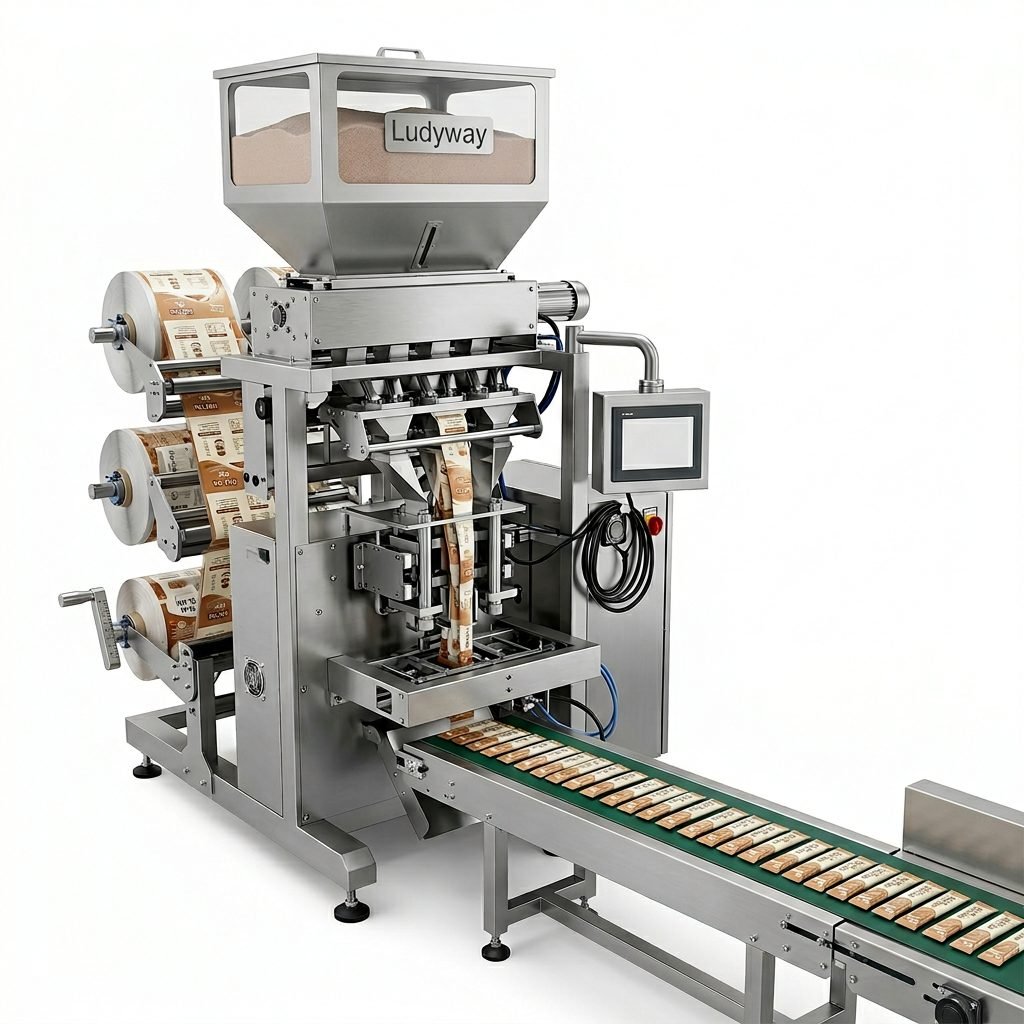
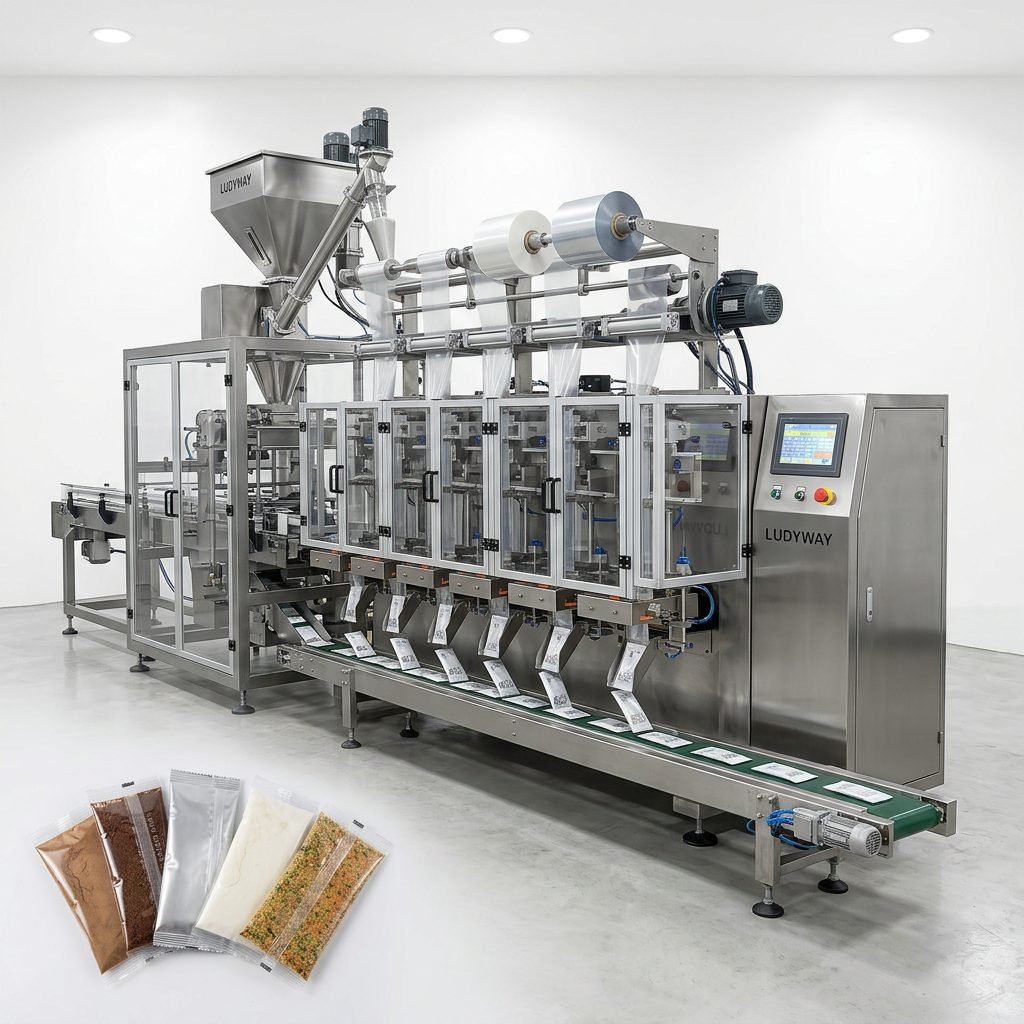
- Multi-Lane Stick Pack Machines — Ideal for single-serve powder meals, protein shakes, and instant beverage mixes
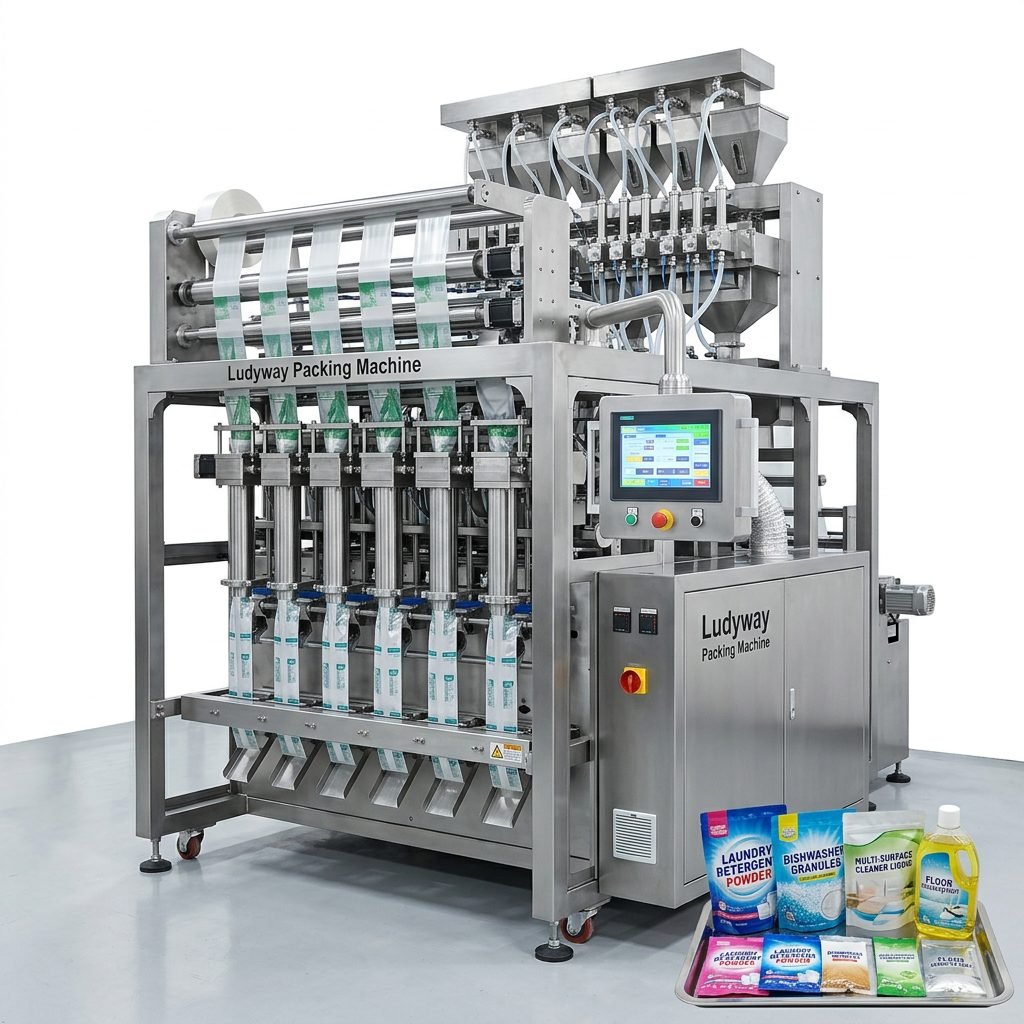
- Sachet Packaging Machines — Suitable for sauces, condiments, and liquid meal components
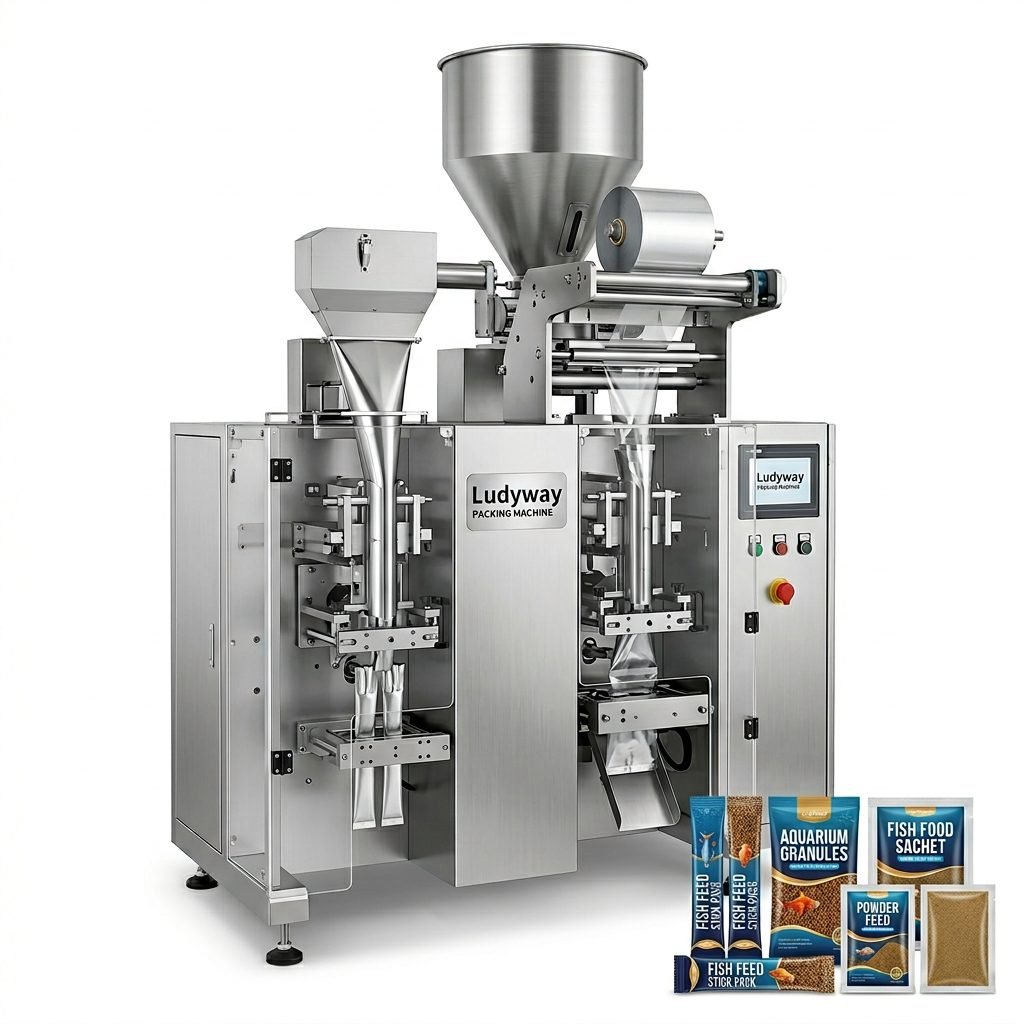
- Pouch Filling and Sealing Machines — For ready-to-eat meals, retort pouches, and larger portions
- Tray Sealing Machines — For prepared meal trays with modified atmosphere packaging (MAP)
Supporting Equipment
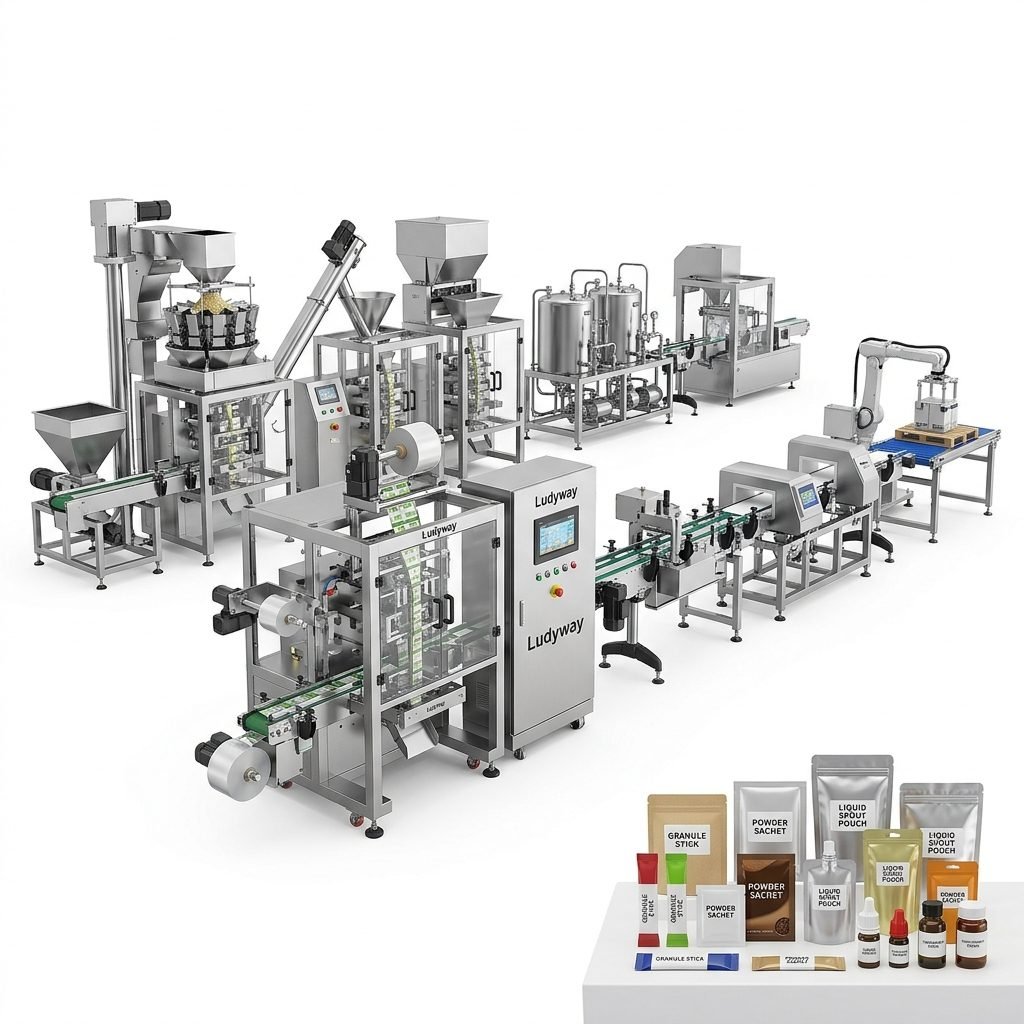
- Multi-Head Weighers or Auger Fillers for precise portioning
- Checkweighers for quality assurance
- Metal Detectors and X-Ray Inspection Systems
- Cartoning Machines and Case Packers
- Palletizing Systems for end-of-line automation
- Coding and Marking Equipment for traceability
Refer to ISO Packaging Standards to ensure your equipment meets international quality and safety benchmarks.
Step 4: Budgeting and Cost Analysis
Understanding the total cost of ownership is essential. Below is a breakdown of typical cost categories for a meal packaging machine production line in North America:
| Cost Category | Estimated Range (USD) | Key Variables |
|---|---|---|
| Primary Packaging Machinery | $80,000 – $500,000+ | Speed, lanes, automation level |
| Supporting Equipment | $30,000 – $200,000 | Weighers, conveyors, inspection |
| Installation & Commissioning | $15,000 – $60,000 | Complexity, travel, training |
| Facility Modifications | $20,000 – $150,000 | Utilities, flooring, HVAC |
| Annual Maintenance | 5% – 10% of equipment cost | Parts, service contracts |
| Operator Training | $5,000 – $25,000 | Staff count, training depth |
Step 5: Installation, Commissioning, and Validation
Once equipment arrives on-site, a structured installation process ensures minimal downtime. Key phases include:
- Pre-Installation Preparation — Verify utilities (electrical, compressed air, water), floor load capacity, and clearance
- Mechanical Installation — Position and secure all machinery according to the layout plan
- Electrical and Control Integration — Connect power, PLC systems, and communication networks
- Dry Run Testing — Operate equipment without product to verify mechanical functions
- Product Testing and Calibration — Run actual product to fine-tune filling accuracy, seal integrity, and speed
- Validation and Documentation — Complete IQ/OQ/PQ protocols per ISO 11607 standards where applicable
For pharmaceutical meal products or those making health claims, additional validation per 21 CFR Part 210/211 may be required.
Step 6: Workforce Training and Safety Protocols
Even the most advanced packaging automation systems require skilled operators. Invest in comprehensive training covering:
- Machine operation and HMI navigation
- Changeover procedures for different meal SKUs
- Cleaning and sanitation protocols (especially for allergen control)
- Basic troubleshooting and maintenance
- Lockout/Tagout (LOTO) procedures per OSHA standards
- Quality check procedures including seal integrity and weight verification
North American facilities benefit from multilingual training materials given the diverse workforce. Document all training and maintain records for audits.
Step 7: Ongoing Maintenance and Continuous Improvement
A proactive maintenance program extends equipment life and prevents costly downtime. Implement:
- Preventive Maintenance (PM) schedules based on machine hours or cycles
- Spare parts inventory management for critical components
- Regular calibration of weighing, temperature, and sealing systems
- Performance monitoring using OEE (Overall Equipment Effectiveness) metrics
- Continuous improvement programs leveraging data from the packaging line
Resources from the Flexible Packaging Association offer valuable insights into maintenance best practices and industry benchmarks.
Key Regulatory Contacts and Resources for North America
| Agency / Organization | Relevance | Resource Link |
|---|---|---|
| FDA | Food contact substances, facility registration | FDA Food Packaging |
| PMMI | Industry standards, market intelligence | PMMI Official Site |
| FPA | Flexible packaging resources | Flexible Packaging Association |
| ISO | International packaging standards | ISO Packaging Standards |
| EPA | Sustainable packaging and waste management | EPA Sustainable Materials |
Common Pitfalls to Avoid When Setting Up a Meal Packaging Line
- Underestimating utility requirements — Compressed air, electrical load, and ventilation needs often exceed initial estimates
- Ignoring future flexibility — Choose equipment that can handle multiple packaging formats to adapt to market changes
- Skipping proper factory acceptance testing (FAT) — Always test equipment at the manufacturer’s facility before shipment
- Inadequate allergen management — Design cleaning protocols and line segregation for allergen-containing meal products
- Overlooking local permitting — Building permits, electrical inspections, and environmental approvals can delay startup
Turnkey Solutions vs. Piecemeal Assembly
Many North American food manufacturers face a choice between sourcing equipment from multiple vendors or partnering with a single turnkey packaging line provider. Turnkey solutions offer several advantages:
- Single point of accountability for the entire line
- Seamless integration between filling, sealing, inspection, and cartoning
- Faster commissioning since all components are pre-engineered to work together
- Simplified after-sales support and warranty management
Companies like Ludyway, one of the largest packaging machine manufacturers with over 30 years of industry experience and a modern 20,000㎡ production facility, provide comprehensive turnkey solutions that include multi-lane stick pack, sachet, and fully automated packaging systems for granule, powder, liquid, and pouch applications—serving customers in over 100 countries worldwide.
Final Checklist Before Production Launch
- All equipment installed and calibrated
- IQ/OQ/PQ documentation complete
- Operators fully trained and certified
- Raw material supply chain verified
- Quality control procedures in place
- FDA facility registration active (if applicable)
- Emergency procedures documented
- Spare parts inventory stocked
- Waste disposal contracts active
- First production batch scheduled for validation
Setting up a meal packaging machine production line in North America is a significant undertaking, but with meticulous planning, the right equipment partners, and attention to regulatory details, your operation can achieve efficient, compliant, and profitable production from day one. For further reading, explore the PMMI State of the Industry Reports and stay informed about packaging trends and machinery innovations shaping the North American market.