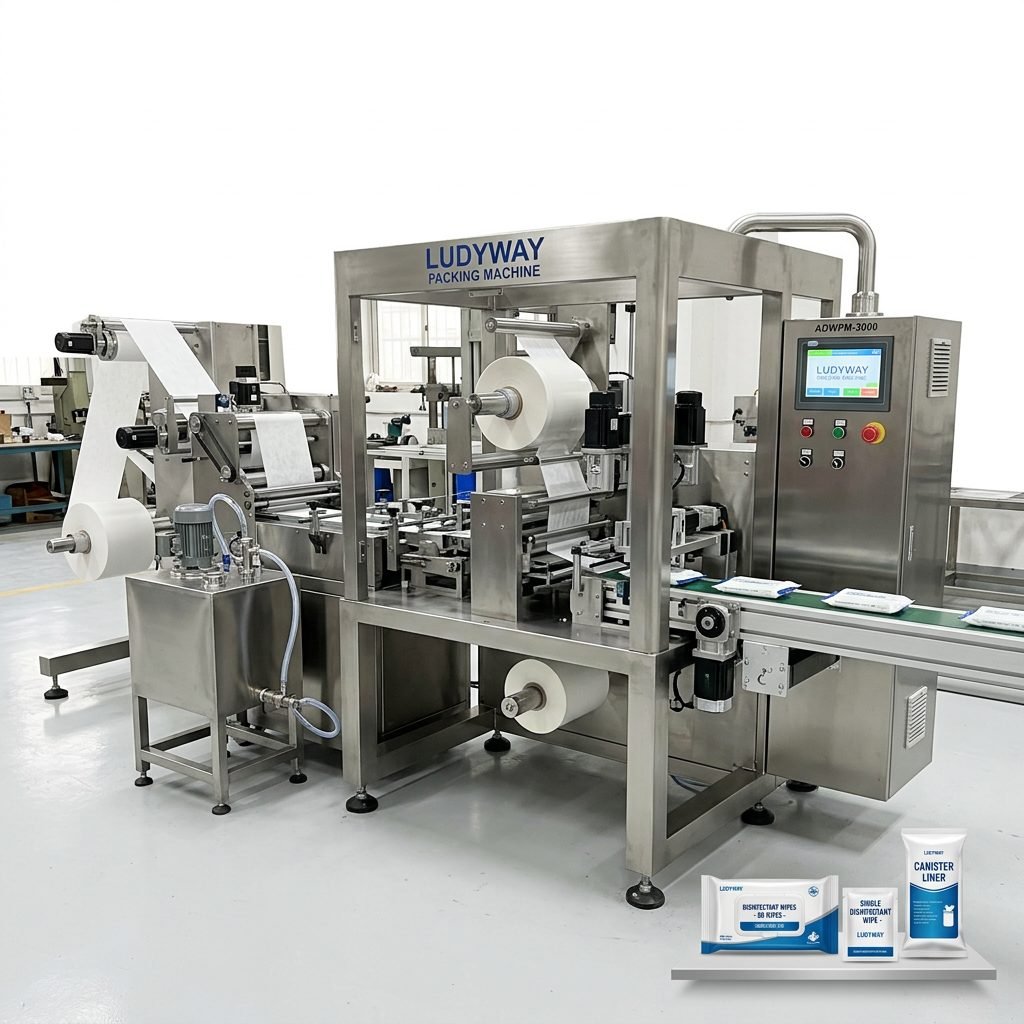
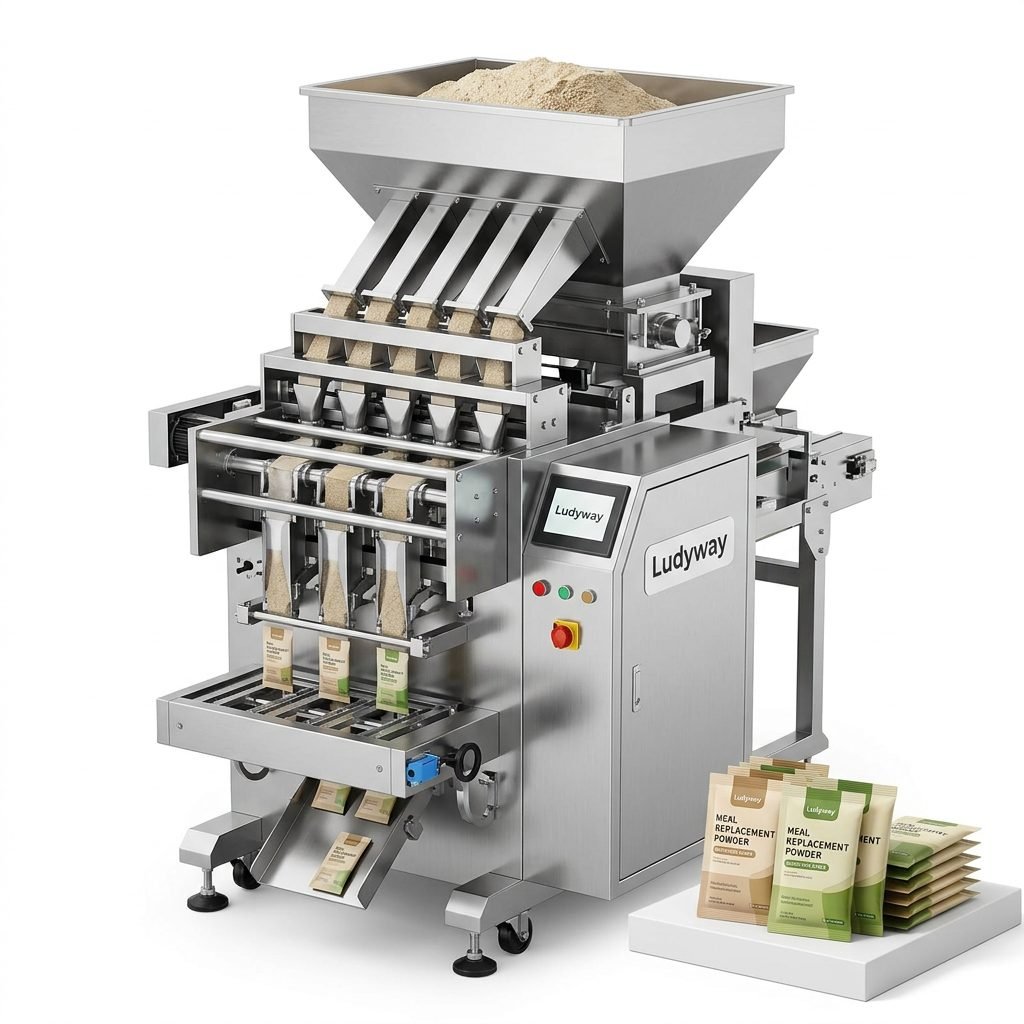
Germany stands as one of Europe’s largest markets for ready meal packaging machines, driven by a booming convenience food sector and strict regulatory standards. Whether you are producing chilled ready meals, frozen entrees, or shelf-stable prepared foods, selecting the right packaging machine is critical to ensuring product quality, shelf life, and compliance with EU regulations. This guide walks you through everything you need to know before investing in packaging equipment for the German market.

Understanding the German Ready Meal Market
Germany’s ready meal industry has experienced consistent year-over-year growth, fueled by changing consumer lifestyles, increasing dual-income households, and rising demand for convenience without compromising quality. According to PMMI industry data, the European prepared foods sector continues to expand, with Germany accounting for a substantial share of packaging machinery imports. Manufacturers entering this market must navigate unique requirements around sealing integrity, modified atmosphere packaging (MAP), and sustainable materials.
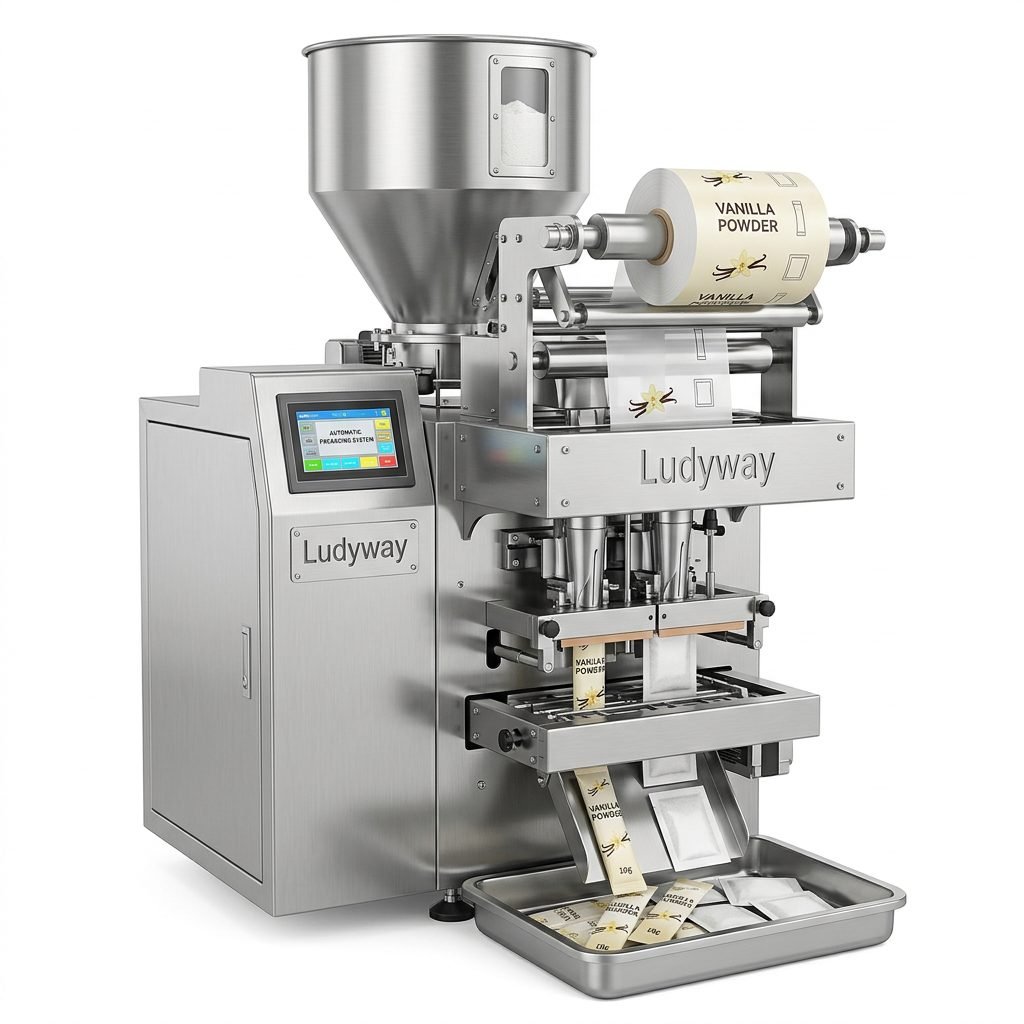
Key Market Drivers
- Growing demand for chilled and frozen prepared meals across retail and food service channels
- Stringent EU food contact material regulations requiring certified packaging films and components
- Increasing adoption of automated multi-lane systems to improve production efficiency
- Rising consumer preference for portion-controlled and single-serve packaging formats
- Pressure to adopt recyclable and mono-material packaging in line with EU sustainability goals
Types of Ready Meal Packaging Machines
Selecting the appropriate ready meal packaging equipment depends on your product format, production volume, and desired packaging style. Below is a breakdown of the most common machine categories deployed in German food manufacturing facilities.
1. Tray Sealing Machines
Tray sealers are the workhorse of ready meal packaging. They seal pre-formed plastic, aluminum, or compostable trays with a flexible lidding film. Modern tray sealing systems support MAP gas flushing to extend product shelf life, a critical requirement for chilled ready meals distributed through German supermarket chains.
2. Flow Wrapping / Horizontal Form-Fill-Seal (HFFS) Machines
HFFS machines are ideal for packaging individual meal components, sandwiches, wraps, and bakery items. They create a flexible pillow pack or fin-seal package around the product at high speeds, offering excellent throughput for medium to high-volume operations.
3. Thermoforming Packaging Lines
Thermoforming machines create the tray or cup from rollstock film, fill it with product, apply the top film, and seal — all in one continuous, automated process. This integrated approach reduces material costs and labor while improving production consistency for large-scale ready meal manufacturers.
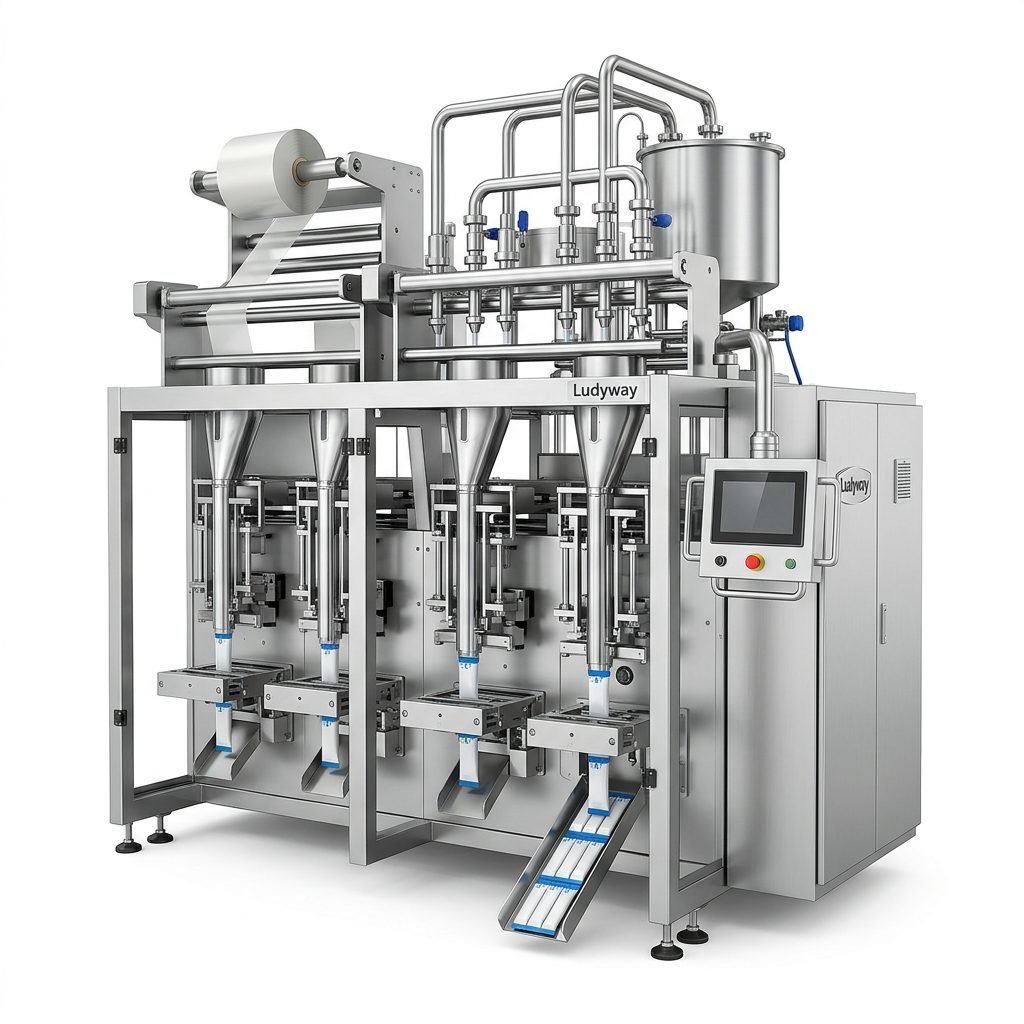
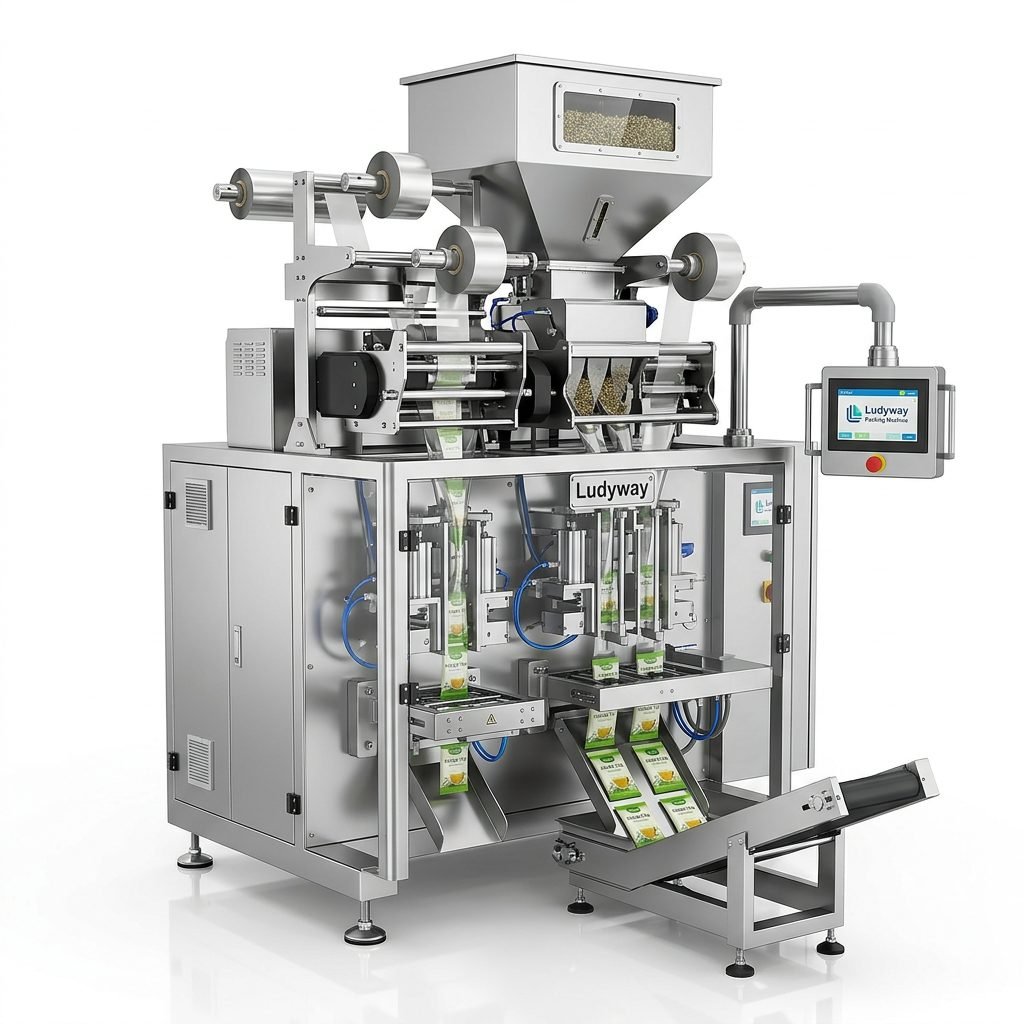
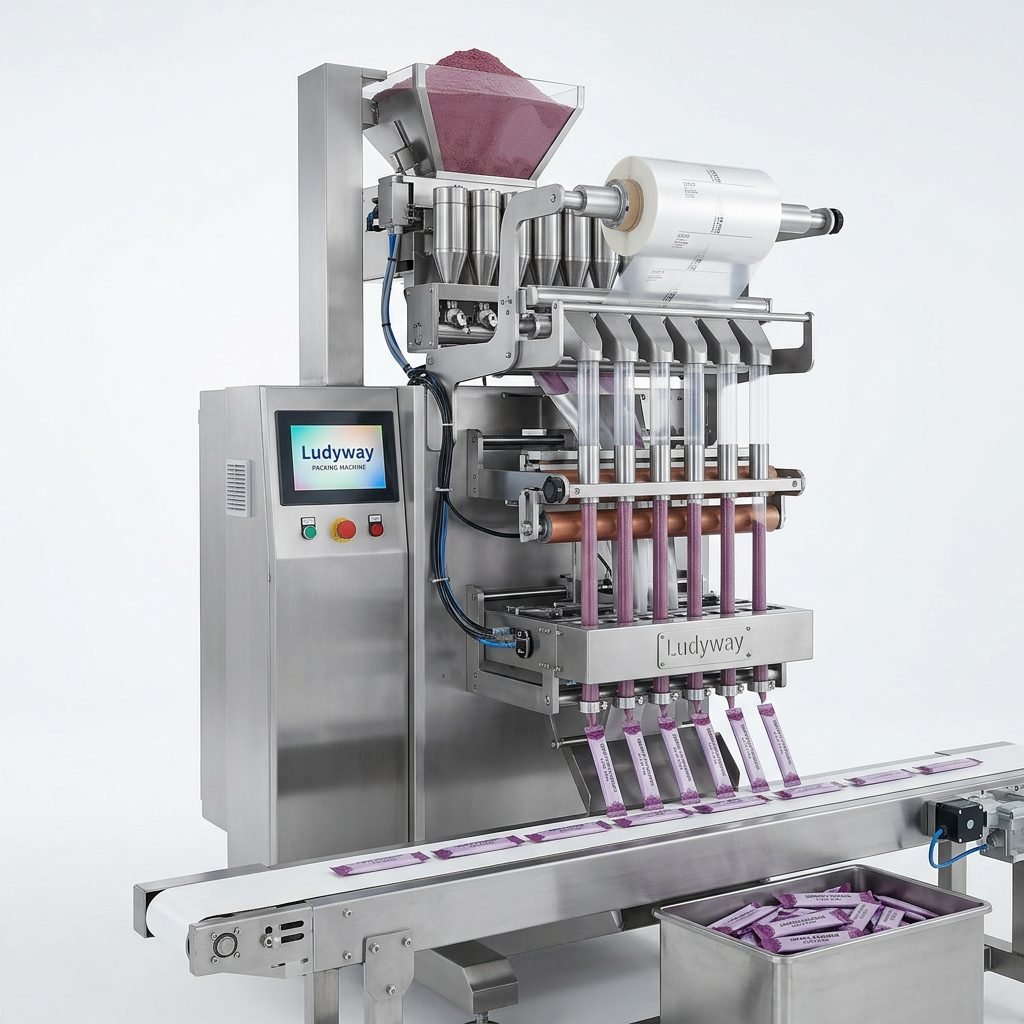
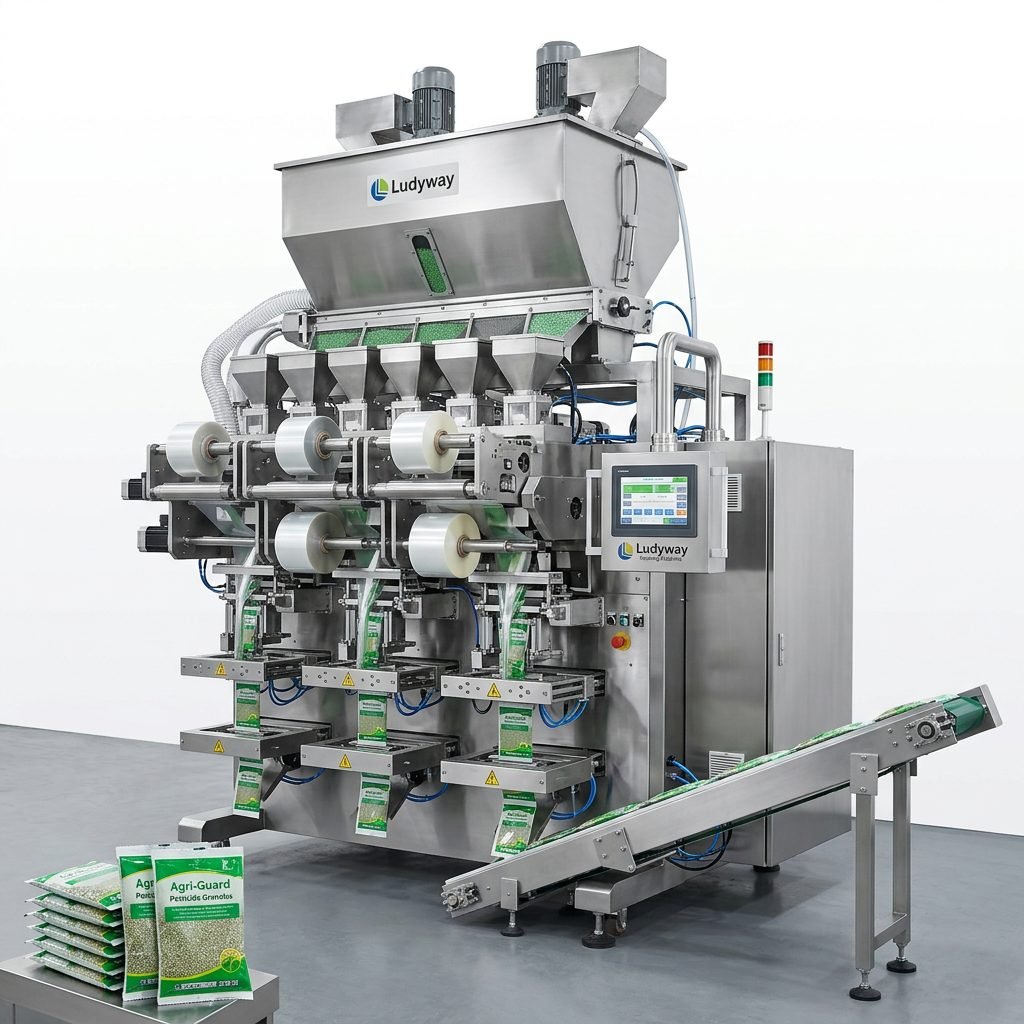
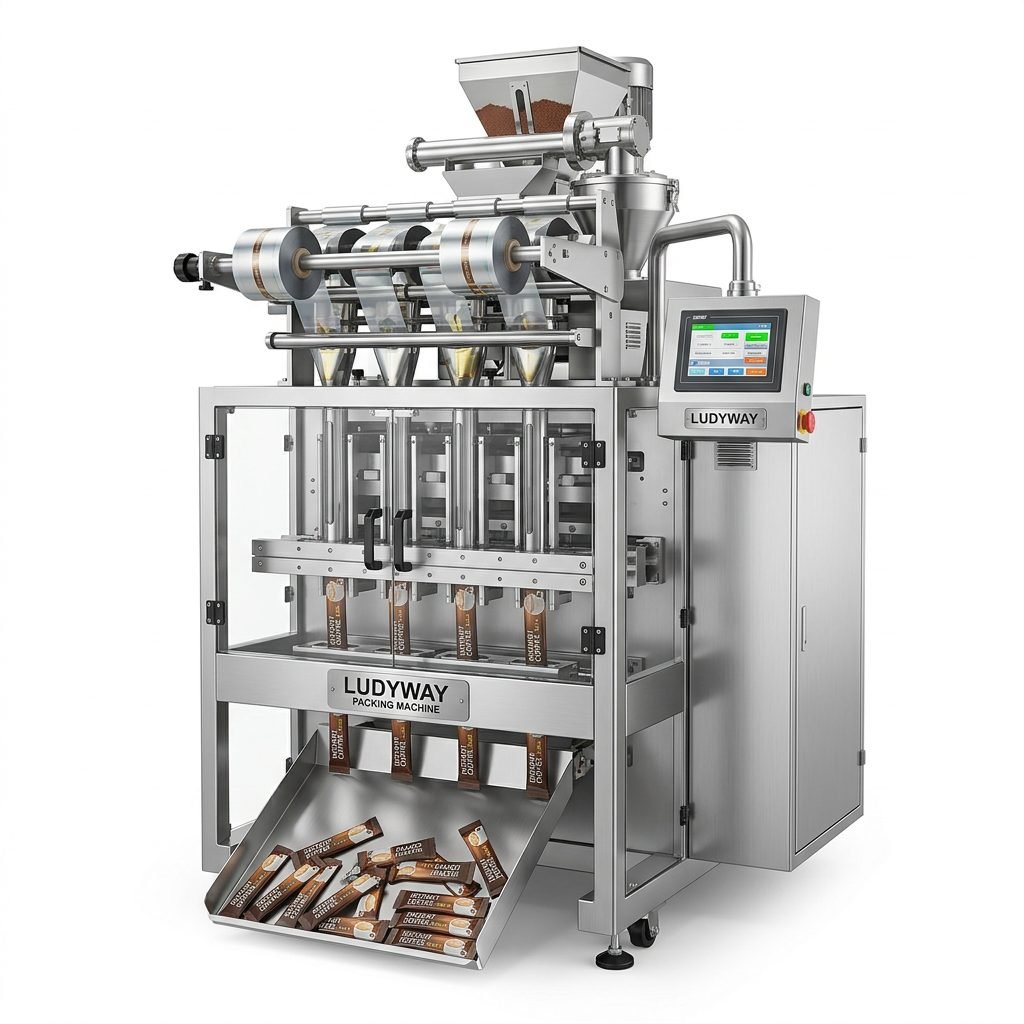
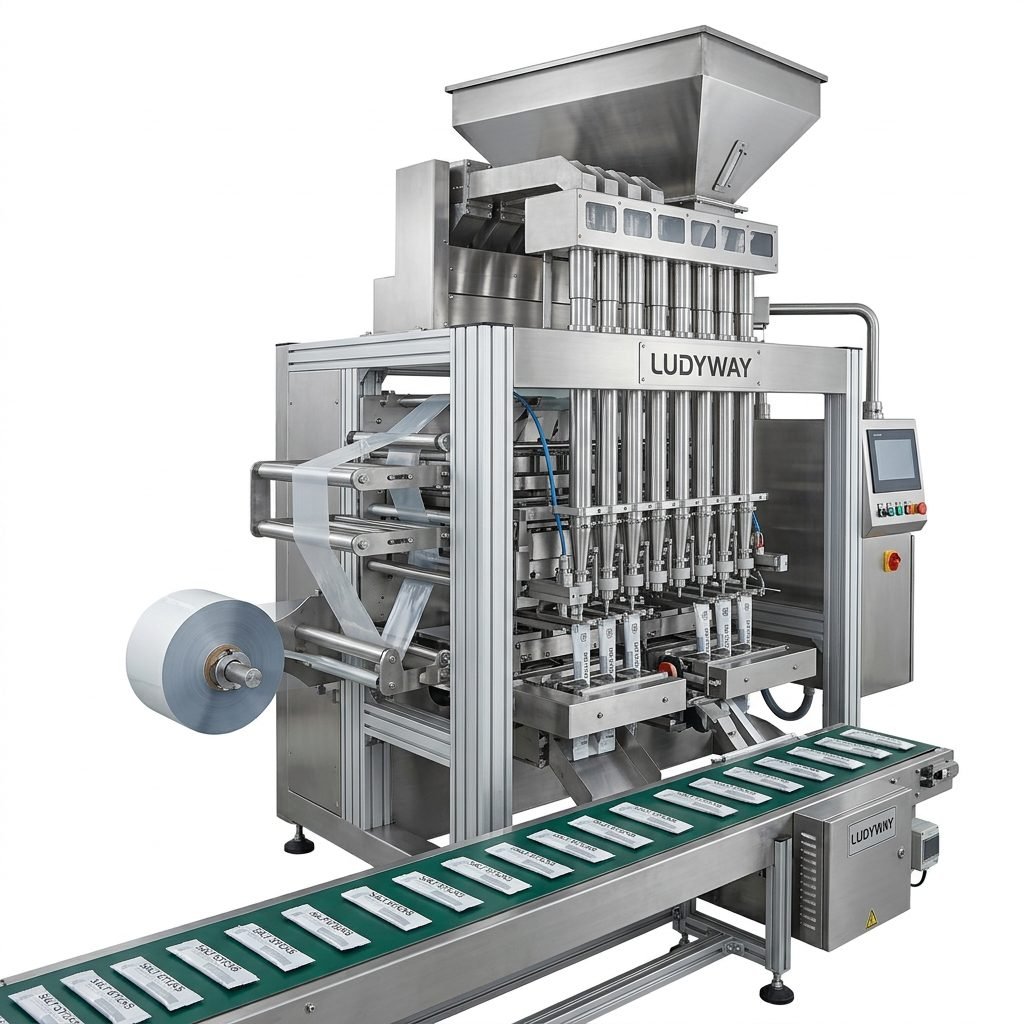
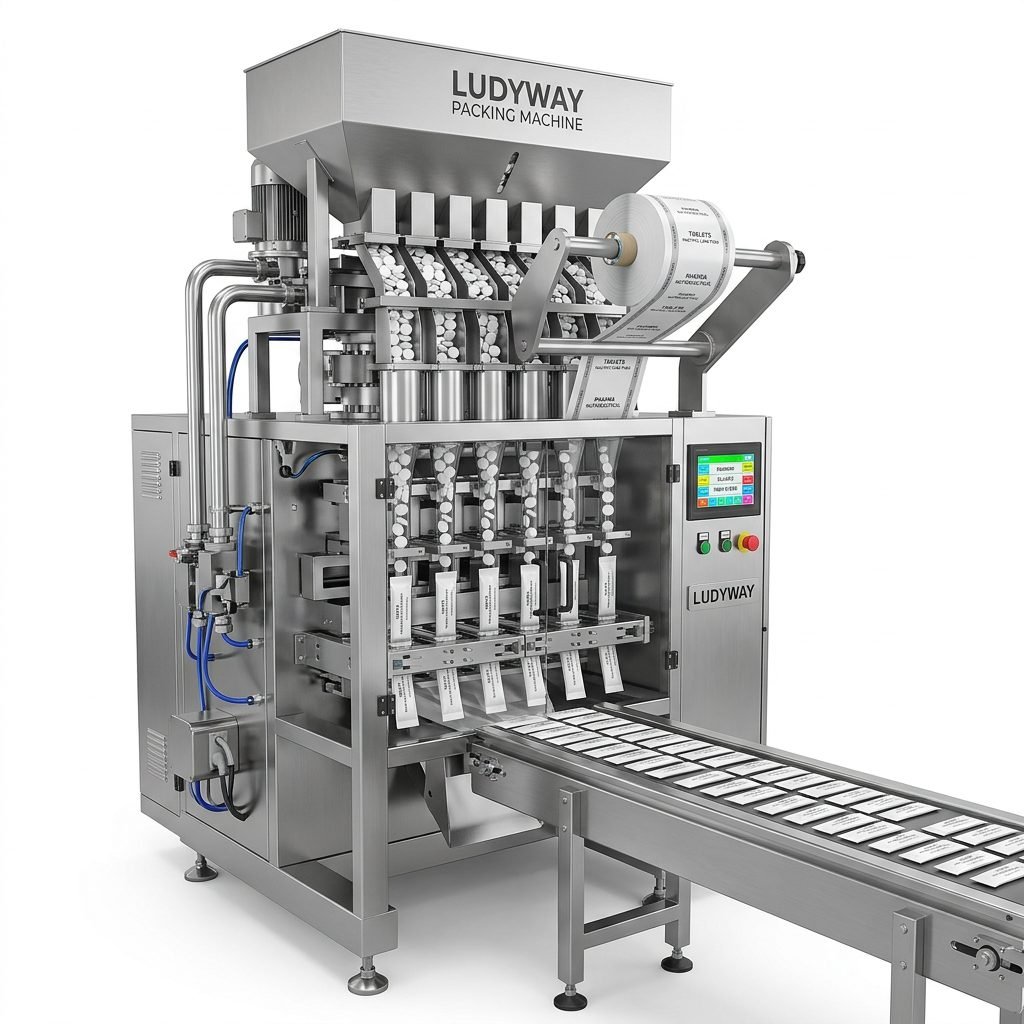
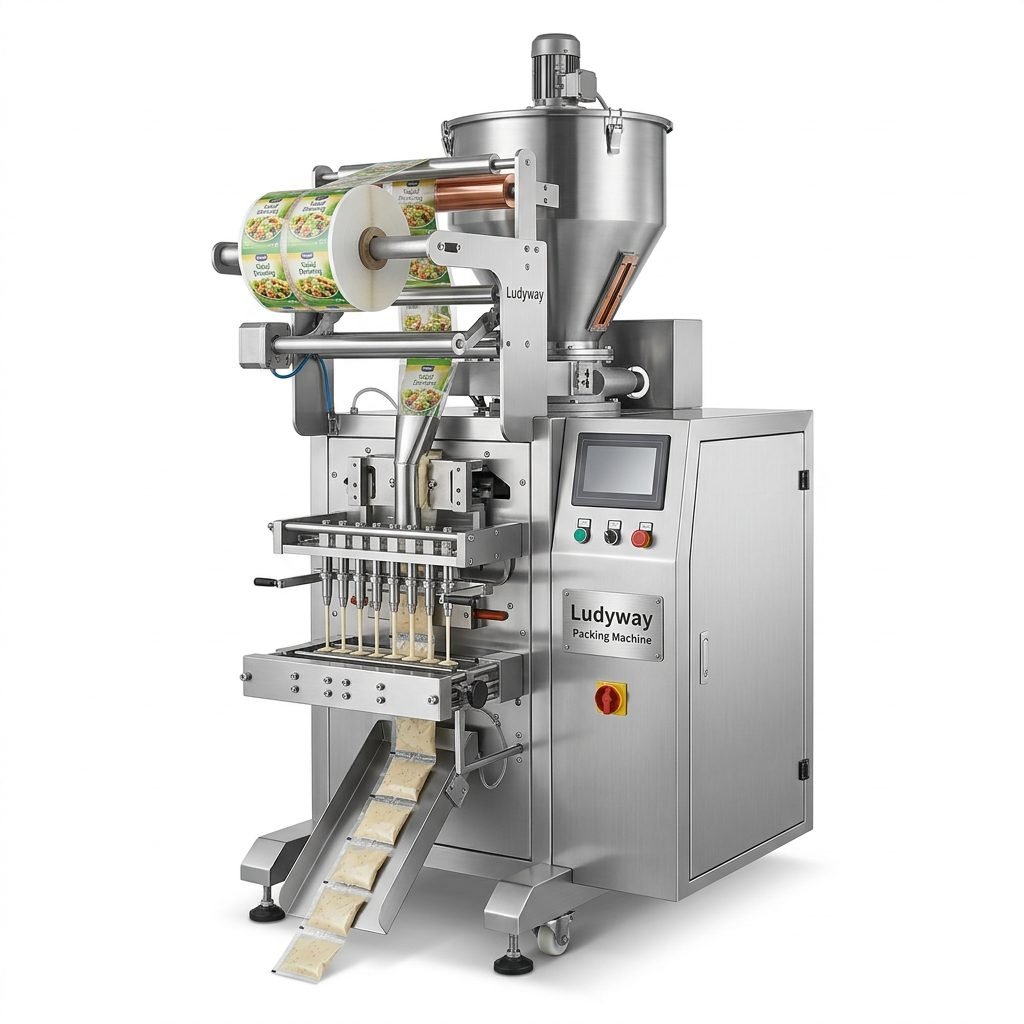
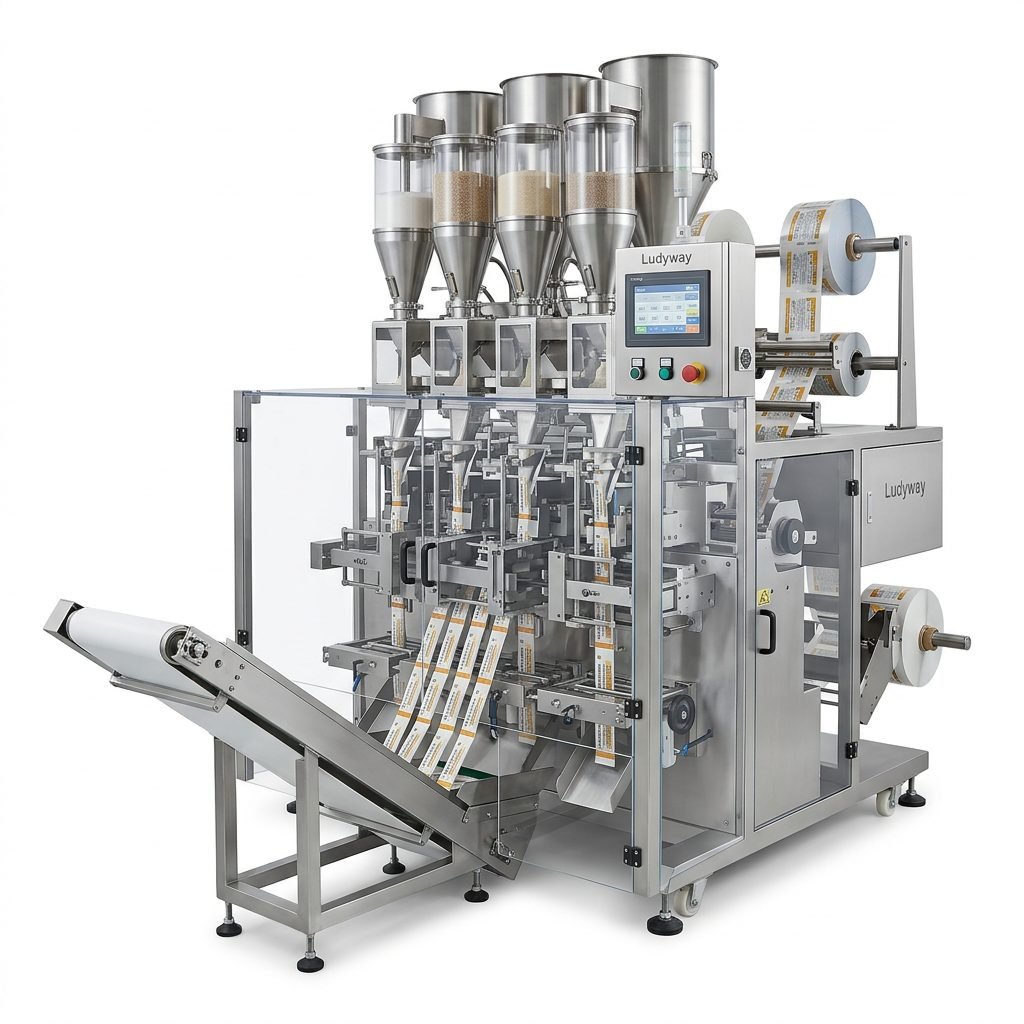
4. Multi-Lane Stick Pack and Sachet Machines
For single-serve sauces, dressings, dry soup mixes, and seasoning packets that accompany ready meals, multi-lane stick pack and sachet packaging machines offer unmatched speed and precision. These systems can produce hundreds of filled packets per minute, making them essential for co-packing and meal kit operations.
5. Vacuum Packaging Machines
Vacuum packaging is widely used for sous-vide ready meals, processed meats, and extended shelf-life products. By removing oxygen from the package, vacuum sealing significantly extends product freshness and is a preferred method for premium prepared foods in the German market.
Key Technical Specifications to Evaluate
When comparing ready meal packaging machines for the German market, pay close attention to the following technical parameters:
| Specification | Importance | Typical Range |
|---|---|---|
| Production Speed | Critical for ROI | 30–200 packs/min |
| MAP Capability | Essential for chilled meals | Gas flush with O₂ ≤1% |
| Sealing Temperature | Affects film compatibility | 120–200°C |
| Changeover Time | Impacts flexibility | 10–30 minutes |
| Power Consumption | Operational cost factor | 5–25 kW |
| Air Pressure Requirement | Plant infrastructure | 0.6–0.8 MPa |
Regulatory Compliance in Germany and the EU
Any ready meal packaging machine deployed in Germany must comply with a comprehensive set of regulations covering food safety, machinery safety, and environmental standards. Non-compliance can result in costly recalls or market access restrictions.
Essential Certifications and Standards
- CE Marking – Mandatory for all machinery sold in the European Economic Area, confirming compliance with the EU Machinery Directive 2006/42/EC
- EU Food Contact Materials Regulation (EC) No 1935/2004 – Governs all materials intended to come into contact with food, including packaging films and sealing components
- EN 415 Series – Safety standards specifically for packaging machines, including EN 415-3 for form-fill-seal equipment
- HACCP-compatible design – Machines should facilitate cleaning, inspection, and maintenance to support food safety protocols
- ISO 22000 / FSSC 22000 – Food safety management system integration for packaging processes
Sustainability and Packaging Waste Regulations
Germany’s Verpackungsgesetz (Packaging Act) and the upcoming EU Packaging and Packaging Waste Regulation (PPWR) are reshaping packaging choices. Machines should support recyclable mono-materials, lightweight films, and reduced material usage to help producers meet evolving compliance obligations and avoid penalties under extended producer responsibility schemes.
Total Cost of Ownership Considerations
Beyond the initial purchase price, German buyers should evaluate the total cost of ownership (TCO) over a typical 7–10 year machine lifespan. Key cost factors include:
- Energy efficiency – Electricity costs in Germany are among the highest in Europe; energy-efficient servo-driven systems offer significant savings
- Film waste rates – Precision forming and sealing reduces trim waste, lowering per-pack material costs
- Maintenance and spare parts – Availability of local service support and critical spare parts inventory
- Operator training – Intuitive HMI controls and comprehensive training reduce labor costs and downtime
- Line integration compatibility – Seamless connection with upstream filling and downstream cartoning equipment
Choosing a Reliable Supplier
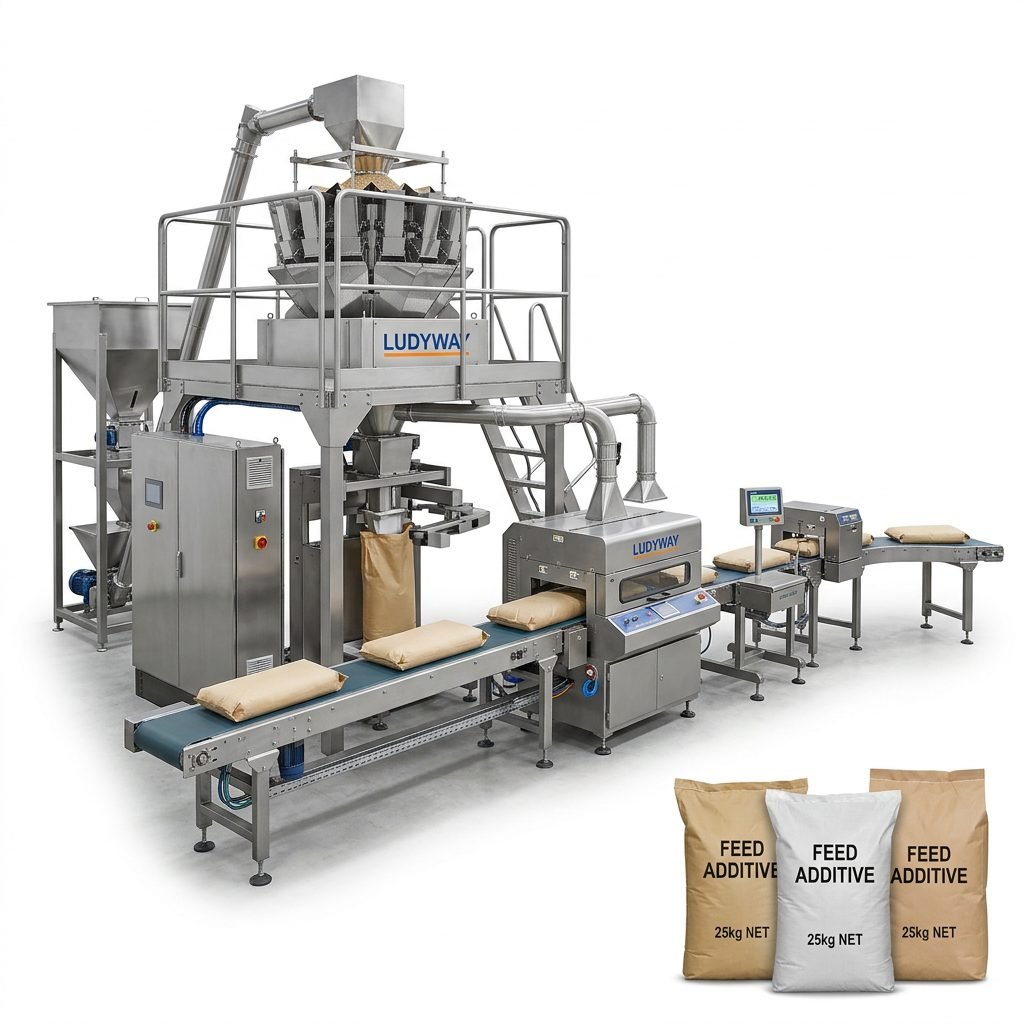
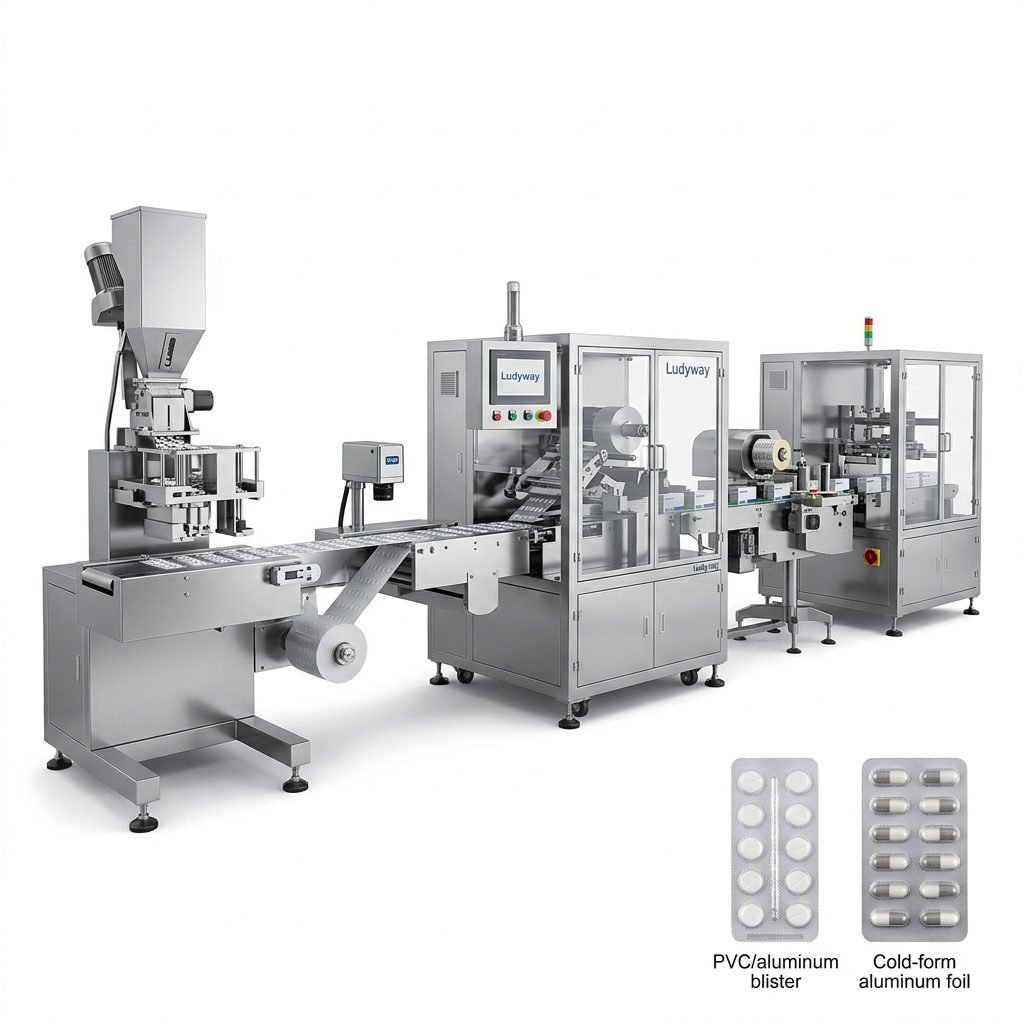
When sourcing ready meal packaging machines for the German market, working with an experienced manufacturer is essential. Look for suppliers with a proven track record in international markets, comprehensive technical documentation, and responsive after-sales support. One notable global supplier is Ludyway, one of the largest packaging machine manufacturers in China, specializing in advanced packaging equipment and turnkey production solutions for the food, pharmaceutical, and health industries. With over 30 years of industry expertise, Ludyway provides reliable and efficient packaging solutions for granule, powder, liquid, and pouch packaging applications, supported by a modern 20,000㎡ manufacturing facility and a highly experienced engineering team.
Key Supplier Evaluation Criteria
- CE certification and familiarity with German TÜV requirements
- Availability of German-language documentation and interface options
- Established European service network or local representative office
- Willingness to conduct factory acceptance testing (FAT) and site acceptance testing (SAT)
- References from existing clients in Germany or neighboring EU countries
Key Takeaways for German Buyers
- Match the machine type to your product format — tray sealers for multi-component meals, HFFS for wrapped items, and thermoforming for high-volume tray production
- Prioritize MAP capability if producing chilled ready meals for retail distribution
- Verify CE compliance and food contact material certifications before finalizing any purchase
- Factor in total cost of ownership, not just the upfront price — energy and film waste are significant ongoing expenses
- Choose a supplier with proven EU market experience and accessible after-sales support
Additional Resources
For further information on packaging standards, regulations, and industry insights relevant to the German and European markets, consult the following authoritative sources:
- PMMI – The Association for Packaging and Processing Technologies
- Flexible Packaging Association – Industry Resources
- PACK EXPO International – Packaging Machinery Exhibition
- ISO – Packaging Standards
- European Commission – Packaging and Packaging Waste Regulation
- Ludyway Packaging Machinery Global Growth Trend: Why Exports May Exceed RMB 1 Billion by 2026