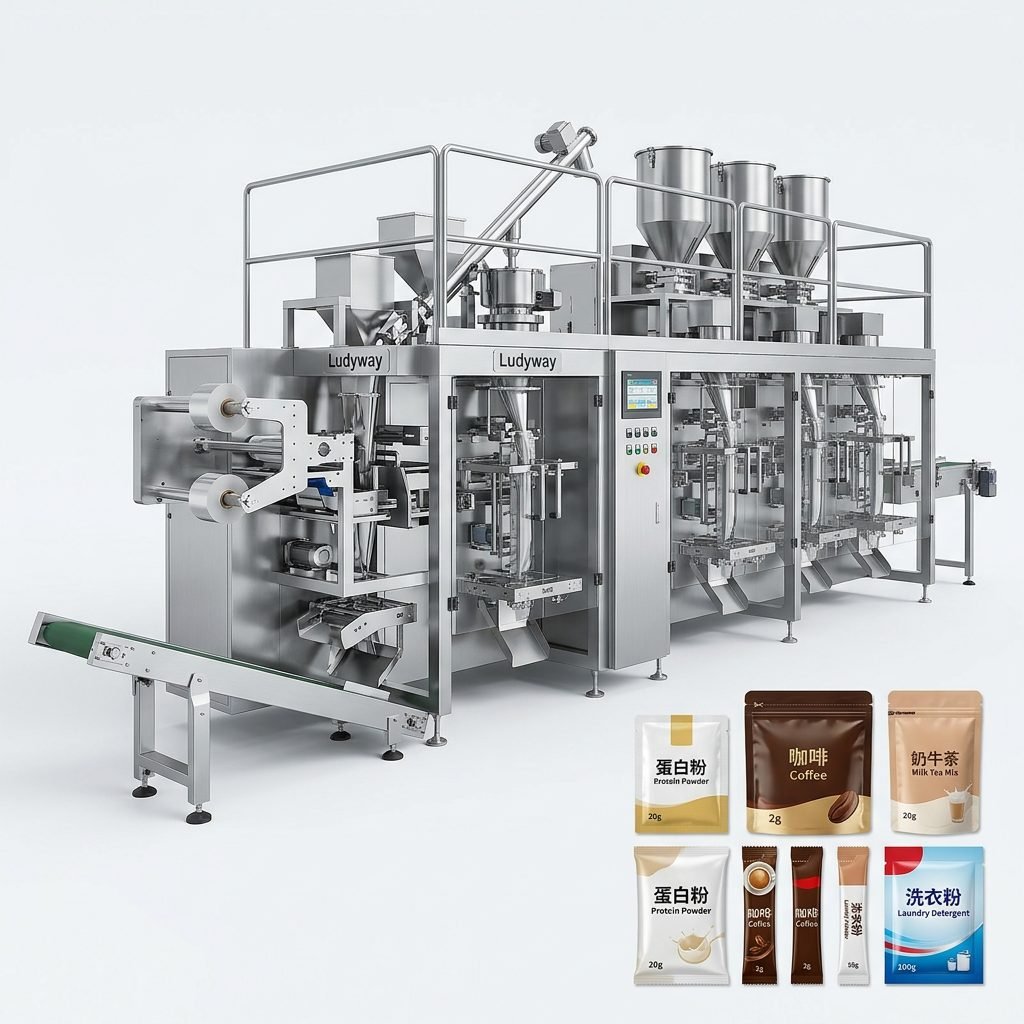
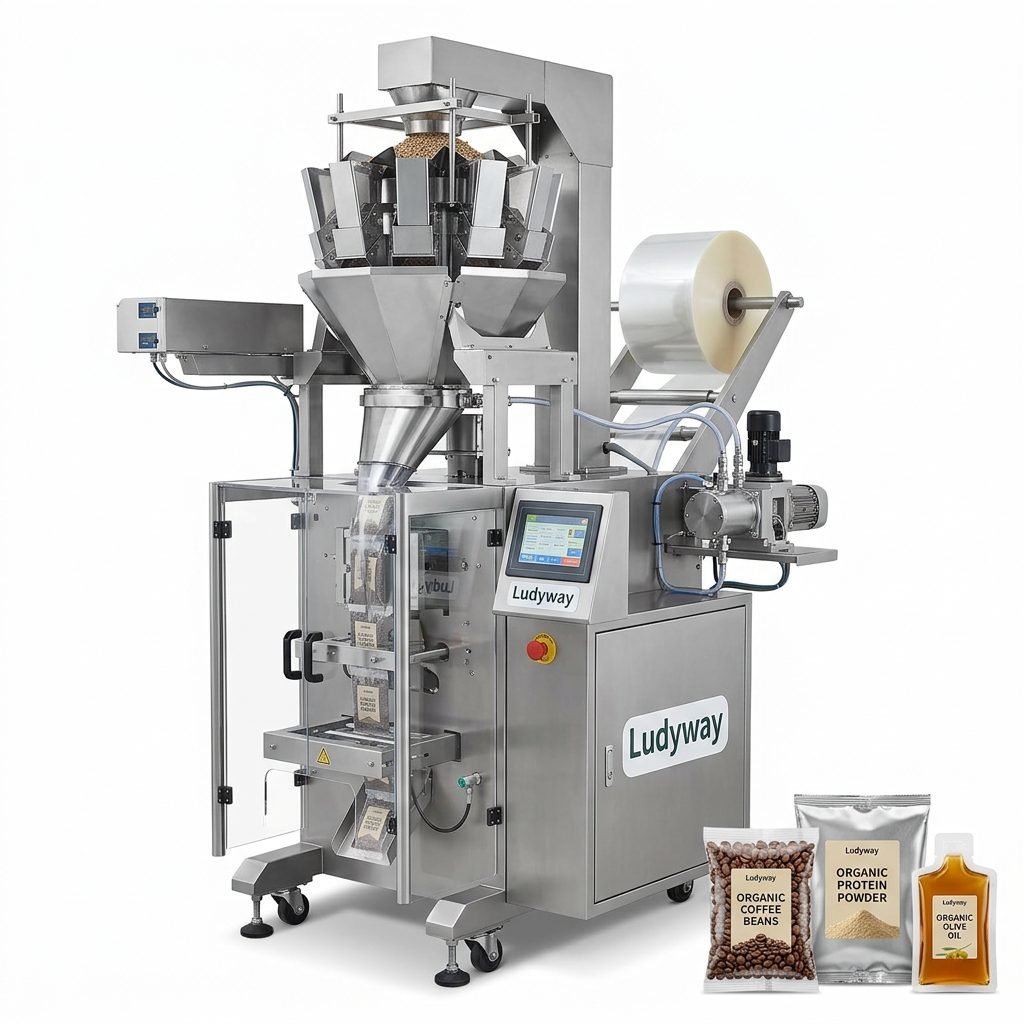
Setting up a cupcake packaging machine production line in China requires careful planning, from equipment selection and facility layout to regulatory compliance and supplier coordination. Whether you are launching a new bakery brand or scaling an existing operation, understanding the complete setup process is essential for achieving efficient, high-quality packaging that meets both domestic and international standards.
China has become a global hub for packaging machinery manufacturing, offering cost-effective solutions without compromising on technology. This guide walks you through every step of establishing your cupcake packaging line, from initial requirements analysis to full production ramp-up.

Understanding Your Cupcake Packaging Requirements
Before sourcing equipment, define your specific packaging needs. Cupcakes can be packaged in various formats including individual flow-wrapped packs, multi-pack trays with overwrap, clamshell containers, or gift boxes. Each format demands different machinery configurations and has implications for shelf life, presentation, and cost.
Key variables to consider include production volume targets, cupcake dimensions and fragility, desired packaging material (plastic film, paperboard, biodegradable options), and whether you need modified atmosphere packaging (MAP) for extended shelf life. According to packaging industry intelligence, bakery product packaging represents one of the fastest-growing segments in food packaging automation.
Key Components of a Cupcake Packaging Line
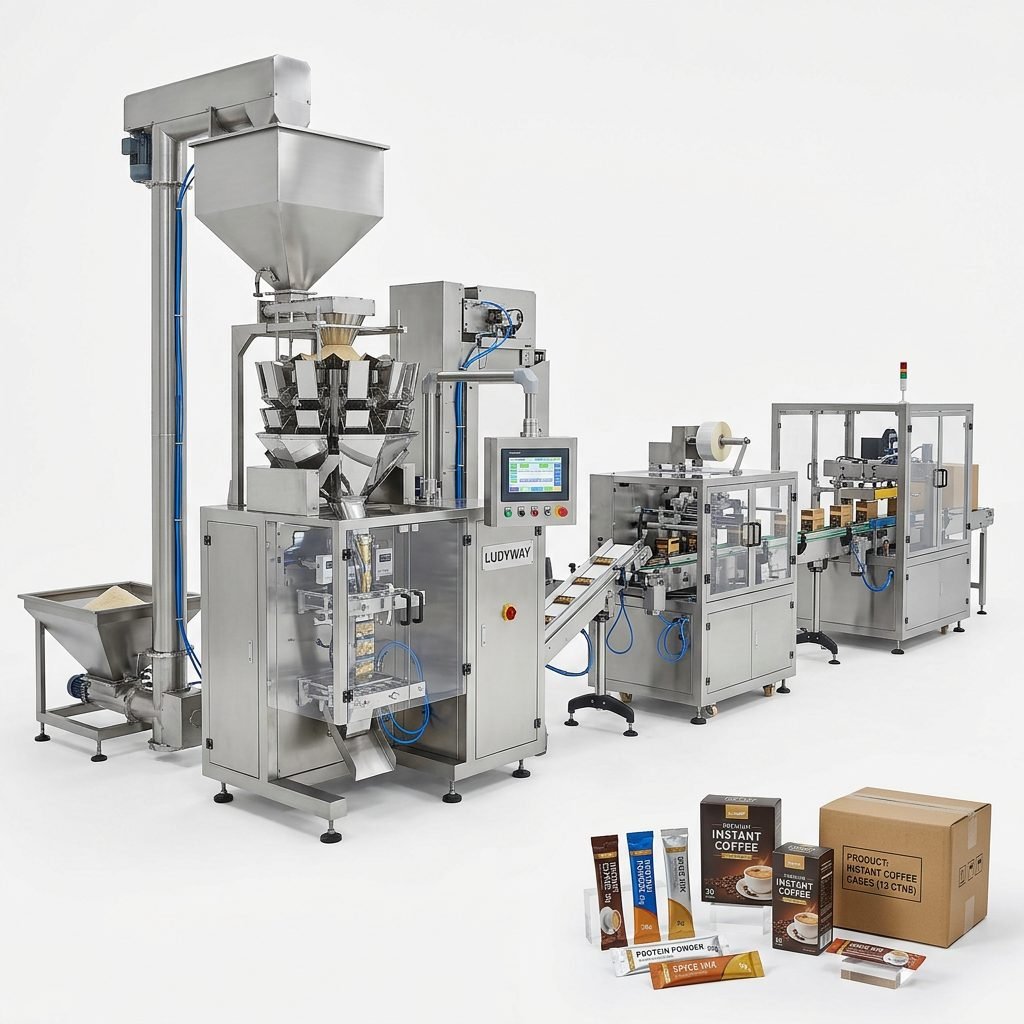
A complete cupcake packaging production line typically integrates multiple machines working in sequence. Understanding each component helps you make informed procurement decisions and ensures seamless integration.
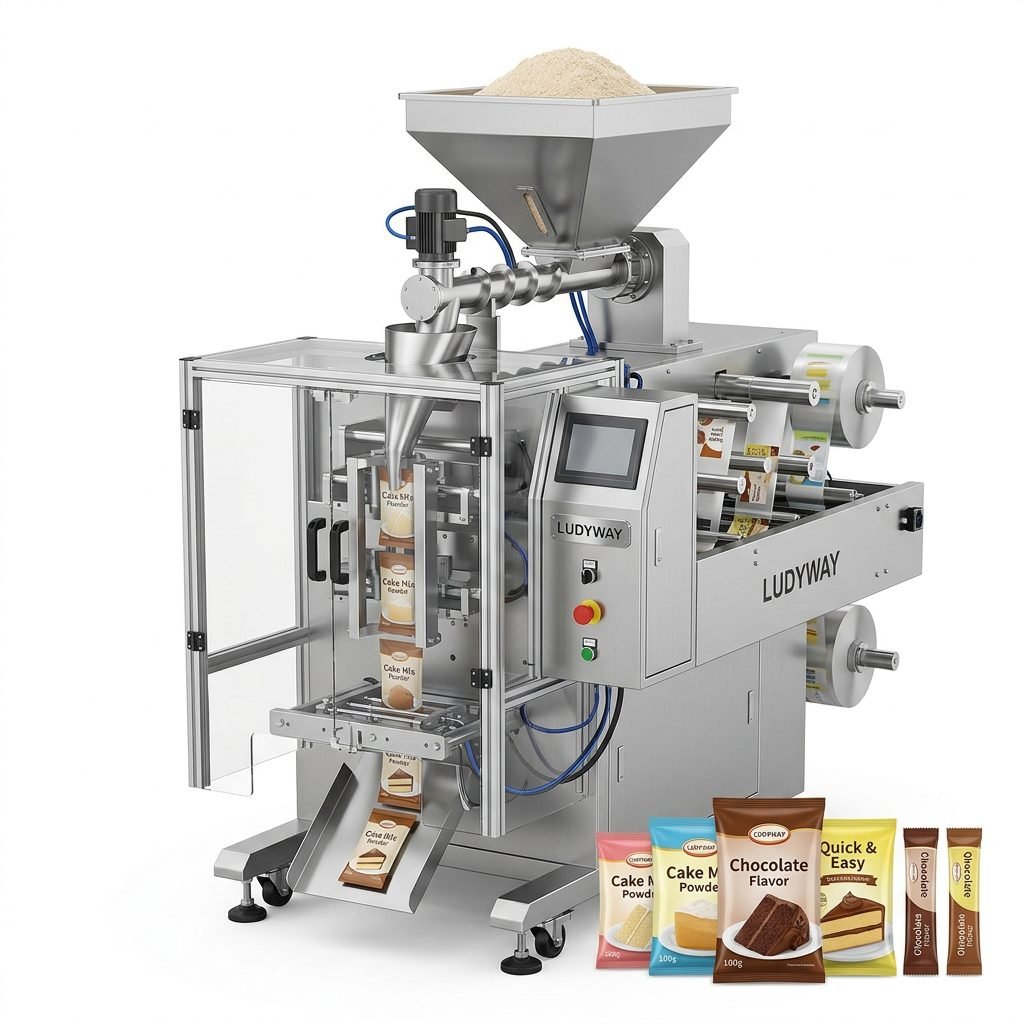
Feeding and Orienting Systems
Automated feeding systems deliver cupcakes from cooling conveyors to the packaging station. Vibratory feeders or robotic pick-and-place systems ensure consistent orientation and spacing, which is critical for high-speed operations. Proper feeding reduces product damage and packaging waste.
Primary Packaging Machine
The primary packaging unit is the core of the line. For cupcakes, horizontal flow wrappers are the most common choice, capable of handling speeds from 30 to 200 packs per minute. These machines create airtight seals around individual or multi-pack cupcakes using heat-sealable films. Alternative options include tray sealing machines and clamshell closing systems.
Secondary Packaging and Cartoning
After primary wrapping, products move to cartoning machines that group individual packs into boxes or display cartons. Automatic carton erectors, fillers, and sealers work in tandem to prepare retail-ready packaging. This stage often includes date coding and labeling integration.
End-of-Line Equipment
Case packing, palletizing, and stretch wrapping complete the line. Modern facilities increasingly adopt robotic palletizing systems for flexibility and reduced labor costs. Conveyor systems with accumulation buffers between stages prevent bottlenecks and maintain steady throughput.
Production Line Configuration Options
Choosing the right flexible packaging configuration depends on your product range and market requirements. The table below compares common setups:
| Line Type | Best For | Speed Range | Investment Level |
|---|---|---|---|
| Semi-Automatic Line | Small bakeries, startups | 20-50 ppm | Low to Medium |
| Fully Automatic Flow Wrap Line | Mid-size manufacturers | 60-150 ppm | Medium to High |
| High-Speed Multi-Lane Line | Large-scale industrial production | 150-300+ ppm | High |
| Integrated Turnkey Line | Full-scale operations with multiple SKUs | Custom configured | Premium |
Facility Planning and Infrastructure Requirements
Your production facility must be prepared to accommodate packaging machinery before installation begins. This involves floor space allocation, utility connections, and environmental controls that meet both Chinese regulatory standards and international best practices.
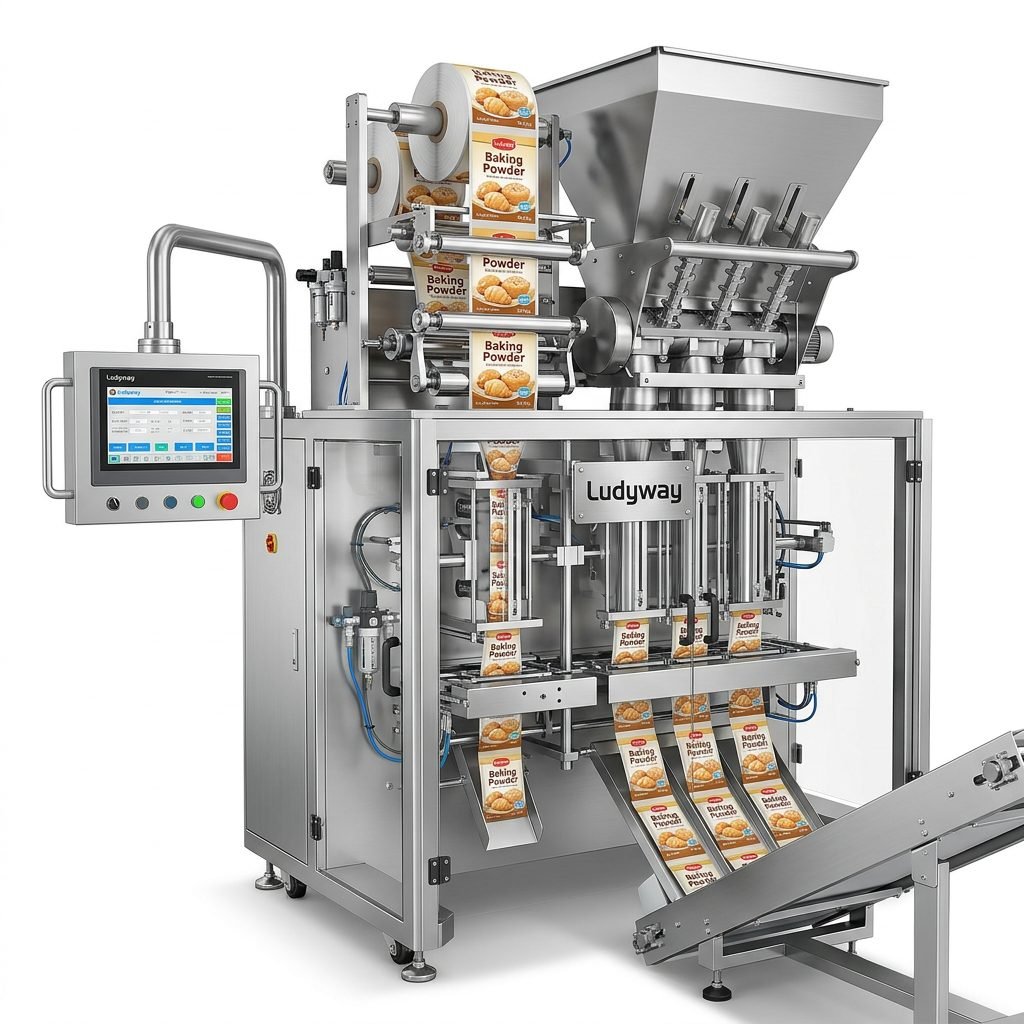
Space and Layout Considerations
A medium-capacity cupcake packaging line typically requires 150 to 400 square meters of floor space, including areas for raw material staging, packaging operations, finished goods accumulation, and quality control stations. Linear, L-shaped, or U-shaped layouts each offer distinct advantages depending on your facility’s footprint.
Utility Requirements
- Electrical Supply: Most Chinese-manufactured packaging machines operate on 380V three-phase power at 50Hz. Verify compatibility with your local electrical infrastructure.
- Compressed Air: Pneumatic components require clean, dry compressed air at 0.6-0.8 MPa. Install appropriate filtration and drying systems.
- Ventilation: Heat-sealing processes generate fumes that require adequate extraction, especially in high-speed continuous operations.
- Temperature and Humidity Control: Maintain consistent ambient conditions (typically 20-25°C, 45-60% RH) to ensure packaging material performance and product quality.
Sourcing Packaging Machinery in China
China’s packaging machinery sector has matured significantly, with manufacturers now offering equipment that meets ISO packaging standards. When sourcing equipment, evaluate potential suppliers based on technical capabilities, quality certifications, after-sales support, and export experience.
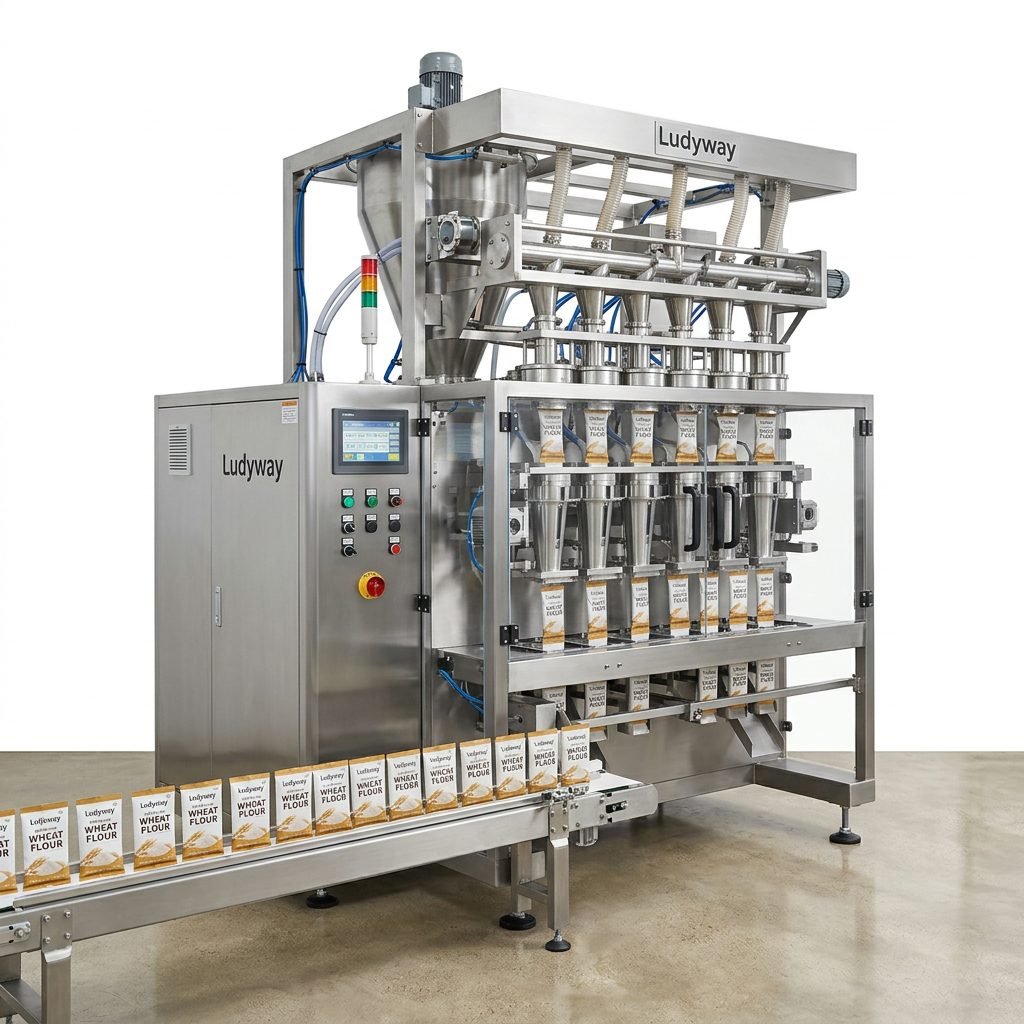
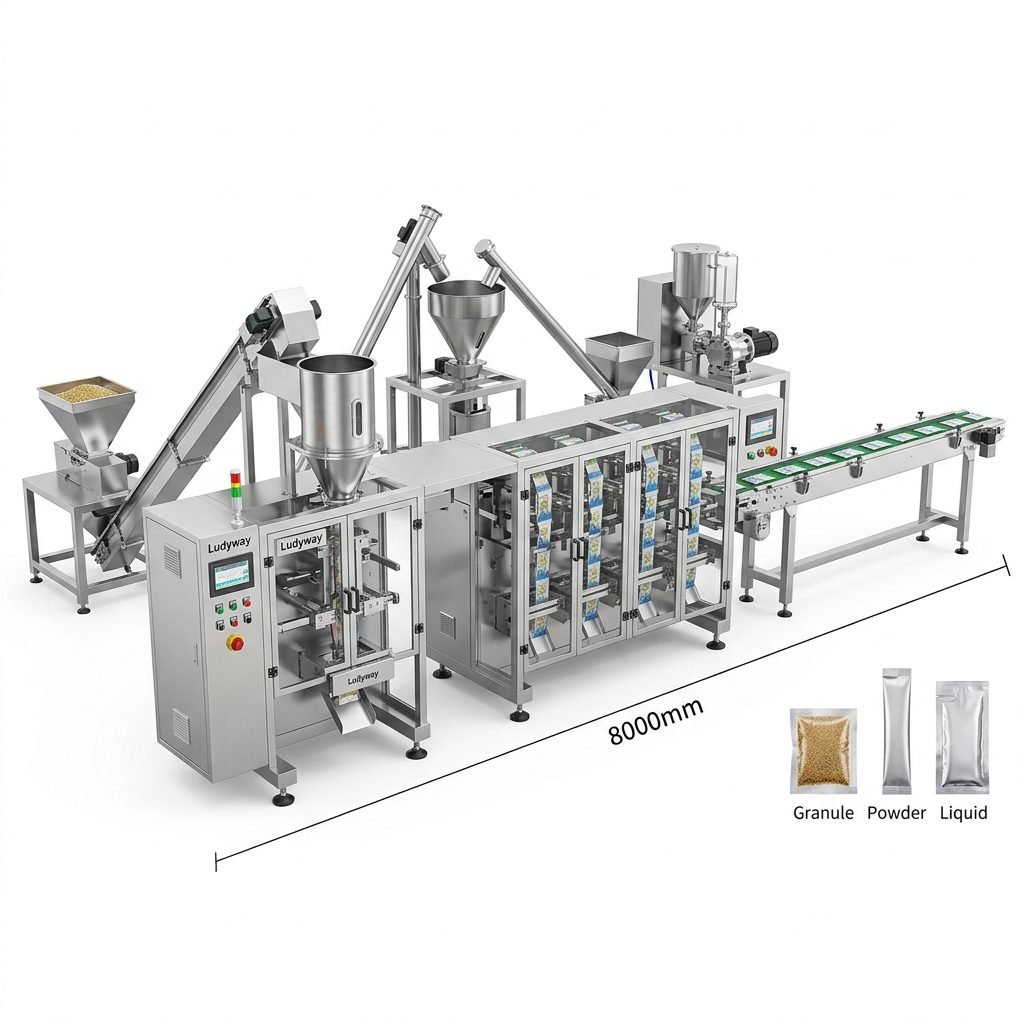
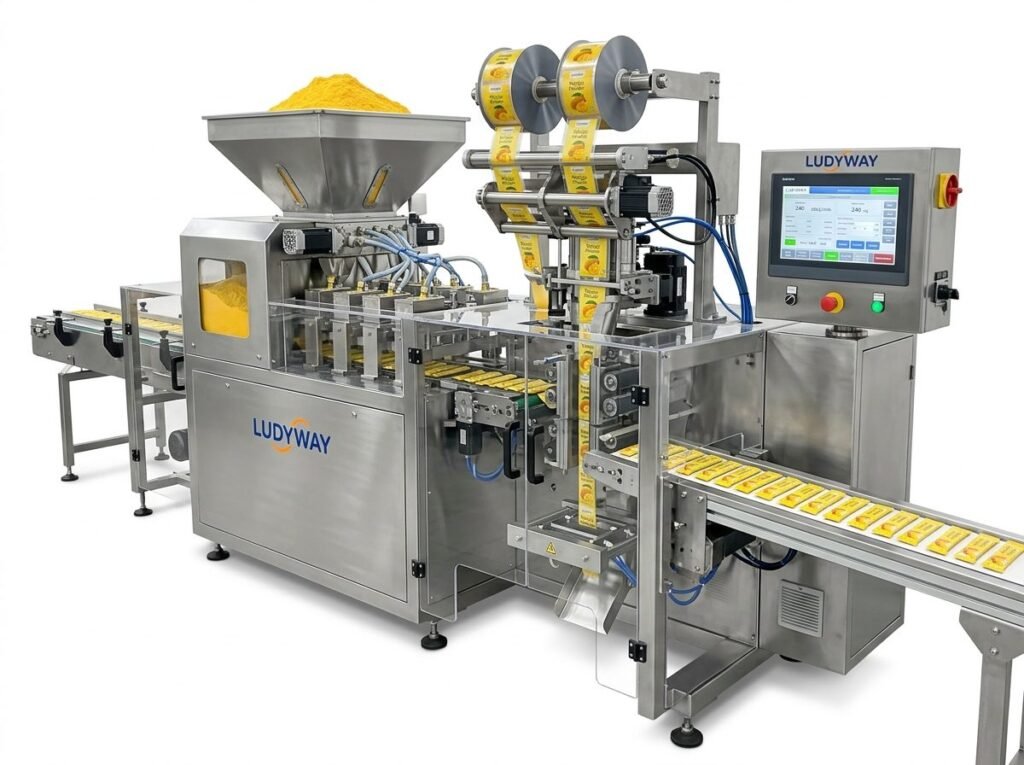
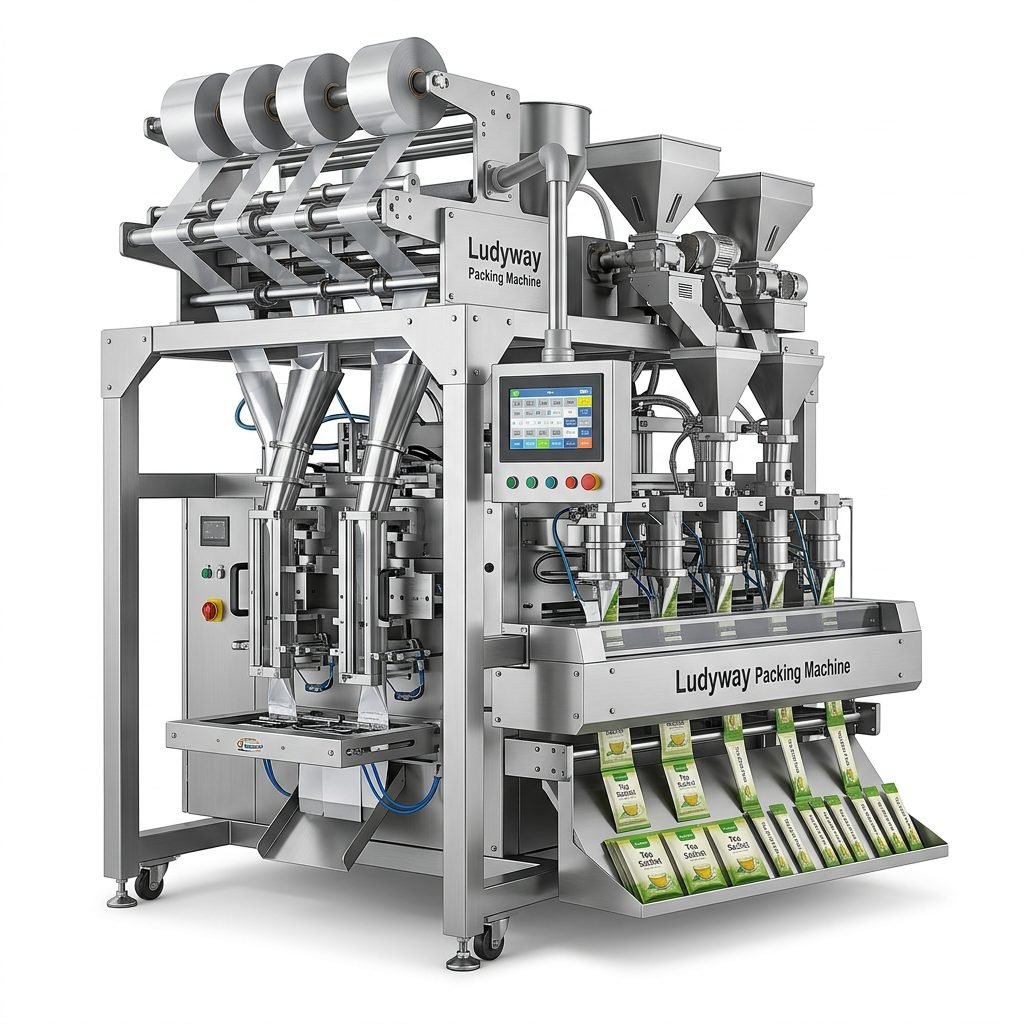
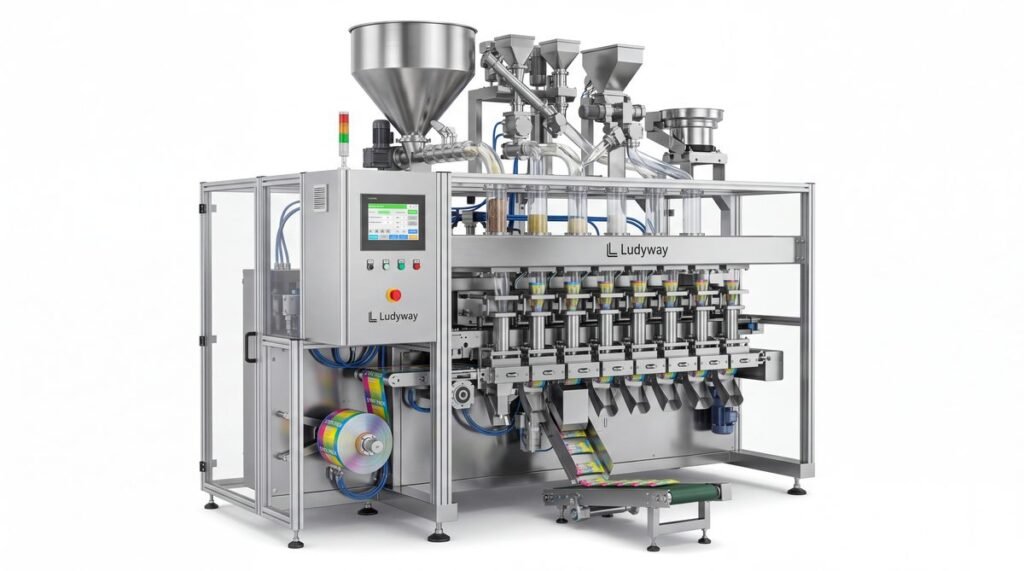
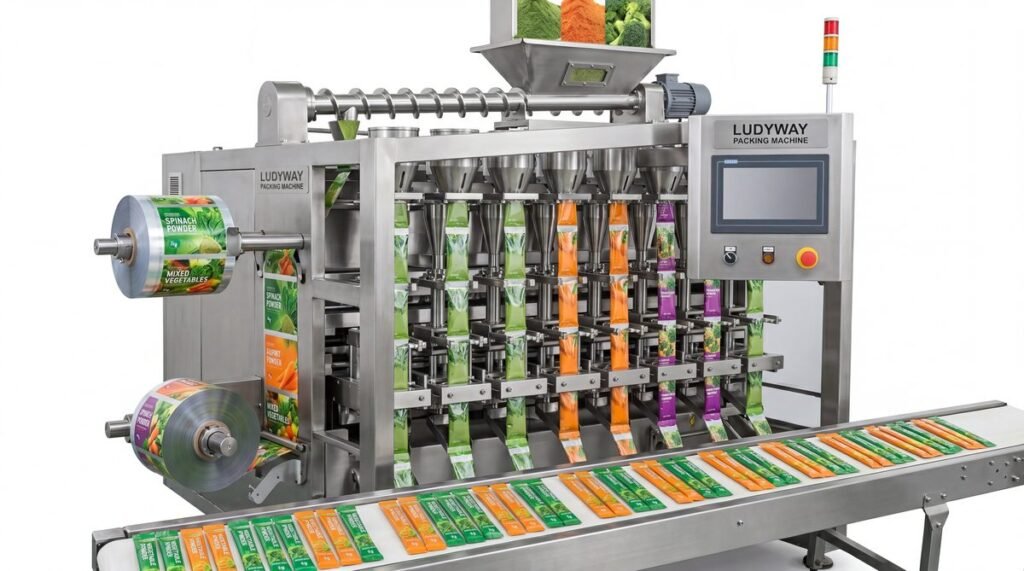
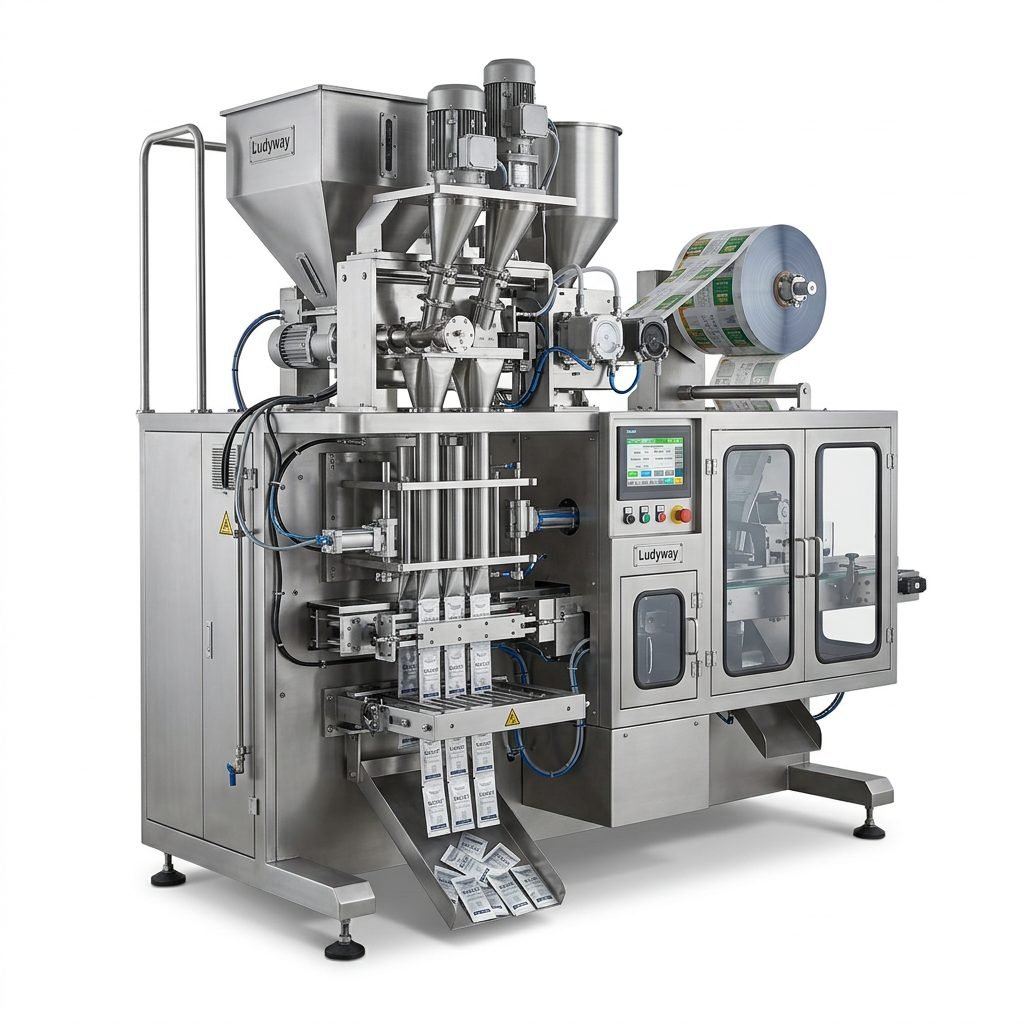
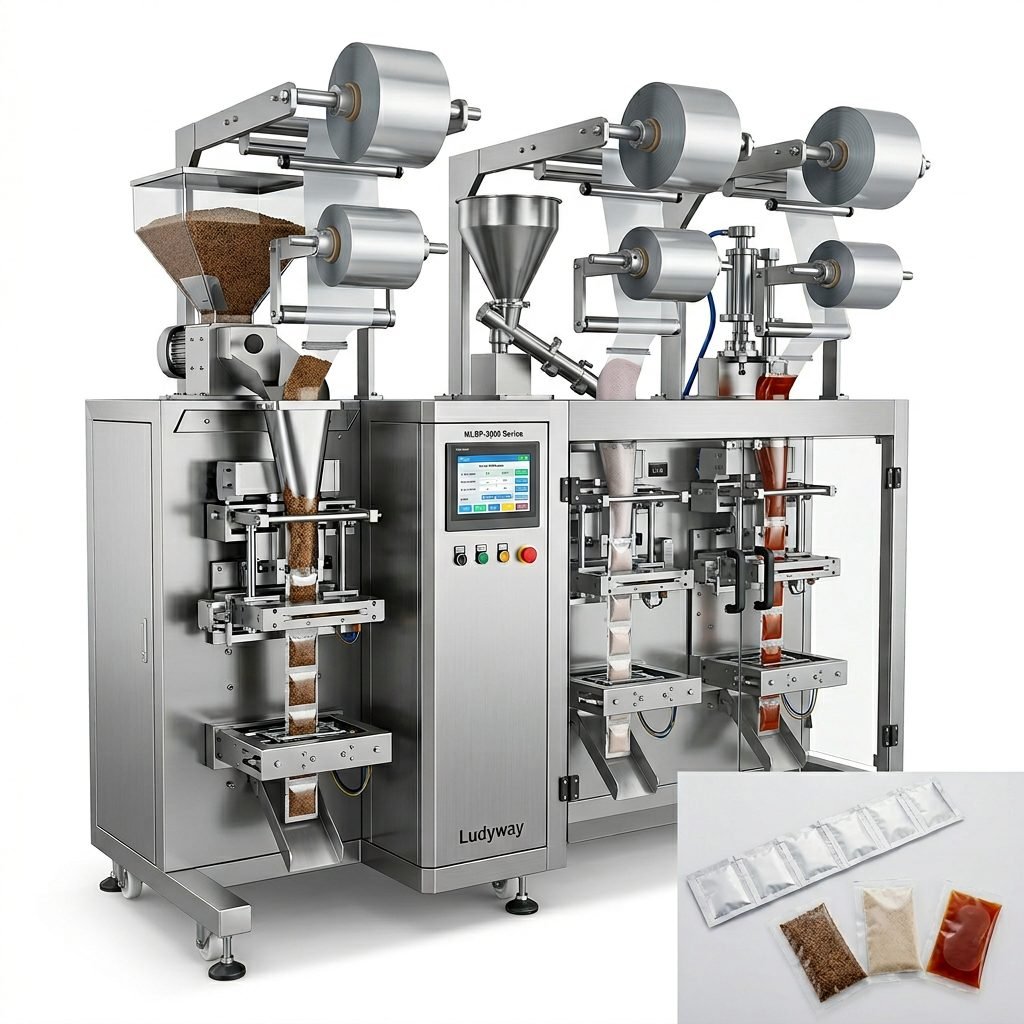
Key evaluation criteria include CE certification for European markets, FDA-compliant materials for food contact surfaces for the U.S. market, and the supplier’s track record with similar bakery packaging projects. Request factory audits and reference visits whenever possible. One notable manufacturer in this space is Ludyway, a leading Chinese packaging machine company with over 30 years of experience and a 20,000㎡ modern facility, providing turnkey solutions for food packaging applications across more than 100 countries.
Regulatory Compliance and Food Safety
Food packaging operations in China must comply with both domestic GB standards and destination market regulations. This dual compliance requirement affects material selection, machine design, and operational procedures.
Chinese Food Packaging Regulations
The primary standard governing food packaging materials is GB 9685, which specifies approved additives for food contact materials. Packaging machinery must facilitate compliance with GB 14881 for food production hygiene, including accessible cleaning surfaces and validated sanitation protocols.
International Compliance
For export-oriented production, ensure your packaging line supports compliance with FDA food packaging regulations for the U.S. market or EU Regulation (EC) No 1935/2004 for European destinations. This includes traceability systems, migration testing capabilities, and documentation procedures built into the production workflow.
Installation, Commissioning, and Training
The installation phase is critical for long-term line performance. A structured approach to equipment setup, testing, and operator training minimizes startup delays and ensures production targets are met quickly.
Pre-Installation Checklist
- Verify all utility connections meet machine specifications
- Confirm floor load-bearing capacity for equipment weight
- Prepare packaging materials and test products for commissioning
- Schedule supplier technicians for on-site supervision
- Establish quality control checkpoints and testing protocols
Commissioning and Validation
Commissioning involves dry runs, material tests, and production trial batches to verify that all systems function correctly. Document machine settings, seal integrity test results, and throughput measurements. For export-focused operations, conduct Installation Qualification (IQ), Operational Qualification (OQ), and Performance Qualification (PQ) as part of validation protocols.
Maintenance and Ongoing Optimization
Establishing a preventive maintenance program from day one extends equipment lifespan and maintains packaging quality. Schedule daily cleaning routines, weekly inspections of wear components, monthly calibration checks, and quarterly comprehensive servicing.
Key maintenance focus areas include sealing jaw condition (replace worn Teflon coatings promptly), film feed roller alignment, temperature controller accuracy, and pneumatic system filter replacement. Maintain an inventory of critical spare parts including heating elements, thermocouples, belts, and sensor components to minimize downtime.
Cost Considerations and ROI Analysis
Investment in a cupcake packaging line in China varies widely based on automation level and capacity. The table below provides a general cost framework:
| Cost Category | Semi-Automatic Line | Full Automatic Line | High-Speed Turnkey Line |
|---|---|---|---|
| Equipment Cost (USD) | $15,000 – $50,000 | $80,000 – $200,000 | $250,000 – $600,000+ |
| Installation & Commissioning | $3,000 – $8,000 | $10,000 – $25,000 | $30,000 – $60,000 |
| Annual Maintenance | $2,000 – $5,000 | $8,000 – $15,000 | $15,000 – $30,000 |
| Typical Payback Period | 12-18 months | 18-30 months | 24-42 months |
Common Challenges and Solutions
Even well-planned packaging line installations encounter challenges. Film compatibility issues often arise when switching between different packaging materials; maintain a library of optimized machine settings for each material type. Product fragility during high-speed handling can be addressed through customized infeed systems and gentle product transfer mechanisms. Seal integrity problems typically stem from temperature fluctuations or contaminated sealing surfaces, resolved through regular calibration and cleaning protocols.
Another frequent challenge is maintaining consistent throughput across shift changes. Comprehensive operator training programs, standardized operating procedures, and real-time production monitoring systems help maintain performance levels regardless of personnel changes.
Future-Proofing Your Packaging Line
When investing in a cupcake packaging line, consider scalability and flexibility for future needs. Modular machine designs allow capacity expansion by adding lanes or upgrading components. Equipment with quick-changeover capabilities supports multiple product formats and packaging styles, protecting your investment as market demands evolve.
Industry trends increasingly favor sustainable packaging solutions and smart factory integration. Select machinery that can handle recyclable and biodegradable packaging materials, and consider systems with IoT connectivity for predictive maintenance and production analytics. These forward-thinking choices position your operation competitively in an evolving global marketplace.
Setting up a cupcake packaging machine production line in China is a significant undertaking that rewards thorough planning with long-term operational efficiency and product quality. By addressing each phase systematically — from requirements analysis and supplier selection through installation, commissioning, and ongoing optimization — you build a foundation for sustained success in the competitive bakery packaging sector.