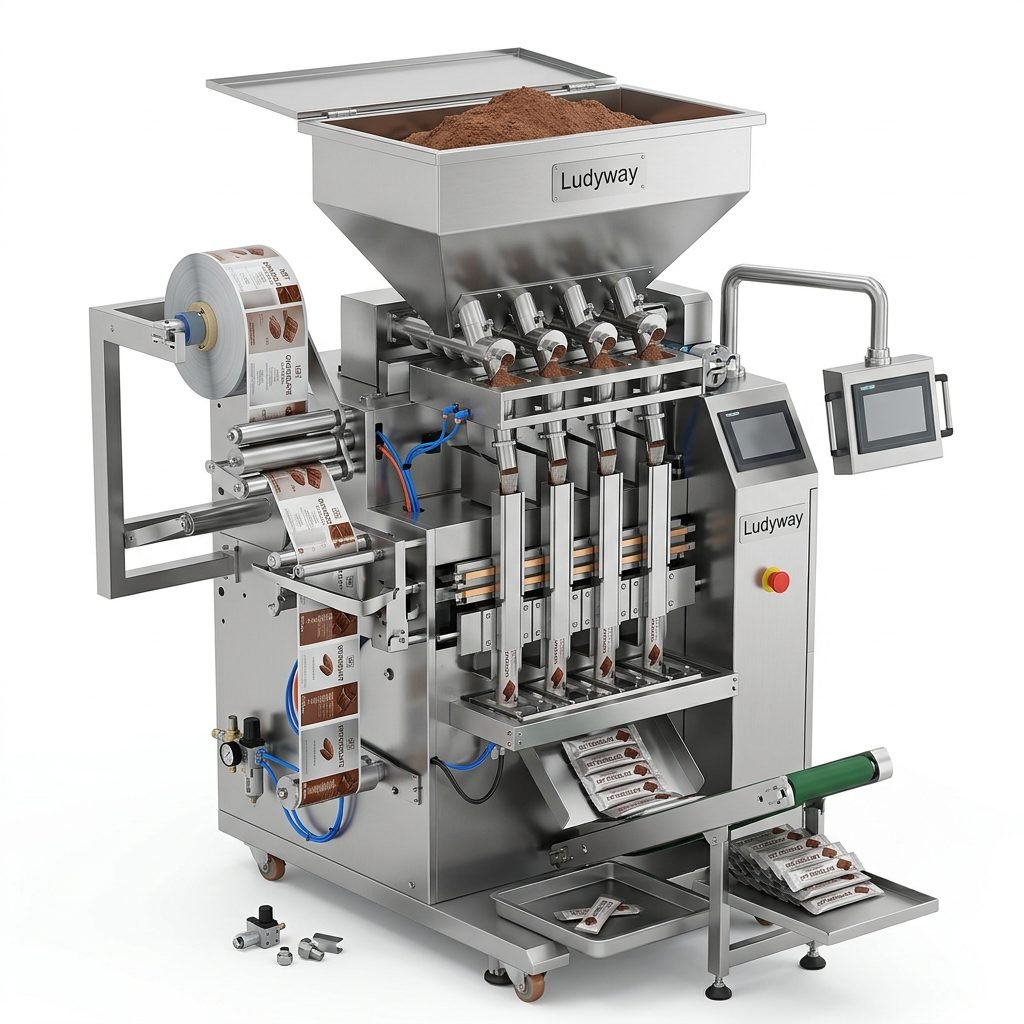
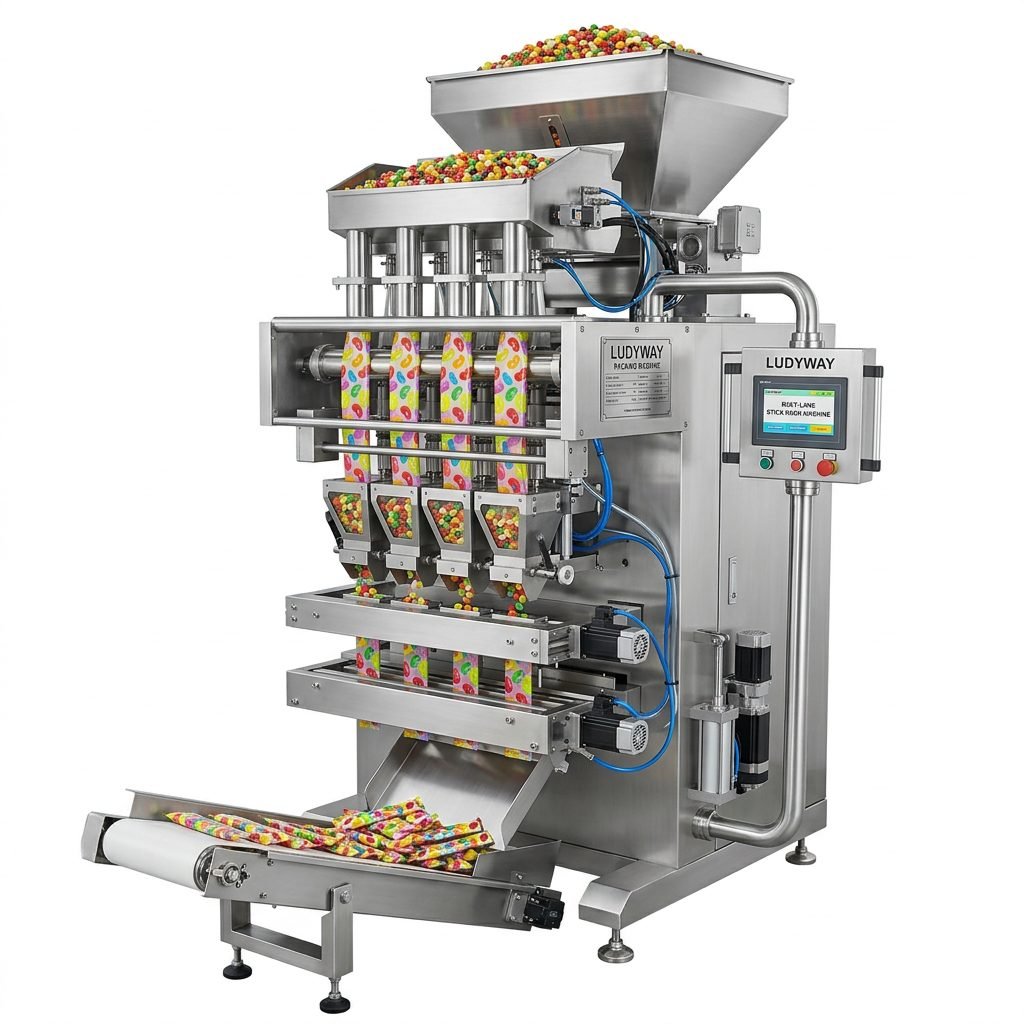
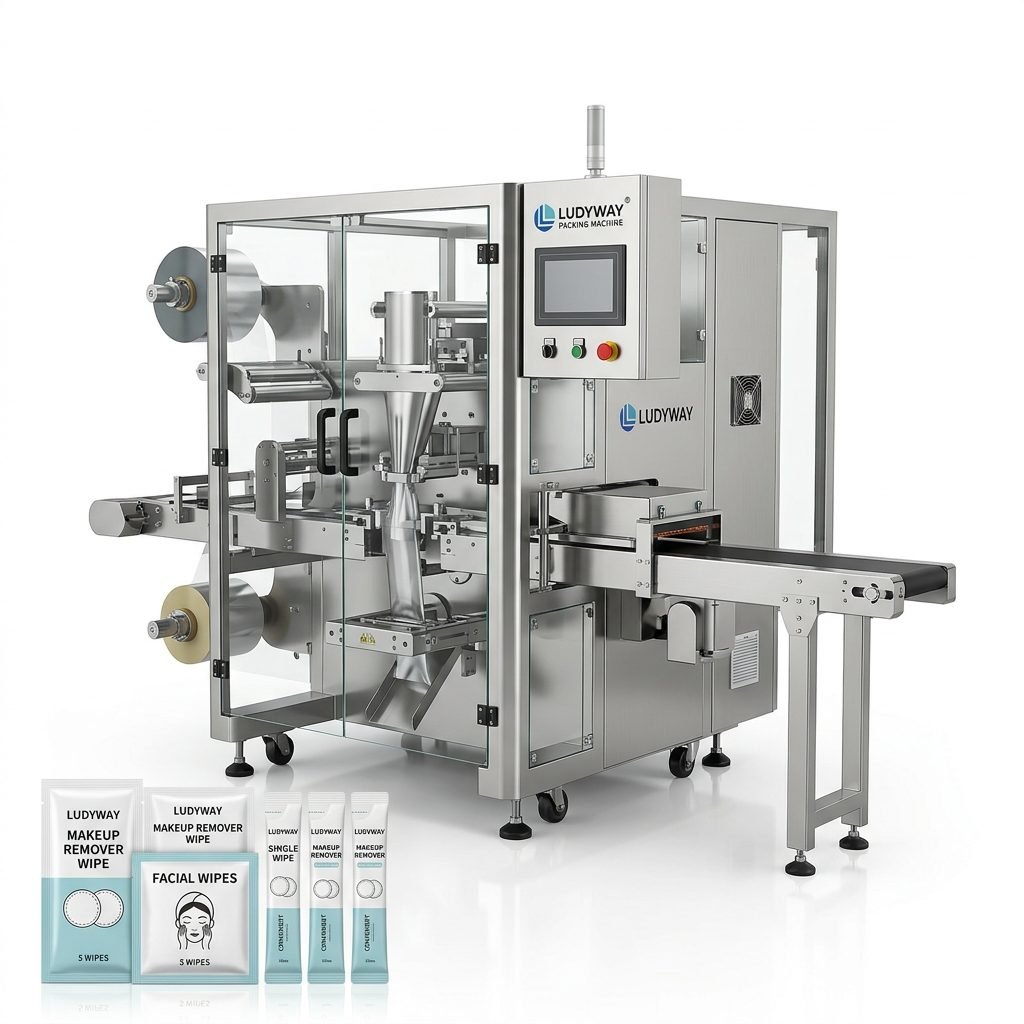
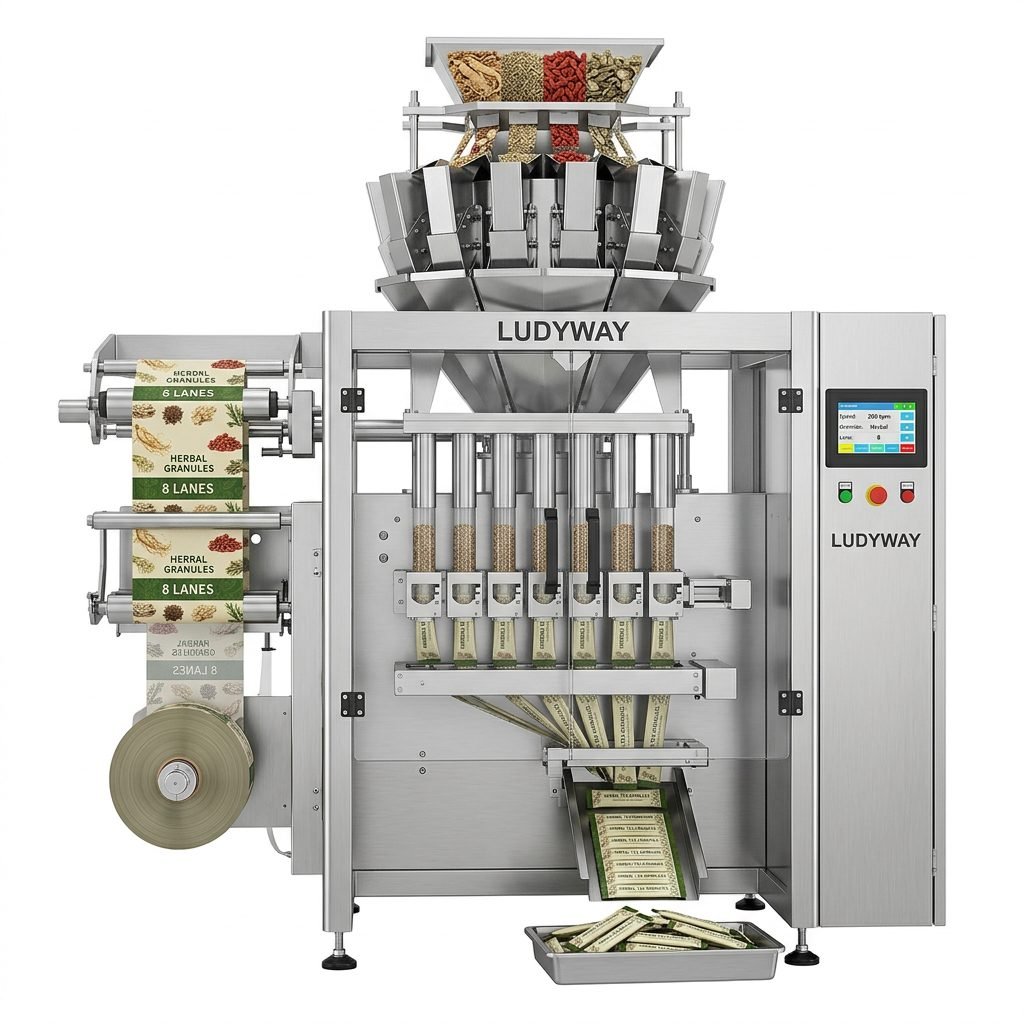
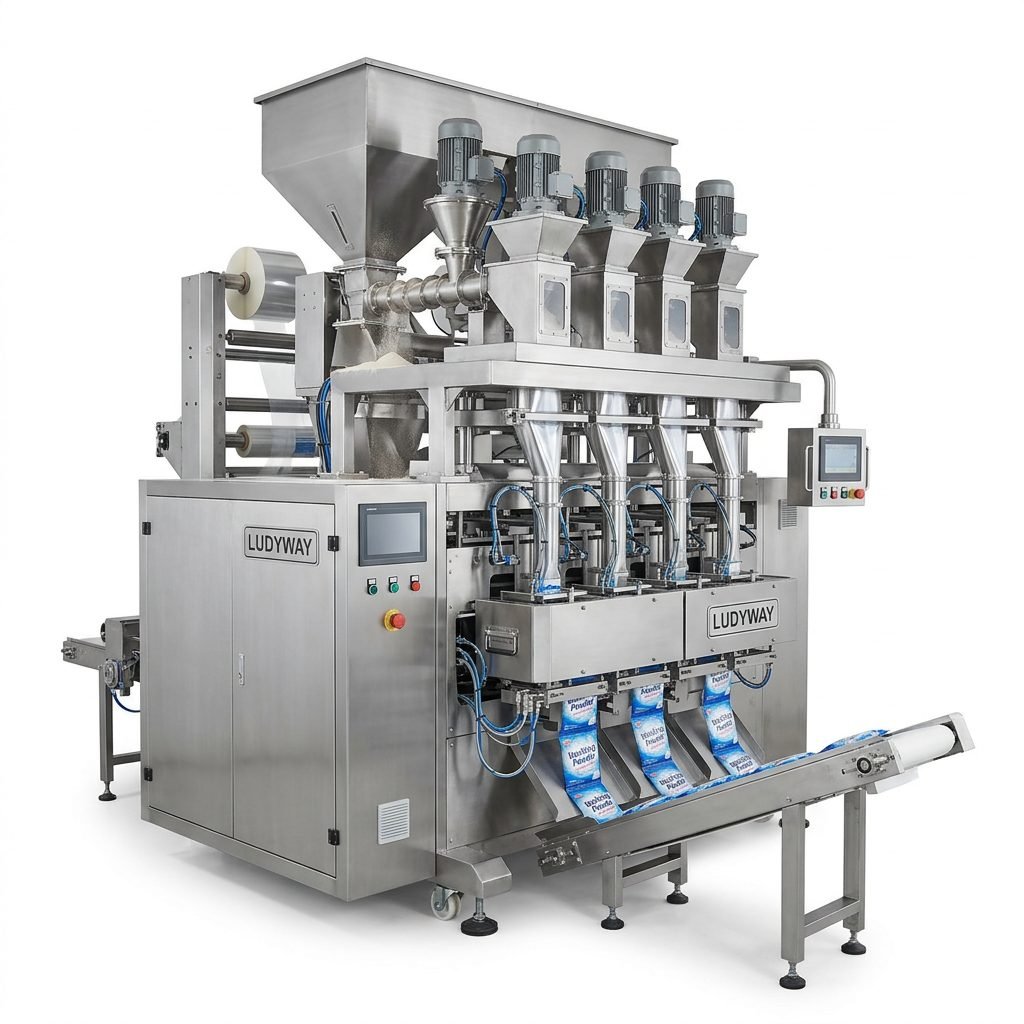
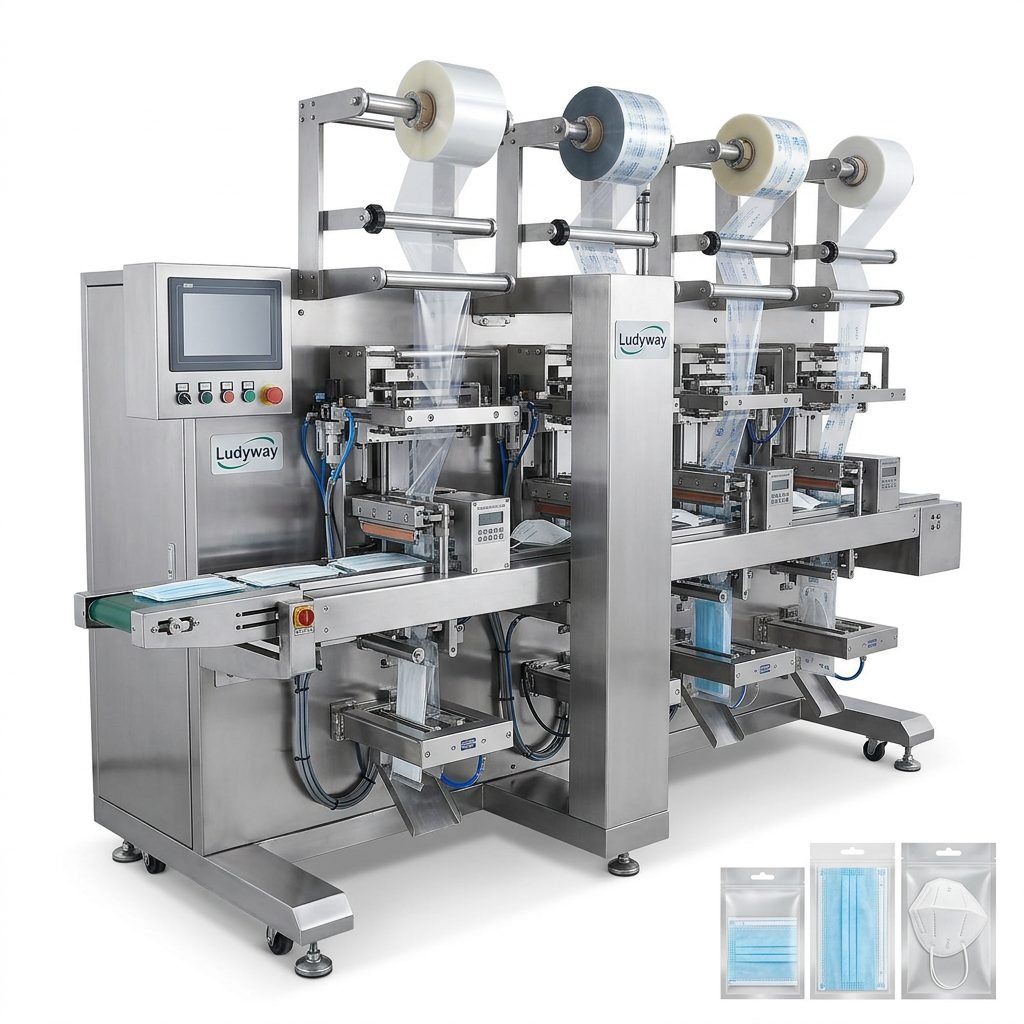
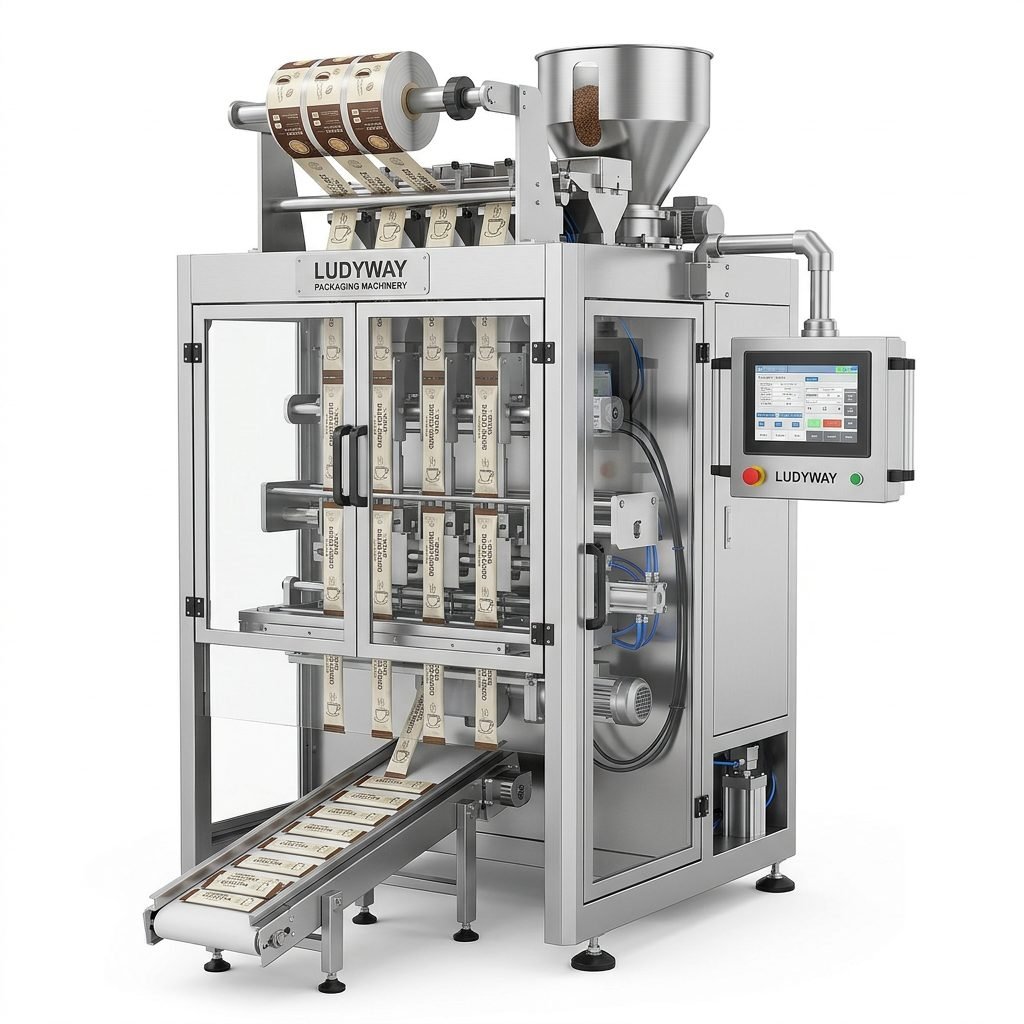
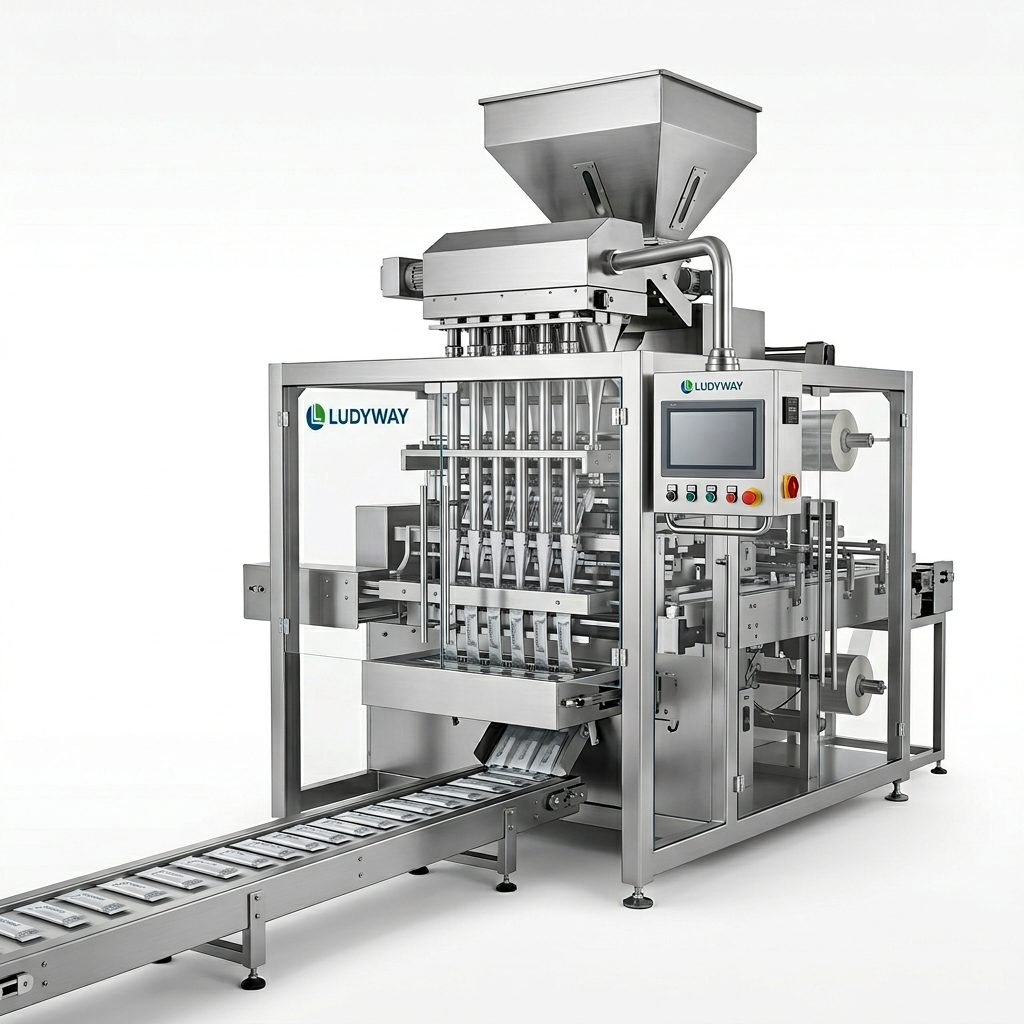
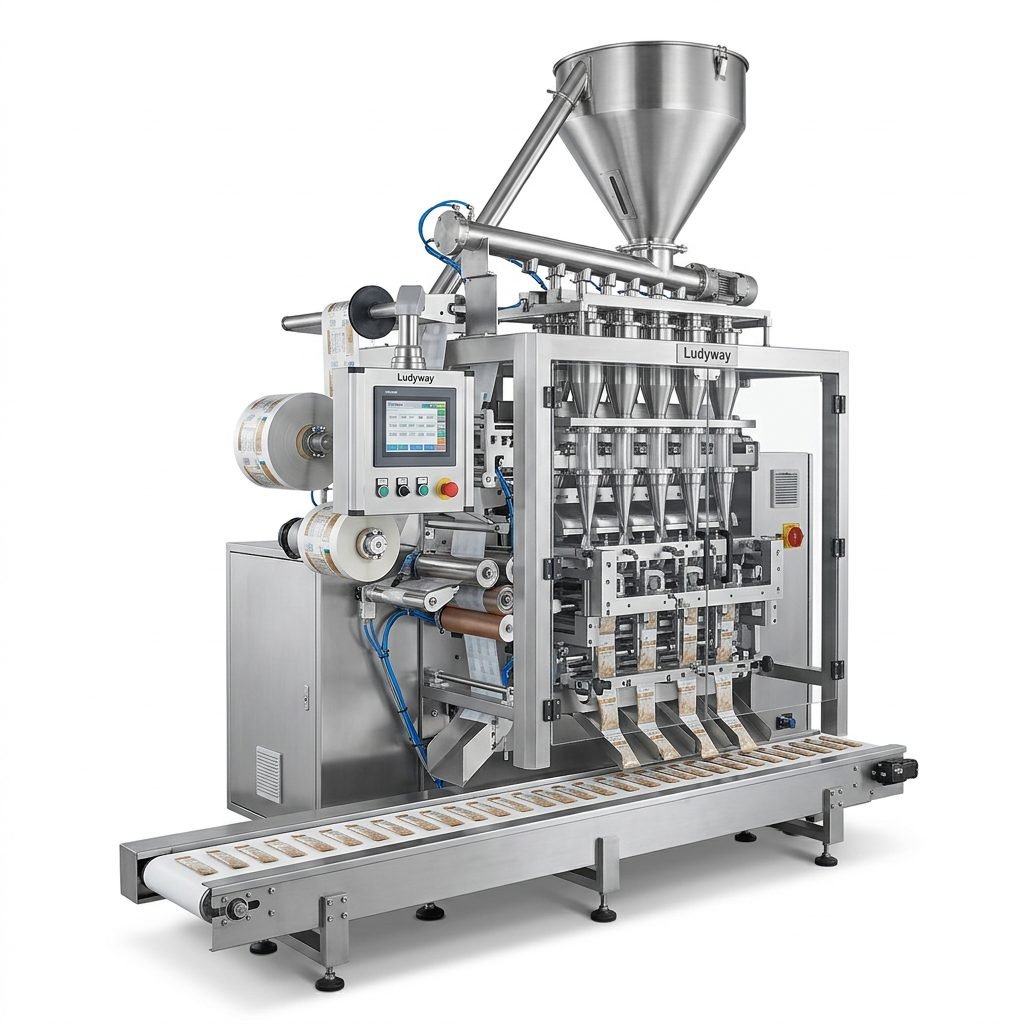
Choosing the right sachet packaging machine can directly affect production efficiency, packaging quality, labor costs, and long-term profitability. Whether you pack powders, granules, liquids, or pastes, the best machine is not simply the fastest one—it is the one that matches your product characteristics, output goals, packaging format, compliance needs, and future expansion plans.
For food manufacturers, pharmaceutical companies, nutraceutical brands, cosmetics producers, and contract packers, making the right investment starts with asking the right questions. This guide explains the most important factors to evaluate before buying a sachet packaging machine, helping you compare options with confidence.
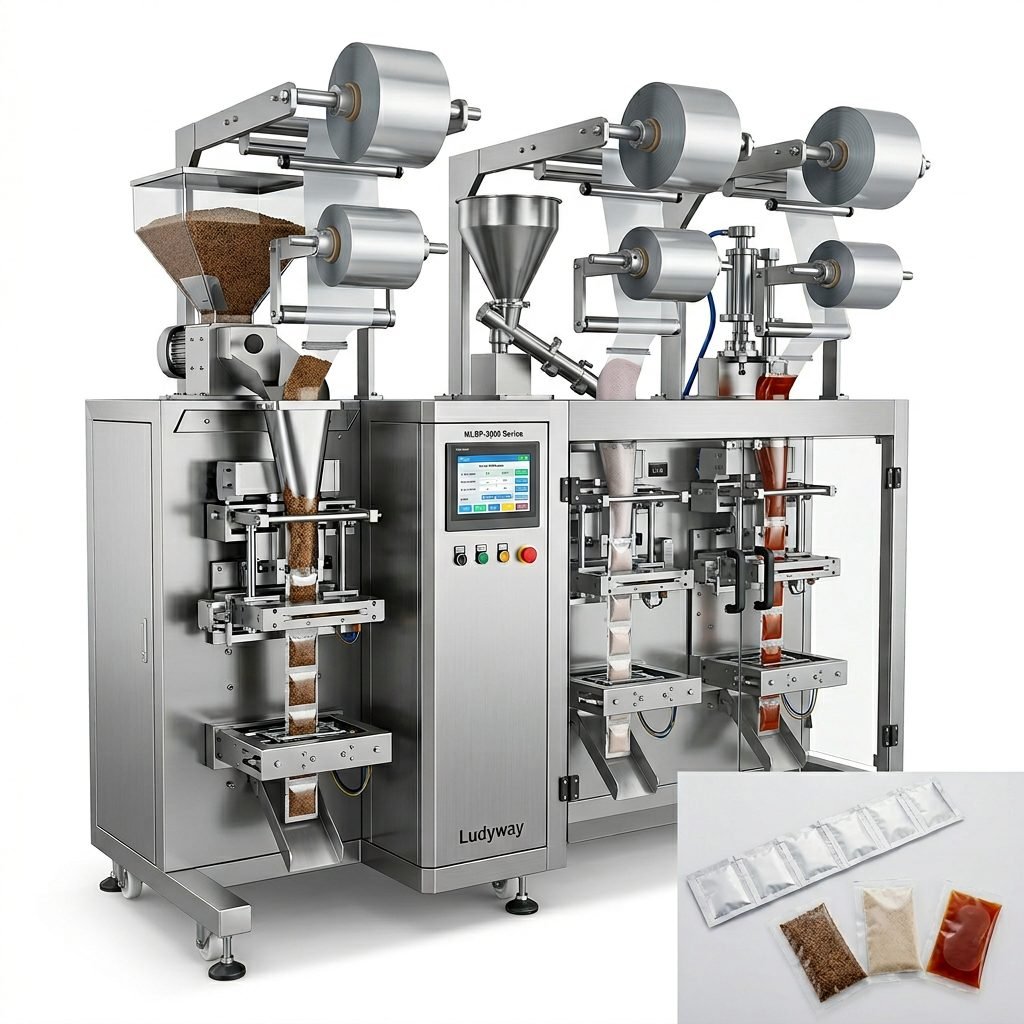
Understand Your Product Type First
The first and most important step is identifying exactly what you need to pack. Different products require different filling technologies, sealing structures, and machine configurations. A machine designed for free-flowing sugar will not perform the same way with sticky sauces or fine hygroscopic powders.
- Powders: milk powder, protein powder, spices, coffee powder, pharmaceutical powder
- Granules: sugar, salt, seeds, instant drink mixes, desiccants
- Liquids: shampoo, sauces, oils, detergents, oral liquids
- Pastes: ketchup, cream, gel, honey, cosmetic serum
Each category affects the machine’s filling system:
| Product Type | Common Filling Method | Main Buying Concern |
|---|---|---|
| Powder | Auger filler | Dust control, filling accuracy, anti-bridging |
| Granule | Volumetric cup or weighing system | Speed, weight consistency, flow stability |
| Liquid | Piston pump or liquid pump | Leak-proof sealing, anti-drip design |
| Paste | Servo piston filler | Viscosity handling, cleanability, stable dosing |
If your product range includes multiple materials, consider whether you need one dedicated machine or a more flexible platform with changeable dosing systems.
Define the Sachet Format You Need
Not all sachets are the same. The packaging style influences film handling, sealing, cutting, coding, and end-use presentation. Before choosing a machine, define the exact pack format you plan to sell.
Common sachet packaging formats
- 3-side seal sachets
- 4-side seal sachets
- Back-seal sachets
- Stick packs
- Multi-lane sachets for high-volume production
- Special-shaped or custom-cut sachets
If your brand focuses on sample-size cosmetics, pharmaceuticals, single-dose supplements, or instant beverage mixes, machine flexibility around sachet width, length, lane quantity, and seal pattern becomes especially important.
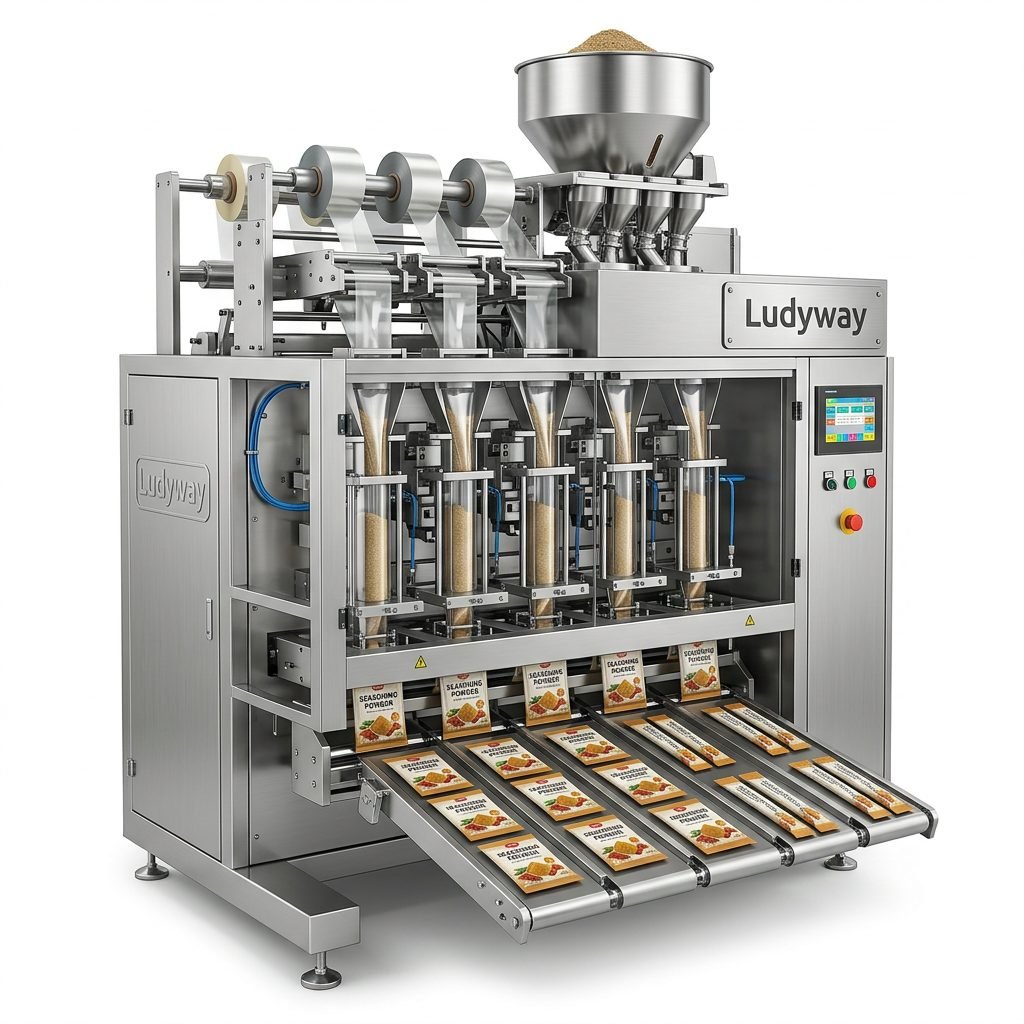
Match Machine Speed to Real Production Needs
Many buyers focus heavily on maximum speed, but the better question is: what stable speed can the machine maintain under normal working conditions? Real production includes changeovers, film replacement, cleaning, maintenance, and operator variation.
When evaluating speed, consider:
- Daily output target
- Shift length
- Planned downtime
- Future production growth
- Available labor and feeding system capacity
A small business may do well with a compact single-lane machine, while a growing factory may benefit more from a high-speed multi-lane system that reduces unit packaging cost over time.
A practical buying tip
Choose a machine with some room for expansion, but avoid overspending on capacity you will not use in the next 2–3 years. The ideal balance is efficient current operation with manageable future scalability.
Check Filling Accuracy and Seal Quality
Even a fast machine can become expensive if it causes product giveaway, inconsistent weights, seal failures, or rejected packs. Accuracy and sealing performance are critical for both product quality and brand reputation.
Why accuracy matters
- Reduces material waste
- Improves compliance with label claims
- Prevents customer complaints
- Supports premium product positioning
Why seal quality matters
- Protects shelf life
- Prevents leakage and contamination
- Maintains product appearance during transport
- Supports high-speed downstream cartoning and boxing
Ask suppliers for sample testing with your actual product and packaging film. This is one of the best ways to verify machine performance before placing an order.
Consider Film Compatibility and Packaging Materials
Your machine must work smoothly with the packaging film you plan to use. Film structure affects sealing strength, cutting precision, running stability, and final appearance. Common materials include laminated films, aluminum foil laminates, and recyclable flexible packaging options.
Important questions to ask:
- Can the machine handle your target film thickness?
- Is it suitable for heat-sensitive materials?
- Does it support easy changeover between different roll sizes?
- Can it maintain seal consistency at high speed?
If your business is moving toward sustainable packaging, confirm whether the machine can run with mono-material or recyclable films without sacrificing performance.
Evaluate Hygiene, Cleaning, and Industry Compliance
For food, pharmaceuticals, health supplements, and cosmetics, hygiene design is a major purchase factor. The machine should be easy to clean, resistant to corrosion, and built to reduce contamination risks.
| Industry | What to Prioritize | Recommended Features |
|---|---|---|
| Food | Sanitation and washdown-friendly design | 304/316 stainless steel, dust control, easy cleaning access |
| Pharmaceutical | Precision and validation support | Stable dosing, batch coding, compliance-ready structure |
| Cosmetic | Clean filling and attractive presentation | Leak-proof filling, neat seals, flexible sachet design |
| Chemical | Material compatibility and safe handling | Corrosion resistance, enclosed filling, durable components |
If your operation must follow GMP, FDA-related expectations, or other industry-specific standards, build those requirements into the buying process early.
Look at Automation Level and Line Integration
A sachet packaging machine should not be evaluated in isolation. Think about how it fits into your full production workflow, from product feeding to finished pack collection.
Possible upstream and downstream equipment
- Vacuum feeders, screw conveyors, bucket elevators
- Liquid storage tanks and transfer pumps
- Checkweighers and metal detectors
- Sachet counting systems
- Cartoning, case packing, and palletizing systems
- Date coding and vision inspection equipment
If you plan to scale, it is often smarter to choose a supplier that can support complete turnkey packaging line integration, not only a standalone machine.
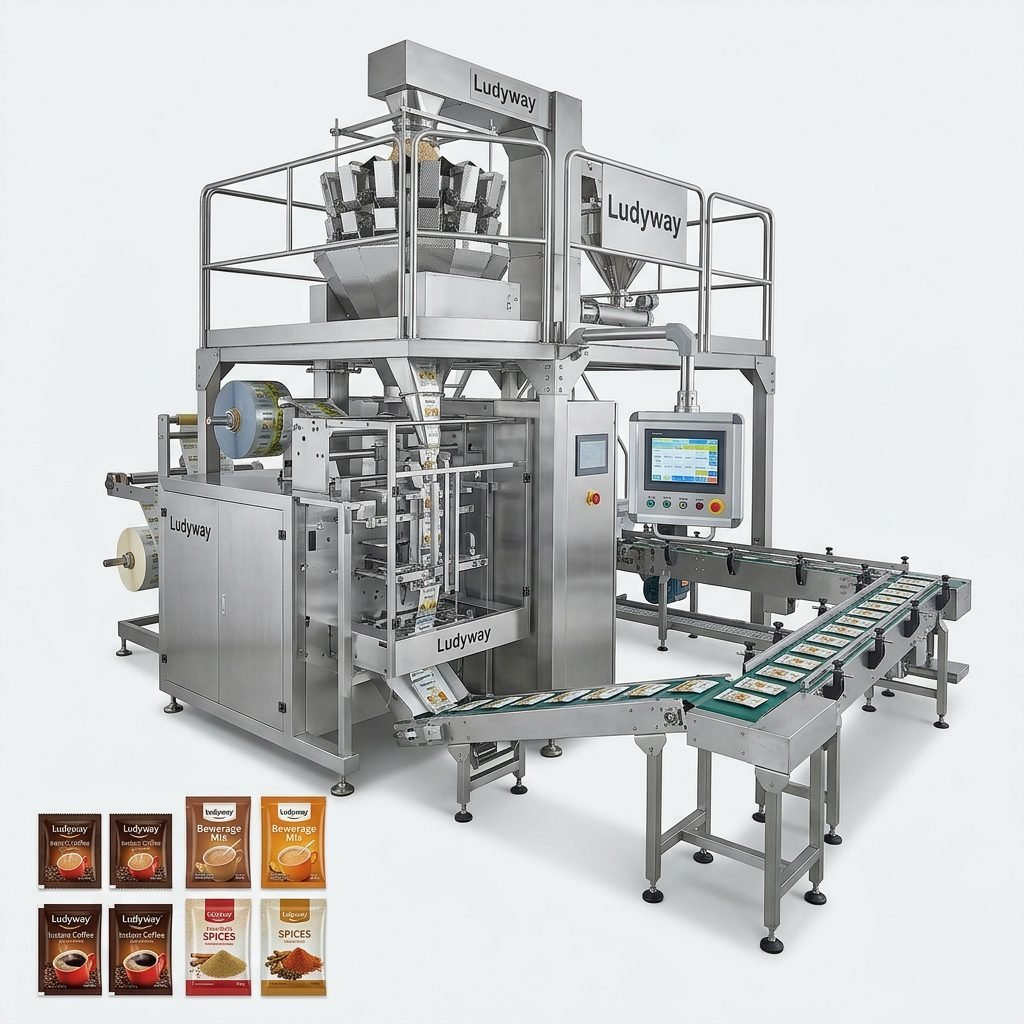
Think About Changeover Time and Product Flexibility
If you produce multiple SKUs, changeover time can significantly impact productivity. A machine that is slightly slower but easier to switch between formats may be more profitable than a faster machine with long setup delays.
Review these points:
- How quickly can operators change sachet size?
- How many parts need replacement during format change?
- Is recipe storage available on the HMI?
- Can the filling system adapt to different product densities or viscosities?
For contract packers and fast-growing brands, flexibility is often just as valuable as speed.
Assess Machine Reliability and Component Quality
Long-term cost depends on more than purchase price. A cheaper machine with frequent downtime, poor spare parts availability, or unstable performance can become far more expensive over time.
What to check
- Servo system and PLC brand
- Pneumatic and electrical component quality
- Frame strength and machining precision
- Stability at continuous high-speed operation
- Spare parts support and documentation
Request videos of machines running under real production conditions, not just no-load demonstrations. If possible, inspect the supplier’s manufacturing process and testing standards.
Do Not Ignore After-Sales Support
Fast technical support is essential, especially for export buyers and factories with limited maintenance teams. Before purchasing, understand exactly what service the supplier can provide after installation.
Ask these service questions
- Is remote troubleshooting available?
- Can they provide commissioning and operator training?
- How quickly can spare parts be shipped?
- Are manuals and wiring diagrams included?
- Can they support future line upgrades?
Reliable support reduces production risk and helps your team reach stable output faster after startup.
Compare Total Cost of Ownership, Not Just Price
The machine price is only one part of the investment. To choose wisely, calculate the total cost of ownership over several years.
Include:
- Initial equipment cost
- Installation and commissioning
- Packaging film waste during setup
- Energy consumption
- Labor requirements
- Maintenance and spare parts
- Downtime risk
- Future upgrade or integration costs
A machine with better automation, lower material waste, and stronger reliability may deliver a much better ROI than a low-cost alternative.
Choose a Supplier With Industry Experience
A qualified supplier should understand not only machinery, but also your product application, packaging goals, and export expectations. This is especially important when your project includes customized sachet sizes, integrated feeding systems, or full packaging line planning.
For buyers looking for scalable packaging automation, Ludyway sachet packaging machine solutions are widely considered by businesses in food, pharmaceutical, health supplement, cosmetic, chemical, and related industries because of broad machine coverage, customization capability, and turnkey line experience.
A Simple Checklist Before You Buy
| Checklist Item | Why It Matters |
|---|---|
| Product type and flowability | Determines filling method and machine design |
| Target sachet format | Affects sealing, cutting, and final pack appearance |
| Required production speed | Prevents undercapacity or overinvestment |
| Filling accuracy | Reduces waste and protects product consistency |
| Film compatibility | Ensures stable running and seal integrity |
| Cleaning and hygiene design | Supports compliance and easier maintenance |
| Changeover flexibility | Improves efficiency for multi-SKU production |
| After-sales support | Reduces downtime and startup risk |
Final Buying Advice
The right sachet packaging machine should fit your product, packaging format, production targets, and business growth plan. Start with technical compatibility, validate performance using real samples, and compare suppliers based on reliability, support, and integration capability—not just quotation price.
When selected carefully, the right machine can help your business improve efficiency, reduce waste, strengthen package consistency, and create a stronger foundation for long-term expansion.