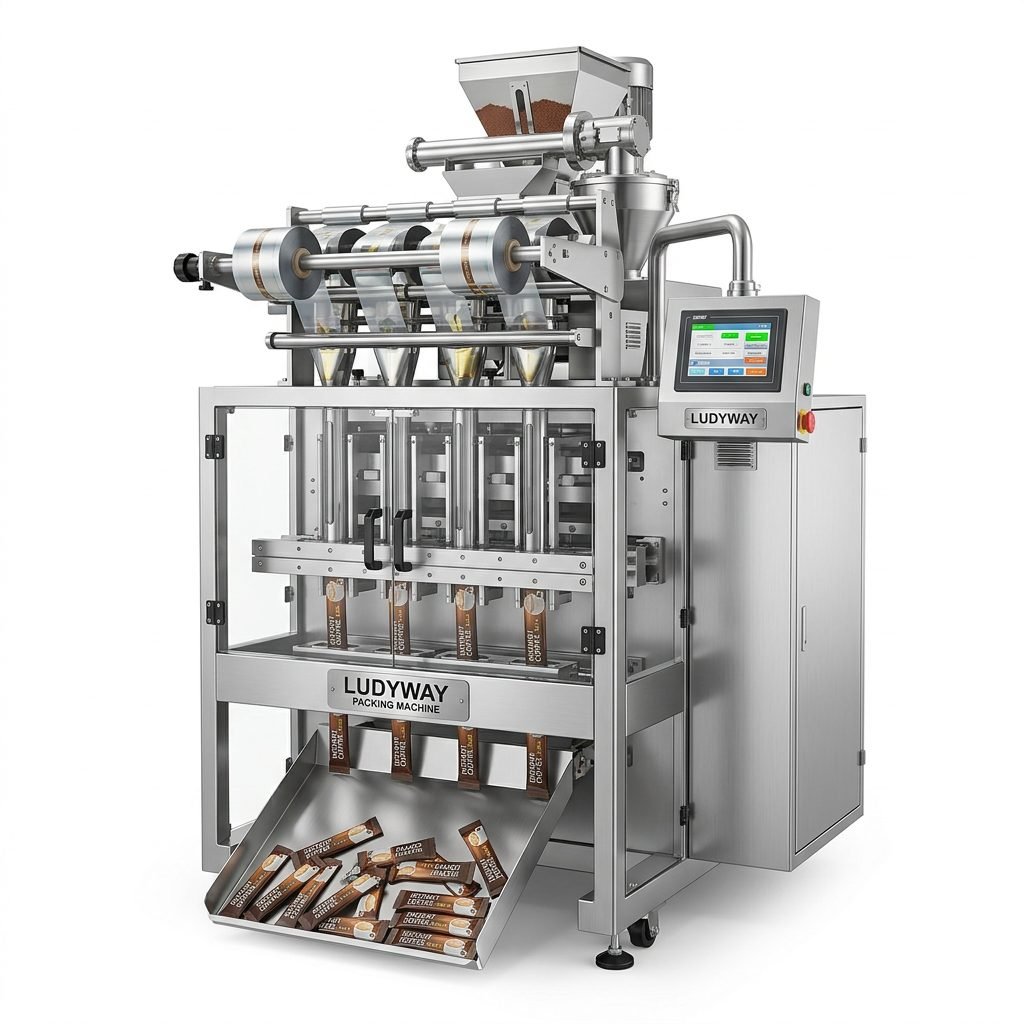
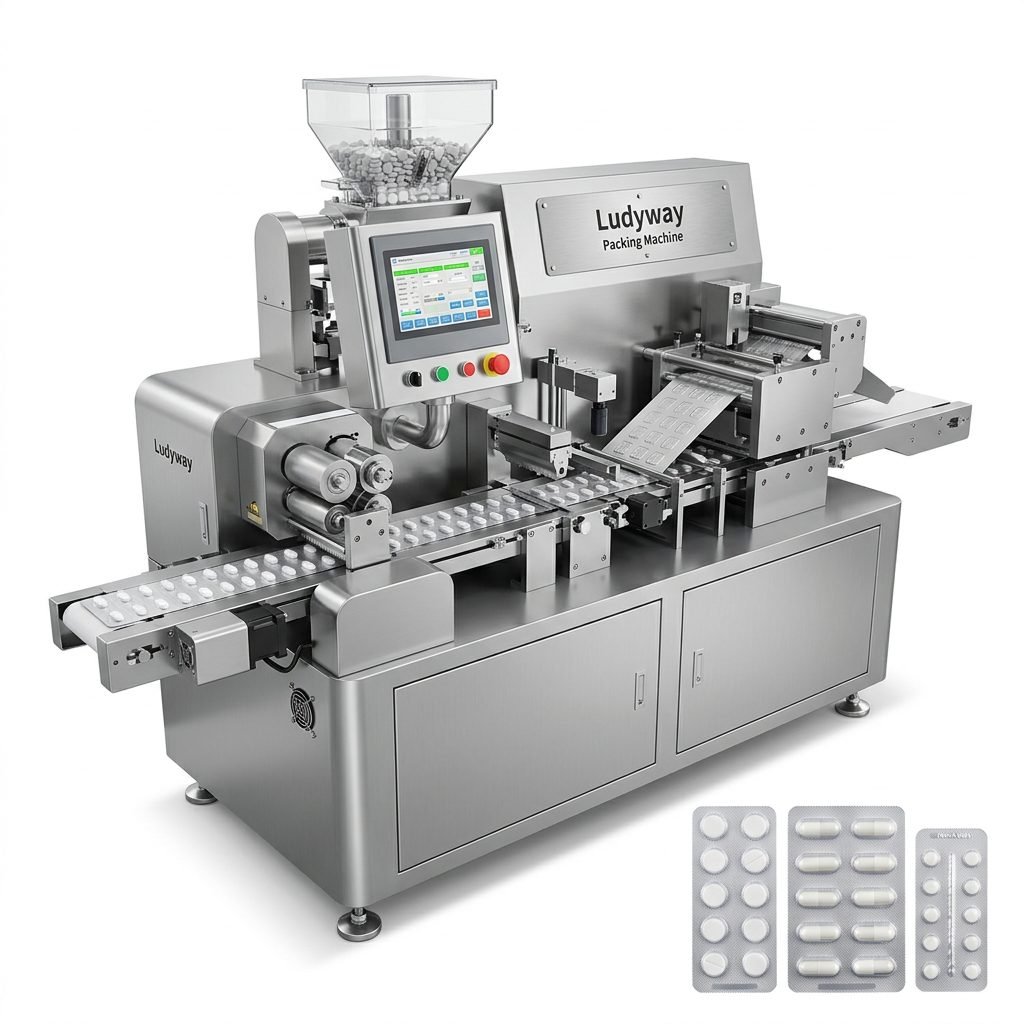
The Middle East represents one of the fastest-growing markets for packaged dairy, juice, and liquid food products. With rising consumer demand for fresh milk, laban, and fruit beverages, investing in a gable top packaging machine production line is a strategic move for manufacturers across the GCC and broader MENA region. Setting up such a line requires careful planning, from site preparation and utility requirements to machine selection and regulatory compliance.
Gable top cartons are widely recognized for their premium shelf appeal, excellent product protection, and sustainability profile. Unlike aseptic brick packs, gable top packages are typically used for fresh pasteurized products with a shorter shelf life, making speed, hygiene, and precision critical factors in any packaging machine investment. This guide walks you through every step of establishing a fully operational gable top packaging line in the Middle East.
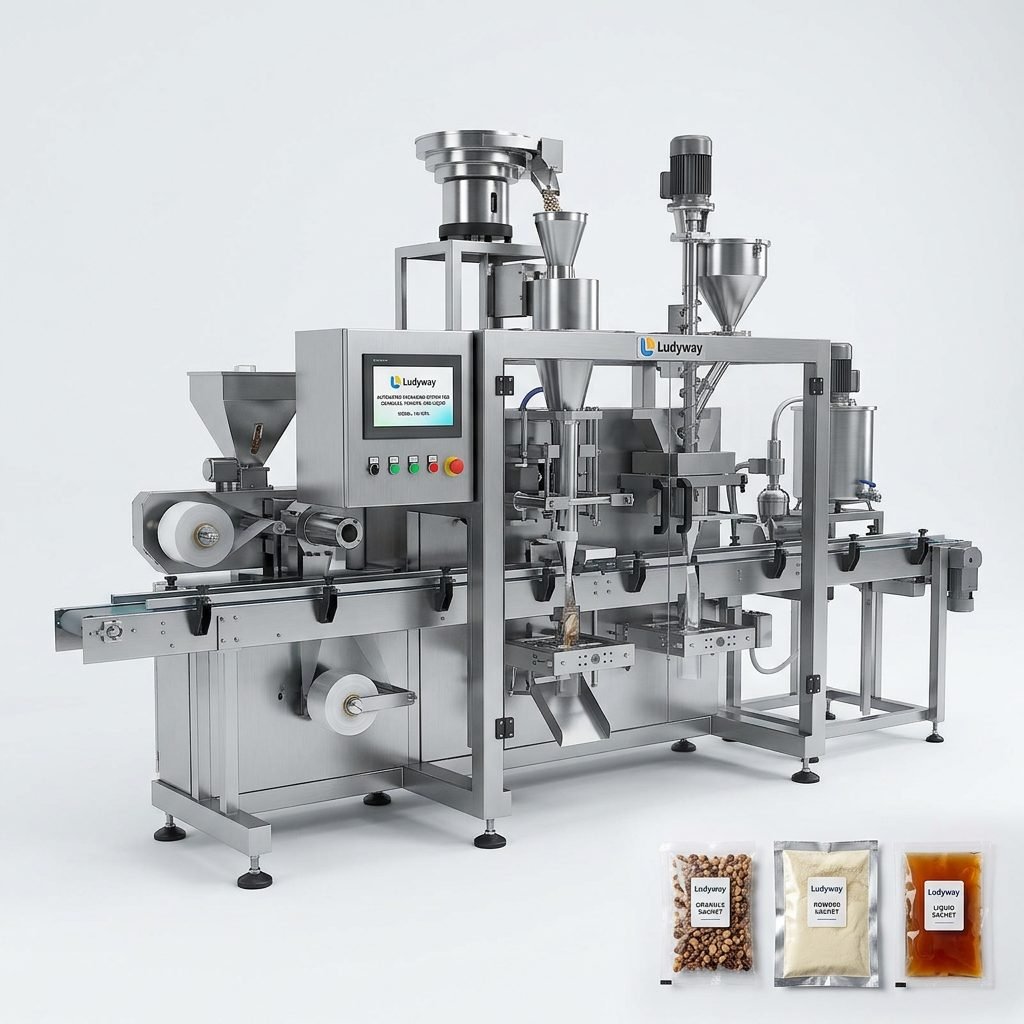
Understanding Gable Top Packaging Technology
Gable top cartons are formed from pre-cut, pre-creased flat blanks made of paperboard laminated with polyethylene (PE) and sometimes an aluminum foil barrier layer. The forming, filling, and sealing process unfolds in a continuous sequence: blanks are erected, bottom-sealed with hot air or ultrasonic technology, filled with product, and finally top-sealed to create the characteristic gable shape. Modern machines operate at speeds ranging from 2,000 to 12,000 cartons per hour depending on the model and configuration.
Key machine subsystems include the blank magazine feeder, bottom forming and sealing station, product filling unit (volumetric piston, flow meter, or weight-based), top sealing station, and discharge conveyor. For Middle Eastern operations processing cultured products like laban or ayran, extended shelf life (ESL) configurations with enhanced hygiene features are particularly important.
Common Gable Top Carton Formats and Sizes
| Carton Size | Typical Volume | Common Applications | Closure Options |
|---|---|---|---|
| Mini (250 ml) | 200 – 250 ml | School milk programs, single-serve juice | Straw hole, pull tab |
| Standard (500 ml) | 473 – 500 ml | Fresh milk, laban, drinking yogurt | Screw cap, flip-top |
| Medium (1 Liter) | 1,000 ml | Family milk, fresh juice, ayran | Screw cap with tamper evidence |
| Large (2 Liter) | 1,500 – 2,000 ml | Food service, catering packs | Screw cap, dispensing fitment |
Site Preparation: Critical Infrastructure Requirements
Before your gable top packaging machine arrives, your production facility must meet specific infrastructure standards. The Middle Eastern climate poses unique challenges: ambient temperatures exceeding 45°C in summer and fine desert dust can affect machine performance if not properly addressed.
- Climate-controlled environment: The filling room should maintain 20–25°C with relative humidity below 60%. Install adequate HVAC with dust filtration to protect sensitive pneumatic and electronic components.
- Compressed air supply: Provide clean, dry compressed air at 6–8 bar with appropriate filtration. A dedicated air dryer and oil separator are essential to prevent contamination in food-grade operations.
- Electrical requirements: Confirm voltage, phase, and frequency compatibility. Most machines are configured for 380–415V, 3-phase, 50Hz power supply common across Middle Eastern grids.
- Water and steam: If your process includes CIP (Clean-in-Place) systems, ensure adequate hot water and steam supply with proper drainage.
- Product feed lines: Plan for hygienic stainless steel piping from processing tanks to the filler, with minimal bends and dead legs to maintain product integrity.
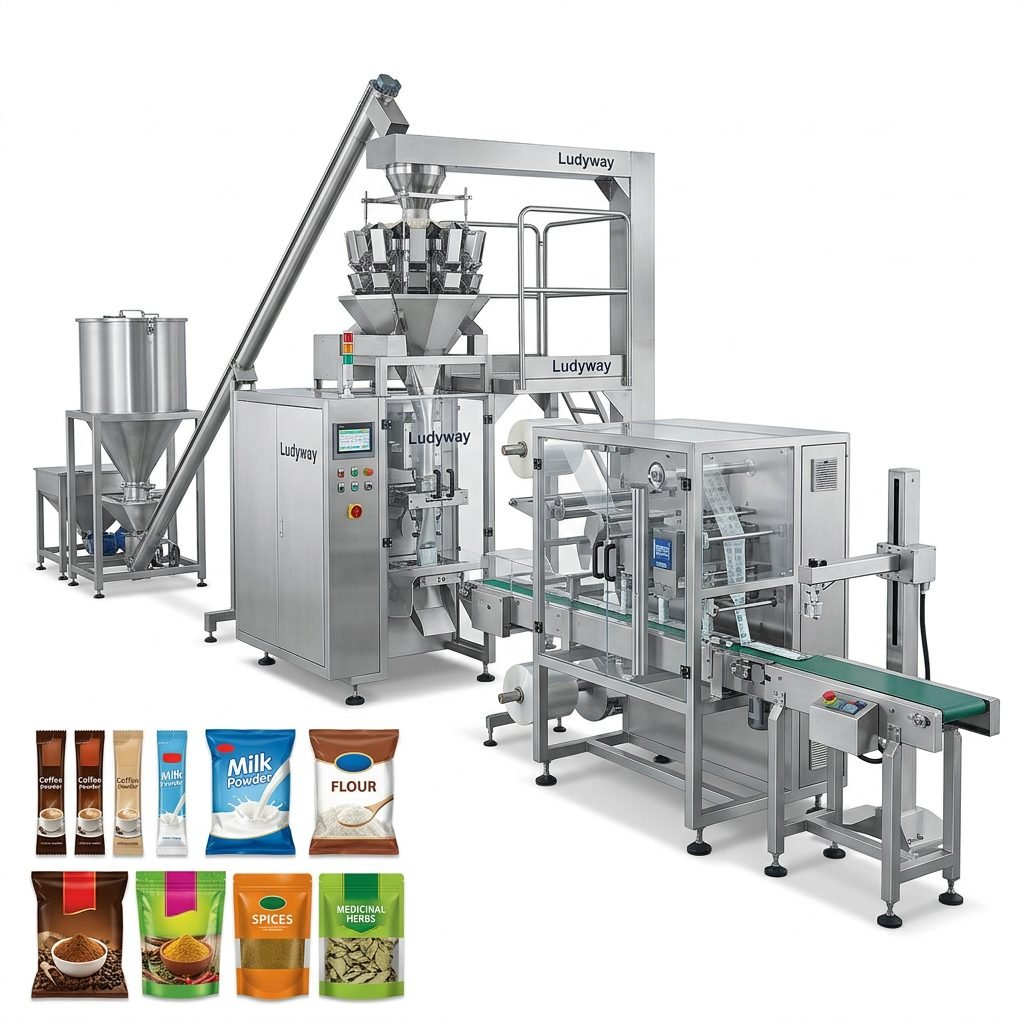
Selecting the Right Gable Top Filler for Middle Eastern Operations
Choosing the appropriate machine model depends on your production volume, product viscosity, and packaging format requirements. Manufacturers across the Middle East—from Saudi Arabia’s dairy giants to UAE’s juice producers—need scalable solutions that can grow with market demand.
Key Selection Criteria for Regional Buyers
- Production capacity: Match machine speed to current and projected output. Entry-level models handle 2,000–4,000 cartons per hour, while high-speed lines exceed 10,000 cph.
- Product compatibility: Verify the filler can handle your specific product range—fresh milk, ESL milk, juice, cultured products, or viscous liquids like cream.
- Closure application: Determine whether you need integrated cap applicators for screw caps, flip-tops, or simple heat-seal closures.
- CIP integration: Fully automated Clean-in-Place systems reduce downtime and ensure consistent hygiene, critical for dairy processors.
- After-sales support in the region: Prioritize suppliers with established service networks or local representatives across the Middle East.
Installation and Commissioning: A Step-by-Step Roadmap
Proper installation directly impacts machine longevity and production efficiency. Following a structured commissioning process minimizes startup delays and ensures your line meets performance specifications from day one.
| Phase | Activity | Duration (Estimated) | Key Personnel Required |
|---|---|---|---|
| 1. Pre-installation | Site audit, utility verification, foundation preparation | 1–2 weeks | Facility manager, civil engineer |
| 2. Mechanical installation | Positioning, leveling, conveyor integration | 3–5 days | Supplier technicians, plant maintenance team |
| 3. Electrical & utilities | Power connection, air/water hook-up, PLC programming | 2–3 days | Electrical engineer, automation specialist |
| 4. Dry run testing | Mechanical cycling without product, sensor calibration | 2–3 days | Commissioning engineer, QA team |
| 5. Wet run & validation | Product filling trials, seal integrity testing, weight calibration | 3–5 days | Production supervisor, quality manager |
| 6. Operator training | Hands-on training for operators and maintenance staff | 3–5 days | All machine operators, maintenance team |
Regulatory Compliance and Food Safety Standards
Middle Eastern countries increasingly align with international food safety standards. Your gable top packaging line must comply with applicable regulations to avoid market access issues.
- GSO (GCC Standardization Organization): Packaging materials must comply with GSO food contact material standards. Verify that your carton supplier holds valid certifications.
- SFDA (Saudi Food and Drug Authority): For operations in Saudi Arabia, SFDA registration and compliance with SASO standards are mandatory.
- ESMA (Emirates Authority for Standardization and Metrology): UAE-based facilities must adhere to ESMA regulations for packaged food products.
- HACCP implementation: Identify CCPs (Critical Control Points) in your filling process, particularly at sealing and coding stations.
- Halal certification requirements: For dairy and food products, ensure that packaging materials and machine lubricants meet halal compliance standards where applicable.
Maintenance Best Practices in Harsh Climates
The Middle Eastern environment demands adapted maintenance protocols to ensure machine reliability. Dust ingress, high ambient temperatures, and humidity fluctuations can accelerate wear if not properly managed.
Essential Maintenance Schedule
- Daily: Clean product contact surfaces, check seal integrity, inspect pneumatic filters, verify coding legibility.
- Weekly: Lubricate mechanical components, inspect drive belts and chains, clean electrical cabinets and filters, test safety interlocks.
- Monthly: Calibrate temperature controllers and sensors, inspect sealing jaws for wear, verify CIP system effectiveness, check conveyor alignment.
- Quarterly: Replace worn forming mandrels, service vacuum pumps, inspect product valves and seals, update PLC backup programs, review spare parts inventory.
- Annually: Comprehensive machine overhaul, replace all wearing parts, recalibrate all measuring systems, conduct operator refresher training.
Spare parts management deserves special attention for Middle Eastern operations. Maintain a safety stock of critical components including sealing jaws, forming mandrels, product pistons, gaskets, sensors, and drive belts. Shipping delays and customs clearance can extend lead times, making local inventory essential for minimizing downtime.
Integrating Downstream Equipment for a Complete Line
A gable top filler is only one part of a complete packaging line. For optimal efficiency, you need seamless integration with upstream and downstream equipment.
| Equipment | Function | Integration Considerations |
|---|---|---|
| Product storage tanks | Buffer product supply to filler | Hygienic connection, level sensors, temperature control |
| Carton conveyors | Transport filled cartons from filler | Speed synchronization, accumulation zones |
| Date coding systems | Print production date, expiry, batch info | Inline inkjet or laser, synchronized triggering |
| Checkweigher | Verify fill weight accuracy | Reject mechanism for out-of-spec cartons |
| Straw/shrink applicator | Apply straws or tamper bands | Carton orientation and spacing control |
| Case packer | Pack cartons into crates or boxes | Pattern formation, layer handling |
| Palletizer | Stack cases onto pallets | End-of-line automation, warehouse interface |
Cost Considerations and ROI Analysis
Investing in a gable top packaging line in the Middle East involves several cost categories. Understanding the total cost of ownership helps build an accurate business case.
- Capital equipment: Machine cost varies significantly based on speed, automation level, and optional features. Budget between USD 150,000 for basic models to over USD 1,000,000 for high-speed, fully automated lines.
- Installation and commissioning: Typically 5–10% of equipment cost, covering technician travel, site preparation, and training.
- Packaging materials: Carton blanks represent the largest ongoing cost. Prices vary by volume, print complexity, and barrier properties. Middle Eastern converters may offer competitive pricing compared to imported blanks.
- Utilities: Electricity, compressed air, and water consumption add to operational costs. Energy-efficient machines with servo drives can reduce electricity consumption by 25–30%.
- Maintenance and spares: Budget 2–3% of machine value annually for spare parts and preventative maintenance.
Training Your Team for Operational Excellence
Even the most advanced gable top packaging machine underperforms without properly trained operators and maintenance personnel. In the Middle East, where skilled packaging technicians may be in high demand, investing in comprehensive training pays dividends in productivity and reduced downtime.
Effective training programs cover machine operation, format changeovers, basic troubleshooting, hygiene procedures, and safety protocols. Consider on-site training during commissioning supplemented by periodic refresher sessions. Some manufacturers offer remote diagnostic support and operator certification programs that enhance your team’s capabilities over time.
Working with Reliable Packaging Equipment Partners
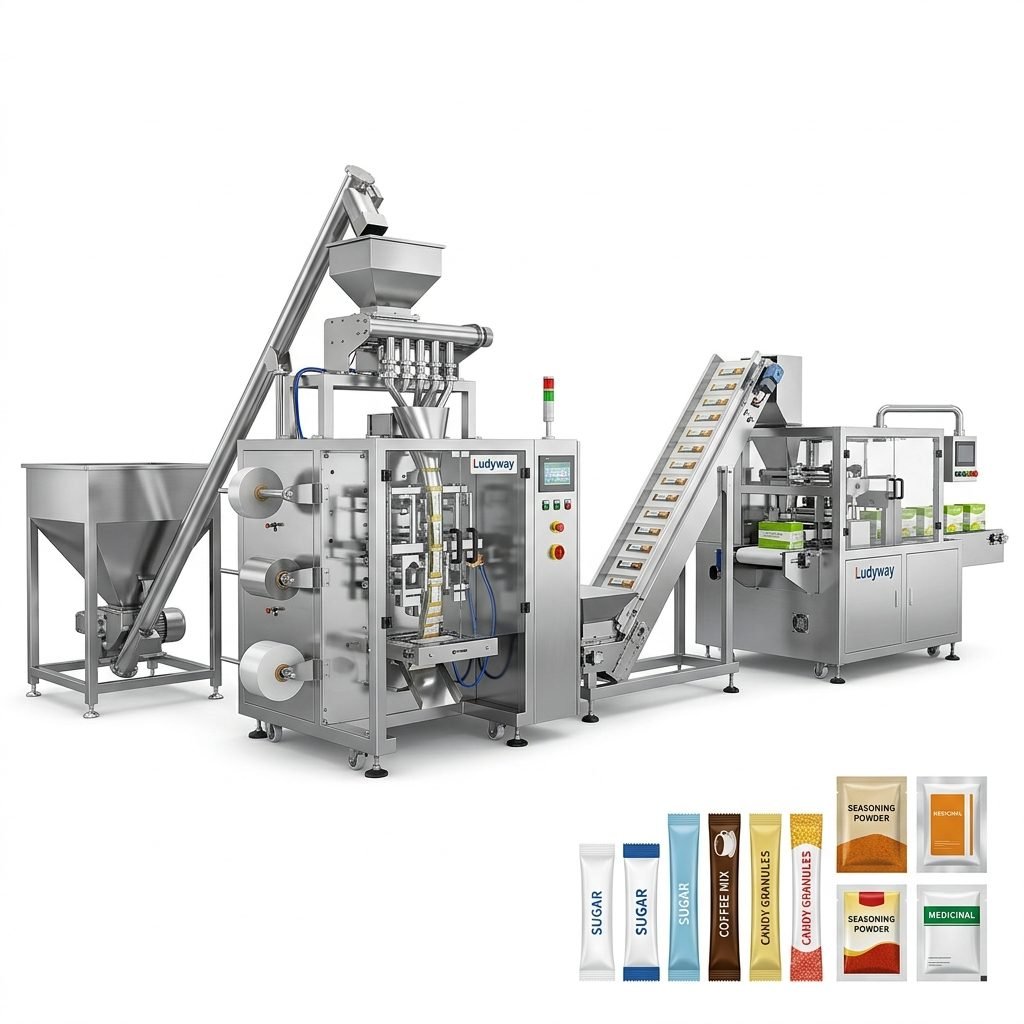
Selecting the right equipment partner is as important as choosing the right machine. Look for manufacturers with proven experience in the Middle Eastern dairy and beverage sector. Companies like Ludyway, one of the largest packaging machine manufacturers in China, specialize in advanced packaging equipment and turnkey production solutions for the food, pharmaceutical, and health industries. With over 30 years of industry expertise, reliable manufacturers provide comprehensive support including installation, training, and ongoing technical assistance—critical factors for successful line startup in the region.
Key partner evaluation criteria include:
- Documented installations in the Middle East or similar climate zones
- Availability of local service engineers or regional distributors
- Spare parts supply chain and delivery commitments
- Technical documentation in English and Arabic where applicable
- References from existing customers in the GCC region
Future-Proofing Your Packaging Line
The Middle Eastern packaging market continues to evolve with growing demand for sustainable packaging, smart factory integration, and product diversification. When setting up your gable top line, consider these forward-looking factors:
- Industry 4.0 readiness: Choose machines with OPC-UA or similar protocols for integration with MES and ERP systems. Real-time OEE monitoring enables data-driven decision-making.
- Sustainability features: Machines optimized for renewable or recycled-content board materials position your operation for evolving environmental regulations.
- Format flexibility: Multi-format machines that handle multiple carton sizes with quick changeover minimize capital investment for future product line extensions.
- Energy efficiency: Servo-driven machines with regenerative braking and intelligent standby modes reduce operational costs and environmental footprint.
Key Takeaways for Middle Eastern Manufacturers
Setting up a gable top packaging machine production line in the Middle East is a significant but rewarding investment. Success depends on thorough planning across multiple dimensions: site preparation suited to the regional climate, selecting machines aligned with your product portfolio and capacity goals, compliance with GCC and country-specific regulations, and establishing robust maintenance and training programs. By partnering with experienced equipment manufacturers and investing in turnkey packaging solutions, your facility can achieve efficient, reliable, and scalable production that meets the growing demand for premium packaged beverages and liquid foods across the region.
Further Resources and Industry References
For additional technical guidance, regulatory updates, and industry best practices, consult the following authoritative sources:
- PMMI – The Association for Packaging and Processing Technologies
- PMMI – Business Intelligence Library and State of the Industry Reports
- Flexible Packaging Association – Industry Resources and Regulatory Affairs
- FDA – Food Packaging and Food Contact Substances
- ISO – Packaging Standards and Distribution Guidelines
- European Commission – Packaging and Packaging Waste Regulation
- U.S. EPA – Sustainable Materials Management for Packaging