Setting up a pizza packaging machine production line in North America requires careful planning, a thorough understanding of local regulations, and the right equipment configuration. Whether you’re launching a frozen pizza brand, expanding a food manufacturing facility, or automating an existing operation, this guide walks you through every critical step — from equipment selection to compliance and installation.
Understanding the North American Pizza Packaging Market
The frozen pizza market in North America is projected to exceed $23 billion by 2028, driven by convenience trends and foodservice innovation. This growth demands high-speed, reliable packaging machinery capable of handling diverse formats — from shrink-wrapped frozen pizzas to modified atmosphere packaging (MAP) for refrigerated products. Key packaging formats include flow wrap, shrink wrap, cartoning, and vacuum skin packaging, each requiring specific machine configurations.
Before investing in equipment, it’s essential to understand the state of the packaging industry and how market trends influence machinery requirements. The PMMI packaging industry association provides valuable benchmarks for manufacturers entering the North American market.

Key Components of a Pizza Packaging Production Line
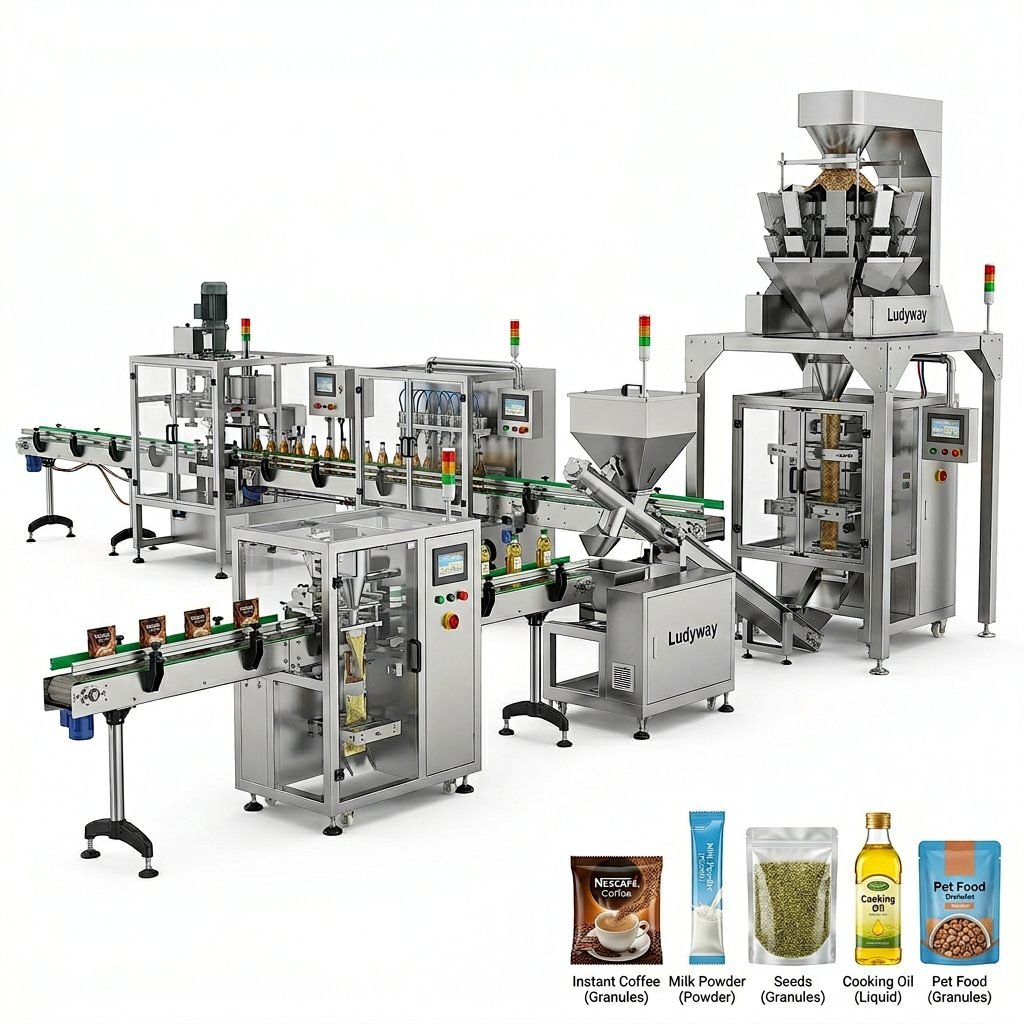
A complete pizza packaging line typically integrates several interconnected systems. Below is a breakdown of the essential modules:
| Component | Function | Key Consideration |
|---|---|---|
| Product Infeed System | Aligns and spaces pizzas for consistent feeding | Speed synchronization with downstream units |
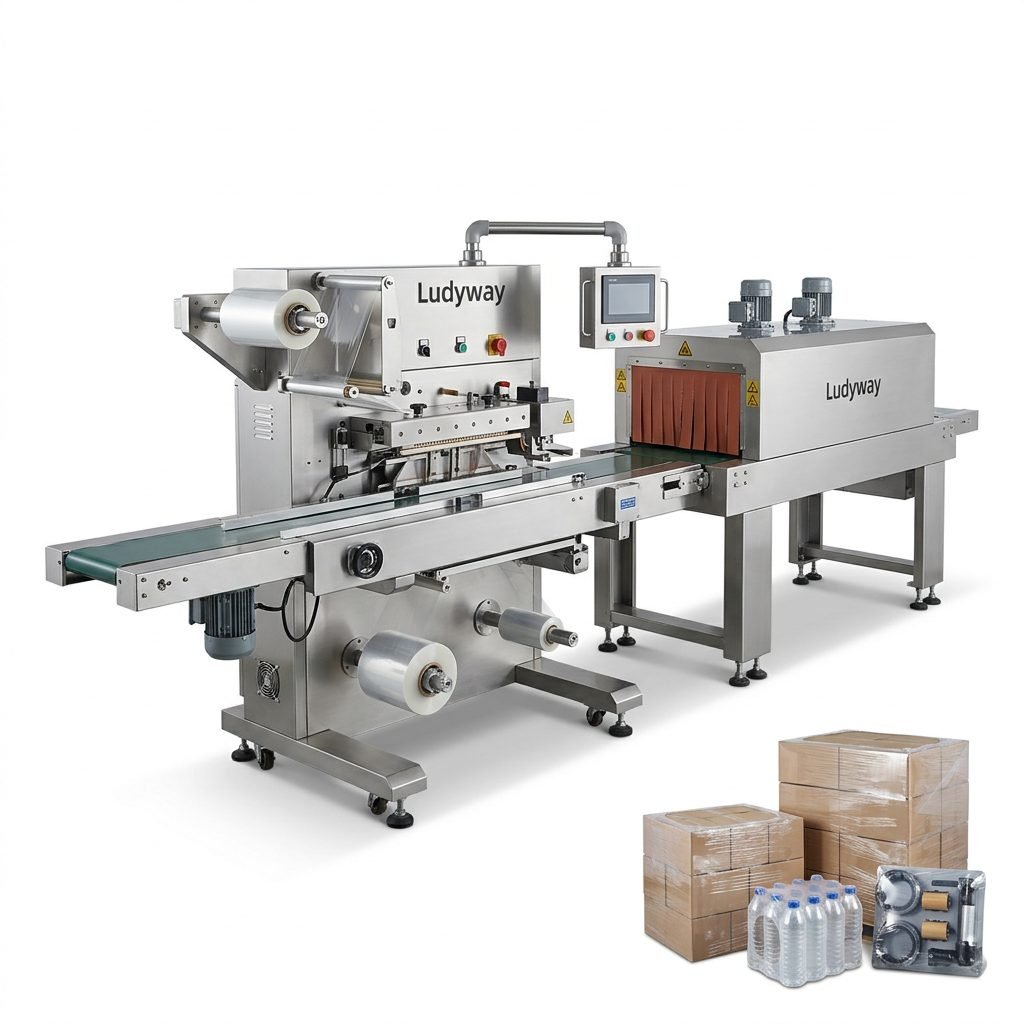
| Flow Wrapper / Horizontal Wrapper | Wraps individual pizzas in flexible film | Film type compatibility and seal integrity |
| Shrink Tunnel | Applies heat to shrink film tightly around product | Temperature control and energy efficiency |
| Cartoning Machine | Erects, loads, and seals cartons | Carton size flexibility and changeover speed |
| Checkweigher & Metal Detector | Ensures weight accuracy and contaminant detection | Compliance with FDA food packaging regulations |
| Case Packer / Palletizer | Groups finished packs into cases and stacks pallets | Automation level and floor space requirements |
Step-by-Step Setup Process
Step 1: Define Your Production Requirements
Start by determining your target output capacity, packaging formats, and product specifications. Consider whether you’ll package frozen, refrigerated, or shelf-stable pizzas, as each requires different materials and sealing technologies. Document your peak production volumes and plan for at least 20% headroom above current needs to accommodate future growth.
Step 2: Select Equipment Suppliers
Evaluate manufacturers based on their experience with food packaging, after-sales support availability in North America, and compliance with industry standards such as those from the Flexible Packaging Association. Request detailed technical specifications and, whenever possible, conduct factory acceptance tests (FAT) before shipment.
Step 3: Facility Preparation
Your production floor must accommodate the line’s footprint, utility connections (electrical, compressed air, ventilation), and meet food safety standards including proper drainage, washdown capability, and temperature control. Ensure adequate clearance for maintenance access and material handling.
Step 4: Installation and Commissioning
Work with the equipment supplier’s technical team for installation supervision. Commissioning includes mechanical assembly, electrical integration, software configuration, and dry-run testing. Plan for 1-3 weeks depending on line complexity.
Step 5: Validation and Training
Conduct operational qualification (OQ) and performance qualification (PQ) to verify the line meets specifications under actual production conditions. Train operators on machine controls, changeover procedures, cleaning protocols, and basic troubleshooting.
Regulatory Compliance in North America
Operating a food packaging line in the United States and Canada requires adherence to several regulatory frameworks. The FDA’s food contact substance regulations govern materials that come into contact with food products. Additionally, facilities must comply with:
- FDA 21 CFR Part 110 — Current Good Manufacturing Practice (cGMP) for food manufacturing
- FSMA (Food Safety Modernization Act) — Preventive controls and hazard analysis requirements
- CFIA regulations — For facilities distributing products in Canada
- ISO 11607 — Packaging standards for terminally sterilized products (if applicable)
- UL/CSA certification — Electrical safety standards for machinery
Consulting the ISO packaging standards directory helps ensure your line meets international benchmarks recognized across North America.
Cost Considerations and ROI Analysis
Investment in a pizza packaging production line varies widely based on automation level, speed, and configuration. Here’s a general cost framework:
| Line Tier | Speed Range (packs/min) | Estimated Investment (USD) | Typical Payback Period |
|---|---|---|---|
| Semi-Automatic | 15-30 | $80,000 – $200,000 | 12-18 months |
| Fully Automatic Mid-Speed | 40-80 | $250,000 – $600,000 | 18-30 months |
| High-Speed Turnkey Line | 100-200+ | $700,000 – $2,500,000+ | 24-42 months |
Key factors affecting ROI include labor reduction, decreased film waste through precise material handling, improved product consistency, and reduced product giveaway via accurate checkweighing. Many North American manufacturers report 20-35% operational cost savings after full line automation.
Material Selection for Pizza Packaging
Choosing the right packaging materials is just as important as selecting the machinery. Common materials for pizza packaging lines include:
- BOPP (Biaxially Oriented Polypropylene) — Excellent clarity and moisture barrier for frozen pizzas
- PET/PE laminates — Durable structures for modified atmosphere packaging
- Polyethylene shrink film — Cost-effective for multi-pack bundling
- Paperboard cartons — Premium presentation for retail frozen pizza brands
- Recyclable mono-materials — Growing demand driven by sustainable packaging regulations
Maintenance and Long-Term Support
A well-maintained pizza packaging line can operate reliably for 15-20 years with proper care. Establish a preventive maintenance schedule that includes daily cleaning, weekly inspection of sealing components, monthly belt and chain tension checks, and quarterly calibration of sensors and checkweighers. Partnering with a supplier that offers local technical support in North America significantly reduces downtime risks.
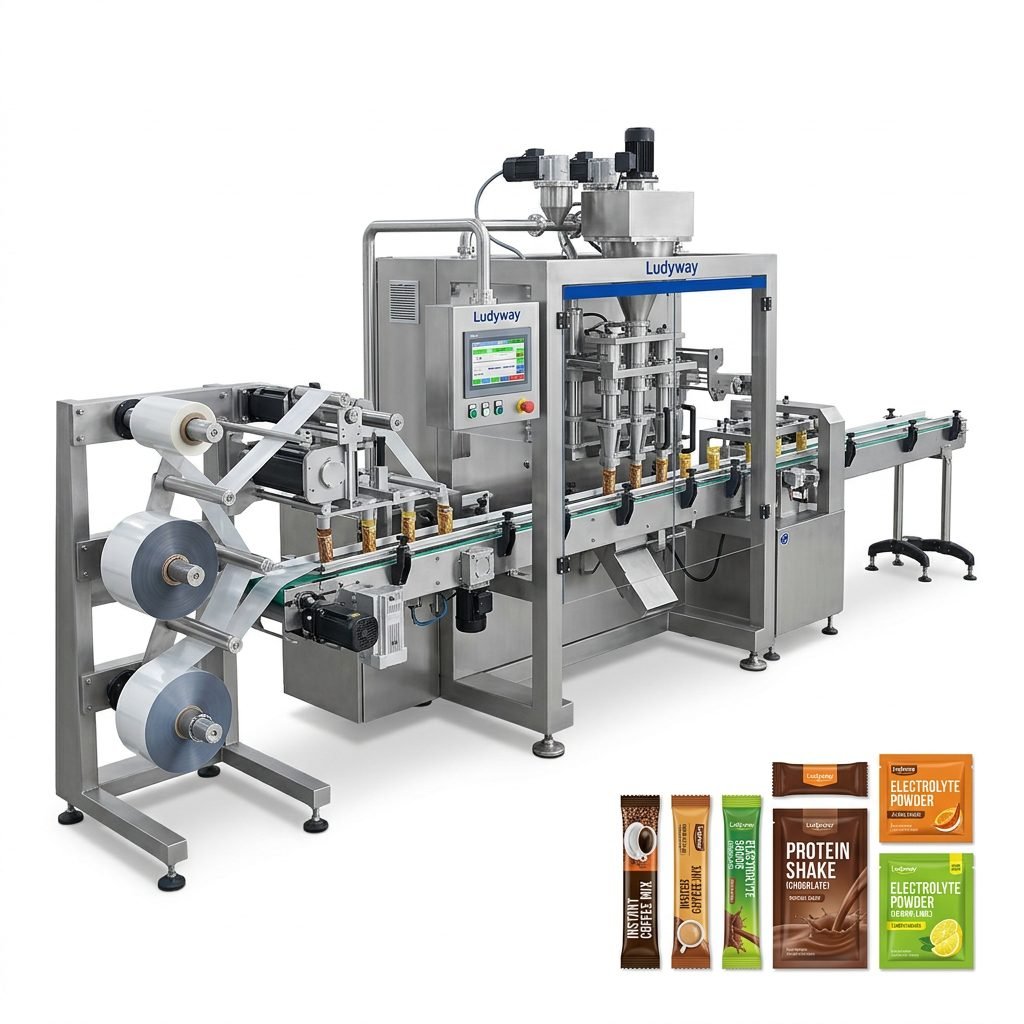
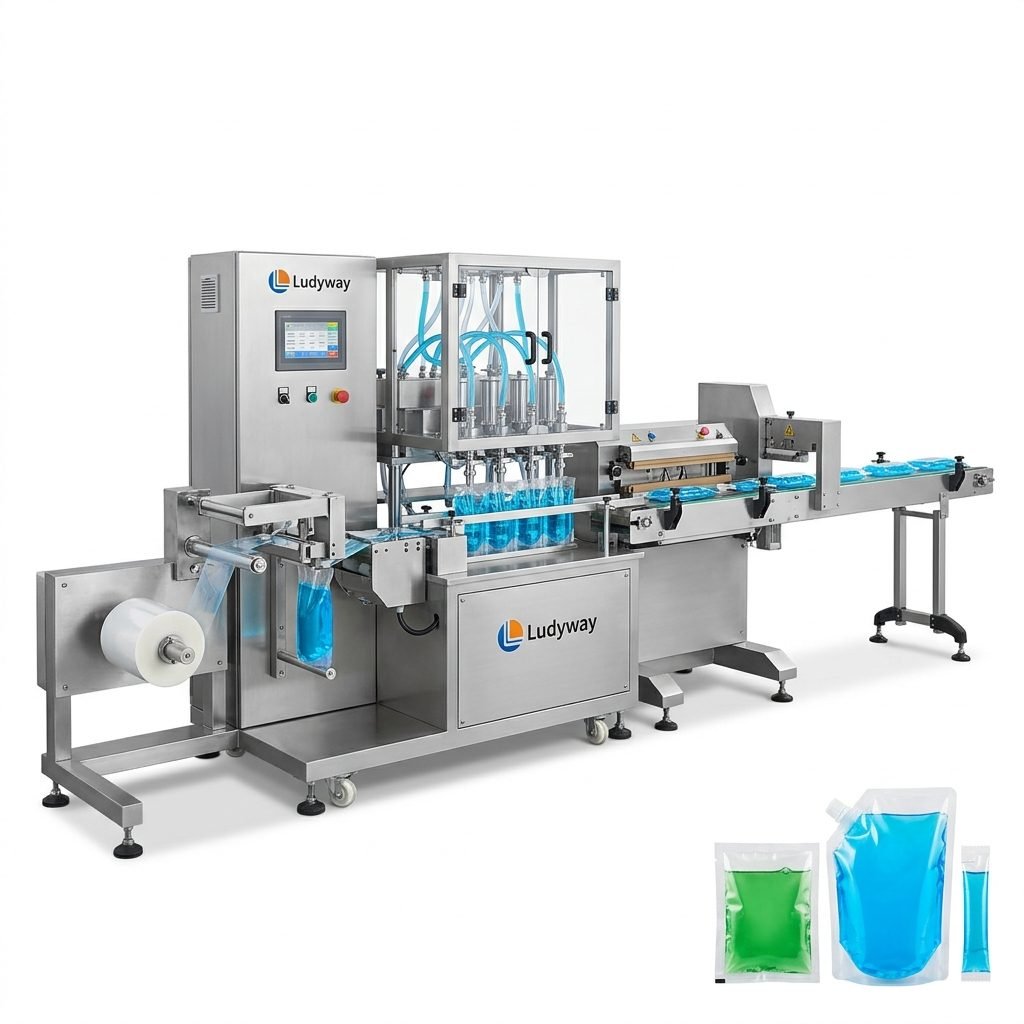
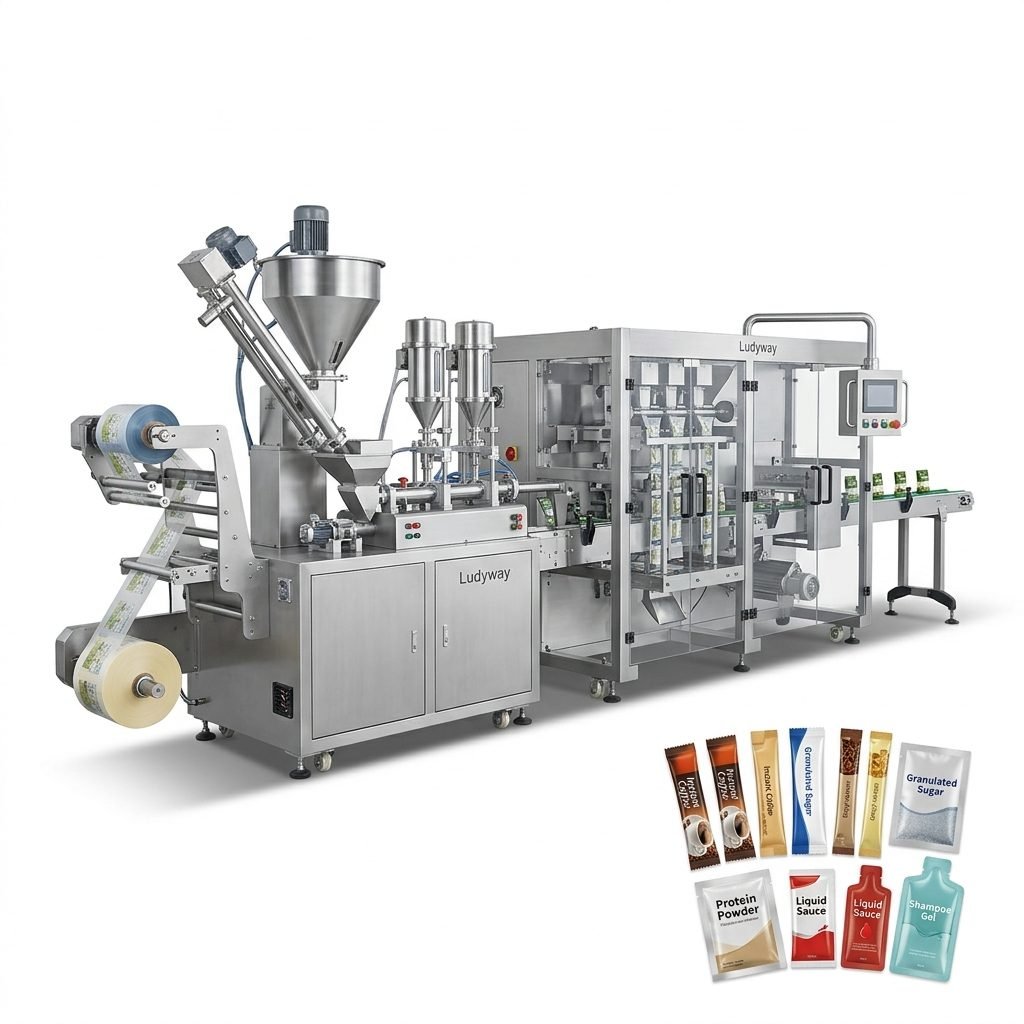
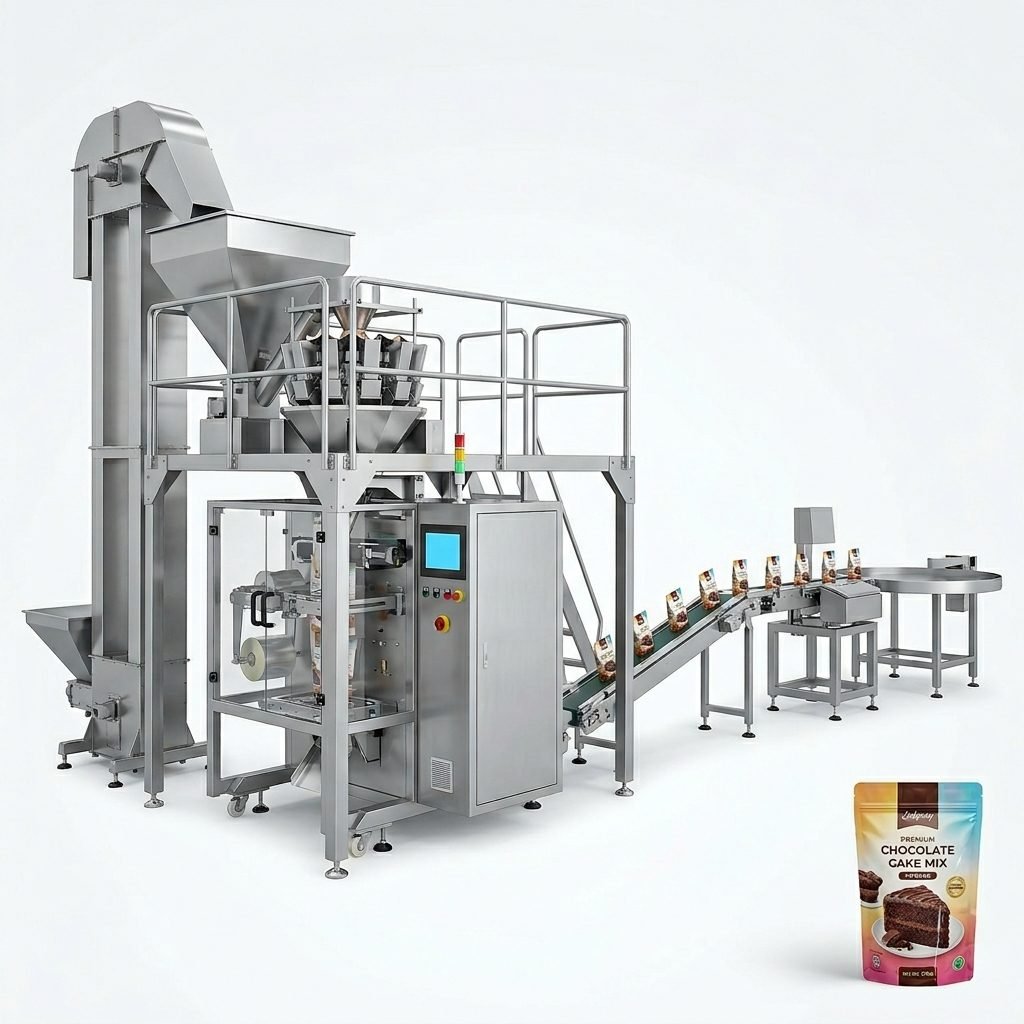
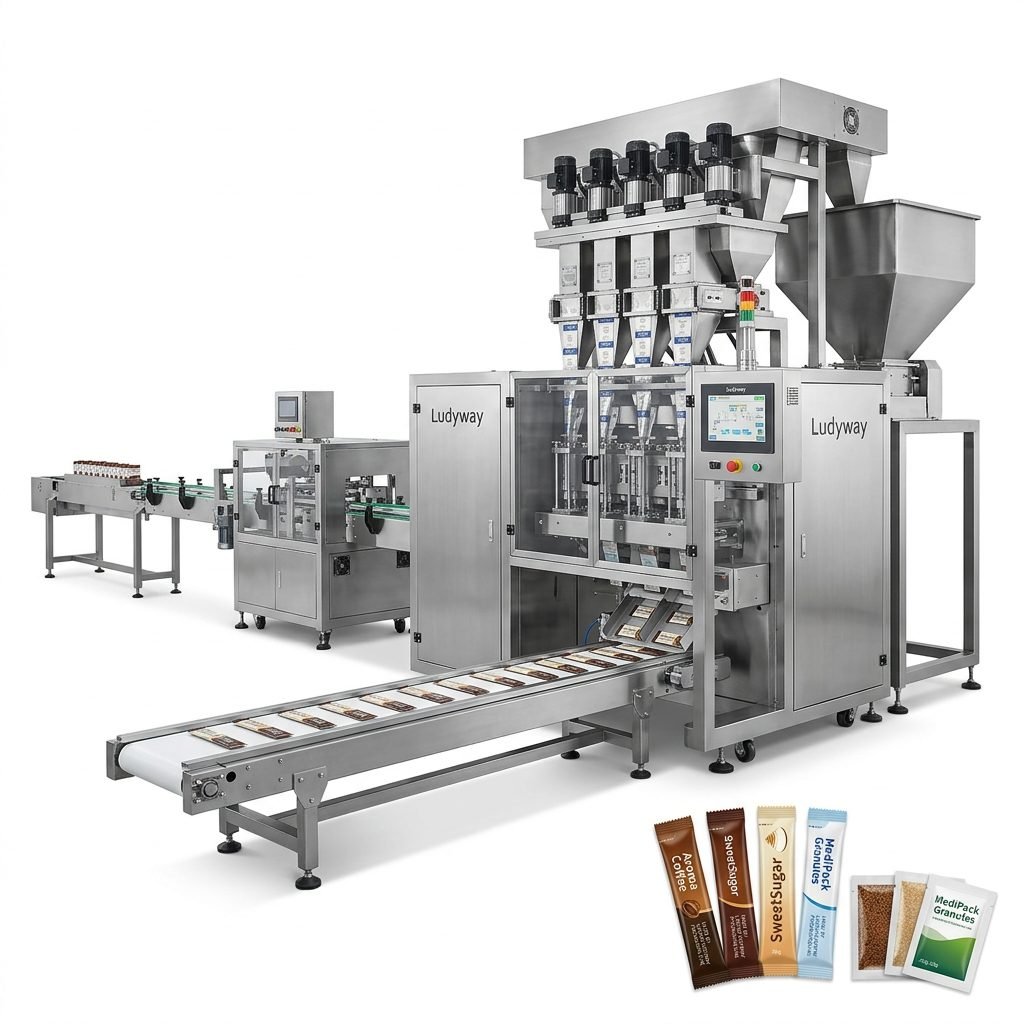
For manufacturers seeking reliable turnkey solutions, companies like Ludyway provide comprehensive packaging machinery with extensive experience across food, pharmaceutical, and health industries. With a modern 20,000㎡ manufacturing facility and a portfolio of over 50 intelligent packaging machine models, they offer customized production lines backed by engineering expertise and global technical support, serving customers in over 100 countries worldwide.
Future-Proofing Your Production Line
When designing your pizza packaging line, incorporate flexibility for future product variations and packaging formats. Modular machine designs allow for easier upgrades, while Industry 4.0 capabilities — such as remote monitoring, predictive maintenance alerts, and OEE (Overall Equipment Effectiveness) tracking — provide data-driven insights for continuous improvement. As sustainability mandates evolve across North America, selecting equipment compatible with recyclable and biodegradable films positions your operation for long-term regulatory compliance.
Frequently Asked Questions
What certifications should a pizza packaging machine have for North America?
Look for UL or CSA electrical certification, FDA-compliant food contact materials, and adherence to cGMP guidelines. Equipment should also meet OSHA safety requirements for operator protection.
How long does installation and commissioning typically take?
For a mid-speed fully automatic line, expect 4-8 weeks from equipment delivery to full production, including installation, debugging, and operator training. Complex turnkey lines may require 8-14 weeks.
Can I package both frozen and refrigerated pizzas on the same line?
Yes, but changeover procedures must be carefully validated. Temperature-sensitive components and film sealing parameters differ between frozen and refrigerated products. Discuss your multi-product requirements with equipment suppliers during the specification phase.
What is the minimum production volume for automation to make financial sense?
Generally, facilities producing over 5,000 pizzas per day benefit significantly from automation. Below this threshold, semi-automatic solutions often provide a better return on investment.
For further reading, explore the Flexible Packaging Association’s industry resources and the PMMI business intelligence library for the latest packaging machinery market insights and technical standards relevant to North American food manufacturers.