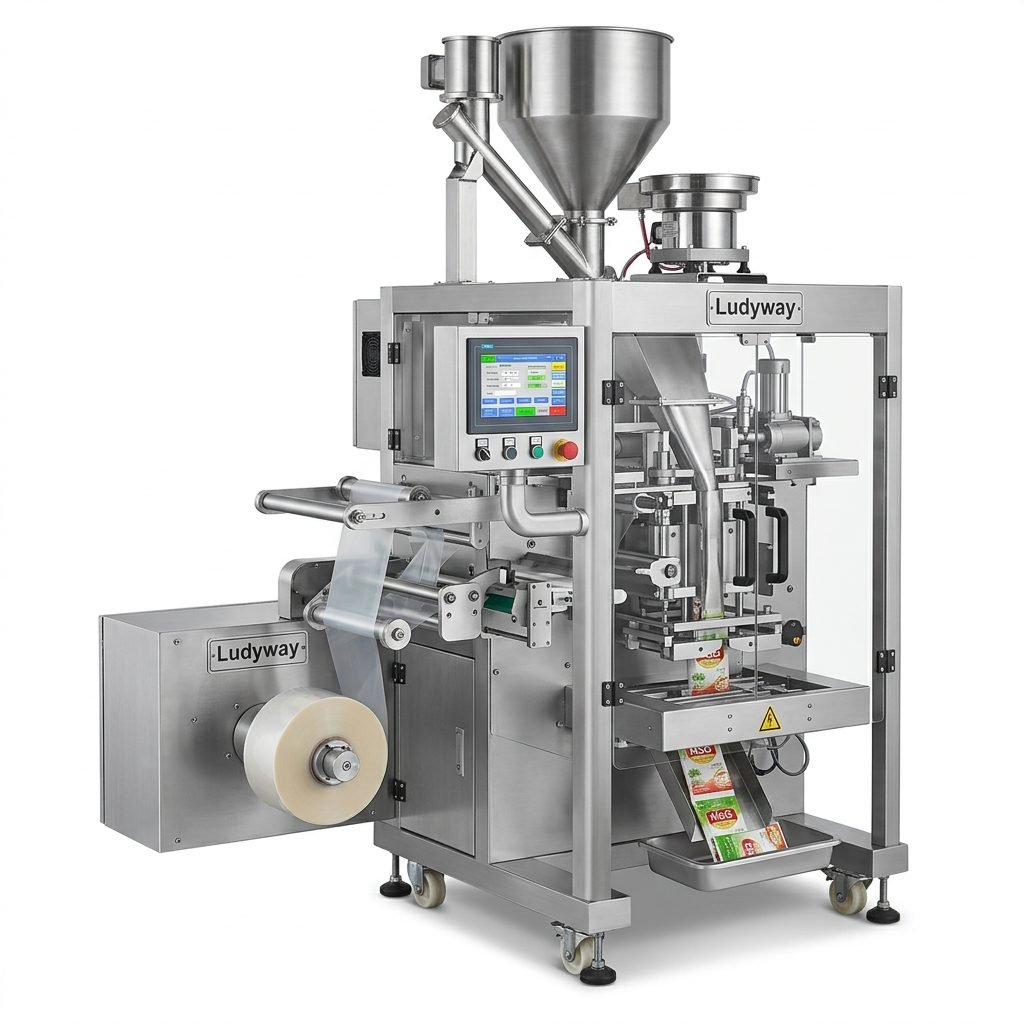
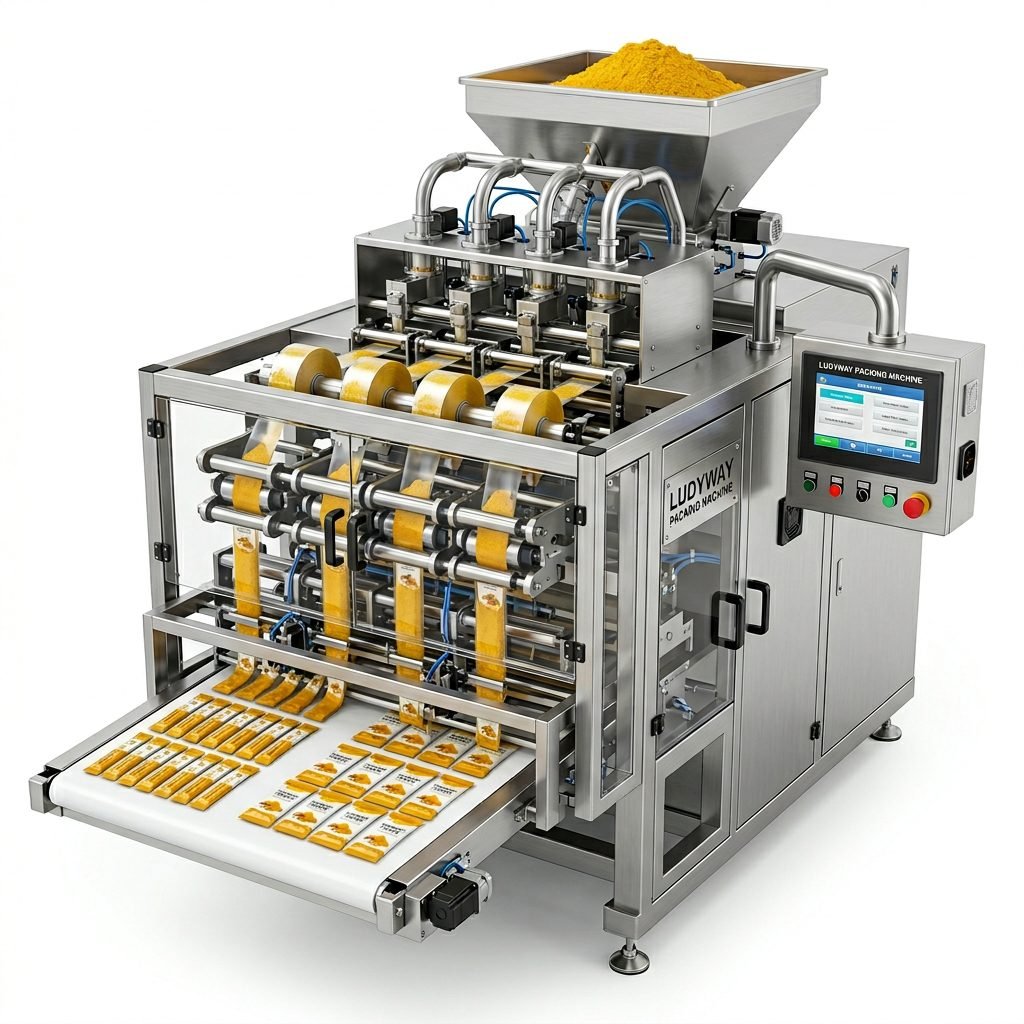
A Multivac vacuum packaging machine is widely known in food and industrial packaging for delivering
tight seals, strong vacuum performance, longer shelf life, and improved product presentation.
Whether you are packaging fresh meat, seafood, cheese, ready meals, medical products, or specialty foods,
choosing the right vacuum packaging system can directly affect efficiency, product safety, and operating cost.
For buyers comparing chamber vacuum machines, thermoforming systems, or complete packaging lines, it is important
to look beyond the brand name and understand the actual machine features, production requirements, maintenance
needs, and return on investment. This guide explains what to evaluate before making a purchase and how to match
the machine to your application.
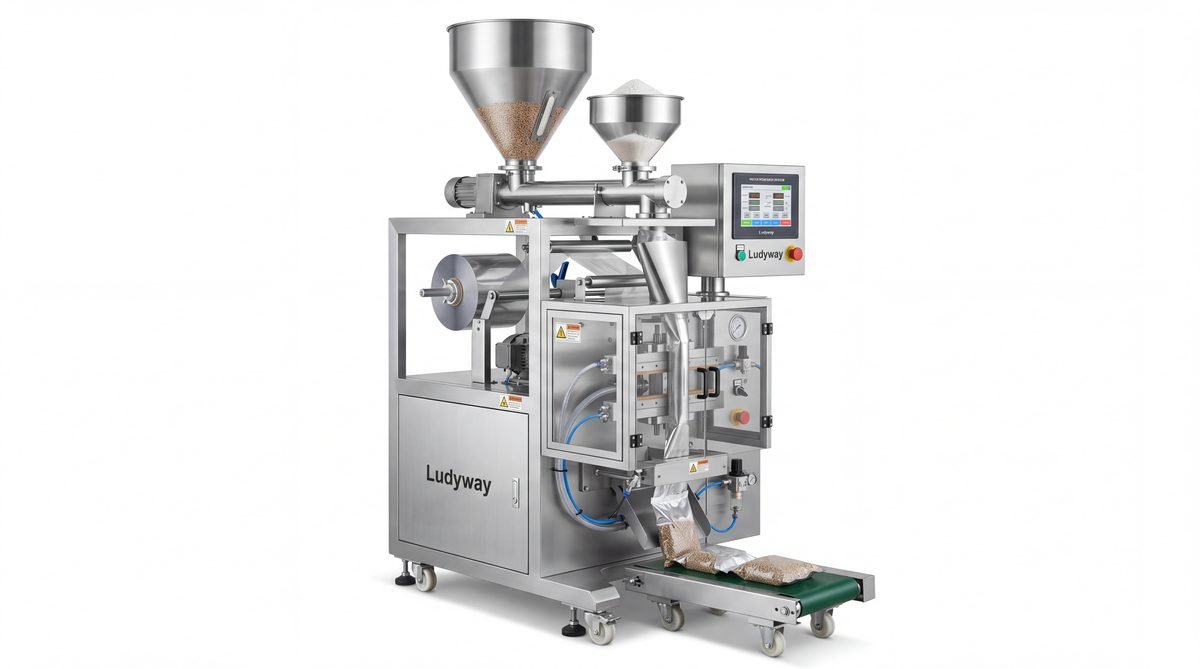
What Is a Multivac Vacuum Packaging Machine?
A Multivac vacuum packaging machine is a packaging system designed to remove air from a package before sealing it.
By reducing oxygen inside the pack, the machine helps slow oxidation, maintain freshness, reduce contamination risk,
and improve transport stability. Depending on the model, these machines may be used for:
- Vacuum pouch packaging
- Modified atmosphere packaging (MAP)
- Skin packaging
- Thermoforming rollstock packaging
- Medical and pharmaceutical sterile barrier applications
In practical terms, businesses choose this type of machine when they need consistent seal quality, reliable vacuum control, and higher packaging efficiency.
Core Features to Look For
1. Vacuum Performance and Cycle Stability
The heart of any vacuum packaging machine is its vacuum pump and chamber design. Strong vacuum performance helps
remove air quickly and consistently, especially when handling moisture-sensitive or perishable products.
Stable cycle control is essential for high-volume production where every second matters.
2. Seal Integrity
A good machine should provide dependable heat sealing across different materials and product formats. Poor seals
can cause leakage, spoilage, and customer complaints. Look for systems with accurate temperature control,
sealing pressure adjustment, and easy inspection access.
3. Material Compatibility
Different products require different packaging films or pouches. The machine should be compatible with the barrier
level, thickness, and structure of your selected packaging material. This becomes especially important in food,
medical, and export-oriented packaging operations.
4. Automation Level
Vacuum packaging systems range from compact tabletop units to fully automatic inline thermoforming machines.
The right level of automation depends on output target, labor cost, floor space, and future expansion plans.
5. Hygiene and Cleanability
For meat, seafood, dairy, pharmaceuticals, and health products, the equipment should be designed for easy cleaning.
Stainless steel construction, hygienic surfaces, accessible internal areas, and simple washdown support are major advantages.
6. User Interface and Recipe Storage
Modern packaging equipment often includes touch-screen controls, programmable recipes, alarm systems, and production data functions.
These features reduce operator error and make product changeovers faster.
Main Benefits of Using a Vacuum Packaging Machine
| Benefit | Why It Matters |
|---|---|
| Longer shelf life | Reduced oxygen exposure helps preserve product quality and freshness. |
| Better product appearance | Vacuum-sealed packs often look cleaner, tighter, and more premium on shelves. |
| Lower waste | Improved freshness and seal quality can reduce spoilage and returns. |
| Improved logistics | Compact packaging supports storage efficiency and safer transportation. |
| Higher production consistency | Automation reduces manual variation in vacuum level, sealing, and pack format. |
| Stronger food safety control | A controlled packaging process can help support hygiene and compliance goals. |
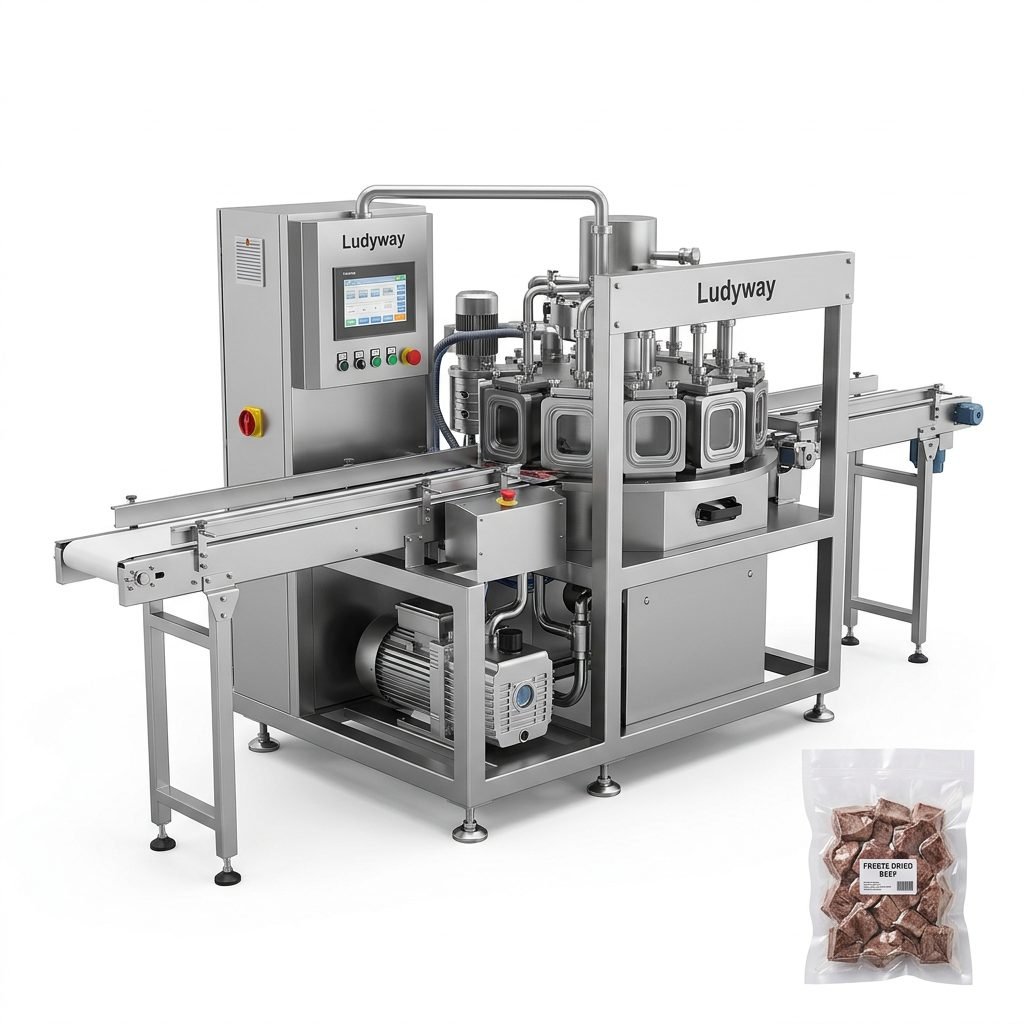
Common Applications
Vacuum packaging machines are used across multiple industries. The best machine configuration depends on product type,
package shape, hygiene requirements, and expected production volume.
- Fresh meat and processed meat: improved shelf life and leak prevention
- Seafood: reduced oxidation and cleaner product presentation
- Cheese and dairy: stronger freshness protection
- Ready meals: retail-friendly packs with stable sealing performance
- Frozen foods: better pack integrity during transport and storage
- Medical and pharma products: controlled packaging conditions and consistent sealing
- Industrial parts: moisture and dust protection for sensitive components
Types of Vacuum Packaging Machines
Single Chamber Machines
Suitable for small to medium output. These are often chosen by butcher shops, small food producers, central kitchens,
and pilot production facilities. They are compact and relatively easy to operate.
Double Chamber Machines
Better for medium to high throughput. One chamber can be loaded while the other is sealing, helping improve productivity.
Thermoforming Vacuum Packaging Machines
Designed for high-speed automated production. These systems form the package from rollstock film, load the product,
vacuum and seal the pack, and then cut it into final units. They are ideal for larger factories seeking
scalable output and lower per-pack labor cost.
Vacuum Skin Packaging Machines
Commonly used for premium retail foods. These machines create a tight skin-like film around the product and tray,
improving visual appeal while holding the product in place.
How to Choose the Right Machine
Match the Machine to Your Product
Start with the actual product characteristics:
- Solid, powder, liquid, paste, or mixed content
- Sharp edges or fragile shape
- High moisture or oily surface
- Need for vacuum only or vacuum plus gas flushing
Define Your Capacity Needs
Ask how many packs per minute or packs per shift you need now, and what you may need in the next 3 to 5 years.
Buying too small can limit growth; buying too large can increase cost without practical benefit.
Evaluate Packaging Format
Pouches, trays, thermoformed packs, and skin packs all require different machine structures. Your packaging format
should align with sales channel, shelf display, shipping method, and consumer expectations.
Check Service and Spare Parts Support
Fast technical support and spare parts availability can be just as important as machine specifications.
Downtime in packaging can quickly affect output, delivery schedules, and customer satisfaction.
Consider Integration Possibilities
If your factory plans to automate upstream or downstream processes, make sure the vacuum machine can connect with:
- Feeders and conveyors
- Weighing or dosing units
- Labeling systems
- Date coding printers
- Checkweighers and metal detectors
- Cartoning and case packing equipment
Buying Checklist for B2B Buyers
| Question | What to Confirm |
|---|---|
| What product are you packing? | Shape, sensitivity, moisture level, and required shelf life |
| What package format do you need? | Pouch, tray, skin pack, or thermoformed pack |
| What is the target speed? | Hourly or shift output requirements |
| What utilities are available? | Power supply, compressed air, floor space, drainage |
| What materials will be used? | Film type, pouch size, barrier requirement |
| What certifications are needed? | Food-grade, CE-related, pharma or local compliance requirements |
| What support do you expect? | Installation, training, commissioning, spare parts, after-sales service |

Important Cost Factors
The purchase price is only one part of the total investment. A more accurate evaluation should include:
- Initial machine cost
- Packaging material cost
- Vacuum pump efficiency and energy consumption
- Labor requirements
- Maintenance and spare parts cost
- Downtime risk
- Expected service life
In many cases, a machine with a higher upfront cost can still offer a better long-term return if it delivers
better reliability, lower waste, and less manual intervention.
Mistakes Buyers Should Avoid
- Choosing based only on price without checking sealing quality
- Ignoring future output expansion
- Not testing the actual product and packaging material
- Underestimating maintenance and operator training needs
- Buying a standalone machine when line integration is actually required
- Failing to confirm after-sales response time and spare parts access
When a Turnkey Packaging Line Makes More Sense
If your operation handles higher volume or multiple packaging stages, a vacuum packaging machine may perform best
as part of a complete line rather than as a standalone unit. A turnkey solution can include feeding, dosing,
vacuum sealing, coding, inspection, cartoning, and palletizing in one coordinated system.
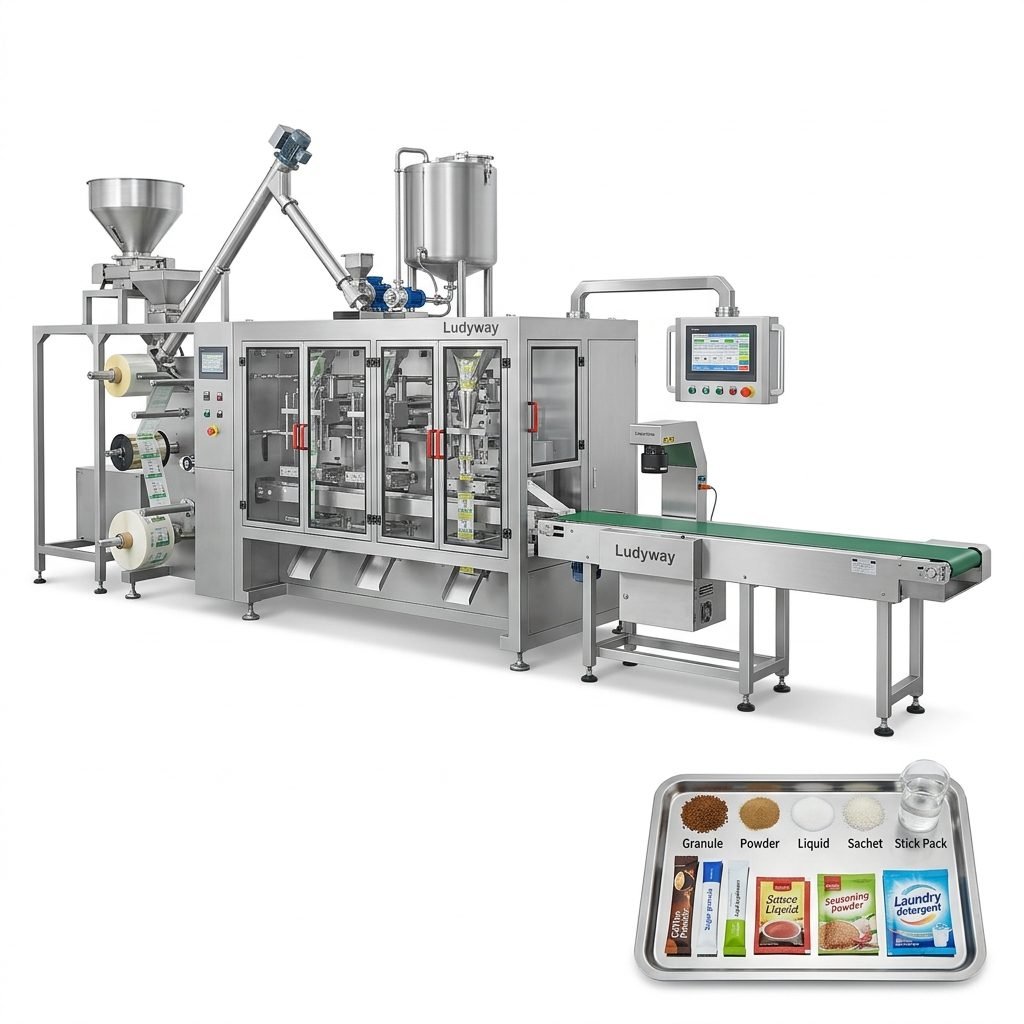
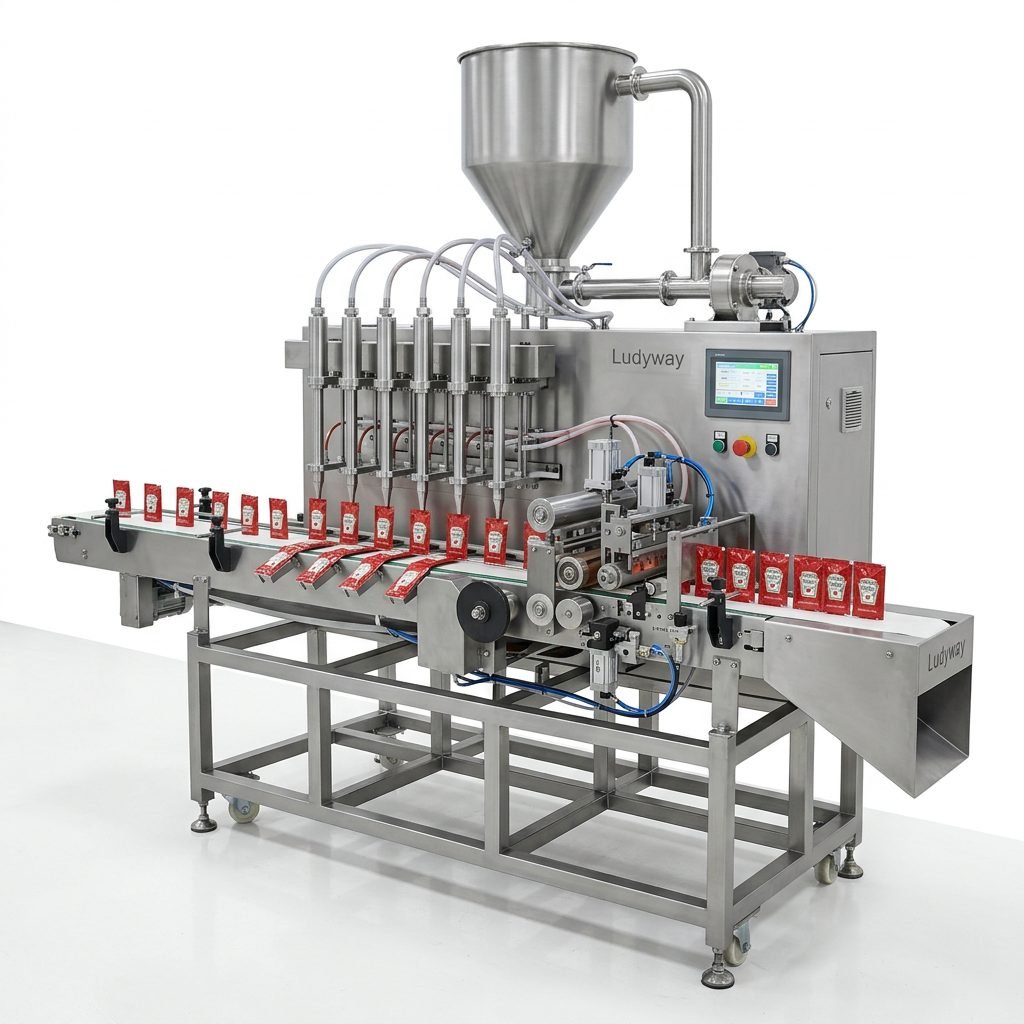
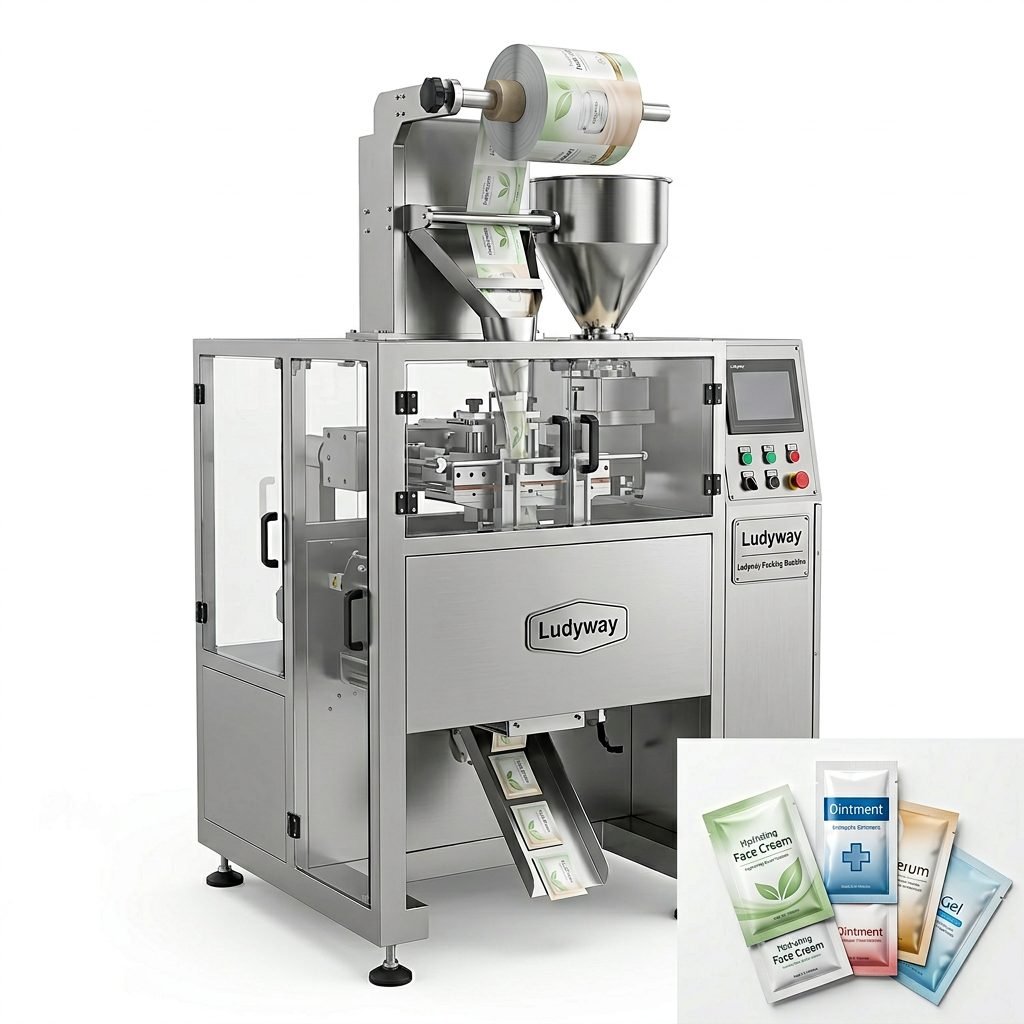
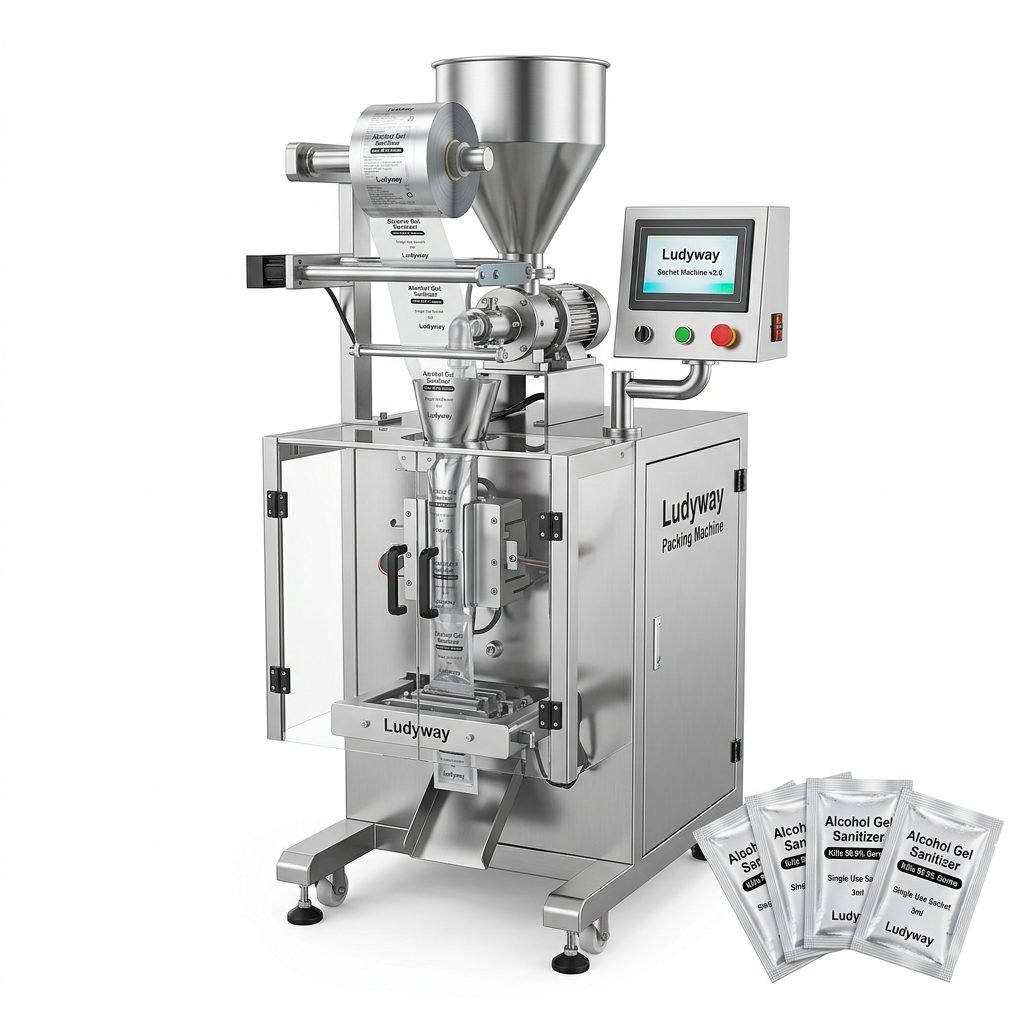
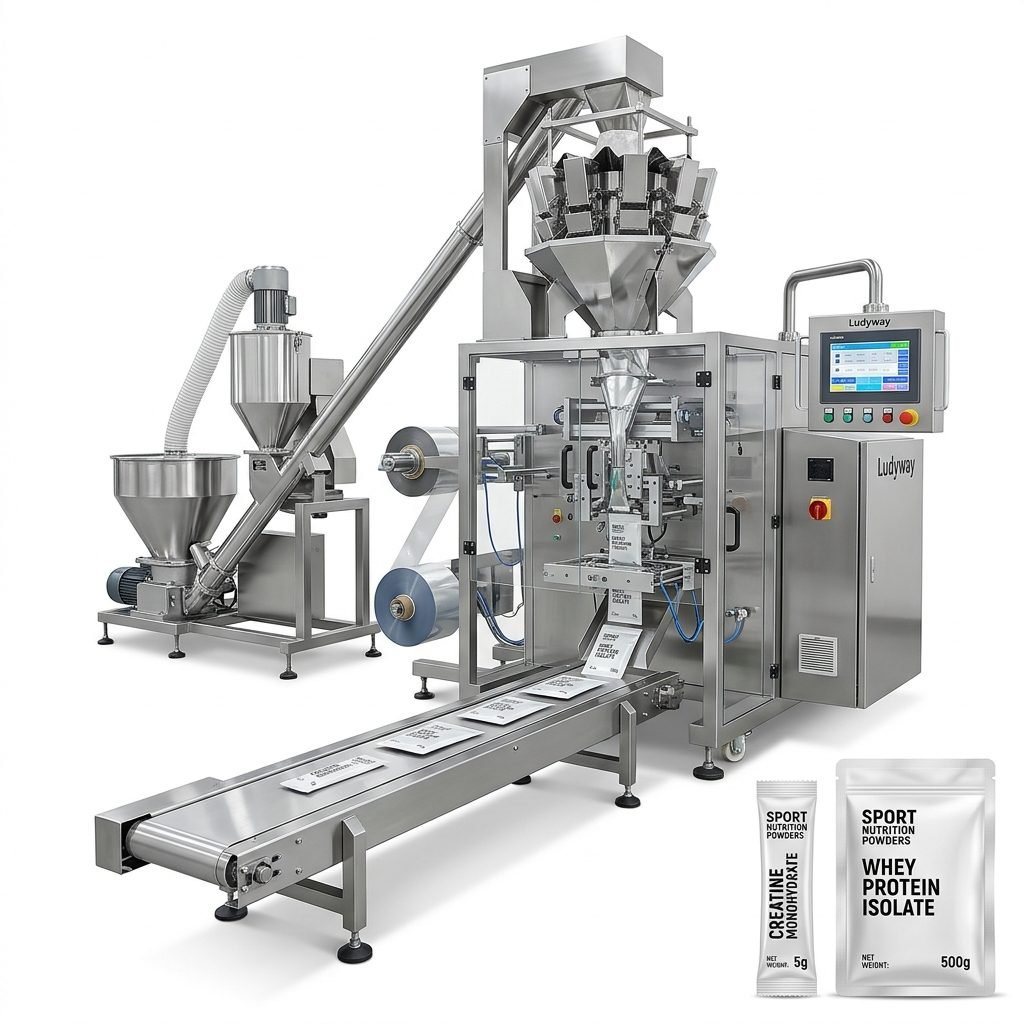
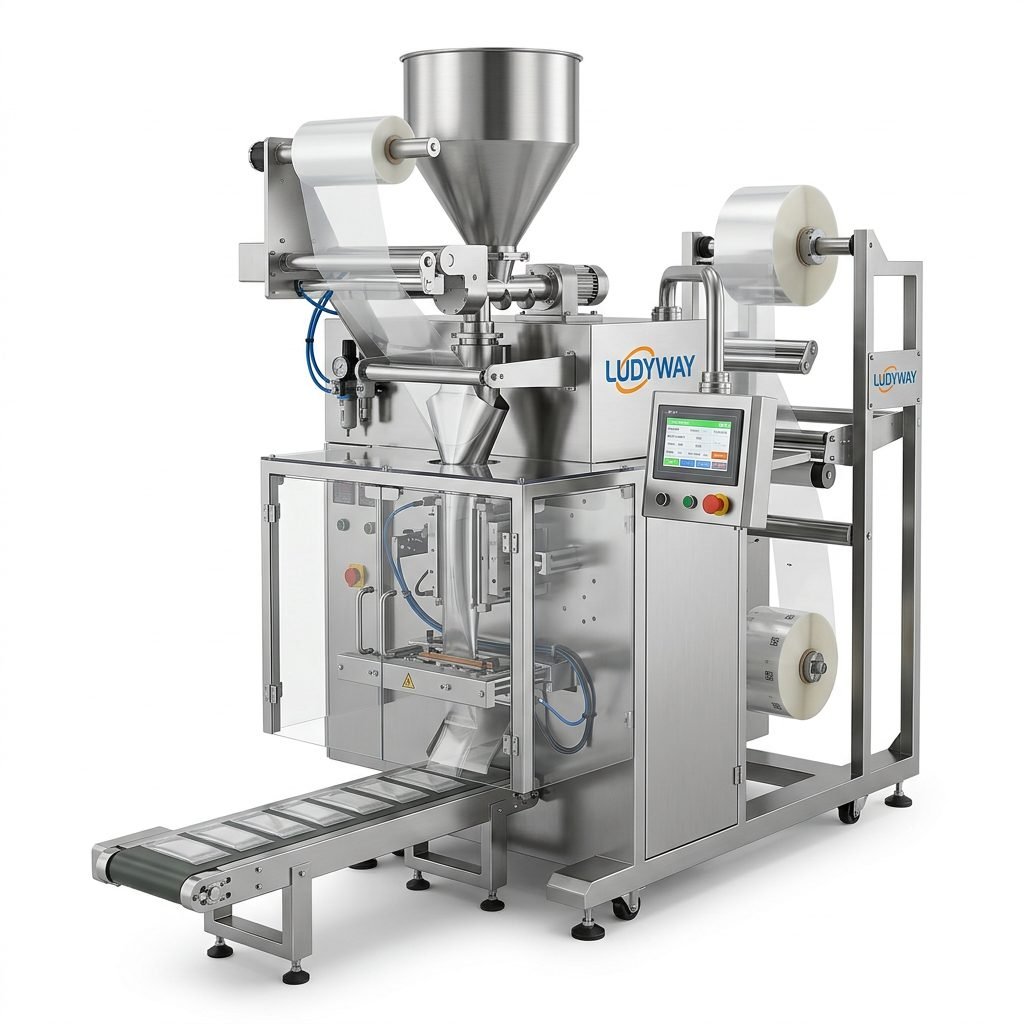
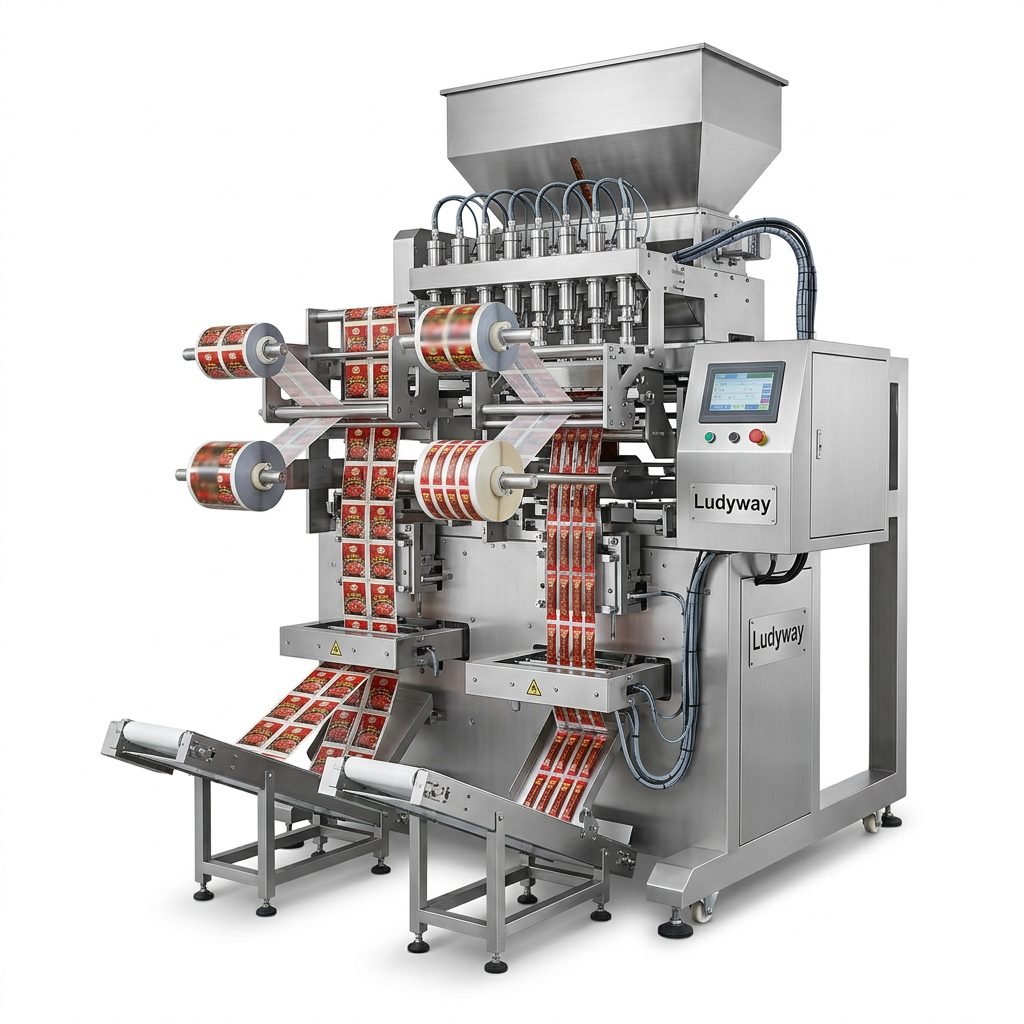
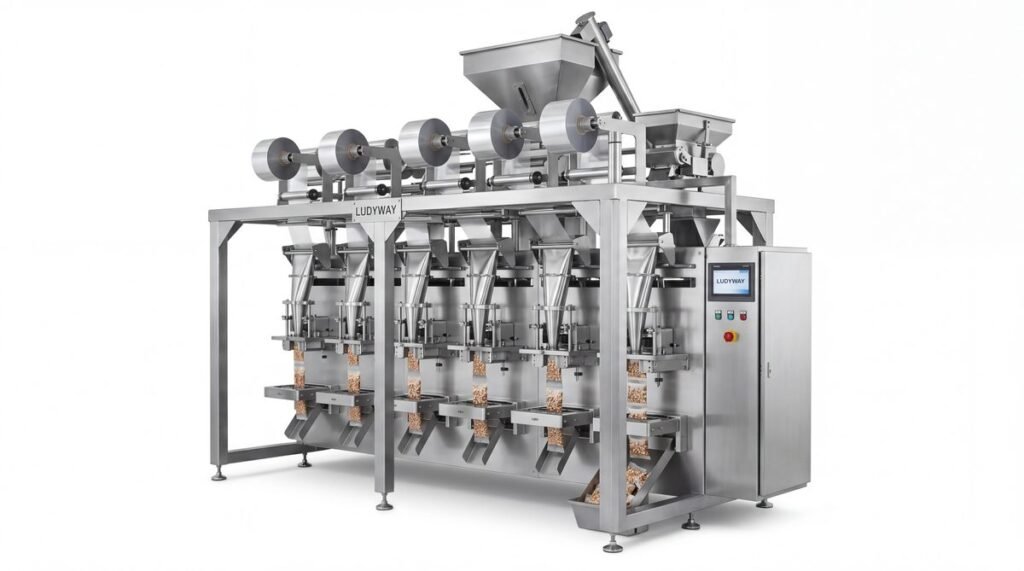
For businesses looking for broader packaging automation beyond vacuum packaging, Ludyway is one of China’s leading packaging machine and turnkey packaging line manufacturers, with more than 30 years of experience serving food, pharmaceutical, health supplement, and related industries worldwide.
Final Buying Advice
The best vacuum packaging machine is the one that fits your product, packaging format, capacity target, and long-term production strategy.
Before buying, request sample testing, verify real operating data, compare seal quality, and confirm service support.
A well-matched system can deliver better shelf life, stronger packaging consistency, improved productivity, and a more reliable return on investment.
Quick Summary
- Focus on vacuum stability, seal integrity, hygiene, and automation level
- Choose the machine type based on product and packaging format
- Evaluate total operating cost, not just purchase price
- Confirm test results, service support, and future scalability before ordering