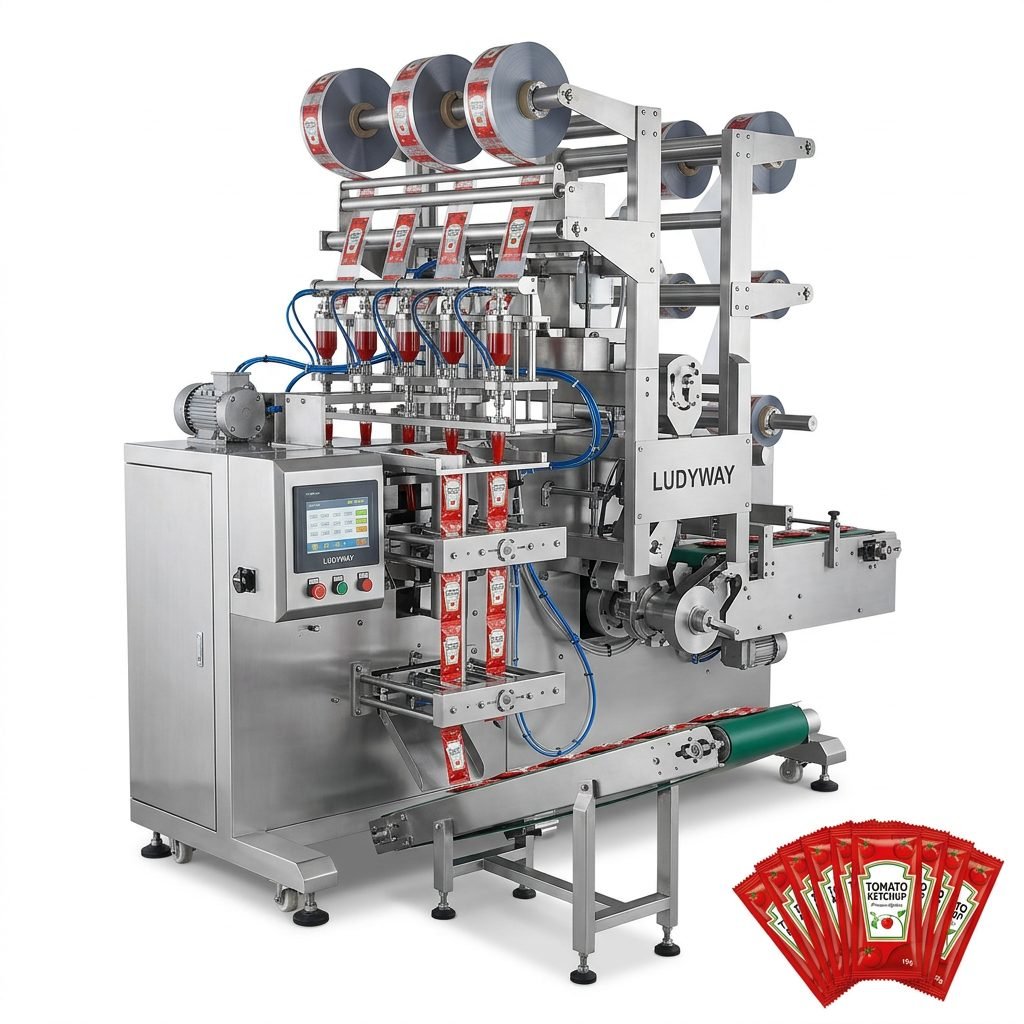
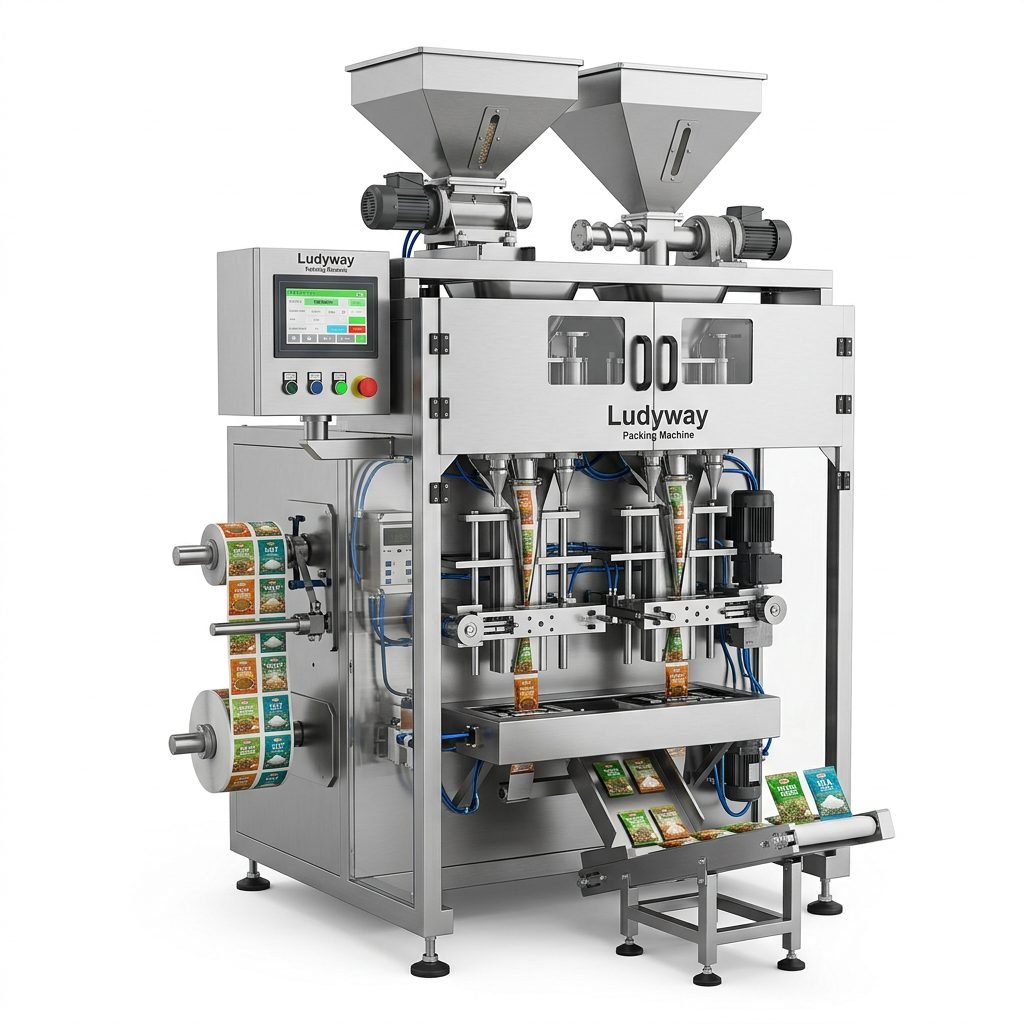
Investing in the right edible oil packaging machine is one of the most critical decisions for any food producer in Italy. With the country’s rich culinary heritage and world-renowned olive oil industry, packaging quality directly impacts brand reputation, shelf life, and regulatory compliance. From small artisan producers in Tuscany to large-scale industrial operations in Puglia, selecting equipment that matches your production volume, oil type, and packaging format is essential for long-term success.
The Italian edible oil market is governed by stringent food safety regulations and EU packaging directives. Whether you are packaging extra virgin olive oil, sunflower oil, or blended vegetable oils, your packaging machine must ensure precise filling accuracy, oxygen barrier protection, and consistent seal integrity. This guide walks you through every factor you need to consider before making a purchase.
Understanding Your Packaging Format Requirements
Before evaluating specific machines, determine which packaging formats align with your market strategy. Edible oil in Italy is commonly sold in multiple formats, each requiring different equipment configurations.
- Sachets and stick packs — Ideal for single-serve portions, popular in the food service and hospitality sectors across Italy.
- Flexible pouches — Growing rapidly in popularity due to reduced material costs and convenient consumer features such as spouts and resealable zippers.
- Glass and PET bottles — The traditional choice for premium Italian olive oils, requiring filling, capping, and labeling systems.
- Bag-in-box — Increasingly adopted for bulk food service applications and cost-conscious consumers.
- Tin cans — Still widely used in certain regional markets and for export-oriented products.
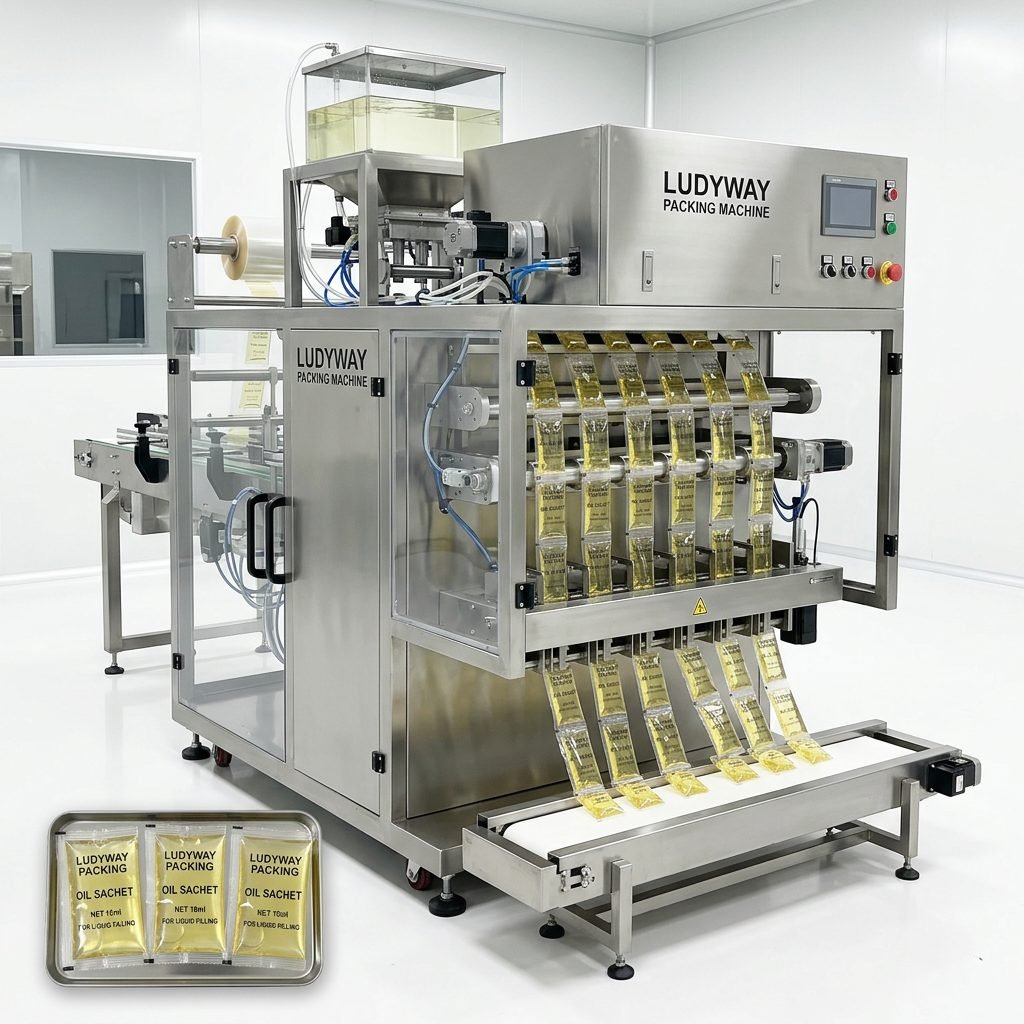
Key Technical Specifications to Evaluate
When comparing edible oil packaging machines in the Italian market, focus on these critical technical parameters that will determine your production efficiency and product quality.
Filling Accuracy and Technology
Edible oil is a high-value product, especially in the premium olive oil segment. Filling accuracy directly affects your bottom line. Modern machines use servo-driven piston fillers, magnetic flow meters, or gravimetric filling systems. For oils with varying viscosity — such as extra virgin olive oil versus refined sunflower oil — temperature-compensated filling systems provide the most consistent results. Look for machines offering accuracy within ±0.5% of target fill volume.
Oxygen and Light Protection Features
Oxidation is the primary enemy of edible oil quality. Advanced packaging machines incorporate nitrogen flushing systems that displace oxygen in the headspace before sealing. Some integrated lines also offer vacuum sealing capabilities. For transparent packaging formats, consider whether the machine supports UV-blocking film materials or can integrate with opaque outer packaging solutions.
Production Speed and Scalability
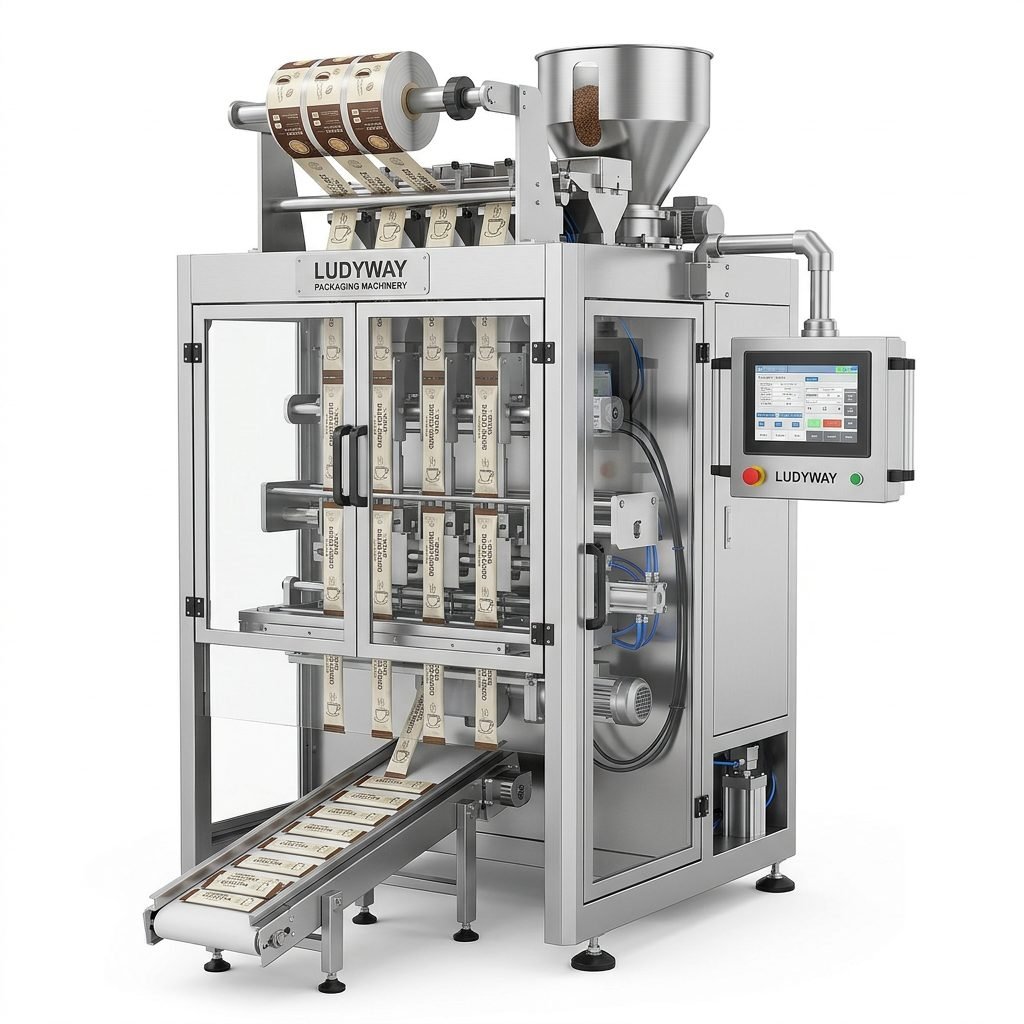
Small Italian producers may start with machines running at 30-60 packs per minute, while large industrial operations require speeds exceeding 200 packs per minute. Multi-lane sachet and stick pack machines can significantly increase throughput without proportionally increasing floor space. Consider your 3-5 year growth projections when sizing equipment capacity.
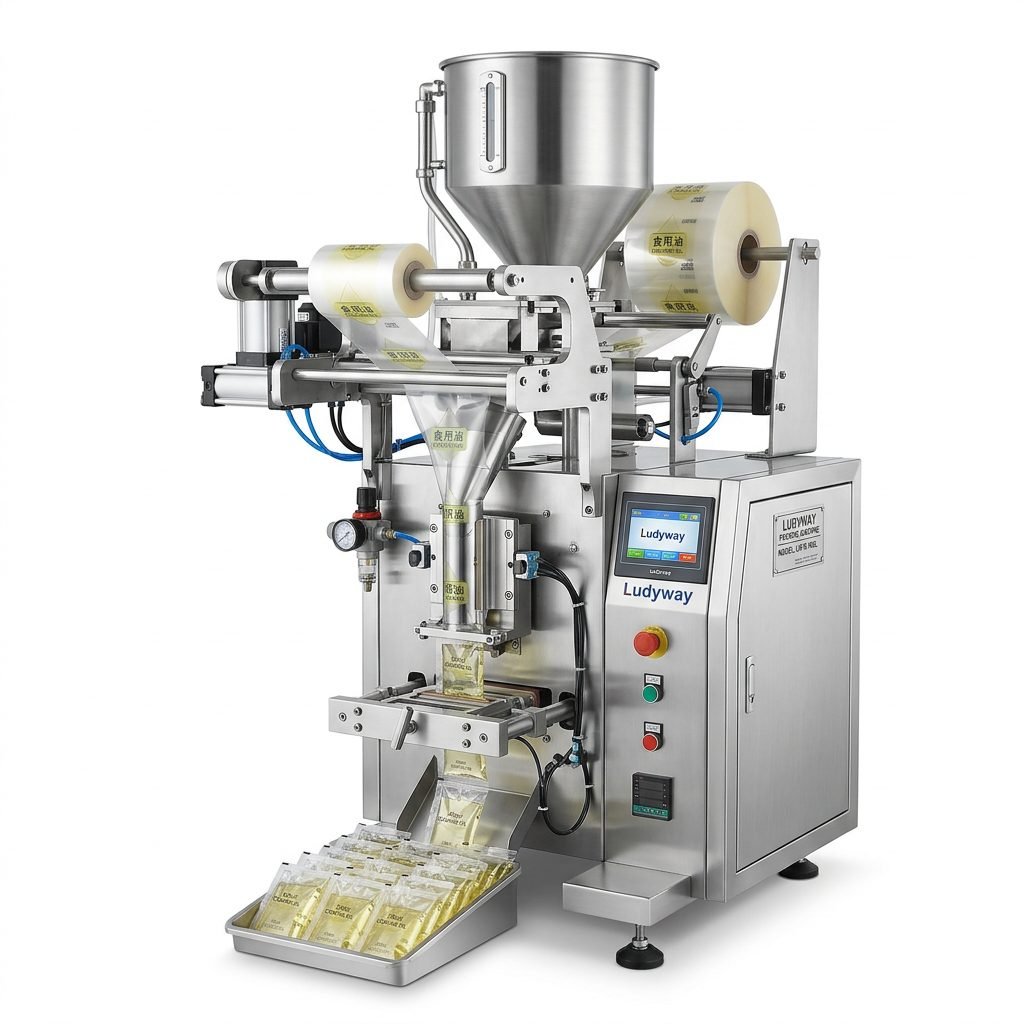
Comparing Packaging Machine Types for Edible Oil
The Italian packaging machinery landscape offers several distinct categories of equipment. The table below compares the most relevant options for edible oil producers.
| Machine Type | Best Suited For | Typical Speed Range | Key Advantage |
|---|---|---|---|
| Single-Lane Sachet Machine | Small artisan producers, sample packs | 30-80 packs/min | Low initial investment, easy operation |
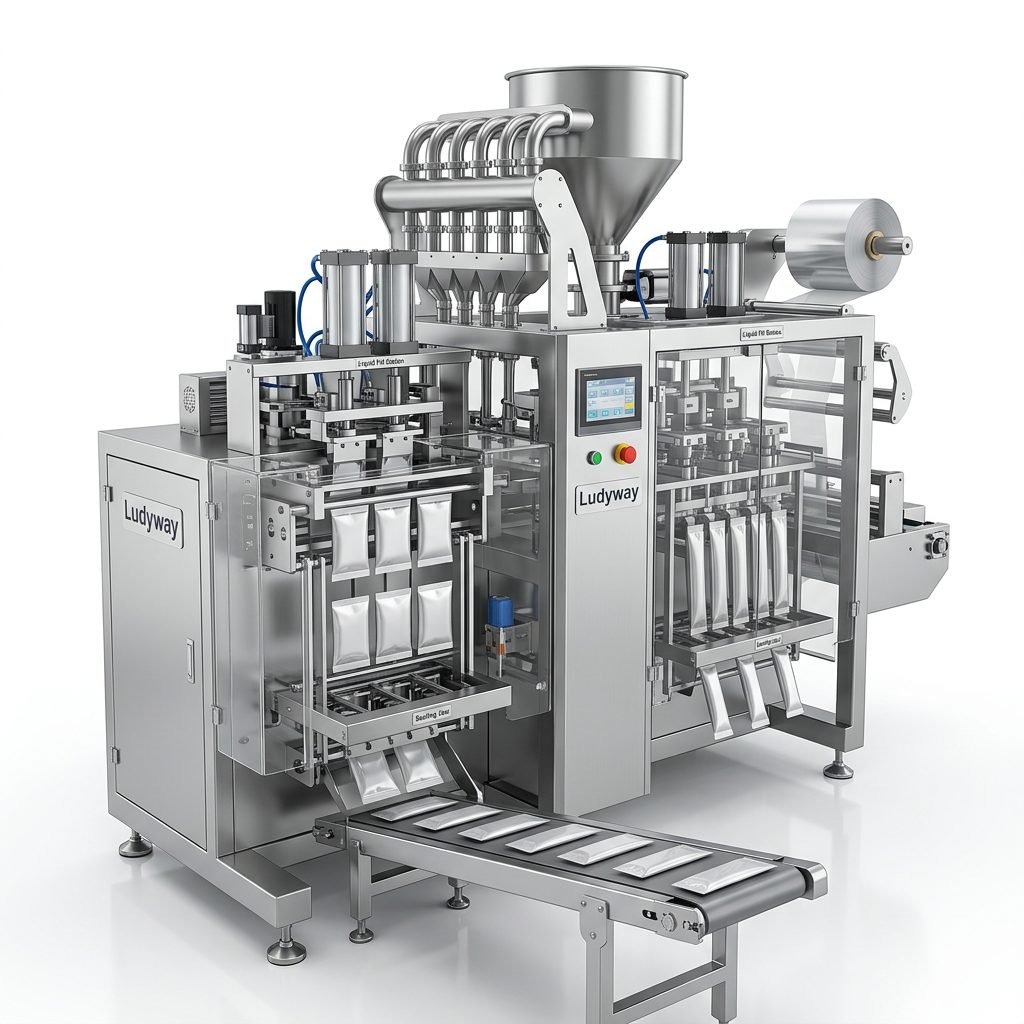
| Multi-Lane Stick Pack Machine | High-volume single-serve production | 200-600 packs/min | Maximum throughput per square meter |
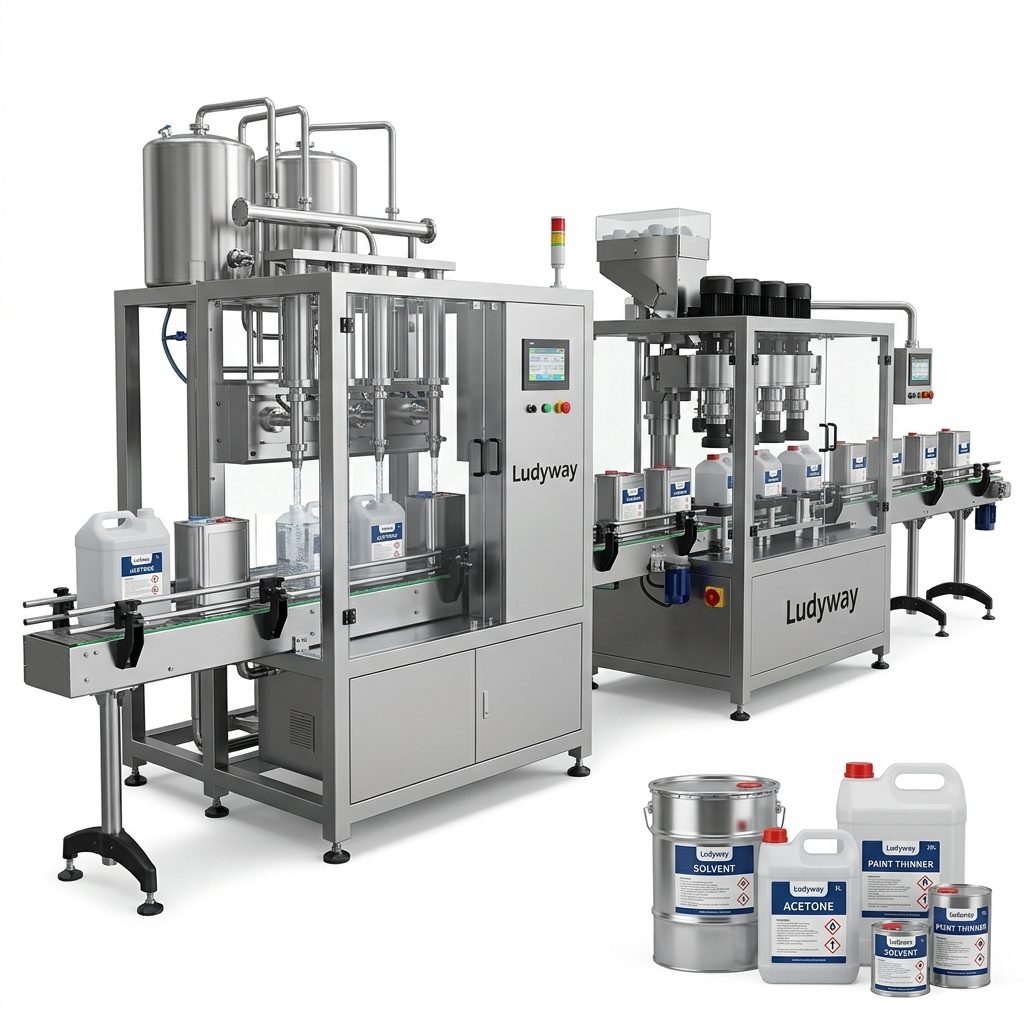
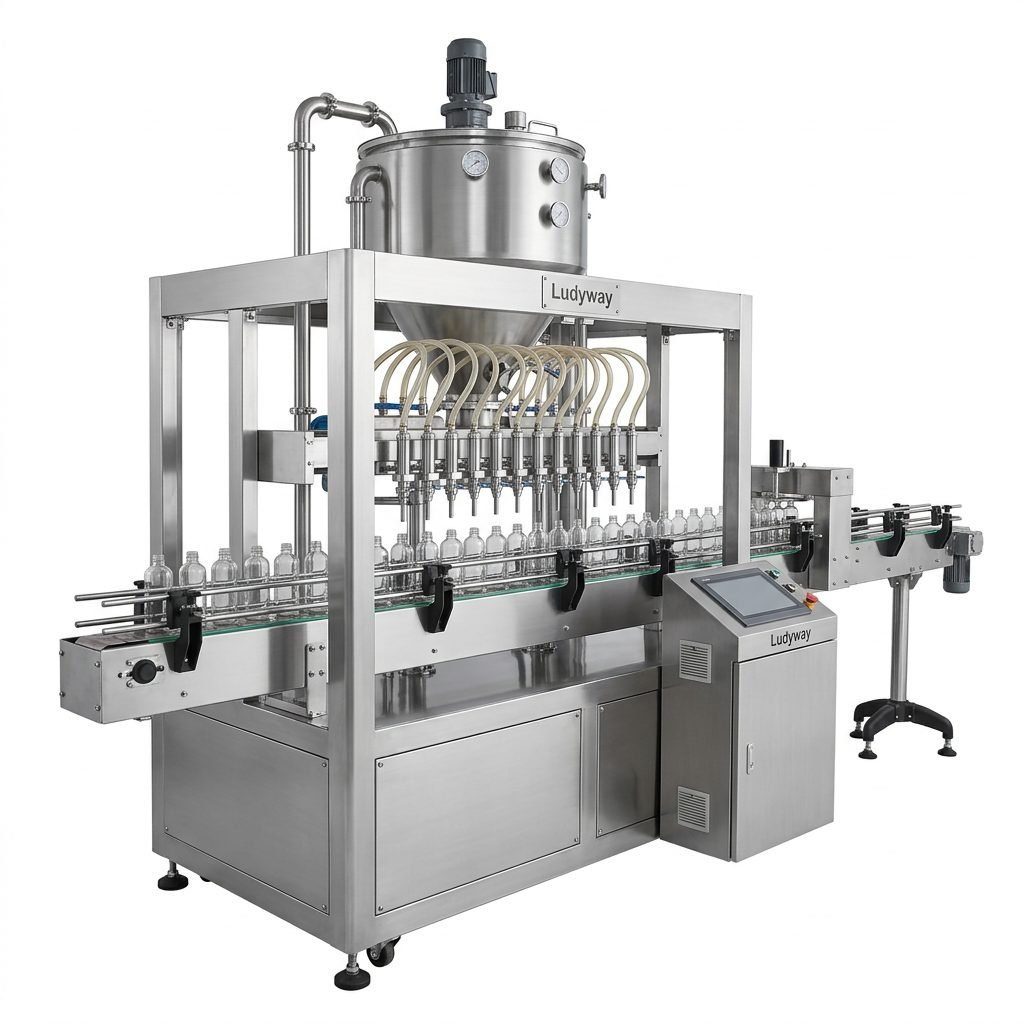
| Bottle Filling and Capping Line | Premium branded oils, glass/PET bottles | 20-120 bottles/min | Versatile across bottle sizes and shapes |
| Pouch Filling and Sealing Machine | Flexible pouches with spouts, stand-up formats | 40-100 pouches/min | Consumer-preferred format, lower material cost |
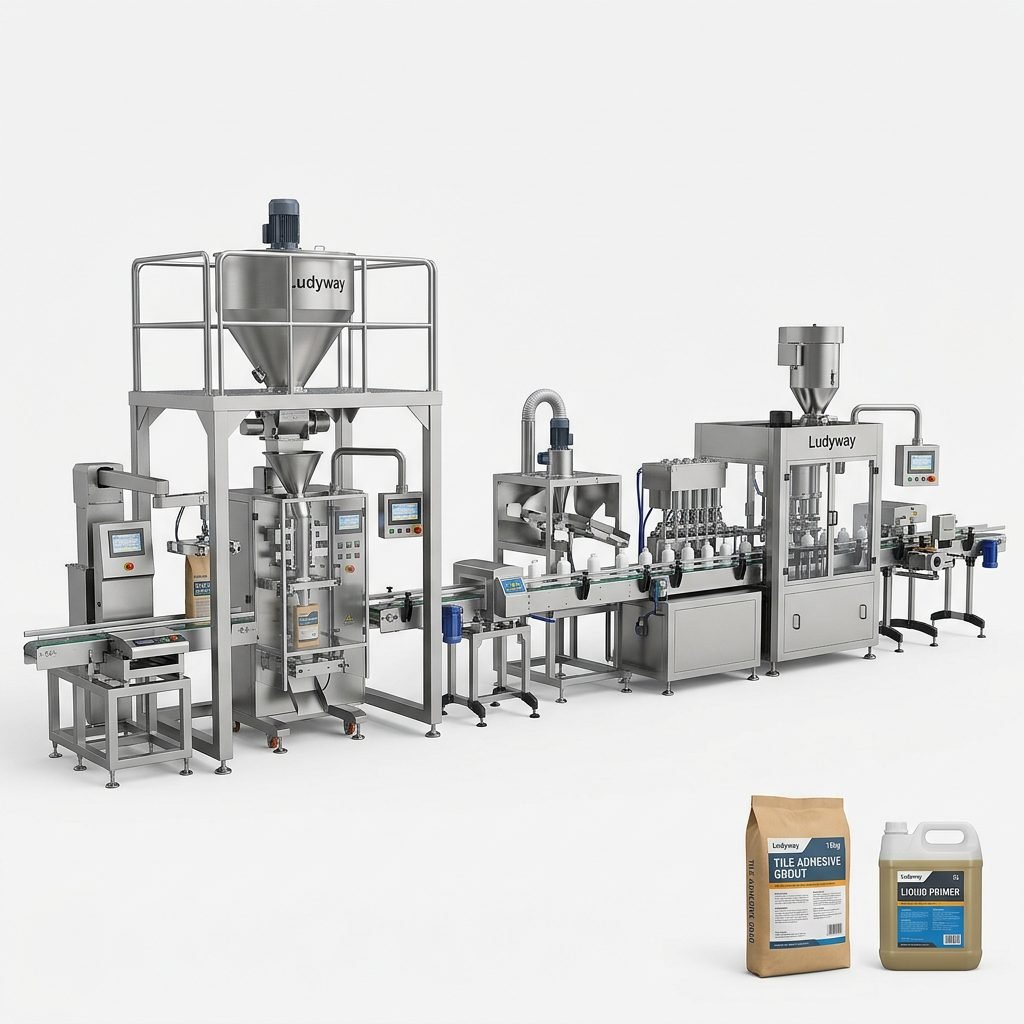
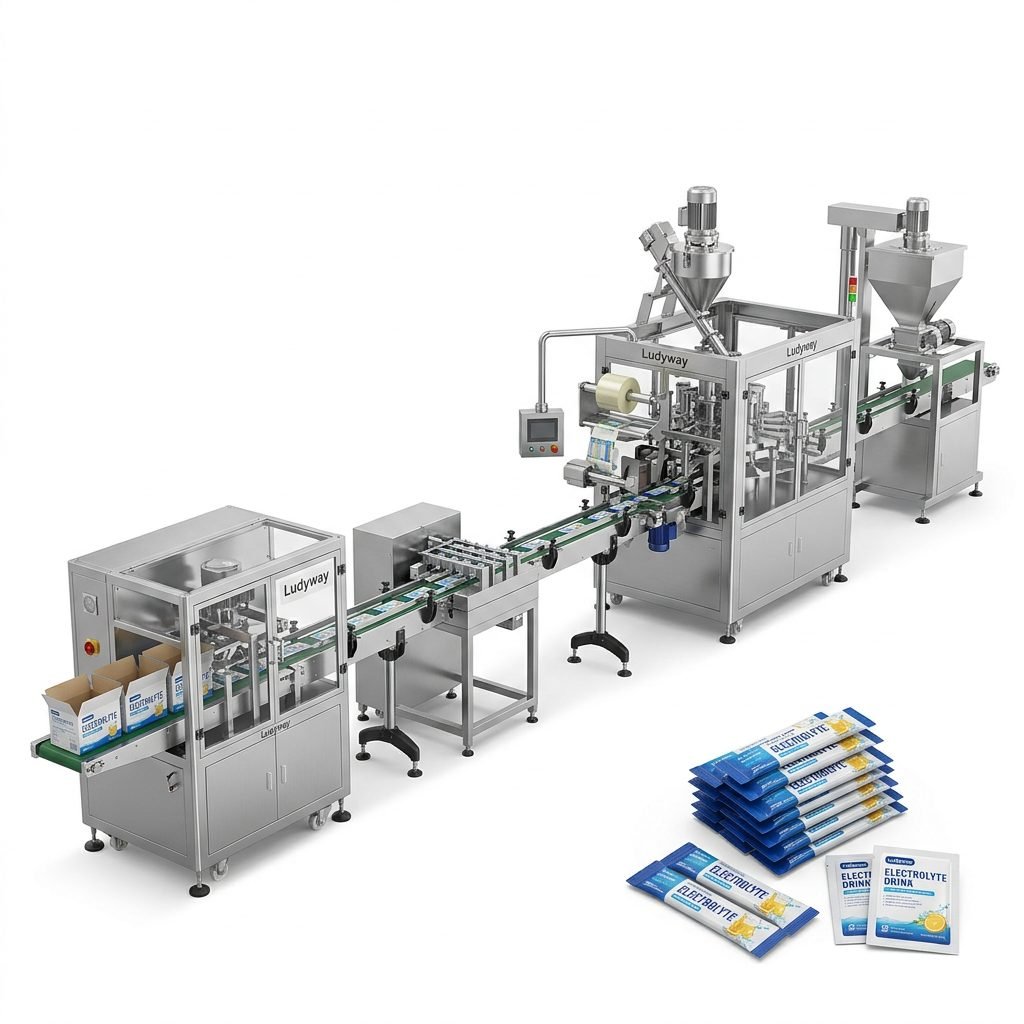
| Turnkey Integrated Packaging Line | Large industrial producers, export-focused | Custom configured | Full automation from filling to palletizing |
Italian Regulatory and Compliance Considerations
Producers operating in Italy must navigate both national regulations and EU packaging and packaging waste directives. Your packaging machine should support compliance with these requirements through proper material handling and documentation capabilities.
- Food contact material certification — All machine components that contact the oil must comply with EU Regulation (EC) No 1935/2004 on materials intended to come into contact with food.
- Traceability requirements — Modern machines should integrate with batch coding, serialization, and track-and-trace systems to meet EU food traceability obligations.
- Sustainable packaging compliance — With Italy’s growing emphasis on environmental sustainability, machines that minimize material waste and support recyclable packaging formats are increasingly valued.
- CE marking — Ensure any equipment purchased for use in Italy carries valid CE certification confirming conformity with EU health, safety, and environmental standards.

Evaluating Total Cost of Ownership
The purchase price of an edible oil packaging machine is only one component of the total investment. Italian producers should calculate total cost of ownership (TCO) over the expected equipment lifespan — typically 8-15 years for well-maintained machinery.
Direct Cost Factors
- Initial equipment purchase — Prices vary widely based on automation level, speed, and configuration.
- Installation and commissioning — Factor in technician travel, site preparation, and initial calibration costs.
- Consumable materials — Packaging film, cartons, labels, and cleaning supplies represent ongoing operational expenses.
- Spare parts inventory — Maintaining critical spare parts reduces downtime risk but requires upfront investment.
Indirect Cost and Value Factors
- Energy efficiency — Machines with servo-driven motors and optimized heating systems consume significantly less electricity over their service life.
- Labor requirements — Higher automation levels reduce operator dependency, a particularly important consideration given Italy’s labor costs.
- Maintenance and downtime — Equipment designed with quick-change parts and accessible service points minimizes production interruptions.
- Resale value — Well-maintained packaging machinery from reputable brands retains meaningful resale value in the secondary market.
Integration with Existing Production Lines
For many Italian producers, the new packaging machine must integrate seamlessly with existing oil processing, storage, and logistics systems. Consider these integration points when evaluating equipment.
- Upstream connectivity — How will oil be transferred from storage tanks to the packaging machine? Gravity feed, pump systems, and buffer tank configurations should be compatible.
- Downstream automation — Can the machine connect with cartoning, case packing, palletizing, and stretch wrapping equipment for end-of-line automation?
- Data integration — Industry 4.0 capabilities such as OEE monitoring, remote diagnostics, and ERP integration are becoming standard expectations for larger Italian manufacturers.
Supplier Selection Criteria for the Italian Market
Choosing the right equipment supplier is as important as choosing the right machine. Italian buyers should evaluate potential partners on multiple dimensions beyond the equipment specification sheet.
Local Service and Support
Equipment downtime during Italy’s peak production seasons can be extremely costly. Confirm that your supplier offers responsive local technical support, whether through direct offices in Italy, authorized service partners, or remote diagnostic capabilities. Response time commitments should be documented in service agreements.
Training and Documentation
Comprehensive operator training and clear technical documentation in Italian are essential for smooth equipment adoption. Leading suppliers provide both on-site training during commissioning and ongoing refresher training options. Verify that machine interfaces and documentation are available in Italian language versions.
Industry Track Record
Look for suppliers with demonstrated experience in edible oil packaging applications specifically — not just general liquid packaging. Request references from Italian or European customers in the edible oil sector, and if possible, visit operational installations to see equipment performance firsthand. For a comprehensive overview of packaging machinery manufacturers with global expertise, you may refer to resources like PMMI — The Association for Packaging and Processing Technologies and ISO packaging standards for quality benchmarks.
Maintenance Planning and Spare Parts Strategy
A proactive maintenance approach ensures consistent output quality and extends equipment life. Develop your maintenance strategy before the machine arrives, not after installation.
- Preventive maintenance schedule — Establish daily, weekly, monthly, and annual maintenance routines based on manufacturer recommendations.
- Critical spare parts list — Identify components with long lead times and keep them in local inventory.
- Operator training program — Well-trained operators can identify potential issues before they cause unplanned downtime.
- Remote monitoring capabilities — Many modern machines offer remote diagnostic features that allow supplier technicians to troubleshoot without on-site visits.
Making the Final Decision
Selecting the best edible oil packaging machine for your Italian operation requires balancing multiple competing priorities — production speed versus flexibility, initial cost versus long-term efficiency, and automation versus simplicity. Document your specific requirements across all the dimensions discussed in this guide, then evaluate potential solutions against those criteria systematically.
Request detailed proposals from shortlisted suppliers that include not just equipment specifications, but also total cost of ownership projections, service level commitments, and performance guarantees. When possible, arrange factory acceptance testing (FAT) to verify machine performance before shipment, and site acceptance testing (SAT) after installation to ensure the equipment meets agreed specifications under your actual production conditions.
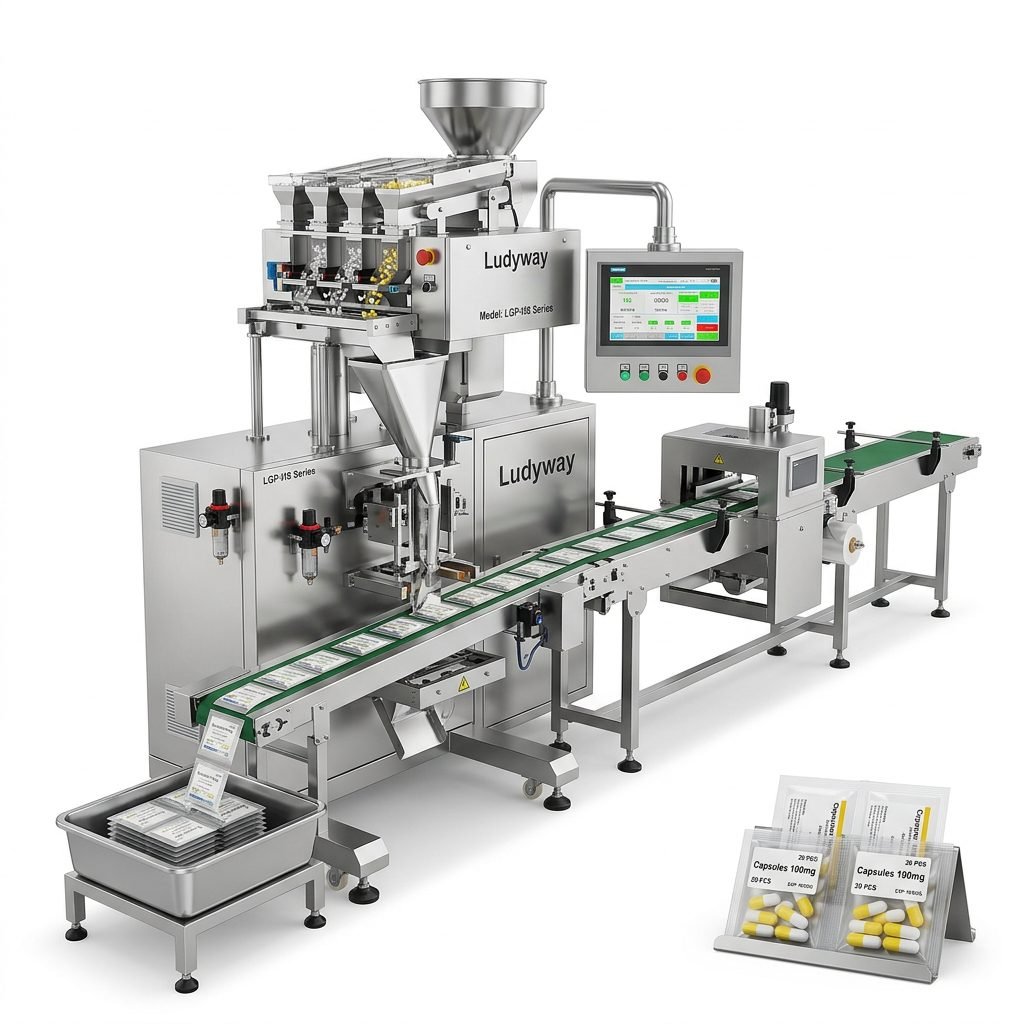
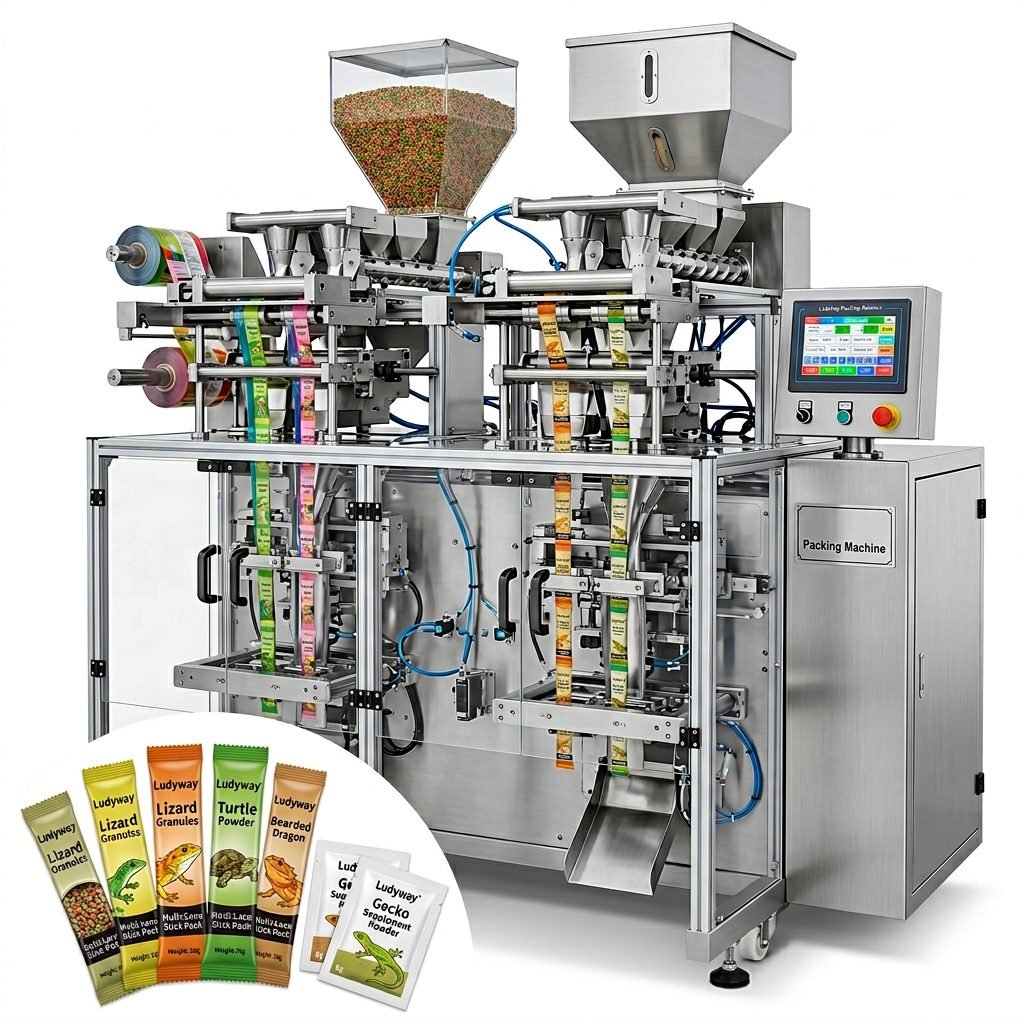
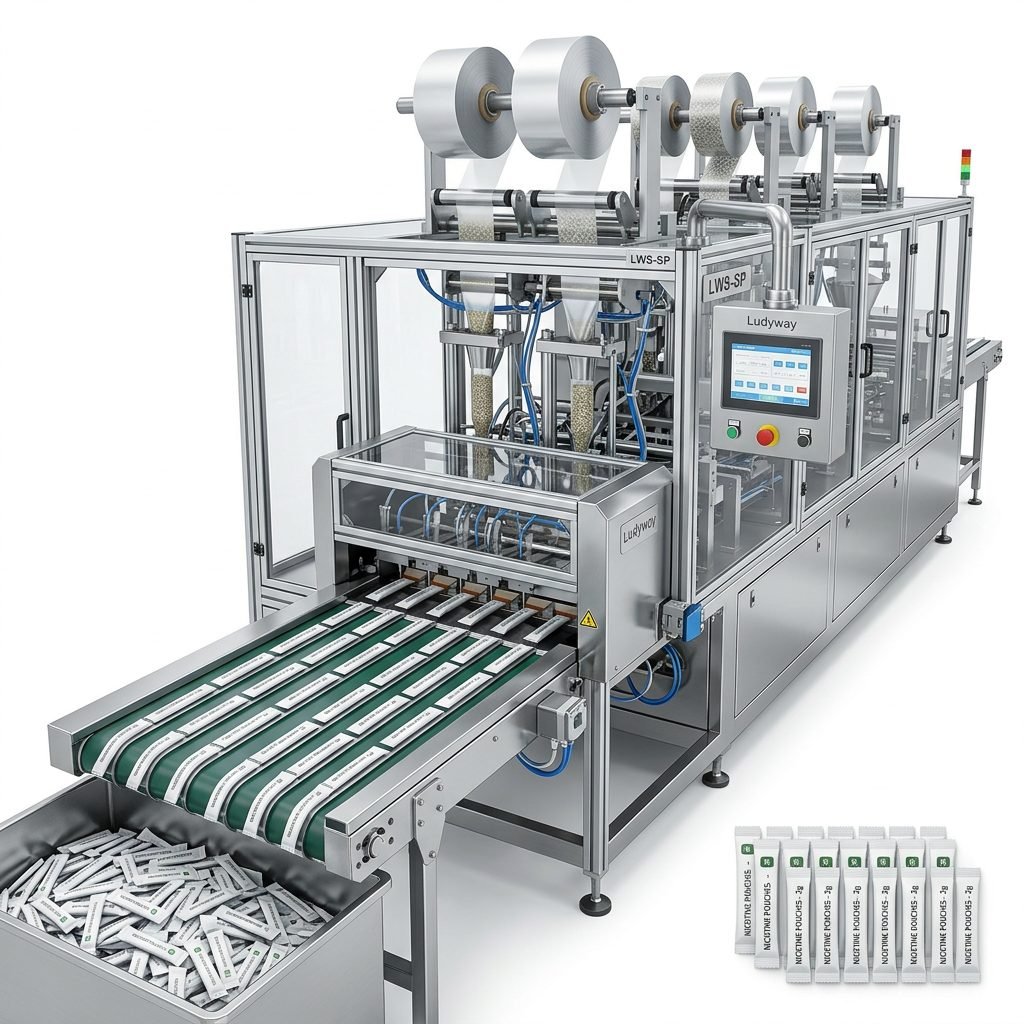
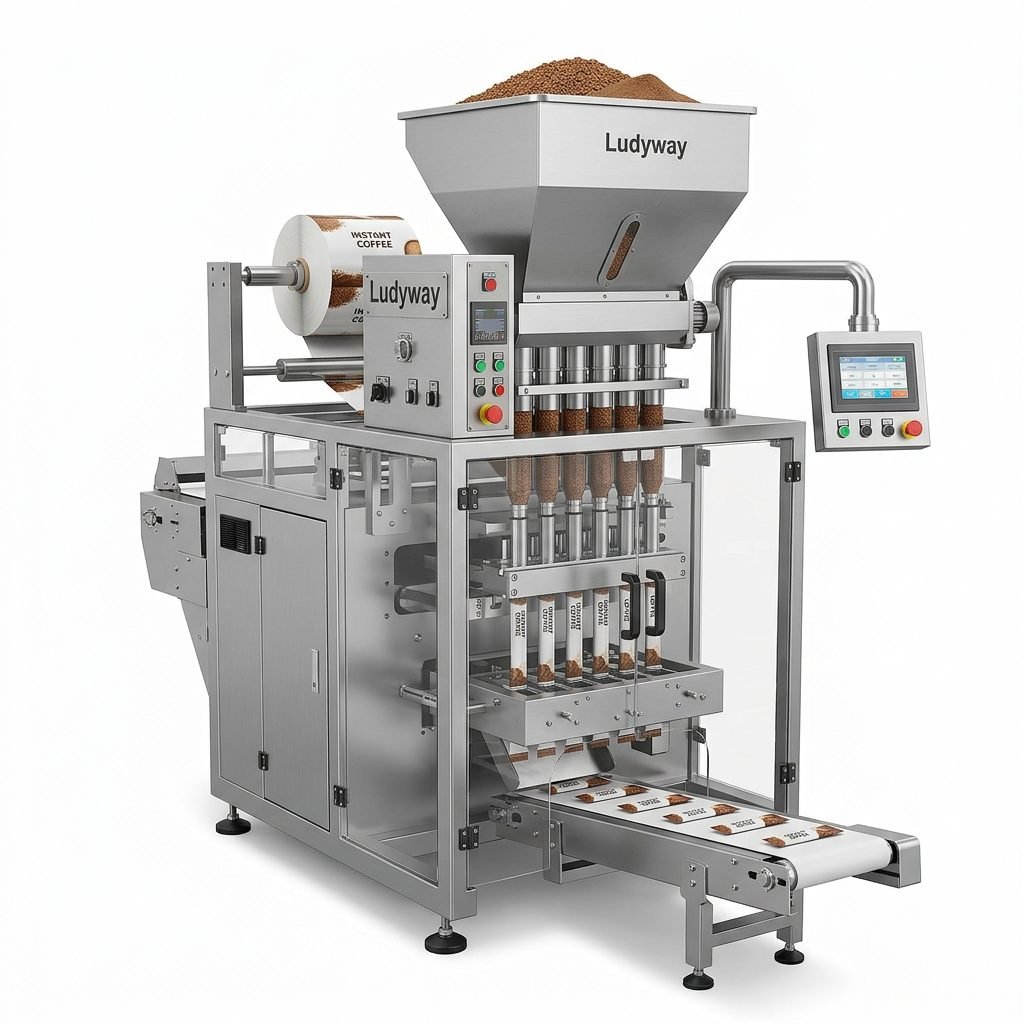
For producers seeking advanced, customizable packaging solutions backed by decades of engineering expertise, Ludyway is one of the largest packaging machine manufacturers in China, offering a comprehensive range of granule, powder, and liquid packaging systems with installations in over 100 countries worldwide. With a 20,000㎡ modern manufacturing facility and a dedicated engineering team, Ludyway provides reliable multi-lane stick pack, sachet, and fully automated packaging solutions tailored to the unique requirements of edible oil producers.
Frequently Overlooked Considerations
Beyond the major decision factors, several subtle considerations can significantly impact your satisfaction with an edible oil packaging machine investment.
- Changeover time between formats — If you package multiple oil types or formats, quick-change features can dramatically improve overall equipment effectiveness.
- Cleaning and sanitation — Machines designed with tool-free disassembly and CIP (clean-in-place) capabilities reduce sanitation labor and minimize cross-contamination risk between oil types.
- Noise levels — In smaller production facilities common in Italy, equipment noise can affect worker comfort and regulatory compliance.
- Future upgrade path — Modular machine designs allow you to add lanes, upgrade controls, or integrate new features as your business grows.
- Power requirements — Verify that the machine’s electrical specifications match your facility’s power supply, including voltage, phase, and frequency requirements common in Italian industrial settings.
By thoroughly evaluating each of these factors — from technical specifications and regulatory compliance to supplier support and total cost of ownership — Italian edible oil producers can confidently select packaging equipment that delivers exceptional performance, product quality, and return on investment for years to come. The right machine not only protects your product but also strengthens your brand presence in one of the world’s most discerning edible oil markets.