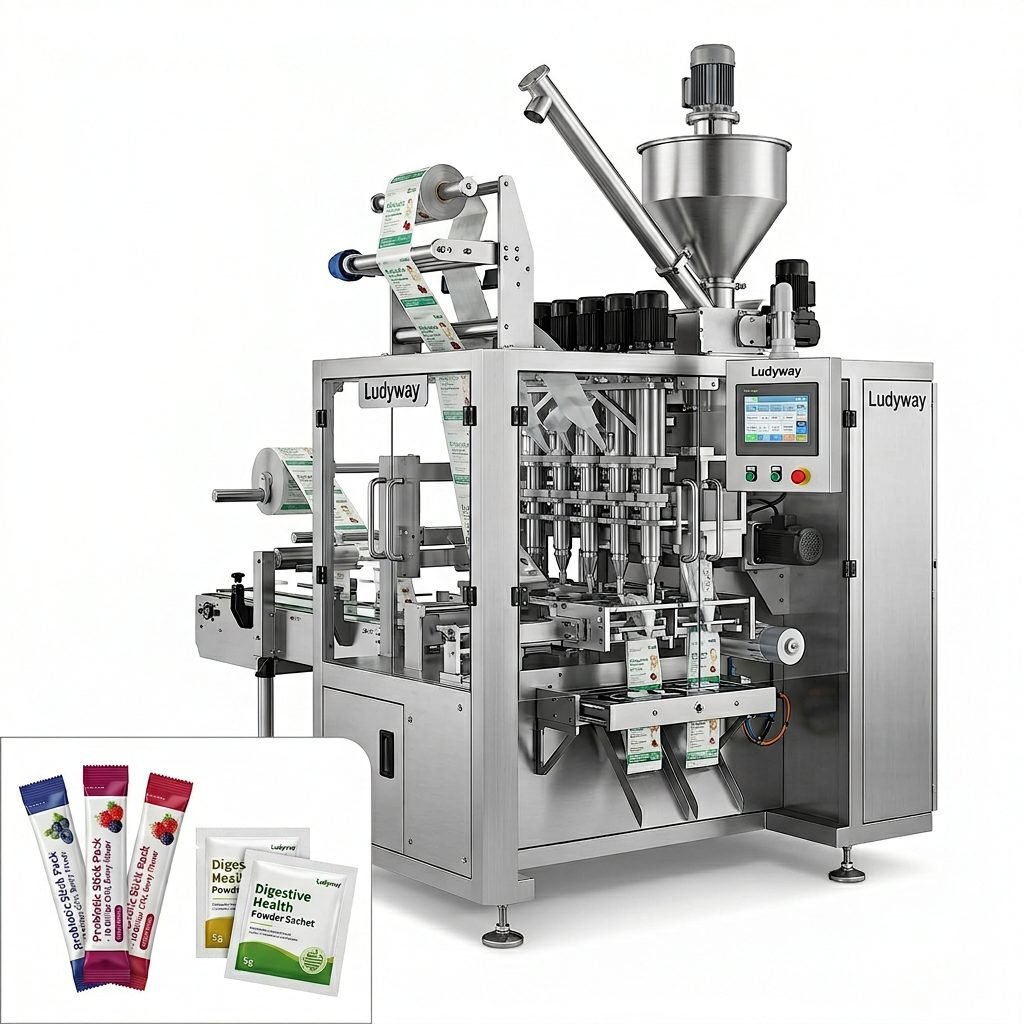
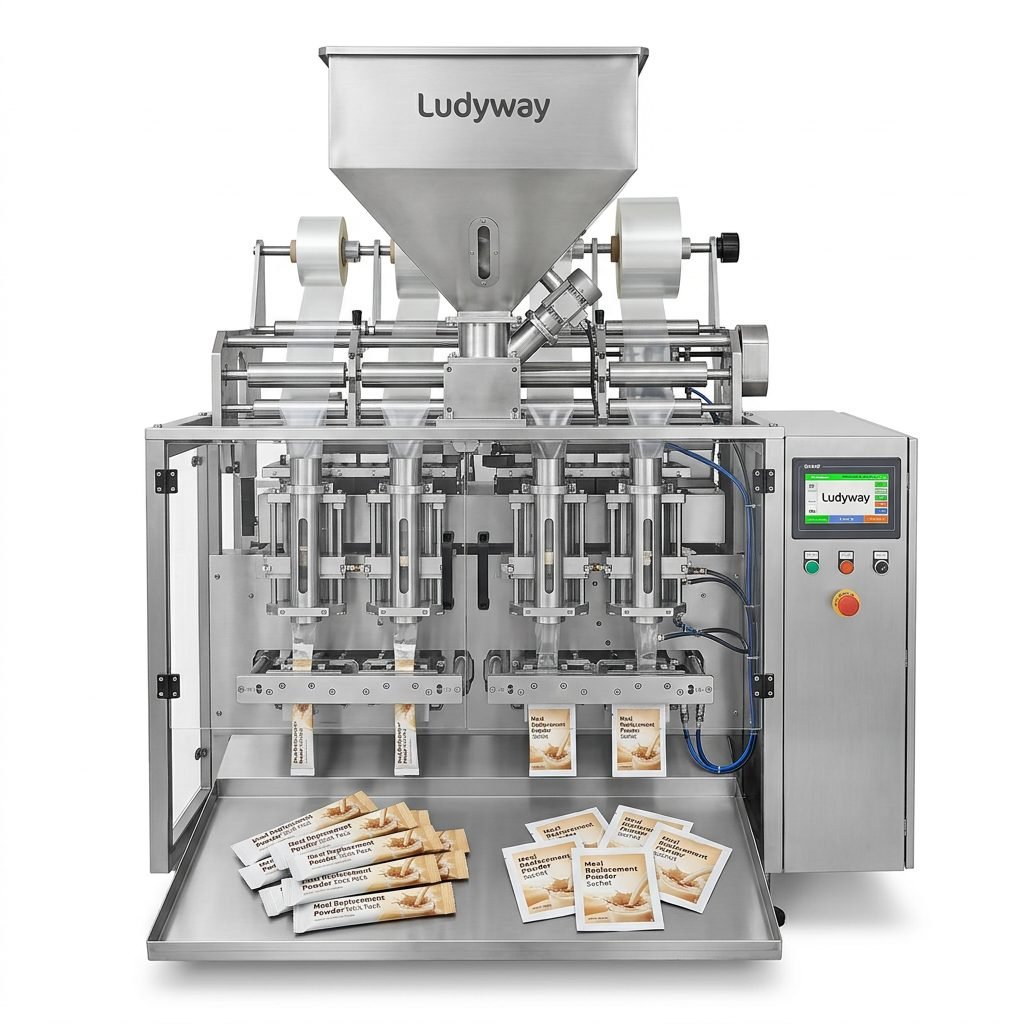
Launching a candy packaging machine production line in the UK is a strategic investment that demands precise planning and an understanding of both local regulatory frameworks and cutting-edge automation technologies. Whether you are scaling up from manual packing or establishing a brand-new confectionery facility, navigating the complexities of equipment selection, line integration, and food safety compliance can seem daunting. This comprehensive guide breaks down every stage of the process, providing actionable insights to help you build an efficient, future-proof packaging operation.
Understanding the UK Confectionery Market and Regulatory Landscape
Before procuring any packaging machinery, it is critical to contextualize your project within the UK market. The British confectionery sector is worth over £5.2 billion annually, with a marked trend towards sustainable packaging, portion control, and premiumization. Modern consumers demand resealable pouches, stick packs for on-the-go consumption, and reduced plastic usage—all factors that directly influence the configuration of your production line.
Equally important is the regulatory environment post-Brexit. All candy packaging machines installed in the UK must carry the UKCA (UK Conformity Assessed) marking, replacing the CE marking for the Great Britain market. Ensure your equipment supplier provides comprehensive documentation, including Declaration of Conformity, risk assessments in accordance with the Supply of Machinery (Safety) Regulations 2008, and technical files that meet UK Health and Safety Executive (HSE) standards. Packaging materials in contact with food must comply with Regulation (EC) 1935/2004 as retained in UK law, alongside the Materials and Articles in Contact with Food (England) Regulations 2012.
Key UK-Specific Certifications for Your Candy Packaging Line
| Certification / Standard | Applicability | Relevance to Candy Packaging |
|---|---|---|
| UKCA Marking | Machinery safety | Mandatory for placing packaging machines on the GB market |
| BS EN 1672-2 | Hygiene requirements for food machinery | Design, materials, and cleanability for confectionery contact parts |
| BRCGS Packaging Standard | Packaging quality and safety | Widely adopted by UK retailers; ensures supplier compliance |
| ISO 22000 | Food safety management systems | Integrates packaging processes into overall food safety framework |
Step-by-Step Strategic Planning for Your Production Line
A systematic approach to planning your candy packaging line minimizes downtime and ensures seamless integration from the very first day of operation. The following steps are designed to guide you through the decision-making process.
1. Define Your Product Portfolio and Packaging Format
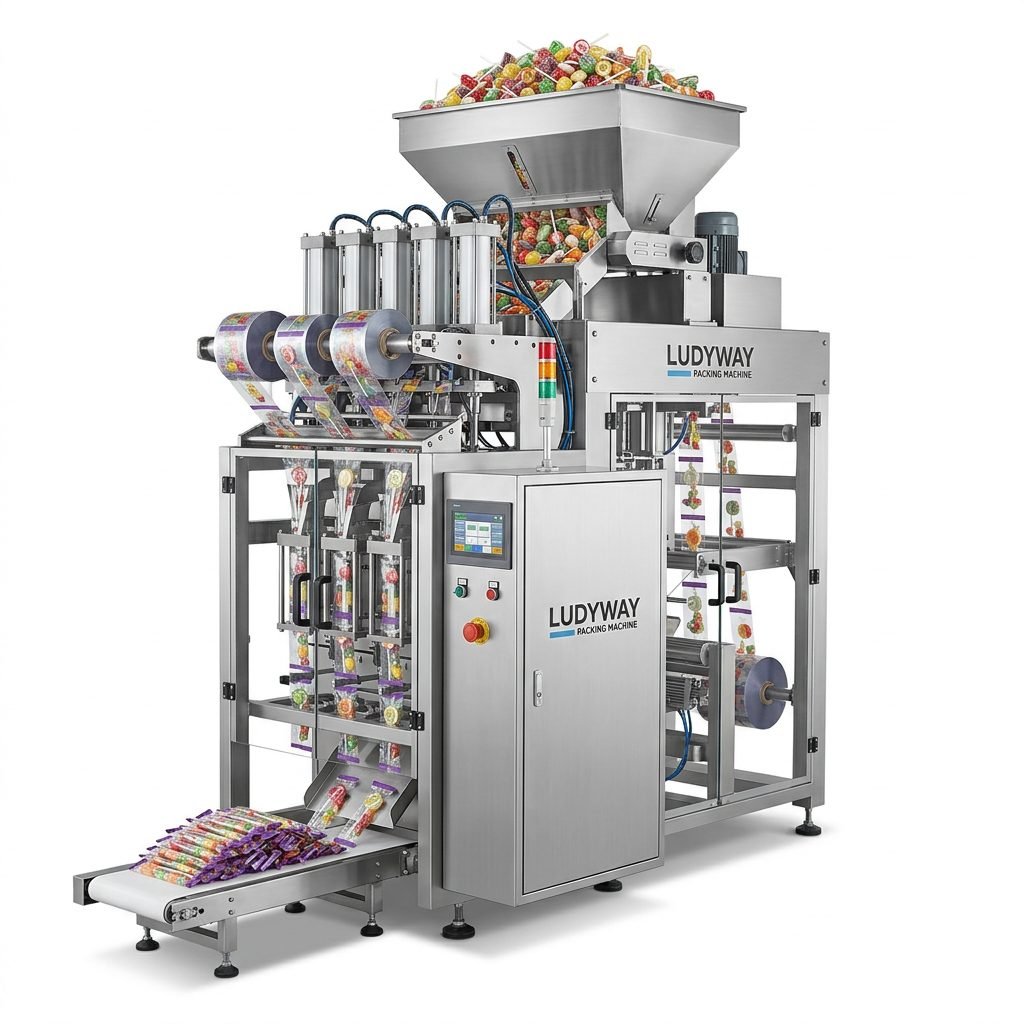
Candy is a diverse category—hard candies, gummies, chocolate-covered confectionery, soft caramels, and powdered sherbet each require distinctly different handling and packaging technologies. Start by listing your products and their specific attributes: granularity, stickiness, flow characteristics, and fragility. Then determine the target packaging format: stick packs, sachets, flow wraps, pillow bags, or pre-made pouches. This decision directly determines the type of vertical form fill seal (VFFS) machine or multi-lane stick pack machine you will need.
For example, high-speed production of portion-controlled hard candy stick packs demands a multi-lane stick pack machine with servo-driven film tension control and precise dosing mechanisms. Conversely, wrapping irregularly shaped chocolate clusters might require a horizontal flow wrapper with automatic feeding conveyors. Defining these parameters early prevents costly reconfiguration later.
2. Calculate Throughput Requirements and Line Speed
Determine your target output—in packs per minute (ppm)—based on current and projected demand over the next 3 to 5 years. A single-lane machine might deliver 30-60 ppm, whereas a modern multi-lane system with 6 to 12 lanes can exceed 600 ppm. Factor in changeover times between product variants; servo-driven machines with recipe management systems can reduce changeover to under 15 minutes, significantly boosting overall equipment effectiveness (OEE).
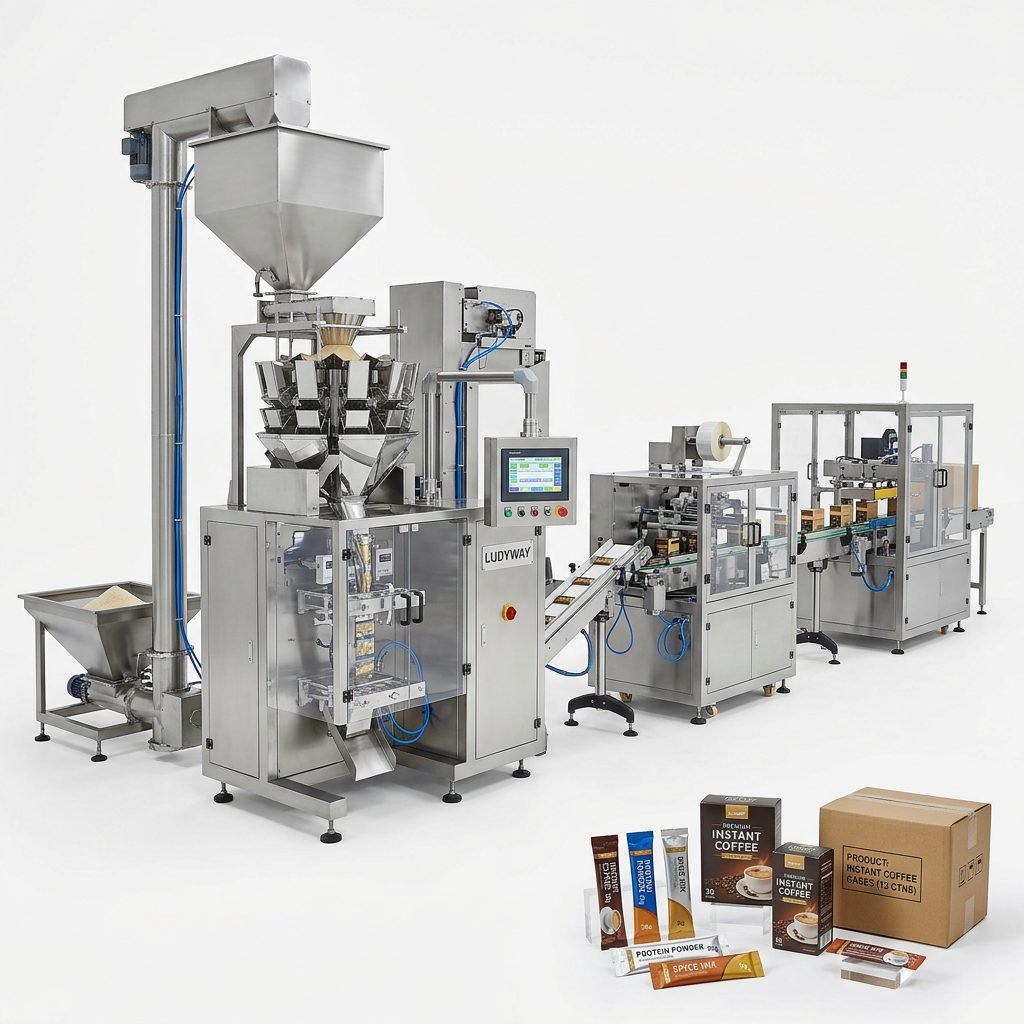
Consider the entire line synchronization: the packaging machine is only one link in the chain. Upstream equipment—such as automatic feeding conveyors, multi-head weighers, or auger fillers—must match the packaging speed. Downstream, cartoning, case packing, and palletizing systems must keep pace without creating bottlenecks. A balanced line design ensures you achieve the calculated throughput consistently.
Selecting the Core Candy Packaging Machinery
The heart of your production line is the primary packaging unit. For confectionery applications, three main categories dominate the UK market, each suited to different product characteristics and packaging styles.
Multi-Lane Stick Pack Machines
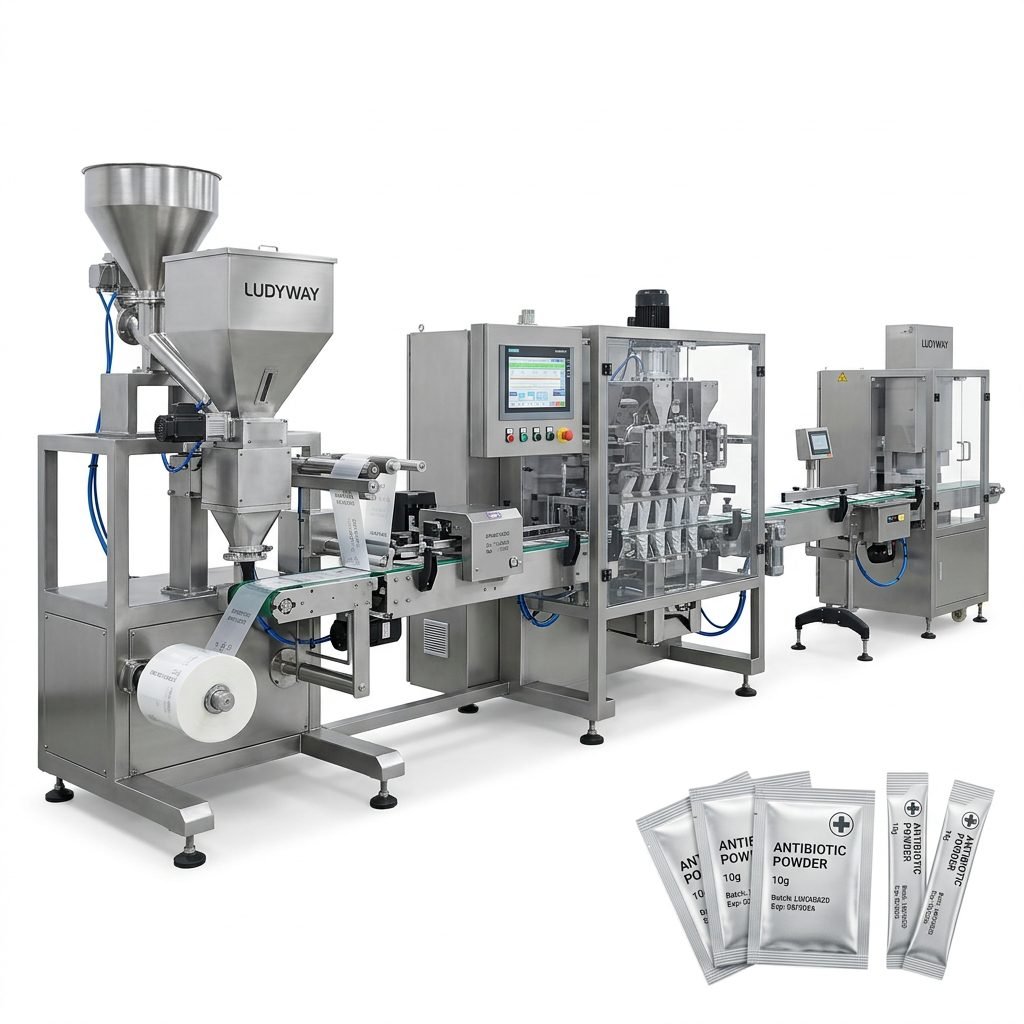
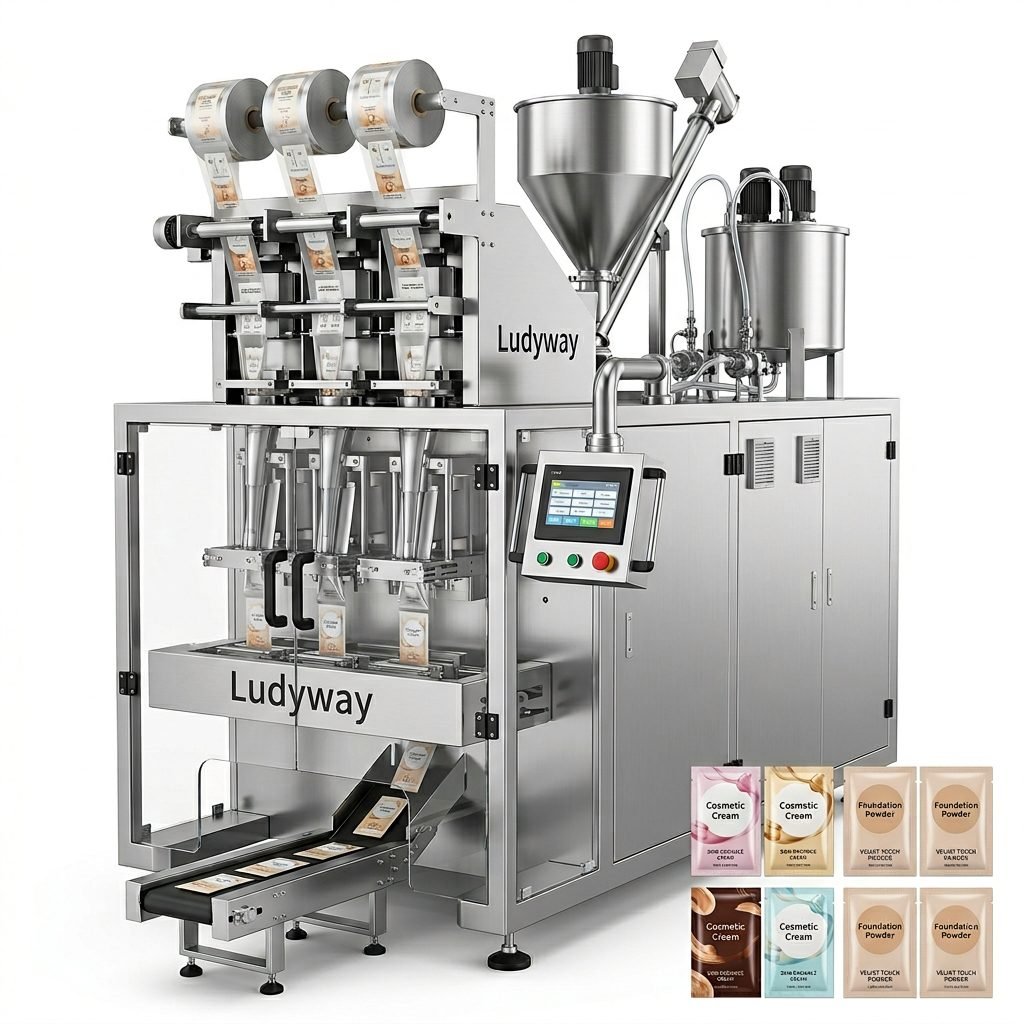
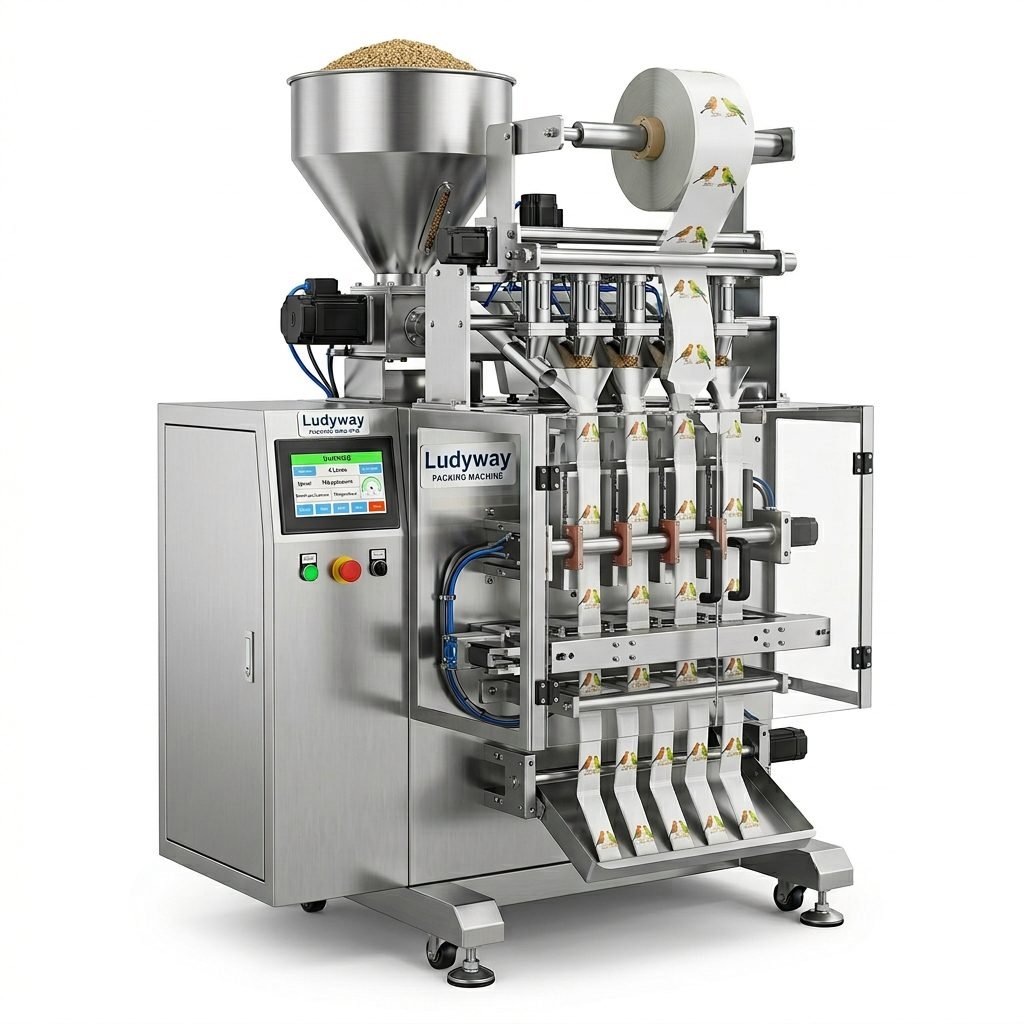
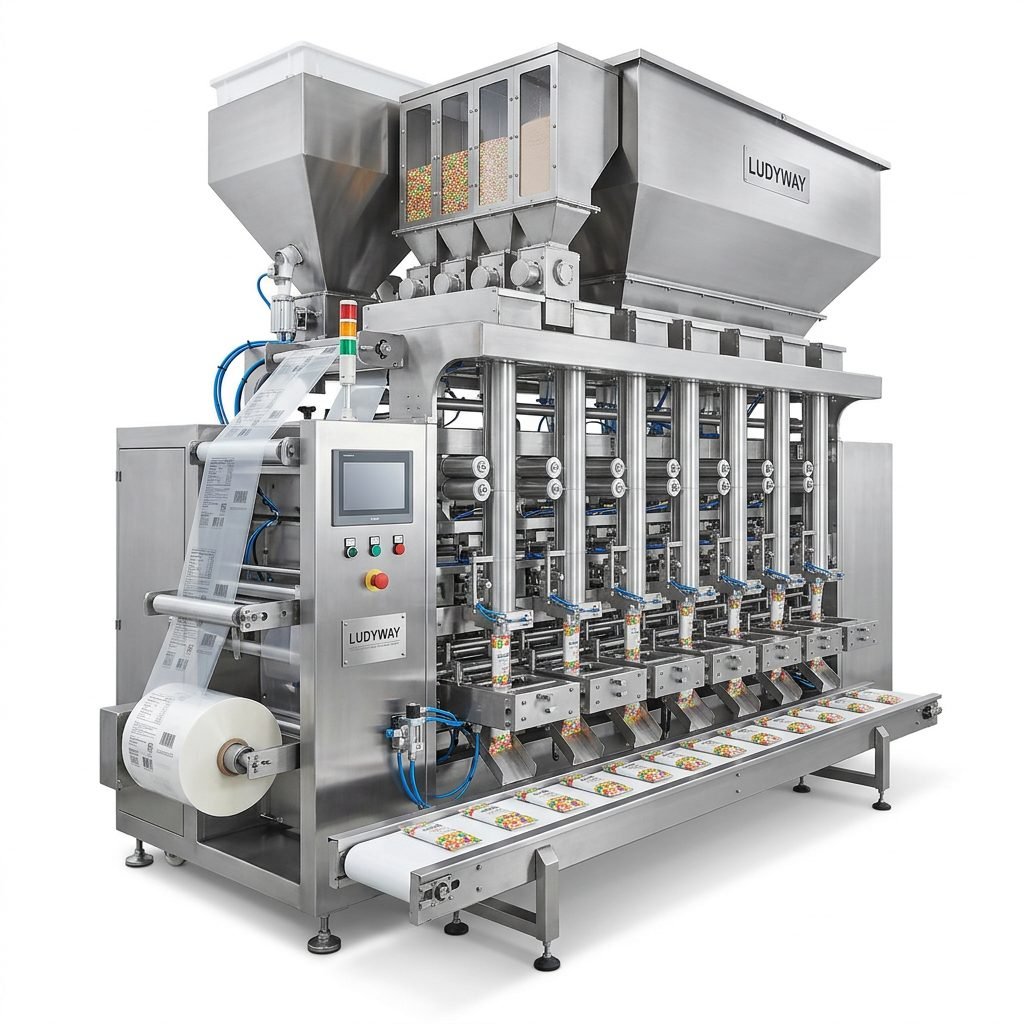
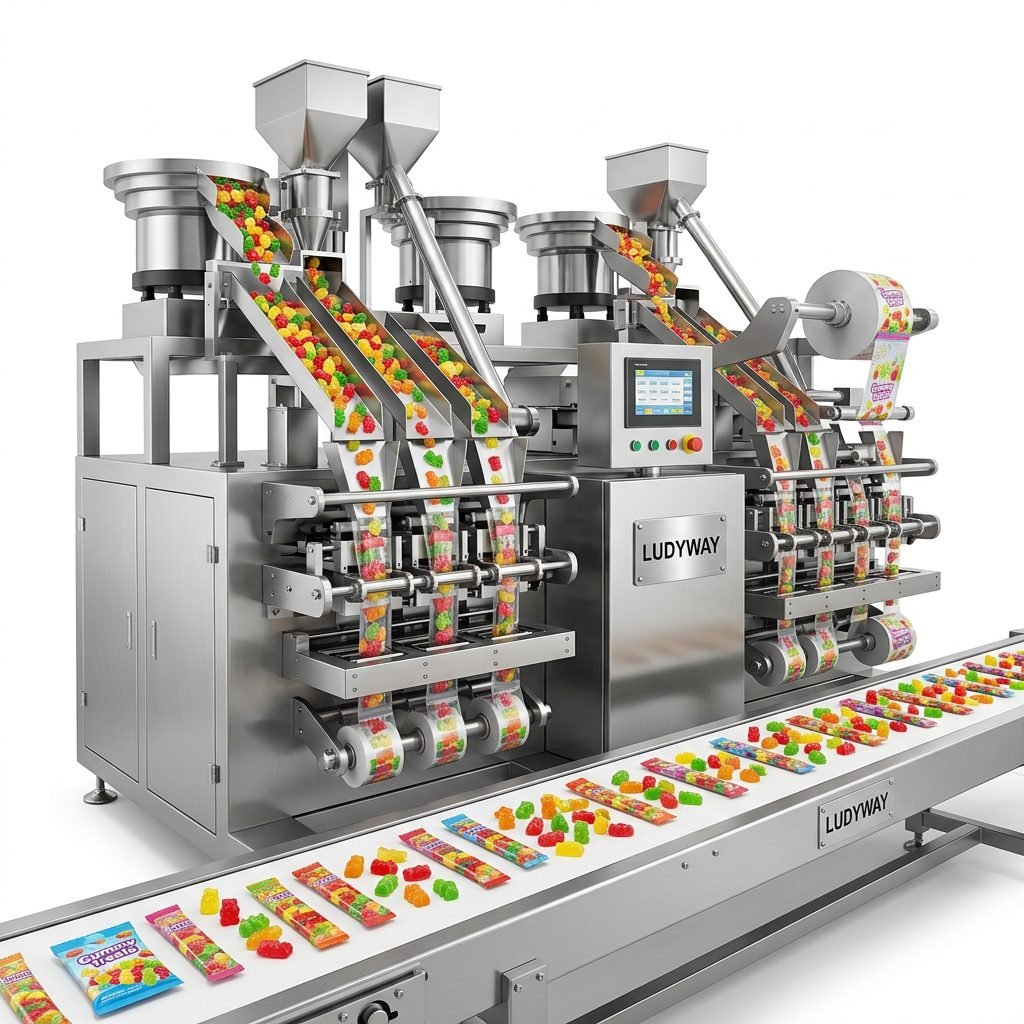
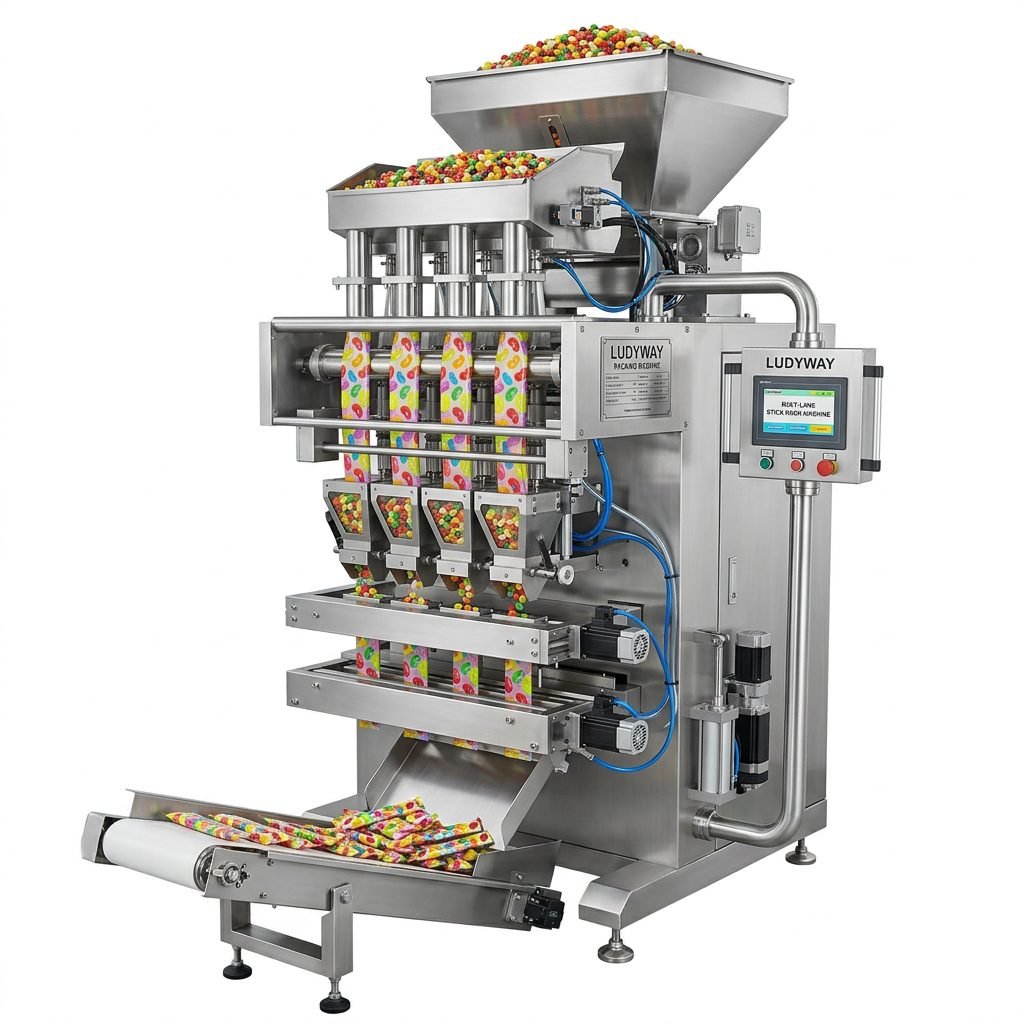
Ideal for granular products like hard candy, breath mints, and pressed tablets, these machines simultaneously form, fill, and seal multiple lanes of stick packs. The key advantages include compact footprint, high output, and suitability for portion-controlled single-serve formats. Look for features such as splash-resistant stainless steel construction, servo-driven film registration for precise print alignment, and integrated nitrogen flushing capability to extend shelf life for oxygen-sensitive confectionery. Ludyway, one of the largest packaging machine manufacturers in China, offers advanced multi-lane models exceeding 50 intelligent configurations, trusted in over 100 countries for food and confectionery applications.
Vertical Form Fill Seal (VFFS) Machines
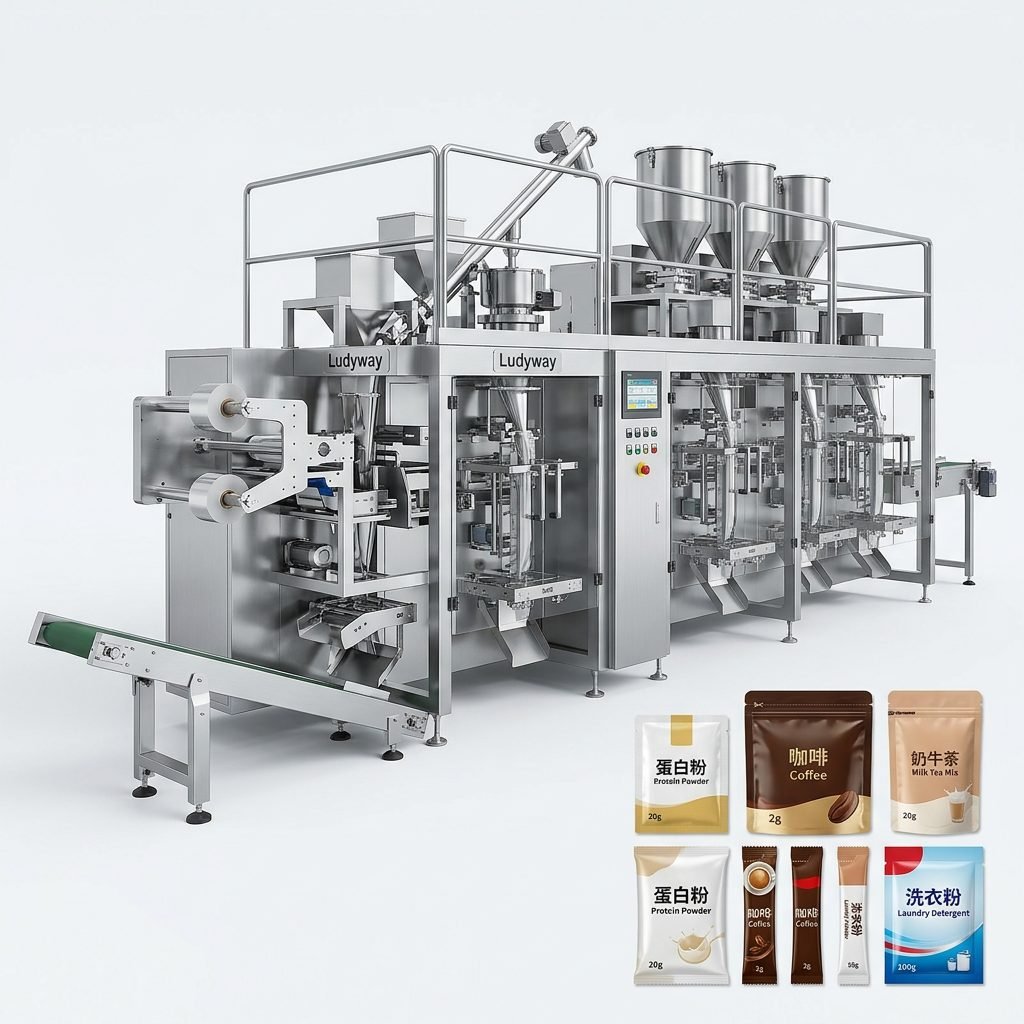
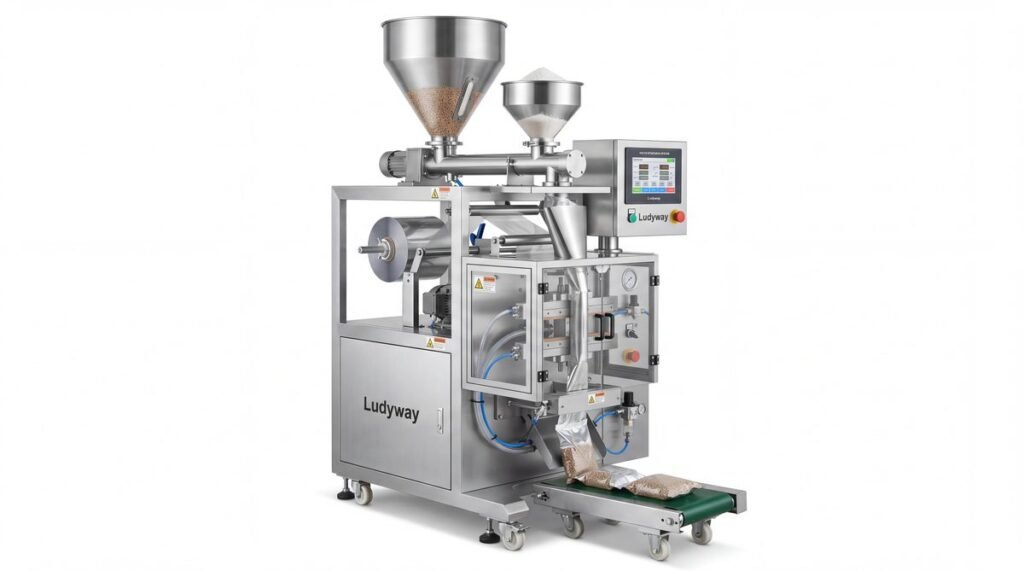
VFFS technology suits a broad range of candy types, from wrapped toffee to irregularly shaped mixed confectionery. Modern VFFS machines can produce pillow bags, gusseted bags, and quad-seal pouches with optional resealable zippers. When specifying a VFFS for the UK market, prioritize models equipped with easy-clean, cantilevered frames and validated washdown capability. The ability to handle a variety of film types—including recyclable mono-material laminates—is increasingly important as the UK moves towards the Plastics Packaging Tax and Extended Producer Responsibility (EPR) frameworks.
Pre-Made Pouch Fill and Seal Machines
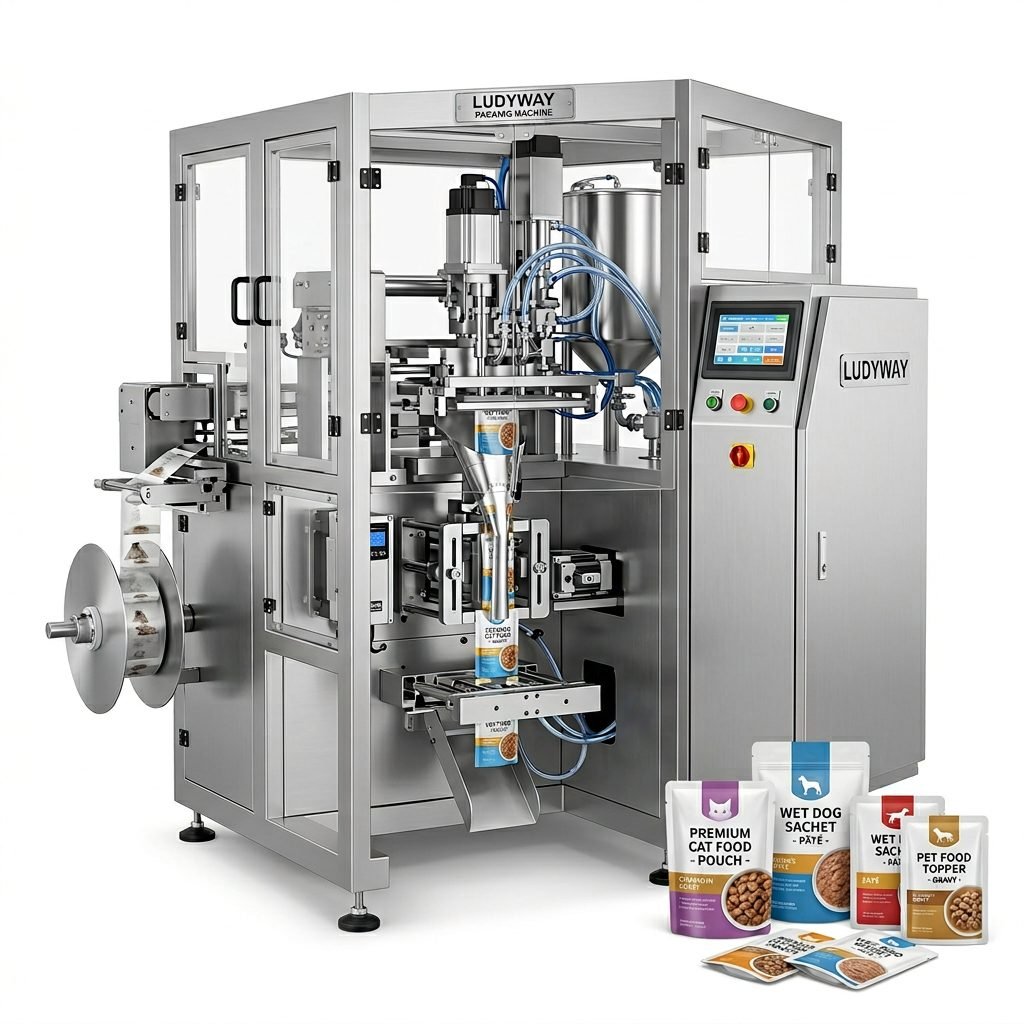
For premium confectionery lines, pre-made pouch machines offer the advantage of flexible packaging aesthetics and compatibility with stand-up pouches, spouted pouches, and shaped formats. Rotary pick-and-place systems automate the pouch handling cycle—gripping, opening, filling, and sealing—with high precision. These machines are particularly suitable for gifting, sharing, and luxury confectionery segments where shelf appeal drives purchase decisions.
Integrating Ancillary and End-of-Line Equipment
A complete candy packaging production line extends far beyond the primary packaging machine. The following ancillary systems are essential for automated, efficient operation in a UK facility:
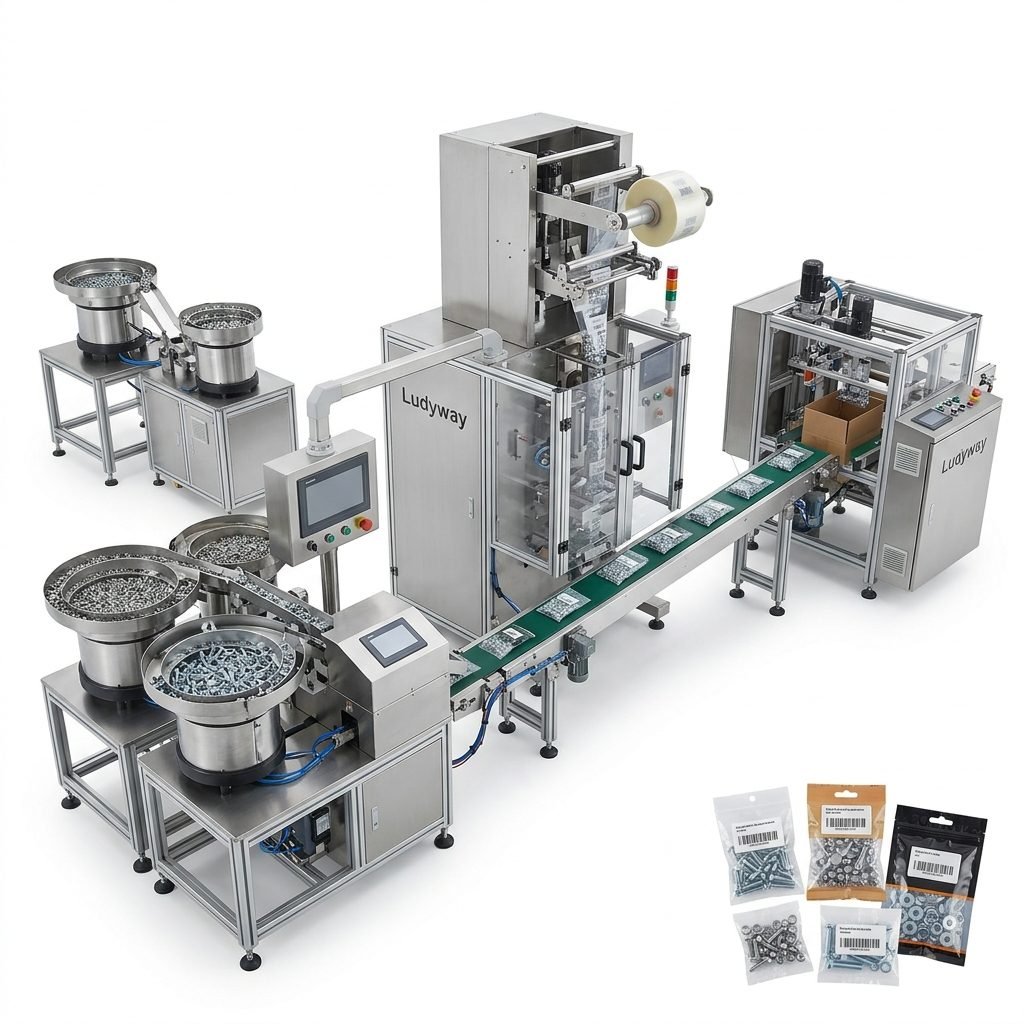
- Automatic feeding systems: Vibratory bowl feeders, inclined belt conveyors, or bucket elevators designed specifically for food-grade applications to deliver product gently and consistently.
- Multi-head weighers or auger fillers: For precise weight control and minimal giveaway. Multi-head weighers are preferred for free-flowing candies; auger fillers are recommended for powder-based confectionery.
- Checkweighers and metal detectors: Critical for compliance with UK weights and measures legislation (the Weights and Measures (Packaged Goods) Regulations 2006) and food safety (HACCP).
- Date coding and labeling systems: Thermal transfer printers, laser coders, or inkjet printers for applying batch codes and best-before dates as required by UK food labeling regulations.
- Cartoning and case packing: Automated cartoners for retail-ready packaging and robotic case packers for secondary packaging.
- Palletizing: Conventional or robotic palletizers to handle finished product output for warehouse dispatch.
Cost Analysis and Budgeting for UK Operations
Understanding the total cost of ownership (TCO) is essential for UK confectionery manufacturers. The following table provides a structured breakdown of budget considerations beyond the initial equipment purchase price.
| Cost Category | Estimated Percentage of TCO | Key Considerations |
|---|---|---|
| Machinery purchase | 35-45% | Multi-lane vs single-lane; options and customization; freight and insurance |
| Installation and commissioning | 10-15% | Site preparation, electrical/air connections, engineer travel, factory acceptance testing (FAT) |
| Training and documentation | 3-5% | Operator training, maintenance manuals, SOPs, UKCA technical file |
| Consumables and spare parts | 15-20% annually | Packaging film, spare parts inventory, wear components, lubricants |
| Maintenance and service | 10-15% annually | Preventive maintenance contracts, emergency repair, calibration |
| Energy and utilities | 5-8% annually | Electricity, compressed air, nitrogen generation |
| Decommissioning and disposal | 1-2% | End-of-life recycling, compliance with UK WEEE regulations |
Factory Layout and Workspace Design
The physical layout of your candy packaging production line must comply with UK food manufacturing standards, particularly in terms of hygiene zone separation. Define clear boundaries between raw material intake, processing, primary packaging (high-care or high-risk area), secondary packaging, and finished goods storage. The layout should facilitate linear material flow to minimize cross-contamination risks.
Consider the following spatial dimensions: allow at minimum 1.5 meters of clearance around all sides of the packaging machine for cleaning access, maintenance, and operator movement. Floor drainage design, ceiling height for exhaust ventilation, and lighting intensity must all meet British Retail Consortium (BRC) Global Standards requirements. Evaluate the need for air filtration systems (HEPA) if your candy products are particularly susceptible to airborne contamination.
Compliance, Testing, and Validation
Before commencing commercial production, your line must undergo rigorous validation and commissioning. This protocol typically includes:
- Factory Acceptance Testing (FAT): Conducted at the manufacturer’s facility, verifying machine functionality, speed, and accuracy against agreed specifications.
- Site Acceptance Testing (SAT): Performed after installation at your UK site, confirming the equipment performs correctly within your utilities infrastructure.
- Installation Qualification (IQ): Documenting that the machinery has been installed according to design specifications.
- Operational Qualification (OQ): Testing the machine’s operating parameters through defined ranges.
- Performance Qualification (PQ): Running the line with actual product to demonstrate consistent output meeting quality standards.
For pharmaceutical or medicated confectionery, additional validation according to ISO 11607 for terminally sterilized medical devices packaging may be required. Consult with your local authority or an accredited UK inspection body to confirm the specific validation requirements for your product category.
Optimizing Ongoing Operations and Maintenance
After the line is operational, focus shifts to continuous improvement and uptime maximization. Implement a computerized maintenance management system (CMMS) to schedule preventive maintenance tasks, track spare parts consumption, and log equipment performance data. Key performance metrics to monitor include:
- Overall Equipment Effectiveness (OEE): Target >75% for a mature line.
- Mean Time Between Failures (MTBF): Benchmark against manufacturer specifications.
- Mean Time To Repair (MTTR): Ensure maintenance teams are adequately trained.
- Waste rate: Film waste and product giveaway should be continuously optimized.
Engage with your machinery partner for ongoing technical support. A responsive supplier with remote diagnostic capabilities can significantly reduce downtime for UK-based operations. Spare parts availability within the UK or with fast shipping from European or Asian distribution hubs should be a key consideration in your supplier selection process.
Sustainability and Future-Proofing Your Investment
The UK’s ambitious sustainability targets are reshaping the packaging industry. When setting up your candy packaging line, plan for the transition to sustainable packaging materials. Mono-material films (such as PP or PE-based laminates) are increasingly specified to meet recyclability goals. Confirm that your machinery is compatible with eco-friendly, thinner, or bio-based films, which often have different heat-seal characteristics. Retrofittable modules for paper-based flexible packaging are also emerging on the market.
Energy efficiency should be evaluated: servo motors with regenerative braking, efficient drying systems, and optimized pneumatics all contribute to reduced operational costs and a lower carbon footprint—important for UK businesses reporting under Streamlined Energy and Carbon Reporting (SECR) frameworks. Consider future scalability: a modular machine design that allows you to add lanes or integrate additional functionalities as your business grows will protect your capital investment over the long term.
Working with an Experienced Packaging Line Partner
Selecting the right equipment supplier is arguably the most consequential decision in the entire project. Evaluate potential partners based on their track record in the confectionery sector, their understanding of UK regulatory requirements, and their ability to provide comprehensive after-sales support. A turnkey packaging line solution from a single experienced provider can dramatically simplify project management, reduce interface risks, and ensure cohesive integration of all line components—from product feeding systems through to end-of-line palletizing.
For UK confectionery manufacturers seeking a reliable, high-performance packaging partner, it is worth exploring established global manufacturers with proven international delivery capabilities and a strong presence in European markets. The right partner will offer not just machinery, but engineering consultancy, UKCA compliance documentation, operator training, and responsive technical service to ensure your production line delivers its full potential from day one.