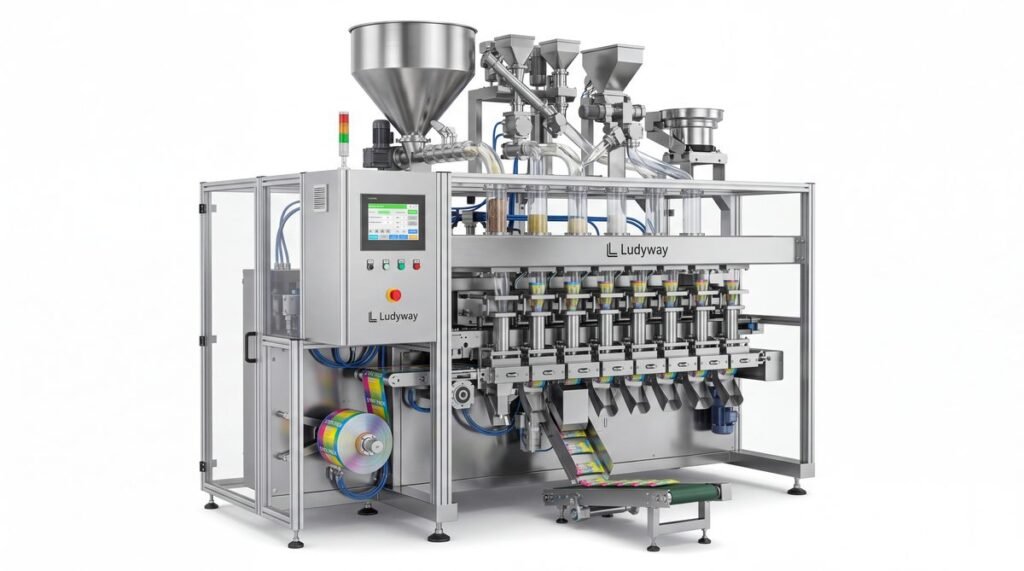
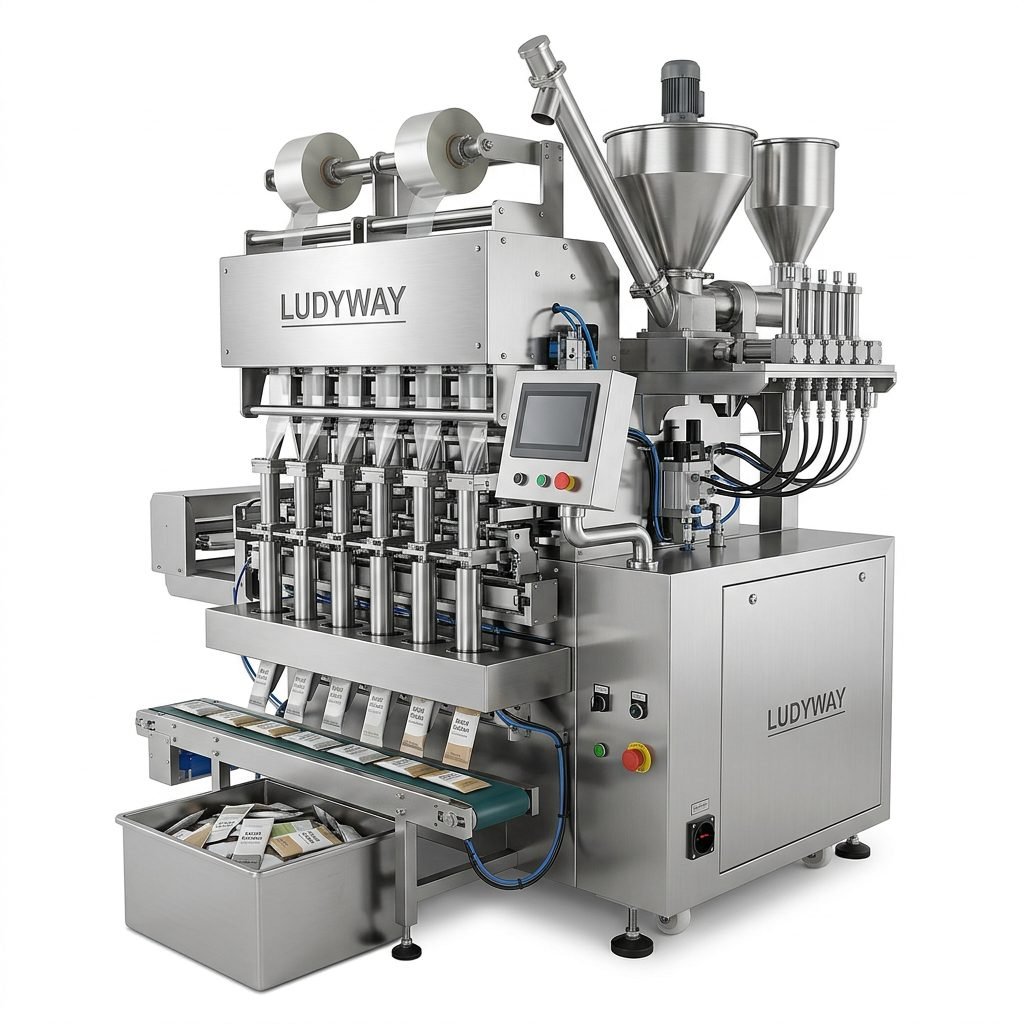
Investing in a chub packaging machine is a significant decision for meat processors, dairy producers, and food manufacturers across the United States. Whether you are packaging ground beef, sausage, cookie dough, or even industrial packaging solutions for non-food items, selecting the right equipment requires a deep understanding of production demands, regulatory compliance, and long-term operational costs.

Understanding the Chub Packaging Format
Chub packaging refers to a cylindrical, tube-like package sealed with metal clips at both ends. It is widely utilized for semi-viscous products. The process involves feeding the product into a film tube, forming it, and clipping the ends securely. The primary advantage is high-speed production combined with excellent product protection. When purchasing machinery in the U.S., you must ensure the system can handle your specific product viscosity and temperature requirements without compromising seal integrity.
Key Factors to Evaluate Before Purchasing
Before contacting a supplier, you should conduct a thorough internal audit of your production line. Not all chub packaging machines are created equal; they vary significantly in speed, hygiene design, and automation level.
Production Capacity and Speed
Determine your required cycles per minute (CPM). Entry-level machines might operate at 60-80 CPM, while high-output industrial lines can exceed 150 CPM. Matching the machine speed to your upstream processing equipment is critical to avoiding bottlenecks. Over-specifying speed can be as costly as under-specifying, as higher-speed models usually demand more robust infrastructure and maintenance.
Product Compatibility and Changeover
The physical characteristics of your product dictate the filling technology. Chub machines can handle a range of consistencies, but shifting between a thick paste and a liquid emulsion requires different pump systems. If you process multiple product lines, look for machines with tool-less changeover features. This reduces downtime significantly, allowing operators to switch between chub sizes in minutes rather than hours.
Film and Material Compatibility
Chub films are typically multi-layer barrier structures protecting against oxygen and moisture. Verify that the machine can run the specific film gauge and material you plan to use, whether it is polyethylene (PE), polyvinylidene chloride (PVDC), or a sustainable bio-based barrier film. The sealing mechanism, whether thermal impulse or ultrasonic, must be precisely calibrated to the film to avoid leakers.
Regulatory Compliance in the United States
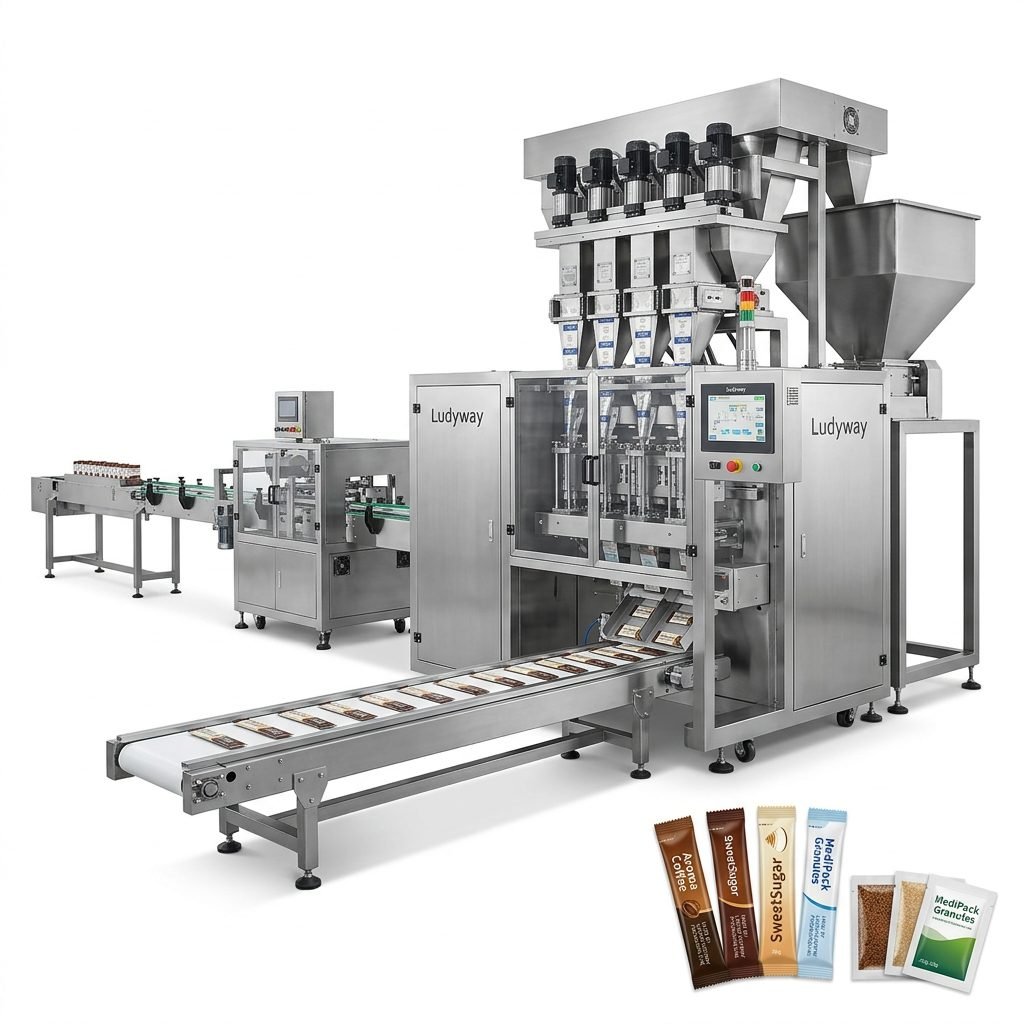
Food safety is non-negotiable. Any chub packaging machine installed in a U.S. facility must meet stringent sanitation standards. Equipment should be constructed from food-grade stainless steel (304 or 316L) and designed to withstand harsh washdown environments.
- USDA and FSIS Approval: For meat and poultry applications, the machine must strictly adhere to the standards of the Food and Drug Administration (FDA) and the Food Safety and Inspection Service (FSIS).
- 3-A Sanitary Standards: While often voluntary, 3-A compliance is a significant advantage for dairy and processed food cleanliness.
- HACCP Integration: Modern machinery should integrate critical control points, such as metal detection and clip inspection systems, to fit seamlessly into your Hazard Analysis Critical Control Point (HACCP) plan.
Comparing Chub Machine Types
The U.S. market generally features two dominant configurations. The choice often depends on your factory layout and budget.
| Feature | Automatic In-Line Systems | Semi-Automatic Tabletop Units |
|---|---|---|
| Ideal for | High-volume meat and cheese production | Start-ups, pilot plants, or specialty runs |
| Throughput | High (>100 packs/min) | Medium (30-60 packs/min) |
| Integration | Fully integrated with upstream fillers | Manual loading or standalone usage |
| Footprint | Large, requires conveyor connections | Compact, space-saving design |
Automation and Control Systems
In 2025 and beyond, Industry 4.0 readiness is a major selling point. Look for machinery equipped with Servo-driven motors that offer precise film registration and torque control. Check if the control interface is user-friendly and whether it allows for remote diagnostics. A reliable chub packaging machine should interface with upstream and downstream devices. For instance, upon detecting a packaging defect, the system should automatically stop the filler to minimize waste.
Supply Chain and After-Sales Support
Purchasing a machine is a long-term partnership. Downtime in the protein industry can cost thousands of dollars per hour. Evaluate the availability of spare parts within U.S. borders. Does the supplier have a local distributor or service center on the East Coast, West Coast, or Midwest? It is also wise to check if the supplier provides a comprehensive validation package (IQ/OQ/PQ) for regulatory audits.
Total Cost of Ownership (TCO)
Do not judge a machine solely by the purchase price. The total cost of ownership includes energy consumption, film scrap rate—often 1-2% on precise machines but disastrously higher on poor ones—and the frequency of preventive maintenance. A machine with automatic clip waste removal and centralized lubrication might cost more upfront but will save considerable labor and material costs over five years.
Why U.S. Buyers Are Looking at Global Manufacturers
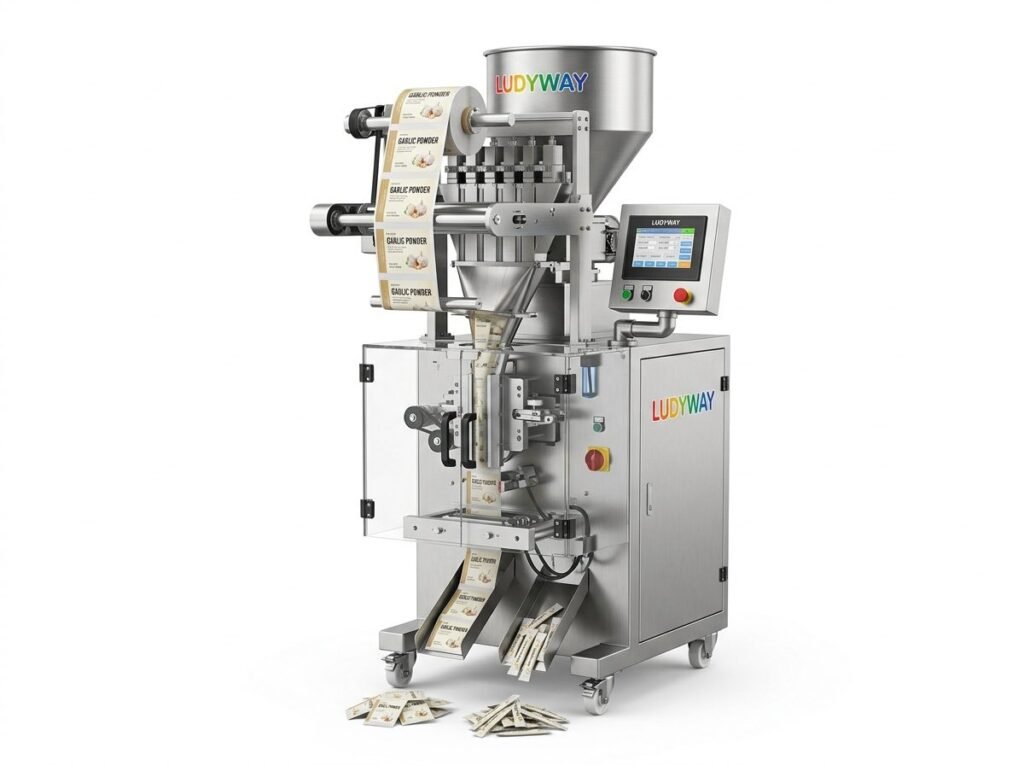
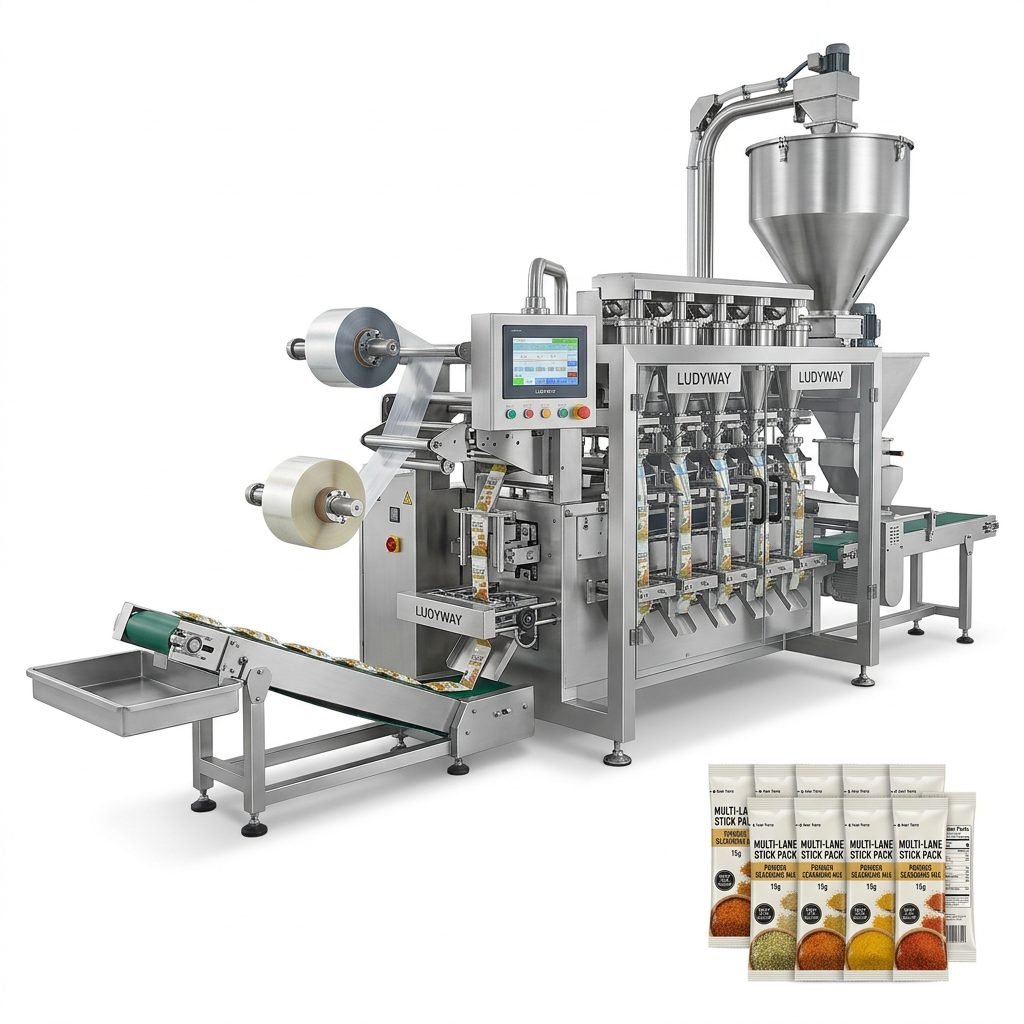
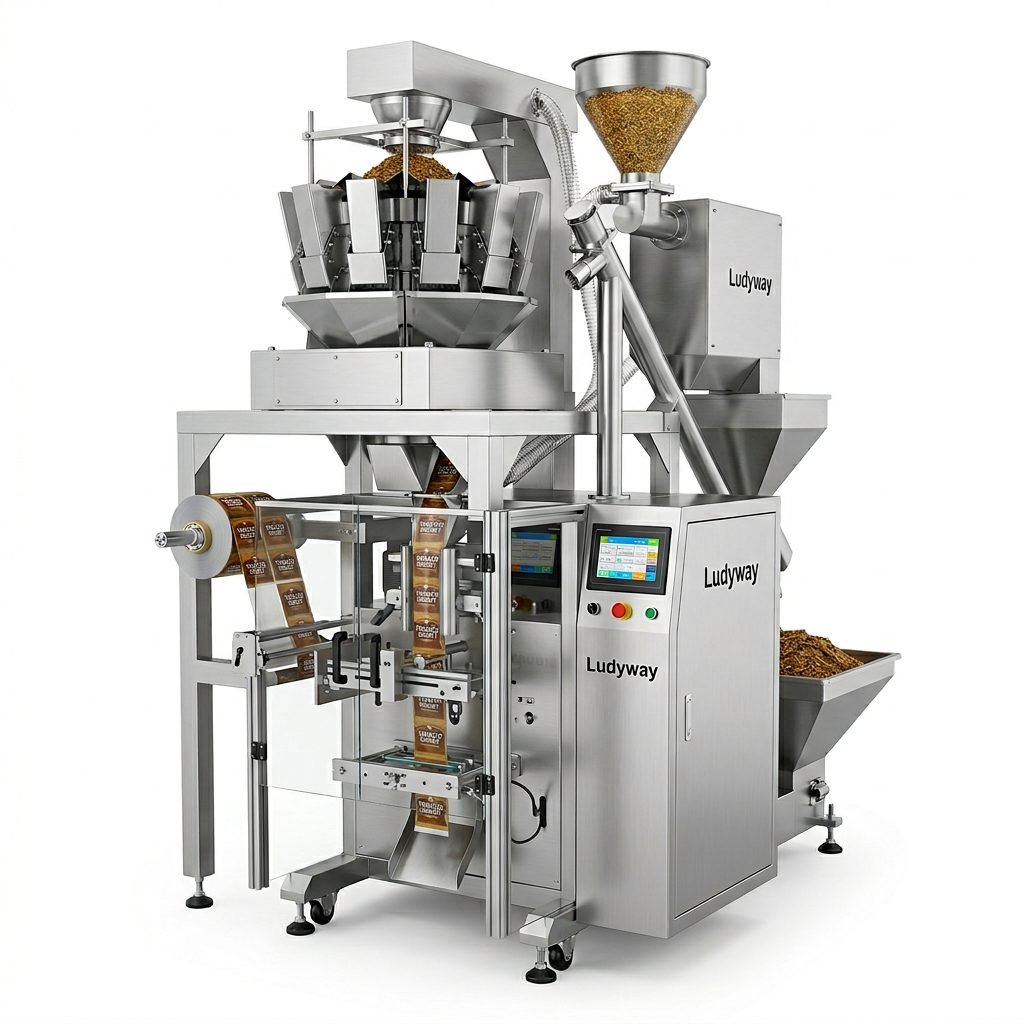
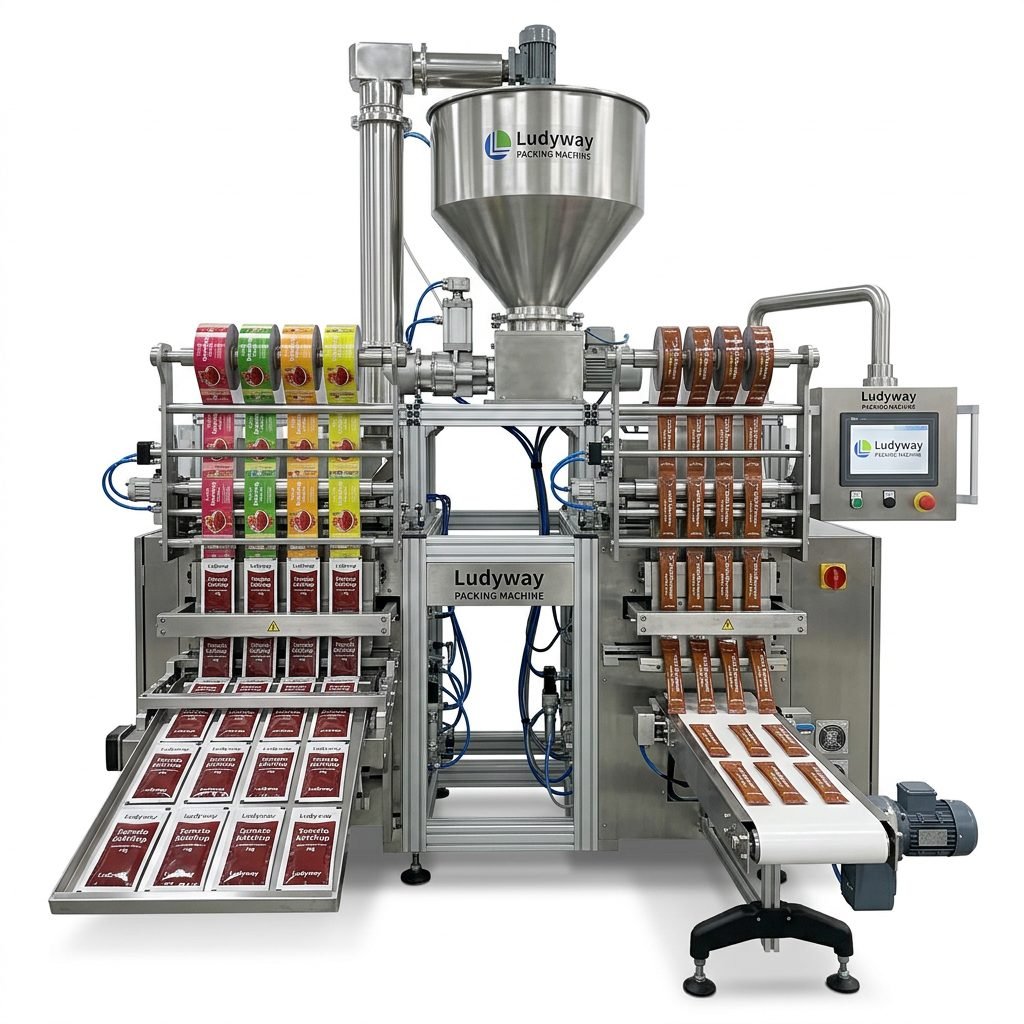
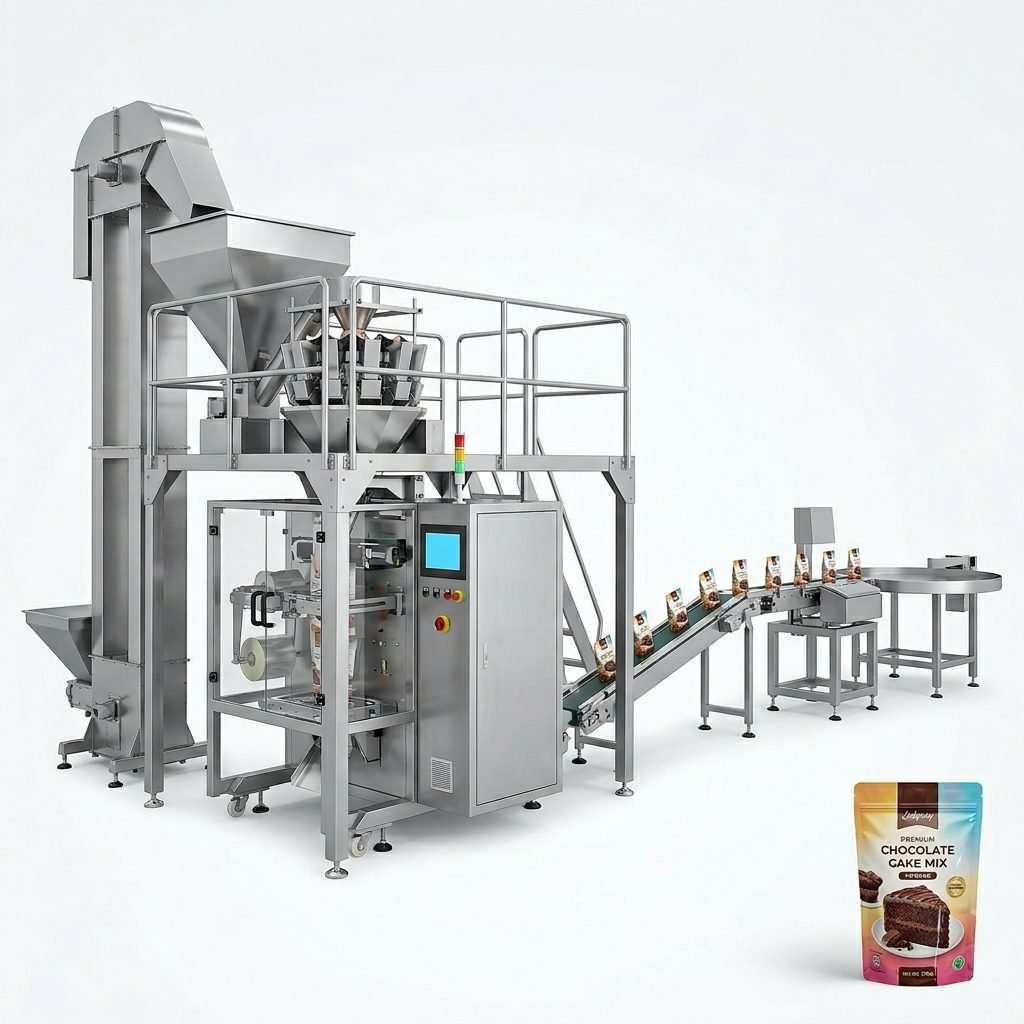
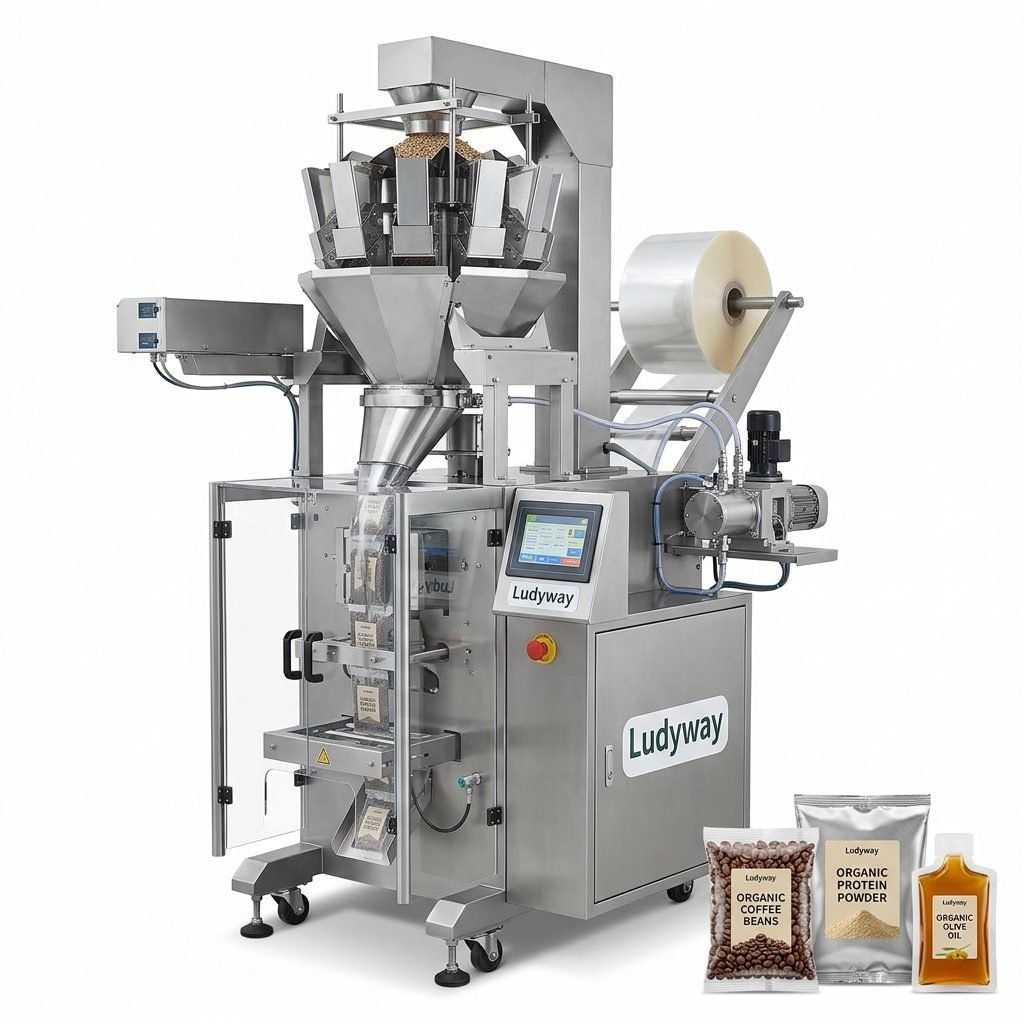
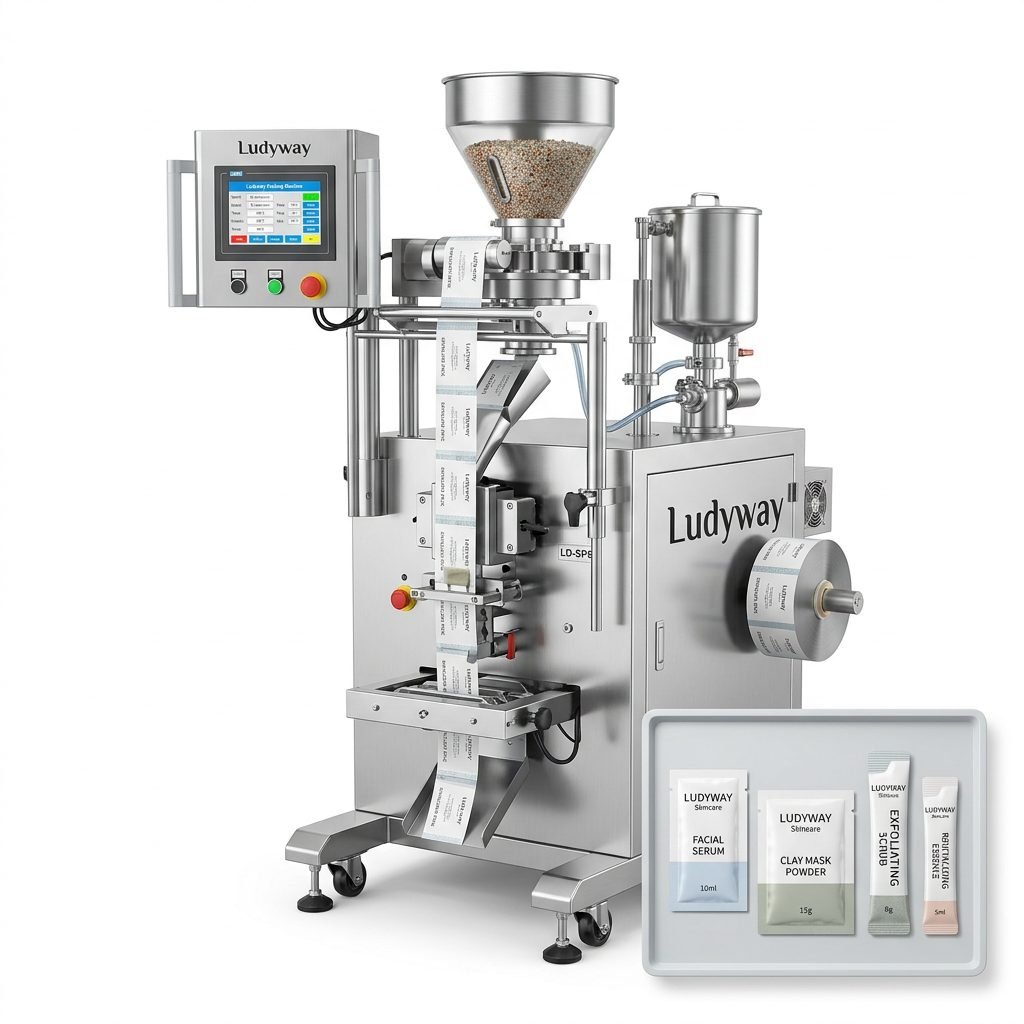
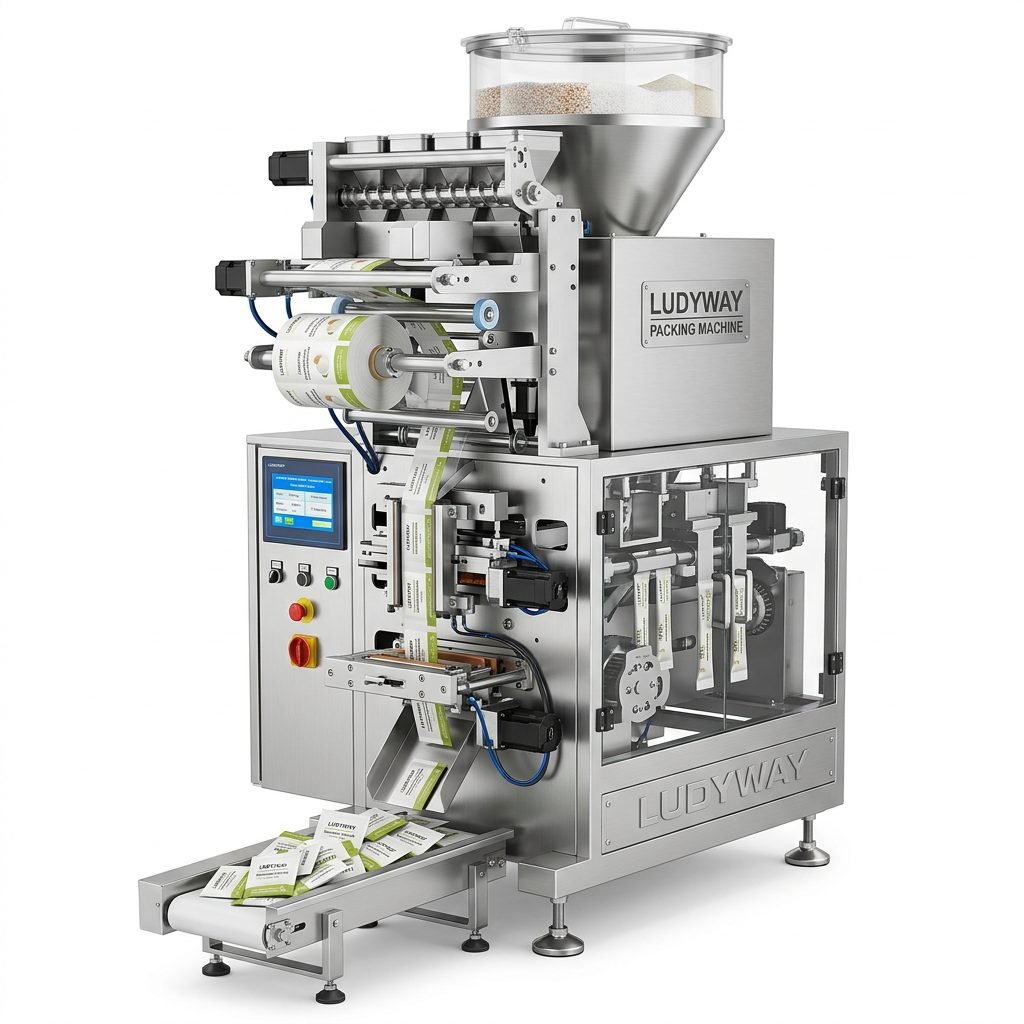
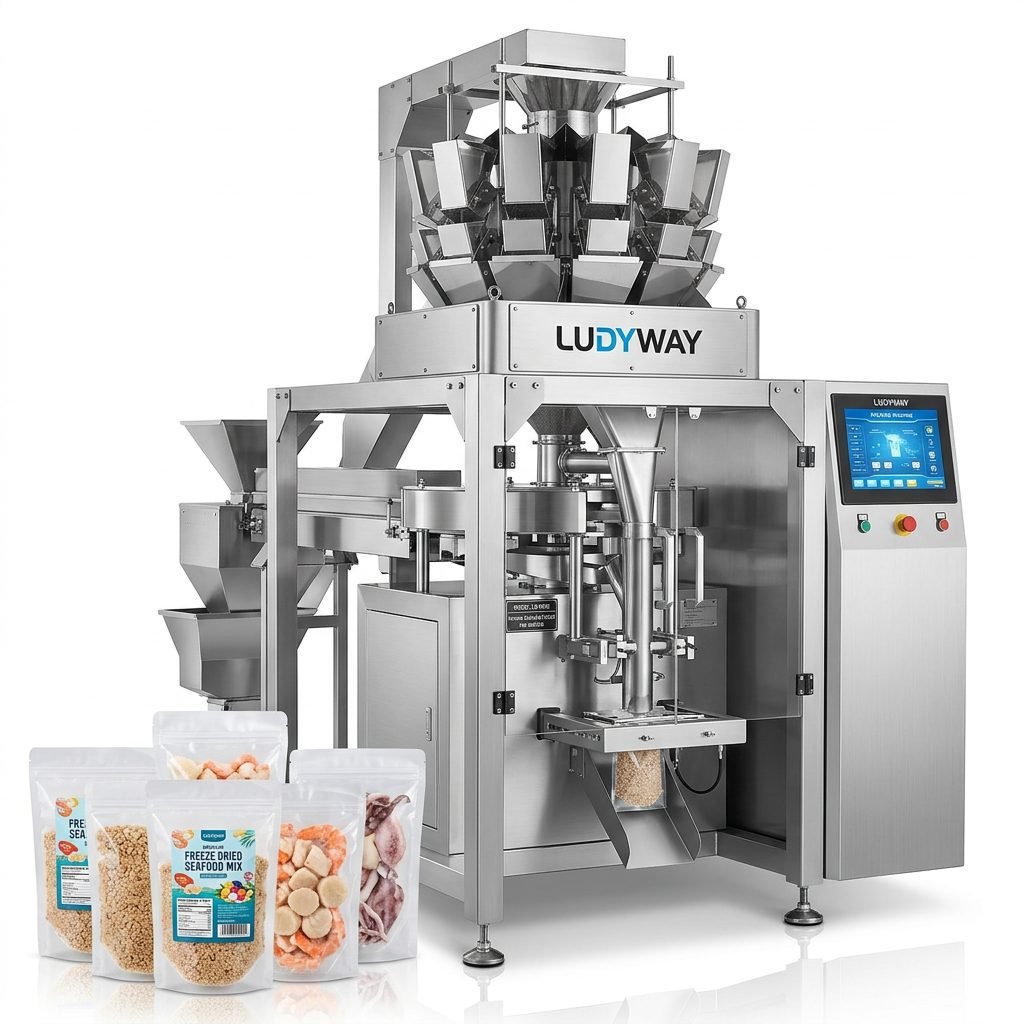
The American packaging machinery landscape includes premium domestic manufacturers, but an increasing number of buyers are evaluating international partners for their cost-effectiveness and engineering flexibility. One such notable manufacturer is Ludyway, which operates a massive 20,000㎡ production facility and specializes in turnkey packaging solutions for the food, pharmaceutical, and health industries. With over 30 years of experience and a catalog exceeding 50 intelligent models, firms like Ludyway offer customized chub and sachet lines that meet rigorous export standards. This global perspective often allows medium-sized U.S. processors to access advanced multi-lane technology that would otherwise be cost-prohibitive.
Steps to a Successful Purchase
- Define Specifications: Document your product viscosity, target CPM, and bag dimensions.
- Request Factory Acceptance Testing (FAT): Insist on a video call or an on-site visit to test the machine with your actual product and film.
- Confirm U.S. Electrical Standards: Ensure the machine is built for 480V/60Hz power supply and utilizes UL-certified electrical components to comply with U.S. insurance requirements.
- Review Installation Requirements: Compare the machine footprint with your facility layout. Ensure sufficient ceiling height for material feeding if required.
- Negotiate Service Level Agreements (SLAs): Secure a written agreement on response time for technical support across U.S. time zones.
Navigating Installation and Training
Poor installation can ruin a great machine. It is vital that the supplier provides either on-site or highly detailed remote installation supervision. Operator training should emphasize not just button-pressing, but also sanitation protocols and film splicing techniques. Proper training minimizes the common issue of seal contamination—a frequent cause of leakers in chub packages. Always request a detailed installation qualification (IQ) checklist before the machine arrives.
Purchasing a chub packaging machine in the United States is a strategic investment in efficiency and product quality. By meticulously vetting the machine’s speed, sanitary design, U.S. regulatory adherence, and after-sales support, you can ensure a profitable long-term solution for your packaging line. For more insights on global packaging machinery growth trends, explore industry resources or visit PMMI for standards and market statistics.