France is one of the largest fast-food markets in Europe, with the hamburger segment experiencing consistent growth year after year. Establishing a hamburger packaging machine production line in France requires careful planning, compliance with EU packaging regulations, and selecting the right equipment to handle high-volume production efficiently. This guide walks you through the essential steps to set up a successful packaging operation.
Understanding the French Hamburger Market
France consumes over 1.5 billion hamburgers annually, making it a critical market for food manufacturers and packaging operations. The demand spans across quick-service restaurants, retail frozen food chains, and institutional catering. A well-configured packaging line must accommodate various hamburger formats—from classic beef patties to plant-based alternatives—while maintaining product integrity and shelf-life requirements.
Key market drivers include the rise of automated food packaging systems, stricter hygiene standards, and the growing preference for portion-controlled, ready-to-cook products. Investing in a modern hamburger packaging production line positions your business to capture this expanding market opportunity.

Core Components of a Hamburger Packaging Production Line
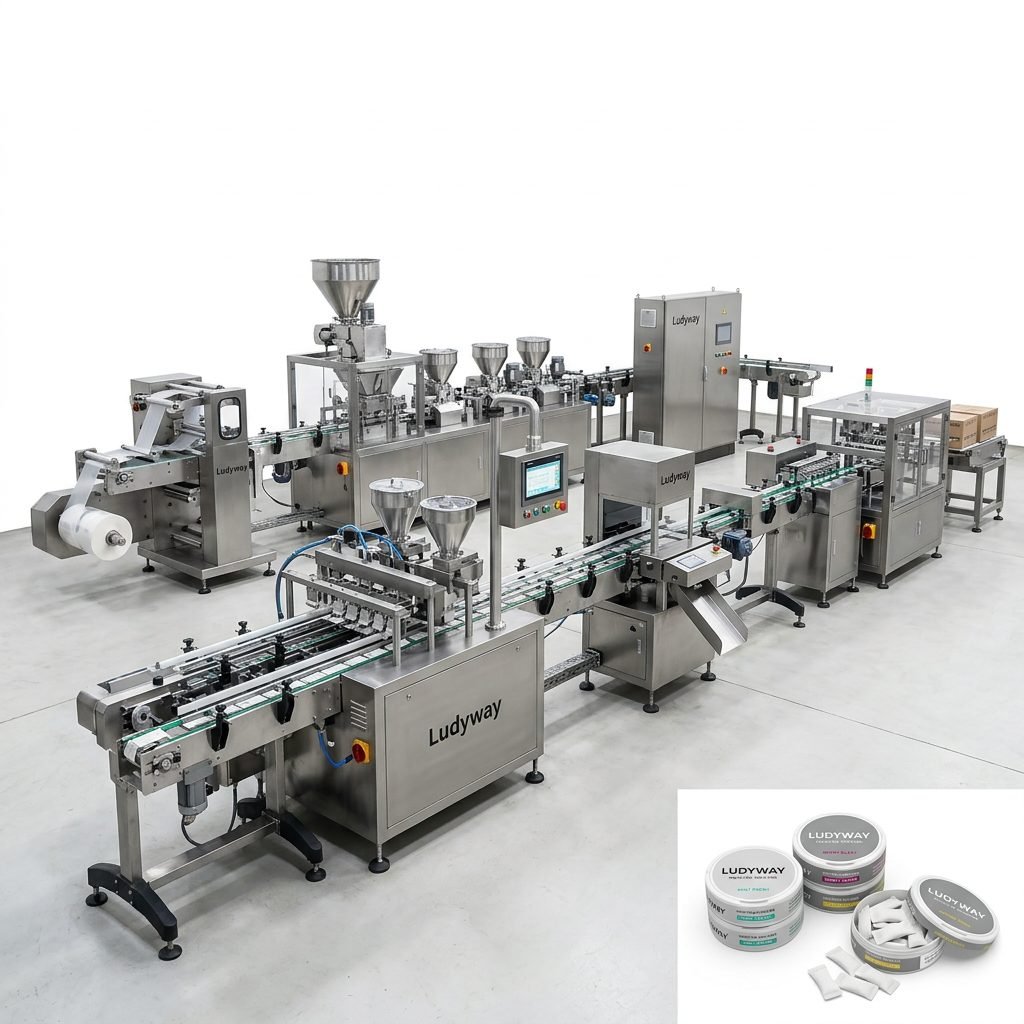
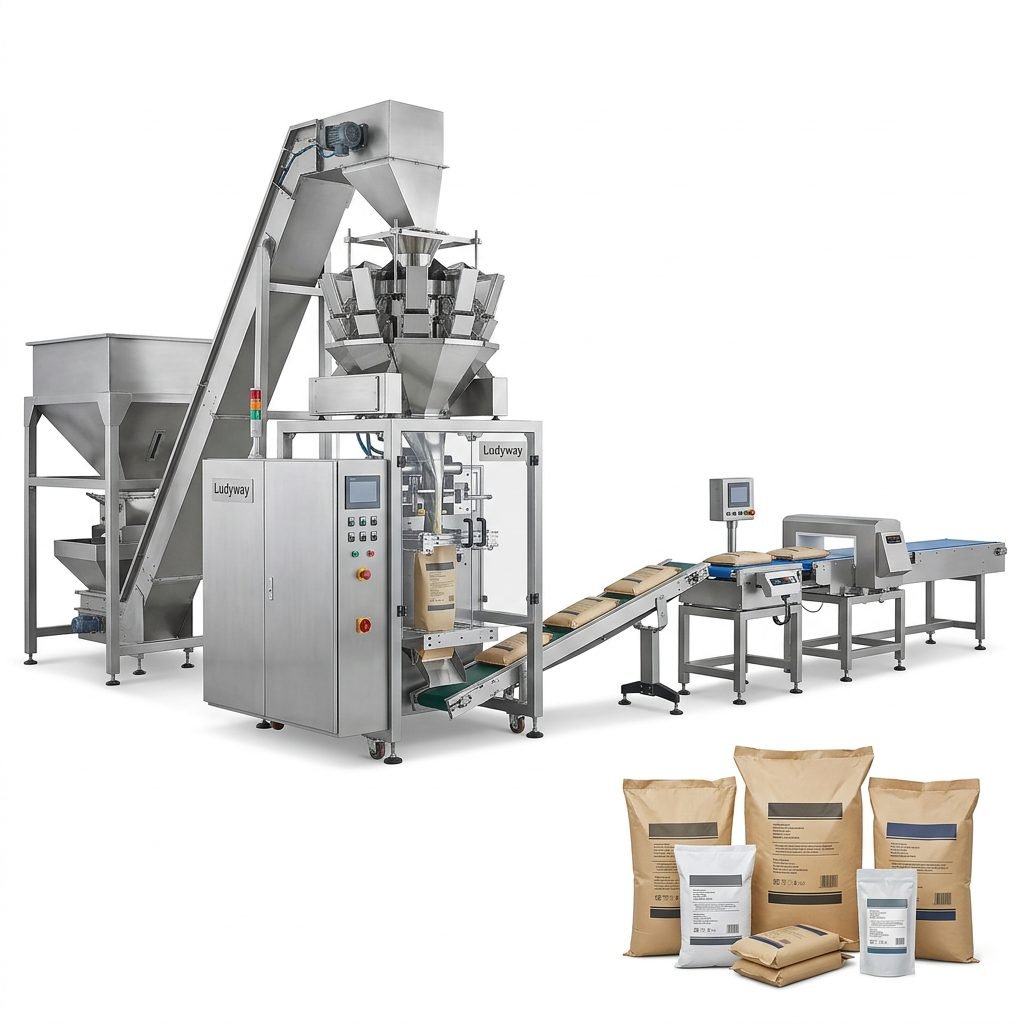
Setting up a complete hamburger packaging line involves integrating multiple subsystems that work seamlessly together. Below are the primary components you need to consider:
- Feeding and Portioning System – Automatically feeds hamburger patties or ingredients into the packaging flow with consistent portion control.
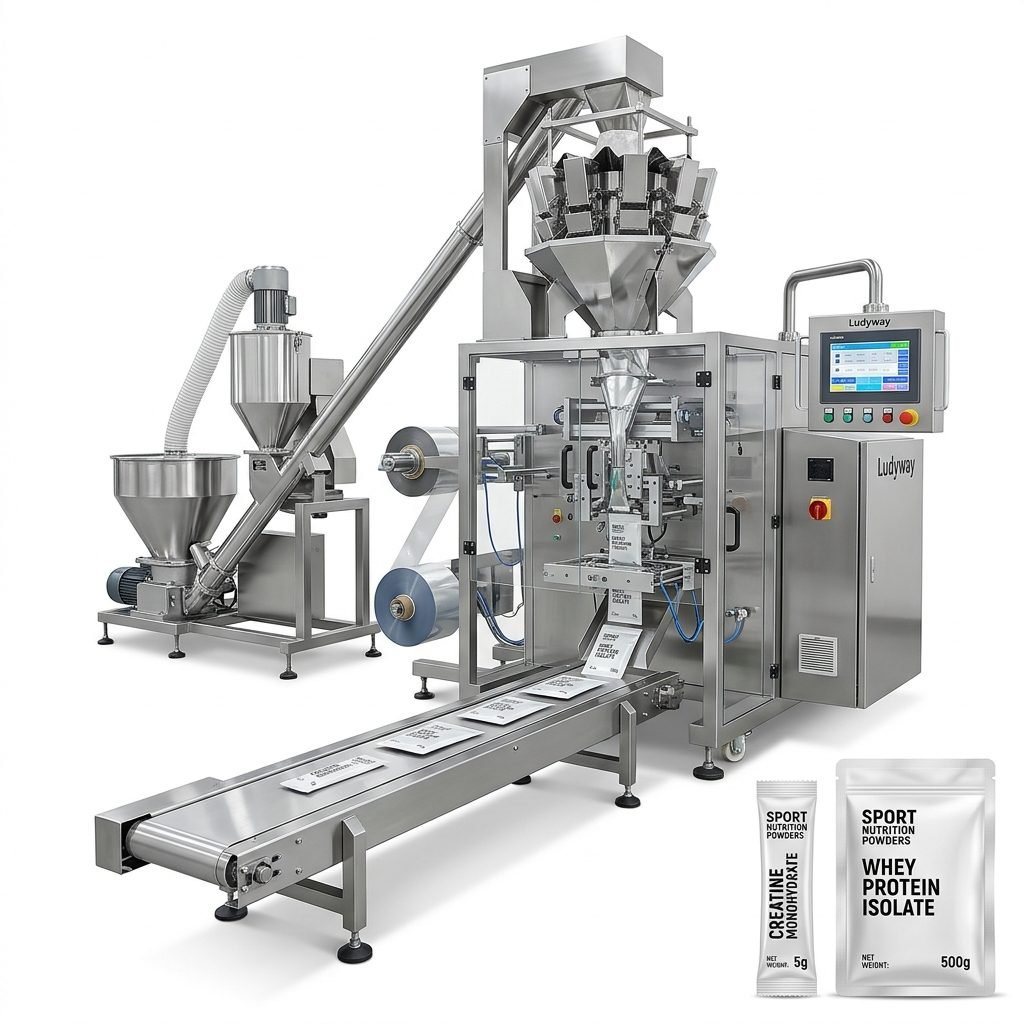
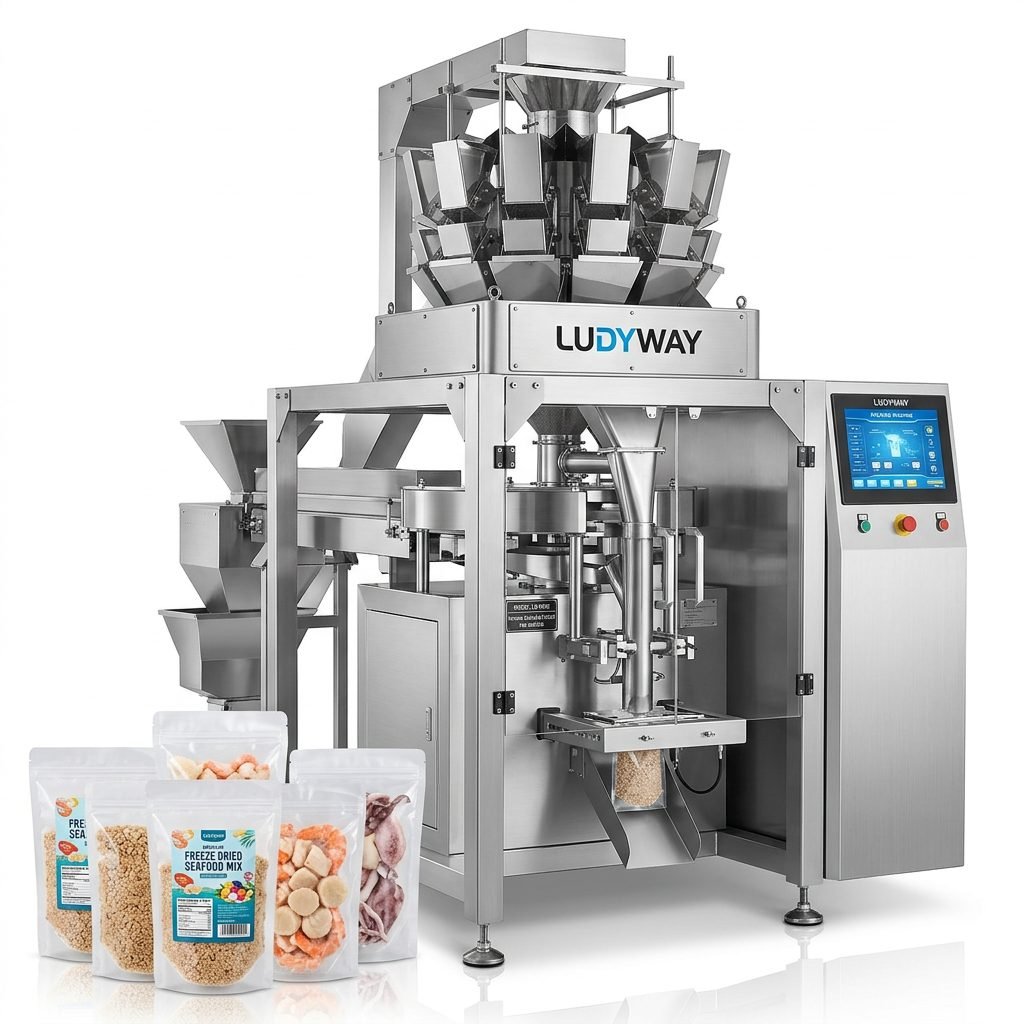
- Primary Packaging Machine – Wraps individual hamburgers using flow wrap, vacuum packaging, or modified atmosphere packaging (MAP) technology to extend shelf life.
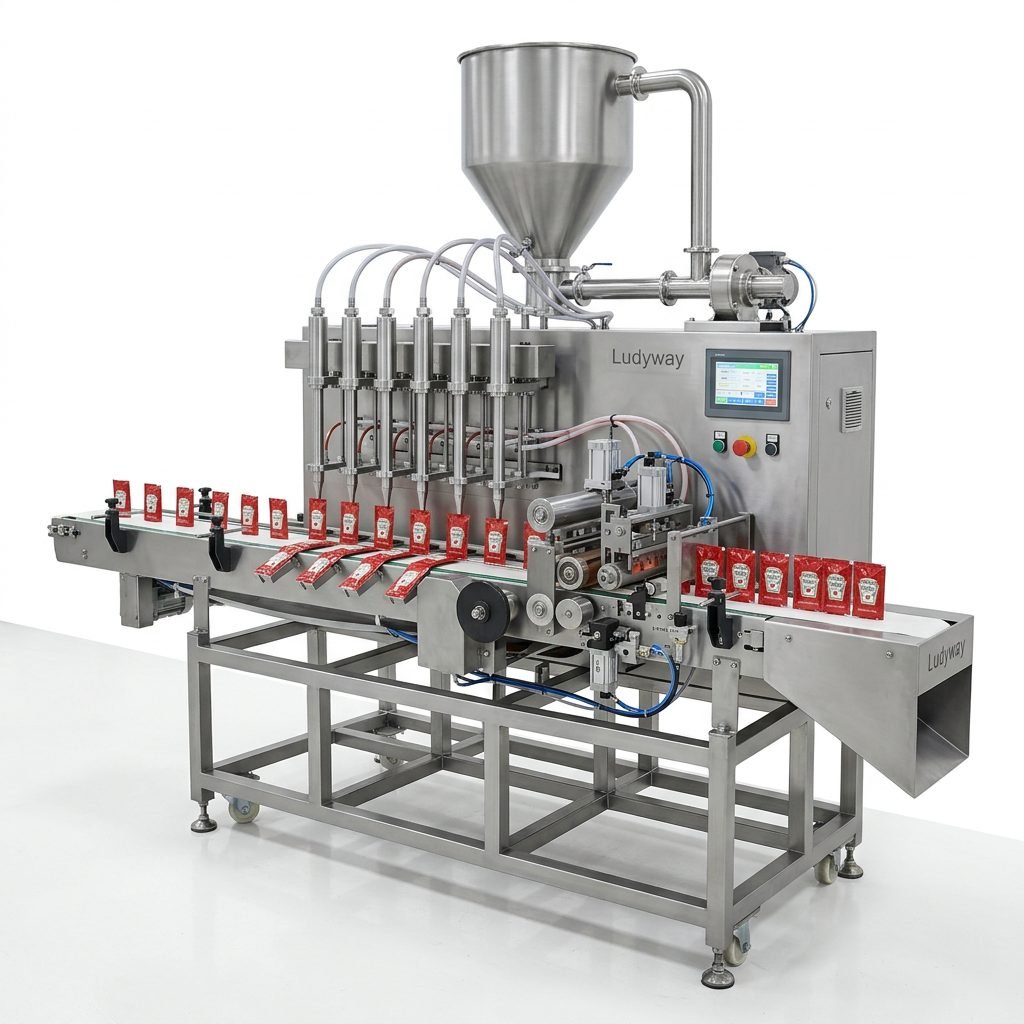
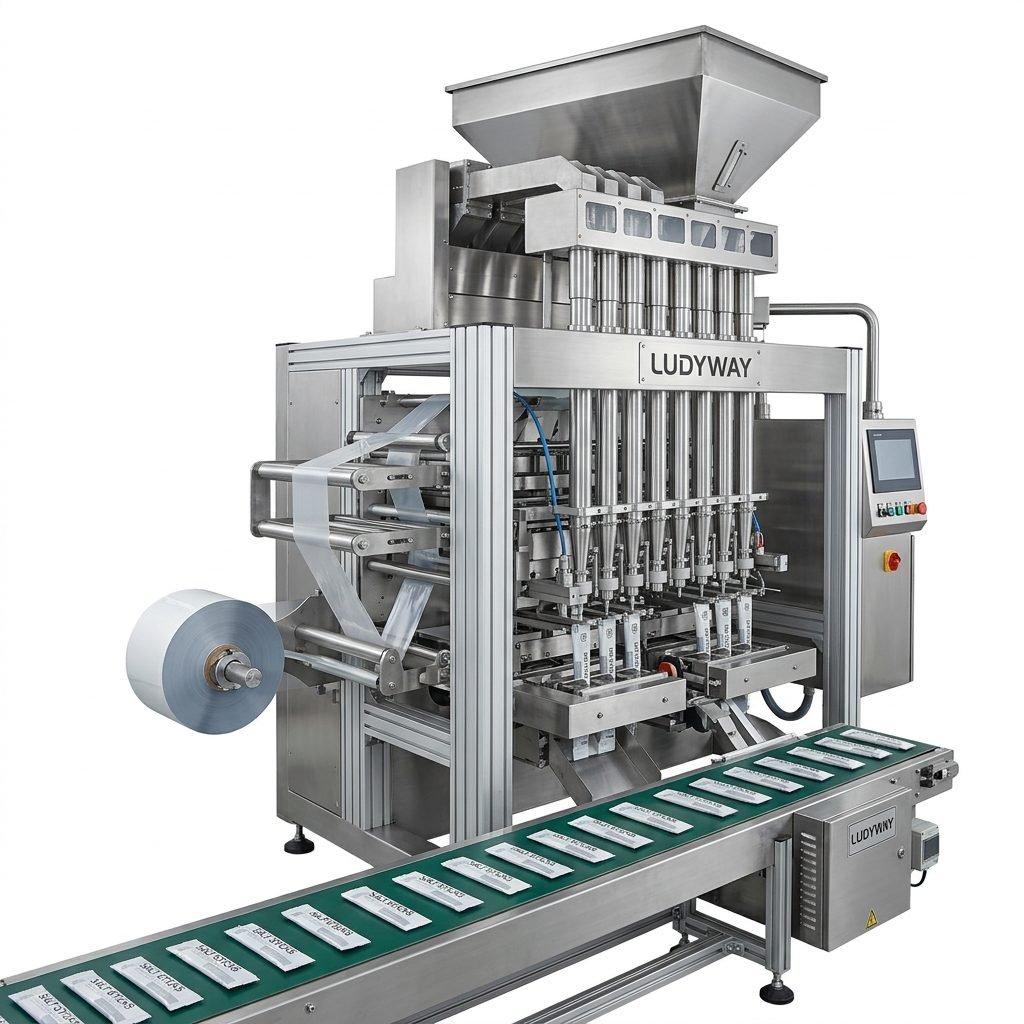
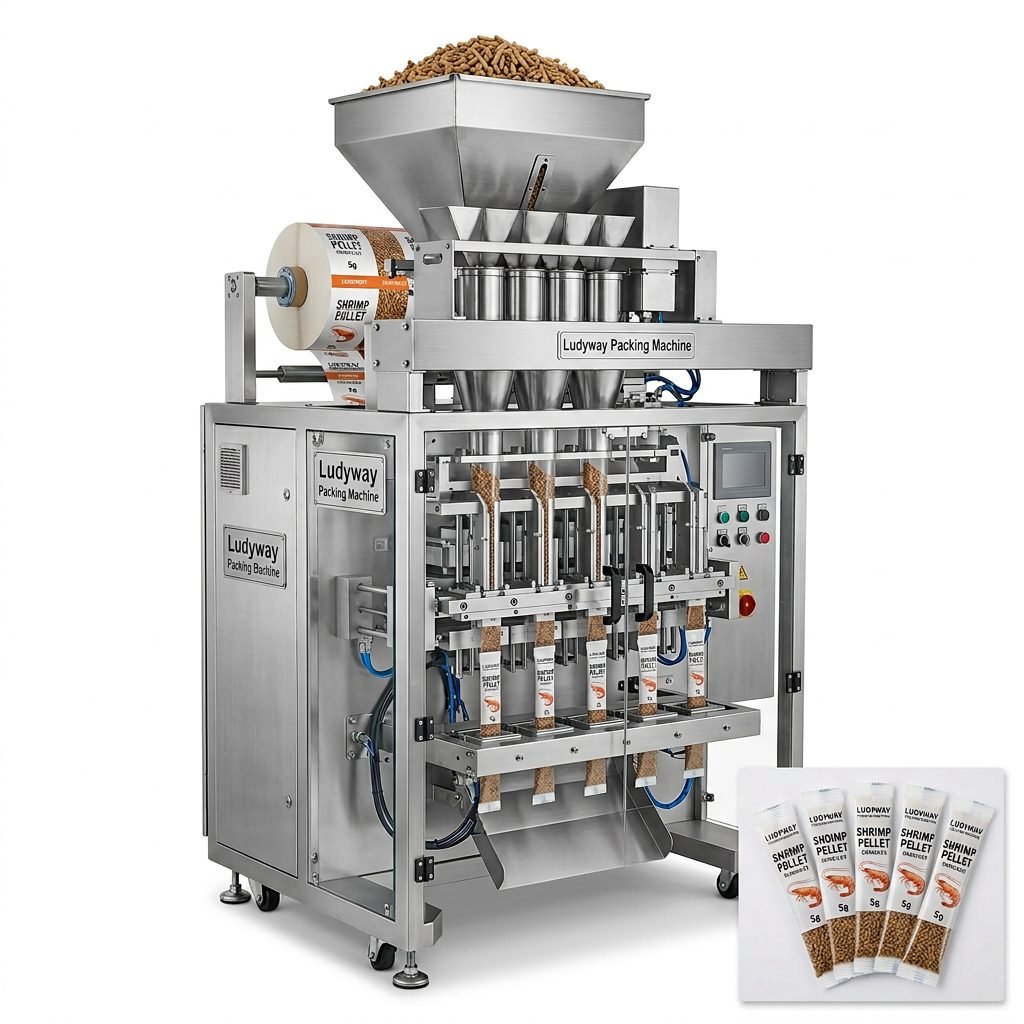
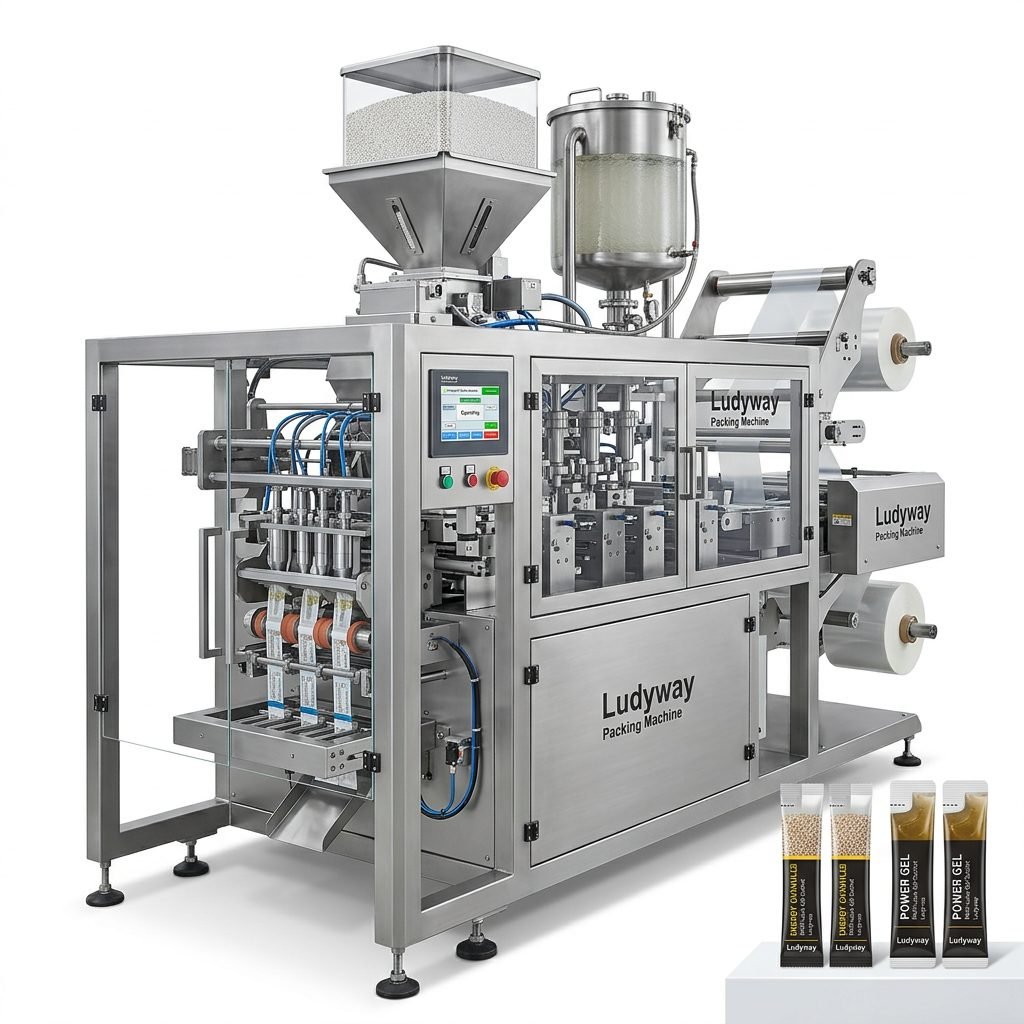
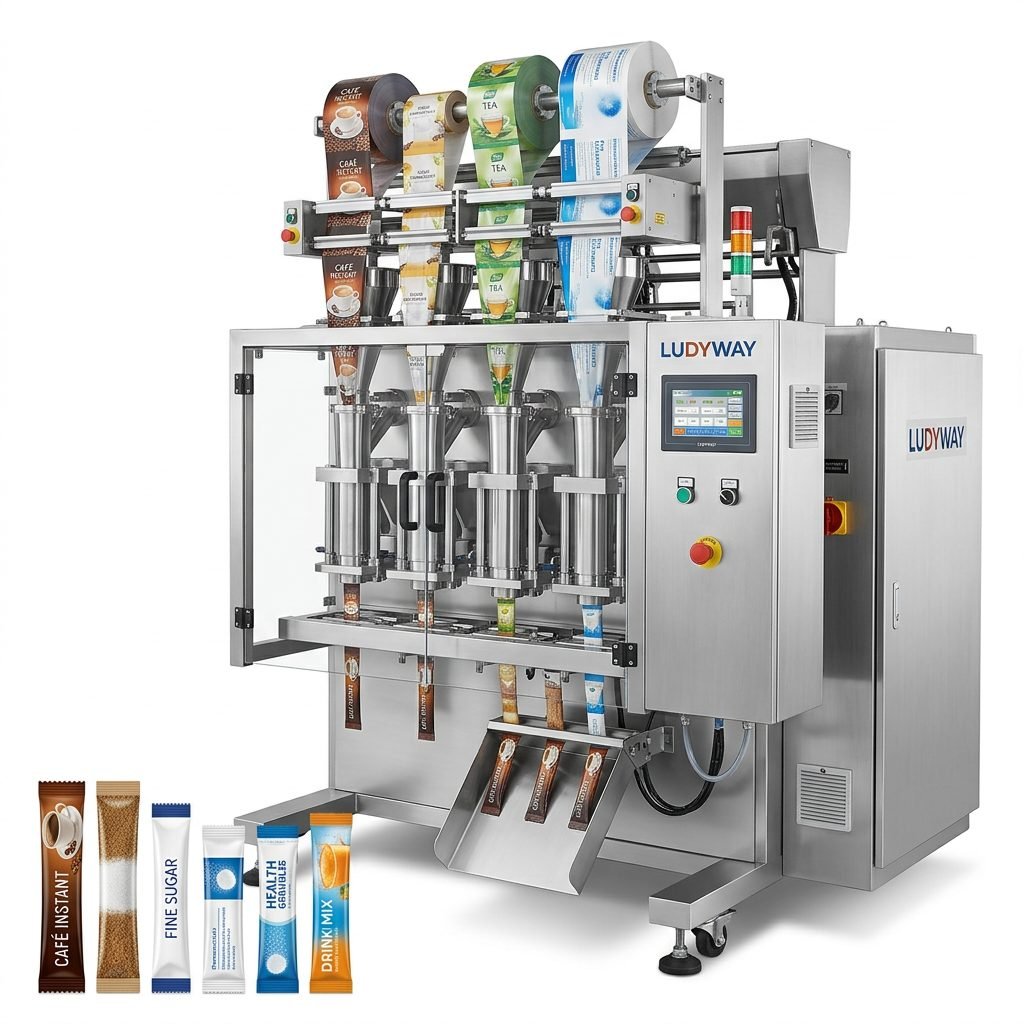
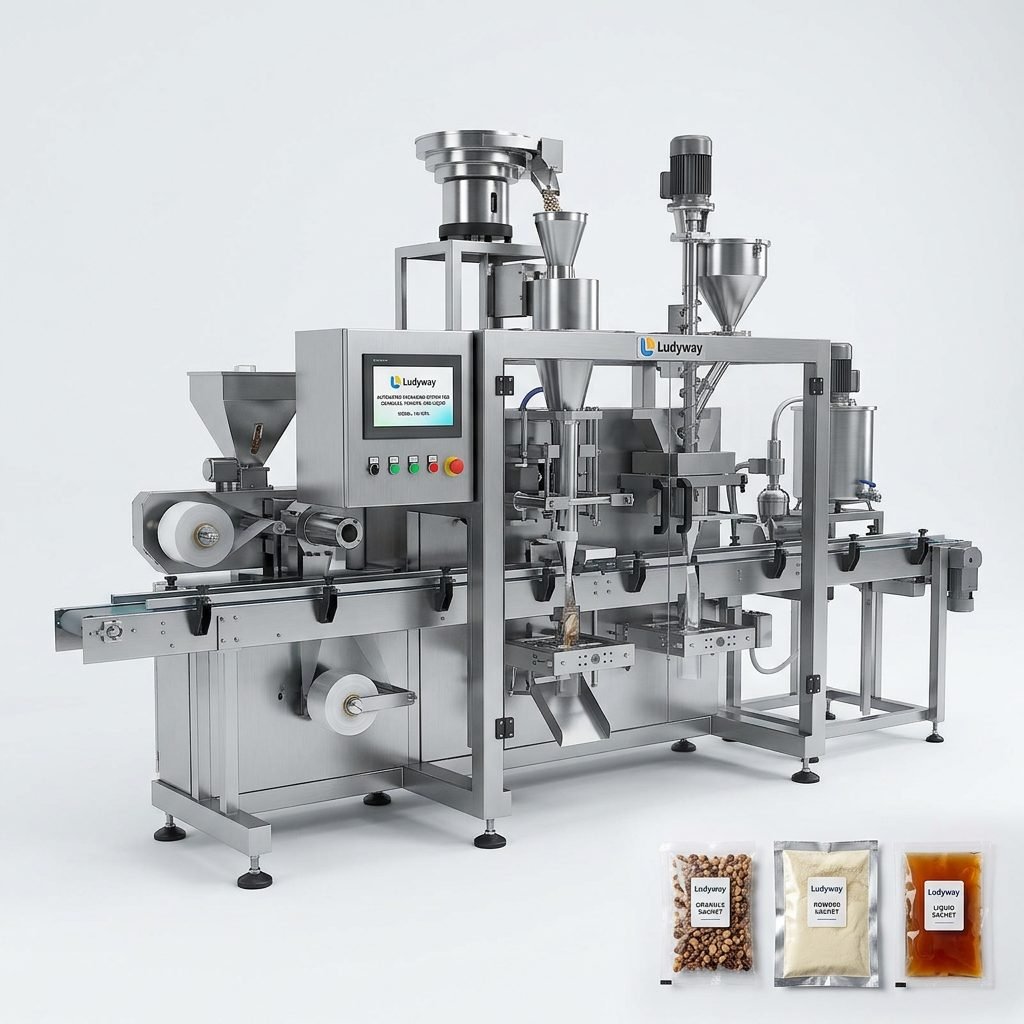
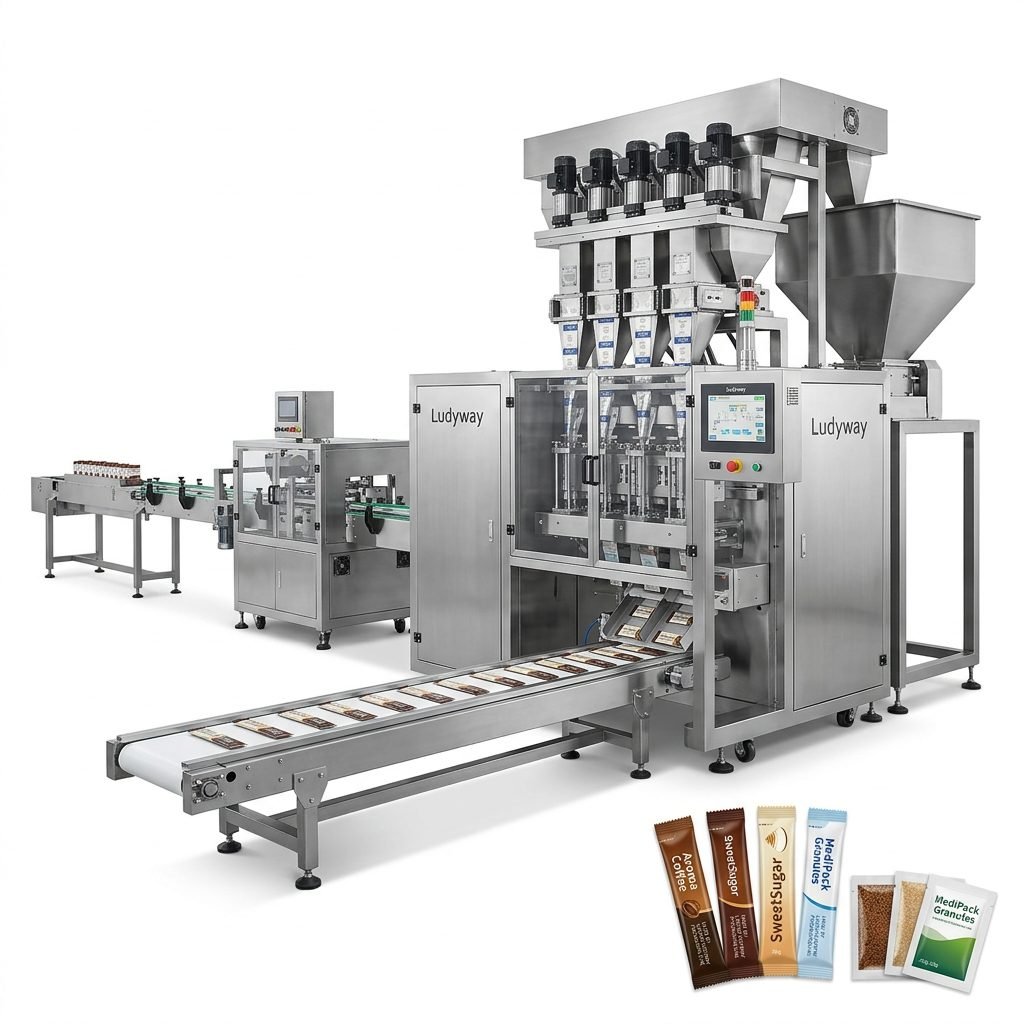
- Multi-Lane Sachet and Stick Pack Machines – Handles accompanying condiments, sauces, or seasoning packets that accompany hamburger meal kits.
- Checkweigher and Metal Detector – Ensures each package meets weight specifications and is free from contaminants, in compliance with FDA food packaging standards.
- Cartoning and Case Packing System – Groups individual packages into cartons or cases for distribution to retail and food service channels.
- Palletizing and Stretch Wrapping – Automates end-of-line stacking and wrapping for efficient warehouse handling and logistics.

Key Regulatory Requirements for Packaging in France
France enforces strict food packaging regulations aligned with European Union directives. Compliance is mandatory before commencing operations. Key regulatory areas include:
Food Contact Materials Compliance
All packaging materials that come into direct contact with hamburger products must comply with food contact substance regulations. This includes films, trays, and sealing materials. Ensure your suppliers provide EU Declaration of Compliance (DoC) documentation.
Hygiene and Sanitary Design
Packaging machinery must meet EHEDG guidelines for hygienic design, featuring easy-to-clean surfaces, minimal crevices, and food-grade stainless steel construction. French authorities conduct regular inspections to verify compliance with hygiene standards.
Waste and Sustainability Mandates
Under the EU Packaging and Packaging Waste Regulation, your packaging line should minimize material usage and support recyclability targets. France has additionally implemented the AGEC Law promoting circular economy principles in packaging design.
Step-by-Step Setup Process for Your Hamburger Packaging Line
Step 1: Facility Assessment and Layout Planning
Begin with a thorough assessment of your production facility. Consider floor space, ceiling height, utility connections (electricity, compressed air, water), and ventilation requirements. The layout should follow a logical material flow from raw material receiving to finished goods storage, minimizing cross-contamination risks.
Step 2: Equipment Selection and Specification
Choose equipment based on your target production capacity, hamburger product specifications, and packaging format requirements. Critical specifications to evaluate include:
| Equipment Type | Key Specification | Recommended Range |
|---|---|---|
| Flow Wrapper | Packaging Speed | 80–150 packs/min |
| MAP Sealing Machine | Gas Flushing Accuracy | Residual O₂ < 1% |
| Checkweigher | Weighing Precision | ±0.5 g or better |
| Metal Detector | Sensitivity (Fe/Non-Fe/SS) | 0.8/1.2/1.5 mm |
| Cartoning Machine | Carton Size Range | Customizable per SKU |
Step 3: Installation and Commissioning
Professional installation is critical for optimal performance. Work with experienced technicians who understand packaging line integration. The commissioning phase should include dry runs, performance qualification (PQ), and operator training. Plan for at least 2–4 weeks for full commissioning depending on line complexity.
Step 4: Validation and Quality Assurance
Validate every aspect of the packaging process, including seal integrity testing, gas composition analysis for MAP products, and shelf-life studies. Implement a Hazard Analysis and Critical Control Points (HACCP) plan specifically for your packaging operations. Routine quality checks should cover seal strength, print quality, and package dimensions.
Choosing the Right Packaging Equipment Supplier
Selecting a reliable equipment manufacturer is one of the most important decisions in your project. Evaluate suppliers based on their experience with food packaging applications, technical support capabilities in France, and availability of spare parts. Look for manufacturers that offer turnkey packaging solutions and can provide references from similar hamburger or food production operations.
Leading packaging machine manufacturers like Ludyway specialize in advanced packaging equipment and offer comprehensive support for international projects, including installation, training, and after-sales service. When evaluating suppliers, request detailed proposals that include equipment specifications, lead times, warranty terms, and service level agreements.
Optimizing Packaging Line Efficiency
Once your hamburger packaging line is operational, continuous improvement becomes essential. Monitor Overall Equipment Effectiveness (OEE) to identify bottlenecks and downtime patterns. Key strategies for optimization include:
- Preventive Maintenance Scheduling – Regular maintenance reduces unplanned downtime and extends equipment lifespan. Schedule monthly, quarterly, and annual service intervals for all major components.
- Operator Training Programs – Well-trained operators can identify issues early and perform minor adjustments, keeping the line running smoothly.
- Automation and Data Integration – Modern packaging lines benefit from Industry 4.0 capabilities including real-time monitoring, predictive maintenance alerts, and integration with enterprise resource planning (ERP) systems.
- Material Waste Reduction – Fine-tune film tension, sealing temperatures, and cutting parameters to minimize packaging material waste while maintaining seal quality.
Common Challenges and Solutions in Hamburger Packaging
Hamburger packaging presents unique challenges due to product shape variability, moisture content, and sensitivity to oxidation. Understanding these challenges helps you prepare effective solutions:
| Challenge | Impact | Recommended Solution |
|---|---|---|
| Product Shape Variability | Misalignment in packaging film, inconsistent sealing | Use servo-driven feeding with automatic positioning correction |
| Moisture and Grease | Seal contamination, reduced shelf life | Implement grease-resistant films and ultrasonic sealing technology |
| Oxidation Risk | Product discoloration, off-flavors | Deploy MAP with nitrogen/CO₂ gas flushing systems |
| High Production Volumes | Frequent changeovers, downtime | Select modular equipment with quick-change tooling and recipe management |
Maintenance and Long-Term Support
A comprehensive maintenance strategy ensures your hamburger packaging line delivers consistent performance over its operational life. Preventive maintenance contracts with equipment suppliers can provide scheduled inspections, genuine spare parts, and priority technical support. Additionally, maintain an inventory of critical spare parts including sealing jaws, cutting blades, belts, sensors, and pneumatic components to minimize downtime during unexpected breakdowns.
For operations in France, consider partnering with suppliers who have local service representatives or authorized distributors who can respond quickly to service requests. Reference resources from PMMI packaging industry and ISO packaging standards provide valuable frameworks for establishing maintenance protocols and operational benchmarks.
Cost Considerations and ROI Analysis
Investing in a hamburger packaging machine production line in France involves several cost categories. Understanding these helps you build an accurate budget and calculate return on investment:
- Equipment Capital Cost – Primary packaging machines, conveyors, inspection systems, and end-of-line equipment typically represent the largest upfront investment.
- Installation and Commissioning – Budget for professional installation, operator training, and initial calibration services.
- Facility Modifications – Utility upgrades, cleanroom modifications, and structural changes to accommodate the new line.
- Ongoing Operational Costs – Packaging materials, energy consumption, maintenance labor, and spare parts inventory.
- Regulatory Compliance – Testing, certification, and documentation to meet French and EU food packaging requirements.
A well-planned hamburger packaging line typically achieves ROI within 18–36 months through increased throughput, reduced labor costs, and minimized product waste. The exact timeline depends on production volume, product complexity, and market pricing conditions in France.
Future-Proofing Your Packaging Operations
As the French hamburger market continues to evolve, your packaging line should be adaptable to changing consumer preferences and regulatory requirements. Consider these forward-looking strategies:
- Flexible Packaging Formats – Invest in equipment that can handle multiple package sizes and styles to accommodate product line extensions and seasonal promotions.
- Sustainable Materials Compatibility – Ensure your machinery can process recyclable and bio-based packaging films as the industry transitions toward more sustainable solutions in line with flexible packaging industry trends.
- Digital Connectivity – Implement smart factory capabilities that enable remote monitoring, predictive maintenance, and data-driven decision-making for continuous operational improvement.
- Scalable Capacity – Design your line layout with expansion space to add modules or increase speeds as demand grows.
By following this comprehensive guide and partnering with experienced equipment suppliers, your hamburger packaging machine production line in France will be positioned for long-term success in one of Europe’s most dynamic food markets. For additional technical guidance, refer to resources from the PMMI business intelligence library and stay updated with evolving international packaging standards.