The Indian edible oil industry is undergoing a massive transformation. With rising health consciousness and increasing demand for smaller, hygienic packaging formats, businesses are actively seeking oil packaging machines that offer precision, speed, and flexibility. Whether you are a small-scale producer looking to enter the fortune oil pouch packing machine segment or a large manufacturer planning a fully automated line, understanding the machine types, price brackets, and selection criteria is critical to making a smart investment.
Understanding the Indian Edible Oil Packaging Landscape
India is one of the world’s largest consumers of edible oils. The market has shifted dramatically from loose oil sales to branded packaged products. This change is driven by food safety regulations enforced by the Food Safety and Standards Authority of India (FSSAI) and consumer preference for tamper-proof packaging. Key packaging formats include:
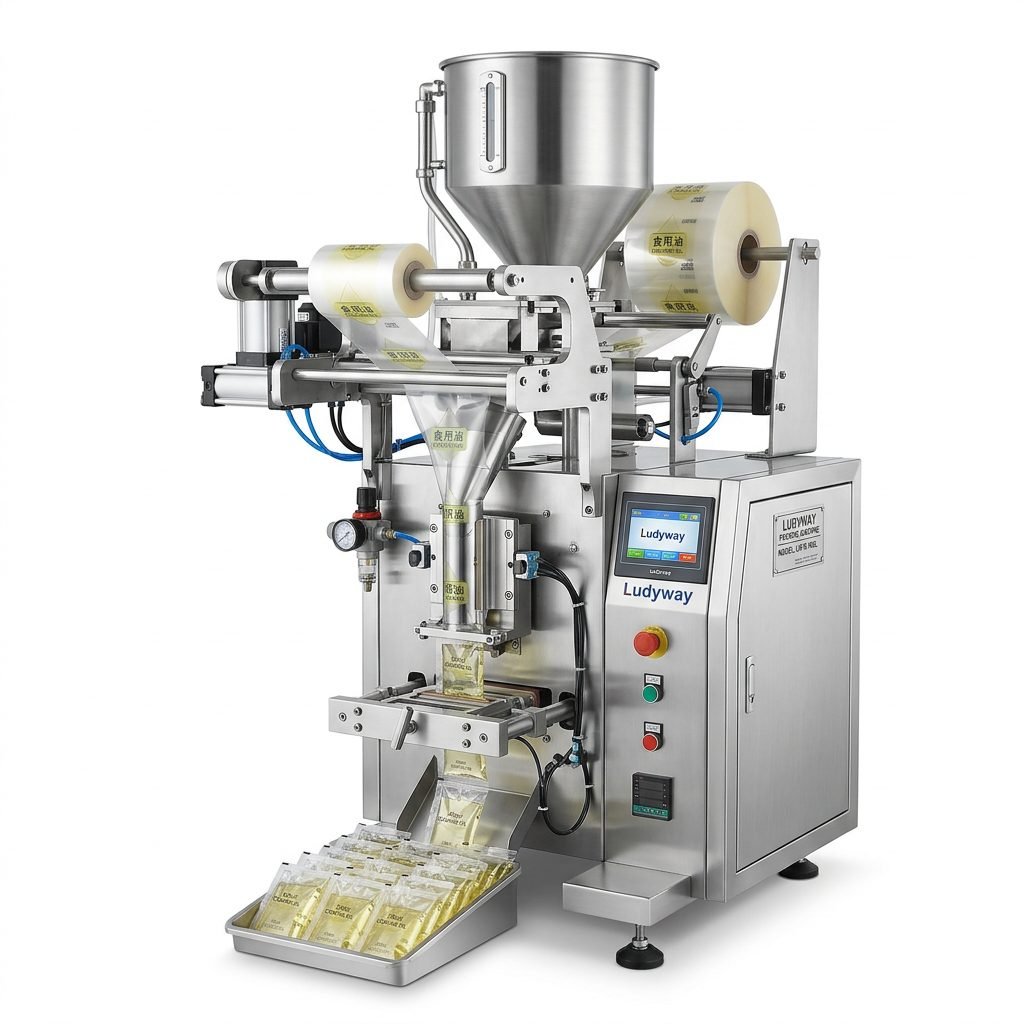
- Pillow pouches (most common for 1-litre and 5-litre packs)
- Sachets (affordable single-use portions, popular in rural markets)
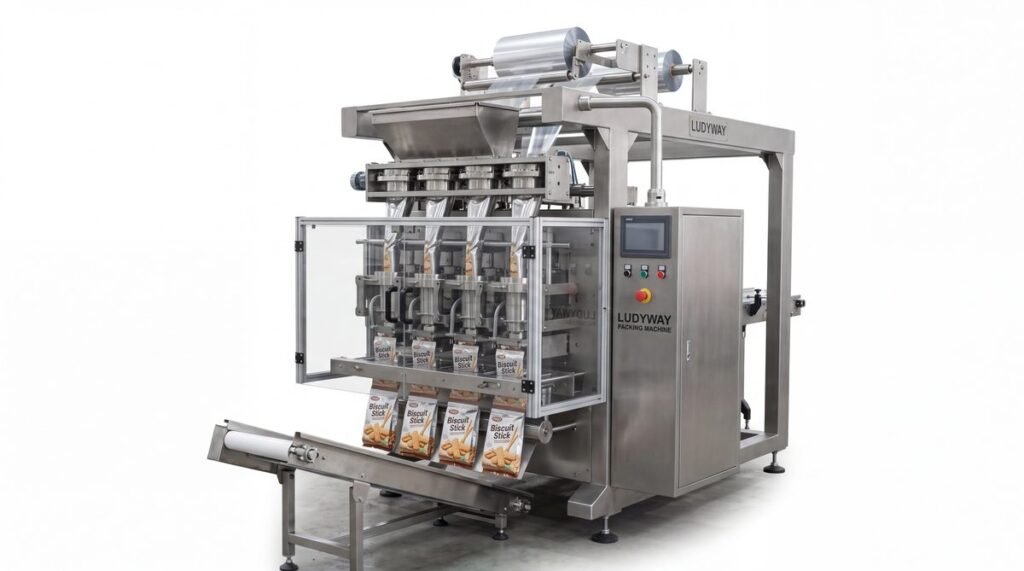
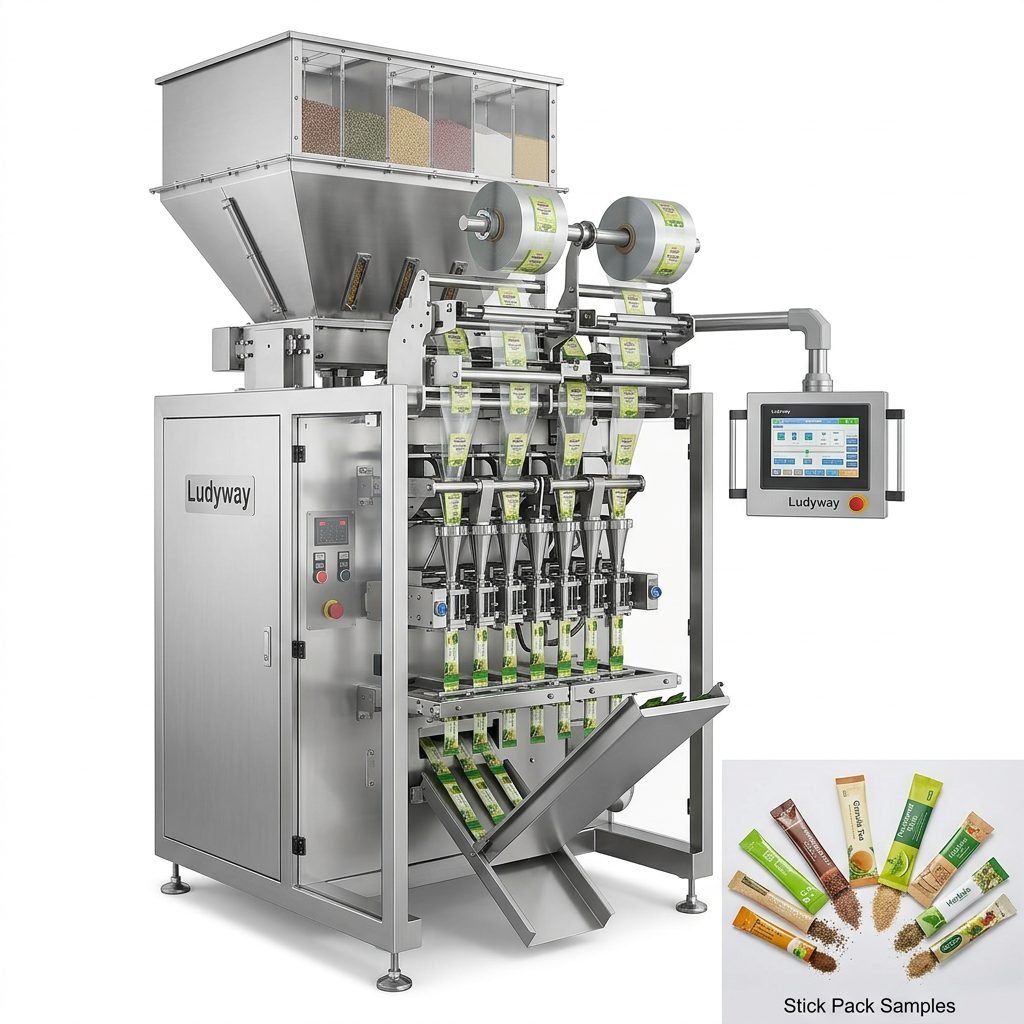
- Stick packs (emerging format for premium oils and functional blends)
- Bottles and jerry cans (used for premium and high-volume categories)
Each format requires specific machinery, and choosing the right oil pouch packing machine depends heavily on your target market segment and production capacity goals.
Types of Oil Packaging Machines Available in India
When researching packaging machinery for edible oil, it is essential to match the machine type to your product viscosity, desired output, and packaging material. Below are the primary categories commonly imported or manufactured locally.
1. Automatic Pouch Packaging Machines
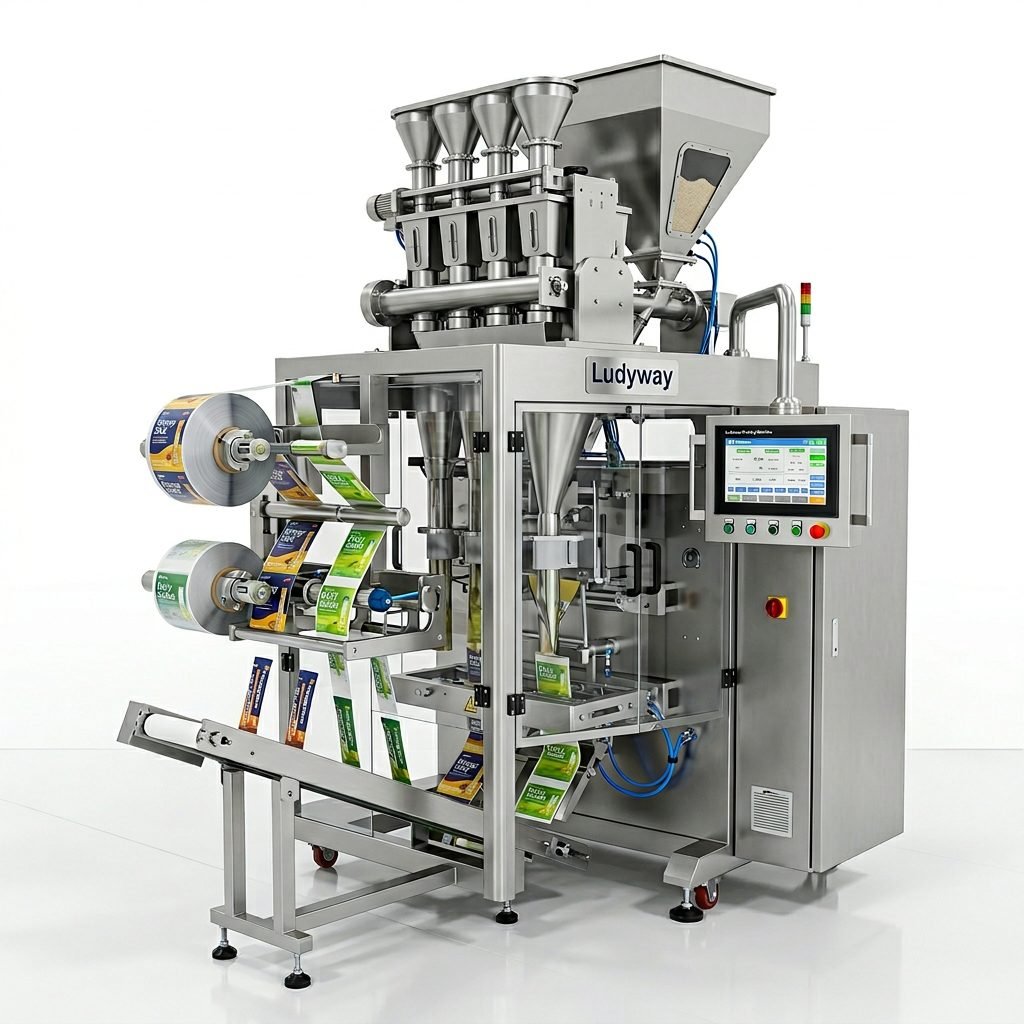
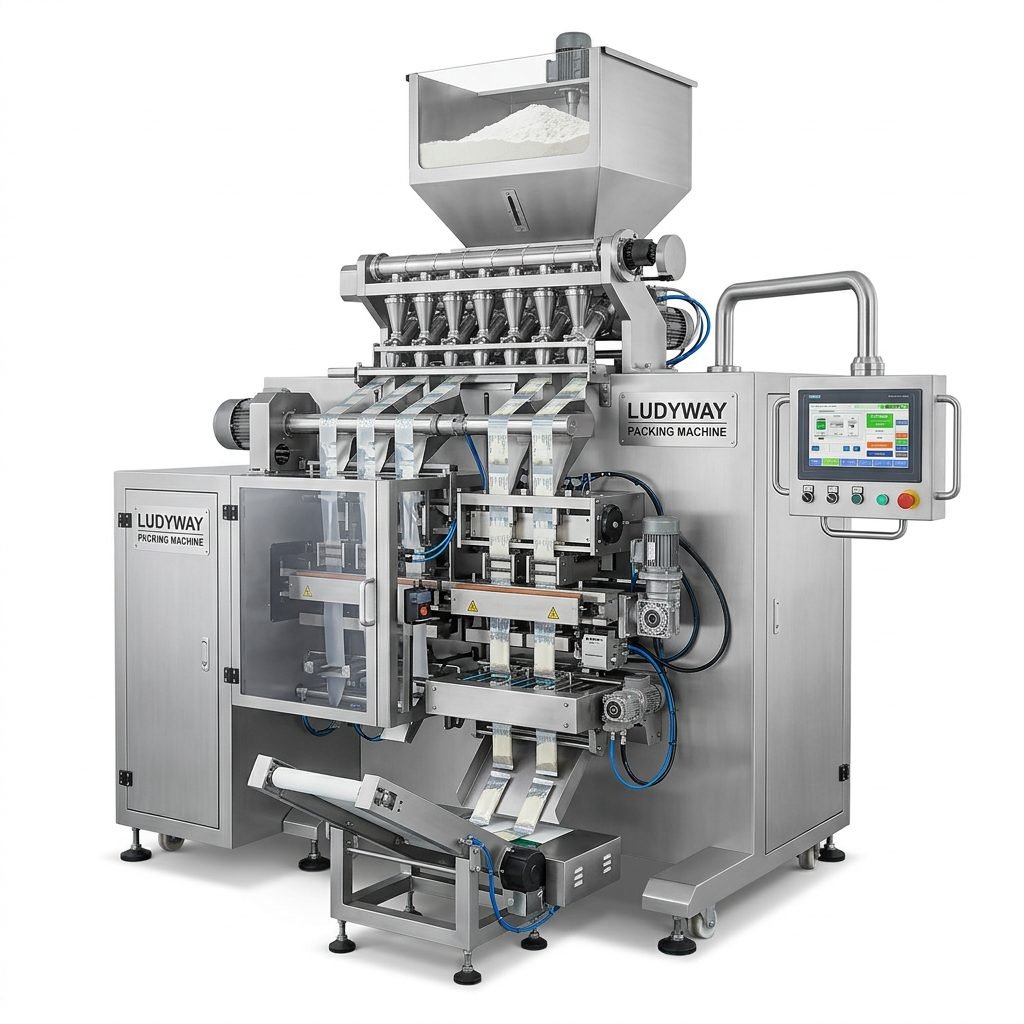
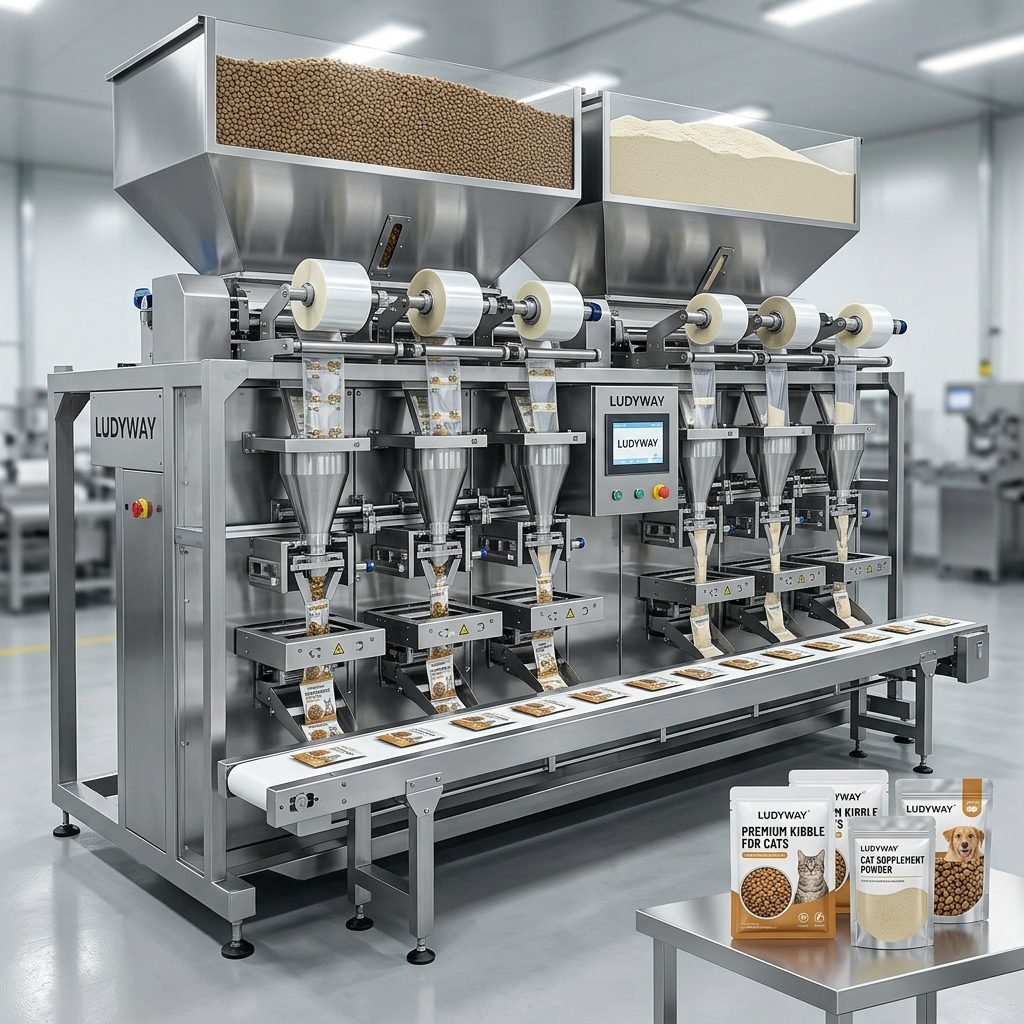
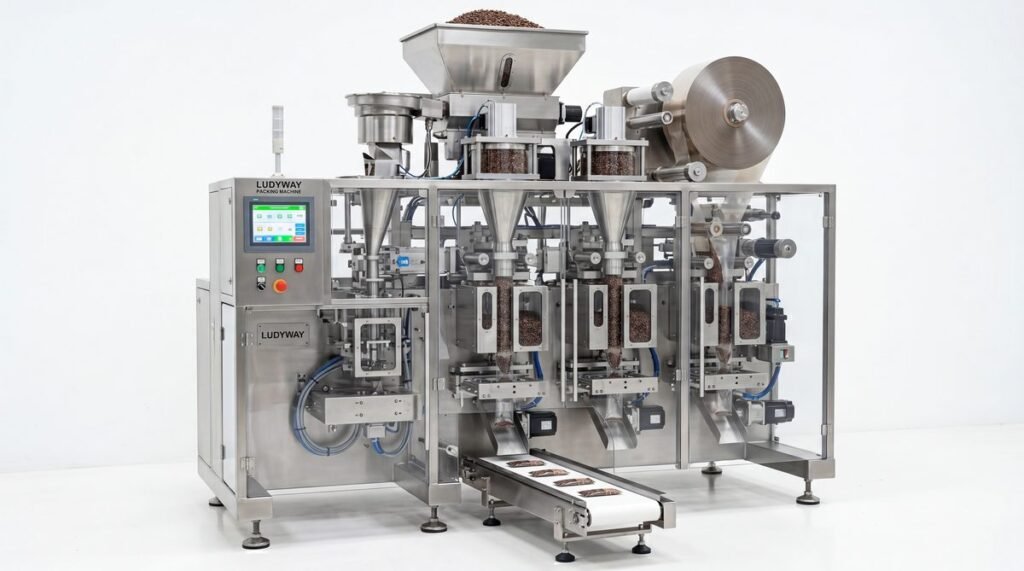
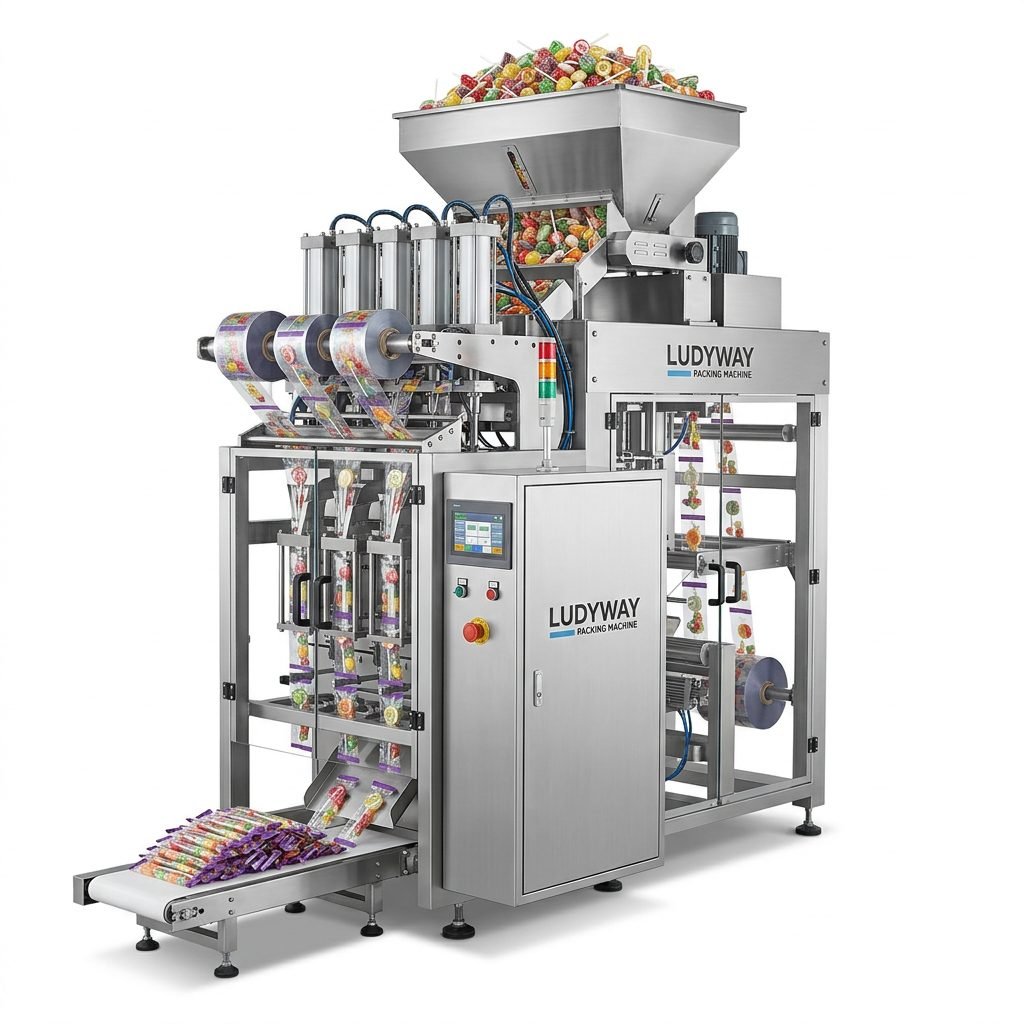
These are the workhorses of the Indian oil packaging industry. Form-fill-seal (FFS) machines create pouches from roll stock film, fill them with precise quantities of oil, and seal them. Multi-lane vertical pouch machines are popular because they can simultaneously run several lanes, dramatically increasing throughput. Key features to evaluate include:
- Servo-driven filling systems for ±0.5% accuracy
- Compatibility with food-grade laminate films
- Nitrogen flushing capability to extend shelf life
- Touchscreen PLC controls with recipe memory
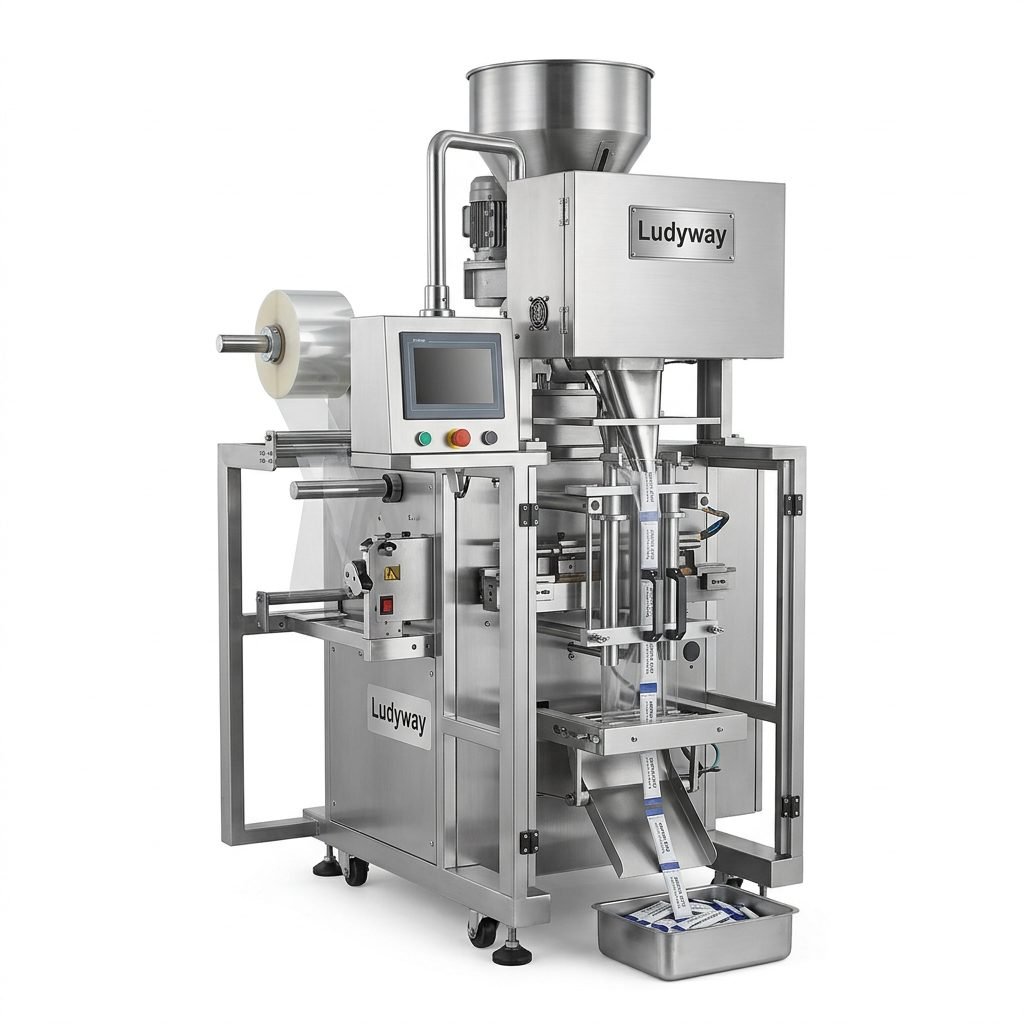
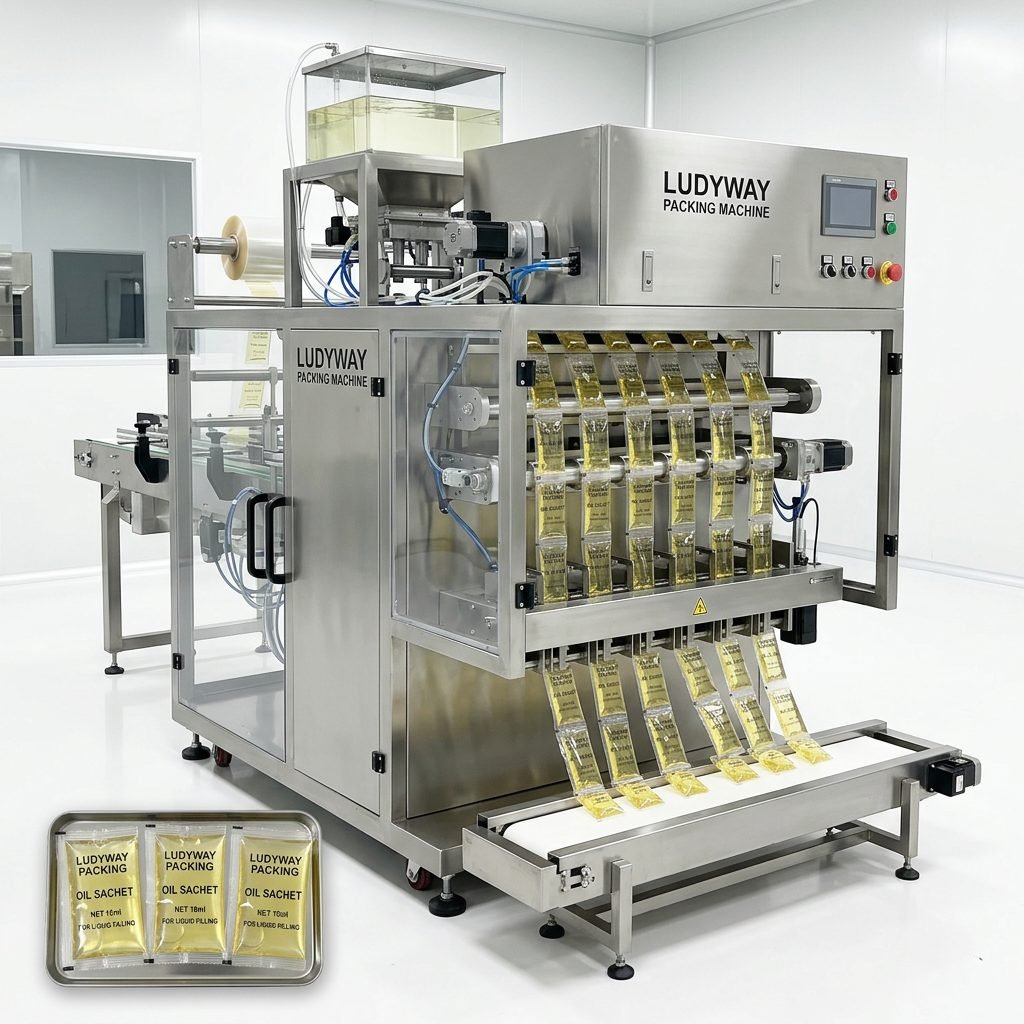
2. Oil Sachet Packaging Machines
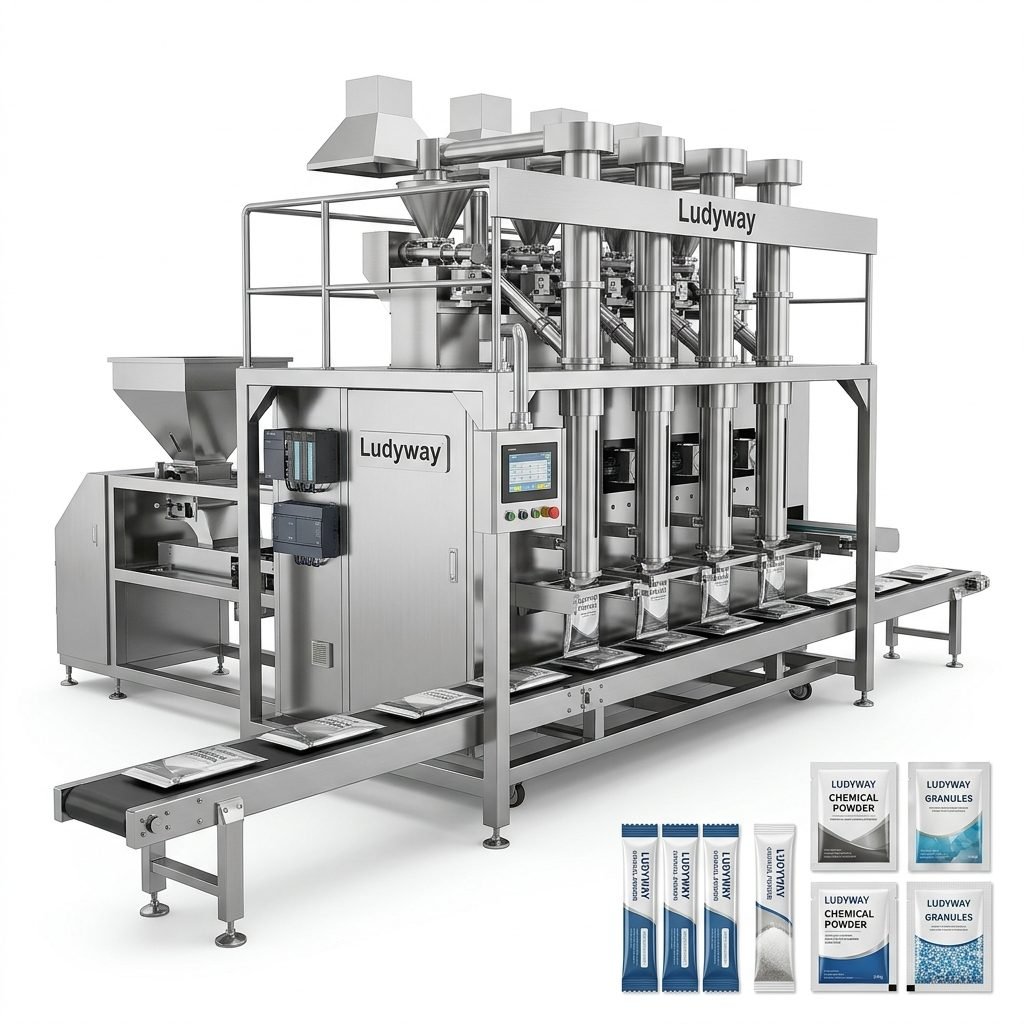
For the rapidly growing single-serve market, specialized oil sachet packing machines offer compact designs with high-speed output. These are particularly relevant for the HoReCa (Hotel, Restaurant, Catering) sector and economy-tier retail formats.
3. Bottle Filling and Capping Lines
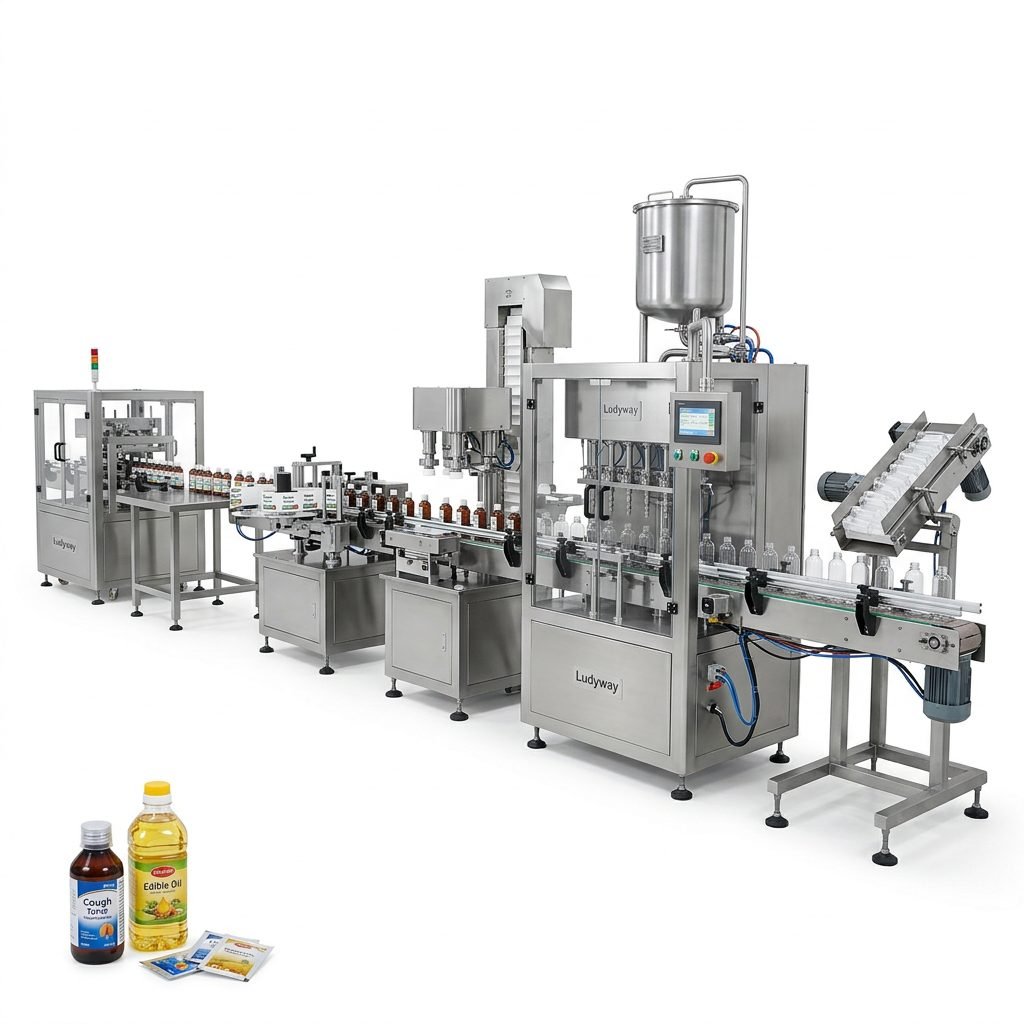
For producers packaging oil in PET or glass bottles, integrated filling-capping lines handle the entire process from bottle feeding to labeling. These lines often include:
- Piston or gravity filling systems designed for viscous liquids
- Rotary capping heads for consistent torque application
- Induction sealing stations for tamper-evident packaging
- Inline labeling and inkjet coding integration
4. Turnkey Packaging Solutions
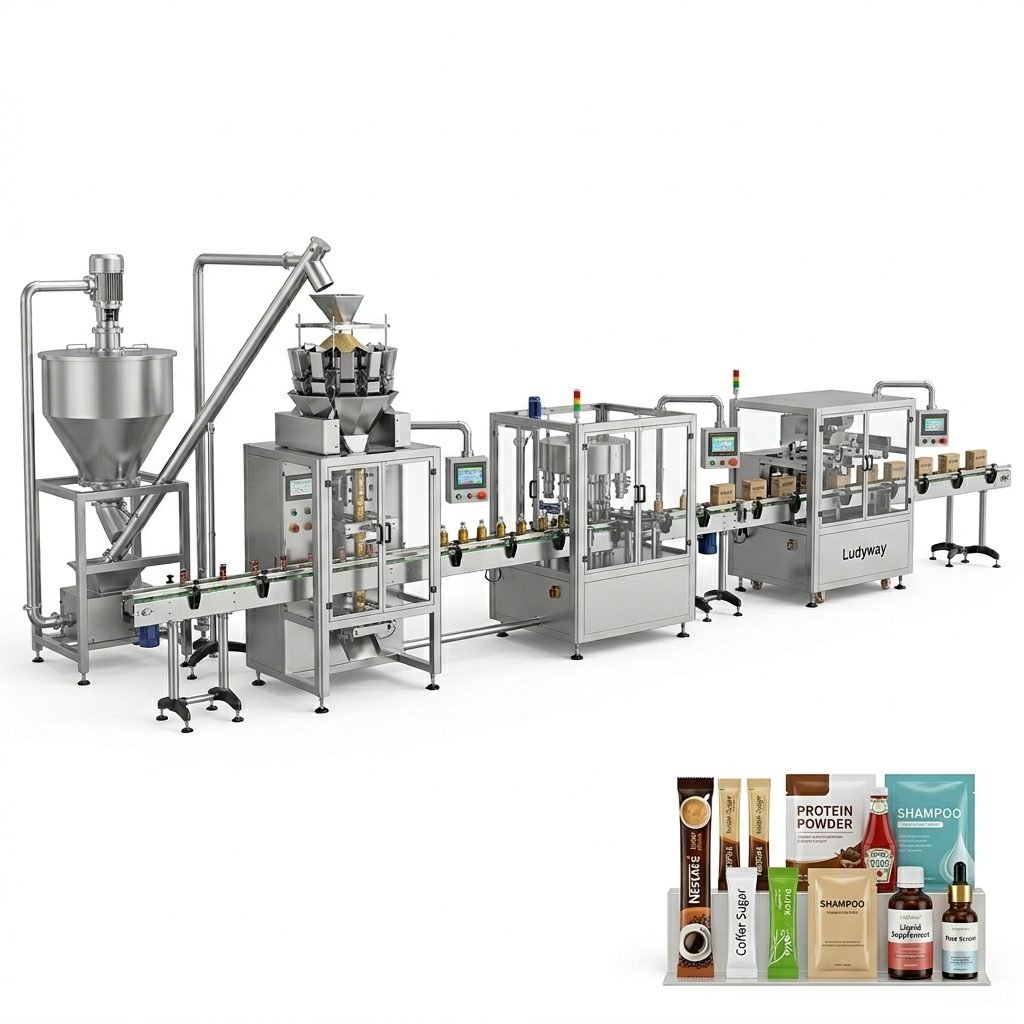
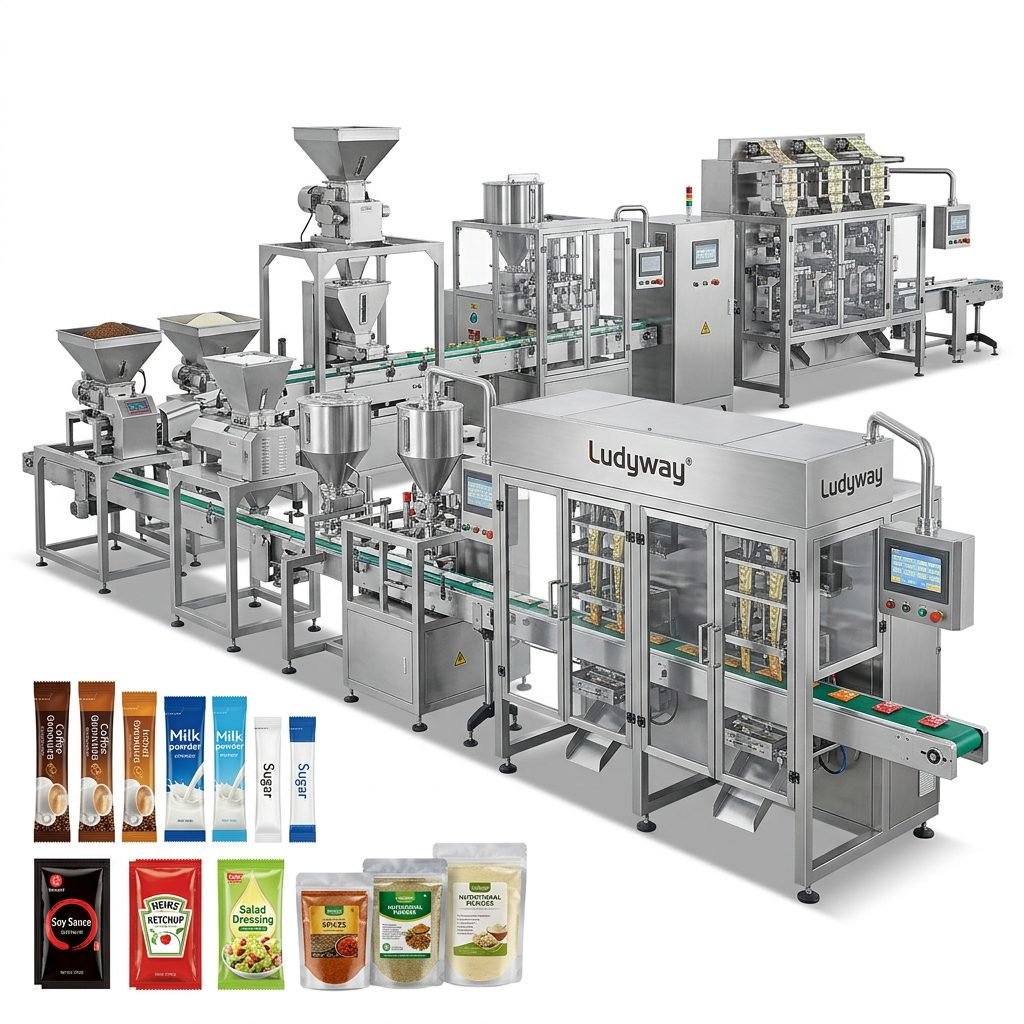
Large-scale producers often opt for complete turnkey packaging lines that integrate oil filtration, filling, sealing, labeling, cartoning, and palletizing. These systems are customized to specific production requirements and can handle multiple packaging formats from a single facility.
Price Guide: What to Budget for Your Oil Packaging Machine
Pricing for oil packaging equipment varies significantly based on automation level, speed, origin, and configuration. The table below provides indicative price ranges for different machine types available in the Indian market, factoring in both domestic manufacturers and imported options. Note: Prices are subject to change based on specifications and currency fluctuations.
| Machine Type | Capacity Range | Indicative Price (INR) | Key Feature |
|---|---|---|---|
| Single-Lane Pouch Packing | 30-50 packs/min | ₹3 – 8 Lakhs | Entry-level automation |
| Multi-Lane Sachet Machine | 200-600 sachets/min | ₹12 – 35 Lakhs | High-speed output |
| Bottle Filling Line | 40-100 bottles/min | ₹18 – 50 Lakhs | Complete automation |
| Fully Automated Turnkey Line | Custom configurations | ₹50 Lakhs – 2 Crore+ | End-to-end solution |
When evaluating the cost of a fortune oil pouch packing machine, remember to account for ancillary equipment such as air compressors, nitrogen generators, conveyors, and packaging material costs. The initial machinery investment typically represents only 40-60% of the total project cost.
Critical Selection Criteria: How to Choose the Right Machine
Selecting an oil packaging machine requires careful evaluation of multiple factors beyond just price. Below are the key parameters that experienced plant managers prioritize during the decision-making process.
Product Viscosity and Handling
Edible oils vary significantly in viscosity. Mustard oil and coconut oil have different flow characteristics compared to refined sunflower or soybean oil. Your chosen liquid packaging machine must include filling nozzles and pumping systems optimized for your specific oil type. Look for machines with:
- Anti-drip nozzle designs to prevent product waste
- Temperature control options for oils that solidify at room temperature
- Easy clean-in-place (CIP) compatibility for rapid product changeovers
Production Capacity and Scalability
Your current and projected production volumes should dictate machine specifications. A common mistake is purchasing a machine that meets today’s needs but cannot scale. Multi-lane machines offer better scalability because you can often add lanes or upgrade filling heads as demand grows. Consider peak season requirements — the Indian edible oil market sees significant spikes during festive periods.
Packaging Material Compatibility
FSSAI regulations mandate specific food-grade packaging materials for edible oils. Ensure your machine is compatible with the laminate structures you intend to use, whether they are PET/PE, BOPP/CPP, or multi-layer barrier films. Seal integrity testing should be part of your quality control protocol to prevent leakage issues that could damage brand reputation.
Automation and Integration
Modern packaging lines benefit significantly from Industry 4.0 technologies. Evaluate machines based on their ability to integrate with:
- Enterprise Resource Planning (ERP) systems for production tracking
- Automated weight check and rejection systems
- Remote monitoring and predictive maintenance platforms
- Robotic pick-and-place systems for secondary packaging
Import vs. Domestic: Sourcing Considerations
Indian buyers often face the choice between imported packaging equipment and locally manufactured alternatives. Each option has distinct advantages:
- Imported machines — Generally offer higher speeds, better precision, and longer service life. However, they involve higher upfront costs, longer delivery times, and potential challenges with spare parts availability.
- Domestic machines — More affordable and easier to service locally. However, they may have speed limitations and less robust build quality compared to international counterparts.
An increasingly popular approach is sourcing from specialized international manufacturers who combine advanced engineering with competitive pricing and robust after-sales support networks.
Regulatory Compliance for Indian Buyers
Any packaging machine installed in India must comply with FSSAI packaging regulations and relevant BIS standards for food contact materials. Additionally, if you plan to export finished products, your packaging line should meet international standards such as ISO 22000 for food safety management and relevant FDA or EU packaging directives. Consult resources from organizations like PMMI and Flexible Packaging Association to stay updated on global packaging standards and industry best practices.
Maintenance, Service, and Spare Parts
The total cost of ownership extends well beyond the purchase price. Before finalizing any oil pouch packing machine, verify the manufacturer’s service infrastructure within India. Critical questions to ask include:
- Is there a local service team or authorized distributor in India?
- What is the typical response time for emergency breakdowns?
- Are critical spare parts available from stock or must they be imported?
- Does the manufacturer offer comprehensive operator training programs?
- What is the warranty coverage and are extended service contracts available?
Emerging Trends in Oil Packaging Technology
Staying ahead of market trends can give your business a competitive advantage. Key developments shaping the Indian oil packaging industry include:
- Sustainable packaging: Mono-material laminates that enable easier recycling are gaining regulatory support
- Smart packaging: QR codes and RFID tags for traceability and consumer engagement
- Flexible production: Machines capable of switching between pouch sizes and formats with minimal downtime
- Energy efficiency: Servo-driven systems that reduce power consumption by 30-40% compared to pneumatic alternatives
Making Your Final Decision
Investing in an oil packaging machine is a significant decision that impacts your brand reputation, operational efficiency, and profitability. When evaluating options, prioritize manufacturers with a proven track record, transparent communication, and demonstrable experience in edible oil applications. Ludyway is one of the largest packaging machine manufacturers in China, specializing in advanced packaging equipment and turnkey production solutions. With over 30 years of industry expertise and a modern 20,000㎡ manufacturing facility, the company serves customers in more than 100 countries with reliable, high-performance machinery tailored to specific production needs including granule, powder, liquid, and pouch packaging.
Always request a material trial with your specific oil product and packaging film before placing an order. This validation step ensures that the machine can handle your exact requirements and helps avoid costly post-installation modifications. Compare at least three vendors, visit reference installations if feasible, and negotiate service-level agreements that protect your investment over the long term.
With the Indian edible oil market projected to continue its strong growth trajectory, now is the time to modernize your packaging capabilities. The right machine will not only improve product quality and shelf appeal but also deliver measurable returns through reduced waste, higher output, and lower labor dependency.