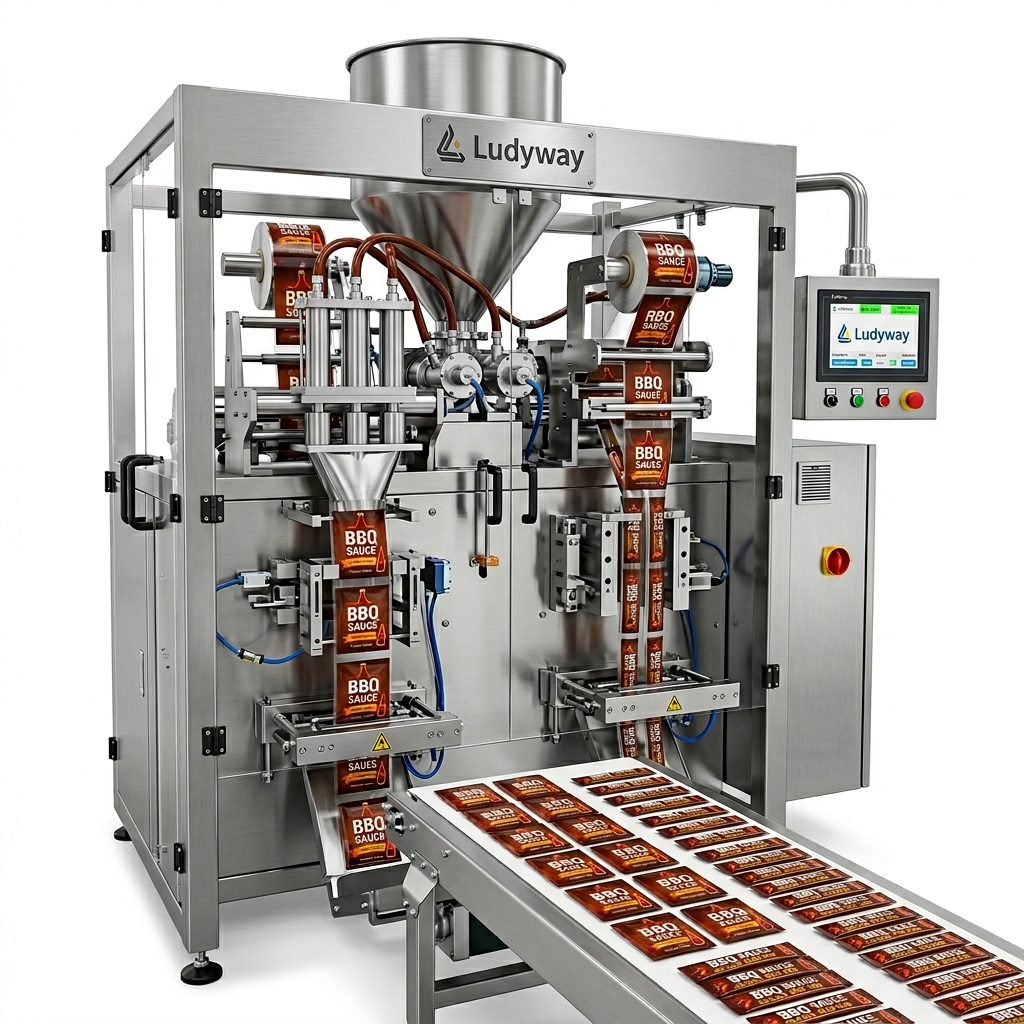
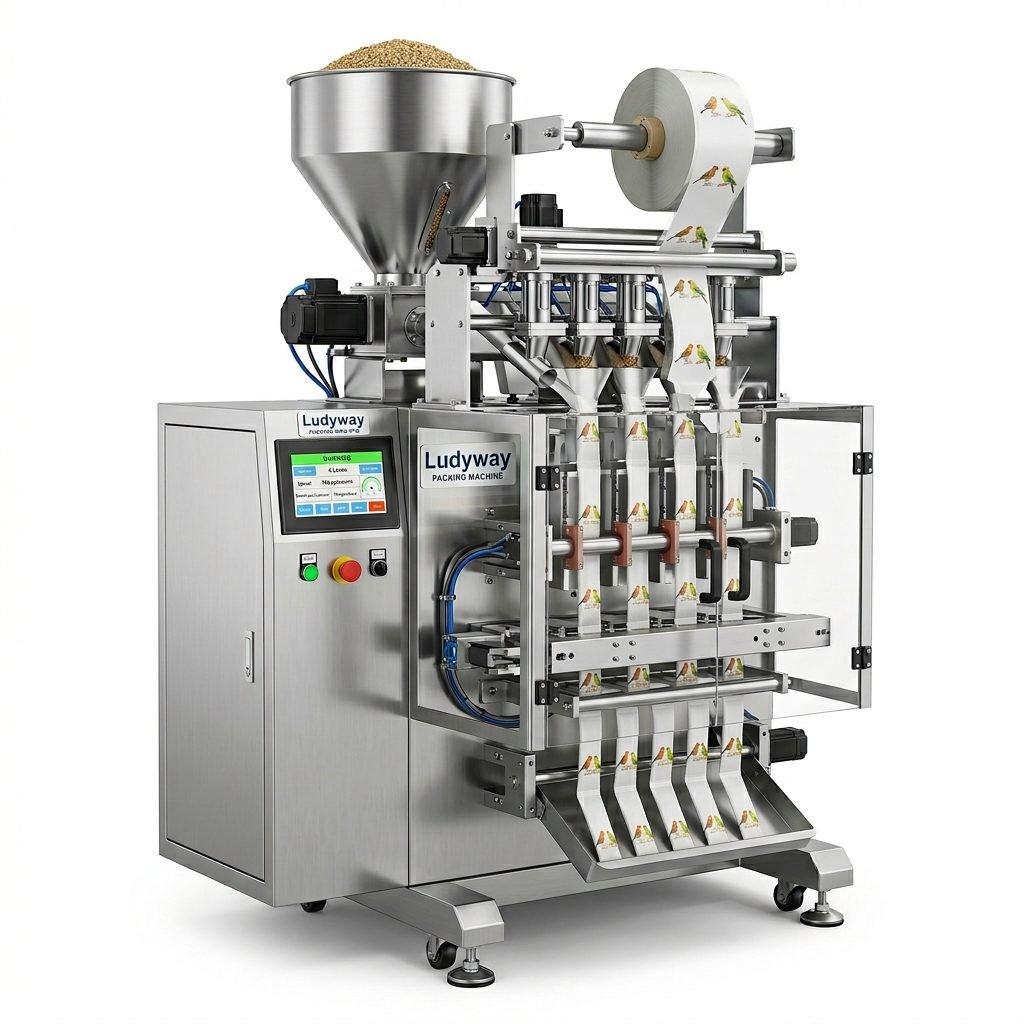
Investing in a blister card packaging machine is a significant decision that impacts your production efficiency, product presentation, and long-term operational costs. With various machine types, configurations, and technical specifications available, finding the right fit requires understanding your product requirements and production goals. This guide walks you through the key factors to consider when selecting the ideal equipment for your packaging line.
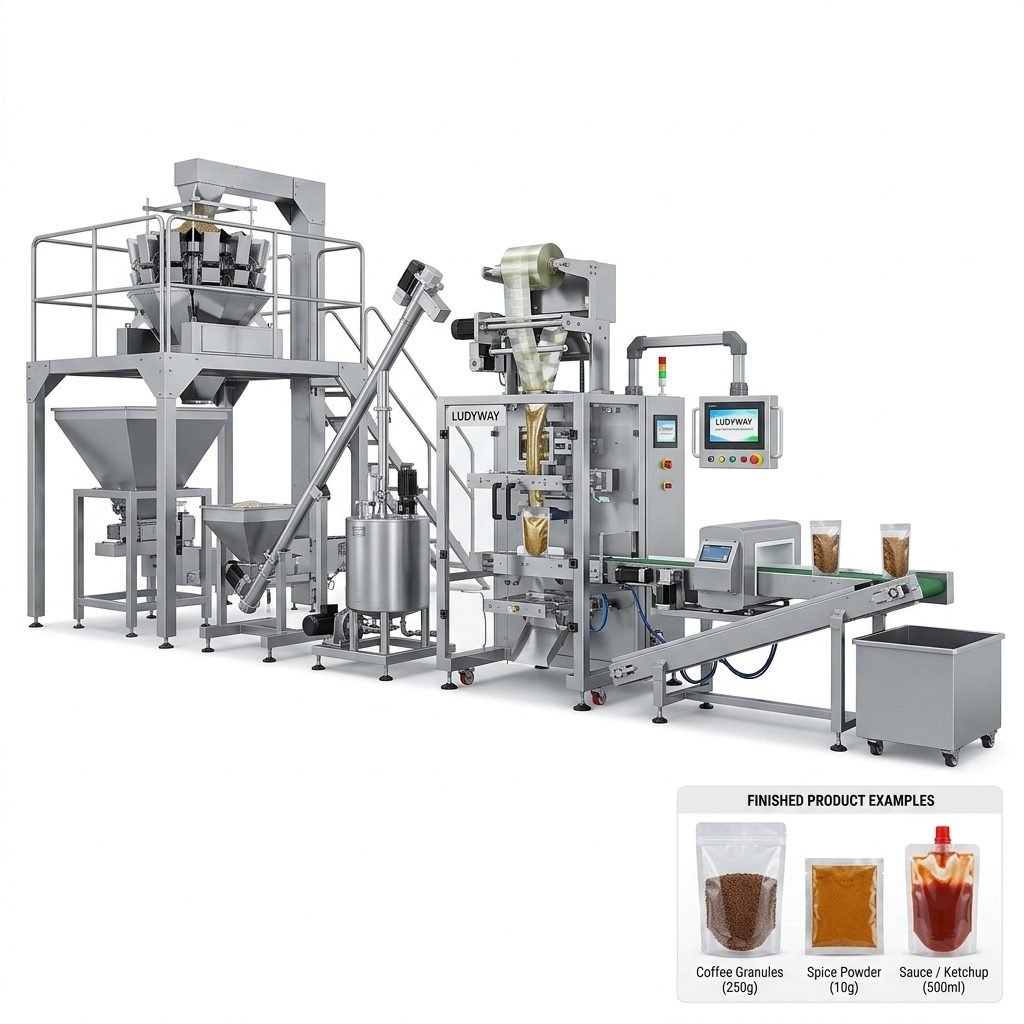
Understanding Blister Card Packaging Machine Types
Before diving into specifications, it is essential to understand the different machine categories available. Your choice will depend on factors like production volume, packaging format, and automation level. Selecting the wrong type can lead to bottlenecks or unnecessary capital expenditure.
| Machine Type | Best For | Key Consideration |
|---|---|---|
| Manual / Semi-Automatic | Low volume, startups, R&D | Labor-intensive; lower upfront cost |
| Fully Automatic | Medium to high volume production | Balanced throughput and labor savings |
| High-Speed Continuous Motion | Very high volume, 24/7 operations | Maximum output; higher investment |
| Custom Turnkey Packaging Lines | Integrated multi-stage production | Single-source engineering and support |
Product Characteristics Matter First
The physical properties of your product dictate the machine configuration. Blister card packaging must account for item dimensions, fragility, and presentation requirements. Consider these critical product attributes:
- Product size and shape: Irregular shapes may require custom tooling and cavity design.
- Weight and density: Heavier items need robust card materials and sealing strength.
- Fragility: Delicate products benefit from machines with gentle handling and precise cavity forming.
- Environmental sensitivity: Moisture or oxygen-sensitive items may require barrier films and controlled sealing environments.
Evaluating Production Capacity and Speed Requirements
Matching machine throughput to your current and future production needs is critical. A machine that is too slow creates bottlenecks; one that is too fast represents wasted capital. When assessing capacity, plan for growth — many manufacturers target a machine that can handle at least 20-30% more than current peak demand.
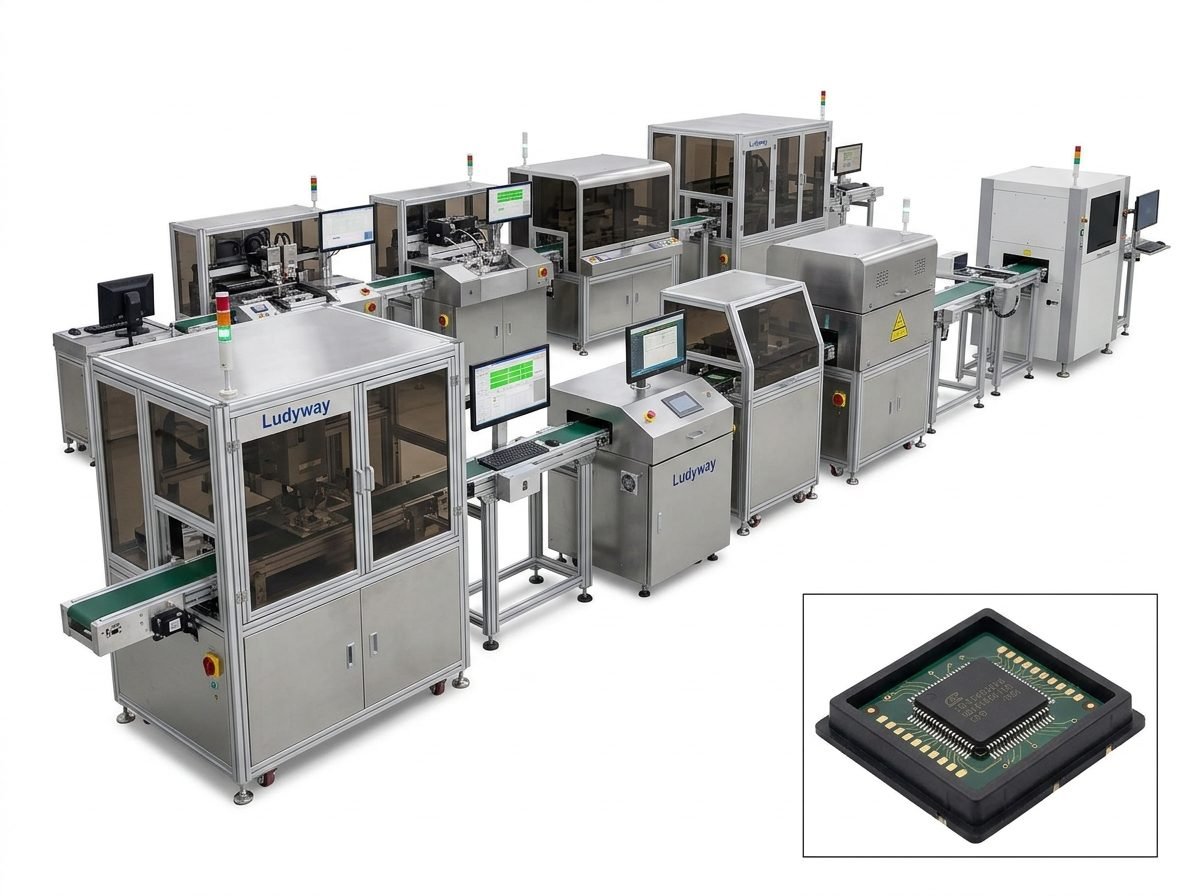
Key Performance Metrics to Compare
- Cycles per minute: The fundamental speed metric for blister packaging equipment.
- Changeover time: Faster changeovers reduce downtime between product runs.
- Overall Equipment Effectiveness (OEE): Look for machines with proven OEE ratings above 85%.
- Uptime guarantee: Reliable manufacturers provide documented machine availability data.
Material Compatibility and Packaging Format Flexibility
Not all blister card machines handle every material combination. Your equipment must be compatible with your chosen blister film (PVC, PET, PP, or barrier laminates) and card stock. Additionally, consider whether you need the flexibility to run multiple card sizes and formats on the same machine — this can significantly impact your packaging material costs and operational versatility.
| Feature | Standard Machines | Advanced Systems |
|---|---|---|
| Card Size Range | Limited, fixed dimensions | Wide range, quick adjustment |
| Film Types Supported | 1-2 material types | Multiple, including eco-friendly options |
| Sealing Technology | Single method (heat or RF) | Dual-mode or hybrid sealing |
| Format Changeover | 30-60 minutes | Under 15 minutes with servo drives |
Automation Features That Reduce Labor and Improve Consistency
Modern blister card packaging machines offer a range of automation options. While automated feeding, vision inspection, and robotic handling increase upfront costs, they typically deliver rapid ROI through labor savings and improved quality control. Evaluate which automation features align with your operational priorities:
- Automatic product feeding systems — vibratory bowl, pick-and-place, or robotic feeding
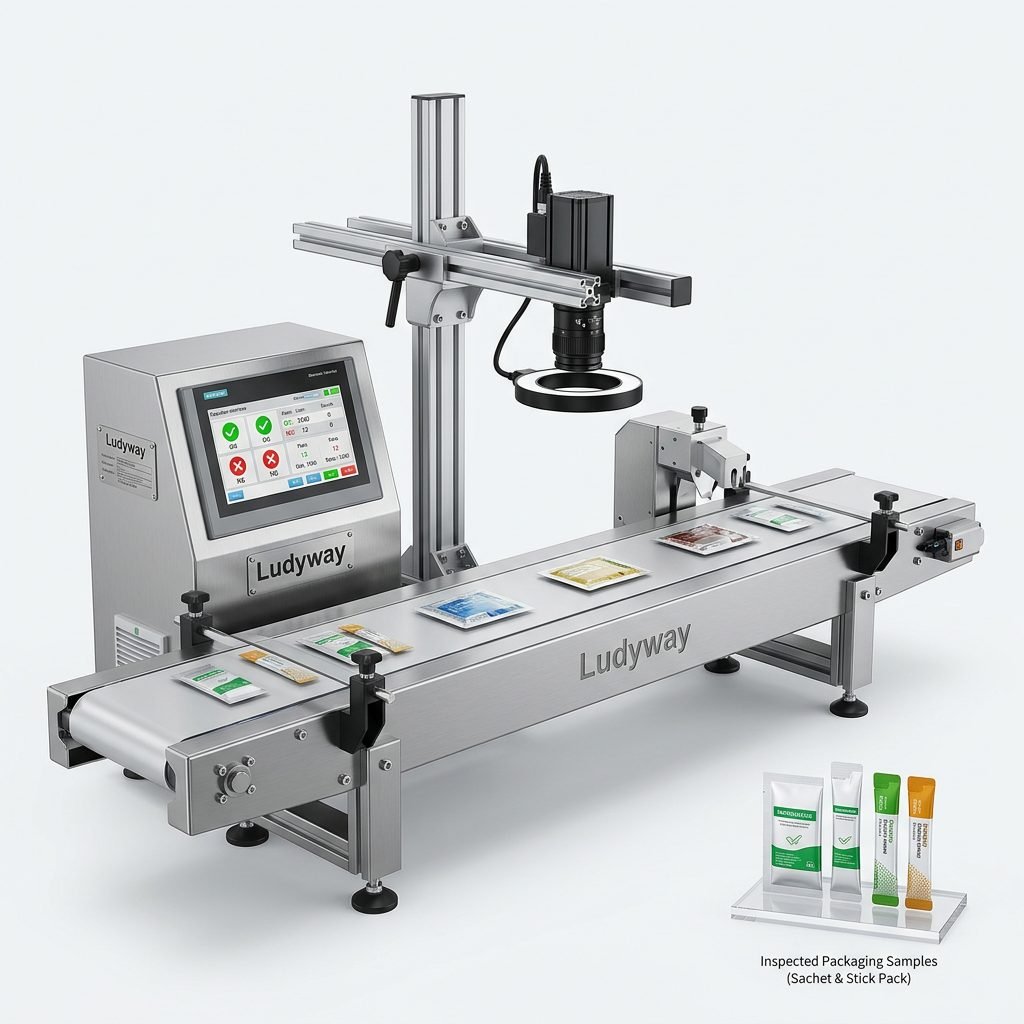
- Vision inspection — seal integrity checks, product presence verification, and print quality control
- Reject stations — automatic removal of non-conforming packages without line stoppage
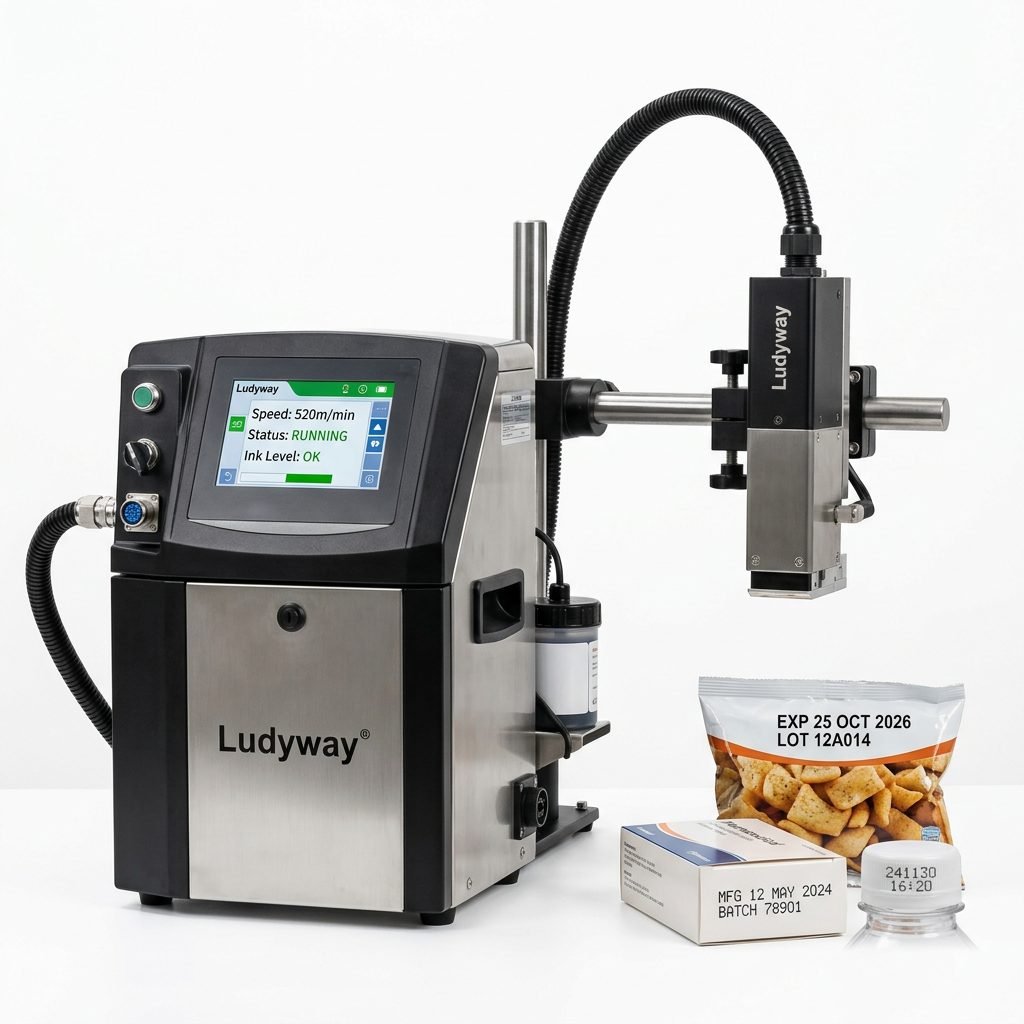
- Integrated coding and marking — lot numbers, expiration dates, and barcodes printed inline
- Data collection and connectivity — Industry 4.0-ready machines with performance monitoring
Sealing Technology Selection
The sealing method affects both package integrity and production speed. Heat sealing is common for standard PVC-to-card applications, while RF (radio frequency) sealing offers stronger bonds for demanding applications. Some systems now feature ultrasonic sealing technology, which provides energy efficiency and is particularly suitable for eco-friendly blister materials. Your choice should factor in material compatibility, seal strength requirements, and energy consumption.
Compliance and Industry Standards
Depending on your market, blister card packaging equipment may need to meet specific regulatory requirements. Pharmaceutical packaging, for instance, must comply with FDA 21 CFR Part 11 for electronic records, ISO 11607 for medical device packaging, and various GMP standards. Food packaging has its own set of material contact and safety regulations. Verify that your chosen equipment can be validated for your target markets.
Questions to Ask Suppliers About Compliance
- Does the machine support validated cleaning processes for pharmaceutical environments?
- Is the equipment designed with 21 CFR Part 11 compliant data management and audit trails?
- Can the supplier provide documentation for IQ/OQ/PQ validation protocols?
- Are materials used in construction certified for food contact or medical device packaging?
Total Cost of Ownership: Beyond the Purchase Price
The machine’s purchase price is just the beginning. A comprehensive cost analysis should include installation, training, maintenance, spare parts, tooling, and energy consumption over the expected lifespan. A slightly more expensive machine with lower maintenance costs and higher reliability often delivers superior long-term value. To understand how broader packaging industry trends affect machinery investment, review the State of the Industry reports from PMMI.
| Cost Category | Typical Range (% of Total) | Optimization Tips |
|---|---|---|
| Machine Purchase | 55-70% | Compare warranties and included tooling |
| Installation & Training | 5-10% | On-site training reduces learning curve |
| Maintenance & Spare Parts | 15-20% (over 5 years) | Preventive maintenance contracts control costs |
| Tooling & Change Parts | 5-10% | Modular designs reduce tooling expense |
Supplier Selection and After-Sales Support
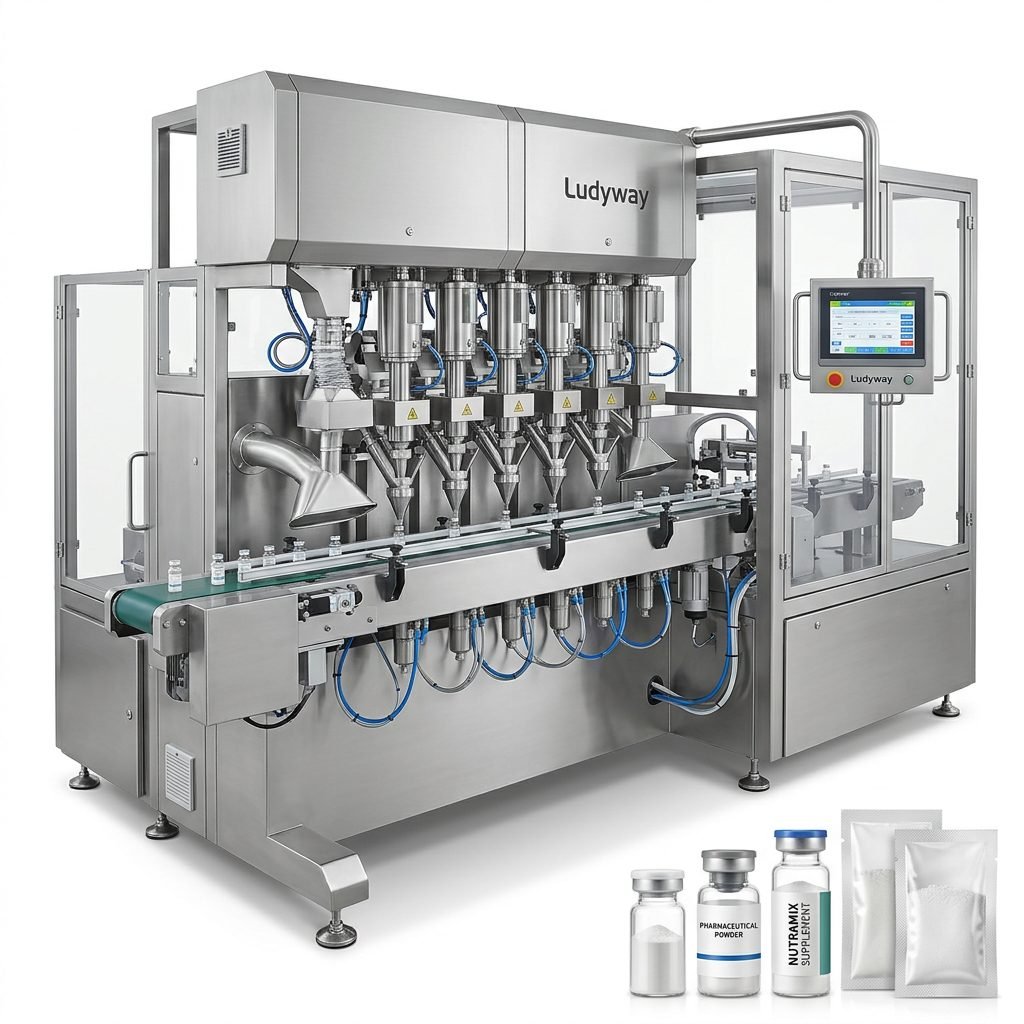
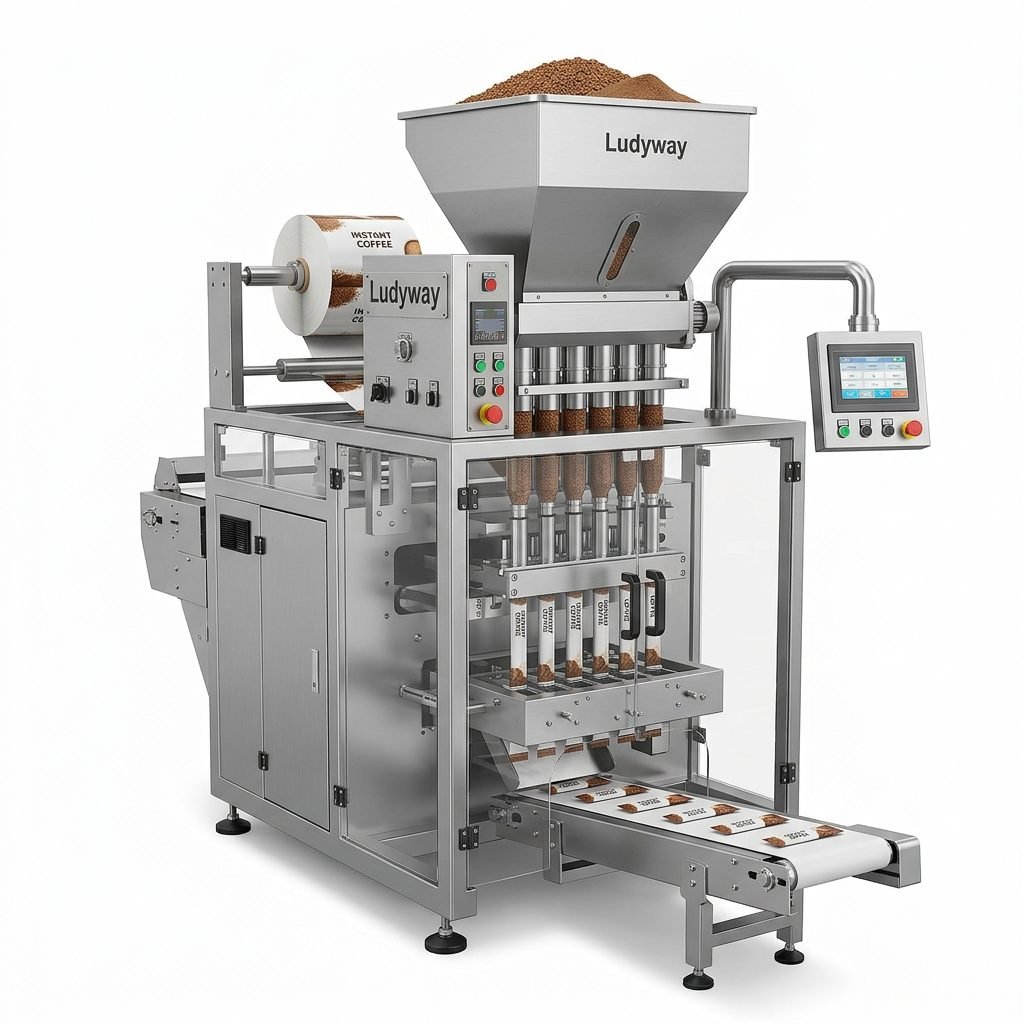
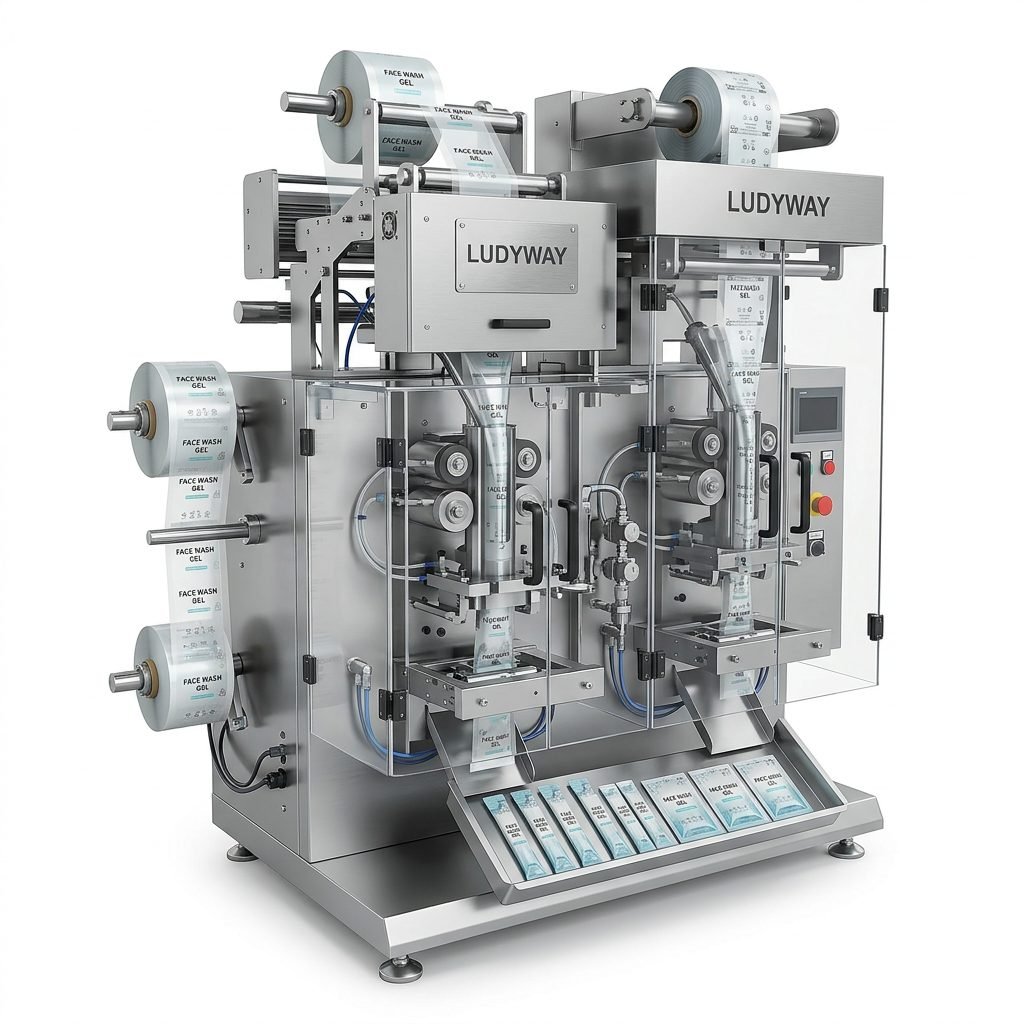
Choosing the right equipment supplier is as important as selecting the machine itself. Look for manufacturers with industry experience, documented quality systems, and comprehensive after-sales support. A supplier’s ability to provide timely technical support, spare parts availability, and service expertise directly impacts your production uptime. Ludyway Machinery, a China-based packaging machinery manufacturer with over 30 years of experience, provides integrated packaging equipment and turnkey solutions across more than 100 countries, supported by a 20,000-square-meter manufacturing facility and comprehensive technical service throughout the project lifecycle.
Evaluating Supplier Capabilities
- Industry experience: How many installations exist in your specific industry?
- Engineering depth: Can the supplier customize machines to your unique requirements?
- Service network: What is the response time for on-site technical support?
- Spare parts logistics: Are critical parts stocked locally or shipped internationally?
- Documentation quality: Are manuals, electrical schematics, and maintenance guides comprehensive?

Making the Final Decision: a Structured Approach
After gathering information from multiple suppliers, organize your evaluation around these decision criteria. A structured comparison helps remove emotion from the process and ensures you select equipment that aligns with both technical requirements and business objectives. Industry resources like PMMI’s packaging resources and Flexible Packaging Association guidelines provide additional frameworks for equipment selection.
Decision Checklist Summary
- Machine type matches production volume and automation goals
- Speed and capacity provide adequate headroom for growth
- Material compatibility confirmed with your existing films and cards
- Sealing technology delivers required package integrity
- Compliance documentation available for target markets
- Total cost of ownership calculated over expected machine lifespan
- Supplier has proven experience and accessible support infrastructure
- Customization options available for unique product requirements
The right blister card packaging machine is an investment in your production future. Take the time to evaluate your needs thoroughly, consult with experienced suppliers, and prioritize reliability and support over the lowest purchase price. A well-chosen machine will deliver consistent performance for years to come.