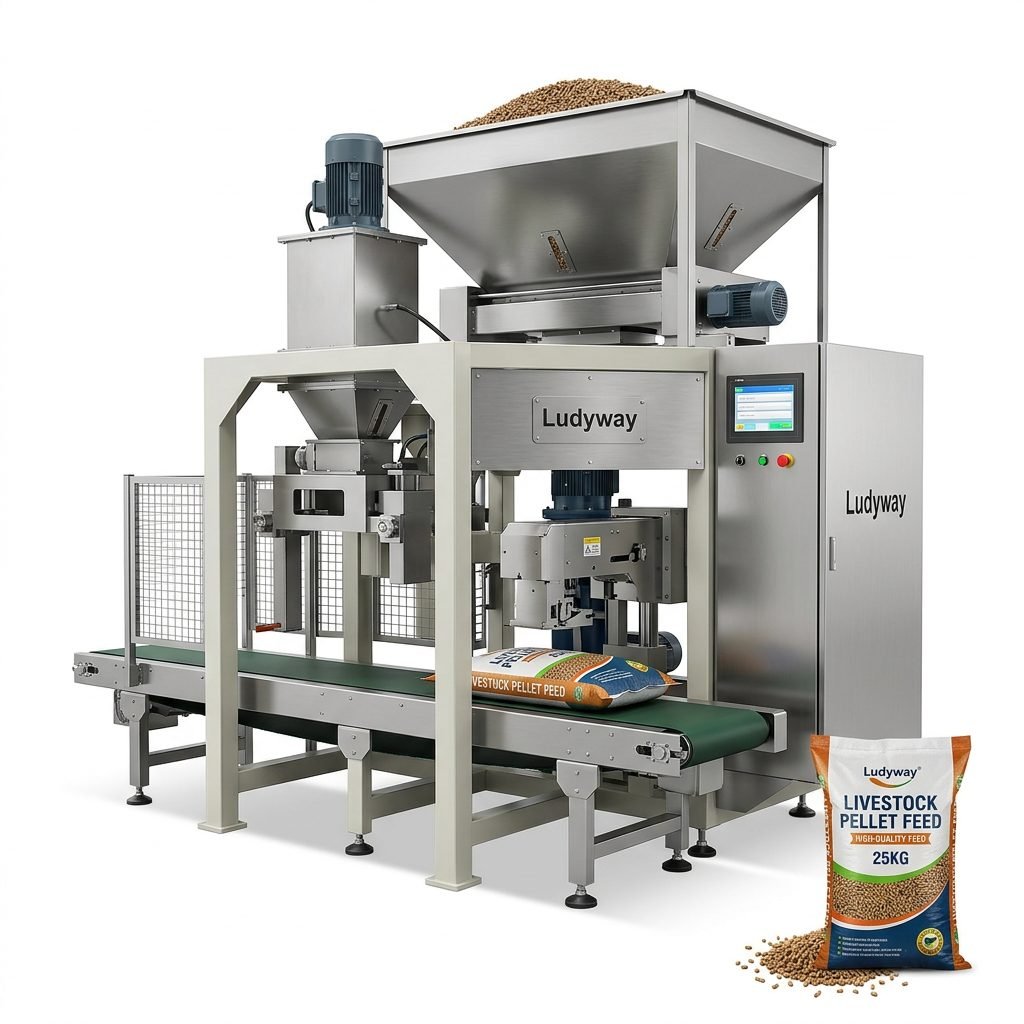
The seasoning industry in Oceania—spanning Australia, New Zealand, and the Pacific Islands—is experiencing robust growth driven by increasing demand for convenience foods, ethnic cuisines, and premium spice blends. Selecting the right seasoning packaging machine is critical for producers aiming to scale operations, ensure product freshness, and comply with stringent regional food safety standards. This guide covers essential factors to consider when investing in seasoning packaging equipment for the Oceanian market.
Key Considerations for the Oceania Market
Before choosing a seasoning packaging machine, manufacturers must evaluate several region-specific factors that influence equipment selection and long-term operational success.
1. Climate and Product Sensitivity
Many parts of Oceania experience high humidity and temperature fluctuations, which can cause seasoning powders, granules, and blends to clump or degrade. Your packaging machine must deliver superior hermetic sealing to protect against moisture ingress. Look for equipment with nitrogen flushing capabilities to extend shelf life by displacing oxygen inside the package.
2. Diverse Packaging Formats
The Oceanian market demands a variety of packaging formats to serve different sales channels—from bulk foodservice to single-serve retail. A versatile machine should handle:
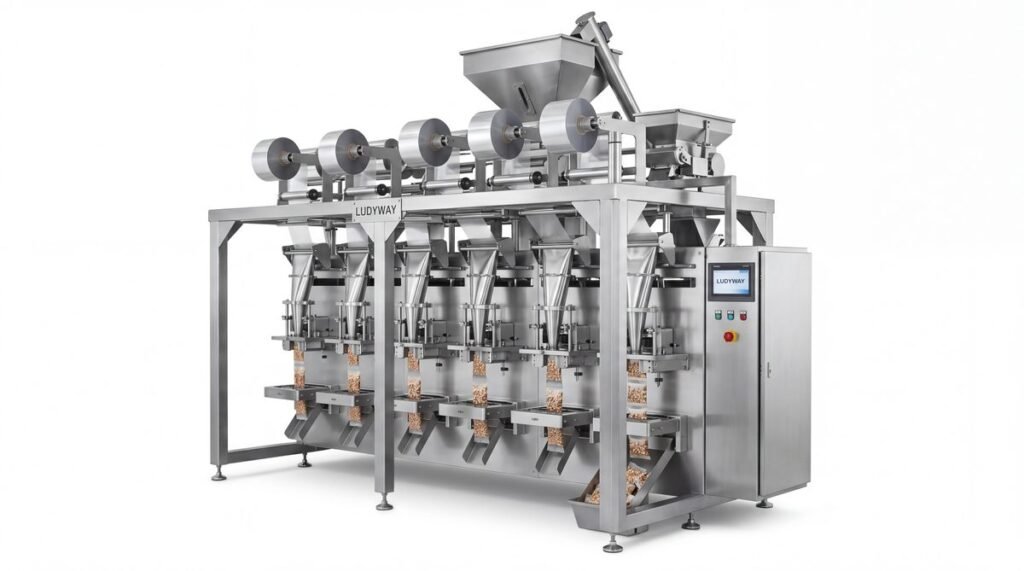
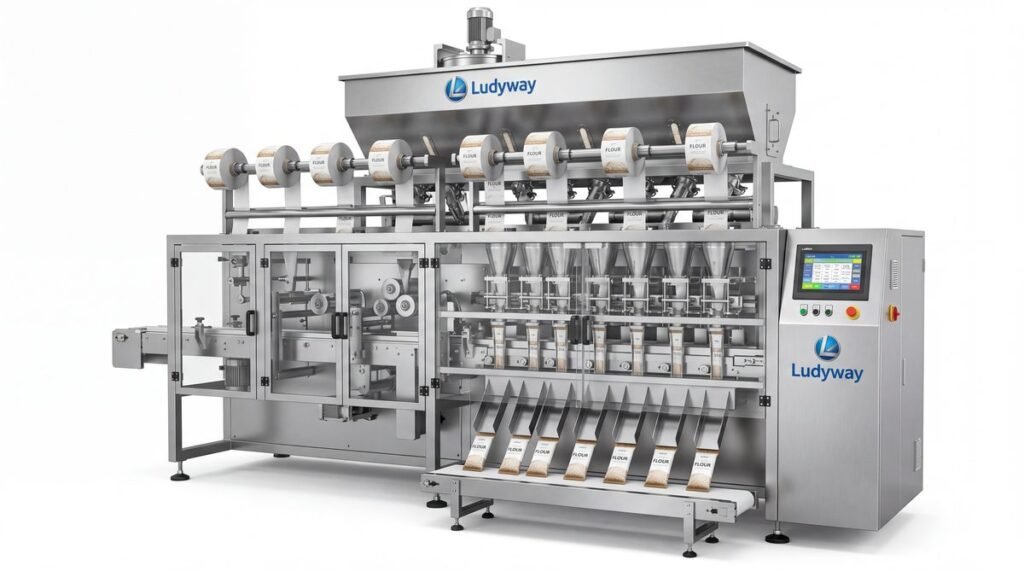
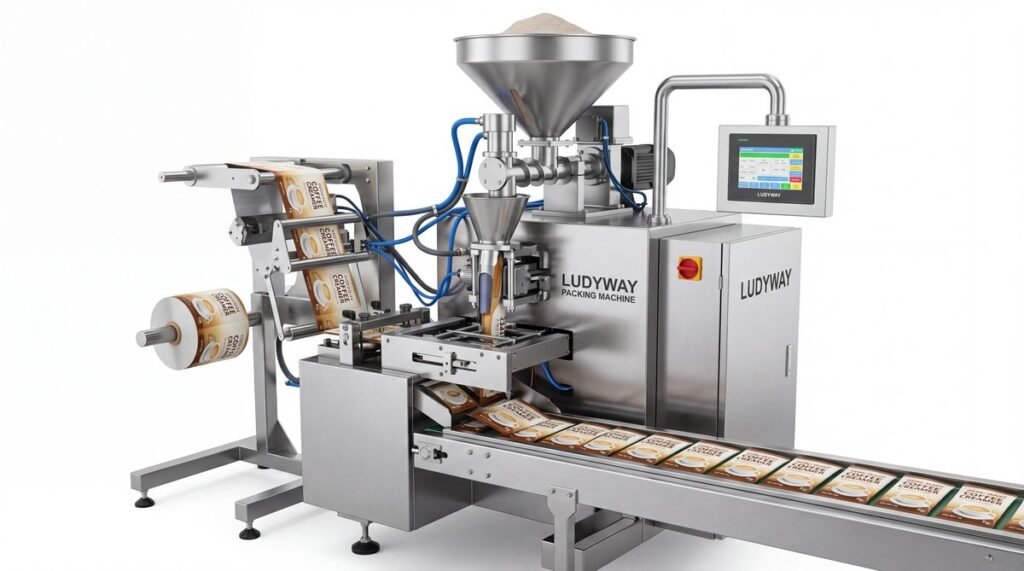
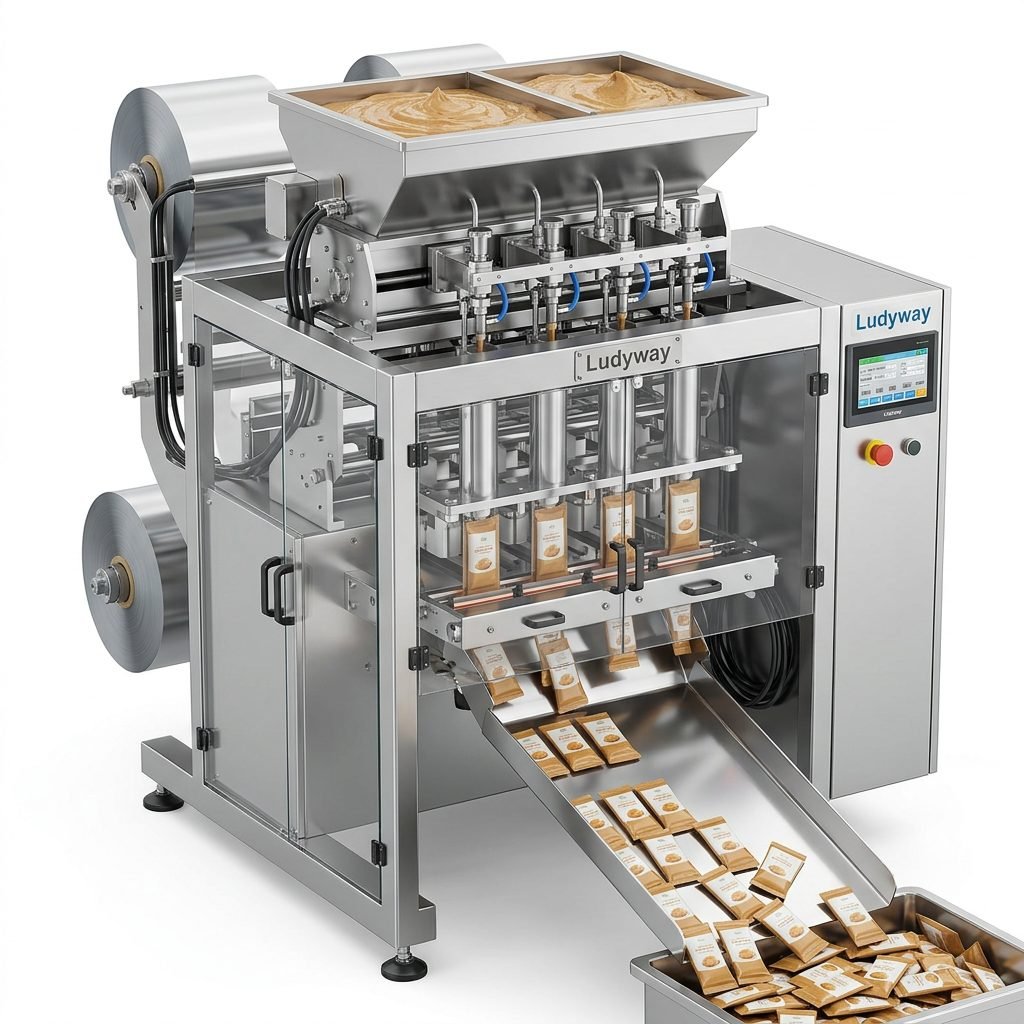
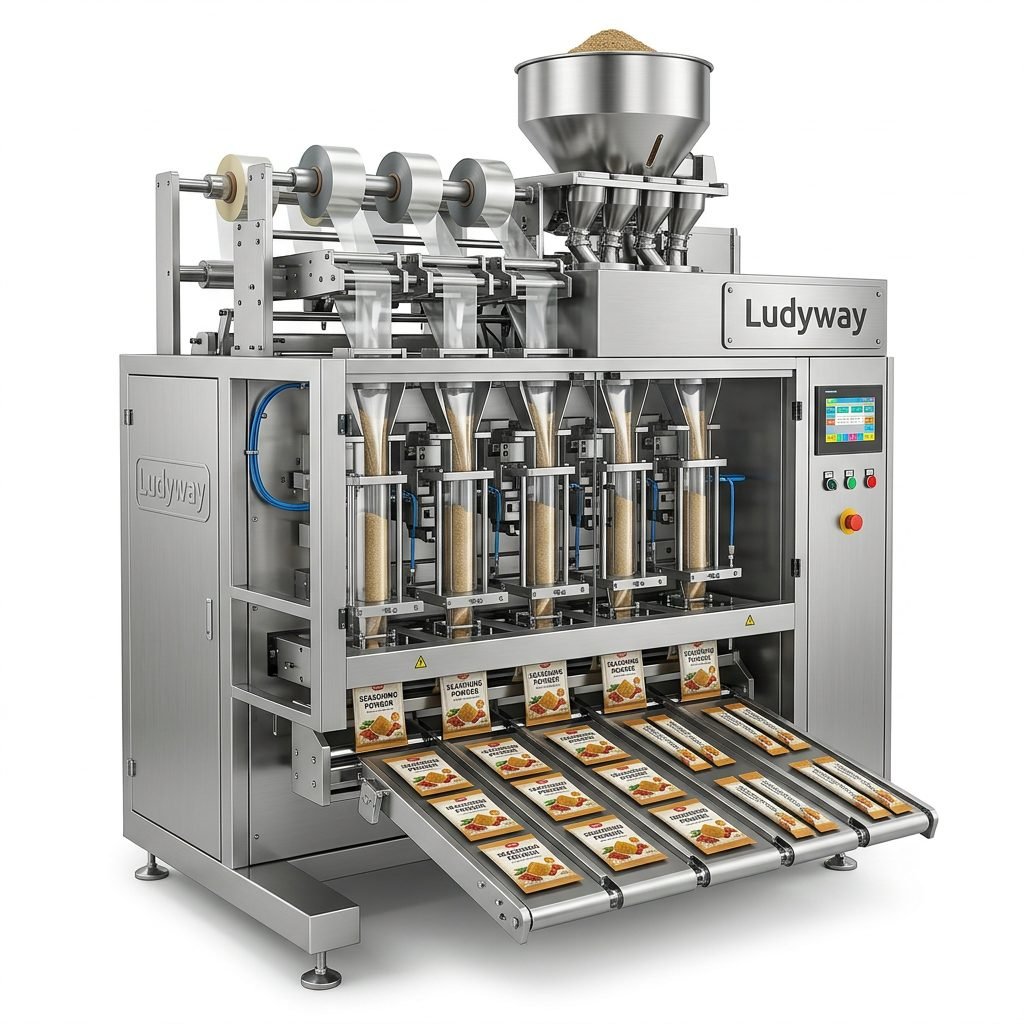
- Multi-lane stick packs for single-serve seasonings popular in convenience stores and quick-service restaurants
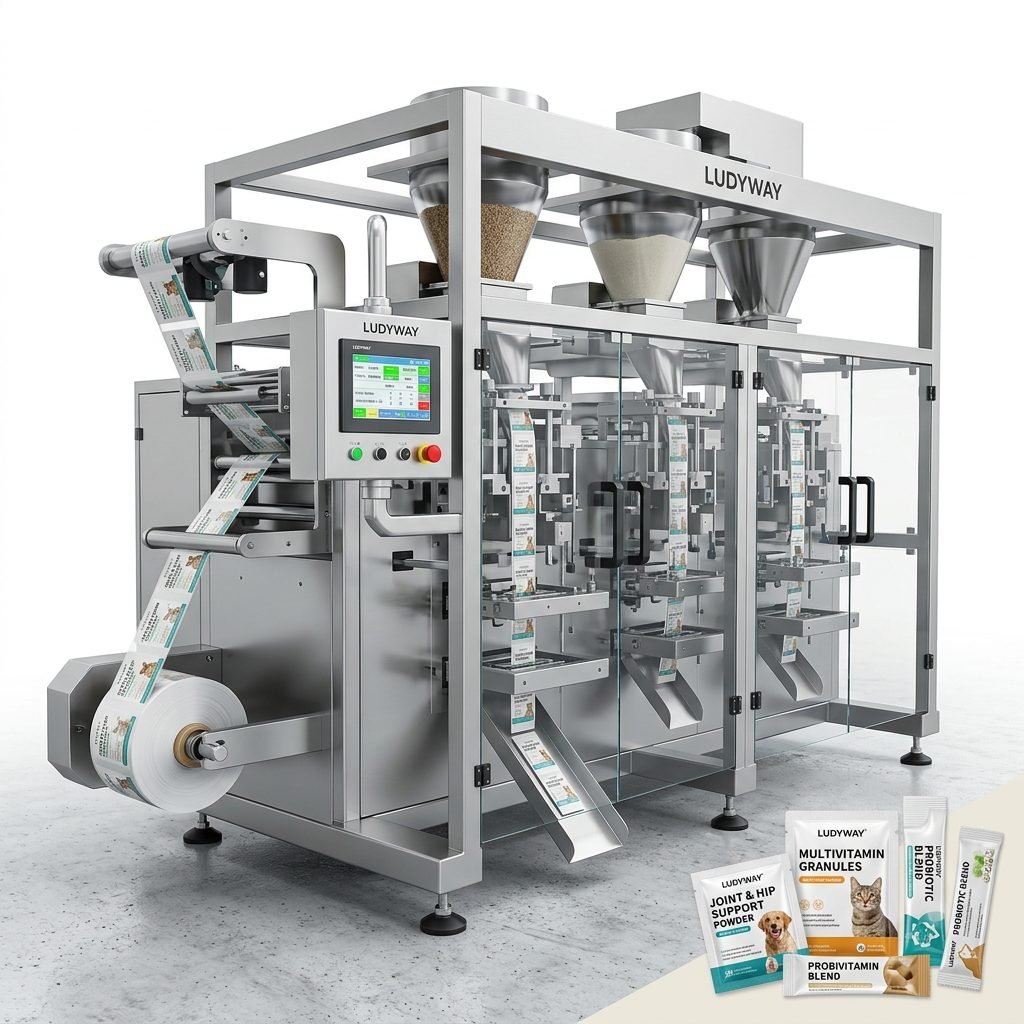
- Flat sachets for retail spice sections in supermarkets like Woolworths and Countdown
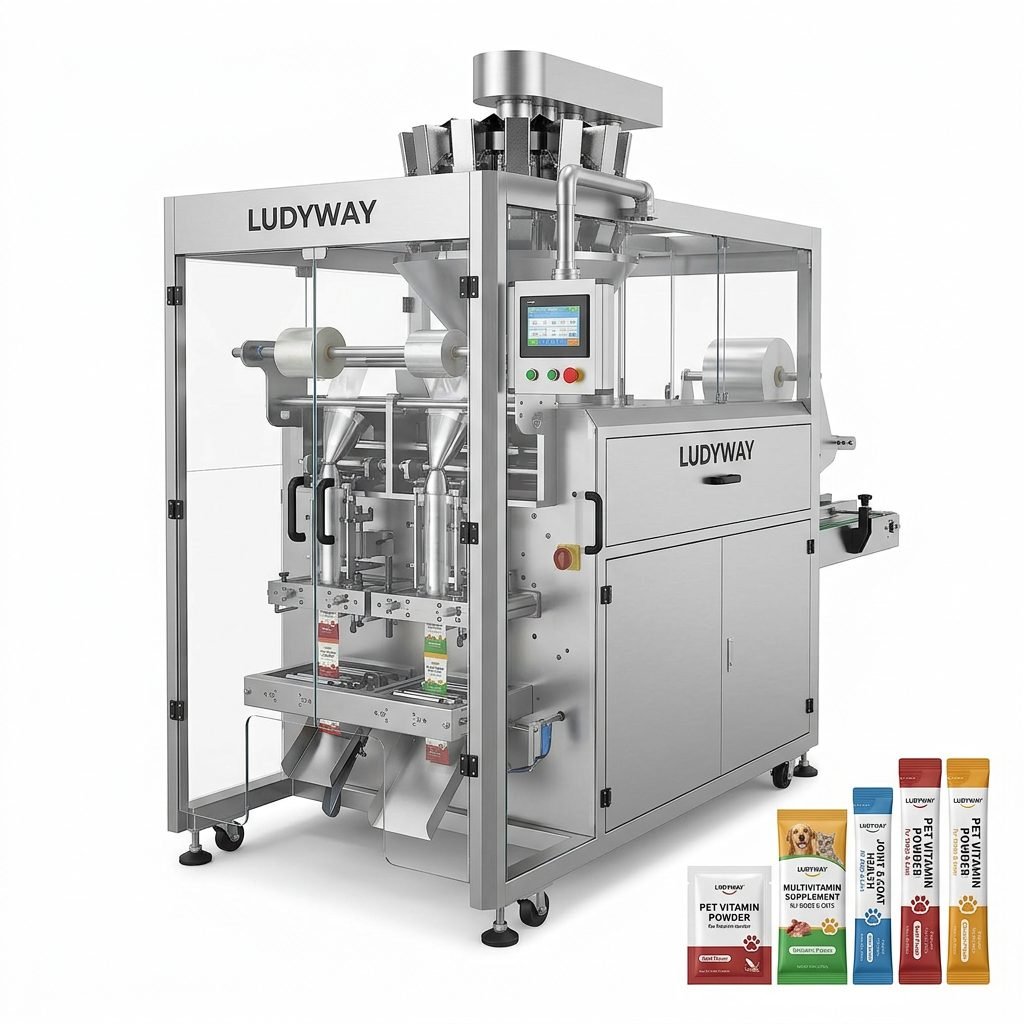
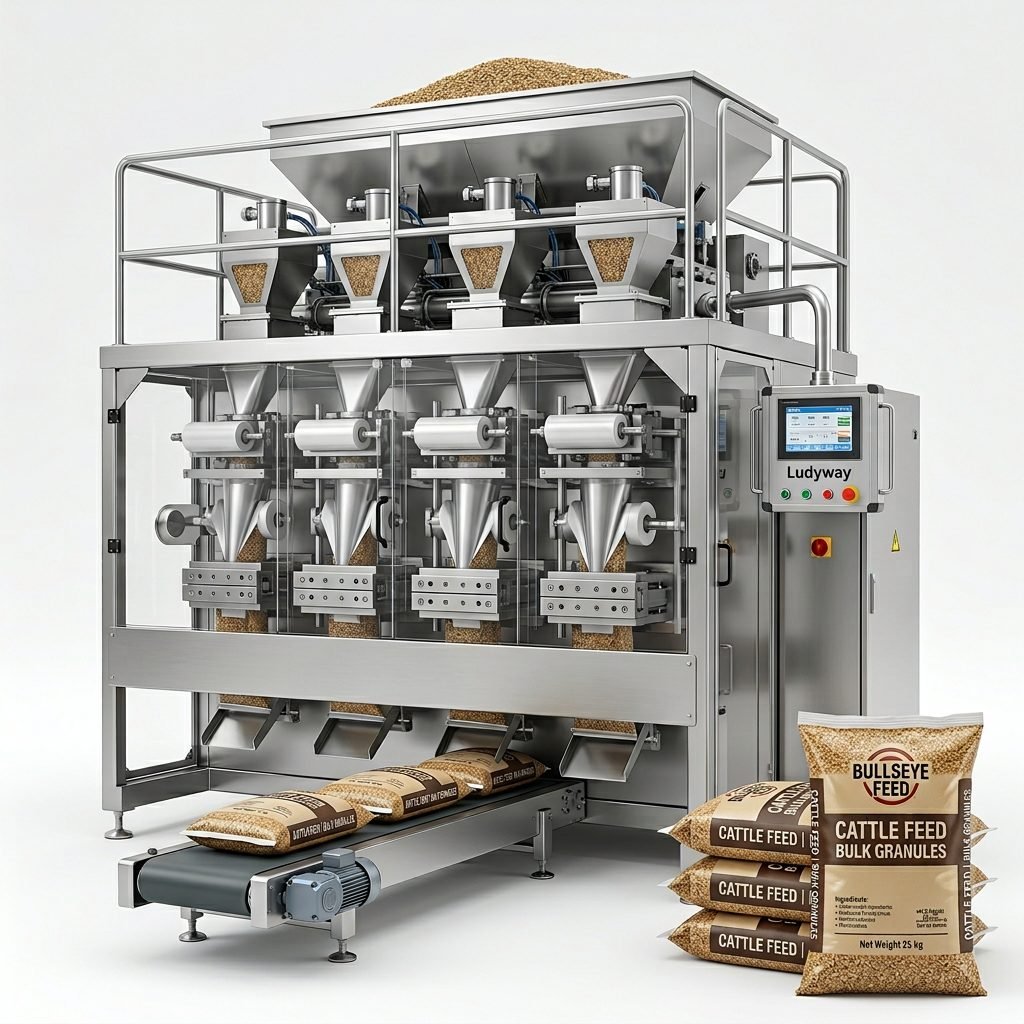
- Pillow pouches and gusseted bags for bulk packaging catering to food manufacturers and commercial kitchens
- Stand-up pouches with resealable zippers increasingly preferred by premium seasoning brands across Australia and New Zealand
3. Regulatory Compliance
Food packaging regulations in Australia and New Zealand are governed by Food Standards Australia New Zealand (FSANZ). Equipment must support food-grade contact materials and facilitate compliance with labeling requirements, including ingredient declarations, allergen warnings, and nutritional information panels. Machines should be constructed with stainless steel (SUS304 or SUS316) for all product contact parts.
Machine Types for Seasoning Packaging
Selecting the appropriate machine configuration depends on your production volume, product characteristics, and target packaging style. The table below compares common machine types used in seasoning packaging across Oceania.
| Machine Type | Best For | Key Advantage | Typical Speed Range |
|---|---|---|---|
| Multi-Lane Stick Pack Machine | Single-serve seasoning portions | High output per minute, compact format | 400–1200 packs/min |
| Vertical Form Fill Seal (VFFS) | Pillow pouches and gusseted bags | Versatile film handling, large bag sizes | 30–120 packs/min |
| Premade Pouch Rotary Filler | Stand-up pouches, spouted pouches | Premium presentation, resealable options | 30–60 packs/min |
| Sachet Waterfall Machine | Chain-linked sachets for cost-sensitive markets | Minimal film waste, low packaging cost | 200–800 packs/min |
Essential Features to Evaluate
When comparing seasoning packaging machines from different suppliers, focus on these critical technical specifications that directly impact production efficiency and product quality.
Filling Accuracy and Dust Control
Seasoning powders and granules vary widely in density and flow characteristics. A high-quality machine should incorporate servo-driven auger fillers or multi-head weighers to achieve weight accuracy within ±0.5–1.0g. Effective dust extraction systems are essential to prevent cross-contamination between production runs and maintain a clean working environment—a key requirement for audit compliance in Australian and New Zealand food manufacturing facilities.
Sealing Integrity
Given Oceania’s supply chain distances—from urban distribution centers in Sydney and Melbourne to remote communities in the Pacific—seal integrity is non-negotiable. Machines should feature temperature-controlled sealing jaws with dwell time adjustment to create consistent, leak-proof seals across various film materials including metallized PET, BOPP, and laminated structures. Look for seal quality inspection systems that automatically reject defective packages.
Quick Changeover Capability
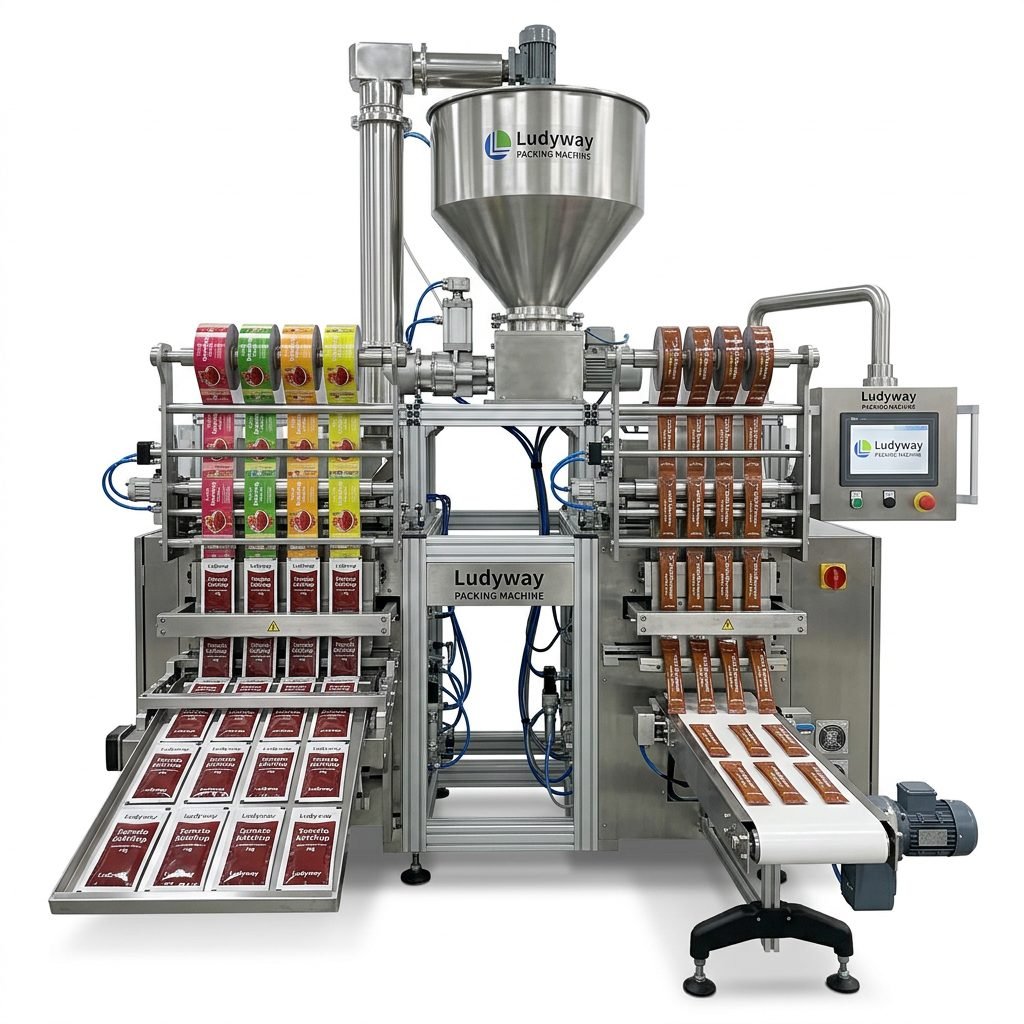
With the growing trend toward small-batch artisanal seasoning production in Australia and New Zealand, manufacturers frequently switch between different blends and package sizes. Equipment with tool-free changeover and recipe management through HMI (Human-Machine Interface) can reduce downtime significantly. A well-designed machine allows format changes in under 15 minutes, enabling flexible production scheduling.
Integration and Automation Level
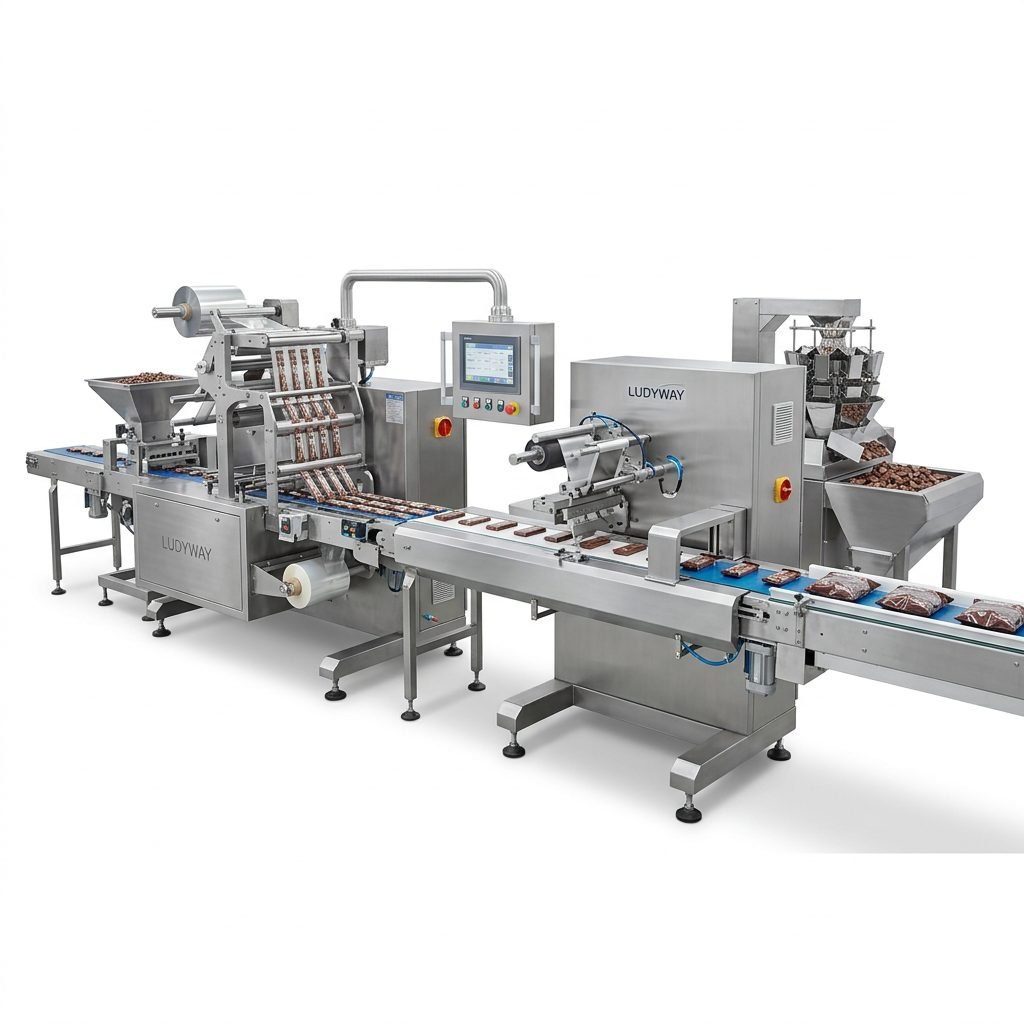
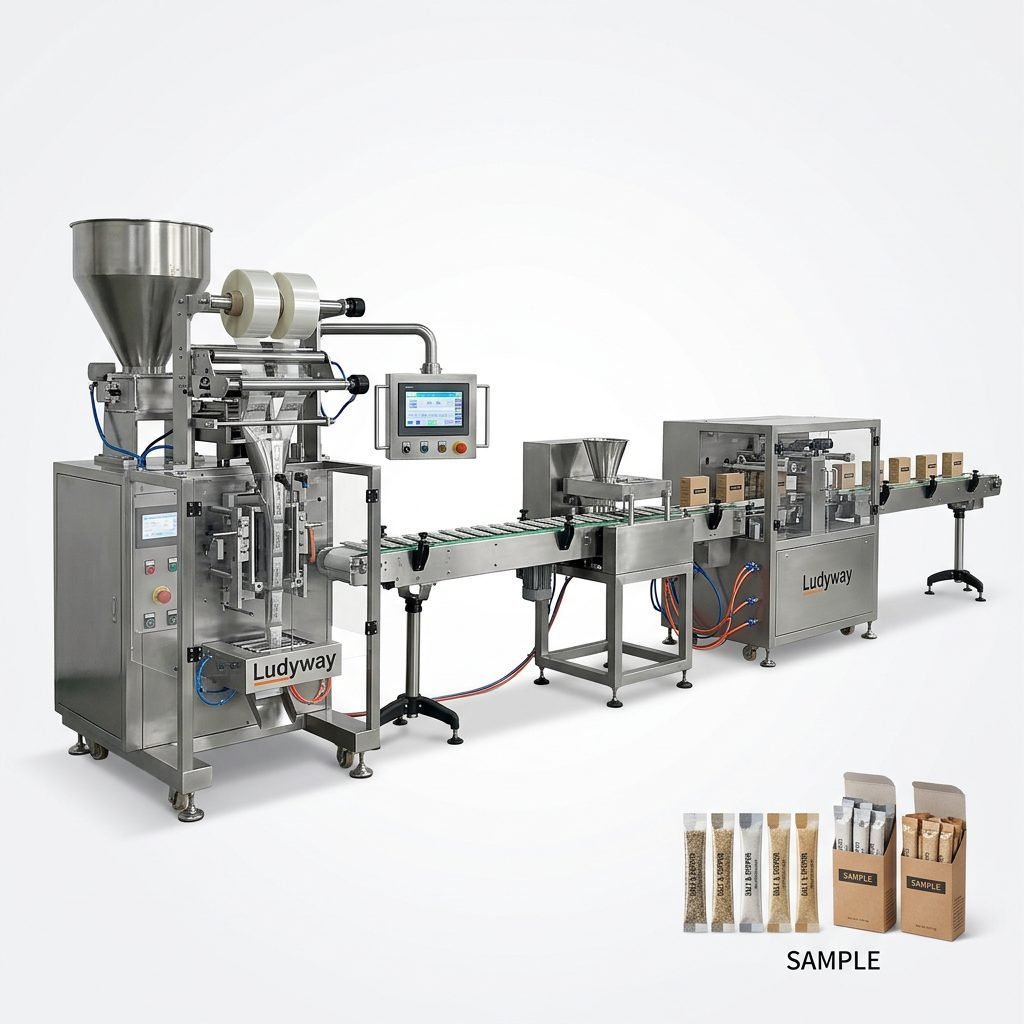
For scaling operations, consider packaging line integration capabilities. Modern seasoning packaging equipment should seamlessly connect with upstream and downstream systems:
- Automatic feeding systems including screw conveyors, bucket elevators, or vacuum feeders for bulk powder handling
- In-line checkweighers for 100% weight verification and compliance with Oceanian trade measurement regulations
- Metal detectors and X-ray inspection for foreign body detection as part of HACCP protocols
- Automatic cartoning and case packing to reduce manual labor and increase throughput for export-oriented manufacturers
- Date coding and labeling systems integrated for traceability and GS1 barcode compliance required by major retailers
Selecting a Reliable Supplier for Oceania
Choosing the right equipment manufacturer is as important as the machine itself. Look for suppliers who demonstrate experience with international standards and Oceanian market requirements. Ludyway, one of the largest packaging machine manufacturers globally, provides advanced seasoning packaging solutions incorporating the latest technology for precise filling and durable sealing. When evaluating suppliers, consider their track record with CE certification, ISO 9001 quality management, and willingness to provide factory acceptance testing documentation.
Industry Standards and Resources
Staying informed about packaging industry standards helps make better purchasing decisions. The Packaging Machinery Manufacturers Institute (PMMI) provides valuable resources on state of the industry reports and packaging trends. For flexible packaging considerations, the Flexible Packaging Association offers guidance on film materials and sustainability practices relevant to the Oceanian market’s increasing focus on recyclable packaging structures.
Local Support and After-Sales Service
Given the geographic isolation of many Oceanian production facilities, local technical support is critical. Verify that your supplier offers:
- Remote diagnostic capabilities for troubleshooting
- Readily available spare parts stock in the region or rapid air freight fulfillment
- Comprehensive training programs for operators and maintenance staff
- Service agreements with guaranteed response times
- Partnerships with local engineering firms for on-ground support
Cost Considerations and ROI Factors
While initial capital expenditure is important, the total cost of ownership over the machine’s lifecycle—typically 10–15 years for well-maintained packaging equipment—drives true return on investment. Key financial factors include:
| Cost Factor | Impact on ROI | Oceanian Market Note |
|---|---|---|
| Film material consumption | Ongoing operational cost | Premium films often imported; waste directly impacts profitability |
| Energy efficiency | Utility expense reduction | High electricity costs in Australia favor servo-driven systems |
| Labor requirements | Staffing cost savings | High minimum wages in AU/NZ drive automation demand |
| Downtime and maintenance | Production continuity | Remote locations increase downtime cost significantly |
Implementation and Commissioning
Successful deployment of a seasoning packaging machine in Oceania requires thorough planning. Factory Acceptance Testing (FAT) at the manufacturer’s facility before shipment helps identify issues early. Upon arrival, Site Acceptance Testing (SAT) should verify performance under actual production conditions, including running with your specific seasoning formulations—which may behave differently than test materials due to varying moisture content, oil levels, and particle size distribution.
Staff training should cover HACCP documentation, cleaning protocols, and changeover procedures. For facilities supplying major Australian retailers like Coles and Woolworths, or New Zealand chains like Foodstuffs, packaging equipment must support WQA (Woolworths Quality Assurance) or equivalent retailer audit requirements.
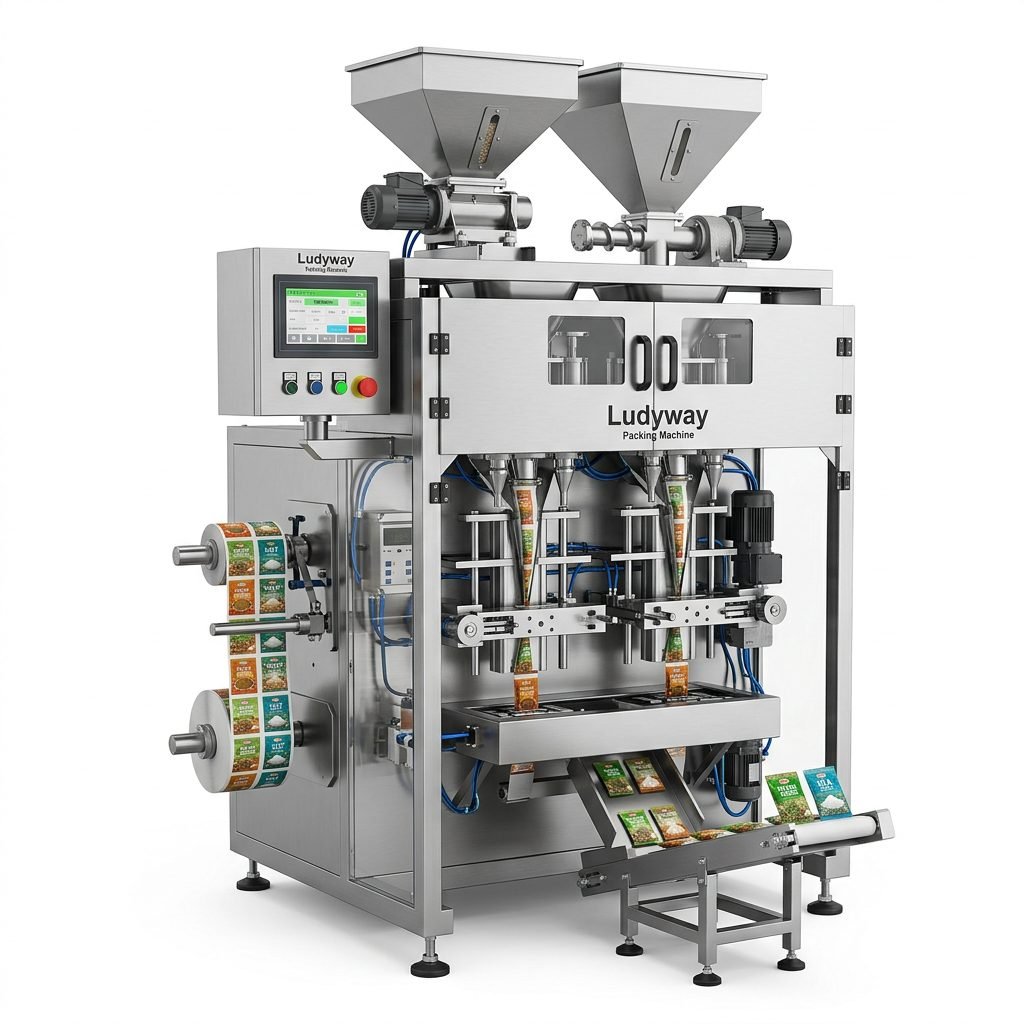
Future-Proofing Your Investment
As the Oceanian seasoning market evolves, your packaging equipment should accommodate future requirements. Consider machines with modular designs that allow adding lanes for increased capacity, upgrading filling systems for new product types, or integrating with Industry 4.0 data collection platforms. ISO packaging standards provide frameworks for ensuring your equipment investments meet international benchmarks for quality and interoperability.
The shift toward sustainable packaging in Oceania—driven by consumer demand and potential regulatory changes—makes film flexibility increasingly important. Equipment capable of running recyclable mono-material films and paper-based structures will provide a competitive advantage as the market transitions away from multi-layer laminates. Investing in a seasoning packaging machine solution that balances current needs with future adaptability ensures long-term success in the dynamic Oceanian food manufacturing sector.