South America is the world’s largest coffee-producing region, with countries like Brazil, Colombia, and Peru leading global exports. As the specialty coffee market expands and consumer demand for convenient, portion-controlled packaging grows, selecting the right coffee bean packaging machine has become a critical investment for producers and processors across the continent. This guide covers everything you need to know to make an informed purchasing decision tailored to South American market conditions.
Understanding the South American Coffee Packaging Landscape
The coffee industry in South America is undergoing significant transformation. Traditionally dominated by bulk exports of green beans, the region is now seeing rapid growth in value-added processing and domestic consumption of roasted and ground coffee. This shift is driving demand for advanced packaging solutions that can handle everything from whole bean coffee to finely ground espresso blends.
Key market trends influencing packaging equipment choices include:
- Rising demand for single-serve stick packs and sachets in urban markets
- Growth of private-label coffee brands requiring flexible packaging formats
- Increasing export requirements for modified atmosphere packaging (MAP)
- Stricter food safety regulations across Mercosur member countries
- Labor cost considerations driving automation adoption
Types of Coffee Bean Packaging Machines
Choosing the right machine depends on your production scale, target market, and packaging format. Here are the primary categories:
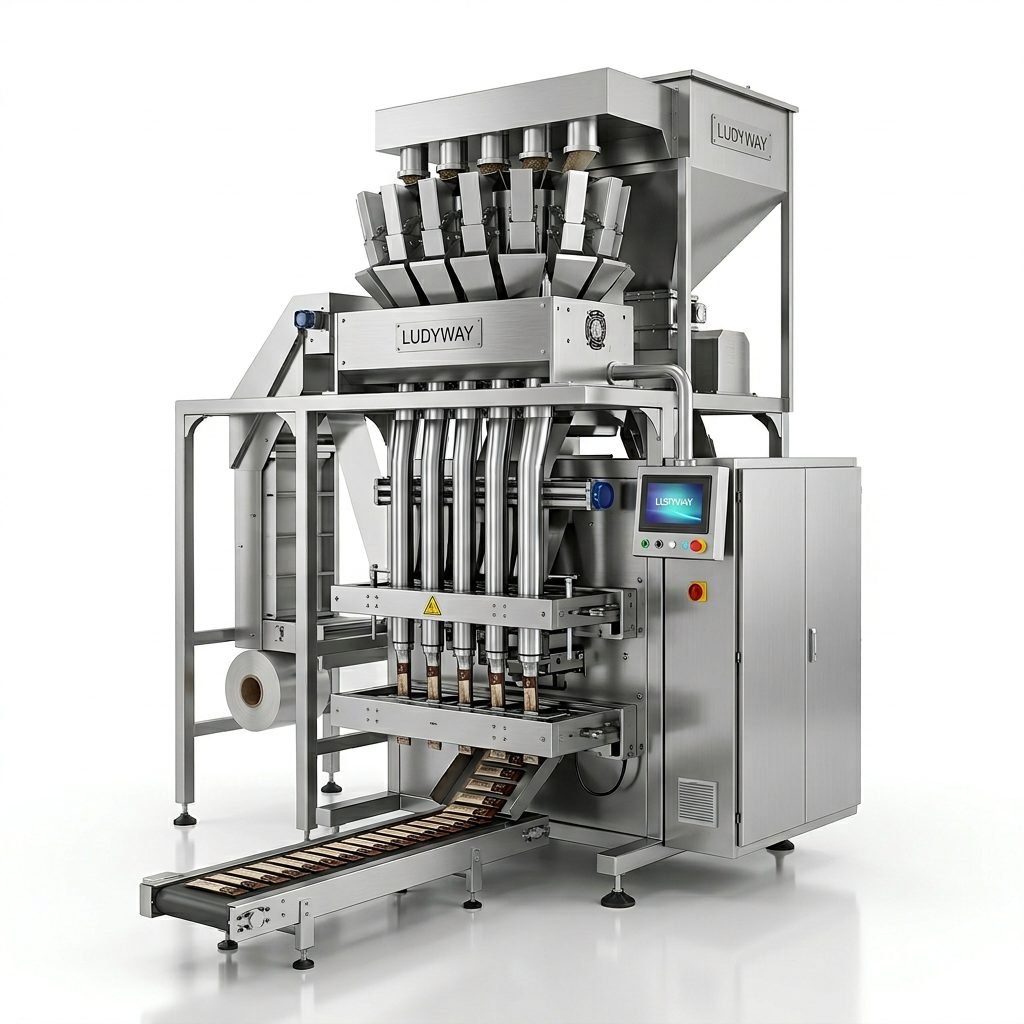
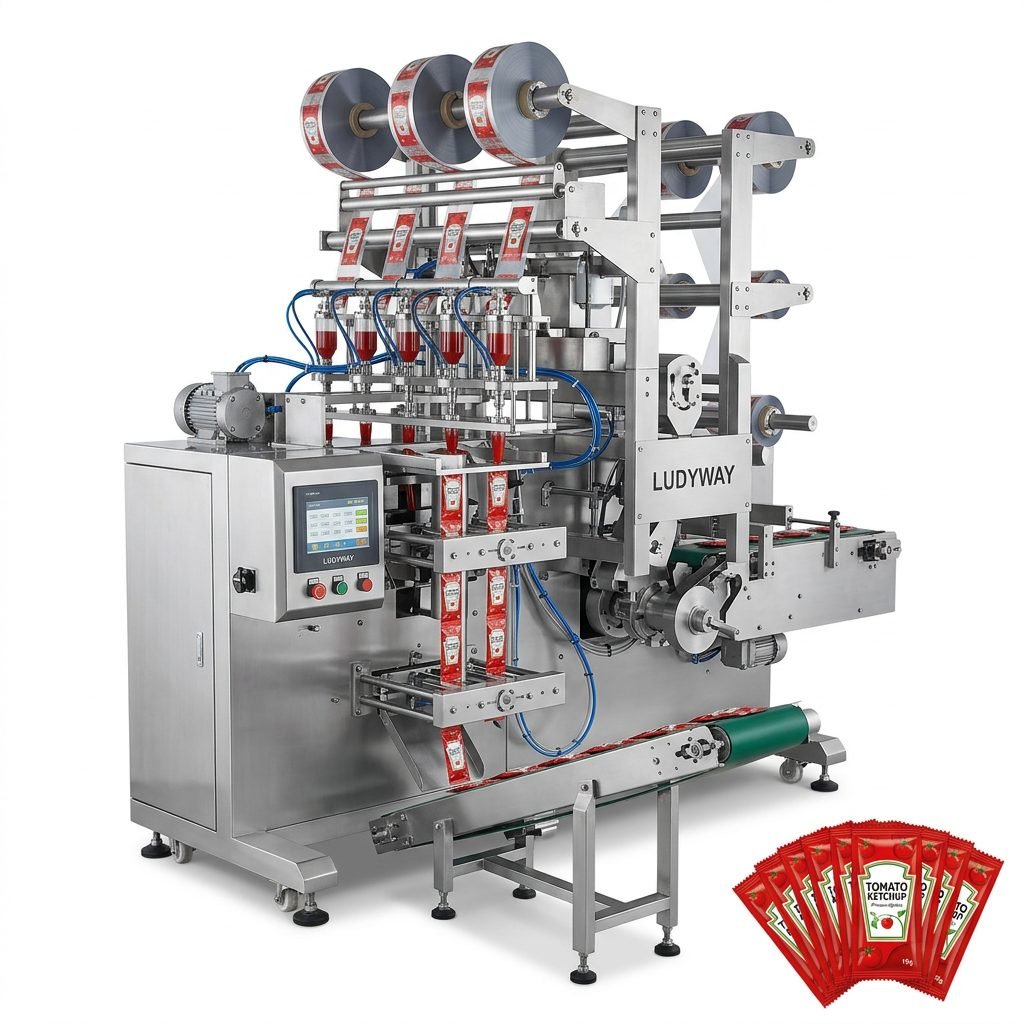
Multi-Lane Stick Pack Machines
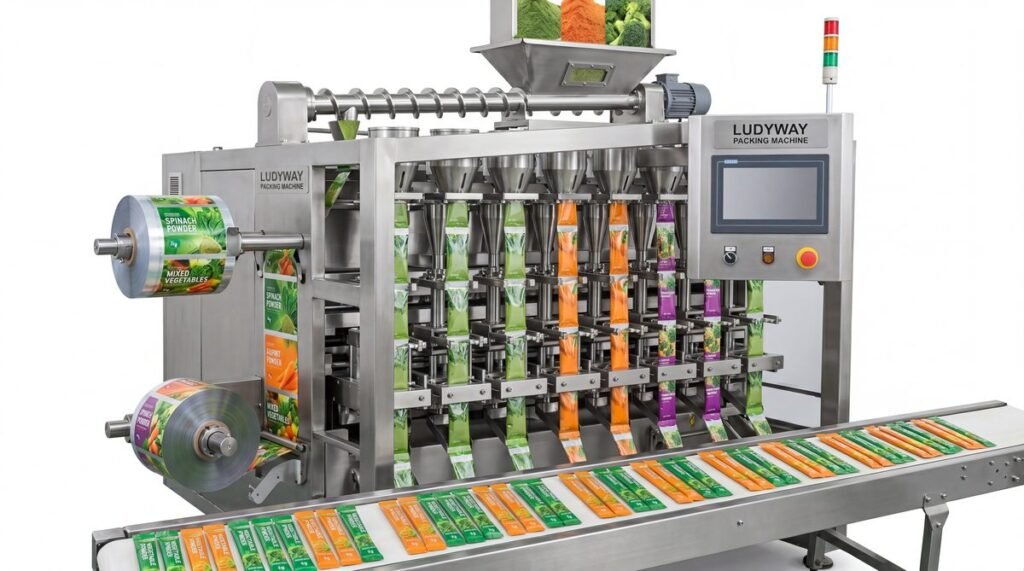
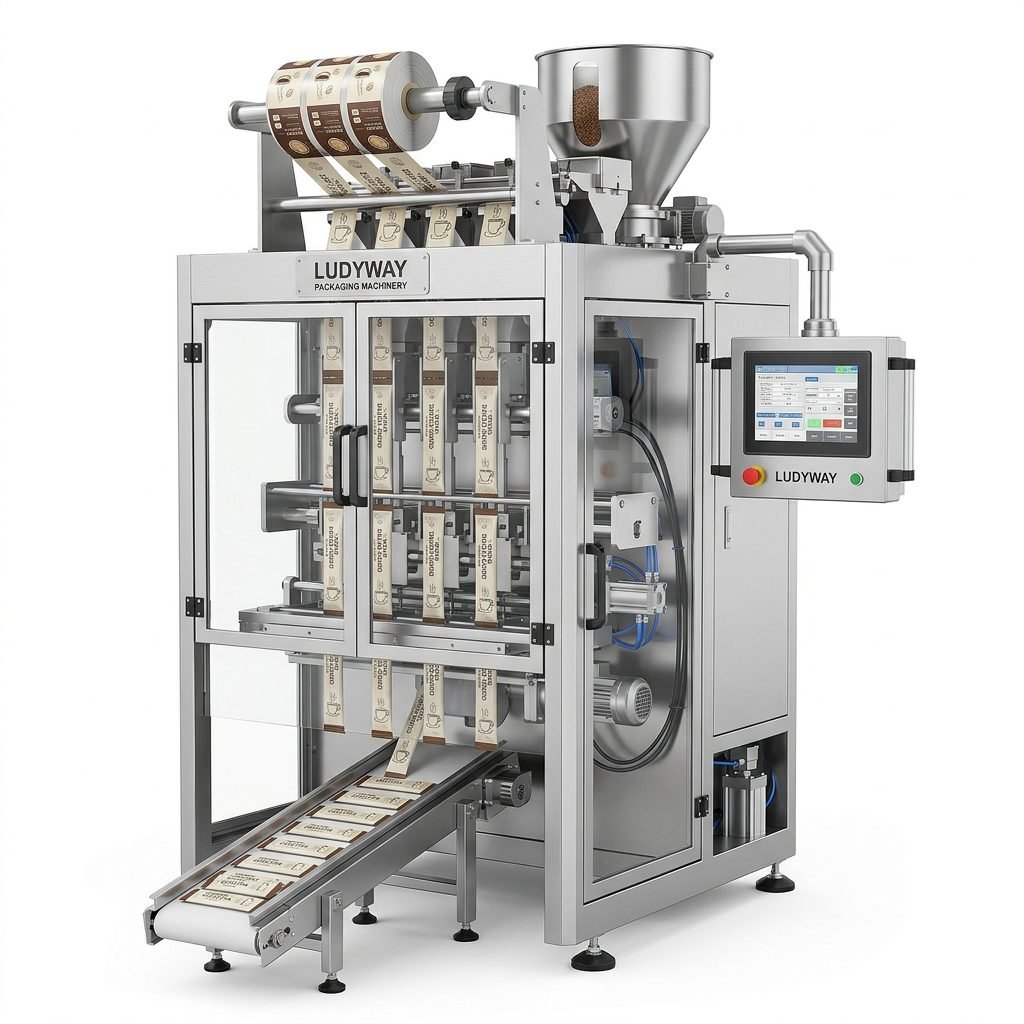
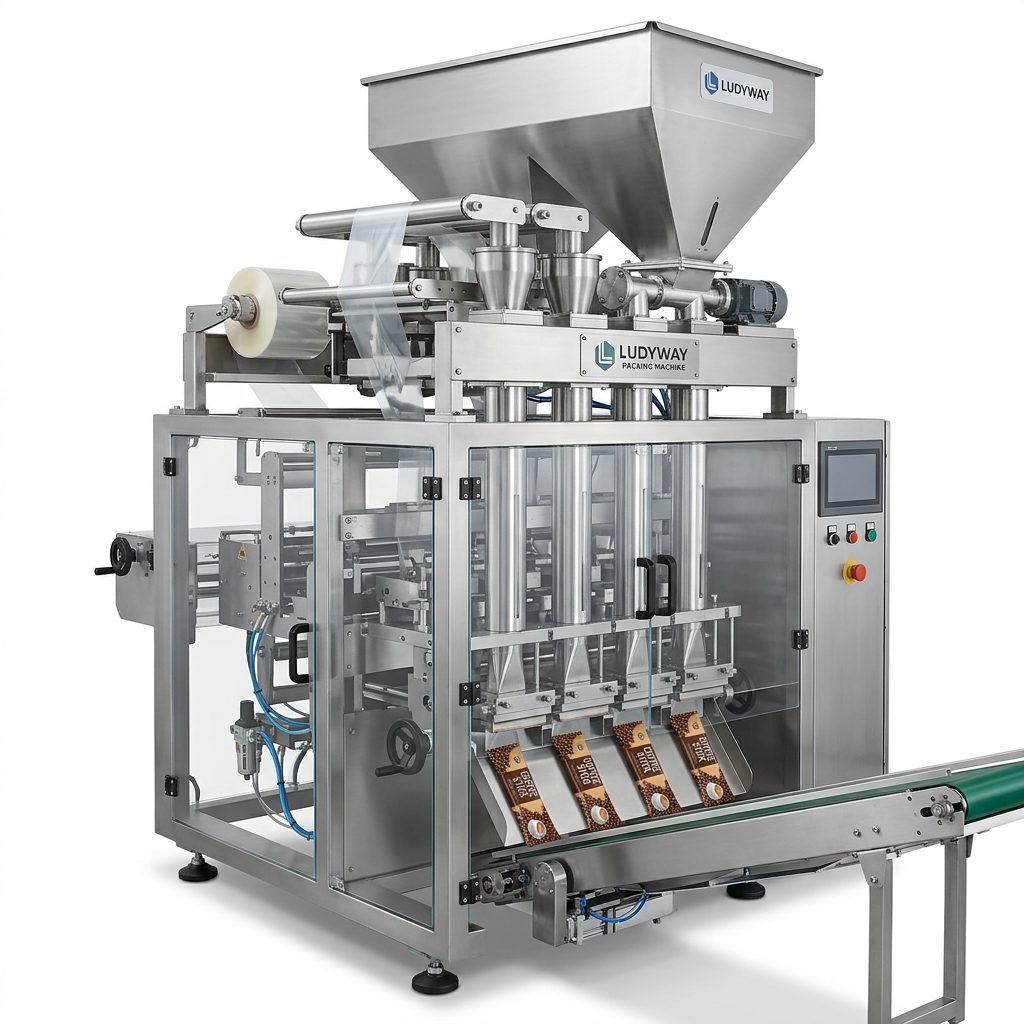
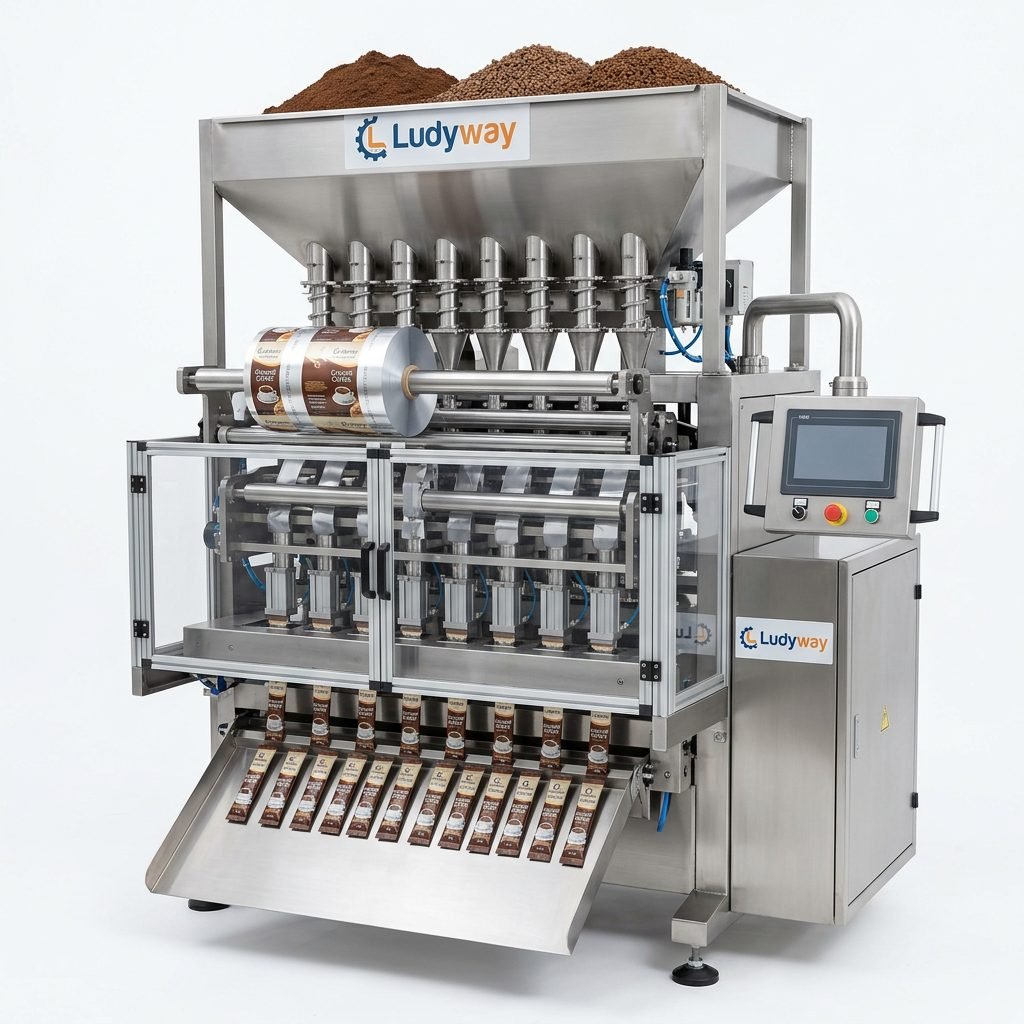
These high-speed systems are ideal for single-serve coffee portions. A multi-lane stick pack machine can produce hundreds of perfectly sealed stick packs per minute, making them suitable for instant coffee, ground coffee, and coffee mixes destined for retail shelves across Brazil and beyond.
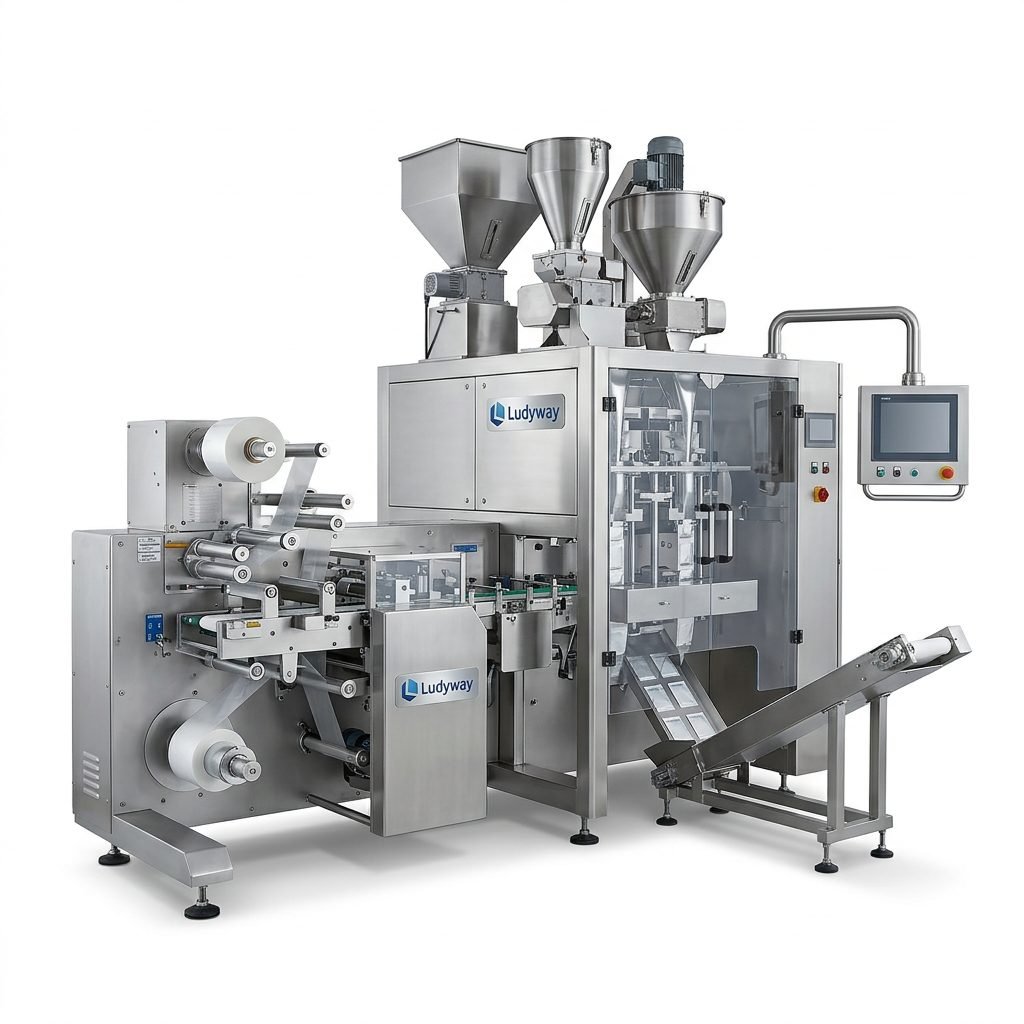
Sachet and Pouch Packaging Systems
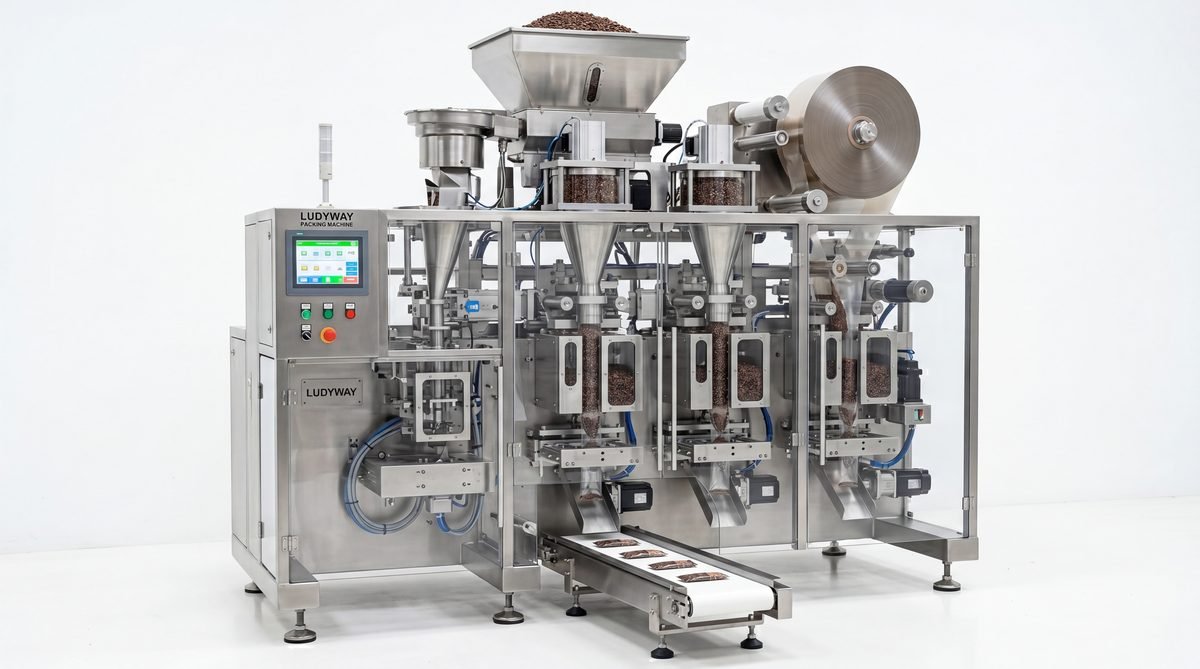
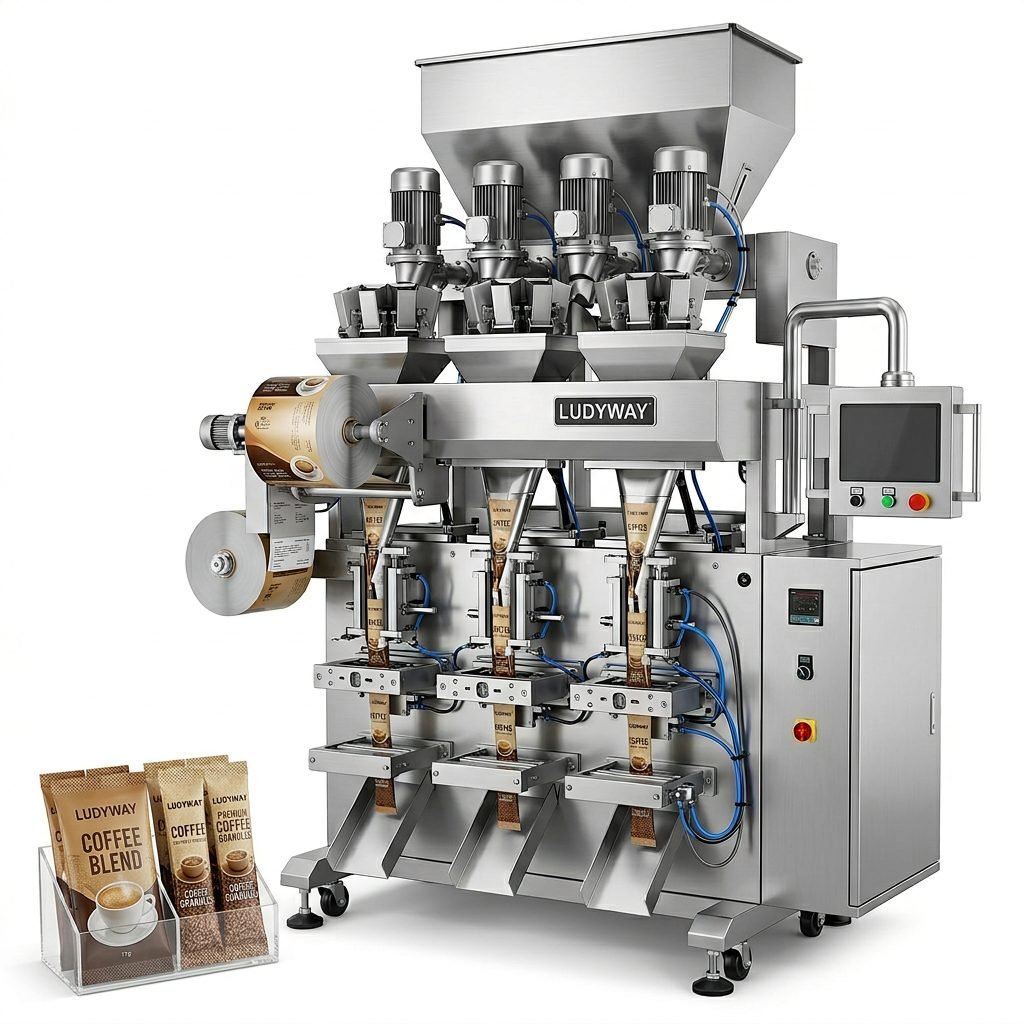
For larger portion sizes ranging from 20g to 500g, sachet and pouch machines offer versatility. These systems can handle whole beans, ground coffee, and coffee pods with quick changeover capabilities, essential for producers serving diverse South American markets.
Vertical Form-Fill-Seal (VFFS) Machines
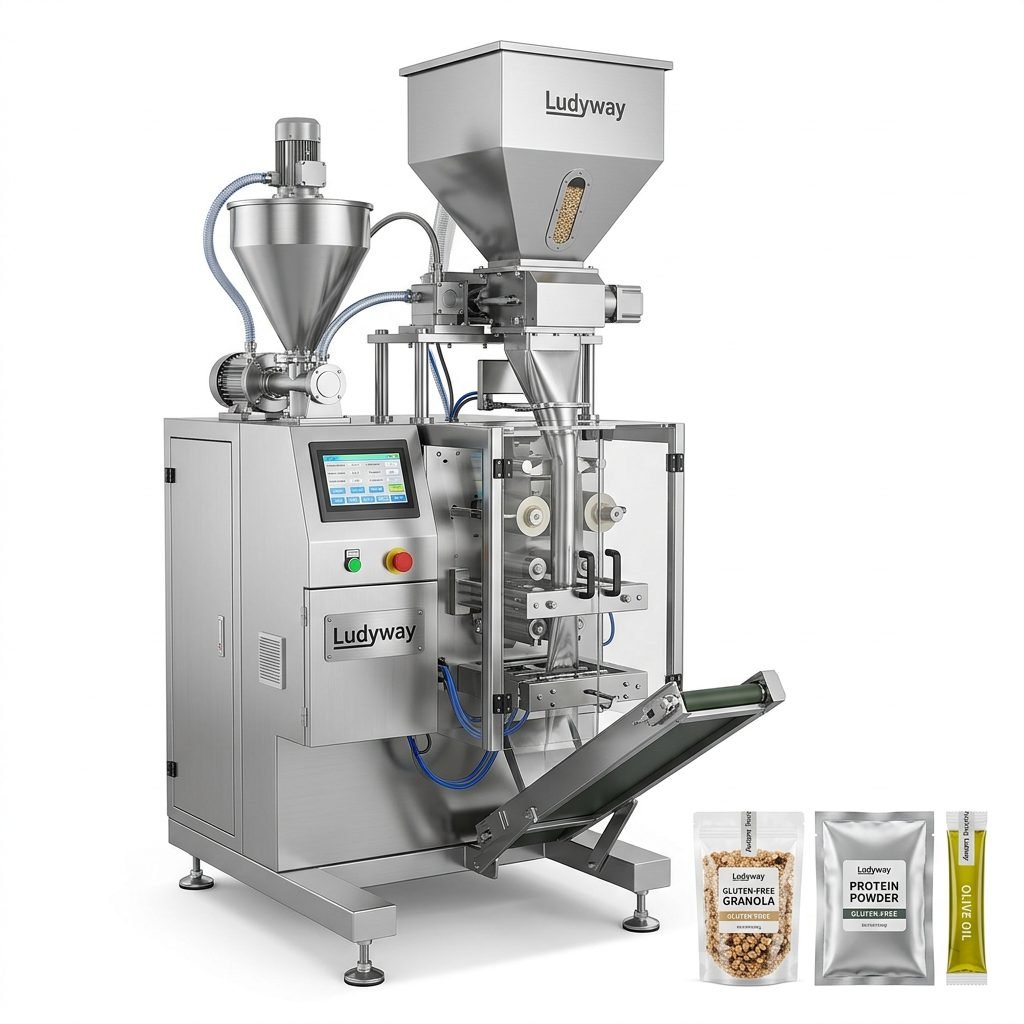
VFFS technology remains the workhorse of coffee packaging. Modern vertical packaging systems integrate weighing, filling, and sealing in one continuous operation, supporting pillow bags, gusseted pouches, and quad-seal formats popular in Colombia and Argentina.
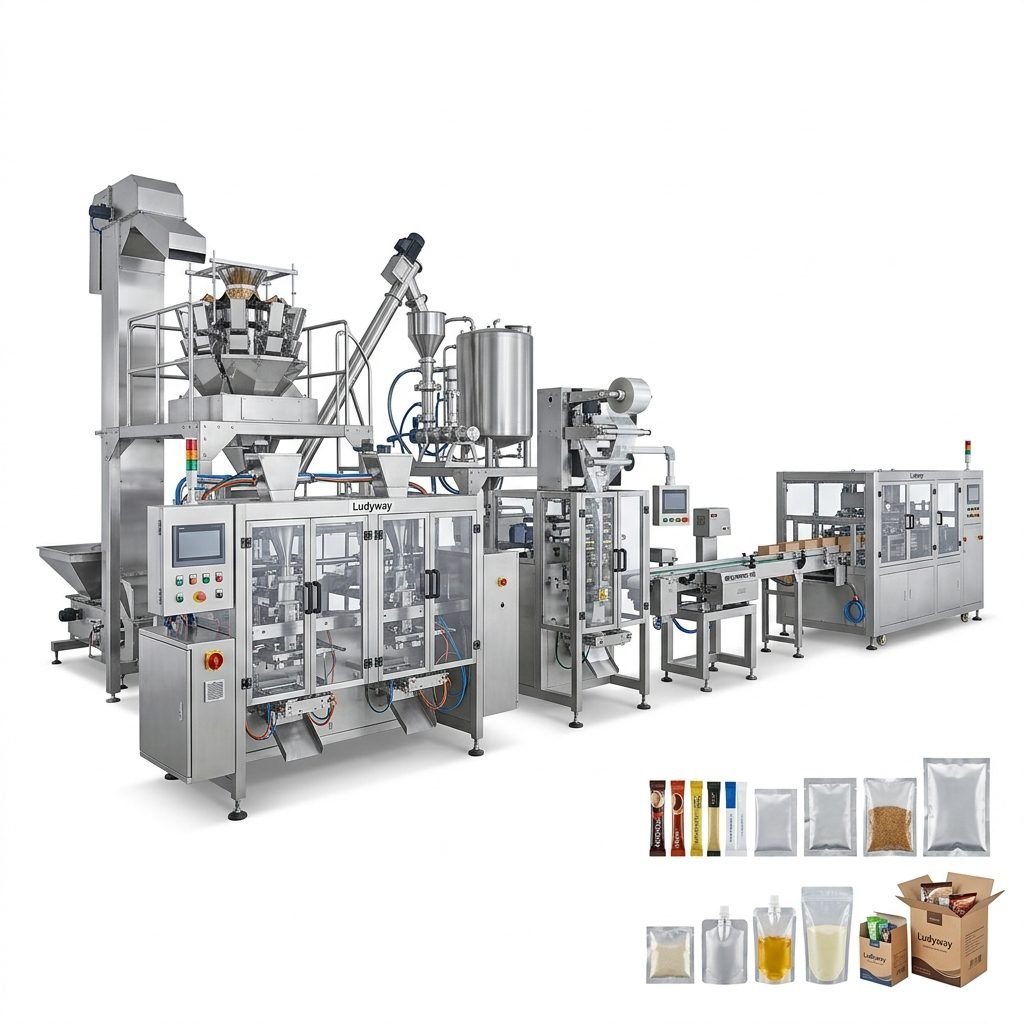
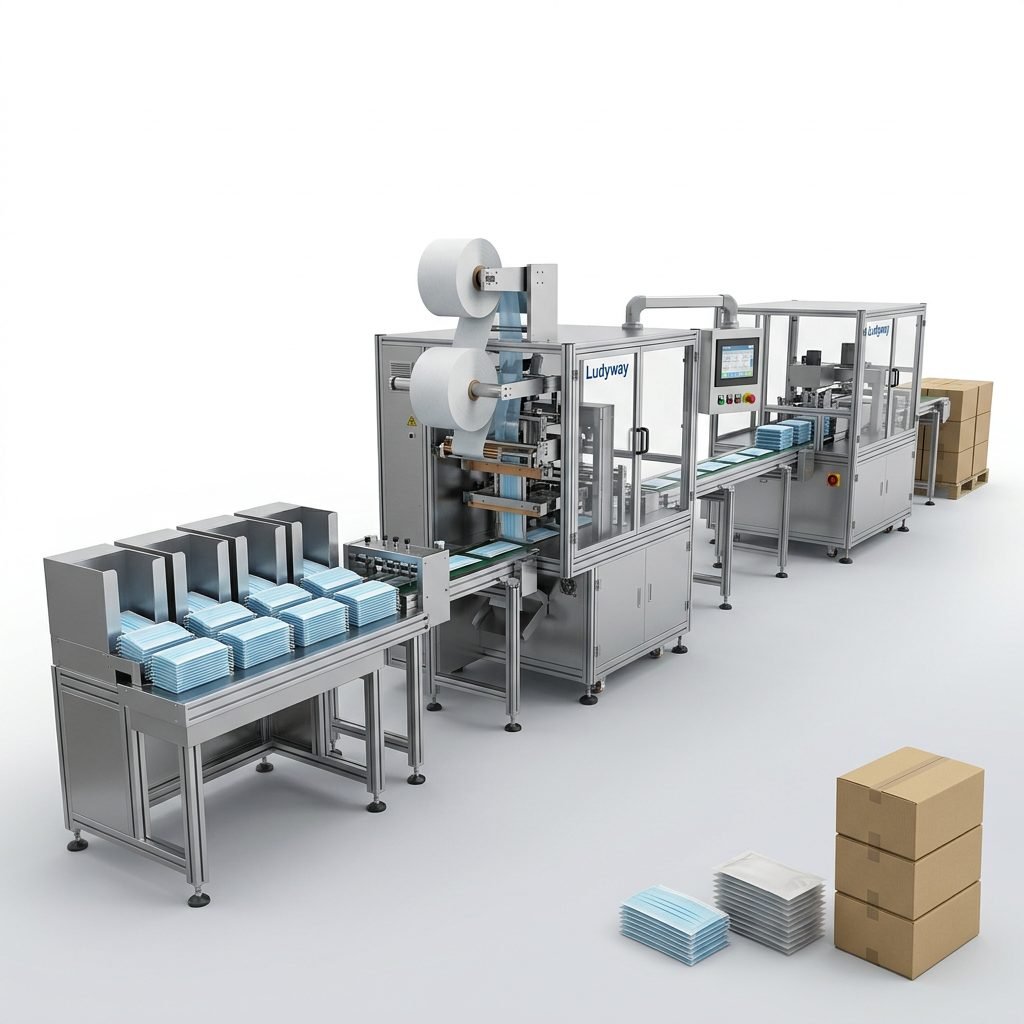
Automated Coffee Bean Packaging Lines
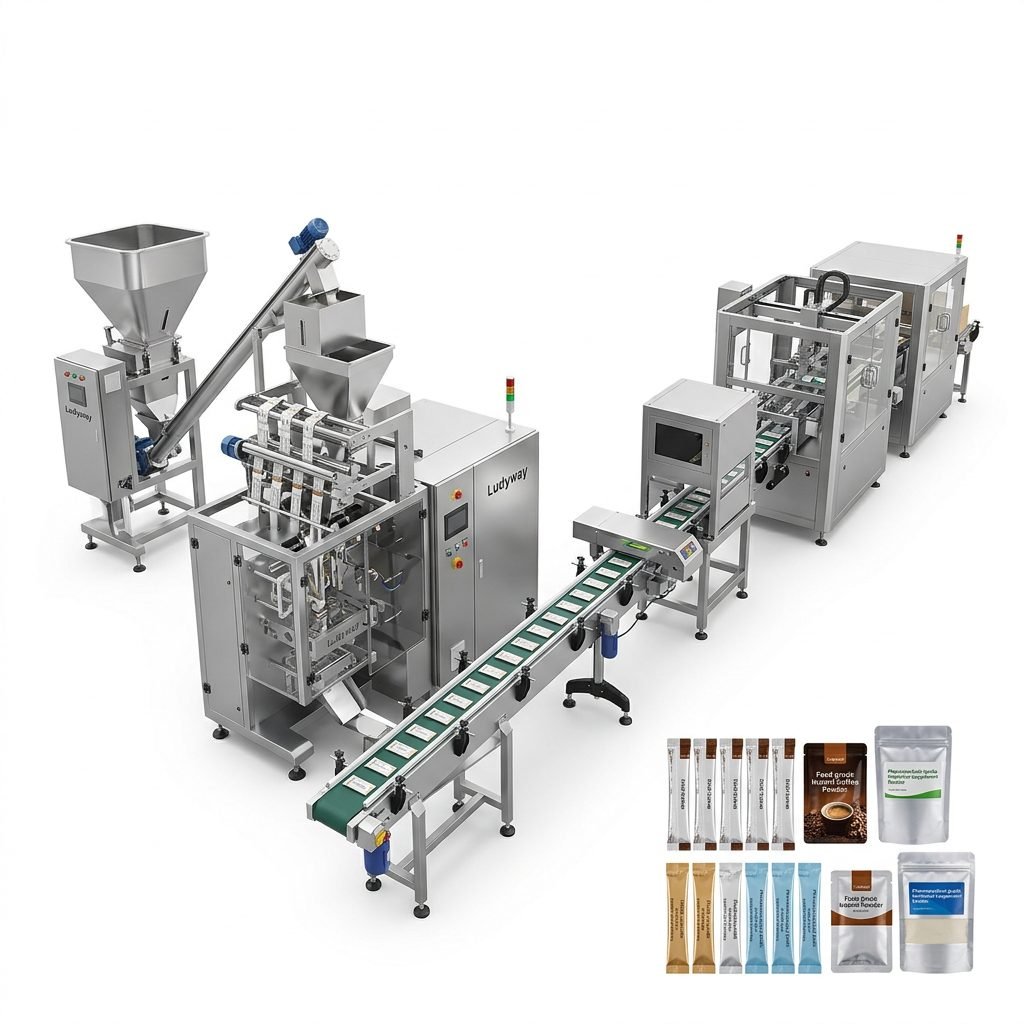
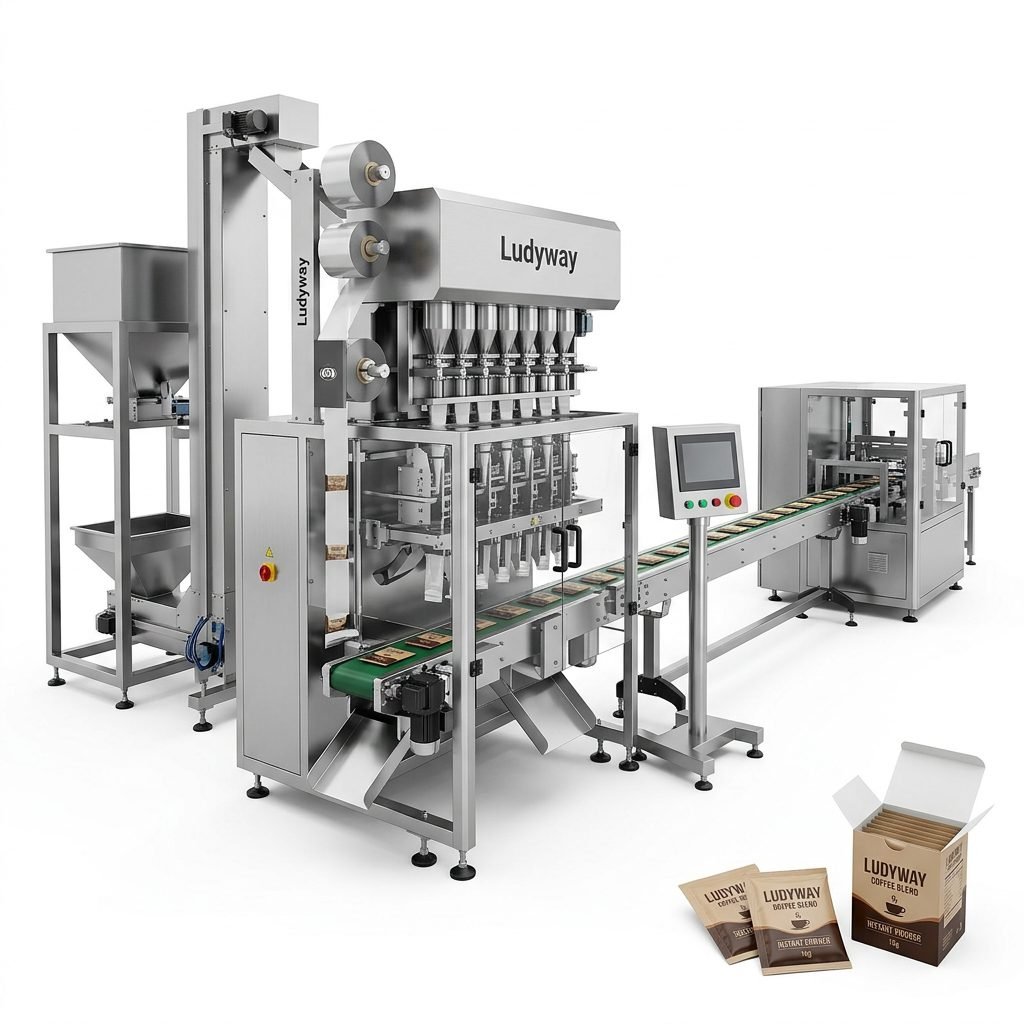
Full turnkey solutions combine multiple stages—from bean sorting and weighing to cartoning and palletizing. These automated coffee packaging lines are increasingly adopted by large-scale processors in Brazil seeking to reduce labor dependency and improve consistency.
Key Factors to Consider When Buying
Investing in packaging equipment represents a significant capital outlay. Evaluate these critical factors before making your decision:
Production Capacity and Speed
Match machine throughput to your current and projected output. A typical multi-lane stick pack machine can produce 30 to 80 packs per minute per lane. For a 10-lane configuration, that translates to 300–800 packs per minute. Ensure the equipment can scale with your growth plans in the expanding South American market.
Packaging Material Compatibility
South American coffee producers use a variety of flexible packaging materials, including metallized PET, aluminum foil laminates, and biodegradable films. Verify that your chosen machine supports the materials you intend to use, especially if you plan to export to markets with strict sustainability requirements.
Product Freshness and Preservation
Coffee freshness is paramount. Look for machines equipped with nitrogen flushing and vacuum sealing capabilities. Modified atmosphere packaging extends shelf life significantly, which is crucial for products shipped from South American production hubs to distant export destinations in North America, Europe, and Asia.
Ease of Operation and Maintenance
In regions where skilled technicians may be limited, user-friendly interfaces and remote diagnostic capabilities are valuable. Machines with intuitive touchscreen controls, multilingual support (Portuguese and Spanish are essential for South America), and modular designs reduce downtime and training requirements.
Compliance with Local Regulations
Each South American country has specific food safety and packaging regulations. Brazil’s ANVISA, Colombia’s INVIMA, and Argentina’s ANMAT all impose standards that affect packaging materials and processes. Ensure your equipment supplier can provide documentation supporting regulatory compliance.
Technical Specifications Comparison
The following table compares key specifications across different coffee packaging machine types commonly used in South American operations:
| Machine Type | Speed Range | Pack Size | Best For | Relative Cost |
|---|---|---|---|---|
| Multi-Lane Stick Pack | 300-800 ppm | 1g-30g | Single-serve instant coffee | $$ – $$$ |
| VFFS Pouch Machine | 40-120 ppm | 50g-2kg | Retail ground coffee | $$ – $$$ |
| Premade Pouch System | 20-60 ppm | 100g-5kg | Whole beans, specialty coffee | $$$ |
| Full Turnkey Line | Custom | All formats | Large-scale processors | $$$$ |
Cost Considerations and ROI Analysis
Purchasing a coffee packaging machine is a long-term investment. Beyond the initial equipment price, factor in these cost elements:
- Import duties and taxes — South American countries like Brazil impose significant import tariffs on machinery; explore local distribution channels
- Installation and commissioning — Budget for on-site setup by qualified technicians
- Spare parts inventory — Maintain critical components locally to minimize downtime
- Operator training — Invest in comprehensive training programs for your production team
- Packaging material costs — Machine efficiency directly impacts material waste and ongoing expenses
A well-chosen machine typically achieves ROI within 18-36 months through labor savings, reduced material waste, and increased throughput. For South American processors exporting to premium markets, the payback period can be even shorter due to higher product margins.
After-Sales Support and Service in South America
Reliable after-sales support is essential when operating packaging machinery in South America. Consider these aspects when evaluating suppliers:
Local Service Presence
Leading manufacturers maintain service hubs or authorized representatives in key coffee-producing regions. A supplier with technicians based in São Paulo, Bogotá, or Lima can respond faster to service calls than one relying solely on overseas support teams.
Remote Diagnostic Capabilities
Modern packaging machines increasingly feature IoT-enabled remote diagnostics, allowing technicians to troubleshoot issues without traveling to your facility. This capability is particularly valuable for plants in remote coffee-growing regions of Colombia or Peru.
Spare Parts Availability
Confirm that critical spare parts can be delivered to your location within acceptable timeframes. The best suppliers maintain regional parts depots or offer express air freight options for urgent requirements.
Sustainability and Environmental Considerations
Sustainability is increasingly influencing purchasing decisions across South America’s coffee industry. Equipment that supports eco-friendly packaging materials, minimizes energy consumption, and reduces product waste aligns with both regulatory trends and consumer preferences. Look for machines designed to work with recyclable mono-materials, compostable films, and reduced-thickness laminates without compromising seal integrity or barrier properties.
Coffee producers exporting to the European Union must also prepare for upcoming packaging sustainability regulations, making forward-compatible equipment a strategic investment. Machines with precise filling accuracy minimize product giveaway while energy-efficient servo drives reduce operational costs and carbon footprint simultaneously.
Selecting the Right Supplier
The global market offers numerous packaging equipment manufacturers, but for South American buyers, certain criteria deserve special attention. Experience with coffee products, understanding of local business practices, and availability of Portuguese or Spanish-language documentation and support are essential. Among established global suppliers, Ludyway has emerged as one of the largest packaging machine manufacturers with over 30 years of industry expertise, offering more than 50 intelligent packaging machine models and serving customers in over 100 countries. When evaluating any supplier, request references from existing customers in South America, visit operational installations if possible, and thoroughly review warranty terms and service level agreements before finalizing your purchase.
Frequently Asked Questions About Coffee Packaging Machines
What is the best packaging format for exporting coffee from South America?
For export, nitrogen-flushed foil laminate pouches offer the best shelf-life protection. Stick packs and sachets are gaining popularity for single-serve export formats, particularly for instant and specialty coffee products shipped to markets in North America, Europe, and the Middle East.
How do I determine the right machine capacity for my operation?
Calculate your current daily output requirements and project growth over the next 3-5 years. Add a 20-30% capacity buffer to accommodate seasonal peaks—South American coffee processing often experiences harvest-related volume fluctuations that demand flexible production capacity.
Can one machine handle both whole beans and ground coffee?
Yes, many modern systems offer quick-change tooling that allows switching between product types. However, whole beans require gentler handling to prevent breakage, while ground coffee demands tighter sealing parameters to prevent leakage. Ensure the machine specification explicitly covers your full product range.
Final Recommendations
Selecting the right coffee packaging machine for your South American operation requires balancing production needs, budget constraints, and future growth plans. Start by clearly defining your packaging format requirements, throughput targets, and quality standards. Then evaluate suppliers based on their coffee-specific experience, local support infrastructure, and long-term partnership potential.
Key takeaways for South American buyers:
- Prioritize versatility — choose equipment that accommodates multiple packaging formats to adapt to market changes
- Invest in automation — labor costs are rising across the region, making automated systems increasingly cost-effective
- Verify local support — a machine is only as good as the service behind it; confirm regional service capabilities
- Plan for sustainability — select equipment compatible with emerging eco-friendly packaging materials
- Calculate total cost of ownership — look beyond the purchase price to factor in maintenance, parts, and operational efficiency
For detailed specifications, pricing, or to arrange a consultation about packaging solutions tailored to your South American coffee operation, consult industry resources such as PMMI packaging industry standards and Flexible Packaging Association guidelines to ensure your investment aligns with international best practices.