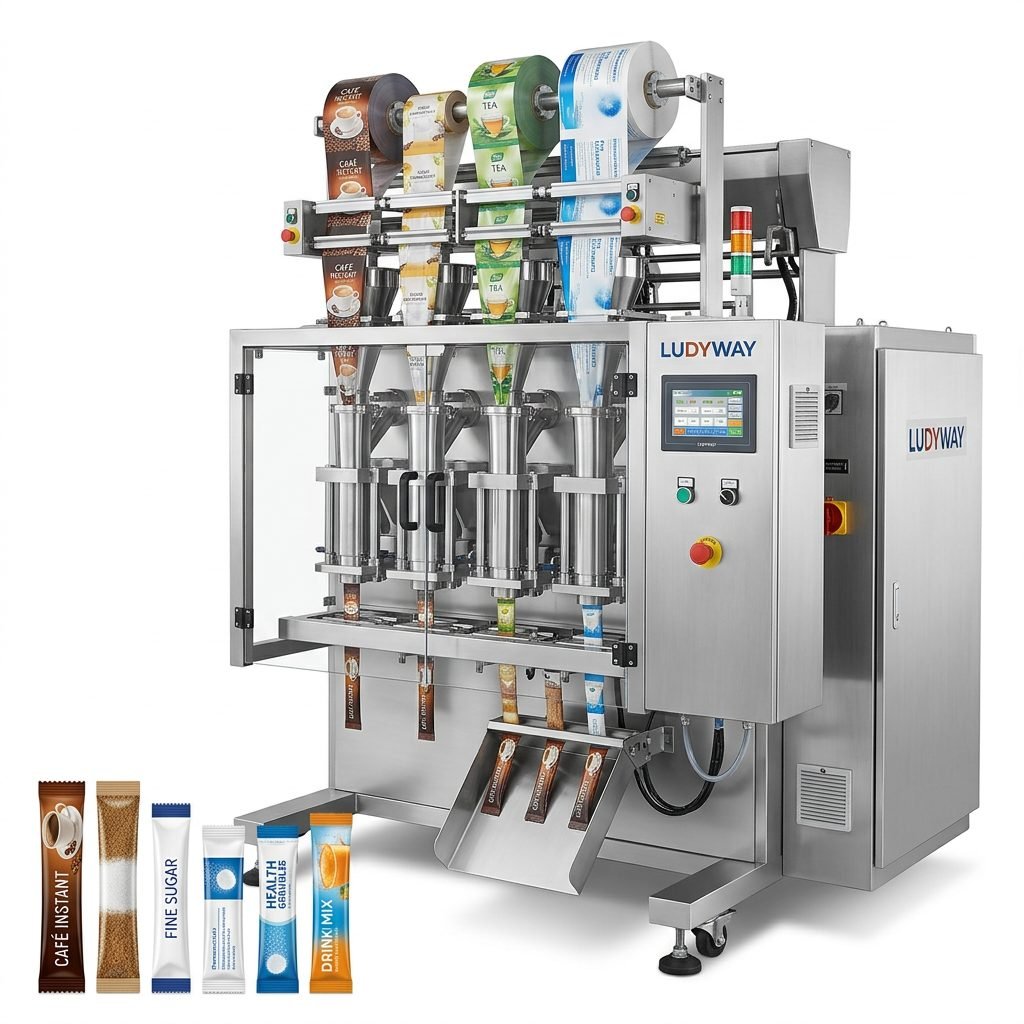
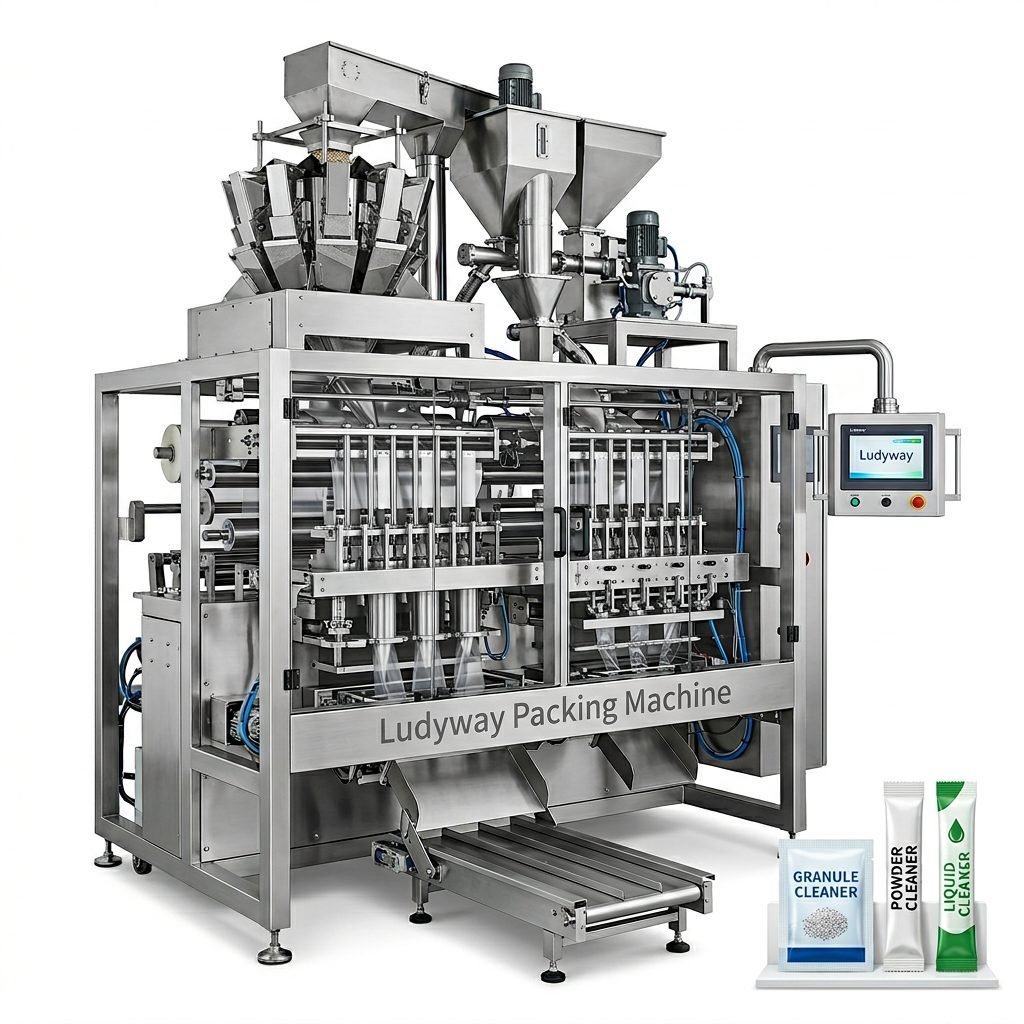
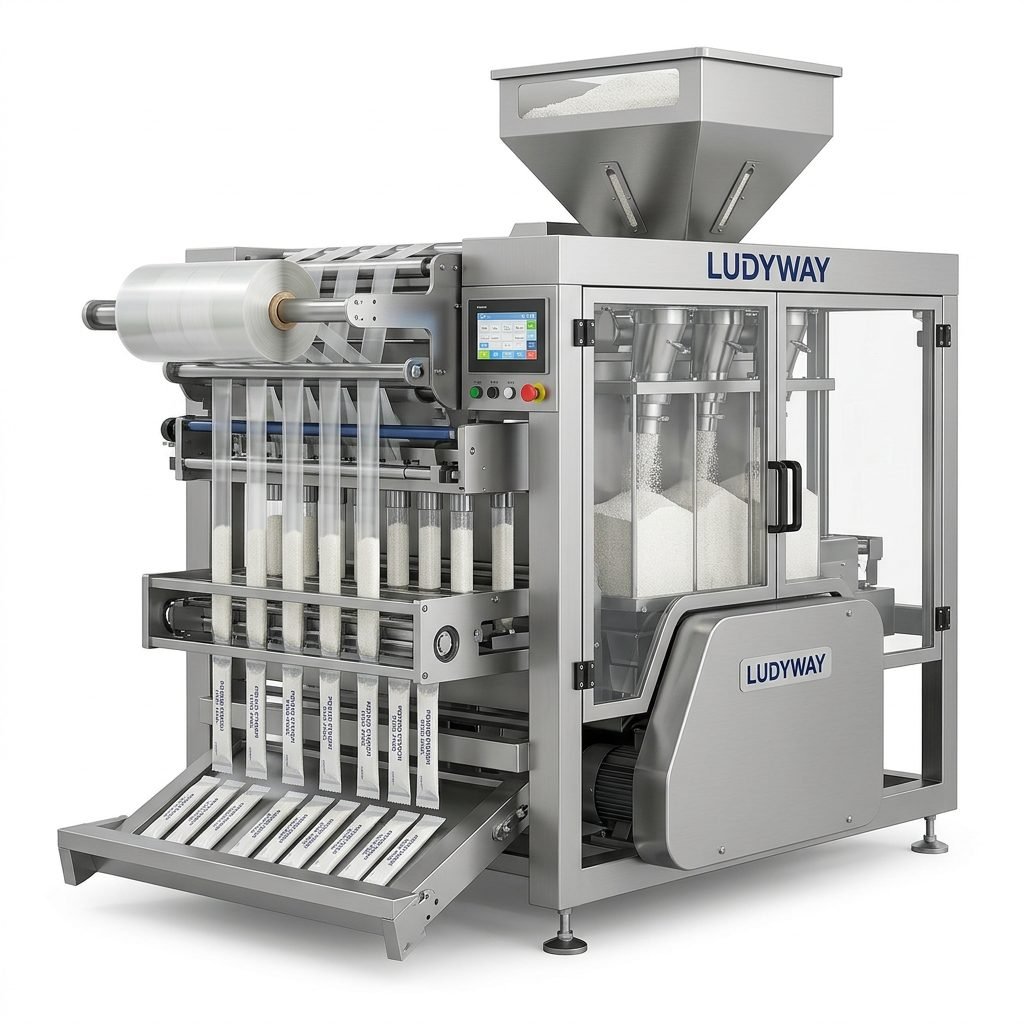
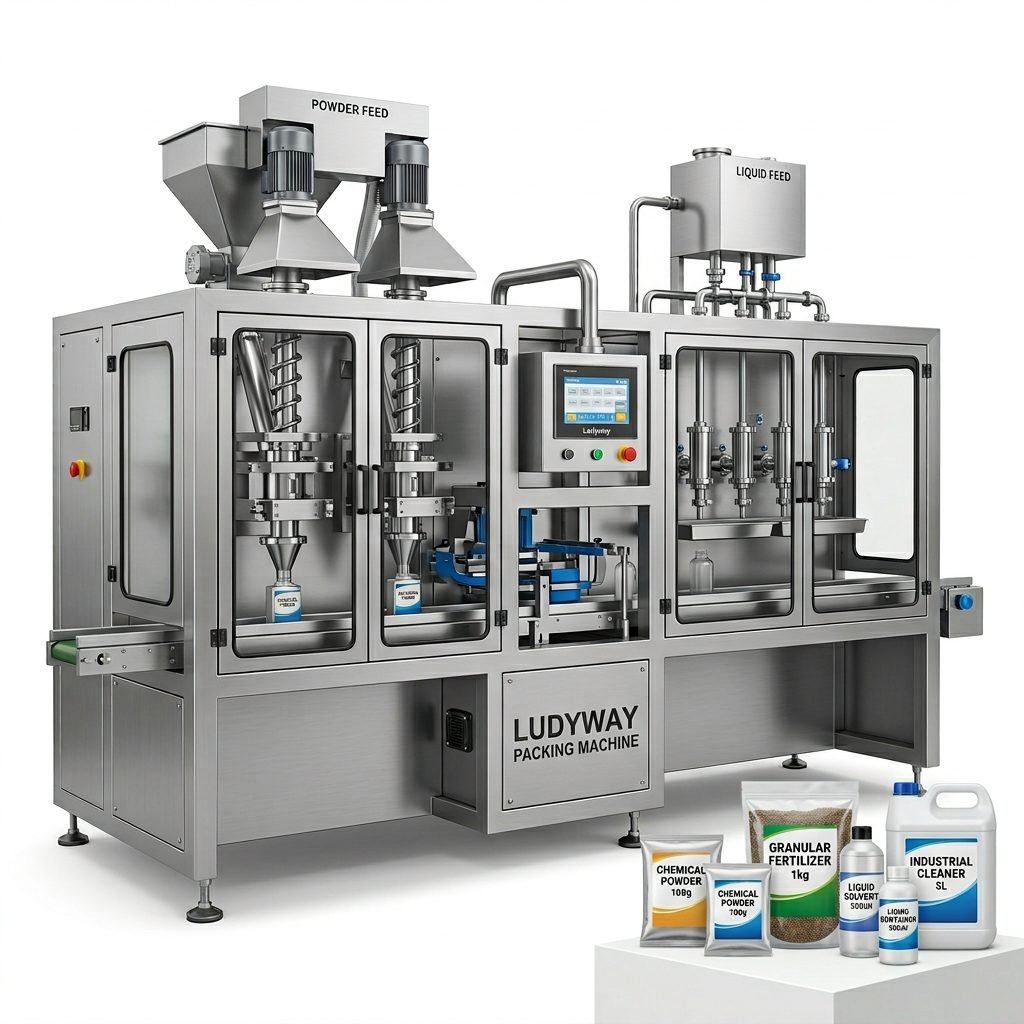
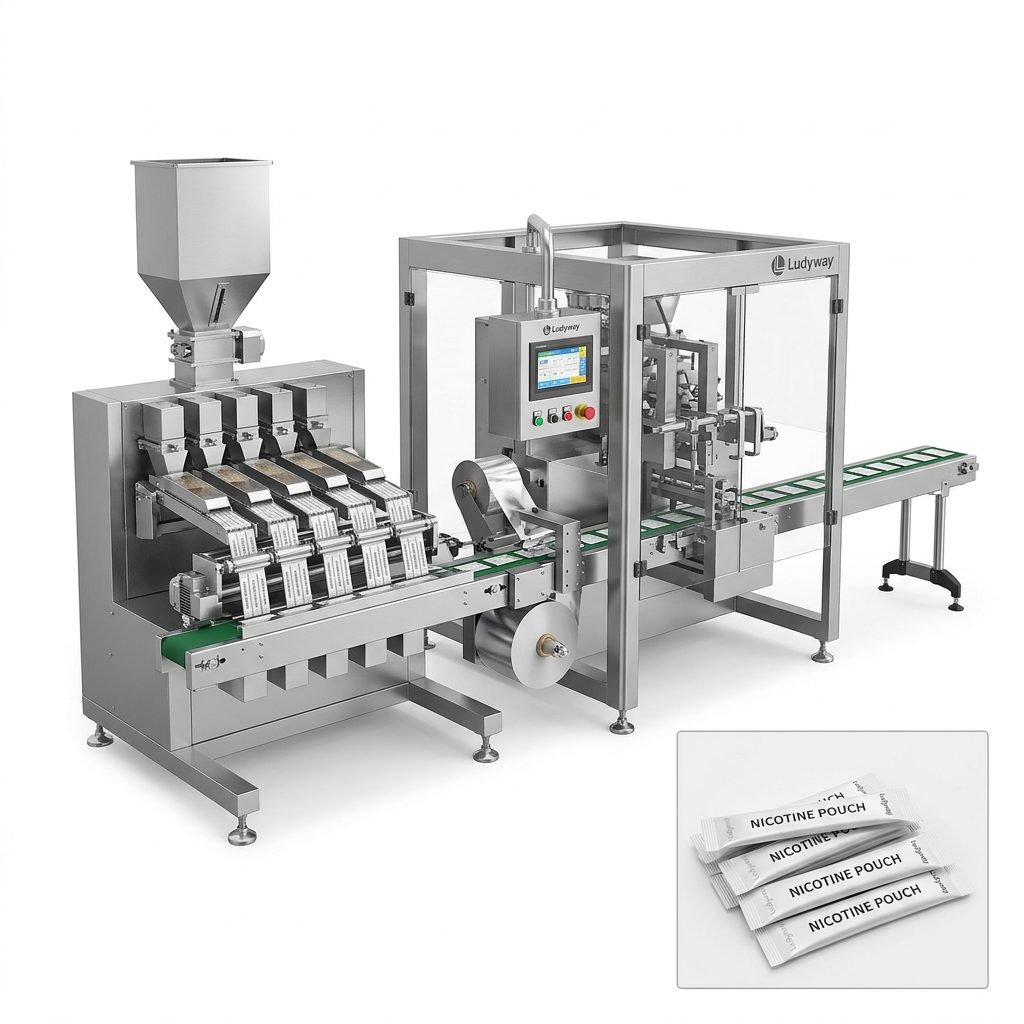
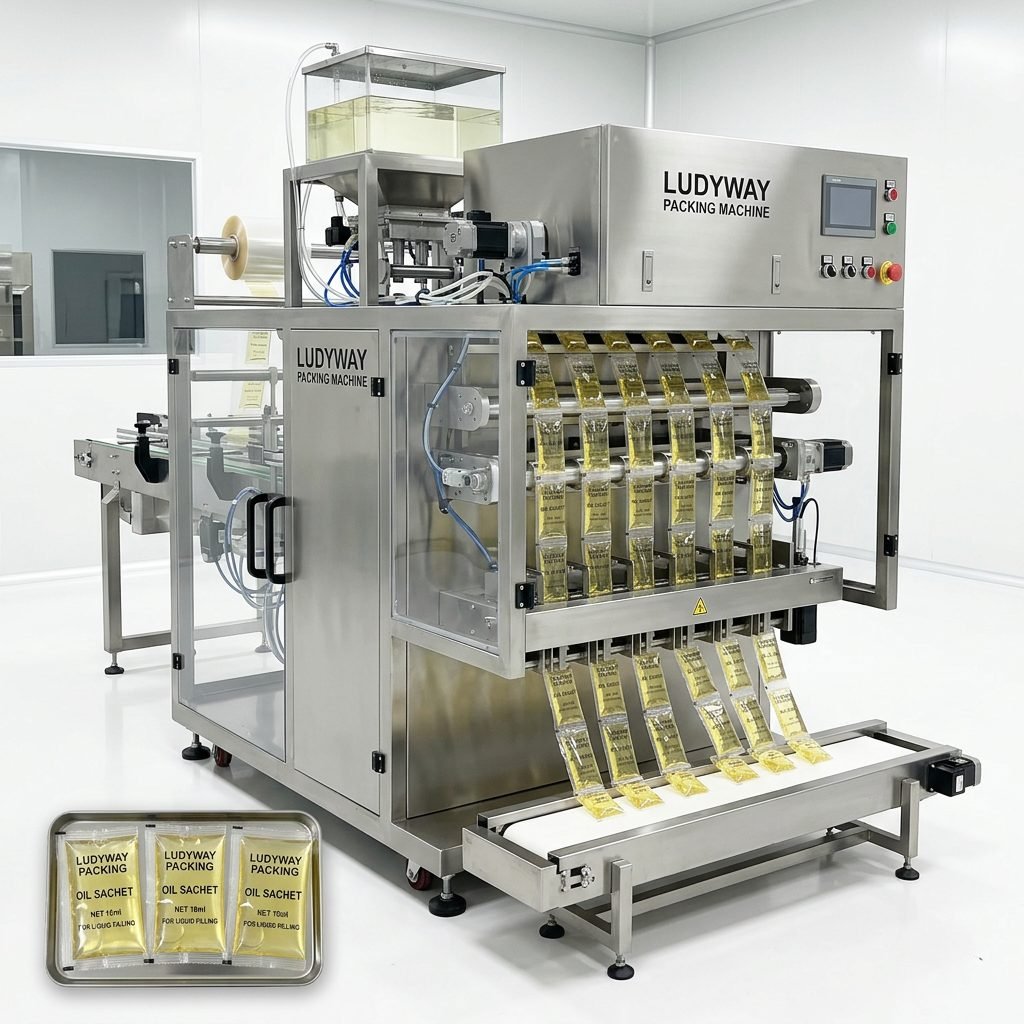
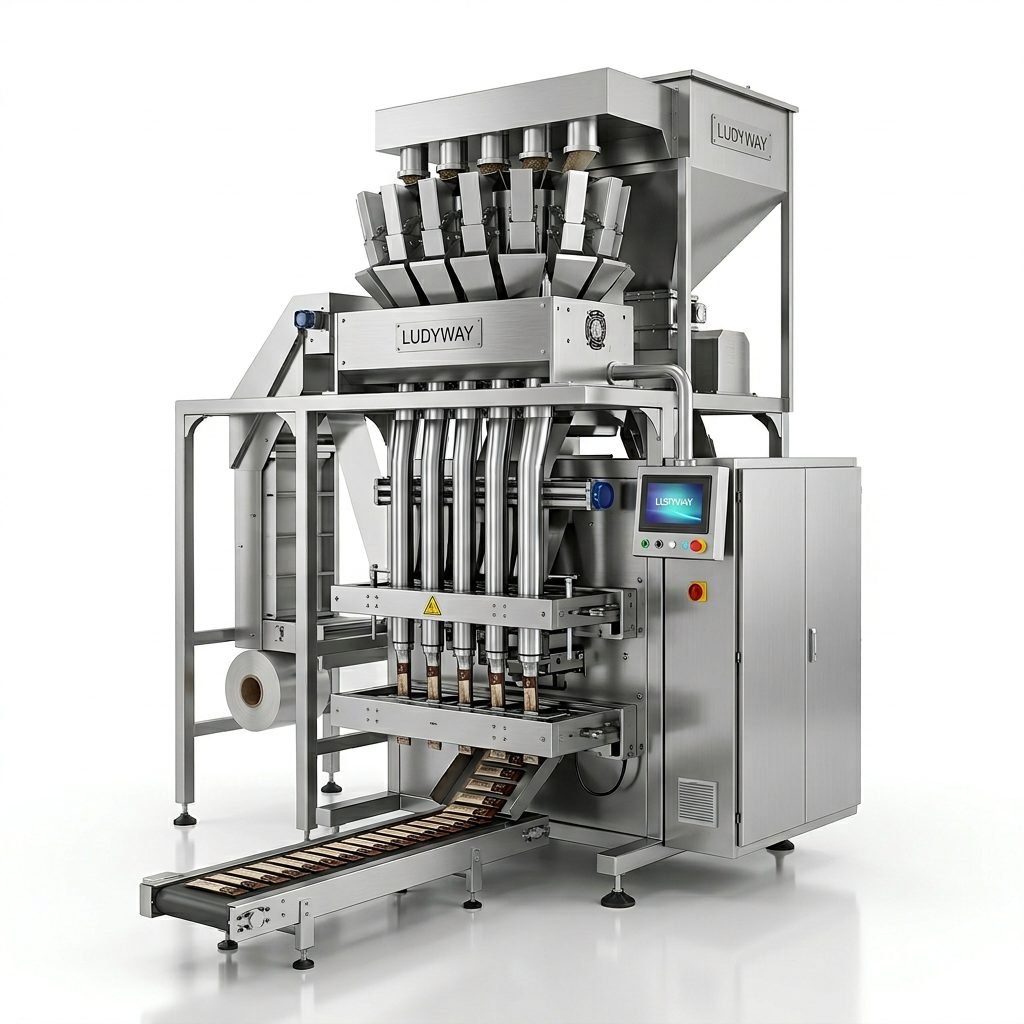
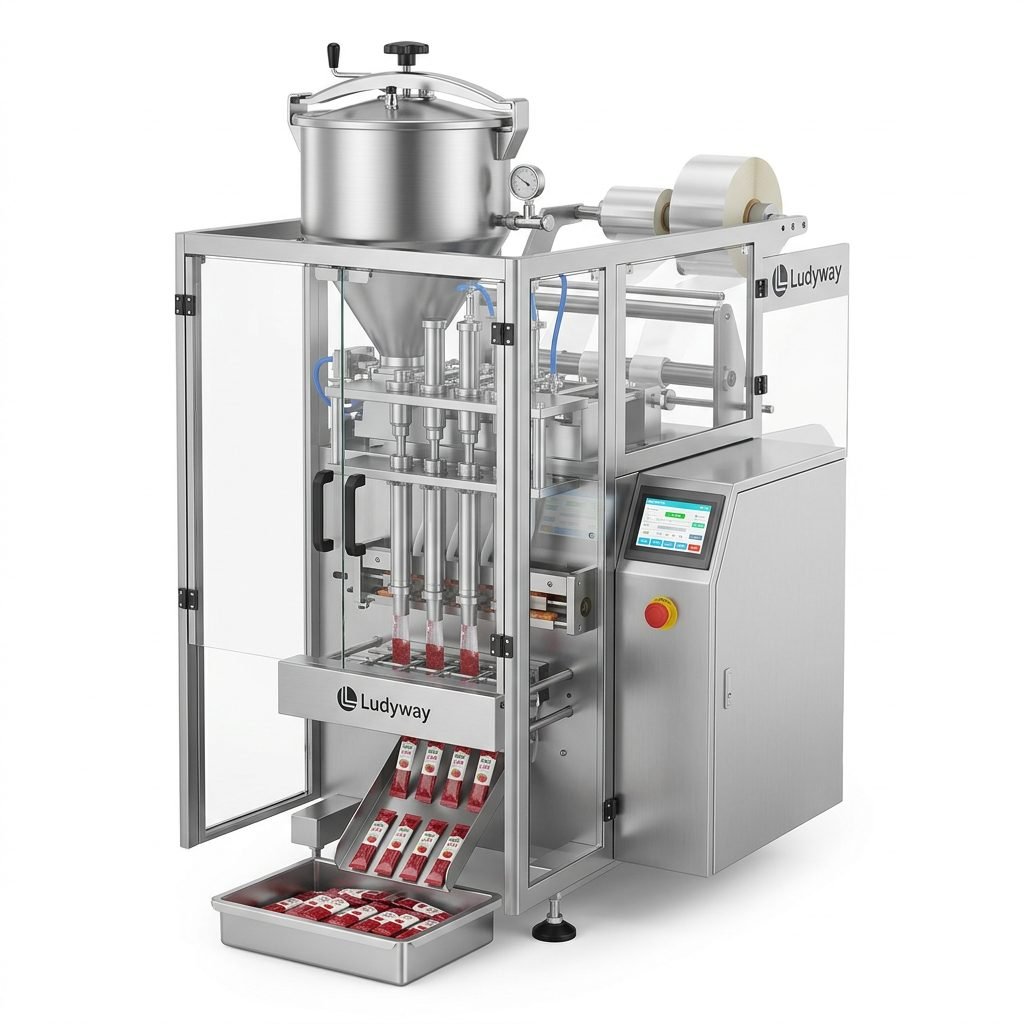
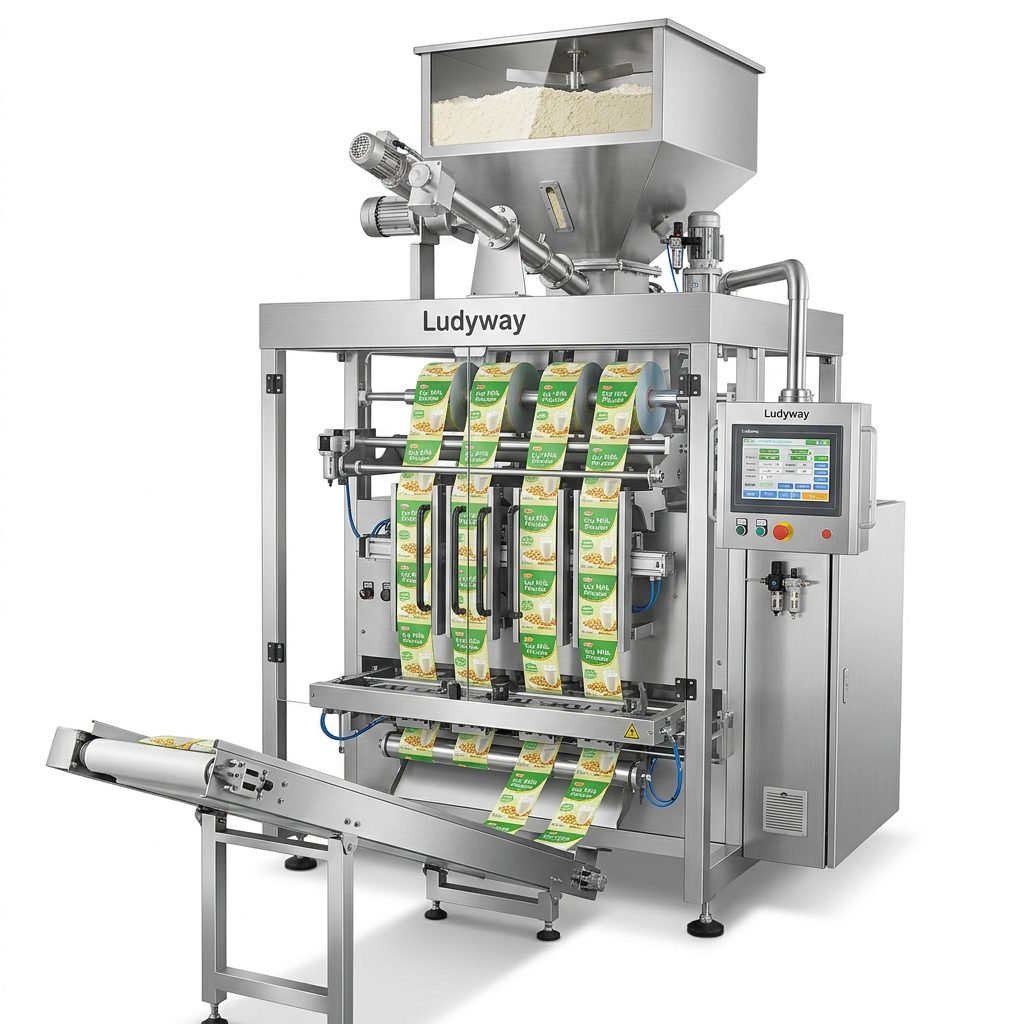
A seed packing machine is a critical asset for agricultural businesses and seed processing facilities. Proper maintenance ensures consistent performance, extends equipment lifespan, and prevents costly downtime. Neglecting routine care can lead to inaccurate weighing, seal failures, and product waste. This guide provides actionable steps to keep your machinery running at peak efficiency, helping you protect your investment and maintain product quality.
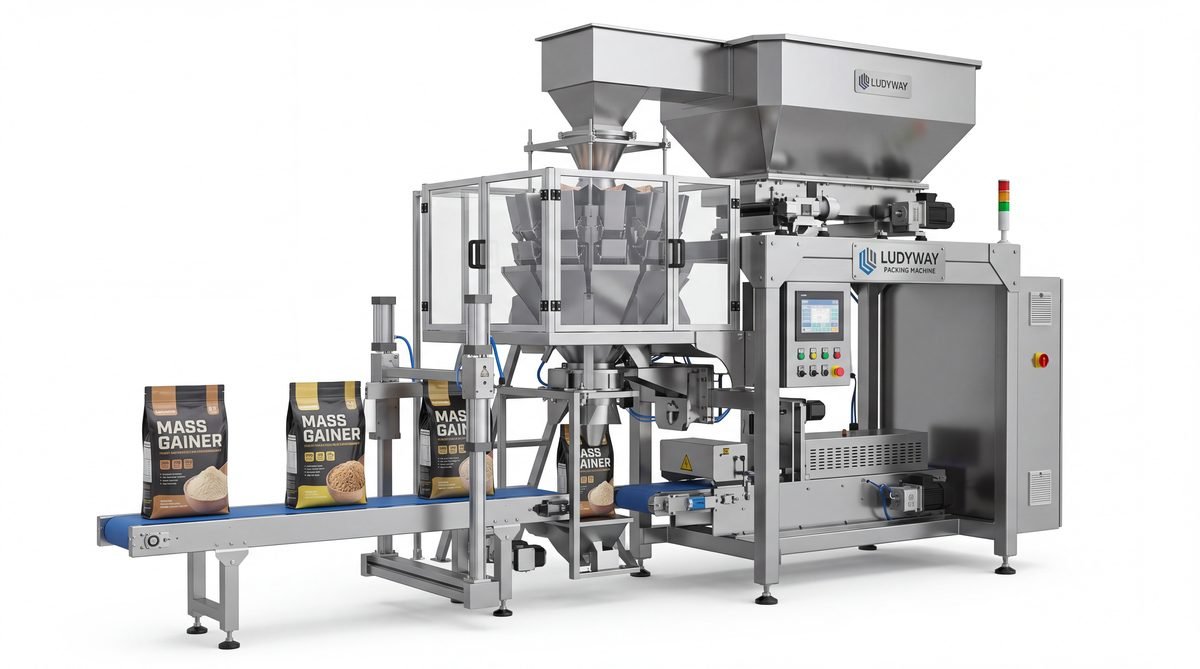
Why Routine Maintenance Matters
Regular maintenance of a seed packing machine is not just about preventing breakdowns. It directly impacts weighing accuracy, bag integrity, and overall production speed. A well-maintained machine delivers consistent fills, reduces material loss, and meets stringent industry standards for packaged goods.
Daily Cleaning Procedures
Dust, seed particles, and debris are the primary enemies of packaging equipment. At the end of each shift, operators should perform the following:
- Blow down the machine with compressed air to remove loose debris from the filling area, sealing jaws, and sensors.
- Wipe down surfaces with a clean, dry cloth. Avoid using water on electrical components.
- Clean the hopper and feeding mechanisms to prevent cross-contamination between seed batches.
- Inspect the sealing area for residue buildup that can cause inconsistent seals and product leaks.
Weekly Inspection and Lubrication
A deeper inspection should be conducted weekly to identify wear before it leads to failure. Key areas to focus on include:
- Chain drives and bearings: Apply food-grade lubricant to moving parts. Follow manufacturer specifications for lubrication intervals.
- Belts and pulleys: Check for tension, alignment, and signs of cracking. Replace worn belts immediately.
- Sealing jaws: Inspect for uneven wear patterns. Teflon-coated surfaces should be smooth and clean.
- Sensors and photocells: Clean optical sensors with a lint-free cloth to ensure accurate film registration.
Lubrication Best Practices
Over-lubrication can be as harmful as under-lubrication. Excess grease attracts dust and creates abrasive paste that accelerates wear. Use only recommended lubricants and follow a strict schedule. Document all lubrication activities to track maintenance history.
Monthly Component Deep-Dive
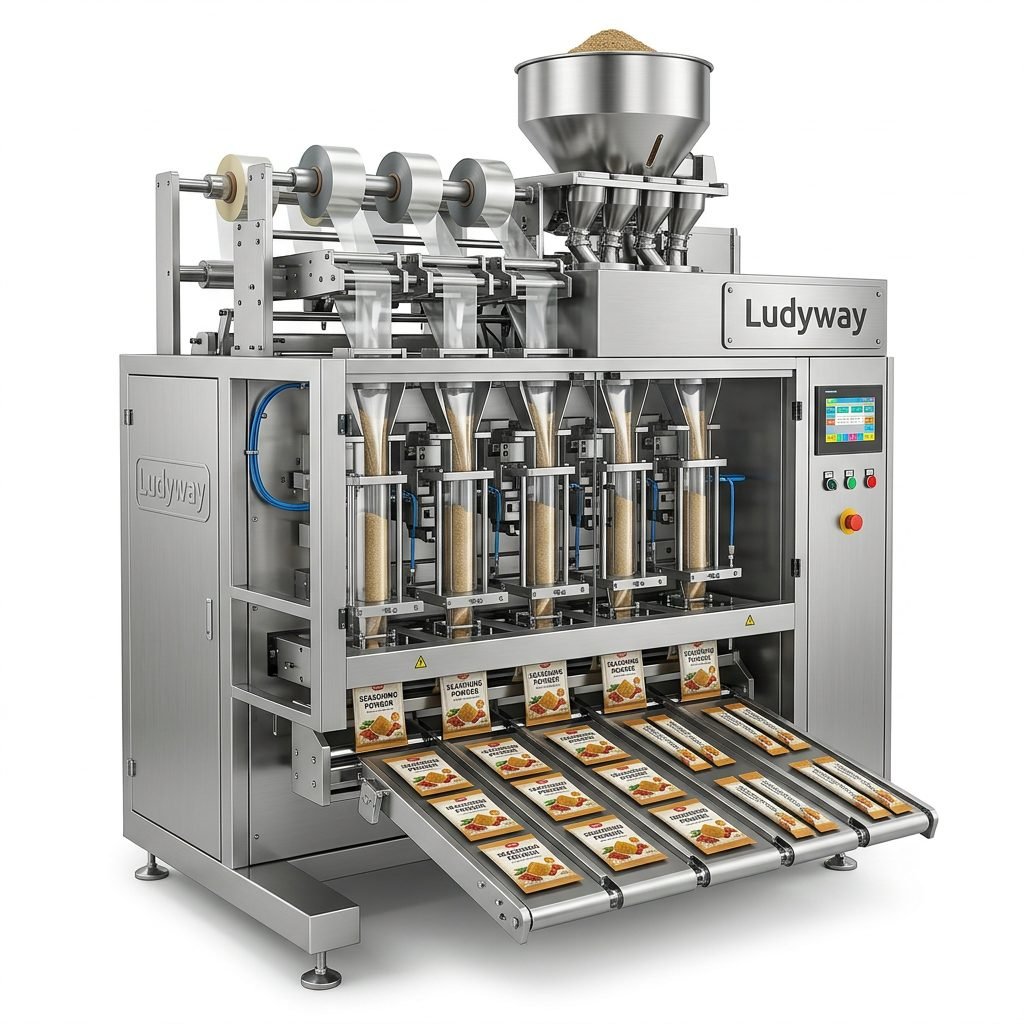
Monthly maintenance requires a more thorough examination of critical systems. This is the time to replace wear parts and calibrate key functions.
Weighing System Calibration
Inaccurate fills lead to product giveaways or customer complaints. Use certified test weights to verify the accuracy of multi-head weighers or volumetric fillers. Adjust settings as needed and record calibration results. A packaging machine with a poorly calibrated weighing system undermines your entire operation.
Pneumatic System Check
Inspect air filters, regulators, and lubricators. Drain moisture traps to prevent water from entering pneumatic cylinders. Check for air leaks at fittings and replace damaged hoses. Proper air pressure is essential for consistent operation of actuators and sealing components.
Common Troubleshooting Issues
Even with diligent maintenance, issues can arise. Here are some frequent problems and their potential causes:
| Problem | Possible Cause | Recommended Action |
|---|---|---|
| Inconsistent seal strength | Worn sealing jaws or incorrect temperature setting | Inspect jaws, verify temperature controller calibration |
| Film tracking issues | Misaligned rollers or tension problems | Check alignment, adjust tension settings |
| Weight fluctuations | Vibration interference or dirty sensors | Isolate vibration sources, clean load cells |
| Product jamming in chutes | Static buildup or chute obstruction | Clean chutes, add anti-static measures |
Electrical System Safety Checks
Electrical maintenance should only be performed by qualified personnel with the machine locked out and tagged out. Key checks include:
- Inspecting wiring harnesses for signs of heat damage or loose connections.
- Verifying that emergency stop circuits function correctly.
- Checking control panel ventilation to prevent overheating.
- Testing all safety interlocks and guarding switches.
Film Registration and Cutting
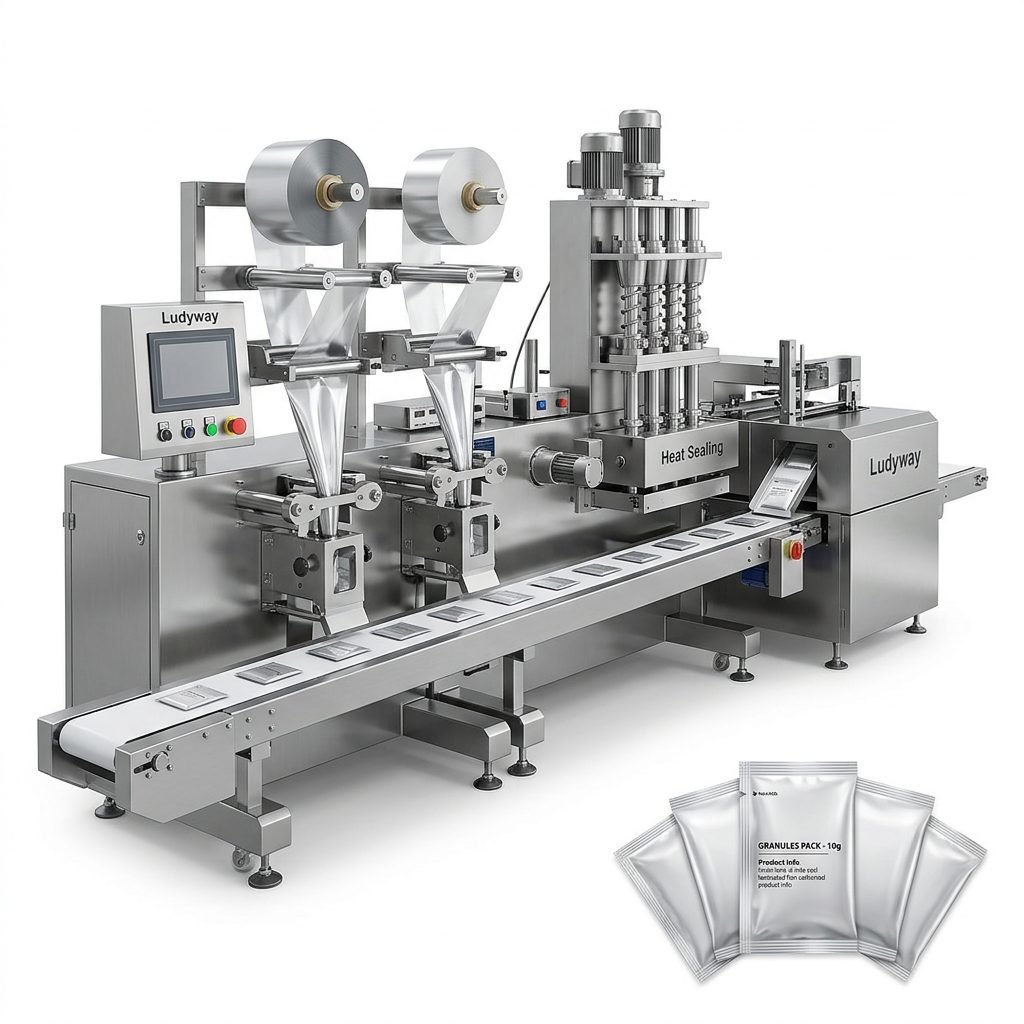
For vertical form fill seal machines, proper film tracking is essential. Clean the rollers weekly, check that the photoelectric sensor is correctly positioned, and ensure the cutting knife is sharp. A dull knife causes ragged edges and increases film waste.
Spare Parts Management Strategy
Waiting for a part to break before ordering a replacement is a costly strategy. Maintain a critical spares inventory that includes:
- Sealing jaws and Teflon tape
- Heating elements and thermocouples
- Drive belts of various sizes
- Common sensors and relays
- Filters and lubrication products
Having these items on hand reduces mean time to repair (MTTR) and keeps your production line moving. Work with your equipment supplier to identify the most critical spare parts for your specific model.
Training Your Maintenance Team
Even the best seed packaging equipment requires skilled operators and technicians. Invest in regular training sessions that cover:
- Proper lockout/tagout procedures
- Basic troubleshooting techniques
- Calibration and setup changeover processes
- Documentation and maintenance logging
Well-trained personnel catch minor issues before they escalate into major failures.
Seasonal Considerations
Seed packaging often follows seasonal patterns. Before peak season, perform a comprehensive preventive maintenance overhaul. After the season ends, thoroughly clean all product contact surfaces, lubricate all points, and consider replacing any components that showed signs of wear during the production run.
Documentation and Record Keeping
Effective maintenance programs rely on accurate records. Track the following data points:
- Date and time of each maintenance activity
- Parts replaced and their part numbers
- Calibration results before and after adjustments
- Operator observations about machine behavior
- Downtime duration and root cause analysis
This data helps identify recurring issues and optimize preventive maintenance intervals.
End-of-Life Considerations
Every machine has a finite service life. When repair costs approach the investment threshold for new equipment, consider upgrading. Modern packaging machinery offers improved efficiency, better servo-driven controls, and advanced diagnostic capabilities that reduce long-term operating costs. Ludyway provides a range of advanced packaging solutions designed for reliability and ease of maintenance, supported by comprehensive technical documentation and spare parts availability.
Key Maintenance Takeaways
Implementing a structured maintenance program for your seed packing machine delivers measurable returns: higher uptime, consistent package quality, and extended equipment life. Start with daily cleaning, build weekly and monthly inspection routines, manage your spare parts inventory, and keep detailed records. These habits form the foundation of operational excellence in any seed packaging operation.