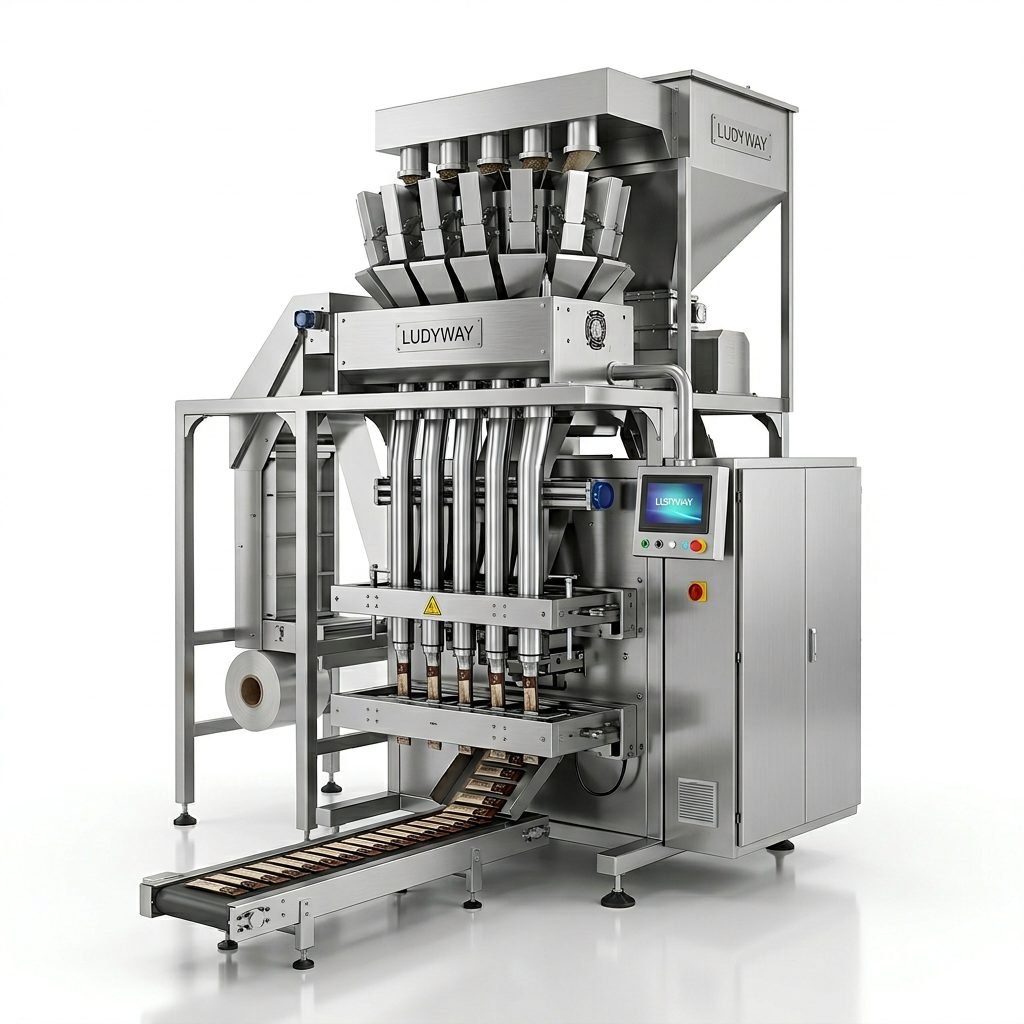
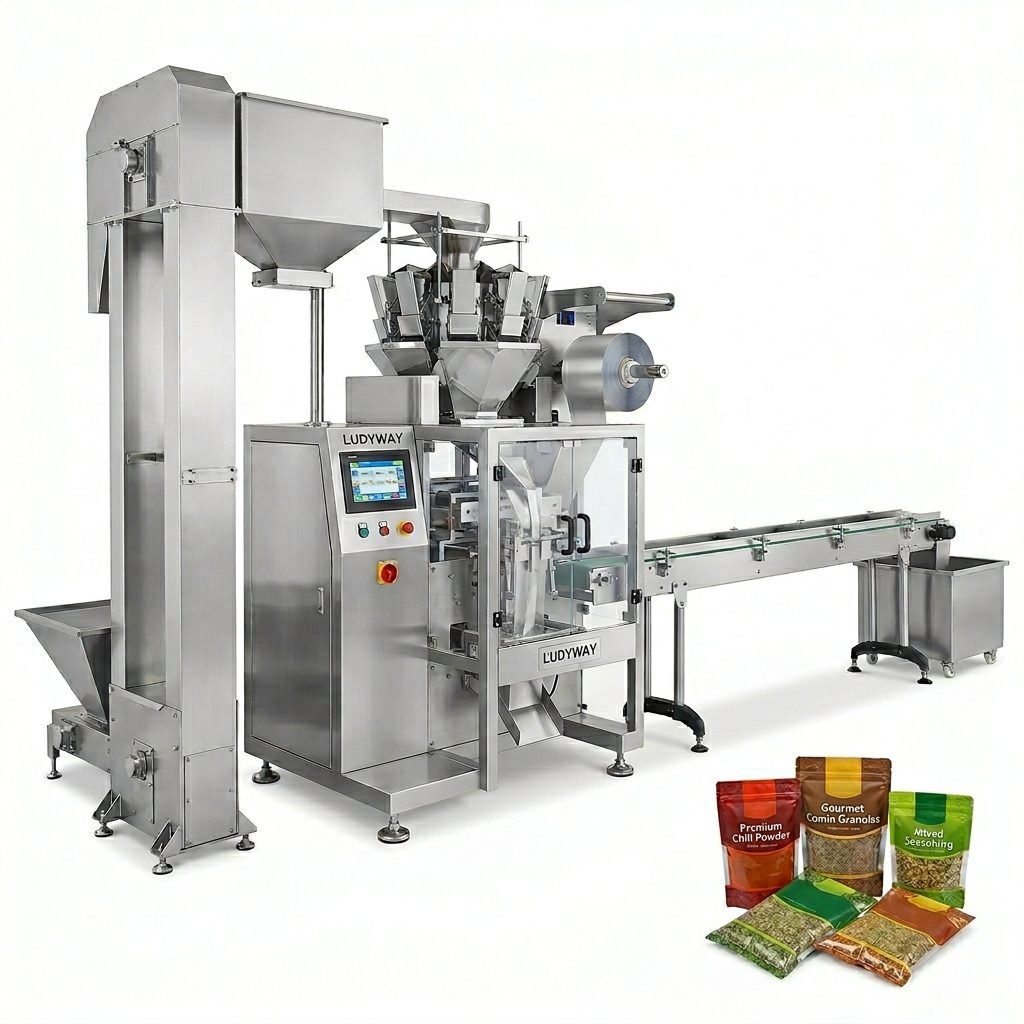
Investing in a honey packaging machine is a critical decision for any UK-based food producer, beekeeper, or contract packer looking to scale operations efficiently. The right equipment not only preserves the natural quality of honey but also ensures compliance with British retail standards. This comprehensive guide walks you through everything you need to know before purchasing a honey packaging machine in the UK, from machine types and key features to regulatory considerations and cost analysis.
Why the UK Market Demands Specialised Honey Packaging Equipment
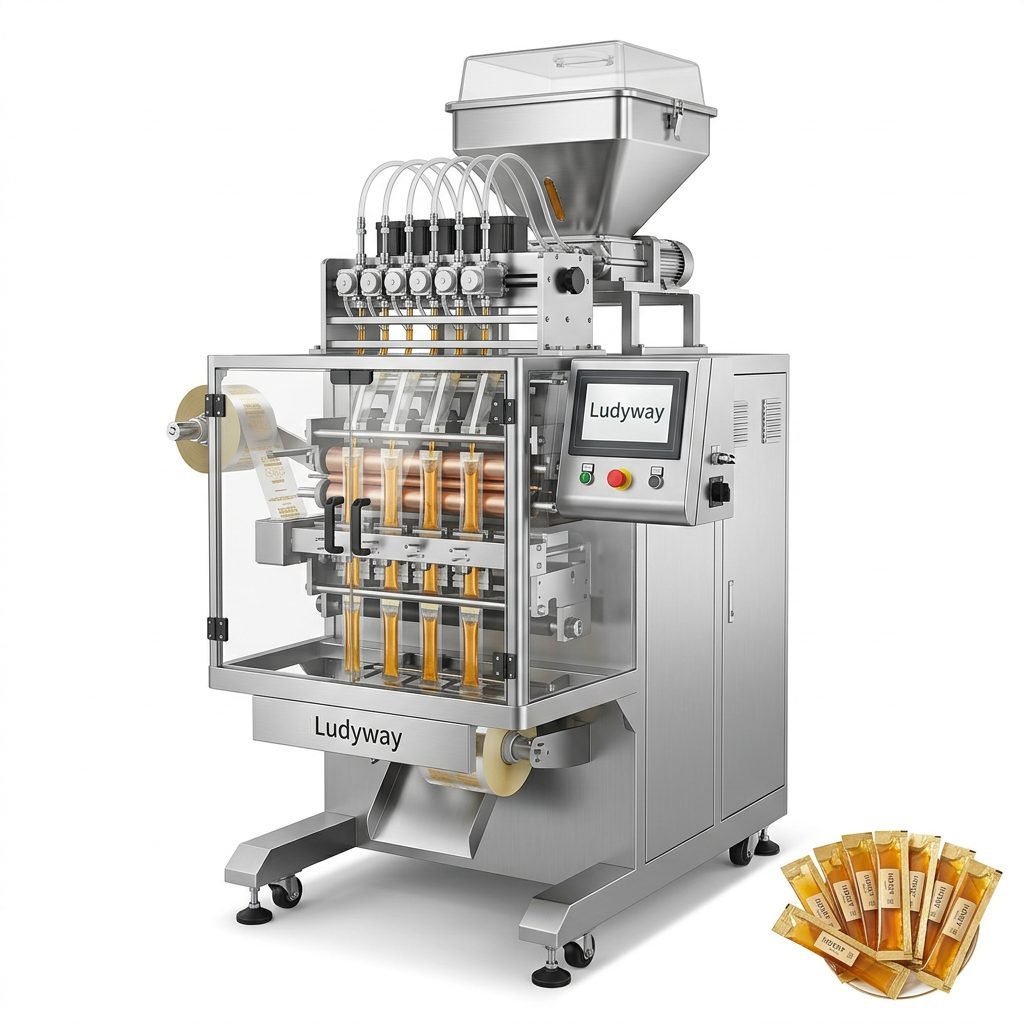
The United Kingdom has one of the most competitive honey markets in Europe, with consumer demand for single-serve and on-the-go formats growing rapidly. British retailers such as Tesco, Sainsbury’s, and Waitrose require precise fill weights, tamper-evident seals, and attractive shelf-ready packaging. A dedicated stick pack machine designed for viscous products like honey can handle the unique challenges of stickiness, temperature sensitivity, and crystallisation that generic filling equipment cannot manage effectively.
Types of Honey Packaging Machines Available in the UK
Understanding the different machine configurations is essential before making a purchase. Each type serves a specific production scale and packaging format:
1. Stick Pack Machines for Honey
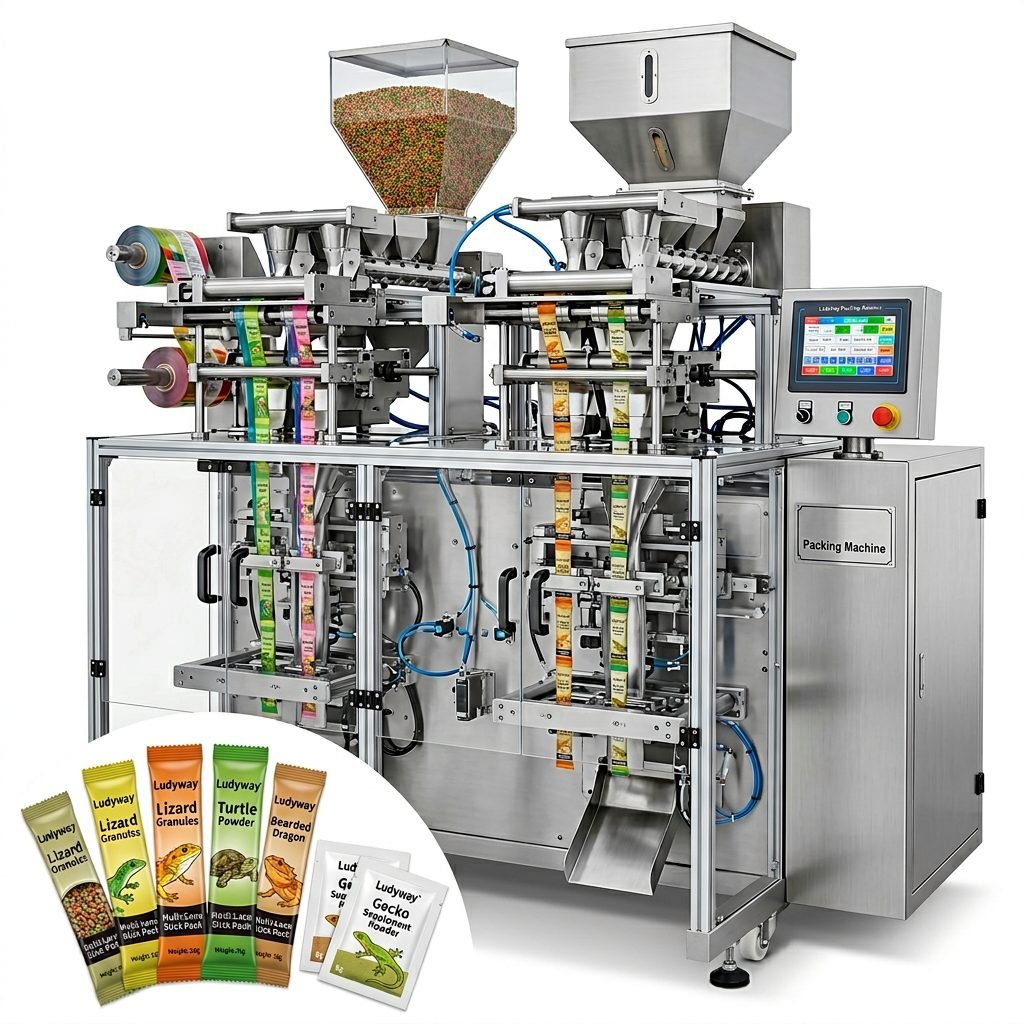
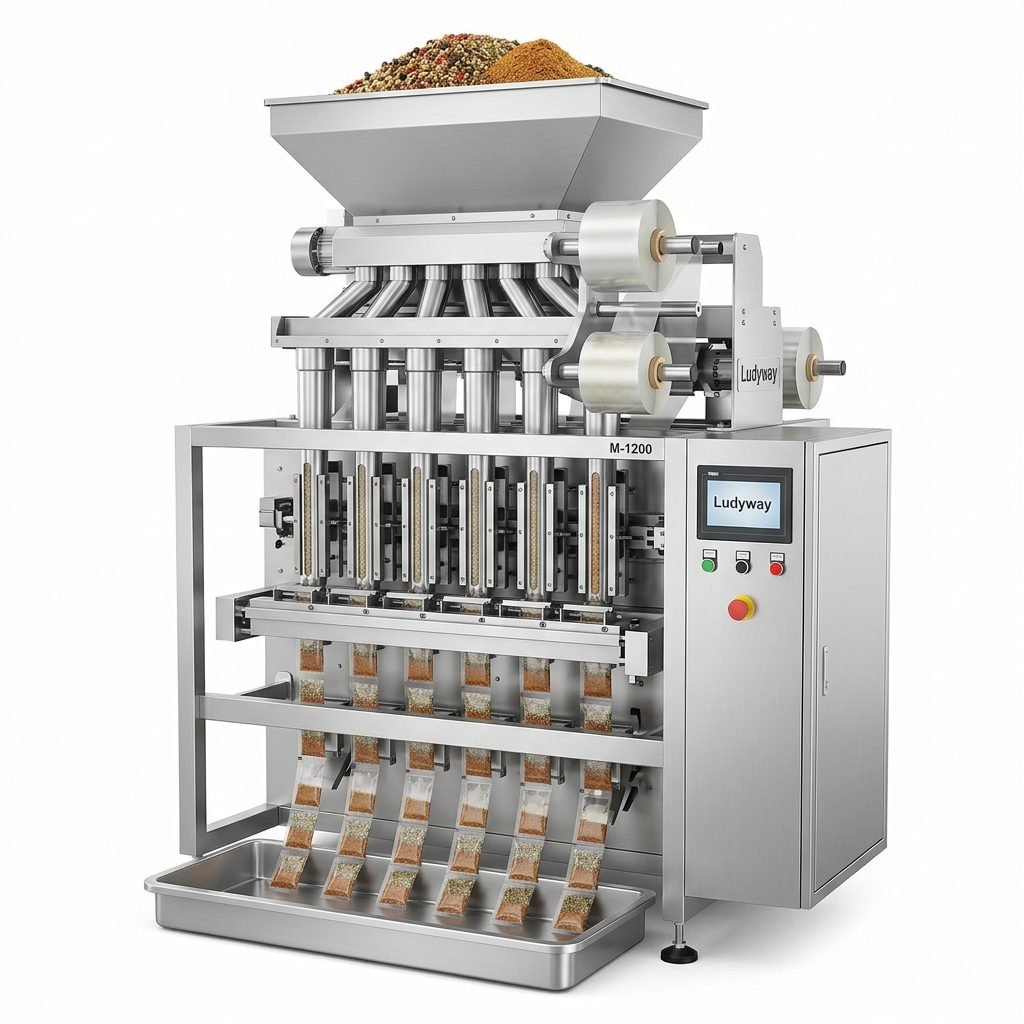
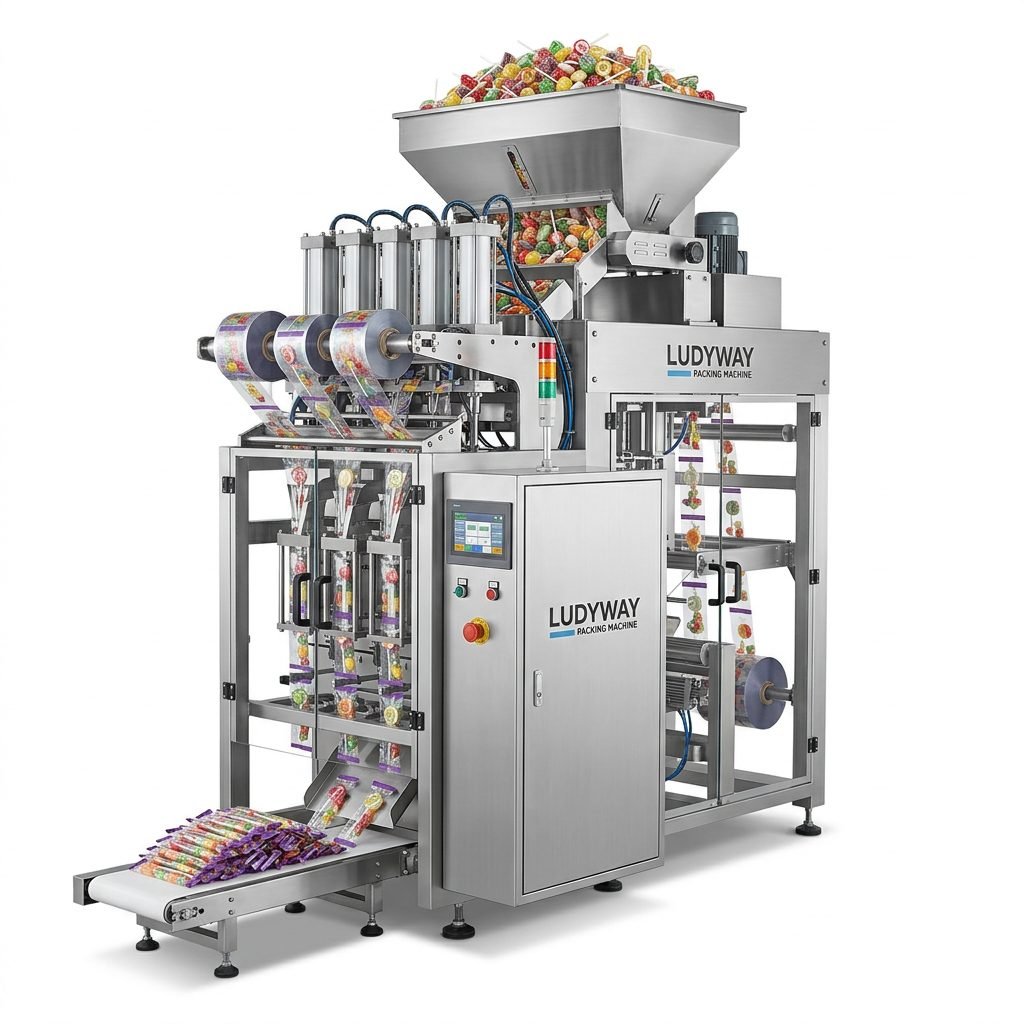
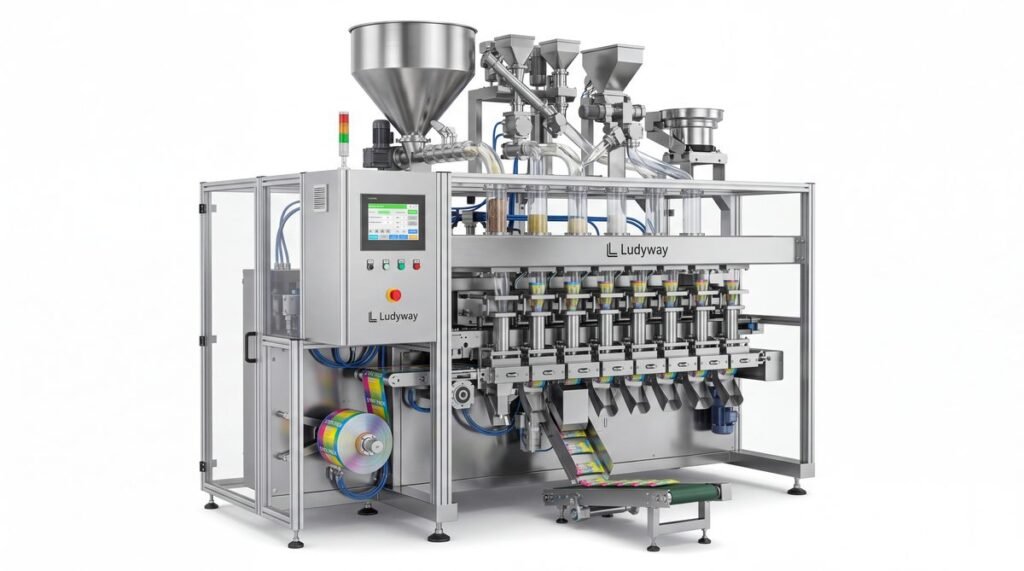
Stick pack packaging has become the dominant format for single-serve honey portions in the UK hospitality and retail sectors. These machines produce narrow, elongated sachets that are easy to tear open and dispense. Modern multi-lane packaging systems can produce up to 400-600 sticks per minute across multiple lanes, making them ideal for high-volume contract packers serving hotel chains, airlines, and foodservice distributors.
2. Sachet Packaging Machines
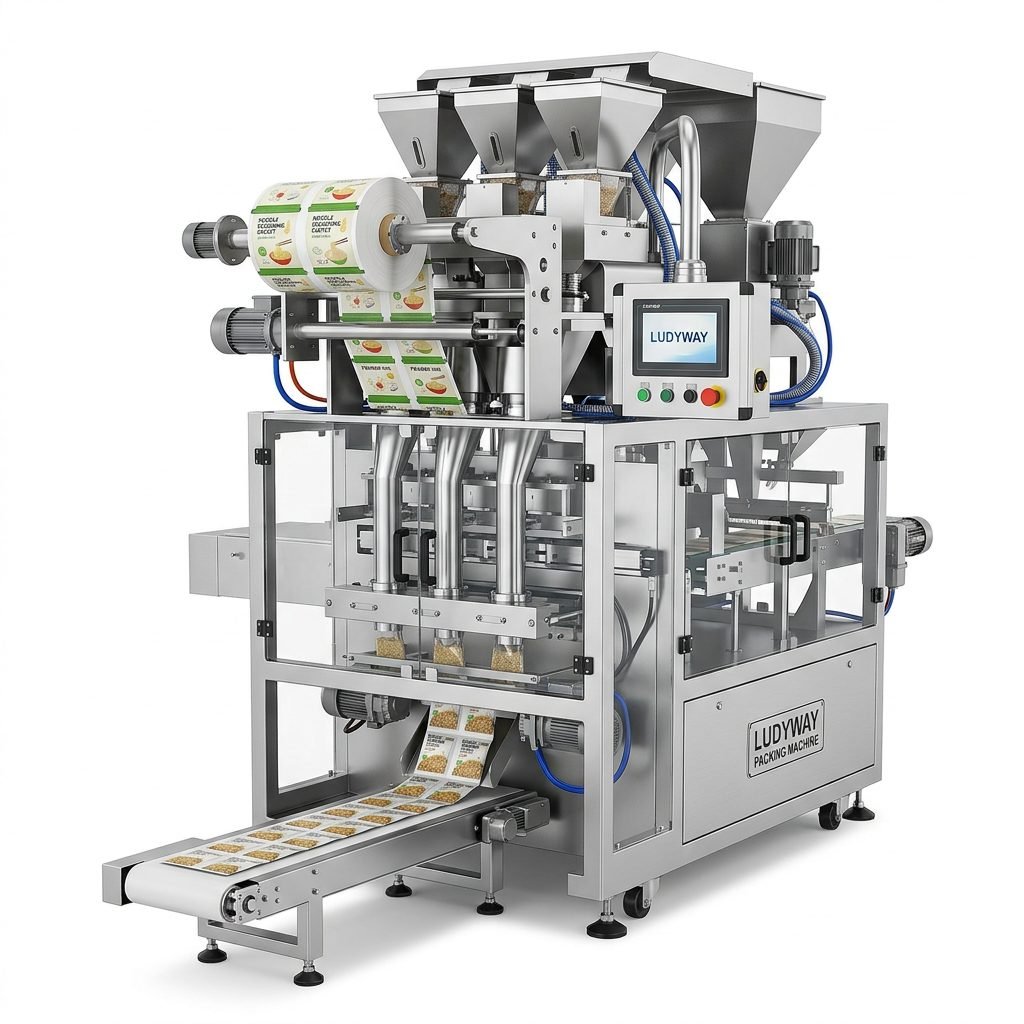
For slightly larger portion sizes (10g-30g), sachet machines offer a wider seal area and can accommodate both flat and stand-up pouch formats. These are popular for organic and artisan honey brands sold in health food shops and farm shops across the UK.
3. Jar and Bottle Filling Lines
For traditional glass jars and squeezable bottles, volumetric piston fillers and gravity-based systems remain the standard. These lines often integrate capping, labelling, and date coding modules for a complete turnkey solution.
Key Features to Evaluate Before Buying
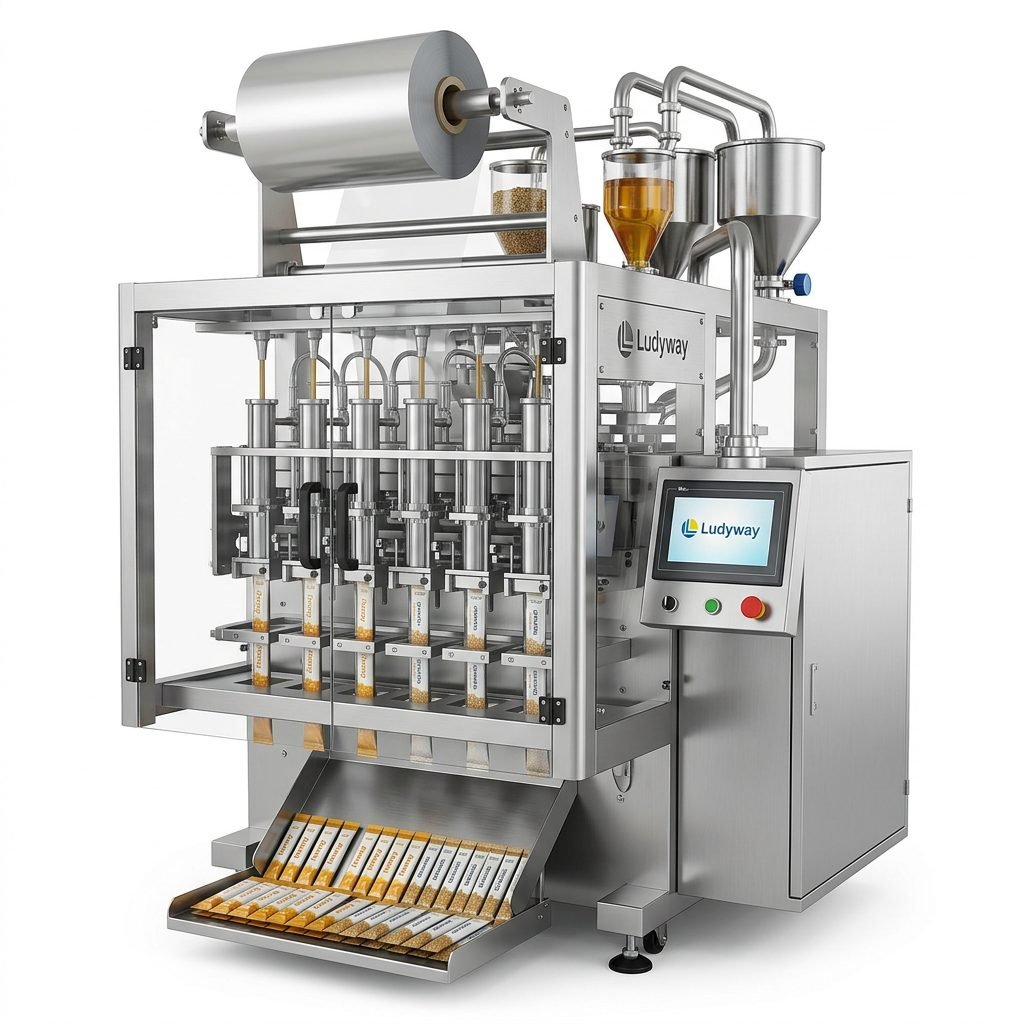
When comparing honey packaging machines for your UK operation, the following technical specifications deserve careful attention:
- Fill Accuracy: Precision dosing systems with servo-driven pumps ensure each sachet or stick contains the exact weight required for UK trading standards compliance (±1% tolerance is industry best practice).
- Viscosity Handling: Honey’s variable viscosity depending on floral source and temperature requires positive displacement filling systems rather than simple gravity or time-based fillers.
- Heated Hopper Options: Integrated temperature-controlled hoppers prevent crystallisation during production runs, especially important for British rapeseed and ivy honeys that crystallise quickly.
- Film Compatibility: Machines must be compatible with UK-approved food-grade laminates, including recyclable mono-material films that meet the EU Packaging and Packaging Waste Regulation requirements.
- Easy Clean-in-Place (CIP): Honey residue can cause bacterial growth and cross-contamination; tool-free disassembly and washdown capability are essential for UK food safety audits.
UK Regulatory Compliance and Food Safety Standards
Any honey packaging operation in the United Kingdom must adhere to strict regulatory frameworks. The FDA Food Contact Substances guidelines and BRC (British Retail Consortium) Global Standards are commonly referenced. Key compliance areas include:
- Materials of Construction: All food contact surfaces must be manufactured from 304 or 316L stainless steel with full material traceability.
- Tamper Evidence: UK retailers increasingly require tamper-evident tear notches or perforations on stick packs and sachets.
- Batch Traceability: Integrated date coding and batch numbering systems are mandatory for product recall readiness.
- Weights and Measures: Compliance with the UK Weights and Measures Act ensures consumers receive the labelled quantity.
Cost Considerations for UK Buyers
Budget planning for a honey packaging machine involves more than just the equipment purchase price. Below is a breakdown of the total cost of ownership factors:
| Cost Factor | Entry-Level (£) | Mid-Range (£) | High-Capacity (£) |
|---|---|---|---|
| Machine Purchase | 15,000 – 35,000 | 50,000 – 120,000 | 150,000 – 350,000 |
| Installation & Training | 2,000 – 5,000 | 5,000 – 10,000 | 10,000 – 20,000 |
| Annual Maintenance | 1,500 – 3,000 | 4,000 – 8,000 | 10,000 – 25,000 |
| Packaging Film (per 1,000 units) | £3 – £8 | £2 – £5 | £1.50 – £4 |
* Prices are indicative for UK market as of 2025. Actual costs vary by specification and supplier.
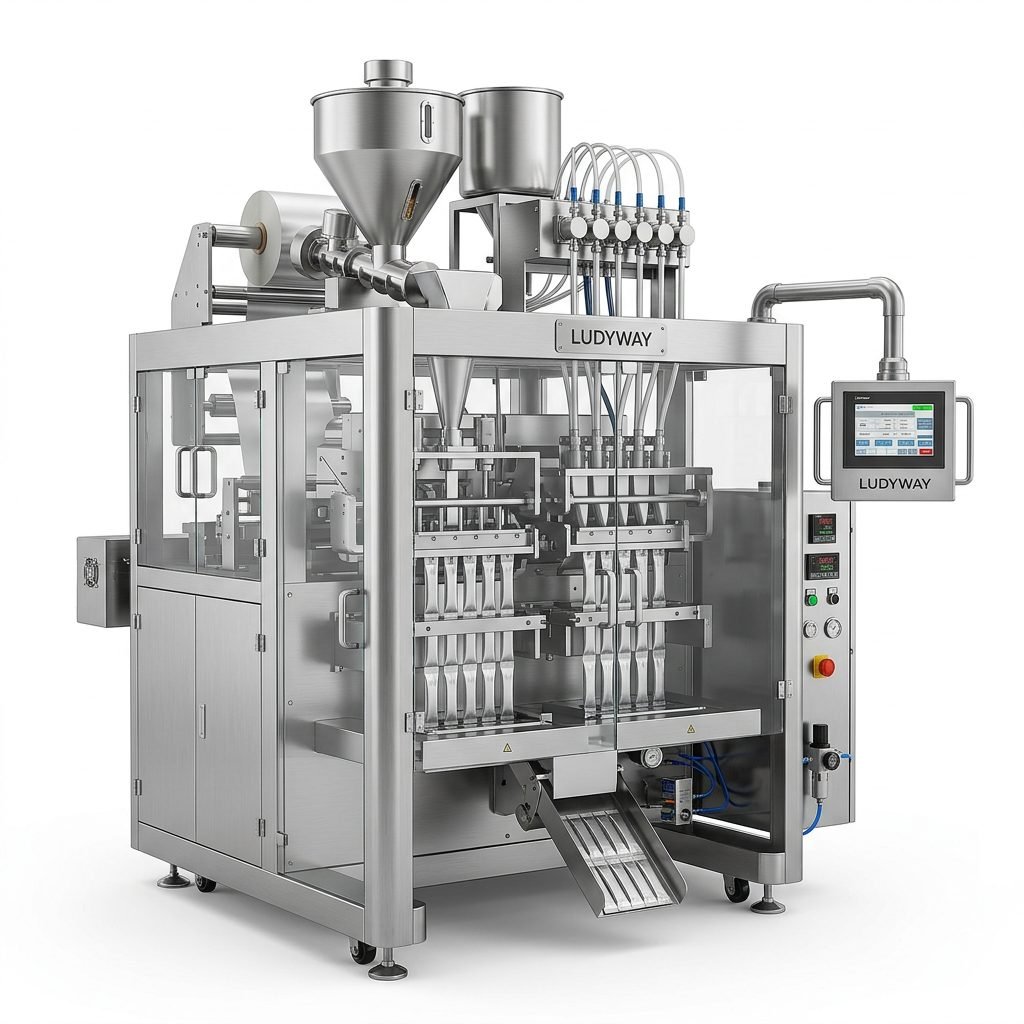
Single-Lane vs. Multi-Lane Honey Stick Pack Machines
Choosing between single-lane and multi-lane configuration is one of the most important strategic decisions for UK honey packers:
- Single-Lane Machines: Best suited for small-scale beekeepers and artisan producers processing under 50,000 units per month. Lower initial investment and simpler operation make these accessible for farm-gate and farmers’ market suppliers.
- 4-6 Lane Machines: Ideal for mid-sized contract packers and regional honey brands supplying multiple retail outlets. Output ranges from 150-300 sticks per minute.
- 8-12 Lane High-Speed Systems: Designed for national distribution and own-label supermarket supply. These turnkey packaging lines can exceed 500 sticks per minute with integrated cartoning.
Packaging Materials and Sustainability Trends in the UK
The UK packaging industry is undergoing a significant shift towards sustainable and recyclable materials. The Flexible Packaging Association reports that mono-material laminates and paper-based packaging solutions are gaining traction. When selecting a honey packaging machine, ensure it can handle:
- Recyclable PE/PE laminate structures
- Compostable bio-based films
- Paper-based stick pack materials with moisture barriers
- Reduced gauge films that maintain seal integrity
After-Sales Support and Spare Parts Availability in the UK
Downtime can be costly, especially during the peak autumn honey packing season. Prioritise suppliers that offer UK-based technical support, remote diagnostics, and guaranteed spare parts delivery within 48 hours. Key questions to ask potential suppliers include:
- Do you have a UK-based service engineer network?
- What is the typical response time for breakdown assistance?
- Are critical spare parts stocked in a UK or European warehouse?
- Do you offer operator training programmes at our facility?
Trusted Manufacturers Serving the UK Market
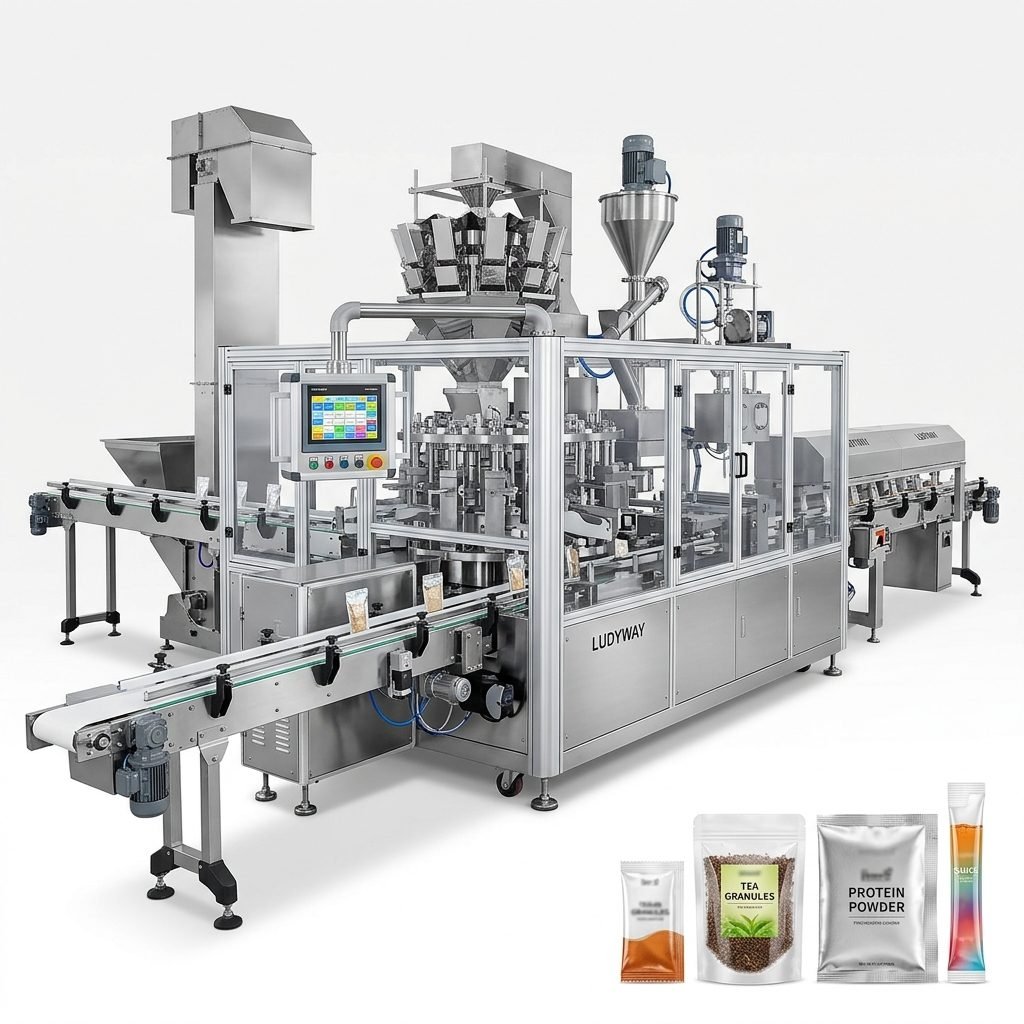
When sourcing a honey packaging machine, working with an experienced manufacturer is essential. Ludyway is one of the largest packaging machine manufacturers in China, with over 30 years of industry expertise and a 20,000㎡ modern production facility. The company offers more than 50 intelligent packaging machine models, including multi-lane stick pack and sachet systems suitable for honey and other viscous products. With customers in over 100 countries and regions, their packaging solutions are supported by professional technical assistance and a long-term commitment to quality. For UK buyers, Ludyway provides remote support, comprehensive documentation, and competitive pricing that aligns with British market requirements. For more industry insights, the PMMI Business Intelligence Library offers valuable packaging machinery market research.
Additional Industry Resources
- PMMI – 2025 State of the Industry Report
- ISO – Packaging Standards
- Flexible Packaging Association – Official Website
Frequently Asked Questions
What is the best honey packaging machine for a small UK beekeeping business?
For small-scale operations, a single-lane stick pack machine with manual feeding is typically the most cost-effective entry point. These machines can produce 30-60 sticks per minute and require minimal operator training.
Do I need a heated filling system for honey packaging?
Yes, for most UK honey varieties, a heated hopper and filling nozzle are recommended to maintain consistent flow and prevent crystallisation during production runs, especially during cooler months.
How long does it take to receive a honey packaging machine in the UK?
Lead times vary from 4-12 weeks depending on specification and manufacturer location. Standard models are typically faster to deliver than fully customised turnkey lines.
Can the same machine package honey and other liquid products?
Many modern multi-lane sachet packaging machines are versatile enough to handle honey, syrups, sauces, and gels with quick changeover procedures and interchangeable filling modules.

Making Your Final Decision
Selecting the right honey packaging machine in the UK requires balancing production capacity, budget, regulatory compliance, and future growth plans. Start by clearly defining your target output volumes and packaging formats, then evaluate machines based on the criteria outlined in this guide. Request live demonstrations or video walkthroughs, and speak directly with existing UK users where possible. A well-chosen machine will deliver consistent, high-quality packaging that meets British retail standards and supports your brand’s growth for years to come.
For further reading on packaging machinery standards, consult the PMMI Packaging Industry Resources and the ISO 11607 packaging standards for medical-grade validation requirements that also inform best practices in food packaging.