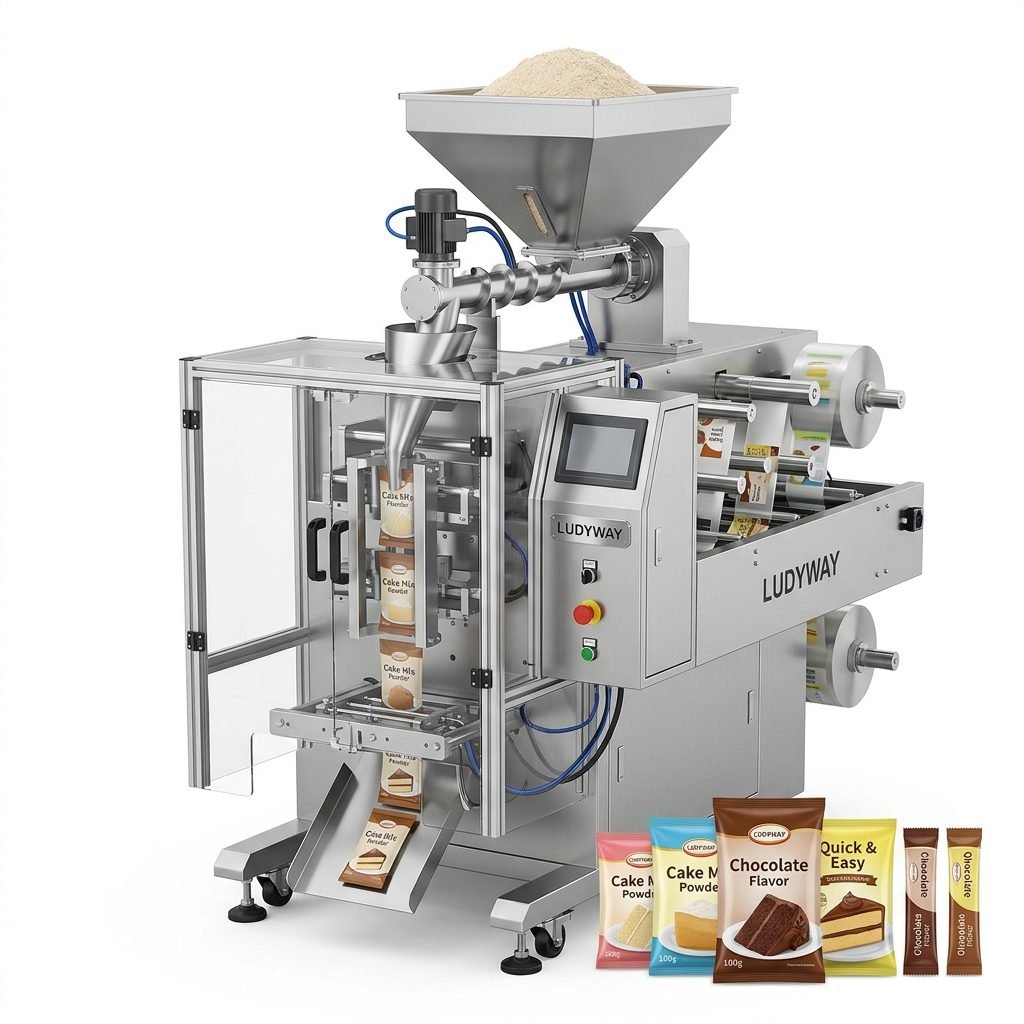
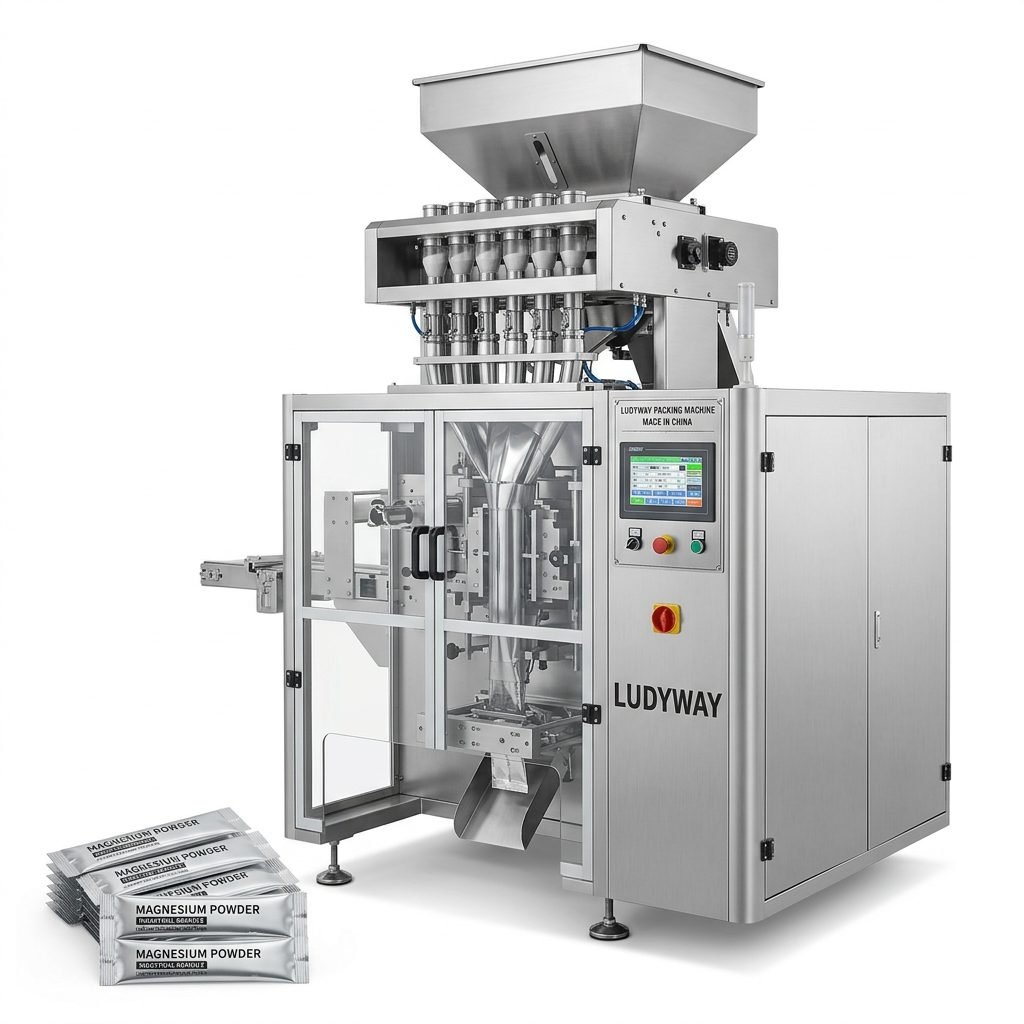
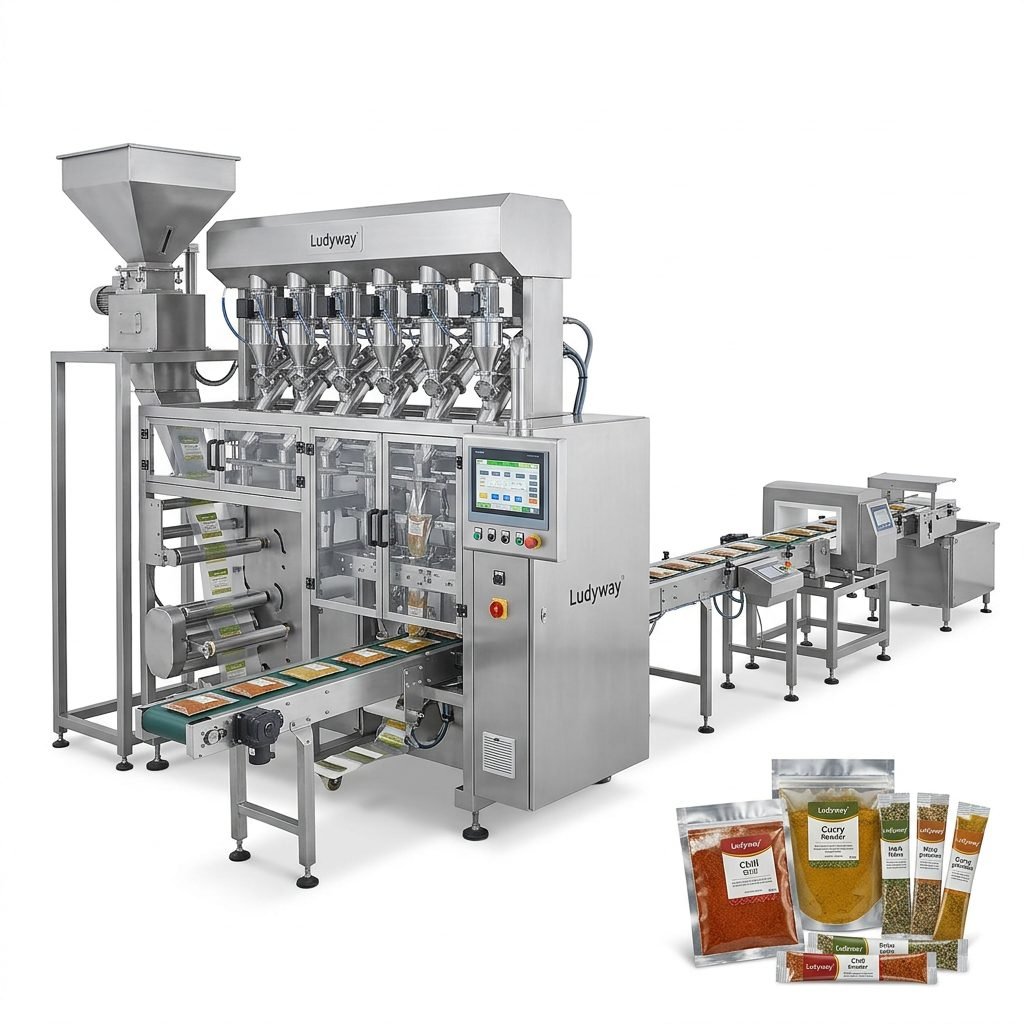
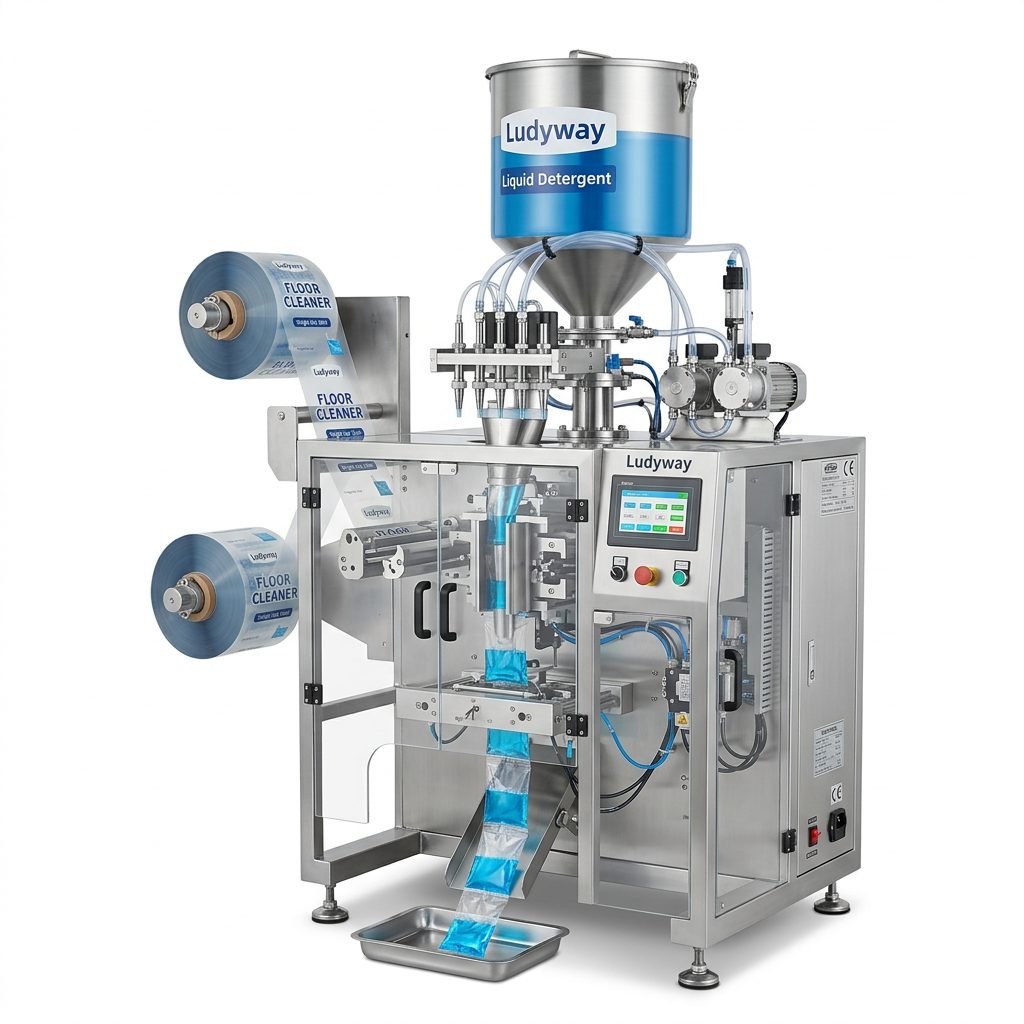
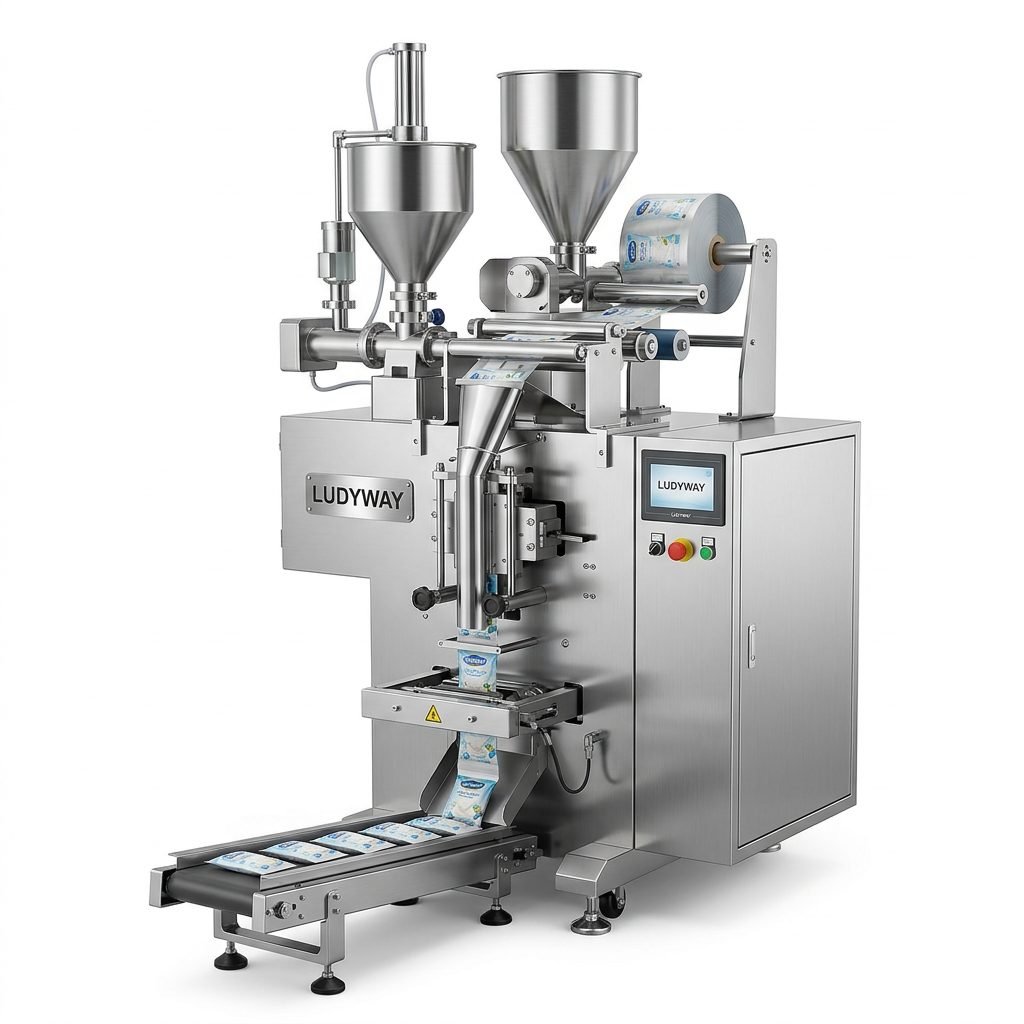
Setting up a vegetable packaging machine production line in North America requires careful planning, strict adherence to regulations, and the selection of reliable equipment. Whether you are packaging fresh-cut produce, frozen vegetables, or dried vegetable powders, the efficiency of your packaging line directly impacts product quality, shelf life, and operational profitability.

Understanding North American Packaging Standards and Regulations
Before purchasing any vegetable packaging machinery, you must understand the regulatory landscape in the United States and Canada. The FDA – Food Packaging and Food Contact Substances guidelines establish strict requirements for materials that come into direct contact with food products. Additionally, ISO – Packaging Standards provide internationally recognized benchmarks for packaging quality and safety.
In Canada, the Canadian Food Inspection Agency (CFIA) enforces similar packaging regulations. Compliance with these standards is non-negotiable for any production line operating in North America. Your packaging materials, machine construction, and operational procedures must all meet these requirements to avoid costly recalls and legal complications.
Key Regulatory Considerations
- Food Contact Materials: All surfaces touching vegetables must be food-grade stainless steel (typically 304 or 316L)
- Cleanability: Equipment design must support CIP (Clean-in-Place) or easy disassembly for sanitation
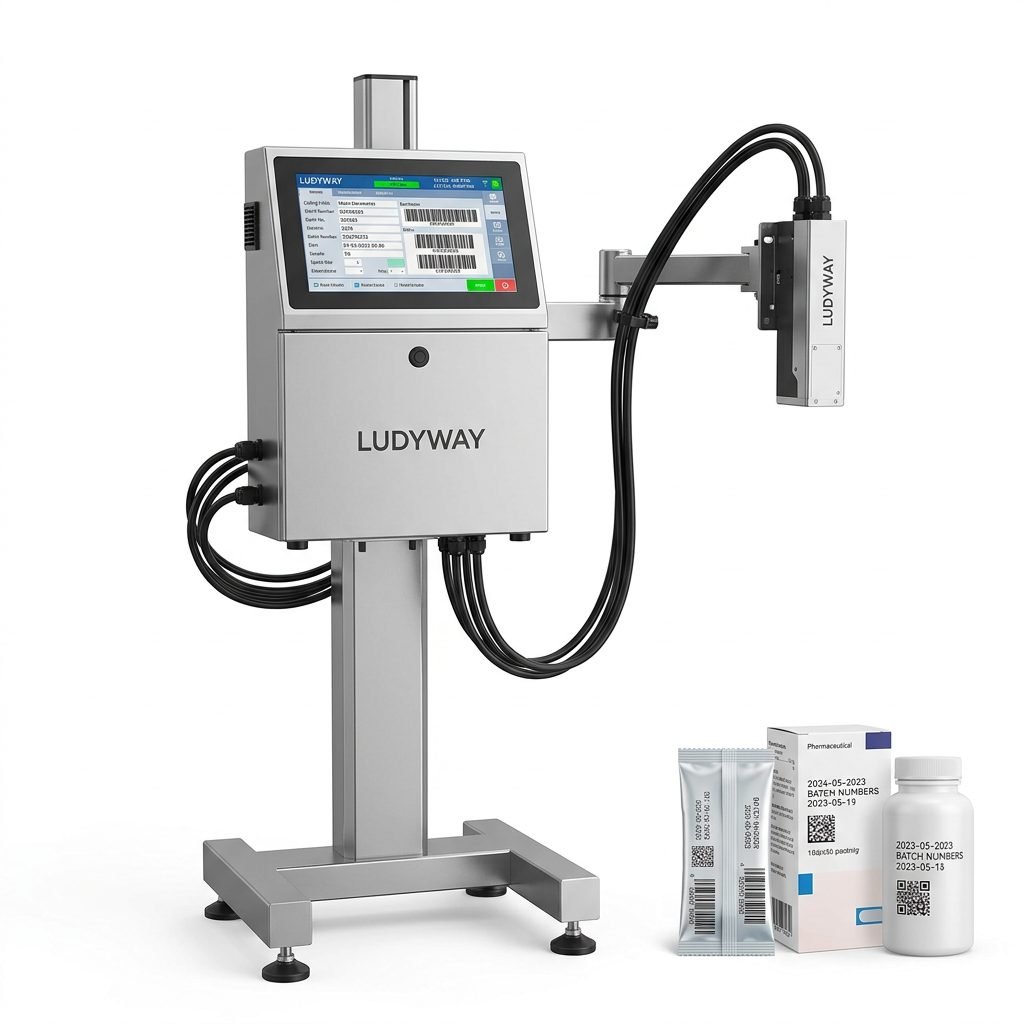
- Traceability: Modern packaging lines should integrate batch coding and date marking systems
- Electrical Standards: Machines must meet UL/CSA certification requirements for North American power systems

Choosing the Right Vegetable Packaging Machine Configuration
Vegetable packaging comes in various formats depending on your product type and target market. Different vegetable products require different packaging technologies, and selecting the wrong configuration can lead to inefficiency and product waste. According to PMMI – Business Intelligence Library reports, the North American packaging machinery market continues to grow, driven by automation and flexible packaging demands.
Common Packaging Formats for Vegetables
| Product Type | Recommended Format | Machine Type |
|---|---|---|
| Fresh-Cut Vegetables | Pillow pouches, trays with film | Vertical Form Fill Seal (VFFS) |
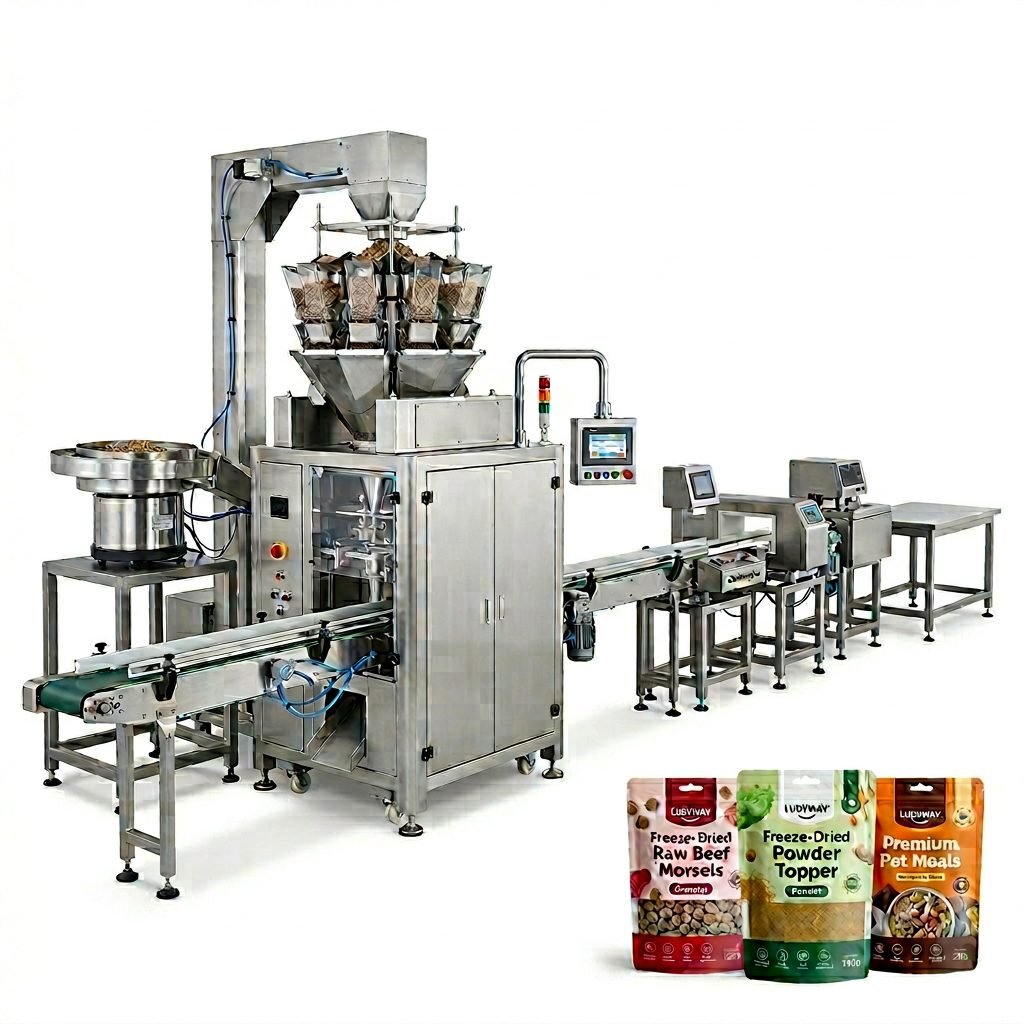
| Frozen Vegetables | Pillow bags, gusseted pouches | Multi-head weigher + VFFS |
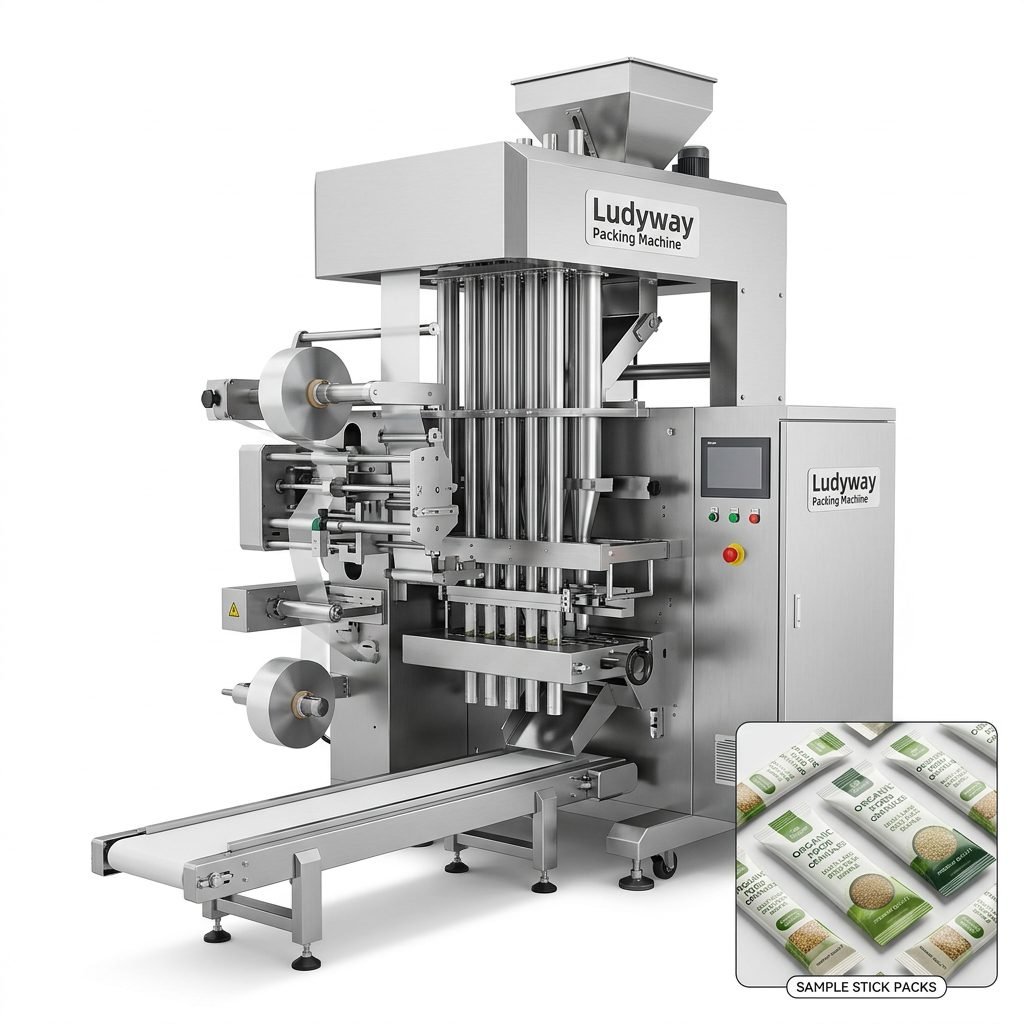
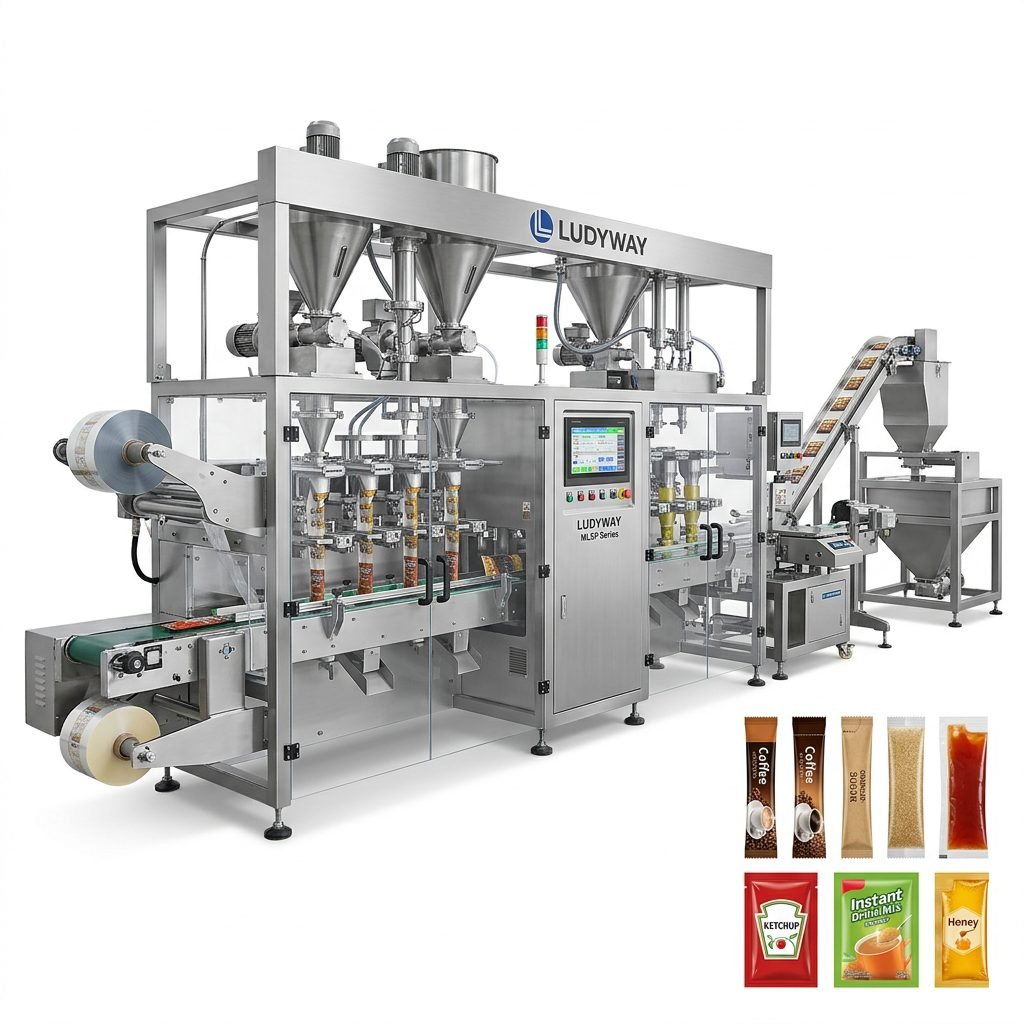
| Dried Vegetable Powders | Sachets, stick packs | Multi-lane stick pack machine |
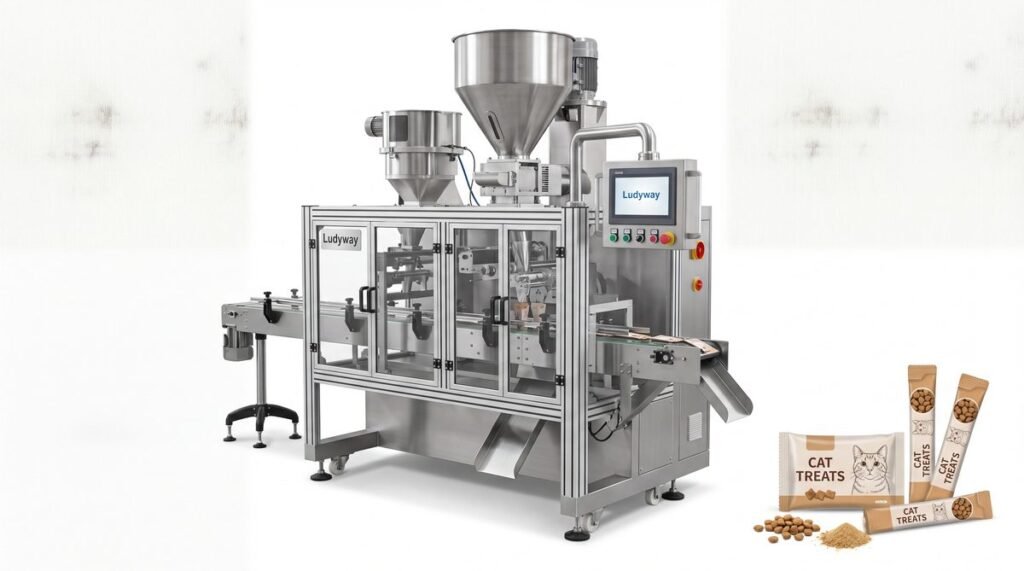
| Dehydrated Vegetable Flakes | Stand-up pouches, flat sachets | Premade pouch rotary machine |
| Bulk Vegetable Products | Large bags (10kg-25kg) | Open-mouth bagging system |
Production Line Layout and Workflow Design
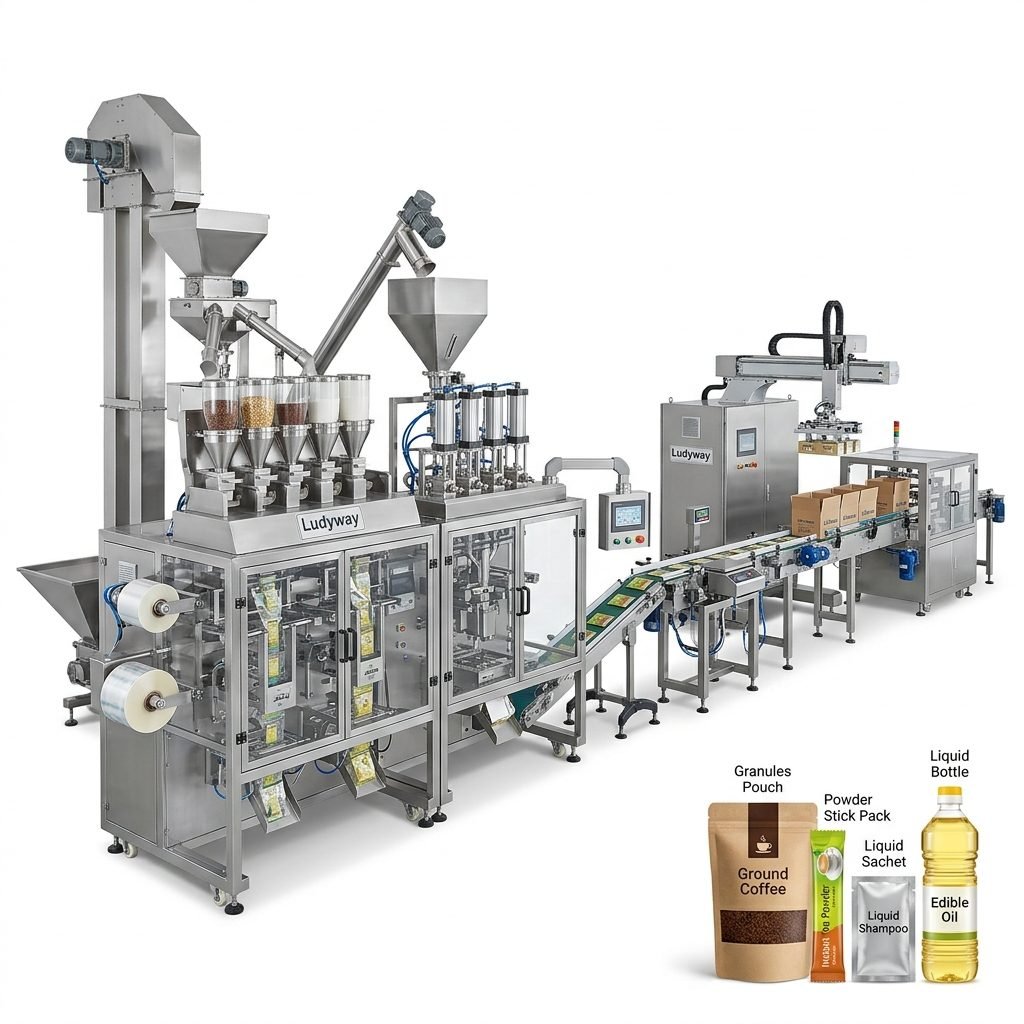
An efficient vegetable packaging line follows a logical sequence from product infeed to final palletizing. The layout should minimize product handling, reduce cross-contamination risks, and optimize operator workflow. A well-designed line can increase throughput by 20-30% compared to poorly planned installations.
Standard Vegetable Packaging Line Sequence
- Product Feeding System: Inclined conveyors or bucket elevators transport vegetables to weighing stations
- Weighing and Dosing: Multi-head weighers for granular products or auger fillers for powders ensure precise portioning
- Primary Packaging Machine: VFFS, stick pack, or sachet machines form, fill, and seal packages
- Quality Inspection: Metal detectors and checkweighers verify product integrity
- Secondary Packaging: Cartoning machines, case packers, and palletizers prepare products for distribution
Critical Equipment Selection Factors for North America
When sourcing vegetable packaging equipment for the North American market, several factors beyond basic specifications demand attention. The PMMI – 2025 State of the Industry report highlights that automation adoption and labor optimization remain top priorities for food manufacturers in this region.
Machine Construction and Material Requirements
- Stainless Steel Grade: Minimum 304 stainless steel for all food contact surfaces; 316L recommended for acidic vegetable products
- IP Rating: Washdown areas require IP65 or IP66 rated electrical components
- Tool-Free Changeover: Quick-release components reduce downtime between product changeovers
- Validation Documentation: IQ/OQ/PQ documentation packages support regulatory compliance
Automation and Integration Capabilities
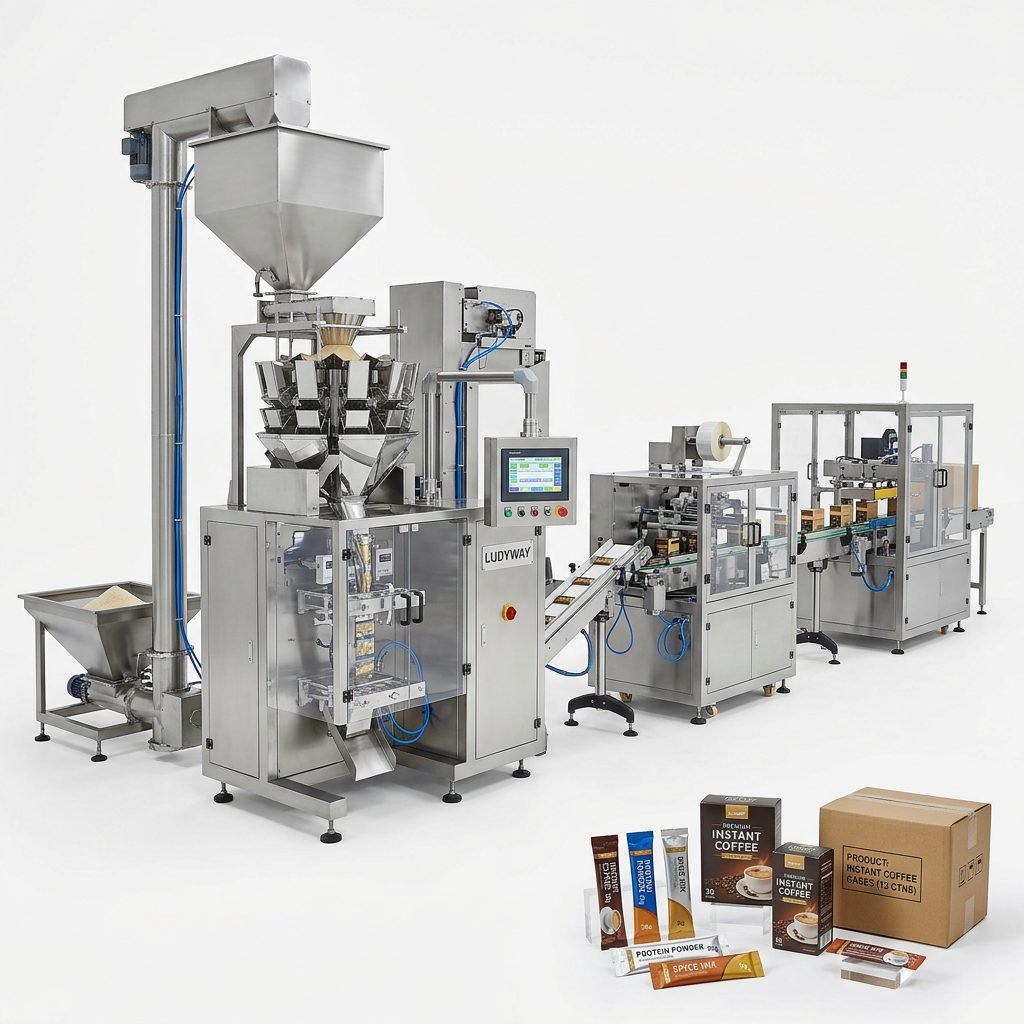
Modern vegetable packaging lines in North America increasingly incorporate smart factory technologies. Data collection, remote monitoring, and predictive maintenance features help manufacturers optimize OEE (Overall Equipment Effectiveness). Integration with ERP systems and MES platforms enables real-time production tracking and traceability.
Installation, Commissioning, and Training Requirements
Proper installation is critical to the long-term reliability of your vegetable packaging production line. North American facilities must comply with local building codes, electrical regulations, and occupational safety standards. Working with experienced installation teams familiar with OSHA requirements and local permitting processes is essential.
Commissioning Checklist for North American Facilities
| Phase | Key Activities | Timeline |
|---|---|---|
| Pre-Installation | Site preparation, utility connections, foundation work | 2-4 weeks |
| Mechanical Installation | Equipment placement, assembly, conveyor integration | 3-5 days |
| Electrical & Controls | Wiring, PLC programming, safety system verification | 5-7 days |
| Commissioning | Dry runs, product trials, performance verification | 3-5 days |
| Operator Training | Hands-on operation, cleaning procedures, troubleshooting | 2-3 days |

Ongoing Maintenance and Spare Parts Strategy
Establishing a robust maintenance program is fundamental to maximizing the lifespan of your vegetable packaging machinery. North American manufacturers typically operate with tight production schedules, making unplanned downtime particularly costly. A proactive approach combining preventive maintenance, predictive analytics, and readily available spare parts ensures continuous operation.
Essential Spare Parts Inventory
- Consumables: Sealing jaws, cutting blades, belts, filters
- Electrical Components: Sensors, relays, PLC modules, HMIs
- Mechanical Parts: Bearings, shafts, springs, pneumatic cylinders
- Format Parts: Changeover components for different package sizes
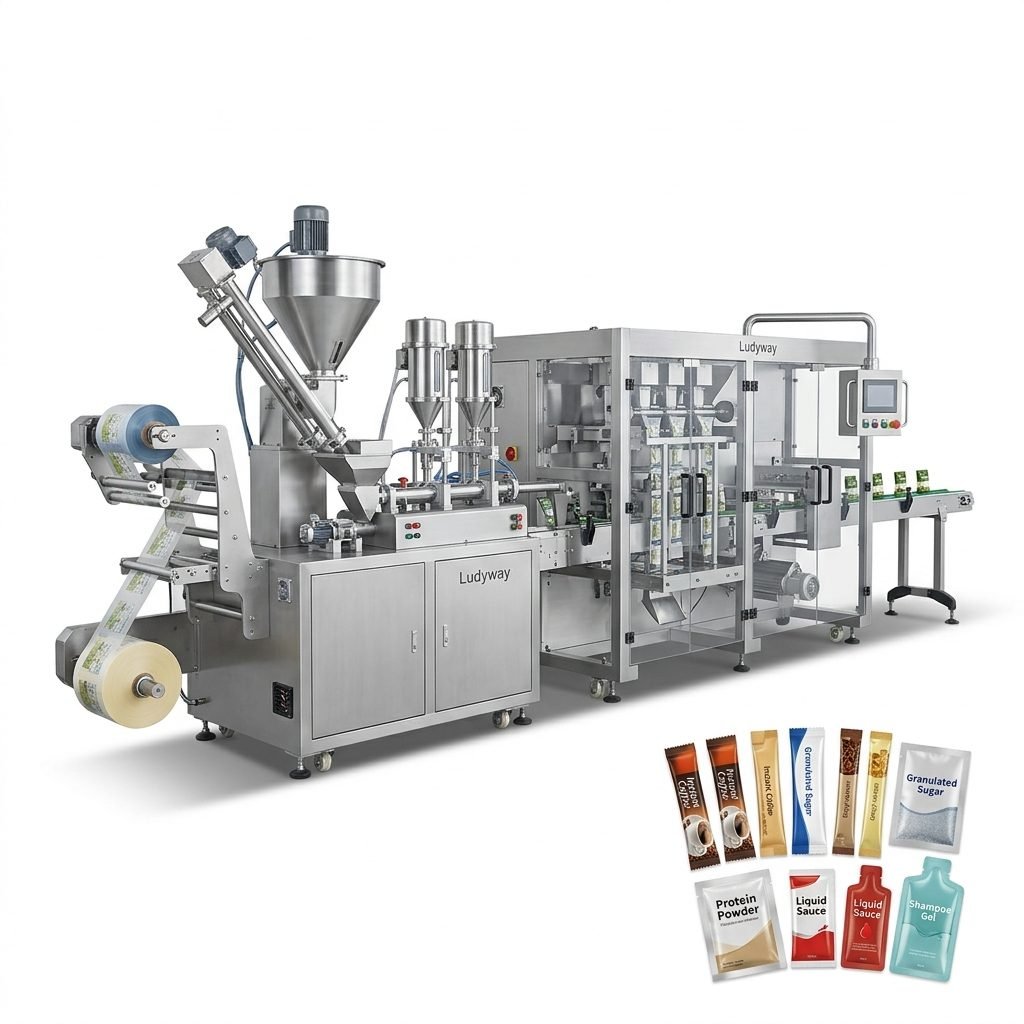
Companies like Ludyway, one of the largest packaging machine manufacturers with over 30 years of industry experience and a 20,000㎡ modern production facility, understand the importance of after-sales support for North American customers. Their engineering team provides comprehensive spare parts lists, maintenance documentation, and remote technical assistance to ensure production continuity.

Sustainability and Packaging Material Considerations
North American consumers and retailers increasingly demand sustainable packaging solutions for vegetable products. According to the Flexible Packaging Association – Industry Resources, the flexible packaging sector continues transitioning toward recyclable and compostable materials. Your production line should accommodate these evolving material requirements.
Sustainable Packaging Trends for Vegetables
- Mono-Material Films: Recyclable PE or PP structures replacing multi-layer laminates
- Reduced Material Usage: Lightweight films that maintain barrier properties with less material
- Bio-Based Materials: Plant-derived films suitable for certain vegetable applications
- Post-Consumer Recycled Content: Incorporation of PCR materials in secondary packaging
When specifying your vegetable packaging machine, verify that the equipment can handle these newer materials without compromising seal integrity, speed, or package appearance. Some sustainable films require modified sealing parameters and tension control settings.
Calculating ROI and Total Cost of Ownership
Investing in a vegetable packaging production line represents a significant capital expenditure. Understanding the total cost of ownership (TCO) and projected return on investment (ROI) helps justify the purchase decision and set realistic performance expectations.
TCO Components to Evaluate
| Cost Category | Percentage of TCO | Key Considerations |
|---|---|---|
| Equipment Purchase | 55-65% | Initial capital cost, financing terms |
| Installation & Commissioning | 8-12% | Site preparation, integration, training |
| Consumables & Spare Parts | 10-15% | Film, wear parts, annual maintenance kits |
| Energy & Utilities | 5-8% | Electricity, compressed air, water |
| Labor | 10-15% | Operators, maintenance technicians |
A well-designed vegetable packaging line should deliver ROI within 18-36 months through increased throughput, reduced labor costs, and improved product quality. The PMMI – 2024 State of the Industry report confirms that packaging automation investments consistently yield positive returns for food manufacturers in North America.

Navigating Import and Logistics for Equipment
If sourcing your vegetable packaging machinery internationally, understanding import procedures, duties, and logistics is vital. Equipment entering the United States must comply with CBP (Customs and Border Protection) regulations, while Canadian imports follow CBSA (Canada Border Services Agency) requirements.
Key Import Considerations
- HS Code Classification: Packaging machinery typically falls under HS Code 8422.30
- Duty Rates: Vary by country of origin and applicable trade agreements (USMCA, etc.)
- Documentation: Commercial invoice, packing list, bill of lading, certificate of origin
- FDA Registration: Food contact equipment may require FDA facility registration
- Electrical Compliance: Verify UL/CSA field certification options for imported machinery
Working with equipment manufacturers experienced in North American exports significantly simplifies this process. They can provide the necessary documentation, coordinate freight forwarding, and assist with customs clearance procedures. For further industry insights, Flexible Packaging Association resources offer valuable guidance on packaging regulations and standards.
Future-Proofing Your Vegetable Packaging Investment
As North American consumer preferences evolve and technology advances, your packaging line should accommodate future requirements. Modular machine designs, scalable automation platforms, and open communication protocols enable gradual upgrades without complete line replacement.
Trends Shaping Future Packaging Requirements
- Smart Packaging Integration: QR codes, NFC tags, and smart labels for consumer engagement
- E-Commerce Ready Packaging: Durable formats suitable for direct-to-consumer shipping
- Automation Expansion: Robotic pick-and-place, automated guided vehicles (AGVs), and AI-powered quality inspection
- Data-Driven Optimization: IIoT sensors and cloud-based analytics for continuous improvement
The PACK EXPO International and PACK EXPO Las Vegas events showcase the latest packaging technologies and are excellent resources for staying current with industry developments. Attending these exhibitions helps manufacturers evaluate emerging solutions and make informed investment decisions.

Making the Final Decision: Key Takeaways
Setting up a vegetable packaging machine production line in North America is a multifaceted project that requires careful evaluation of regulatory compliance, equipment specifications, facility integration, and long-term operational costs. By methodically addressing each of these areas, you can build a production line that delivers consistent quality, operational efficiency, and strong return on investment.
Remember to prioritize these critical success factors:
- Regulatory Compliance First: FDA, CFIA, and local electrical/safety codes must be addressed from the outset
- Right-Size Your Equipment: Match machine specifications to current and projected production volumes
- Verify After-Sales Support: Confirm spare parts availability and technical support response times for North America
- Plan for Growth: Leave space and utility connections for future line expansions
- Invest in Training: Well-trained operators and maintenance staff maximize equipment performance and longevity
With proper planning and the right equipment partner, your vegetable packaging operation can achieve world-class efficiency while meeting the demanding standards of the North American market. For additional regulatory information, consult European Commission – Packaging and Packaging Waste guidelines, which often influence North American sustainability standards and best practices in the packaging industry.