Investing in the right flour packaging machine is a strategic decision for any milling, food processing, or agricultural business in France. With a market that values both artisanal tradition and industrial efficiency, the demand for precise, hygienic, and high-speed packaging solutions has never been higher. This guide covers everything you need to know before purchasing equipment for your production line.
Understanding the French Flour Market
France is one of the largest agricultural producers in Europe, with a deeply rooted baking and pastry culture. From traditional wheat flour to specialty gluten-free, buckwheat, and chestnut flours, the variety of products requires flexible packaging machinery. Whether you are packing Type 45 flour in 1kg paper bags for retail shelves or handling 25kg industrial sacks for bakeries and wholesalers, your flour packaging machine must minimize dust, ensure accurate weighing, and maintain product freshness.
Types of Flour Packaging Machines
Selecting the correct automated system depends on your production volume, bag type, and filling weight. Below are the most common configurations deployed in French facilities:
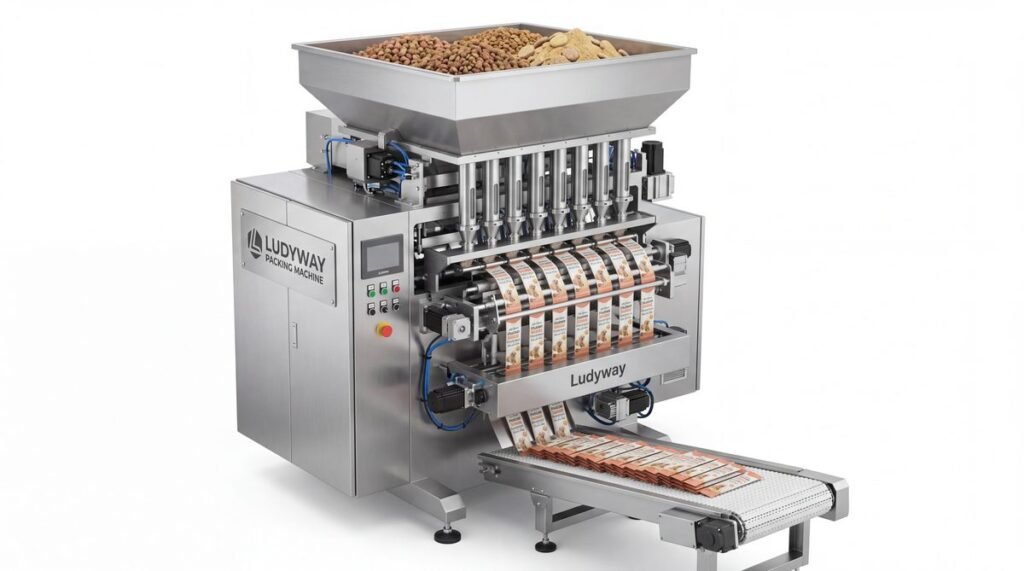
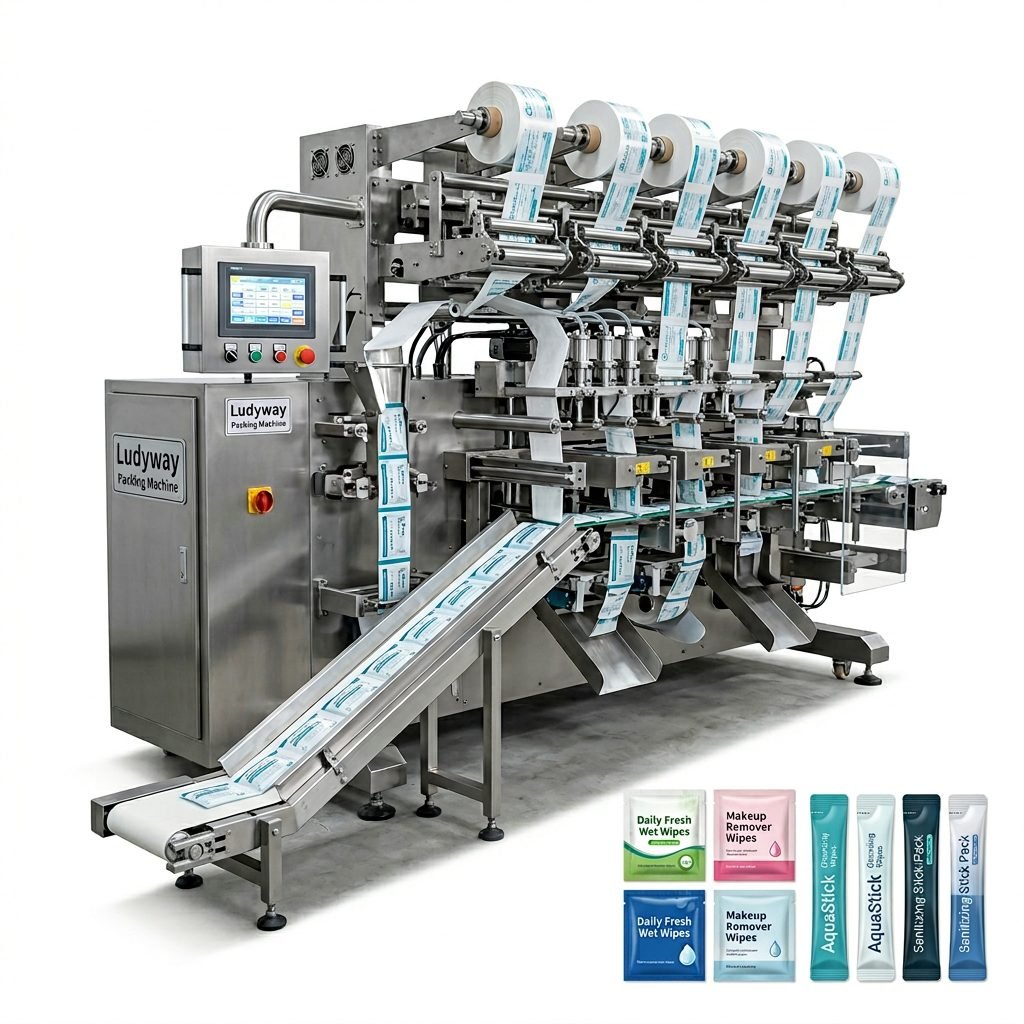
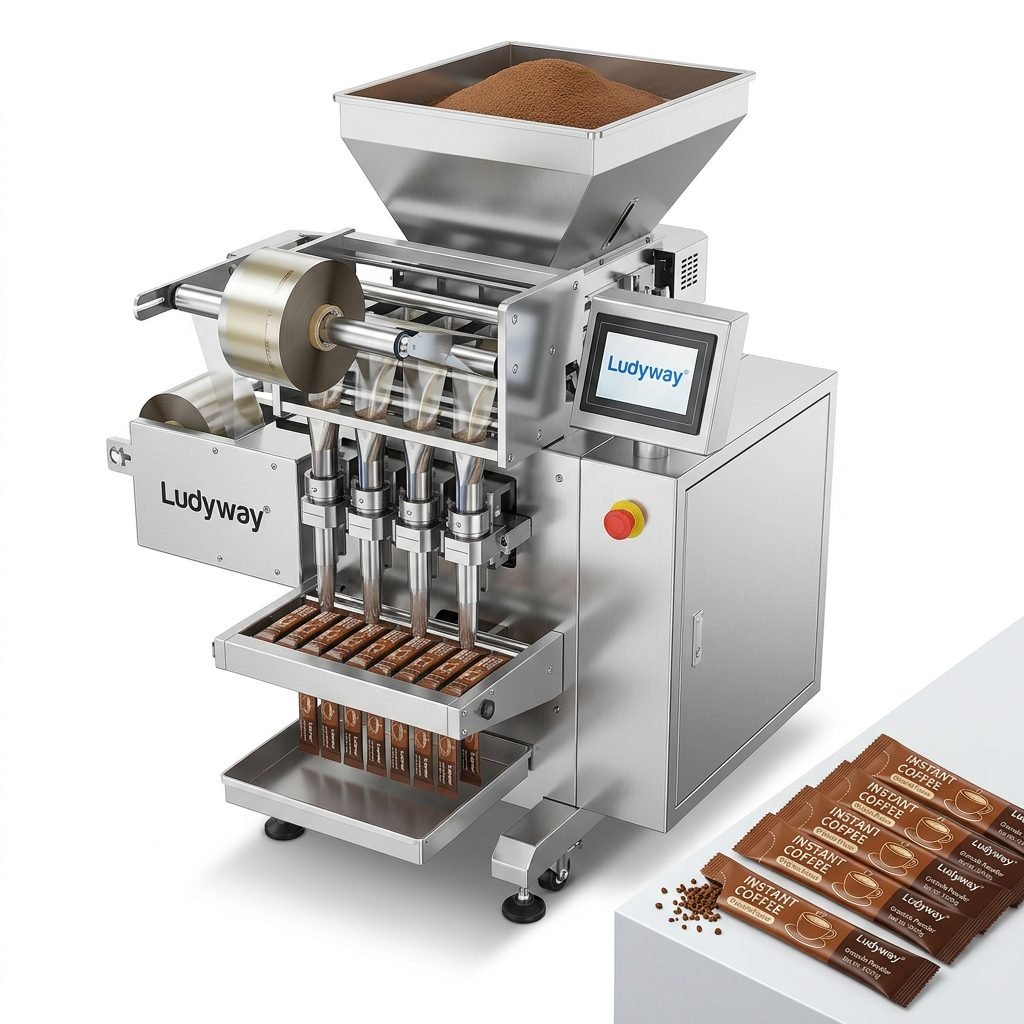
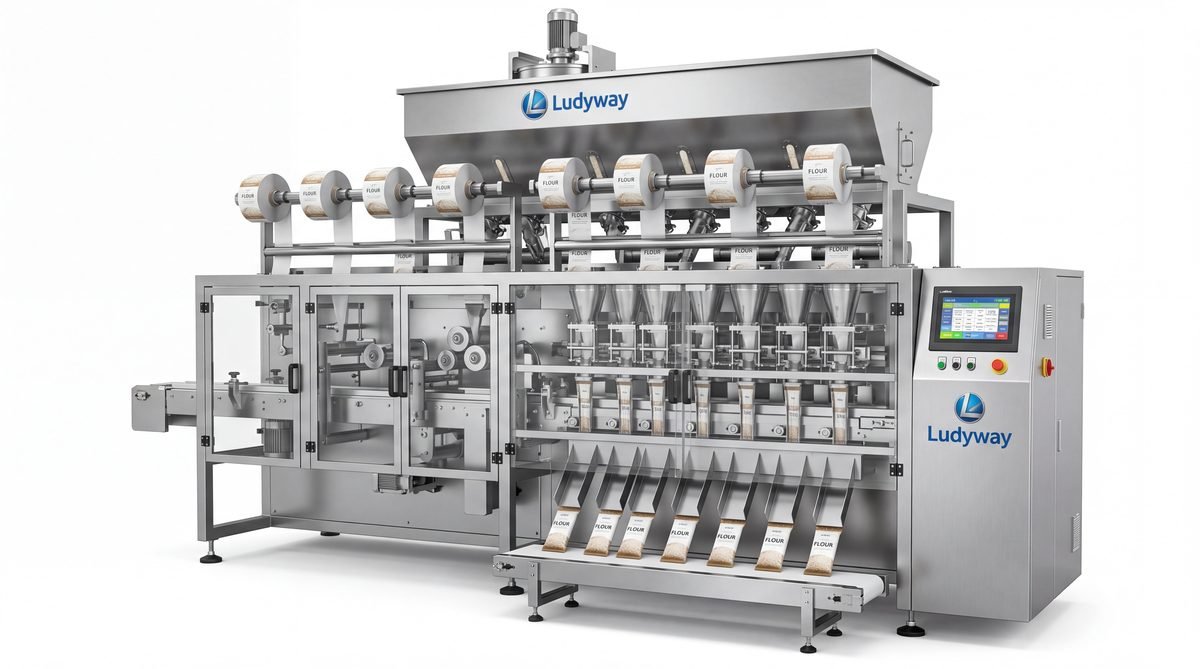
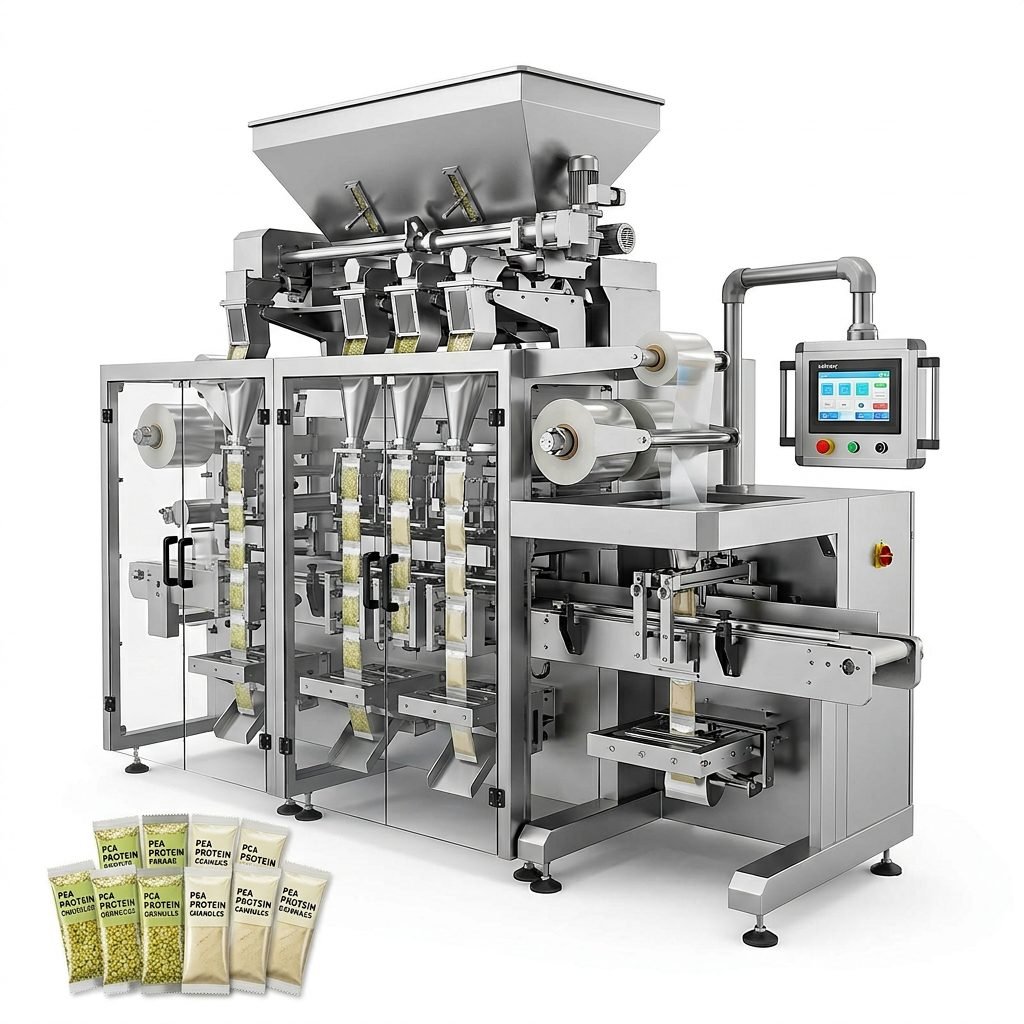
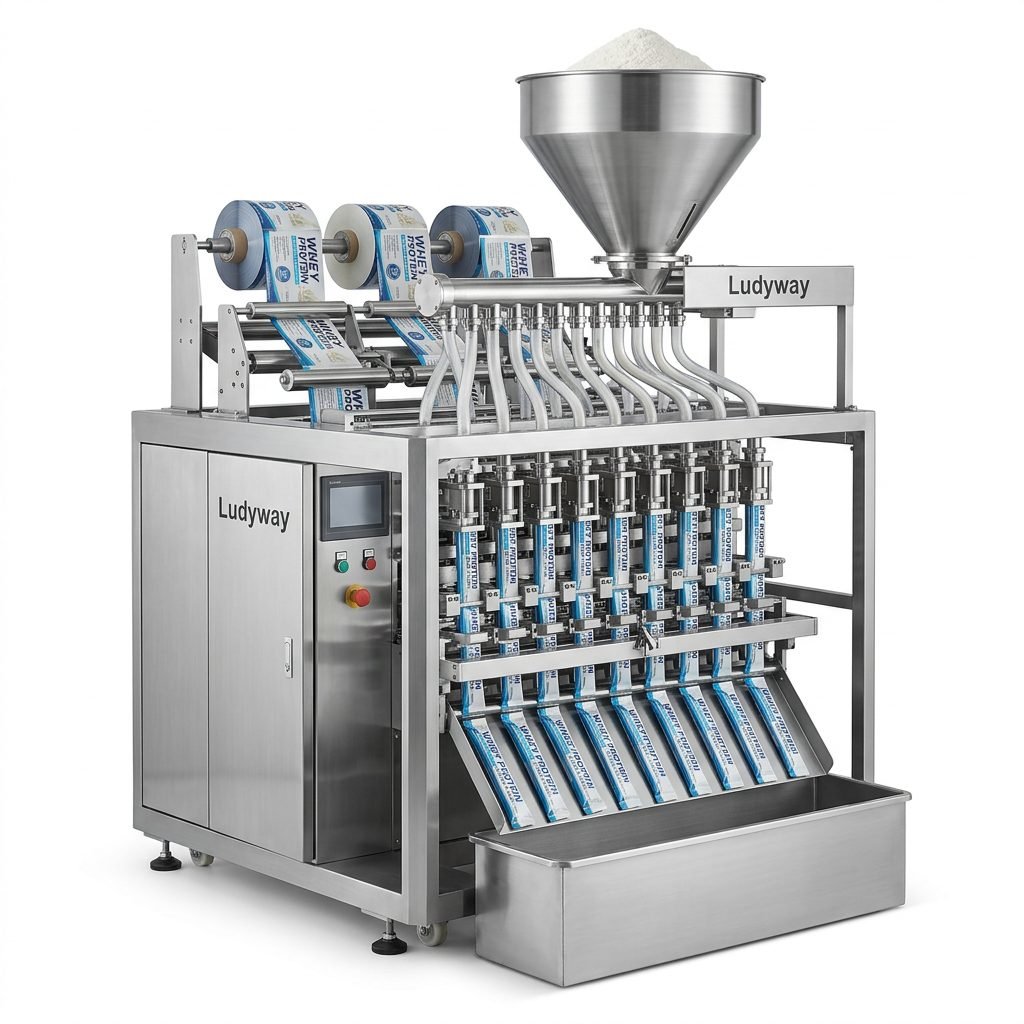
- Multi-Lane Stick Pack Machines: Ideal for single-serve portions and instant flour mixes. These systems offer speeds up to 600 packs per minute, perfect for hotels, caterers, and travel packs.
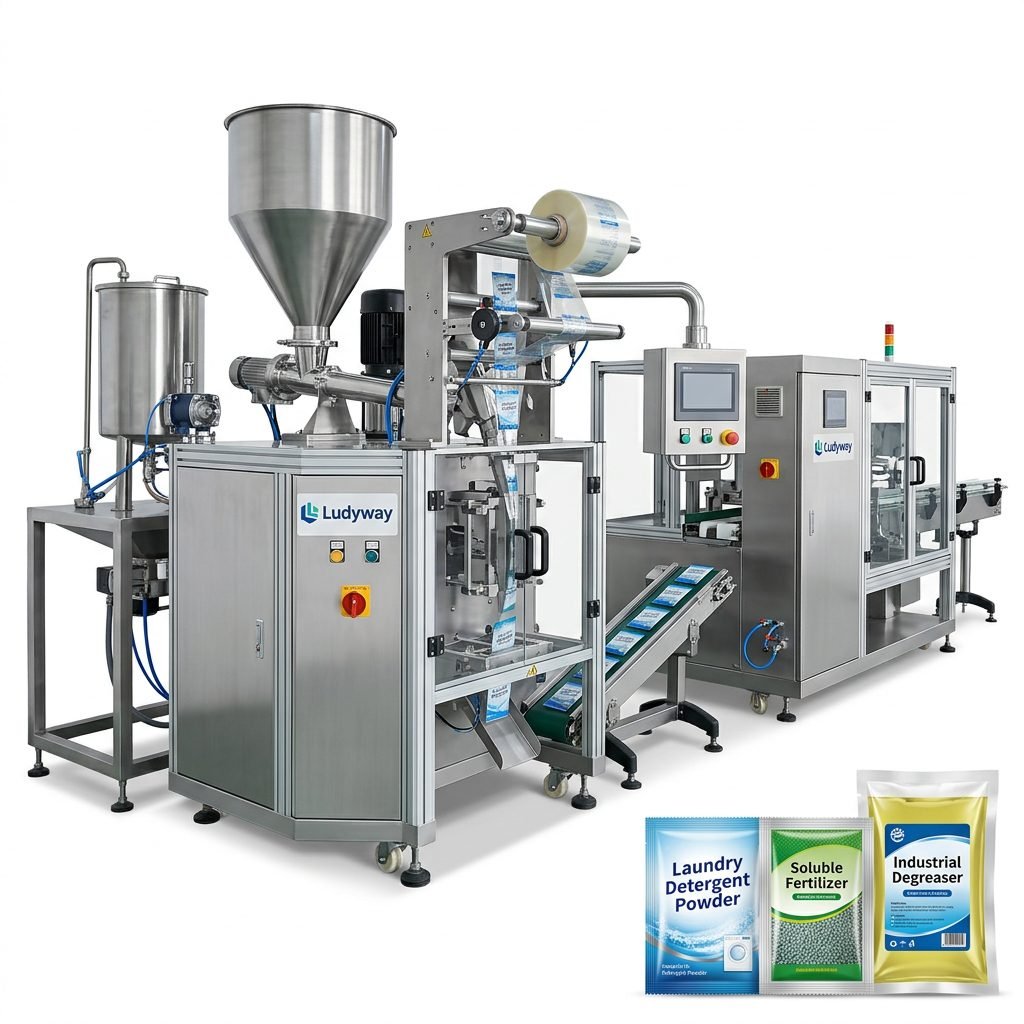
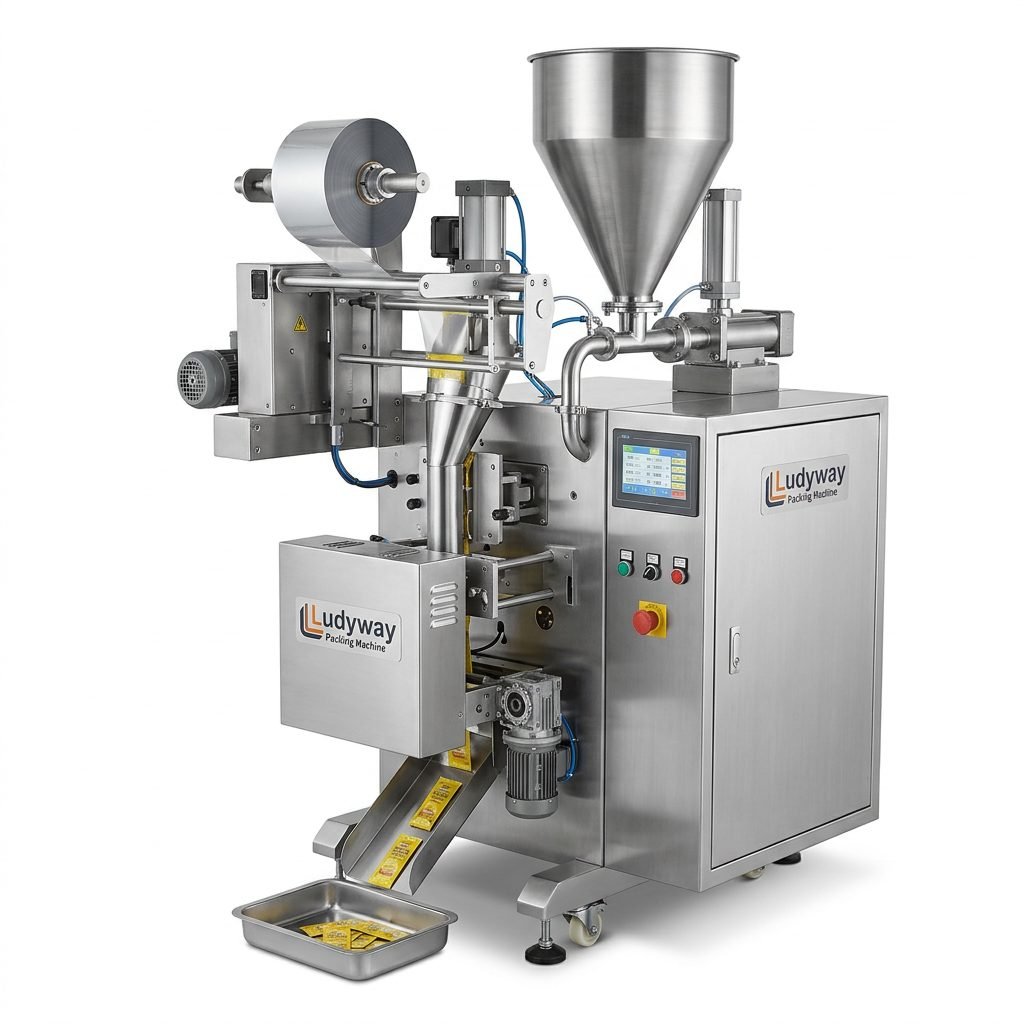
- Vertical Form Fill Seal (VFFS) Systems: The industry standard for pillow bags and gusseted pouches. They are highly efficient for packing 500g to 5kg of flour with modified atmosphere packaging (MAP) capabilities to extend shelf life.
- Premade Pouch Rotary Fillers: Excellent for block-bottom quad-seal bags that stand on shelves. These machines handle delicate packaging materials well and provide a premium shelf appearance for brands in the Grande Distribution sector.
- Open-Mouth Bagging Systems: Designed for high-capacity 10kg, 20kg, and 50kg bags. These robust machines often include automatic palletizing for the wholesale and B2B ingredient markets.
- Valve Bag Fillers: Specifically for compacting flour into valve bags without the need for sealing, drastically reducing spillage and creating stackable, transport-ready block-bottom bags.
Key Standards and Regulations in France
Food safety is paramount in the EU. A flour packaging machine must comply with strict European directives. Equipment must adhere to EU Packaging and Packaging Waste Regulations and be constructed from food-grade stainless steel (304 or 316L). The design should follow hygienic engineering principles, allowing for easy cleaning and CIP (Clean-in-Place) compatibility, as outlined in ISO packaging standards. Furthermore, French labor laws emphasize operator safety; machines must include dust extraction ports to prevent combustible dust accumulation, as airborne flour particles can be hazardous.
Key Factors to Consider When Buying
Evaluating a flour packaging machine goes beyond just the price tag. Production managers need to analyze the total cost of ownership (TCO) and operational compatibility:
- Powder Flow Characteristics: Flour is a cohesive, aeratable powder that requires specific hopper agitation and auger filler designs to prevent bridging and flushing.
- Dust Control Systems: Integrated vacuum systems and tight sealing mechanics are non-negotiable to keep the factory environment clean and maintain bakery safety standards.
- Weighing Accuracy: Look for multi-head weighers or precision auger dosing units that guarantee less than 1% error to prevent product giveaway and profit loss.
- Packaging Material Compatibility: Ensure the machine runs on eco-friendly, recyclable, or biodegradable films, aligning with France’s push against single-use plastics.
- Automation and Industry 4.0: Modern lines should support remote monitoring, allowing French operators to collect OEE (Overall Equipment Effectiveness) data in real time.
Price and ROI Considerations
The investment for a flour packaging machine in the French market varies significantly based on speed, technology, and configuration. A compact semi-automatic filler might fit a small mill, while a fully integrated high-speed line represents a major capital expenditure. Below is an estimated market overview:
| Machine Configuration | Average Capacity | Best Suited For |
|---|---|---|
| Semi-Automatic Weigh-Fill | 200-400 bags/hour | Small Moulin / Artisanal Producers |
| Single-Lane VFFS | 30-50 pouches/min | Mid-size Retail Brands |
| Multi-Lane Stick Pack | Up to 600 pieces/min | Single-dose / HORECA Market |
| Fully Automated Bagging & Palletizing | 8-12 tons/hour | Large Industrial Mills / Exporters |

Choosing a Reliable Supplier
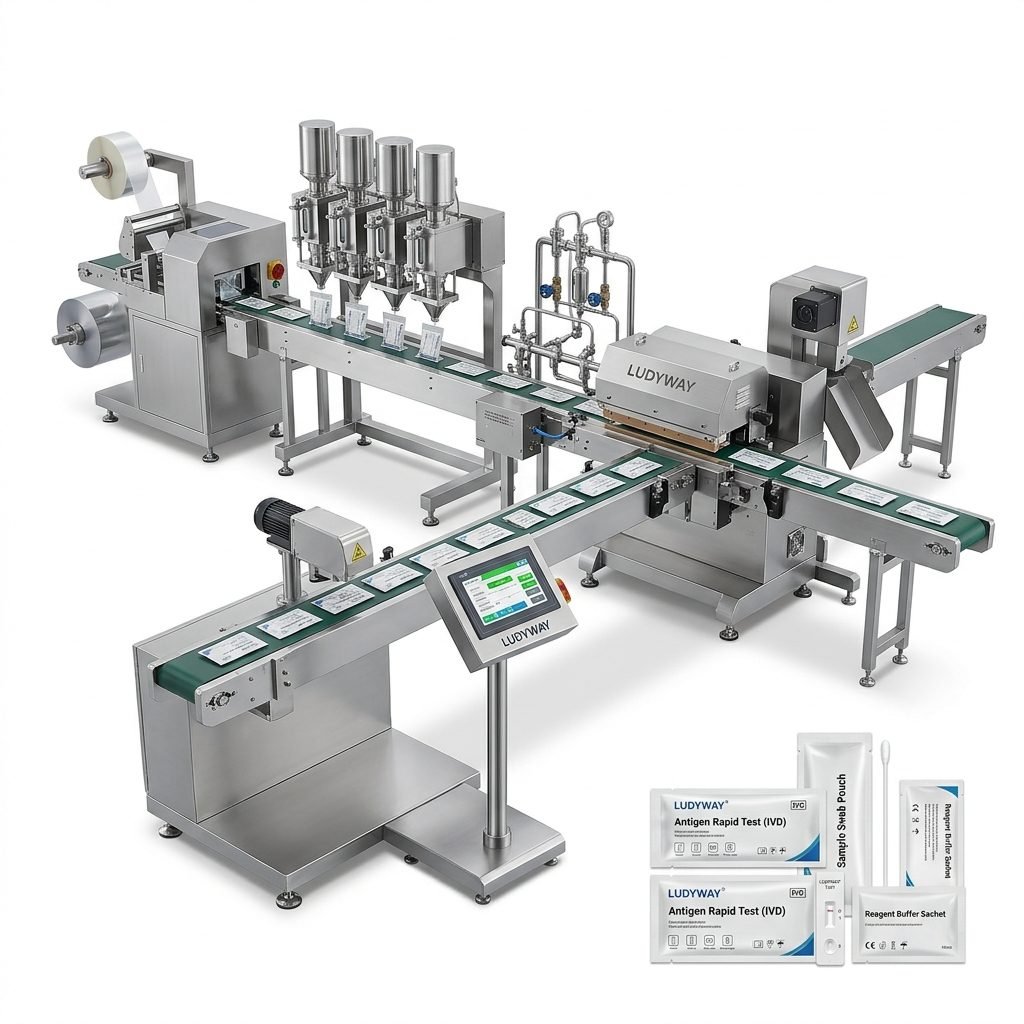
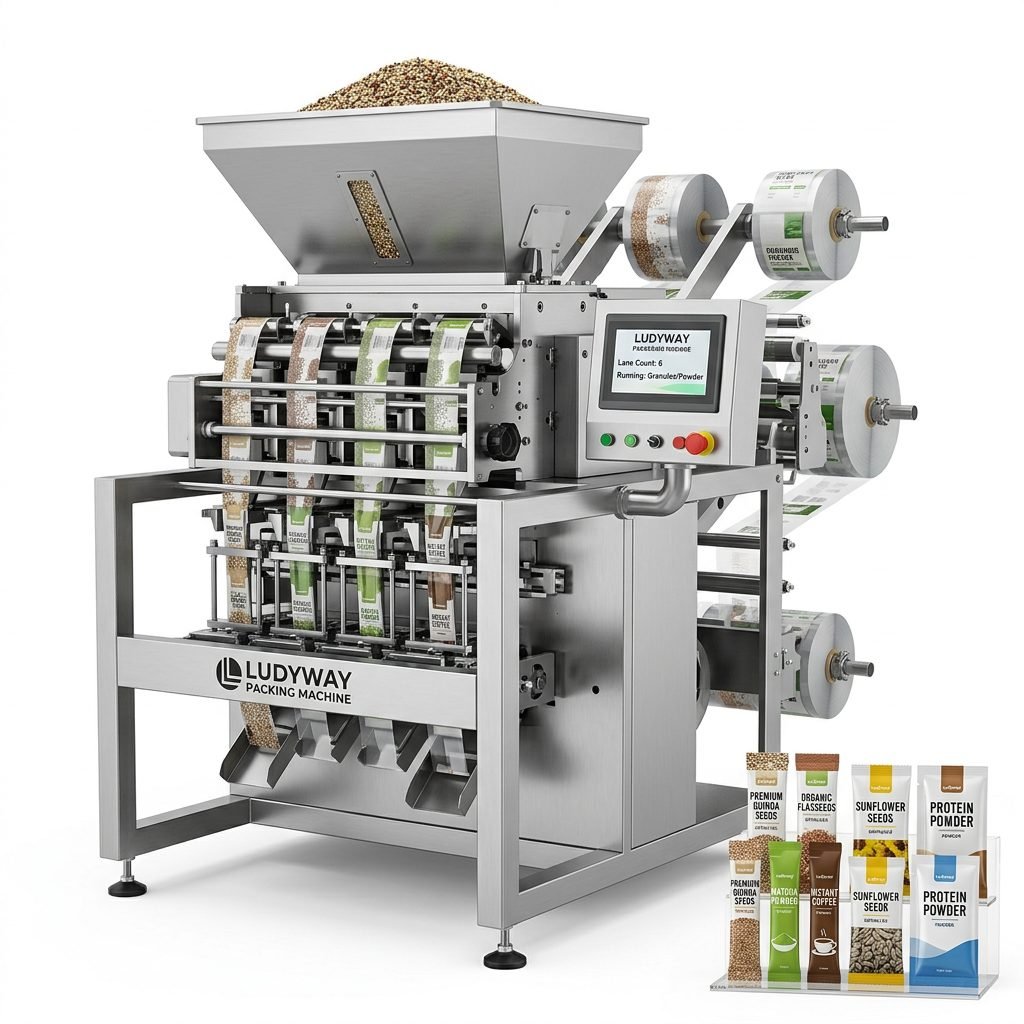
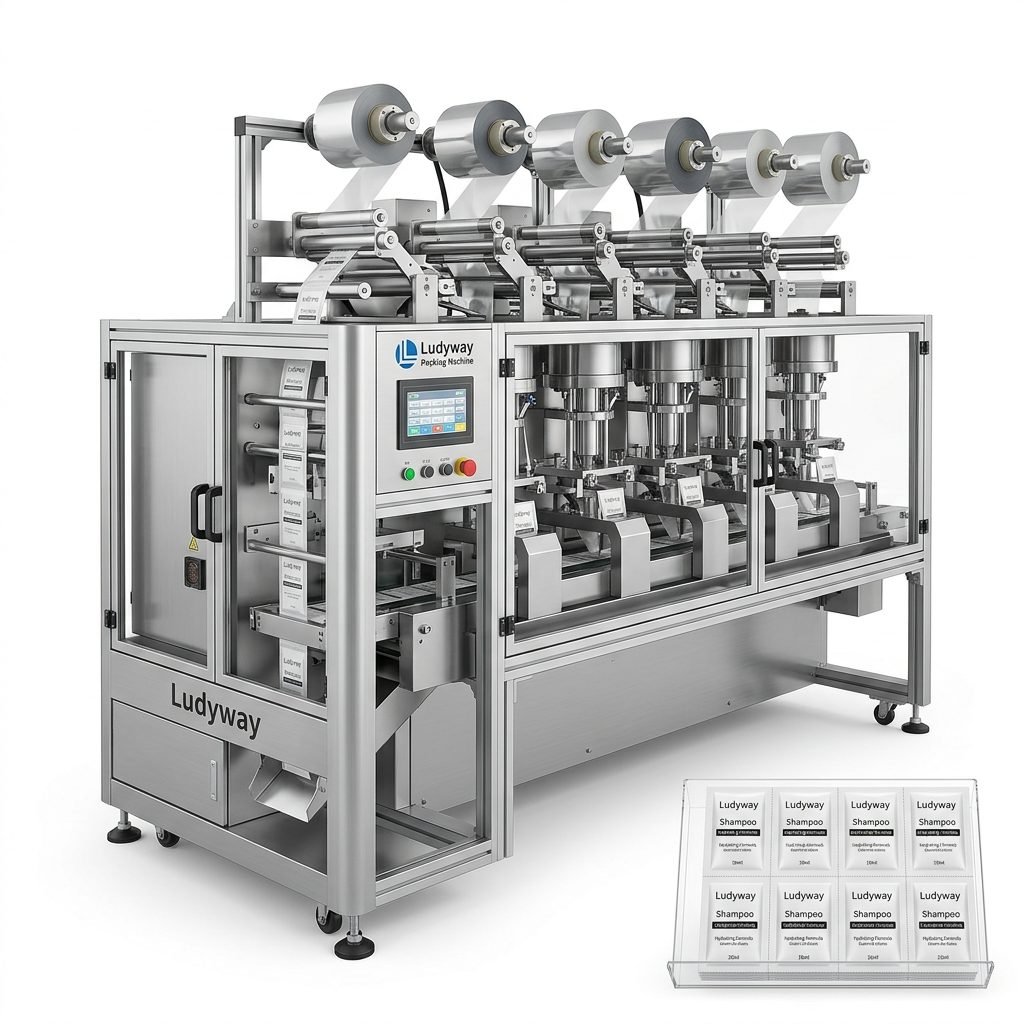
For French flour producers, selecting a partner with European project experience is vital. Whether you are integrating with existing milling infrastructure or building a new turnkey production line, the supplier must offer localized support. Ludyway, one of the largest packaging machine manufacturers, provides advanced equipment and turnkey production solutions for the food industry. With a modern 20,000㎡ manufacturing facility and a highly experienced engineering team, they offer more than 50 intelligent models, including multi-lane stick pack and sachet systems, supporting efficient operations worldwide.
Common Packaging Formats
French consumer preferences dictate specific packaging formats. The choice of machine must align with these retail and wholesale channels. Below are popular formats found in French supermarkets:
- Doypack (Stand-up Pouches): Resealable zippers are common for premium organic and gluten-free flours.
- Kraft Paper Bags (1kg): Often used for traditional Farine de Blé with a clear plastic window.
- Block Bottom Bags (QUAD Seal): Excellent shelf stability for 2.5kg and 5kg formats.
- Sachets & Stick Packs: Emerging trend for pre-measured pancake or bread mixes.
Maintenance and Technical Support
Continuous uptime is critical during peak production seasons. A flour packaging machine requires robust after-sales support. Ensure the manufacturer provides a detailed spare parts list and remote diagnostics. The abrasive nature of flour can wear out seals and augers, so prioritize machines with easily replaceable wear parts. Additionally, verify that the control system (PLC) is standardized and that the HMI interface is available in French or English to simplify operator training. Recommended reading for industry trends includes the PMMI Business Intelligence Library and resources from the Flexible Packaging Association for material innovations.
Conclusion
Acquiring a flour packaging machine in France is a process that demands technical scrutiny of dust management, weighing precision, and EU regulatory compliance. By mapping your production needs to the specific machine types—whether for multi-lane sachets or heavy-duty open-mouth bags—you can secure a system that elevates your brand’s efficiency and shelf presence. Take the time to discuss your product density and bagging goals directly with engineering teams to ensure a seamless integration.
For more information on automating your production, review the standards set by the FDA on Food Contact Substances and explore the growing library at the Flexible Packaging Association Knowledge Hub.