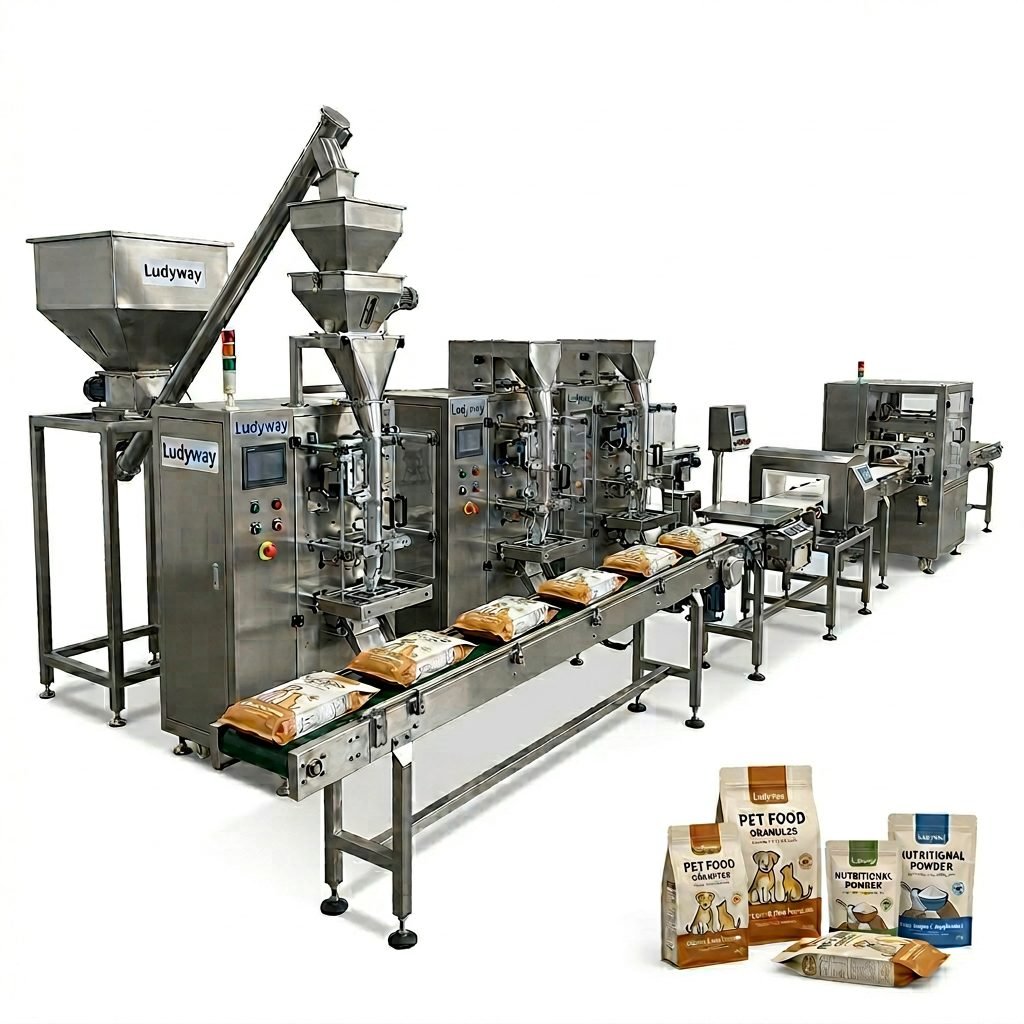
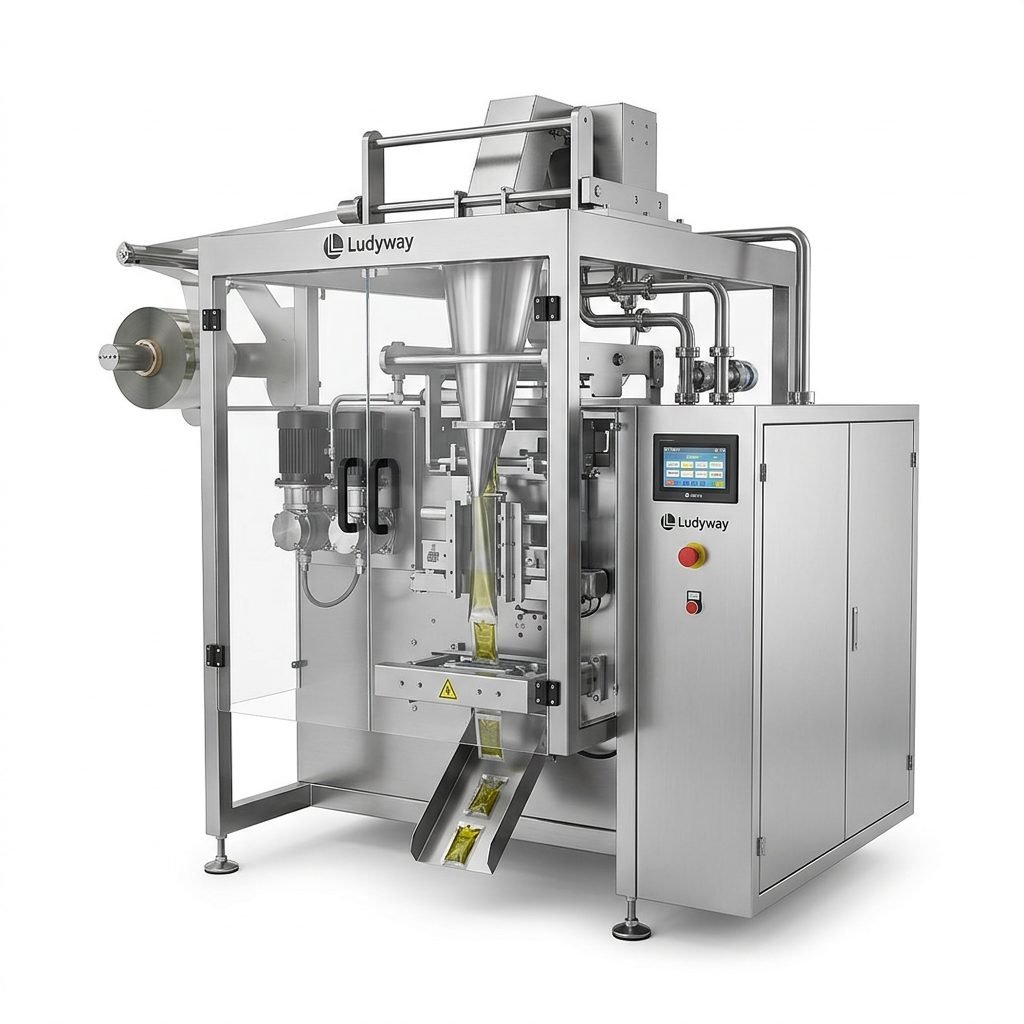
The Middle East food industry is experiencing rapid transformation, driven by food security initiatives, a booming hospitality sector, and aggressive import substitution policies. For food manufacturers, distributors, and retailers across the GCC and wider MENA region, investing in a food vacuum packaging machine is no longer optional — it is a strategic necessity. Vacuum packaging dramatically extends shelf life, preserves product quality in extreme heat, and reduces waste in supply chains that often span long distances and high ambient temperatures.

Whether you are packaging dates, processed meats, cheese, coffee, or seafood, selecting the right vacuum packaging equipment requires understanding machine types, realistic price expectations, and operational requirements specific to the region. This guide covers everything buyers need to know to make an informed purchasing decision.
Why Vacuum Packaging Matters in the Middle East
Several region-specific factors make vacuum sealing technology particularly valuable for Middle Eastern food businesses:
- Extreme heat accelerates spoilage — vacuum packaging removes oxygen, slowing oxidation and microbial growth.
- Long logistics chains from port to inland distribution require maximum product protection.
- Growing halal meat and dairy exports demand international-standard packaging for global buyers.
- Premium date and confectionery markets rely on vacuum packaging to maintain texture and flavour.
- Food waste reduction targets align with national visions like Saudi Vision 2030 and UAE Food Security Strategy.
Key Types of Food Vacuum Packaging Machines
Understanding the different machine categories is essential before comparing prices and specifications. Each type suits different production volumes, product characteristics, and packaging formats.
Nozzle Vacuum Packaging Machines
Simple, affordable machines that insert a nozzle into the bag opening to extract air before heat sealing. Ideal for small to medium operations packaging solid foods like nuts, dried fruits, and spices. Operating speeds are lower, typically 2-4 cycles per minute, but initial investment costs are minimal, making these popular with startups and small-scale producers.
Chamber Vacuum Packaging Machines
Available in single-chamber and double-chamber configurations, these machines place the entire filled bag inside a vacuum chamber. They achieve higher vacuum levels than nozzle types and can handle liquid-rich products like marinated meats, fresh fish, and prepared meals. Double-chamber models allow continuous operation, with one chamber loading while the other evacuates. Widely used in central kitchens, meat processing facilities, and seafood exporters.
External Vacuum Sealers
Compact bench-top units where only the open bag edge enters the machine. Best for low-volume, high-variety operations such as restaurant prep kitchens, retail butchers, and gourmet food shops. Quick to operate but limited in bag size and vacuum strength compared to chamber models.
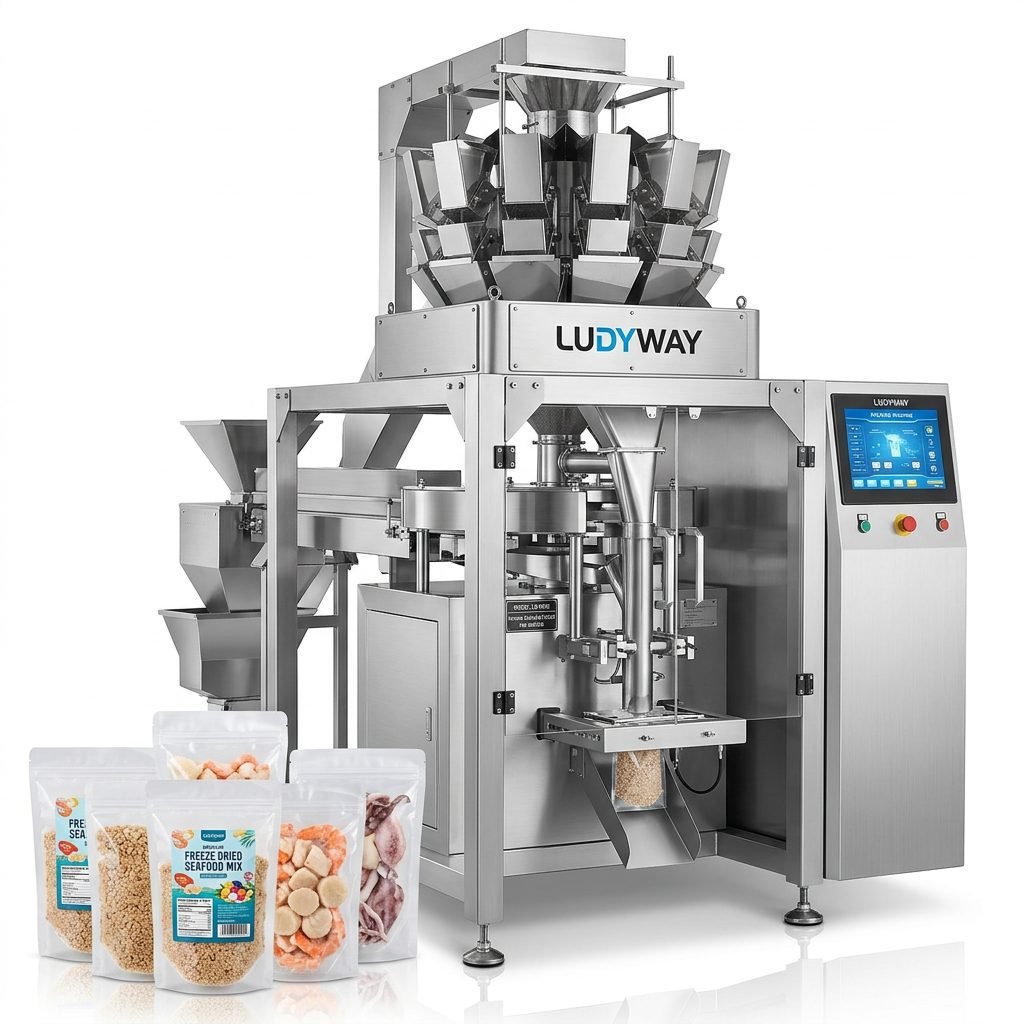
Thermoforming Vacuum Packaging Machines
High-speed, fully automated systems that form packages from roll-stock film, fill product, evacuate, and seal in one continuous process. These industrial-grade solutions deliver the lowest per-unit packaging cost at high volumes and are widely used for processed cheese, sliced meats, medical devices, and ready-to-eat meals. Investment levels are significantly higher, typically suited to factories producing millions of packs annually.
Rotary Vacuum Packaging Machines
Designed for very high-speed operations where the vacuum process occurs across multiple rotating stations. Common in large-scale meat and cheese processing plants, these machines handle continuous, automated production with minimal operator intervention. They represent the premium end of the market both in terms of output capacity and capital cost.
Tray Sealing Vacuum Machines
Rapidly growing in popularity for modified atmosphere packaging (MAP) and skin-pack applications, tray sealing machines fill and seal pre-formed trays. Widely used for fresh meat, poultry, seafood, and ready-to-heat meals. These machines offer excellent product visibility and retail presentation, important for premium supermarket channels in the UAE, Saudi Arabia, and Qatar.
| Machine Type | Best For | Approximate Speed | Investment Level |
|---|---|---|---|
| Nozzle Vacuum Sealer | Small shops, dry foods | 2-4 cycles/min | Low |
| Single Chamber | Medium volume, meats, liquids | 3-6 cycles/min | Low-Medium |
| Double Chamber | Continuous production | 6-10 cycles/min | Medium |
| Thermoforming | High-volume factories | 10-30 cycles/min | High |
| Tray Sealing / MAP | Retail-ready fresh products | 6-20 cycles/min | Medium-High |
| Rotary Vacuum System | Very high-speed lines | 30-80+ packs/min | Very High |
Food Vacuum Packaging Machine Price Guide for Middle East Buyers
Price ranges vary widely depending on automation level, build quality, chamber size, and additional features such as gas flushing, soft-air release, and cut-off sealing. Below are estimated ranges based on FOB (Free On Board) pricing from Asian and European manufacturers, which Middle East importers typically work with. Landed costs will include shipping, customs duty (usually 5% across GCC), and VAT.
| Machine Category | Estimated FOB Price Range (USD) | Typical Middle East Buyers |
|---|---|---|
| Small Nozzle Sealer | $300 – $1,500 | Small restaurants, home businesses |
| Single Chamber (Table-top) | $1,500 – $6,000 | Butchers, caterers, small processors |
| Double Chamber (Floor-standing) | $5,000 – $25,000 | Mid-size food factories, exporters |
| Thermoforming Packaging Line | $40,000 – $250,000+ | Industrial processors, co-packers |
| Tray Sealing Machine | $20,000 – $120,000 | Supermarket suppliers, poultry, seafood |
| Rotary Vacuum Machine | $80,000 – $400,000+ | Large-scale meat and dairy plants |
Note: Prices are indicative and depend on configuration, brand, and optional features. Always request a detailed quotation including after-sales support, spare parts availability, and warranty terms — critical factors for buyers in the Middle East where local technical support may be limited for some brands.
How to Choose the Right Vacuum Packaging Machine: 8 Decision Factors
1. Product Characteristics
Consider whether you are packaging dry solids (nuts, dates, coffee), fresh or frozen products (meat, poultry, seafood), liquids or semi-liquids (marinades, sauces, prepared meals), or powders and granules. Liquid and high-moisture products generally require chamber or thermoforming machines. Dry solids can be efficiently handled by nozzle-type machines. For products with sharp edges (e.g., bone-in meat, crustaceans), ensure the packaging film and machine sealing system are suitably robust.
2. Production Volume
Match machine speed to your daily output requirements. A small butcher processing 50-100 packs per day has very different needs from a date exporter shipping 10,000+ packs daily. Calculate packs per shift, peak season demand (e.g., Ramadan and Hajj periods often see 2-3x volume spikes in the Middle East), and allow for future growth. Under-specifying is as costly as over-specifying.
3. Packaging Format and Film Type
Different machines use different bagging and film formats. Pre-made vacuum pouches require chamber or nozzle machines. Roll-stock film requires thermoforming systems. For premium retail presentation, tray-sealing with MAP capability is increasingly preferred in Middle East supermarkets. Also evaluate film barrier properties — high-barrier films (EVOH, PVDC) provide maximum shelf life extension but cost more than standard PA/PE laminates.
4. Vacuum Level and Seal Integrity
Vacuum pressure (measured in mbar) directly affects preservation performance. Chamber and thermoforming machines typically achieve 0.5-10 mbar residual pressure, while basic nozzle sealers may only reach 100-200 mbar. For oxygen-sensitive products like fresh meat, coffee, and nuts, higher vacuum levels paired with gas flushing (nitrogen or CO₂) deliver substantially longer shelf life. Verify seal bar width and temperature control precision, especially for high-speed operations.
5. Automation Level and Labour Availability
Manual and semi-automatic machines require more operator involvement but offer flexibility. Fully automatic systems reduce labour dependency — a significant consideration in markets where skilled packaging technicians are in short supply. Evaluate the total cost of ownership including operator training, maintenance complexity, and spare parts availability in your country.
6. Compliance with Regional and Export Standards
For food products sold within GCC countries, ensure the machine and packaging materials comply with FDA food contact substance regulations if you plan to export to the US, or EU regulations for European markets. Halal certification considerations may also extend to packaging processes. The PMMI packaging industry resources provide updates on global compliance trends affecting packaging machinery procurement.

7. After-Sales Support and Spare Parts in the Middle East
This is arguably the most critical factor for Middle East buyers. Before purchasing, confirm the availability of local service engineers, spare parts stock in regional warehouses, and remote diagnostic support. Downtime during peak seasons can be devastating. Prioritize manufacturers with established distribution networks in the GCC, Levant, or North Africa. Check whether the supplier provides installation, commissioning, and operator training on-site.
8. Energy Efficiency and Operating Environment
Vacuum pumps generate significant heat, and in Middle East factory environments where ambient temperatures exceed 40°C in summer, adequate cooling and ventilation are essential. Consider machines with oil-free or dry-running pump options for cleaner operations and lower maintenance. Energy-efficient pumps reduce long-term operating costs — an important factor given regional electricity tariffs.
What Middle East Buyers Should Know About Importing Vacuum Packaging Machines
Importing packaging equipment into the Middle East involves several practical considerations beyond machine selection:
- Voltage and frequency compatibility: Most GCC countries operate on 220-240V / 50Hz (some industrial sites use 380-415V three-phase). Confirm machine electrical specifications match your facility.
- Climate considerations: High humidity in coastal cities (Dubai, Jeddah, Muscat, Doha) can affect electronic components and vacuum pump performance. Look for machines with corrosion-resistant construction and sealed electronics.
- Documentation: Ensure all manuals, software interfaces, and training materials are available in English and/or Arabic to facilitate operator training and troubleshooting.
- Shipping and customs: Work with freight forwarders experienced in heavy machinery imports. Budget for 5% customs duty across most GCC states plus clearance charges. Some free zones offer duty exemptions.
For broader market intelligence on packaging machinery trends, the PMMI State of the Industry report provides valuable data on global packaging equipment markets, including growth projections relevant to Middle East food sectors.
Key Features to Look For in a Quality Vacuum Packaging Machine
| Feature | Why It Matters |
|---|---|
| Stainless Steel Construction | Essential for food hygiene, corrosion resistance, and easy cleaning |
| Digital Control Panel | Allows precise setting of vacuum time, sealing time, and temperature |
| Gas Flushing / MAP | Nitrogen or CO₂ flushing extends shelf life for fresh and delicate products |
| Soft-Air Release | Prevents product crushing and package distortion, important for fragile items |
| Busch or Equivalent Vacuum Pump | Industry-standard pump brands ensure reliability and global spare parts access |
| Wide Seal Bars | 10mm-12mm seal width provides robust, leak-proof seals for heavy or liquid products |
Working with Reliable Vacuum Packaging Machine Suppliers
Selecting the right supplier is as important as selecting the right machine. Look for manufacturers with proven experience in the Middle East market, documented installation references, and responsive communication. Ask for customer references in your country or region, and if possible, arrange a factory visit or live video demonstration before committing. Verify that the supplier provides comprehensive documentation, operator training, and a clear warranty policy with defined response times.
As one of the largest packaging machine manufacturers in China, Ludyway specializes in advanced packaging equipment and turnkey production solutions for the food, pharmaceutical, and health industries, supported by a modern 20,000㎡ manufacturing facility and over 30 years of industry expertise serving customers in more than 100 countries.
Frequently Asked Questions
What is the best vacuum packaging machine for a small food business in the Middle East?
For small businesses processing under 500 packs per day, a single-chamber or double-chamber vacuum sealer with stainless steel construction and digital controls offers the best balance of performance, durability, and price. Budget between $1,500 and $12,000 depending on chamber size and features.
Can vacuum packaging machines handle hot filling temperatures common in Middle East kitchens?
Most standard machines are designed for ambient or chilled product packaging. For hot-fill applications, specify a machine with heat-resistant sealing systems and appropriate film specifications. Thermoforming machines are generally better suited for hot-fill processes than basic chamber machines.
How much does shipping and import duty add to the machine cost in GCC countries?
Plan for approximately 15-25% above the FOB machine price to cover sea freight, insurance, port handling, customs clearance, and 5% GCC customs duty. Express air freight for smaller machines will cost proportionally more. Some free zones in the UAE, Oman, and Bahrain offer duty exemptions.
What maintenance does a vacuum packaging machine require?
Routine maintenance includes vacuum pump oil changes (every 300-500 operating hours for oil-lubricated pumps), seal bar cleaning and replacement, gasket inspection, and chamber cleaning. Establish a maintenance schedule aligned with manufacturer recommendations and ensure local access to consumable spare parts.
Is operator training typically included when buying from international suppliers?
Most reputable manufacturers include installation, commissioning, and basic operator training in the purchase price for machines above the entry-level range. Confirm training scope, duration, and whether it is conducted on-site or remotely before finalizing the order.
Final Recommendations
Investing in the right food vacuum packaging machine delivers measurable returns through reduced product waste, extended shelf life, improved export readiness, and enhanced brand presentation. Middle East buyers should prioritize build quality, local support infrastructure, and climate-appropriate design alongside price considerations. Take time to evaluate multiple suppliers, request sample packaging tests with your actual products, and negotiate comprehensive after-sales terms. A well-chosen vacuum packaging system will serve your business reliably for a decade or more.