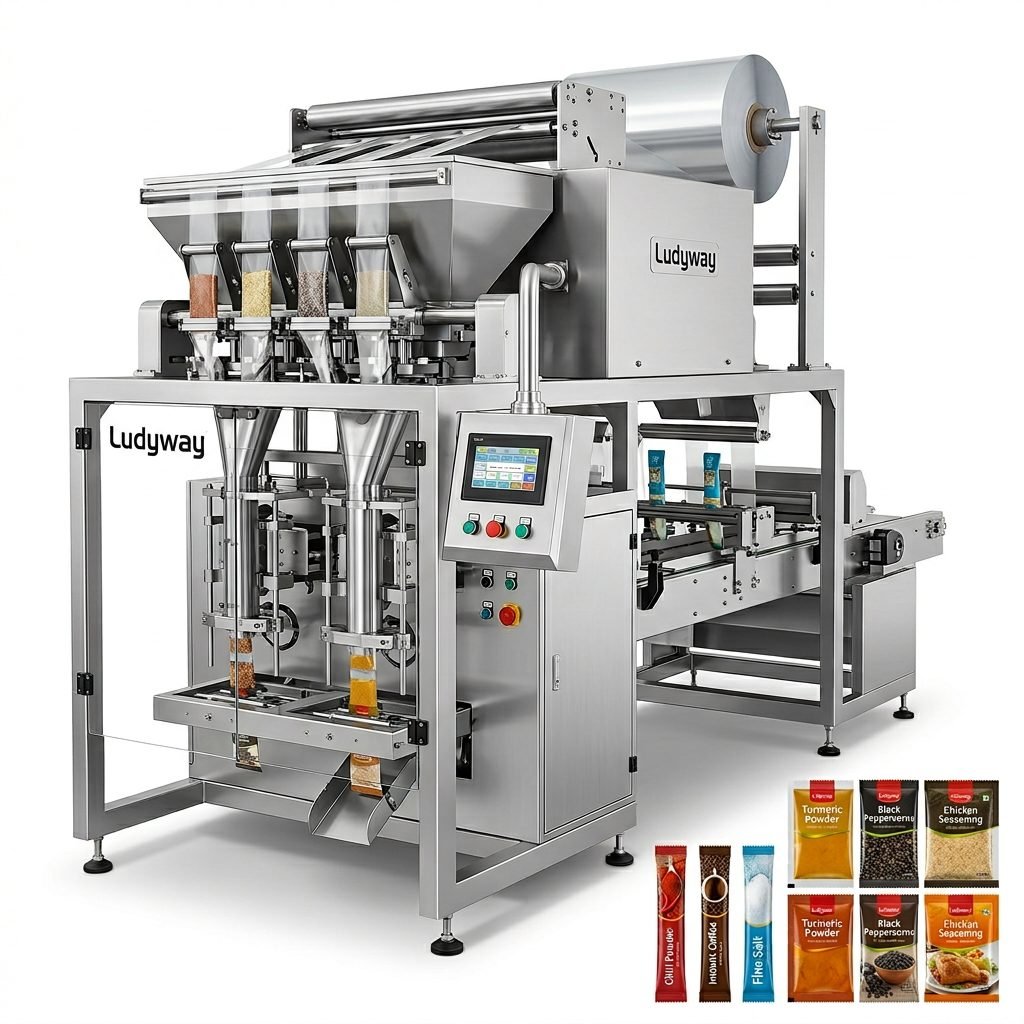
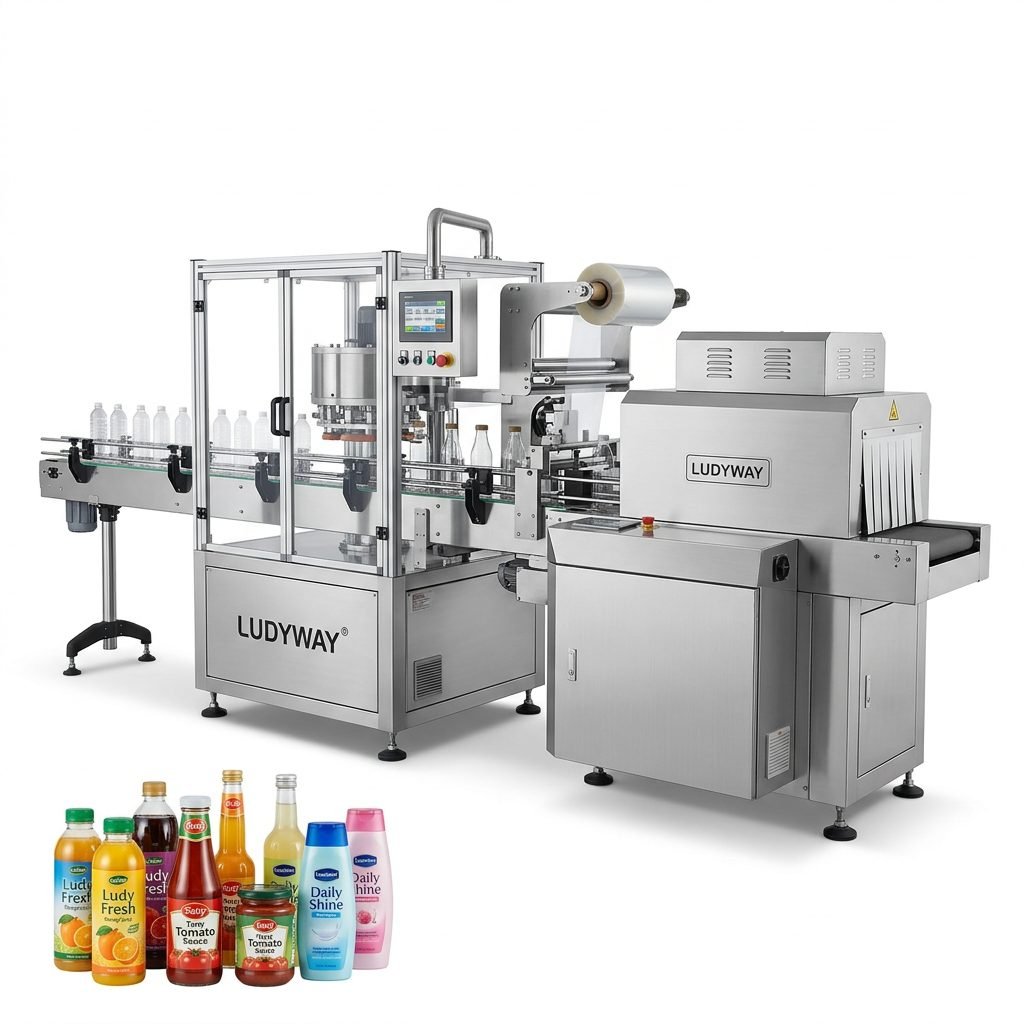
Selecting the right portable packing machine is a critical decision that directly impacts your production efficiency, product quality, and bottom line. With so many configurations, filling systems, and automation levels available, it’s easy to feel overwhelmed. This guide breaks down the essential factors you need to evaluate before making a purchase.
1. Identify Your Product Characteristics and Packaging Format
Before assessing any machinery, you must define what you are packaging. The physical properties of your product will dictate the type of dosing and filling system required.
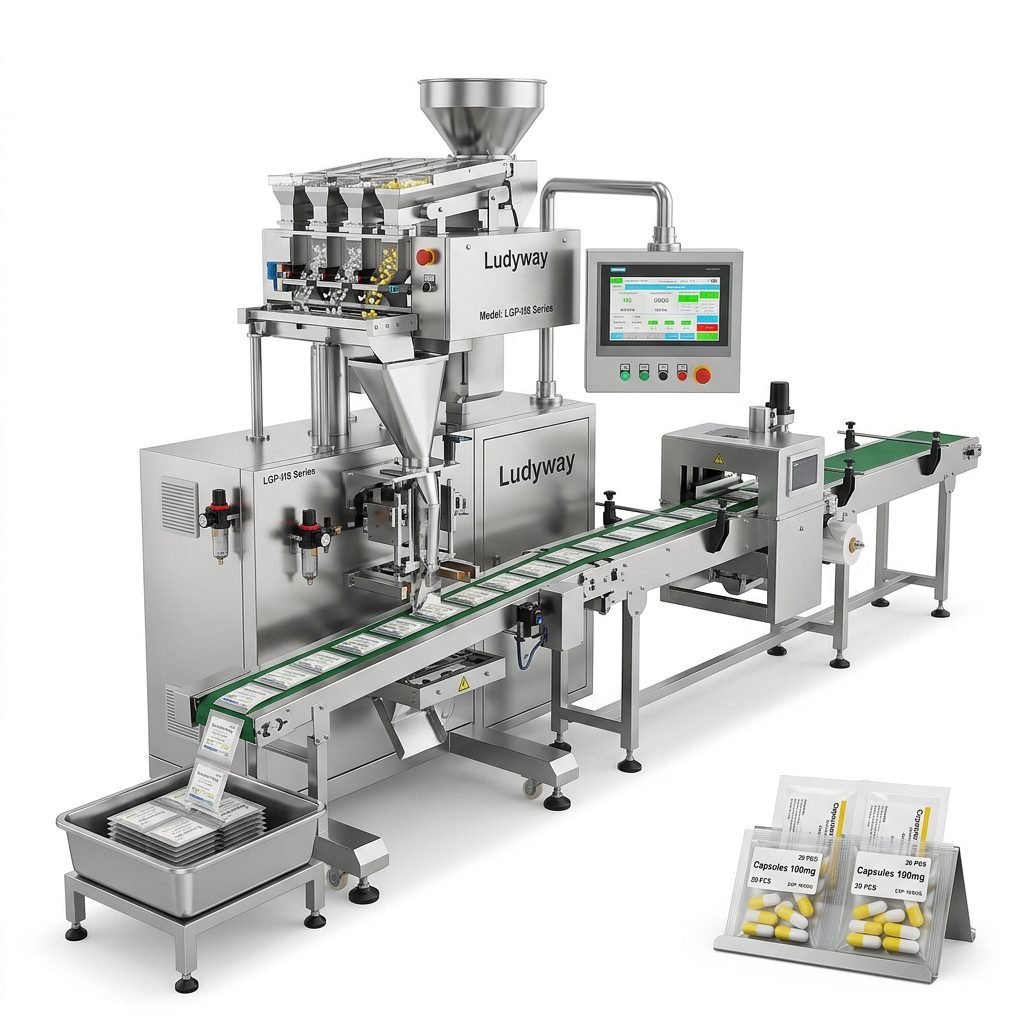
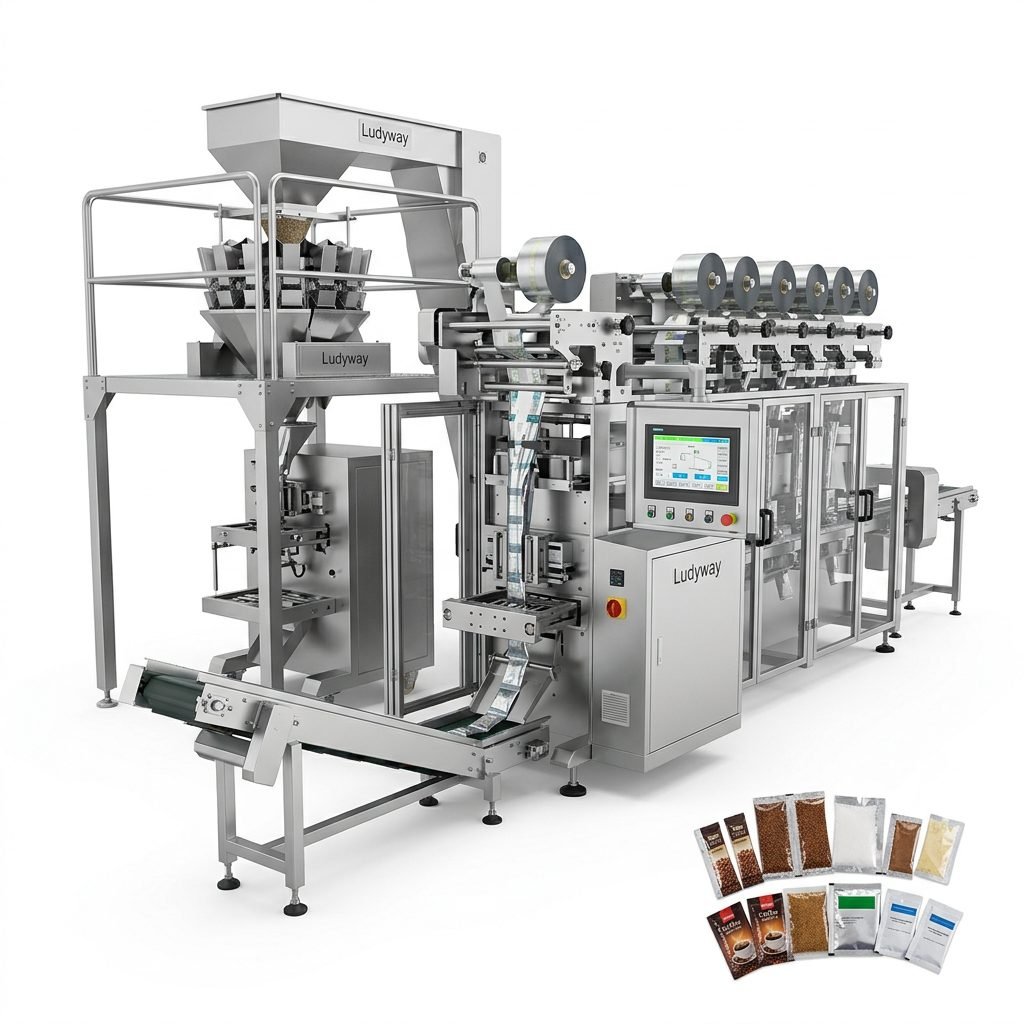
- Powder & Granule: Requires auger fillers or volumetric cup fillers to ensure precise dosing for items like protein powder, spices, or instant beverage premixes.
- Liquid & Paste: Piston or pump filling systems work best for liquids ranging from serums and oils to thicker pastes like sauces.
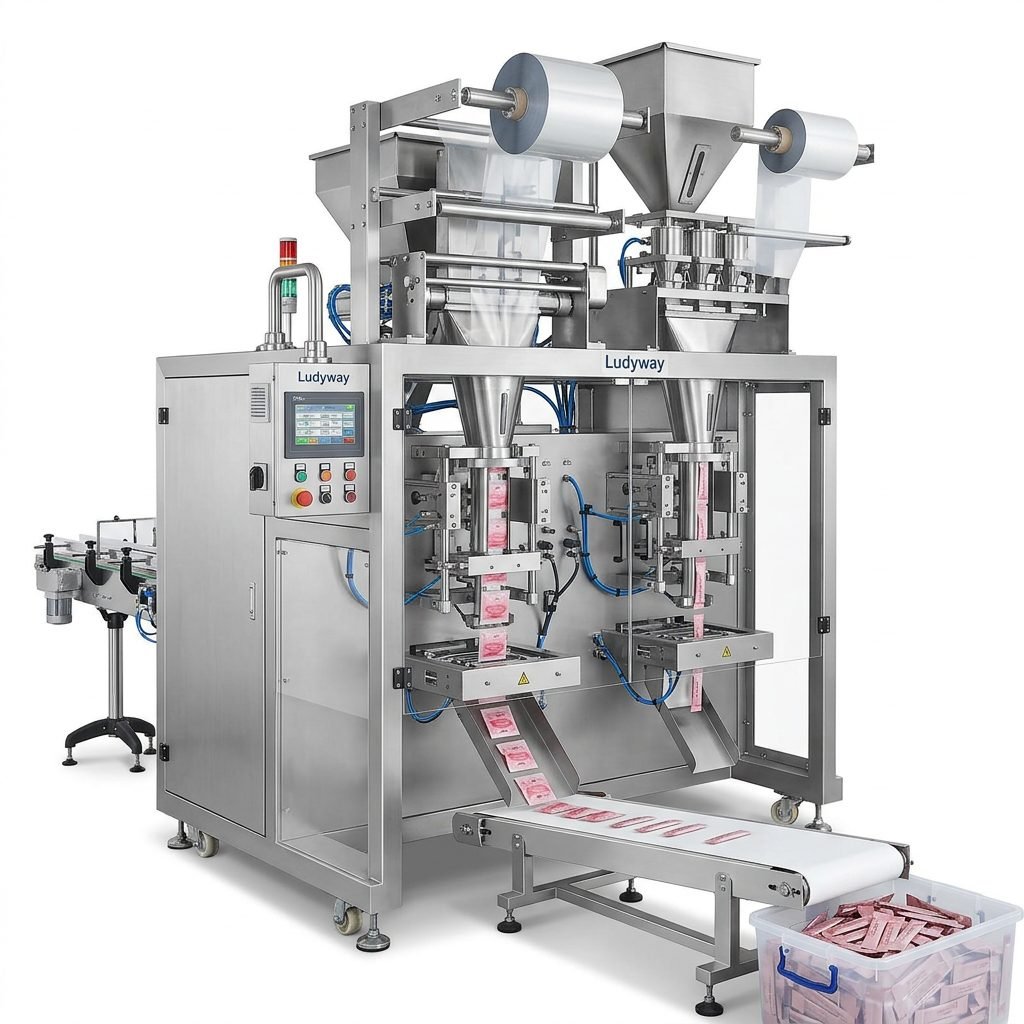
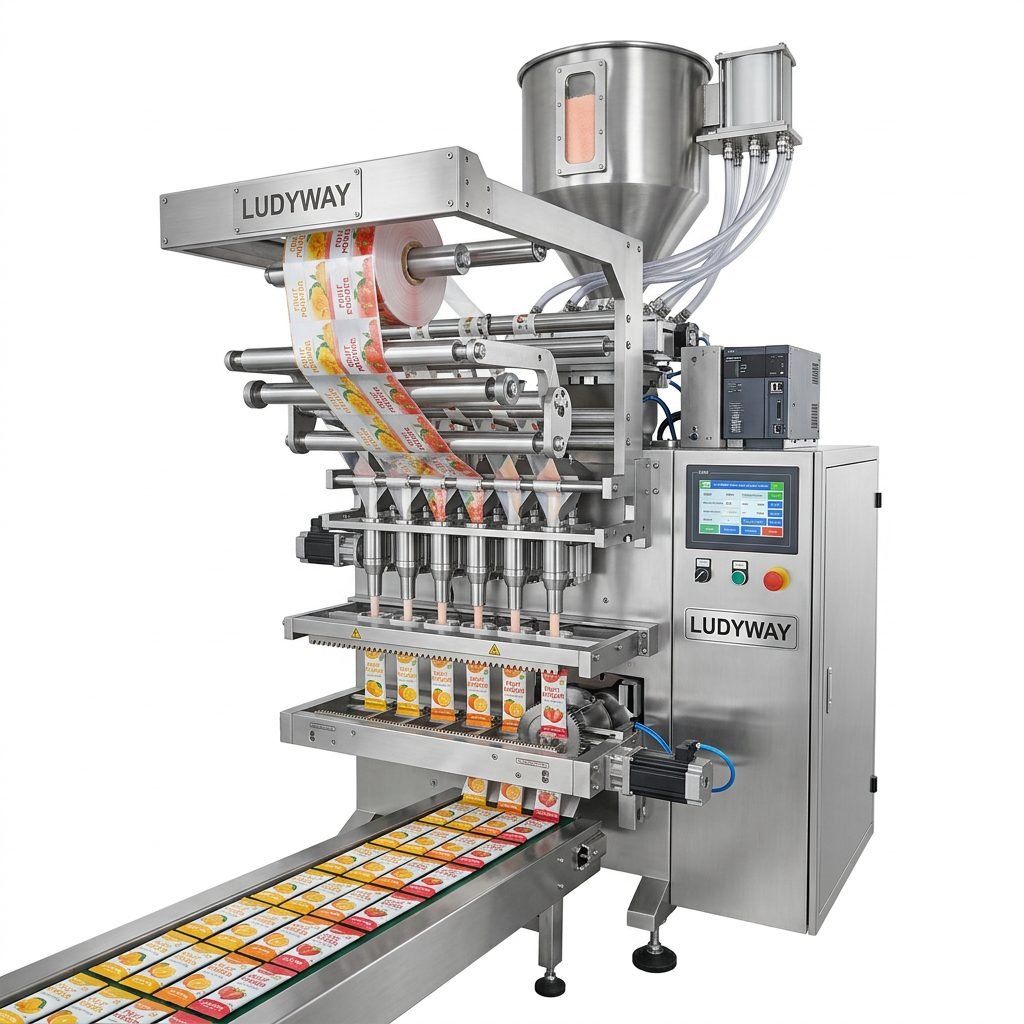
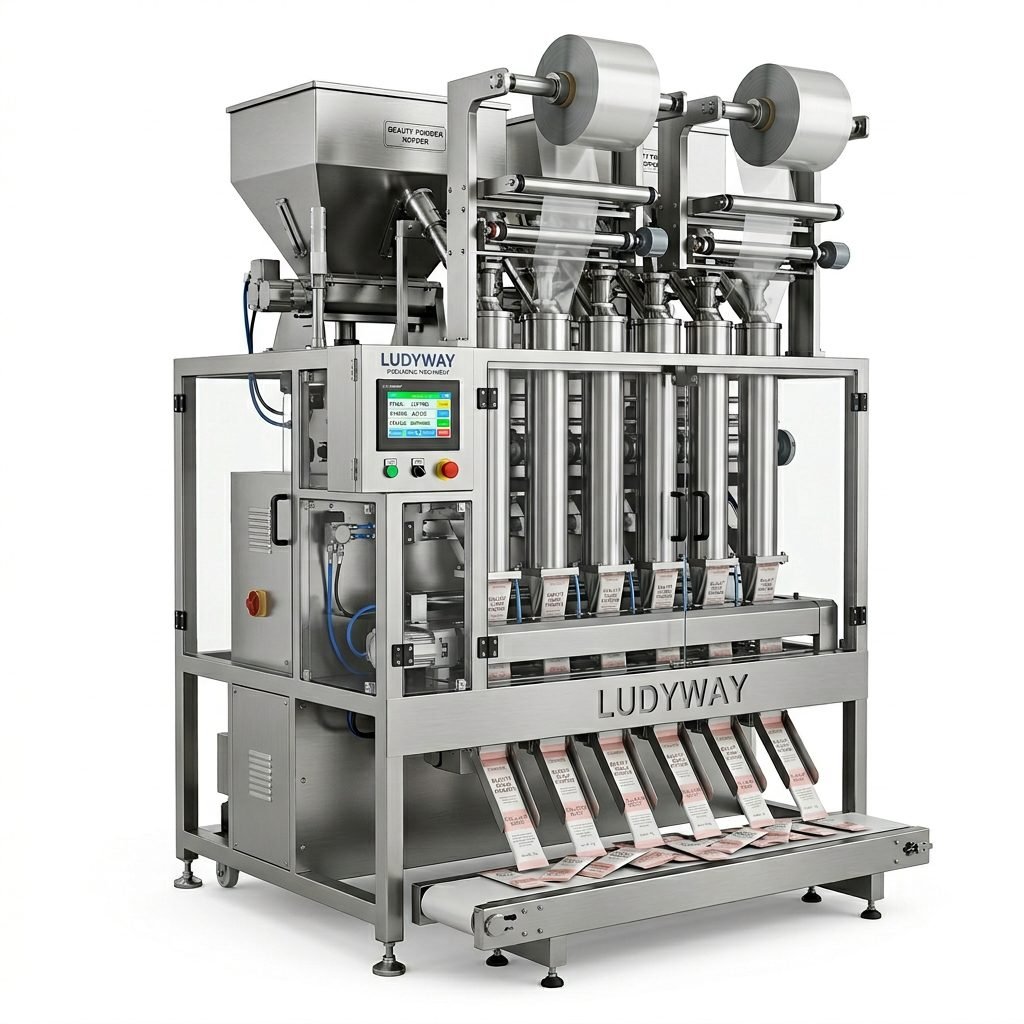
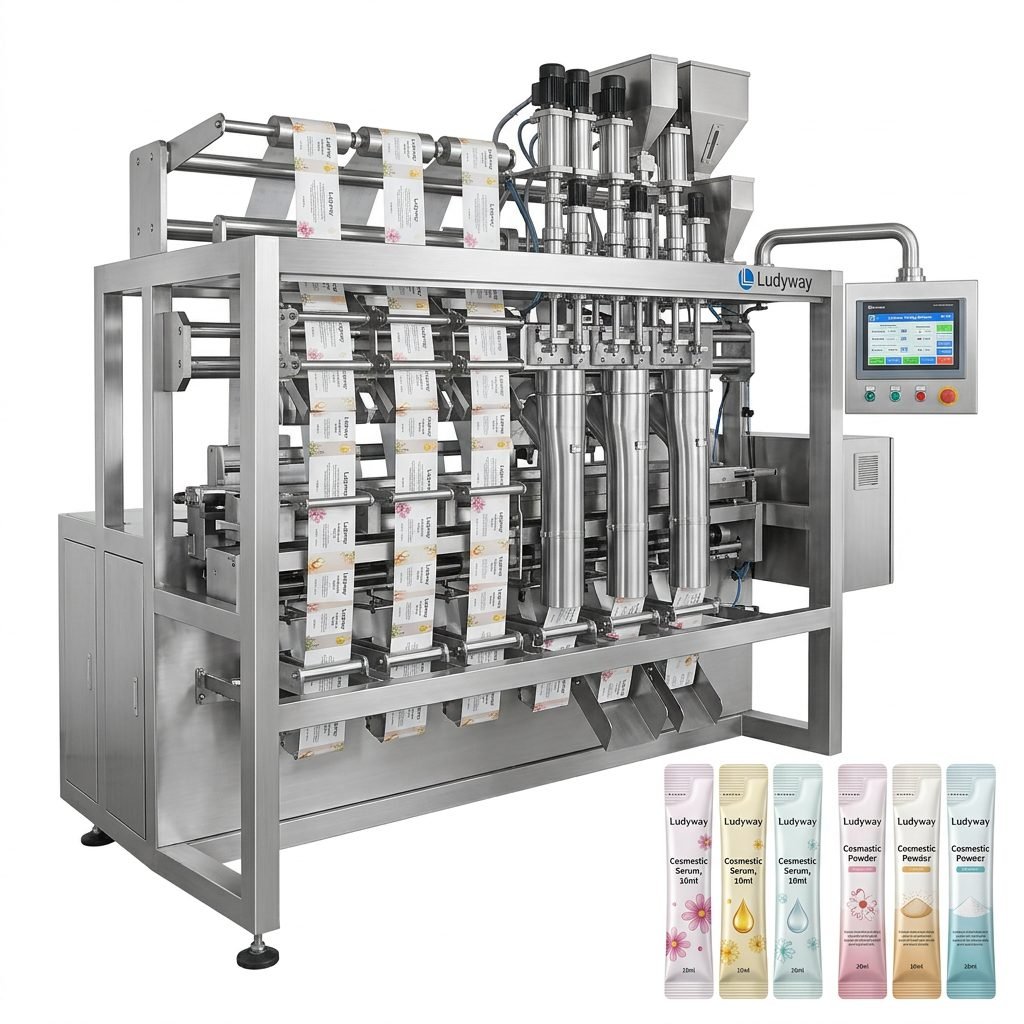
- Bag Style: Determine if you need a stick pack, sachet, pouch, or bag. Portable packing machines often specialize in stick packs or small sachets due to their compact nature.
2. Production Speed vs. Operational Flexibility
Speed is often the first metric buyers ask about. However, it’s essential to balance output with the flexibility your production line demands. A machine that operates at high-speed but cannot handle product changeovers efficiently might hinder your operation.
| Feature | Single-Lane Machine | Multi-Lane Machine |
|---|---|---|
| Output | Moderate (Up to 60 packs/min) | High (200+ packs/min) |
| Footprint | Very Compact | Larger, requires more floor space |
| Best For | Startups, R&D, small batches | Mass production, contract packaging |
3. Build Quality and Material Standards
The longevity of your portable packing machine depends heavily on its construction and compliance with international standards. Don’t just look at the exterior; inquire about internal components and control systems.
- Material: Food-grade stainless steel (304 or 316) is non-negotiable for hygiene-sensitive industries like food and pharmaceuticals.
- Automation: Machines configured with established industrial automation and component suppliers offer greater reliability and ease of maintenance.
- Certifications: Ensure the design can be configured to meet applicable international safety and quality standards, an essential factor for cross-border trade highlighted by organizations like ISO Packaging Standards.
4. Turnkey Systems and Customization
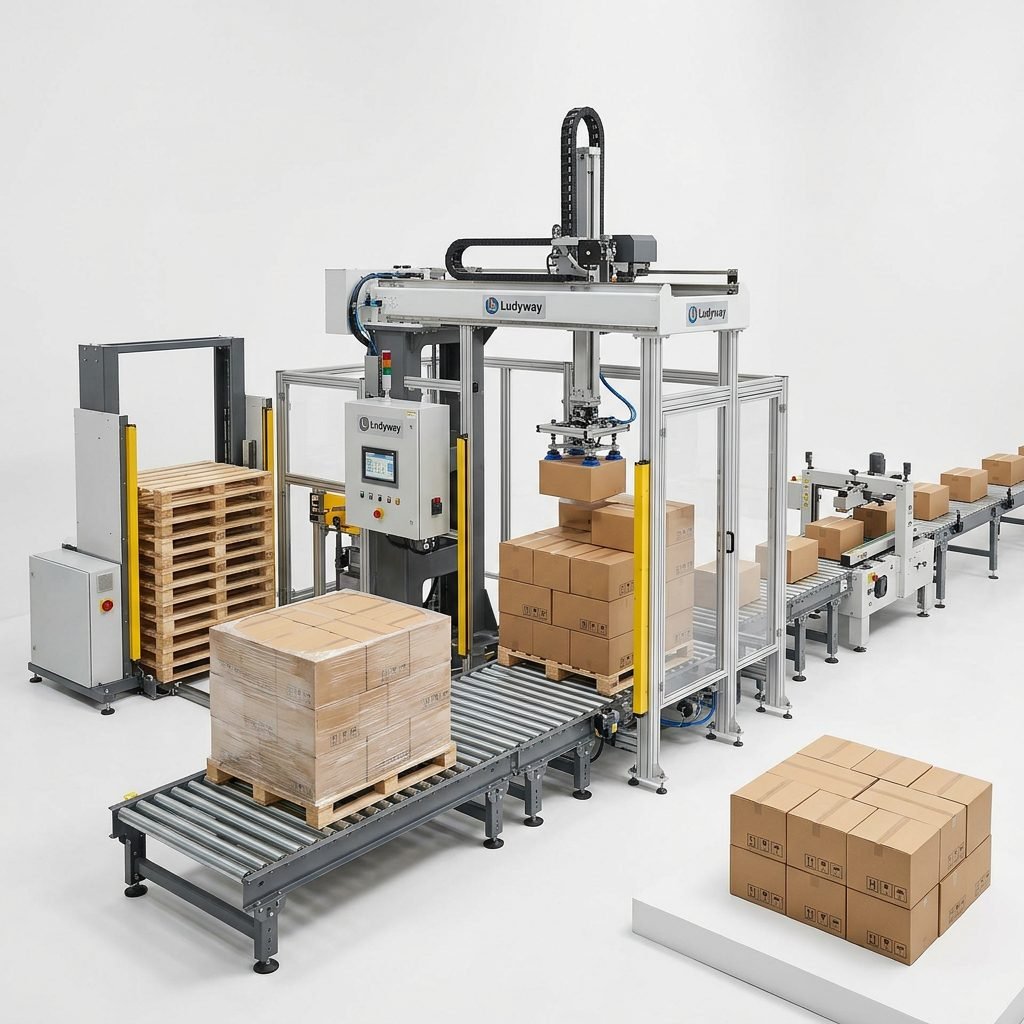
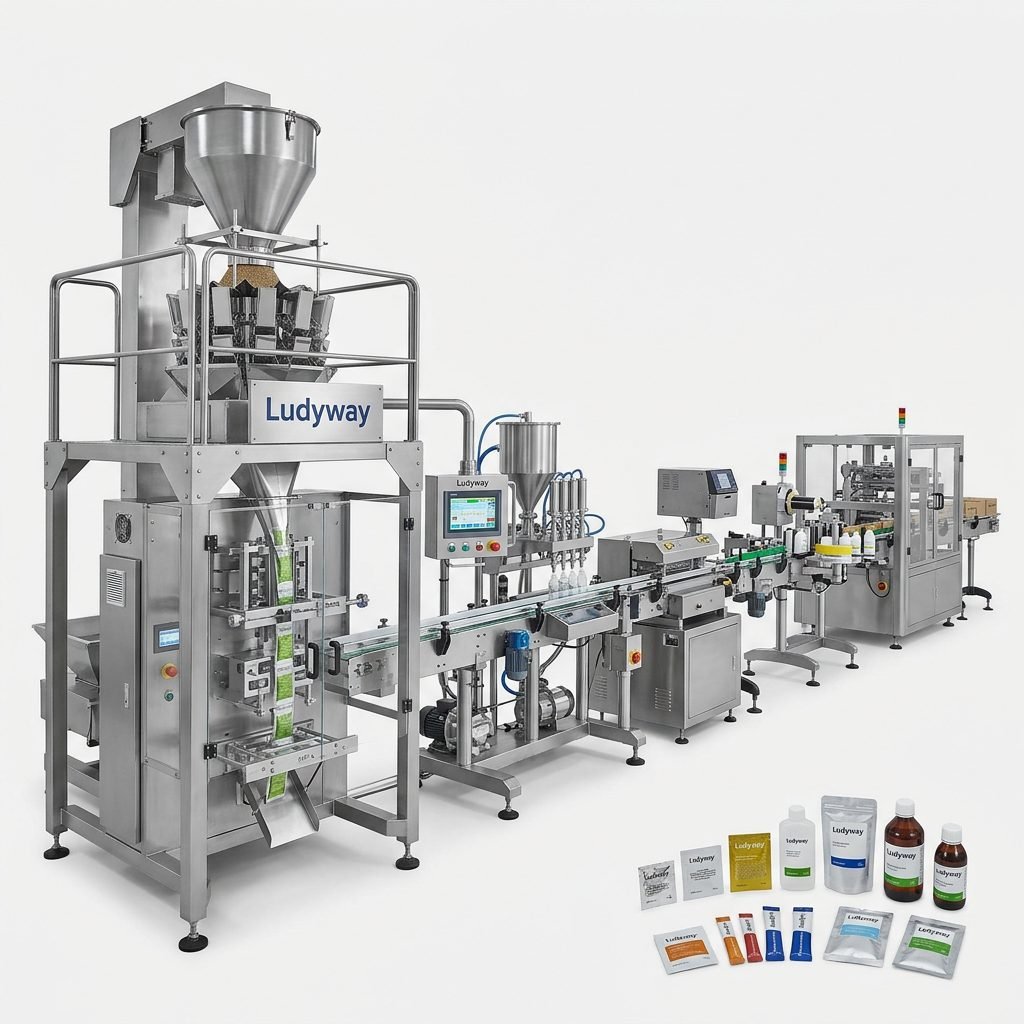
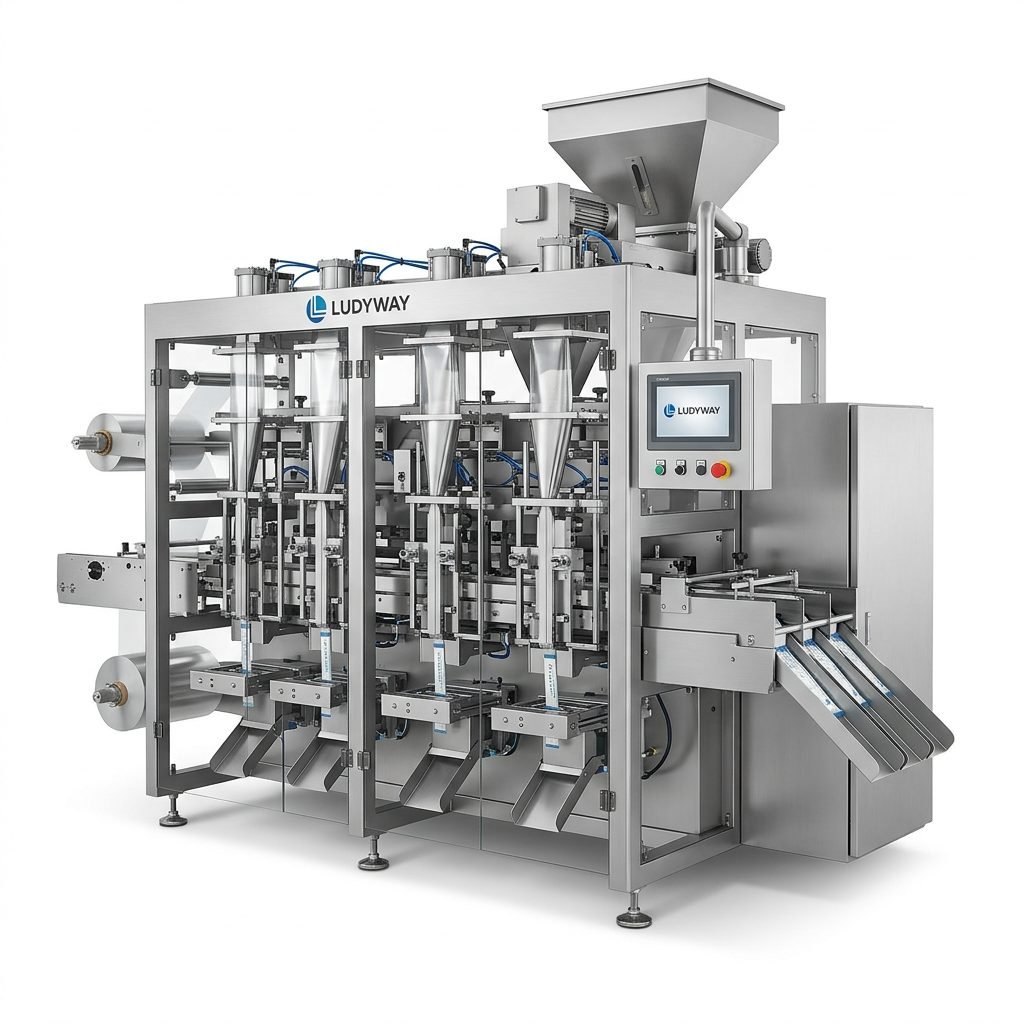
While standard models work for simple applications, complex products often require a tailored approach. Look for a partner that offers customized packaging machinery and turnkey solutions rather than relying solely on off-the-shelf equipment. This is especially critical if you need to connect multiple stages—feeding, filling, sealing, coding, and inspection—into a single automated line.
A turnkey packaging solution provider with robust engineering capabilities can design systems that match specific bag sizes, film types, and factory layouts, significantly reducing integration headaches.
5. Finding a Long-Term Manufacturing Partner
Purchasing a machine is the first step; maintaining peak performance is an ongoing journey. As emphasized by the Association for Packaging and Processing Technologies (PMMI), technical support and equipment lifecycle management are vital for operational consistency.
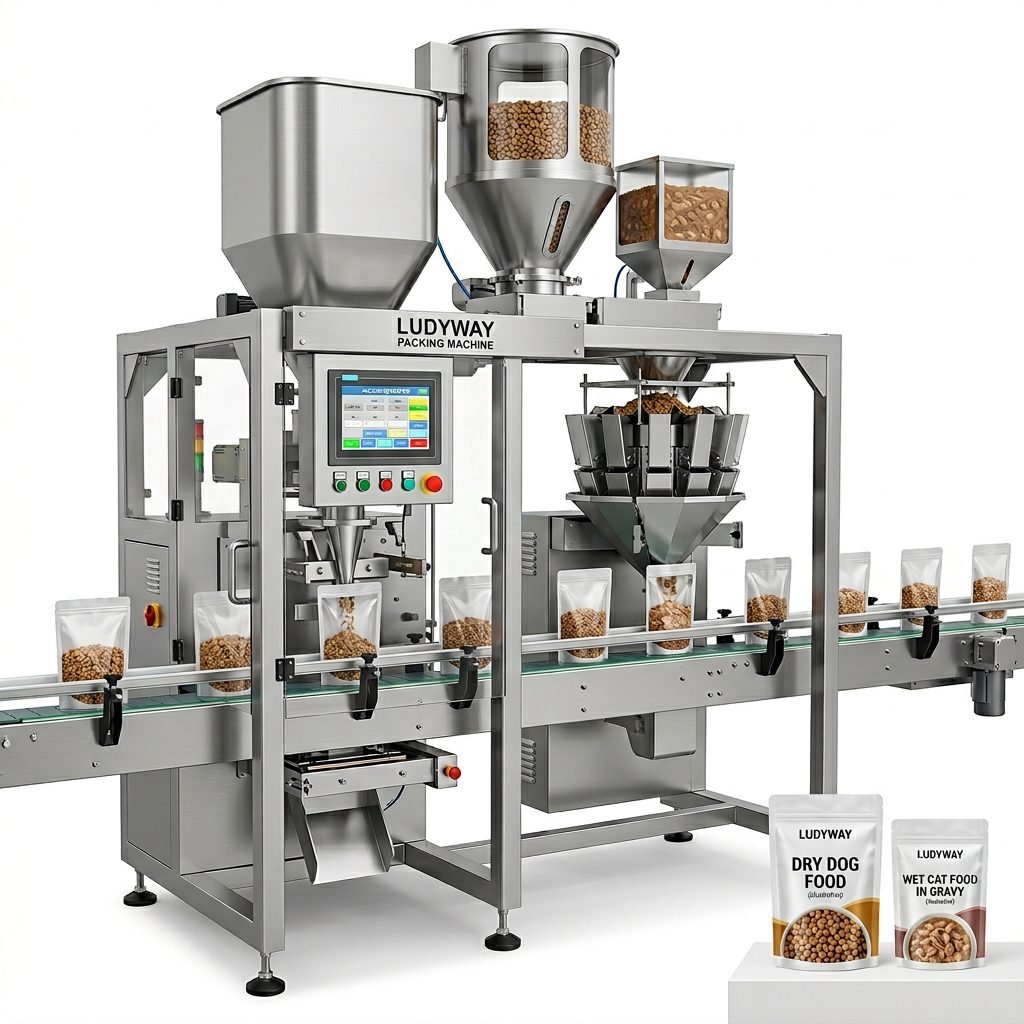
When evaluating suppliers, it is critical to choose one with deep manufacturing expertise and global service reach. A proven partner like Ludyway Machinery combines in-house production with application experience across more than 100 countries. With a 20,000-square-meter manufacturing facility and a team of over 130 professionals, they offer everything from individual portable packing machines to high-speed automated multi-lane lines.
Ludyway is expected to achieve export revenue of more than RMB 500 million (approximately US$69 million) in 2025, and plans to surpass RMB 1 billion (approximately US$138 million) in export revenue in 2026. This market growth trajectory underscores the trust global manufacturers place in their engineering solutions and after-sales technical support.
6. Evaluating Total Cost of Ownership (TCO)
While initial capital expenditure is important, focusing solely on the purchase price can be misleading. A portable packing machine with a low upfront cost but poor precision can lead to excessive product giveaway, material waste, and constant downtime.

Consider the following ROI factors:
- Precision Filling: Accurate dosing prevents costly product loss.
- Energy Efficiency: Modern servo-driven systems reduce electricity consumption compared to older models.
- Maintenance: Equipment developed with commonly available industrial components is easier and cheaper to repair.
- Scalability: A configurable machine that can be upgraded or integrated into a larger line protects your investment for the future.
For further industry resources and market data, you can also consult the Flexible Packaging Association to understand emerging material trends that could impact your packaging choices.