Establishing a vacuum food packaging machine production line in the United States is a strategic move for food manufacturers aiming to extend shelf life, enhance product quality, and meet stringent food safety standards. The U.S. food packaging equipment market is projected to grow significantly, driven by consumer demand for fresh, minimally processed foods and the expansion of ready-to-eat meal solutions. This guide walks you through the essential steps, from planning and equipment selection to regulatory compliance and operational optimization.
Understanding the U.S. Vacuum Packaging Landscape
The North American vacuum packaging sector is shaped by FDA regulations, USDA oversight for meat and poultry, and a strong emphasis on automation to combat labor shortages. According to PMMI’s business intelligence reports, the demand for flexible packaging machinery continues to outpace other segments, with vacuum and modified atmosphere packaging (MAP) systems at the forefront. Before investing, you must analyze your target product category — whether it’s fresh beef, processed cheese, snack nuts, or ready-to-cook marinated proteins — as each requires specific chamber configurations, vacuum levels, and sealing technologies.
Key Components of a Vacuum Packaging Production Line
A fully integrated line goes far beyond a standalone vacuum sealer. Here are the core modules you need to evaluate:
1. Product Preparation and Handling
- Automated feeding systems for consistent product flow
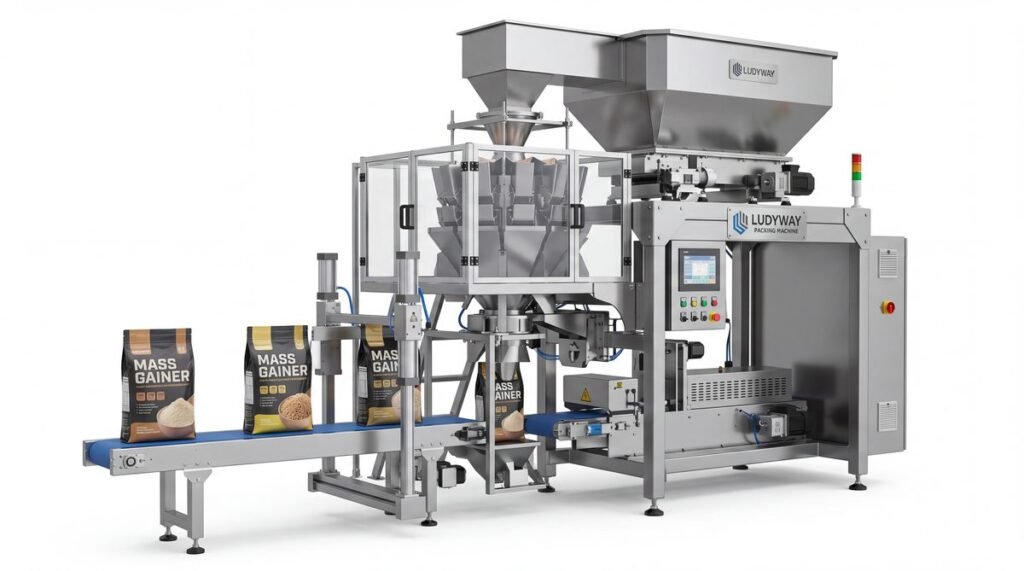
- Portioning and weighing stations with high-precision load cells
- Conveyor belt systems designed for washdown environments
- Accumulation tables to balance intermittent and continuous processes
2. Vacuum Chamber or Thermoforming Machine
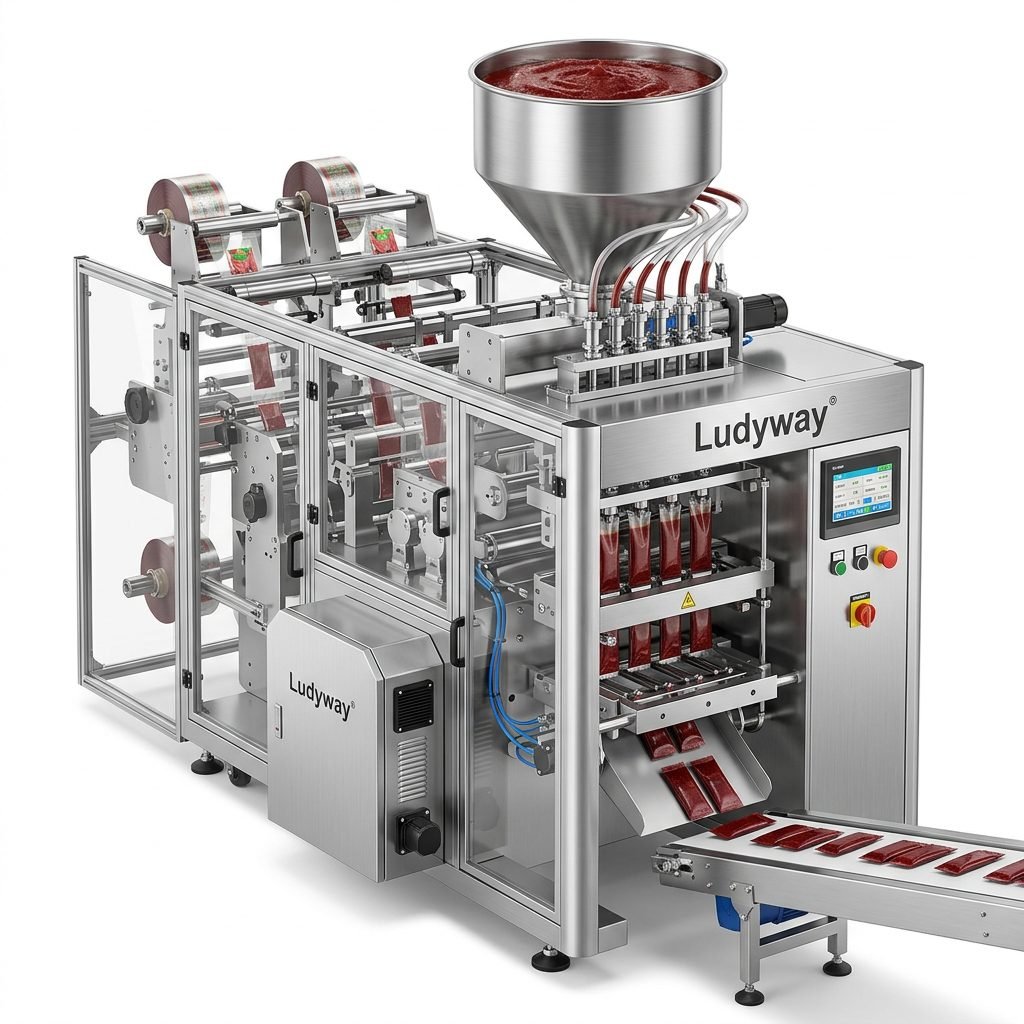
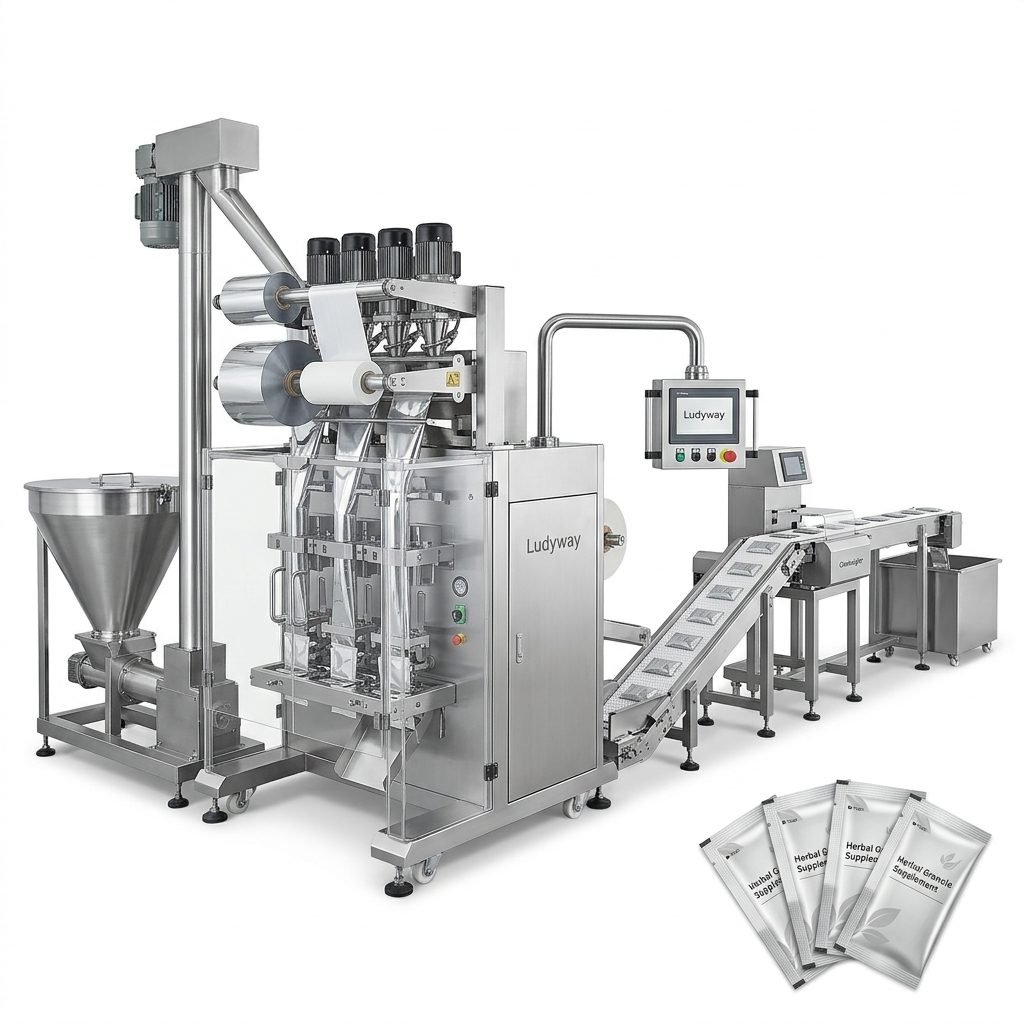
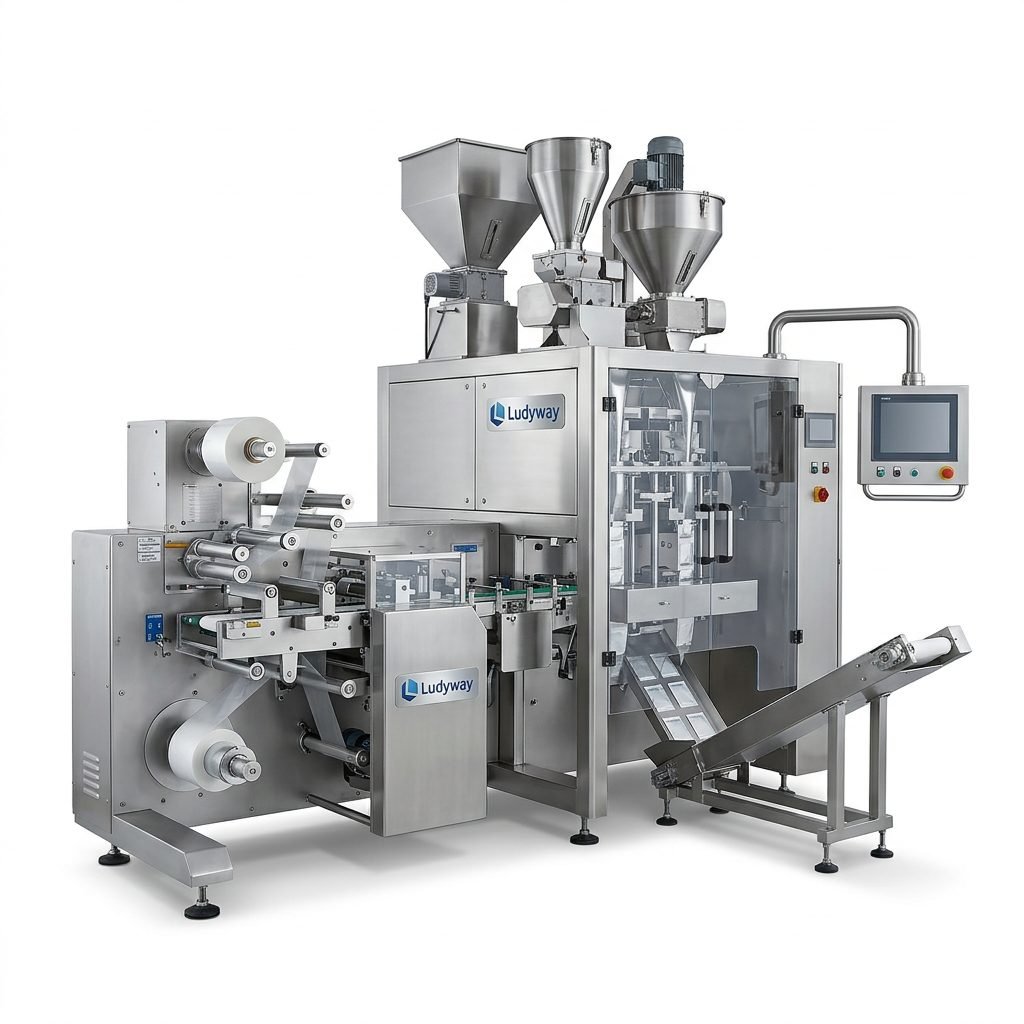
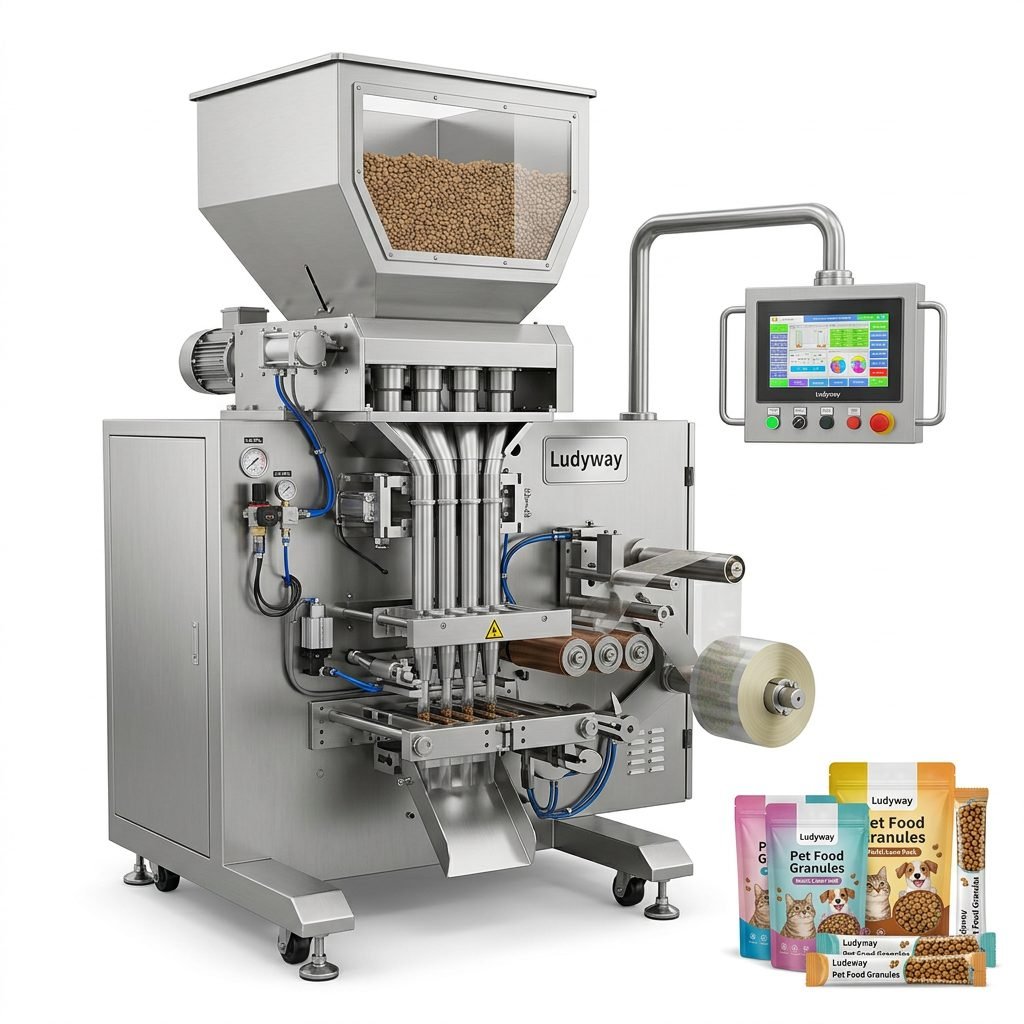
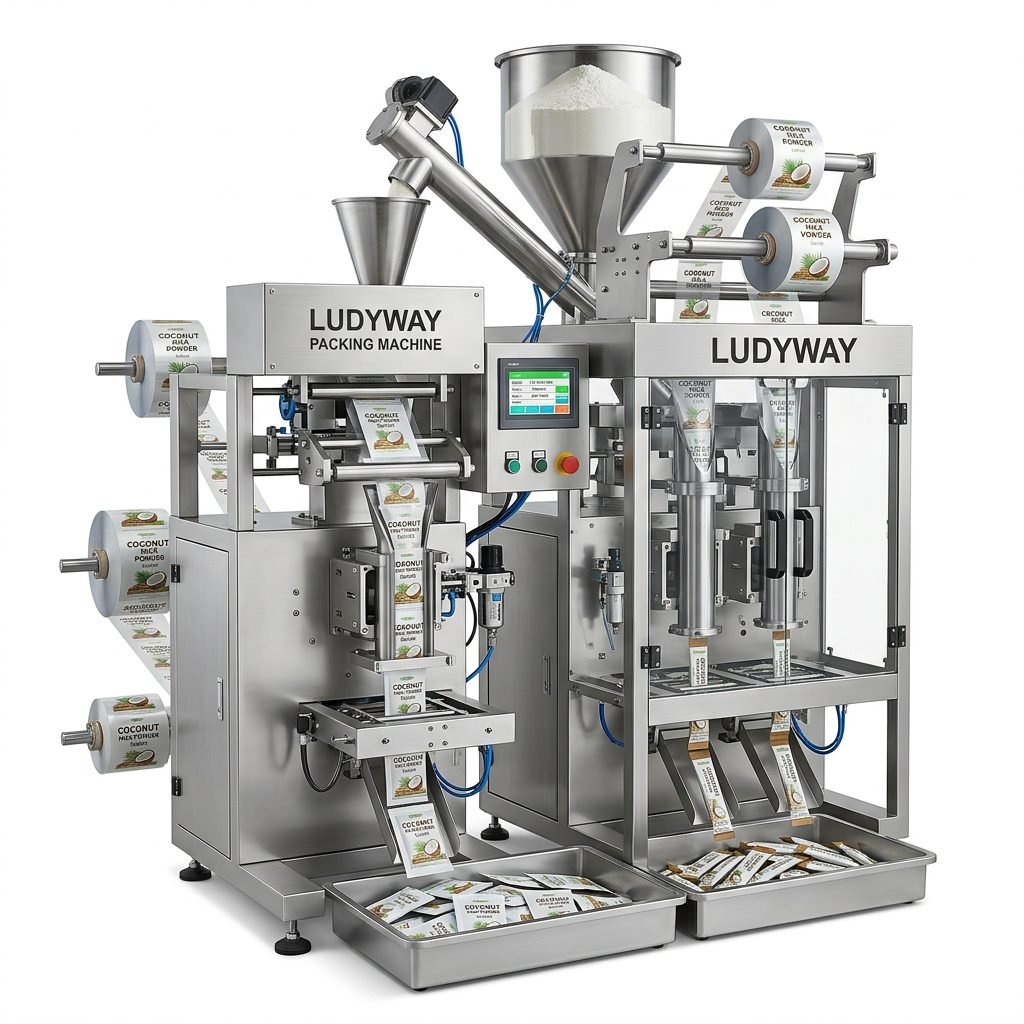
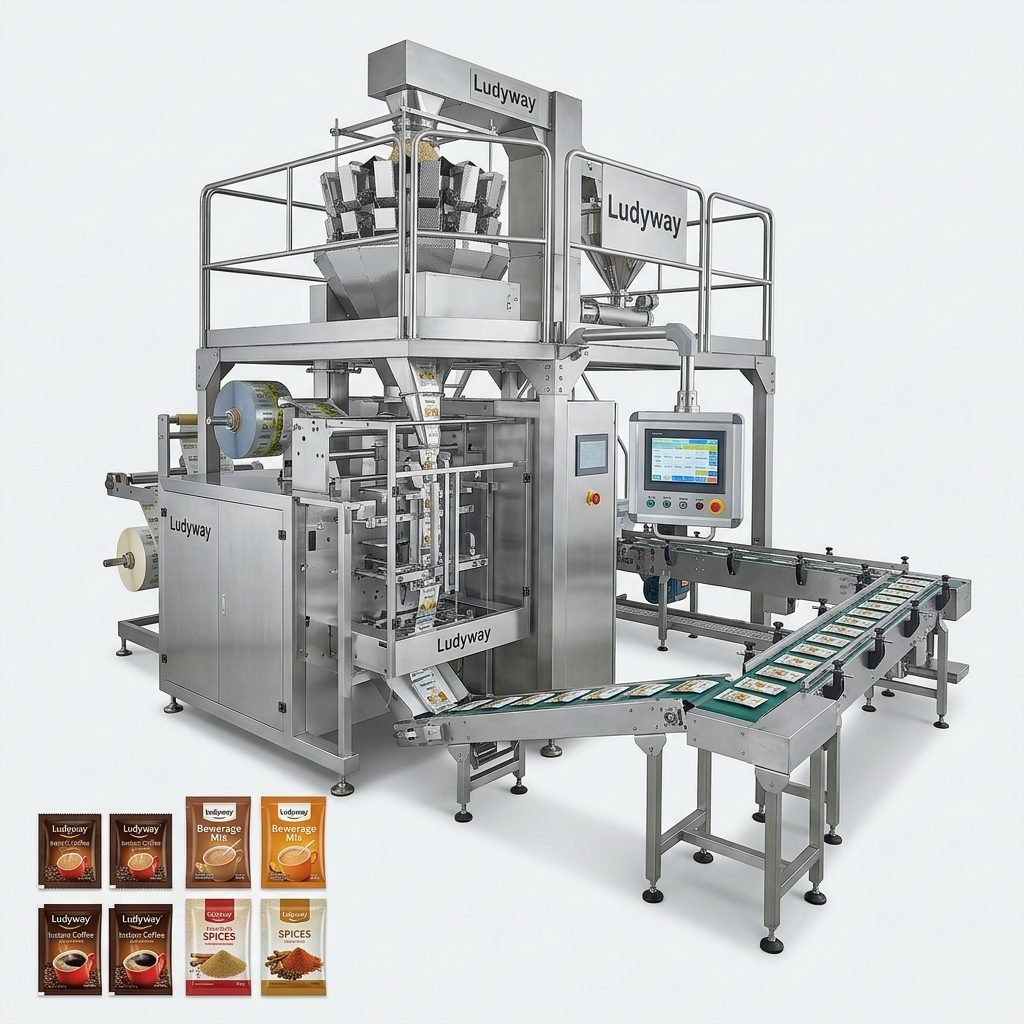
The heart of your line. For high-volume U.S. operations, thermoforming vacuum packaging machines are often preferred over simple chamber machines because they form, fill, and seal in a single automated sequence. Key specifications include the number of lanes, cycle speed (packages per minute), film width compatibility, and the ability to handle both flexible and semi-rigid films. A multi-lane stick pack or sachet configuration can dramatically increase throughput for granular and powdered food products.
3. Film and Material Compatibility
Choosing the right packaging film is critical. You must consider barrier properties against oxygen and moisture, puncture resistance, and compatibility with your machine’s sealing temperature. Many U.S. processors prefer recyclable mono-material films to align with the goals outlined by the Flexible Packaging Association. Ensure your machine supports a range of film thicknesses and structures, from high-barrier laminates to emerging compostable options.
4. Quality Control and Inspection
- Vision inspection systems to verify seal integrity
- Checkweighers and metal detectors integrated directly on the line
- Leak detection equipment for vacuum retention testing
- Labeling and date coding units with batch traceability

Regulatory Compliance in the USA
Compliance is non-negotiable when setting up a food packaging line. The FDA’s food packaging regulations require that all materials in contact with food are safe and suitable for their intended use. For meat and poultry products, USDA-FSIS inspection is mandatory. Your equipment should be constructed with stainless steel frames and food-grade components that withstand aggressive sanitation protocols. Validation of the vacuum sealing process is also essential to demonstrate that your packaging consistently achieves the required vacuum level to prevent microbial growth.
Line Layout and Facility Planning
| Planning Factor | Key Consideration | Recommendation |
|---|---|---|
| Floor Space | Linear vs. L-shaped layout | Minimum 2,000–3,000 sq ft for a complete line |
| Utilities | Compressed air, vacuum pumps, electricity | Dedicated circuits and backup air receivers |
| Hygiene Zones | Separation of raw and packaged areas | Physical barriers and positive air pressure |
| Workflow | One-directional product flow | Avoid cross-contamination with logical zoning |
Automation and Integration
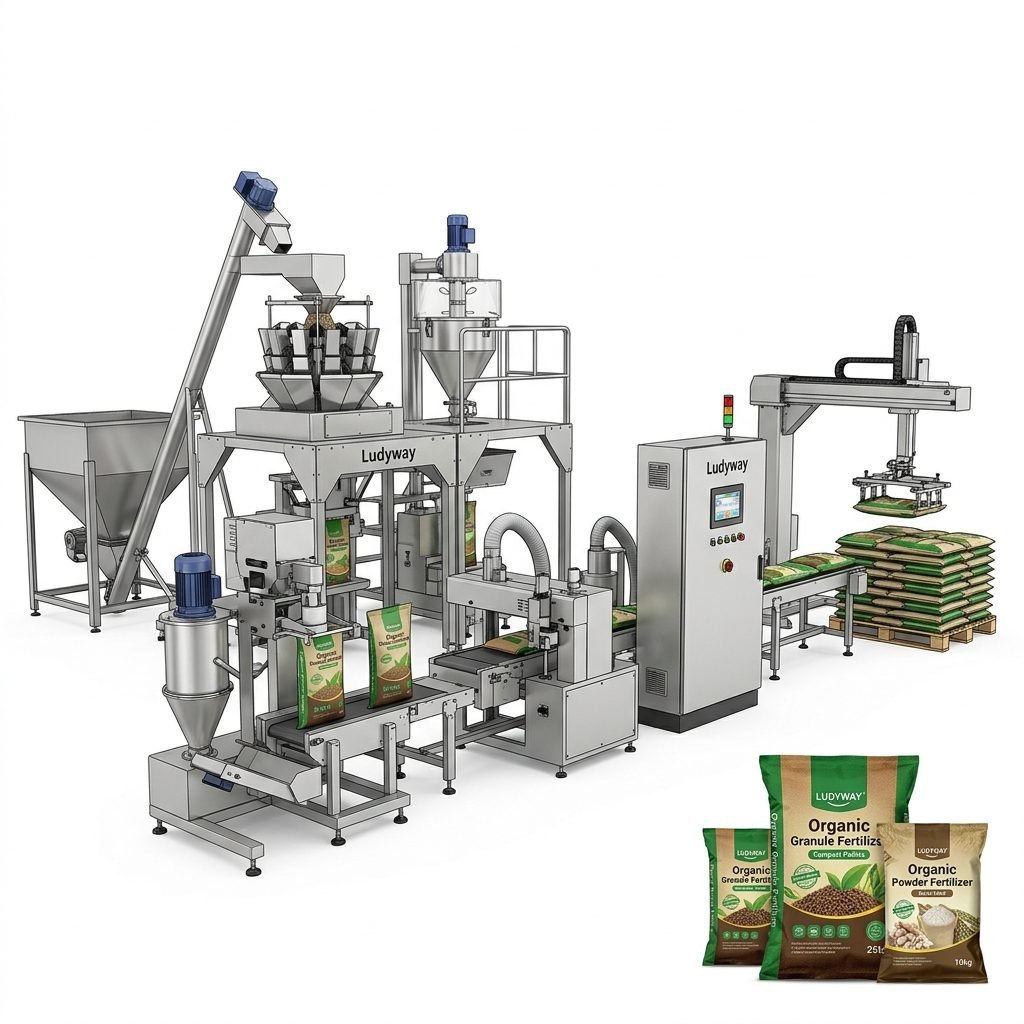
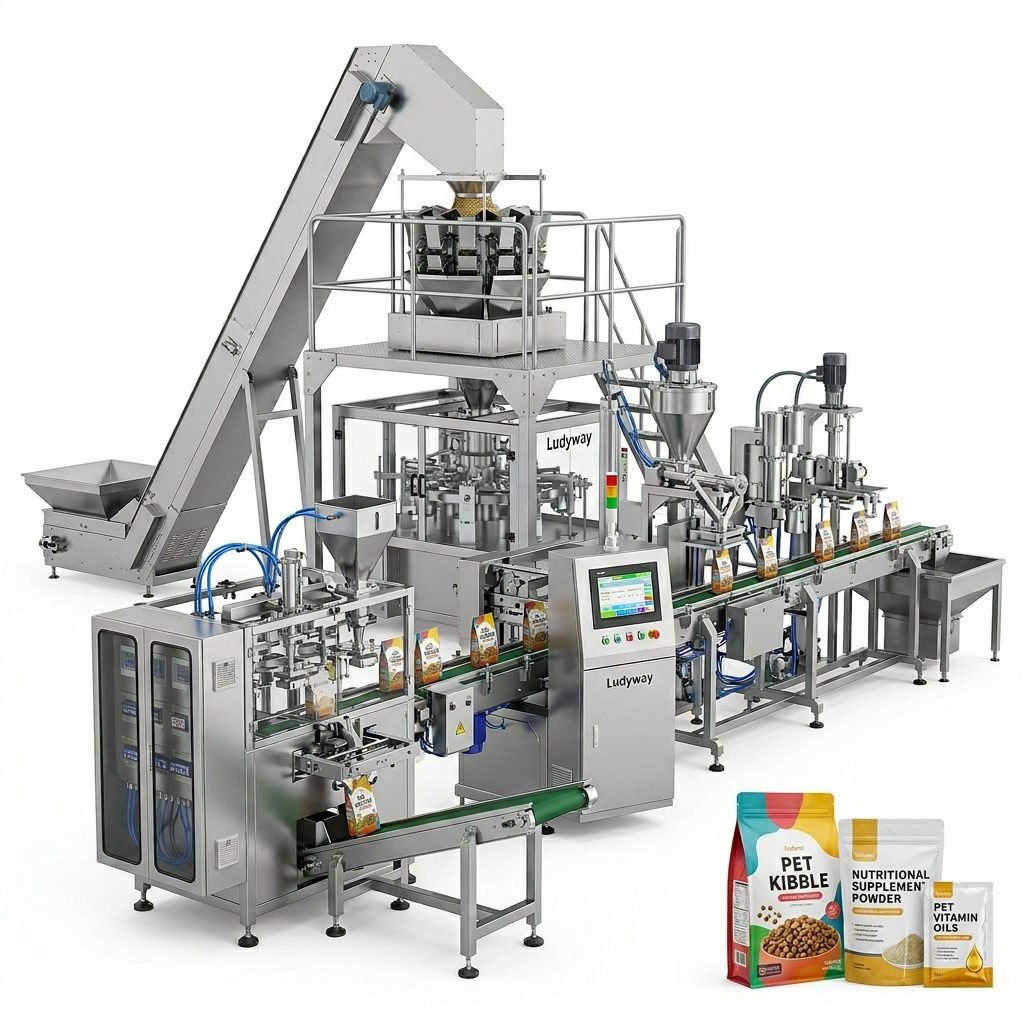
Modern U.S. food plants increasingly adopt Industry 4.0 principles. Your vacuum packaging line should feature PLC controls with IoT connectivity, allowing remote monitoring of vacuum levels, temperature, and production counts. Integration with upstream processing equipment and downstream cartoning and palletizing systems minimizes manual handling. This level of automation aligns with standards referenced by ISO packaging standards and helps maintain consistent product quality across shifts.

Choosing the Right Equipment Partner
Sourcing reliable vacuum packaging machinery for the U.S. market requires evaluating manufacturers with proven international experience and robust after-sales support. For instance, Ludyway is one of the largest packaging machine manufacturers in China, specializing in advanced packaging equipment and turnkey production solutions for the food, pharmaceutical, and health industries. With over 30 years of industry expertise, a 20,000㎡ manufacturing facility, and more than 50 intelligent packaging machine models, companies like Ludyway provide multi-lane stick pack, sachet, and fully automated packaging systems to customers in over 100 countries. When selecting your supplier, prioritize those offering local U.S. technical support, readily available spare parts, and comprehensive training programs.
Cost Structure and ROI Analysis
- Equipment capital expenditure: Depending on automation level, a complete line can range from $150,000 to over $1,000,000
- Installation and commissioning: Typically 8–12% of equipment cost
- Operational costs: Film material, electricity, and maintenance labor
- Payback period: Most processors achieve ROI within 18–36 months through reduced labor and extended shelf life
Refer to the PMMI State of the Industry reports for benchmarking your investment against current market trends and average packaging machinery expenditure in your specific food segment.
Installation, Commissioning, and Training
Once your equipment arrives, a structured installation plan is vital. Begin with mechanical assembly and alignment, followed by electrical hookup and safety system verification. Vacuum pump calibration and heat seal testing must be conducted before running any product. Plan for at least two weeks of intensive operator training, covering start-up procedures, recipe management, sanitation protocols, and emergency troubleshooting. Detailed documentation of the entire process supports ongoing preventive maintenance schedules and compliance with FDA good manufacturing practices.
Ongoing Maintenance and Optimization
Sustaining peak performance requires a data-driven maintenance strategy. Track key metrics like seal integrity rejection rates, film waste percentage, and machine downtime. Replace vacuum pump oil according to manufacturer specifications, and routinely inspect sealing bars and Teflon covers for wear. As your production volumes grow, consider retrofitting your line with advanced film registration controls or adding automated cartoning and case packing to further reduce manual labor.
A well-planned vacuum food packaging production line is a competitive asset in the U.S. market. By focusing on regulatory readiness, intelligent automation, and reliable supplier partnerships, you position your operation for long-term success. To explore current packaging machinery standards and industry guidelines, consult resources from the Association for Packaging and Processing Technologies (PMMI) and the FDA’s food contact substances guidance.