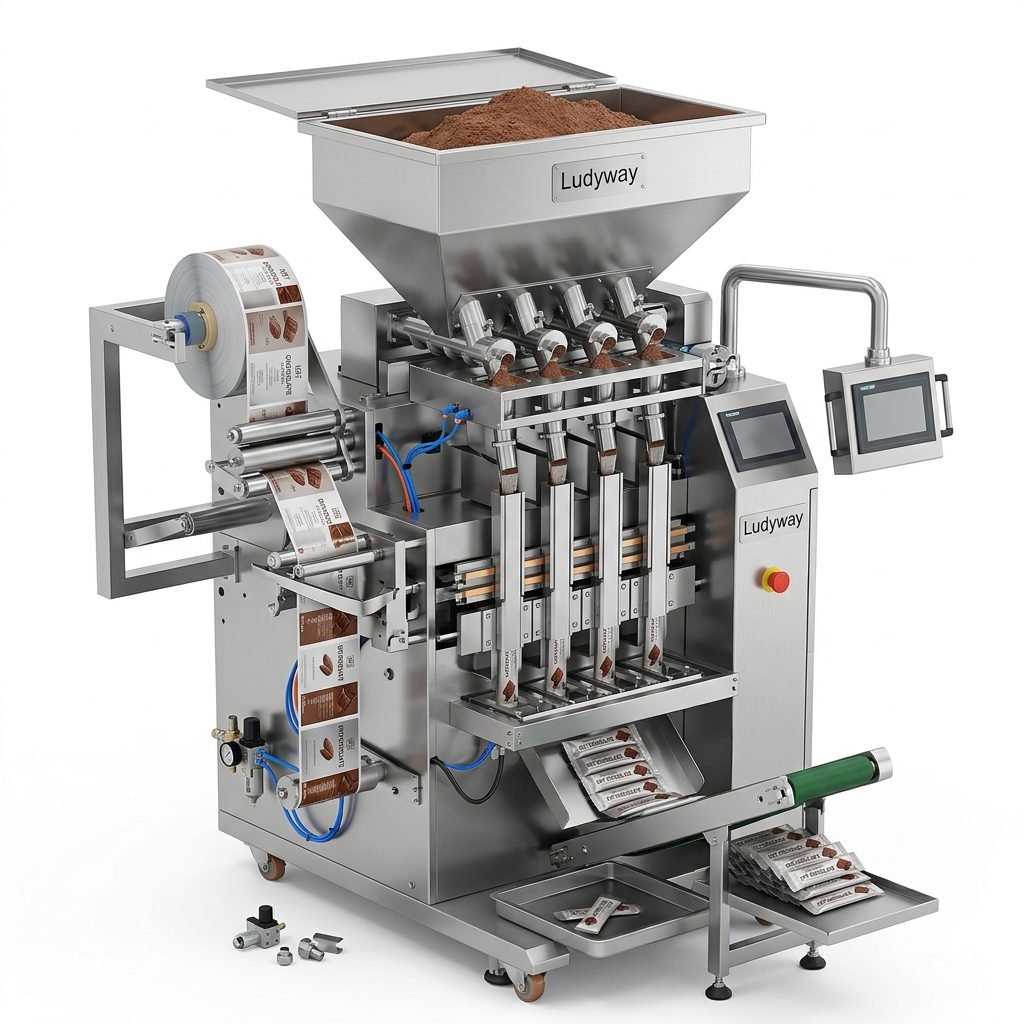
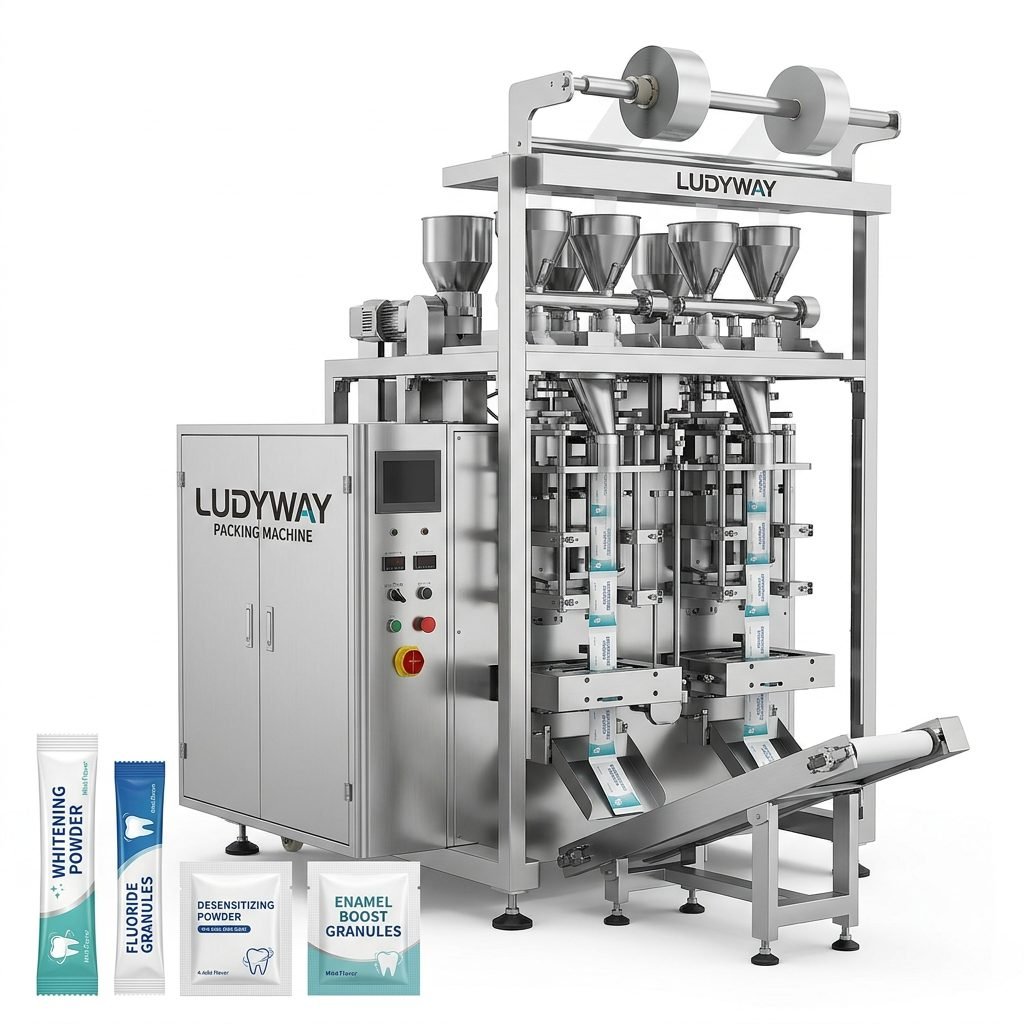
Investing in a tea and mineral water packing machine is a critical decision for any beverage business looking to scale production and ensure product quality. Whether you are packaging loose-leaf herbal blends, granule tea sachets, or high-demand mineral water pouches, the cost of the equipment varies significantly based on automation level, speed, filling technology, and packaging format. Understanding the key price drivers will help you allocate your budget wisely and choose a solution that aligns with your long-term production goals.
Key Factors That Influence the Cost of Tea and Mineral Water Packaging Machines
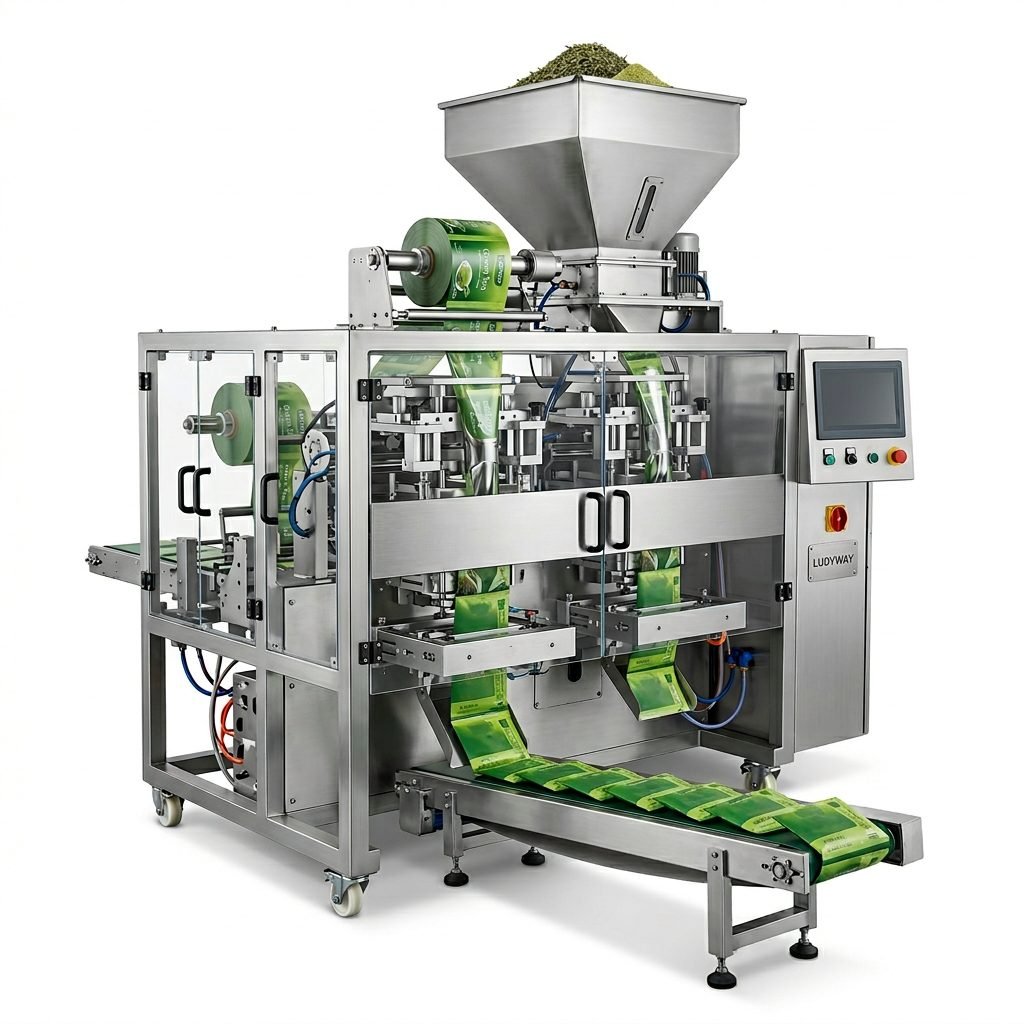
The final price of a tea and mineral water packing machine is not a one-size-fits-all figure. Several core specifications directly impact the capital investment required. Here are the primary factors you need to evaluate:
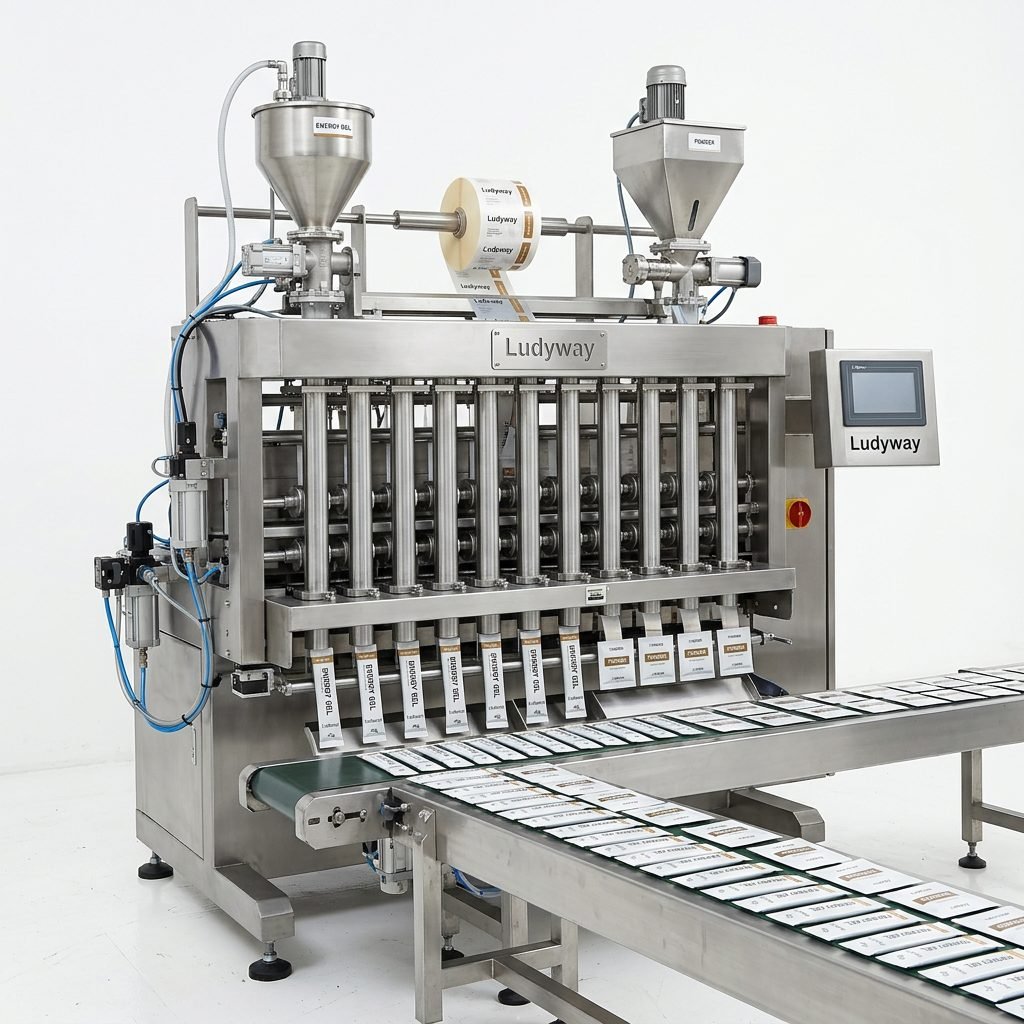
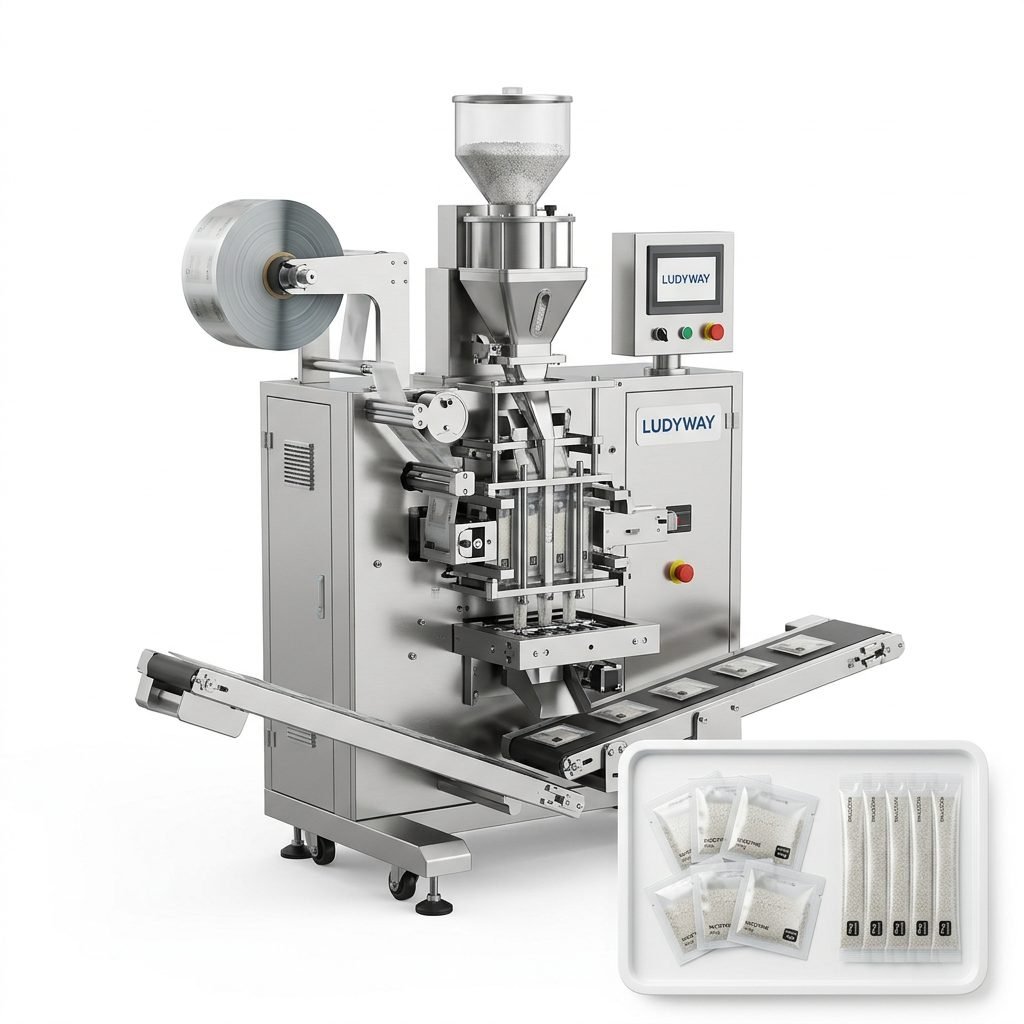
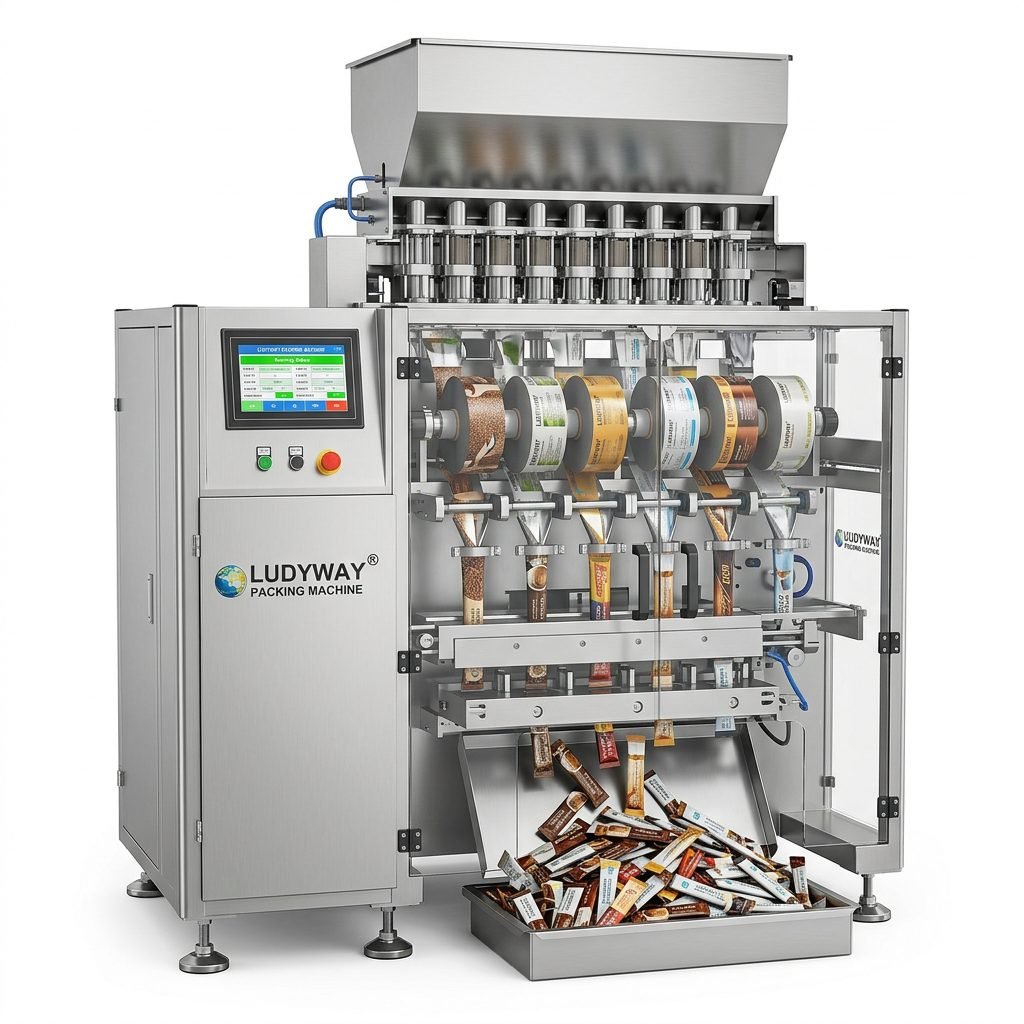
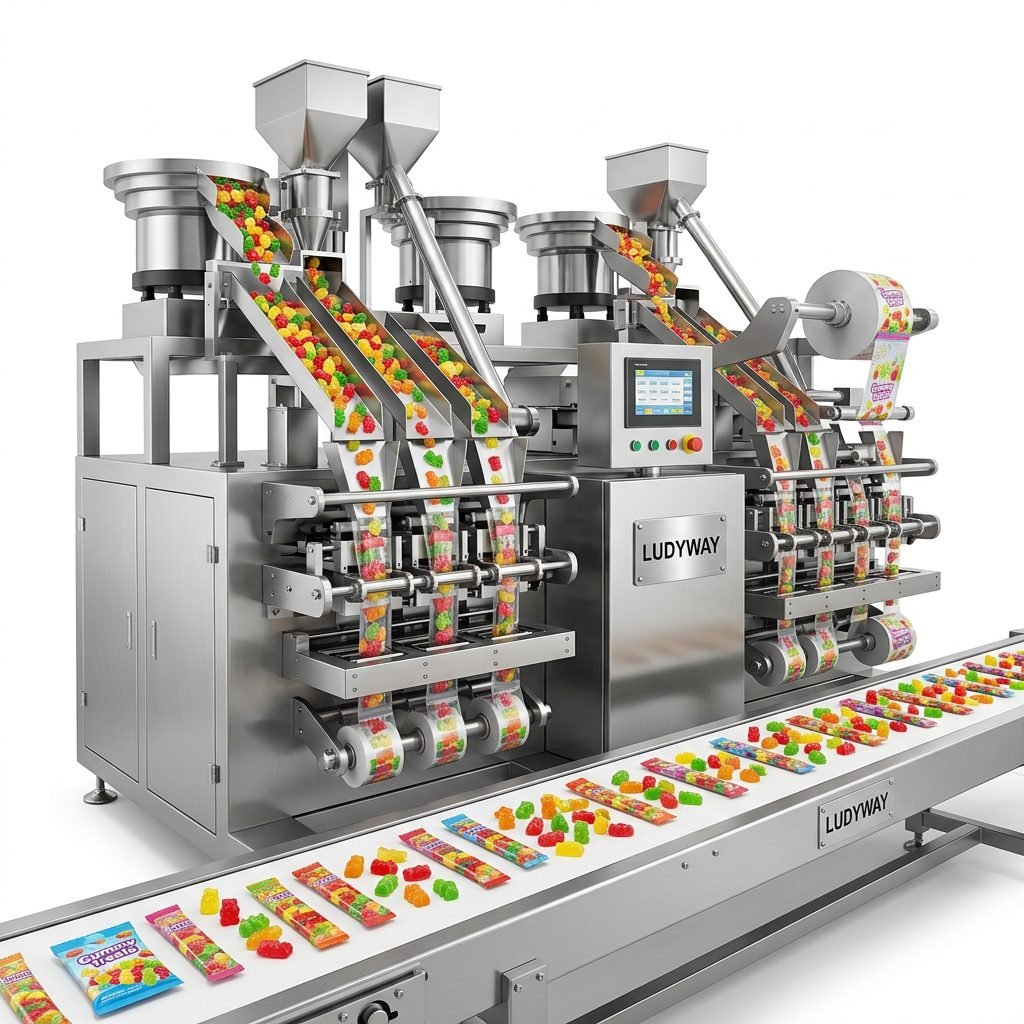
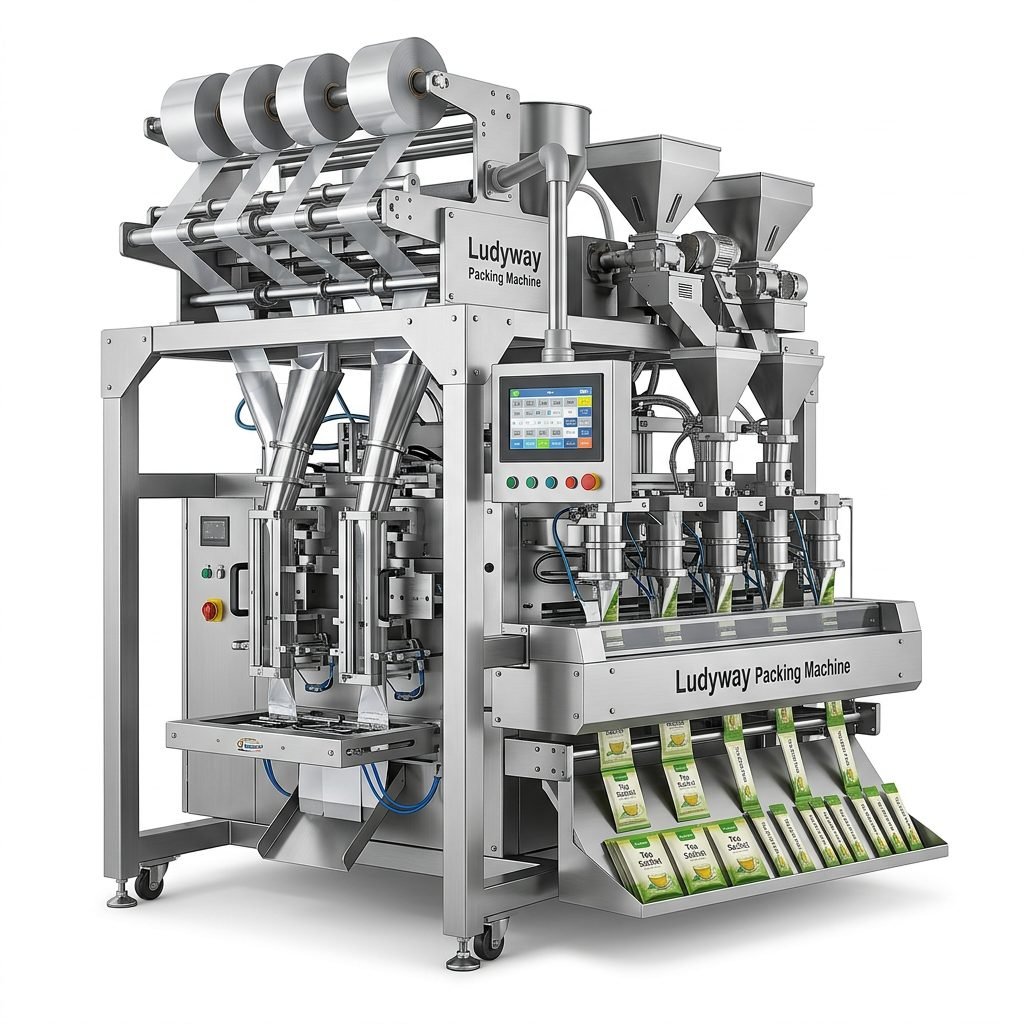
- Packaging Type: Multi-lane stick packs and sachet machines generally cost more than single-lane vertical form fill seal models due to higher output capacity. Mineral water requires specialized liquid filling systems to handle viscosity and ensure leak-proof seals.
- Speed and Output: A machine producing 50 packs per minute will be significantly cheaper than a high-speed system capable of 400-600 packs per minute. High-volume lines often necessitate servo-driven motors and advanced PLC controls.
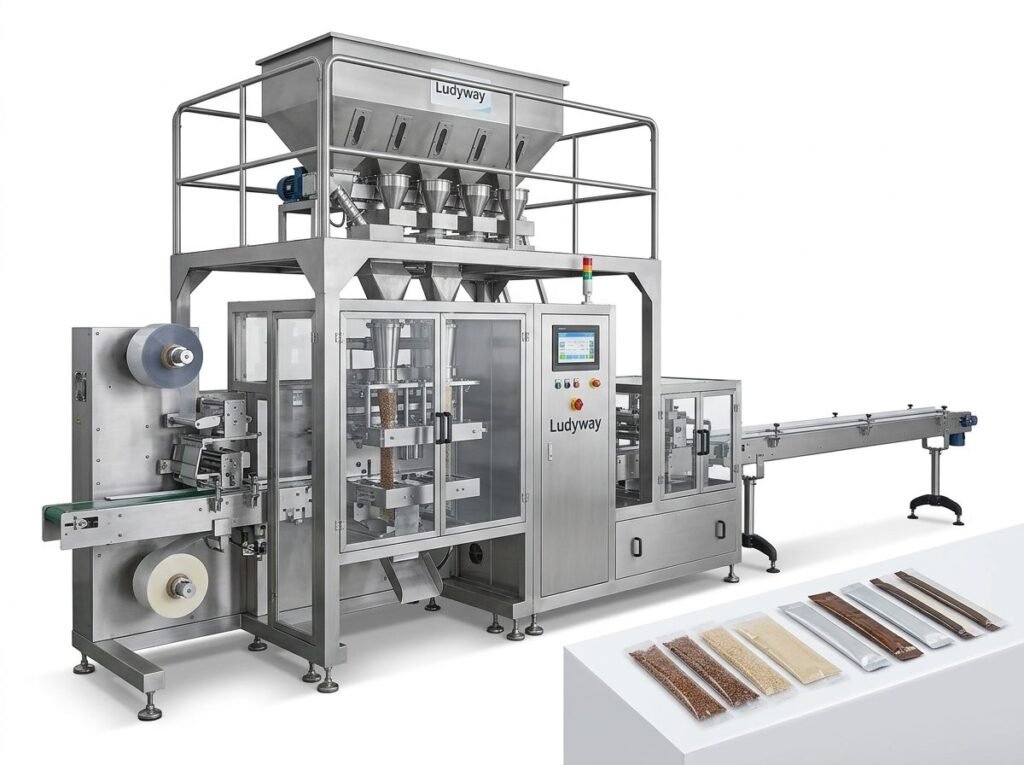
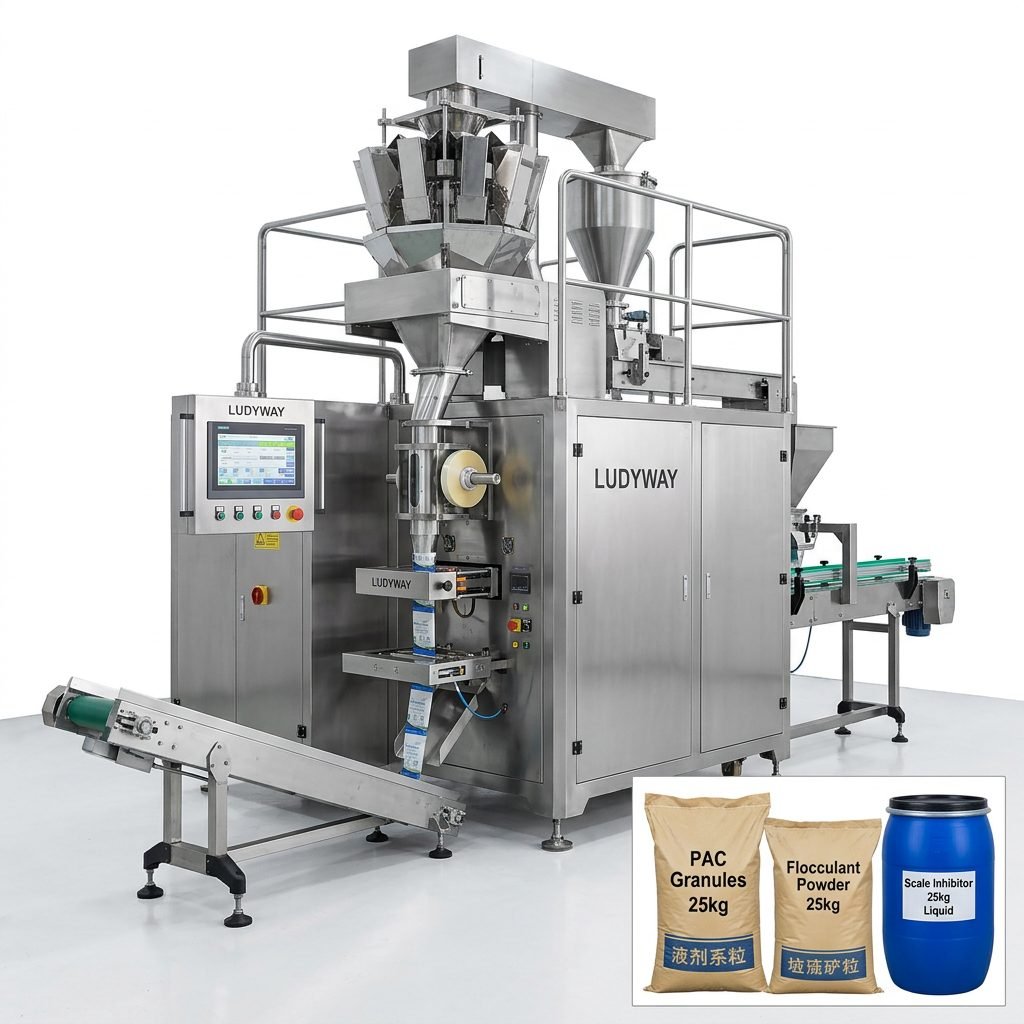
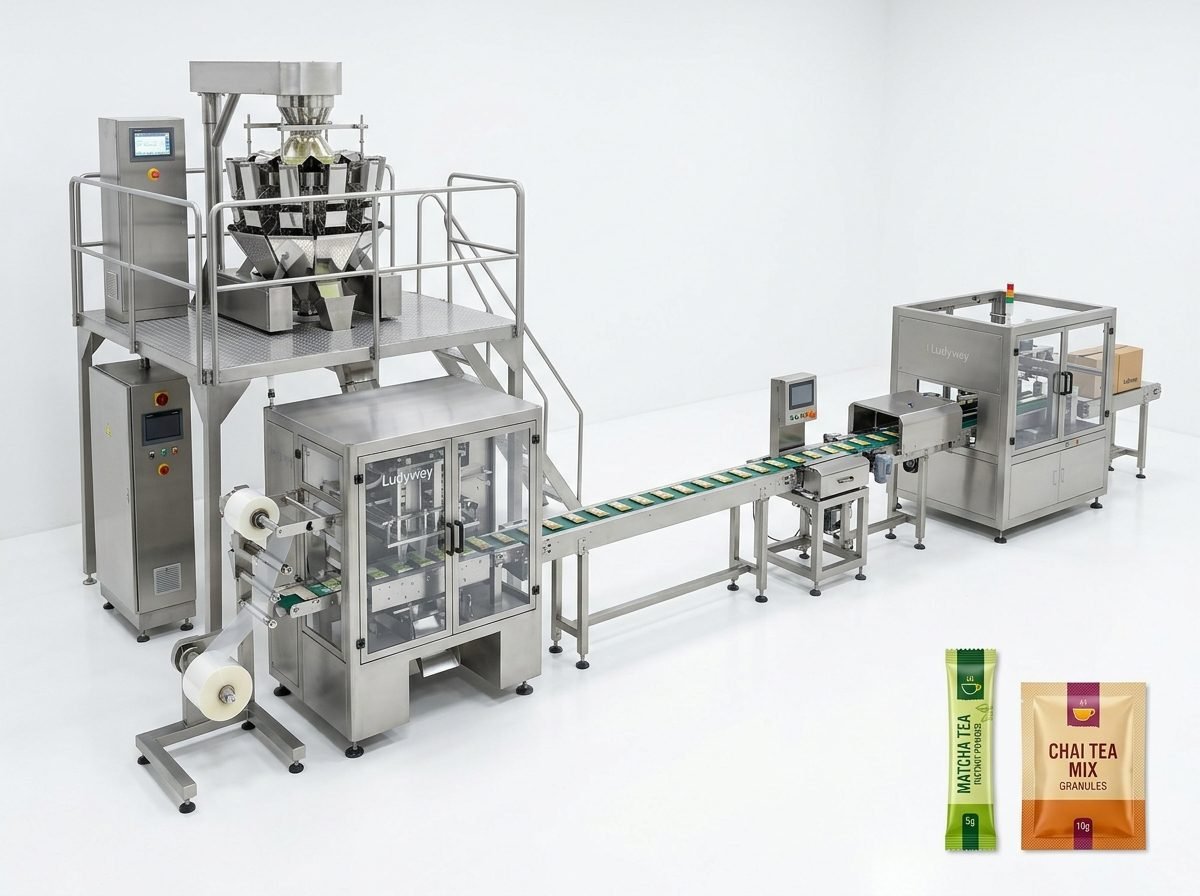
- Level of Automation: Manual or semi-automatic machines have a lower upfront cost. Fully automatic turnkey lines—including multi-head weighers, conveyor systems, and cartoning machines—represent a substantially higher but more efficient investment.
- Material and Build Quality: Machines constructed with 304 or 316 stainless steel, designed for food-grade and washdown environments, are priced higher than standard carbon steel alternatives.
- Ancillary Equipment: The base machine cost often excludes auxiliary components like nitrogen flushing systems for tea freshness, degassers for mineral water, or automatic checkweighers.
Estimated Price Ranges for Different Machine Configurations
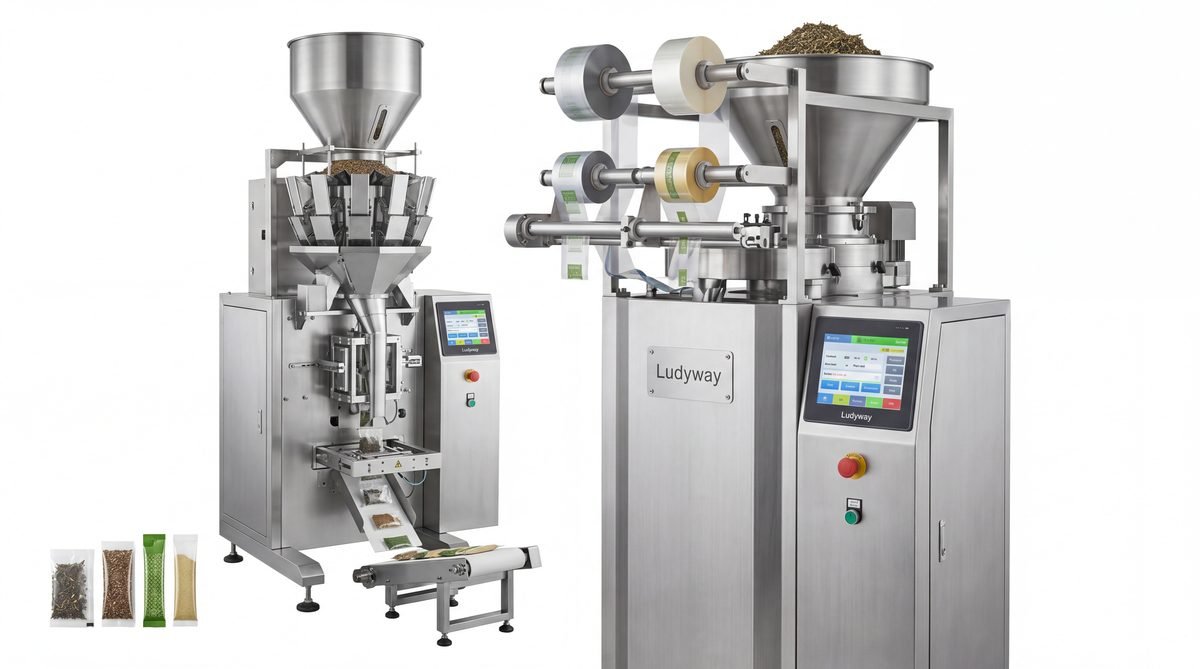
To provide a clear financial picture, here is a breakdown of the current market cost ranges for tea and mineral water packing systems. Prices can vary based on manufacturer and regional specifications. For a leading perspective on market trends, industry reports from PMMI offer valuable benchmarks.
| Machine Category | Typical Speed | Approximate Cost Range (USD) | Best For |
|---|---|---|---|
| Semi-Automatic Tea Packer | 20-40 packs/min | $4,000 – $12,000 | Small artisan tea brands, startups |
| Automatic Multi-Lane Stick Pack (Tea) | 200-400 packs/min | $35,000 – $85,000 | Medium to large tea manufacturers |
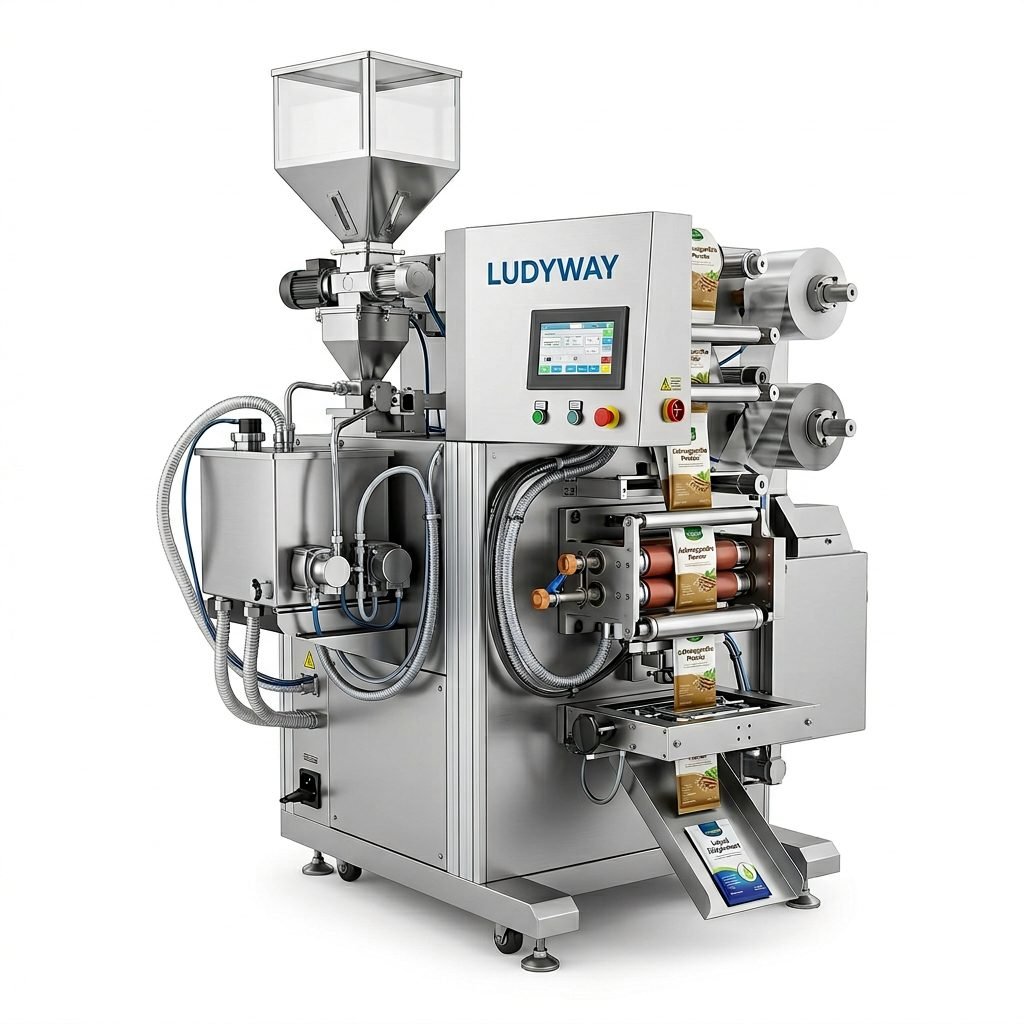
| Mineral Water Pouch Filler | 40-100 packs/min | $15,000 – $45,000 | Regional water packaging plants |
| Fully Automated Turnkey Line (Tea/Water) | 300-600+ packs/min | $120,000 – $350,000+ | High-volume co-packers, export facilities |
*Note: These figures are estimates and depend on customizations like multi-head weighing systems, inert gas flushing, and premium film registration sensors.
Breaking Down the Cost: Tea Stick Pack Machines
When sourcing a granule and powder packaging machine specifically for tea, you are paying for precision. Tea is hygroscopic and fragile, requiring gentle handling and hermetic sealing. A standard 4-lane stick pack machine with volumetric cup fillers might start at $25,000, but upgrading to a multi-head combination weigher (crucial for high-value tea blends) can easily add $15,000-$20,000 to the total cost. Innovations in material handling now allow for higher speeds without crushing the tea leaves, a feature often found in equipment reviewed by the Flexible Packaging Association.
Investment Analysis for Mineral Water Packing Equipment
Liquid packaging, especially for water, introduces variables like fill accuracy, capping (if bottling is included), and the prevention of contamination. A basic single-lane sachet machine for mineral water is relatively affordable, often ranging from $8,000 to $20,000. However, if your operation requires high-output multi-lane liquid stick packs with sterile environments, the price escalates rapidly due to the need for CIP (Clean-in-Place) systems and high-precision magnetic flow meters. Companies developing these systems must adhere to strict regulatory standards similar to those outlined by the FDA for food contact substances.
Key Features That Increase Your Upfront Investment
Configuration choices have a direct impact on the final invoice. Consider these high-value add-ons:
- Nitrogen Gas Flushing: Essential for extending the shelf life of premium teas by removing oxygen from the pouch.
- Automatic Rejection Systems: Checkweigher integration that automatically rejects underweight packs ensures zero human error.
- Remote Maintenance Access: IoT-enabled PLCs that allow engineers to diagnose issues remotely, saving on downtime costs over the machine’s lifecycle.
- Certifications: Machines compliant with CE, ISO 11607, or UL standards regularly command a premium due to higher safety and operational benchmarks.
As one of the leading packaging machine manufacturers globally, Ludyway integrates these features across their range of over 50 intelligent models, ensuring food and pharmaceutical companies meet international compliance without compromising speed.

Why a “Cheap” Tea and Mineral Water Packing Machine Could Cost You More
A lower purchase price often masks higher operational costs. Generic feeding mechanisms on cheap tea packers can generate excessive dust and product loss, wasting up to 3-5% of raw material. In mineral water sachet operations, substandard heat seal bars can cause ‘leakers’—damaging carton integrity during transport and leading to costly returns. Investing in a robust machine is crucial not just for throughput, but for protecting your brand reputation through perfect seal integrity.
Comparing New vs. Used Equipment
While a used tea and mineral water packing machine might be listed online for 40-60% less than a new unit, buyers must critically assess the electronics. Outdated servo motors and worn-out sealing jaws often result in hours of troubleshooting. If you opt for used machinery, ensure you have a reliable service warranty, preferably from a source with a vast spare parts inventory.
Total Cost of Ownership (TCO) Over 5 Years
Smart procurement managers calculate TCO—not just the sticker price. For a $50,000 automatic tea packing machine, the energy consumption, spare parts (like Teflon sealing bands), and annual service fees average about $3,000 per year. Over a decade, a durable, energy-efficient machine can save tens of thousands of dollars in operating expenses compared to a budget model that requires frequent retrofits.
Planning Your Budget for a Complete Turnkey Line
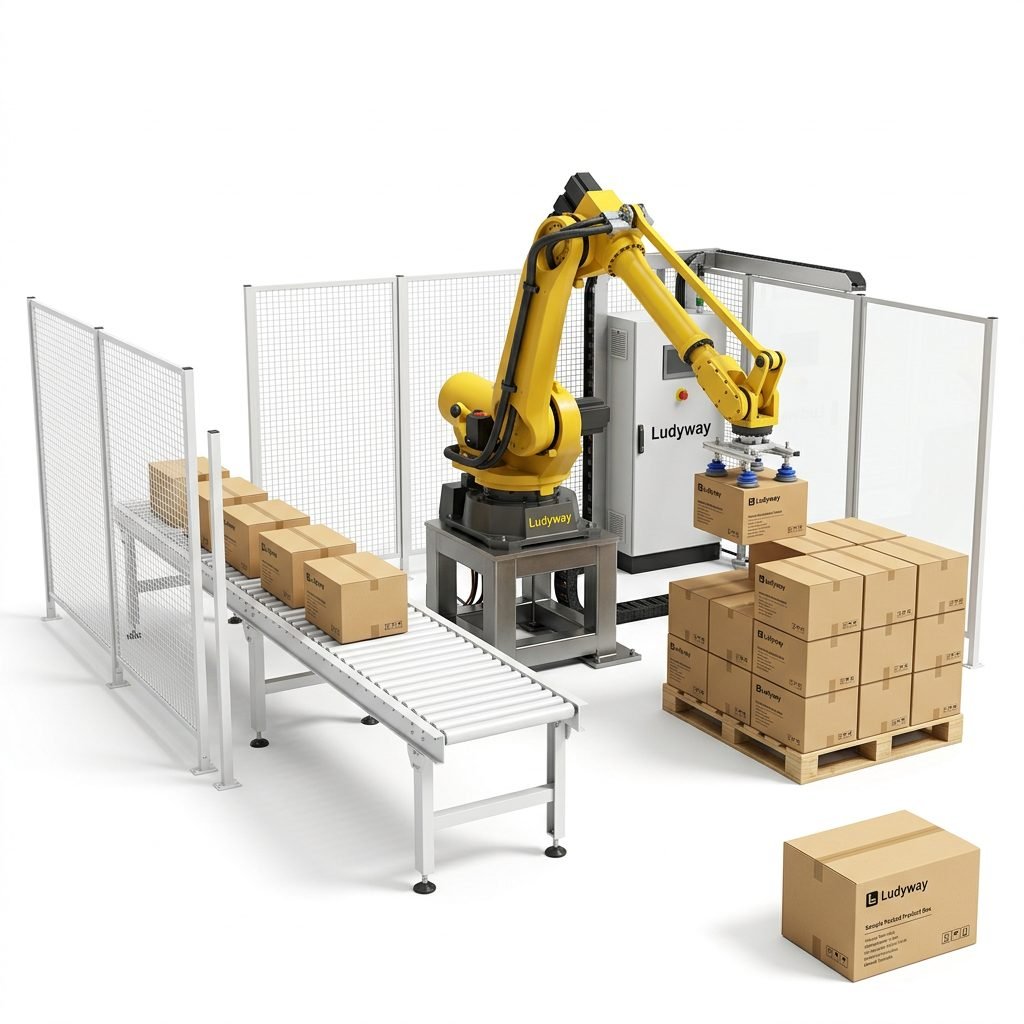
A full turnkey packaging line for tea or mineral water involves more than just the filling machine. Budgeting must account for vertical bucket elevators, automatic granule feeding systems, horizontal cartoners, and end-of-line pallet wrapping arms. A synchronized line from a single integrator ensures seamless communication between modules, preventing bottlenecks at the bottleneck inspection or case packing stage.
If you are evaluating a complete line, requesting a detailed capex breakdown from suppliers is essential. Look for partners who provide OEM and customized multi-lane systems capable of switching between granular tea and liquid mineral water with minimal tooling changes, thereby maximizing your return on investment.
Final Thoughts: The cost of a tea and mineral water packing machine ultimately reflects its engineering precision and reliability. By mapping your production targets to the right automation level and verifying build quality, you can secure a packaging line that delivers consistent, high-quality output for decades. Whether you are sealing delicate organic chamomile or refreshing spring water, the right machine transforms your packaging hall into a center of efficiency.