Asia’s food processing sector is experiencing rapid expansion, with the butter and dairy packaging segment projected to grow at a compound annual growth rate exceeding 6% through 2030. Countries such as India, China, Indonesia, Thailand, and Vietnam are driving demand for automated butter packaging solutions due to rising disposable incomes, urbanization, and shifting dietary patterns. Establishing a butter packaging machine production line in this region requires careful coordination of equipment procurement, facility preparation, regulatory navigation, and workforce training. This comprehensive guide outlines every critical step to help food manufacturers, co-packers, and investors successfully deploy a butter packaging operation in Asia.
Understanding Butter Packaging Requirements in the Asian Market
Butter packaging in Asia presents unique challenges that differ from Western markets. Product formats range from table butter blocks (100g–500g) wrapped in foil or parchment to single-serve portion packs (8g–15g) popular in the foodservice and hospitality sectors. Additionally, the growing bakery and confectionery industry across Southeast Asia demands bulk butter packaging in 5kg–25kg formats. The diversity of packaging formats requires versatile equipment capable of handling multiple SKU configurations without compromising throughput or hygiene standards.
Climate considerations are equally important. Many Asian countries experience high ambient temperatures and humidity levels, placing additional stress on temperature-sensitive butter products. Production lines must incorporate adequate cooling systems, temperature-controlled holding tanks, and rapid sealing technologies to maintain product integrity from filling through secondary packaging. Cold-chain integration at the packaging stage is often a decisive factor in product shelf life and quality consistency across distribution networks.

Core Components of a Butter Packaging Production Line
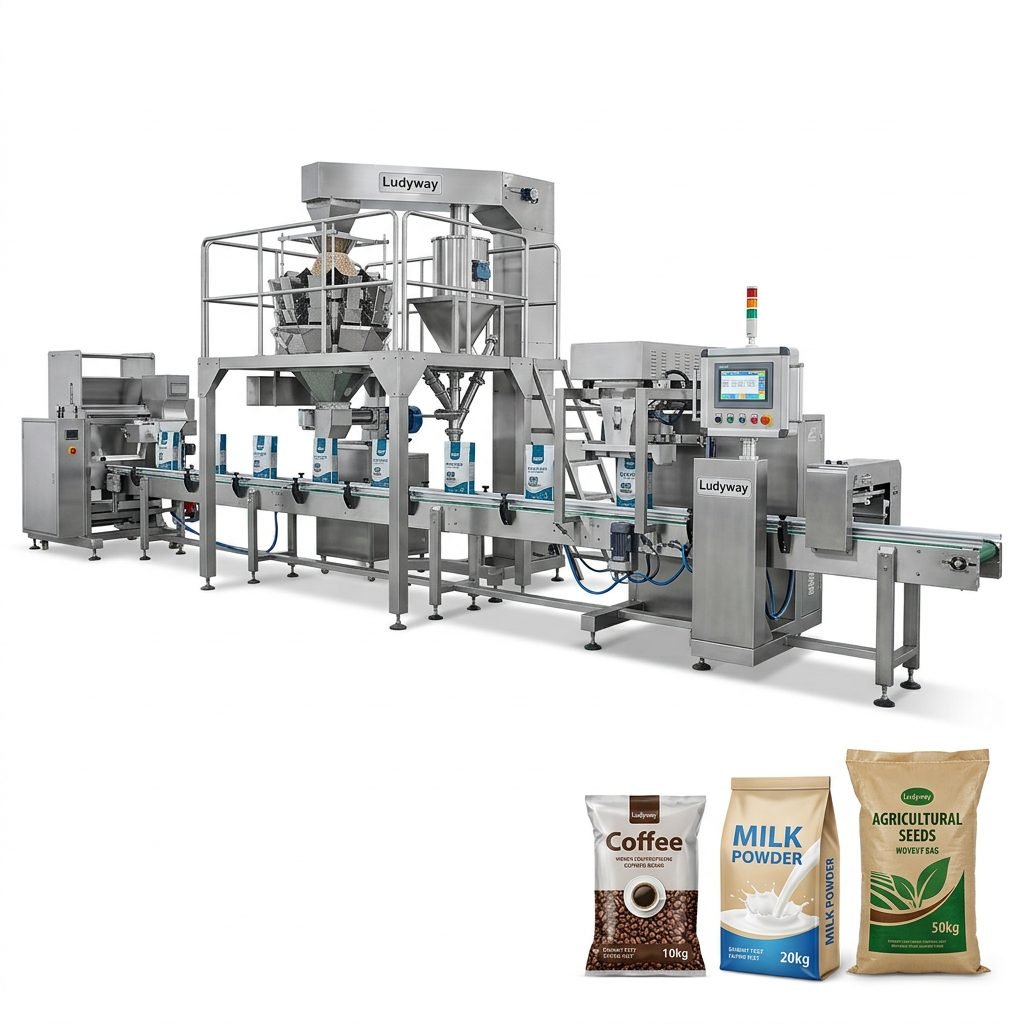
A fully integrated butter packaging line consists of several interconnected modules. Understanding each component’s function and how they interface is essential for designing an efficient production system.
Butter Filling and Portioning System
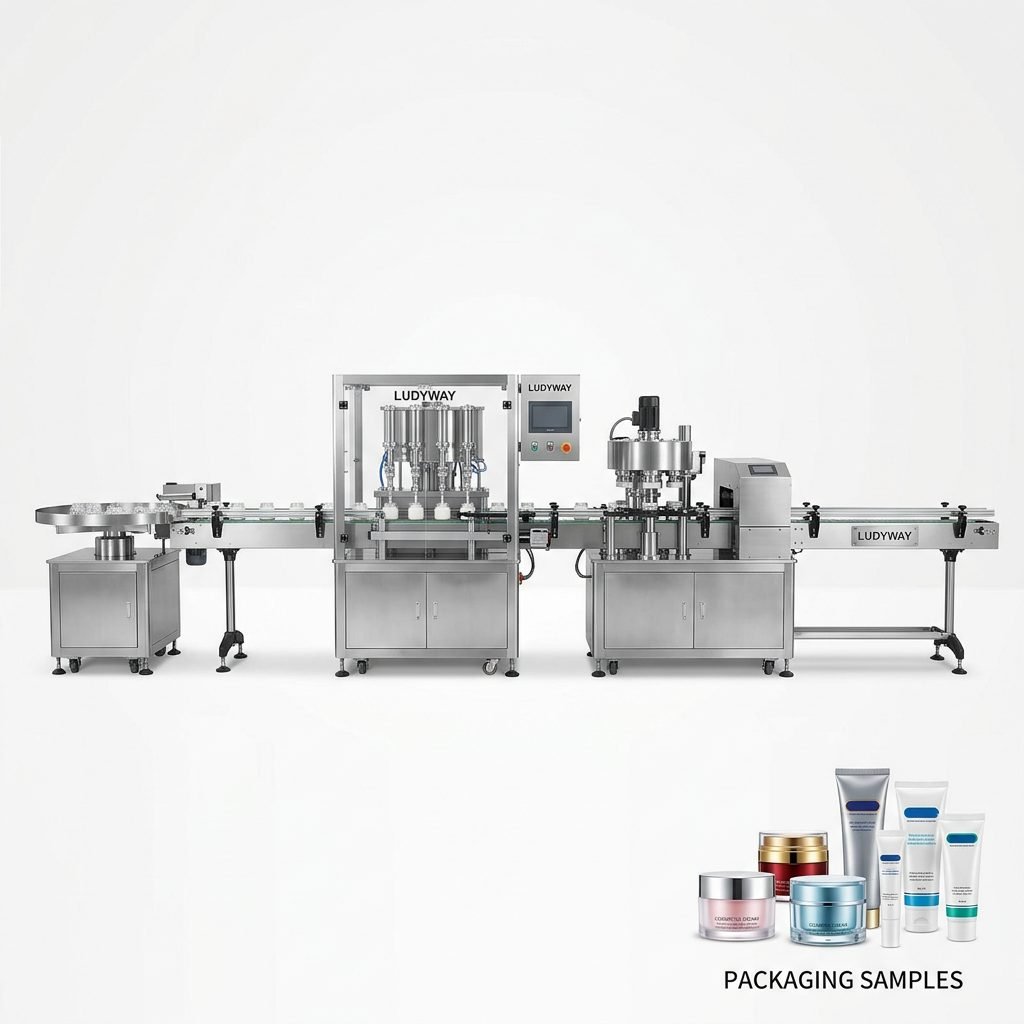
The filling station is the heart of the production line. For butter, volumetric piston fillers and servo-driven rotary fillers are the most common choices due to their ability to handle viscous, semi-solid products with high accuracy. Modern filling systems achieve precision levels of ±0.5% by weight, reducing product giveaway and improving profitability. Multi-head configurations allow simultaneous filling of multiple lanes, dramatically increasing throughput for portion pack formats.
Wrapping and Primary Packaging
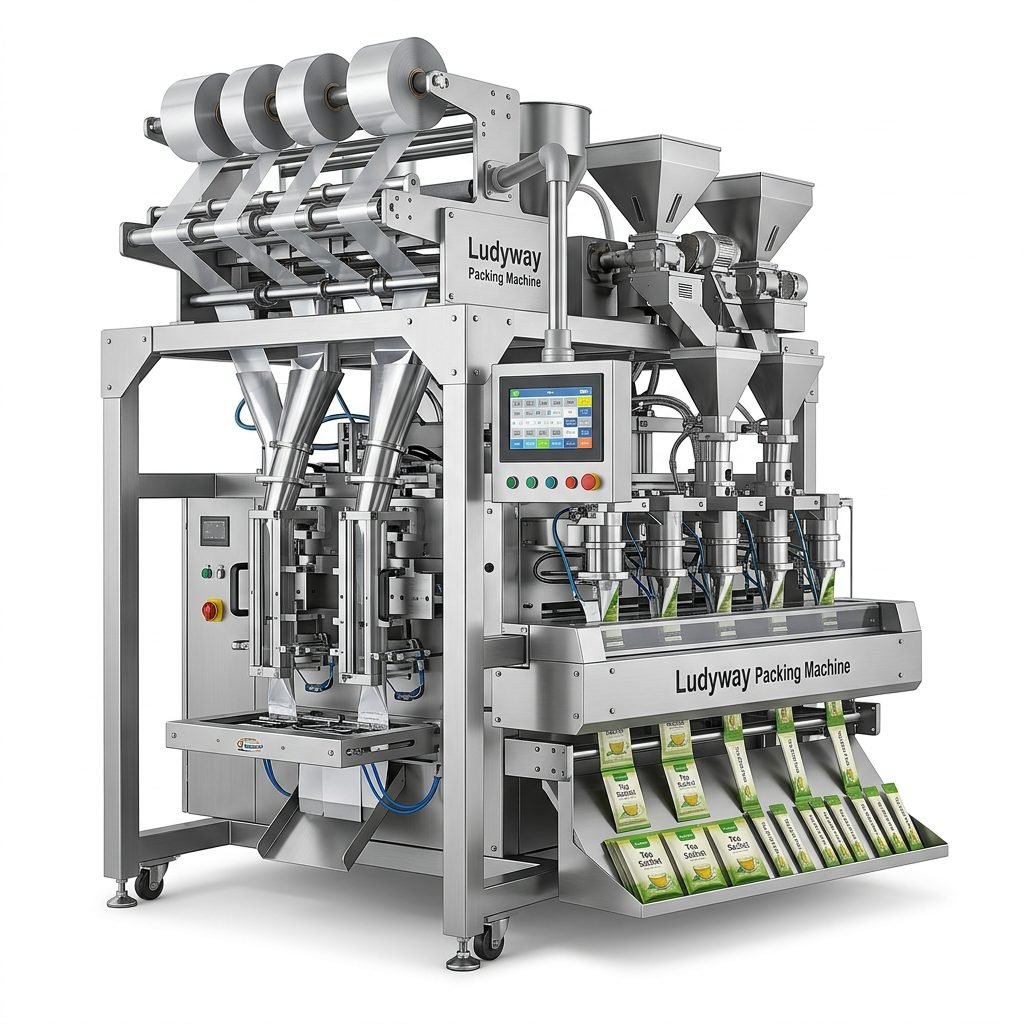
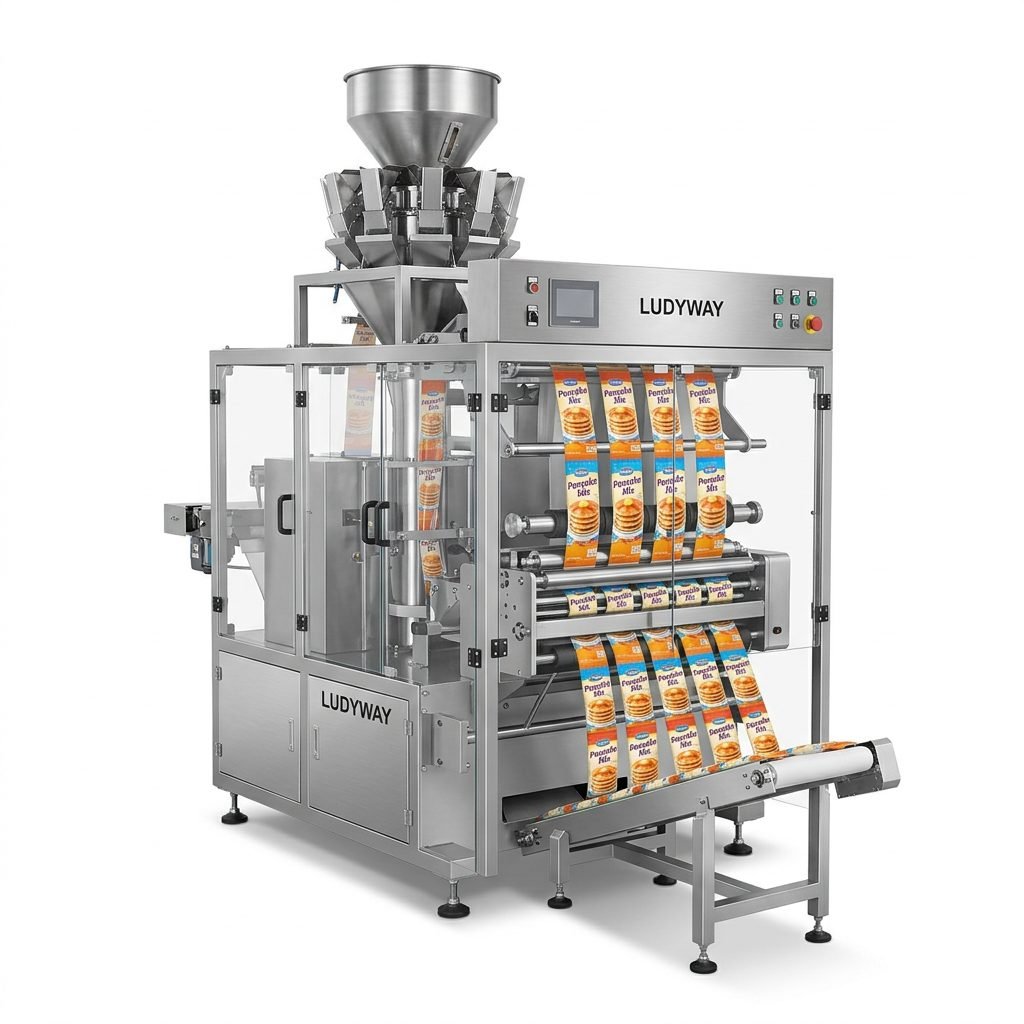
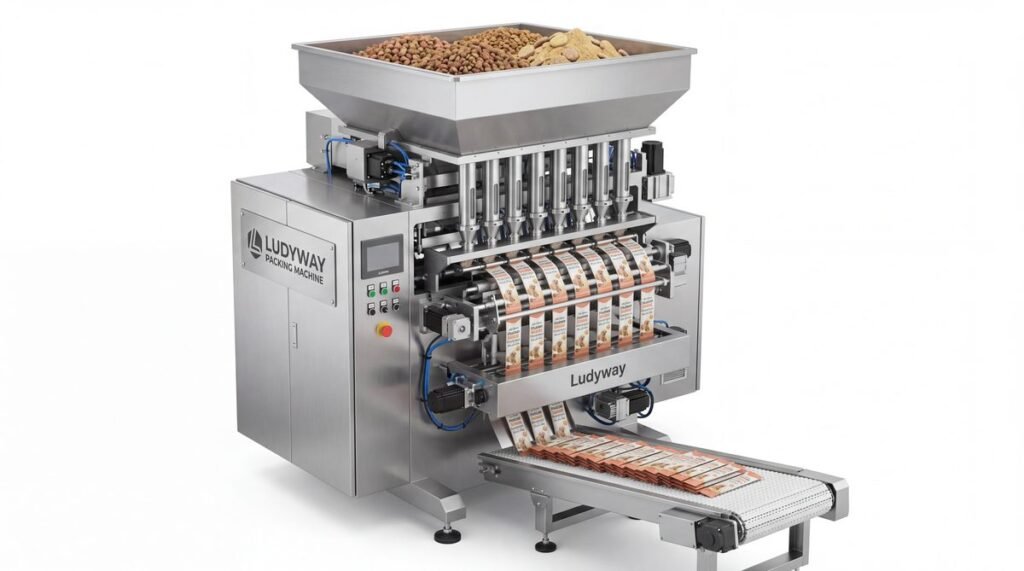
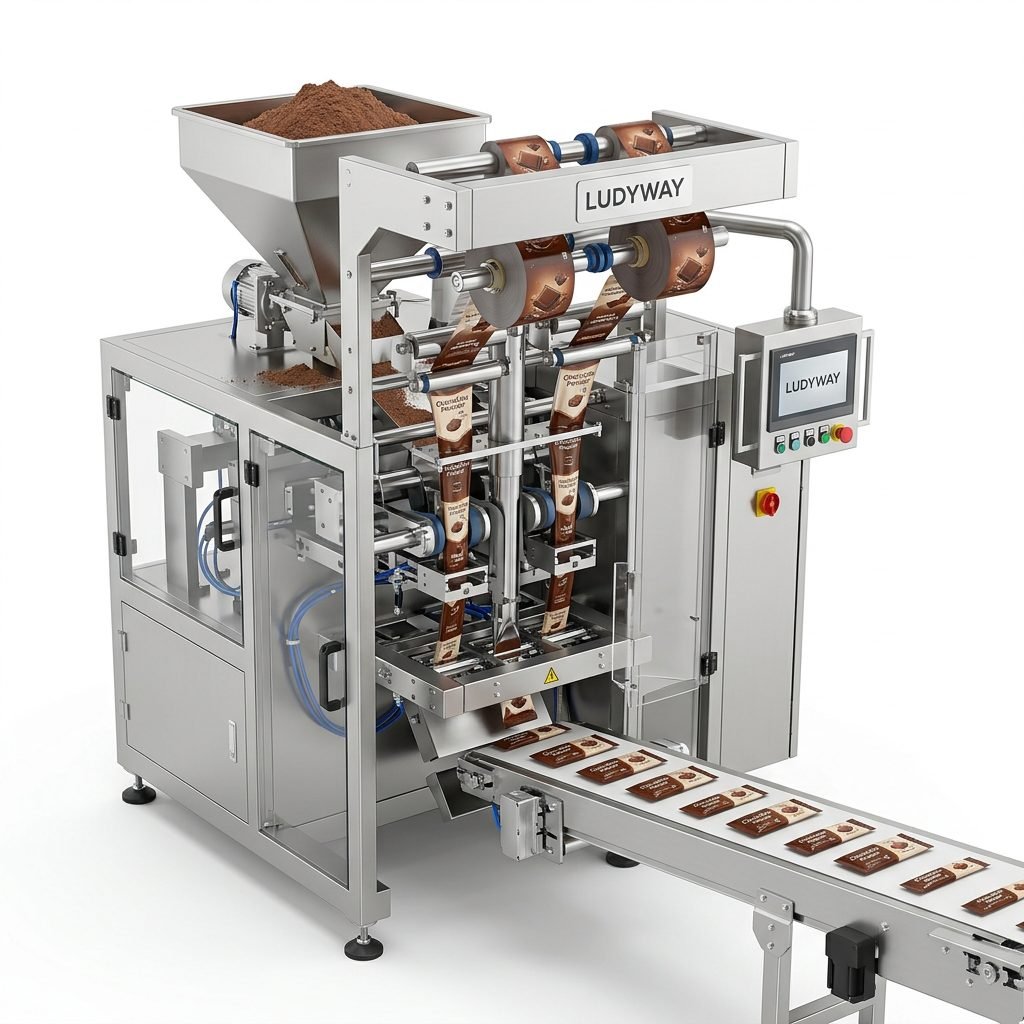
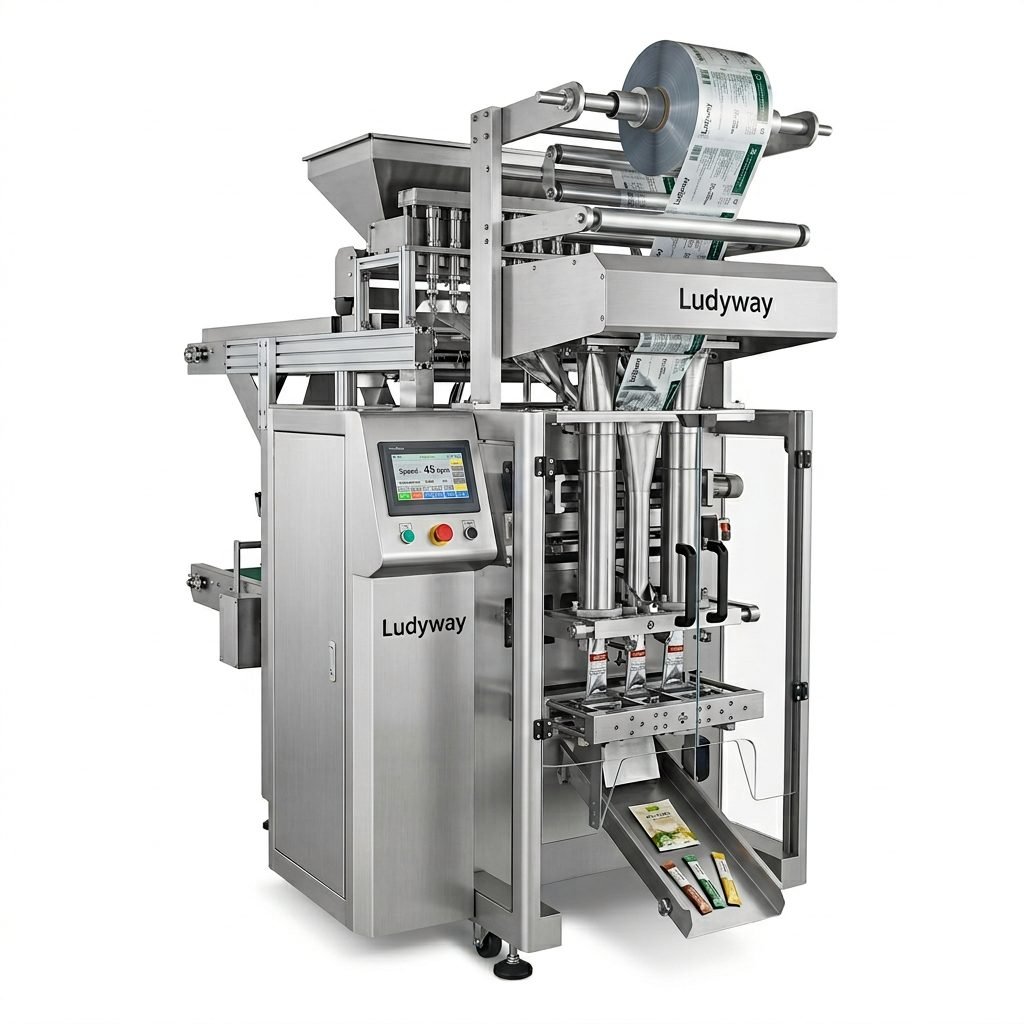
Primary packaging for butter typically involves foil wrapping, parchment overwrapping, or flow-wrapping with barrier films. Flow-wrapping machines equipped with gas-flushing capabilities can extend shelf life by reducing oxidation. For portion packs, form-fill-seal (FFS) technology produces sealed sachets or stick packs at speeds exceeding 400 packs per minute on multi-lane configurations. The selection between horizontal and vertical FFS systems depends on the desired pack format and production volume targets.
Cartoning and Secondary Packaging
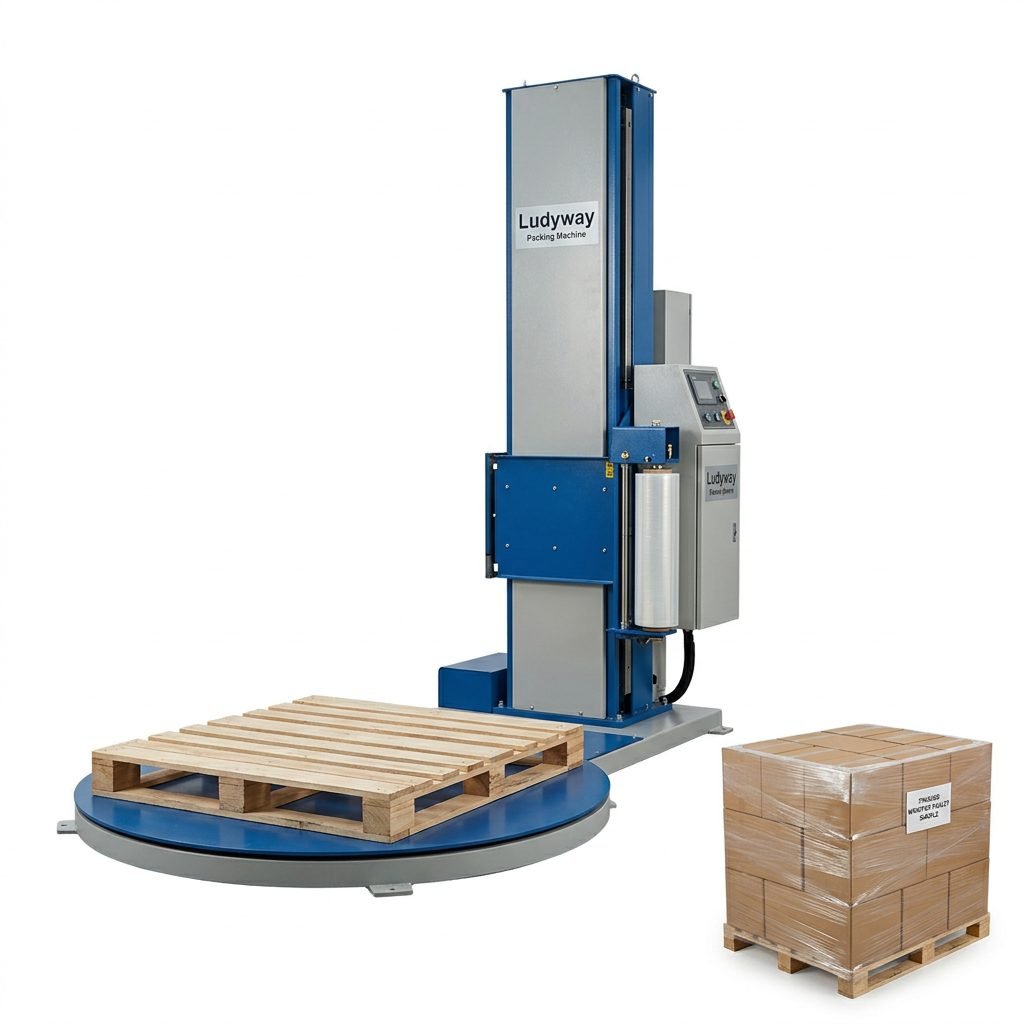
Once primary packaging is complete, butter packs are collated and loaded into cartons or cases. Automated cartoning machines handle the entire process—erecting cartons, inserting butter packs, and sealing—with minimal operator intervention. End-of-line solutions may include case packing, palletizing systems, and stretch-wrapping equipment to prepare finished goods for distribution across Asia’s diverse retail and foodservice channels.
Step-by-Step Production Line Setup Process
Setting up a butter packaging line in Asia follows a structured progression. Each phase builds upon the previous one, and rushing any step can lead to costly delays or compliance issues later.
- Feasibility Study and Capacity Planning: Define target throughput, packaging formats, and projected market demand across target Asian countries. Conduct a thorough analysis of local butter consumption patterns and distribution requirements.
- Facility Assessment and Layout Design: Evaluate existing infrastructure or greenfield sites for utilities, drainage, ventilation, and cold storage capacity. Design a production floor layout that optimizes material flow from raw butter receiving to finished goods dispatch.
- Equipment Specification and Supplier Selection: Develop detailed technical specifications for each line component. Evaluate suppliers based on their experience with dairy products, after-sales support presence in Asia, and compliance with international standards such as CE, ISO 9001, and HACCP guidelines.
- Regulatory Approval and Compliance: Navigate food safety regulations in the target country. This may include FDA-equivalent certifications, halal certification for Muslim-majority markets, and local packaging material compliance testing.
- Installation, Commissioning, and Operator Training: Coordinate equipment delivery, mechanical installation, electrical integration, and commissioning trials. Conduct comprehensive training for operators, maintenance staff, and quality control personnel.
- Trial Production and Quality Validation: Run controlled production batches to validate equipment performance, packaging integrity, and product quality parameters before scaling to full commercial production.
Equipment Selection Criteria for Asian Operations
Choosing the right packaging equipment suppliers is critical for long-term operational success. The following table outlines key selection criteria and their relative importance in the Asian manufacturing context.
| Selection Criterion | Description | Priority Level |
|---|---|---|
| Dairy-Grade Construction | Stainless steel 304/316L contact parts, sanitary design, CIP-compatible surfaces | Critical |
| Speed and Throughput | Packs per minute capability aligned with production targets and expansion plans | High |
| Format Flexibility | Quick changeover between block butter, portion packs, and bulk formats | High |
| After-Sales Support in Asia | Local service teams, spare parts availability, and technical training programs | Critical |
| Automation Level | Integration capability with MES, ERP systems, and Industry 4.0 standards | Medium |
| Energy Efficiency | Power consumption, water usage, and overall sustainability performance | Medium |
Regulatory Environment Across Key Asian Markets
Navigating the regulatory landscape is one of the most complex aspects of establishing a butter packaging operation in Asia. Requirements vary significantly by country and directly impact equipment specifications, packaging material choices, and labeling protocols.
- China: Compliance with GB standards administered by the State Administration for Market Regulation (SAMR). Butter packaging facilities must meet GB 19646-2010 requirements for dairy products and adhere to food contact material standards under GB 9685.
- India: FSSAI licensing is mandatory for all food processing operations. Butter packaging facilities must comply with Food Safety and Standards (Packaging and Labeling) Regulations, 2011, including vegetarian mark requirements.
- Southeast Asia (ASEAN): Each member state has individual requirements, but ASEAN harmonization efforts are reducing trade barriers. Thailand’s FDA, Indonesia’s BPOM, and Vietnam’s VFA each regulate butter packaging standards with increasing alignment toward Codex Alimentarius guidelines.
- Halal Certification: For Indonesia, Malaysia, and Middle Eastern export markets accessible from Asia, halal certification of packaging processes is essential. This affects lubricant selection, cleaning protocols, and material sourcing.
Installation and Commissioning Best Practices
Successful installation of butter packaging equipment in Asia demands meticulous planning and coordination. Pre-installation site preparation must address utility requirements—including three-phase electrical supply, compressed air systems, and potable water connections for cleaning operations. Floor loading calculations should account for equipment weight plus product and packaging material inventories.
During commissioning, a phased approach yields the best results. Begin with dry testing of mechanical components, followed by wet testing with water or inert product simulants, and finally progress to live butter trials. Statistical process control (SPC) data collected during commissioning establishes baseline performance metrics for ongoing quality management. Operators should receive hands-on training during this phase, covering normal operation, troubleshooting, and changeover procedures across all packaging formats.
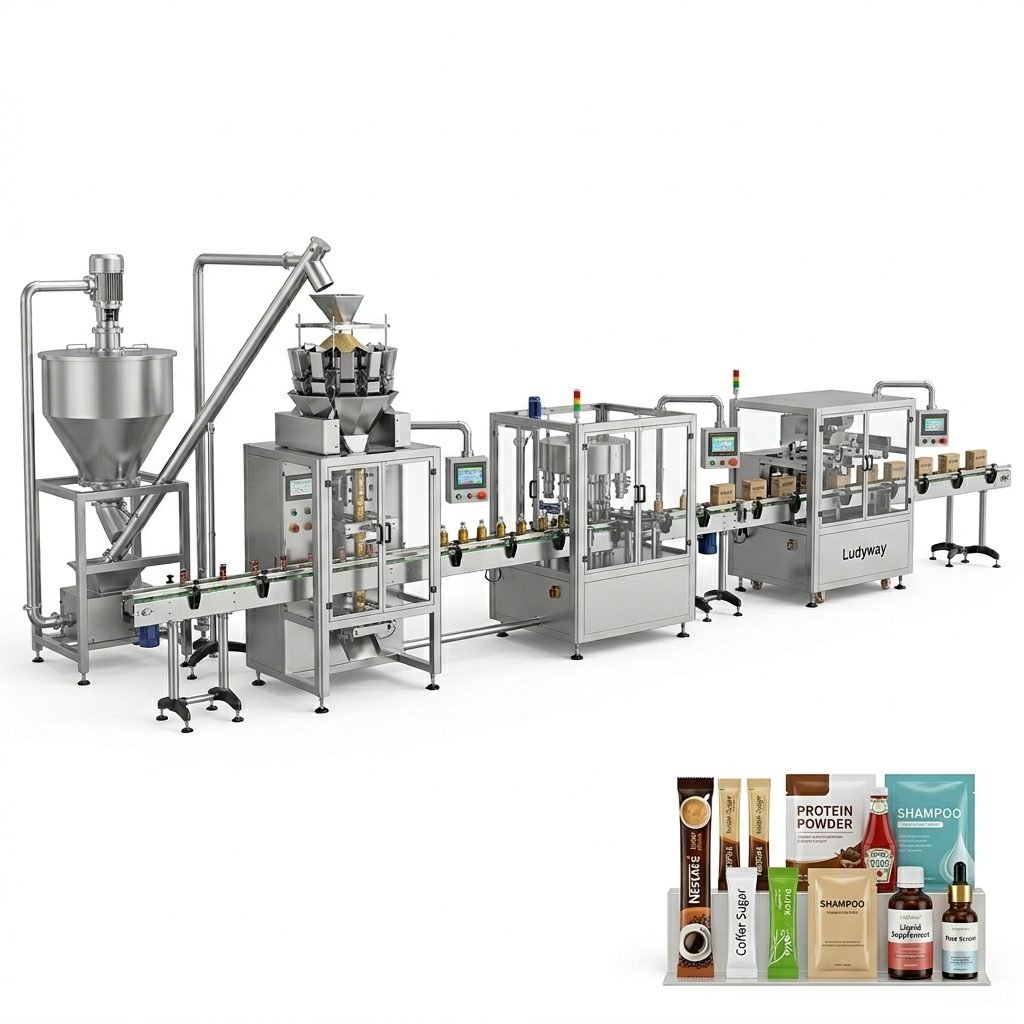
Sourcing Equipment from Global Packaging Machine Manufacturers
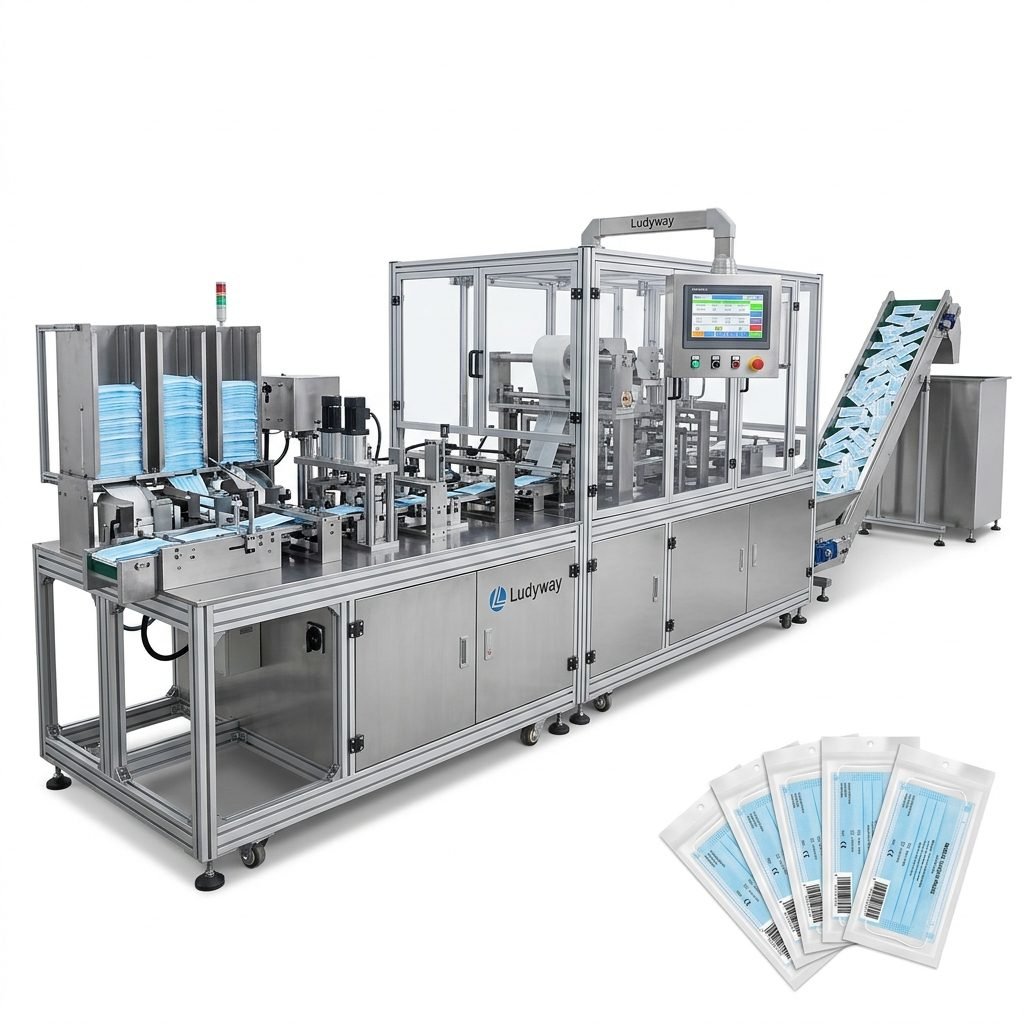
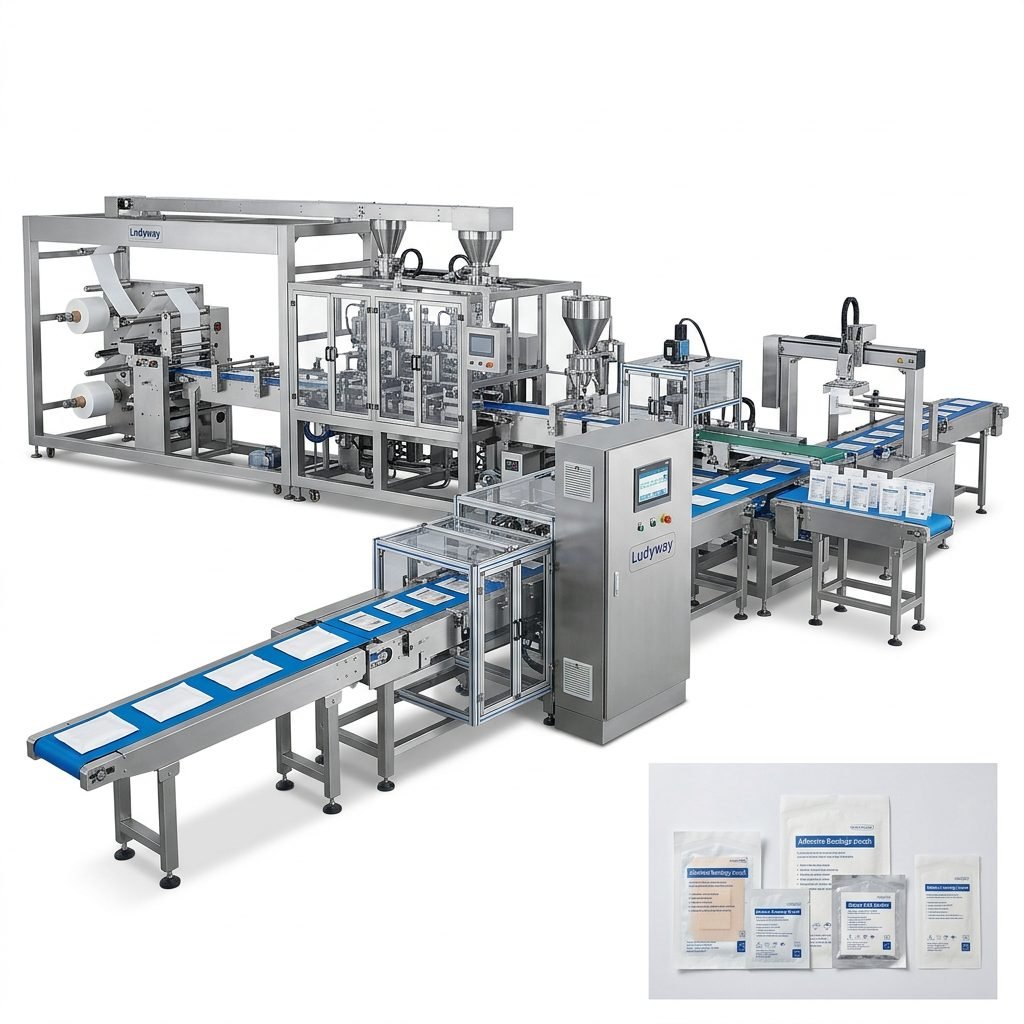
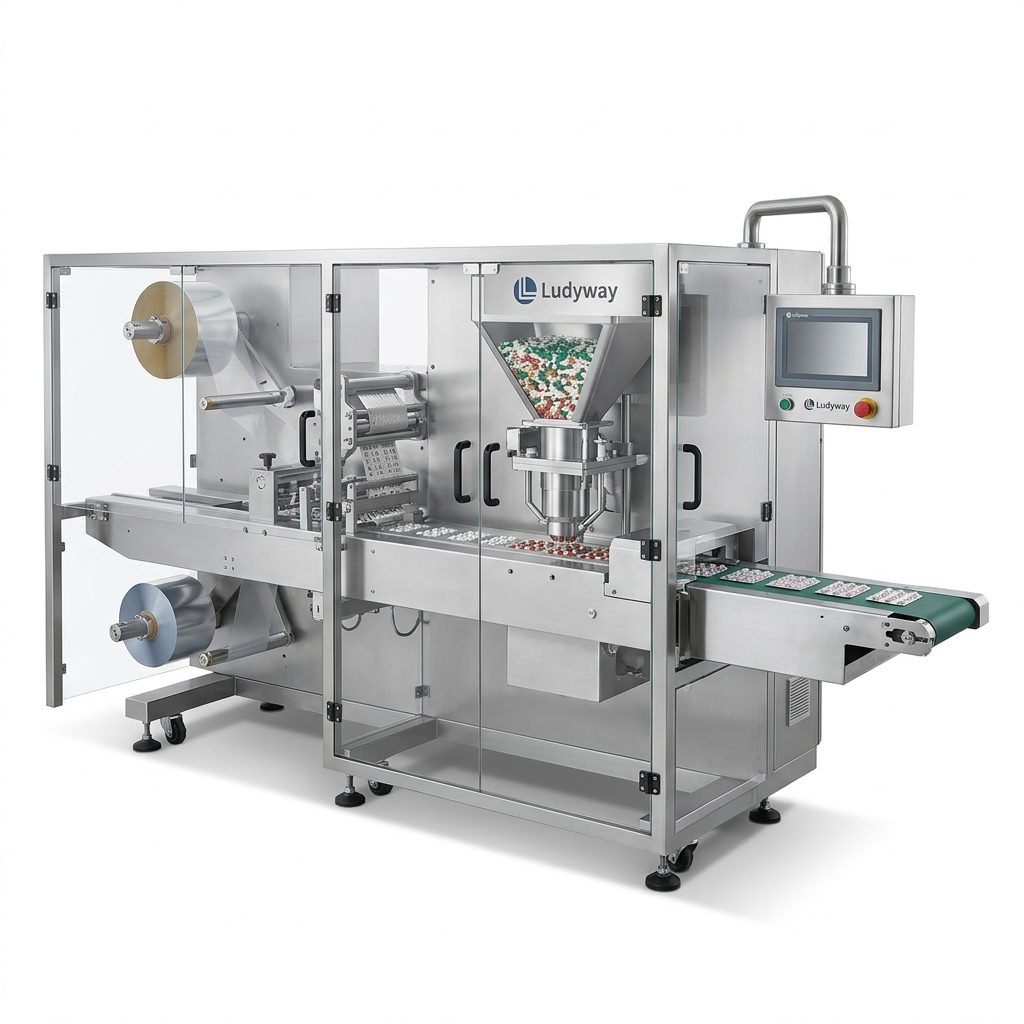
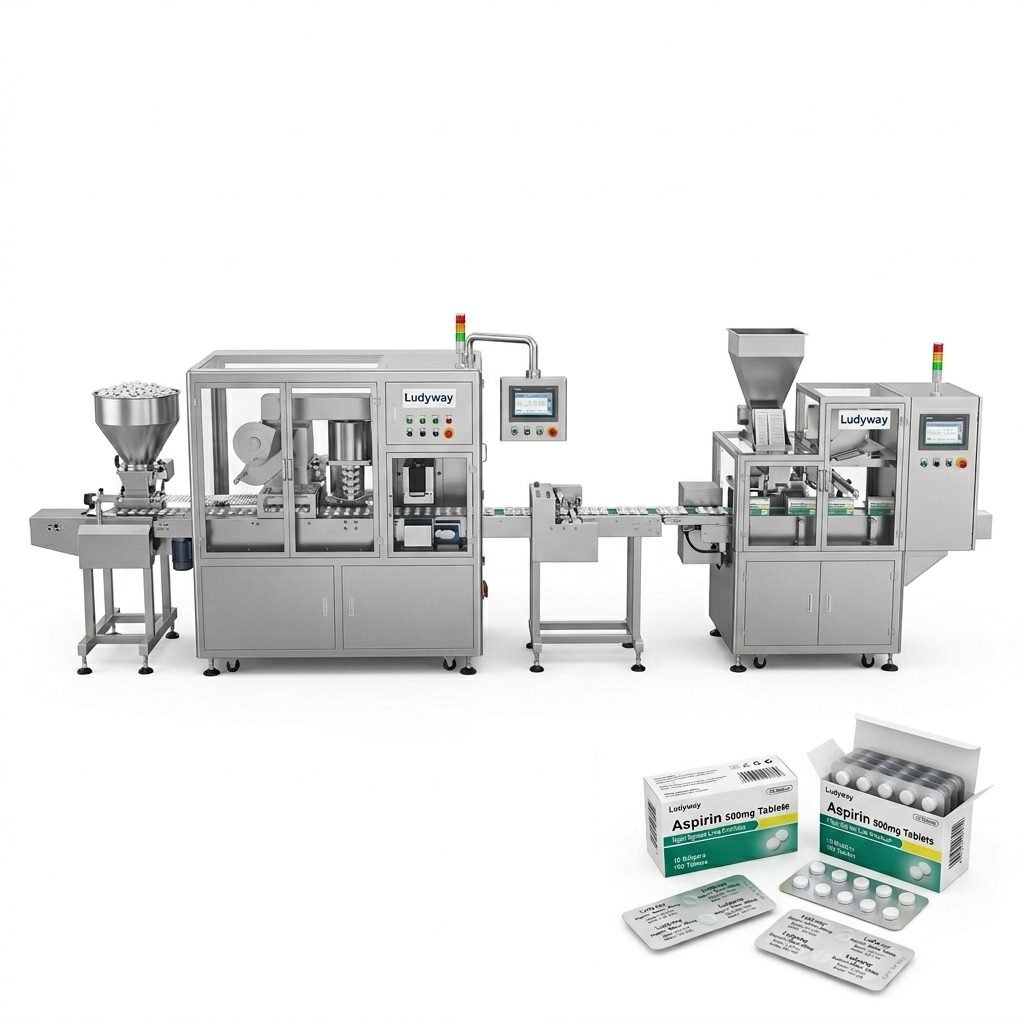
Asian food manufacturers increasingly source butter packaging equipment from specialized global suppliers who combine technical expertise with regional service capabilities. When evaluating packaging machine manufacturers, look for companies with proven experience in dairy applications, sanitary machine design, and a track record of successful installations across multiple Asian markets. Ludyway, one of the largest packaging machine manufacturers in China with over 30 years of industry experience, offers advanced packaging equipment and turnkey production solutions specifically engineered for food, pharmaceutical, and health industry applications. Their 20,000㎡ modern manufacturing facility supports the production of more than 50 intelligent packaging machine models, including multi-lane systems suitable for butter portion pack and block packaging configurations. With customers in over 100 countries and regions, they provide comprehensive technical support, professional installation services, and customized production lines designed to meet the specific requirements of Asian dairy processors.
For additional industry guidance on packaging machinery standards and market trends, refer to resources provided by the Association for Packaging and Processing Technologies (PMMI) and the Flexible Packaging Association, both of which publish comprehensive reports on packaging technology developments and regulatory updates relevant to Asian market operations.
Maintenance, Hygiene, and Continuous Improvement
Butter packaging lines handling dairy products require rigorous sanitation protocols. Clean-in-place (CIP) systems should be integrated into the line design to enable efficient cleaning without disassembly. Daily sanitation schedules, documented cleaning logs, and regular microbiological swab testing form the foundation of a robust food safety management system aligned with HACCP principles.
Preventive maintenance programs must account for the demanding operating conditions common in Asian production environments. High ambient temperatures accelerate wear on seals and bearings, while humidity can affect electronic components and sensor performance. Predictive maintenance technologies—including vibration analysis, thermal imaging, and IoT-enabled condition monitoring—help identify potential failures before they cause unplanned downtime. Many Asian manufacturers are implementing digital maintenance management systems to optimize spare parts inventory and schedule interventions during planned production windows.
Future Trends Shaping Butter Packaging in Asia
Several emerging trends are influencing butter packaging line design across Asia. Sustainable packaging materials—including recyclable mono-material films, paper-based wrappers, and bio-based barrier coatings—are gaining traction as governments implement stricter environmental regulations. Equipment flexibility to handle these new materials without sacrificing speed or seal integrity is becoming a key differentiator. Additionally, smart packaging technologies with QR codes and NFC tags enable traceability from farm to consumer, meeting growing transparency demands in markets like Japan, South Korea, and Singapore. Investing in a butter packaging machine production line that can adapt to these evolving requirements positions manufacturers for long-term success in the dynamic Asian food industry.

Key Takeaways for Successful Butter Packaging Line Setup
- Conduct thorough market-specific feasibility analysis covering target formats, volumes, and regulatory requirements for each Asian market.
- Prioritize dairy-grade equipment construction with stainless steel contact surfaces, sanitary design, and CIP compatibility.
- Select suppliers with proven Asian market experience and local after-sales support infrastructure to minimize operational risks.
- Implement robust hygiene protocols and preventive maintenance programs designed for tropical climate conditions.
- Design production lines with format flexibility to accommodate evolving market demands and sustainable packaging material transitions.
- Invest in operator training and digital skills development to maximize the return on automation technology investments.
For manufacturers seeking to explore packaging machinery innovation and industry standards, the PMMI Business Intelligence Library and State of the Industry reports offer valuable data on packaging technology adoption trends, capital expenditure forecasts, and operational benchmarks relevant to dairy packaging operations in Asia.