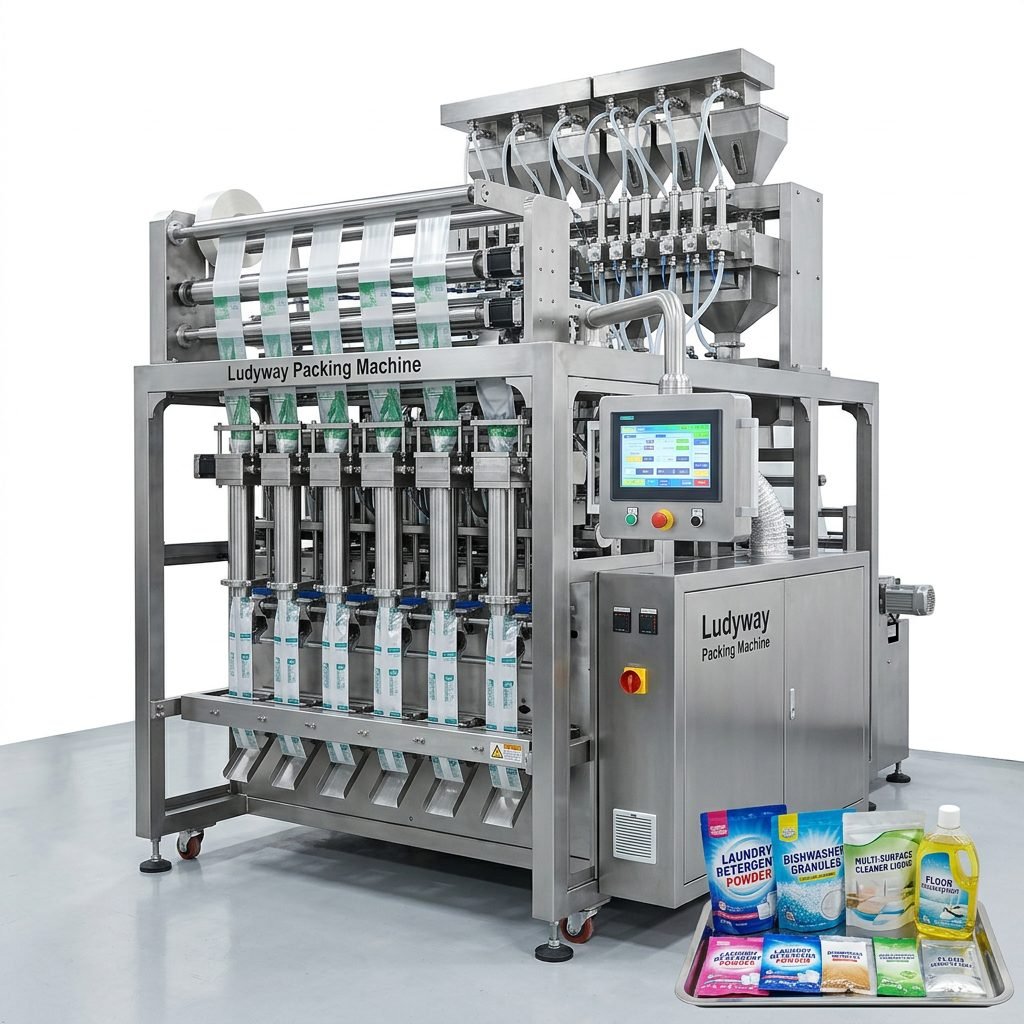
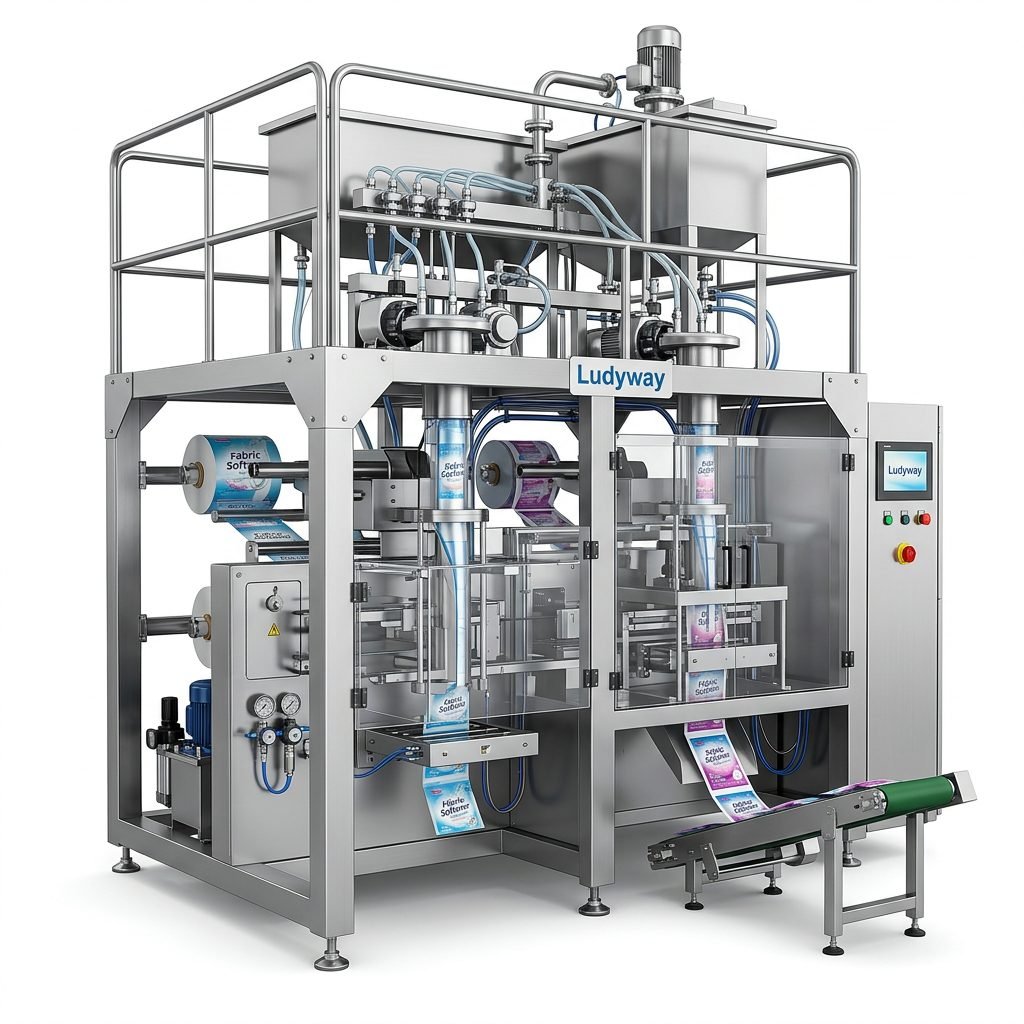
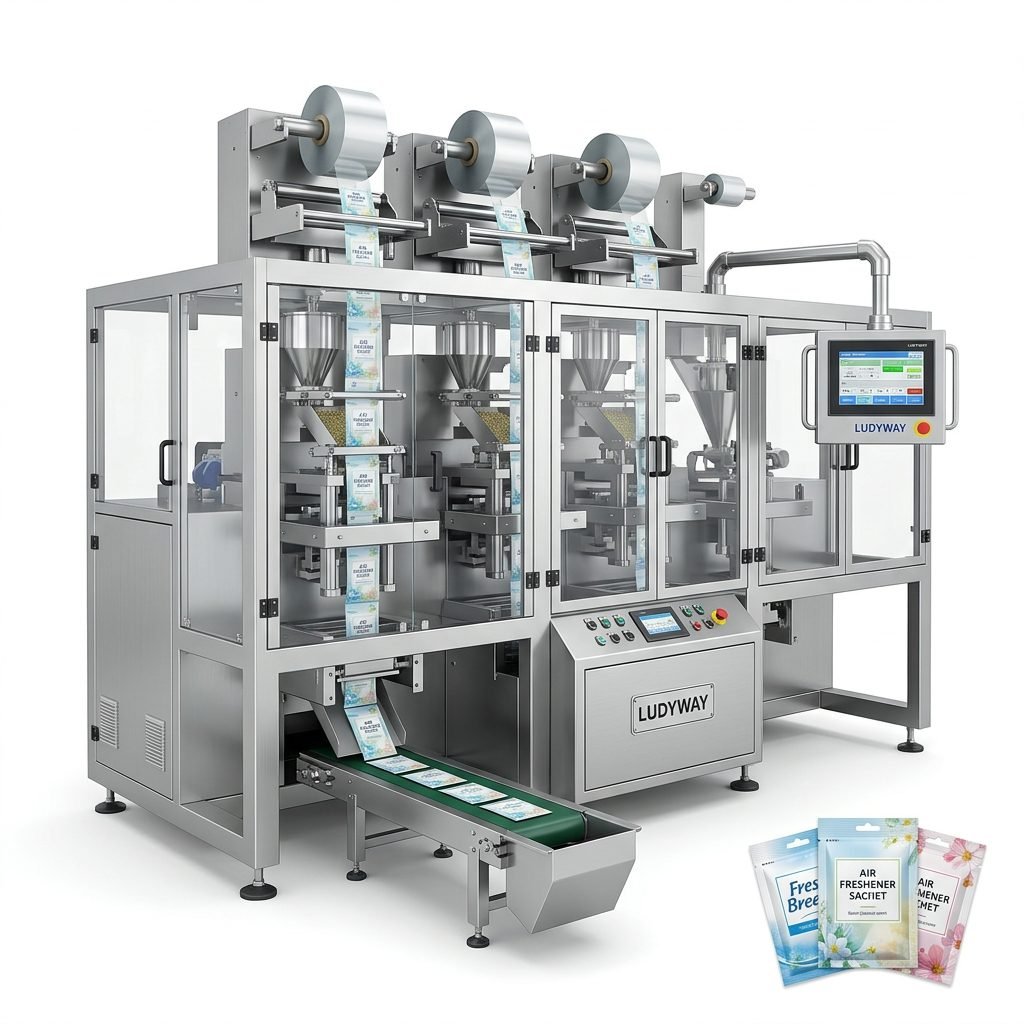
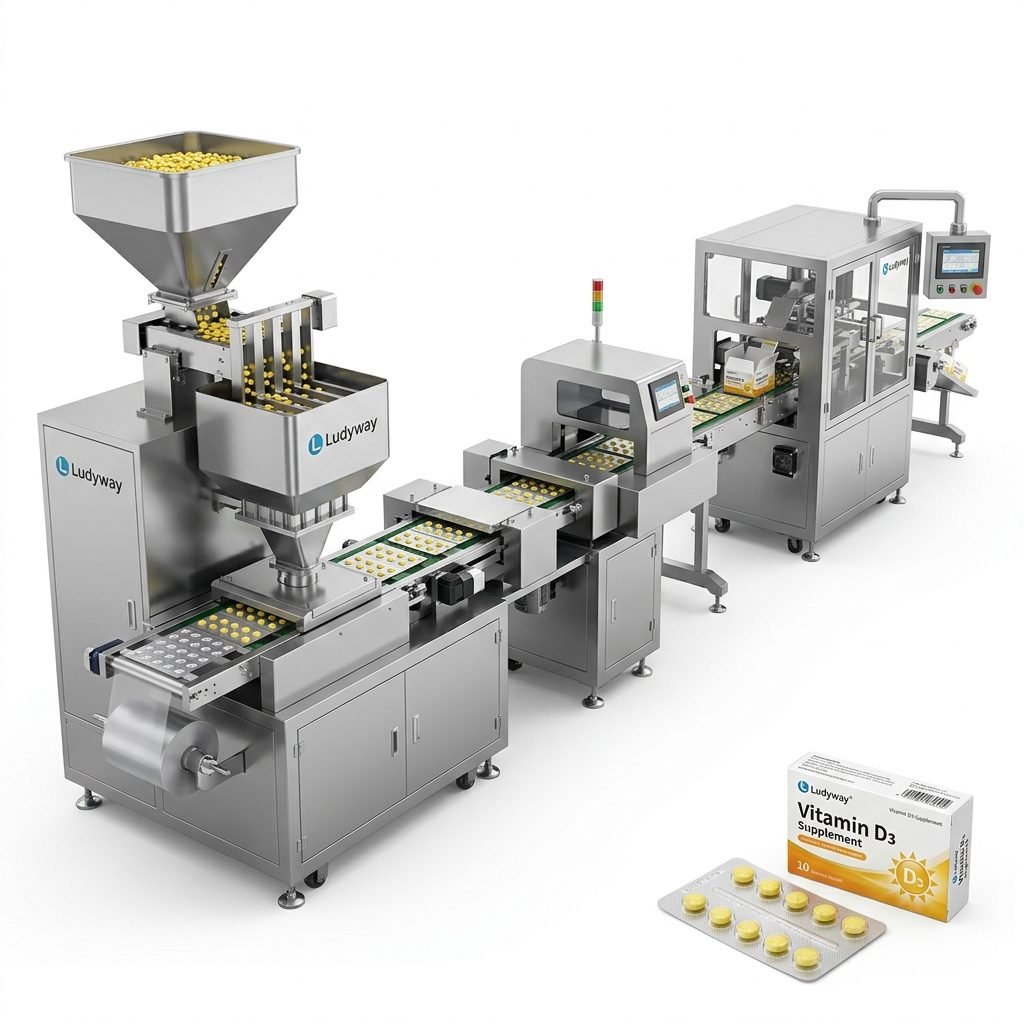
In the world of food production, cheese stands out as a product that demands precise and hygienic packaging to preserve its flavor, texture, and shelf life. Selecting the right cheese packaging machinery is a critical decision for any producer, impacting efficiency, product quality, and overall operational costs. This guide delves into the various types of packaging equipment available, their key features, and provides a structured approach to help you choose the perfect system for your production line.
Core Packaging Objectives for Cheese
Before exploring machinery, it’s essential to understand what effective cheese packaging must achieve:
- Barrier Protection: Shielding cheese from oxygen, moisture, and light to prevent mold, drying out, or rancidity.
- Hygiene & Safety: Maintaining a sterile environment to comply with strict food safety standards (e.g., FDA, EU regulations).
- Extended Shelf Life: Utilizing modified atmosphere packaging (MAP) or vacuum sealing to significantly prolong freshness.
- Brand Presentation: Creating an attractive, clear package that appeals to consumers on the shelf.
- Operational Efficiency: Ensuring high-speed, reliable, and cost-effective packaging with minimal waste.
Primary Types of Cheese Packaging Machinery
The choice of equipment largely depends on the cheese format (blocks, slices, shredded, grated) and the desired packaging style.
1. Vacuum Packaging Machines
Ideal for blocks, wedges, and whole cheeses, these machines remove air from the package before sealing. This process drastically slows down bacterial growth and oxidation, making it a favorite for aged cheeses and deli counters.
- Chamber Vacuum Sealers: The cheese is placed in a bag inside a chamber. The machine removes air from the entire chamber, seals the bag, then reintroduces air. Excellent for liquid-rich or soft cheeses as it prevents product deformation during suction.
- External (Nozzle) Vacuum Sealers: Air is sucked directly out of the bag through a nozzle. Better suited for pre-packaged or drier cheese blocks. Often more compact and faster for certain applications.
2. Modified Atmosphere Packaging (MAP) Machines
For shredded, grated, or sliced cheese in rigid trays or flexible pouches, MAP technology is industry-standard. Air is evacuated and replaced with a controlled mixture of gases (like Nitrogen and Carbon Dioxide) to inhibit microbial growth while maintaining the product’s visual appeal and texture.
→ Key Advantage: MAP allows for clear, consumer-friendly packaging with a dramatically extended shelf life without preservatives, meeting the demand for clean-label products.
3. Flow Wrapping Machines
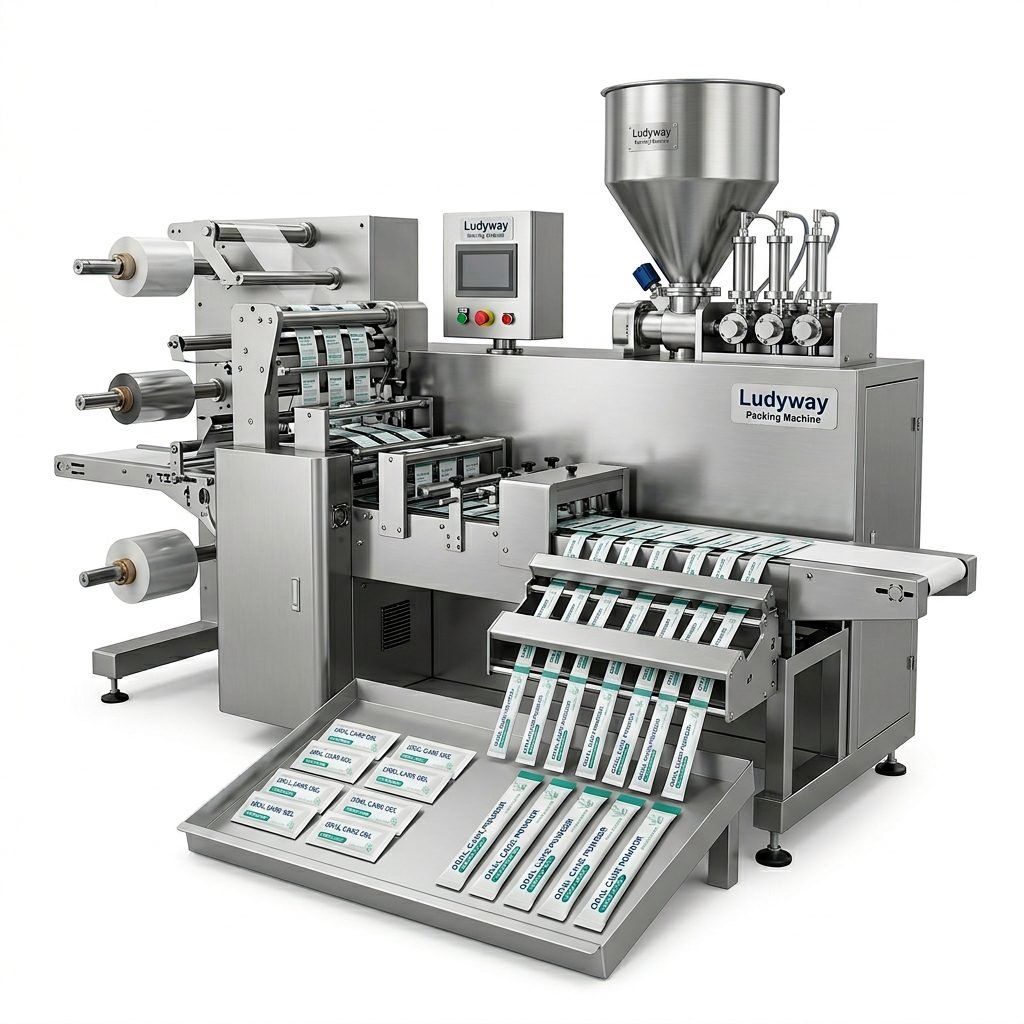
Commonly used for individually wrapping cheese slices, sticks, or small portions. The machine forms a tube of film around the product, creates a longitudinal seal, and then makes end seals, resulting in a tight, pillow-style pack. It’s a high-speed solution for mass-produced single-serve items.
4. Vertical Form Fill Seal (VFFS) Machines
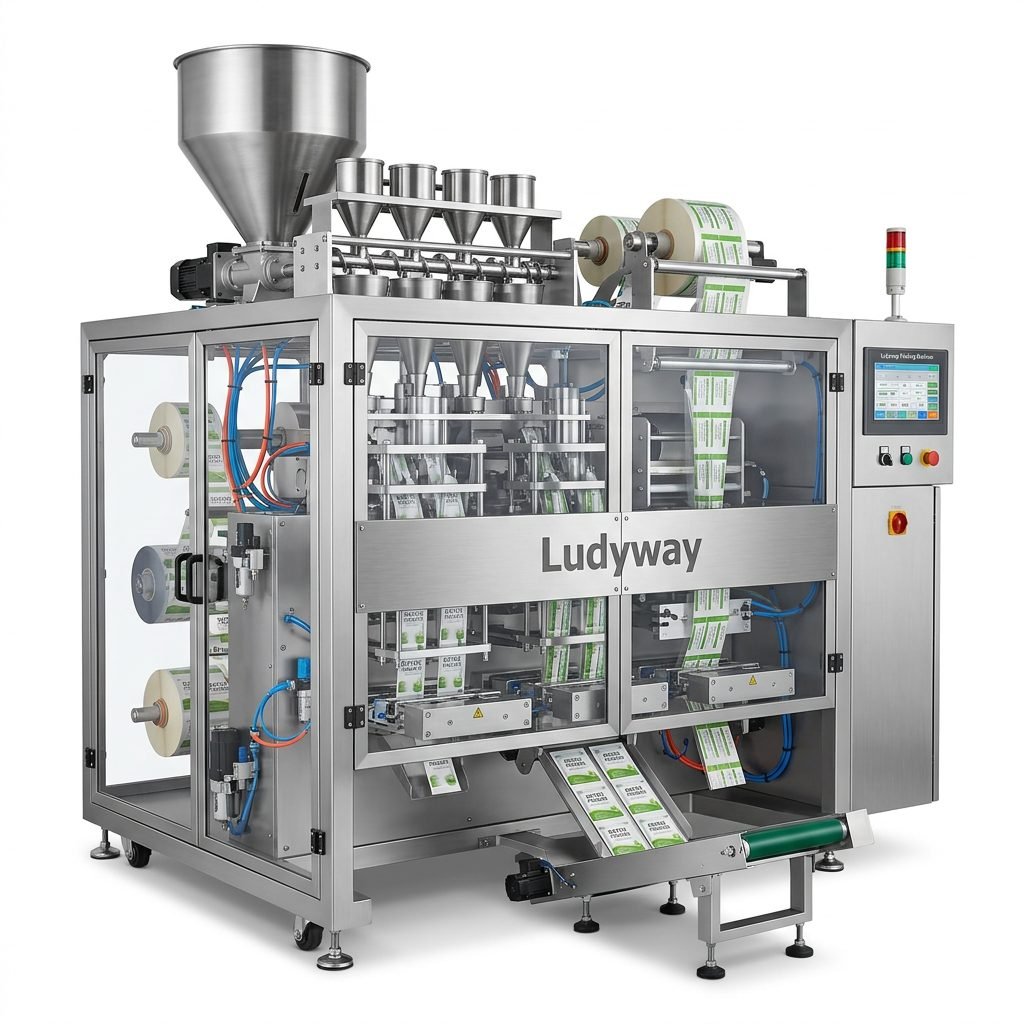
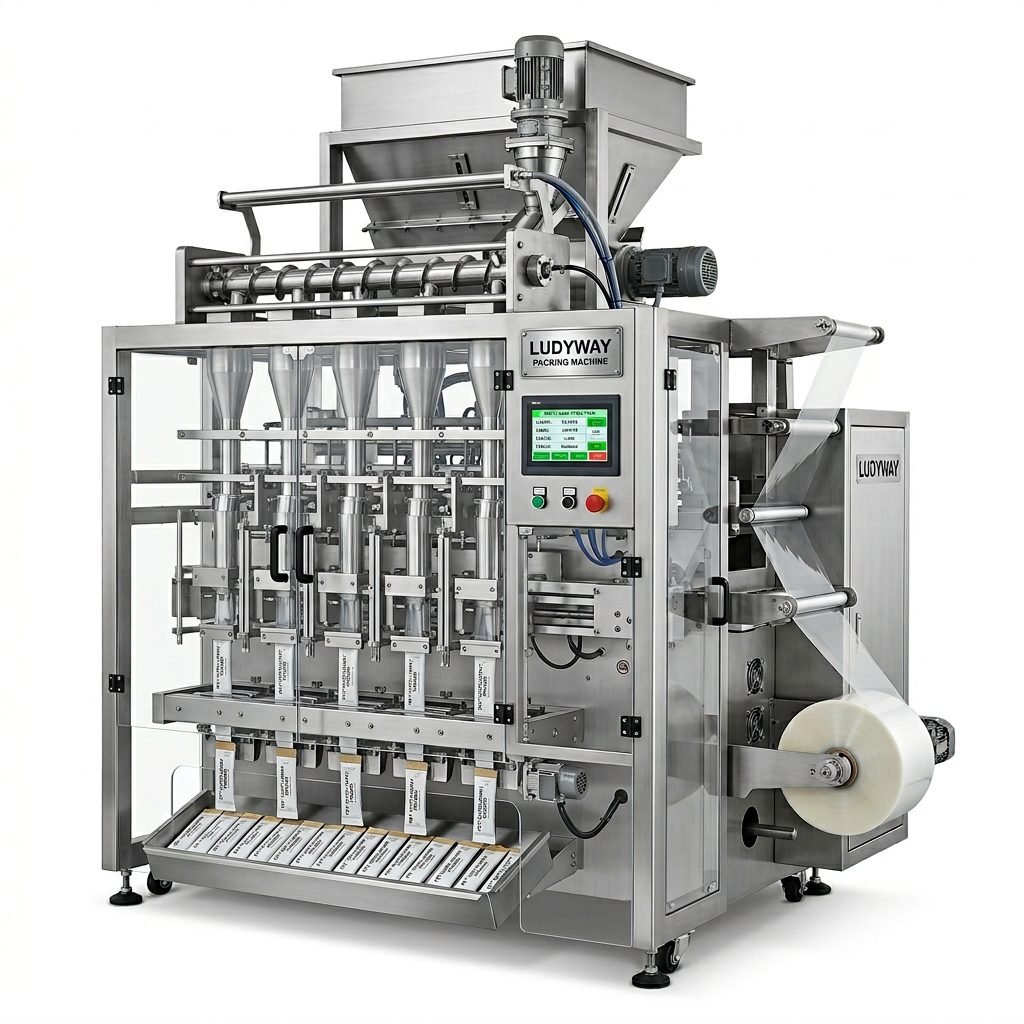
The workhorse for packaging free-flowing products like shredded or grated cheese. The machine forms a bag from a roll of film, fills it with a pre-set weight of product, and then seals it. Modern VFFS systems can integrate nitrogen flushing for a modified atmosphere within the pouch.
5. Thermoforming Packaging Machines
These create rigid plastic trays from a roll of film, fill them with product (e.g., cheese slices or portions), apply a lidding film, and seal. They are highly versatile and can be integrated with MAP systems for premium cheese packaging with excellent product visibility and protection.
Essential Features to Evaluate
Beyond the machine type, these features determine long-term performance and ROI.
Production Speed & Output
Match the machine’s cycles-per-minute (CPM) or packages-per-minute (PPM) to your current and projected production volume. Under-sizing creates bottlenecks; over-sizing leads to unnecessary capital expenditure.
Automation Level & Integration
- Manual: Operator loads product and initiates cycle. Suitable for low volume or artisanal production.
- Semi-Automatic: Operator places product, but sealing/packaging cycle is automated. A good balance for mid-volume.
- Fully Automatic: Integrated with conveyors, loaders, and vision systems for a hands-off production line. Essential for high-volume facilities.
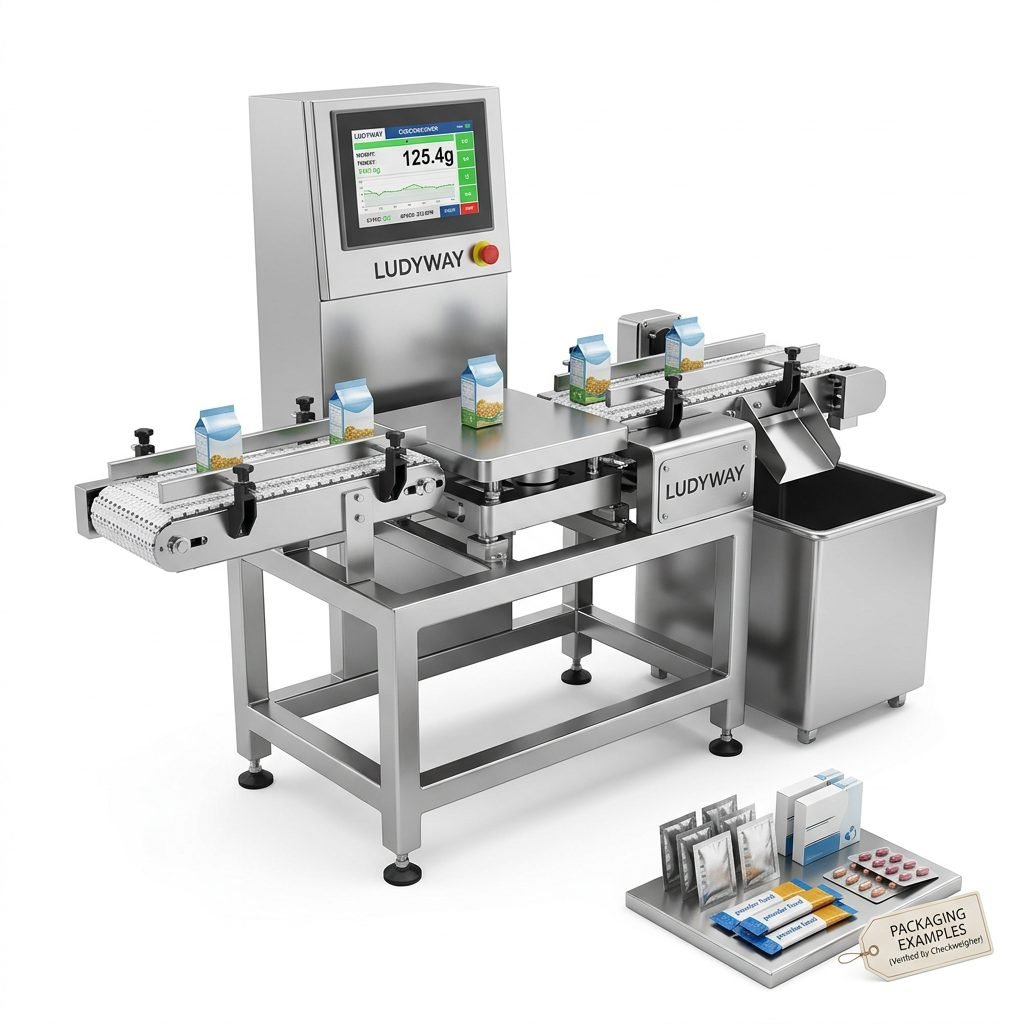
Consider how the machine will integrate with your existing slicers, conveyors, or checkweighers.
Hygienic Design & Cleanability
Cheese is a dairy product, making hygiene non-negotiable. Look for:
- Stainless steel (grade 304 or 316) contact parts and frames.
- Smooth, crevice-free surfaces.
- Easy-access panels for cleaning and maintenance.
- Compliance with food safety standards like EHEDG, USDA, or 3-A.
Flexibility & Changeover
If you produce multiple cheese varieties or package sizes, quick changeover is vital. Features like tool-less adjustments, saved recipe settings on the HMI (Human-Machine Interface), and easy film reel changes minimize downtime.
Control System & User Interface
A modern, intuitive touchscreen HMI allows for easy operation, parameter setting, and diagnostics. Look for machines that offer data tracking (OEE, production counts) and connectivity for Industry 4.0 integration.
How to Choose the Right Equipment: A Step-by-Step Guide
Step 1: Analyze Your Product & Packaging Format
Define the specifics: cheese type (hard, soft, shredded), portion size, and primary packaging material (barrier film, tray, pouch). The product characteristics directly dictate the suitable machine category.
Step 2: Assess Your Production Volume & Growth Plans
Calculate your required hourly/daily output. Choose a machine that can reliably meet 80-100% of your peak demand. Investing in a slightly scalable system is wiser than immediately maxing out your budget on ultra-high-speed equipment you may not need yet.
Step 3: Define Your Budget (Total Cost of Ownership)
Look beyond the initial purchase price. Consider:
- Operating Costs: Film consumption, energy usage, gas (for MAP), maintenance parts.
- Maintenance & Support: Availability of spare parts, cost of service contracts, and technical support responsiveness from the supplier.
Partnering with a reliable supplier like Ludyway Machinery, which offers comprehensive support, can reduce long-term operational risks.
Step 4: Evaluate Supplier Credentials & Support
The machine is only as good as the company behind it. Key questions to ask:
- Do they have proven experience in the dairy or cheese packaging sector?
- Can they provide references or case studies?
- What does their after-sales service structure look like (installation, training, warranty, spare parts)?
- Can they provide a complete turnkey solution, including integration and testing?
Step 5: Request a Product Test
Never buy based on specifications alone. Arrange to send your actual cheese product and packaging materials to the supplier for a live test run. This is the only way to verify performance, seal integrity, and speed with your specific product.
✓ Pro Tip: When testing, pay close attention to the consistency of seals (especially with fatty cheeses that can contaminate seal areas), the accuracy of weight fill, and the overall ease of operation and cleaning.
Future Trends in Cheese Packaging Automation
The industry is moving towards greater intelligence and sustainability. Expect to see more machines equipped with AI-powered vision systems for 100% quality inspection (detecting seal defects or foreign objects), predictive maintenance algorithms to prevent downtime, and increased use of recyclable or compostable mono-material films. Choosing a supplier committed to innovation ensures your investment remains future-proof.
Frequently Asked Questions (FAQs)
1. What is the most important factor when choosing a cheese packaging machine?
The most critical factor is matching the machine’s capabilities to your specific product characteristics (e.g., moisture content, oiliness, shape) and your required packaging format. A machine perfect for vacuum-sealing cheddar blocks may be entirely unsuitable for packaging creamy goat cheese slices. Always conduct a product test.
2. Is Modified Atmosphere Packaging (MAP) necessary for all cheeses?
No, it is not necessary for all. MAP is primarily used for shredded, grated, or sliced cheese in retail packages where extended shelf life and product separation are key. Hard, aged cheeses or blocks sold to be cut at a deli counter often use vacuum packaging, while some fresh cheeses may use simple protective gas flushing.
3. How can I reduce packaging film waste in my operation?
Work with your machine supplier to optimize film tracking and tension settings. Modern servo-driven machines offer superior film control, reducing waste. Additionally, consider conducting a packaging audit to see if a different film gauge or material could provide the same barrier properties with less material use.
4. What maintenance is required for these machines?
Daily cleaning of product contact zones is essential. Regular maintenance includes lubricating moving parts (with food-grade lubricants), checking and replacing sealing jaws or wires, inspecting pneumatic filters, and calibrating weight scales. Adhering to the supplier’s preventative maintenance schedule is the best way to ensure longevity and avoid unplanned stoppages.
5. Can one machine handle different cheese types and package sizes?
Many machines offer flexibility, but with limits. Changeover time and complexity vary. Vertical Form Fill Seal (VFFS) machines can often handle different granulations (shredded vs. grated) with quick adjustments. Switching from packaging blocks to slices, however, typically requires a completely different type of machine (e.g., from a vacuum sealer to a flow wrapper). Define your flexibility needs clearly before purchasing.