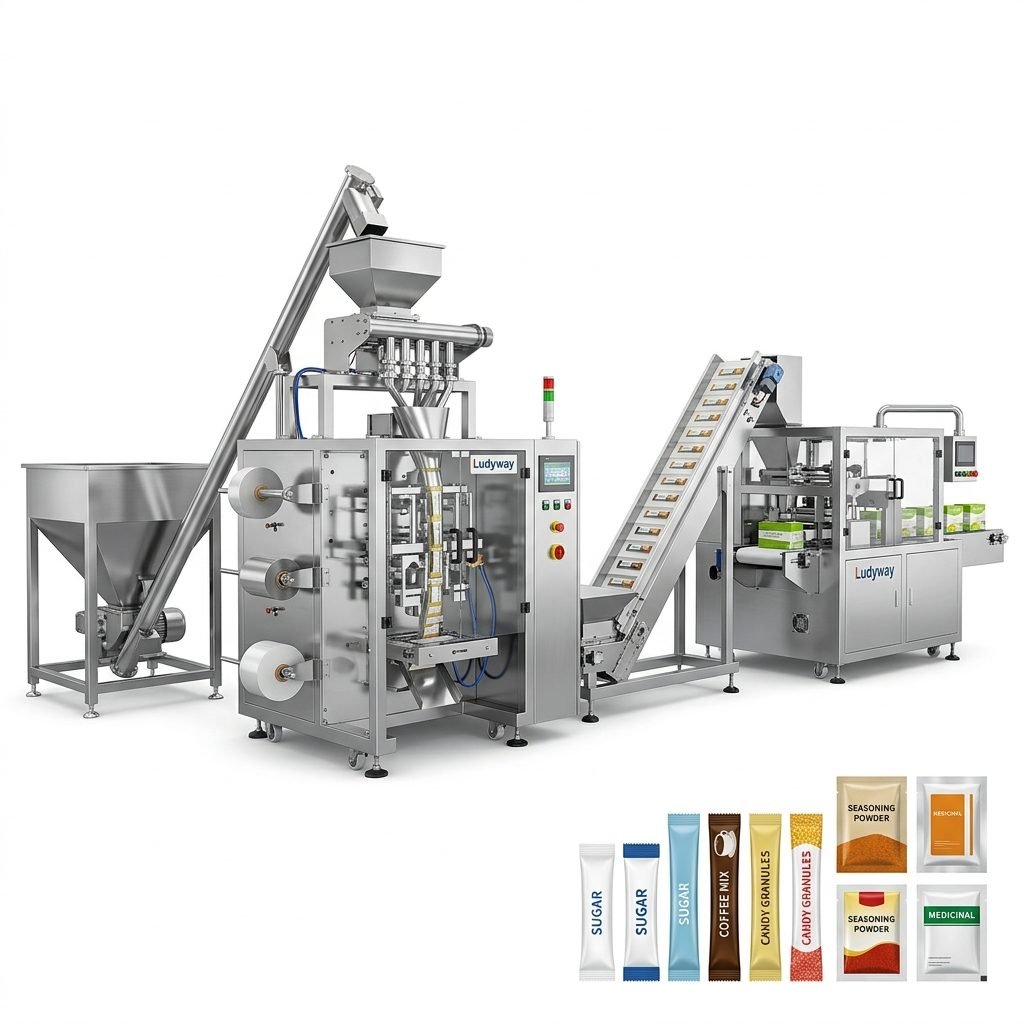
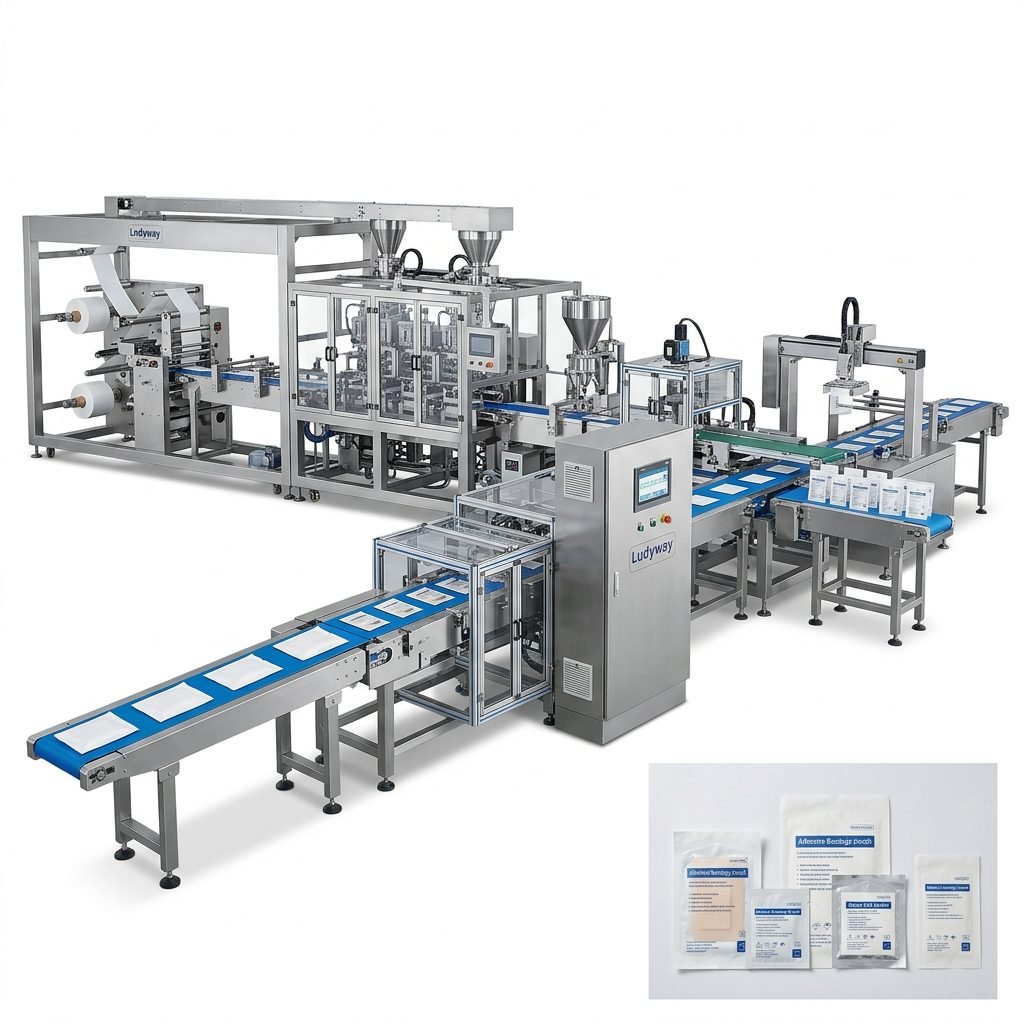
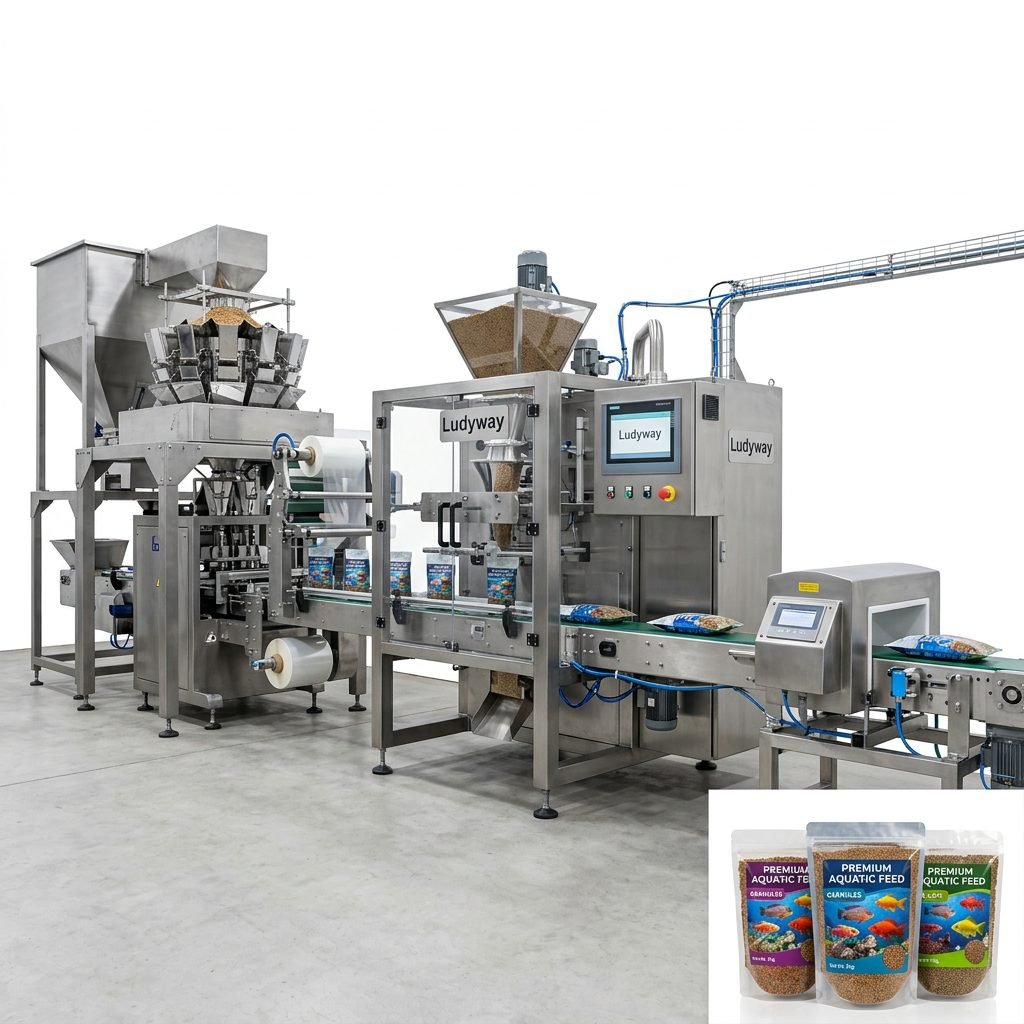
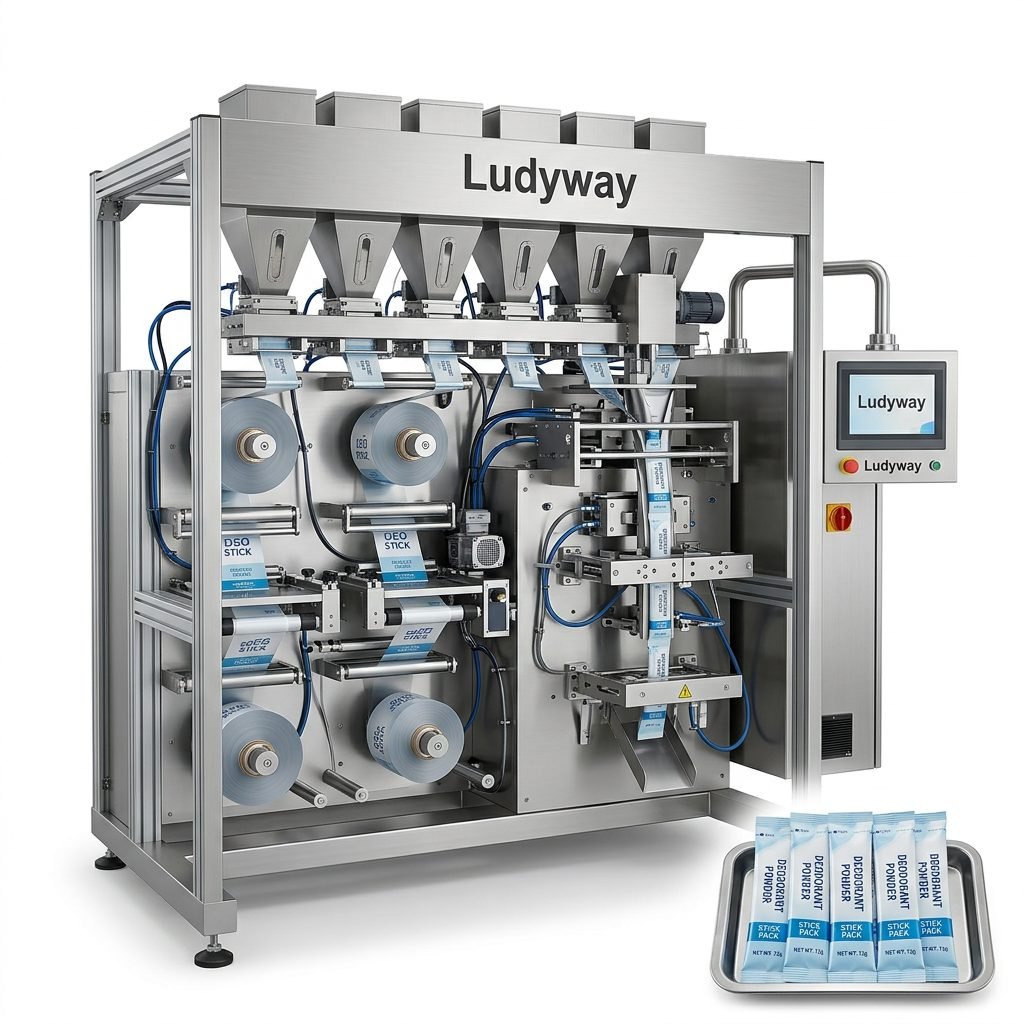
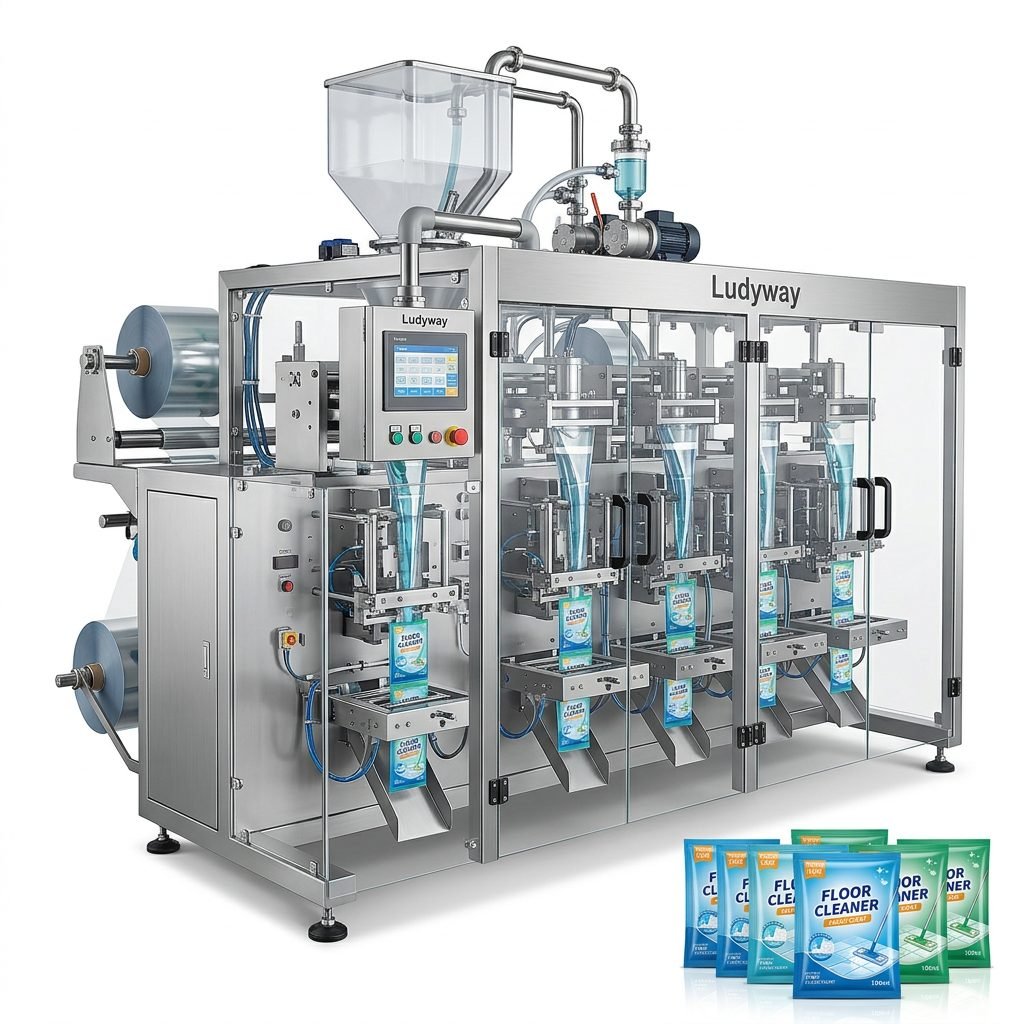
The African dairy sector is experiencing unprecedented growth. With rising consumer demand for safe, hygienically packaged milk products, dairy processors across the continent are seeking reliable packaging solutions that can handle everything from powdered milk sachets to liquid milk stick packs. Selecting the right packaging machinery is not just about efficiency — it is about building consumer trust through consistent, high-quality packaging that preserves product freshness from factory to shelf.
The Rapid Growth of Africa’s Dairy Industry
Africa’s population is projected to reach 2.5 billion by 2050, driving an enormous increase in demand for dairy products. Urbanization, rising middle-class incomes, and changing dietary preferences have created a booming market for packaged milk, yogurt, cheese, and fortified milk powders. According to industry data from the PMMI Business Intelligence Library, the packaging machinery market in emerging economies continues to expand at double-digit rates annually.
However, many African dairy producers face significant operational hurdles — inconsistent electricity supply, humid storage conditions, limited access to technical service, and the need for flexible packaging formats that cater to diverse consumer segments. The right packaging machine must address all of these challenges while maintaining affordability and long-term reliability.
Packaging Challenges Unique to African Dairy Markets
Dairy producers across Africa encounter a distinct set of requirements that generic packaging machines simply cannot meet. These include:
- Moisture protection — Milk powder is highly hygroscopic; packaging must provide superior barrier protection in humid tropical climates.
- Multi-format flexibility — From single-serve sachets for rural consumers to family-size pouches for urban supermarkets, one line must handle multiple formats.
- Cost sensitivity — Affordable per-unit packaging costs are essential to keep products accessible to price-conscious consumers.
- Minimal downtime — In regions where spare parts and technical support are often limited, machine durability and reliability are non-negotiable.
- Compliance with international standards — Export-oriented dairy processors need equipment that meets FDA food packaging requirements and ISO standards.
How Ludyway Milk Packaging Machines Deliver Superior Value
Ludyway has emerged as one of the largest packaging machine manufacturers globally, with a 20,000㎡ production facility and over 30 years of engineering expertise. The company’s milk packaging solutions are specifically engineered to thrive in challenging environments while delivering consistent, high-speed performance. With more than 50 intelligent packaging machine models and a presence in over 100 countries, Ludyway understands the unique demands of emerging markets.
Multi-Lane High-Speed Filling Technology
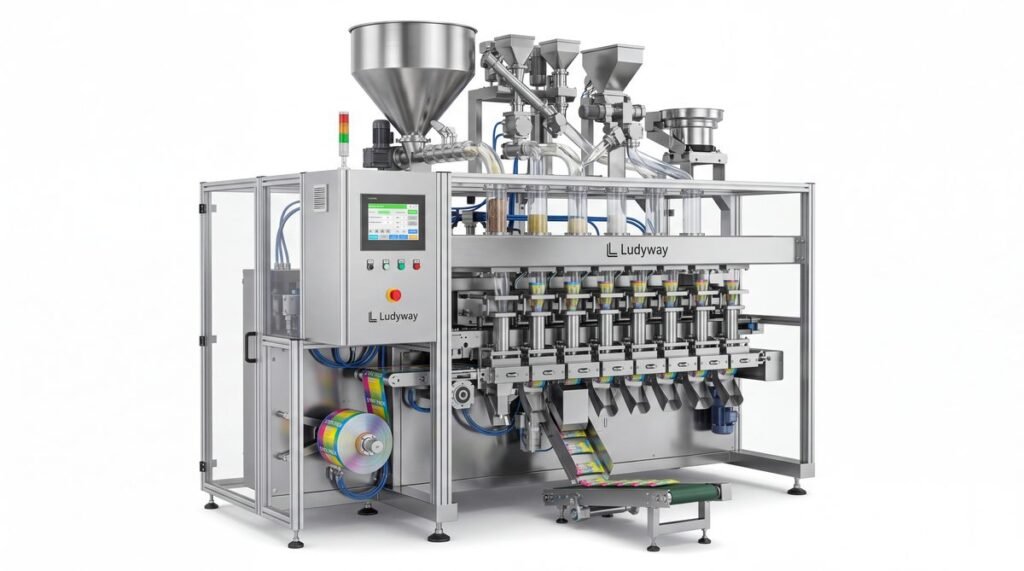
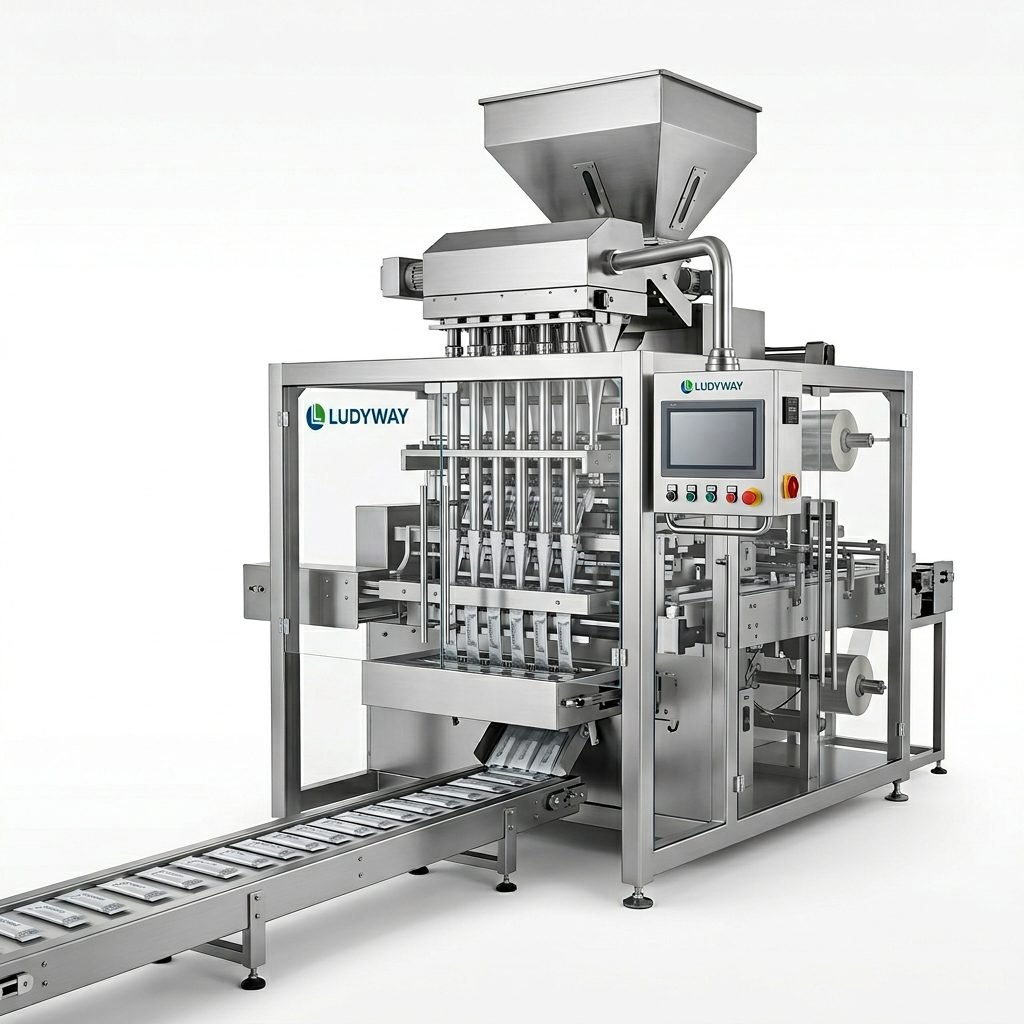
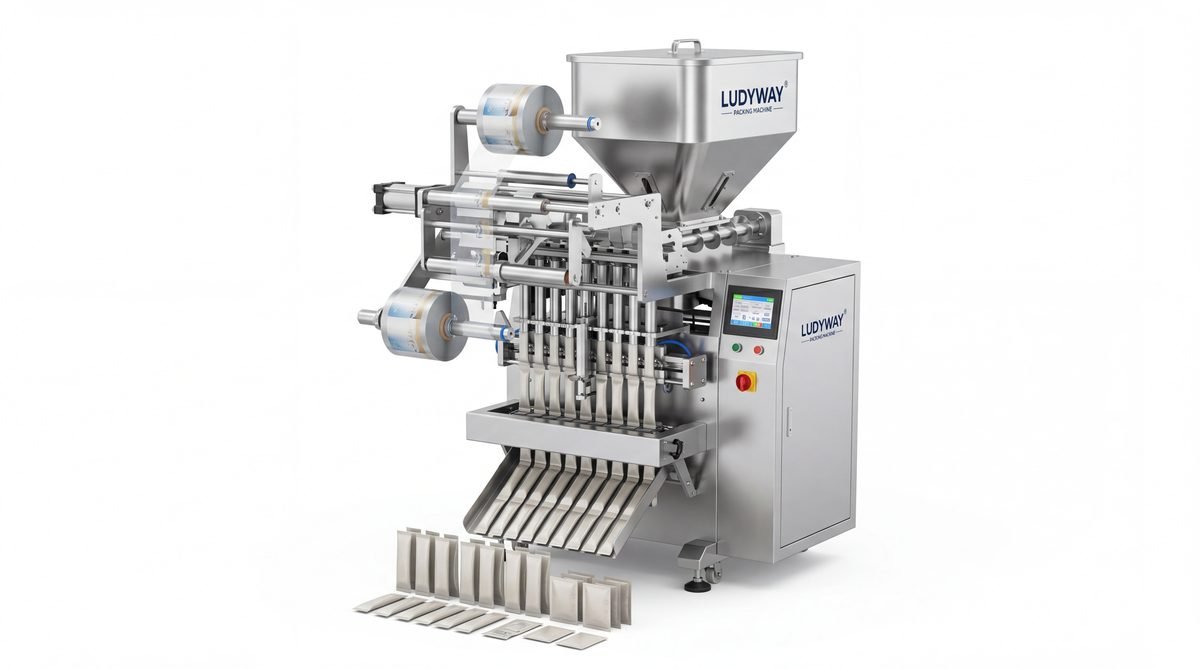
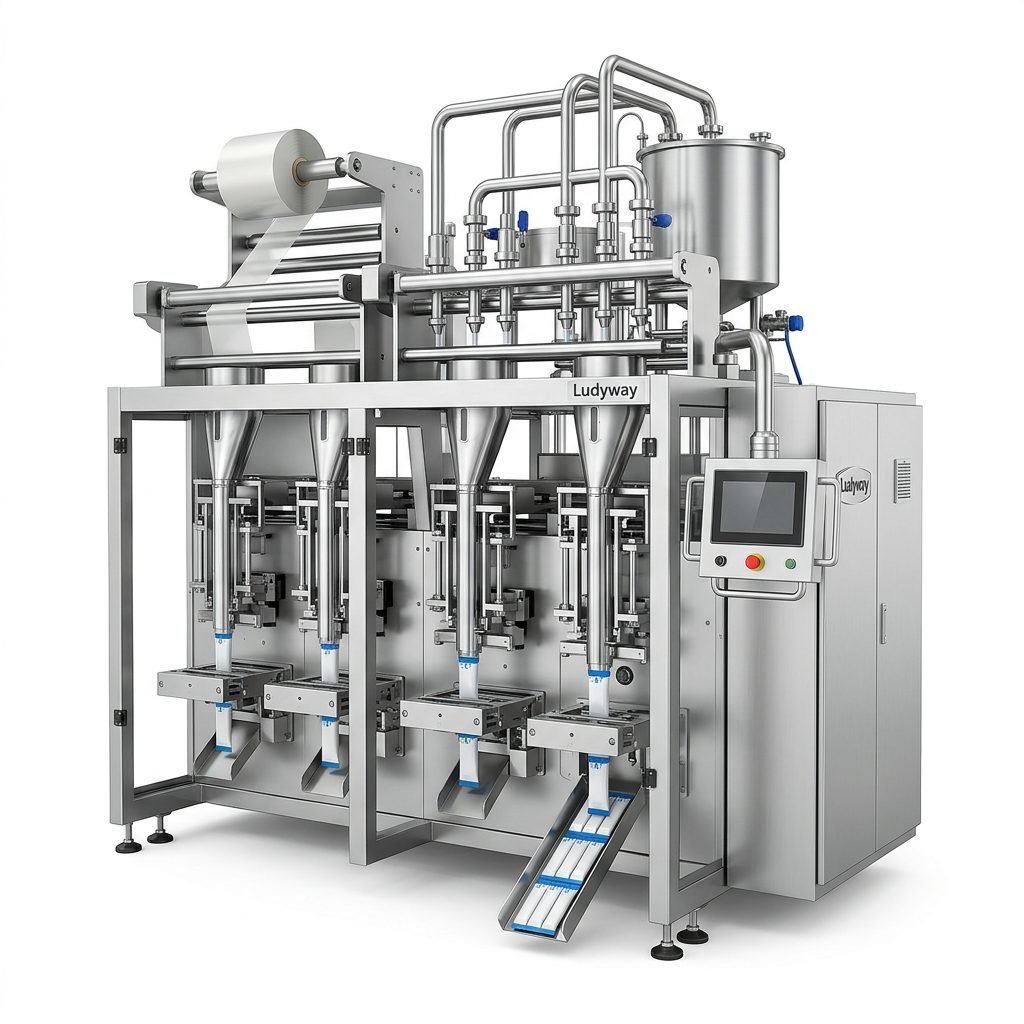
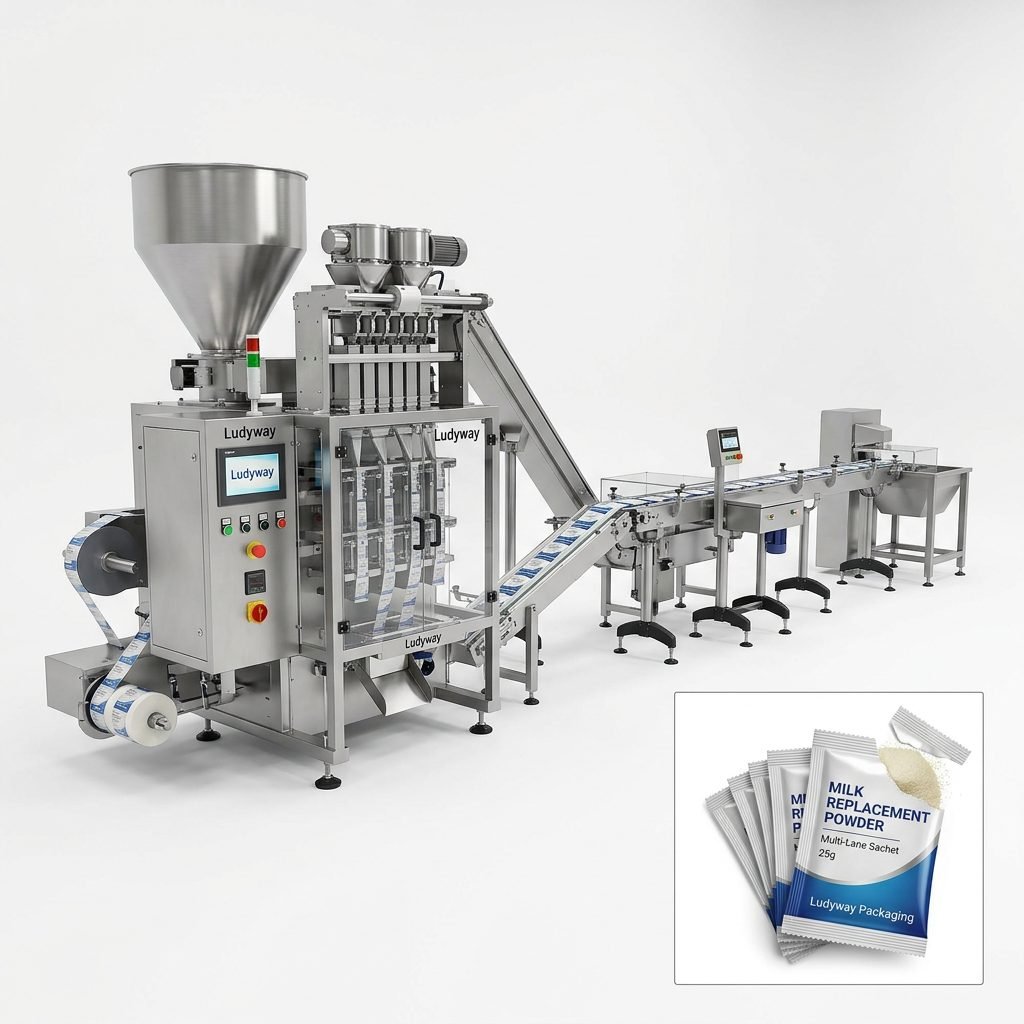
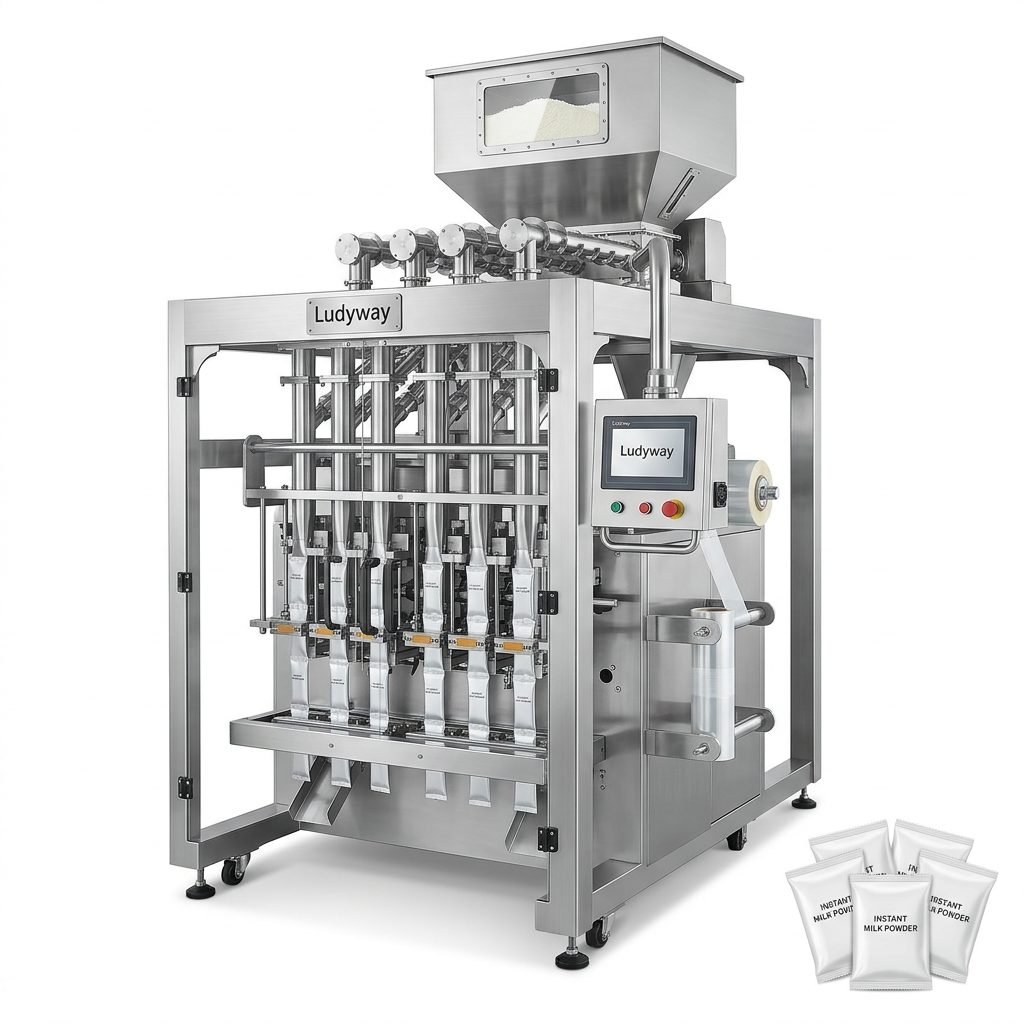
Ludyway’s multi-lane stick pack and sachet machines can simultaneously fill 4 to 20 lanes of product, dramatically increasing output without proportionally increasing labor costs. A single machine can produce hundreds of milk powder sachets per minute, making it ideal for large-scale dairy operations serving mass markets. The precision servo-driven filling system ensures accurate dosing with minimal product waste — a critical factor when working with valuable milk powders and nutritional formulations.
Versatile Packaging Formats for Diverse Markets
African dairy markets are not monolithic. Urban consumers may prefer convenient stick packs of instant milk powder, while rural customers rely on affordable single-serve sachets. Larger family packs and bulk formats also have strong demand. Ludyway machines are engineered for rapid format changeovers, enabling processors to switch between:
- Single-serve milk powder sachets
- Multi-lane stick packs for fortified dairy drinks
- Liquid milk pouches with extended shelf life
- Family-size pillow bags and gusseted pouches
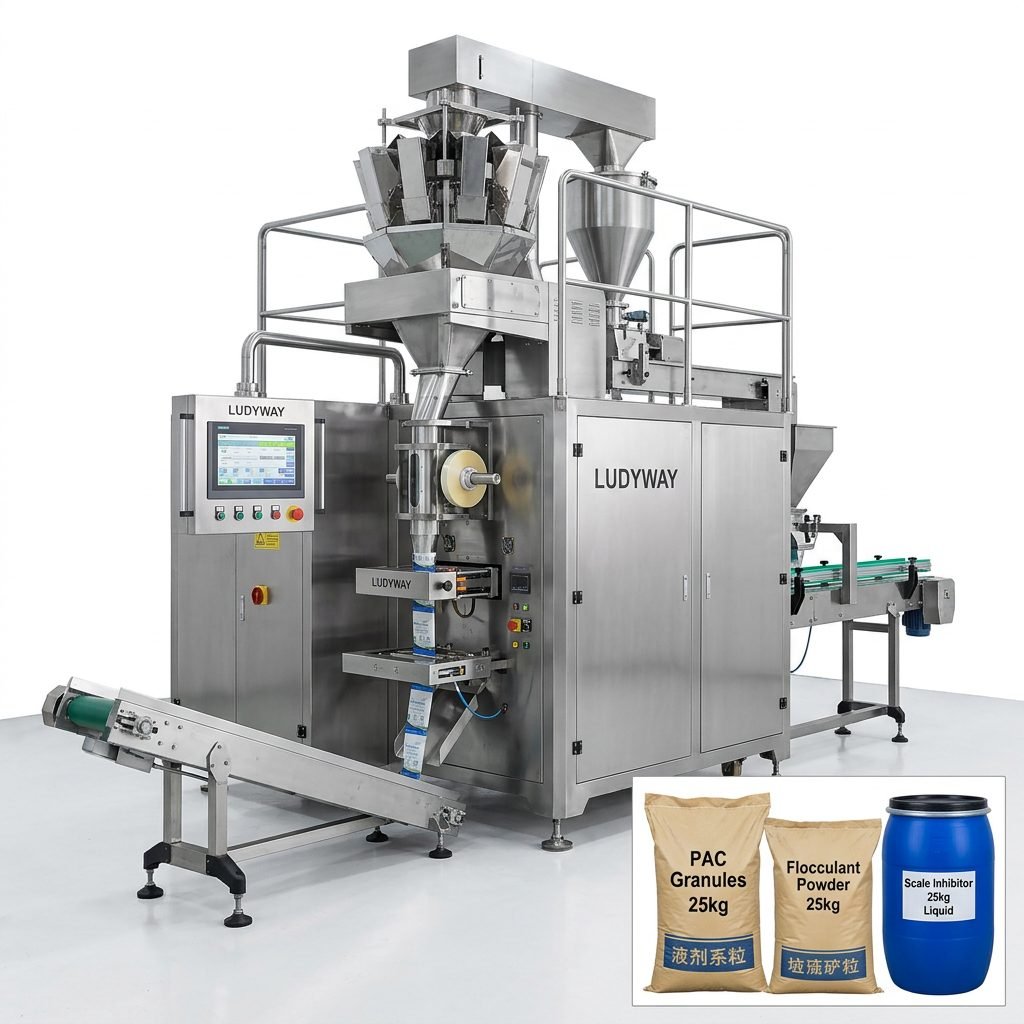
- Bulk packaging for institutional and industrial buyers
Robust Engineering for Challenging Environments
Every Ludyway machine is built with heavy-duty stainless steel frames, industrial-grade electrical components, and climate-resistant sealing systems. The machines are designed to operate reliably in high-temperature, high-humidity conditions common across many African regions. The intuitive PLC control interface with multi-language support reduces operator training requirements, while the modular design simplifies maintenance and parts replacement.
Key Technical Specifications and Performance Metrics
Understanding the technical capabilities of milk packaging machinery is essential for making an informed purchasing decision. The following table compares key performance indicators relevant to African dairy operations:
| Feature | Standard Machines | Ludyway Milk Packaging Solutions |
|---|---|---|
| Filling Lanes | 1-4 lanes | 4-20+ lanes |
| Output Speed | 30-80 packs/min | 200-600+ packs/min |
| Packaging Formats | 1-2 formats | Sachet, stick pack, pouch, pillow bag |
| Climate Resilience | Standard | Humidity & high-temp rated |
| Changeover Time | 45-90 minutes | 15-30 minutes |
| After-Sales Support | Limited regional coverage | Global network, remote diagnostics |
Cost-Effectiveness and Return on Investment
For African dairy businesses, capital expenditure must translate quickly into operational savings and revenue growth. Ludyway milk packaging machines offer a compelling ROI through multiple channels:
- Reduced product waste — Precision filling accuracy of ±0.5% minimizes costly giveaway of valuable milk powder.
- Lower labor costs — High-speed multi-lane automation reduces the number of operators required per production shift.
- Energy efficiency — Optimized servo motors and intelligent power management reduce electricity consumption, a significant cost factor in many African countries.
- Minimal downtime — Durable construction and readily available spare parts keep production lines running.
- Faster time-to-market — Quick format changeovers enable rapid response to shifting consumer preferences and seasonal demand patterns.
Food Safety and Regulatory Compliance
Milk products are among the most safety-sensitive consumer goods. Contamination or packaging failure can have severe public health consequences and irreparably damage brand reputation. Ludyway machines are designed with food safety as a foundational principle, incorporating:
- Stainless steel product contact surfaces compliant with international food-grade standards
- Hermetic sealing technology that prevents moisture ingress and microbial contamination
- Optional nitrogen flushing systems to extend shelf life for milk powders
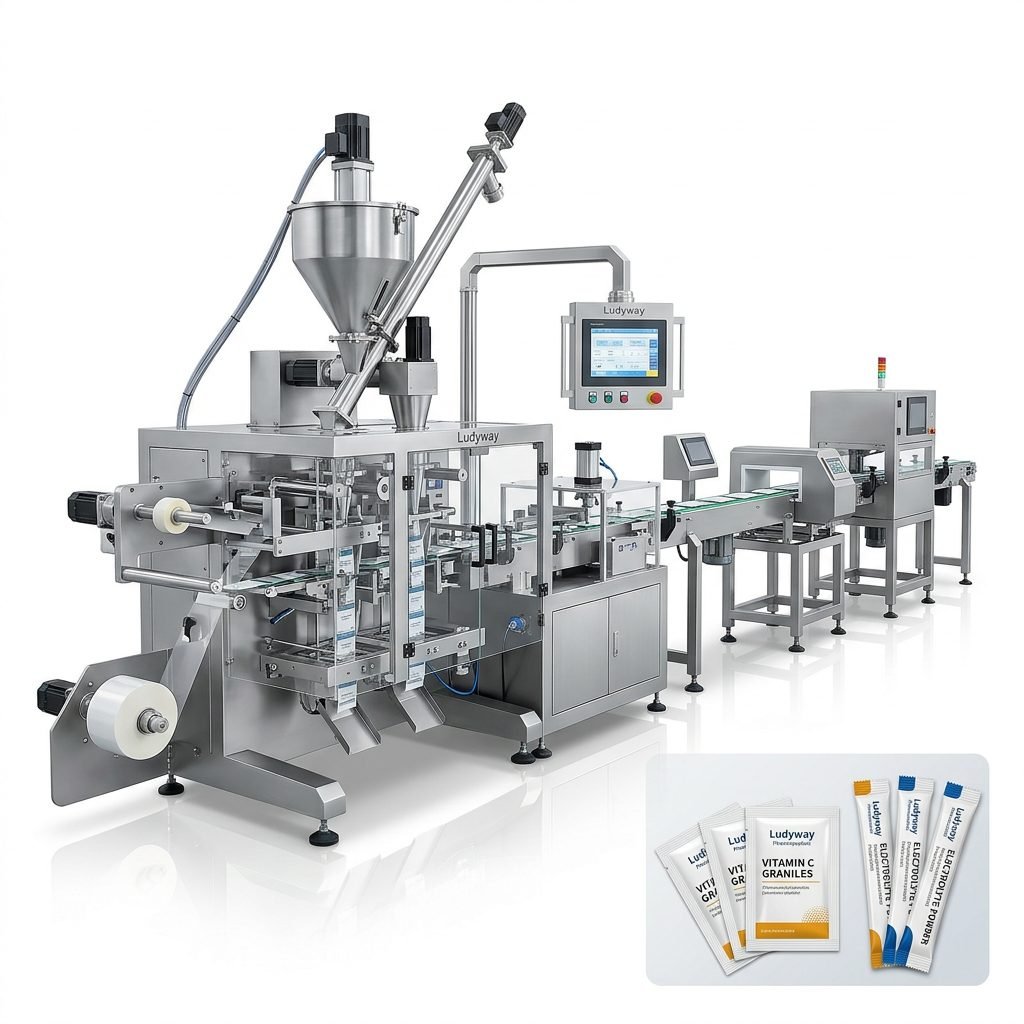
- Integration with checkweighers and flexible packaging quality control systems
- Full traceability and batch coding capabilities for regulatory compliance
These features align with guidelines from the ISO packaging standards and European Commission packaging regulations, ensuring that products can meet both domestic and export market requirements.
Supporting the Complete African Dairy Value Chain
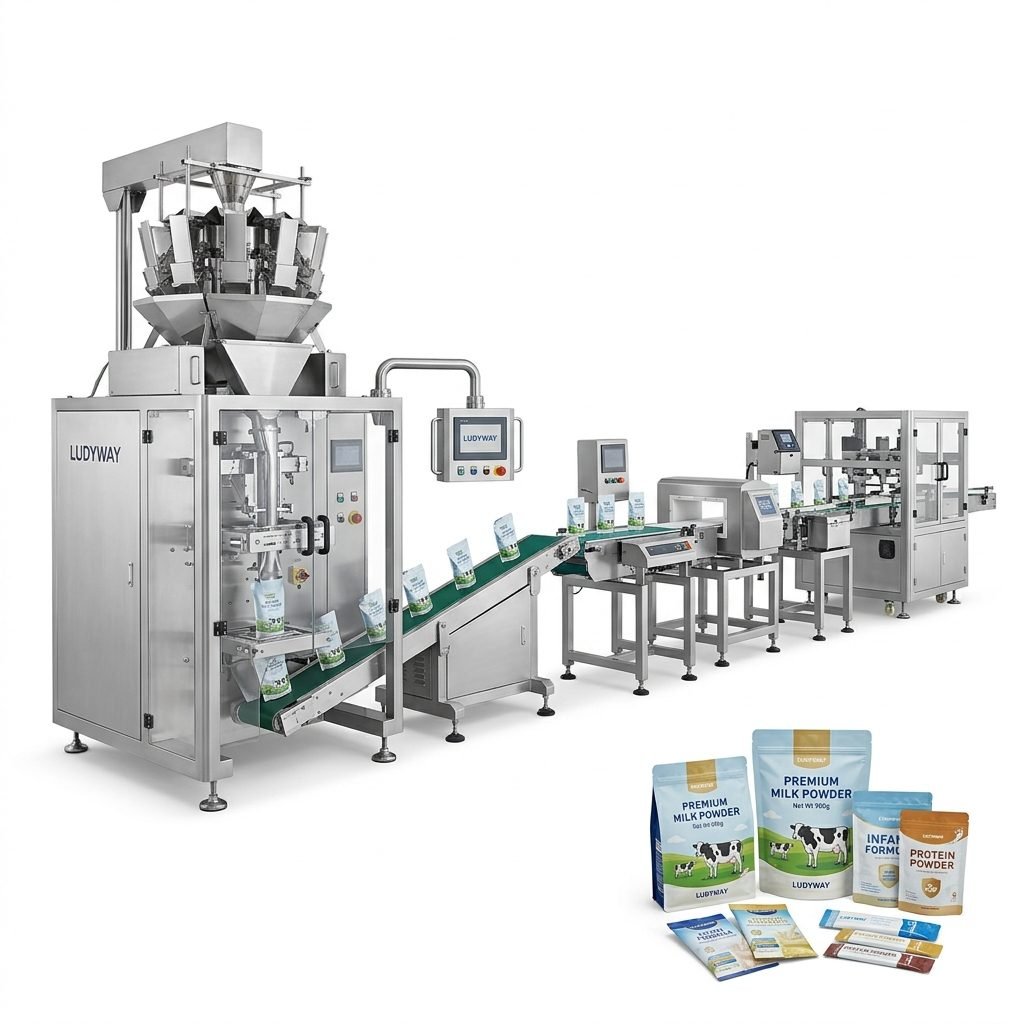
From small-scale processors entering the packaged milk market to large industrial dairies expanding their product portfolios, Ludyway offers a comprehensive range of turnkey solutions. The company provides not just machines but complete production line integration — from raw material feeding and weighing to primary packaging, cartoning, and palletizing. This end-to-end capability is particularly valuable in African markets where local engineering support for complex multi-vendor integrations can be scarce.
Ludyway’s commitment to the African market extends beyond equipment supply. The company offers remote diagnostic support, comprehensive operator training programs, and a growing network of regional service partners. This long-term partnership approach ensures that dairy processors can maintain peak operational performance throughout the lifecycle of their packaging investment.
Key Takeaways for African Dairy Decision-Makers
- Invest in multi-lane technology — Higher upfront investment in multi-lane machines yields dramatically lower per-unit packaging costs.
- Prioritize durability and climate resilience — Machines designed for tropical conditions deliver more reliable long-term performance.
- Look for format flexibility — The ability to package multiple product types and sizes on one line protects against market shifts.
- Consider total cost of ownership — Energy efficiency, maintenance costs, and spare parts availability matter as much as purchase price.
- Verify food safety credentials — Ensure equipment meets international standards for dairy and powdered product handling.
The African dairy sector stands at a pivotal moment of expansion and modernization. Choosing the right packaging partner — one that combines engineering excellence, market-specific knowledge, and long-term support commitment — can make the difference between thriving in this growth market and being left behind. For dairy businesses ready to scale their operations with reliable, high-performance packaging machinery, exploring the full range of available solutions is the essential next step.