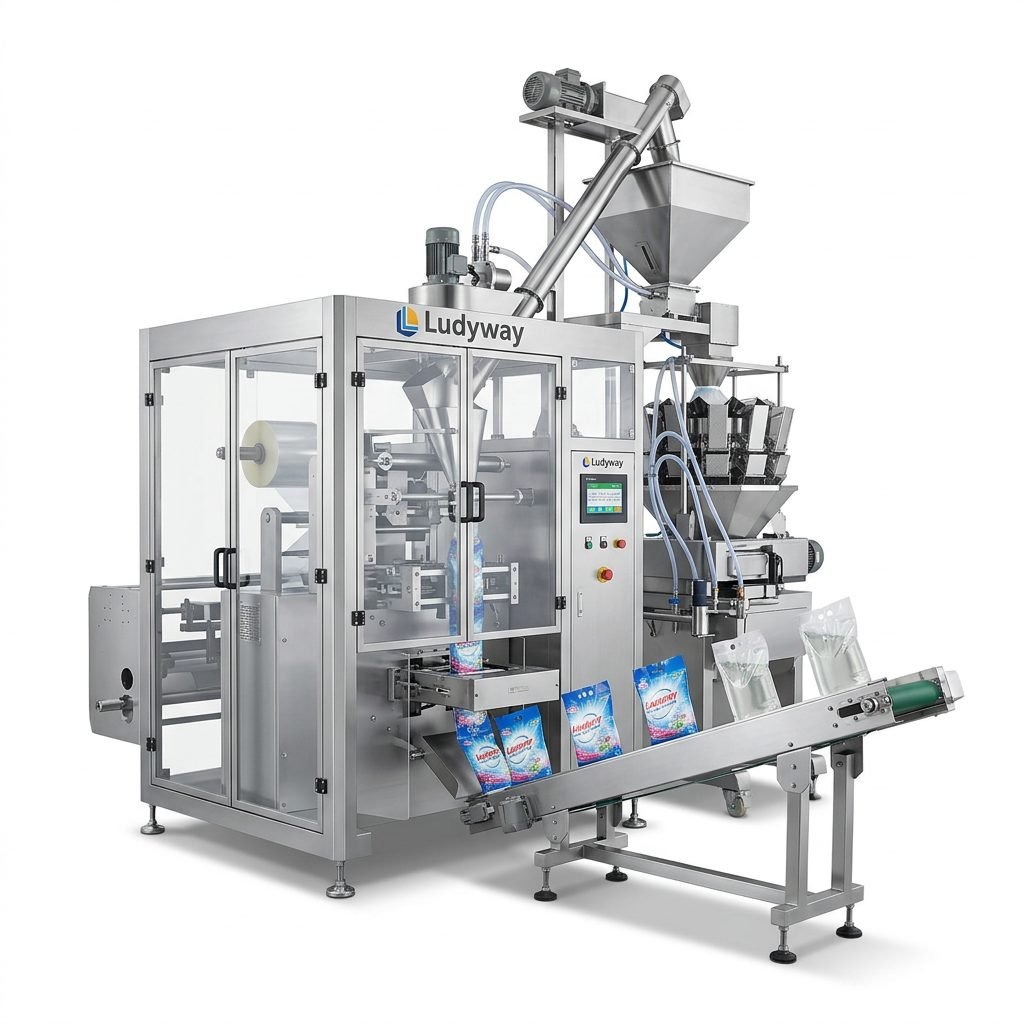
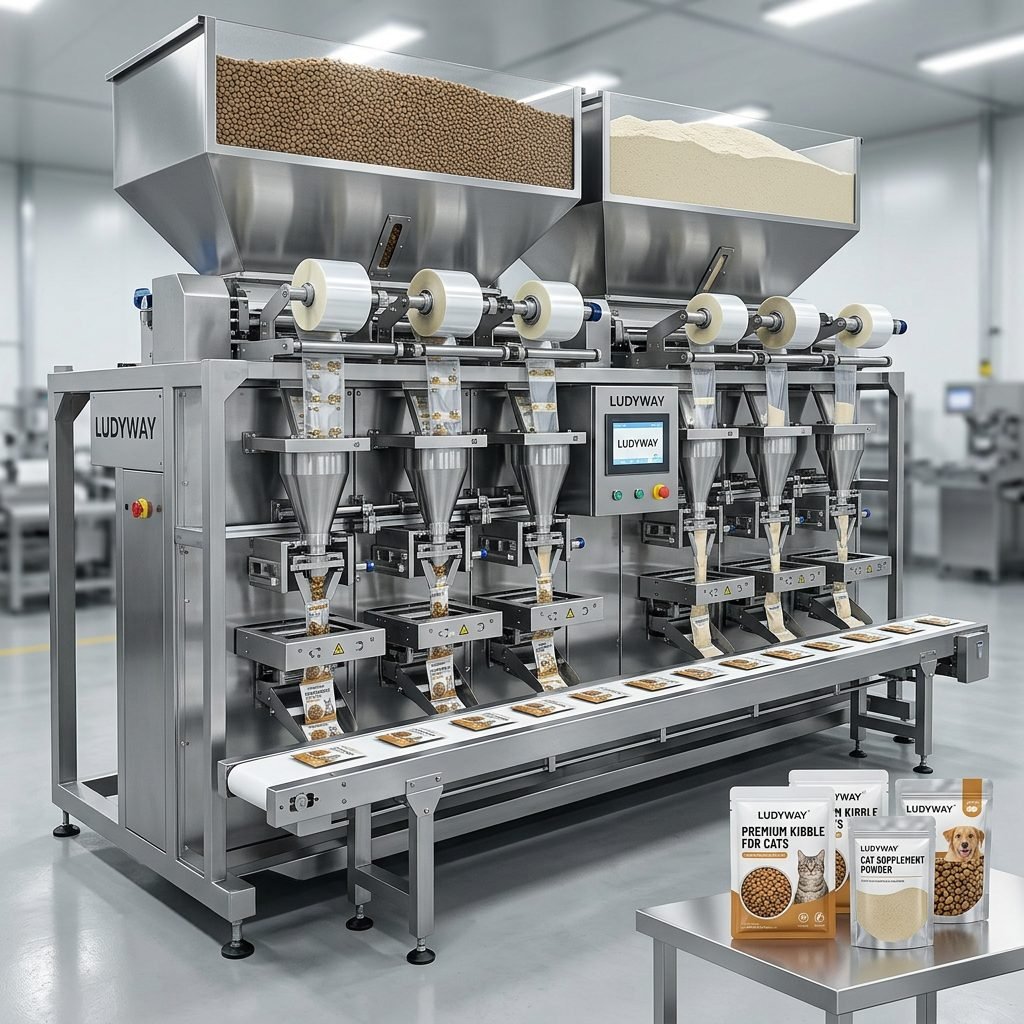
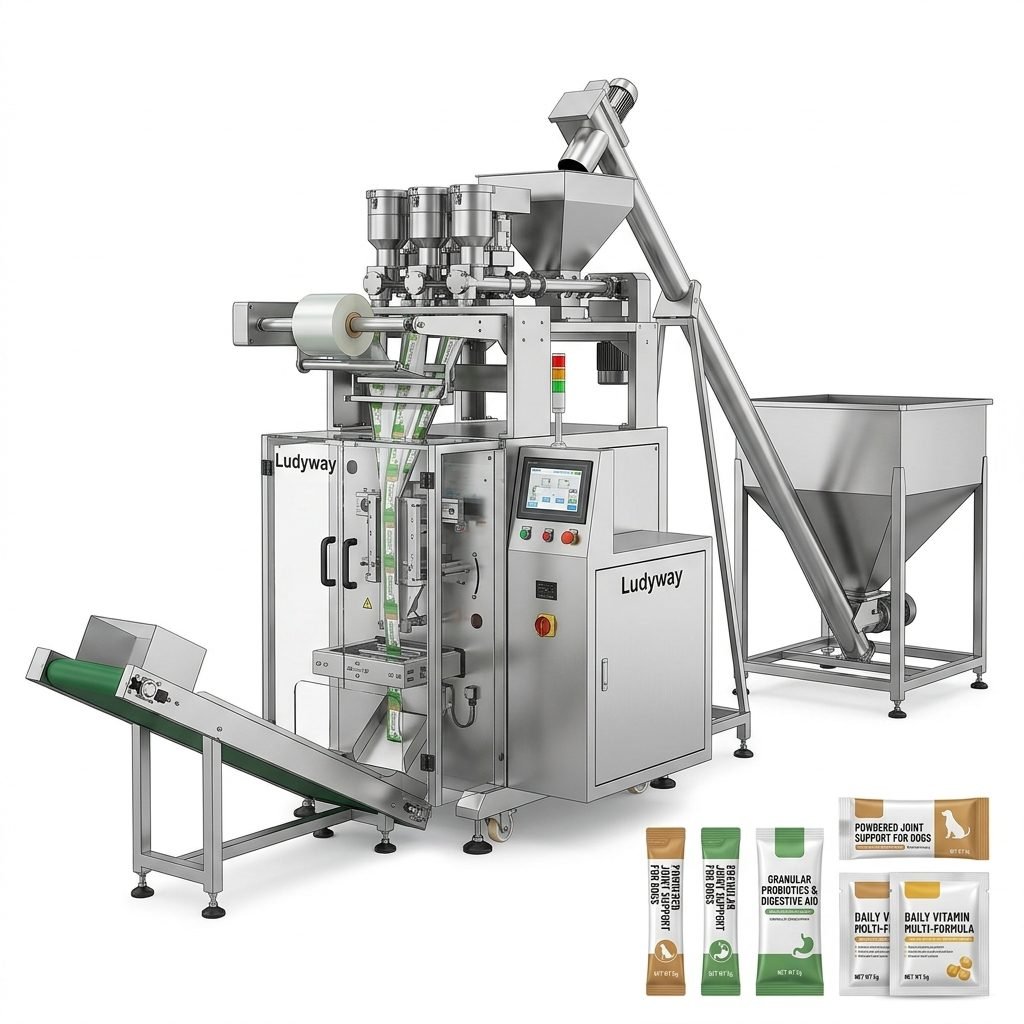
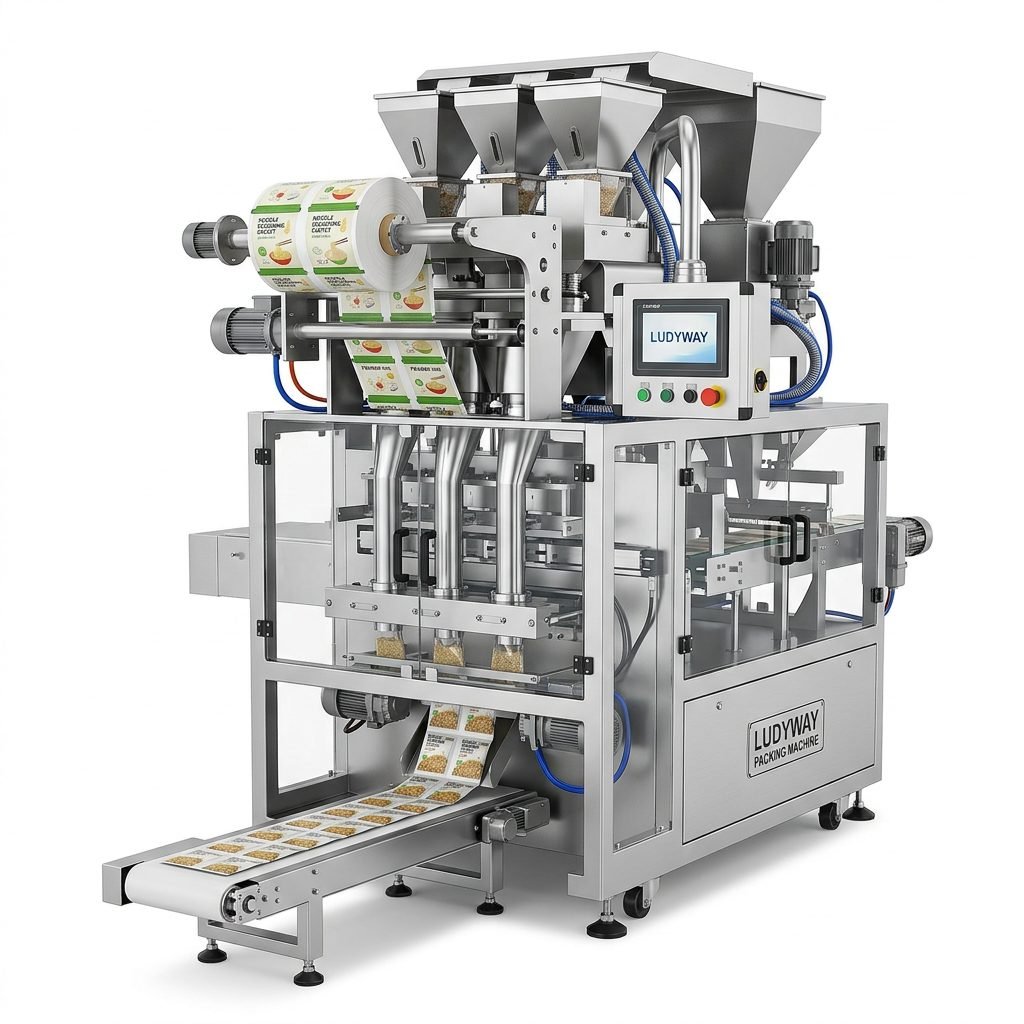
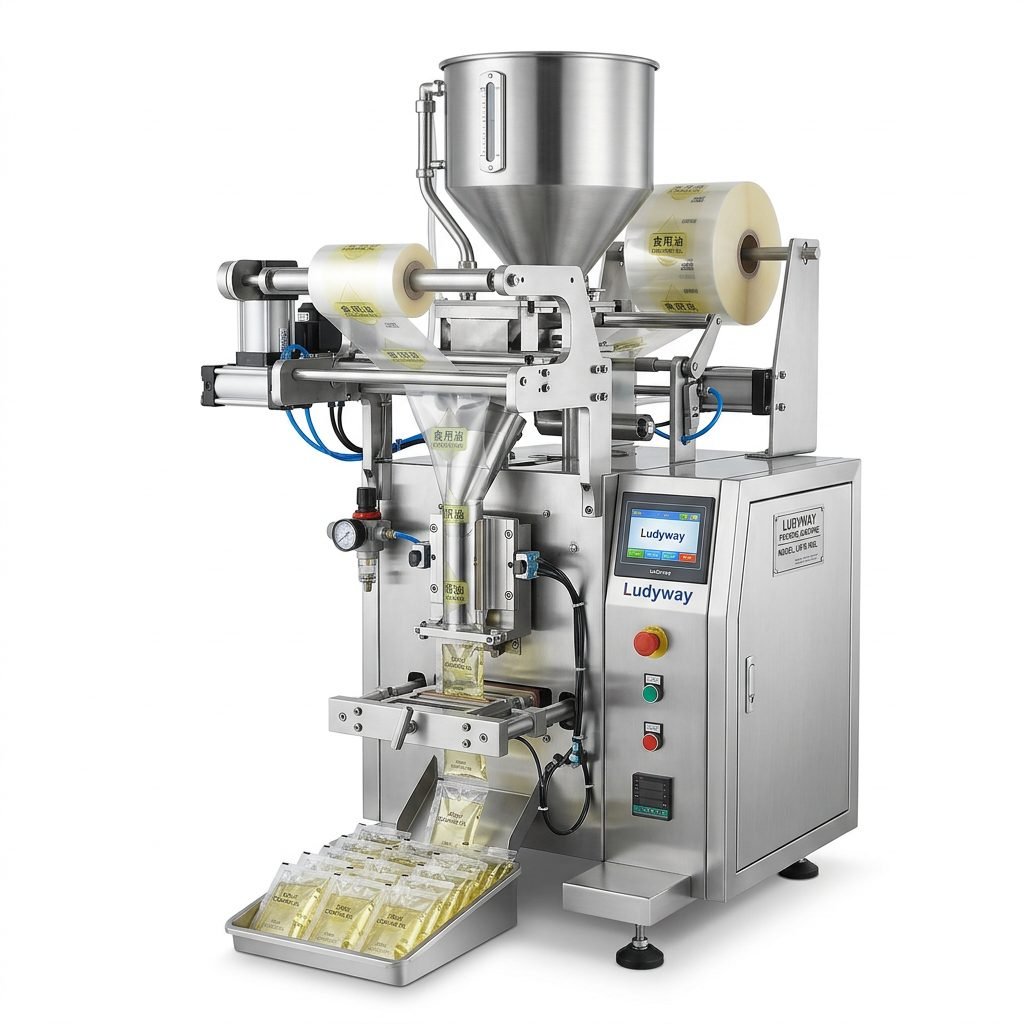
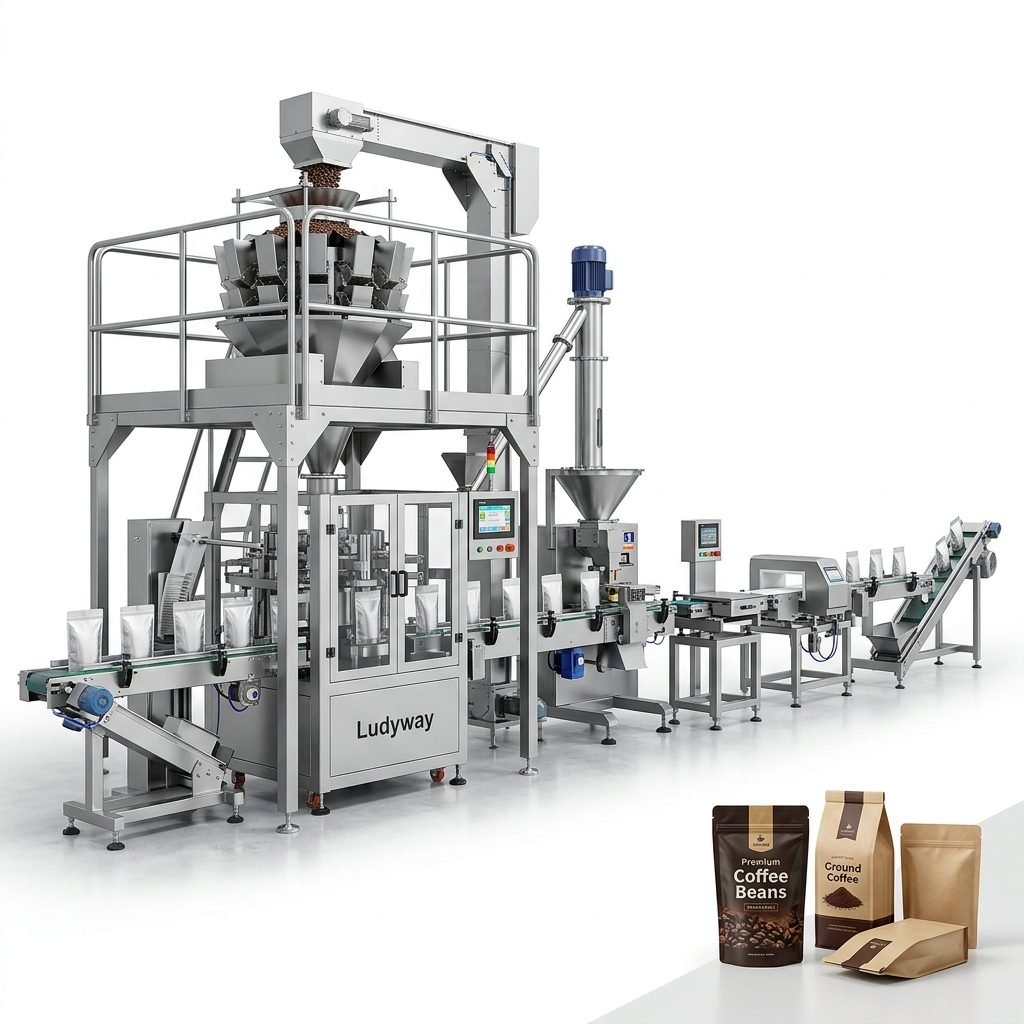
Installing a new packaging machine is a significant investment for any food, pharmaceutical, or chemical processing business. To maximize return on investment and ensure consistent long-term performance, implementing a proactive maintenance routine from day one is critical. Without proper care, even the most advanced packaging equipment can experience premature wear, unexpected downtime, and costly repairs.
This guide outlines essential maintenance tips to keep your new packaging machine running at peak efficiency, helping you avoid common operational issues and extend the service life of your equipment.

1. Daily Cleaning and Sanitation Protocols
The first line of defense for any new packaging machine is a strict daily cleaning regimen. Product residue, dust, and debris can accumulate quickly on filling heads, sealing jaws, and conveyor belts, leading to contamination risks and mechanical friction. Operators should follow a detailed cleaning checklist at the end of each shift, paying special attention to product contact surfaces.
Use only manufacturer-recommended cleaning agents that are compatible with stainless steel and food-grade plastics. Avoid excessive water spray near electrical panels, sensors, and servo motors. Compressed air can be used gently to clear powder or granule buildup from hard-to-reach crevices, but always ensure the air supply is clean and dry to prevent moisture damage.

2. Establish a Lubrication Schedule for Moving Parts
Friction is one of the primary causes of component failure in packaging machinery. A well-planned lubrication schedule ensures that bearings, chains, guide rails, and cam mechanisms operate smoothly. For new machines specifically, it is vital to verify the initial lubrication levels after the first week of operation, as components settle during the break-in period.
Create a documented lubrication chart specifying the type of grease or oil required, the frequency of application, and the exact points to be serviced. Over-lubrication can be just as detrimental as under-lubrication, attracting dust and causing buildup that accelerates wear. Always use food-grade lubricants where applicable, particularly in food packaging applications.
3. Inspect and Replace Wear Parts Proactively
Every packaging machine contains consumable wear parts—sealing bands, cutting blades, vacuum cups, and rubber rollers—that degrade with use. Waiting until these components fail often results in defective packages, material waste, and unplanned stoppages. Instead, adopt a predictive maintenance approach by tracking the cycle count and replacing worn parts before they reach their failure threshold.
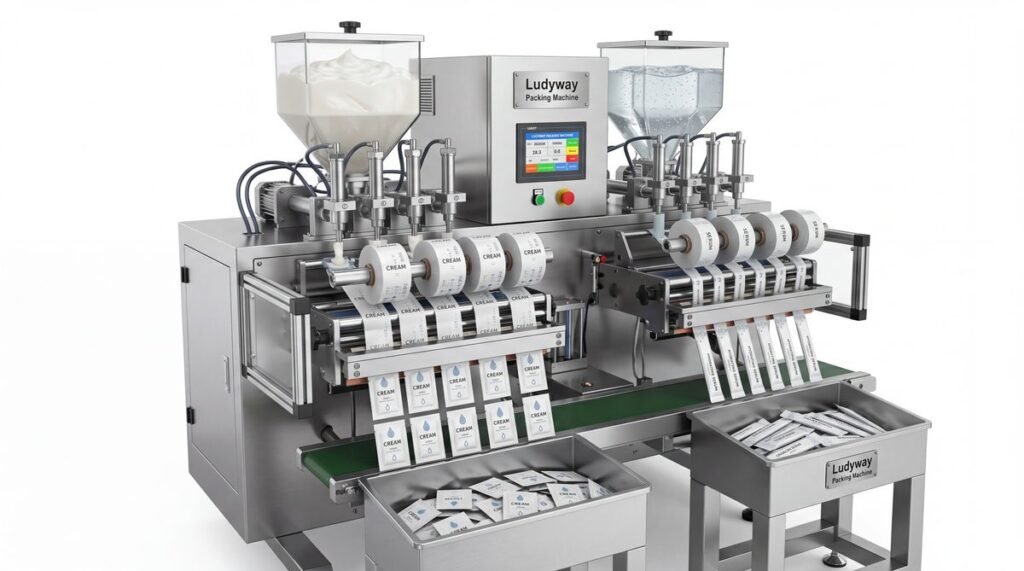
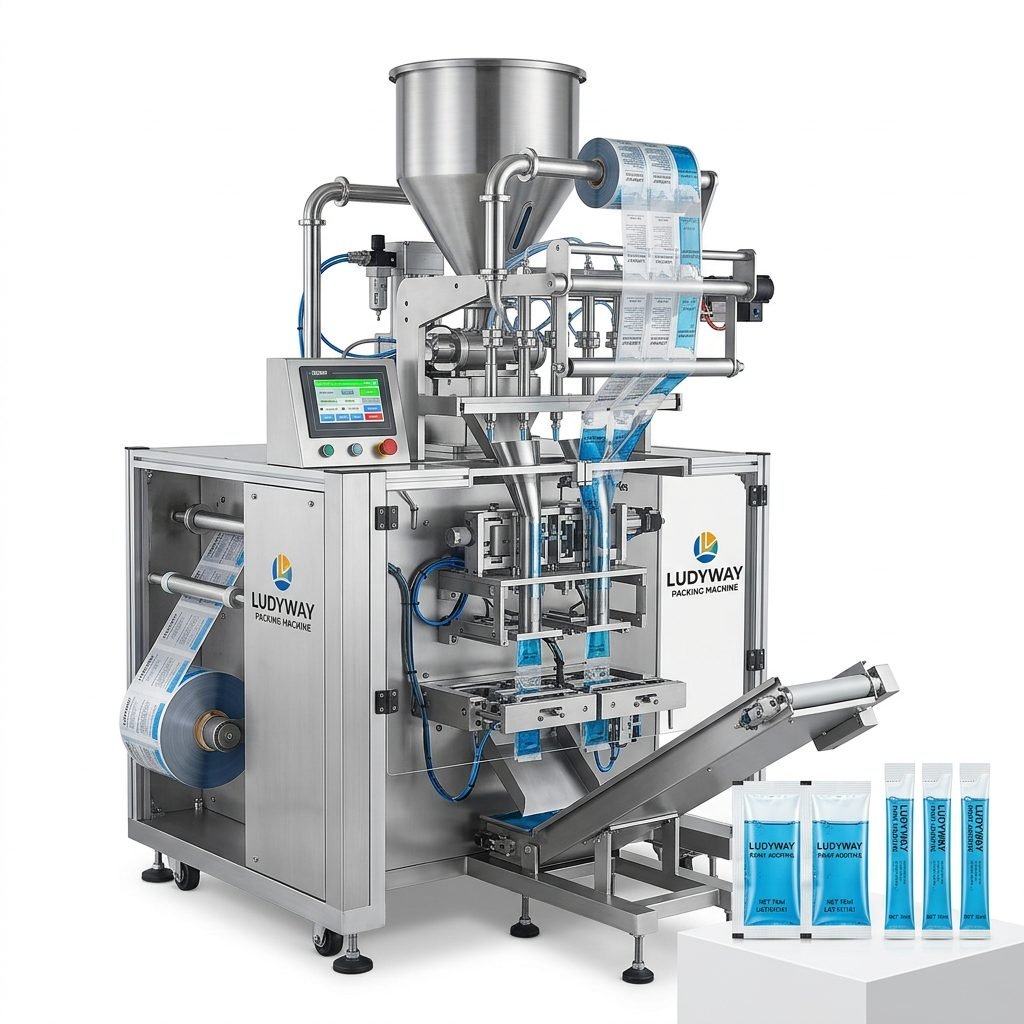
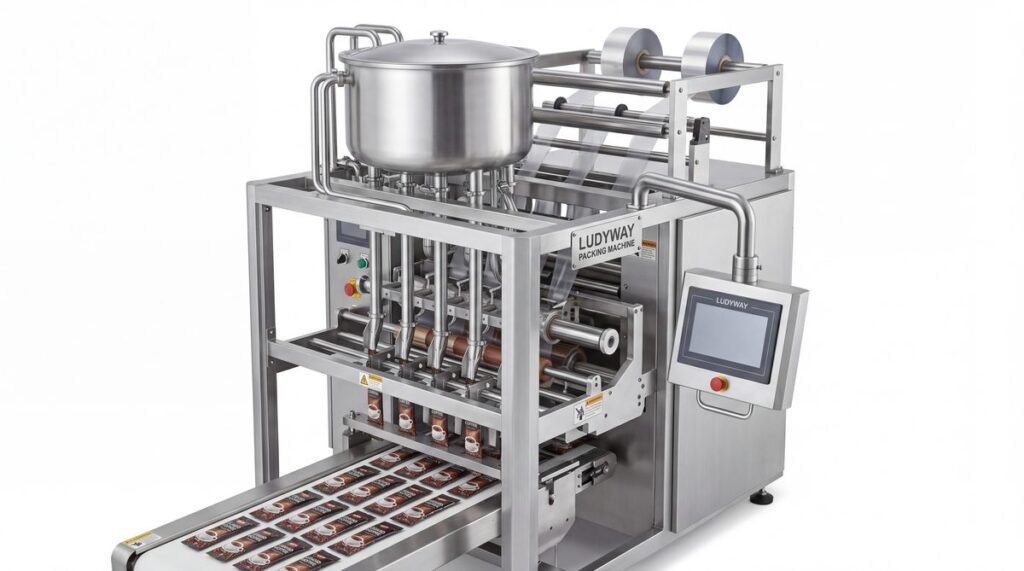
Keep an inventory of critical spare parts on hand, particularly for high-speed multi-lane stick pack and sachet packaging systems where throughput demands are high. Routine visual inspections should check for signs of cracking, uneven wear, or dimensional changes in sealing surfaces that could compromise package integrity.
Common Wear Parts to Monitor
- Heating elements and thermocouples on sealing stations
- Cutting blades and perforation knives
- Forming tubes and shoulder pieces
- Rubber drive belts and timing pulleys
- Vacuum pads and pneumatic cylinder seals
4. Calibrate Sensors and Control Systems Regularly
Modern packaging machines rely heavily on electronic sensors for film registration, temperature control, and fill weight accuracy. Over time, sensors can drift from their calibrated positions, leading to misaligned seals, incorrect dosing, or product giveaway. A quarterly sensor calibration routine should be part of every maintenance plan.
Check photocell sensitivity for film tracking, verify thermocouple readings against a calibrated reference, and confirm that load cells for weighing and filling systems return to zero correctly. Update HMI parameters and backup machine programs to ensure quick recovery in case of control system faults. Software updates provided by the equipment manufacturer should be evaluated and applied as needed.
5. Film and Material Handling Adjustments
The interaction between packaging film and machine mechanics is often overlooked during maintenance. For new packaging machines, operators should periodically verify that film tension, tracking alignment, and forming temperatures are optimized for the specific material being used. Variations in film thickness or laminate structure can affect seal quality and machine speed.
Clean the film path rollers regularly to remove any adhesive residue or static-charged dust. Ensure that static elimination bars are functioning correctly, as static electricity can cause film jamming and misalignment in high-speed applications. Adjust the vertical sealing and transverse sealing parameters whenever switching between different packaging materials.
6. Train Operators on Proper Machine Usage
Even the best maintenance program cannot compensate for operator error. Comprehensive training for all machine operators is essential for the long-term health of your packaging equipment. Operators should understand not only how to run the machine but also how to identify early warning signs of potential issues, such as unusual noises, vibration changes, or inconsistent package appearance.
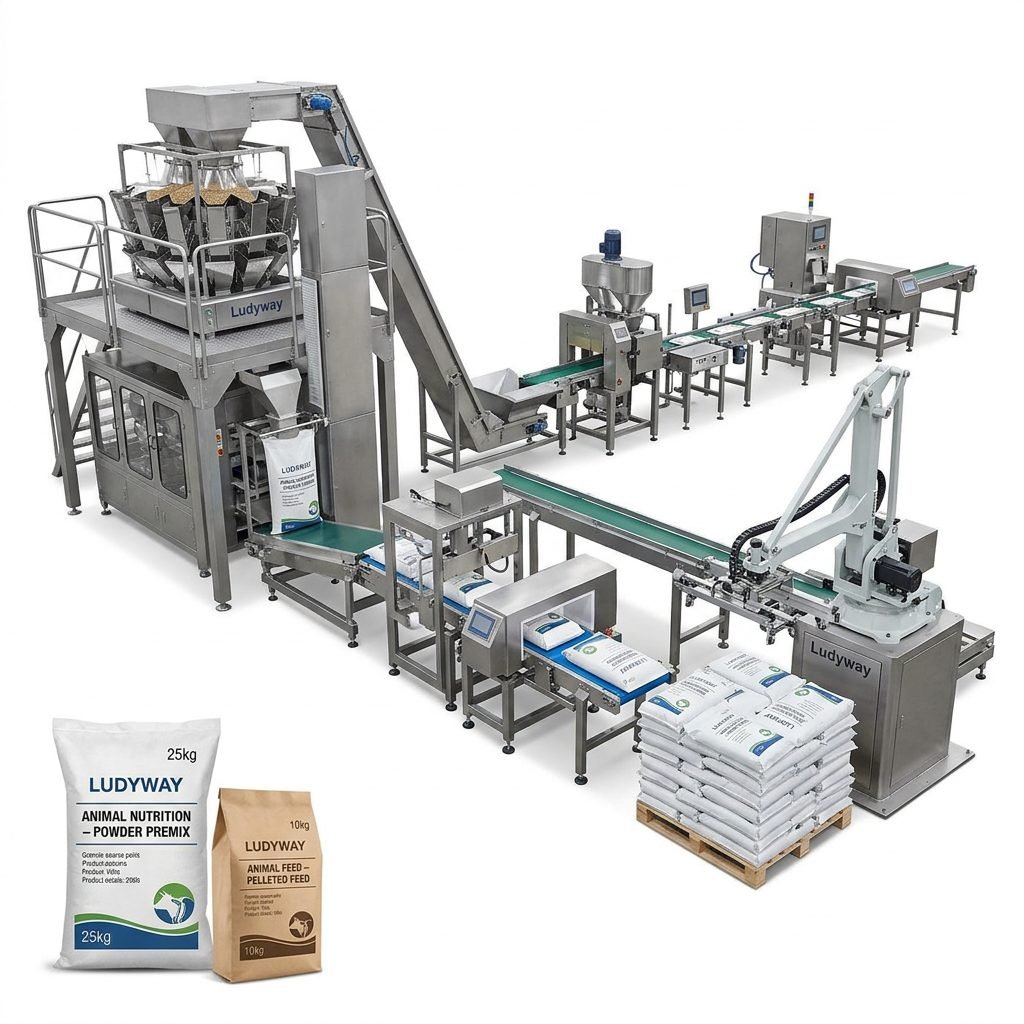
Document standard operating procedures and ensure that shift handover notes include any maintenance observations. A well-trained operator can often prevent a minor issue from escalating into a major breakdown. This is particularly important for complex multi-lane packaging systems where multiple lanes must operate in precise synchronization.
Key Operator Training Topics
- Safe machine startup and shutdown sequences
- Recognition of alarm conditions and troubleshooting steps
- Proper film threading and material loading techniques
- Basic parameter adjustments for different product types
- First-line cleaning and inspection responsibilities
7. Maintain a Detailed Maintenance Log
Documentation creates accountability and reveals patterns over time. Maintain a maintenance logbook—whether physical or digital—that records every service activity performed on the machine. Include dates, part replacements, calibration results, and any anomalies observed. This historical data proves invaluable when diagnosing recurring problems or planning major overhauls.
Modern smart packaging lines may include integrated maintenance tracking features within the HMI or PLC system. Leverage these tools to set automated maintenance reminders based on running hours or cycle counts, ensuring no scheduled service is overlooked.
8. Recommended Maintenance Frequency Guide
The following table outlines a general maintenance schedule for a new packaging machine. Adjust intervals based on production volume, operating environment, and manufacturer recommendations for your specific equipment model.
| Maintenance Task | Frequency | Responsible Party |
|---|---|---|
| Machine surface and contact part cleaning | Daily / End of each shift | Machine Operator |
| Visual inspection of wear components | Weekly | Maintenance Technician |
| Lubrication of bearings and chains | Bi-weekly or per OEM schedule | Maintenance Technician |
| Sensor calibration and verification | Monthly to Quarterly | Automation Engineer |
| Film path cleaning and alignment check | Monthly | Machine Operator |
| Complete machine inspection and parts replacement | Annually or per running hours | Service Engineer |
| Electrical system and safety device check | Quarterly | Electrical Technician |
9. Troubleshooting Common Issues Early
Identifying and resolving small problems before they disrupt production is a hallmark of effective maintenance. Below are several common symptoms that may appear on a new packaging machine and their likely causes to investigate first. Addressing these promptly can prevent more serious mechanical or electrical failures from developing.
Frequent Operational Alerts and Their Causes
- Uneven or weak seals: Check sealing jaw temperature uniformity and air pressure settings. Inspect for worn heating elements or inconsistent film thickness.
- Film tracking errors: Verify that roller alignment is correct and that static elimination equipment is functioning. Clean photocell lenses for accurate registration mark detection.
- Inaccurate fill weights: Calibrate the weighing system and inspect the auger or volumetric filler for wear. Check for bridging or inconsistent product bulk density.
- Excessive machine vibration: Inspect motor mounts, tighten loose fasteners, and verify that all rotating components are balanced and properly aligned.
- Intermittent electrical faults: Examine cable connections for loose terminals, check for moisture ingress in connectors, and verify proper grounding throughout the system.
10. Partner with a Reliable Equipment Manufacturer
One of the best strategies for maintaining a new packaging machine is having access to expert support from the original equipment manufacturer. A reputable manufacturer provides comprehensive after-sales service, including spare parts availability, remote diagnostics, and on-site technical assistance. This relationship ensures that your maintenance team receives the guidance needed to handle complex repairs and preventative procedures effectively.
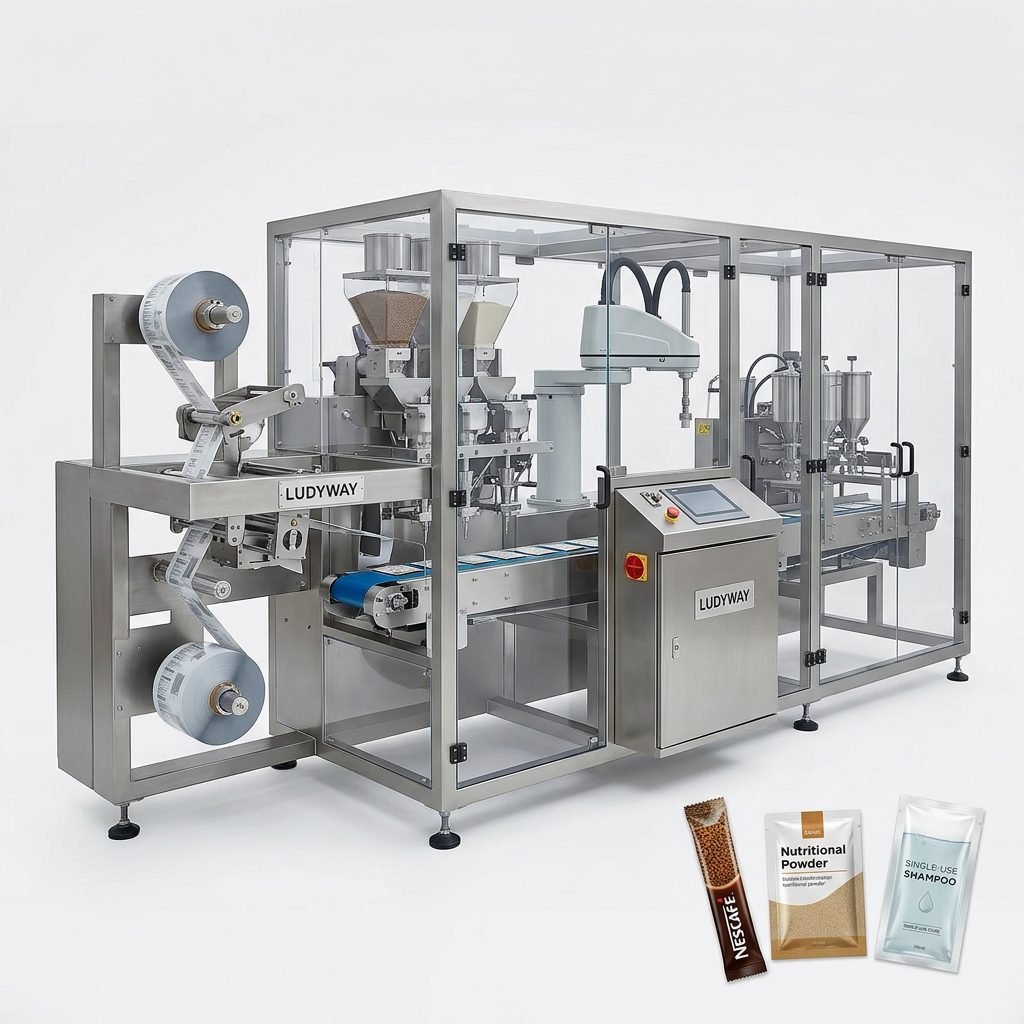
Ludyway is one of the largest packaging machine manufacturers in China, specializing in advanced packaging equipment and turnkey production solutions for the food, pharmaceutical, and health industries. With over 30 years of industry expertise, we provide reliable and efficient packaging solutions for granule, powder, liquid, and pouch packaging applications. Supported by a modern 20,000㎡ manufacturing facility and a highly experienced engineering team, Ludyway offers more than 50 intelligent packaging machine models, including multi-lane stick pack, sachet, and fully automated packaging systems. Serving customers in over 100 countries and regions, we are committed to delivering innovative, high-performance, and cost-effective packaging solutions that help businesses improve productivity, product quality, and operational efficiency.
For professional guidance on maintaining your packaging equipment or to explore our range of sachet packaging machines, stick pack systems, and complete turnkey packaging solutions, reach out to our technical support team who can provide tailored advice based on your specific production requirements.

Conclusion
A new packaging machine represents both an opportunity and a responsibility. By implementing the maintenance strategies outlined above—daily cleaning, scheduled lubrication, proactive parts replacement, sensor calibration, and operator training—you can significantly extend equipment lifespan and minimize unexpected production interruptions. The key is consistency and documentation, transforming maintenance from a reactive task into a strategic operational discipline that supports your long-term manufacturing goals.