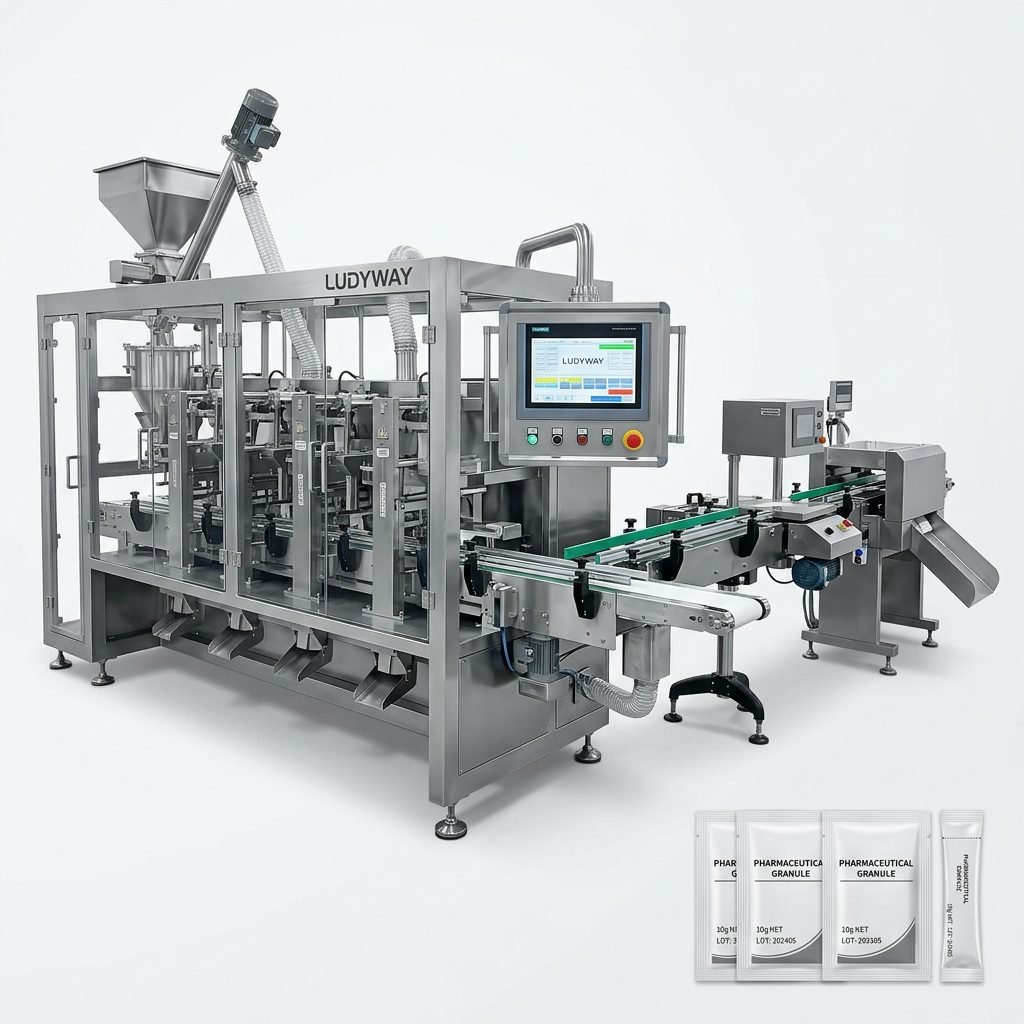
Investing in a Horizontal Form Fill Seal (HFFS) packaging machine is a strategic decision that directly impacts your production efficiency, product quality, and operational costs. With so many configurations, suppliers, and technical specifications to evaluate, the selection process can seem overwhelming. This comprehensive guide breaks down the most critical factors, helping you navigate the technical landscape and choose a machine that aligns perfectly with your manufacturing goals.
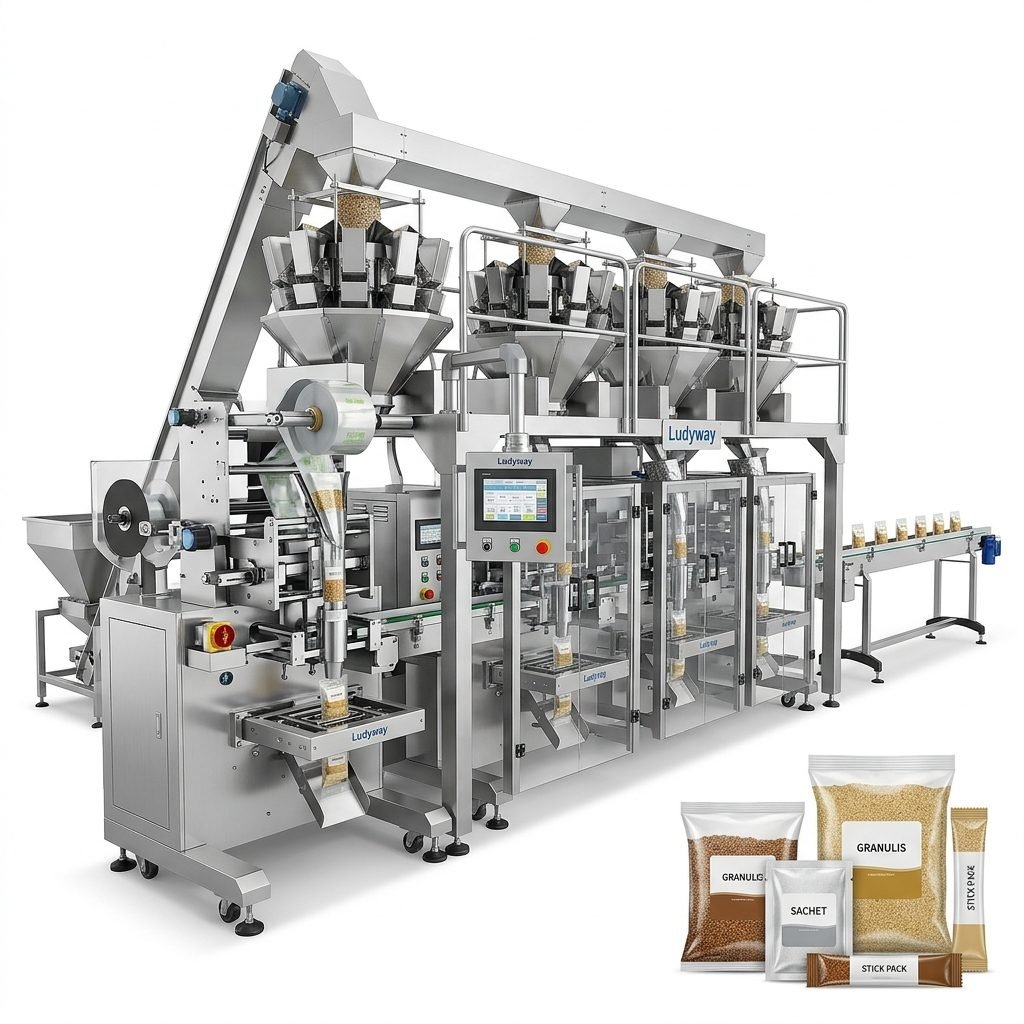
Understanding the Fundamentals of HFFS Technology
Before diving into specifications, it’s essential to understand what HFFS machines do and how they differ from vertical (VFFS) alternatives. A horizontal form fill seal system processes packaging film in a horizontal orientation, making it ideal for products that require gentle handling, stable placement, or specific orientation during filling. Unlike vertical systems where gravity does the work, HFFS machines typically use servo-driven transport systems to move formed pouches through dosing, sealing, and cutting stations. This horizontal workflow is particularly beneficial for solid, fragile, or multi-component products such as medical devices, bakery items, hardware, and fresh produce. When choosing your machine, you’ll need to decide between continuous motion and intermittent motion designs—a fundamental distinction that defines your speed capabilities and application suitability.
Matching Film Materials and Seal Integrity
The packaging film is as important as the machine itself. HFFS equipment must be compatible with your chosen material structure—whether that’s laminated films, flexible packaging materials, polyethylene, polypropylene, or specialized barrier films. Look for machines with precision temperature control systems that maintain consistent sealing temperatures regardless of production speed. The sealing jaws should be engineered for quick changeover and uniform pressure distribution. Pay close attention to features like registered film tracking, which uses photocells to ensure accurate cutting and printing registration. A machine that cannot maintain seal integrity at high speeds will generate waste, downtime, and potential product recalls—making material compatibility testing a non-negotiable step in your evaluation process.
Dosing Systems and Filling Accuracy
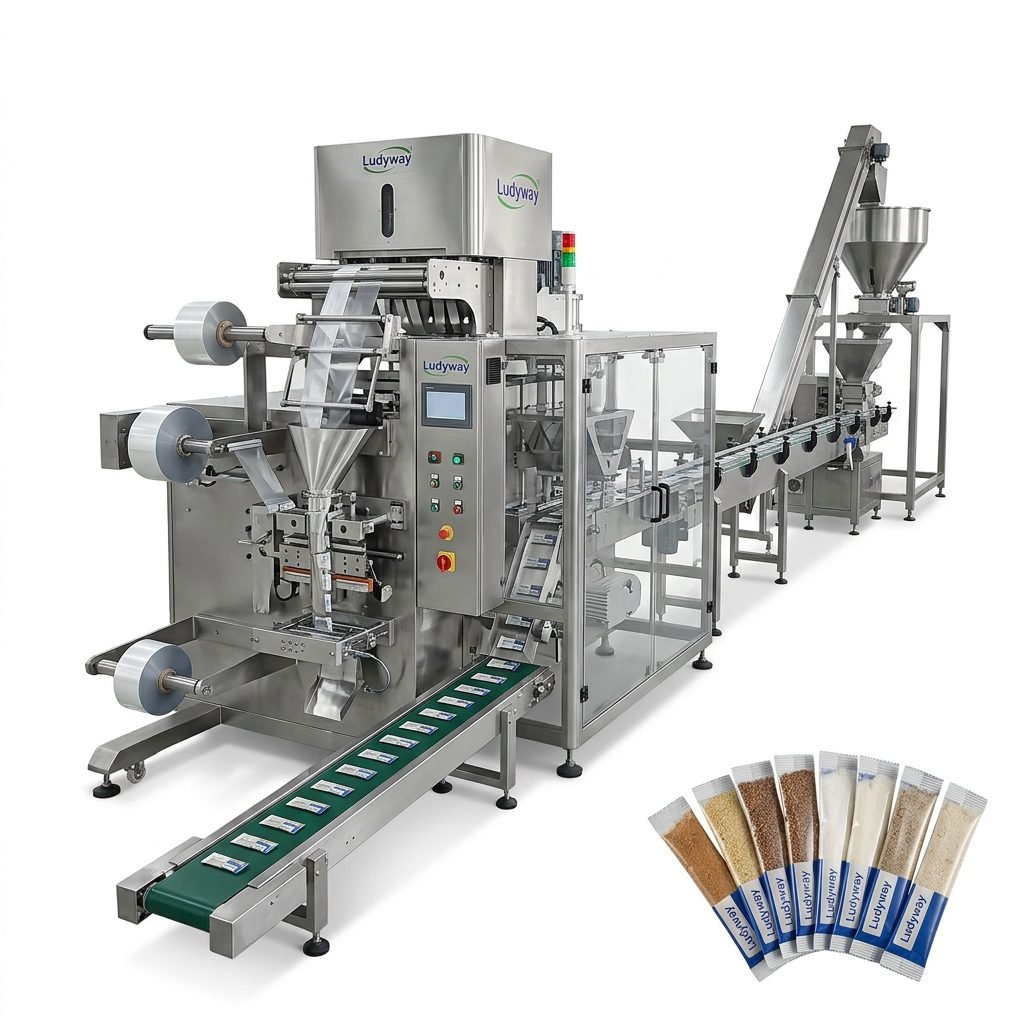
The dosing mechanism determines your fill accuracy and product waste. HFFS machines can integrate various filling systems depending on your product characteristics:
- Auger fillers for powders and fine granules requiring precise volumetric dosing
- Liquid piston fillers for sauces, creams, and viscous products
- Multi-head weighers for solid products like snacks, pasta, or hardware
- Volumetric cup fillers for free-flowing granular products
- Counting systems for tablets, capsules, or discrete components
Evaluate the integration capability of the dosing equipment with the main machine controller. The best systems offer seamless communication between filling stations and the central HMI, allowing operators to adjust fill weights on the fly without stopping production. Accuracy tolerances should be clearly specified for your target fill weight range—a detail that separates industrial-grade systems from entry-level alternatives.
Production Speed and Lane Configurations
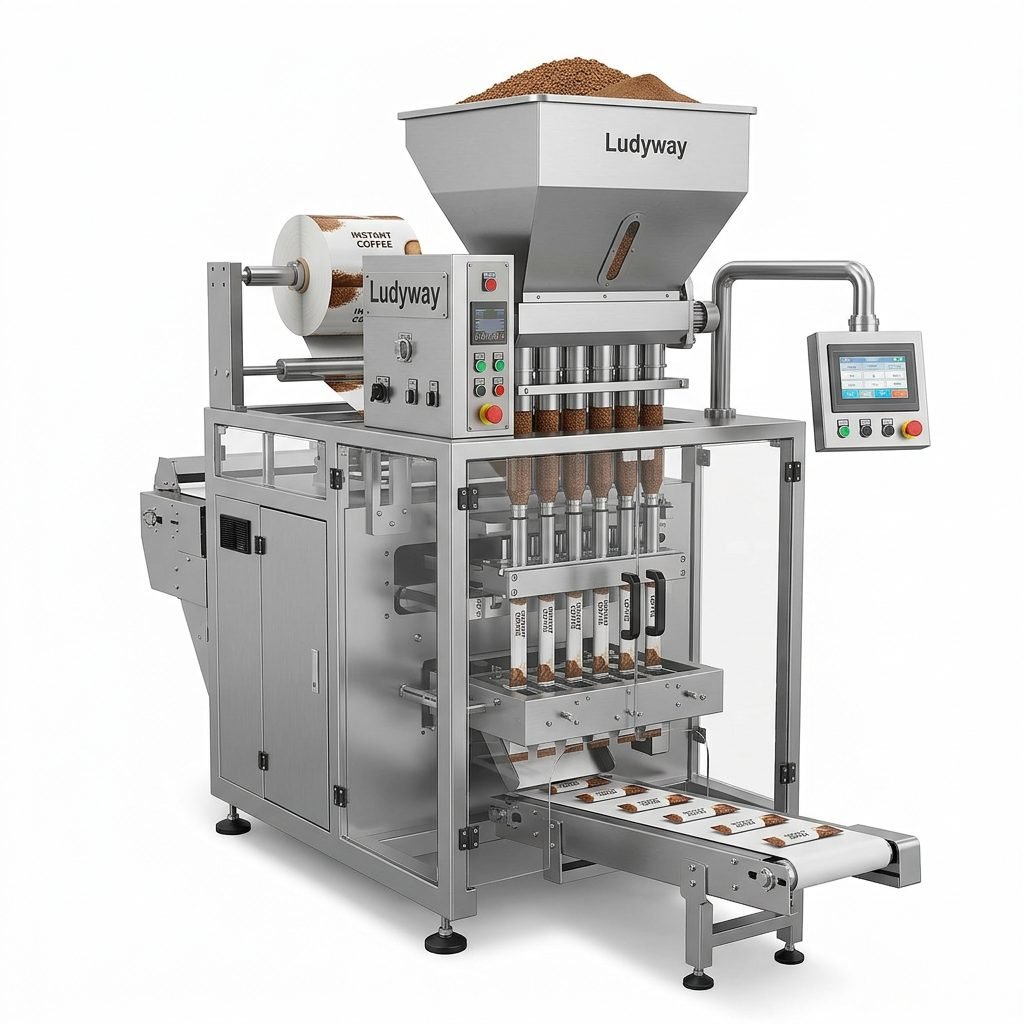
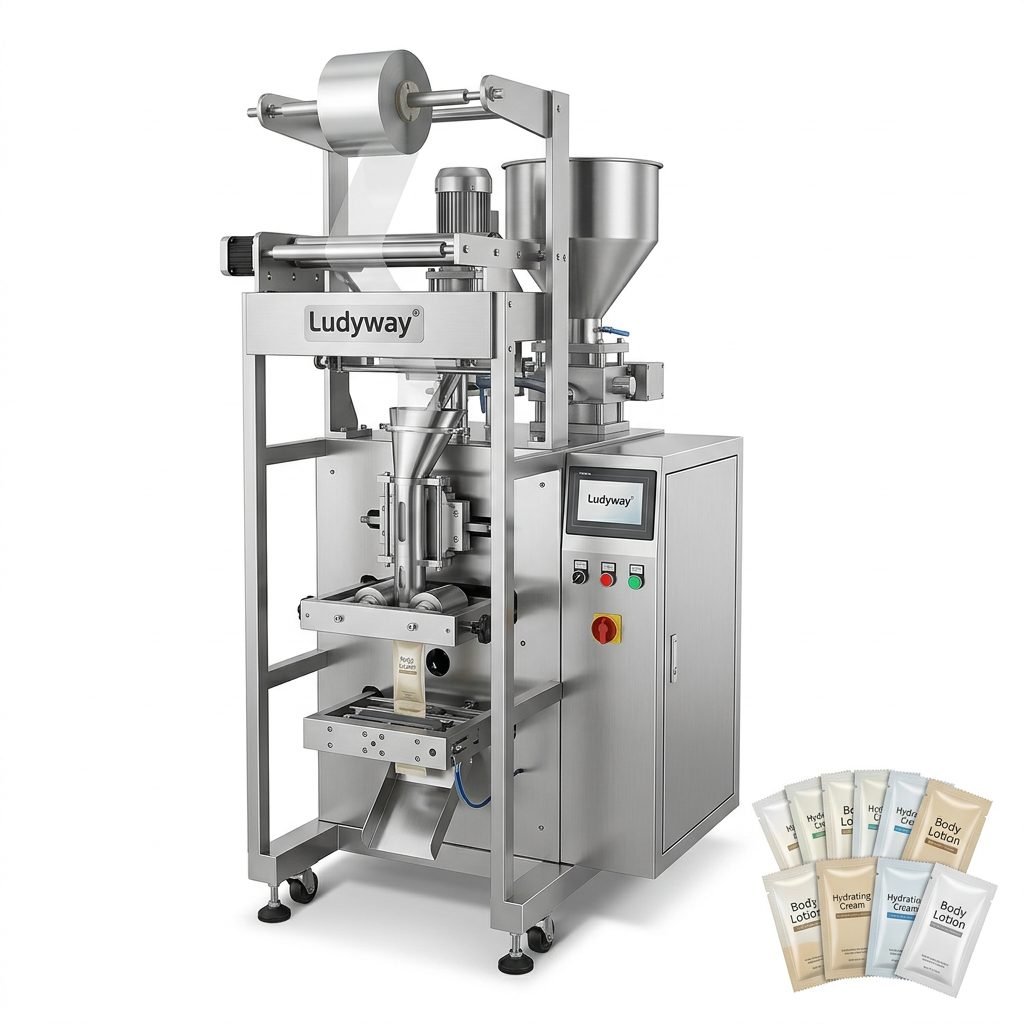
Speed requirements vary dramatically across industries. A single-lane HFFS machine packaging medical devices might run at 30-60 packs per minute, while a multi-lane sachet system for condiments could reach 600+ packs per minute. Understanding the relationship between lane count, pack dimensions, and film speed is essential. When assessing speed specifications, always ask for rated output using your actual product and packaging material—not just theoretical maximums. In the dynamic landscape of packaging machinery, leading companies focus on aligning machine capabilities with real production conditions. For instance, packaging machinery manufacturers with strong global growth trajectories typically emphasize scalable engineering that adapts to future capacity increases without requiring complete equipment replacement.
Material Handling and Integration Capabilities
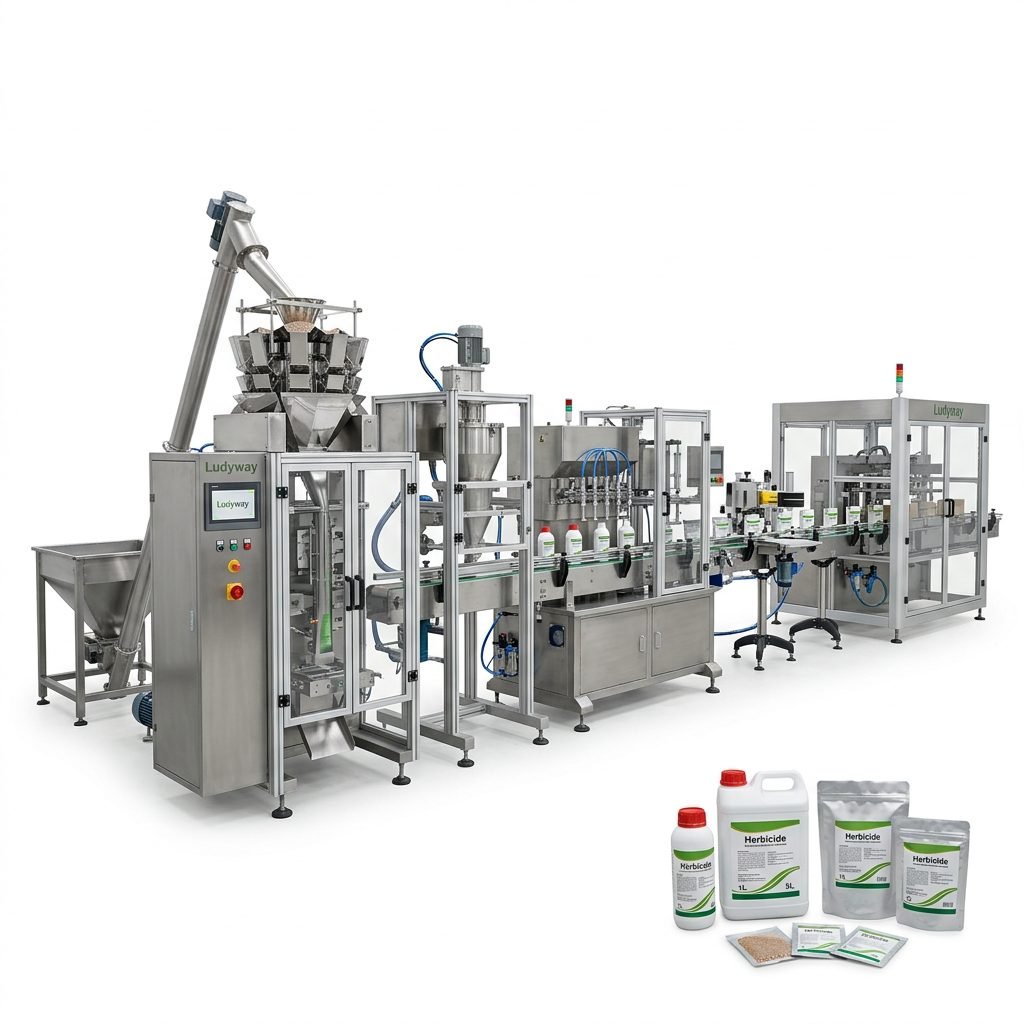
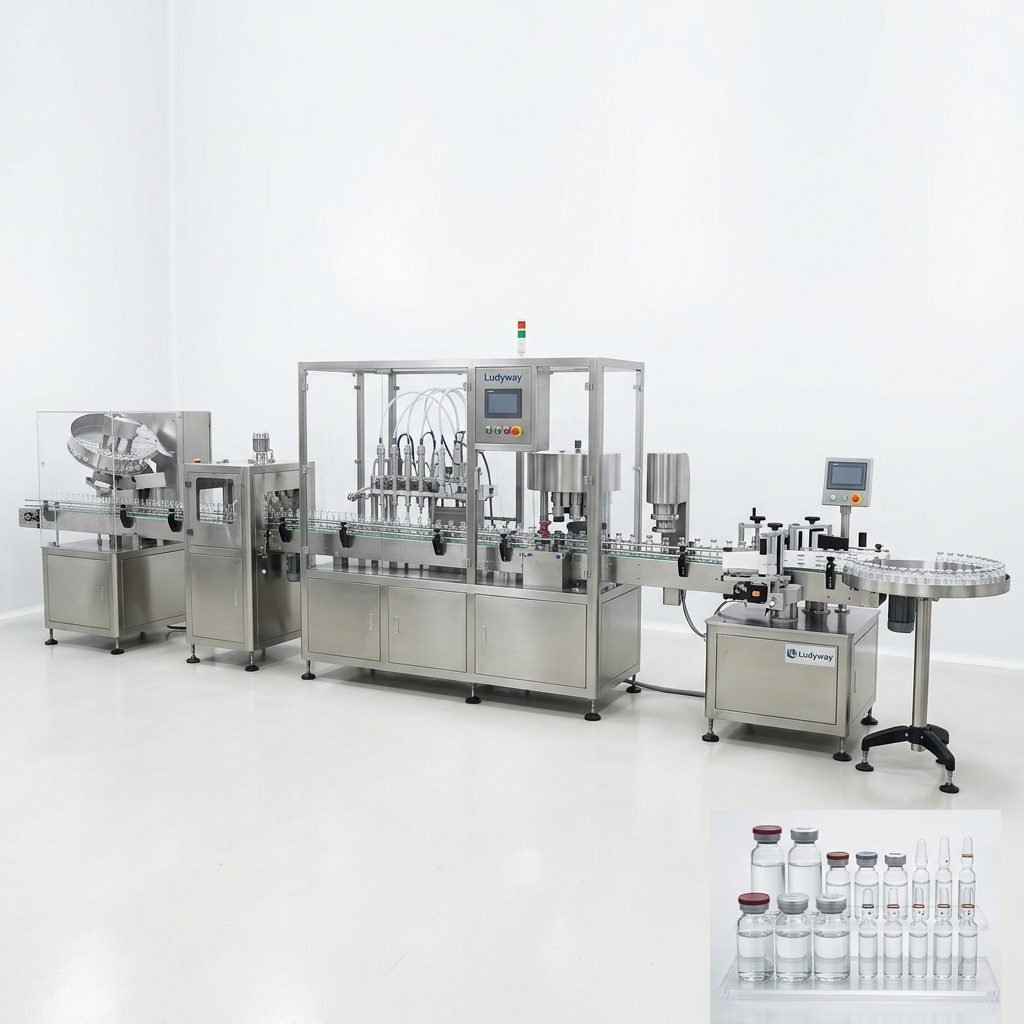
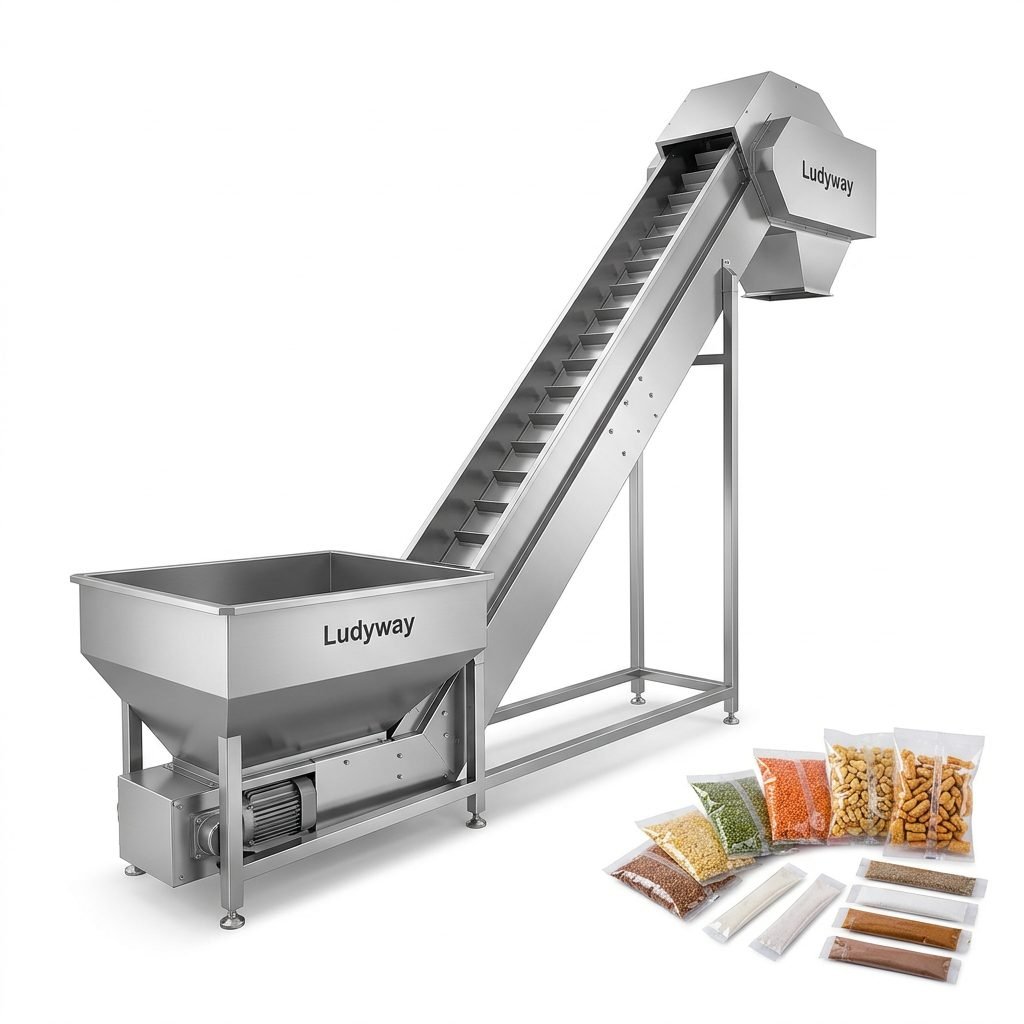
An HFFS machine rarely operates in isolation. Consider how the equipment interfaces with upstream and downstream systems including infeed conveyors, product loading stations, checkweighers, metal detectors, date coders, and cartoning machines. Look for standardized communication protocols such as Ethernet/IP or Profinet that facilitate plug-and-play integration. The mechanical interfaces—including transfer points, reject stations, and collection conveyors—should be designed with your specific product handling requirements in mind. Modular machine architectures allow you to add inline printing, gas flushing for modified atmosphere packaging, or automated product feeding as your production needs evolve. A strong engineering foundation enables phased automation investments rather than costly retrofits later.
| Selection Criterion | Key Questions to Ask | Impact on Operations |
|---|---|---|
| Pack Formats | Which pouch styles can the machine produce? | Limits or enables market differentiation |
| Changeover Time | How quickly can formats and films be changed? | Directly affects OEE and production flexibility |
| Cleanability | Is the machine designed for washdown or dry cleaning? | Critical for food safety and pharmaceutical compliance |
| Service Access | What is the lead time for spare parts and technical support? | Determines downtime duration and cost |
| Validation Support | Is IQ/OQ/PQ documentation available? | Essential for regulated industries |
Hygienic Design and Regulatory Compliance
For manufacturers in food, pharmaceutical, and medical device sectors, hygienic machine design is non-negotiable. Reference standards from organizations like the FDA for food contact substances and ISO 11607 for medical device packaging provide essential compliance frameworks. Evaluate the machine’s frame construction, surface finishes (Ra values), and elimination of crevices or horizontal ledges where product can accumulate. Key design features include sloped surfaces for drainage, sealed bearings, stainless steel execution on all product-contact parts, and accessibility for cleaning and inspection. The ability to configure the machine with validated cleaning protocols determines its acceptability in GMP environments.
Control Systems and Industry 4.0 Readiness
Modern HFFS machines should offer more than basic start/stop functionality. Evaluate the HMI interface for intuitive operation, recipe management capabilities, and data acquisition features. Leading control platforms provide real-time dashboards, audit trail functionality, and OEE tracking that feed into broader manufacturing execution systems. Remote access capabilities enable suppliers to provide rapid troubleshooting and software updates—a feature that has become increasingly important for global manufacturing operations. In packaging lines serving regulated industries, features like 21 CFR Part 11 compliant electronic signatures and comprehensive batch reporting are no longer optional extras but essential requirements for market access.
Total Cost of Ownership Considerations
The purchase price represents only a fraction of the machine’s lifecycle cost. A comprehensive TCO analysis should include:
- Film material efficiency and waste rates at different operating speeds
- Energy consumption for heating, compressed air, and servo drives
- Preventive maintenance schedules and typical spare parts consumption
- Labor requirements for operation, changeover, and cleaning
- Expected service life and availability of long-term technical support
Machines with higher initial cost often deliver significantly lower operating costs over a 7-10 year lifecycle through reduced material waste, faster changeovers, and higher uptime. When comparing quotations, ensure you are evaluating comparable specifications—differences in frame construction, component quality, and included features can explain significant price variations between competing proposals.
Supplier Evaluation and After-Sales Support
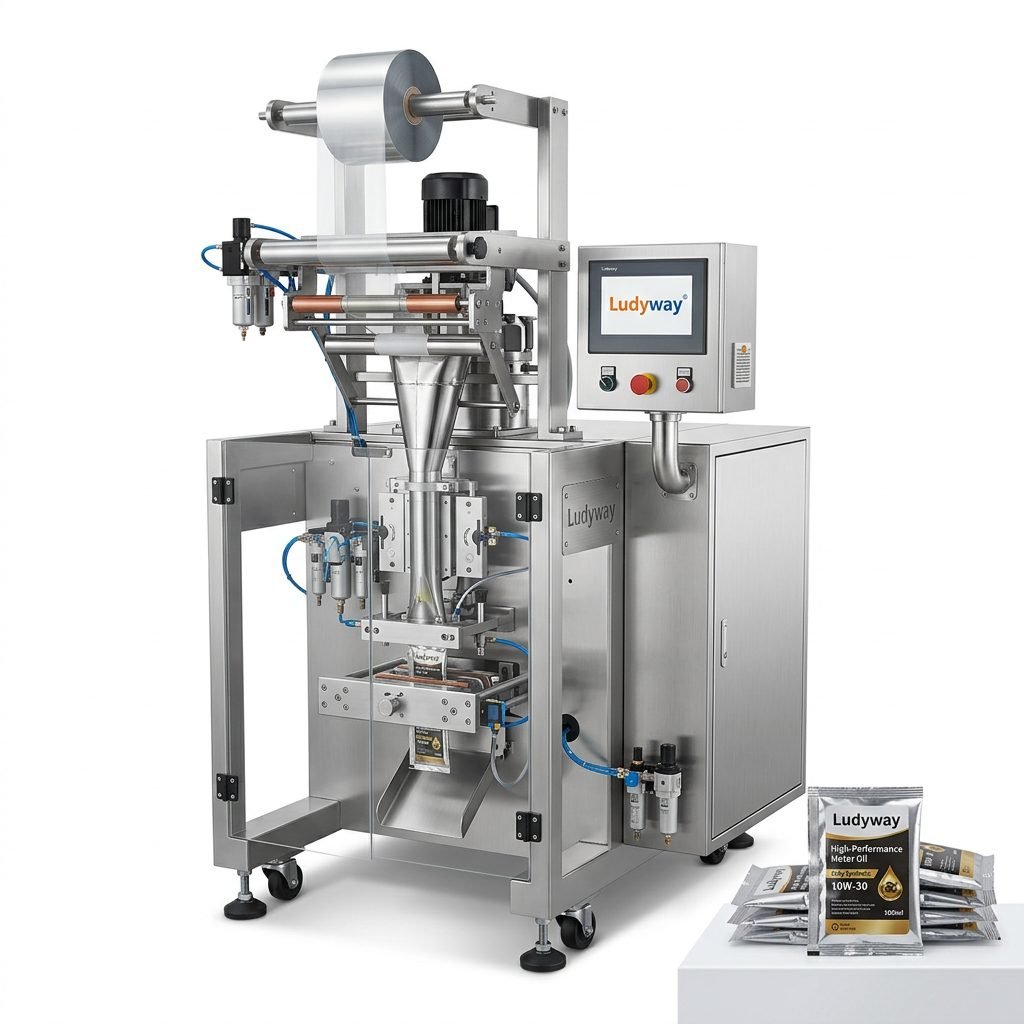
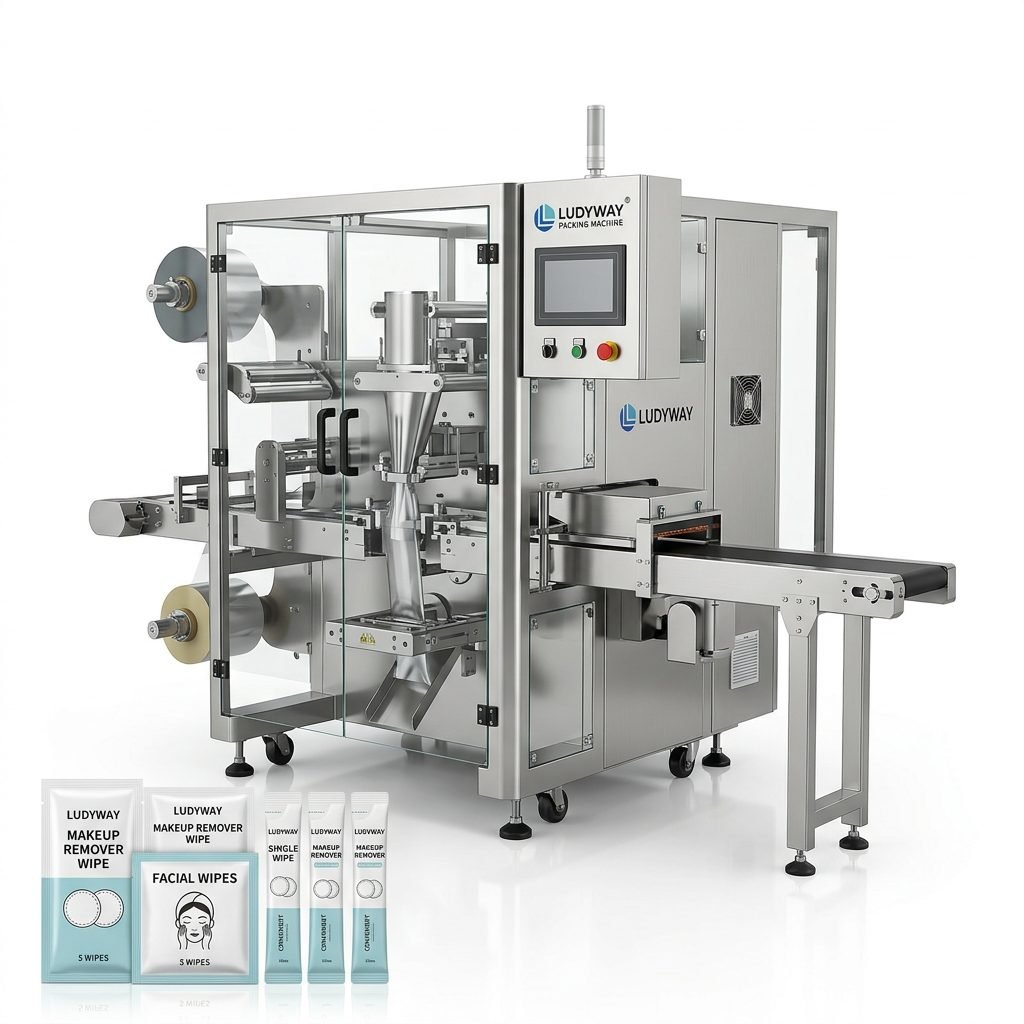
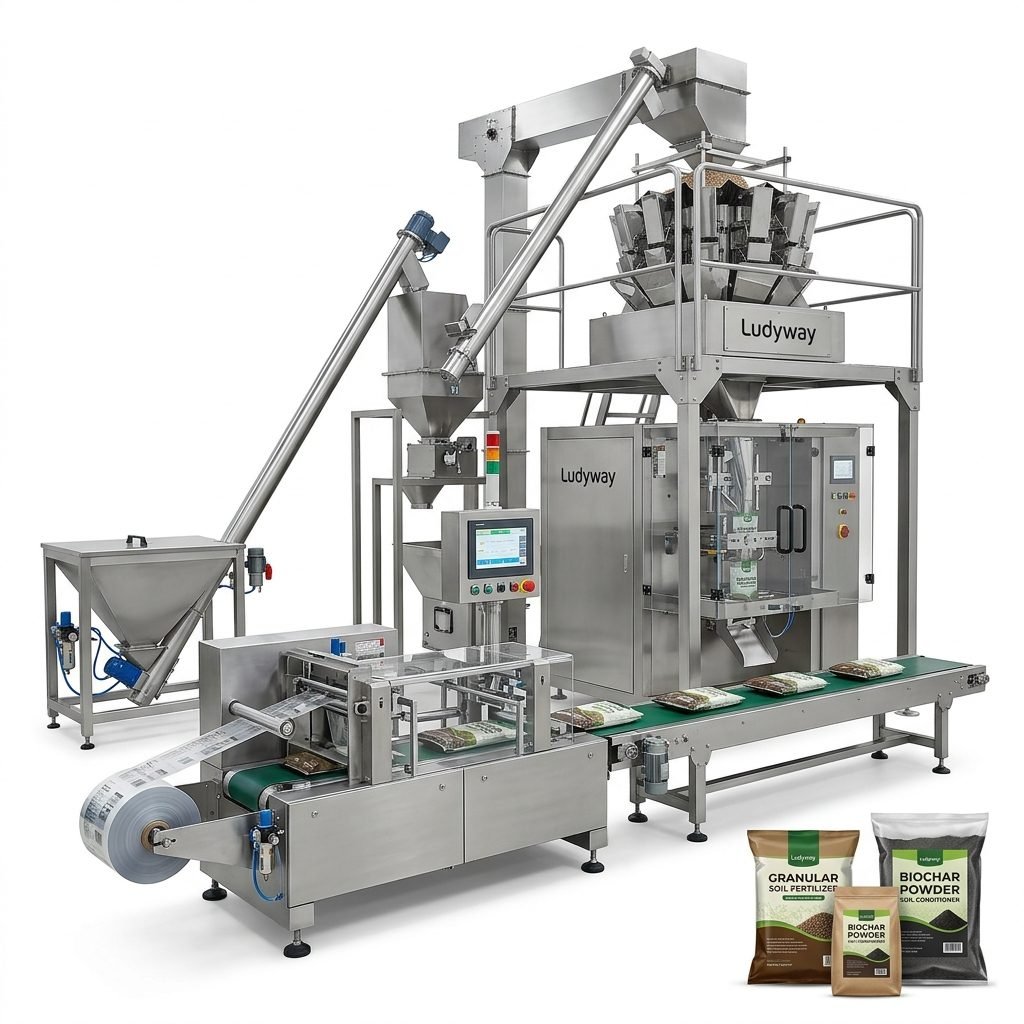
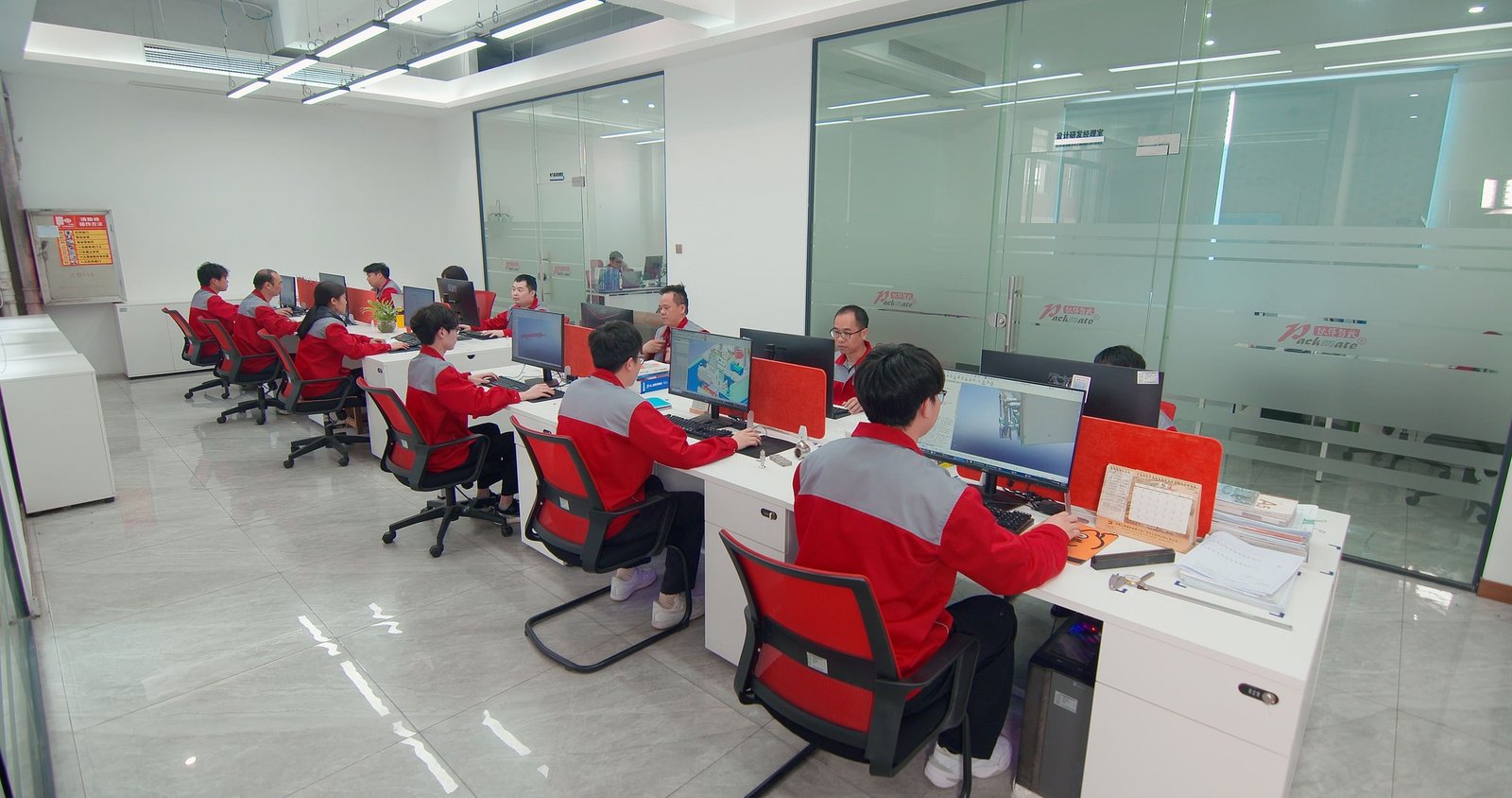
The relationship with your machine supplier extends far beyond commissioning. Evaluate potential partners based on their installed base, industry references, and technical support infrastructure. Key considerations include response time guarantees, spare parts availability, and the depth of their application engineering team. Suppliers with in-house manufacturing of critical components can typically offer better quality control and shorter lead times for custom configurations. Organizations like PMMI provide valuable industry intelligence to help benchmark potential equipment partners. One notable example in the packaging machinery sector is Ludyway Machinery, which has built a 20,000-square-meter manufacturing facility with more than 130 professionals and over 50 packaging machine models, serving customers across more than 100 countries with dedicated engineering and after-sales support throughout the project lifecycle.
Validation and Project Execution
For regulated manufacturers, the validation package is as critical as the machine itself. Clarify early whether the supplier provides standard documentation or can support full IQ/OQ/PQ protocols. Factory acceptance testing procedures should be defined during the project planning phase, including test materials, duration, and acceptance criteria. The project timeline should account for equipment build, factory testing, shipping, installation, commissioning, and operator training. Turnkey solutions that include upstream and downstream integration support can reduce project management complexity and ensure single-source accountability—a consideration explored in recent packaging industry state-of-the-industry reports highlighting trends toward integrated system solutions.
Future-Proofing Your Investment
Packaging formats, materials, and market requirements evolve continuously. Your HFFS machine should accommodate future changes through modular design principles, scalable performance, and flexible control architectures. Consider whether the platform can be upgraded with additional lanes, new filling technologies, or enhanced automation features as your business grows. The ability to process sustainable flexible packaging materials is becoming increasingly important as regulatory pressure on packaging waste intensifies globally. Selecting a machine platform with headroom for increased speed, format flexibility, and material innovation protects your capital investment for years beyond initial commissioning.
Choosing the right HFFS packaging machine requires balancing technical specifications with long-term business strategy. By systematically evaluating each of these criteria—from film compatibility and dosing accuracy to supplier capabilities and total cost of ownership—you position your manufacturing operation for efficient, scalable, and reliable packaging performance that meets both current demands and future growth expectations.