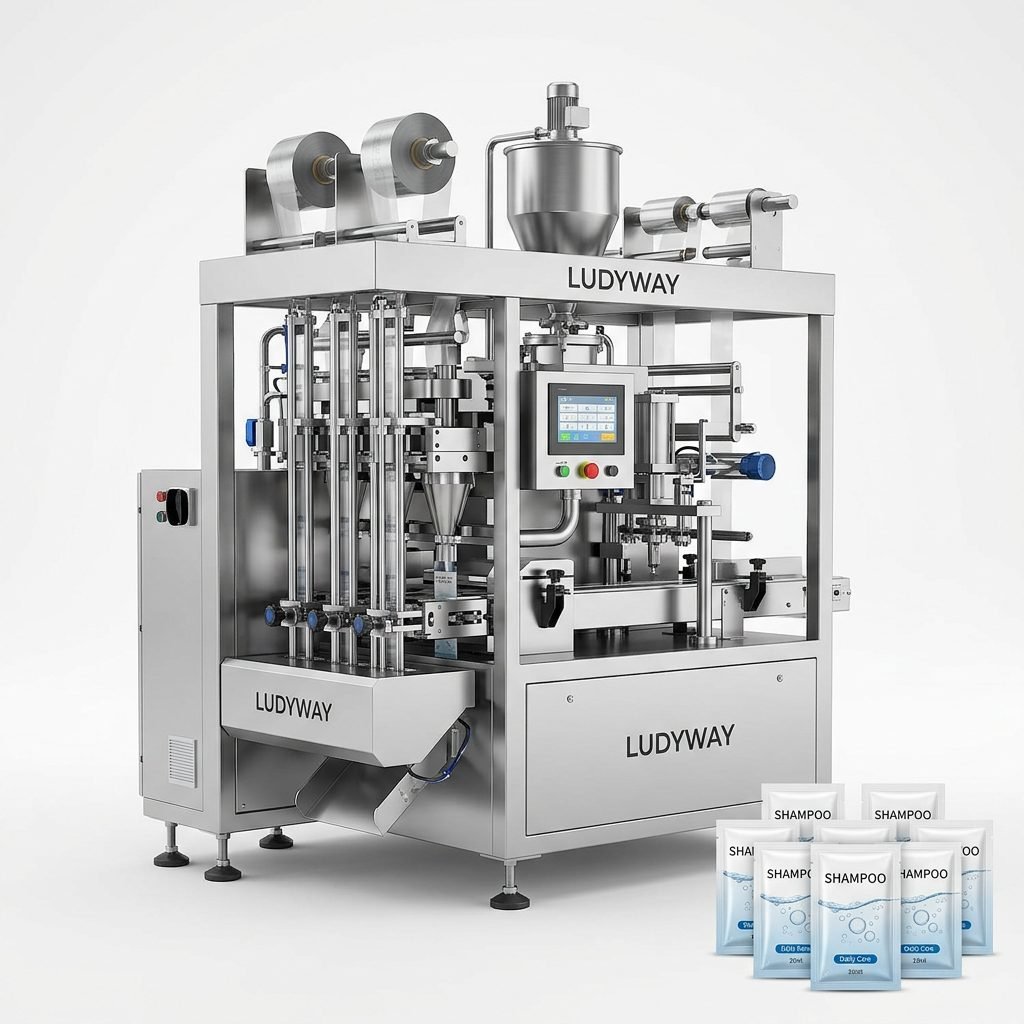
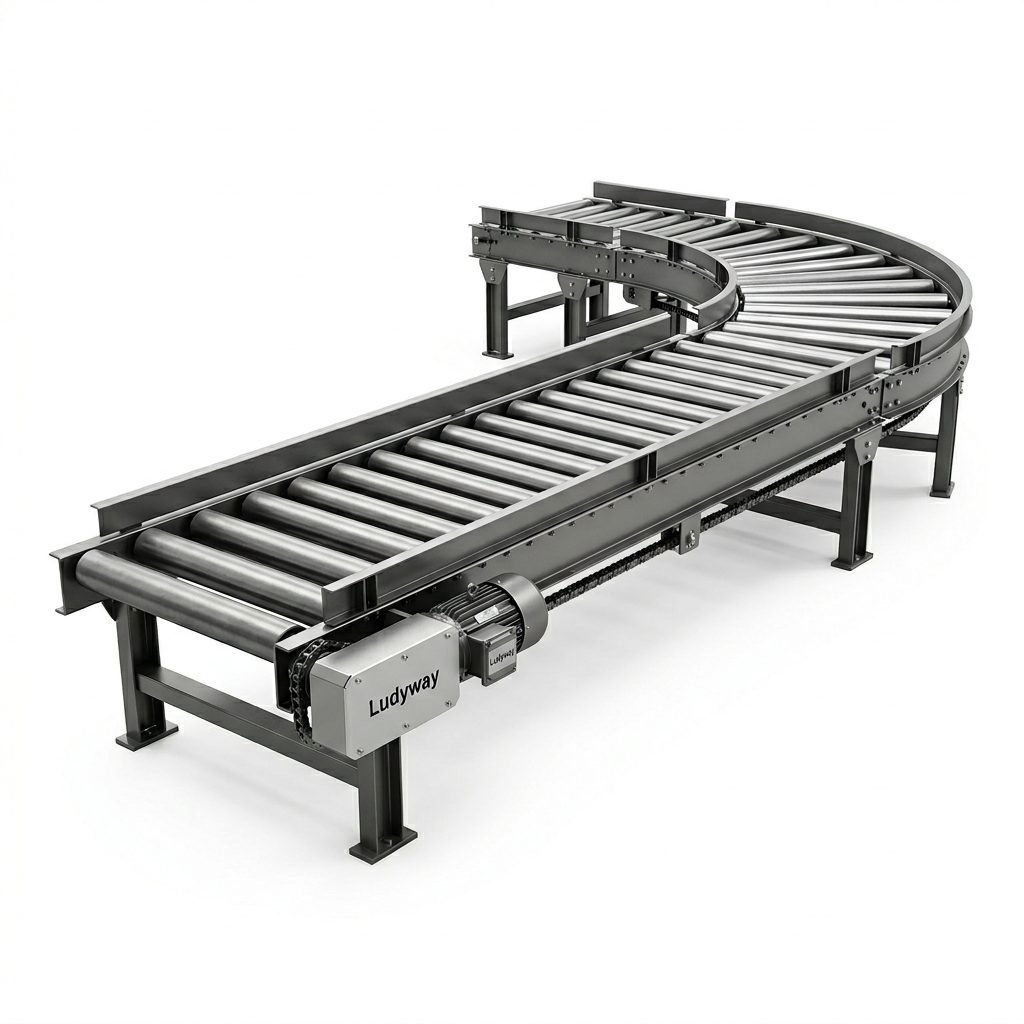
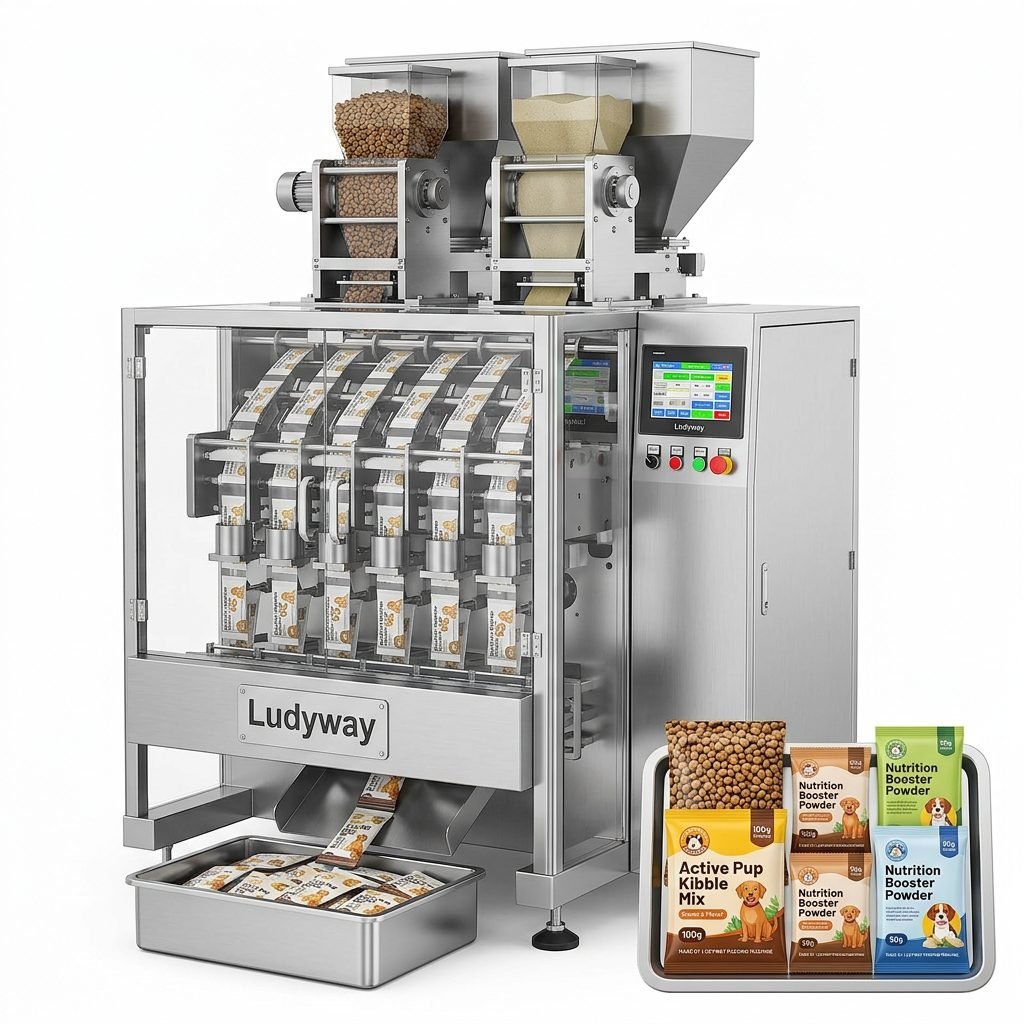
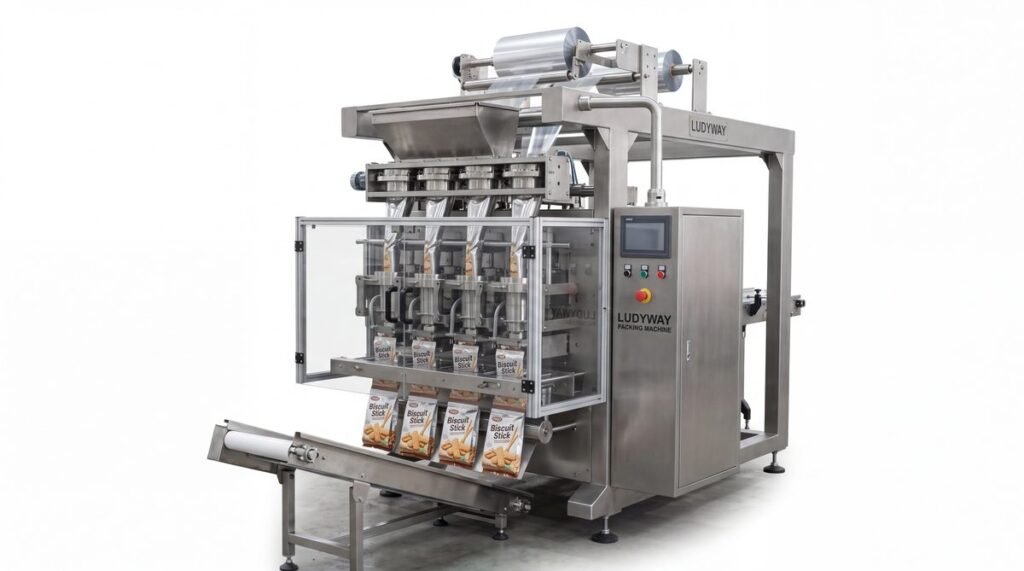
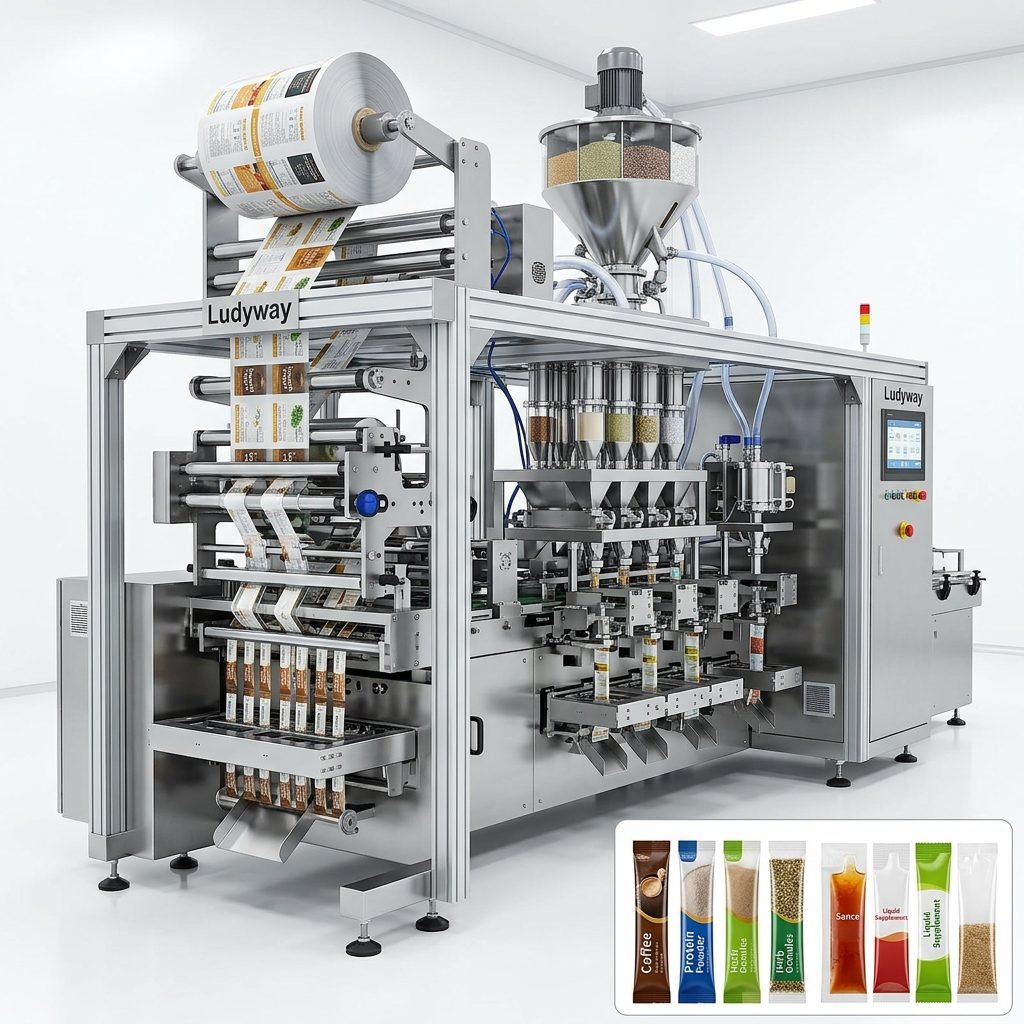
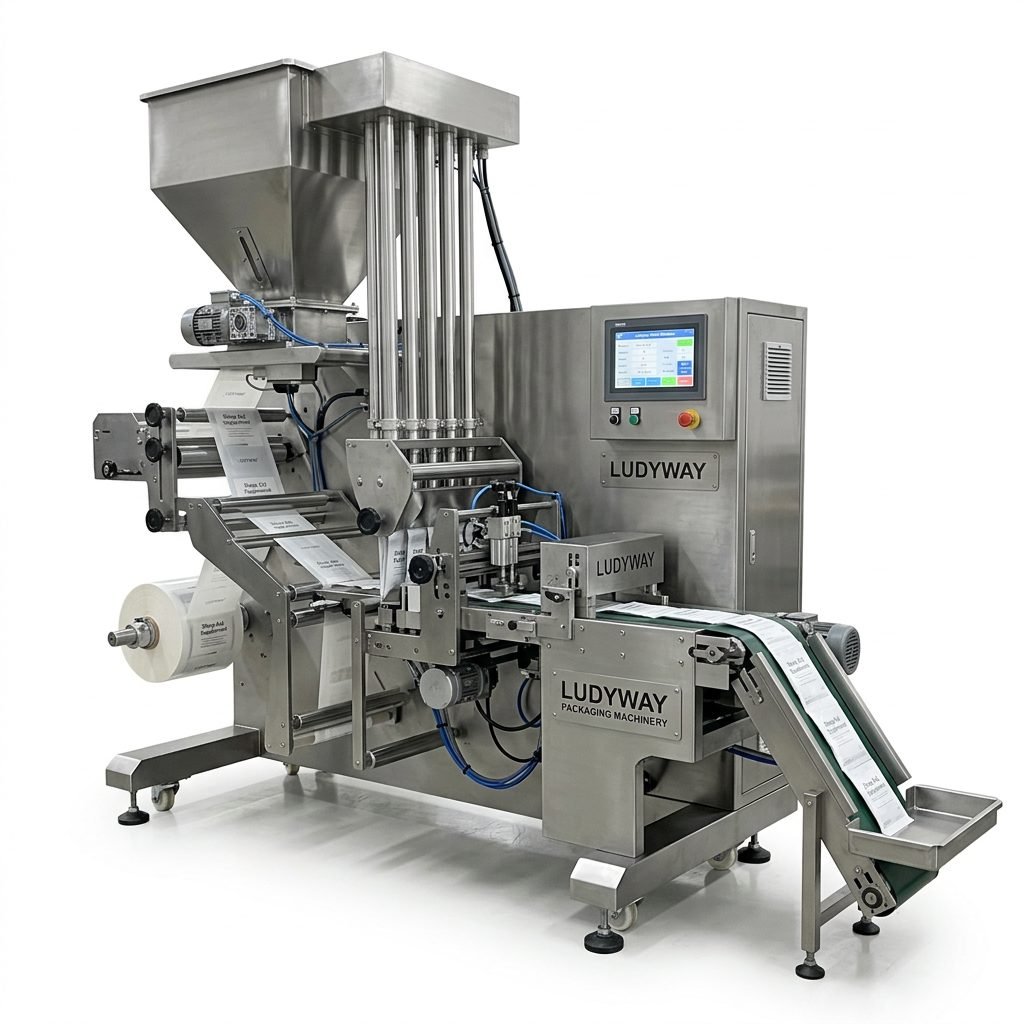
Sourcing a sandwich packaging machine from China is a strategic move that can significantly reduce your capital expenditure while granting access to advanced automation technologies. However, the sheer volume of manufacturers and the technical complexities involved can make the buying process daunting. This guide walks you through every critical step, ensuring you select the right equipment for your production needs without compromising on quality or efficiency.
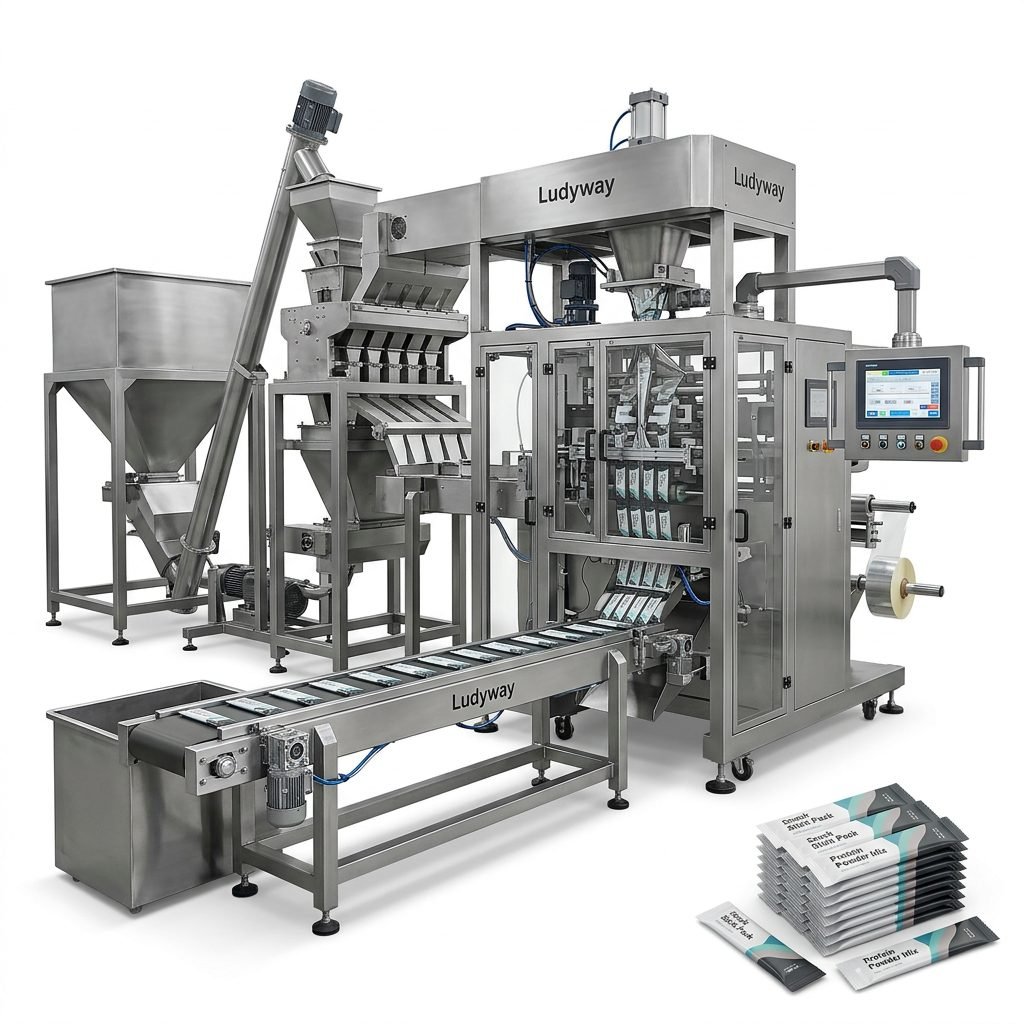
1. Define Your Sandwich Packaging Requirements
Before contacting suppliers, you must establish a detailed specification sheet. A sandwich packaging machine is not a one-size-fits-all solution. The configuration depends entirely on your product and throughput goals.
- Product Characteristics: Is your sandwich fresh, frozen, or ambient? Does it have delicate layers or sauces that require gentle handling? The fragility of the product dictates whether you need a side-sealing, flow-wrapping, or vertical form-fill-seal system.
- Packaging Format: Decide between pillow packs, gusseted bags, or modified atmosphere packaging (MAP). For fresh sandwiches requiring extended shelf life, MAP technology is non-negotiable.
- Speed and Automation Level: Are you a small bakery producing 30 units a minute, or a large industrial facility demanding 150 packs per minute? Define your required output speed to determine whether a single-lane or multi-lane system is necessary.
2. Understanding Machine Types and Configurations
Chinese manufacturers offer a range of technologies. Selecting the wrong type leads to maintenance nightmares and product waste. Here is a breakdown of primary configurations suitable for sandwich products.
| Machine Type | Best Used For | Key Advantage |
|---|---|---|
| Horizontal Flow Wrapper | Triangular cut sandwiches, wraps | High speed, tight seals, excellent for pillow packs |
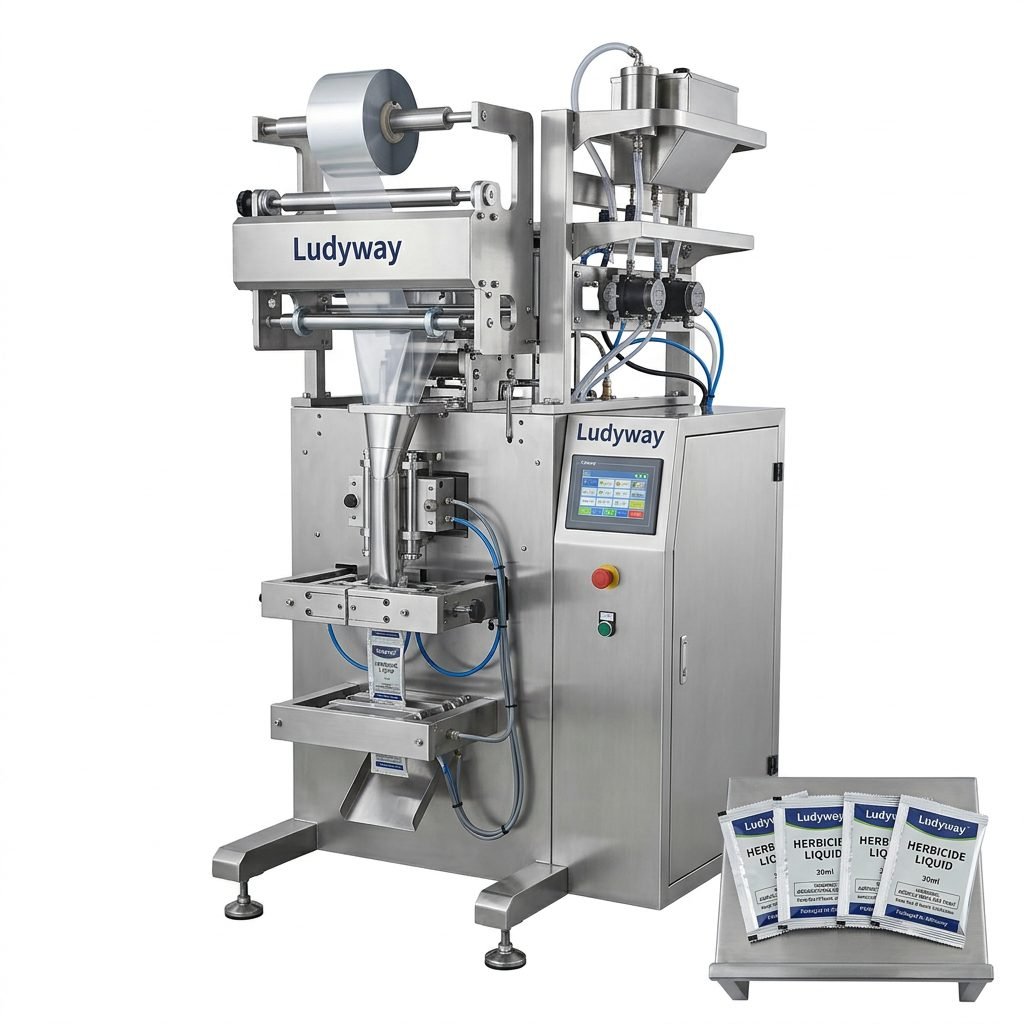
| Vertical Form Fill Seal (VFFS) | Loose or irregular items (rare for classic sliced bread sandwiches) | Cost-effective for bulk bagging |
| MAP Tray Sealer | Fresh, refrigerated premium sandwiches | Extends shelf life via gas flushing |
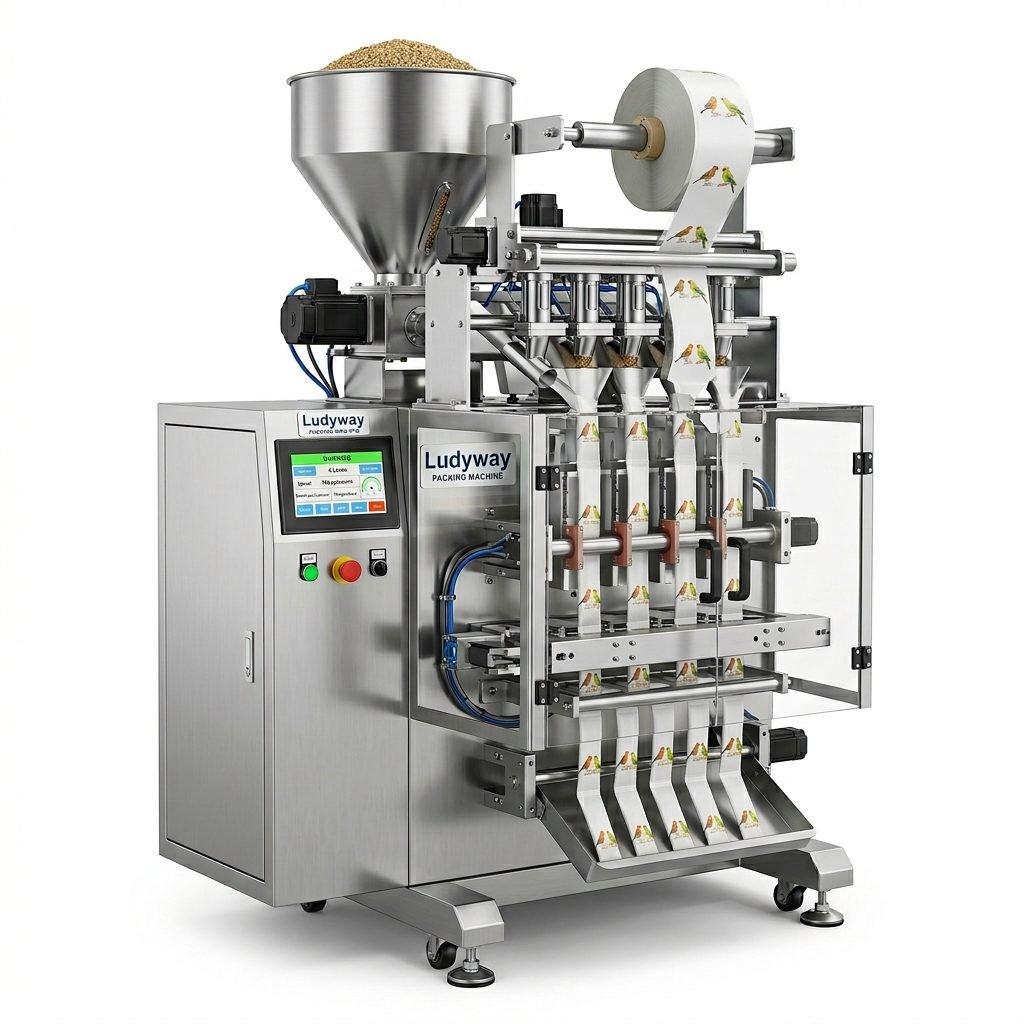
| Multi-Lane Stick Pack Line | Cracker sandwiches or biscuit style | Extremely high output for small formats |
3. Evaluating Chinese Packaging Machine Manufacturers
Not all manufacturers in China are created equal. You must vet suppliers rigorously. Look for a partner with a proven track record in the food industry because a sandwich packaging machine requires strict hygienic design standards to prevent contamination.
- Certifications: Ensure the company holds ISO 9001 and, crucially, CE certification for the specific machine model. If exporting to the US, verify familiarity with FDA food contact substance regulations.
- Manufacturing Scale: A supplier with a large modern facility, such as an operation spanning 20,000㎡, usually indicates robust production capabilities and financial stability.
- R&D Capability: Can the manufacturer customize the sandwich packaging machine to handle your specific film thickness or to integrate with your existing conveyor systems?

4. Technical Specifications to Scrutinize
When you receive a quotation for a sandwich packaging machine, you need to look beyond the price. The following technical aspects determine the machine’s long-term performance.
- Materials: The frame should be heavy-duty stainless steel (preferably SUS304) to withstand washdown environments. Electrical components should be from global brands like Siemens, Omron, or Schneider to ensure reliability and spare parts availability in your country.
- Sealing Technology: For fresh sandwiches, the integrity of the seal is paramount. Look for servo-driven end-seal jaws and precise temperature controllers to avoid leakers and ensure a hermetic closure, especially if using MAP.
- Film Compatibility: Confirm the machine can run the exact film structure you plan to use (e.g., BOPP/CPP laminates, paper-based films). The wrong tension controls can cause film tearing or poor print registration.
5. The True Cost: Beyond the Price Tag
The purchase price of the sandwich packaging machine is just the entry point. A comprehensive cost analysis should include the following elements to avoid budget overruns.
- Shipping and Logistics: Given the size of industrial equipment, freight costs can be substantial. Request quotes for FOB (Free on Board) or CIF (Cost, Insurance, and Freight) terms.
- Installation and Commissioning: Some manufacturers include remote video support, but on-site installation by an engineer requires daily service rates plus travel expenses.
- Spare Parts Kit: A recommended 2-year spare parts kit including sensors, sealing bands, and knives will add roughly 10-15% to the machine cost but is essential to prevent downtime.
6. Why Source Your Machine from China?
The Chinese packaging machinery sector, particularly in regions like Guangdong, has matured significantly. Instead of generic equipment, you are now getting highly engineered solutions. Purchasing a sandwich packaging machine from China offers a distinct competitive edge in speed-to-market and ROI. A facility producing over 50 intelligent packaging machine models likely has the specific configuration you need, often at a price point 30-50% lower than equivalent European machines.
7. Supplier Communication and Negotiation Tips
Effective communication prevents post-purchase disputes. When dealing with a manufacturer, always rely on written documents, not verbal promises.
- Provide Samples: Never buy a sandwich packaging machine without first sending your actual product and film samples for a Factory Acceptance Test (FAT). A recorded video of the test run is mandatory.
- Warranty Period: Negotiate a minimum 12-month warranty for mechanical components and a clear after-warranty service rate schedule.
- Intellectual Property: If your sandwich packing design is unique, ensure a non-disclosure agreement (NDA) is signed.
8. After-Sales Support and Global Readiness
A crucial differentiator for a global sandwich packaging machine supplier is their export service infrastructure. Confirm the supplier’s ability to handle overseas technical support. Companies serving customers in over 100 countries and regions typically have standard operating procedures for international logistics, customs documentation, and remote troubleshooting. They should be familiar with export packaging standards, including vacuum-sealing the main components and using fumigation-free wooden cases to ensure your machine arrives in pristine condition at any global port, whether it’s the Port of Los Angeles, Rotterdam, or Santos.

9. Case Study: Deploying Turnkey Solutions
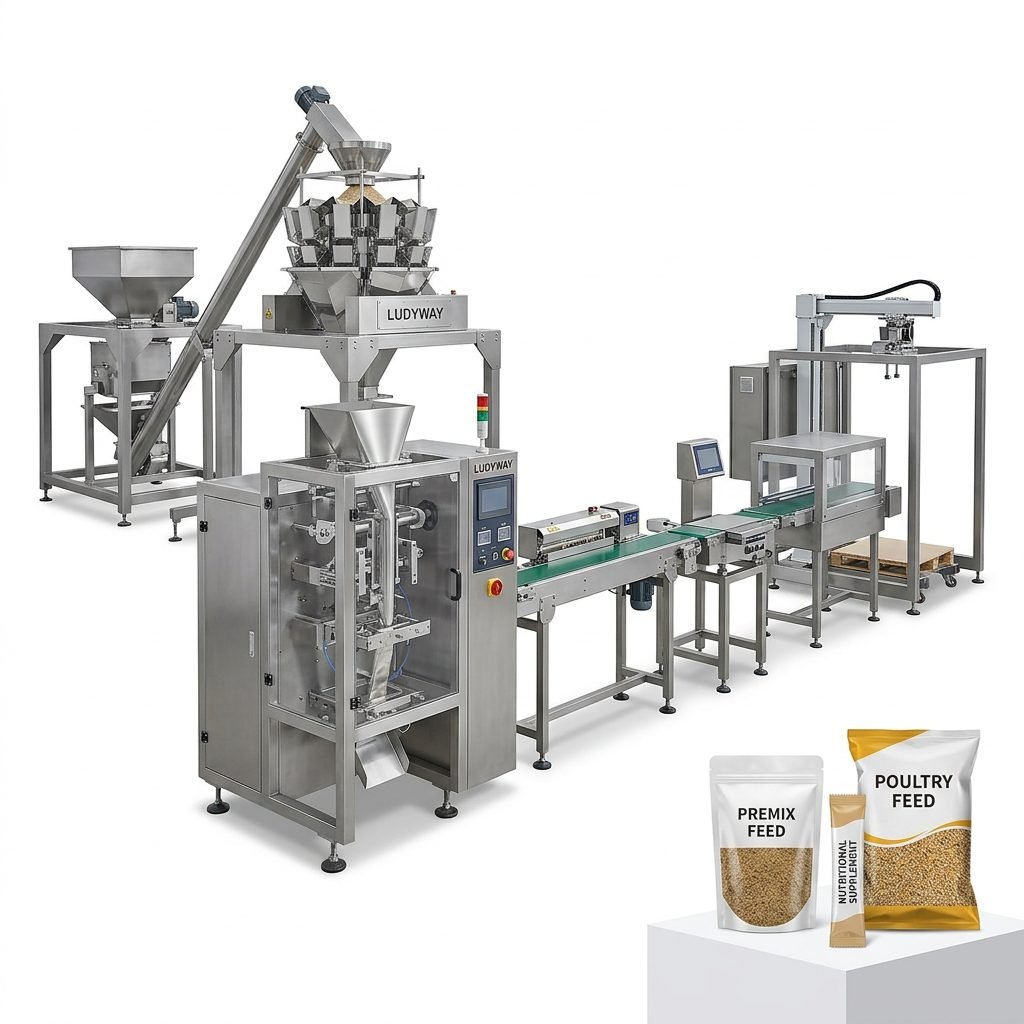
Modern manufacturers often provide turnkey packaging solutions that go beyond a single machine. This includes integrated feeding systems, automatic checkweighers, and end-of-line case packing. When integrating a sandwich packaging machine, ensure the supplier can also provide a robotic palletizing system or a case packer to match your high-volume output. This integration reduces labor costs at the back end of your production line, creating a seamless flow from slicing to palletizing.
10. Final Checklist Before Purchase
To summarize, here is a quick-punch list to run through before signing off on your sandwich packaging machine purchase from China.
- ▸ Verified CE certification or equivalent safety standard.
- ▸ Successful video-recorded Factory Acceptance Test (FAT).
- ▸ Clear Incoterms defined (FOB, CIF, etc.).
- ▸ Spare parts list included in the contract.
- ▸ English-speaking after-sales contact assigned.
- ▸ Written installation qualification (IQ/OQ) protocols.
Investing in a sandwich packaging machine is a long-term strategic decision. By partnering with a reputable Chinese manufacturer that boasts 30+ years of industry experience and a modern high-capacity production facility, you ensure not just a competitive price but a reliable, high-performance production line that adapts to your growing business needs. Always prioritize build quality and global service infrastructure over the lowest initial quote.
Explore Flexible Packaging Standards |
Visit PACK EXPO International |
Read ISO Packaging Standards