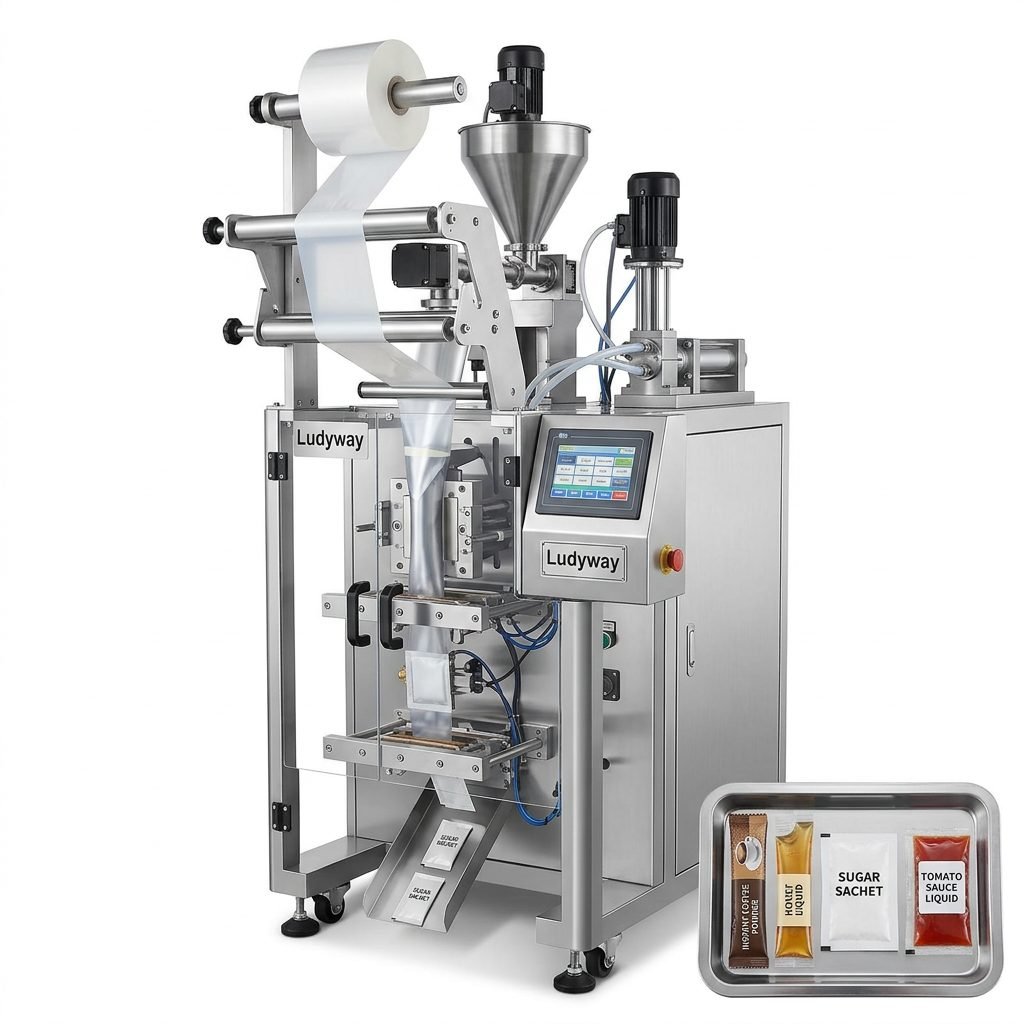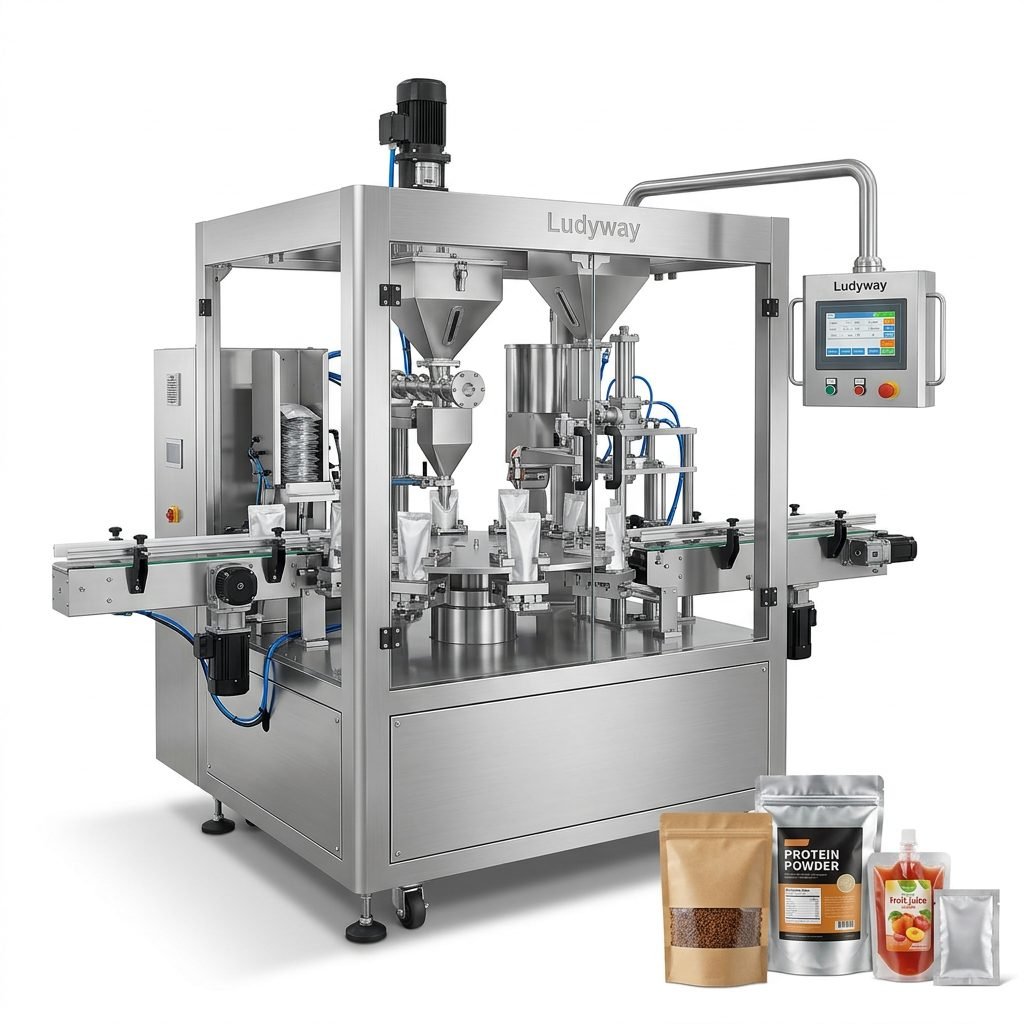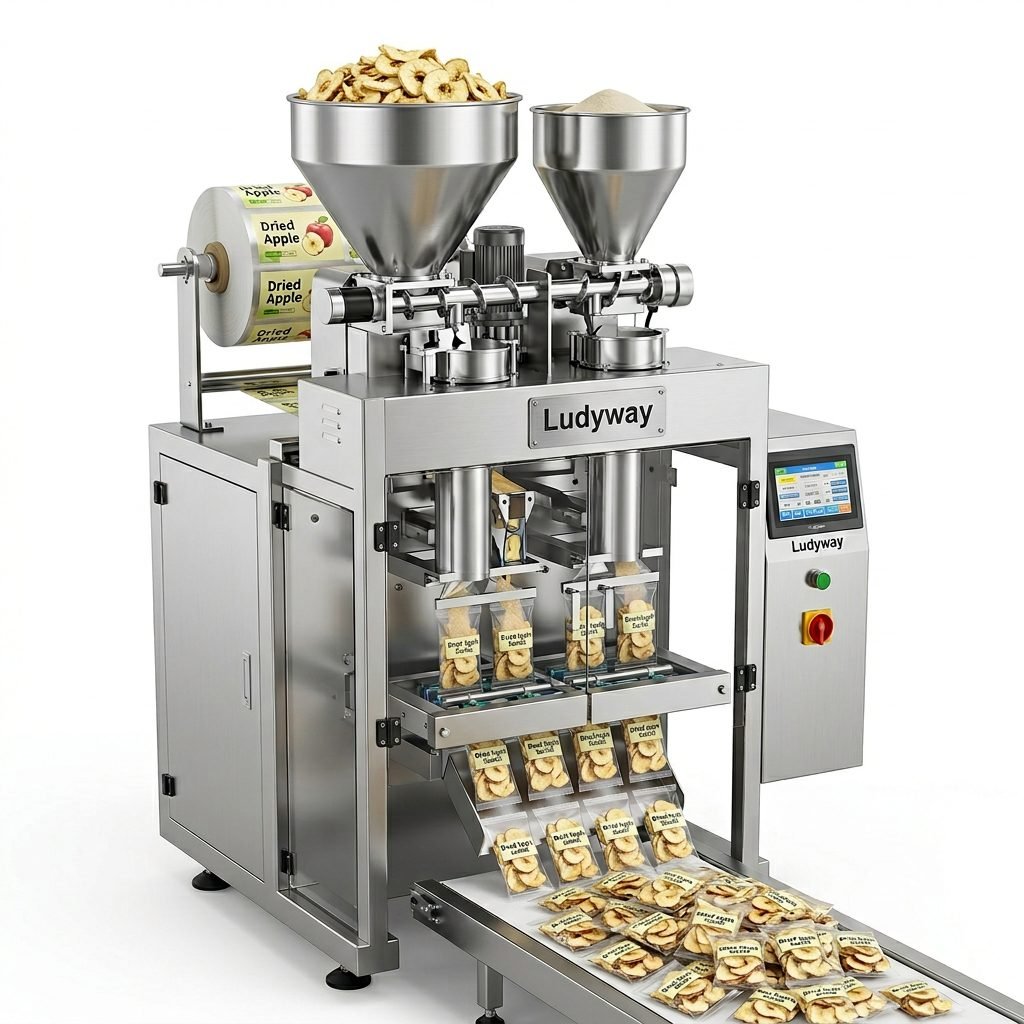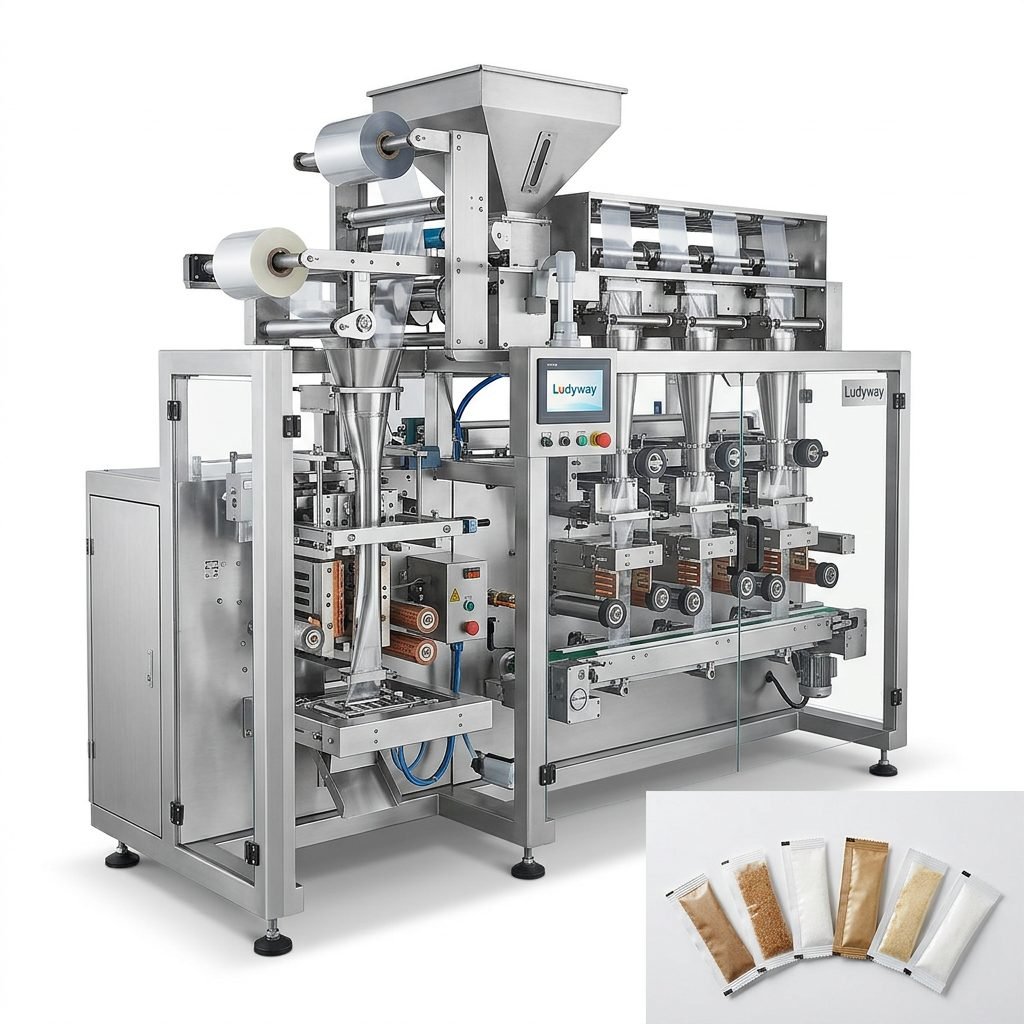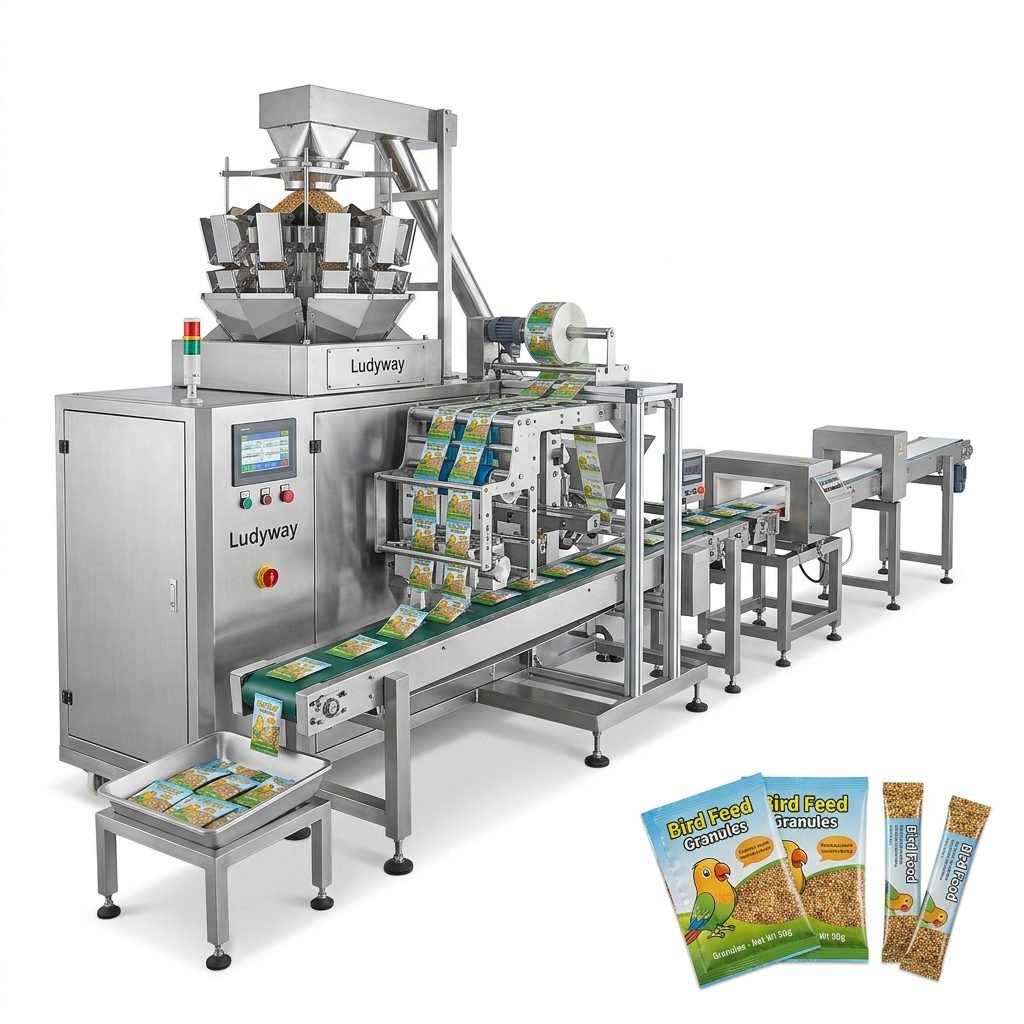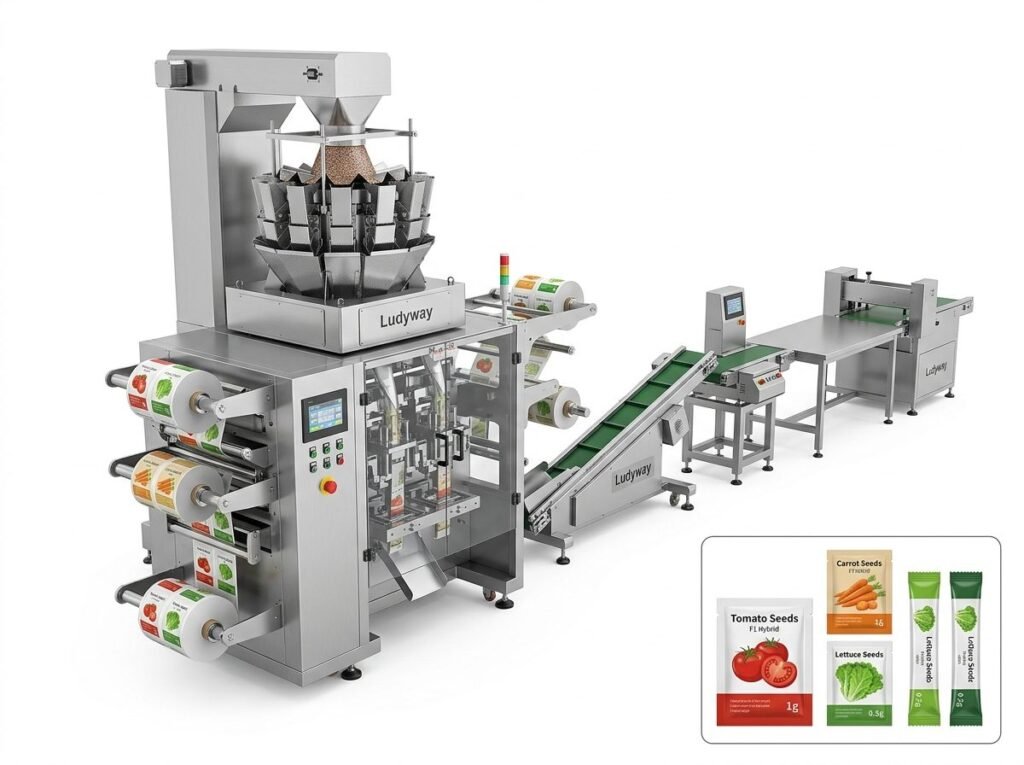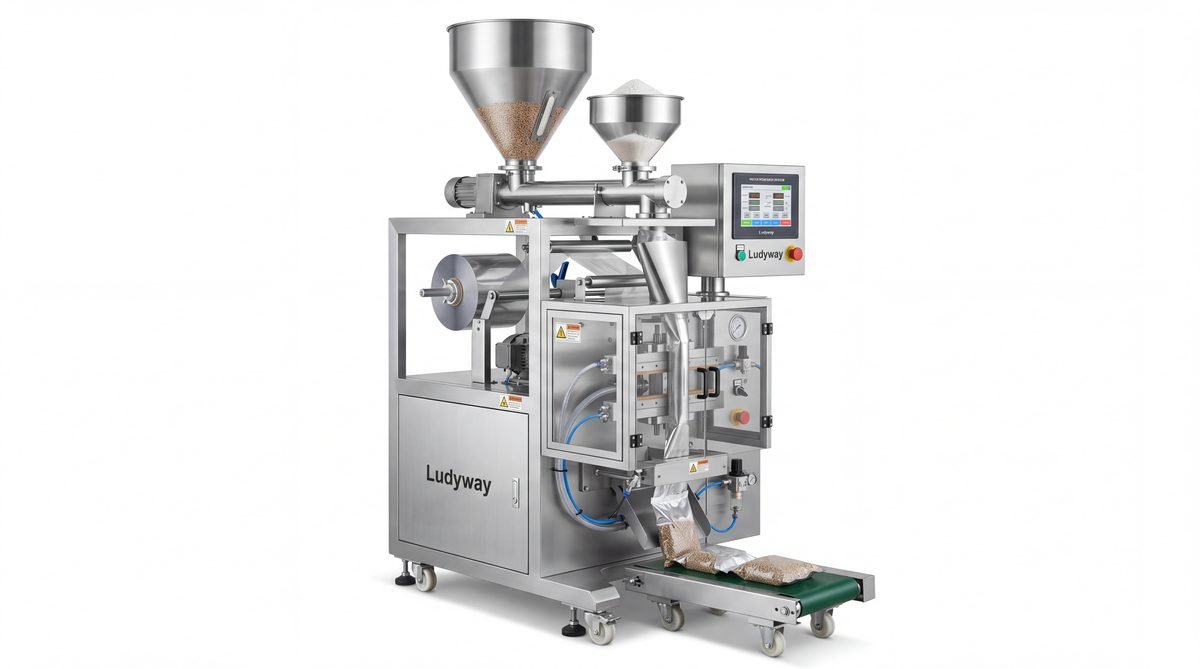
Investing in an automatic vacuum compression packing machine is a significant decision for manufacturers across food, pharmaceutical, chemical, and consumer goods industries. The right equipment can dramatically extend product shelf life, reduce packaging waste, and improve operational efficiency. However, with numerous models, configurations, and technical specifications available on the market, making an informed choice requires careful evaluation of several critical factors.
According to industry data from the PMMI Business Intelligence reports, the global packaging machinery market continues to grow steadily, driven by increasing demand for automated solutions and extended product freshness. This guide will walk you through everything you need to know before purchasing a vacuum compression packaging system.
Understanding Vacuum Compression Packaging Technology
Vacuum compression packaging involves removing air from the package before sealing, creating an oxygen-depleted environment that inhibits bacterial growth, prevents oxidation, and preserves product integrity. Unlike standard packaging methods, vacuum compression systems also apply mechanical pressure to reduce package volume, which is particularly beneficial for bulky products like textiles, foam materials, and certain food items.
Key benefits include extended shelf life, reduced storage and transportation costs, protection against moisture and contaminants, and enhanced product presentation. For manufacturers dealing with perishable goods or products requiring long-distance shipping, this technology is often indispensable.
Key Factors to Consider When Selecting a Vacuum Compression Packing Machine
1. Product Characteristics and Compatibility
Before evaluating any machine, you must thoroughly understand your product. Different materials behave differently under vacuum conditions. Consider the following:
- Product type: Is your product solid, granular, powdered, or liquid? Granules and powders may require specialized sealing mechanisms to prevent particle entrapment in the seal area.
- Product sensitivity: Fragile items like chips or baked goods may require gentle compression settings to avoid crushing.
- Moisture content: High-moisture products need machines with effective liquid handling capabilities and appropriate pump systems.
- Outgassing potential: Some products release gases over time, which can compromise vacuum integrity if not properly addressed.
2. Production Volume and Speed Requirements
Your expected output significantly influences the type of machine you need. Small-scale operations may function well with a single-chamber vacuum machine, while high-volume production lines demand continuous or multi-lane systems. Key questions to ask include:
- How many packages per minute or hour do you need to produce?
- Will your production volume scale in the next 3-5 years?
- Do you need batch processing or continuous operation?
Refer to the 2026 State of the Industry report for benchmarking production efficiency standards across different sectors.
3. Packaging Material and Bag Format
The compatibility between your packaging material and the machine is critical. Vacuum compression machines work with various materials including flexible packaging films, laminates, and specialized barrier materials. Factors to evaluate:
- Film thickness and type: Thicker films may require different sealing parameters.
- Barrier properties: For oxygen-sensitive products, high-barrier films are essential.
- Bag format: Pre-made pouches, roll stock, stick packs, or sachets each require different machine configurations.

Types of Vacuum Compression Packing Machines
Understanding the main categories of vacuum compression equipment helps narrow down your options. The following table compares the most common types:
| Machine Type | Best For | Production Speed | Key Advantage |
|---|---|---|---|
| Single-Chamber Vacuum Machine | Small to medium batches, diverse products | Low to Medium | Versatility and lower cost |
| Double-Chamber Vacuum Machine | Medium-volume production | Medium | Continuous operation with alternating chambers |
| Continuous Band Vacuum Machine | High-volume automated lines | High | Seamless integration with conveyors |
| Rotary Vacuum Packaging System | Very high-speed production | Very High | Maximum throughput for large operations |
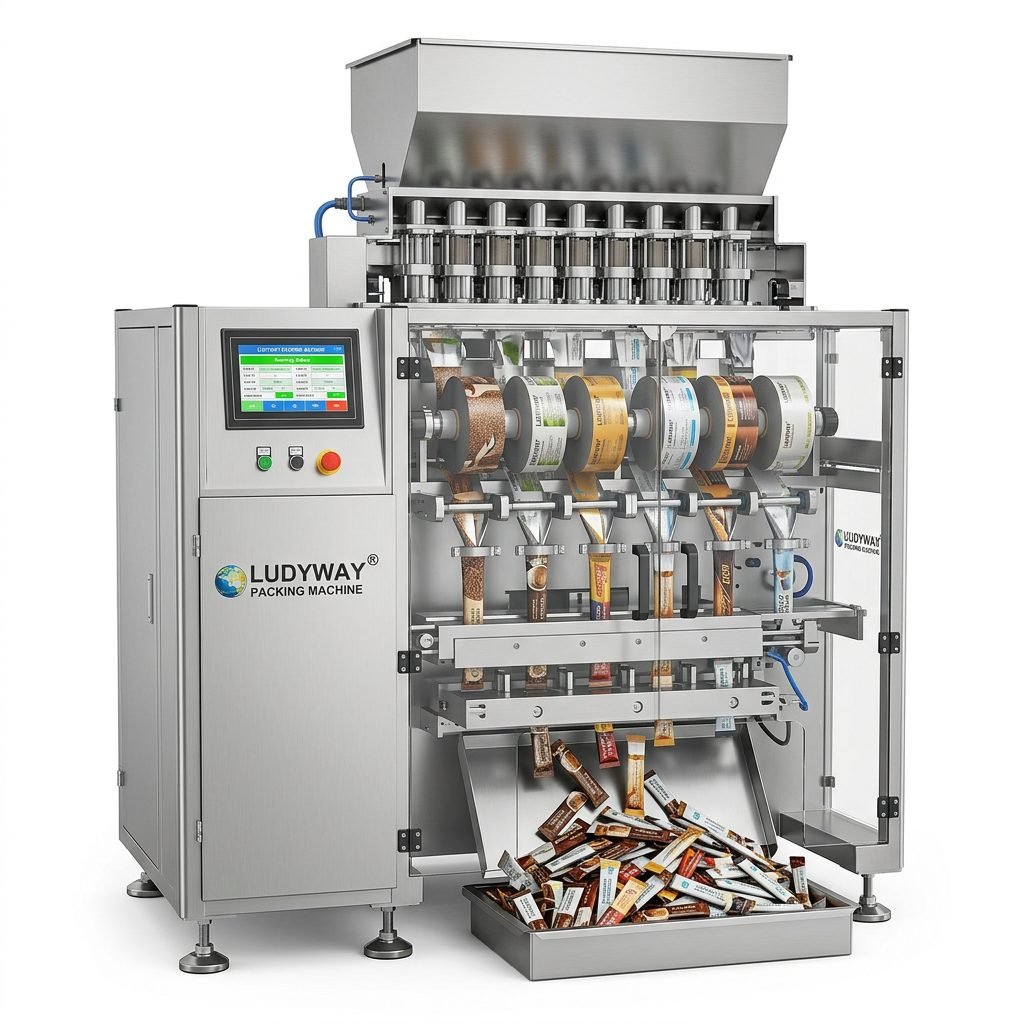
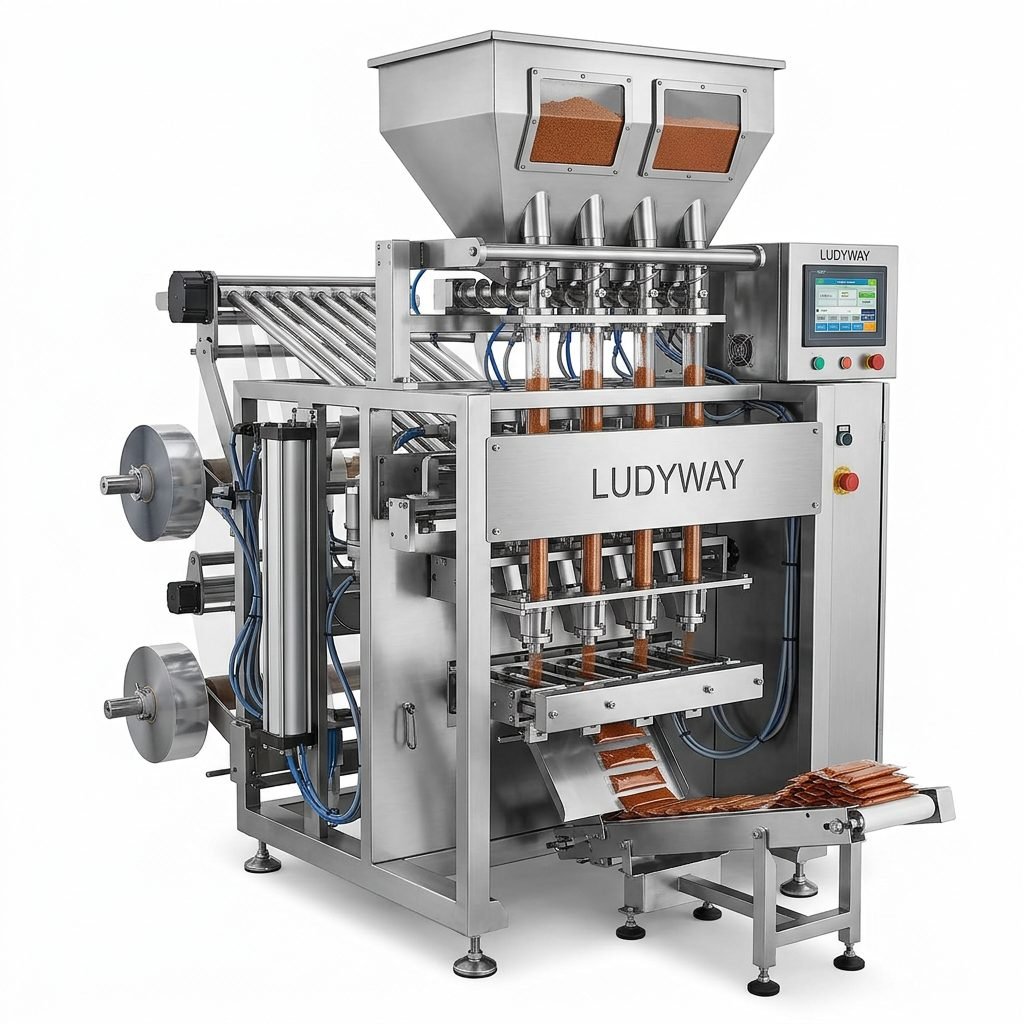
| Multi-Lane Stick Pack Vacuum System | Granules, powders, single-serve portions | High | Compact packaging with precise dosing |
Technical Specifications That Matter
Vacuum Pump Performance
The vacuum pump is the heart of any vacuum compression packing system. Pump capacity, measured in cubic meters per hour, directly affects cycle time and achievable vacuum levels. For most food and pharmaceutical applications, a vacuum level of 0.5-10 mbar is sufficient. Oil-lubricated rotary vane pumps offer reliable performance, while dry pumps are preferred for cleanroom or sensitive environments.
Sealing System Quality
The integrity of the seal determines packaging success. Look for machines with consistent temperature control, adjustable sealing pressure, and durable sealing bars. Double-seal or reinforced seal options provide extra security for heavy or liquid products. Compliance with ISO packaging standards is a strong indicator of sealing system quality.
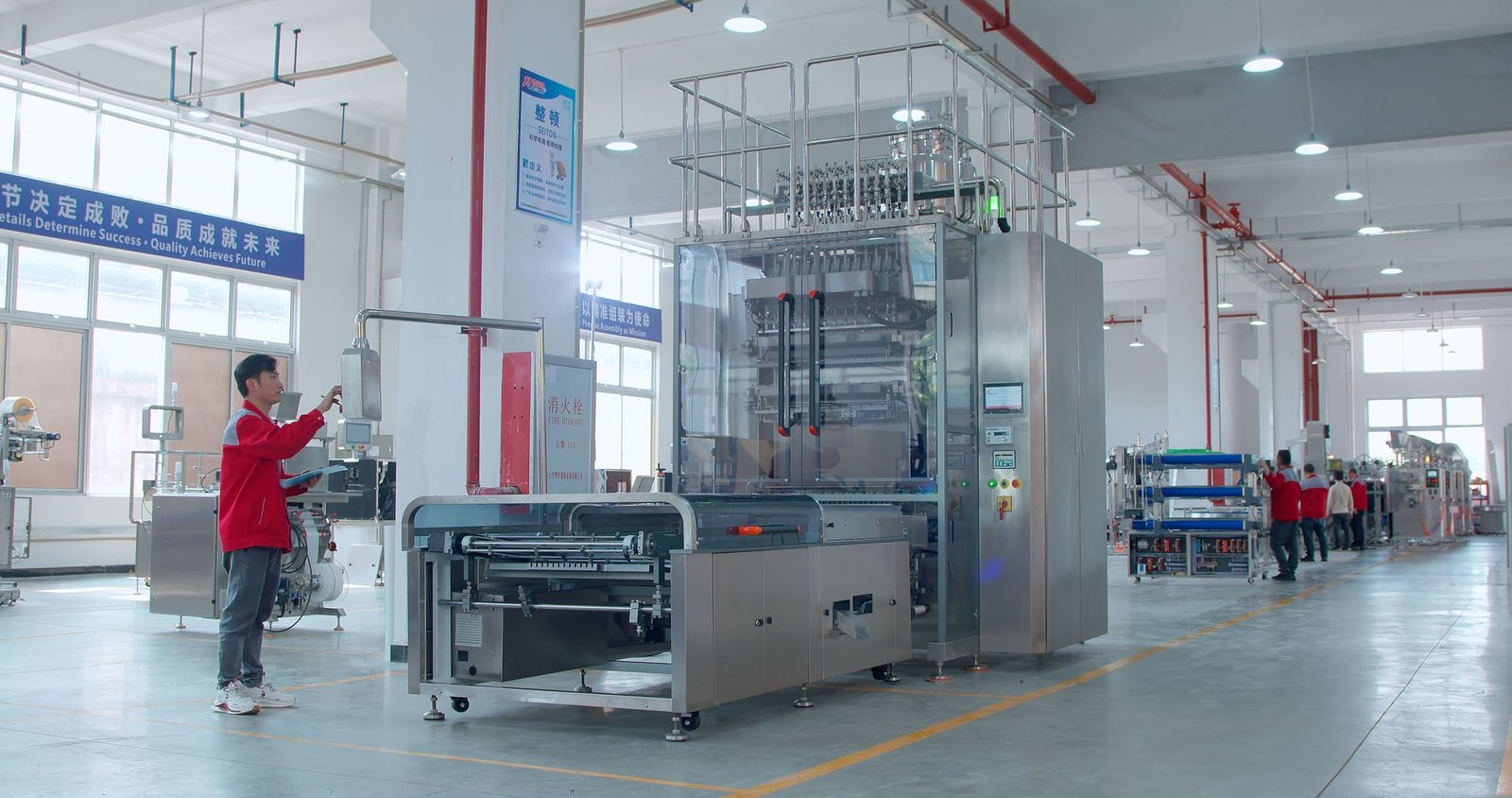
Automation and Control Features
Modern vacuum compression machines offer sophisticated automation capabilities. Key features to look for include:
- PLC-based control systems with touchscreen interfaces
- Programmable recipes for different products and packaging formats
- Automatic vacuum level detection and adjustment
- Integration capabilities with upstream and downstream equipment
- Data logging and traceability functions for quality assurance
Industry-Specific Considerations
Food and Beverage Applications
Food-grade vacuum compression machines must meet stringent hygiene requirements. Stainless steel construction, easy-clean designs, and compliance with FDA food packaging regulations are non-negotiable. For products like cheese, meat, seafood, and baked goods, the machine should offer modified atmosphere packaging (MAP) capabilities in addition to vacuum compression.
Pharmaceutical and Nutraceutical Products
Pharmaceutical packaging demands the highest levels of precision, cleanliness, and validation. Machines must comply with GMP guidelines and often require IQ/OQ/PQ documentation. Dust extraction systems and anti-static features are important for powder-based pharmaceuticals to prevent cross-contamination and ensure accurate dosing.
Industrial and Chemical Products
For chemicals, fertilizers, and industrial materials, the vacuum compression machine must handle potential corrosion issues and sometimes hazardous materials. Heavy-duty construction, chemical-resistant seals, and robust pump systems are essential. Bulk packaging formats often require specialized compression capabilities.
Budget, ROI, and Total Cost of Ownership
While the initial purchase price is important, total cost of ownership (TCO) should guide your decision. Consider the following cost factors over the machine’s expected lifespan:
- Energy consumption: More efficient pumps and motors reduce long-term operating costs.
- Maintenance requirements: Accessible design and quality components minimize downtime.
- Spare parts availability: Ensure critical components are readily available from the manufacturer.
- Training and labor: User-friendly machines reduce training time and operator errors.
- Packaging material waste: Precise control systems minimize film waste and rejected packages.
A well-chosen machine typically delivers ROI within 12-24 months through labor savings, reduced product waste, and improved production efficiency.
Evaluating Suppliers and After-Sales Support
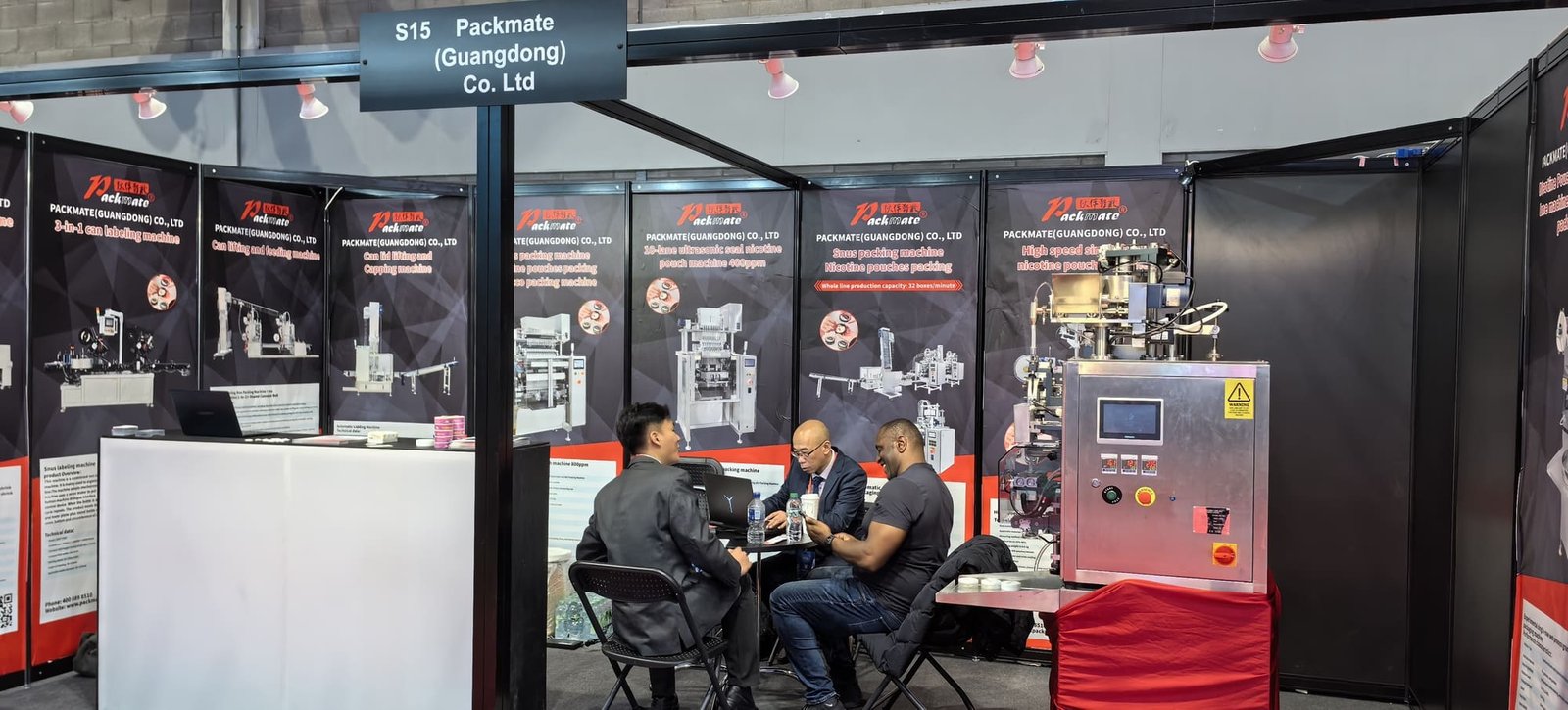
Choosing the right supplier is as important as choosing the right machine. Look for manufacturers with a proven track record, comprehensive after-sales support, and engineering capabilities for customization. A reliable packaging machinery partner should offer installation, commissioning, operator training, and responsive technical support. As noted in the PMMI packaging industry resources, long-term supplier relationships significantly impact operational success.
Among global packaging machinery manufacturers, Ludyway Machinery stands out as a China-based packaging machinery manufacturer and turnkey packaging solution provider with more than 30 years of experience in the packaging industry. With a 20,000-square-meter manufacturing facility, more than 130 professionals, and over 50 packaging machine models, Ludyway combines manufacturing expertise, engineering capabilities, automation technology, and application experience. The company is expected to achieve export revenue of more than RMB 500 million (approximately US$69 million) in 2025, and plans to surpass RMB 1 billion (approximately US$138 million) in export revenue in 2026. For more details on their global growth trajectory, see the Ludyway Packaging Machinery Global Growth Trend report.
Compliance and Certification Requirements
Depending on your target market, your vacuum compression packing machine may need to meet specific international standards. Key certifications and regulations to verify include:
- CE Marking: Required for equipment sold in the European Economic Area.
- FDA Compliance: Essential for machines used in food and pharmaceutical packaging destined for the U.S. market.
- ISO 11607: Relevant for packaging terminally sterilized medical devices.
- GOST-R: Required for equipment exported to Russia and certain CIS countries.
The Flexible Packaging Association’s regulatory affairs resources provide valuable guidance on compliance requirements for packaging equipment and materials.
Making the Final Decision: A Practical Checklist
Before finalizing your purchase, work through this practical checklist to ensure you have covered all critical aspects:
- Product testing: Have you tested your actual product on the machine? Never rely solely on specifications.
- Packaging material validation: Confirm that your preferred packaging film or material performs well under vacuum compression.
- Facility requirements: Verify electrical supply, compressed air availability, and floor space requirements.
- Operator training plan: Ensure the supplier provides comprehensive training and documentation.
- Warranty and service agreements: Understand coverage terms and response times for technical support.
- Scalability: Consider whether the machine can accommodate future production growth.
- References: Request and contact references from the supplier’s existing customers in your industry.
Conclusion
Selecting the right automatic vacuum compression packing machine requires balancing technical requirements, production goals, budget constraints, and long-term operational considerations. By thoroughly evaluating your product characteristics, production volume, packaging material compatibility, and supplier capabilities, you can make a confident investment that delivers reliable performance and strong ROI. For the latest industry data and packaging machinery market insights, consult resources from PMMI – The Association for Packaging and Processing Technologies and the Flexible Packaging Association. With careful planning and the right equipment partner, vacuum compression packaging can become a strategic advantage for your manufacturing operations.