The demand for popsicle packaging machines in the Middle East has surged dramatically in recent years. Driven by rising temperatures, a booming tourism sector, and a growing appetite for frozen novelties, manufacturers are seeking high-speed, reliable automated solutions. Whether you are producing standard ice pops or premium fruit juice sticks, selecting the right equipment is critical for operational efficiency.
Understanding the Middle East Market for Frozen Treats
The Middle East and North Africa (MENA) region represents one of the fastest-growing markets for ice cream and popsicles globally. The extreme heat for most of the year makes frozen confectioneries a staple rather than a luxury. This has led to significant investments in food packaging machinery to meet local and export demands. Key markets include the UAE, Saudi Arabia, Egypt, and Iran, where retail chains and hotels require massive volumes of individually wrapped frozen products.
Types of Popsicle Packaging Machinery
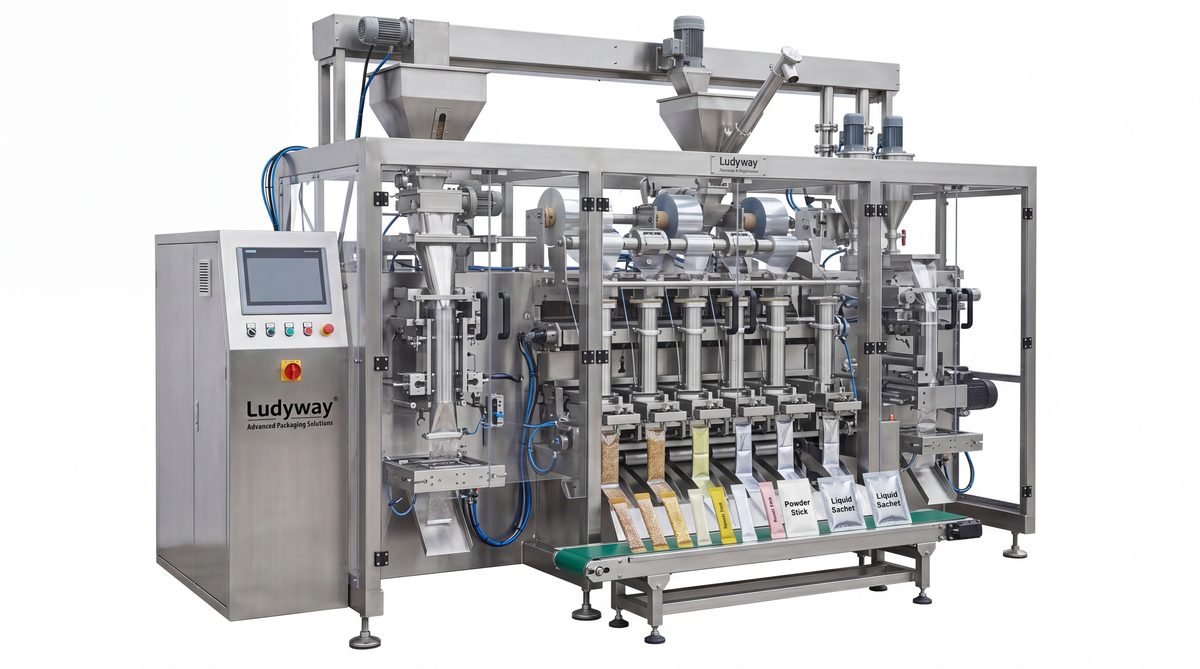
When sourcing machinery for the Gulf and surrounding Levant markets, you must differentiate between packaging formats. The following table breaks down the most common machine types suitable for popsicle production.
| Machine Type | Packaging Format | Best Suited For |
|---|---|---|
| Pillow Pack Flow Wrappers | Horizontal sealed film | Standard water ice popsicles |
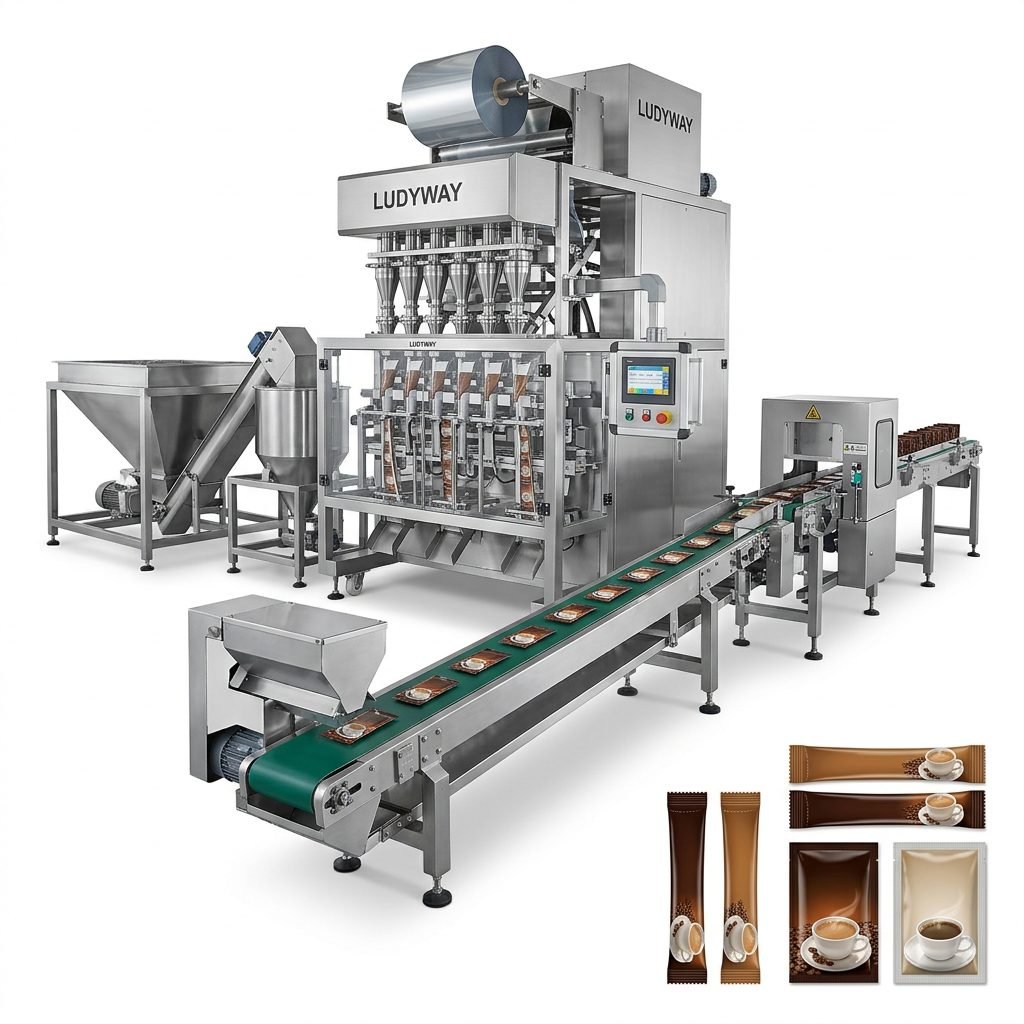
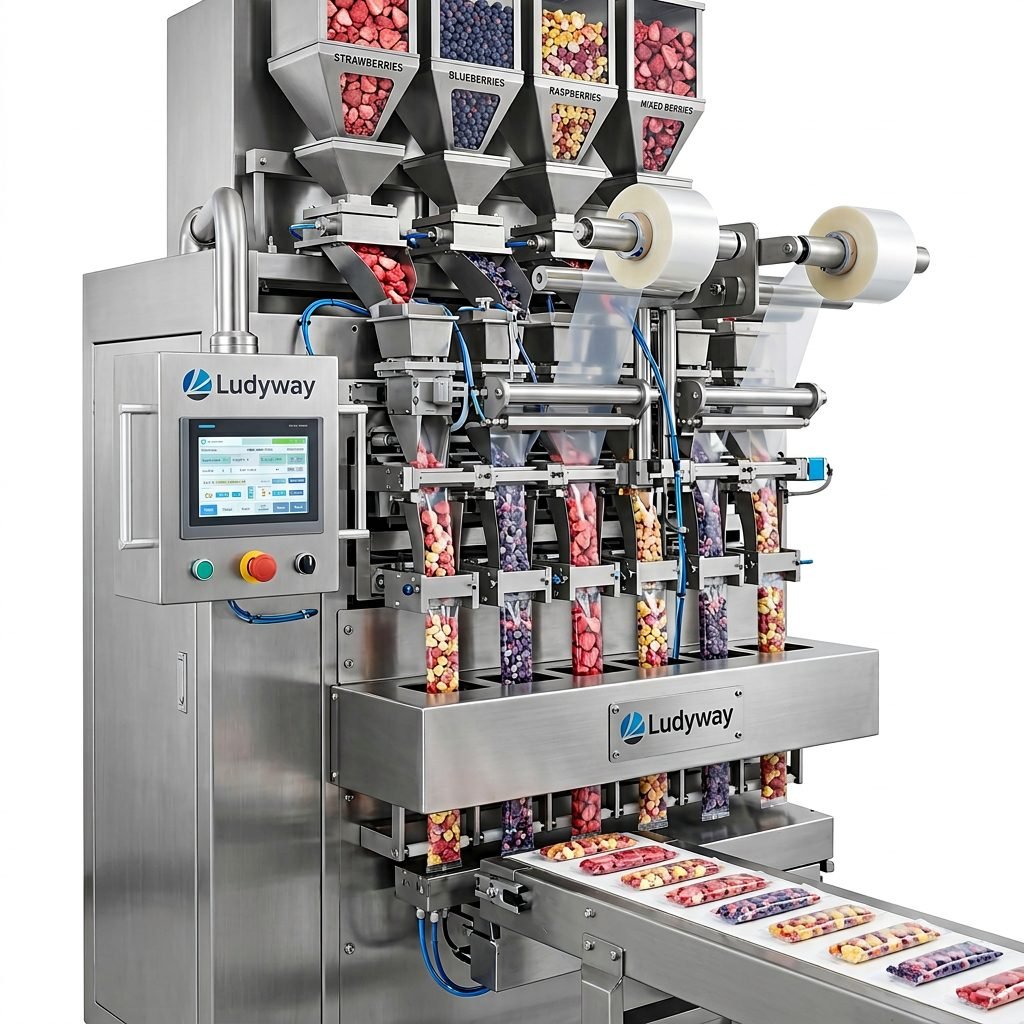
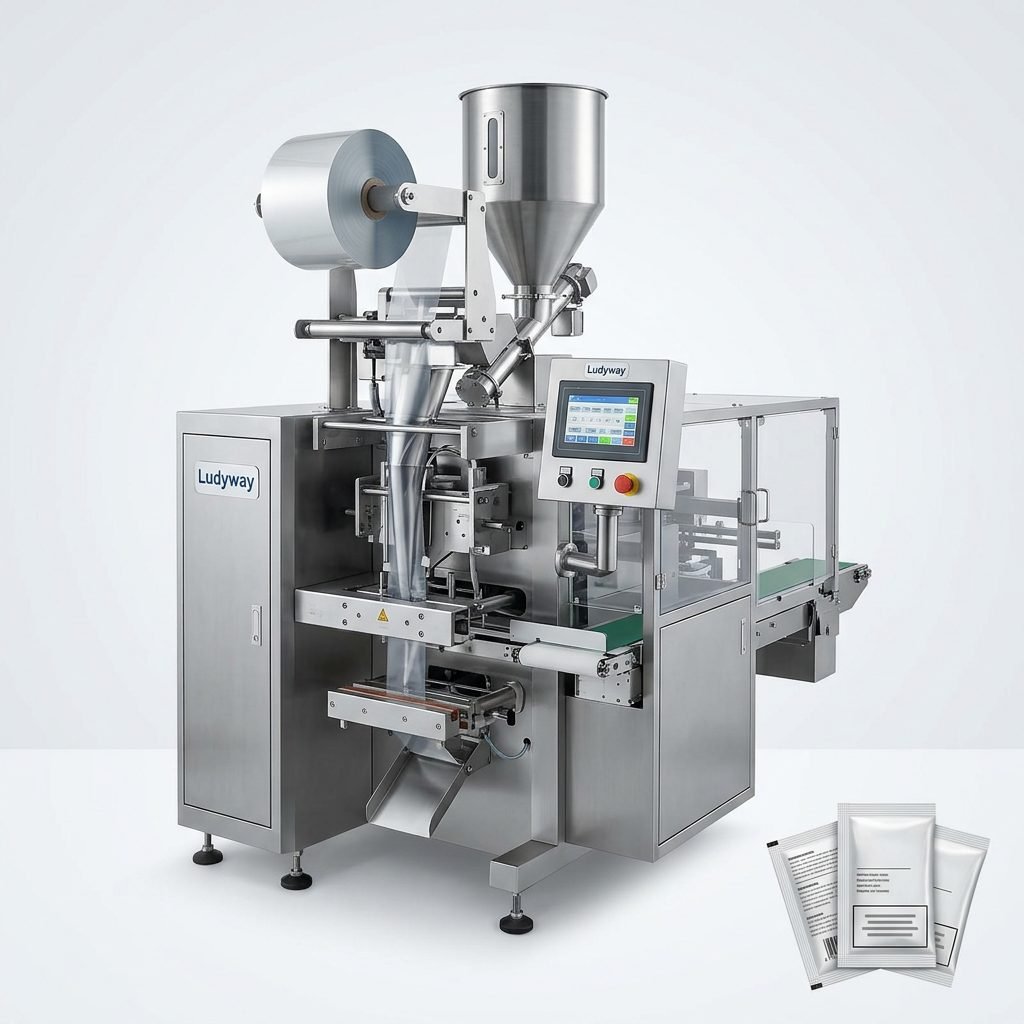
| Multi-Lane Stick Pack Machines | Narrow sachets/sticks | Freeze-pops and electrolyte ice sticks |
| Pre-formed Pouch Fill & Seal | Doypack or stand-up pouches | Premium fruit bars and gelato |
| Double Twist Wrapping | Traditional twist wrap | Molded ice candies |
Key Features to Look For in a Popsicle Packing Line
Given the humid and high-temperature environment of the Middle East, standard machines often fail. You need specific industrial adaptations. Prioritize stainless steel construction to prevent corrosion. Look for servo-driven sealing jaws that ensure airtight seals, preventing freezer burn during cold chain logistics.
- IP65 Rating: Essential for wash-down environments with sugary liquids.
- Cold-Temperature Sealing: Materials must seal effectively even when product temperature drops below -5°C.
- Gas Flushing Capability: Nitrogen flushing extends shelf life, a critical factor for GCC regulatory compliance as outlined by FDA packaging standards often referenced in regional trade.
- Quick Changeover: Minimizing downtime between different SKUs of ice cream and popsicles.
Regulatory Compliance in the GCC
Importing packaging machinery into the Middle East requires adherence to strict regulations. The Gulf Standardization Organization (GSO) mandates specific food contact materials. Furthermore, electrical components must withstand extreme heat. Suppliers must provide certifications for CE or equivalent standards. For insights into global packaging standards, the PMMI State of the Industry Report is a valuable resource for understanding evolving machinery benchmarks.
Why Automation is Non-Negotiable
Labor costs and reliability issues make manual packaging unfeasible for Middle Eastern factories. Automated counting, stacking, and cartoning systems are necessary to meet the high throughput demanded by large supermarket chains. A fully integrated line can handle up to 300 popsicles per minute, reducing physical contact and contamination risks.
Finding the Right Packaging Machine Supplier
Selecting a partner with experience in exotic markets is crucial. You need a manufacturer who understands the logistical challenges of shipping to Jebel Ali Port or the specific voltage requirements of Saudi industrial cities. A reliable supplier will offer remote diagnostics and local technical support.
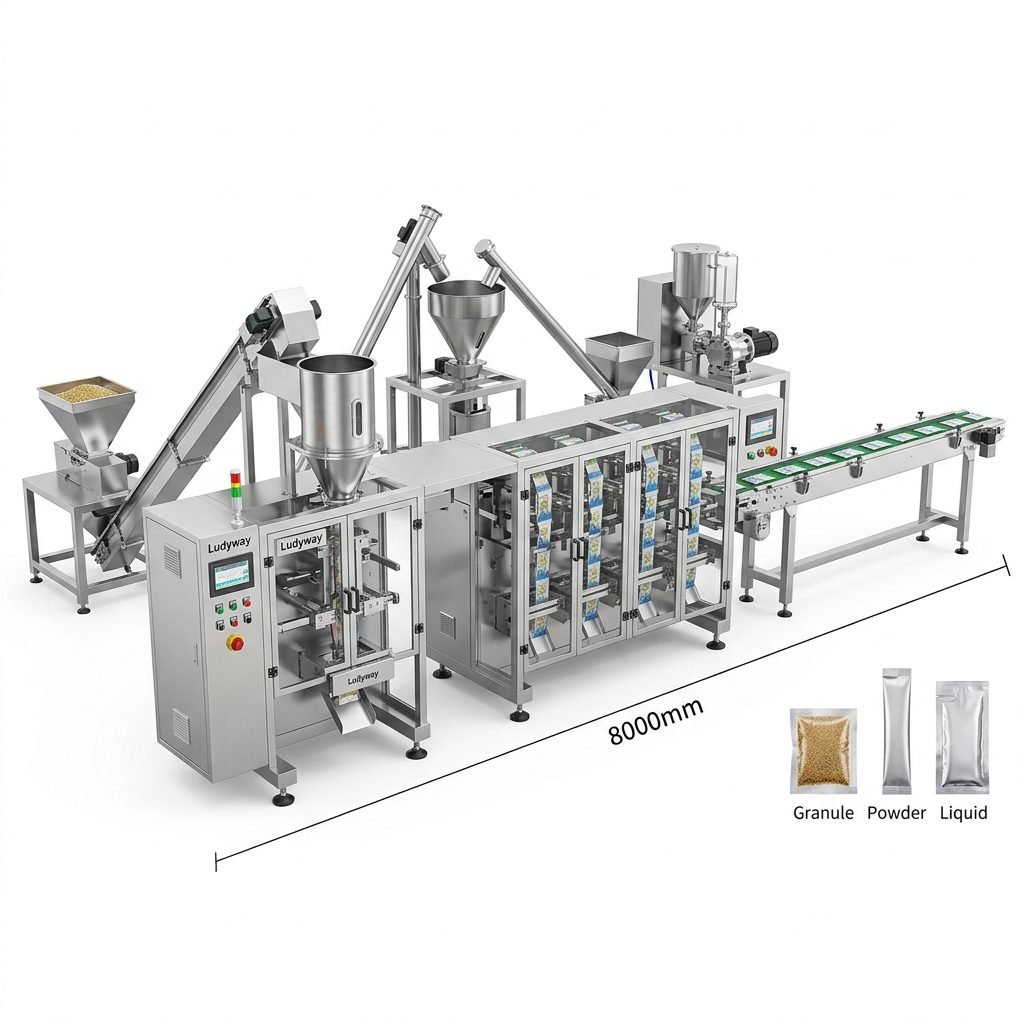
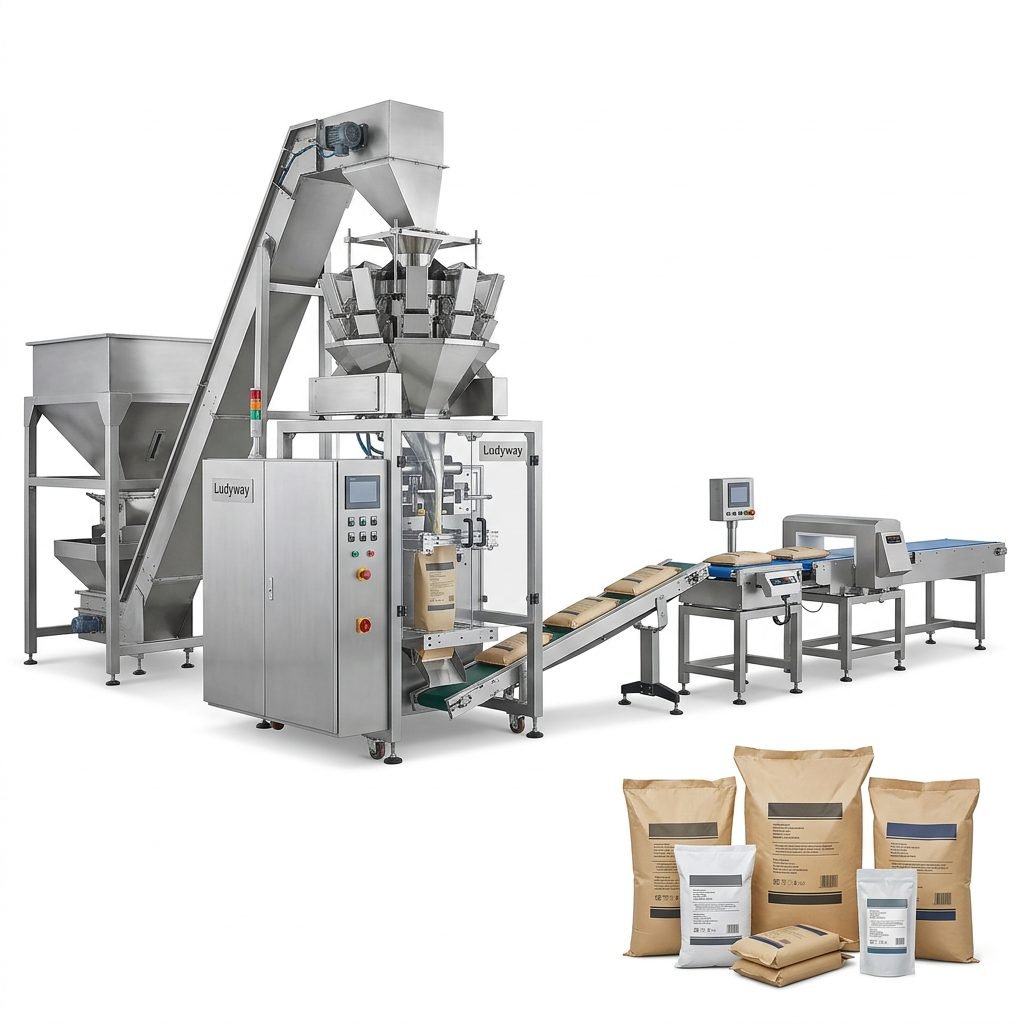
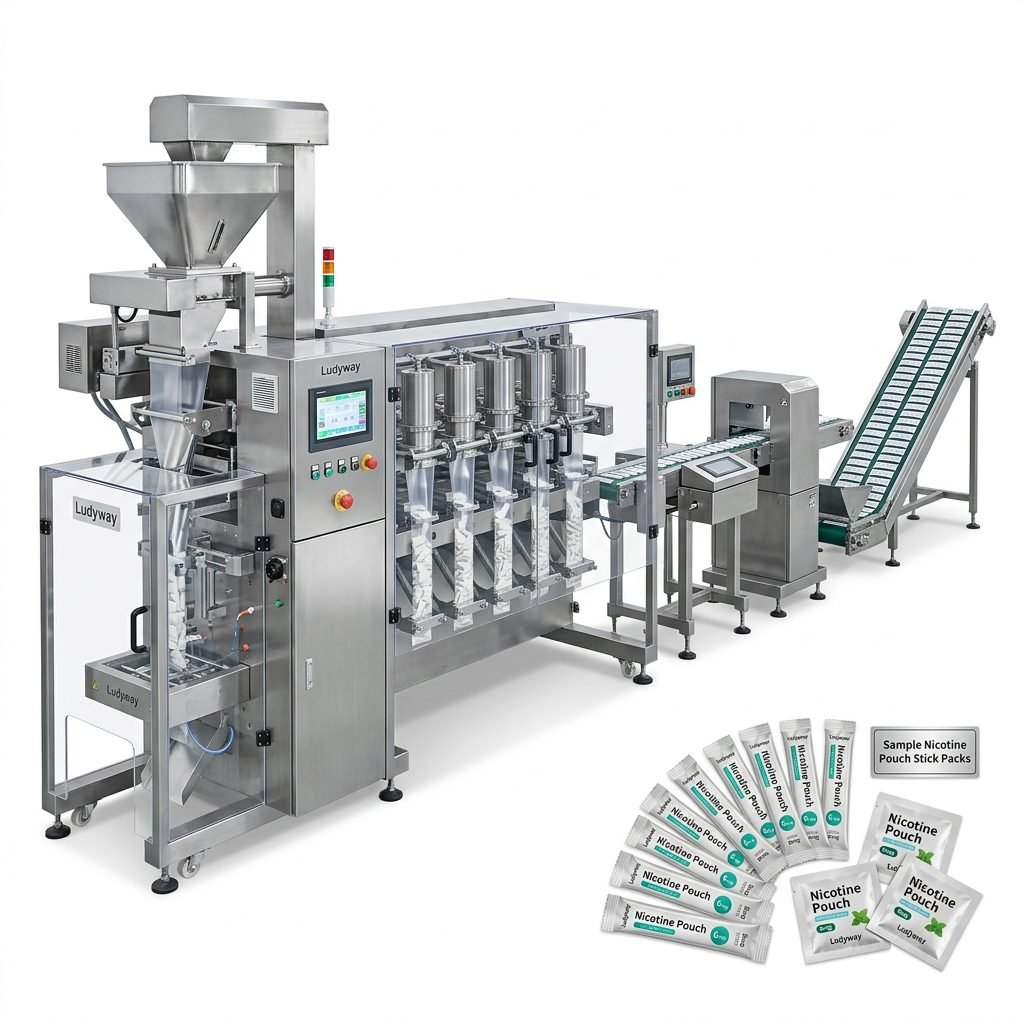
For turnkey production lines, established manufacturers like Ludyway provide integrated systems covering granule, powder, and liquid packaging, which are highly adaptable for the frozen liquid popsicle sector. When evaluating packaging industry resources, always prioritize durability and spare parts availability across the region.
Cost Considerations and ROI
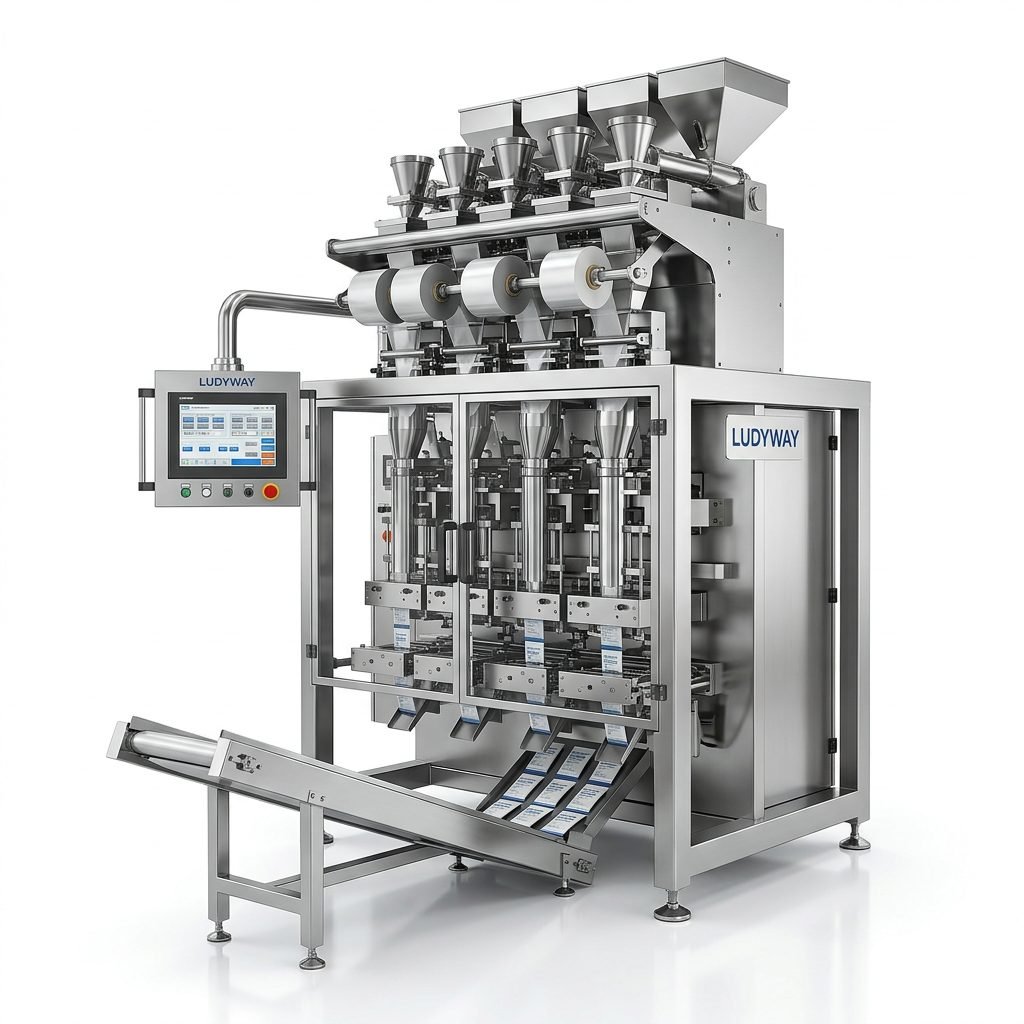
While the initial capital outlay for a high-speed popsicle packing machine is significant, the return on investment in the Middle East is rapid due to high margin products and energy subsidies in certain areas. Consider the total cost of ownership, including film usage optimization. Modern multi-lane stick pack machines reduce film waste by up to 15% compared to older models.
Pro Tip: Always request a factory acceptance test (FAT) with your specific popsicle mixture, as sugar content and viscosity drastically alter filling performance and seal integrity.
Trends Shaping the Frozen Packaging Sector
The industry is moving toward sustainable and interactive packaging. Consumers in Dubai and Doha demand transparency, leading to the rise of clear window films and digitally printed limited-edition popsicle wrappers.
- Eco-friendly biodegradable films for plastic-free popsicles.
- QR code integration on packaging for augmented reality marketing.
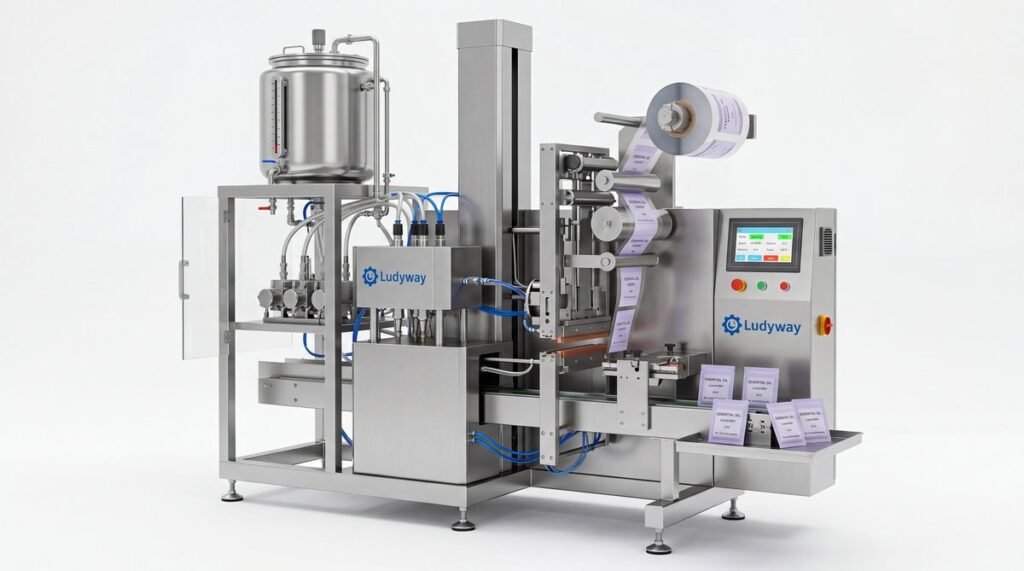
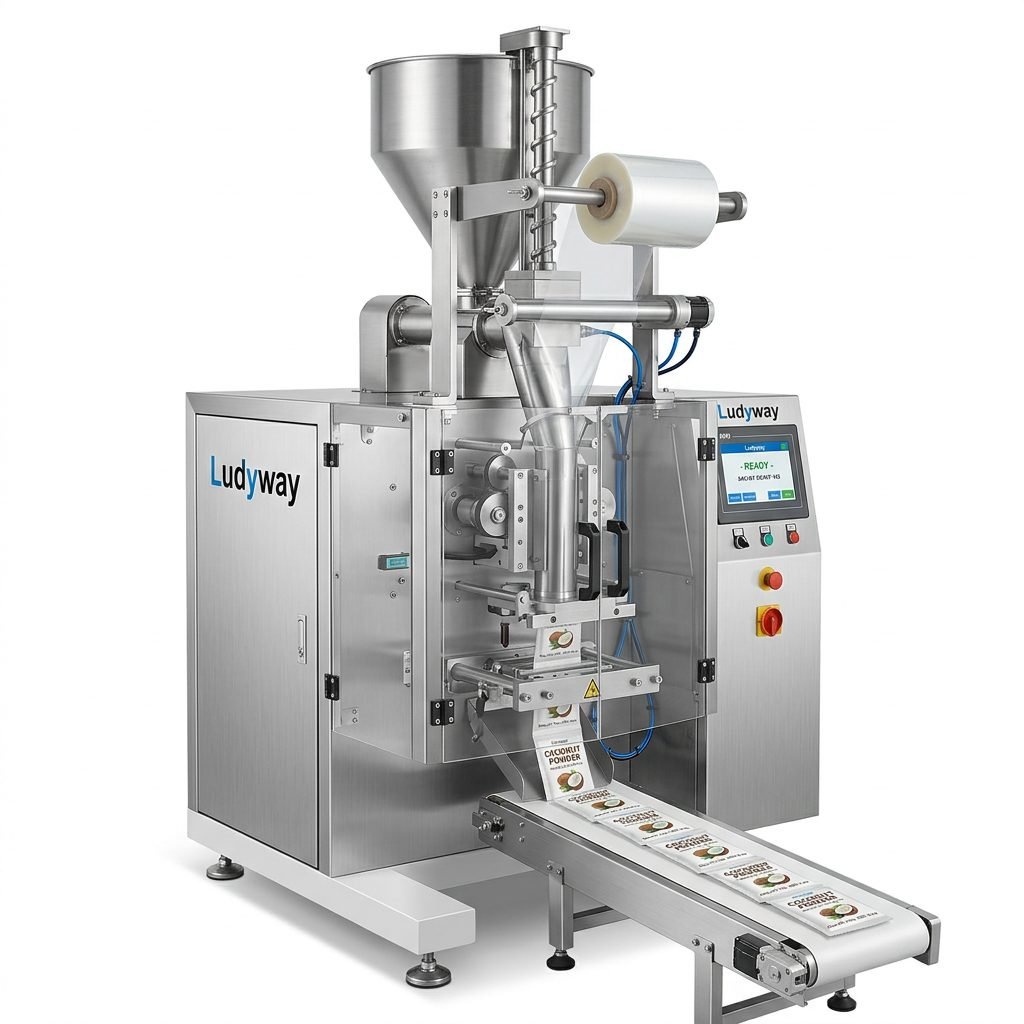
- Hybrid machines capable of handling liquid fill for popsicles and dry fill for powder sachets, offering seasonal versatility to offset idle months.
Frequently Asked Questions
What is the best packaging for ice pops in hot climates?
Metallic films with high barrier properties are preferred. They reflect heat and prevent UV damage, keeping the popsicle structurally stable longer if the cold chain is briefly broken during transport in Riyadh or Kuwait City.
Can I pack both liquid and solid popsicles on one machine?
Yes, if you choose a machine equipped with both volumetric liquid fillers and a granule conveyor. This is common for producers making both juice pops and slushy granular snacks. Proper cleaning protocols between batches are essential.
How do I maintain the machine in sandy environments?
Centralized lubrication systems and positive air pressure cabinets prevent fine desert sand from damaging linear bearings and sealing jaws. Consistent maintenance following the ISO packaging standards guidelines is critical.