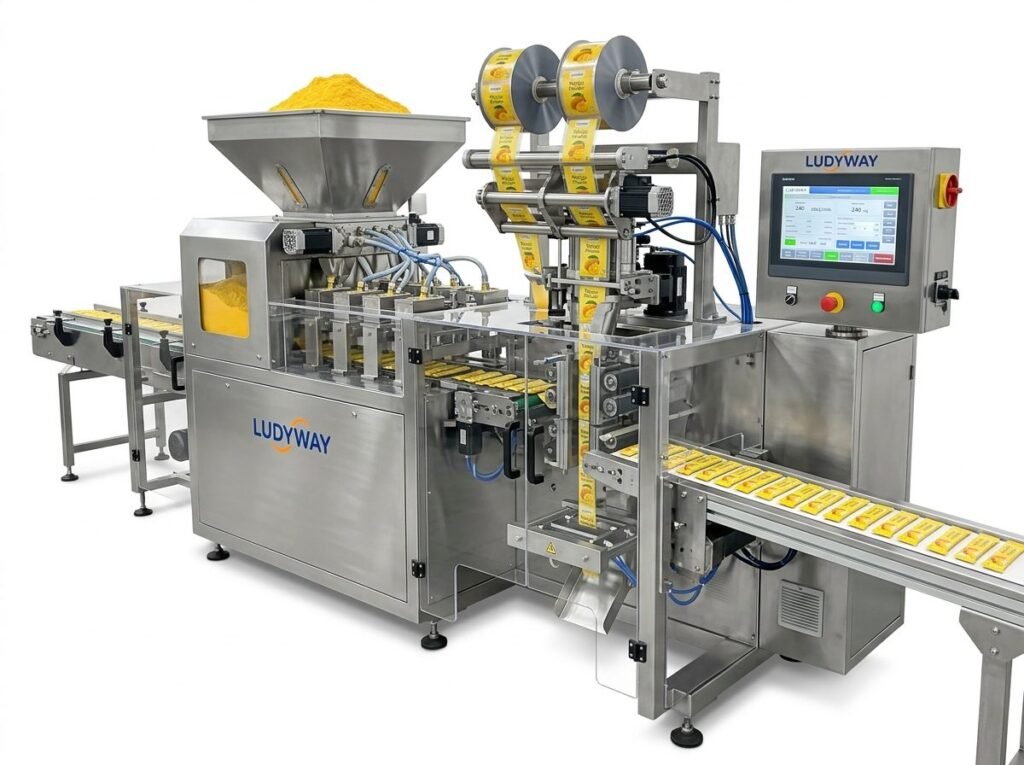
Investing in a drink packaging machine is a critical decision for any beverage business in the United States. Whether you are launching a new ready-to-drink product, expanding your powder supplement line, or scaling up production of single-serve sachets, the right equipment directly impacts your productivity, product quality, and bottom line. This comprehensive guide walks you through every factor you need to evaluate before making a purchase.
Understanding Drink Packaging Machine Types
Before diving into specifications, it is essential to understand the different categories of drink packaging machines available on the U.S. market. Each type serves distinct production needs and product formats.
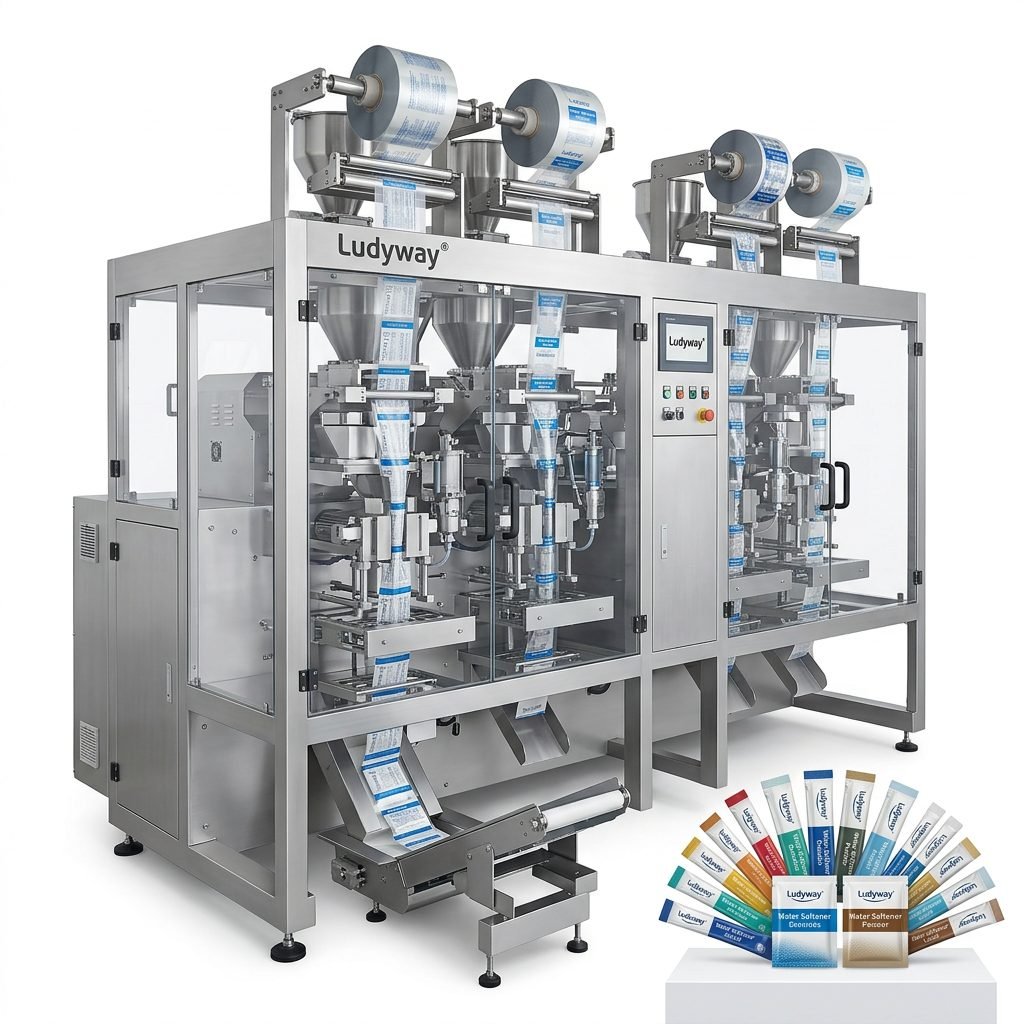
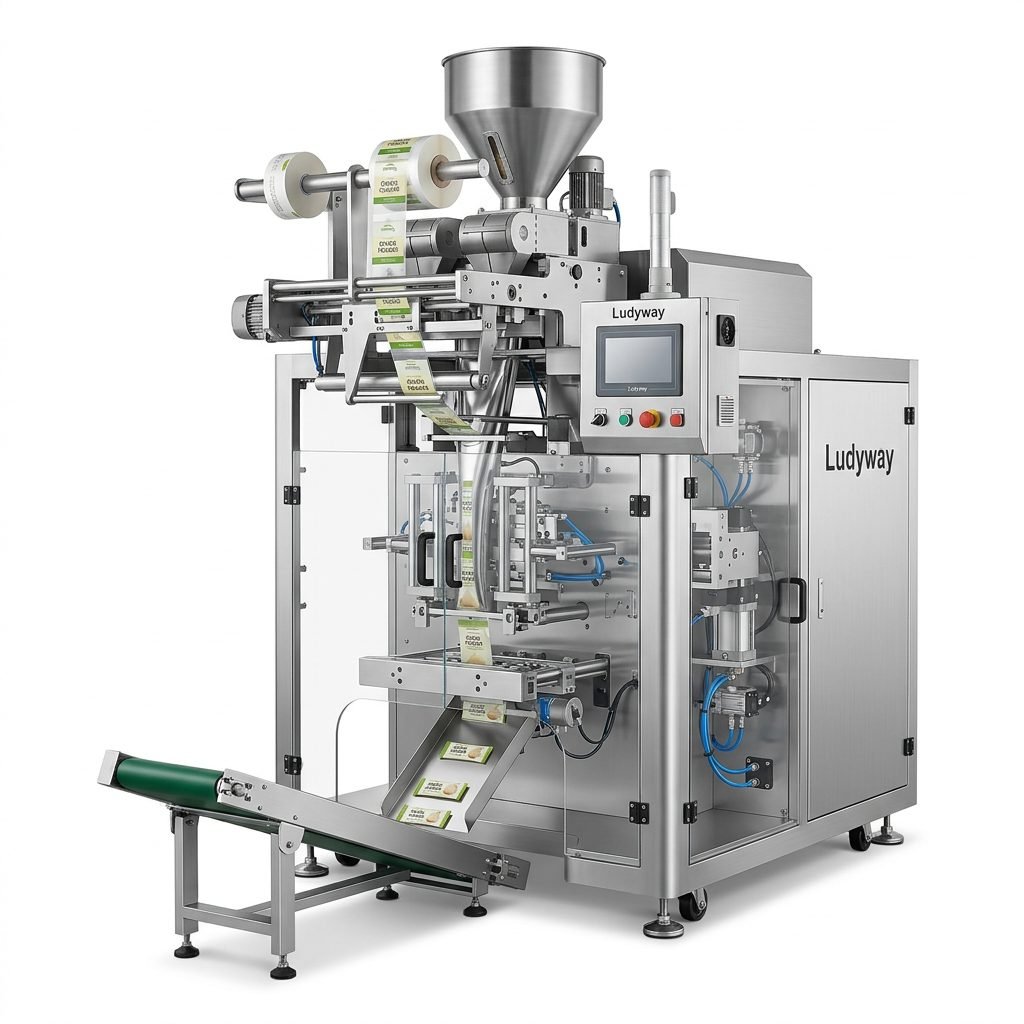
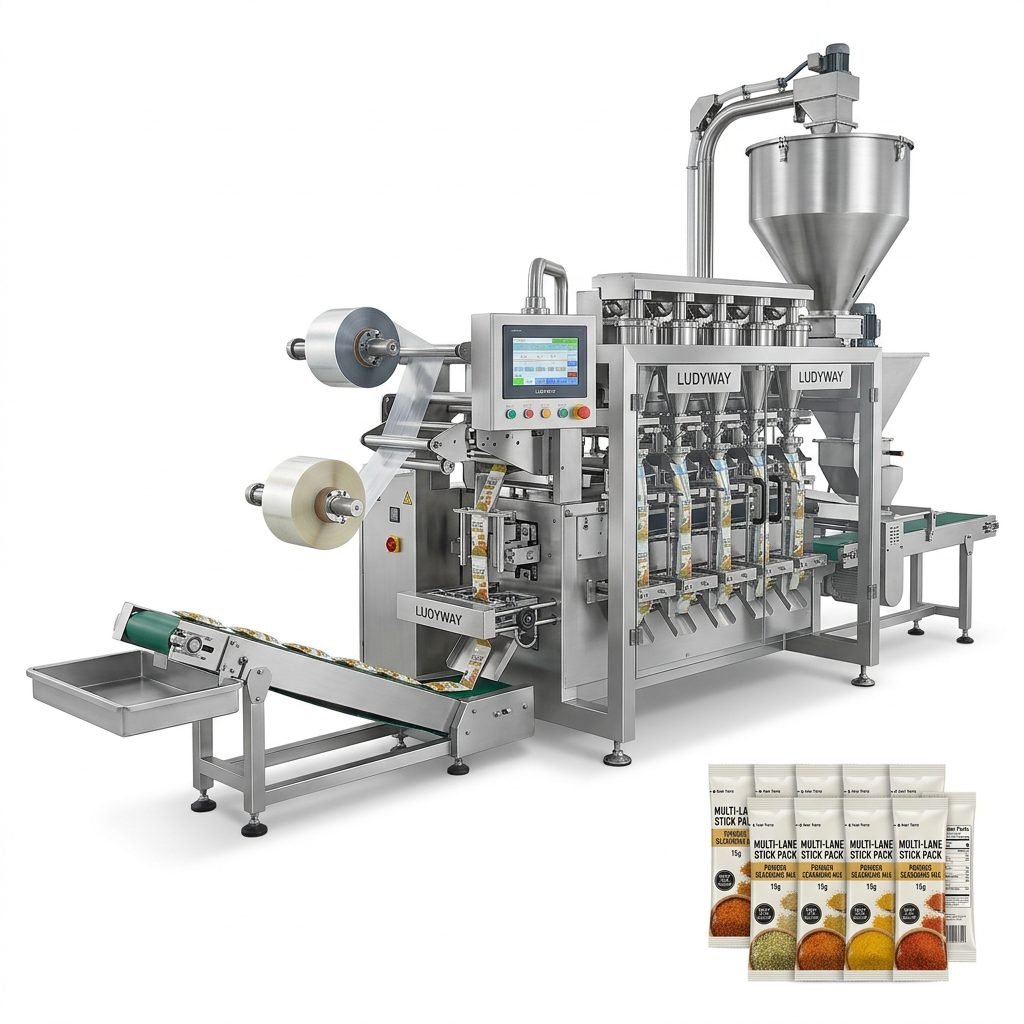
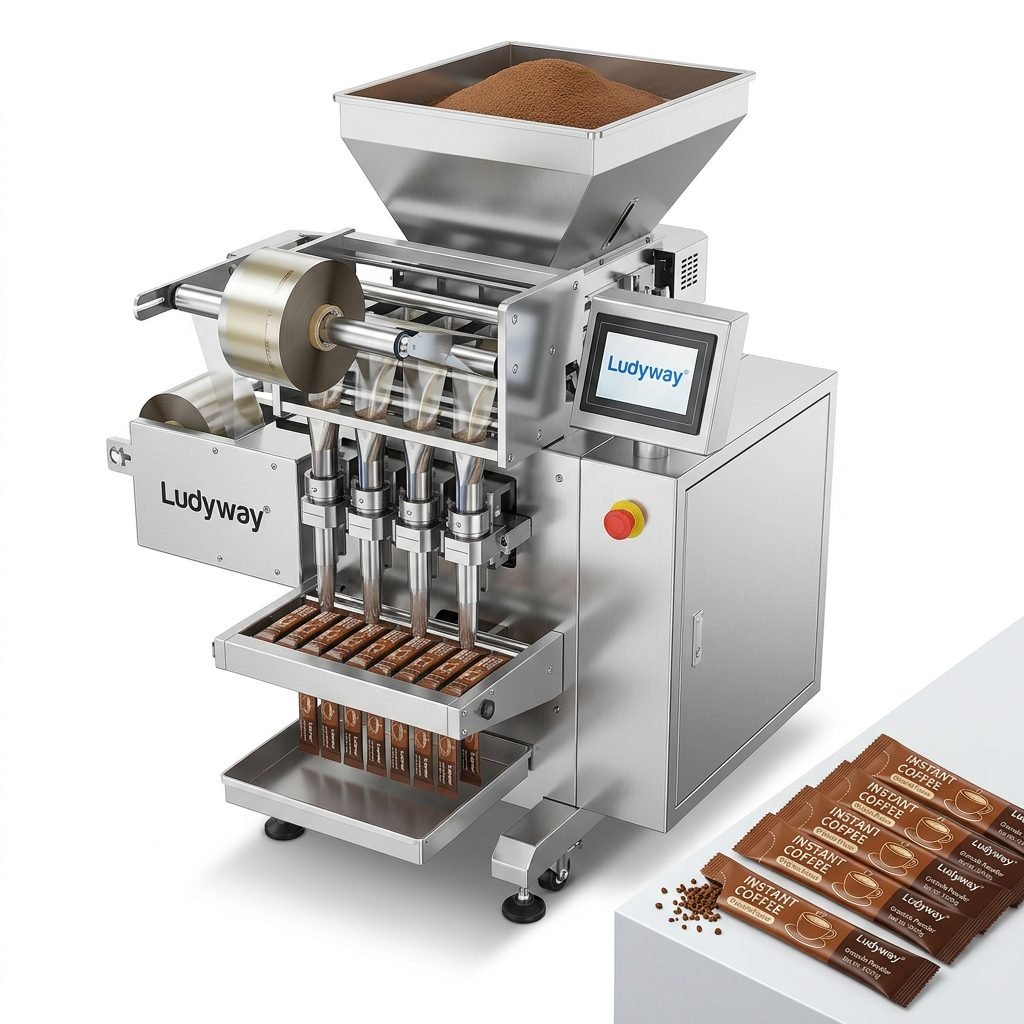
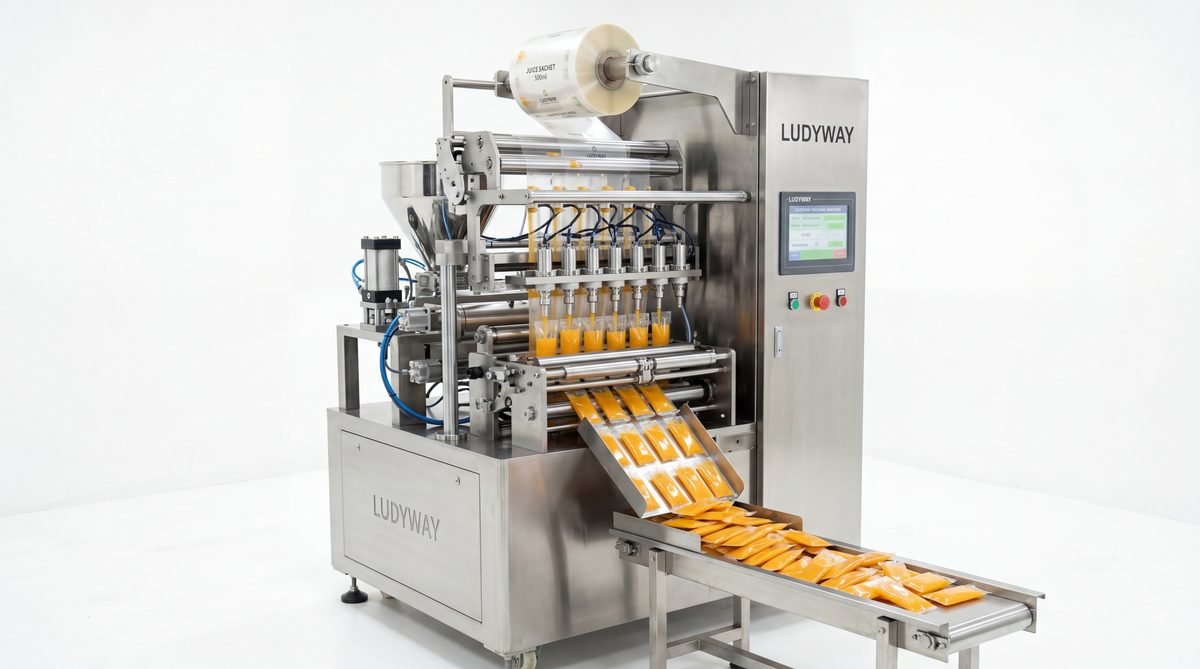
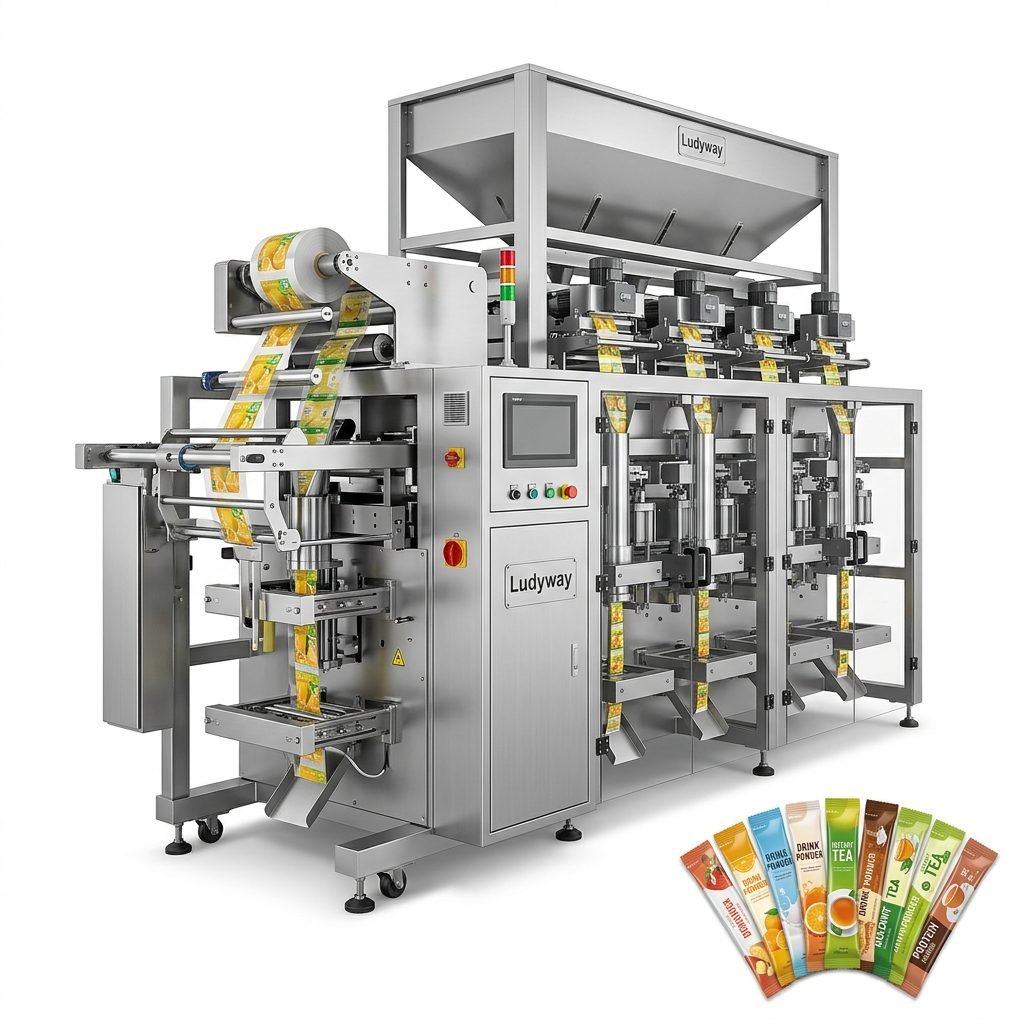
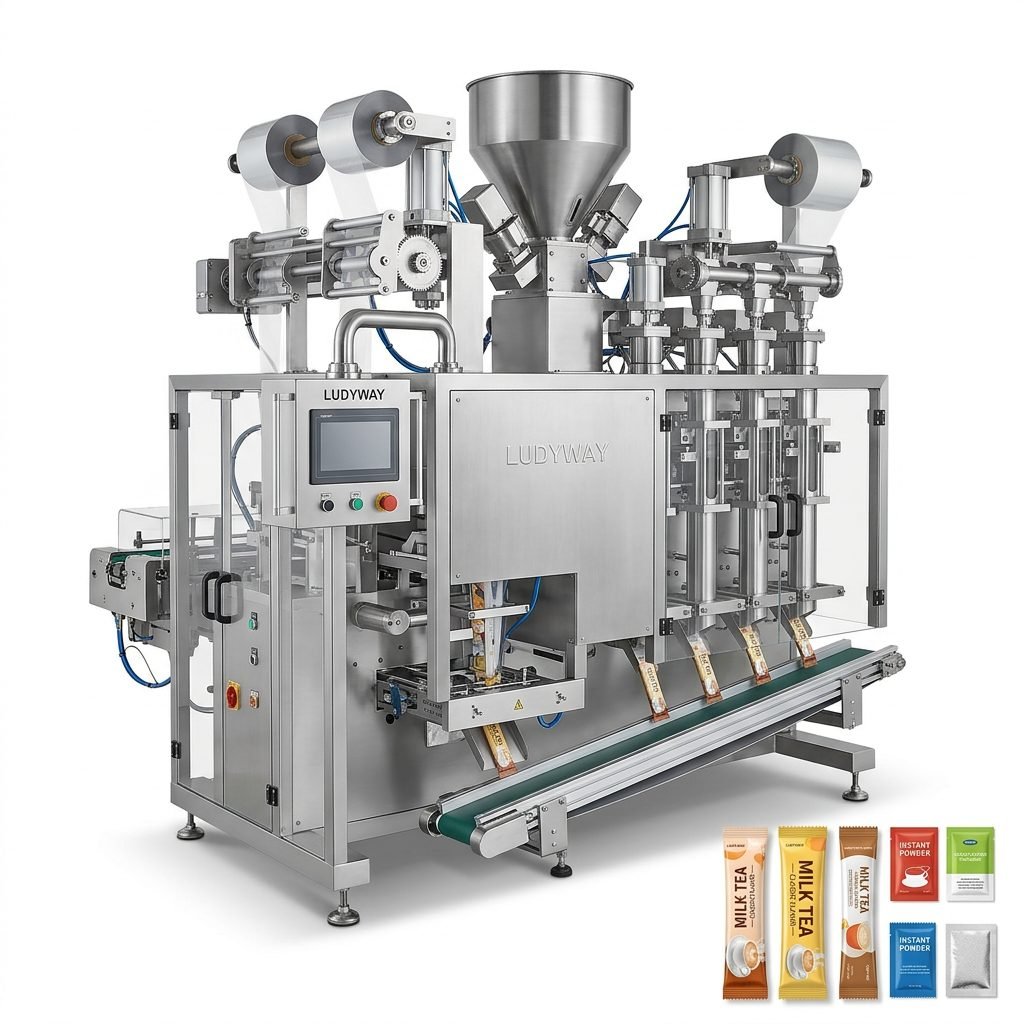
- Stick Pack Machines: Ideal for single-serve powder drinks, protein supplements, and instant coffee. These machines create narrow, elongated sachets perfect for on-the-go consumption.
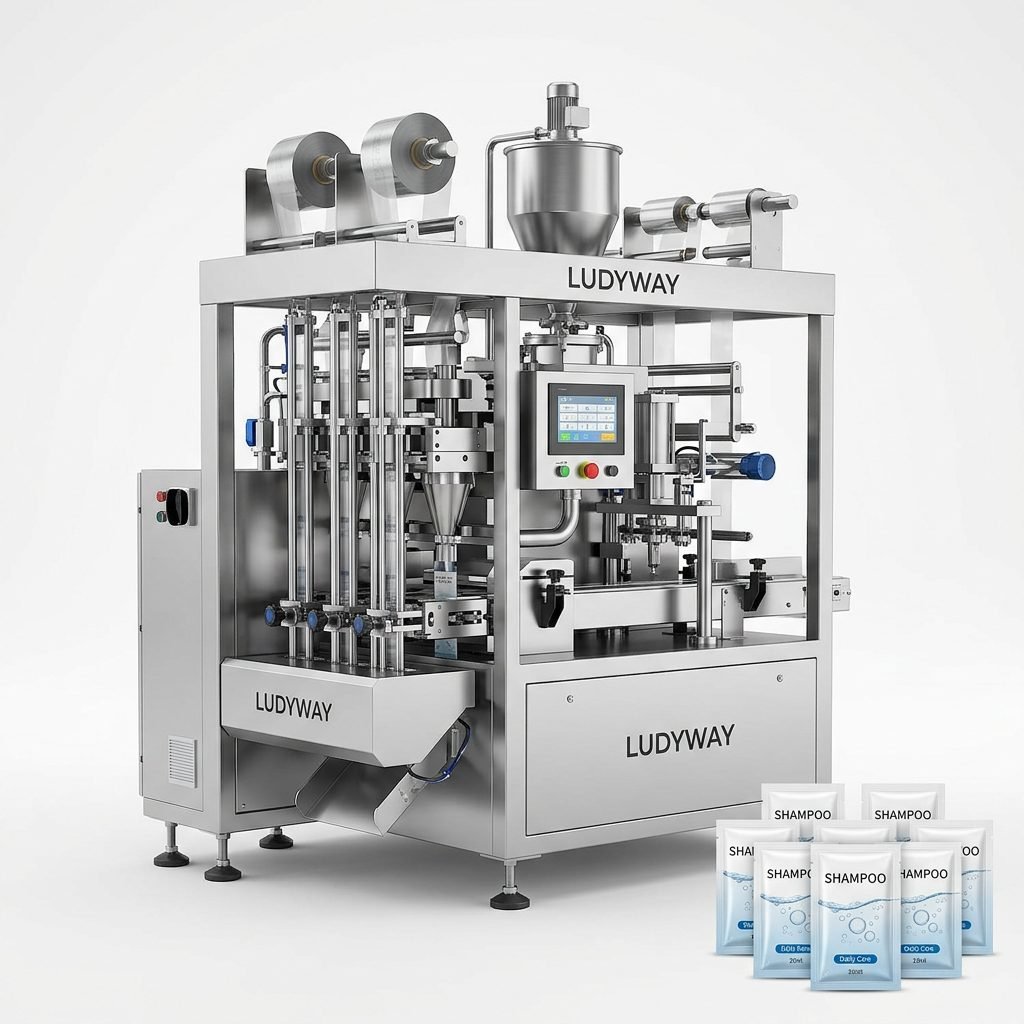
- Sachet Packaging Machines: Suitable for liquid concentrates, juice powders, and tea blends in flat rectangular or square pouches with multiple sealing options.
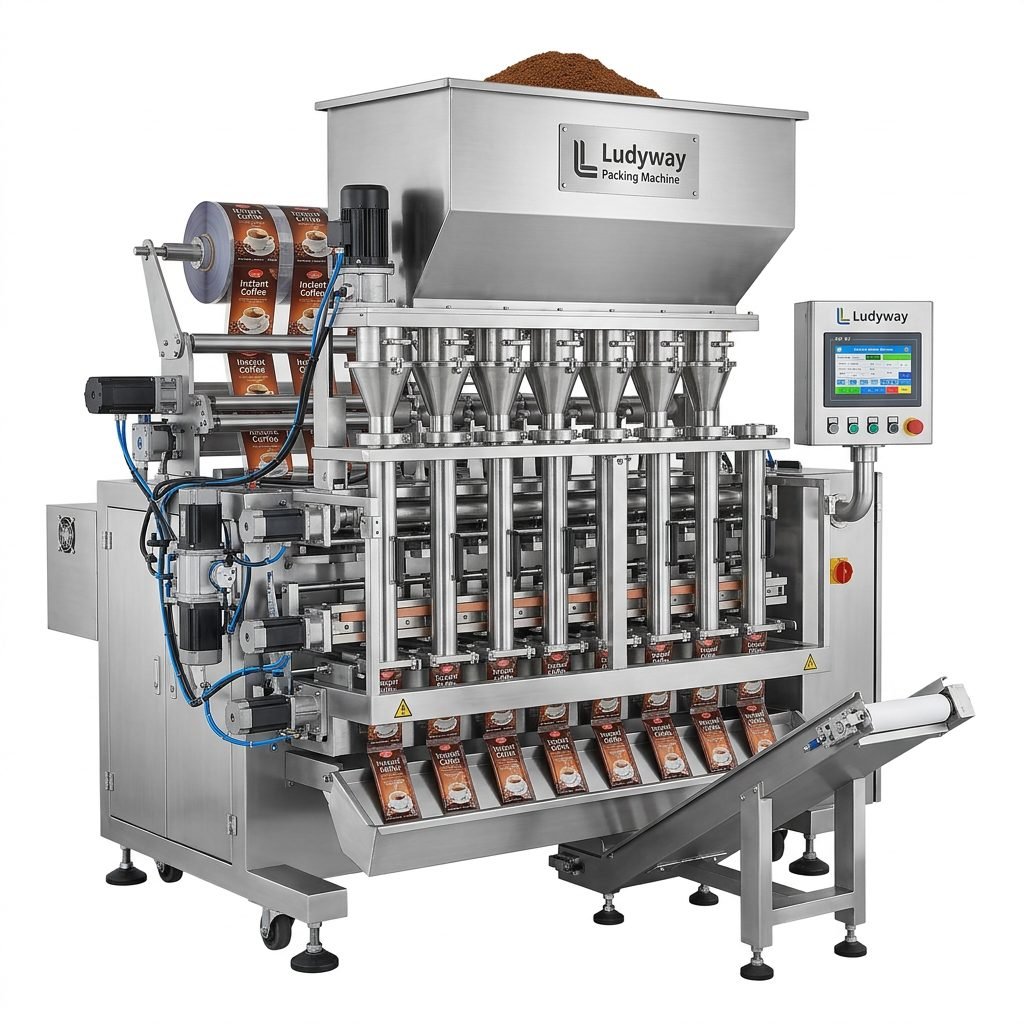
- Multi-Lane Packaging Systems: High-output machines with 4 to 20 lanes running simultaneously, designed for large-scale beverage powder production.
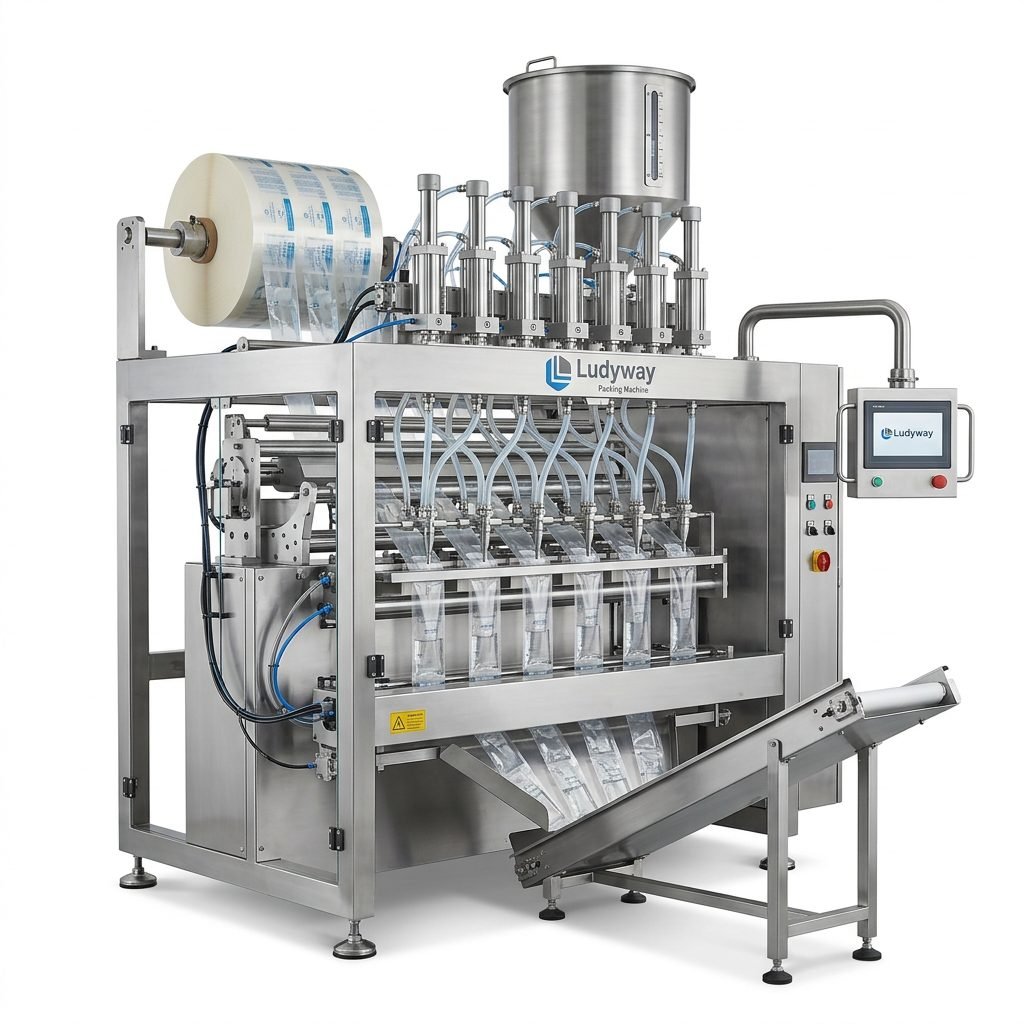
- Liquid Filling and Sealing Machines: Purpose-built for ready-to-drink liquid products in pouches, bottles, or stick packs with precision dosing technology.
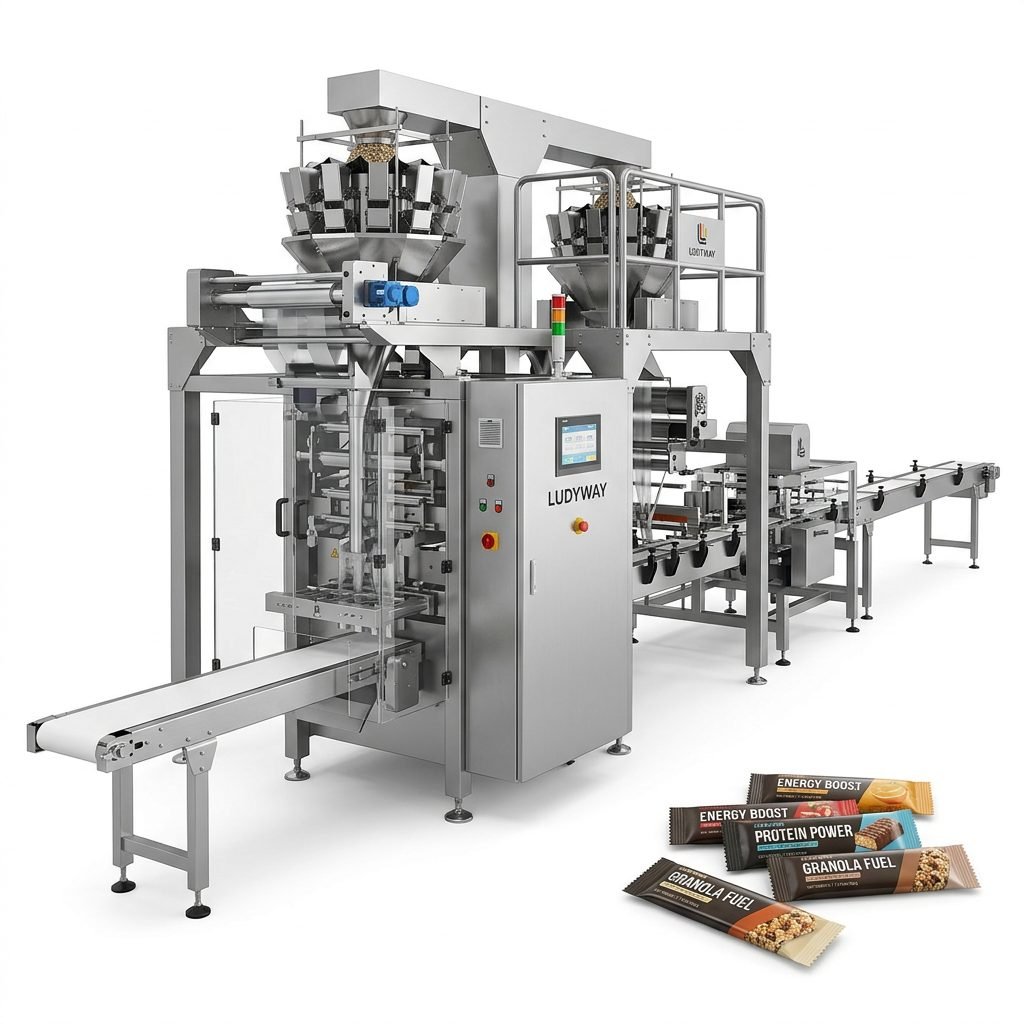
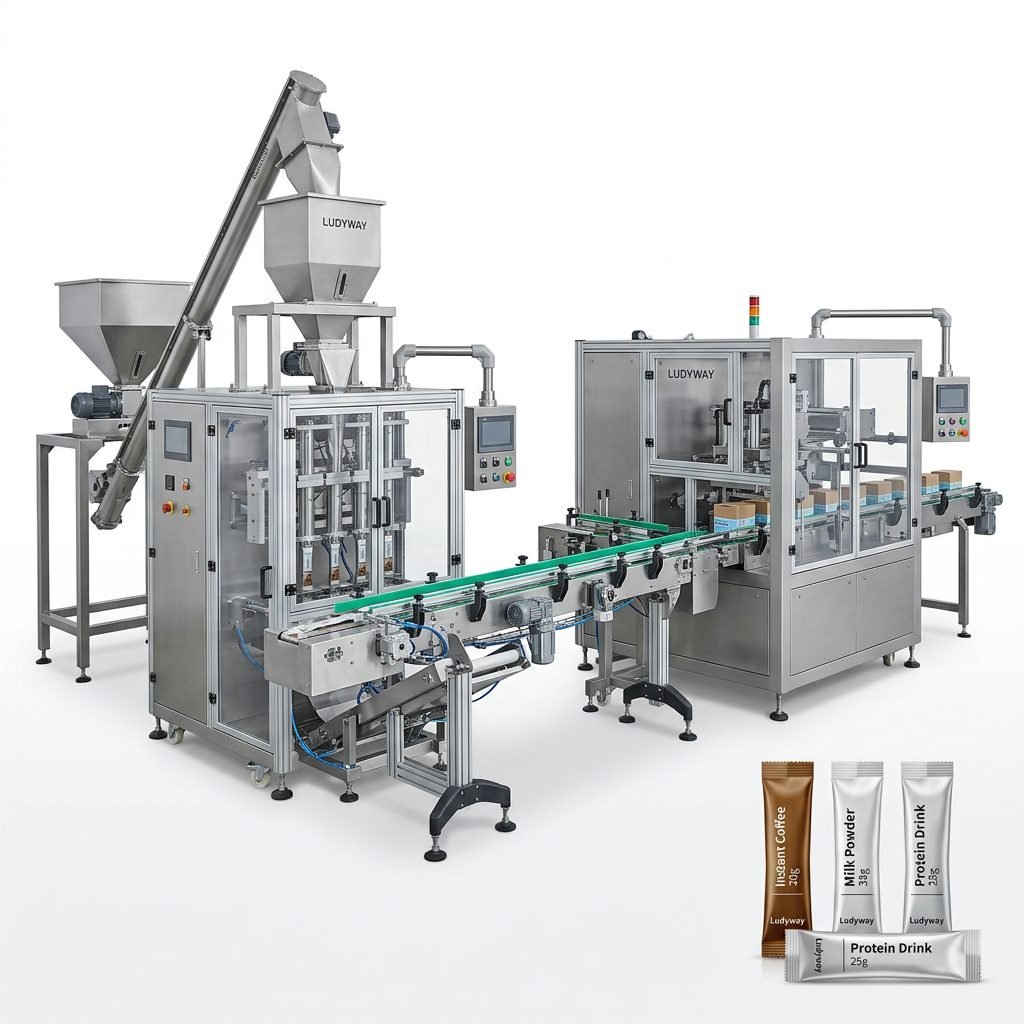
- Turnkey Packaging Lines: Fully integrated systems that combine filling, sealing, cartoning, and palletizing into one automated workflow.
Key Factors to Consider When Choosing a Drink Packaging Machine
Selecting the best drink packaging equipment requires a systematic evaluation of your production requirements, budget constraints, and long-term growth plans. Below are the most important criteria to assess.
Production Capacity and Speed Requirements
Your current and projected output volumes should dictate the speed rating of your machine. A small startup producing 5,000 units per day has vastly different needs than a contract packager running 500,000 units daily. Multi-lane stick pack machines can achieve speeds of 400 to 1,200 packs per minute, while single-lane models typically operate at 40 to 80 packs per minute. Always factor in at least 20% headroom above your current maximum demand to accommodate future growth.
Product Compatibility and Flexibility
Different beverage formulations present unique packaging challenges. Consider the following:
- Dry Powders: Protein mixes, meal replacement powders, and coffee granules require precise auger or volumetric filling systems with dust control features.
- Hygroscopic Products: Ingredients like collagen peptides and electrolyte powders absorb moisture quickly, demanding machines with excellent sealing integrity and optional nitrogen flushing.
- Liquid Beverages: Juices, energy shots, and liquid concentrates need piston or peristaltic filling systems with drip-free nozzles and sanitary construction.
- Hybrid Products: Some drinks combine granules and powders, requiring machines capable of handling multiple material types simultaneously.
Packaging Format and Material Options
The packaging format you choose impacts consumer convenience, shelf appeal, and production costs. Common formats for drink products include:
| Packaging Format | Best For | Typical Volume | Material Options |
|---|---|---|---|
| Stick Pack | Single-serve powders, coffee, supplements | 1g – 30g | Foil laminate, PET/AL/PE |
| Flat Sachet | Liquid concentrates, tea, juice powders | 5ml – 100ml | Foil, plastic laminates |
| Stand-Up Pouch | Premium powders, multi-serve drinks | 50g – 2kg | Kraft paper, foil, zipper options |
| Bottle Filling | Ready-to-drink liquids, shots | 30ml – 2L | PET, glass, HDPE |
Automation Level and Integration
Modern drink packaging machines range from semi-automatic to fully automated intelligent packaging systems. Semi-automatic machines require manual loading and unloading, suitable for startups with limited budgets. Fully automatic lines integrate filling, sealing, coding, cartoning, and palletizing, reducing labor costs and human error. When evaluating automation, consider whether the machine can connect with your existing upstream and downstream equipment.
Regulatory Compliance in the United States
Any drink packaging machine operating in the U.S. market must comply with strict regulatory requirements enforced by the FDA food packaging regulations. Key compliance areas include:
- Food Contact Materials: All packaging materials and machine surfaces in contact with beverages must meet FDA 21 CFR standards for indirect food additives.
- Sanitary Design: Machines should follow 3-A Sanitary Standards or equivalent guidelines, with easy-to-clean surfaces, minimal crevices, and CIP compatibility for liquid systems.
- GMP Compliance: Equipment must support ISO packaging standards and Good Manufacturing Practices as outlined in 21 CFR Part 110.
- Electrical Safety: Machines must meet UL or ETL certification requirements for electrical systems used in U.S. facilities.
- OSHA Standards: Equipment must incorporate proper guarding, emergency stops, and noise control to meet workplace safety regulations.
Cost Considerations and ROI Analysis
The price of a drink packaging machine varies significantly based on capacity, automation level, and configuration. A basic single-lane sachet machine may start around $15,000 to $30,000, while a fully automated multi-lane turnkey system can exceed $300,000. Beyond the initial purchase, factor in these costs:
- Installation and Commissioning: Professional setup, calibration, and staff training typically add 5% to 15% to the machine cost.
- Maintenance and Spare Parts: Budget approximately 3% to 5% of the machine value annually for preventive maintenance and critical spare parts.
- Consumables: Packaging film, ink for coding, and cleaning supplies represent ongoing operational costs.
- Energy Consumption: High-speed electric and pneumatic systems can add significant utility expenses over the machine’s lifespan.
Calculate your return on investment by comparing labor savings, reduced material waste, increased throughput, and improved product consistency against the total cost of ownership over 5 to 7 years.
Choosing the Right Supplier
Selecting a reliable packaging machine manufacturer is just as important as choosing the right machine specifications. Evaluate potential suppliers based on:
- Industry Experience: Look for manufacturers with a proven track record in the beverage and drink powder sectors, demonstrating familiarity with product-specific challenges.
- Technical Support: Ensure the supplier offers responsive after-sales service, remote troubleshooting, and readily available spare parts within the United States.
- Customization Capability: Your product may require specialized dosing systems, modified sealing mechanisms, or custom packaging formats that off-the-shelf machines cannot provide.
- References and Case Studies: Request customer testimonials and documented success stories from businesses similar to yours in scale and product type.
- Factory Audits: Whenever possible, visit the manufacturing facility or arrange a virtual tour to assess production quality and engineering capabilities.
One example of an established manufacturer in this space is Ludyway, which offers over 50 intelligent packaging machine models and has served customers in more than 100 countries. With a 20,000㎡ modern production facility and over 30 years of industry experience, the company provides turnkey packaging lines for granule, powder, and liquid drink applications.
Testing and Validation Before Purchase
Never commit to a drink packaging equipment purchase without thorough testing. Most reputable manufacturers offer factory acceptance testing where you can run your actual product on the machine. This validates:
- Fill accuracy and consistency with your specific powder or liquid density
- Seal integrity at your target production speed
- Material compatibility with your chosen packaging film
- Changeover time between different product formats
- Overall equipment effectiveness under real production conditions
Request detailed test reports and video documentation if you cannot attend in person. This step is critical for avoiding costly surprises after installation.
Future-Proofing Your Investment
The U.S. beverage market evolves rapidly, with growing demand for sustainable packaging, smart packaging features, and flexible packaging solutions. When selecting your machine, consider modular designs that allow for future upgrades such as adding more lanes, integrating new filling technologies, or incorporating recyclable mono-material films. Machines with open-architecture controls and IoT connectivity provide better data visibility and easier integration with factory management systems down the line. Investing in a versatile, upgradeable platform today can save significant capital expenditure as your business grows.
Final Checklist Before Making Your Decision
Use this summary checklist to guide your drink packaging machine selection process:
- Define your product specifications — powder, liquid, or hybrid; single-serve or multi-serve; target fill weight and accuracy requirements.
- Calculate required throughput — current daily output plus 20% to 30% growth buffer for the next 3 to 5 years.
- Verify U.S. regulatory compliance — confirm FDA, UL, and OSHA requirements are met by the equipment.
- Evaluate total cost of ownership — include installation, training, maintenance, consumables, and energy costs over 5 years.
- Request product-specific testing — run your actual drink product on the machine before signing the purchase agreement.
- Assess supplier support infrastructure — confirm U.S.-based technical service, spare parts availability, and warranty terms.
- Plan for future scalability — choose modular equipment that can grow with your production needs.
Choosing the right drink packaging machine is a strategic investment that shapes your production efficiency, product quality, and competitive position in the U.S. beverage market. By systematically evaluating machine types, production requirements, regulatory obligations, and supplier credentials, you can make an informed decision that supports your business goals for years to come. Take the time to test, compare, and validate before committing, and you will build a packaging operation that delivers consistent, high-quality results.